Letters & early reading
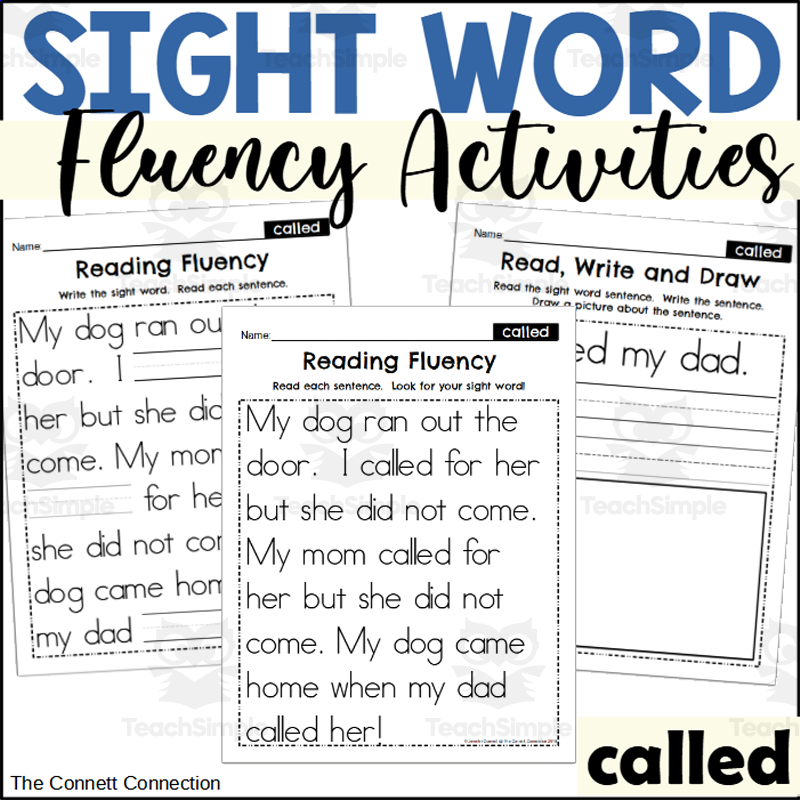
Sight Word Fluency Packet - called
Sight word fluency practice for the target word "called": students read the word in context, recall it in a fill-in-the-blank passage, then copy a sentence using it and draw a picture.


Classroom resources
Browse by lesson focus
Choose the topic or kind of practice you need.
Showing 3337–3360 of 6055 resources

 Show filters
Sight word fluency practice for the target word "called": students read the word in context, recall it in a fill-in-the-blank passage, then copy a sentence using it and draw a picture.
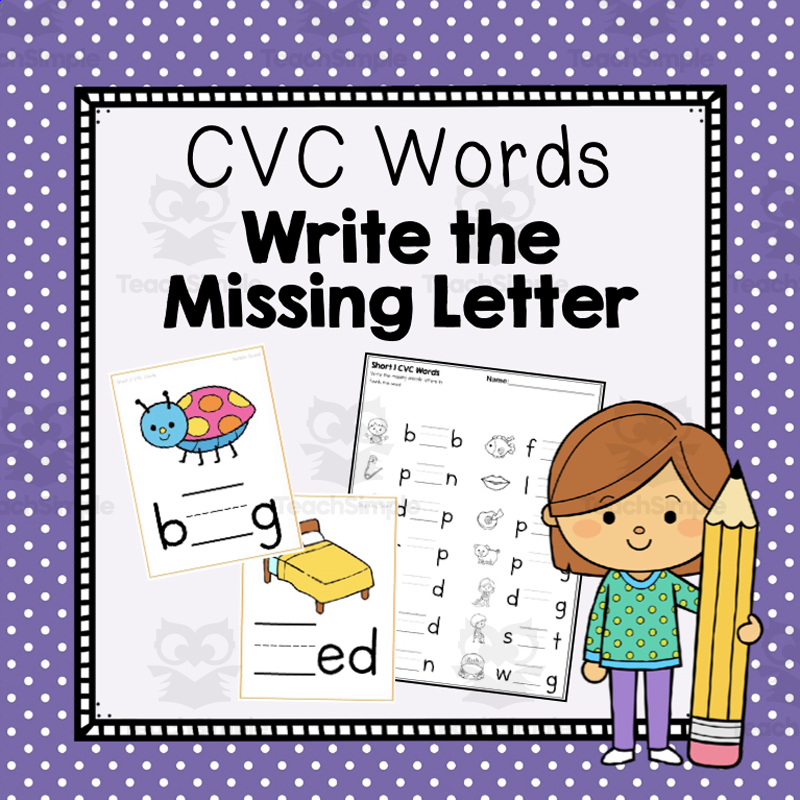
Phonics activity packet teaching students to identify and write missing beginning, middle, and ending letters/sounds in CVC words, via task cards and worksheets.
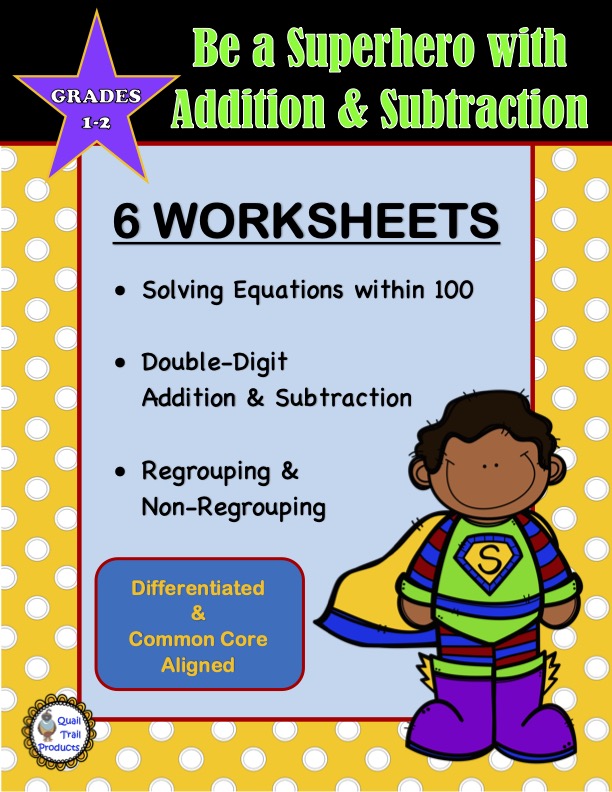
Give grade 1-2 students practice with addition and subtraction, including double-digit regrouping and non-regrouping problems, using a self-checking 'fix the villain's wrong answers' format.
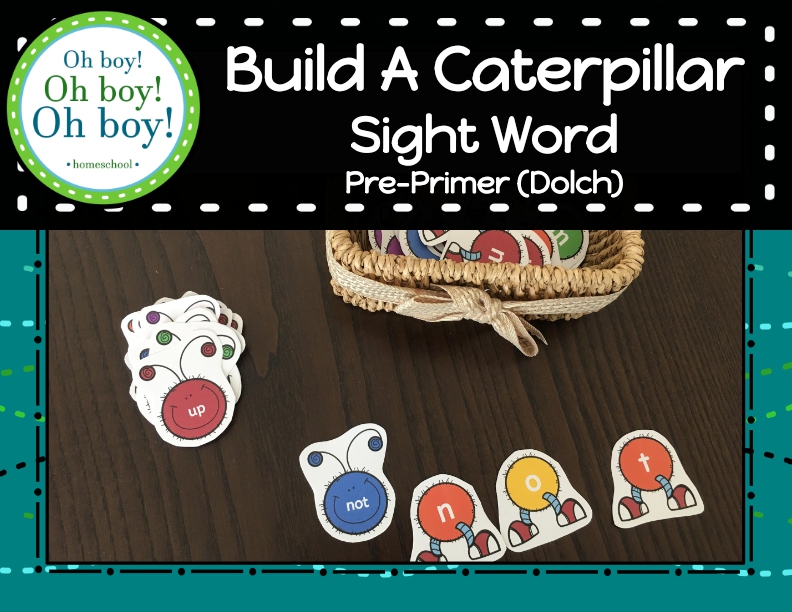
A hands-on center activity where students build Dolch third-grade sight words using printable caterpillar head and body pieces (product is titled 'Dolch' generically but the file itself is the Third Grade set).

Help elementary students (grades 1-4) identify and name feelings, practice empathy, and learn healthy coping skills, using a dinosaur-character storybook and follow-up worksheets.

Give early readers repeated, contextualized practice reading, writing, and using the sight word "same" in simple sentences.
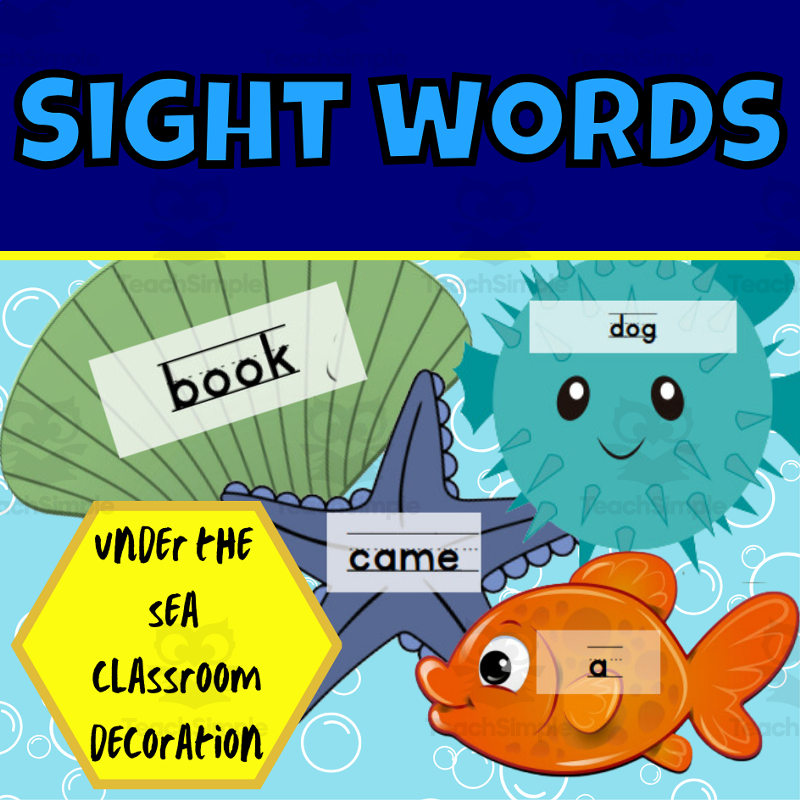
Under-the-sea themed sight-word word-wall resource, organized by age bracket, for building sight-word recognition.
 Free download
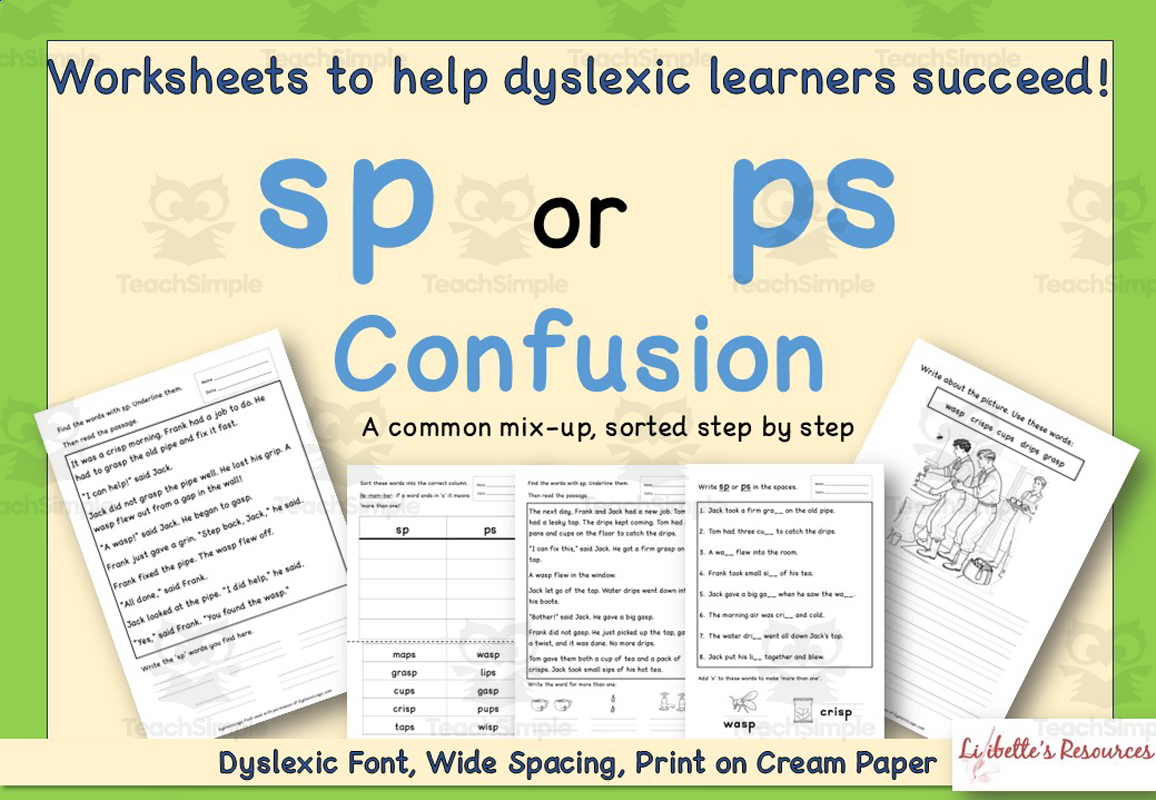
A differentiated set of worksheets to help a student who reverses 'sp' and 'ps' letter blends (e.g., writing 'crips' for 'crisp') practice reading and spelling words with these endings/blends, targeted at dyslexic learners.

A behavior classroom management resource ('My Mouth is like a Volcano') teaching young students self-regulation strategies to stop blurting out and calling out in class.

Maze/path-tracing activity book that pairs a short informational blurb with a themed maze on each page.

Gives early readers repeated, contextualized practice recognizing, reading, writing, and using the sight word "because" across a short worksheet packet.
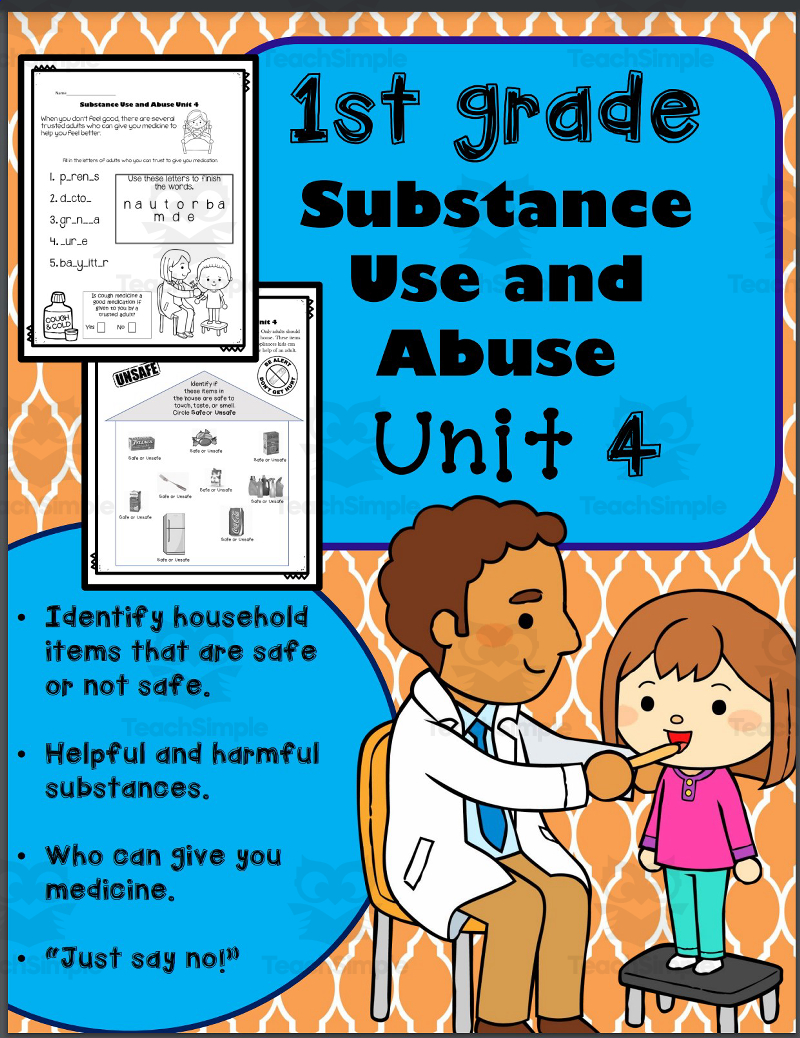
Teaches 1st-grade students to identify safe vs. unsafe household items, recognize which trusted adults may give medicine, and practice 'Just Say No' refusal strategies, as Unit 4 of a 7-unit Health curriculum series.
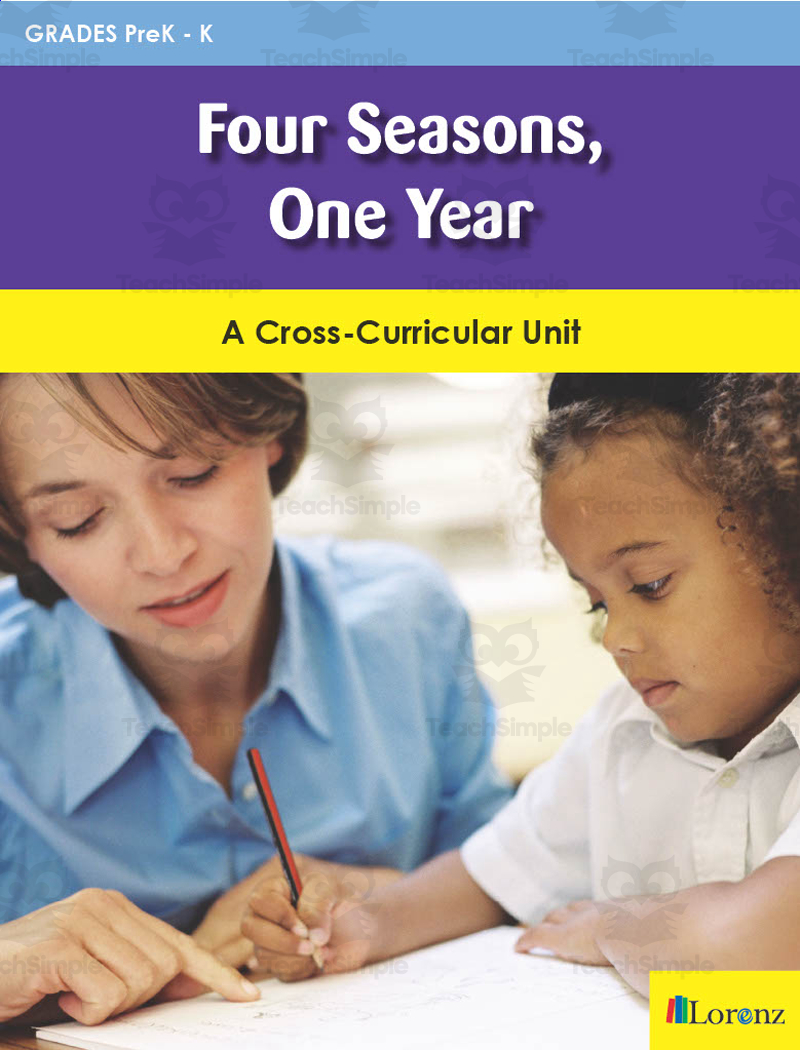
A cross-curricular unit teaching PreK-Kindergarten students about the four seasons, combining a nonfiction reading article with hands-on activities.
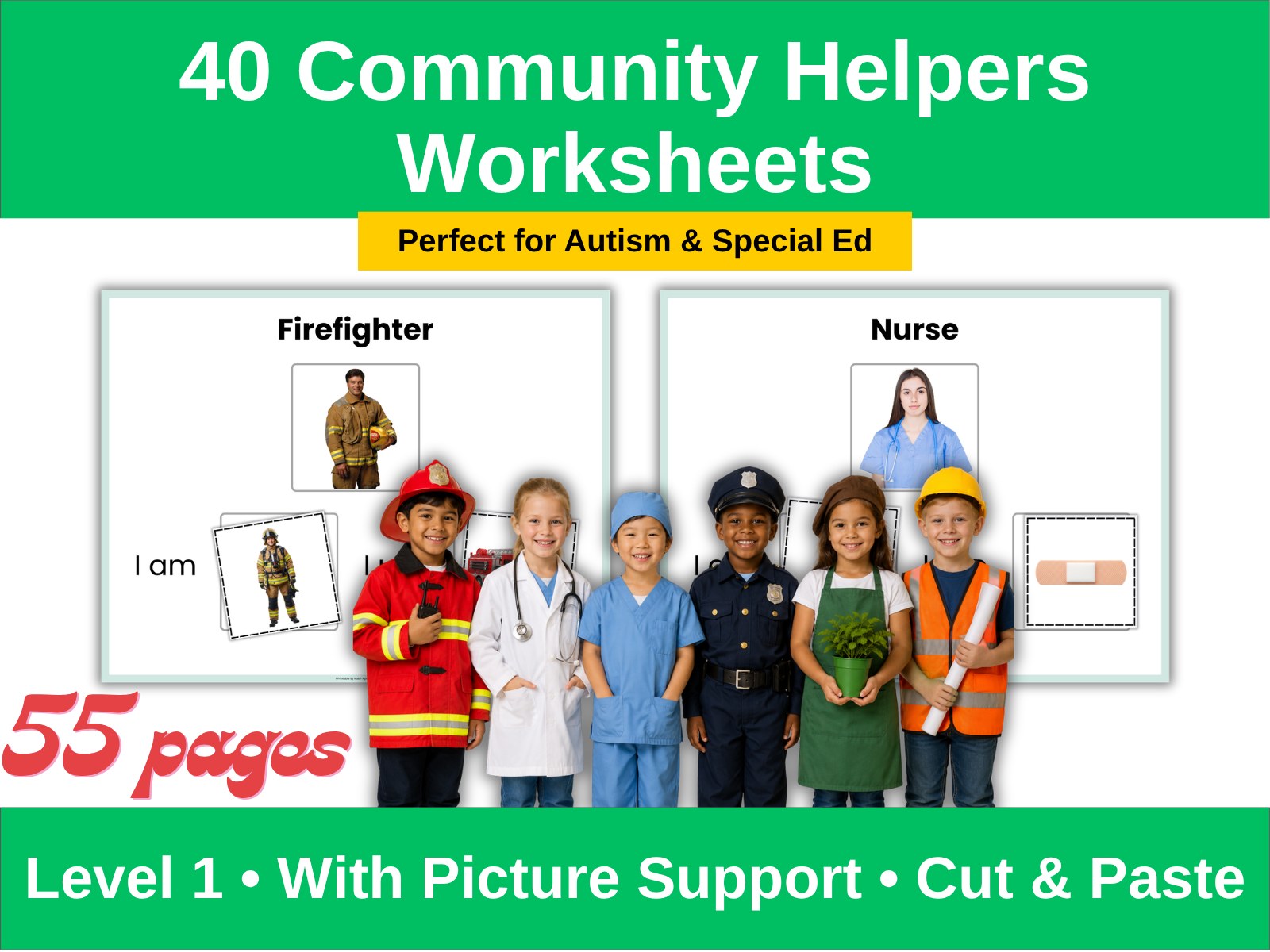
A cut-and-paste worksheet set with realistic photos to help preschool and special-education students (including learners with autism) identify community helpers and match them to their tools/vehicles.

Gives early readers repeated, contextualized practice recognizing, reading, writing, and using the sight word "america" across a short worksheet packet.
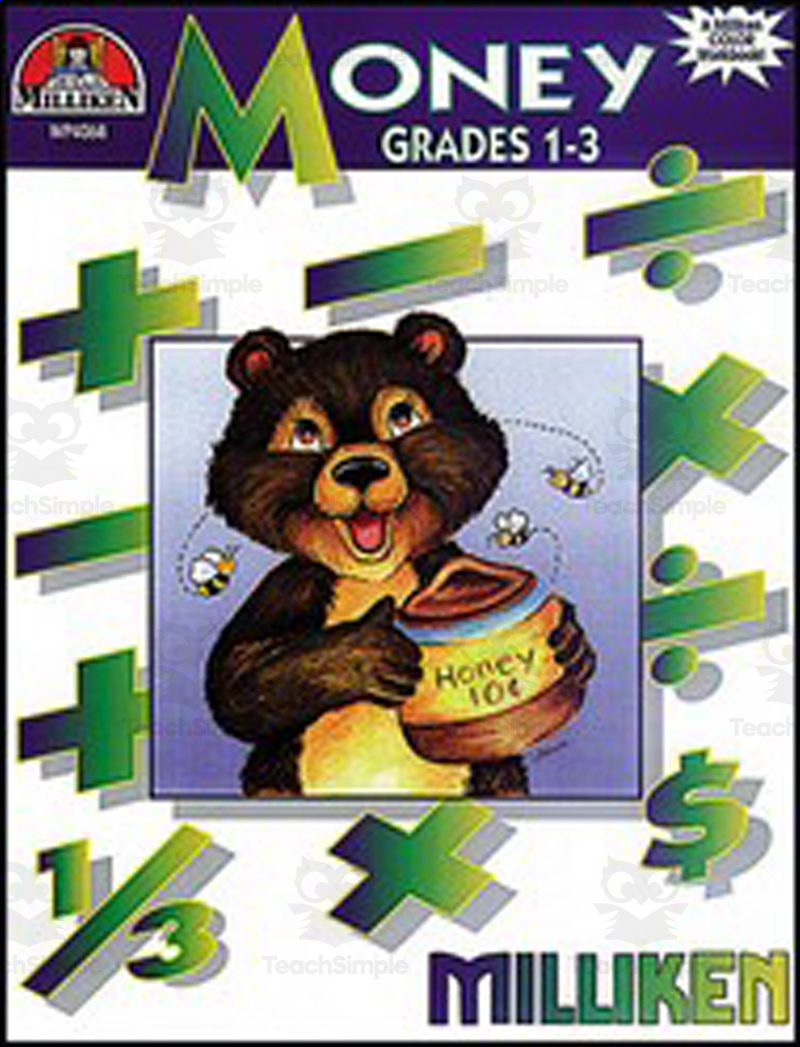
A workbook teaching elementary students to identify coins and their values, compare and add coin/dollar values, find costs, calculate correct amounts of money, and make change.

A digital Boom Cards deck (accessed via an external link, not the PDF itself) that reinforces recognition and use of the uppercase and lowercase letter S through self-grading interactive activities.
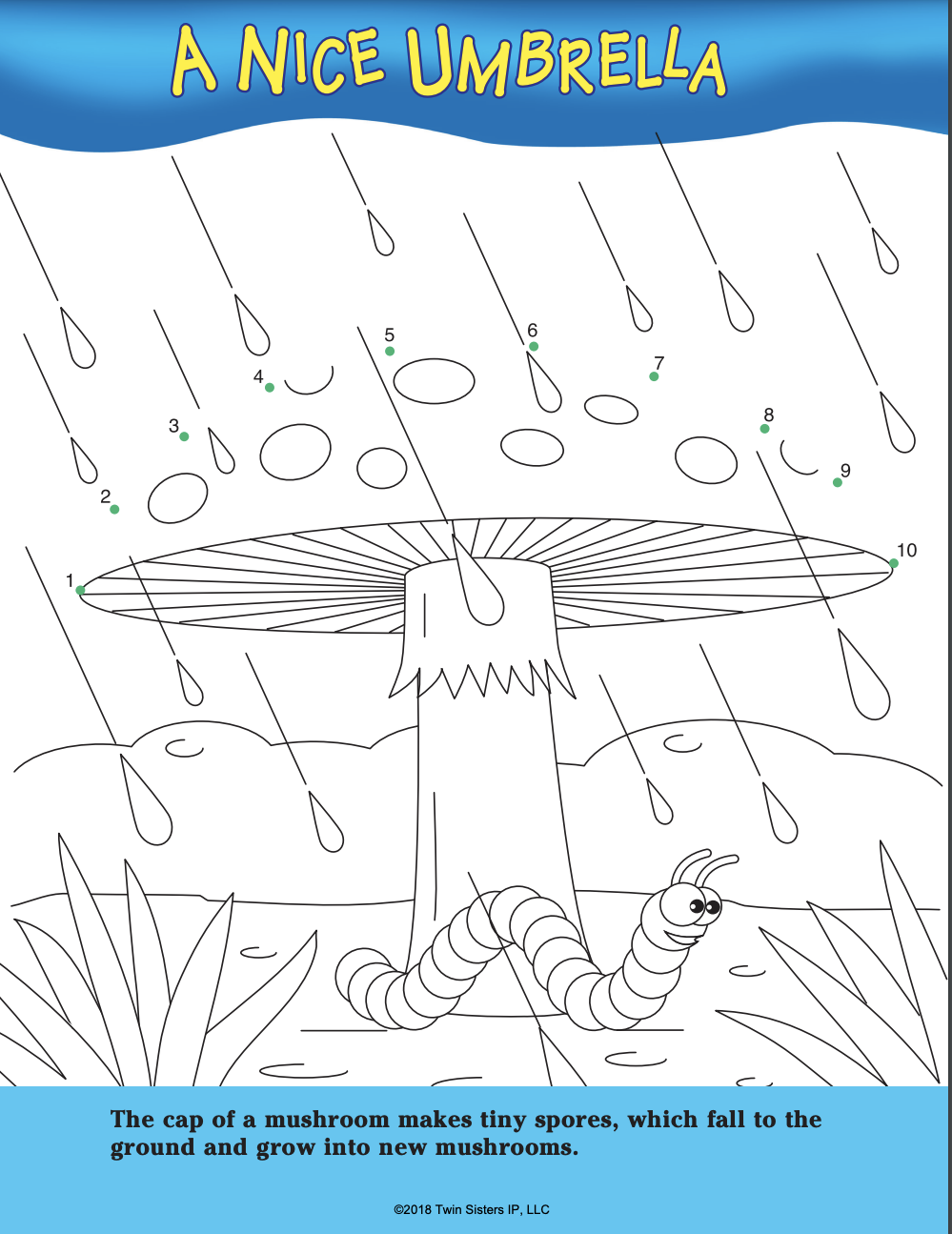
Connect-the-dot activity book building number sequencing/counting skills through nature and wildlife facts.

A sentence-completion and vocabulary writing activity contrasting a well-behaved dog's at-home routine with a badly-behaved 'naughty dog's' at-home routine, ending with a pandemic-era 'stay home/social distancing' safety message.
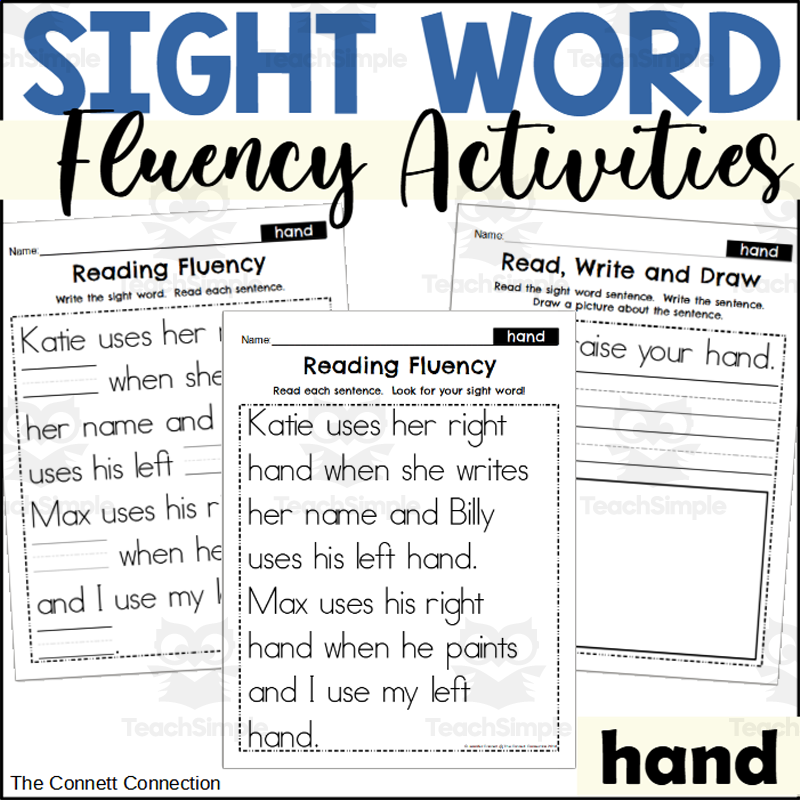
No-prep sight word fluency practice for the high-frequency word "hand" — reading, filling in the blank, and reading/writing/drawing for beginning readers.

A dot-to-dot activity book in which students connect numbered dots to reveal dinosaur and prehistoric-creature images, each paired with a short educational fact caption, building number sequencing and fine motor skills.

A set of number posters for classroom decor, pairing each numeral 1-20 with its written word, in a boho rainbow design.
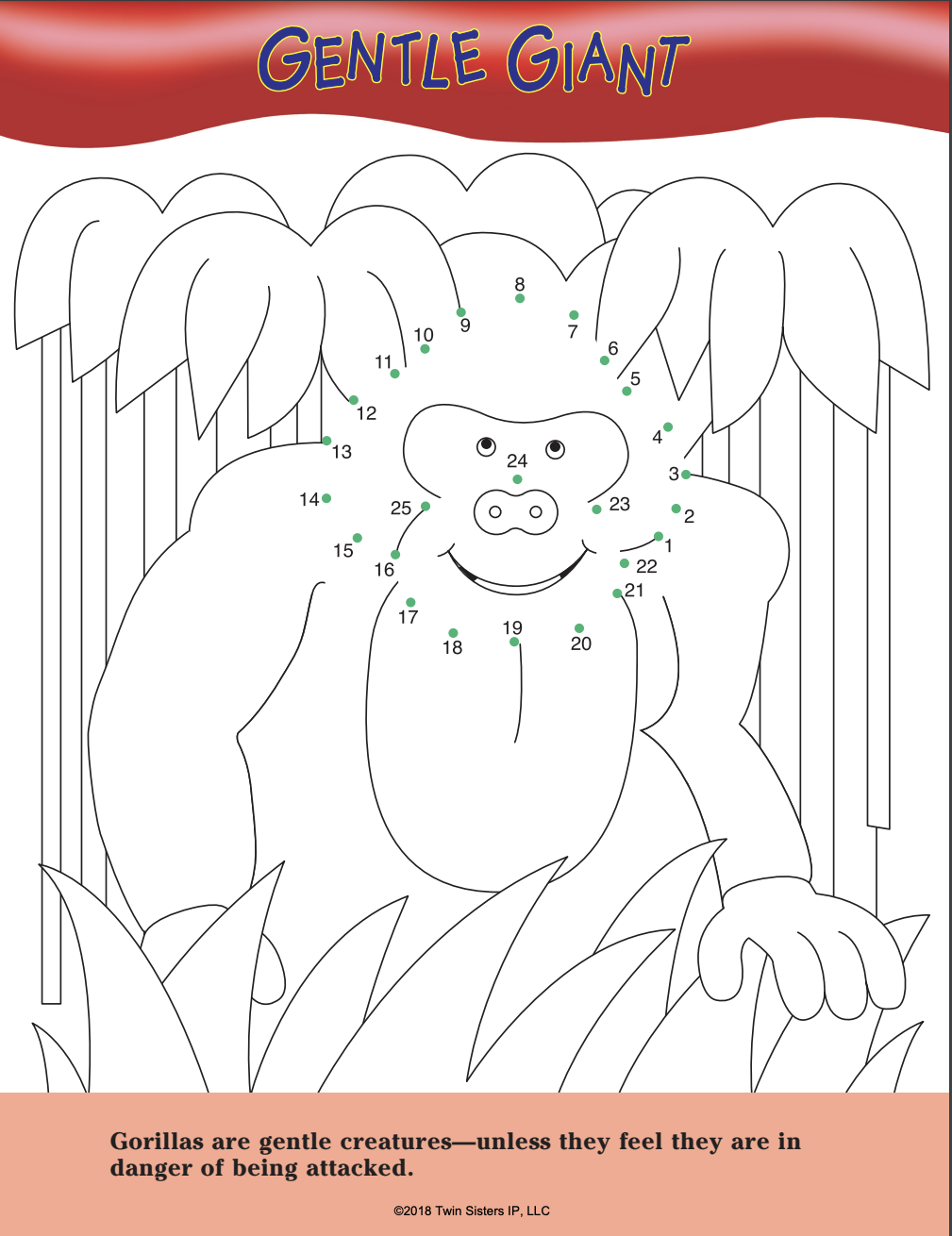
A dot-to-dot puzzle activity book pairing connect-the-dots pictures with short animal/nature facts.
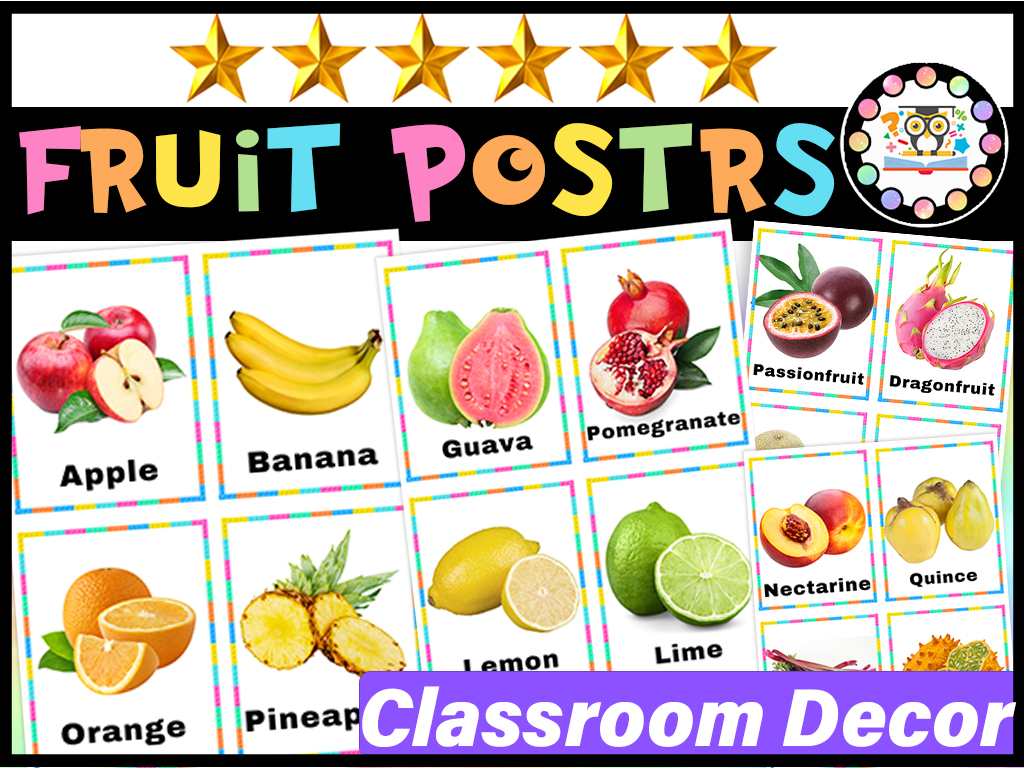
Flashcard/poster set naming a wide range of fruits for classroom vocabulary display.