3,949 products added recently
Page 3 - Kindergarten Activities
Delight your kindergarten students with activities that combine play and education. These resources focus on basic concepts through songs, stories, and hands-on exploration. Incorporate them to nurture curiosity and build a strong foundation for lifelong learning.
Letter Z Flower Craft
ELA, Language Development, Phonics, Pre-Reading, Kindergarten, Preschool, Crafts, Activities
Enhance the teaching and learning of the beginning sound of letter Z with our unique and interactive flower craftivity. This educational tool is designed to facilitate the understanding and recognition of the letter Z sound with common, easy to recognize images. Our resource contains three different letter Z flower templates to practice both beginning sounds as well as letter recognition. What's Included: There are two different templates that allow students to create a flower focused on recognizing the beginning sound of the letter Z. There is one template that allows students to create a flower focused on letter recognition of both capital and lowercase forms of the letter Z. Utilizing this Resource: Simply print the flower templates, and then allow the students to color, cut out, and assemble into a flower on colored construction paper. You can also print the flower design onto colored card stock to create a sorting activity . The flower will need to be cut and laminated. This can function as interactive materials in a literacy center, where students can match pictures to the correct letter Z flower. Mix and match these with flowers of other letter flower crafts to encourage sorting and classification exercises. Possible Applications: Literacy Centers Classroom decorations or bulletin board displays Creative or Craft Sessions Individual Work Group-based Activities Supplementary Homework These flower craft templates are a perfect fit for educators seeking no-prep resources. All that is required is to print the craft page and distribute it to the students. Basic craft materials such as coloring tools, scissors, glue, and a base paper for the flower craft are needed. Each craft prints on a single page, promoting paper conservation, which aligns with an eco-friendly classroom. Skills Addressed: Identification of the beginning sound of the letter Z Recognizing the capital and lowercase letter Z Development of Scissors Skills Improvement of Direction Following abilities
Author The Connett Connection
Rating
Tags Flower Craft, Preschool Craft, Kindergarten Craft, Beginning Sounds, Letter Recognition, Letter Z, Letter Z Activity
Digraphs -CK and C or K Phonics|C, K & CK Spelling Rule Worksheets
Language Development, ELA, ESL, Grammar, Phonics, Spelling, Vocabulary, Writing, Kindergarten, Preschool, Grade 1, 2, Worksheets & Printables, Worksheets, Workbooks, Activities, Centers
This interactive and attractive set Digraphs -CK and C or K Phonics| Pages learners develop their original ADigraphs -CK and C or K Phonics| this set contains 14 pages in this set, each in each a different Digraphs -CK and C or K Phonics| of dedicated Digraphs -CK and C or K Phonics| Pagesto ensure a fun and structured approach to using a fun and type of work that useful; Each card is fun this edited set of Digraphs -CK and C or K Phonics| is built in an elegant style that attracts attention this interactive and attractive set of Digraphs -CK and C or K Phonics| designed to help young learners develop their original Digraphs -CK and C or K Phonics| skills through Digraphs -CK and C or K Phonics| sexercises This set contains 14 pages. these printable Worksheets offer useful courses, this provides a useful course-rich practice, it is designed to help using resource grade 2 easily to learn about activities Digraphs -CK and C or K Phonics| a fun and interactive manner. A collaborative learning activity added students. PDF format
Author LAMO
Rating
Tags English Language Arts, Reading, Phonics & Phonological Awareness, Activities, Worksheets, Center, Printables
SEL Presentations Boom Deck-Traffic Light Feelings With Audio
Special Resources, Social Emotional Learning (SEL), Special Education Needs (SEN), Social Skills, Speech Therapy, Kindergarten, Preschool, Grade 1, 2, Teacher Tools, Presentations, Activities
In this SEL Boom Deck SEL presentation, there are 24 playing task cards with audio so there is no reading required. There are also 7 informational cards with audio as well. Students will learn about traffic light feelings. There are different intensity levels of feelings and each one is a certain color. For example, red means stop-this is when one is feeling angry, unsafe, really upset or scared. Yellow means slow down; feelings associated with yellow are worried, silly, excited, distracted in class and frustrated. Green means go-the feelings associated with green are happy, calm, proud, and focused. Students will click on either the red, yellow or green light image at the bottom of every page. There is a prompt to have students share what strategies can be used if someone is red or yellow and need to calm down. Some of the examples given in the Boom Deck are; Adam was nervous about the first day of school, Yani was frustrated that his friend was not playing by the rules, Sam knocked down his tower because he was upset about not having more red blocks, Julie was happy it was yoga day in P.E. today, Chase was super scared about the shadow of the cactus, Gigi felt grateful for her birthday present, Evan was super excited it was carnival day at school, Pari was feeling scared about the thunder and lightening, and many more child relatable scenarios. This lesson can be used for preschool, kindergarten, first grade and second grade. This lesson will help students self-regulate by encouraging them to identify and manage those strong feelings many students (and adults) have throughout the day. This Boom Deck is a great extension activity after my other lesson on traffic light feelings here: https://teachsimple.com/product/traffic-light-feelings-lesson-an-sel-self-regulation-tool Please visit Boom Learning for Terms of Use for their decks.
Author Jennifer Moyer Taylor
Tags Boom Cards, SEL, Social-emotional Learning, Social Skills, Special Education, School Counseling, Self-regulation, Emotions, SEL Presentations, SEN Presentations
Letter E Bingo Game: Alphabet Recognition Sound Phonics Activities
ELA, Vocabulary, Language Development, Phonics, Kindergarten, Preschool, Games, Activities
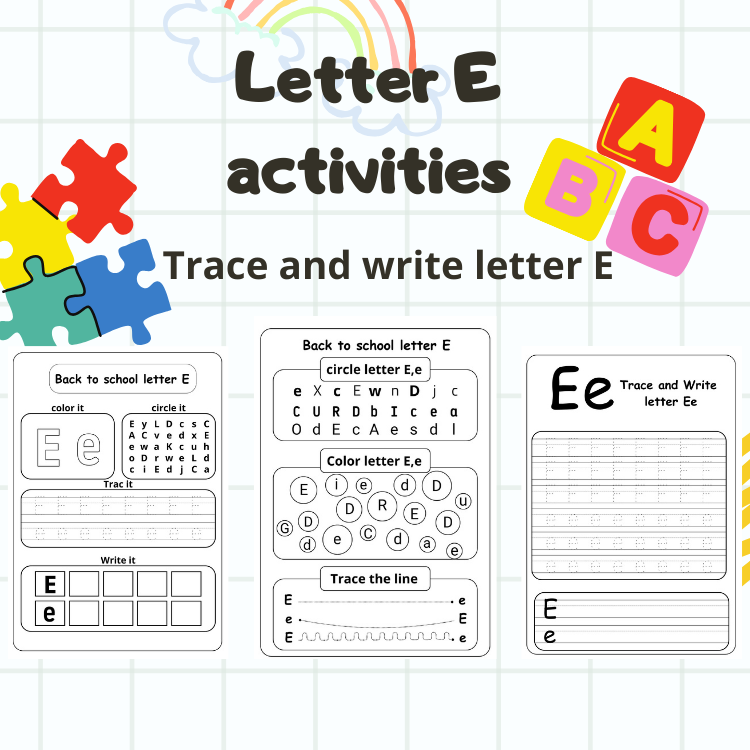
Letter E Bingo Game is a simple and fun activity to help kids learn the letter E and its beginning sounds. Since bingo is already a familiar game for most students, it’s an easy way to keep them interested while practicing phonics skills. I usually use this during our letter of the week or when I want to review letters in a more relaxed way. It doesn’t take much prep, which is always a plus, and it works with both small groups and the whole class. What You Will Get This resource comes with printable bingo boards and calling cards focused on Letter E. You can just print the pages and start playing right away. What’s included in this Bingo Game? There are multiple bingo cards so students won’t all have the same one. The calling cards include common Letter E words like elephant, egg, and envelope. The pictures make it easier for kids to recognize and remember the sounds. This resource is perfect for: Literacy centers Small group work Whole class activities Extra practice at home Why you will love this? It turns phonics practice into a game Quick and easy to set up Helps students connect letters with sounds A nice option when you want something different from worksheets This is an easy way to add a bit of fun to your Letter E lessons while still focusing on important early reading skills.
Author Perfect_Printables
Rating
Tags Alphabet Activity, Letter E Bingo Game, Alphabet Bingo Games, Alphabet Games, Alphabet, Letter E Activity, Letter E Worksheet, Letter E Recognition, Letter E, Phonics Activity
Bunny Burrow | Rabbit Activity
Science, Life Sciences, Animals, Preschool, Kindergarten, Grade 1, 2, 3, Activities
A beautiful nature journaling set for children. Youngsters can combine pre-painted hand-illustrated characters (rabbits, hares, woodpeckers, and spring flowers) with the stunningly illustrated background scene. The scene has plenty of space for children to add their own drawings and writing to create wonderful journal pages to treasure. This set ideally lends itself to the study of animals in spring as well as life cycles, record observations in nature around you, or combine with study from books and objects. The sheet of illustrations makes ideal additions to spring displays. To create a tactile finished item I highly recommend printing onto high-quality paper, I like to use watercolor paper as this also allows the children to add their own paintings to the pages they create and means that every piece looks and feels like an original painting.
Author Fiddleticks Education
Tags Rabbit Warren Activity , Easter Bunny Cut And Stick, Bunny Burrow, Watercolour, Habitat, Bunny Burrow, Rabbit Burrow, Rabbit Lives In Burrow
Guided Reading Level H - The Story of the Wheel
ELA, Resources for Teachers, Reading Comprehension, Reading, Language Development, Vocabulary, Engineering, Technology, Science, Physics, Kindergarten, Grade 1, 2, Worksheets & Printables, Worksheets, Teacher Tools, Centers, Activities, Literacy Readers, Quizzes, Quizzes and Tests, Assessments
This Guided Reading Book - The Story of the Wheel (Level H) includes: Guided Reading Color Label (front cover x1) This is a quick way to match the book’s demands to what students can generally handle.. The overall goal is to use the level/color to pick books for several smaller groups. To qualify for a certain level, a student is expected to read a book from that level with about 90–94% accuracy. If a student is consistently accurate and understands, move up a level. If the student is struggling at that level, drop down and add more support. Each student will improve at completely different rates, but it is generally one of the best ways to check progress across the class. DOWNLOAD THE CATALOG TO VIEW ALL GUIDED READING BOOKS AVAILABLE (SORTED LEVELS A-Z) Pre-Reading Question (x1) Teacher asks the prompt aloud, can be while showing the cover or first page. Students share what they already know, or make educated guesses from the cover. Prompt them to use the target vocabulary. Write some of their responses on the board to look back at during the reading. Vocabulary Words (x5) Introduce the five words, best doing it one at a time. Start by saying it, while students repeat and then see if anyone knows what it means before reading further. Read through the meaning and try to briefly connect each word to a picture or gesture so it’s meaningful. Ask students to flip through the book pages and point to where they see each of the vocabulary words. While reading the book pause upon coming across one of the vocab words or read the sentence twice to make sure students understand the word has appeared. Optional: Ask students to raise hands whenever they see/hear one of the new words. Guided Reading Pages (x10) Check the book snapshot (below) for: primary topic - do you need to prep extra reading or intro materials on this? what is taught best - decide on 1-2 bullets to focus on, use the prompt or words provided here for best results. learning goals - what you are checking for students to be able to do after the session, elicit answers using prompts or words provided. key vocabulary (see section above). questions overview - so you know what is coming up and if you need to prep extra materials to assist understanding. Run the lesson You may have already looked at a few of the pages together, but you can show them some of the pictures again first to set meaning. Depending on how much time you have and how familiar your students are with guided reading class, you may want to read the book aloud first with the group first. Students whisper or partner read, while you listen in. If time, do it as a group, one student reading a page each. Use the guided page’s prompts to coach: “Check the picture / does it make sense?” “Point under the words / try the first sound” “Reread the sentence smoothly”. Try to focus more on one student per session (rotating every time), so you can work out if they are ready to move up or need to move down a level. Comprehension Questions (back cover x3) This is your way to check that students didn’t just say the words, but actually understood the text. First, let students answer by pointing to the page/picture and saying a short sentence. After any answer, follow with: “Show me where you found that in the text.” In bigger groups, have partners answer first (10–20 seconds), then call on 2–3 students to share. Differentiation tips: Emerging speakers/struggling readers: oral + pointing On-level: oral in a full sentence Higher: one written sentence or draw + label Book Snapshot Title: The Story of the Wheel Genre: Nonfiction (informational) Subject: Science (Engineering / Simple Machines) Primary Topic: How wheels changed over time and how they work Estimated Guided Reading Level (A–Z): H What This Book Teaches Best What wheels are and what they help people do: move heavy things with less effort. How wheels changed over time (from heavy stone/wood wheels to spoked wheels to modern rubber tires). Why different wheels are designed differently for different jobs (tractor treads for mud; thin bicycle wheels for speed; small wheels for gliding). That not all wheels are for travel—gears are wheels with teeth that help machines move. Learning Goals Students will explain what wheels are used for using a detail from the text. Students will describe how the first wheels were made long ago, according to the book. Students will explain why spoked wheels helped carts move faster using the book’s comparison. Students will describe how treads help tractor wheels move through thick, wet mud. Students will identify one way gears are different from travel wheels and tell what gears do in machines. Key Vocabulary From the Text spokes — thin parts connecting the center to the outside. oxen — strong animals that pull heavy loads. rubber — stretchy material used to make tires. treads — deep grooves that help a tire grip ground. gears — wheels with teeth that help machines move. Discussion Prompts Pre-reading question: How do you think wheels help people move things more easily? Comprehension questions: What does the book say wheels are used for? What were the very first wheels made from long ago? What are gears, and what do they help machines do? Printing Tips 1. Best Printing Method (Recommended) “Booklet” Printing (Best if Available) If your printer or PDF viewer supports Booklet Printing , use this. Settings to use: Print mode: Booklet Paper size: Letter or A4 (either works) Orientation: Landscape Print on both sides: Yes Flip on: Short edge Scaling: Fit to printable area Booklet subset: First test: Front sides only Then: Back sides only This will automatically: Pair pages correctly Put the cover on the outside Align everything for folding After printing, fold in half and staple along the spine . 2. If “Booklet” Printing Is NOT Available You can still print this correctly with manual duplex printing . Step-by-step: Open the PDF. Choose Print . Set: Orientation: Landscape Pages per sheet: 1 Print on both sides: Yes Flip on: Short edge Print all pages . Because each PDF page already contains two facing book pages, the result will still fold cleanly into a book. Thousands of Cored Education products are included with your TeachSimple membership. Download links and encyclopedia index available here.
Author Cored Education
Rating
Tags Vocabulary, Reading Comprehension, Reading Passages, Leveled Reading, Nonfiction, Reading, Guided Reading, Physics, Engineering, Technology
Guided Reading Level B: Soccer - The World's Game
ELA, Resources for Teachers, Reading Comprehension, Reading, Language Development, Pre-Reading, Vocabulary, Sports, P.E. & Health, Physical Education, Kindergarten, Preschool, Grade 1, Worksheets & Printables, Worksheets, Teacher Tools, Centers, Activities, Literacy Readers, Quizzes, Quizzes and Tests, Assessments
This Guided Reading Book - Soccer: The World's Game (Level B) includes: Guided Reading Color Label (front cover x1) This is a quick way to match the book’s demands to what students can generally handle.. The overall goal is to use the level/color to pick books for several smaller groups. To qualify for a certain level, a student is expected to read a book from that level with about 90–94% accuracy. If a student is consistently accurate and understands, move up a level. If the student is struggling at that level, drop down and add more support. Each student will improve at completely different rates, but it is generally one of the best ways to check progress across the class. DOWNLOAD THE CATALOG TO VIEW ALL GUIDED READING BOOKS AVAILABLE (SORTED LEVELS A-Z) Pre-Reading Question (x1) Teacher asks the prompt aloud, can be while showing the cover or first page. Students share what they already know, or make educated guesses from the cover. Prompt them to use the target vocabulary. Write some of their responses on the board to look back at during the reading. Vocabulary Words (x5) Introduce the five words, best doing it one at a time. Start by saying it, while students repeat and then see if anyone knows what it means before reading further. Read through the meaning and try to briefly connect each word to a picture or gesture so it’s meaningful. Ask students to flip through the book pages and point to where they see each of the vocabulary words. While reading the book pause upon coming across one of the vocab words or read the sentence twice to make sure students understand the word has appeared. Optional: Ask students to raise hands whenever they see/hear one of the new words. Guided Reading Pages (x10) Check the book snapshot (below) for: primary topic - do you need to prep extra reading or intro materials on this? what is taught best - decide on 1-2 bullets to focus on, use the prompt or words provided here for best results. learning goals - what you are checking for students to be able to do after the session, elicit answers using prompts or words provided. key vocabulary (see section above). questions overview - so you know what is coming up and if you need to prep extra materials to assist understanding. Run the lesson You may have already looked at a few of the pages together, but you can show them some of the pictures again first to set meaning. Depending on how much time you have and how familiar your students are with guided reading class, you may want to read the book aloud first with the group first. Students whisper or partner read, while you listen in. If time, do it as a group, one student reading a page each. Use the guided page’s prompts to coach: “Check the picture / does it make sense?” “Point under the words / try the first sound” “Reread the sentence smoothly”. Try to focus more on one student per session (rotating every time), so you can work out if they are ready to move up or need to move down a level. Comprehension Questions (back cover x3) This is your way to check that students didn’t just say the words, but actually understood the text. First, let students answer by pointing to the page/picture and saying a short sentence. After any answer, follow with: “Show me where you found that in the text.” In bigger groups, have partners answer first (10–20 seconds), then call on 2–3 students to share. Differentiation tips: Emerging speakers/struggling readers: oral + pointing On-level: oral in a full sentence Higher: one written sentence or draw + label Book Snapshot Title: Soccer: The World’s Game Genre: Nonfiction (concept book) Subject: Reading / Health & PE Primary Topic: Soccer words for people, places, and gear Estimated Guided Reading Level (A–Z): B What This Book Teaches Best Builds sports vocabulary by naming soccer-related nouns (ball, field, goal, team, trophy). Introduces soccer roles and equipment with clear, repetitive labels (player, goalie, cleats, jersey, whistle). Supports early print concepts by pairing a short phrase with each picture (“The ____.”). Strengthens categorizing skills by noticing items that belong to the same topic (soccer). Learning Goals Students will identify the topic of the book as soccer. Students will name at least three soccer things the book labels. Students will identify two soccer people named in the book (player, goalie). Students will retell the book by naming the items in order from the pages. Students will match key words from the text to the correct picture (e.g., goal, jersey, trophy). Key Vocabulary From the Text cleats — shoes with bumps that help you grip. goalie — player who protects the goal. jersey — shirt a player wears. whistle — tool that makes a loud sound. trophy — prize you win. Discussion Prompts Pre-reading question: What soccer things do you think this book will name? Comprehension questions: What is the first thing named in the book? Name one person named in the book. What is the last thing named in the book? Printing Tips 1. Best Printing Method (Recommended) “Booklet” Printing (Best if Available) If your printer or PDF viewer supports Booklet Printing , use this. Settings to use: Print mode: Booklet Paper size: Letter or A4 (either works) Orientation: Landscape Print on both sides: Yes Flip on: Short edge Scaling: Fit to printable area Booklet subset: First test: Front sides only Then: Back sides only This will automatically: Pair pages correctly Put the cover on the outside Align everything for folding After printing, fold in half and staple along the spine . 2. If “Booklet” Printing Is NOT Available You can still print this correctly with manual duplex printing . Step-by-step: Open the PDF. Choose Print . Set: Orientation: Landscape Pages per sheet: 1 Print on both sides: Yes Flip on: Short edge Print all pages . Because each PDF page already contains two facing book pages, the result will still fold cleanly into a book. Thousands of Cored Education products are included with your TeachSimple membership. Download links and encyclopedia index available here.
Author Cored Education
Rating
Tags Vocabulary, Reading Comprehension, Reading Passages, Leveled Reading, Nonfiction, Reading, Guided Reading, P.E., Sports, Soccer
Spring And Summer Audio Book
Science, Earth and Environmental Sciences, Environmental Science, Preschool, Kindergarten, Grade 1, 2, 3, Read Alouds, Activities
Spring is a very unpredictable time of the year. Sometimes it’s warm, and then snow might appear. Daffodils and crocuses are clues that spring is near.
Author Twin Sisters Digital Media
Tags Spring, Summer, Listen, Weather, Science
Always Song (Animated Music Video)
ELA, Reading, Preschool, Kindergarten, Grade 1, 2, Songs, Activities
This product, The ALWAYS Song (Animated Music Video), is a great resource for teachers who want to help their students learn sight words. This video is a fun and easy way for students to learn the sight word ALWAYS and improve their reading speed and fluency.
Author Have Fun Teaching
Tags Counting
Long A Sample: Letters Games and Activities - Hidden Pictures 1 (PPT)
ELA, Language Development, ESL, Resources for Teachers, Vocabulary, Spelling, Pre-Reading, Kindergarten, Preschool, Grade 1, Teacher Tools, Games, Activities
Long A: Hidden Pictures 1 Sample Game Note: This download is in PowerPoint show mode to protect the rights of the image creator(s), and is thus UNEDITABLE. Playing the Game Click on the colored bar on the right side and the squares will begin to disappear. Clicking this bar again will reveal the whole picture and the word. Press the arrow to move onto the next slide. About the Full Game (available in the ppt game links section below) A simple yet effective way to practice saying key long A vocabulary. There is a variety of ways to get all students involved either in a team format, one-by-one or just a classroom free-for-all! There is real focus on each word as students wait patiently for more squares to disappear. 17 Slides. Practice Long A Words: rain, cake, tray, cave, snail, cape, wave, chain, hazy, vase, lake, bake, tape, play, sail, case. Picture style: Photos Includes sound effects for added entertainment Helps to Build Letter recognition – Identifying letters in different fonts or contexts. Letter-sound association – Connecting letters to its sounds. Vocabulary building – Introducing words that start with each letter. Phonemic awareness – Listening for letter sounds in words, rhyming, or segmenting sounds. FULL CATALOG OF DOWNLOAD LINKS HERE Letter PPT Game Links: Letter A Hidden Pictures 1 MemWord Hidden Pictures 2 Hidden Pictures 3 The Short Question Riddle Time Review Games Follow the Vocab Letter B Letter C Letter D Letter E Hidden Pictures 1 The Grand Circle 8 Pictures 1 Clue Behind the Garage Doors Outside the Submarine Two Review Games Say What You See Quiz Game Letter F Letter G Letter H Letter I Hidden Pictures 1 MemWord Three Review Games Three Quiz Show Style Games Find the Ball Bowling Four Mini Games Outside the Train Window Letter J Letter K Letter L Letter M Letter N Letter O Hidden Pictures 1 MemWord Yes or No Game Six Pictures Game Hidden Pictures 2 6 Stars One Question MCQS Game The Grid Letter P Letter Q Letter R Letter S Letter T Letter U Letter V Letter W Letter X Letter Y Letter Z Overview This series of interactive PowerPoint games is designed to make early phonics practice engaging and effective for young learners. With a mix of entertaining games, students stay motivated while reinforcing key phonetic patterns. Each game provides multiple opportunities for participation, whether in team settings, one-on-one play, or independent review. The variety of mechanics—from disappearing squares to timed recall—ensures that different learning styles are accommodated, allowing all students to engage in a way that suits them best. The games incorporate colorful visuals, sound effects, and difficulty progression to maintain engagement and cater to different skill levels. Teachers have full control over the pacing and level of game they choose, making it easy to adapt the experience to their students' needs. Whether through guessing hidden images, recalling sequences, or answering riddles, each activity reinforces phonics in an enjoyable, interactive manner. These games transform traditional phonics drills into a fun and immersive learning experience, fostering both confidence and foundational literacy skills in young learners. For More Like This For similar downloads and other frees, do check out Cored Group on TeachSimple.
Author Cored Education
Tags Esl, Powerpoint, Ppt, Powerpoint Games, Esl Games, Ela Games, Vocabulary Games, Letter A Games, Letter A Activities, Letters
Away Song (Animated Music Video)
ELA, Reading, Preschool, Kindergarten, Grade 1, Songs, Activities
This product, The AWAY Song (Animated Music Video), will help students quickly and easily recognize the sight word AWAY. This will in turn help them build reading speed and fluency. This is an enjoyable video that will make learning fun for students!
Author Have Fun Teaching
Tags Counting
Long I: Letters Phonics Games and Activities - Three Quiz Show Games
ELA, Language Development, ESL, Resources for Teachers, Vocabulary, Phonics, Pre-Reading, Spelling, Kindergarten, Preschool, Grade 1, Teacher Tools, Games, Activities
Long I: Three Quiz Show Style Games Note: This download is in PowerPoint show mode to protect the rights of the image creator(s), and is thus UNEDITABLE. Playing the Game After the titles and information about the game, the first game will begin. Students will be shown a close-up photo of an object and have to guess what it is. Press the = button for the answer and the original photo with word will appear. Press the arrow button to move onto the next question. 6 questions in total. Second game is a memory game. Starting with three pictures and ending up with six, students have ten seconds to observe the pictures on the screen, then need to say the words they remember. The picture page will automatically move on after ten seconds but if you wish to move on yourself quicker then there is an arrow button. In the answer screen, answers will flash if correct, dim if incorrect. Finally game is more like a question and answer, but in two parts. In the part, there will be a clue and 3-6 words to choose from. Press the correct answer. In the second section you will get the reverse, one word and then two to three clues to choose from. Choose the correct clue for the word. Includes arrows to move onto the next page. About the Game These three quiz show games will give you the perfect opportunity to practice key long I vocabulary and practice the long I sound. With a mix of reading and picture related questions, this will give each student amply opportunity to practice. Three games. Words: iron, ice, kite, hide, pie, light, night, knight, fly, pilot, pile, tie, vine, pipe, fry, cry, time. Picture Style: Clipart and Photos Features some sound effects for entertainment purposes. Helps to Build Letter recognition – Identifying letters in different fonts or contexts. Letter-sound association – Connecting letters to its sounds. Vocabulary building – Introducing words that start with each letter. Phonemic awareness – Listening for letter sounds in words, rhyming, or segmenting sounds. FULL CATALOG OF DOWNLOAD LINKS HERE Letter PPT Game Links: Letter A Hidden Pictures 1 MemWord Hidden Pictures 2 Hidden Pictures 3 The Short Question Riddle Time Review Games Follow the Vocab Letter B Letter C Letter D Letter E Hidden Pictures 1 The Grand Circle 8 Pictures 1 Clue Behind the Garage Doors Outside the Submarine Two Review Games Say What You See Quiz Game Letter F Letter G Letter H Letter I Hidden Pictures 1 MemWord Three Review Games Three Quiz Show Style Games Find the Ball Bowling Four Mini Games Outside the Train Window Letter J Letter K Letter L Letter M Letter N Letter O Hidden Pictures 1 MemWord Yes or No Game Six Pictures Game Hidden Pictures 2 6 Stars One Question MCQS Game The Grid Letter P Letter Q Letter R Letter S Letter T Letter U Letter V Letter W Letter X Letter Y Letter Z Overview These interactive PowerPoint games make early phonics practice fun and engaging for young learners. With a mix of exciting activities, kids stay motivated while strengthening key phonetic patterns. Each game offers plenty of opportunities for participation—whether playing in teams, one-on-one, or independently. The variety of game styles, from disappearing squares to timed challenges, ensures that every student can learn in a way that works best for them. Bright visuals, sound effects, and gradually increasing difficulty keep students engaged and support different skill levels. Teachers have full control over the pacing and difficulty, making it easy to adjust the experience based on their students' needs. Whether guessing hidden images, recalling sequences, or solving riddles, each activity reinforces phonics in a fun, interactive way. These games turn traditional phonics drills into an exciting, hands-on learning adventure, building confidence and essential literacy skills in young learners. For More Like This For similar downloads and other frees, do check out Cored Group on TeachSimple.
Author Cored Education
Tags Esl, Powerpoint, Ppt, Powerpoint Games, Esl Games, Ela Games, Vocabulary Games, Phonics Games, Letter I Games, Letter I Activities
This Little Pig Animated Song
Creative Arts, Art, Music, Kindergarten, Songs, Activities
Product Description: Embark on a magical musical adventure with the 'This Little Pig Animated Song '. Aimed at sparking the interest of children in early learning phases, this interactive tool adroitly combines elements of music, art, and literacy to provide kids an enjoyable educational experience. The animation brings forth a modern twist to teaching the beloved nursery rhyme "This Little Pig". The animated video adds substance to music lessons by visualizing lyrics in an exciting manner. As children sing along and mimic their favorite characters going "wee-wee-wee…all the way home", they inadvertently brush up on crucial early literacy skills. Package Contents: An MP4 animated song This tool flawlessly fits into diverse teaching environments. Be it group classes or smaller learning sessions in public schools or homeschooling scenarios, it serves as an exceptional resource to stimulate student interaction and bolster understanding. *Tip for educators: Supplement regular homework with periodic viewings of this alluring video. Every subsequent viewing will reinforce children's comprehension of rhythm patterns along with language nuances whilst ensuring they have fun. About 'This Little Pig Animated Song ': Focused primarily on subjects related to art & music among varied types, This Little Pig Animated Song uses a universally appreciated nursery rhyme as its foundation. It does more than simply provide entertainment — it incites active engagement from children leading them towards a better understanding of academic concepts. In Conclusion: This Little Pig Animated Song , shines brightly as an educational instrument creating fun-filled learning episodes for young learners while simultaneously enabling them to seamlessly master critical developmental benchmarks.
Author Twin Sisters Digital Media
Tags Animated Song, Nursery Rhyme, Early Literacy, Music Education, Engagement
Letter N Activities Alphabet Worksheets & Boom Cards Kindergarten
Language Development, ELA, Phonics, Pre-Reading, Kindergarten, Preschool, Grade 1, Activities, Centers, Crafts, Coloring Pages, Worksheets, Worksheets & Printables, Crosswords Puzzles, Mazes, Dot To Dots, Word Searches
Make learning the Letter N a breeze with this fun and interactive activity pack! Whether you’re introducing the letter N as part of your Letter of the Week program or reinforcing it during phonics instruction, this resource has you covered with 92 printable worksheets and 31 digital Boom Cards —all designed to keep your preschool and kindergarten students engaged and learning. From tracing and sorting to mazes, puzzles, dabbing, and hands-on crafts, this pack combines literacy, fine motor, and phonemic awareness skills into one no-prep bundle. What’s Inside: Printable Activities Letter N Poster + 6 Visual Vocabulary Cards Tracing and Writing Uppercase and Lowercase N Letter N Sorting, Spinning (with review of S & T), and Finding Activities Letter N Mazes, Puzzles, Dot-to-Dot, Dab the Dots Color by Code, Geoboard Task, Glitter Letter Craft Visual Cutouts for Letter N Fairytale Connection: Hey Diddle Diddle Reading Practice: a, an, and -an Words Summary Sheet + “About Me” and Booklet Cover Pages 🧠 Extra Literacy Crafts & Resources “I’m a Letter N Champ” Crown & Bracelet Mini Flipbook with Letter N Words & Visuals Word Wheel with 6 Letter N Vocabulary Words Newt-Themed Finger Puppets (6 per page) Stick Puppet Templates (4 per page) Sight Word Mini Flipbook (with touch phonics font) One-Page Mini Booklet with Letter N Words & Images 💻 Boom Cards – 31 Interactive Digital Activities Uppercase and Lowercase Letter N Formation Letter N Sound Recognition Puzzle Piece Matching (Uppercase/Lowercase N) Drag-and-Drop Uppercase/Lowercase Sorting Identify Letter N Pictures to Reveal an Image Usage of Uppercase N (Sentence Start) vs Lowercase (Mid-Sentence) 🎯 Perfect For: Literacy Centers Phonics Lessons Morning Tubs Small Groups or Intervention Homework or Take-Home Practice ⭐ Bonus: Separate files with US and British English spellings included for flexible classroom use. Give your students the letter N foundation they need through structured, playful learning that’s easy to prep and fun to use!
Author Teach2Tell
Rating
Tags Letter N Activities, Alphabet Worksheets Letter N, Preschool Letter N Printables, Kindergarten Letter N Activities, Letter Of The Week Letter N, Uppercase Letter N, Lowercase Letter N, Phonics Letter N Practice, Letter N Crafts For Kids, No Prep Letter N Worksheets
Christmas: Clip Cards - Counting within 10 - Number Recognition
Math, Early Math, Montessori, Kindergarten, Preschool, Grade 1, Activities
Christmas - Clip Cards - Count within 10-Seasonal Play - Number Recognition These number clip cards are a fun way to learn kids about numbers until 10 try it now. What's included? This set includes 6 different sets of clip cards: 2 sets of numbers 2 sets of finger counting 2 sets of dot patterns Who are the clip cards for? Clip Cards – Kindergarten & Preschool, First Graders, Early Primary Students and Special Education Children Great for solo work, study stations or at home with a small workspace. Objectives In other words, children associate quantities to its representation in the numbers or other counting methods e.g. dot patterns, fingers patters and so on. Pinch clothespins or paperclips to help build finger and hand muscle. With the self-control feature, kids can independently resolve their answers and ↑ have more confidence. How to prepare the cards Print the cards on thick paper, or options are to make them durable by laminating them. To turn on the self-control feature. Snap back the right columns of all of your cards. Place it on the back and laminate the cards. Take sheets on three single clip cards (one for each person) They were then able to choose their answers using clothespins or paper clips on the kids. How does it work? Which picture is the child looks and count on the card. The child selects the right answer out of 3 possibilities (number /dot pattern or finger counting) by putting a clothespin or paper clip on the correct answer. The card is turned over by the child and in self-control. Differentiation options Beginners handle range up to 5 while advanced pupils work with full set. Mix/alternate numbers, dots, and fingers Where is the usage? Ideal for quiet academic learning phases. Add a little extra fun to the study areas. Parents can use the cards for extra practice or support. Whether in the classroom or at home, these clip cards can provide kids with extra engagement as they foray into important learning skills. Best wishes, The Relitante - Doreen Blumhagen
Author Die Relitante
Tags Math, Count, Clipcards, Mathgames, Montessori, Numbersto10, Fall, Mathcenters, Elementarymath, Countingpractice
Adding 9 Song (Lyric Music Video)
Math, Addition and Subtraction, Addition, Numbers, Preschool, Kindergarten, Grade 1, 2, 3, Songs, Activities
The Adding 9 Song is a great way for students to learn and practice adding 9 with all addition facts from 1-15. This fun and catchy music video will help your kids understand how to add 9, and they'll have a blast singing along too!
Author Have Fun Teaching
Tags Counting
The Song (Animated Music Video)
ELA, Reading, Preschool, Kindergarten, Grade 1, 2, Songs, Activities
Description: The THE Song (Animated Music Video) is a great resource for teachers to help their students recognize the sight word THE. The song is catchy and includes the word THE being repeated, spelled, and used in sentences. This is a great resource for any teacher looking to help their students with sight words.
Author Have Fun Teaching
Tags Counting
AP Word Dice Games - A CVC Phonics Center
ELA, Reading, Phonics, Language Development, Kindergarten, Grade 1, Activities, Games
Practice reading and writing CVC words with these fun AP word family dice games. Students will practice recognizing, reading, writing and spelling words with the AP rime. What is Included: Dice templates to go with each of the game mats Seven recording mats that go with one of the dice sets. To play, students will roll the dice. Depending on the mat they are using, students will color, trace, cover, graph, or write the word or image that was rolled. By having many activity mats, these games can be easily differentiated for that students that need more support. These dice games make great literacy or phonics stations or centers. More Ways to Use these Dice Games: For a single player game, students can use the tracing worksheets to trace the word or picture they rolled. For a single player game, students can use the grid worksheets to color or cover the word or picture they rolled. For a single player game, students can create a graph by rolling the dice a set number of times, then filling in the blank grid squares by coloring or covering the spaces. For a partner game, students can play Three in a Row. To play, students use the grid paper with the words in a random order. Students take turns rolling the dice and coloring or covering the words in the grid. The first player to get three words in a row wins. For a partner game, use the tracing pages to roll and take turns tracing the words or picture rolled. The player who traces the most words at the end of time wins! Skills Assessed Blending of Onset and Rime in CVC Words Reading, Tracing, Writing and Spelling CVC Words The dice game mats require no prep. They just need to be printed out and put in the center or station you wish to use them in. The dice will need to be assembled. You will need to print them out on card stock or other heavy weight paper, cut, fold and tape together. The mats can be laminated to make them reusable, especially of you need to save paper. Dry erase markers can be used on the writing and tracing mats.
Author The Connett Connection
Rating
Tags Dice Games, Literacy Game, Phonics Games, Literacy Center, Small Group Activity, CVC Words, AP Words, AP Word Family
Self-Control SEL Game, SEL poster, and Mystery Mosaic Activity SEL Gam
Special Resources, Life Skills, Social Emotional Learning (SEL), Social Skills, Special Education Needs (SEN), Kindergarten, Grade 1, 2, Activities, Games, Worksheets, Worksheets & Printables
The Self-Control Game, Mini-poster, and Mystery Mosaic Activity This resource is designed specifically for kindergarten to second-grade students to introduce or reinforce concepts related to self-control and emotional regulation. Stop & Think Game Board The main component of the resource is an interactive game which includes: 12 STOP cards 12 THINK cards The game stimulates discussions about emotions while exploring strategies for maintaining self-control. Detailed instructions are provided for best practice in facilitating gameplay. This can be used for whole class instruction or student-led group activities. Mini-Poster: Stop, Breathe, & Think An accompanying mini-poster acts as a ready reminder of these essential skills. It is suitable both for classroom display and home use. Mystery Mosaic Activity A mystery mosaic activity further reinforces the lessons learnt from the Stop & Think game in a fun yet educational mode. Fits Special Education Resources and Life Skills Curriculum This resource aligns with many special education resources as well as broader life skills curriculum objectives. It pairs well with books about managing big feelings or self-control. Even some reading recommendations are included. Digital Download Convenience (PDF Format) The resource comes as an easy-to-print digital download so no sorting through physical products. In Summary: The Self-Control Game, Mini-Poster, and Mystery Mosaic Activity provides equitable access to vital social-emotional learning principles through relatable activities. Teaching self-control, understanding emotions or promoting calming breathing techniques have never been this engaging before. If you are interested in other SEL and social emotional resources, please check out my store at: https://teachsimple.com/contributor/jennifer-moyer-taylor I am a full-time school counselor who uses my own resources on the students I serve. If it is not "kid" approved, I change it! I am very willing to tweak a resource if the resource is not as engaging or relevant for the students, I alter the lesson and the activities.
Author Jennifer Moyer Taylor
Tags Self-control Game, Emotional Regulation, Social-emotional Learning, Character Education, Mindfulness, SEL Games, SEL, Social Emotional Learning, SEL Poster
Interactive Phonics Practice: Double Consonant Boom Deck Set 1
ELA, Language Development, Phonics, Preschool, Kindergarten, Grade 1, 2, 3, Activities, Games
Need a quick, engaging way to help your students lock in those tricky double consonant spellings? This interactive phonics deck is just the ticket! Designed with the Science of Reading in mind, this 17-card Boom Deck gives students hands-on practice with double consonant words—while keeping things fun and focused. Perfect for independent practice, literacy centers, or early finishers! What’s Inside: ✔️ 17 self-checking Boom Cards ✔️ Audio support on every card ✔️ Clear visuals to support word recognition ✔️ Drag-and-drop letter tiles to complete each word ✔️ Kid-friendly instructions right from the first slide Students will listen to a word (it's sounded out automatically), look at the matching picture, and drag the missing letters to complete the word. They can even replay the sound if they need to hear it again—perfect for reinforcing phoneme-grapheme connections! Why Teachers Love It: Aligned with Science of Reading best practices Builds fluency in spelling double consonant words Great for differentiated instruction Easy to assign in Google Classroom, Seesaw, or any LMS using Boom’s Fast Pin or Hyperplay link Whether you're working with early readers or need targeted intervention activities, this phonics deck offers meaningful practice without the prep. 📌 How to Use: When you download the PDF, you'll receive a clickable link that takes you directly to the Boom Learning platform. From there: Add the deck to your Boom library Assign to students via classroom setup or a shareable link Get your students excited about phonics—and confident with spelling double consonant words—with this interactive Boom Deck. Learning has never sounded so good!
Author Teach2Tell
Rating
Tags Phonics, Double Consonants, Spelling Words, Double Consonant, Boom Decks, Boom Cards, Science Of Reading, SOR, Phonics Activities, Phonics Practice
Short O: Letters Phonics Games and Activities - 6 Pictures Game
ELA, Language Development, ESL, Resources for Teachers, Vocabulary, Phonics, Pre-Reading, Spelling, Kindergarten, Preschool, Grade 1, Teacher Tools, Games, Activities
Short O: 6 Pictures Game Note: This download is in PowerPoint show mode to protect the rights of the image creator(s), and is thus UNEDITABLE. Playing the Game After the front screen the game begins. Use the arrow in the bottom right to move between slides. At the bottom of the screen is a clue and students have to select the right picture AND word for each clue. Correct answers will flash (other answers will dim), incorrect answers will go dim. About the Game Six pictures is the perfect game to practice recognizing and reading key short O phonics words. With 17 questions, plenty of color and fascinating graphics, there is plenty of time to practice reading and it will be easy to get the whole class involved. 18 slides Words: pot, rock, sock, dog, hot, clock, mop, stop, cog, rod, lock, block, dot, fox, fog, box, cop Features some sound effects for entertainment purposes. Helps to Build Letter recognition – Identifying letters in different fonts or contexts. Letter-sound association – Connecting letters to its sounds. Vocabulary building – Introducing words that start with each letter. Phonemic awareness – Listening for letter sounds in words, rhyming, or segmenting sounds. FULL CATALOG OF DOWNLOAD LINKS HERE Letter PPT Game Links: Letter A Hidden Pictures 1 MemWord Hidden Pictures 2 Hidden Pictures 3 The Short Question Riddle Time Review Games Follow the Vocab Letter B Letter C Letter D Letter E Hidden Pictures 1 The Grand Circle 8 Pictures 1 Clue Behind the Garage Doors Outside the Submarine Two Review Games Say What You See Quiz Game Letter F Letter G Letter H Letter I Hidden Pictures 1 MemWord Three Review Games Three Quiz Show Style Games Find the Ball Bowling Four Mini Games Outside the Train Window Letter J Letter K Letter L Letter M Letter N Letter O Hidden Pictures 1 MemWord Yes or No Game Six Pictures Game Hidden Pictures 2 6 Stars One Question MCQS Game The Grid Letter P Letter Q Letter R Letter S Letter T Letter U Letter V Letter W Letter X Letter Y Letter Z Overview These interactive PowerPoint games make early phonics practice fun and engaging for young learners. With a mix of exciting activities, kids stay motivated while strengthening key phonetic patterns. Each game offers plenty of opportunities for participation—whether playing in teams, one-on-one, or independently. The variety of game styles, from disappearing squares to timed challenges, ensures that every student can learn in a way that works best for them. Bright visuals, sound effects, and gradually increasing difficulty keep students engaged and support different skill levels. Teachers have full control over the pacing and difficulty, making it easy to adjust the experience based on their students' needs. Whether guessing hidden images, recalling sequences, or solving riddles, each activity reinforces phonics in a fun, interactive way. These games turn traditional phonics drills into an exciting, hands-on learning adventure, building confidence and essential literacy skills in young learners. For More Like This For similar downloads and other frees, do check out Cored Group on TeachSimple.
Author Cored Education
Tags Esl, Powerpoint, Ppt, Powerpoint Games, Esl Games, Ela Games, Vocabulary Games, Phonics Games, Letter O Games, Letter O Activities
Guided Reading Level F - Planets in Our Solar System
ELA, Resources for Teachers, Reading Comprehension, Reading, Language Development, Pre-Reading, Vocabulary, Science, Earth and Environmental Sciences, Space, Kindergarten, Grade 1, 2, Worksheets & Printables, Worksheets, Teacher Tools, Centers, Activities, Literacy Readers, Quizzes, Quizzes and Tests, Assessments
This Guided Reading Book - Planets in Our Solar System (Level F) includes: Guided Reading Color Label (front cover x1) This is a quick way to match the book’s demands to what students can generally handle.. The overall goal is to use the level/color to pick books for several smaller groups. To qualify for a certain level, a student is expected to read a book from that level with about 90–94% accuracy. If a student is consistently accurate and understands, move up a level. If the student is struggling at that level, drop down and add more support. Each student will improve at completely different rates, but it is generally one of the best ways to check progress across the class. DOWNLOAD THE CATALOG TO VIEW ALL GUIDED READING BOOKS AVAILABLE (SORTED LEVELS A-Z) COMPANION VIDEO NOW AVAILABLE (EMBEDDED AFTER PREVIEW PICTURES IN PRODUCT DESCRIPTION) Pre-Reading Question (x1) The teacher says the question aloud, either while showing the cover or the first page. Students share what they already know or make sensible guesses based on the cover. Encourage them to use the target vocabulary where possible. Write a few of their ideas on the board so you can return to them during or after the reading. Vocabulary Words (x5) Introduce the five words one at a time. Say each word aloud, have students repeat it, and then ask if anyone already knows what it means. Read the meaning together and briefly connect each word to a picture, action, or gesture so it feels more memorable. Ask students to flip through the book and point to any pages where they spot the vocabulary words. While reading, pause when one of the words appears, or reread the sentence so students clearly notice and understand it in context. Optional: Ask students to raise their hands whenever they see or hear one of the new words. Guided Reading Pages (x10) Check the book snapshot below for: Primary topic — decide whether students need a quick introduction or extra background first. What this lesson teaches best — choose 1–2 key points to focus on during the session. Learning goals — keep in mind what students should be able to understand or say by the end. Key vocabulary — review and reinforce these throughout the lesson. Questions overview — look ahead so you know what students will be asked and whether any extra support is needed. Run the lesson You may already have looked at a few pages together, but it can help to revisit some of the pictures first to build meaning. Depending on your time and how confident the group is with guided reading, you may want to read the whole book aloud to them first. Students can then whisper-read or partner-read while you listen in. If time allows, you can also read as a group, with each student taking a page. Use the guided reading prompts to support them, such as: “Check the picture—does it make sense?” “Point under the words.” “Try the first sound.” “Reread the sentence smoothly.” It can be helpful to focus more closely on one student each session, rotating over time, so you can better judge whether they are ready to move up or may need more support at their current level. Comprehension Questions (back cover x3) This is where you check that students understood the text, not just the words on the page. Start by letting students answer by pointing to a page or picture and saying a short sentence. After they respond, follow up with: “Show me where you found that in the text.” In larger groups, let partners discuss their answer first for 10–20 seconds, then invite 2–3 students to share. Differentiation tips Emerging speakers / struggling readers: oral response + pointing On-level: oral response in a full sentence Higher: one written sentence or a drawing with labels Book Snapshot Title: Planets in Our Solar System Genre: Nonfiction (informational) Subject: Science Primary Topic: Basic facts about the Sun, the planets, and the Moon Estimated Guided Reading Level (A–Z): F What This Book Teaches Best Introduces the Sun as a star at the center of the solar system that gives light and heat to the planets. Teaches the order of the planets, from Mercury to Neptune, with one main fact about each one. Builds science vocabulary naturally through the text, including words like craters , surface , giant , unique , and reflects . Helps students compare planets using simple details such as color, temperature, rings, winds, and clouds. Learning Goals Students will identify the Sun’s job in the solar system using details from the text. Students will name the planets in order from Mercury to Neptune as shown in the book. Students will describe at least three planets using facts from the text. Students will explain what makes one planet “unique” in the book. Students will tell what the Moon does at night, according to the text. Key Vocabulary From the Text craters — deep holes in the ground surface — the outside layer of something giant — very, very big unique — special and different from others reflects — bounces light back Discussion Prompts Pre-reading question: What do you already know about the Sun, the Moon, and the planets? Comprehension question: Which planet does the book say is the smallest? Comprehension question: What is Saturn famous for? Comprehension question: What does the Moon reflect at night? 1. Best Printing Method (Recommended) Booklet printing is the best option if your printer or PDF viewer supports it. This method usually places the pages in the correct order automatically and makes folding much easier. Settings to use: Print mode: Booklet Paper size: Letter or A4 Orientation: Landscape Print on both sides: Yes Flip on: Short edge Scaling: Fit to printable area Booklet subset: First, print front sides only Then, print back sides only This will automatically: Pair the pages correctly Place the cover on the outside Help everything line up properly for folding After printing, fold the pages in half and staple along the spine. 2. If “Booklet” Printing Is Not Available You can still print the book correctly by using manual duplex printing . Step-by-step: Open the PDF. Click Print . Use these settings: Orientation: Landscape Pages per sheet: 1 Print on both sides: Yes Flip on: Short edge Print all pages. Since each PDF page already contains two facing book pages, the pages should still fold neatly into a book. Thousands of Cored Education products are included with your TeachSimple membership. Download links and encyclopedia index available here.
Author Cored Education
Rating
Tags Vocabulary, Reading Comprehension, Reading Passages, Leveled Reading, Nonfiction, Reading, Guided Reading, Earth Science, Space, Planets
What Is A Satellite? Audio Book
Science, Earth and Environmental Sciences, Space, Preschool, Kindergarten, Grade 1, 2, 3, Read Alouds, Activities
What Is A Satellite? Audio Book An innovative, educational resource tailored for young space enthusiasts from Kindergarten to Grade 3. This audio book breaks down complex scientific concepts into understandable insights suitable for children's comprehension levels. Insights into the Universe! 'What Is A Satellite?' opens a gateway to the fascinating world of satellites and their functions in space. Young listeners will be introduced to the concept that both Earth and moon are satellites, each unique in its way. Inclusions: A high-quality MP3 file titled 'What Is A Satellite?' Promoting engagement through auditory learning skills, An alternative approach to textbook-based learning. The exceptional audio narration offers students seamless listening while understanding complex space concepts effectively. Potential Applications! You can use this resource during group lessons or discussions. As it perfectly suits preschoolers up till grade 3, even gifted students and homeschoolers can immensely benefit from it with versatile curriculum-related activities provided at their pace during self-study hours. Leveraging technology within education; instructors can quickly incorporate 'What Is A Satellite? Audio Book ' within different home or classroom settings leading completion of science curriculum standards efficiently and conveniently. Nurture Your Curiosity! Melding education with entertainment engages learners innovatively nurturing curiosity-driven understanding towards broader scientific exploration realms. 'What Is A Satellite?' Audio Book is an exclusive pathway into diverse galaxies right from your comfort zones! Come, let's voyage across the cosmos together!
Author Twin Sisters Digital Media
Tags Satellites, Astronomy, Education, Science, Learning
Love Your Earth Activities
Creative Arts, Art, Fine Arts, Preschool, Kindergarten, Grade 1, 2, 3, Activities
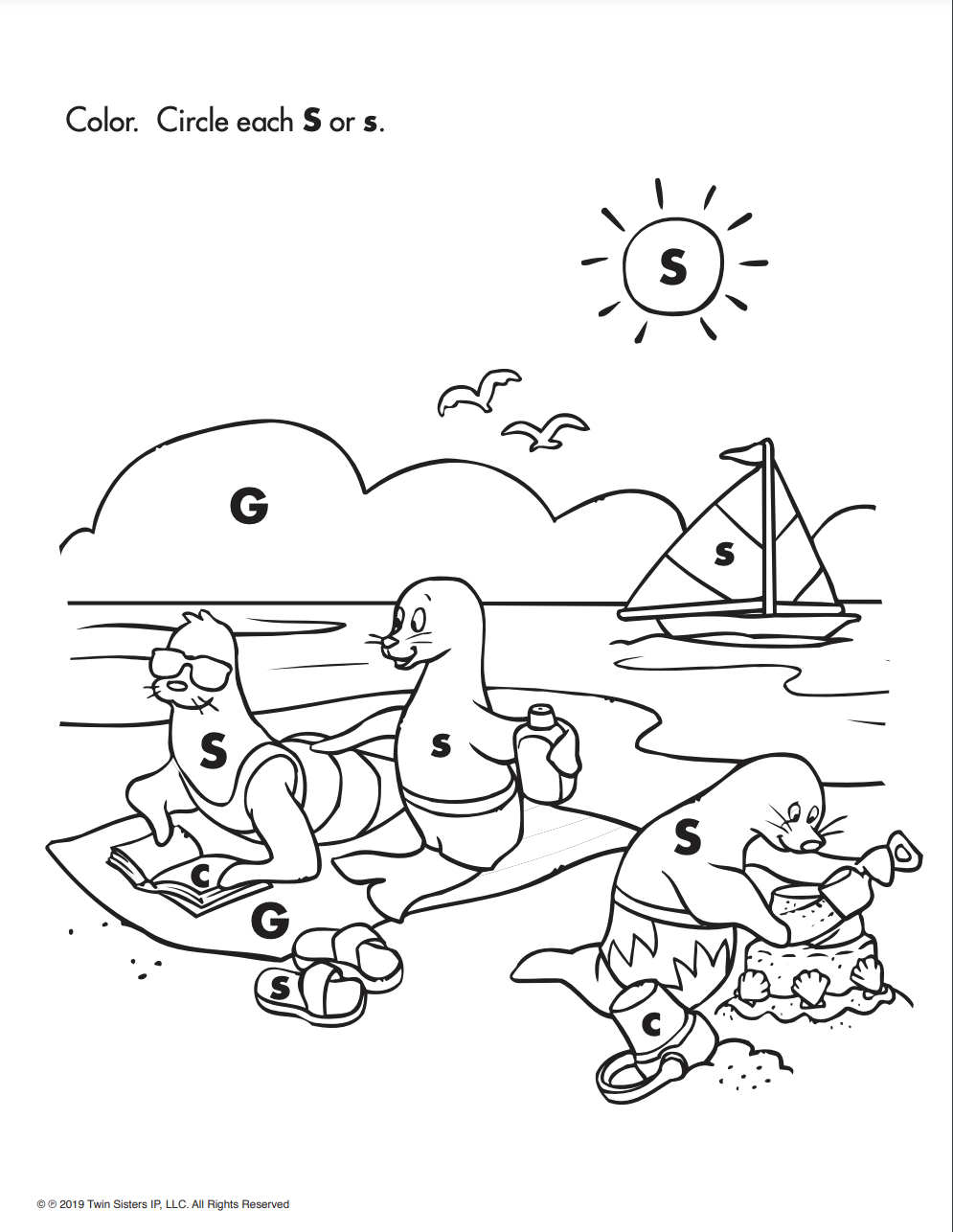
Love Your Earth Activities A comprehensive resource pack that consists of more than 20 vibrant and engaging printable worksheets curated to cultivate respect for the planet among learners by highlighting the significance of safeguarding animals and their habitats. Activities Included Artistic Creativity Stimulation: Beautiful coloring pages on diverse themes. Dexterity with Numbers: Color-by-number exercises geared towards number recognition and color knowledge enhancement. Skill Developmental Tasks : Shape search games for encouraging analytical thinking. Tracing shapes activities aid in improving visuospatial ability, whereas hidden pictures quests impart problem-solving skills to learners. Fostering Alphabetical Understanding Making alphabetical understanding a fun-filled experience through color-by-letter assignments along with letter search tasks - perfect curriculum companions for Preschoolers beginning their journey into the world of alphabets or Grade 1-3 pupils requiring further reinforcement. Versatile Implementation The flexibility of these resources allows them to be utilized under various scenarios: In a Classroom Setting: Invokes interaction during discussions about the intended purpose or learning outcomes of each activity . During Individualized Instruction sessions or Small Group Learning Interactions: Caters targeted practice based on each student's specific learning needs (or goals). Makes Ideal Enriching Homework Assignments: Easily downloadable PDF format allows feasibility even as rewarding home assignment exercises! Learner Levels & Subject Catered To: [Text] Carefully crafted package caters explicitly for pre-school level up till Grade 3 students majorly within Art & Music subjects falling under the broader Fine Arts category. Simplicity in Access: The resource comes bundled inside a single PDF file type, thus making teaching an uncomplicated yet productive procedure.
Author Twin Sisters Digital Media
Tags Earth Activities, Animal Habitats, Printable Worksheets, Coloring Pages, Alphabetic Understanding