12 Election Terms for Middle & High School- Vocabulary Strategies
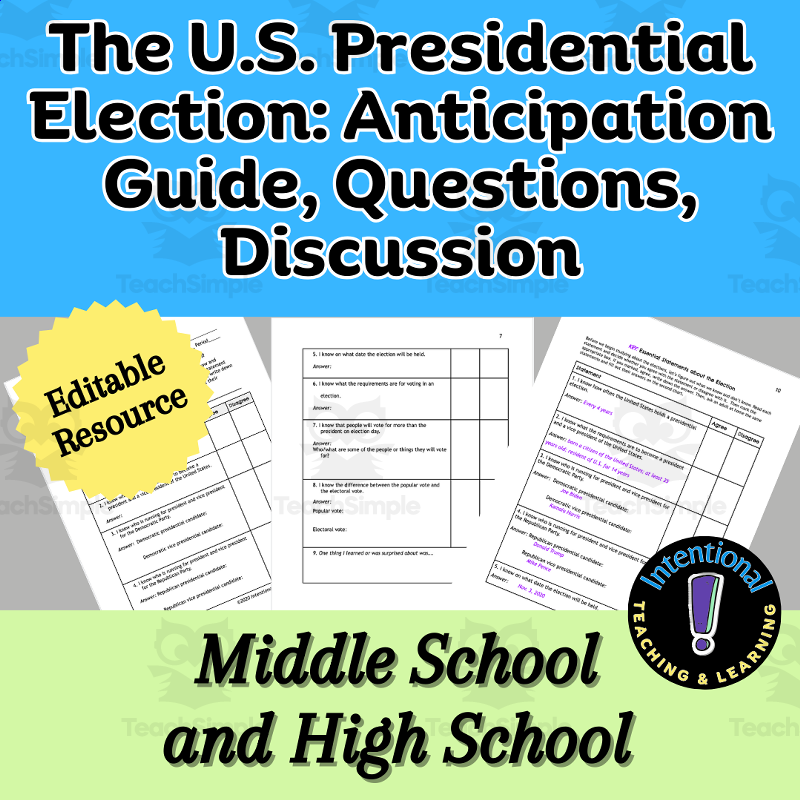
A vocabulary-building lesson helping middle/high school students learn 12 essential election-related terms so they can engage more deeply with the electoral process.
12,840 resources
Explore sub-categories
14 sub-categories · 12,840 resources
A vocabulary-building lesson helping middle/high school students learn 12 essential election-related terms so they can engage more deeply with the electoral process.
Assesses students' ability to describe the relationship between illustrations and the story in which they appear, per the evidenced RL.K.7 answer key ('Answers will vary, but student should understand how the illustration helps tell the story').
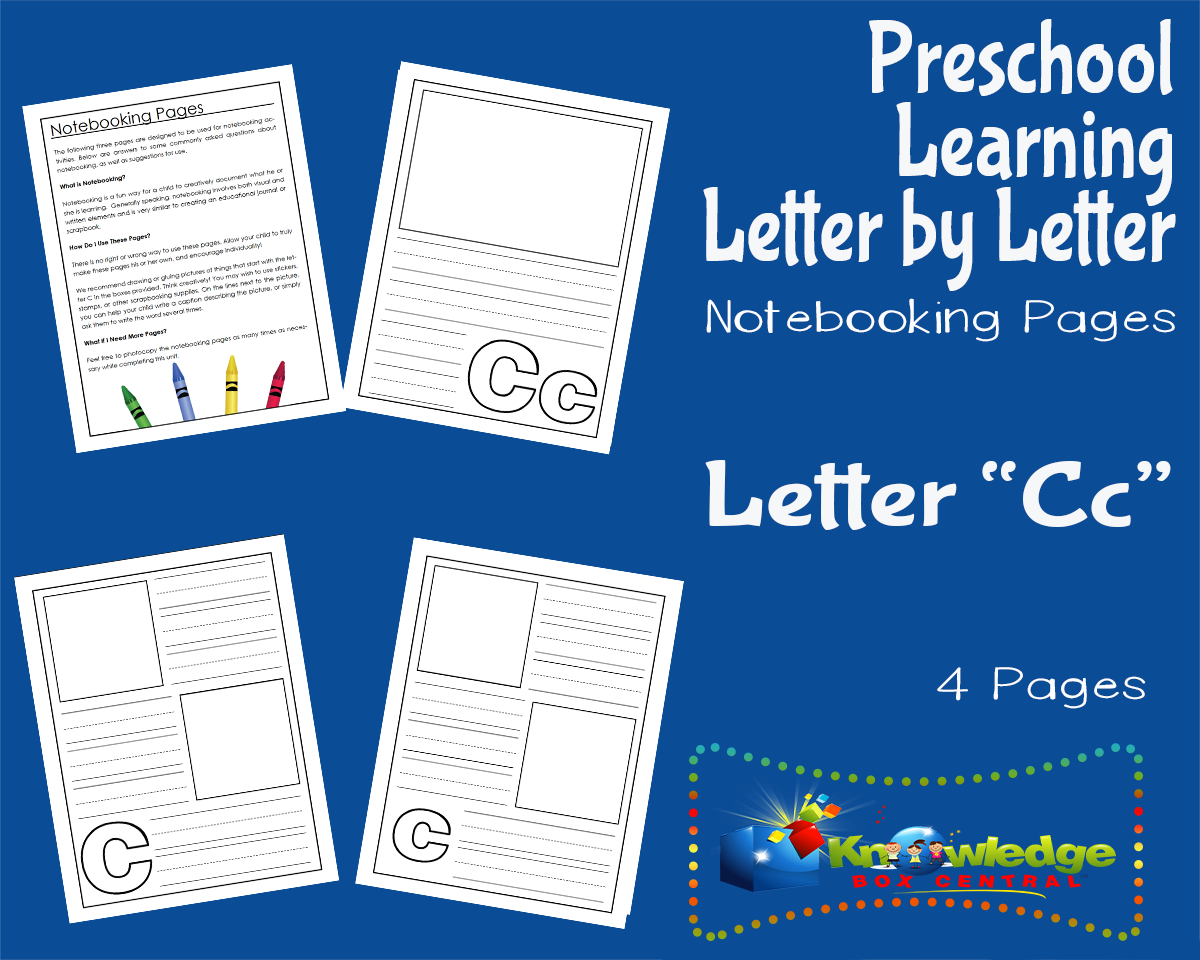
Single-activity worksheet/ebook helping preschoolers recognize, identify, or practice the letter C (notebooking).
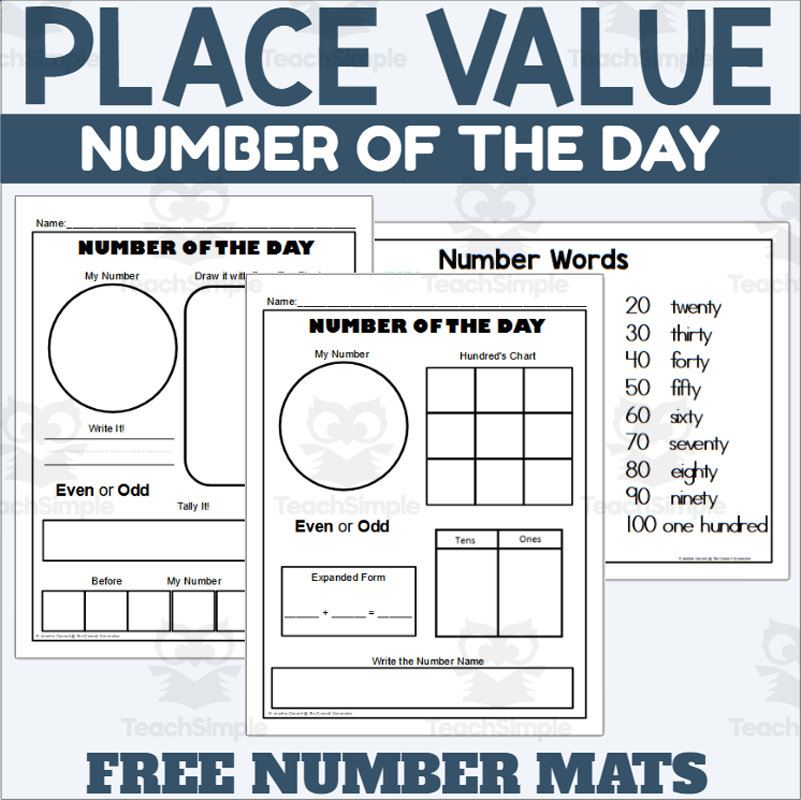
Give students daily practice representing a two-digit number in multiple place-value formats as a 'Number of the Day' routine.
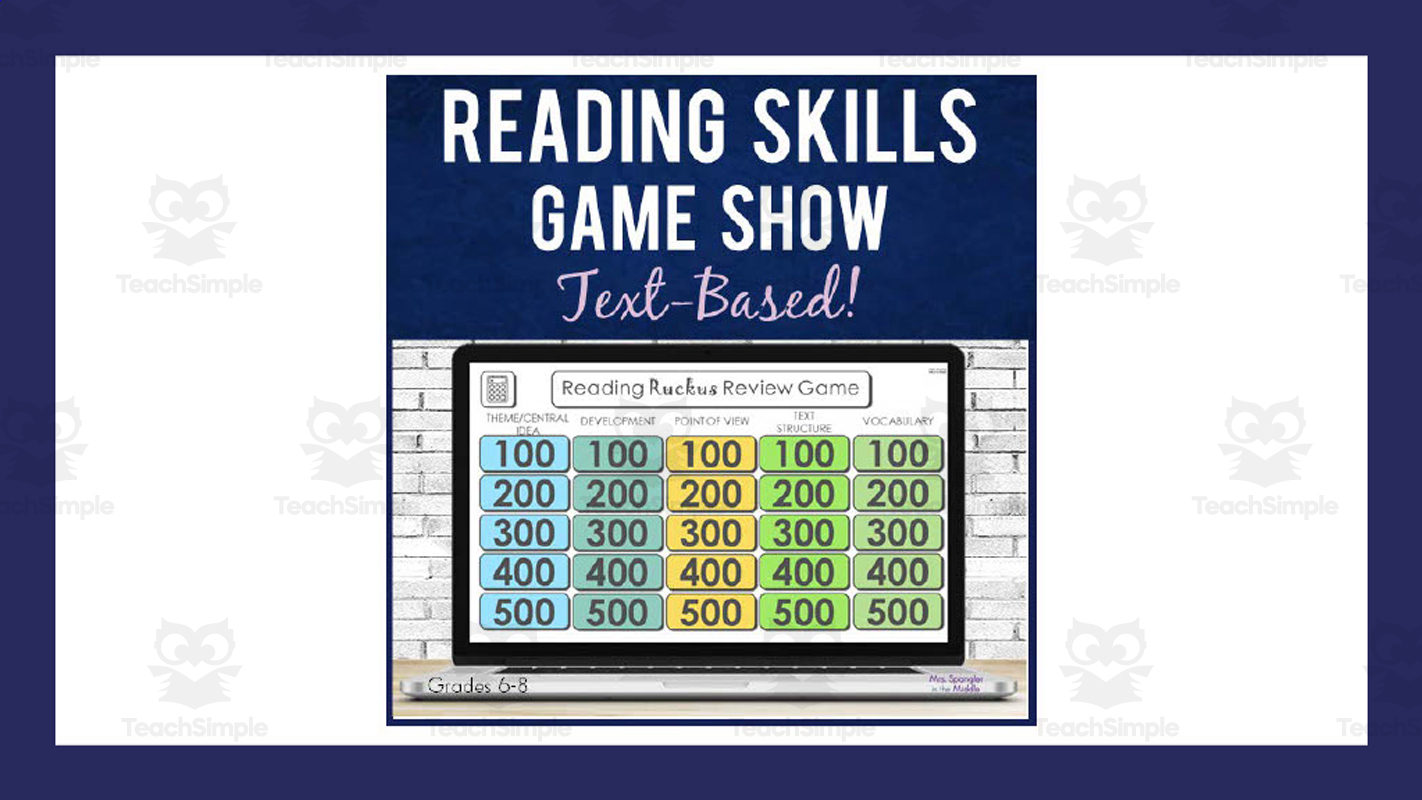
A Jeopardy-style review game (digital PowerPoint/Google Slides board plus a companion nonfiction reading passage) for reviewing reading skills: theme/central idea, development, point of view, text structure, and vocabulary.
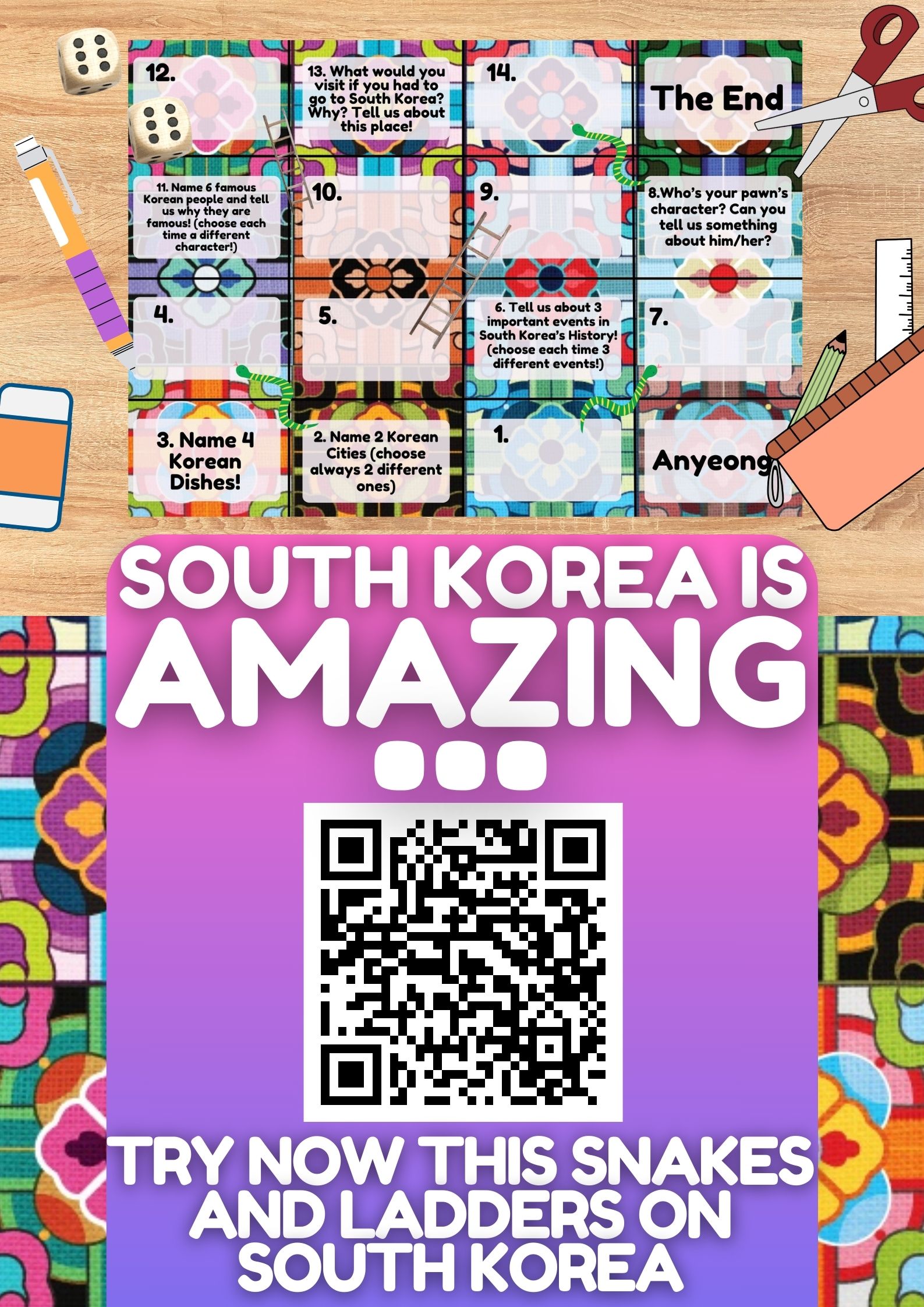
A printable Snakes and Ladders board game that tests and reinforces students' knowledge of South Korea (geography, history, culture) after a country-study unit.
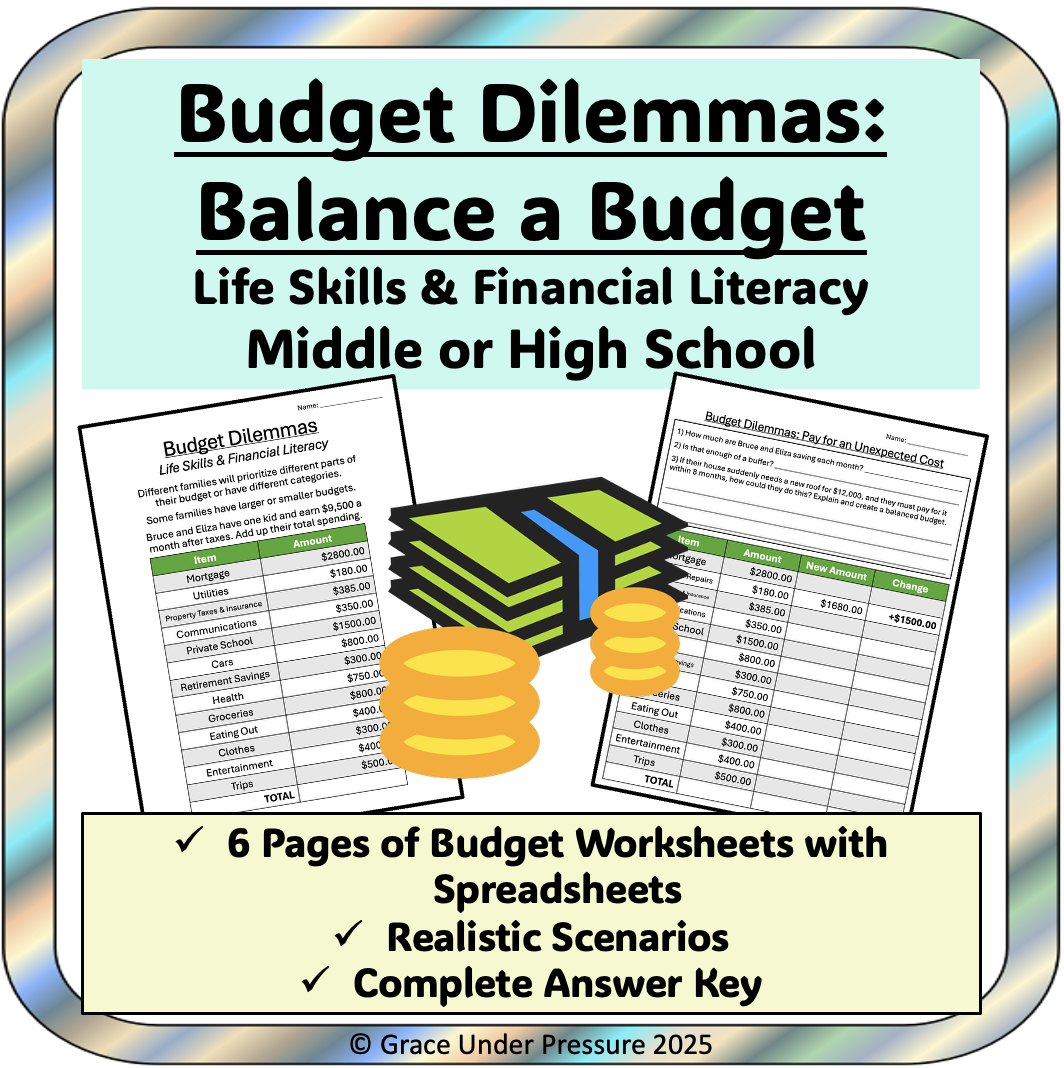
A financial-literacy lesson where students balance three realistic household budget scenarios that each involve an unexpected expense.
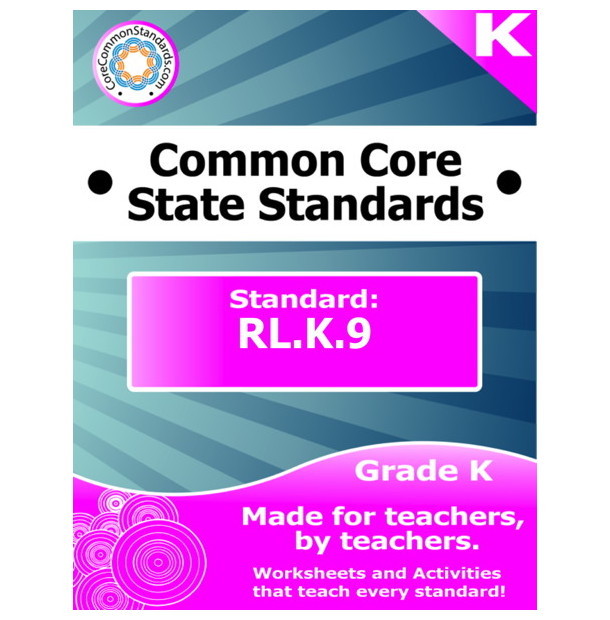
Assesses students' ability to compare and contrast the adventures/experiences of characters in familiar stories, per the evidenced RL.K.9 answer key ('Answers may vary. Students should describe how the boy and tree react with one another in the story').
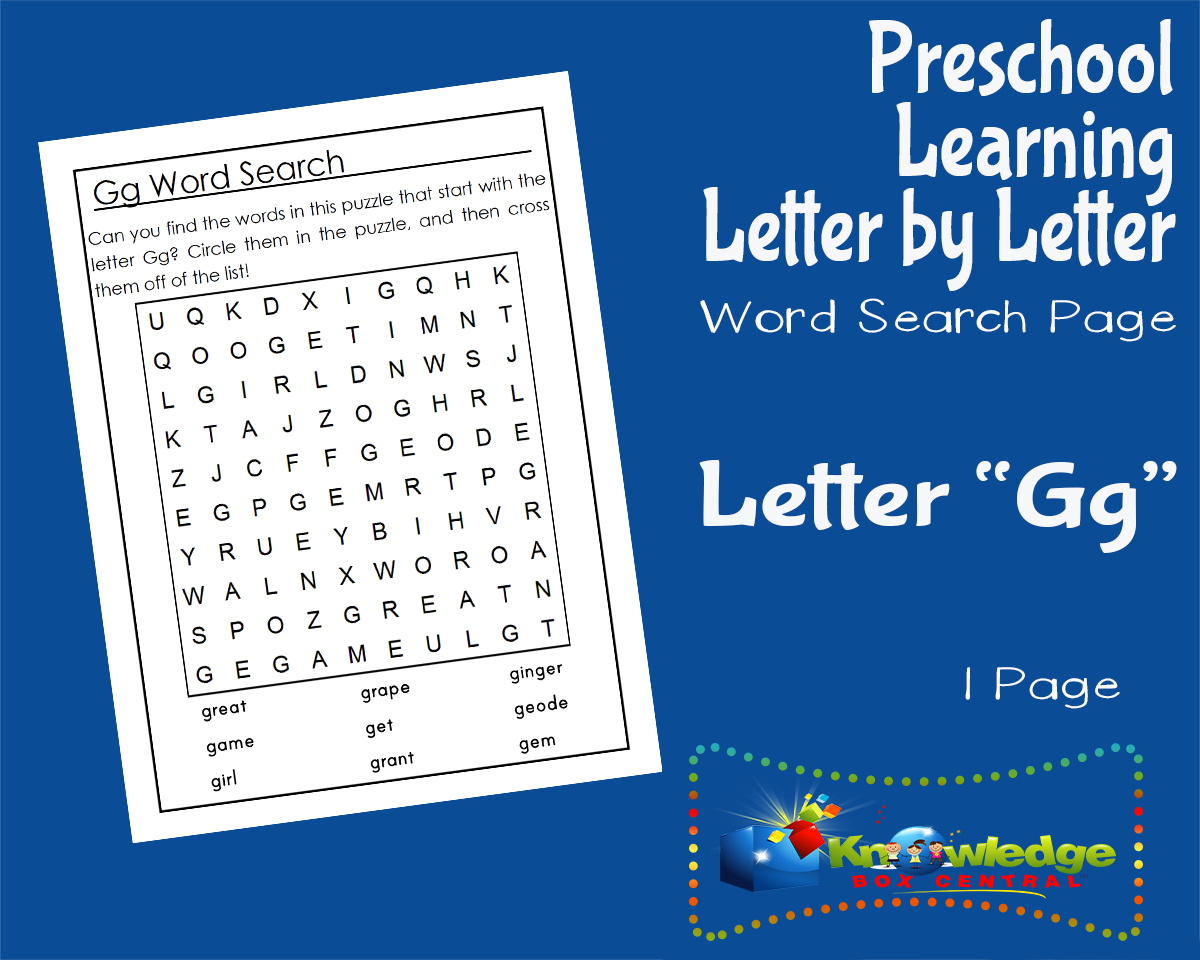
A one-page word search puzzle giving preschool/kindergarten children practice recognizing the letter G by finding words that begin with it.
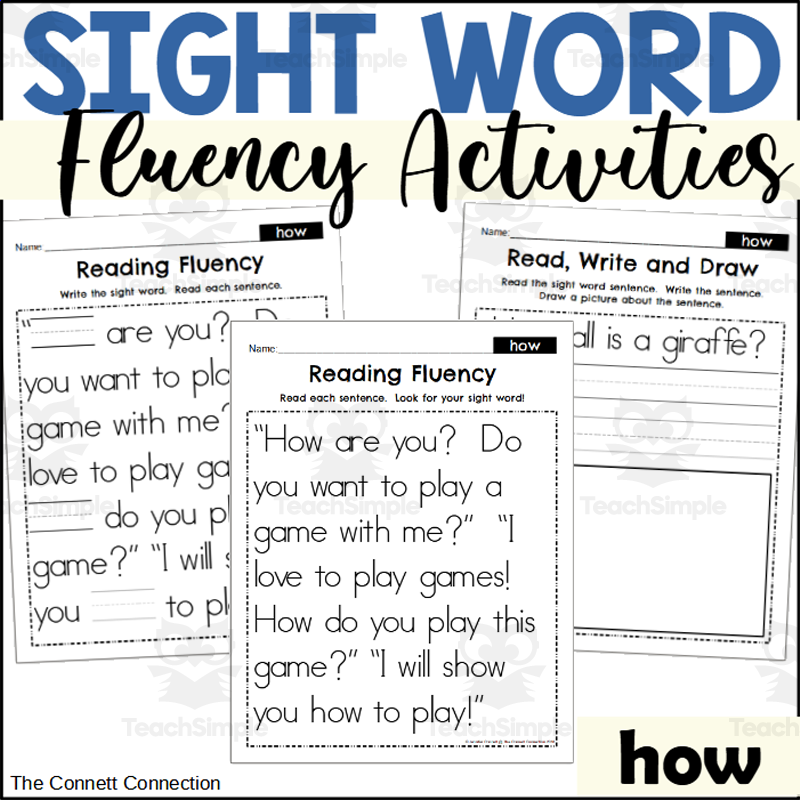
No-prep sight word fluency practice for the high-frequency word "how" — reading, filling in the blank, and reading/writing/drawing for beginning readers.
Provides a set of reading-center task cards to build fluency, comprehension, and vocabulary skills through varied independent and partner reading strategies.
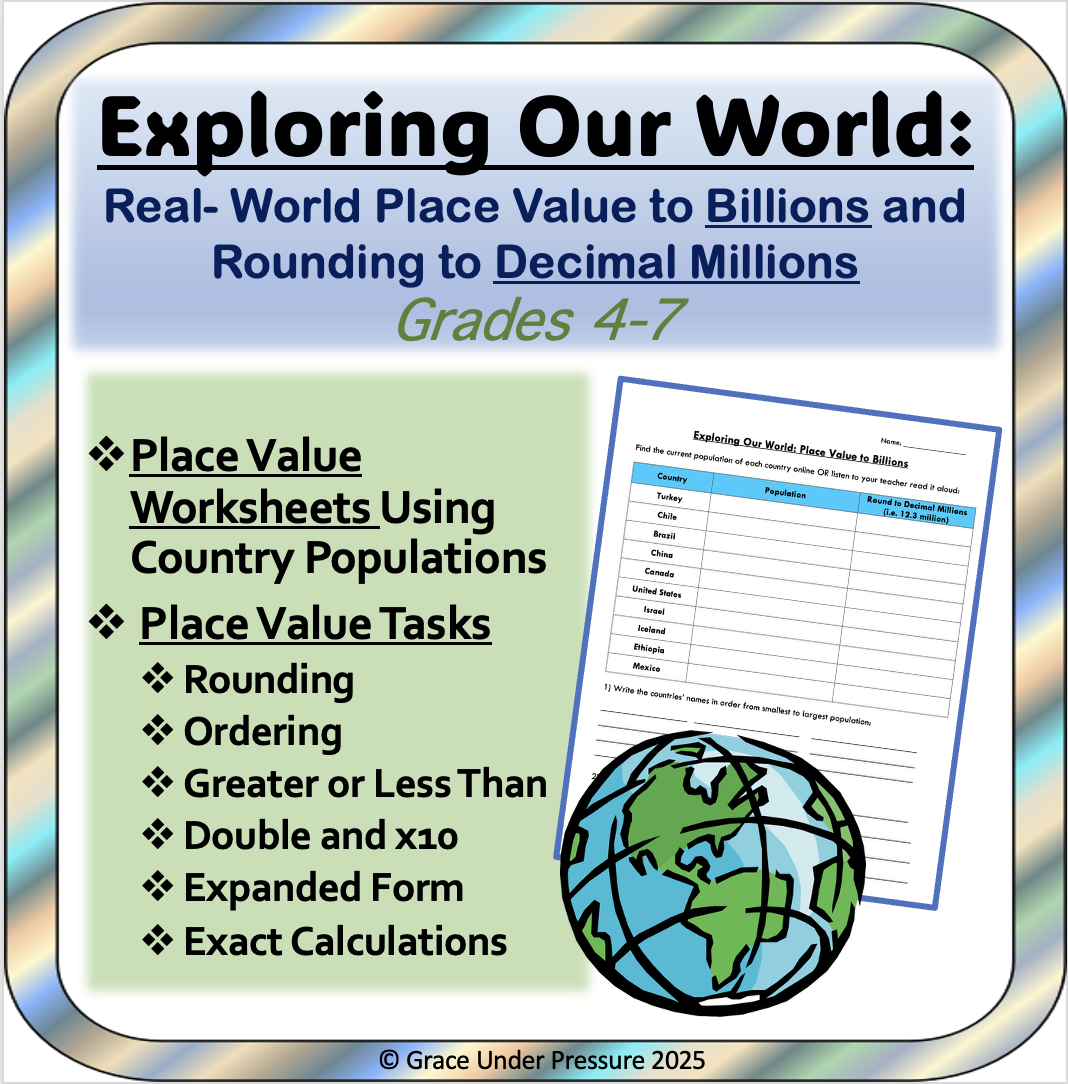
A place value worksheet that has students use real-world country population figures to practice large-number place value skills (rounding, ordering, estimating, calculating) to the billions.
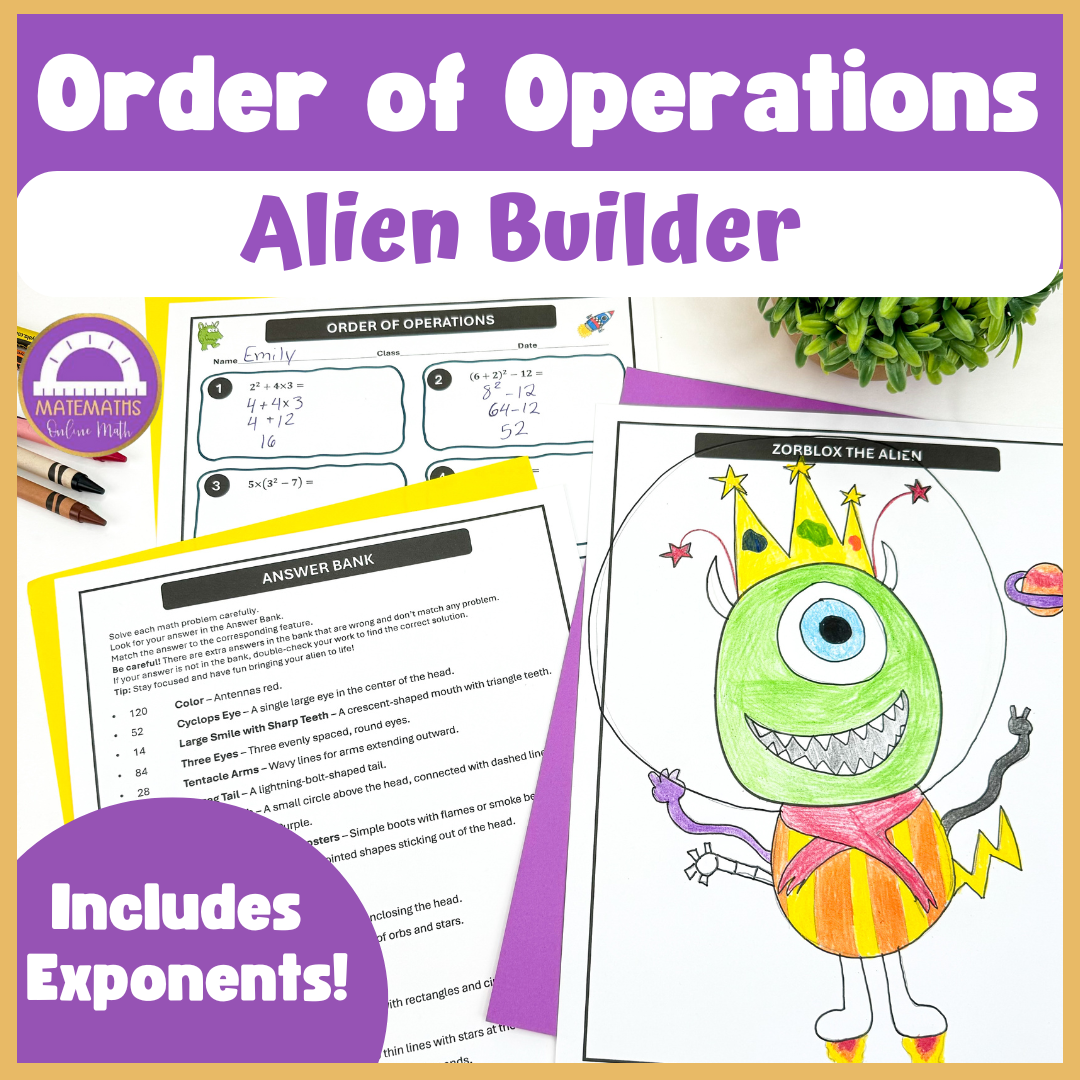
Provide a gamified, self-checking order-of-operations (including exponents) practice activity where correct answers unlock features to draw a custom alien.
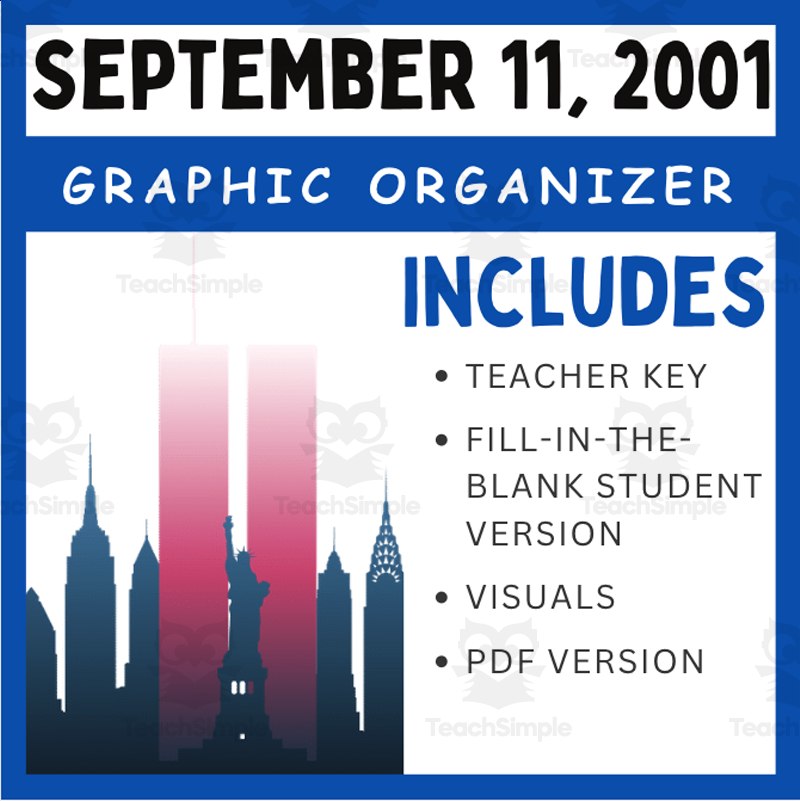
Graphic organizer presenting a factual overview/timeline of the September 11, 2001 attacks for reading and recall practice.
Assesses students' active engagement in group reading activities, per the evidenced RL.K.10 answer key ('Record student behavior as they read in a small group and respond to what they have read/heard').
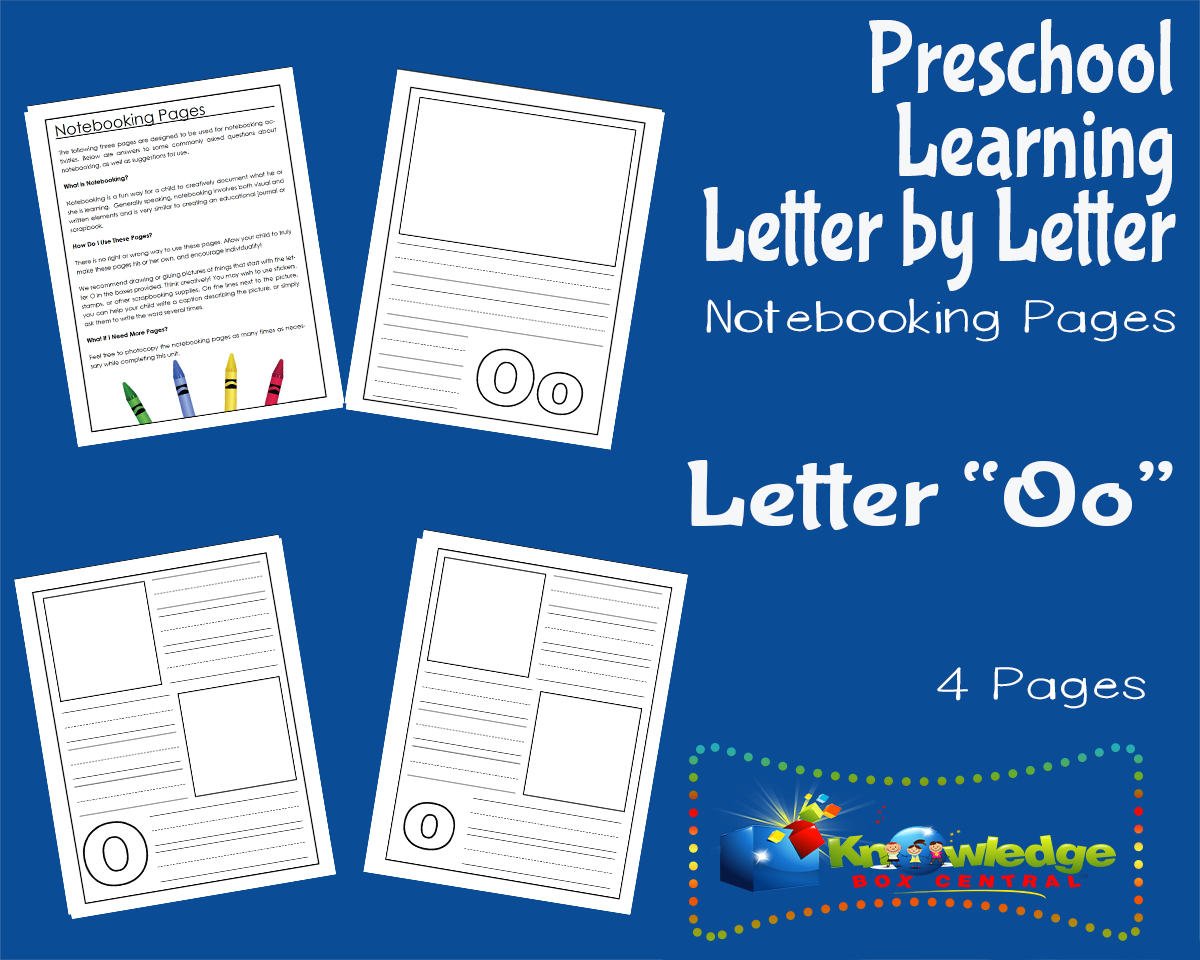
Give preschoolers a guided, open-ended notebooking activity to creatively document and practice the letter O.
Gives students practice subtracting from 18 through a two-player dice game board with an animal-capture theme.
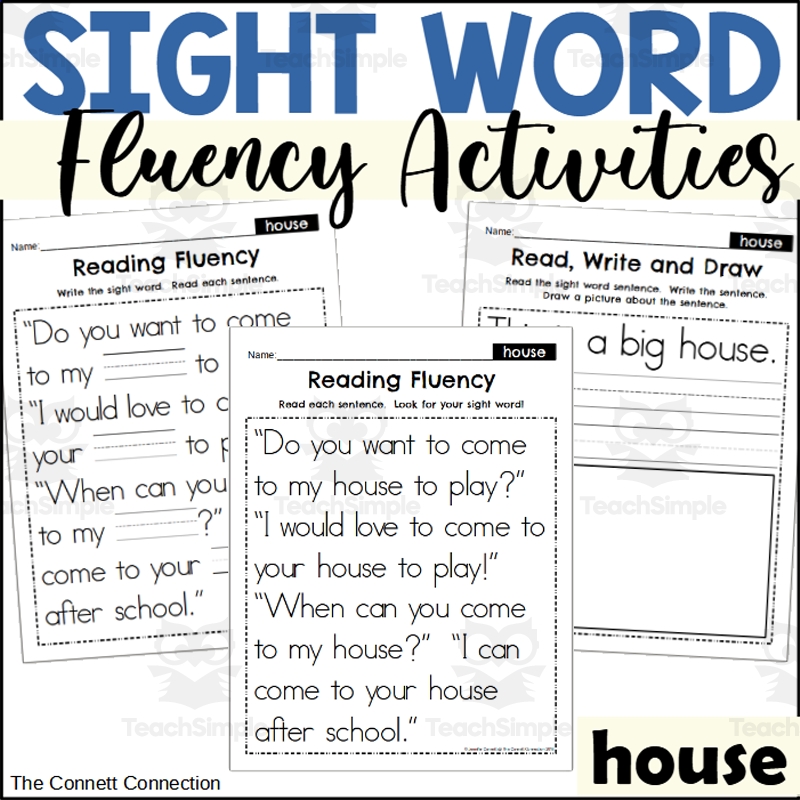
No-prep sight word fluency practice for the high-frequency word "house" — reading, filling in the blank, and reading/writing/drawing for beginning readers.
Reinforce vocabulary, reading comprehension, and writing skills using weather-instrument terminology (hygrometer, weather vane, rain gauge, anemometer, wind sock, thermometer, barometer).
A full science workbook (Book E of the 'Simple and Fun Science' series, ages 9-11) teaching life science concepts (cells, osmosis, plant/animal classification, plant responses to environment and light, tree age) through hands-on investigations.
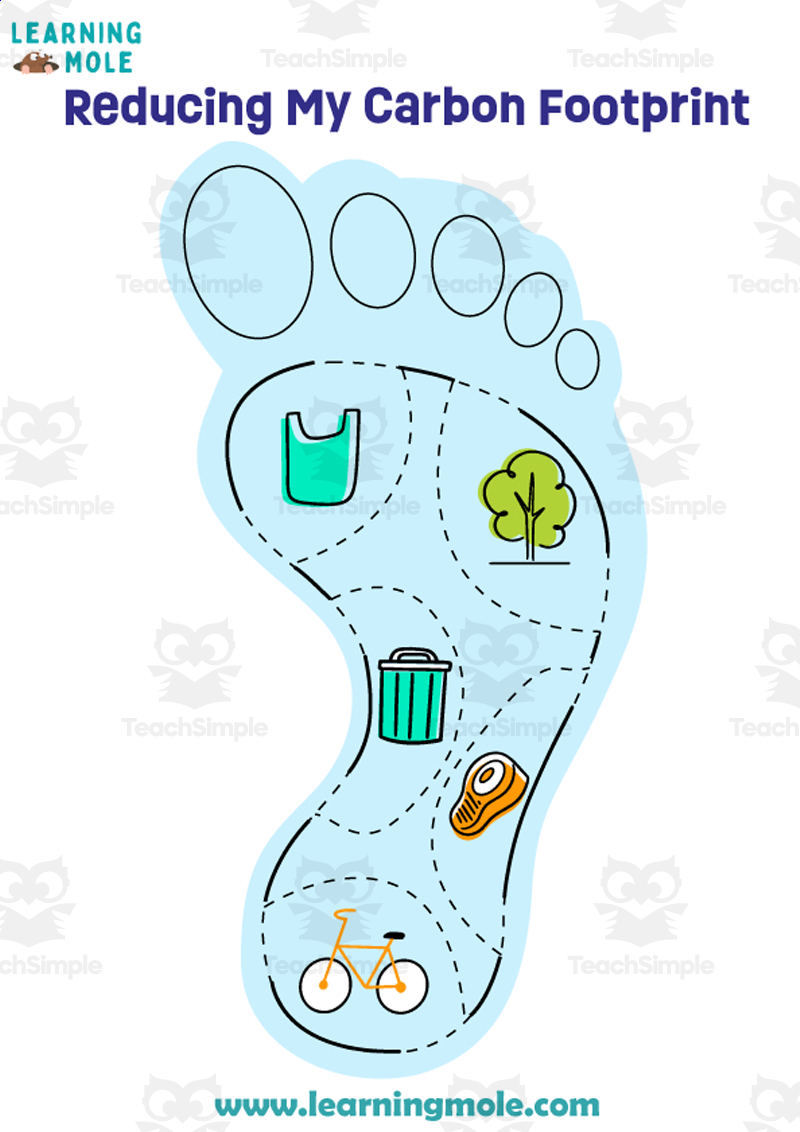
A short STEM craft activity that prompts students to think of ways to reduce their carbon footprint and record those ideas on a lift-the-flap paper footprint.
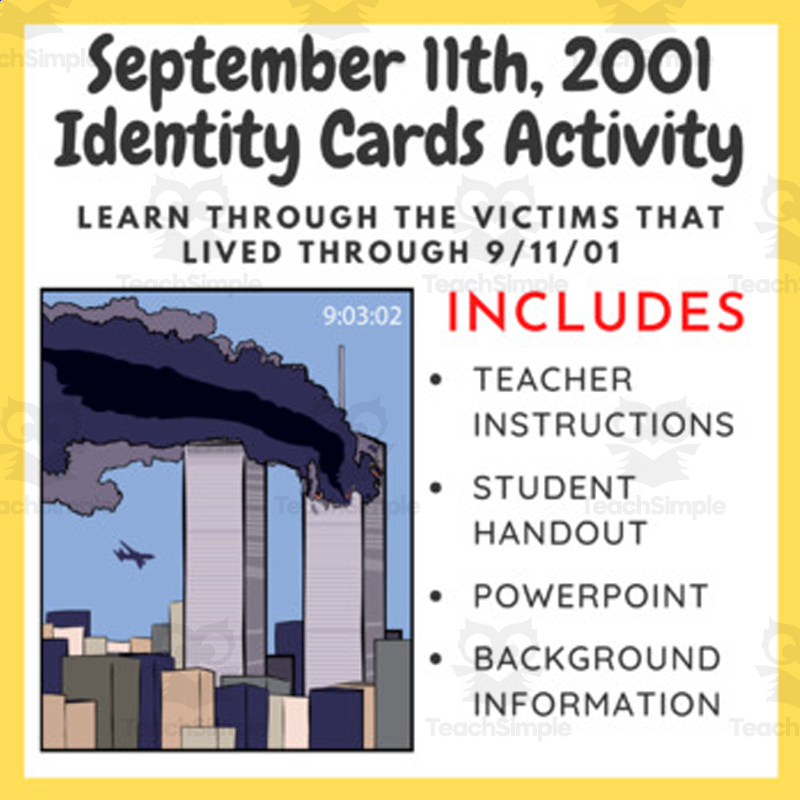
A high-school history activity, modeled on a Holocaust Museum strategy, that personalizes the September 11, 2001 attacks by having students learn the biographies and outcomes of real individuals affected by the attacks.
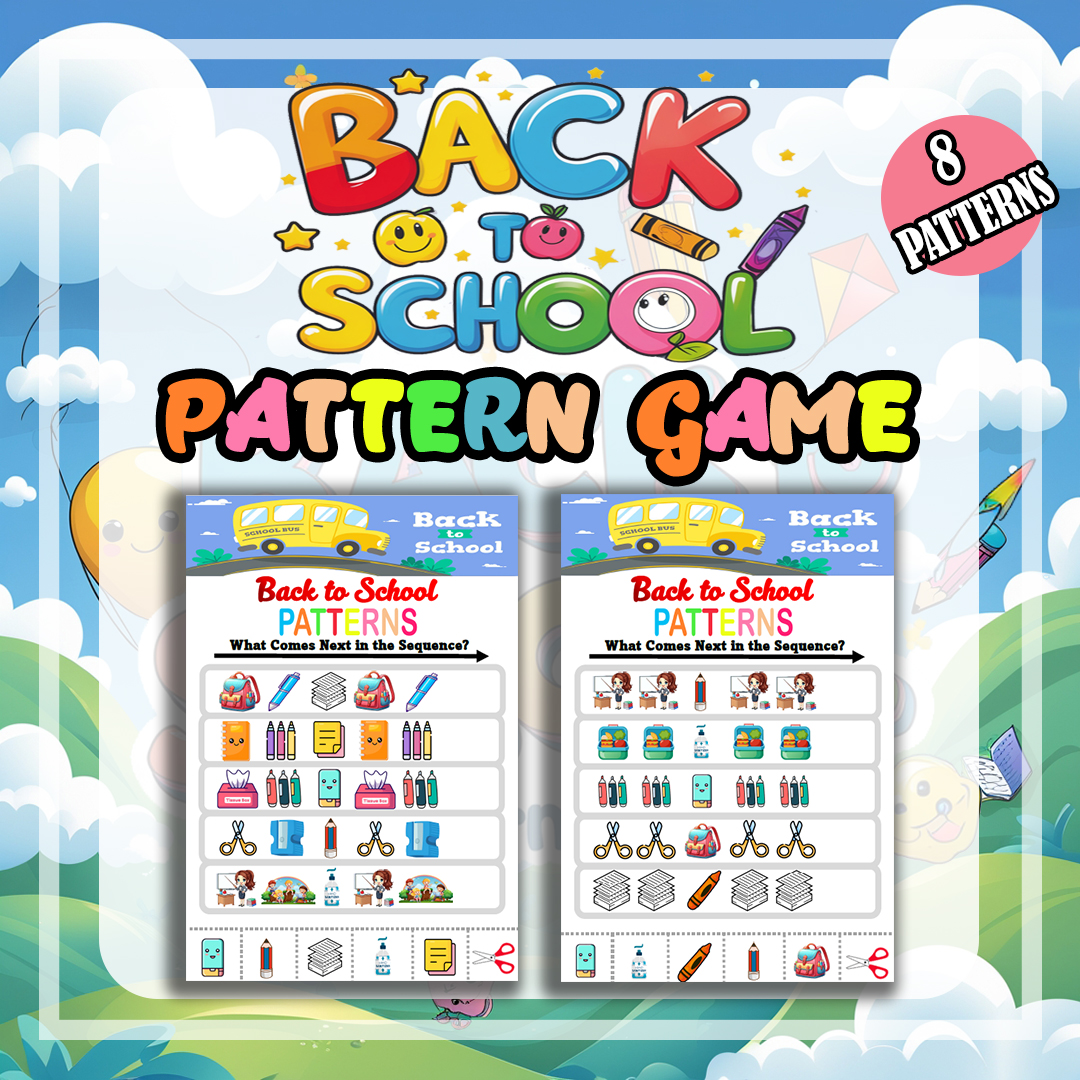
Back-to-school themed pattern-recognition worksheets ('What Comes Next in the Sequence?') for early math practice.
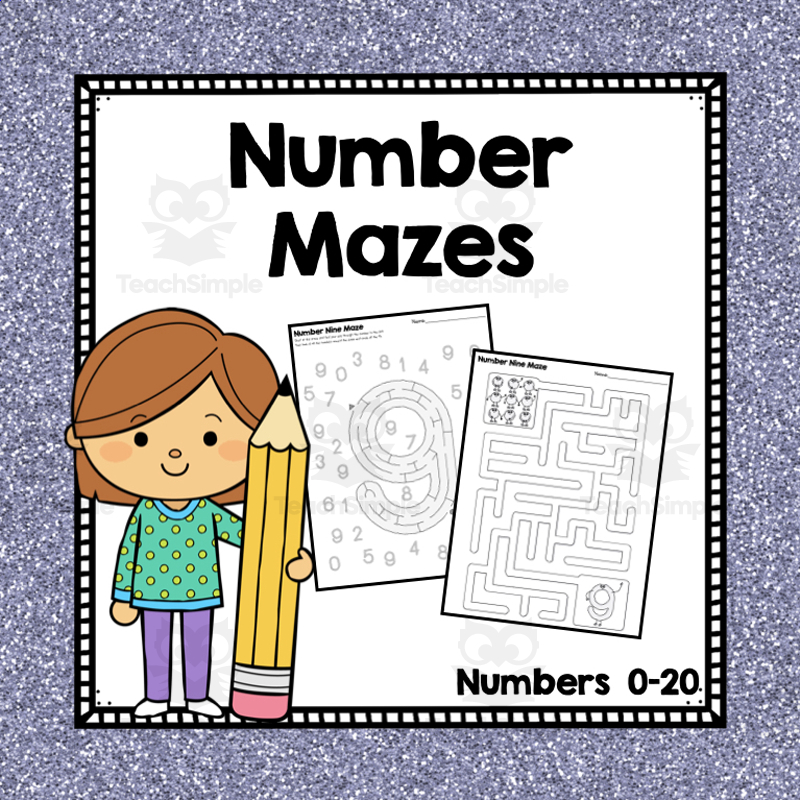
Give students practice with number recognition and visual discrimination by tracing a maze path shaped like a target number and then finding matching numbers scattered around it.