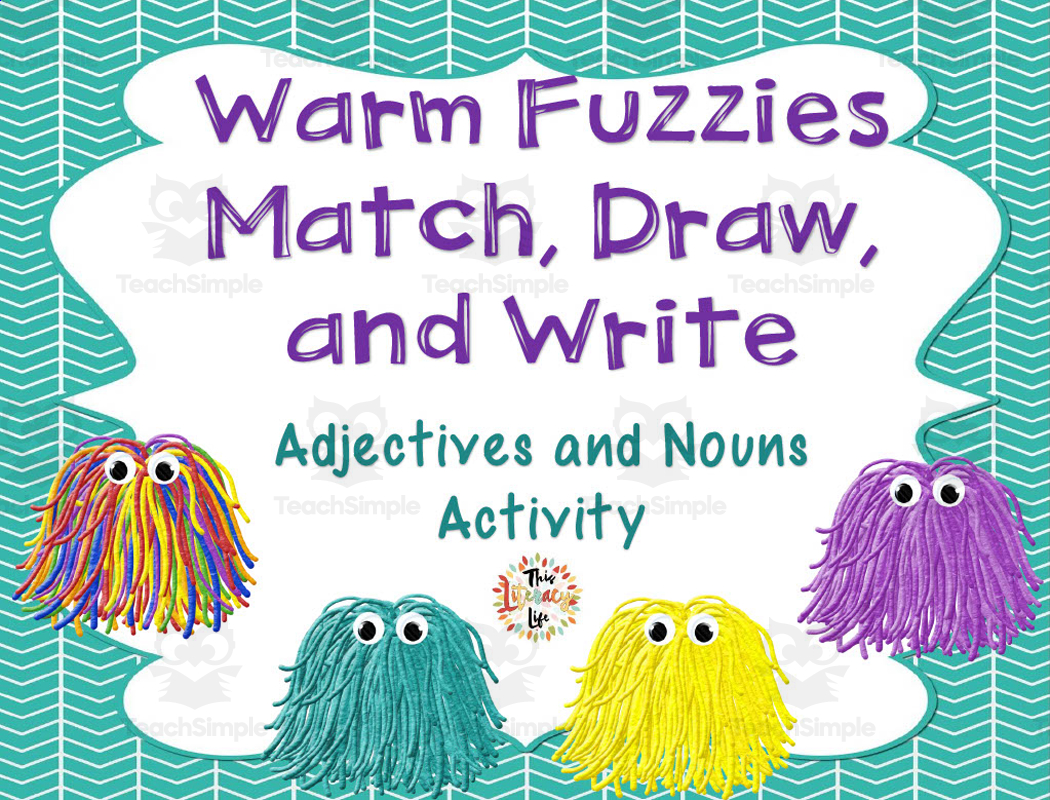
Warm Fuzzies Adjectives and Nouns Activity
Practice matching adjectives and nouns to form phrases and use them in sentences, for a literacy/grammar center.




12,840 resources
Explore sub-categories
14 sub-categories · 12,840 resources
Practice matching adjectives and nouns to form phrases and use them in sentences, for a literacy/grammar center.
A review game ('I Have, Who Has?') that reinforces nonfiction/informational text vocabulary terms tied to Reading Informational (RI) standards.
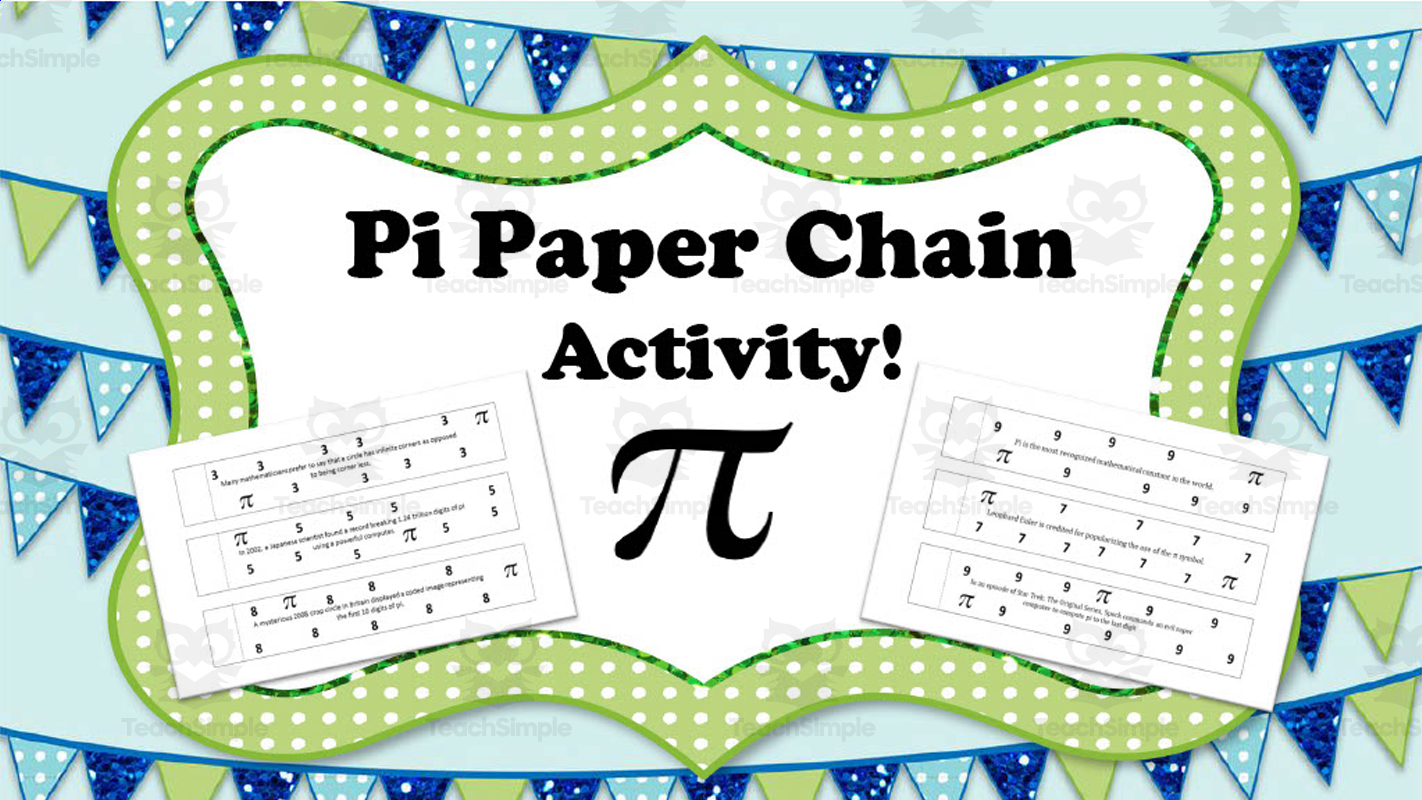
A classroom-decoration math activity: 30 paper strips, each representing one digit's place value of pi and printed with a math/pi trivia fact, to be colored and linked into a paper chain.

Teach high school chemistry students about types of chemical bonds: forces of attraction, ionic vs. covalent bonds, single/double/triple covalent bonds, polar covalent bonds, and metallic bonds.
Assesses students' ability to recognize common types of texts, per the evidenced RL.K.5 answer key, which lists text-type identification answers: '1. Informational 2. Storybook 3. Poetry 4. Cookbook 5. Magazine 6. Fairytale'.
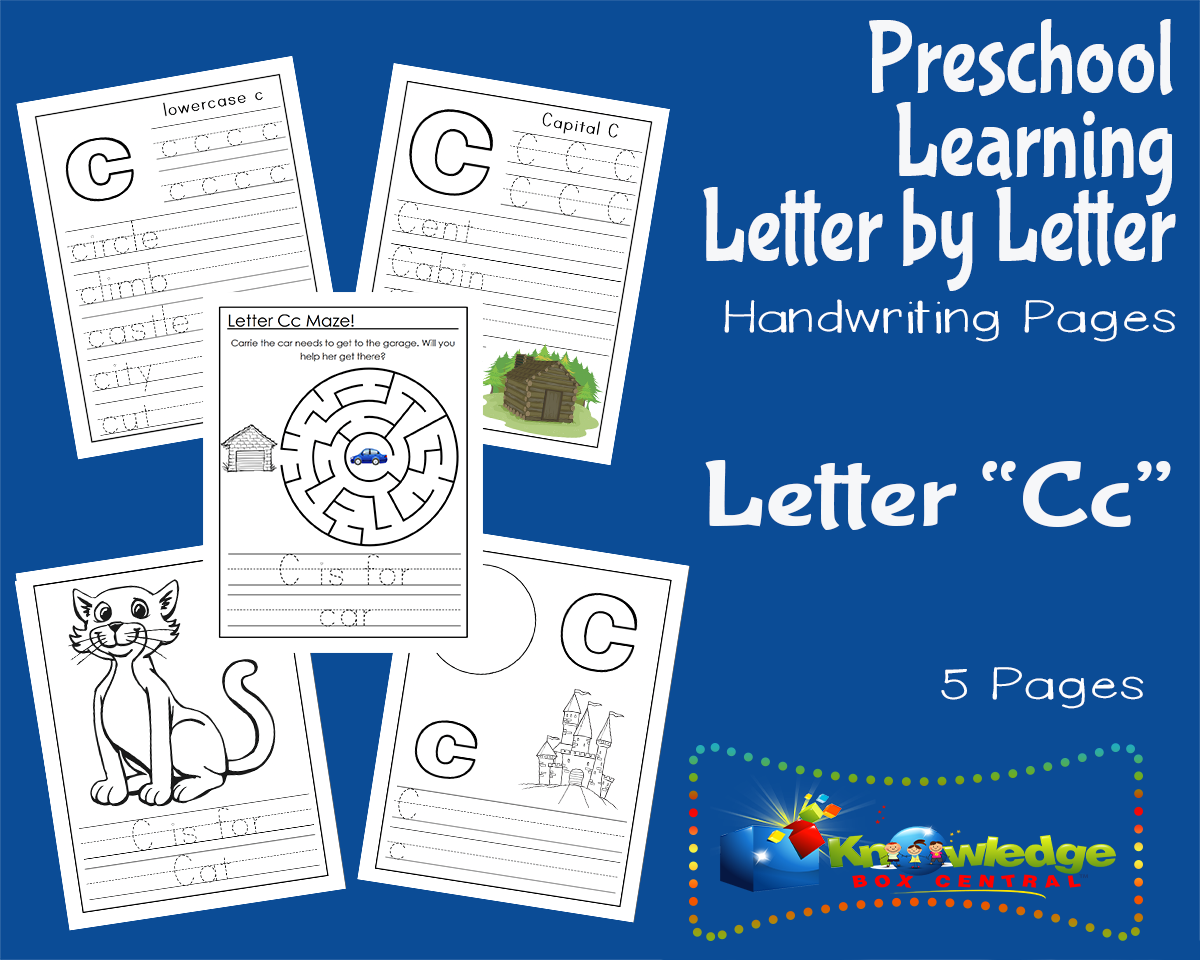
Single-activity worksheet/ebook helping preschoolers recognize, identify, or practice the letter C (handwriting).
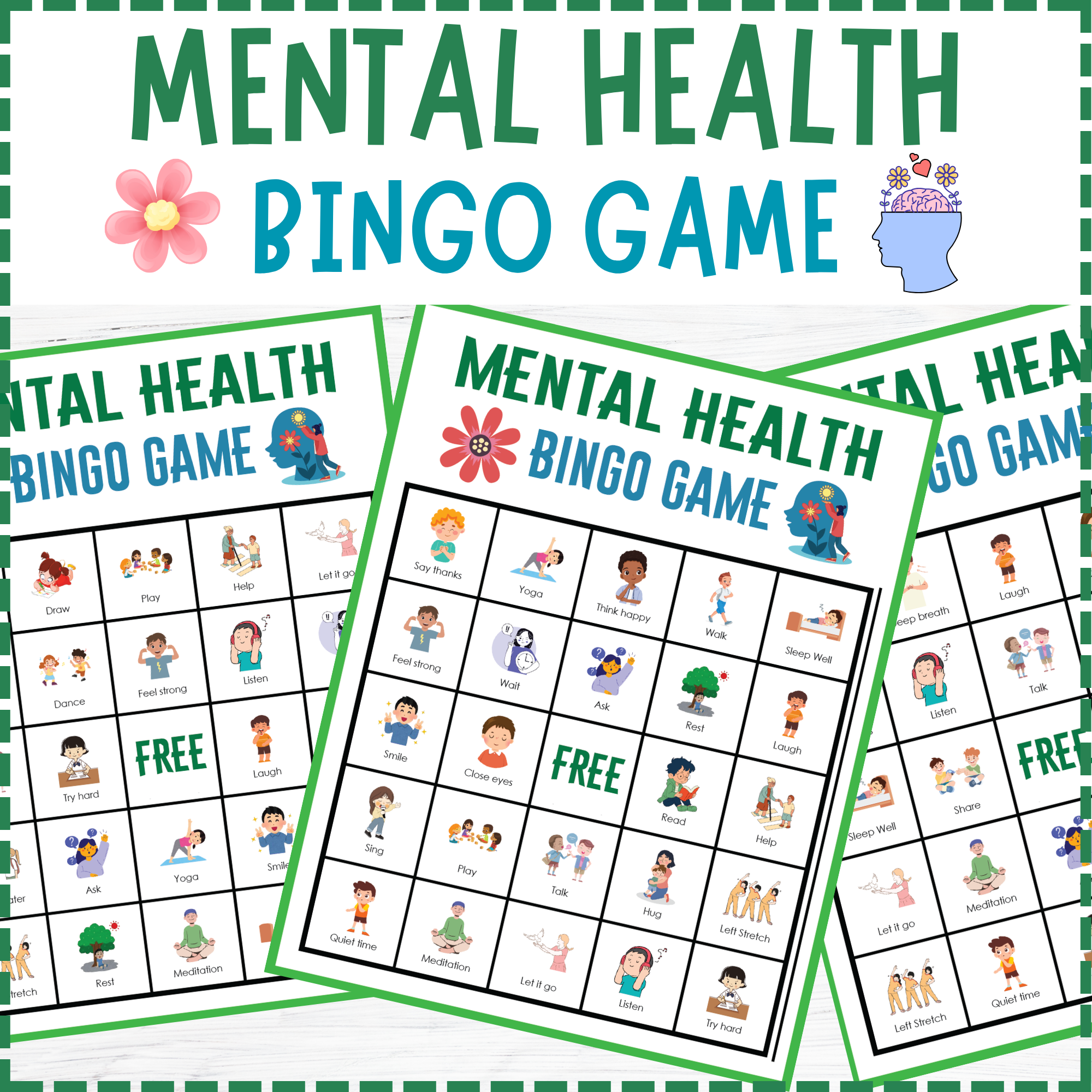
Self-care and self-esteem vocabulary — deep breath, meditation, yoga, drink water, feel strong, let it go, say thanks, and more — is built into a standard bingo format in this printable game. A two-page how-to-use guide walks the teacher through the full setup: printing and laminating the calling cards and bingo cards, distributing one unique card per student along with a set of bingo chips, explaining horizontal, vertical, and diagonal winning patterns, and calling out items one at a time from a shuffled deck of calling cards. Forty individually laid-out bingo cards are included, one per page, so a full class can play at once without duplicate boards, along with a separate bingo-chip marker sheet. The game is framed as a tool for introducing and reviewing self-care vocabulary and themes rather than an academic content check.
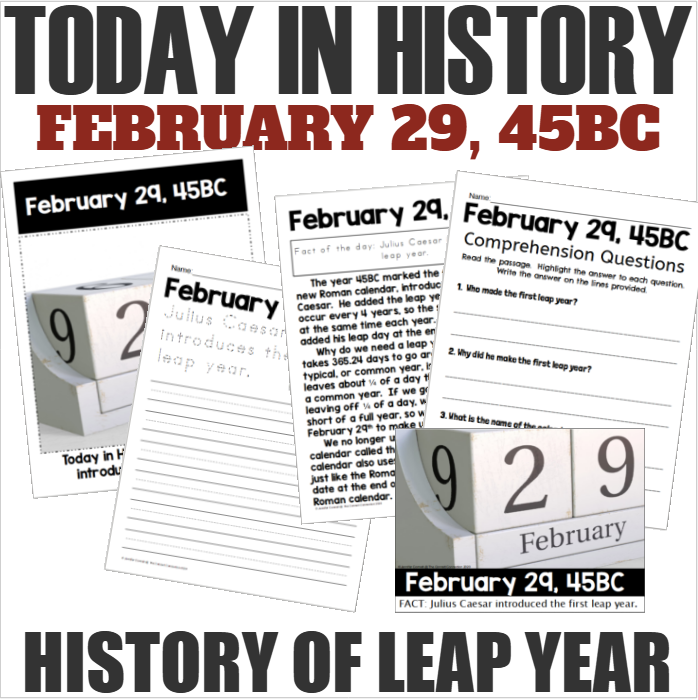
Teaches elementary students about Julius Caesar's introduction of the leap year (45 BC) through a themed daily-history packet combining handwriting practice, reading comprehension, and writing.
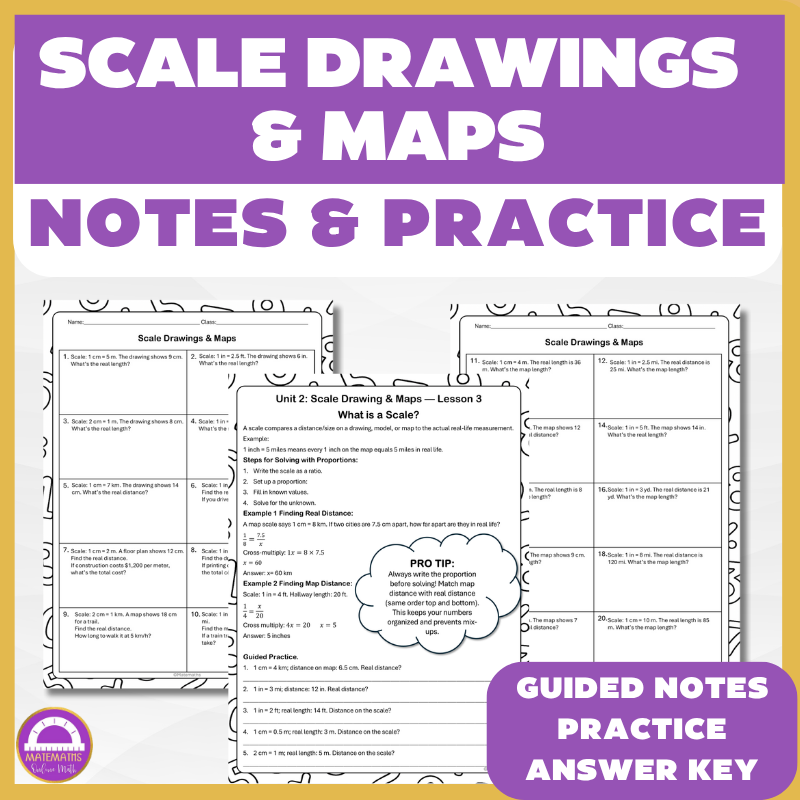
Guided notes and word problems teaching students to read and solve proportions involving map/drawing scales, aligned to CCSS 6.RP.A.3.

A multi-day project-based learning activity in which students design a garden/flower bed, applying area and perimeter math to squares and rectangles.
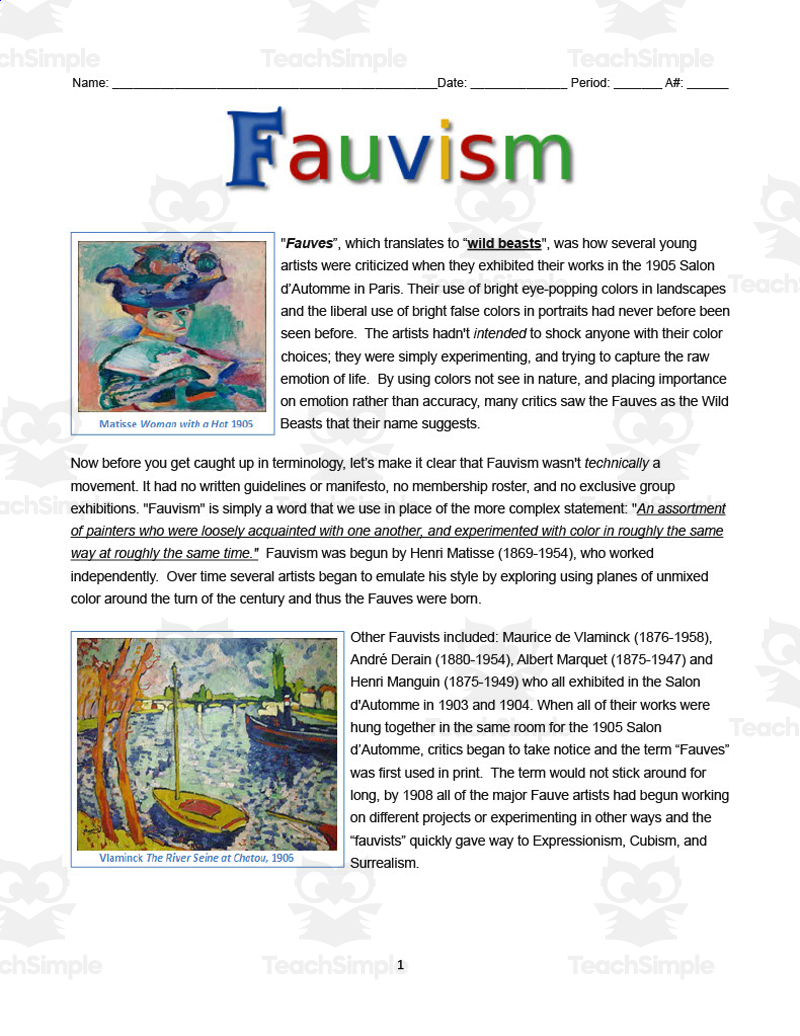
A guide and project introducing the Fauvism art movement; students read about its history and characteristics, answer comprehension questions, then create original art projects and research reports.
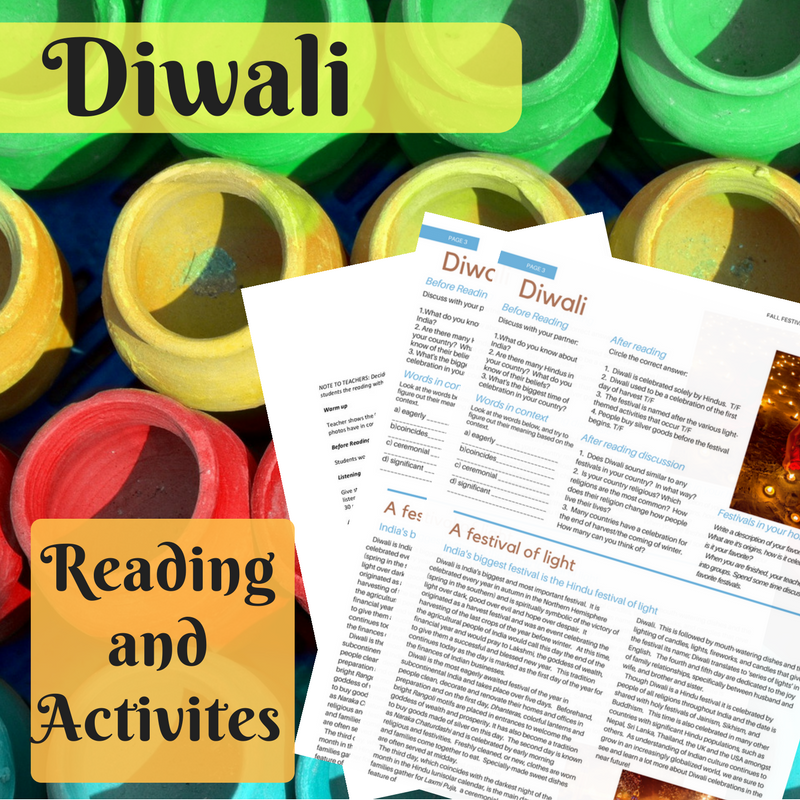
Teach older students (high school or advanced ESL) about Diwali through a reading-comprehension passage, vocabulary-in-context, true/false comprehension check, discussion questions, and an optional listening/gap-fill activity, supported by a full lesson plan for the teacher.
Assesses students' ability to identify characters, settings, and major events in a story, per the evidenced RL.K.3 answer key ('Answers will vary but should indicate an understanding of the characters, setting, and big event of the story read').
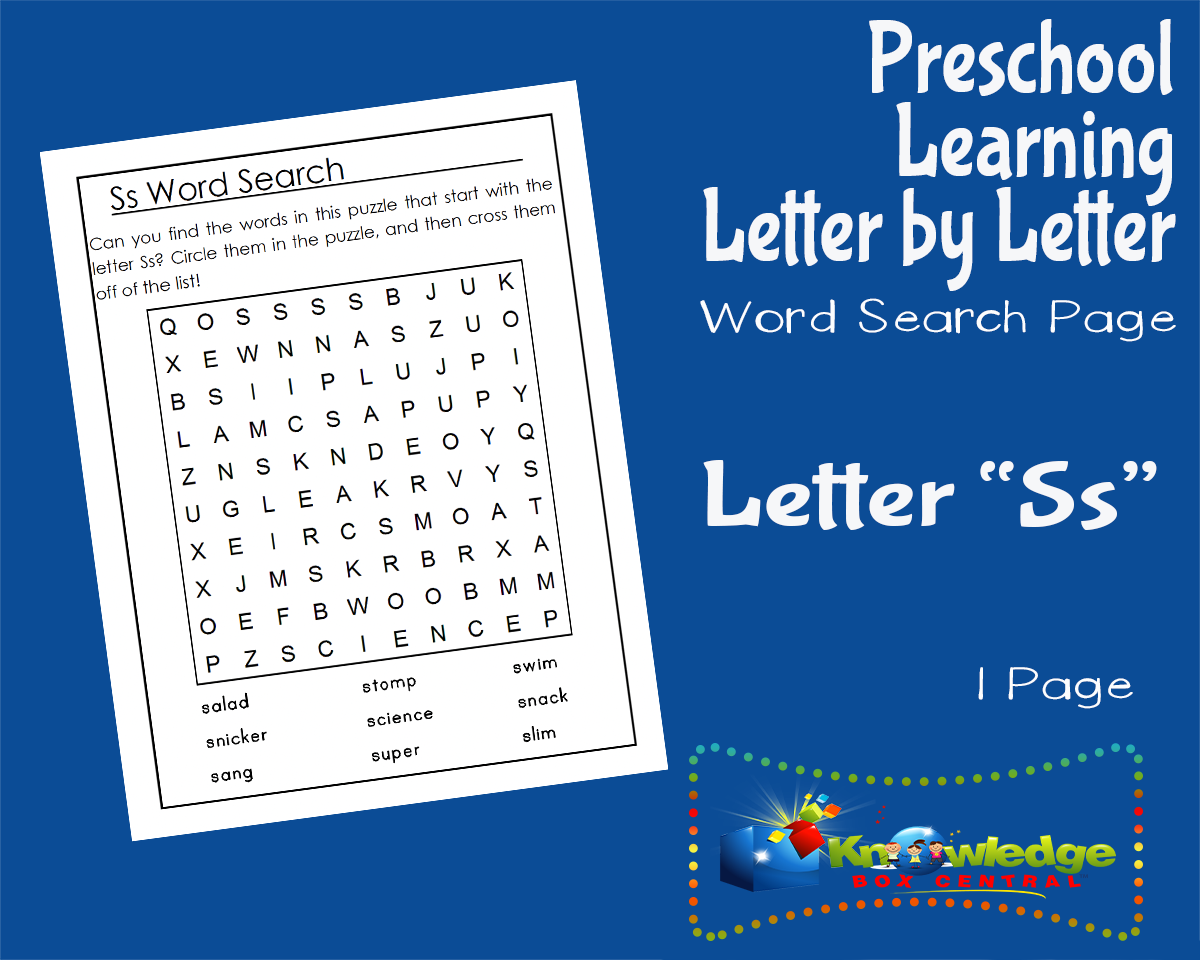
Give preschool/early learners practice finding and recognizing words that begin with the letter Ss.
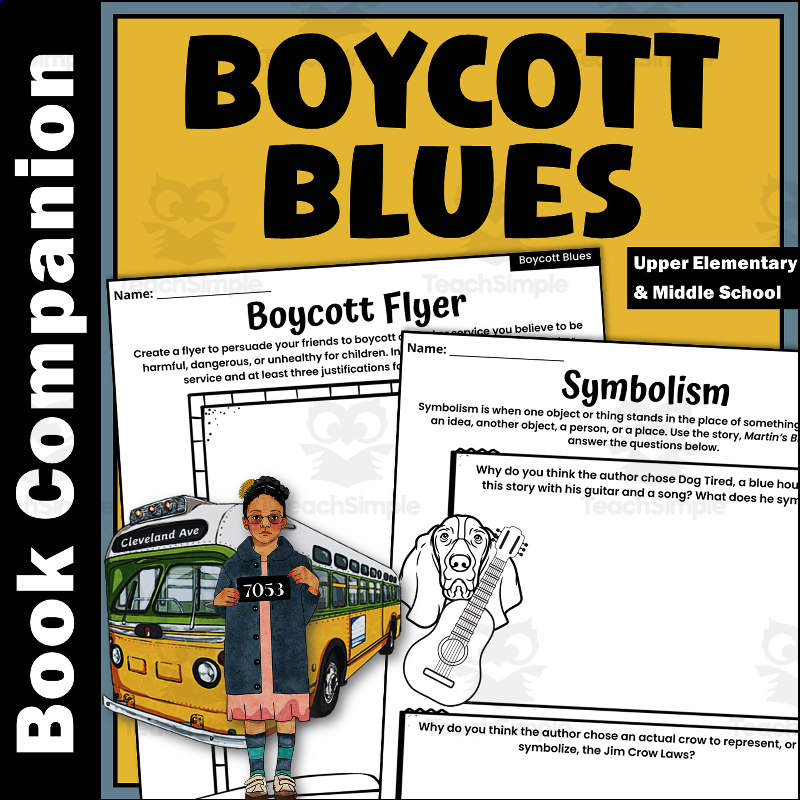
A 31-activity reading companion packet for Andrea Davis Pinkney's picture book 'Boycott Blues: How Rosa Parks Inspired a Nation', building reading comprehension, literary analysis, and Rosa Parks/Civil Rights content knowledge.

A teacher lesson plan guiding students through designing and 3D-printing a custom eating utensil to help someone eat a specific food more easily, using the design-thinking process.

Provide blank letter L/l outline mats for hands-on alphabet crafts, sorting, and letter-recognition activities.
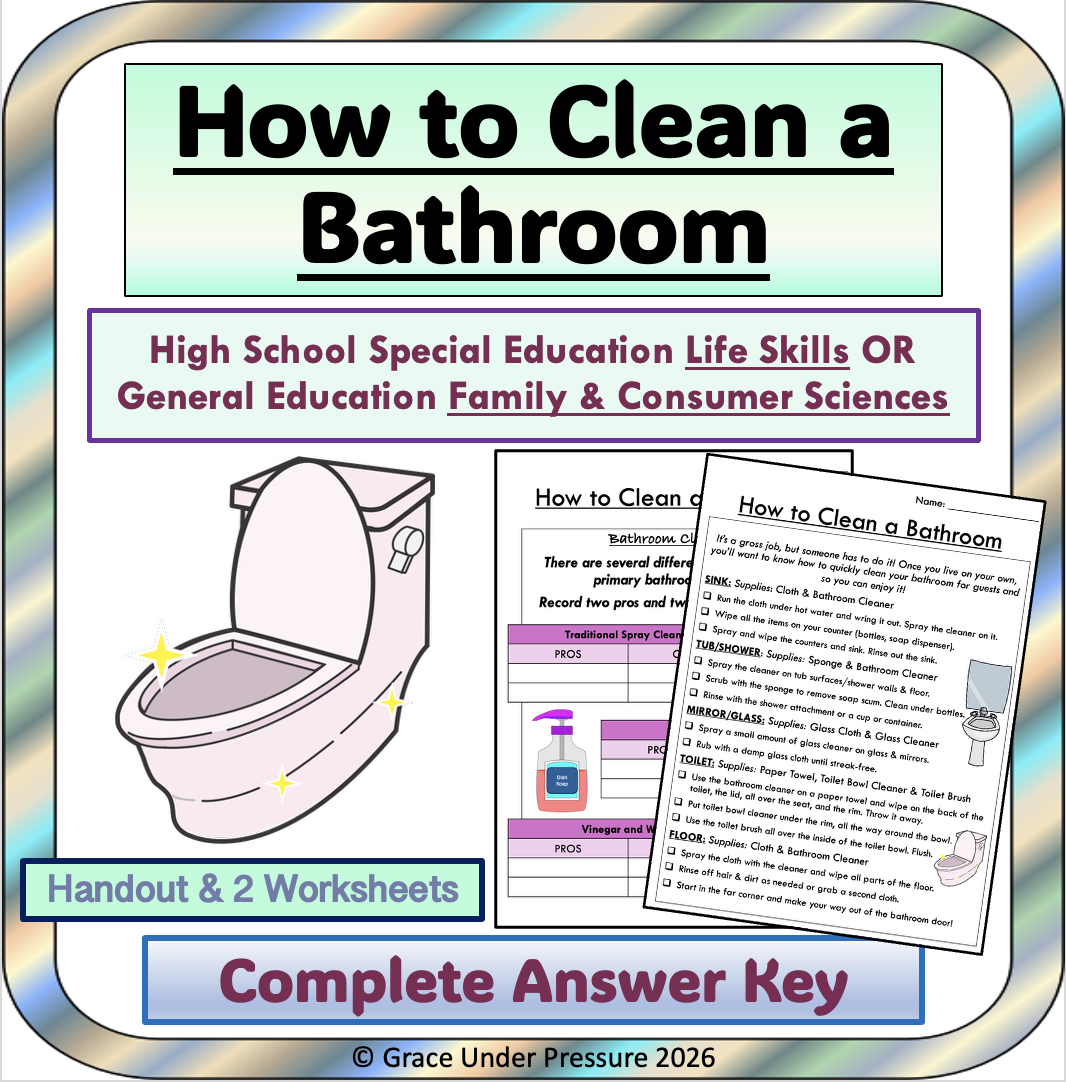
A no-prep life-skills lesson teaching high school students the steps to clean a bathroom, paired with comprehension questions and a short research task comparing cleaning solutions.
Assesses students' ability to name the author and illustrator of a story and define the role each plays in telling it, per the evidenced RL.K.6 answer key, which names specific books: 'Click, Clack, Moo, Cows That Type' (Author: Doreen Cronin; Illustrator: Betsey Lewin) and 'Don't Let the Pigeon Drive the Bus!' (Author/Illustrator: Mo…
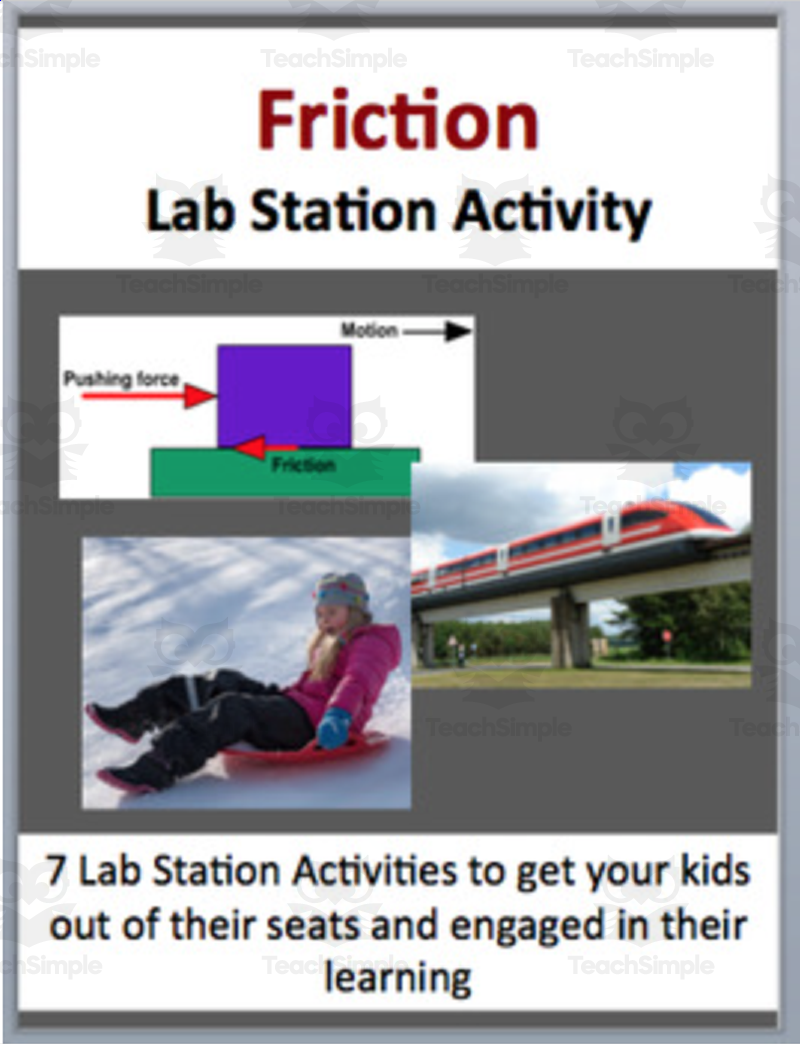
Teach the physics of friction (types, causes, applications, coefficient of friction) through a rotating multi-station lab activity.
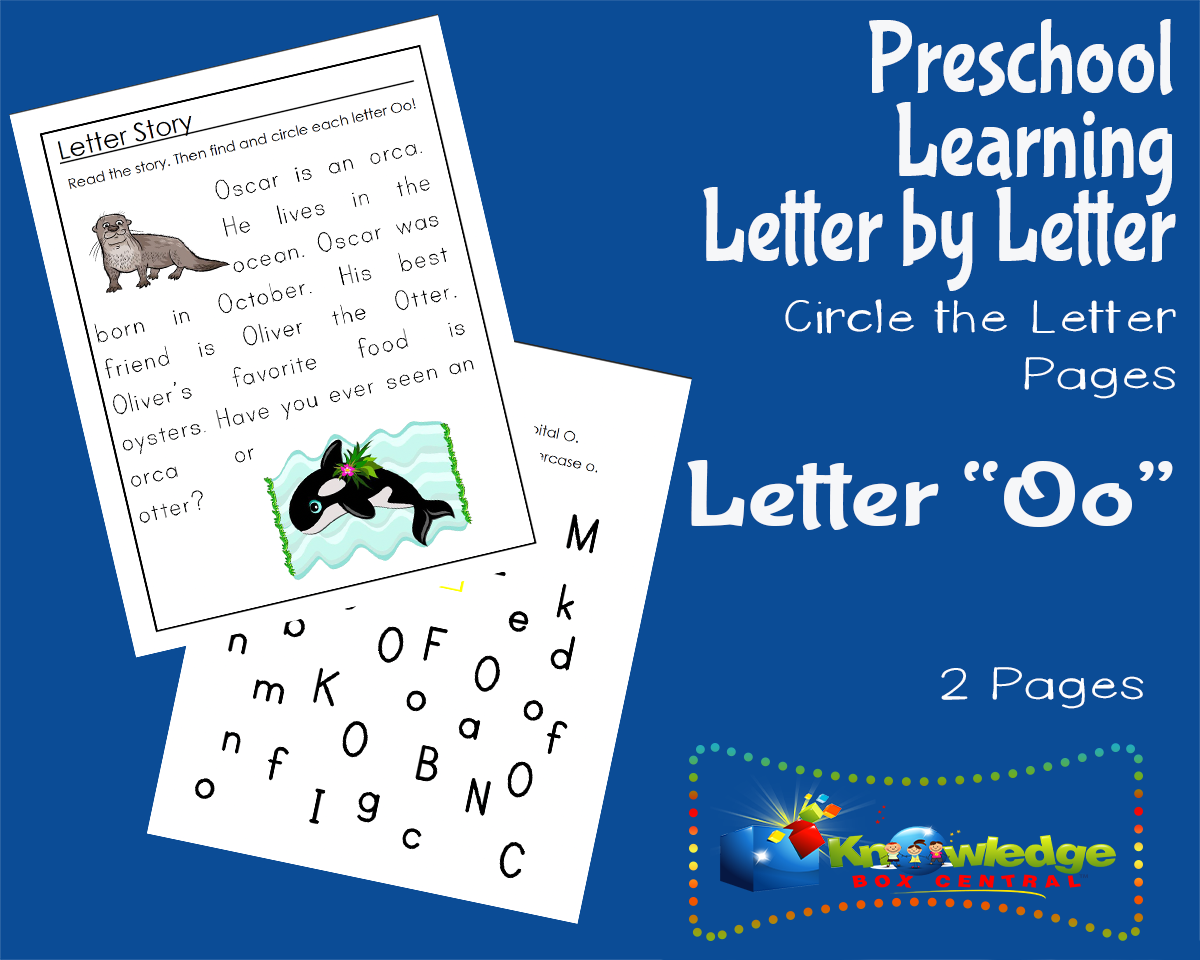
Have preschoolers listen to/read a short story and practice finding and distinguishing uppercase and lowercase letter O.
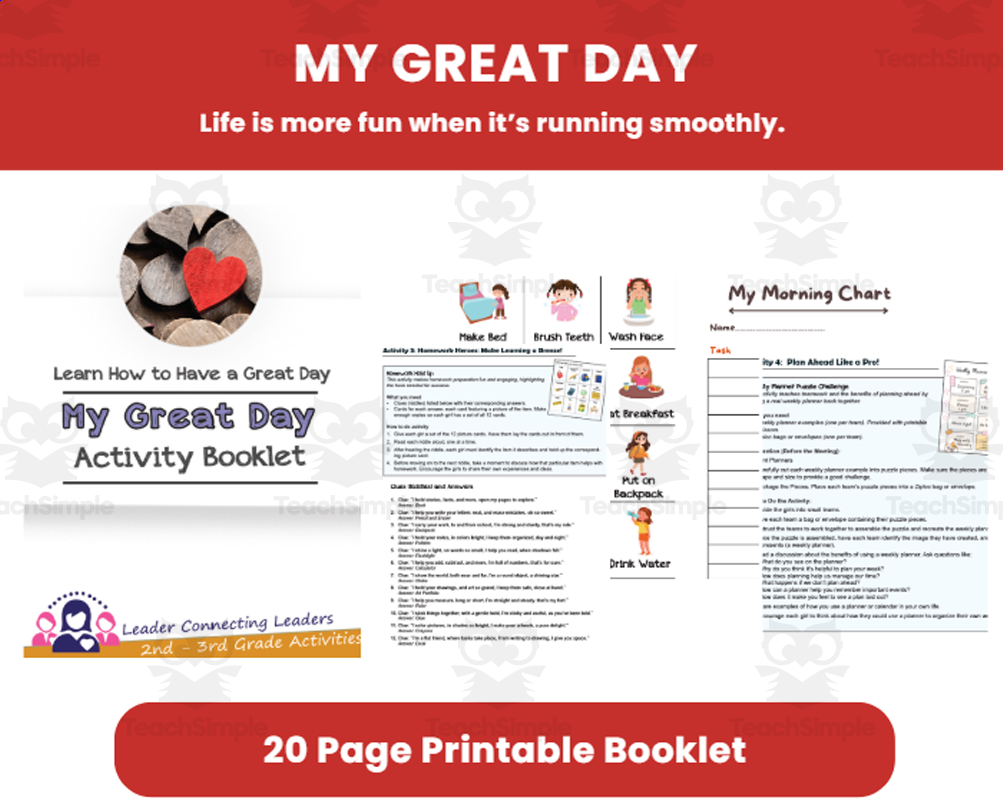
An activity booklet of games and hands-on activities that teach organization, tidiness, homework-readiness, and planning-ahead life skills.

A printable board game teaching internet/online safety skills for elementary students, covering safe password/username choices, what personal information not to share online, and recognizing unsafe or scam content (phishing emails, fake virus warnings, popups).
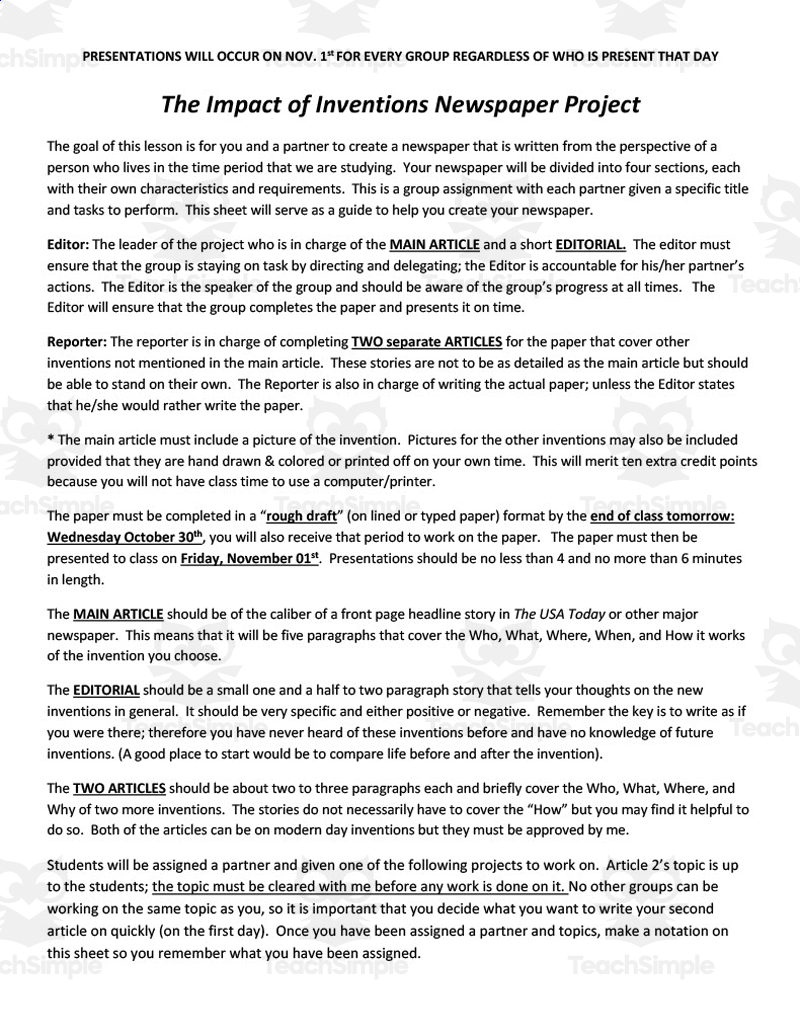
A group history project in which student partners produce a period-perspective newspaper about Industrial Revolution inventions, guided by role assignments and a grading rubric.