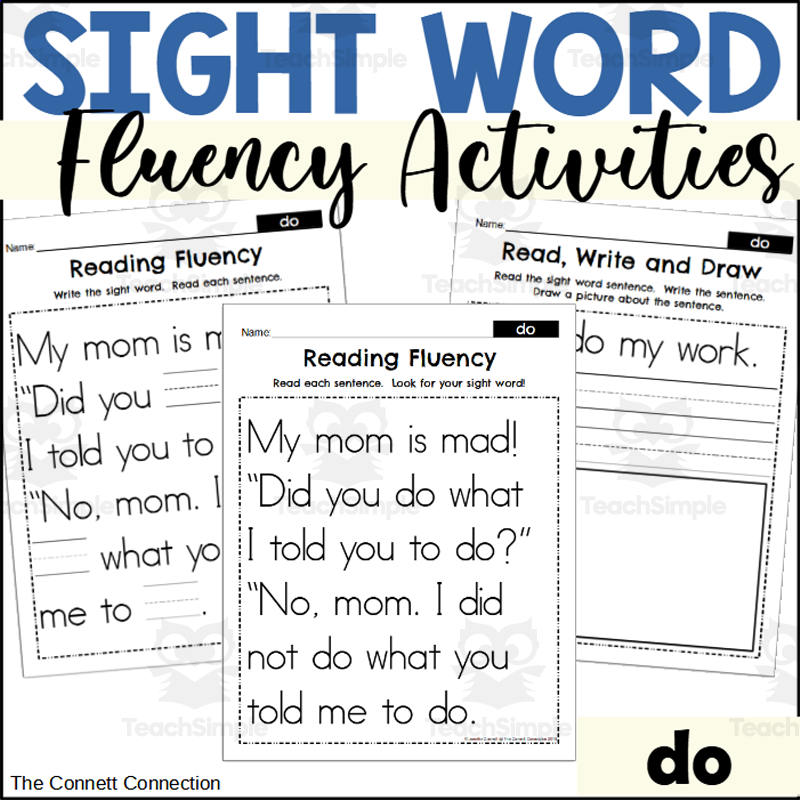
Sight Word Fluency Packet - do
Sight word fluency practice for the target word "do": students read the word in context, recall it in a fill-in-the-blank passage, then copy a sentence using it and draw a picture.


12,840 resources
Explore sub-categories
14 sub-categories · 12,840 resources
Sight word fluency practice for the target word "do": students read the word in context, recall it in a fill-in-the-blank passage, then copy a sentence using it and draw a picture.
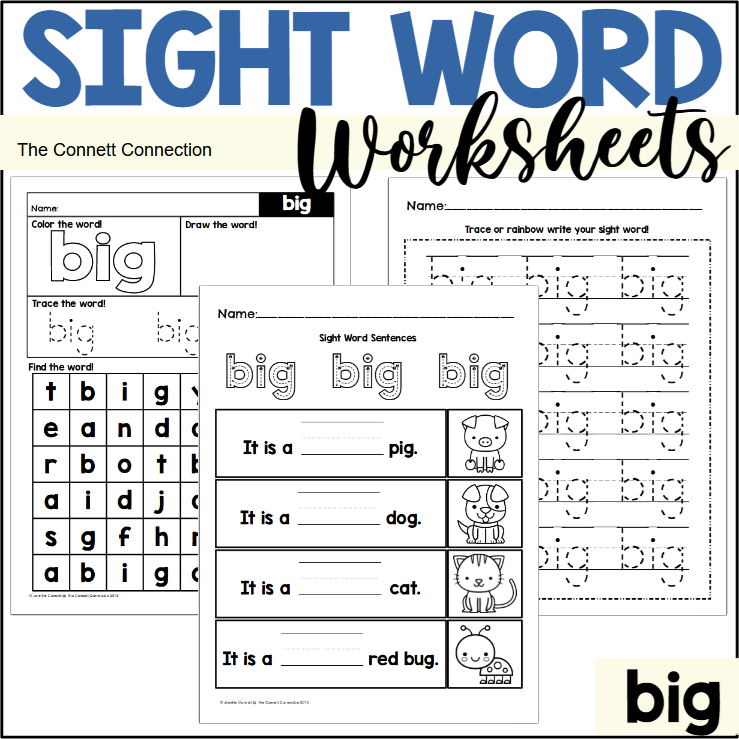
Single-sight-word practice packet reinforcing recognition, spelling, and contextual use of the target sight word 'big'.
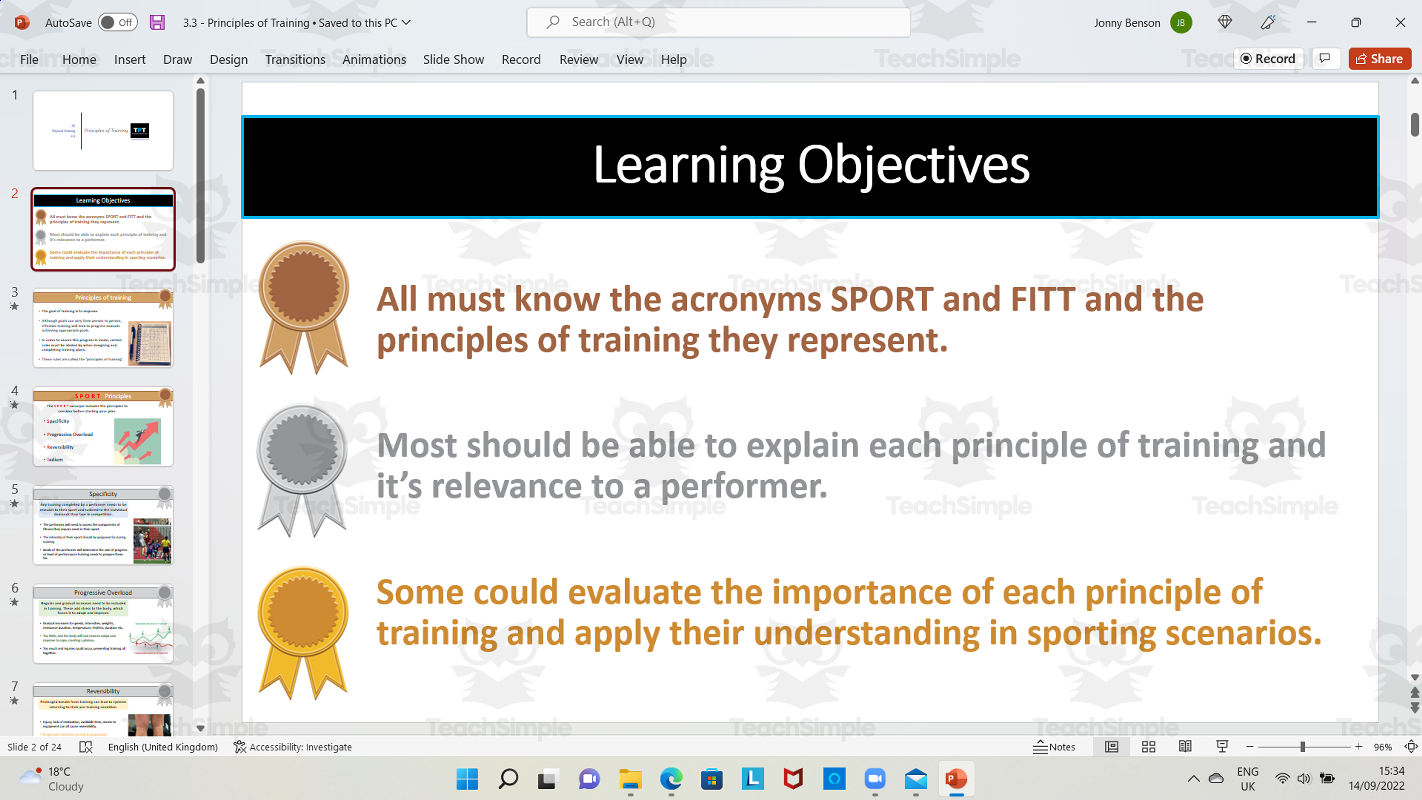
Teach students the SPORT and FITT principles of athletic training and how to apply them to design and evaluate training programs.
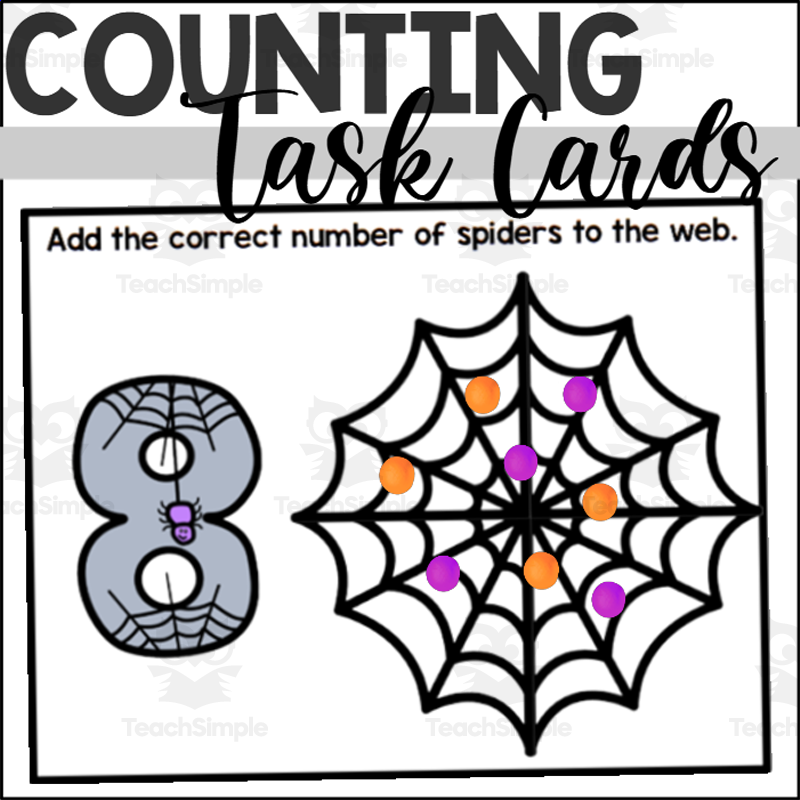
Practice counting to 10 and fine motor skills by adding the correct number of spiders to a web.
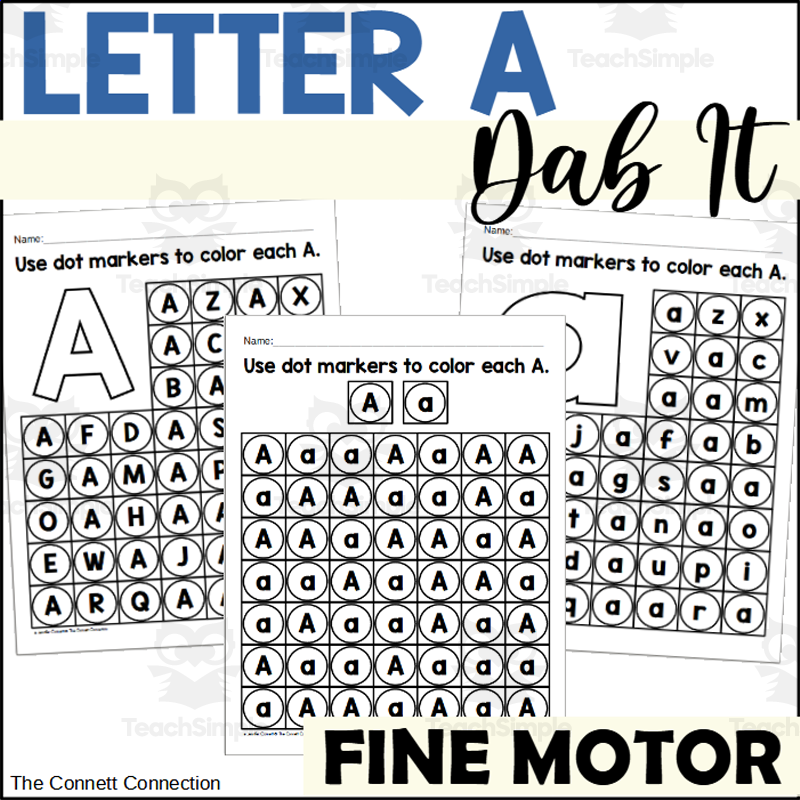
The first pages ask students to find uppercase or lowercase A among other letters. The mixed page then brings A and a together for recognizing both forms. Model comparing a target with a distractor before students begin marking the search pages.
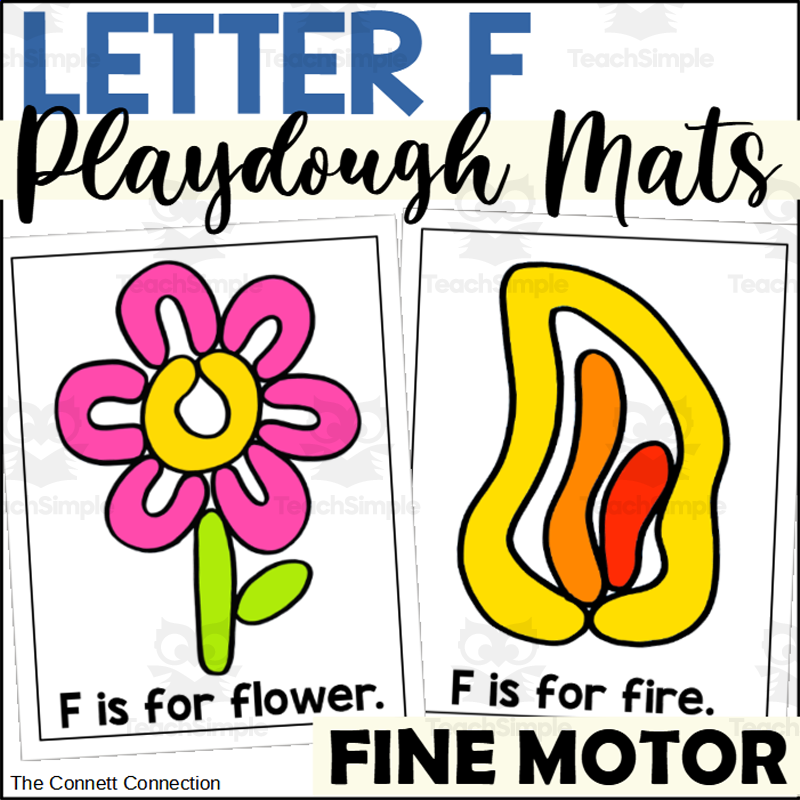
Provide playdough mats for fine-motor practice tied to letter-F vocabulary.
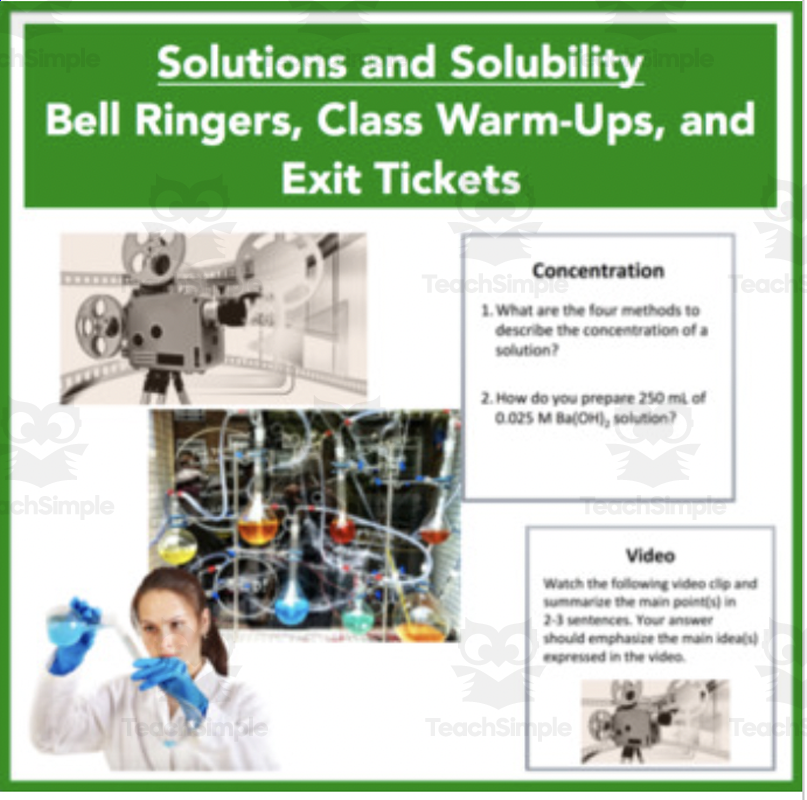
Provide high school chemistry teachers (grades 10-12) with 20+ days of bell-ringer/warm-up/exit-ticket questions covering a solutions and solubility unit, for use in a flipped or traditional classroom.
 Free download
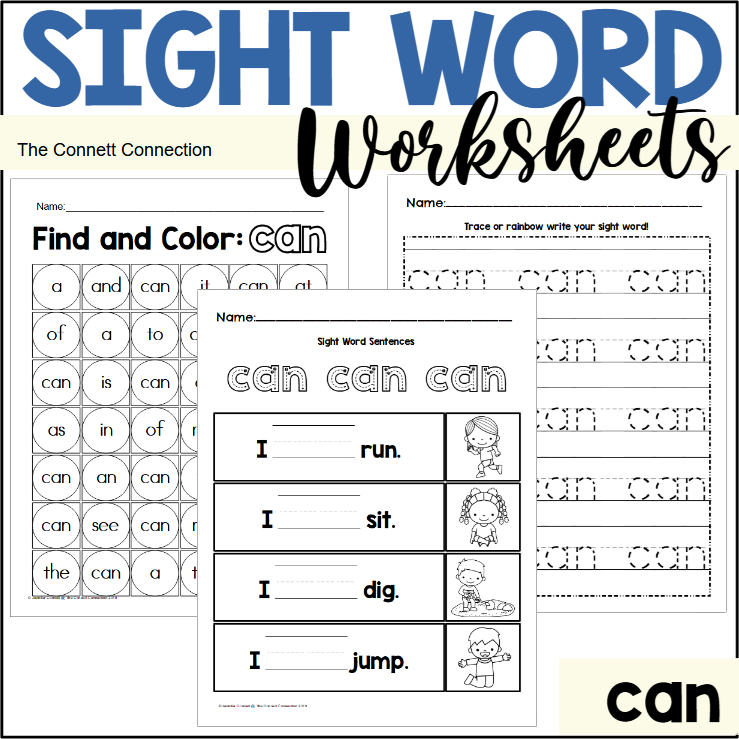
Eight activities revisit the sight word can through tracing, searching, letter building, sentence construction, and reading. A cut-and-glue sentence page and a short fluency story connect recognition with meaning, while drawing prompts let learners illustrate their responses. Choose a format to match the skill being practiced.

A research-essay writing guide/toolkit for a 5-paragraph MLA-style essay profiling a great inventor, including requirements, a self/peer editing checklist, a detailed rubric, and a research planner.
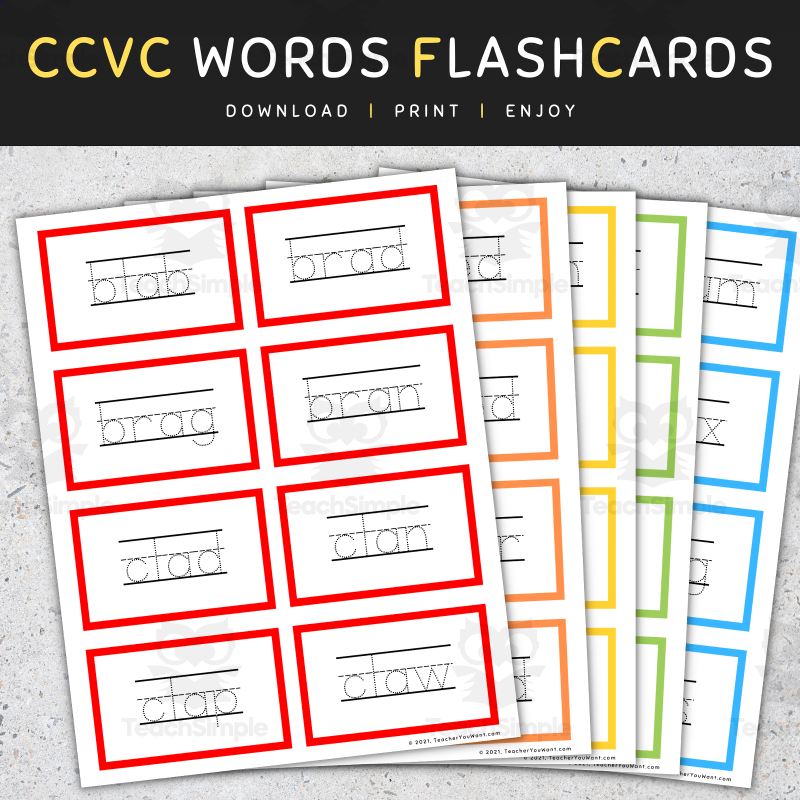
Provides phonics tracing and reading practice for CCVC (consonant-consonant-vowel-consonant) words across all five short vowel sounds.

A slide-by-slide biography of U.S. Senator Ron Wyden (OR) covering personal background, education, career path, and time in the U.S. Senate, including election history and notable votes/positions.
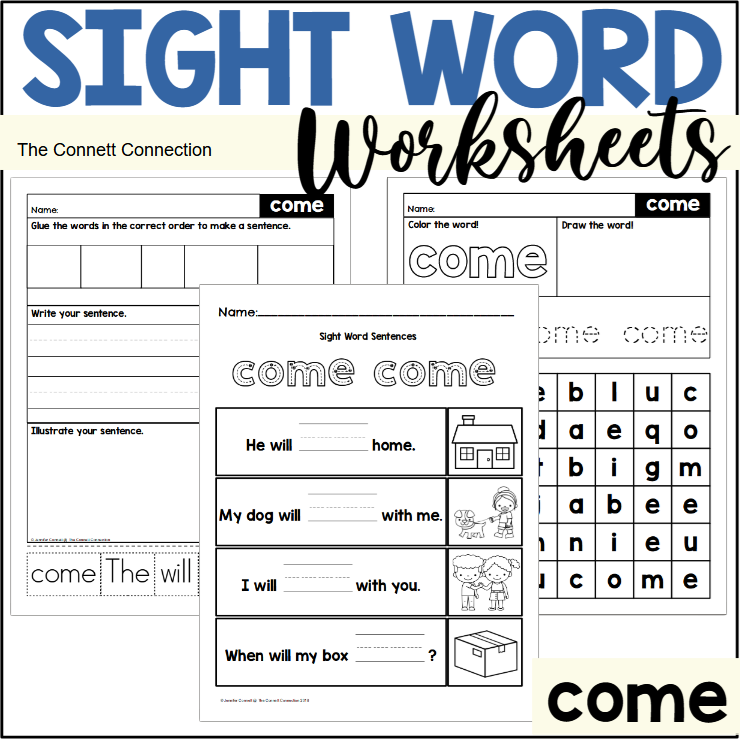
Single-sight-word practice packet reinforcing recognition, spelling, and contextual use of the target sight word 'come'.
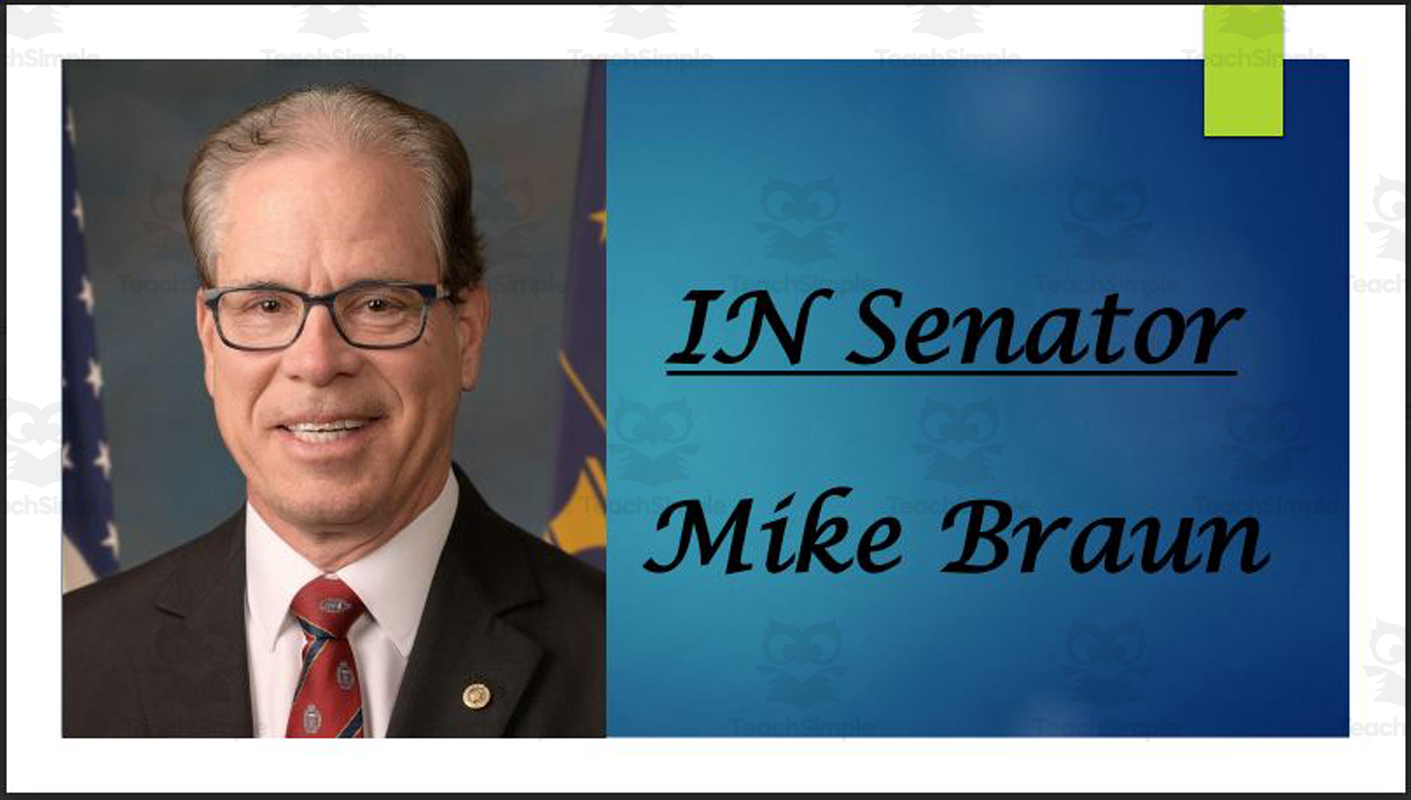
A slide-by-slide biography of U.S. Senator Mike Braun (IN) covering personal background, education, career path, and time in the U.S. Senate, including election history and notable votes/positions.
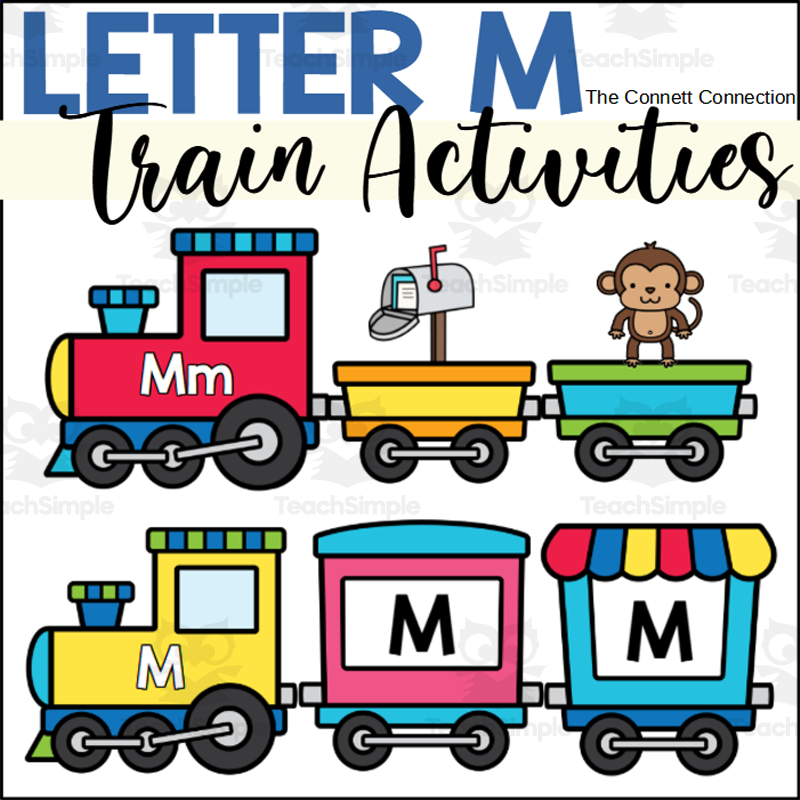
Train-themed letter M activity set combining beginning-sound sorting, uppercase/lowercase recognition sorting, tracing, and cut-and-paste practice.
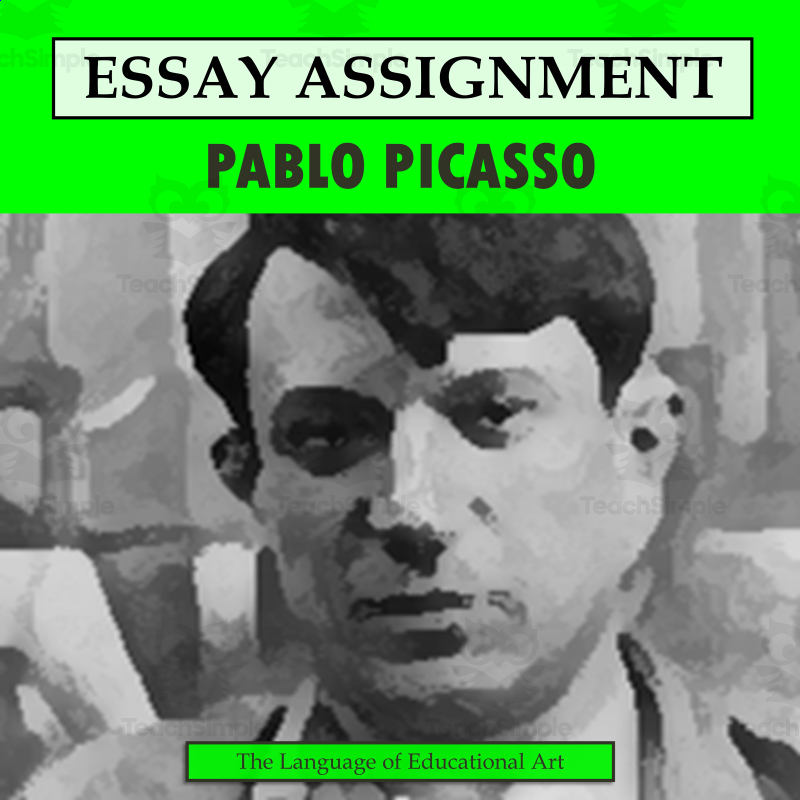
Guides students to research the life of Pablo Picasso and produce a structured, MLA-cited biographical research essay.
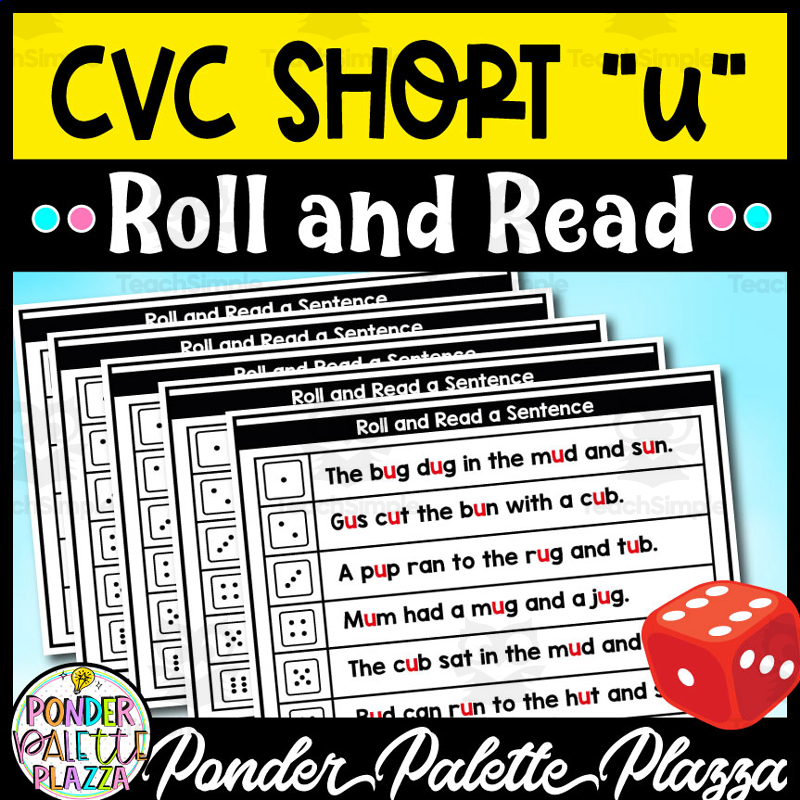
Provide decodable sentences using short-u CVC words for fluency and oral reading practice via a roll-and-read format.

A worksheet packet giving students varied practice reading, writing, and spelling -ab word family CVC words.
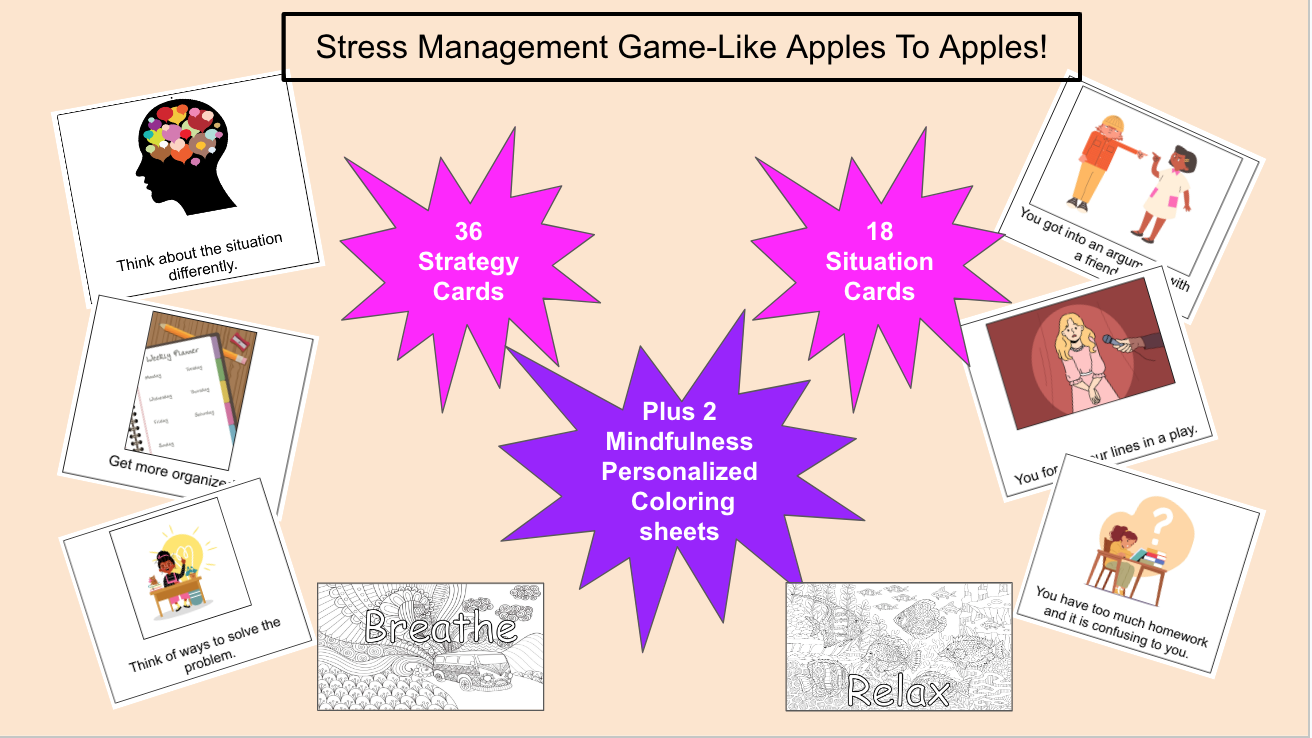
A card game (played like Apples to Apples) that has students match coping strategies to stressful situations, plus two mindful-coloring pages.

Teach high school/middle school students (grades 7-10) sociology concepts related to socialization and social groups, including agents of socialization, group types, leadership styles, and group interaction/conformity phenomena.
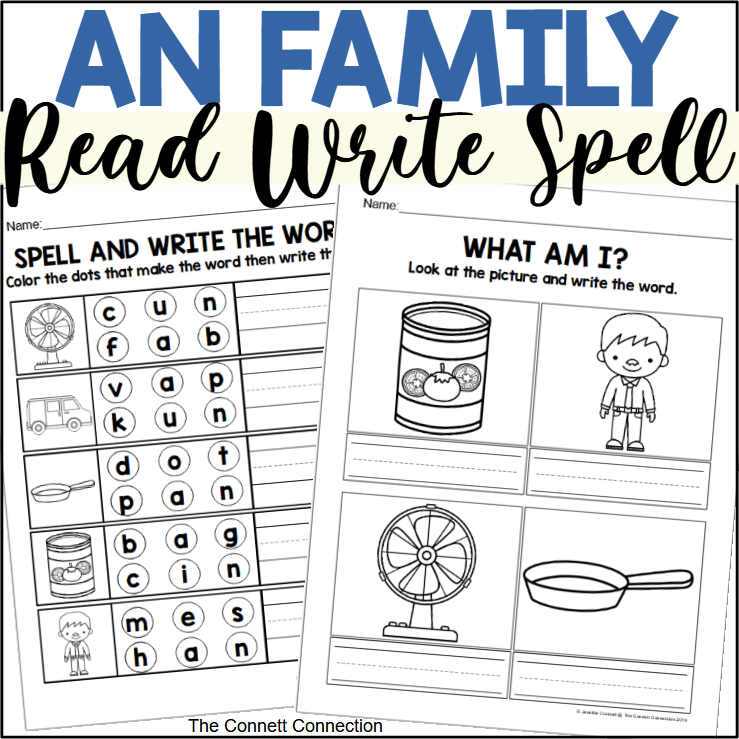
Practice reading, writing, and spelling CVC words in the 'AN' word family.

Teach middle school students to write a text-based argumentative essay with a separate counterclaim paragraph, built around the inquiry question 'Was Atlantis a real place?'
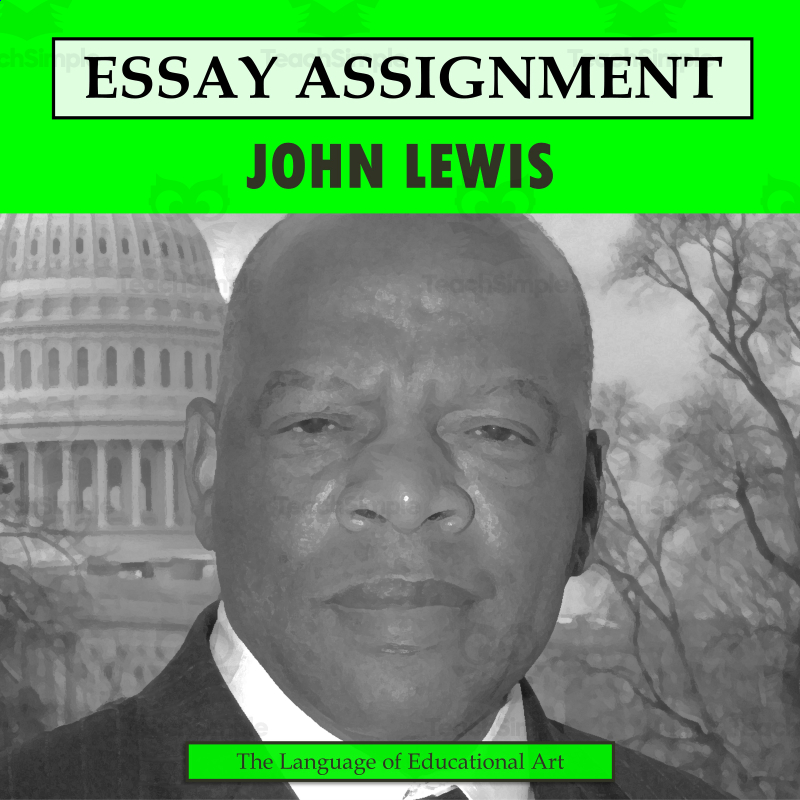
Guides students through independent biographical research on John Lewis and a structured 5-paragraph research-essay assignment (thesis-driven introduction, early-life paragraph, exploring John Lewis’s Civil Rights and career achievements, analyzing John Lewis’s Civil Rights and cultural legacy, conclusion, and works cited page).
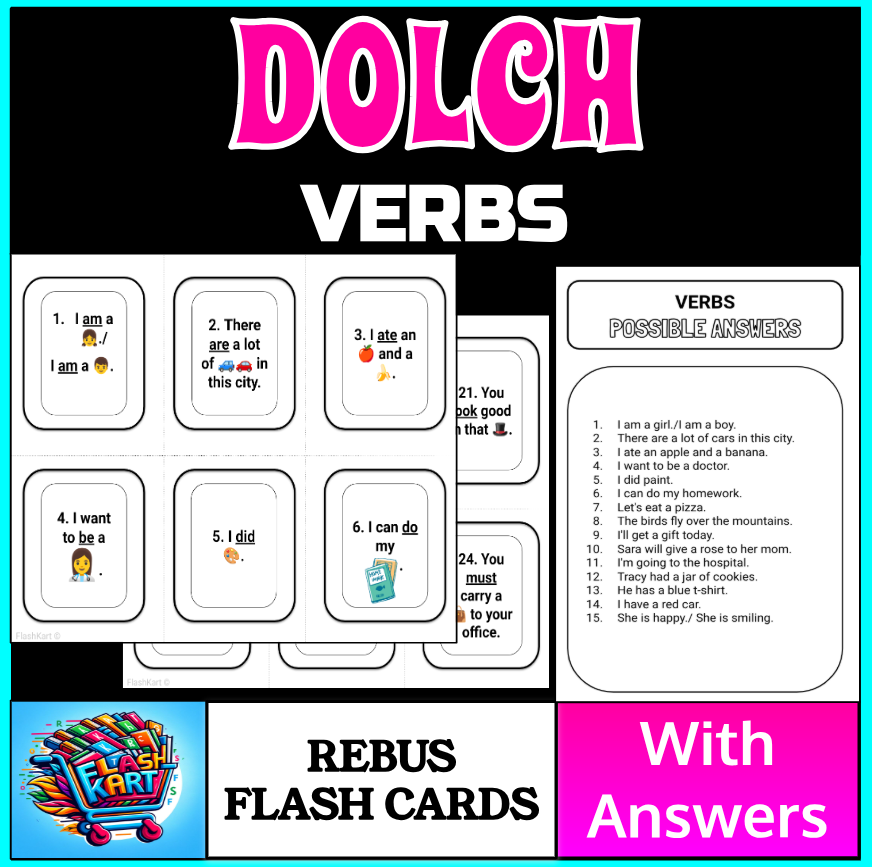
Help early readers practice recognizing and reading Dolch verbs in context using picture-supported (rebus) sentences.
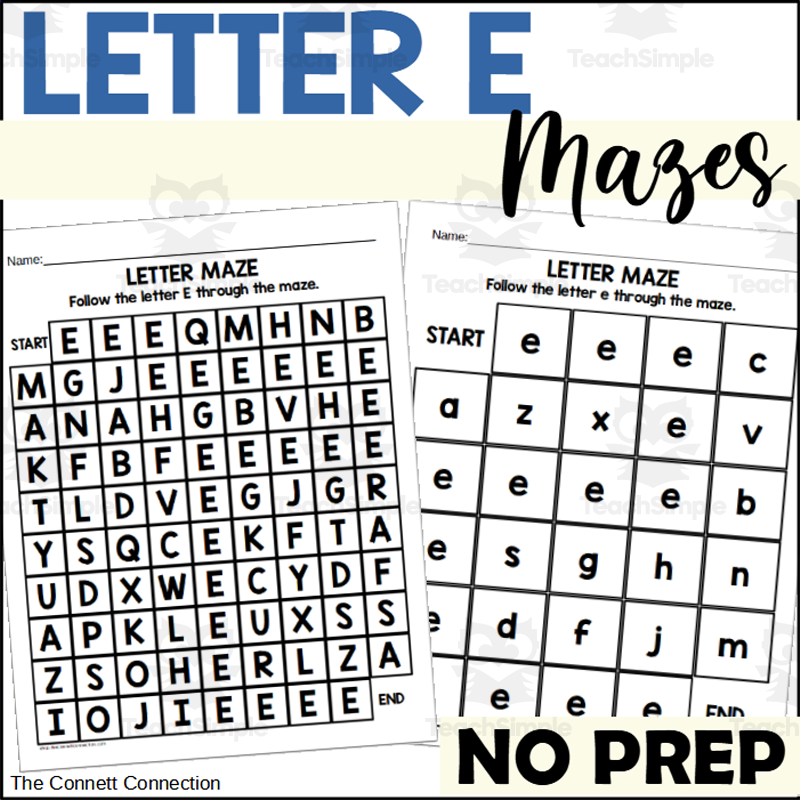
Practice letter recognition and fine motor tracing by following capital or lowercase E through letter-grid mazes at two difficulty levels.