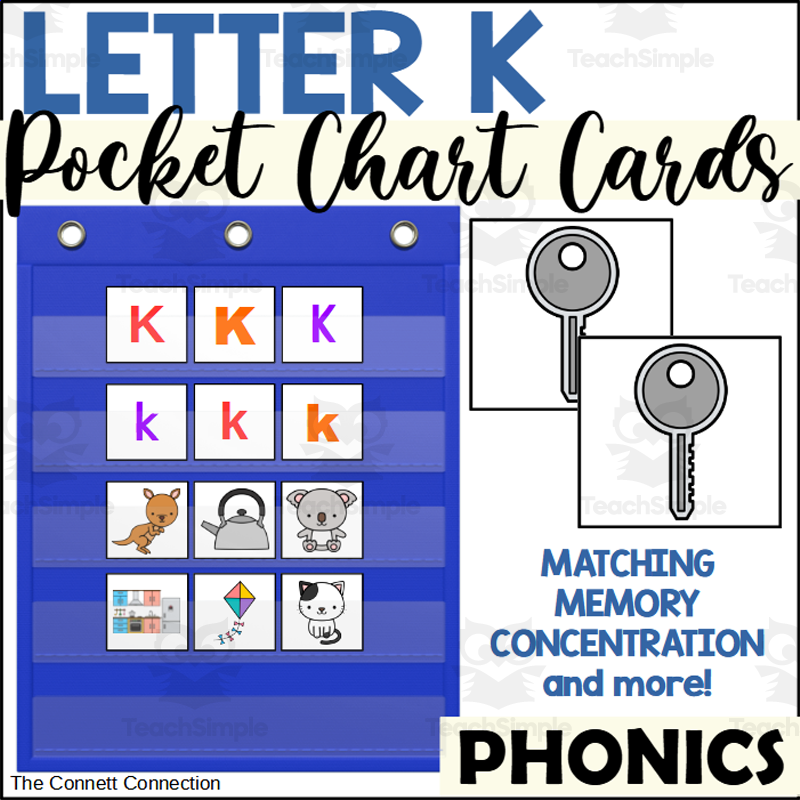
Letter K Pocket Chart Cards
Support letter recognition and sound instruction for the letter K using pocket-chart matching cards.


12,840 resources
Explore sub-categories
14 sub-categories · 12,840 resources
Support letter recognition and sound instruction for the letter K using pocket-chart matching cards.
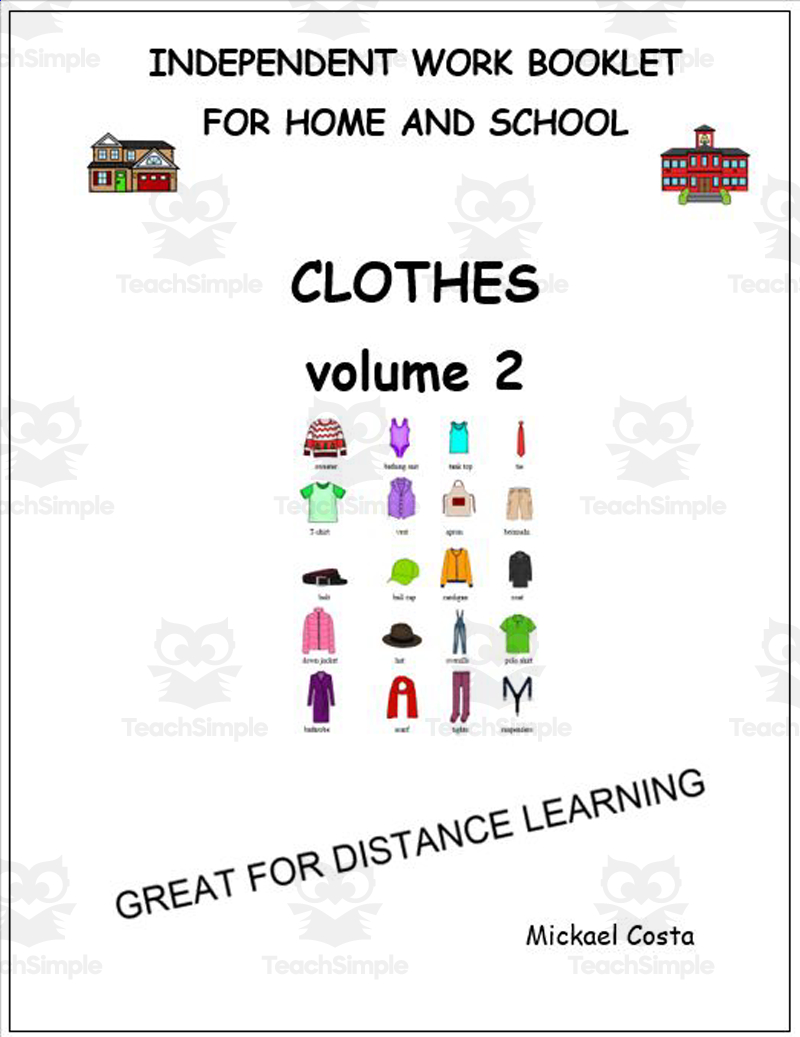
Build vocabulary and literacy skills around clothing and accessories (volume 2) through a set of independent print worksheets (vocabulary study, sentence/story writing, word games, research, and creative response tasks).
 Free download
Review and reinforce Sun, Moon and Earth vocabulary terms for Middle School / Grade 8 students through an interactive multiple-choice PowerPoint.
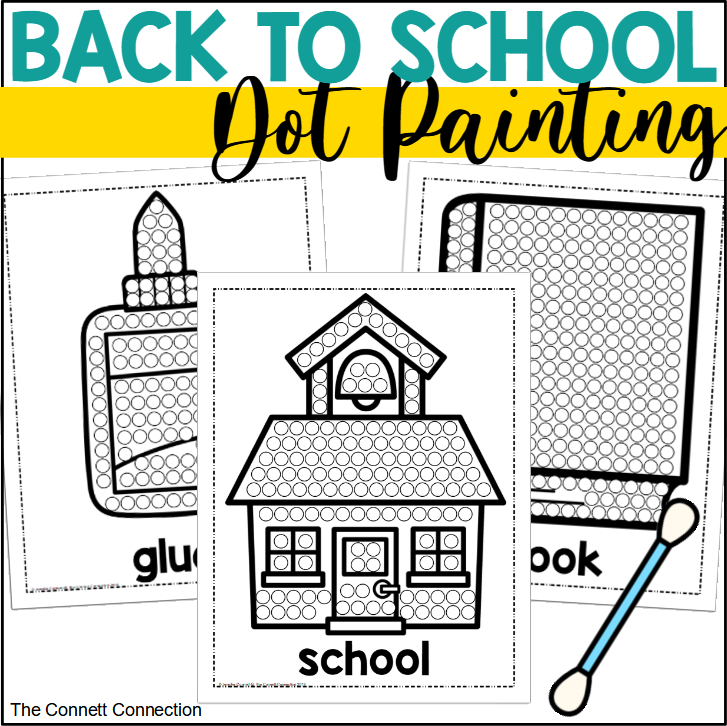
A dot-painting (Q-tip/fine-motor) art activity using back-to-school themed pictures (book, bookshelf, computer, crayons, globe, glue, paint, paper, paperclip, pencil, scissors, school, school bus, whiteboard) for hand-eye coordination practice.
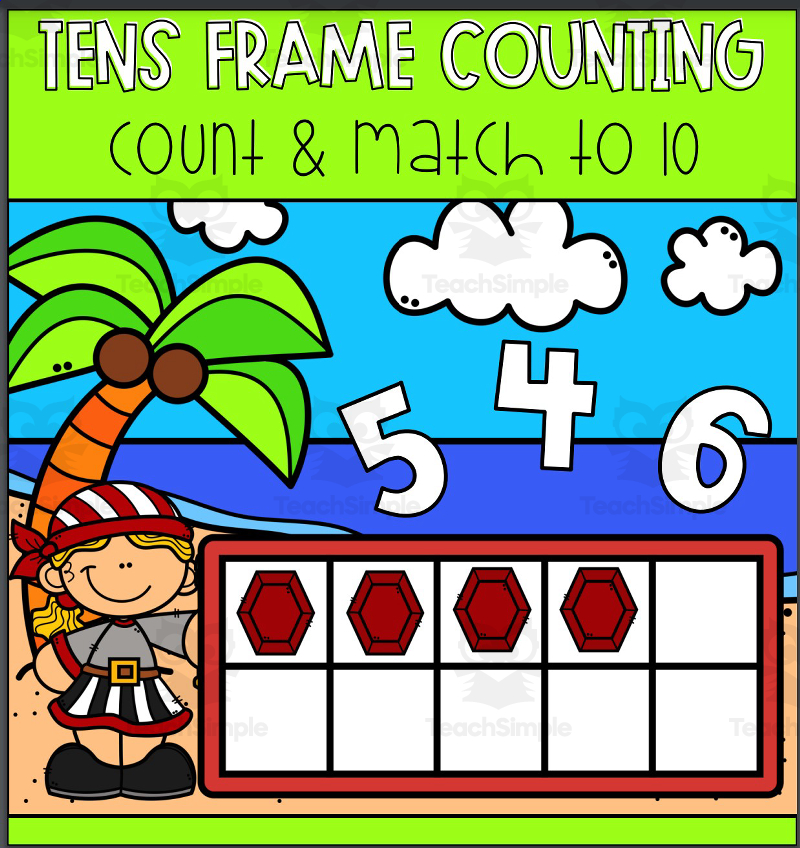
Math: Tens Frame Counting - BOOM Learning will lead your students to practice counting using ten-base!
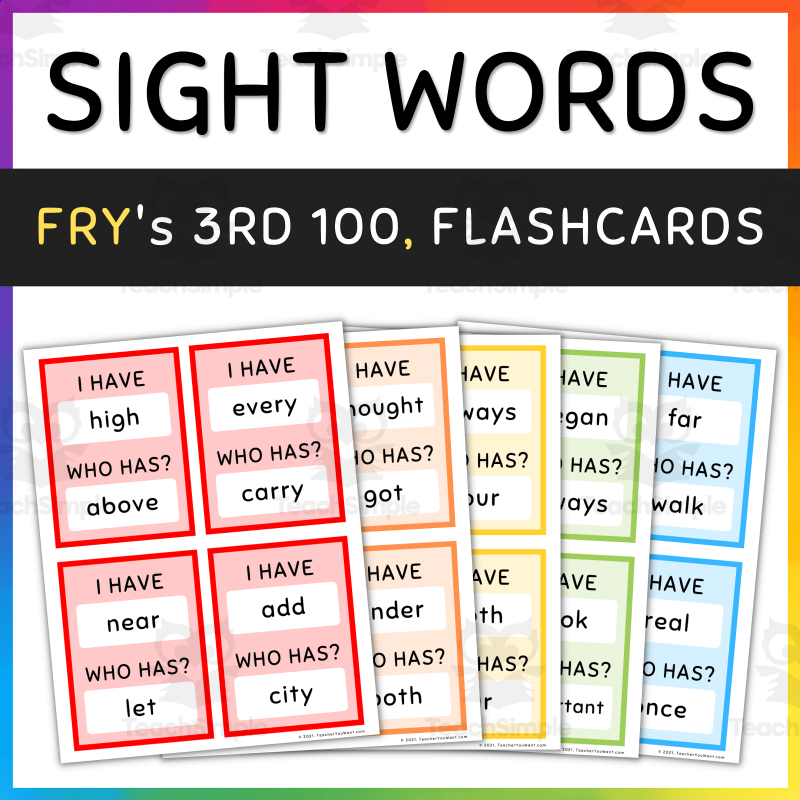
Practice recognizing and reading Fry high-frequency sight words 201-300 using a self-checking 'I Have... Who Has?' loop card game.
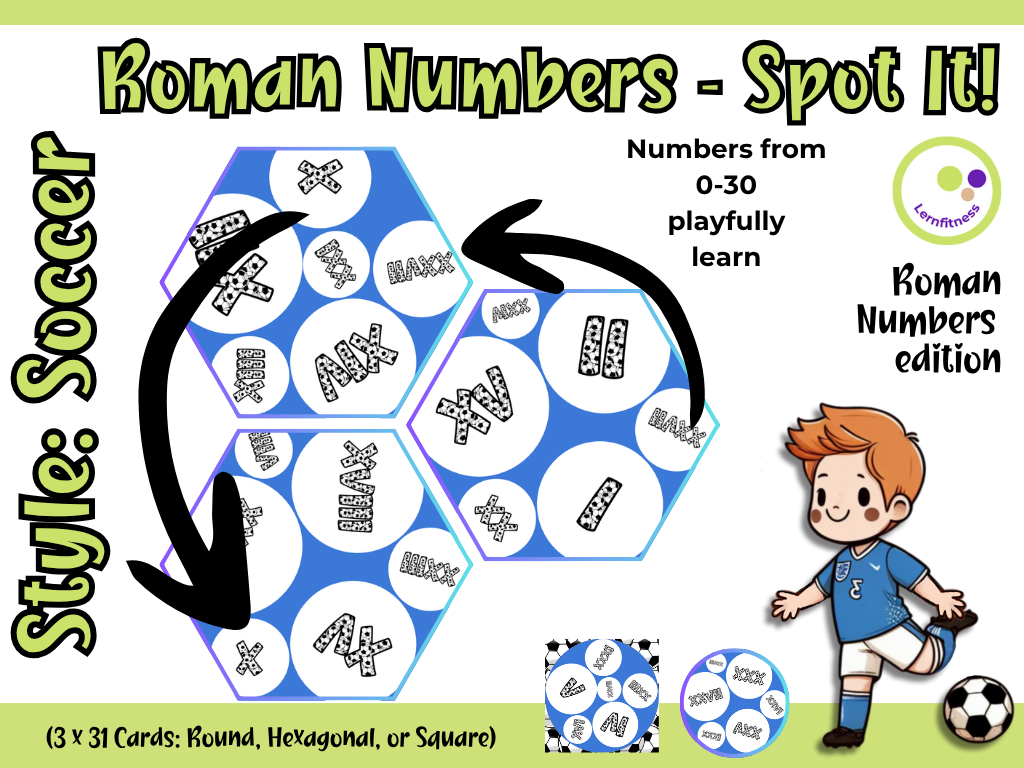
Roman Numerals – Math Count Game (Soccer Style) Similar to Dobble / Spot it! A fun, fast-paced classroom game for learning Roman numerals (grades 3–6) ⚽🧠 This printable classroom game helps students practice and recognize Roman numerals in a playful, engaging way. Based on the well-known “Find the Twin” game format (similar to Dobble or…

Practice recognizing and reading Fry high-frequency sight words 401-500 using a self-checking 'I Have... Who Has?' loop card game.
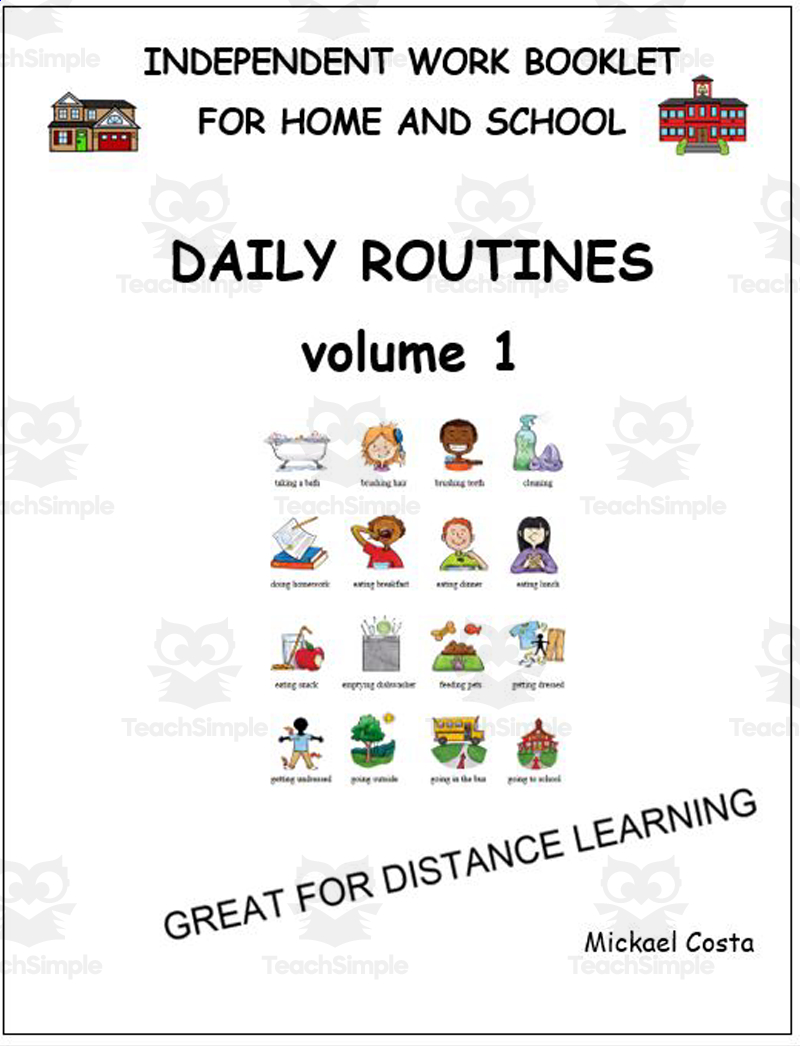
Build vocabulary and literacy skills around daily routine (volume 1) through a set of independent print worksheets (vocabulary study, sentence/story writing, word games, research, and creative response tasks).
 Free download
Interactive PowerPoint to teach and review grade 8 force-and-motion vocabulary (including Newton's Laws of Motion) through vocabulary flashcards followed by a multiple-choice review.
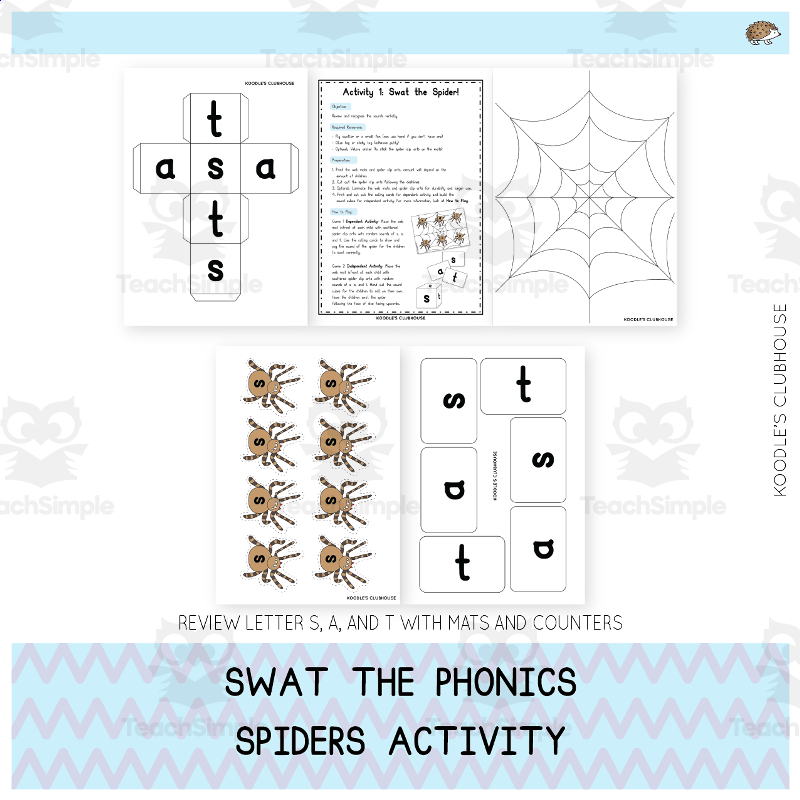
Hands-on phonics review activity/game for practicing recognition of the letters s, a, and t.
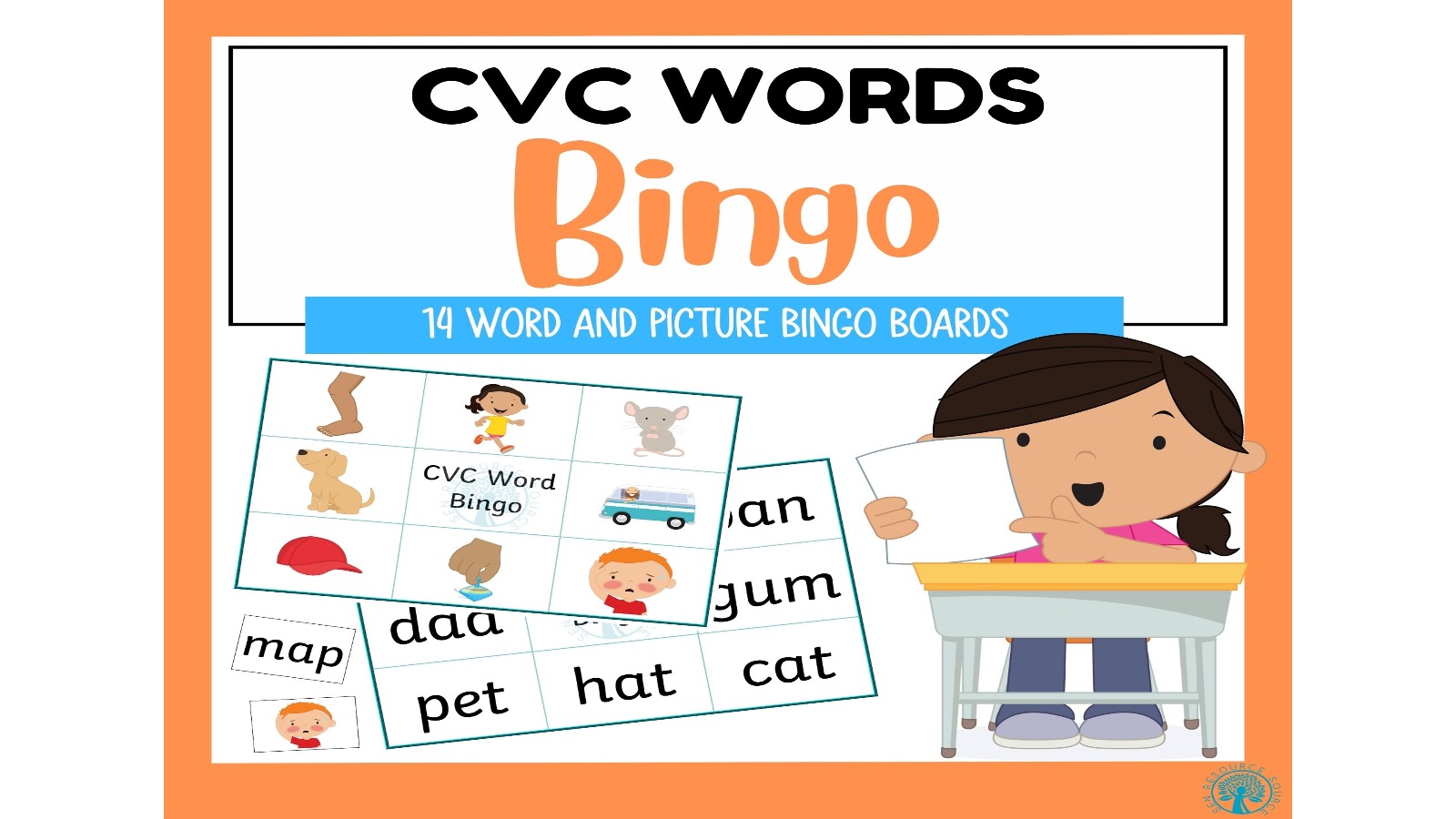
A CVC-word bingo game to give emerging readers practice recognizing and reading consonant-vowel-consonant words.
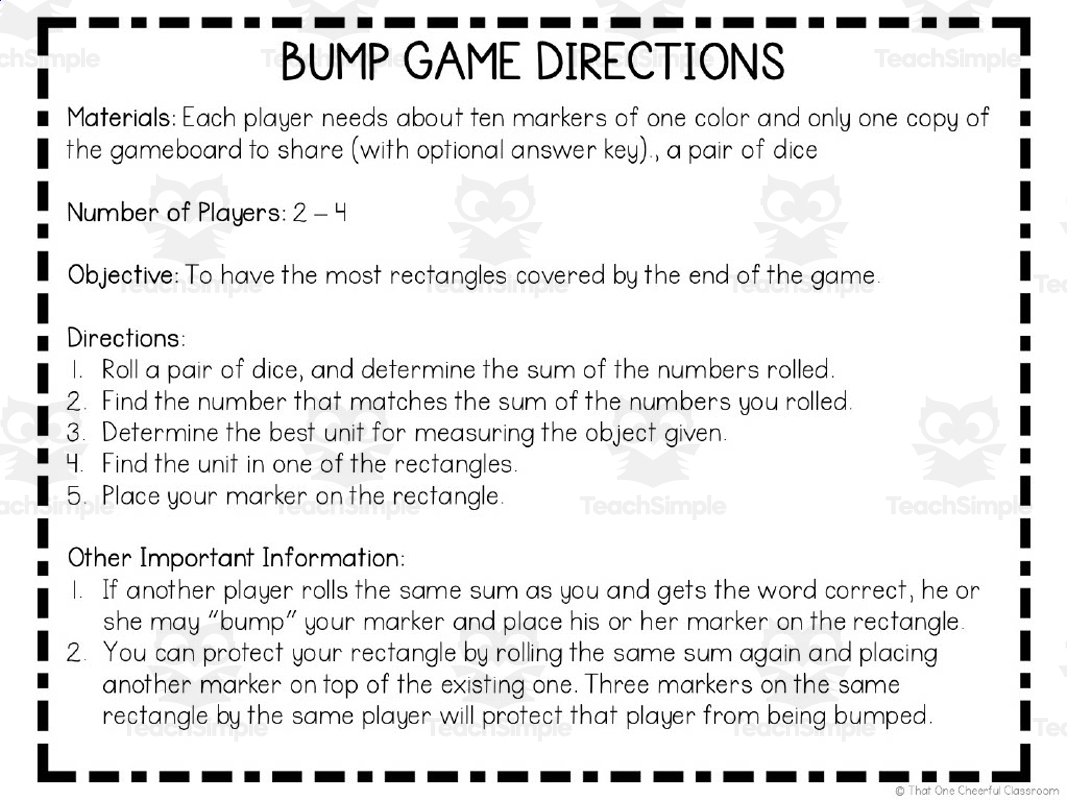
A dice-based board game pair (Liquid Volume Bump Game and Mass Bump Game) that has students choose the best unit of measurement for a given real-world object/quantity.
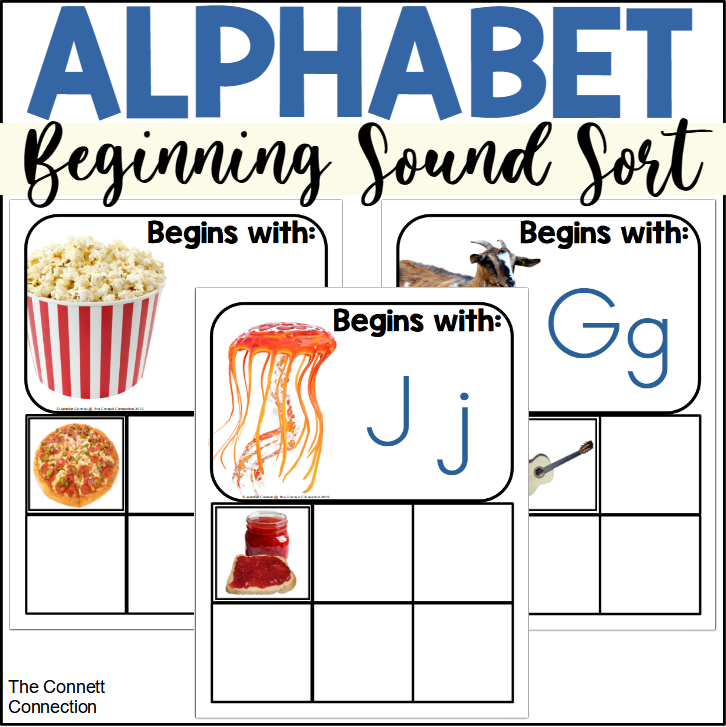
A hands-on sorting center activity for recognizing the most common beginning sound of each letter of the alphabet.
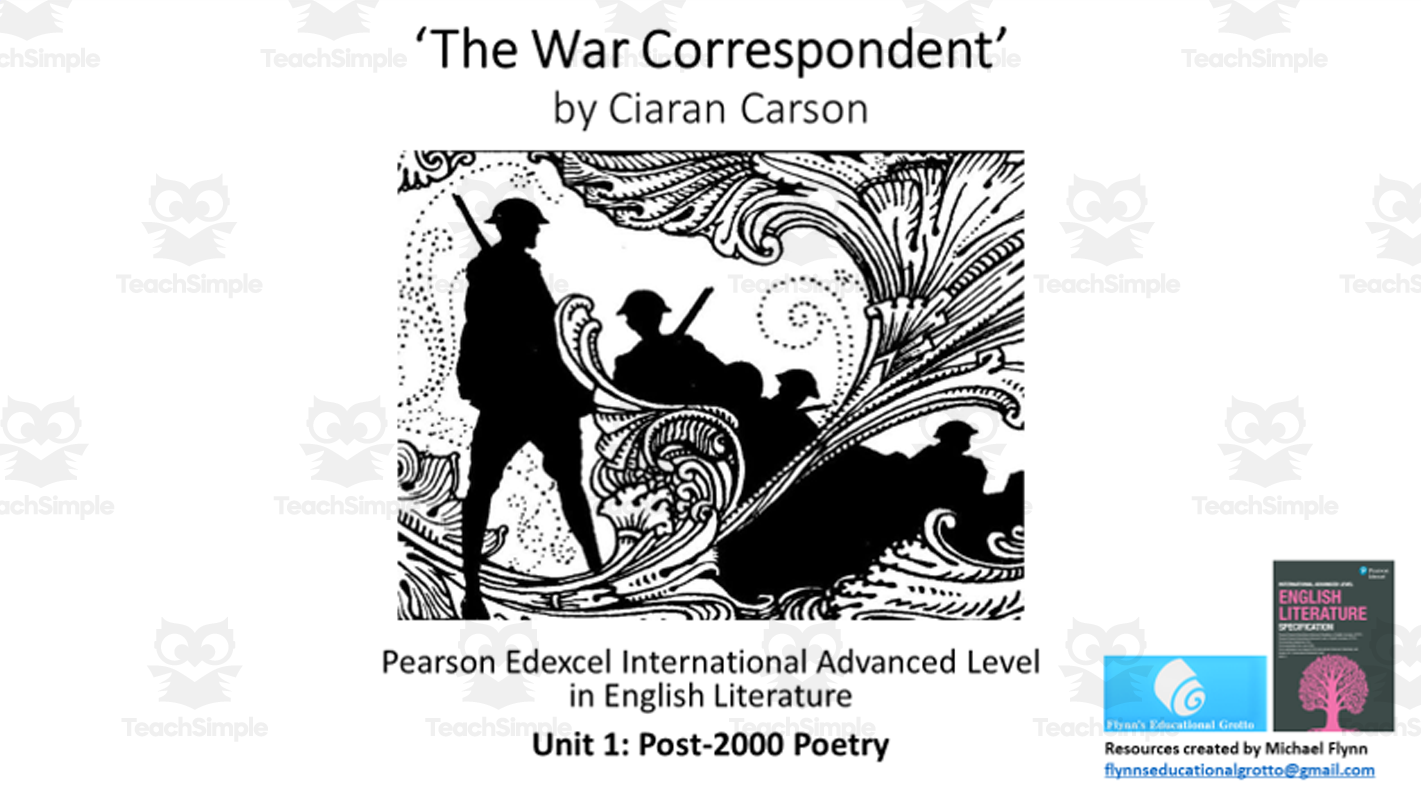
A slideshow lesson guiding A Level (Pearson Edexcel International Advanced Level English Literature, Post-2000 Poetry unit) students through close reading and analysis of Ciaran Carson's poem sequence 'The War Correspondent' (Gallipoli/Balaklava), including its Crimean War and WWI Gallipoli campaign historical context.
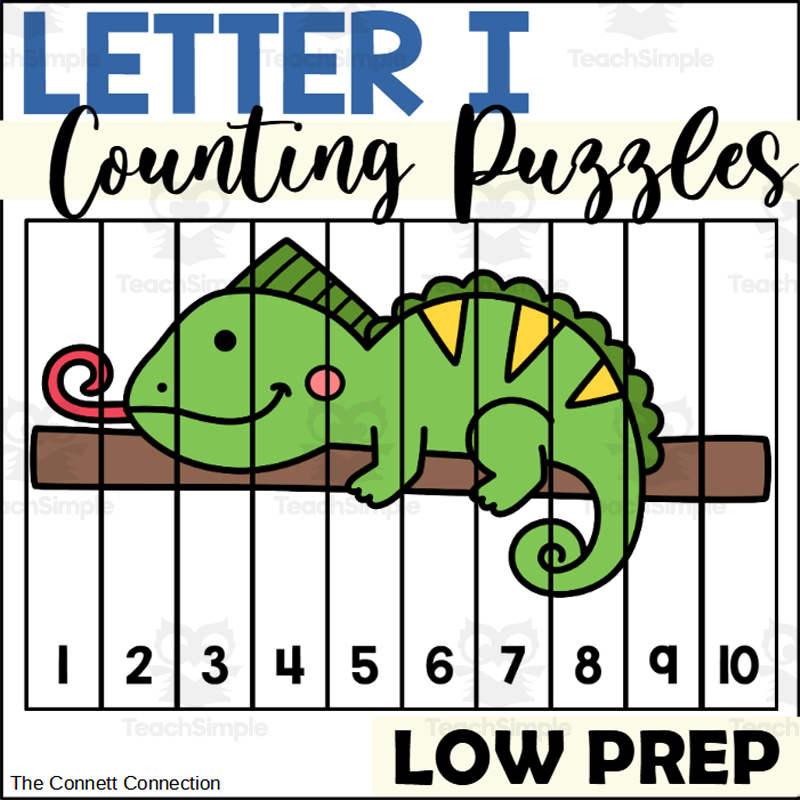
Practice number recognition and counting to 10 using cut-and-paste puzzles with a letter-I theme.
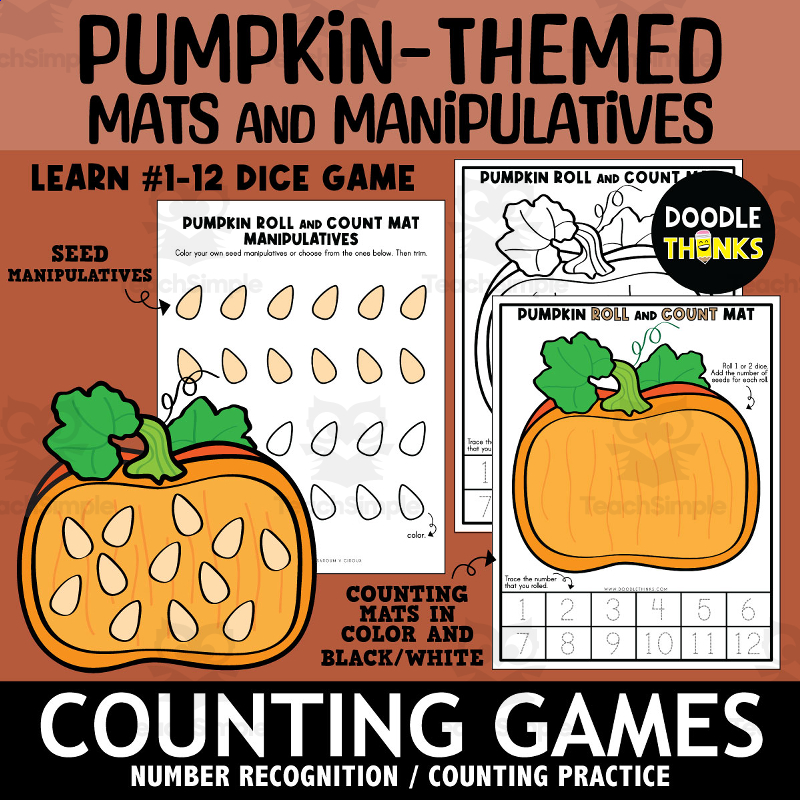
Build number recognition and counting skills 1-12 through a roll-and-count dice game with a pumpkin theme.
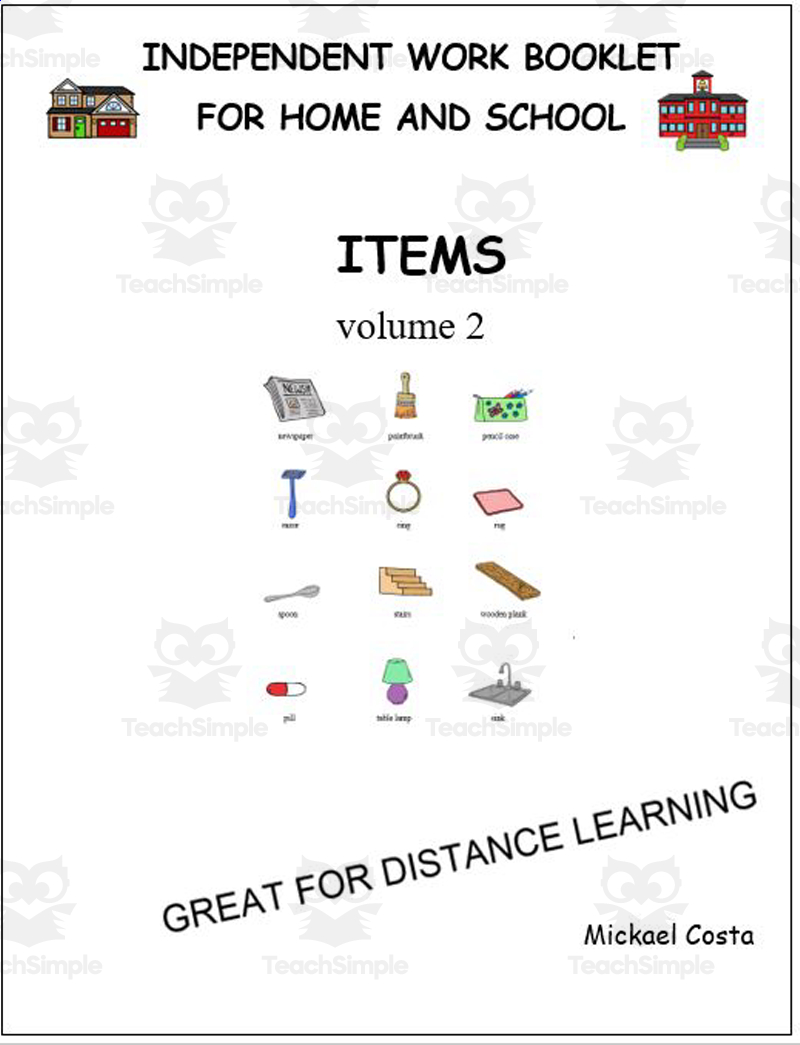
An independent English literacy/vocabulary work booklet built around the topic of everyday household items (set 2); students build and practice topic vocabulary through matching, writing, and game-based activities.
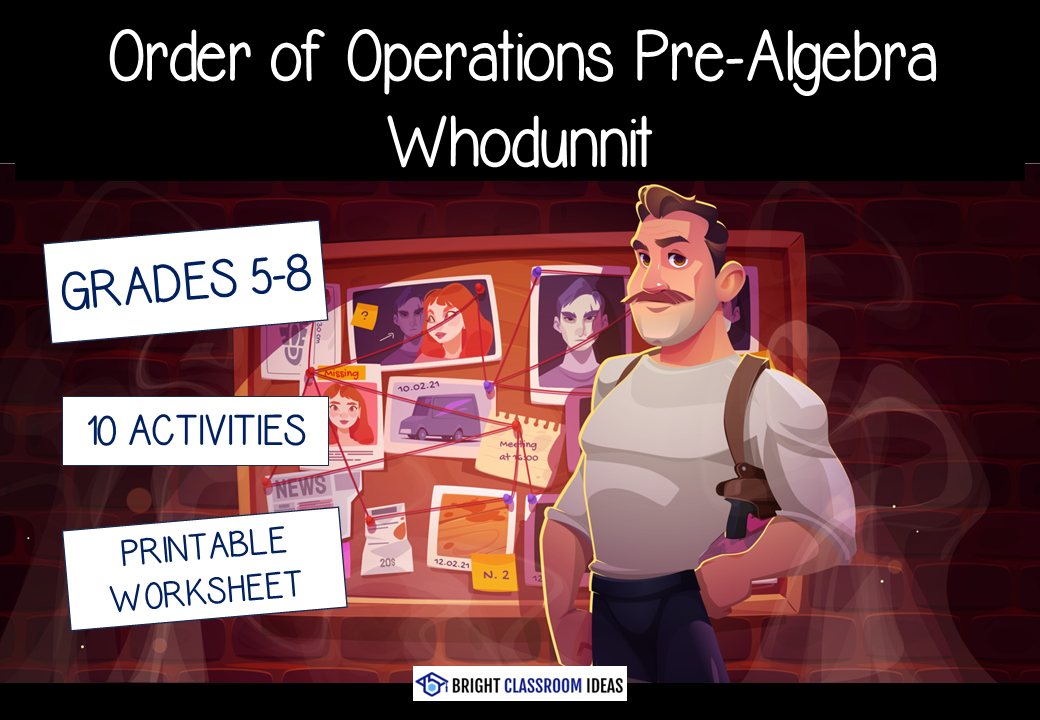
A detective-themed mystery activity where students solve order-of-operations problems (including exponents and grouping symbols) to eliminate suspects, locations, and methods and identify 'whodunnit'.
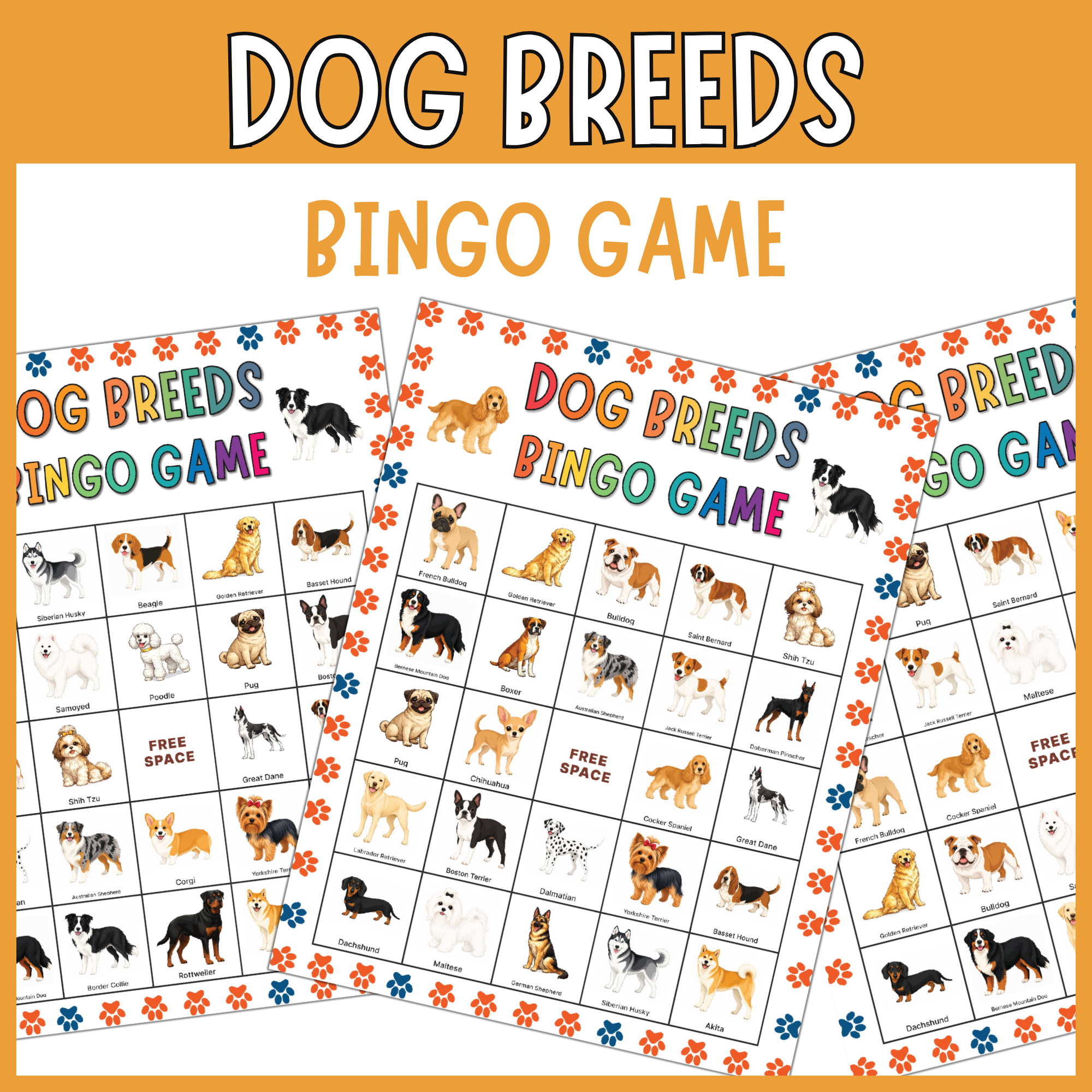
Make learning about dogs fun with this No Prep Dog Breeds Bingo Game ! Students will explore popular dog breeds, puppies, pet care, and canine vocabulary while building observation and language skills through an exciting and interactive bingo game. I like using this bingo game during pet animal units, animal science lessons, classroom…
 Free download
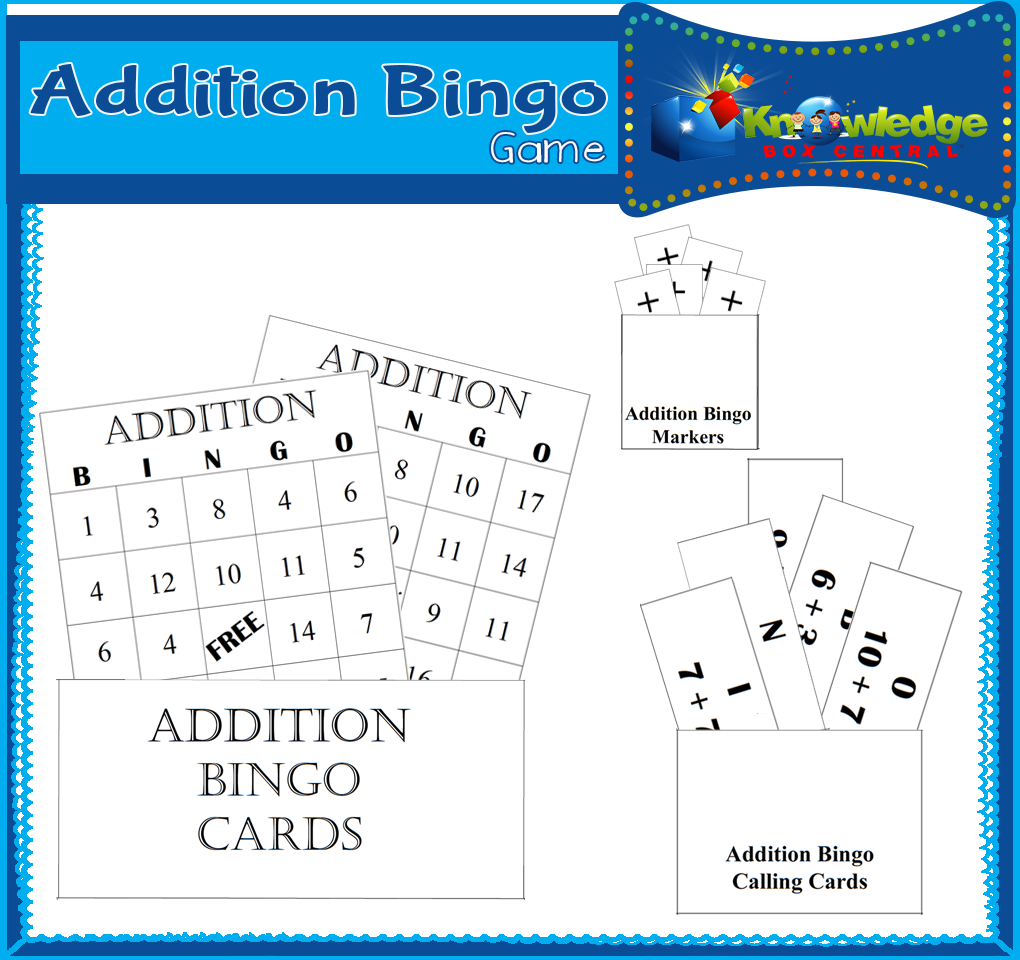
Provide a bingo-style game for practicing addition facts from 0-5 and 6-10.

A card game practicing short-vowel (CVC) versus long-vowel/'magic e' (CVCe) word reading fluency.
 Free download
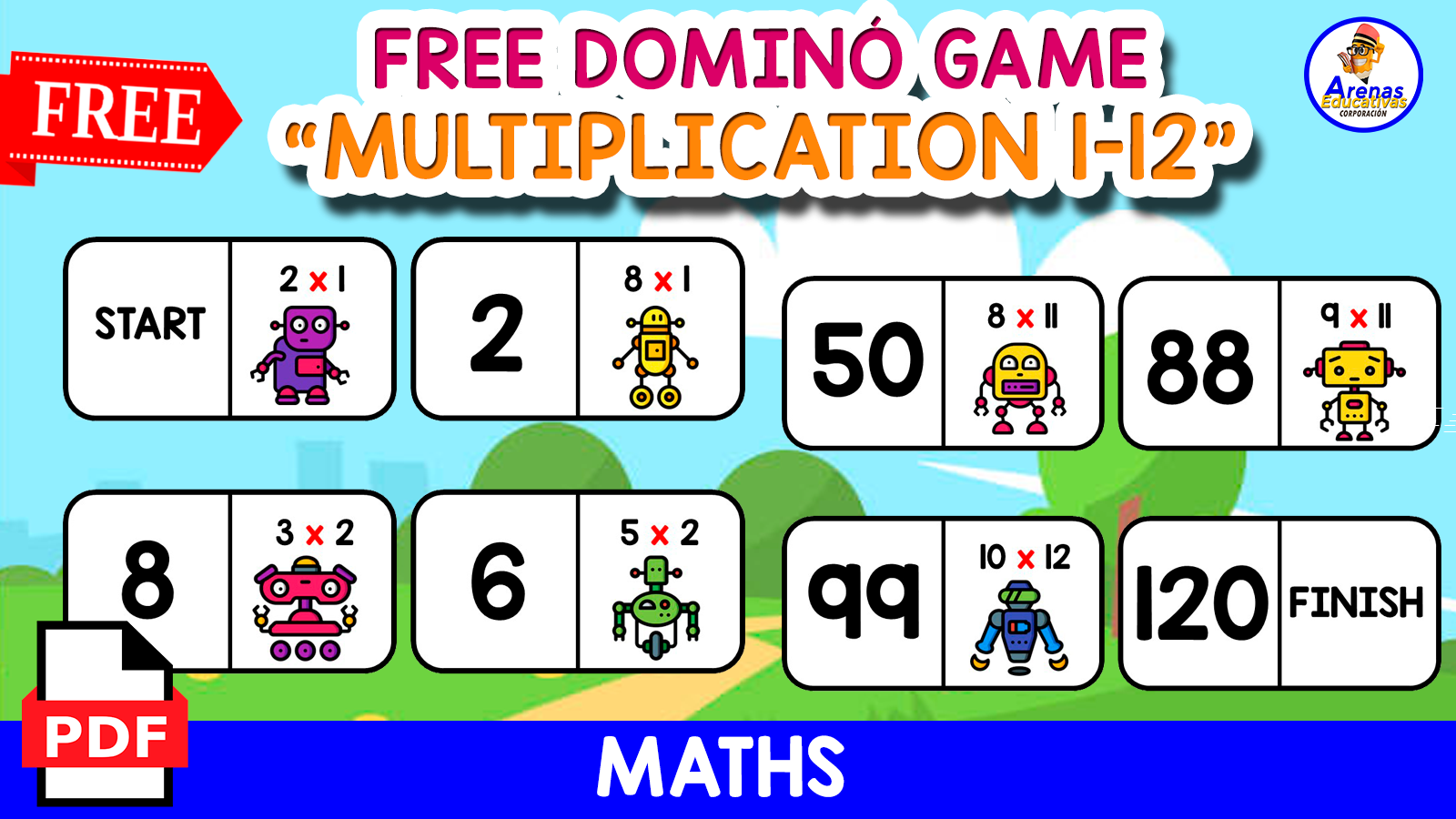
Domino-style matching game for practicing multiplication facts (times tables 1 through 12).
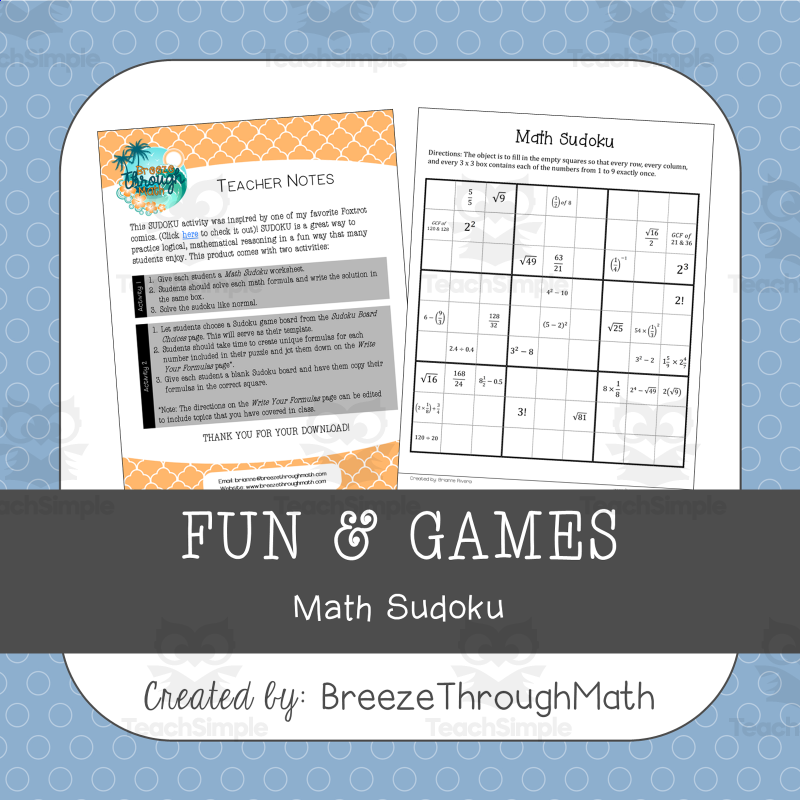
Students first evaluate expressions to uncover Sudoku digits, then apply row, column and box rules to complete the grid. The second activity turns them into puzzle writers, using planning pages to create expressions for digits one through nine. A solved example, board choices and teacher instructions support the transition from solving to designing; teachers can adapt the expression topics to recent math work.