Let's Get Graphing Activity
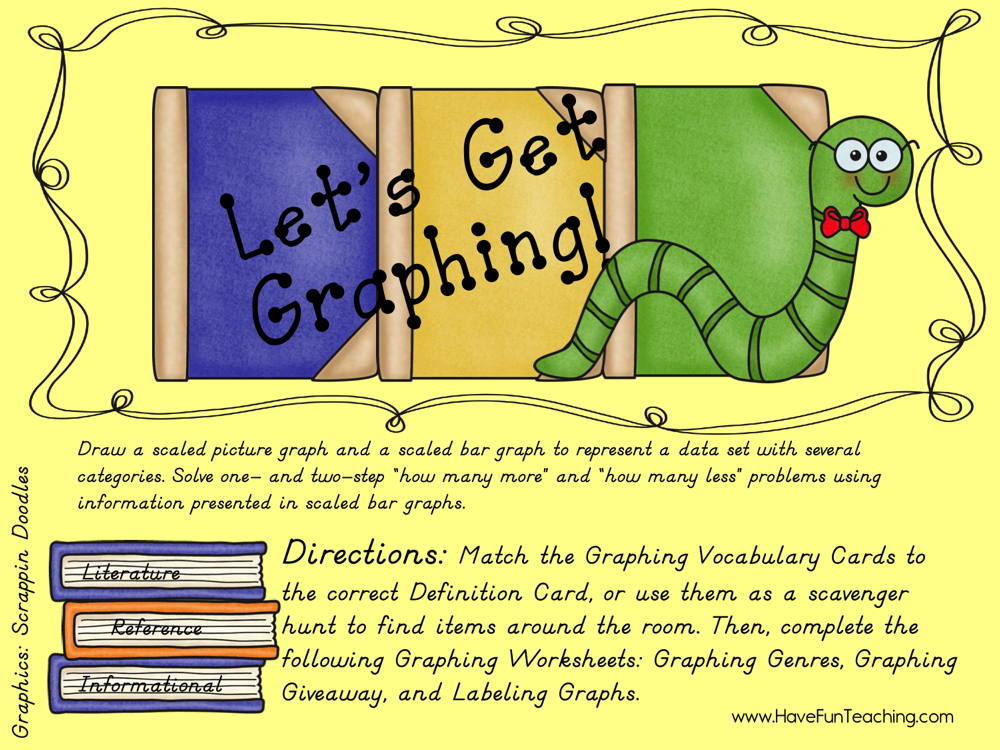
A math activity teaching students to draw and interpret scaled bar and line graphs, and to solve one- and two-step 'how many more/less' comparison problems using graphed data.
7,879 resources
Explore sub-categories
22 sub-categories · 7,879 resources
A math activity teaching students to draw and interpret scaled bar and line graphs, and to solve one- and two-step 'how many more/less' comparison problems using graphed data.
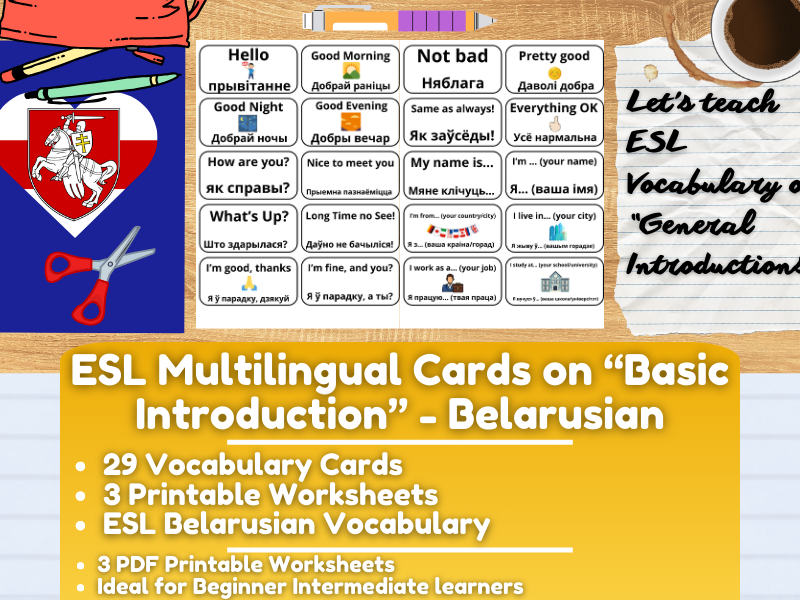
Give ESL/EFL students paired English-Belarusian vocabulary flashcards covering greetings and basic self-introduction phrases.
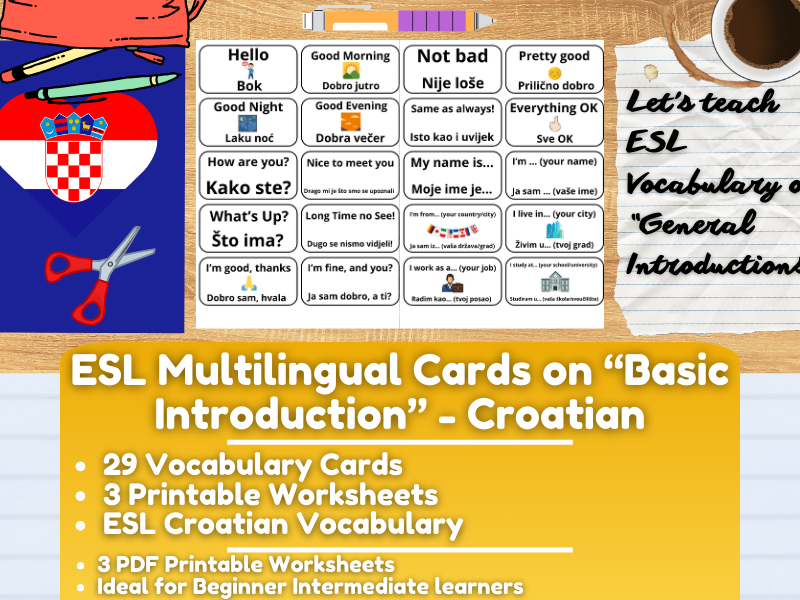
Give ESL/EFL students paired English-Croatian vocabulary flashcards covering greetings and basic self-introduction phrases.
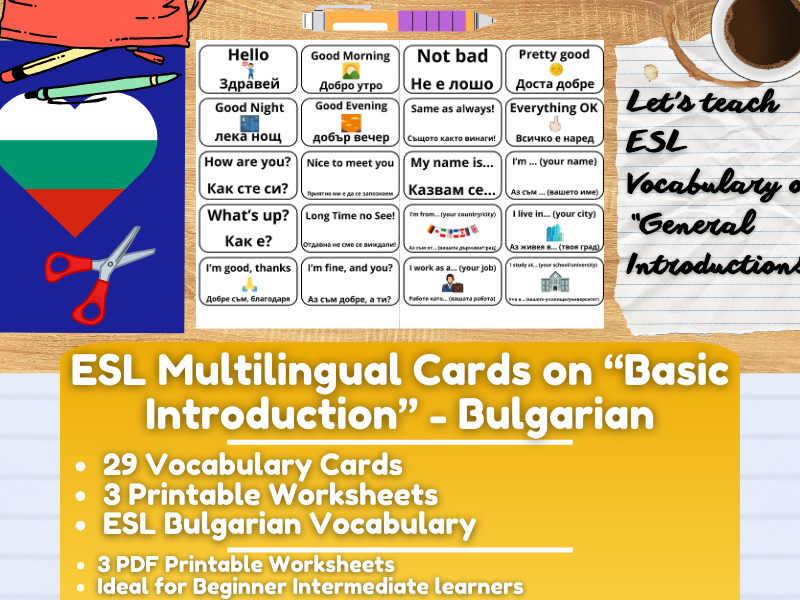
Give ESL/EFL students paired English-Bulgarian vocabulary flashcards covering greetings and basic self-introduction phrases.
Read, trace, sort, match, and write long I CVCe words; complete a crossword, word search, ABC-order, fill-in-the-blank, and picture-matching activities using a shared word list.
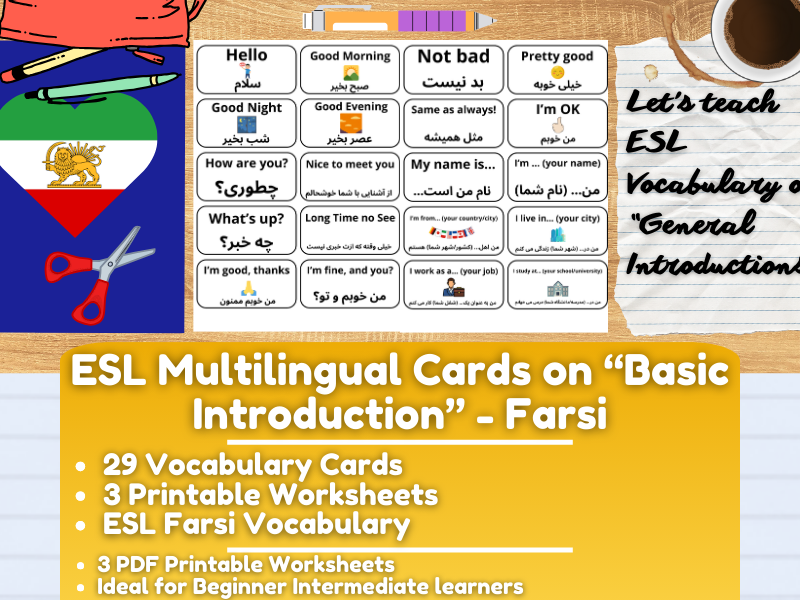
Give ESL/EFL students paired English-Farsi (Persian) vocabulary flashcards covering greetings and basic self-introduction phrases.
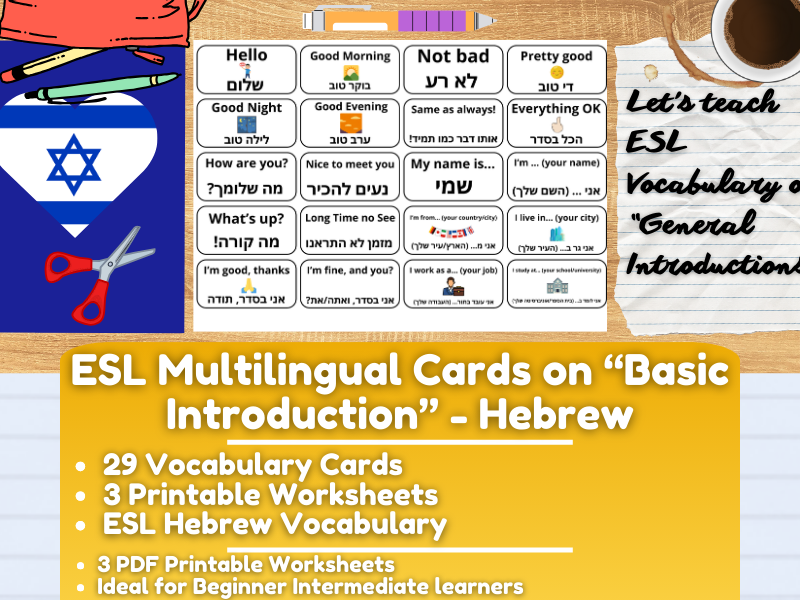
Give ESL/EFL students paired English-Hebrew vocabulary flashcards covering greetings and basic self-introduction phrases.
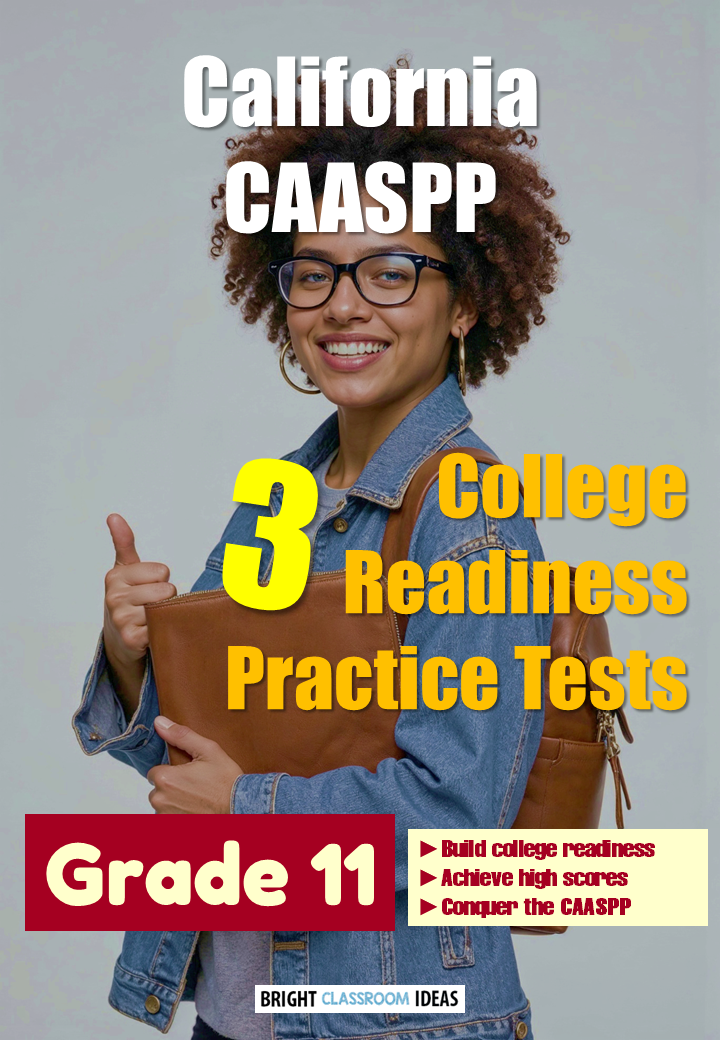
Students answer 80 questions per test (240 total) spanning ELA (reading informational/literary, language/vocabulary, writing/editing) and math (algebra, geometry, statistics, number sense) subdomains.
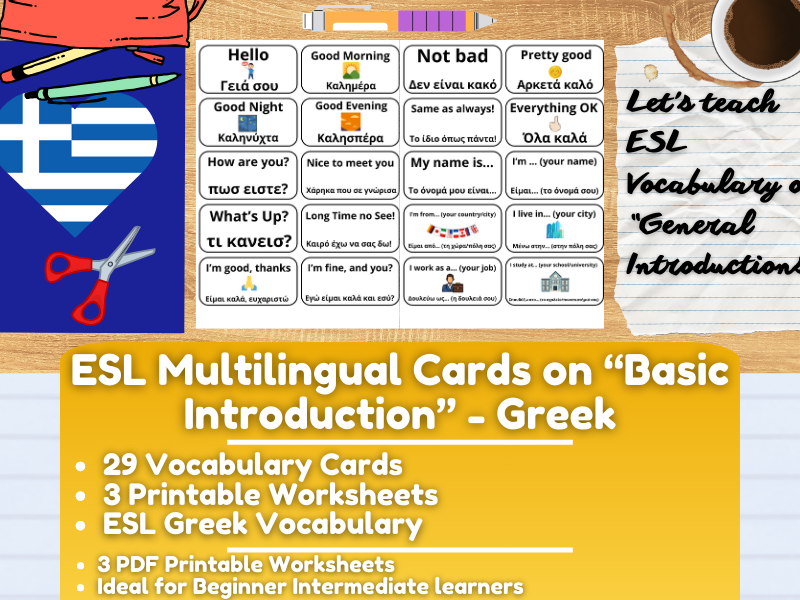
Give ESL/EFL students paired English-Greek vocabulary flashcards covering greetings and basic self-introduction phrases.
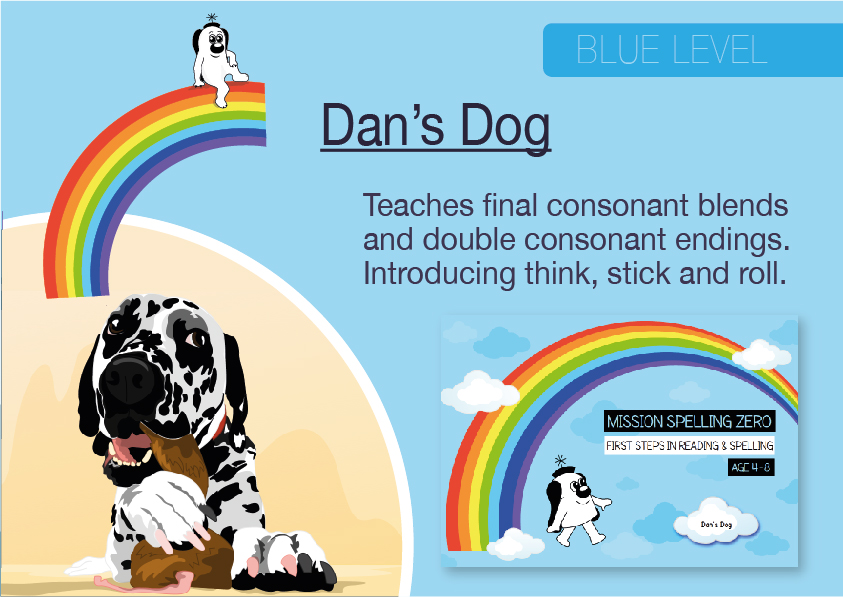
Use a short illustrated phonics story ('Dan's Dog') to reinforce final consonant blends/double consonant endings and build spelling practice in context.
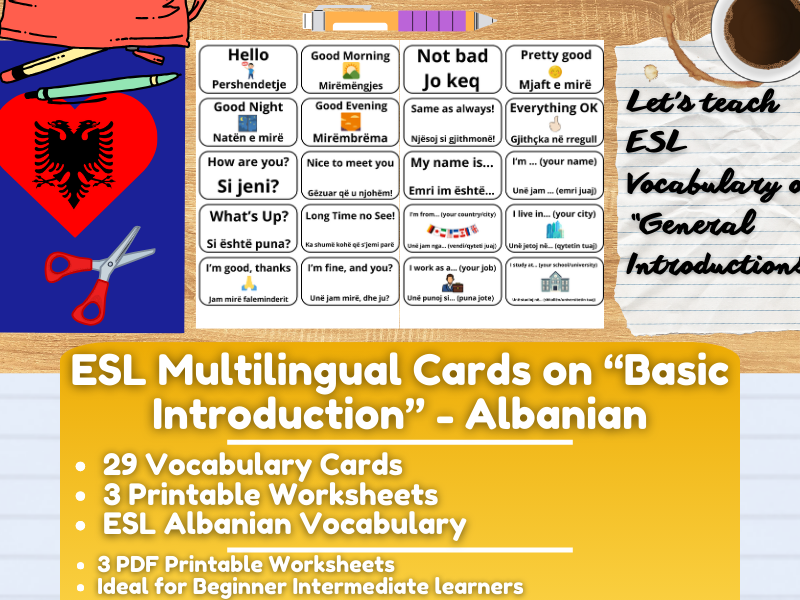
Give ESL/EFL students paired English-Albanian vocabulary flashcards covering greetings and basic self-introduction phrases.
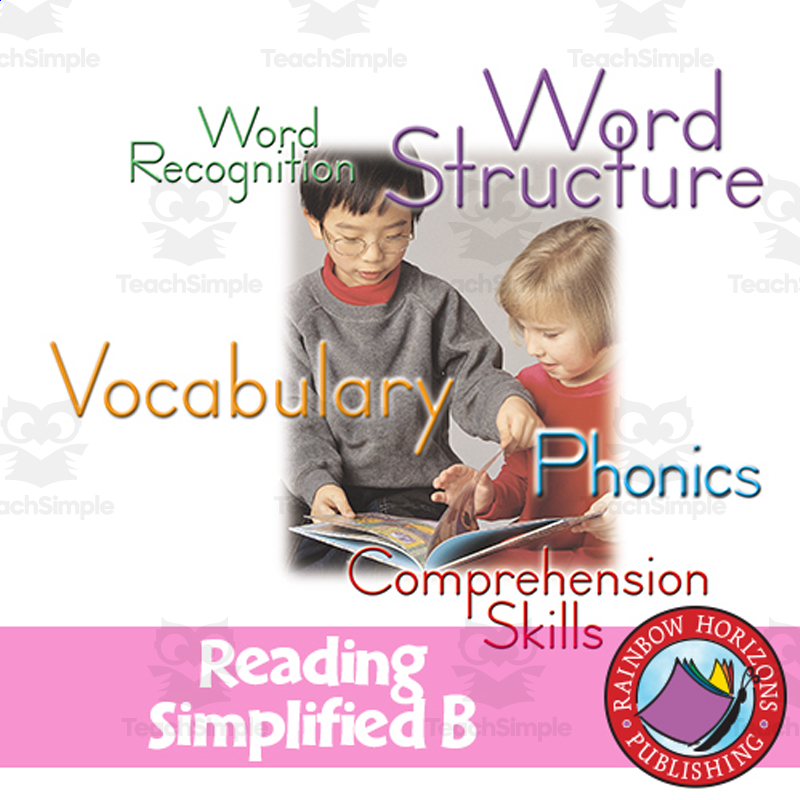
A first-grade-level reading skills workbook covering word recognition (letter recognition, phonics, word structure), vocabulary, study skills, comprehension, and oral/silent reading, using a controlled vocabulary matched to average first-grade basal readers.
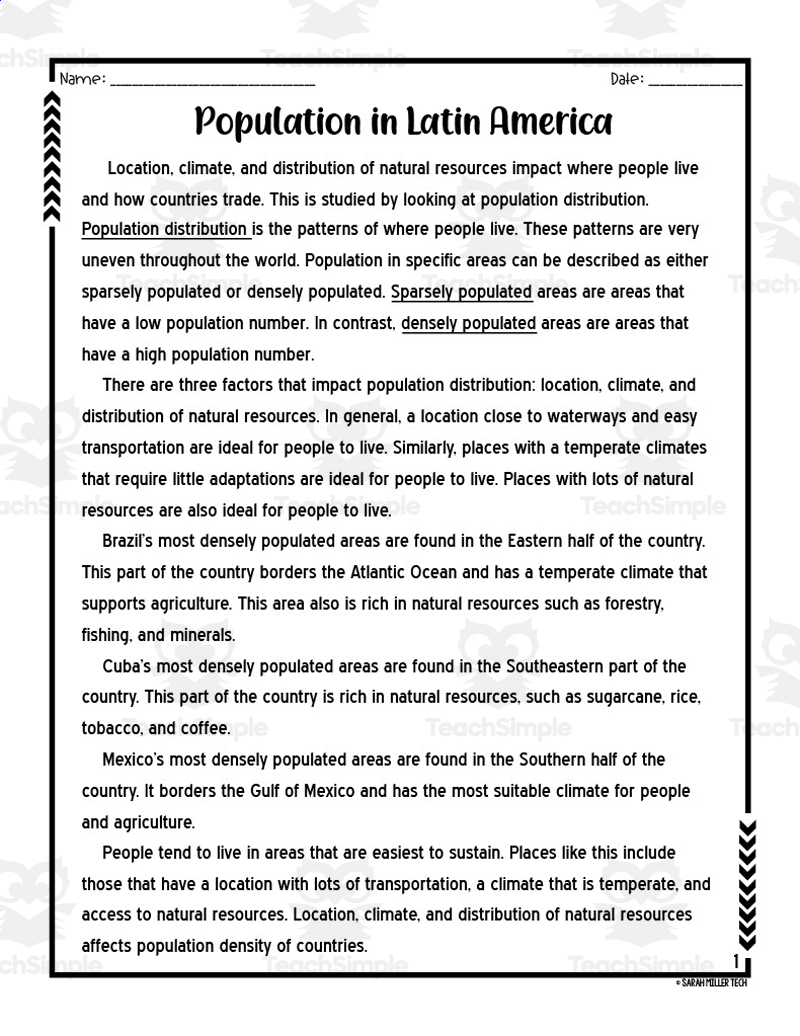
Read an informational passage about population distribution in Latin America, then answer questions and complete graphic organizers using key vocabulary and concepts from the passage.
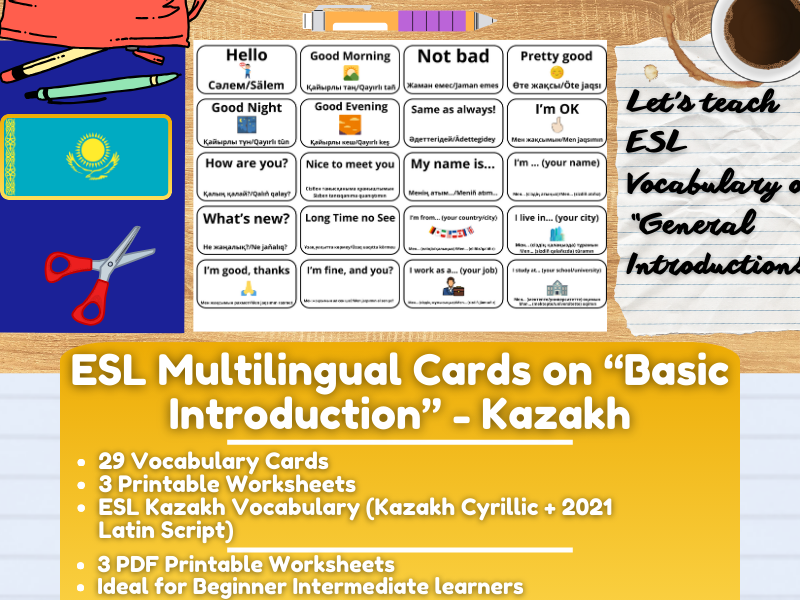
Provides paired English/Kazakh translations of common greeting and self-introduction phrases for ESL/EFL students who speak Kazakh.
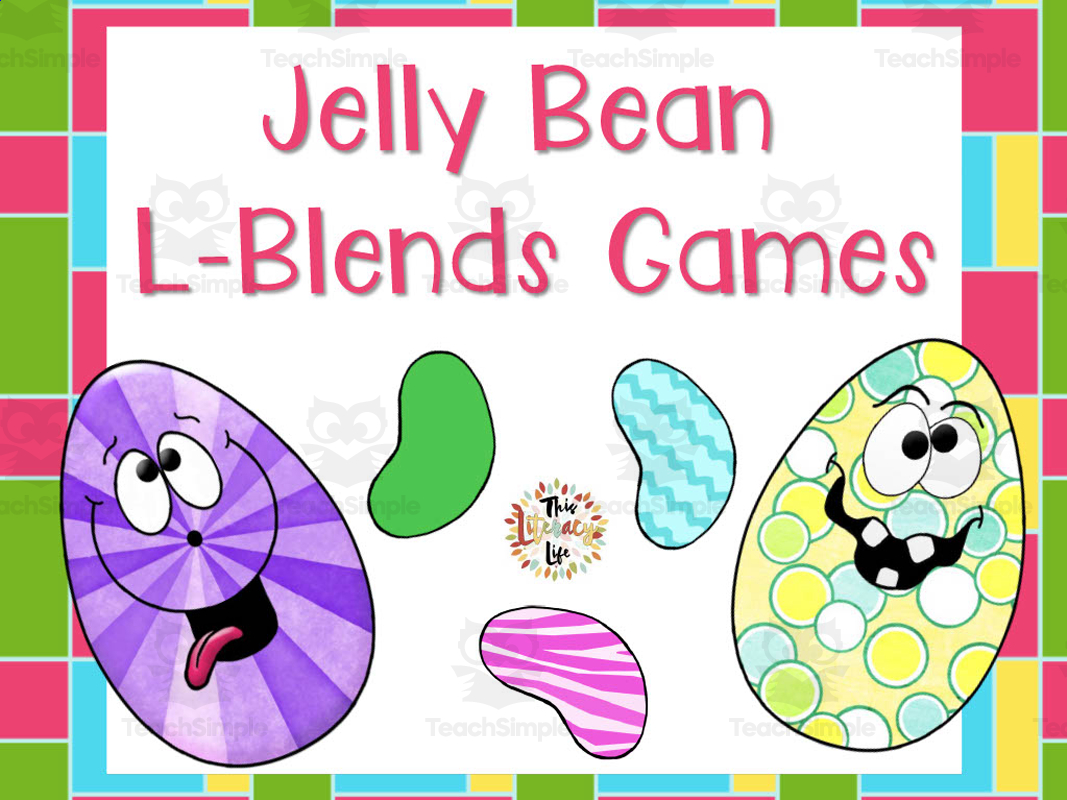
A phonics game for practicing reading words with L-blends (bl, cl, fl, gl, pl, sl), using two spinner-based game boards.
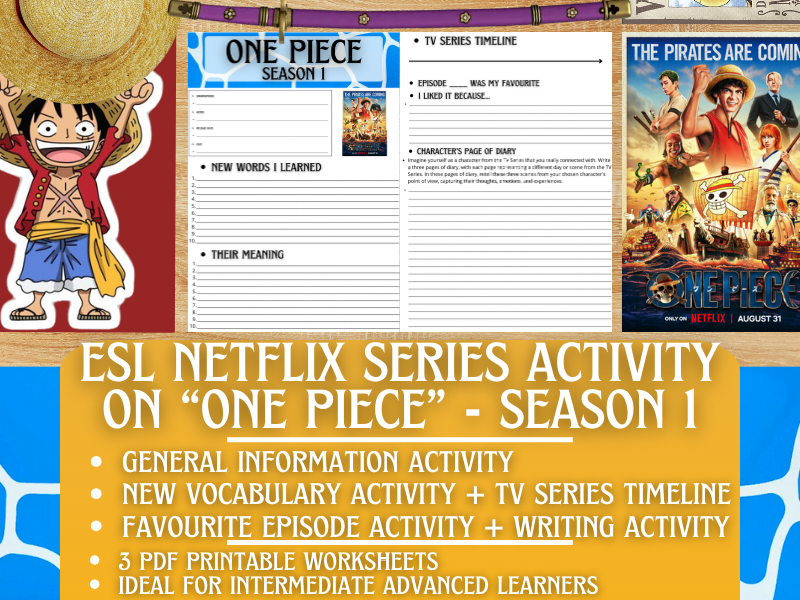
ESL Netflix Series Activity Worksheets on "One Piece" - Season 1 This ESL teaching resource is a 2-page printable PDF TV Series activity for "One Piece Season 1" (2023 Netflix TV Series based on the homonymous Japanese Manga by Eiichirō Oda) designed to support English as a Second or Foreign Language (ESL EFL) learners. This…
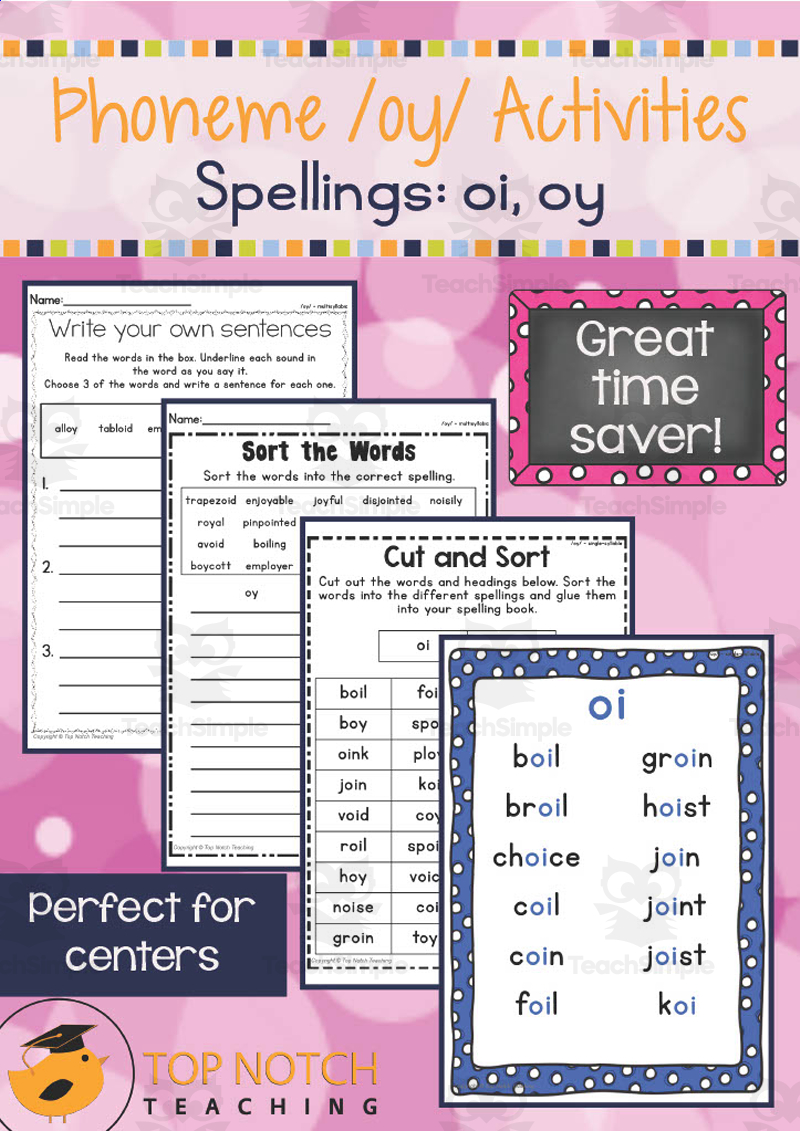
A phonics resource teaching students to recognize, decode, and spell single-syllable and multisyllabic words containing the /oy/ phoneme, across its spelling patterns (oi, oy).
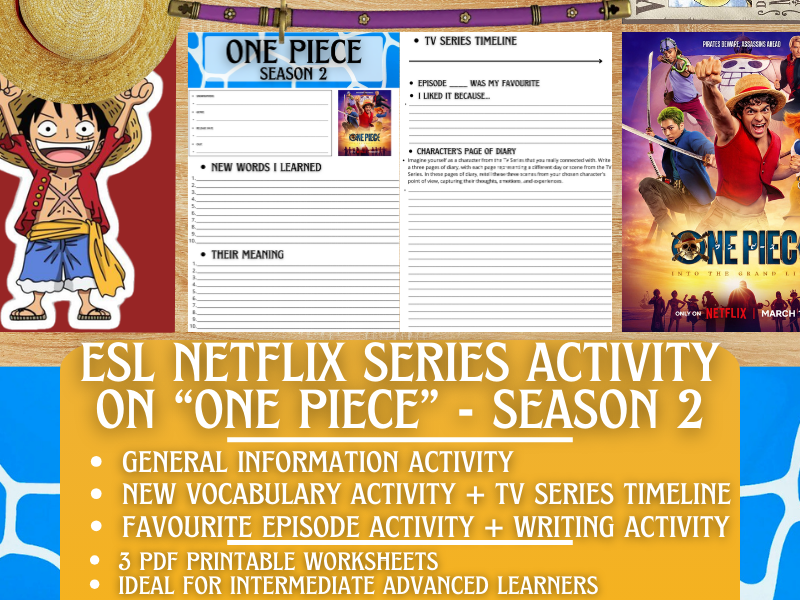
Students record series information and new words, then respond to prompts about the story and a favorite episode. The two-page guide also offers creative writing from a character perspective. Use selected sections after viewing to move from collecting language to discussing and writing about what students watched.
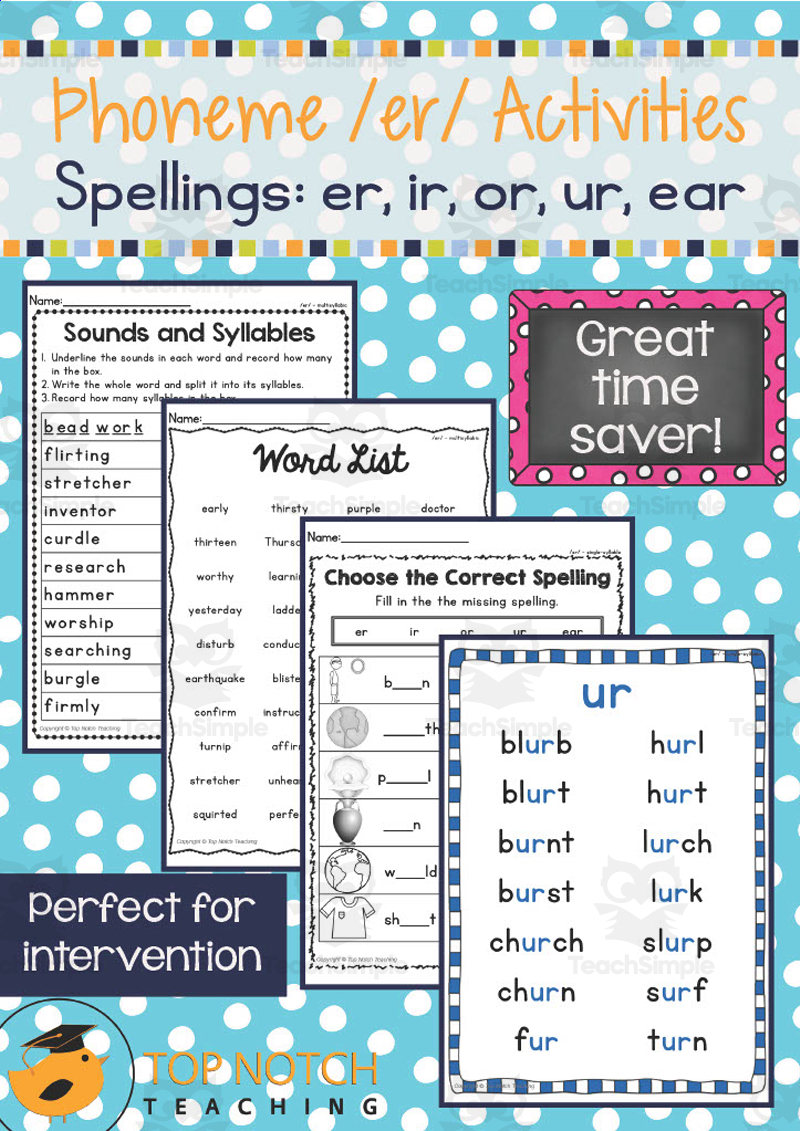
A phonics resource teaching students to recognize, decode, and spell single-syllable and multisyllabic words containing the /er/ phoneme, across its spelling patterns (er, ir, or, ur, ear).
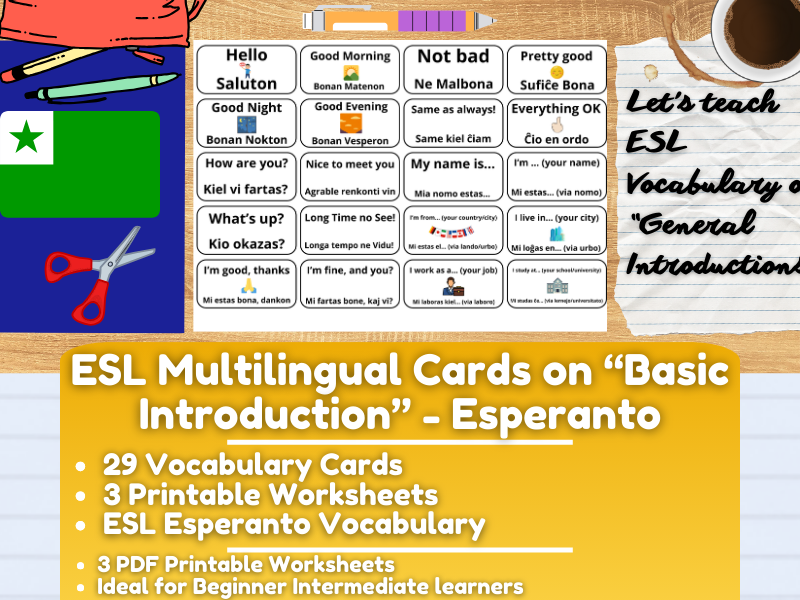
Give ESL/EFL students paired English-Esperanto vocabulary flashcards covering greetings and basic self-introduction phrases.
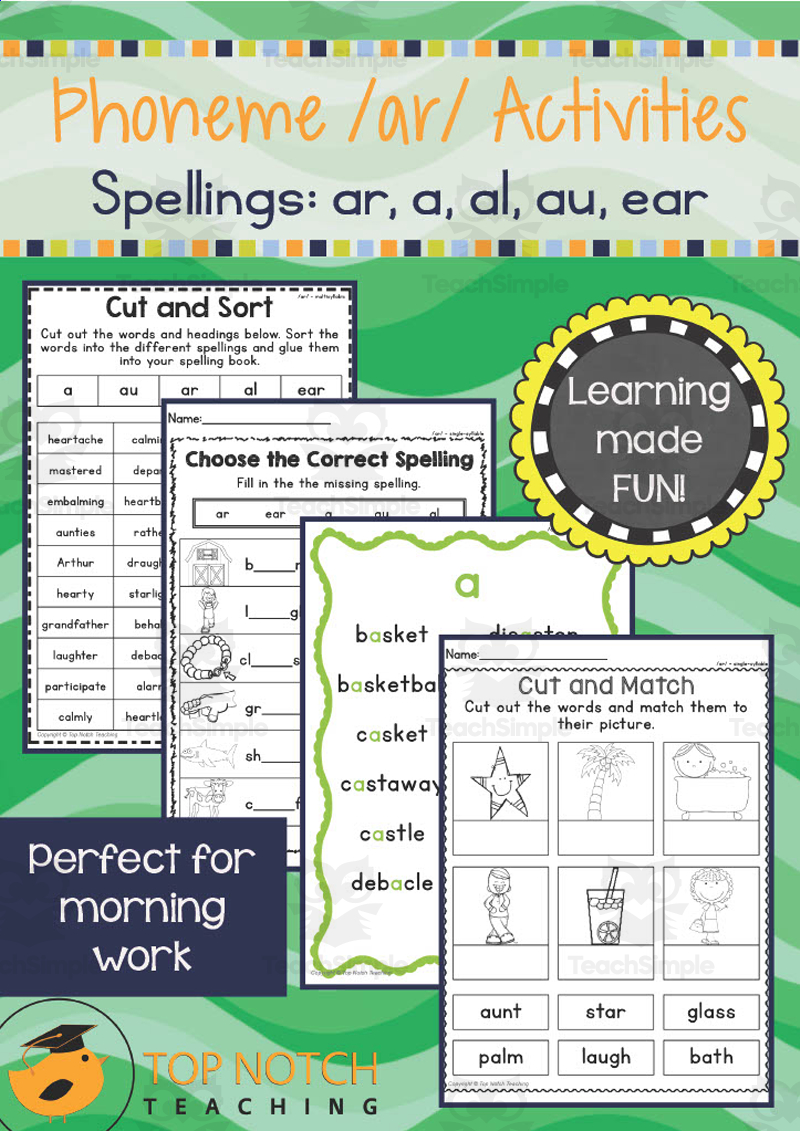
A phonics resource teaching students to recognize, decode, and spell single-syllable and multisyllabic words containing the /ar/ phoneme, across its spelling patterns (ar, a, al, au, ear).
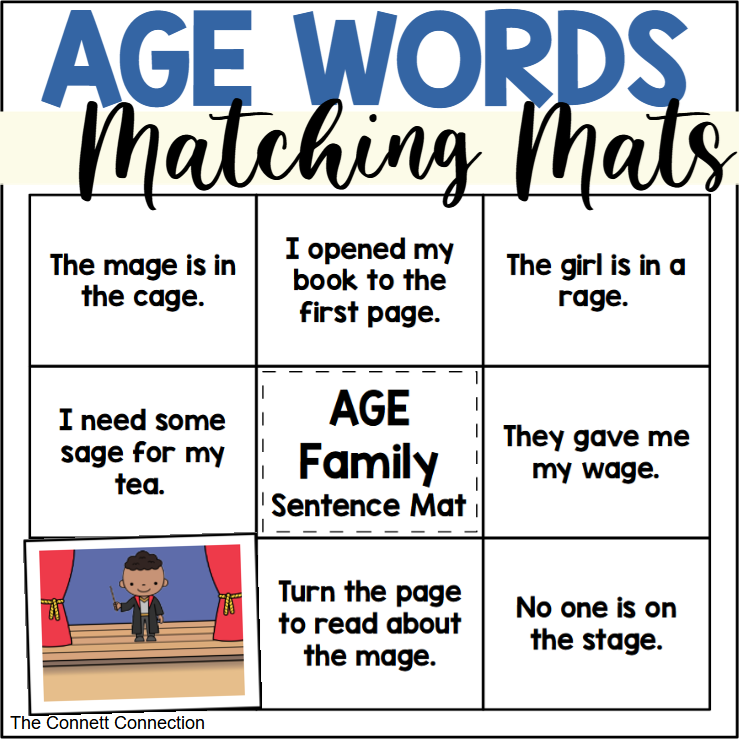
Practice reading AGE-family sentences and matching them to corresponding pictures in a hands-on literacy center.
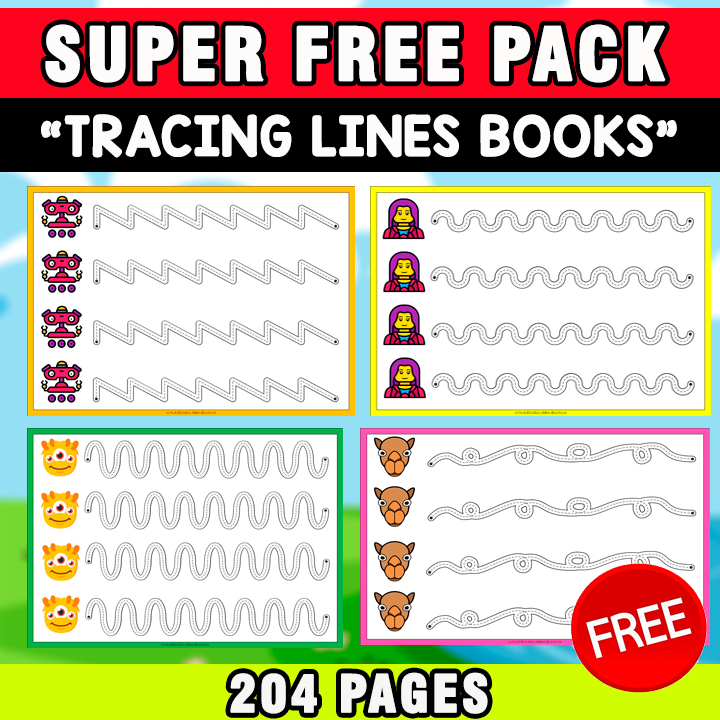
Pre-writing/fine-motor practice: a large bundle of line-tracing worksheet sets.
Identify and write numbers in standard, expanded, and word form using candy-corn graphics; given an expanded form and number words, write the standard number in the top section of a candy corn (and similar identification tasks for expanded form).