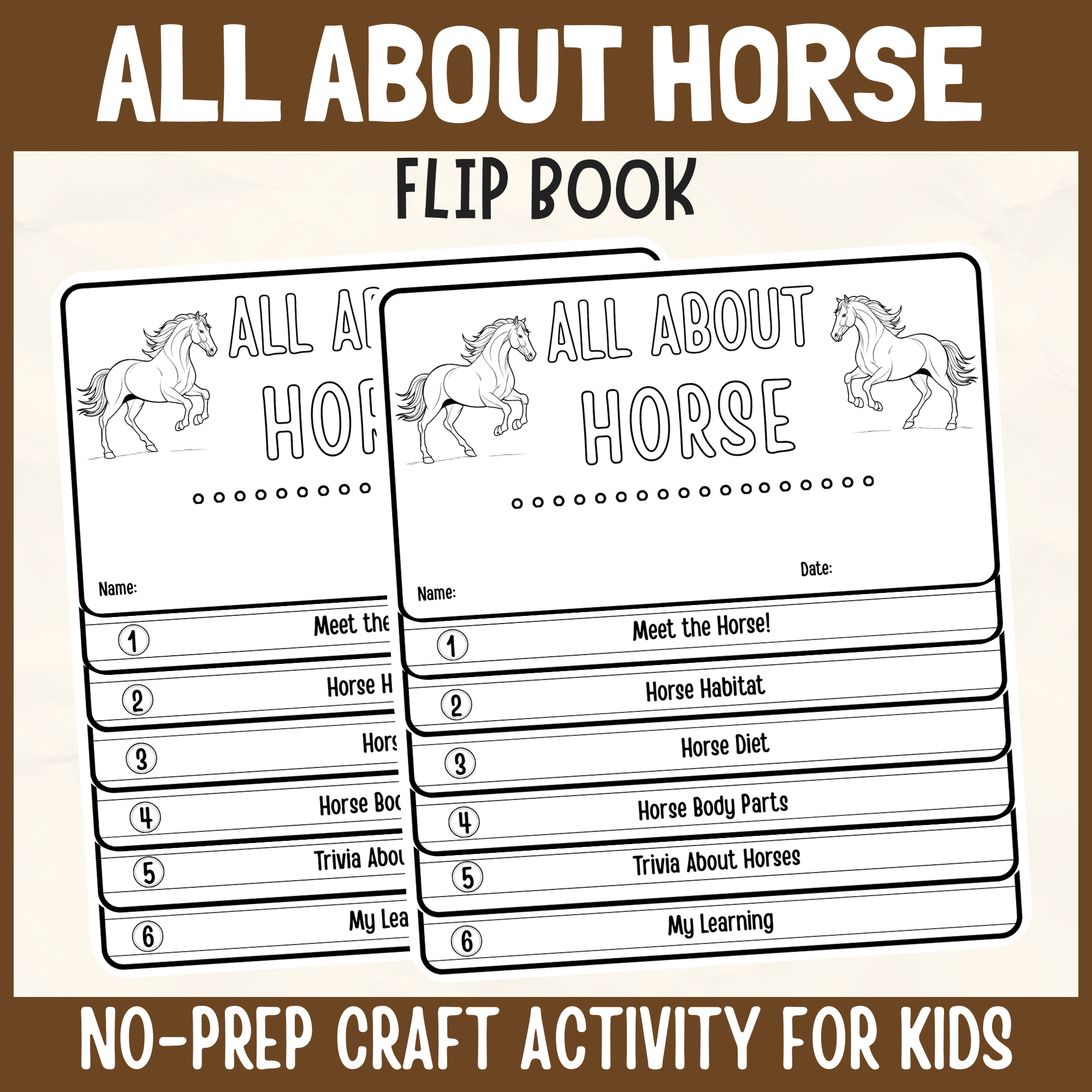
Horse Flipbook craft Farm Animal Science Study writing prompt activity
Teach facts about horses (appearance, growth, habitat, defense, communication) through a foldable flipbook craft with guided questions.
Answers included




10,684 resources
Explore sub-categories
10 sub-categories · 10,684 resources
Teach facts about horses (appearance, growth, habitat, defense, communication) through a foldable flipbook craft with guided questions.
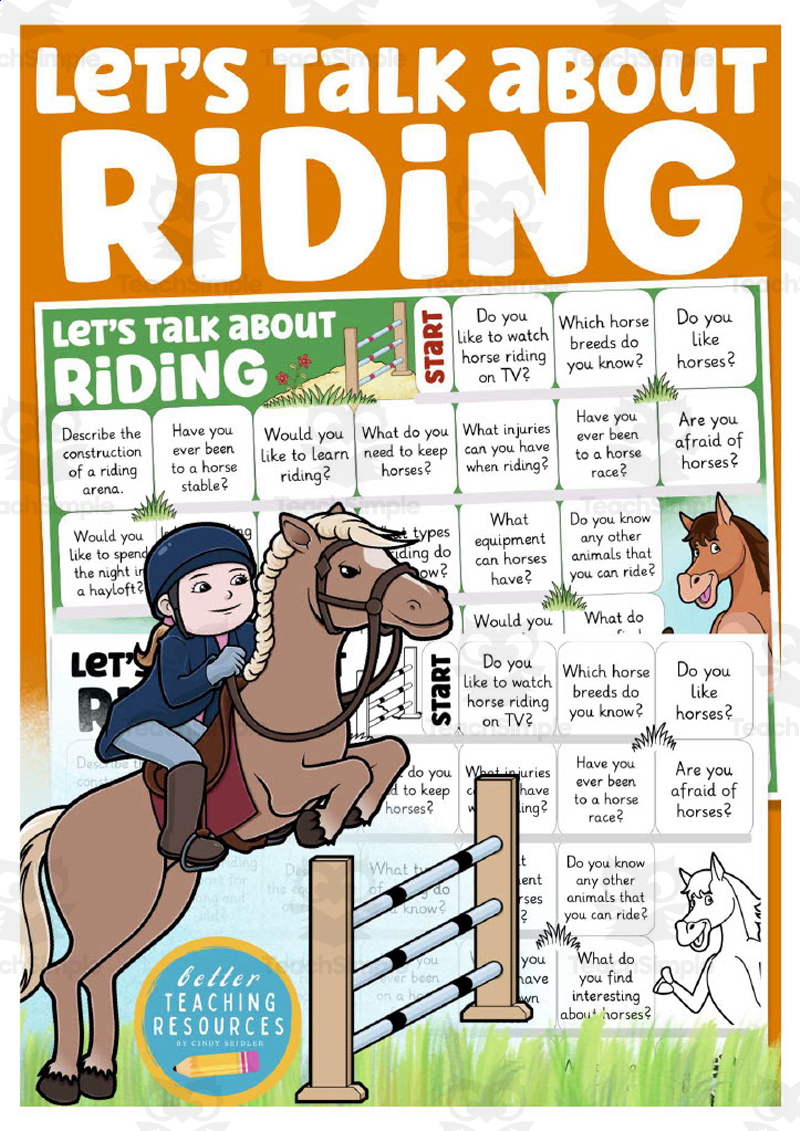
Horseback Riding Speaking Game is an engaging resource for building dialog and speaking skills. This printable game board can be used in whole group, small group, or independent settings.
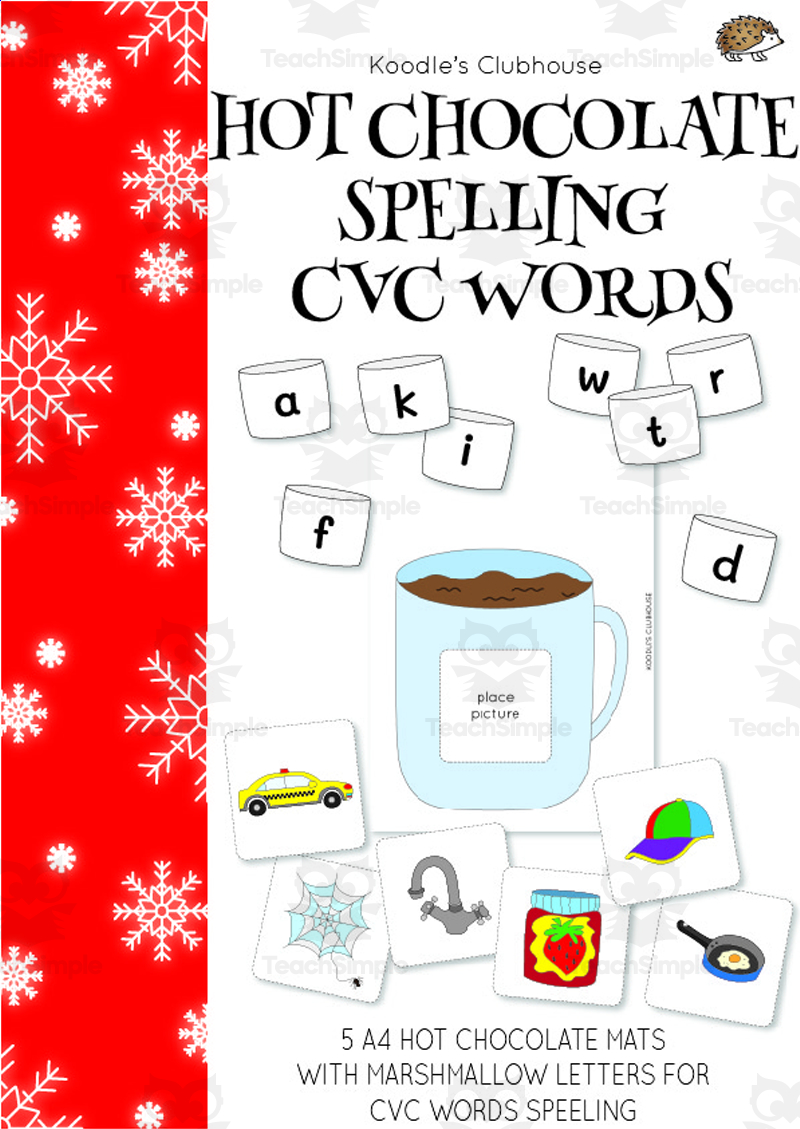
Introducing the Hot Chocolate Spelling CVC Words Resource The Hot Chocolate Spelling CVC Words resource offers a colorful and exciting platform for enhancing spelling, literacy, and phonics skills in young learners.
A whole-class ESL/ELL speaking activity that gets students asking each other yes/no questions about house and home vocabulary.

This resource is a set of House Game Cards. You can use these game cards to implement a variety of activities for students to practice vocabulary. You may wish to use these cards as a Memory game, Go Fish, etc.
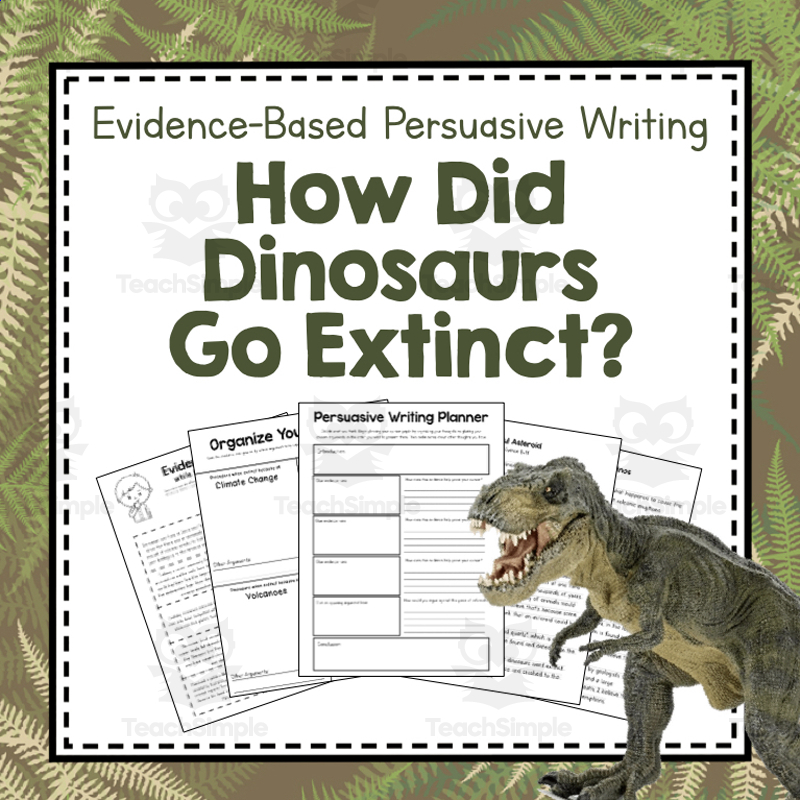
How Did the Dinosaurs Go Extinct? | Persuasive Writing Pack The How Did the Dinosaurs Go Extinct? | Persuasive Writing Pack is an interactive educational resource designed primarily for students in grades 3 to 5.
Interactive micro-learning book companion deck for the book 'How to be a Hero' by Florence Parry Heide, building reading comprehension skills (sequencing, story elements, comprehension, summarizing) around a read-aloud.

The tooth-brushing topic gives developing writers a familiar process to organize. Picture and sentence sequences support planning before students use transition words in a draft. Select an editing checklist that matches the writer’s level, then reread the directions to check order and clarity.

Use making a peanut butter sandwich as a familiar model for procedural writing. The packet offers sequencing pieces, writing supports and prompts for making instructions more specific, with a sample paragraph and editing checklists to support revision. Choose drawing or writing formats to match students’ needs; the paper activities can be completed without preparing or tasting food.
Teaches early writers to produce sequential 'how-to' expository writing about making a valentine, using leveled models, checklists, and picture-sequencing supports.
Teaches early elementary writers how to compose a step-by-step 'how-to' (procedural/expository) piece using the everyday example of apple pie, with an emphasis on sequencing and transition words.
Teaches early elementary writers how to compose a step-by-step 'how-to' (procedural/expository) piece using the everyday example of caramel apples, with an emphasis on sequencing and transition words.
Teaches early elementary writers how to compose a step-by-step 'how-to' (procedural/expository) piece using the everyday example of gingerbread cookies, with an emphasis on sequencing and transition words.
Teaches early elementary writers how to compose a step-by-step 'how-to' (procedural/expository) piece using the everyday example of hot chocolate, with an emphasis on sequencing and transition words.
Teaches early elementary writers how to compose a step-by-step 'how-to' (procedural/expository) piece using the everyday example of lemonade, with an emphasis on sequencing and transition words.
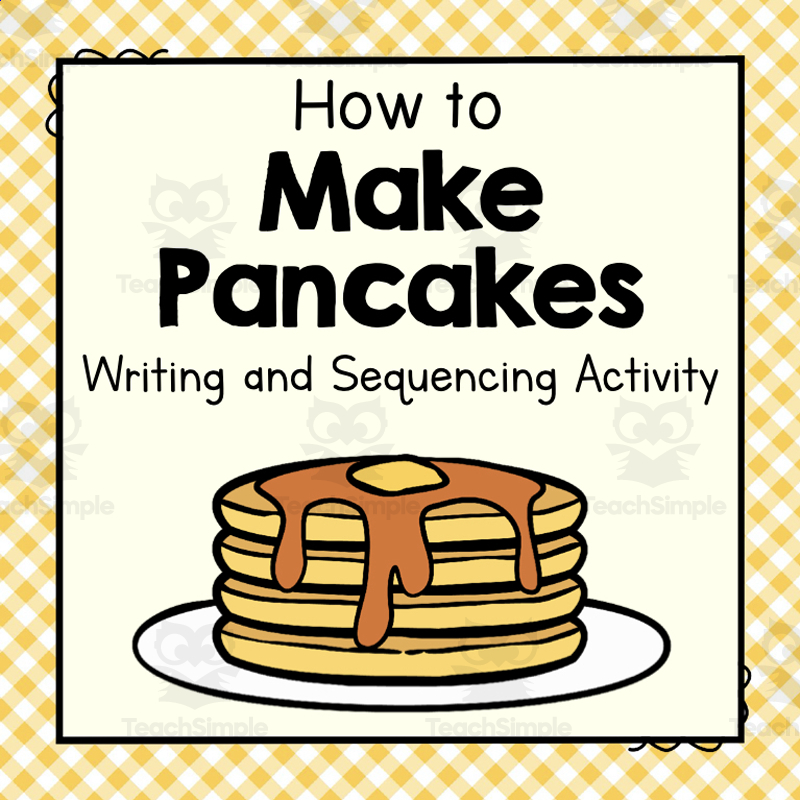
This cross-curricular resource uses students’ interest in pancakes to creatively teach emerging writers the basics of crafting step-by-step “how-to” explanations.

This cross-curricular resource uses students' interest in popcorn to teach early writers fundamentals of crafting step-by-step "how-to" explanations.
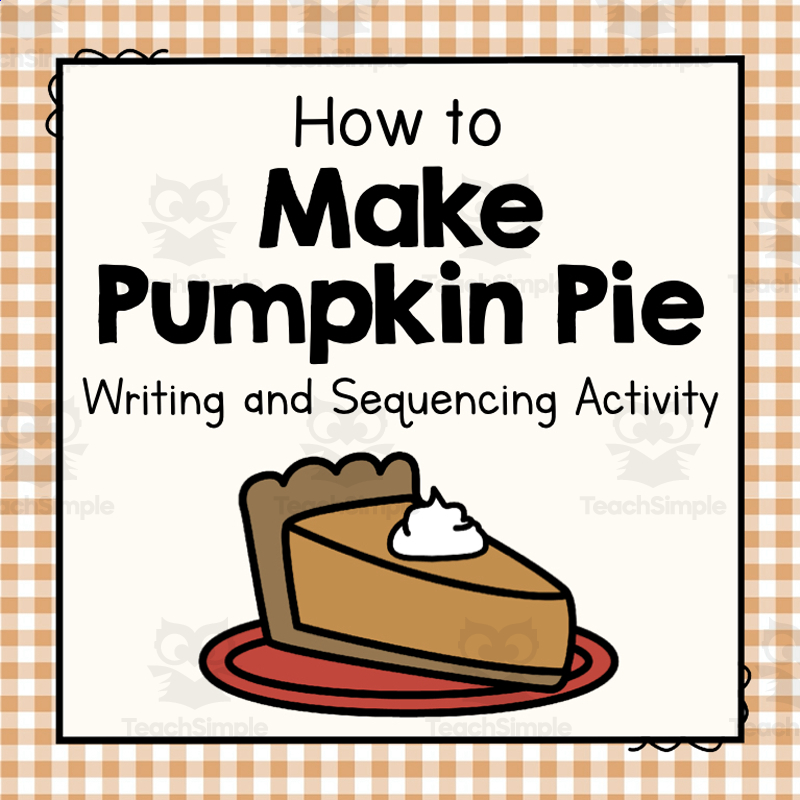
This fall-themed resource leverages students' interest in pumpkin pie around Thanksgiving to teach early writers the basics of crafting step-by-step "how-to" explanations.
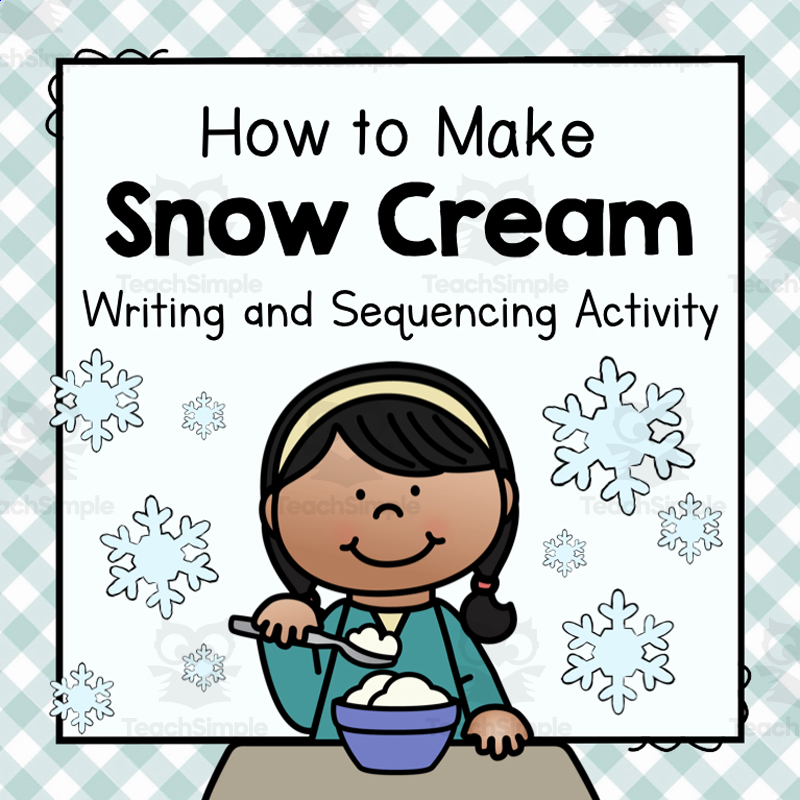
Teaches early elementary writers how to compose a step-by-step 'how-to' (procedural/expository) piece using the everyday example of snow cream, with an emphasis on sequencing and transition words.

Teaches early elementary writers how to compose a step-by-step 'how-to' (procedural/expository) piece using the everyday example of raking leaves, with an emphasis on sequencing and transition words.
How do you teach prepositions? If you are an English language teacher, sooner or later you will need to teach prepositions to your students.

Teaches early elementary writers how to compose a step-by-step 'how-to' (procedural/expository) piece using the everyday example of washing a car, with an emphasis on sequencing and transition words.

Teaches early elementary writers how to compose a step-by-step 'how-to' (procedural/expository) piece using the everyday example of washing a dog, with an emphasis on sequencing and transition words.

Teaches early elementary writers how to compose a step-by-step 'how-to' (procedural/expository) piece using the everyday example of washing dishes, with an emphasis on sequencing and transition words.