 Free download
 OperationsMath games
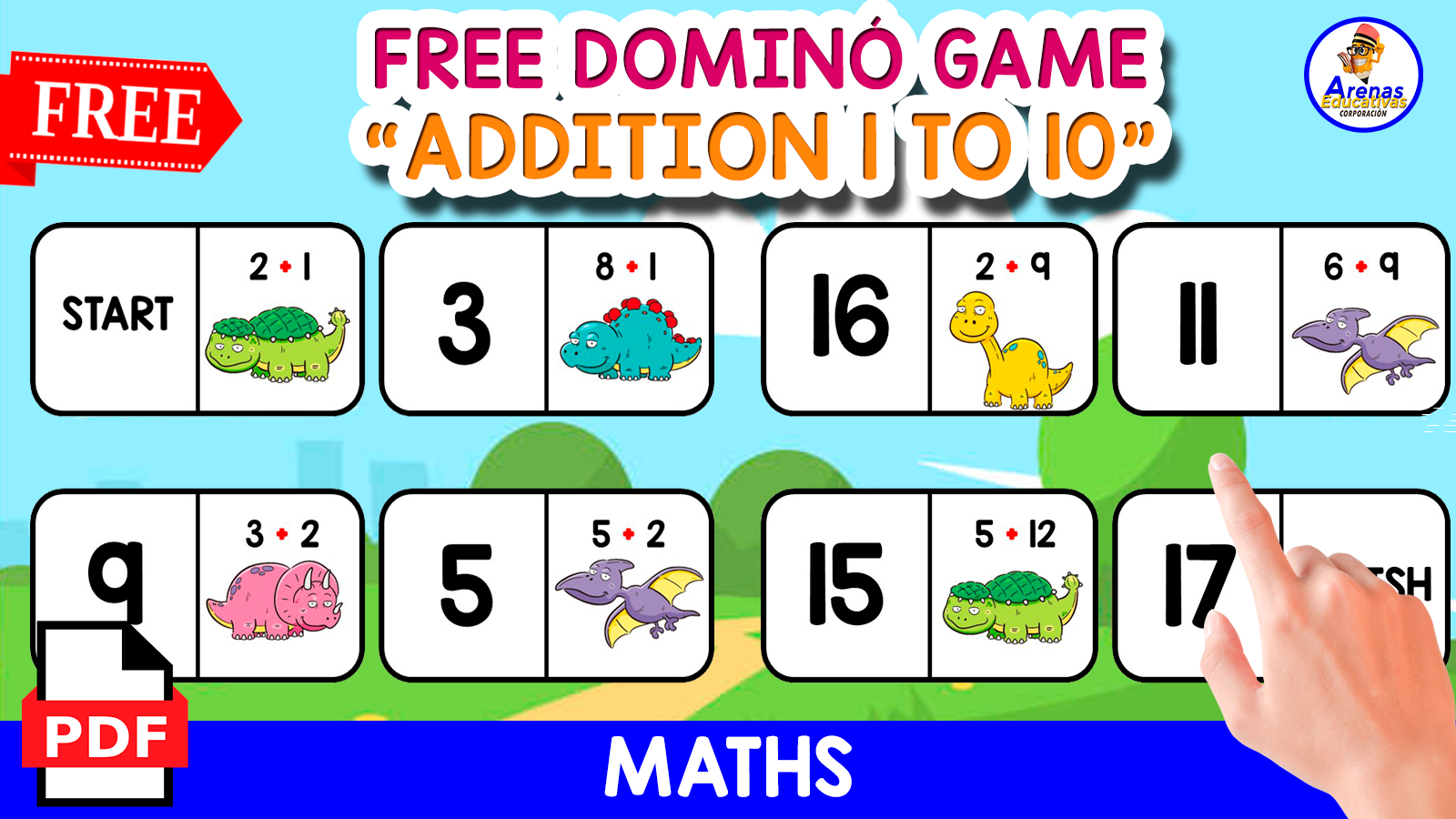
FREE DOMINÓ GAME OF ADDITION | ADDITION 1 TO 10
Give students hands-on practice matching addition facts through a printable domino-style game.




Classroom resources
Browse by lesson focus
Choose the topic or kind of practice you need.
Showing 793–816 of 3189 resources

 Show filters Free download
 Give students hands-on practice matching addition facts through a printable domino-style game.

A 50-activity skip-counting worksheet pack (by 2s, 3s, 4s, 5s, and 10s) designed to build calculation fluency and prepare students for multiplication and division, addressing common skip-counting barriers such as non-multiple starting points and place-value transitions.
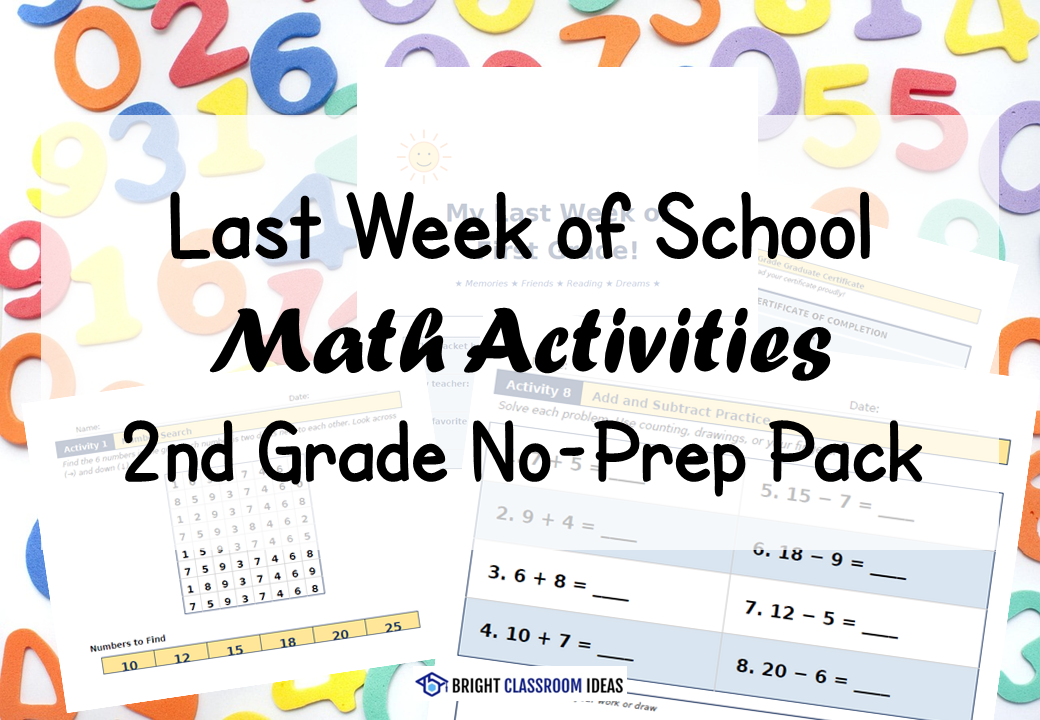
A no-prep, 5-day Grade 2 end-of-school-year math packet (teacher guide, student worksheets, and answer key as separate files) combining math skill review with reflective/celebratory last-week-of-school activities.
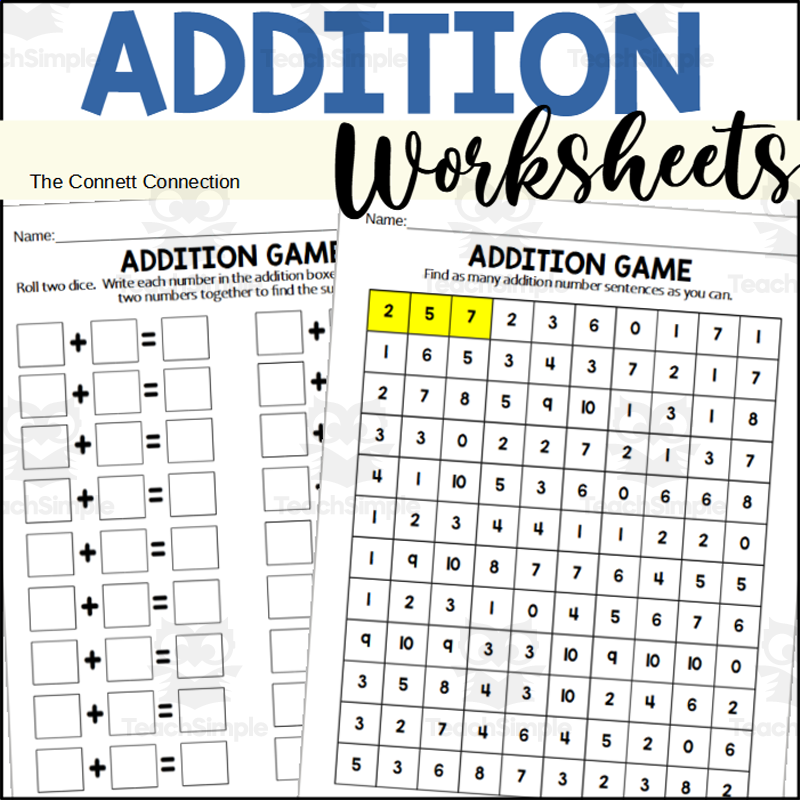
Provide printable addition games for practicing addition facts through a dice-roll activity and a number-search activity.
 Free download
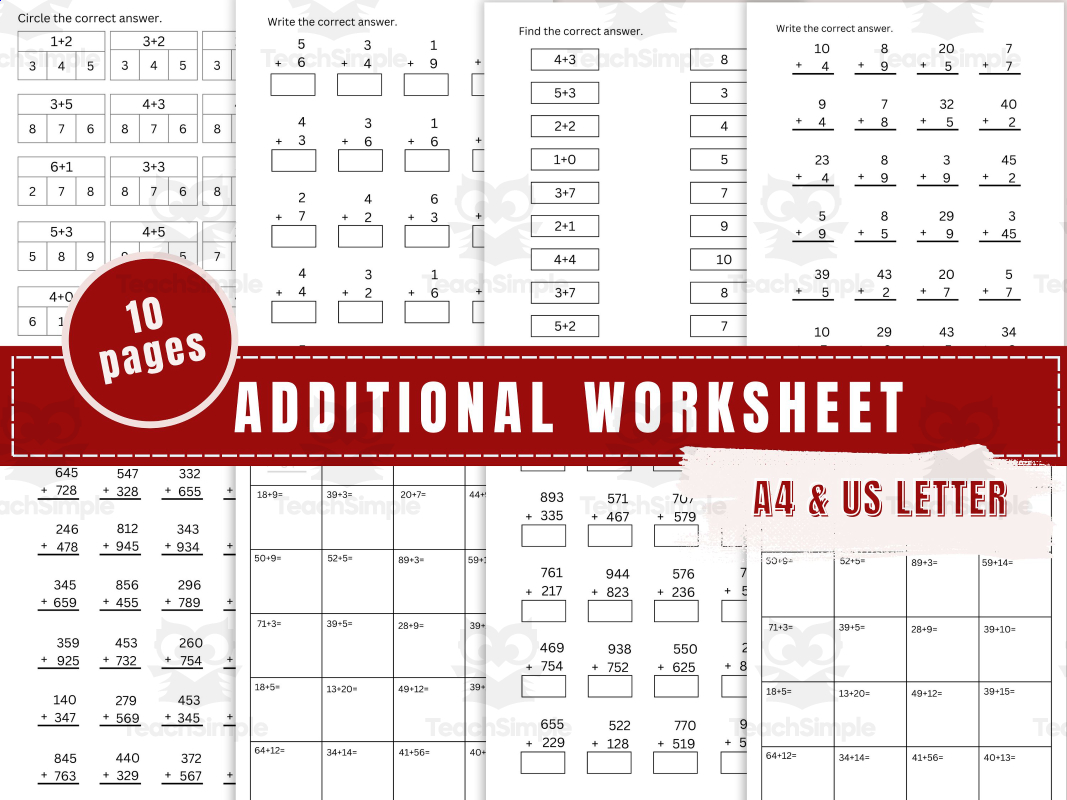
 Provide daily-practice addition drill worksheets that progress from single-digit to multi-digit addition.
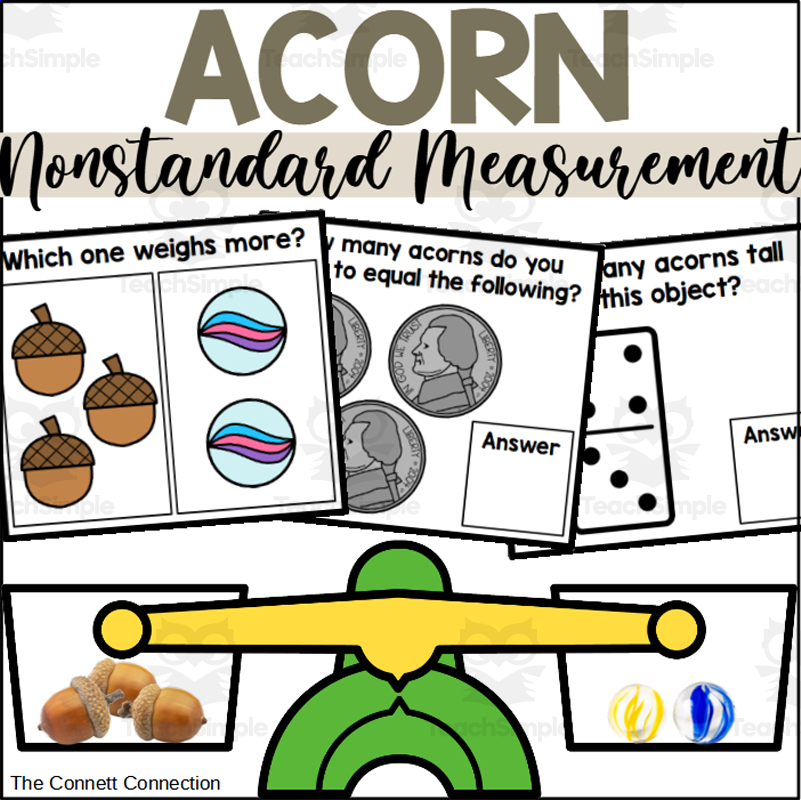
Nonstandard measurement practice using acorns as the measuring unit: comparing which object weighs more or less, and measuring an object's length or height in acorns.
Provide a 'chapter slice' excerpt of warm-up, timed-drill, and review practice sheets on measurement (Volume 2), correlated to NCTM math process-standard goals, for grades 3-5.
 Free download
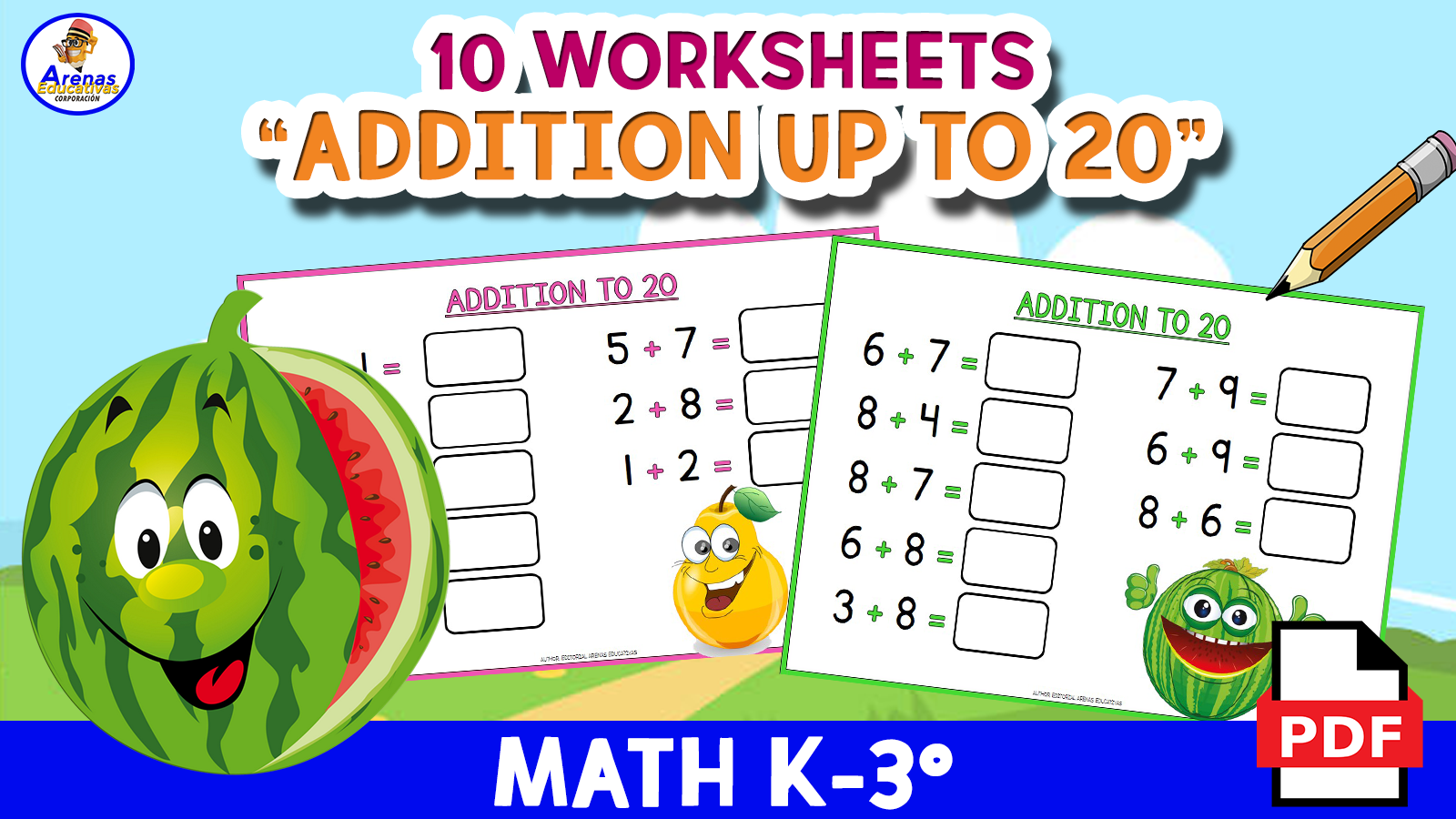
 Provide fruit-themed addition-up-to-20 worksheets to encourage practice with a colorful theme.
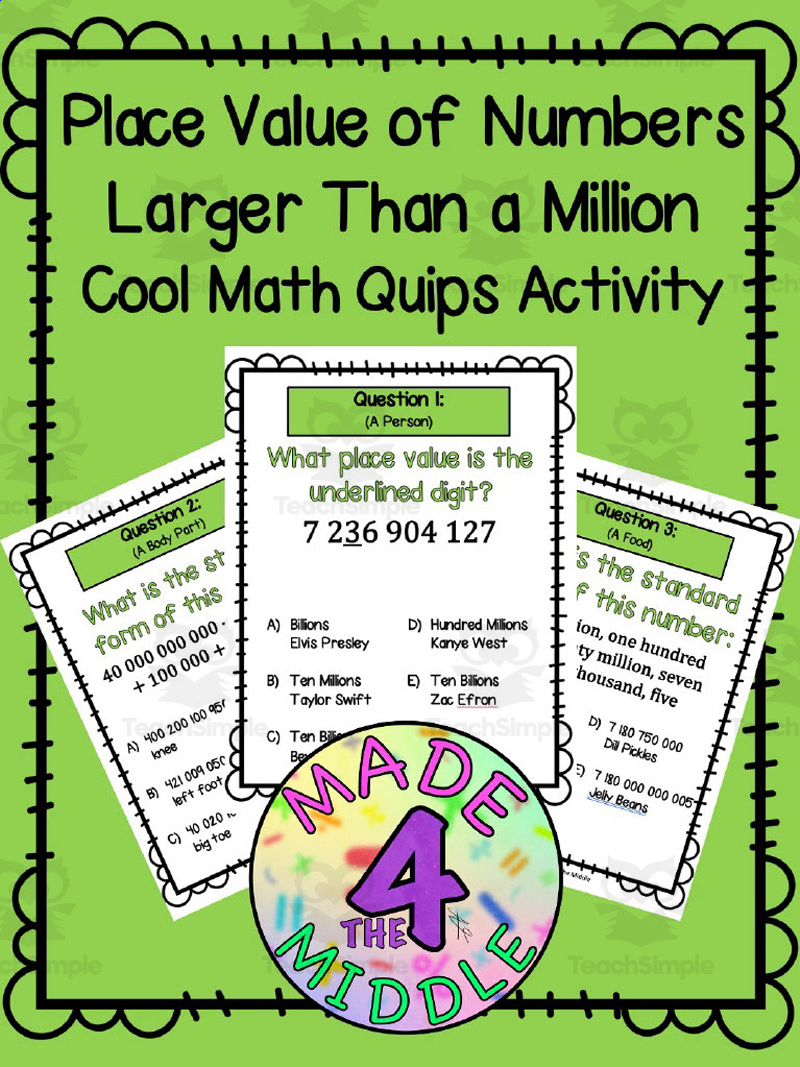
Practice identifying place value and standard/written form of numbers larger than a million (into the trillions) using a task-card / silly-story format.
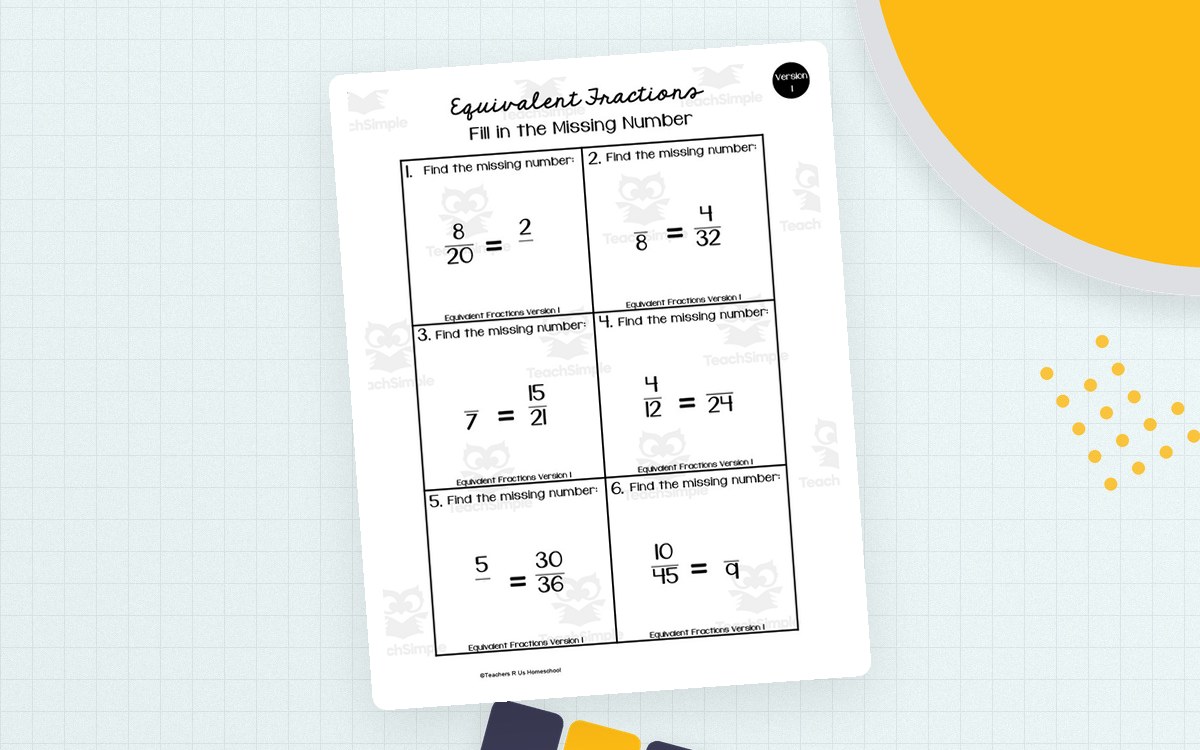
Two-version worksheet set giving quick practice finding equivalent fractions, one version using missing-number equations and the other using visual fraction models.

Students match each number card to a picture showing groups of ten. For example, 50 represents five tens and zero ones. The cards support counting by tens and explaining how a pictured collection corresponds to a numeral. Once students understand that each ten-group equals ten ones, that understanding supports the addition and subtraction with regrouping worksheets , where regrouping between tens and ones depends on it.
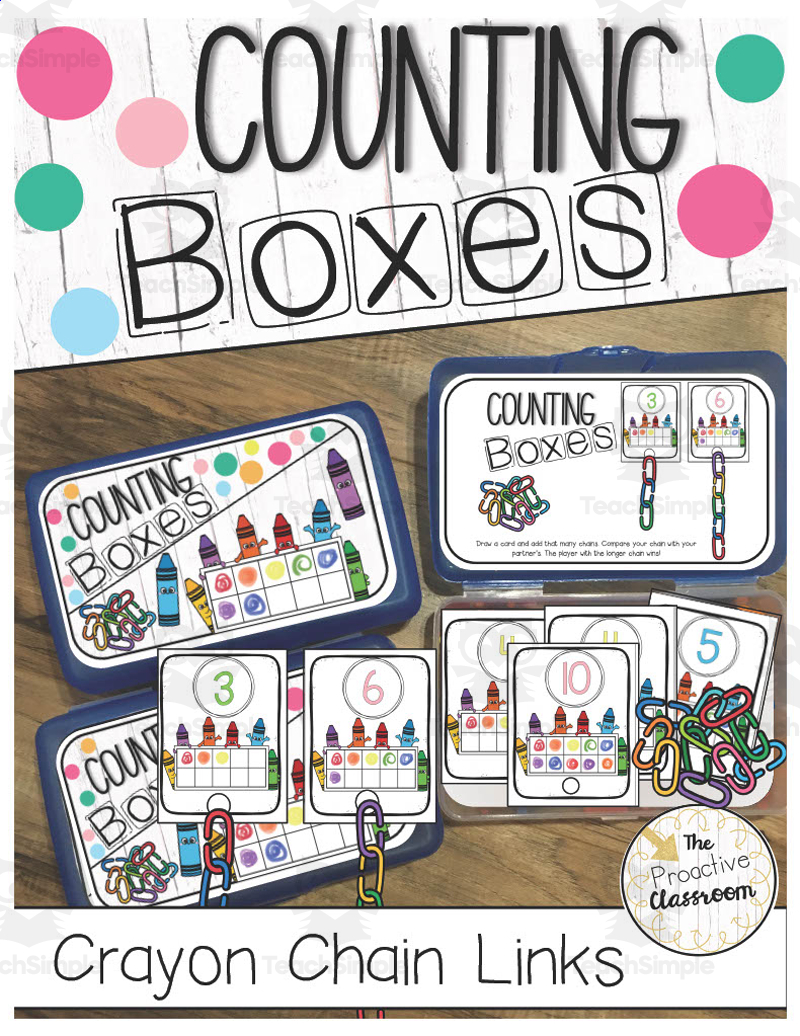
A comparative counting game where students draw a ten-frame number card and build a paper chain of that many links, then compare chain lengths with a partner to practice counting and number comparison to 20.
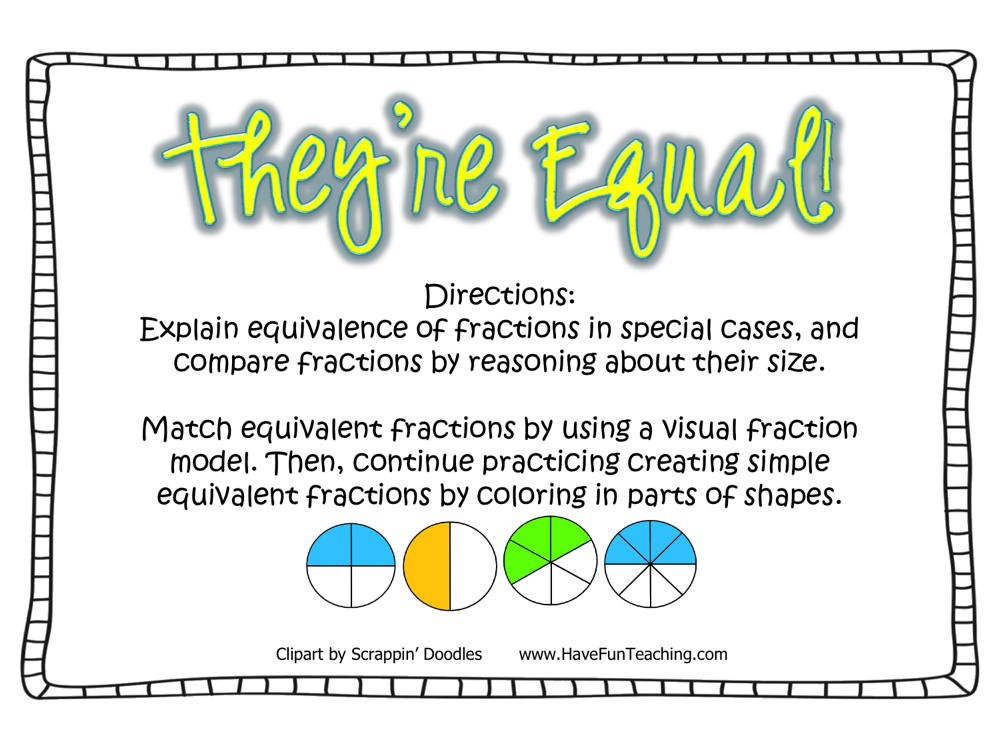
A short math activity teaching equivalence of fractions and comparison of fraction size using visual models.
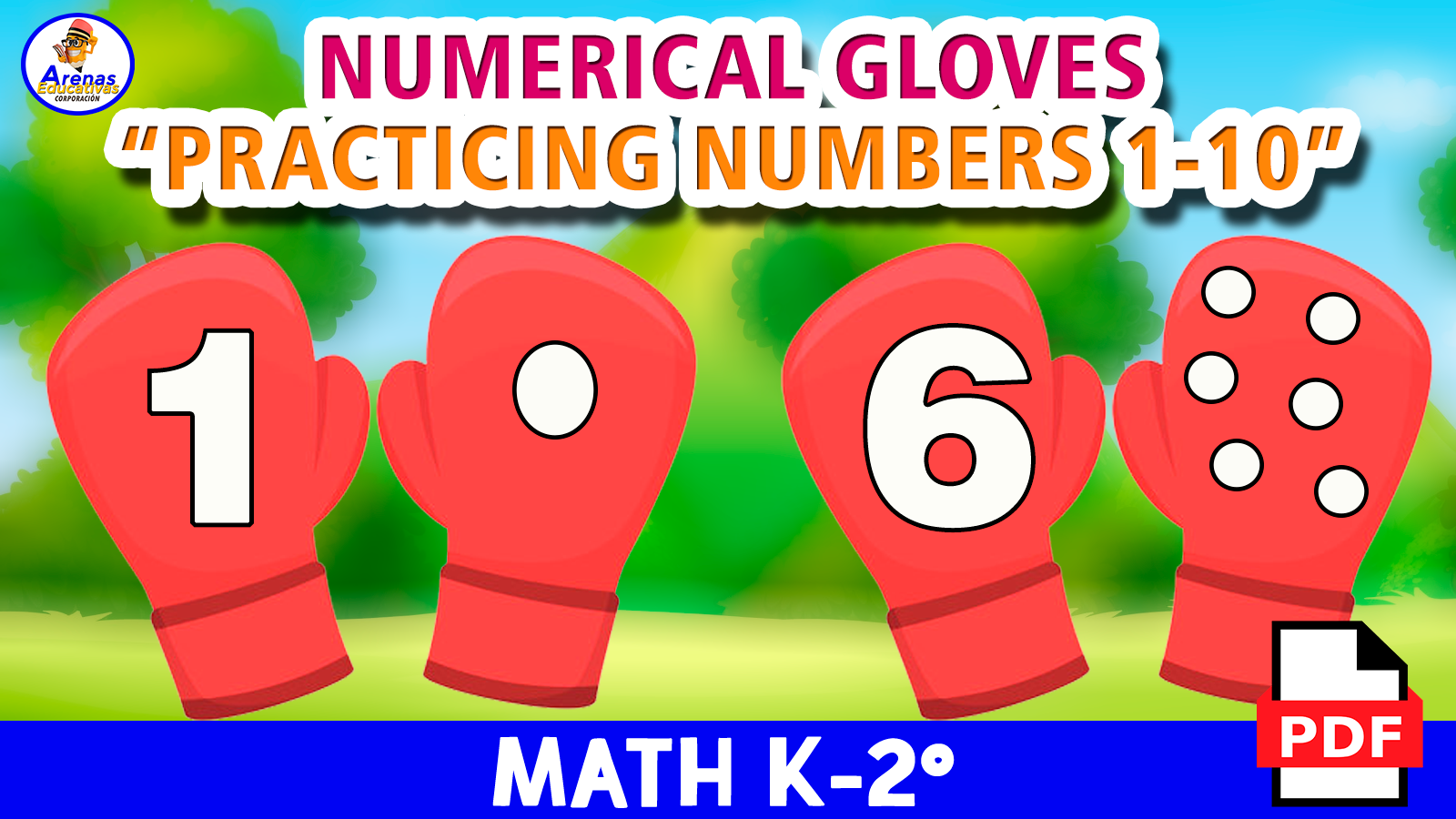 Free download
 Introduction It is very important that as a teacher, or even a parent, you use the so-called didactic games in your learning area. These games will make your students or children learn mathematics in a more didactic way and even have love or admiration for it, because mathematics is a very useful tool in daily life.
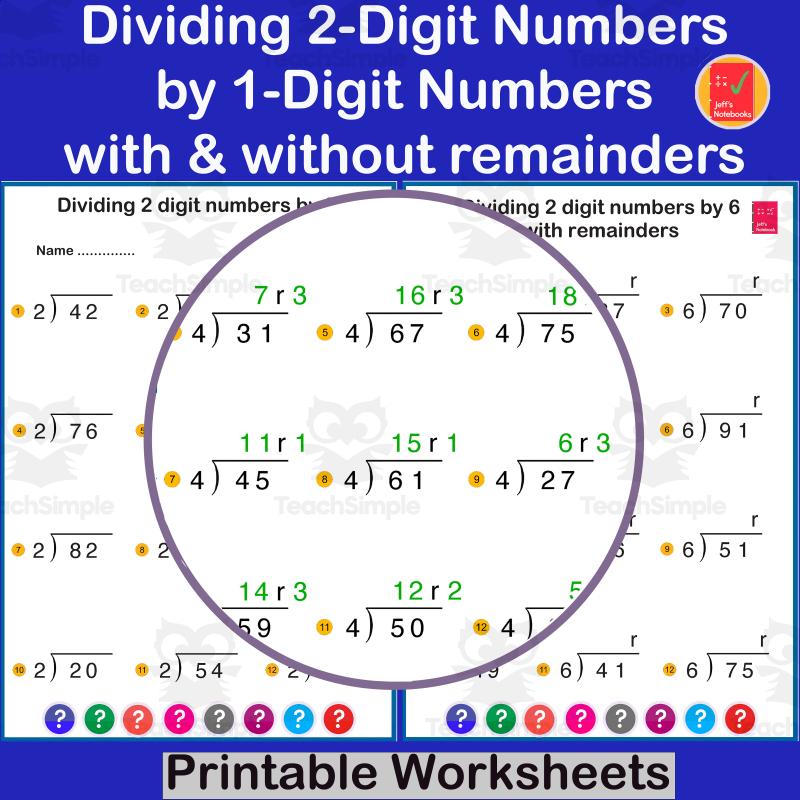
A set of self-checking, randomizable practice worksheets for dividing 2-digit numbers by 1-digit numbers, with and without remainders.
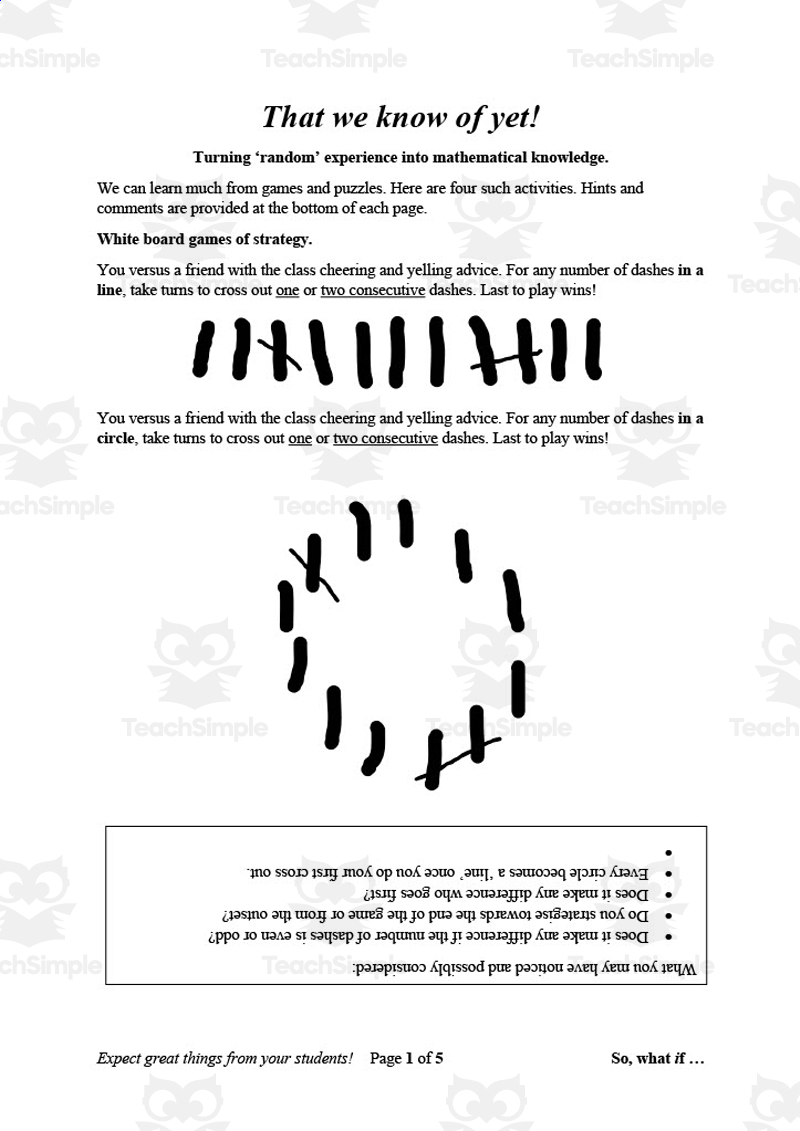
A math-enrichment printable from the 'That we know of yet!' series that builds mathematical/strategic thinking through games and puzzles.

One slide deck runs two back-to-back bingo rounds covering 16 total 7th-grade math problems, presented one or two at a time on a projected screen. Students first build their own 4x4 board and fill it with 16 given answers in random order, to vary board arrangements. Game 1 covers questions 1-8 (a rate word problem, evaluating an expression, upper quartile from a data set, solving for a variable, mean of a data set, an integer temperature-change problem, and spinner probability); students mark the corner of the matching square rather than crossing it out, since the same board carries over into Game 2, questions 9-16 (unit-rate cupcakes, probability of drawing a name, extrapolating a data trend, lower quartile and percent from a box-and-whisker plot, solving for a side in similar triangles, a ratio-to-percent conversion, and simplifying an expression). A full answer key for all 16 questions is included on the final slide, along with a note on the one answer value that gets reused (4.48 appears twice, so 3.36 is left as a spare on student boards).
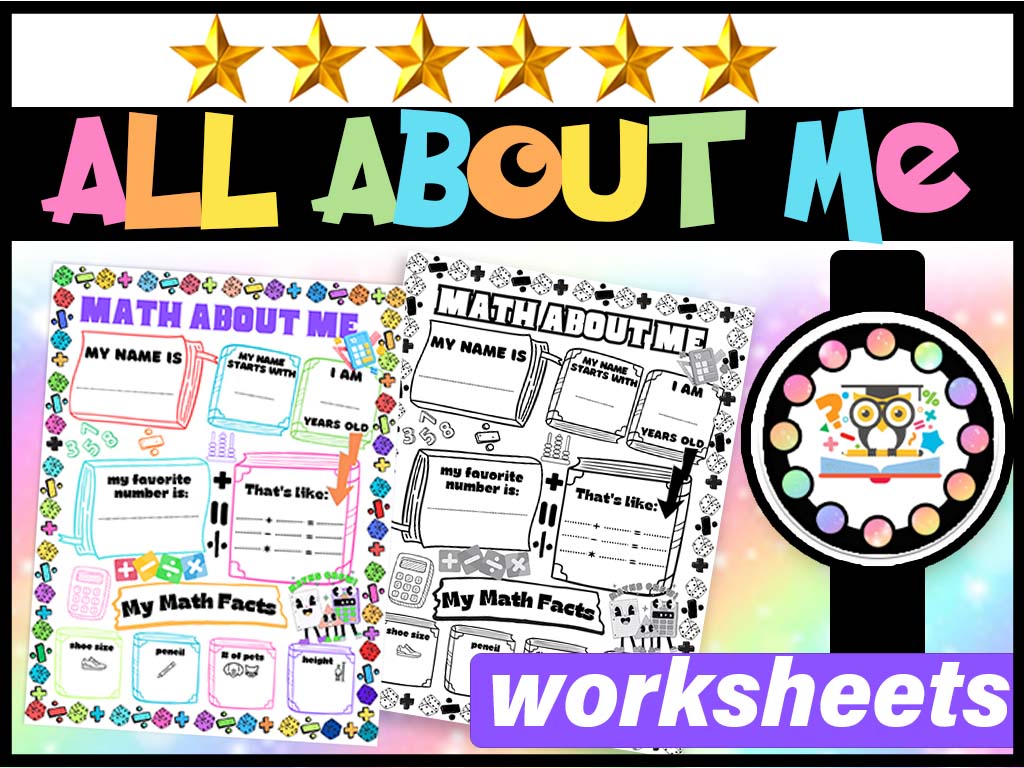
This school is a great way to combine mathematics skills with self-expression at the beginning of the year. Perfect, back-to-school activities for mathematics centers, or receiving you receive submits. All these are perfect for the beginning of the workheet school year attached to me, help students express themselves while teachers…
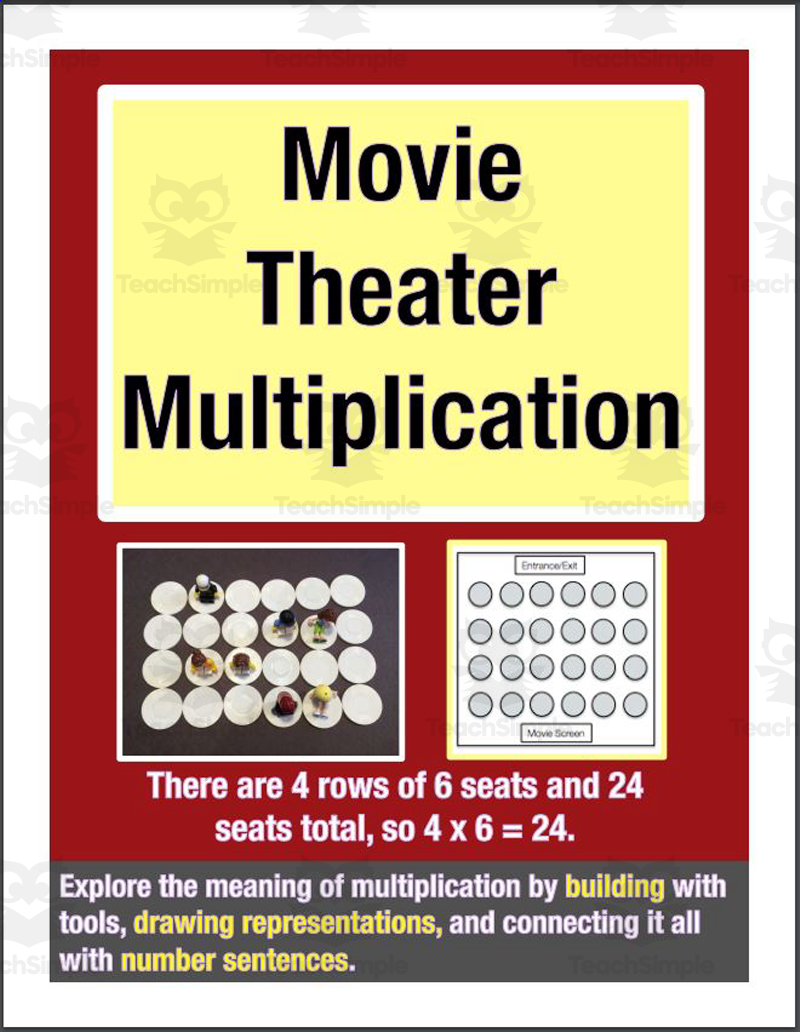
Teach multiplication conceptually (arrays, rows and columns) through a hands-on, real-world project where students design a model movie theater, progressing through concrete, representational, and abstract stages, aligned to Common Core standard 3.OA.A.1.

A 50-activity skip-counting worksheet pack (by 6s, 7s, 8s, 9s, and 100s) designed to build calculation fluency and prepare students for multiplication and division, addressing common skip-counting barriers such as non-multiple starting points and place-value transitions.
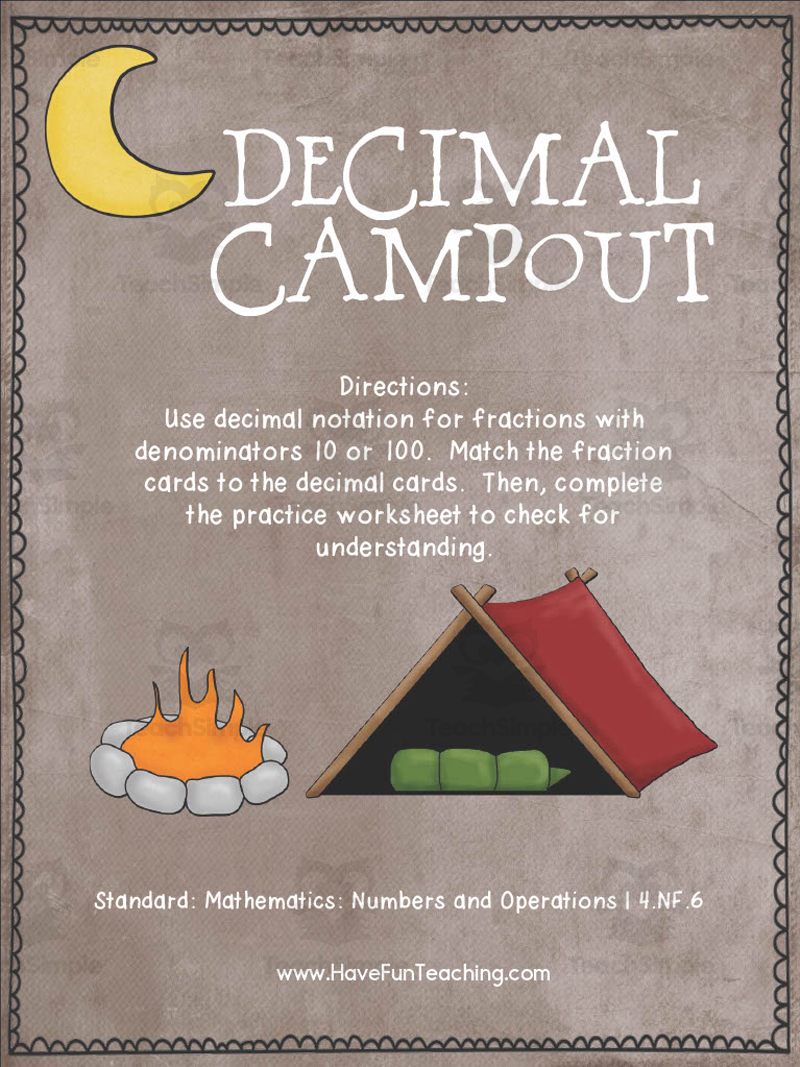
Practice converting and matching fractions with denominators of 10 or 100 to decimal notation.

A bingo-style game for practicing recognition of equivalent fractions shown as fraction circles (Bingo Boards 21-25, part of a 30-board set).
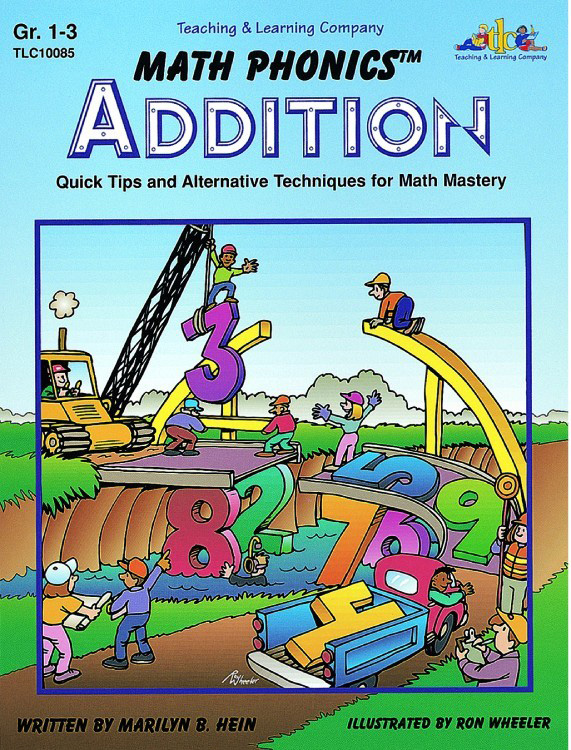
Provide teachers/parents with a structured, multisensory ('Math Phonics') program of 10 lesson plans, worksheets, and flash cards for teaching and mastering addition facts 0 through 10.
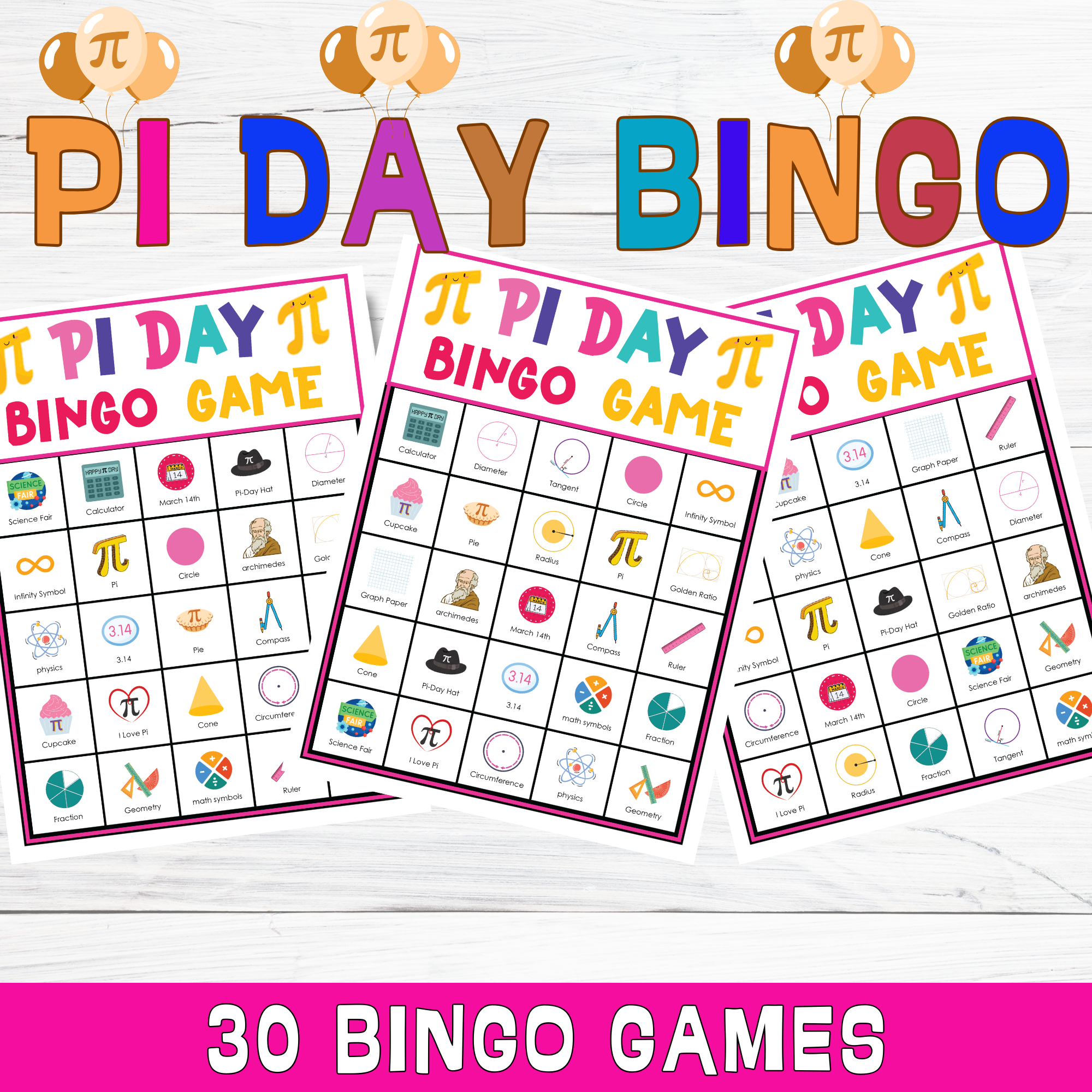
Celebrate Pi Day in a fun, meaningful way with this No Prep Pi Day Bingo Game! This engaging March math activity is designed to help students review important circle vocabulary while enjoying a game-based learning experience. It’s the perfect balance of learning and celebration for March 14th. Students will practice recognizing and…