Feelings & self-awareness
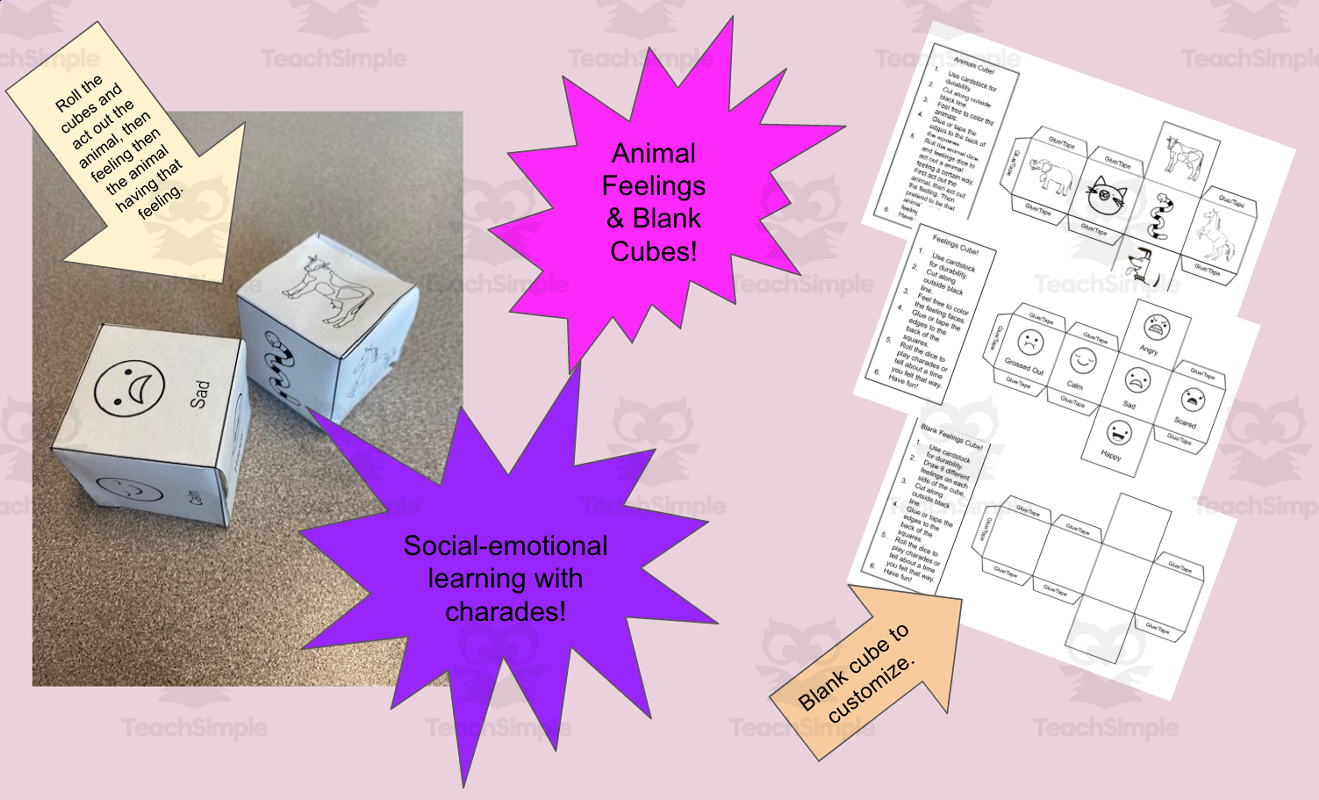
Feelings Charades SEL Cubes
A charades-style SEL activity using build-your-own cube templates (feelings cube, animals cube, blank cube).




Classroom resources
Browse by lesson focus
Choose the topic or kind of practice you need.
Showing 97–120 of 433 resources

 Show filters
 A charades-style SEL activity using build-your-own cube templates (feelings cube, animals cube, blank cube).

A social-emotional learning story teaching children not to spit at others, paired with strategies for expressing frustration appropriately, plus a coloring book companion follow-up activity.

A one-page cut-sort-and-glue worksheet that has students sort short scenario phrases or pictures into two contrasting categories (raise hand vs. OK to blurt) as social-emotional-learning (SEL) practice.
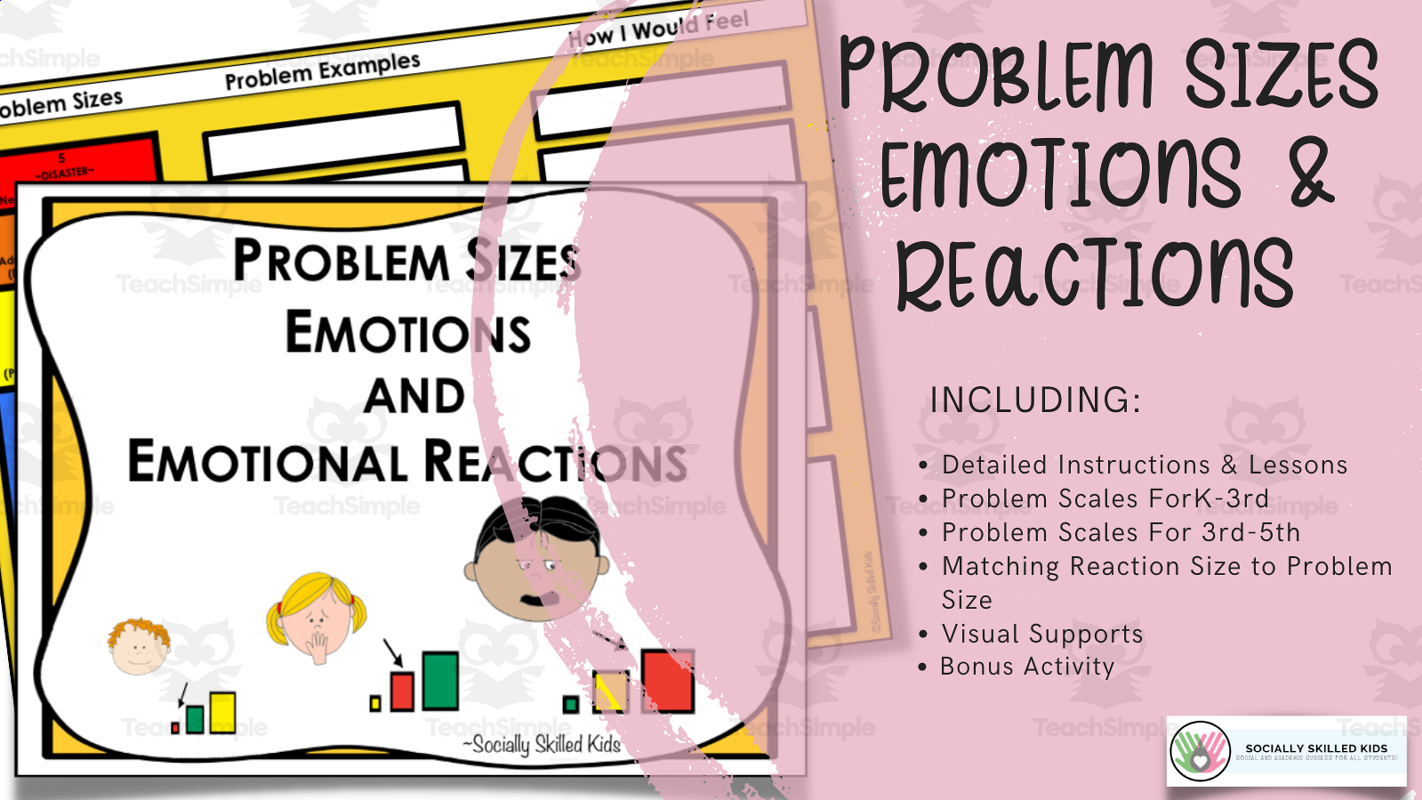
A social-emotional learning resource teaching students to differentiate problem sizes (using a 1-5 or 1-3 scale depending on ability level) and to connect problem sizes to identifying and discussing emotions and reactions.
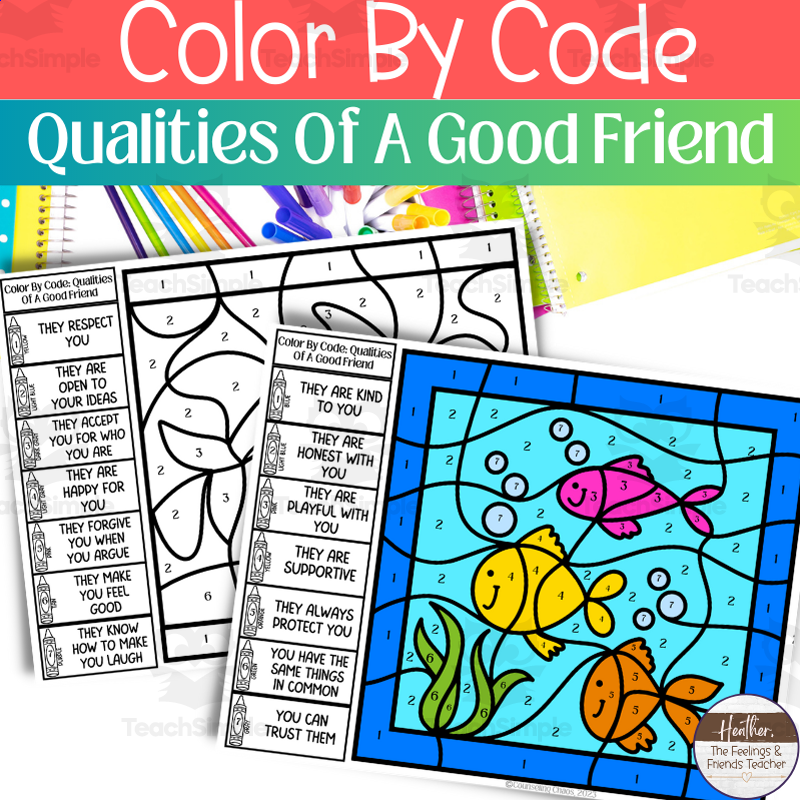
Social-emotional learning activity reviewing qualities/traits of a good friend using a color-by-code / color-by-number format.
Use discussion prompts to distinguish stressors students can influence from those outside their control. The lesson proposes a book-weight activity as a metaphor for accumulated stress, followed by an index-card reflection on possible strategies. Allow imagined examples and adapt the demonstration with books on a table when needed; the separately linked things I can and cannot control worksheet offers a related independent sorting task.
 Free download
 A social-emotional learning mini-lesson that teaches first and second graders about patience: what it is, why it matters, and where/how to practice it.
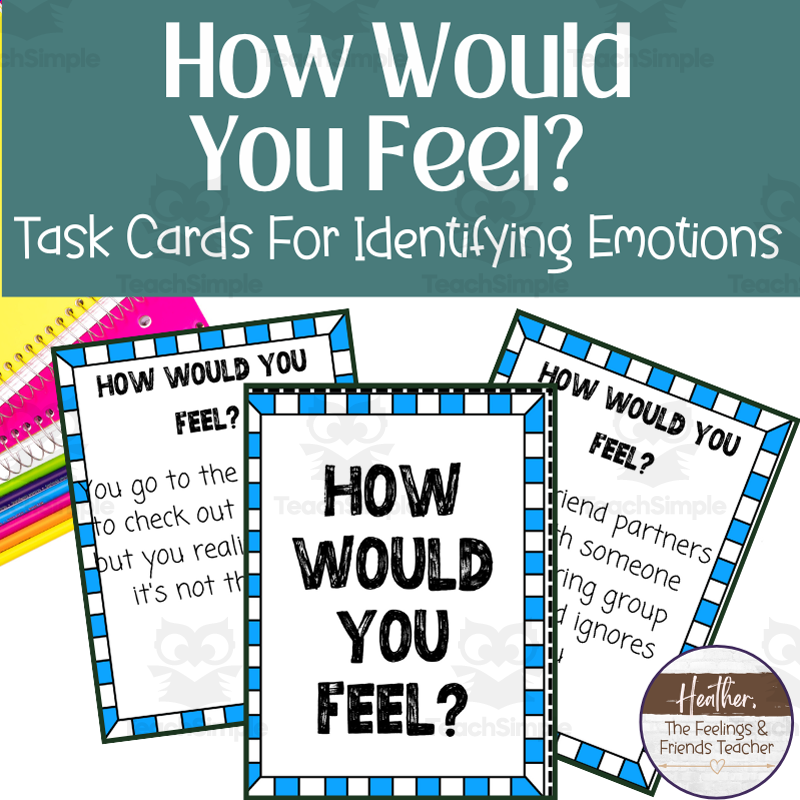
Task Cards To Identify Emotions The How Would You Feel? Task Cards To Identify Emotions is an engaging teaching resource designed specifically for grade 1 to grade 3 students.
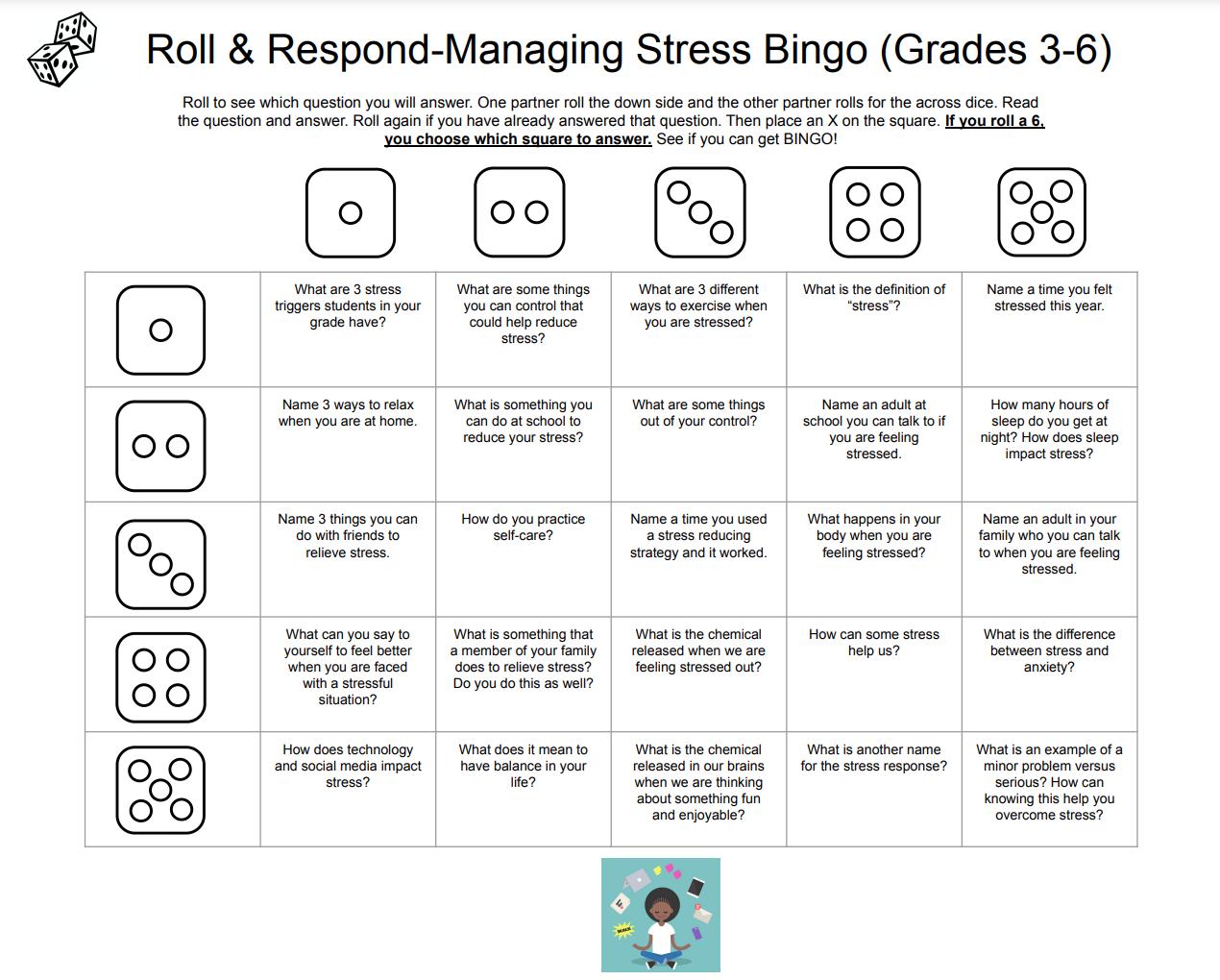
A partner dice-and-discuss SEL bingo game (file title states Grades 3-6) exploring stress triggers, coping strategies, and the body's stress response, with an accompanying answer sheet.
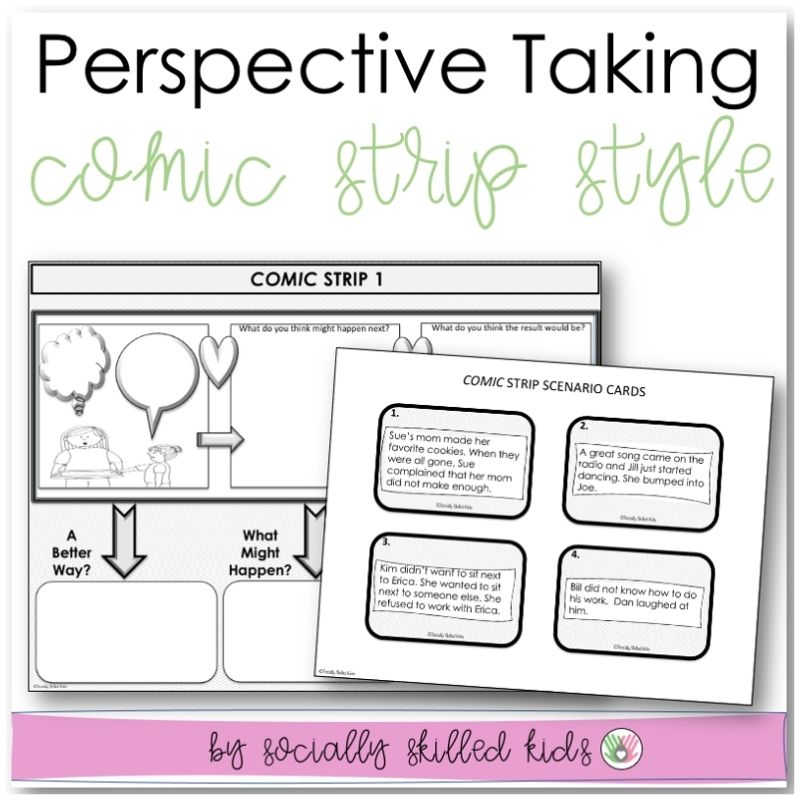
A social-emotional learning activity that develops perspective-taking and problem-solving skills by having students build three-panel comic strips showing a social scenario, its consequences, and an alternative better response.
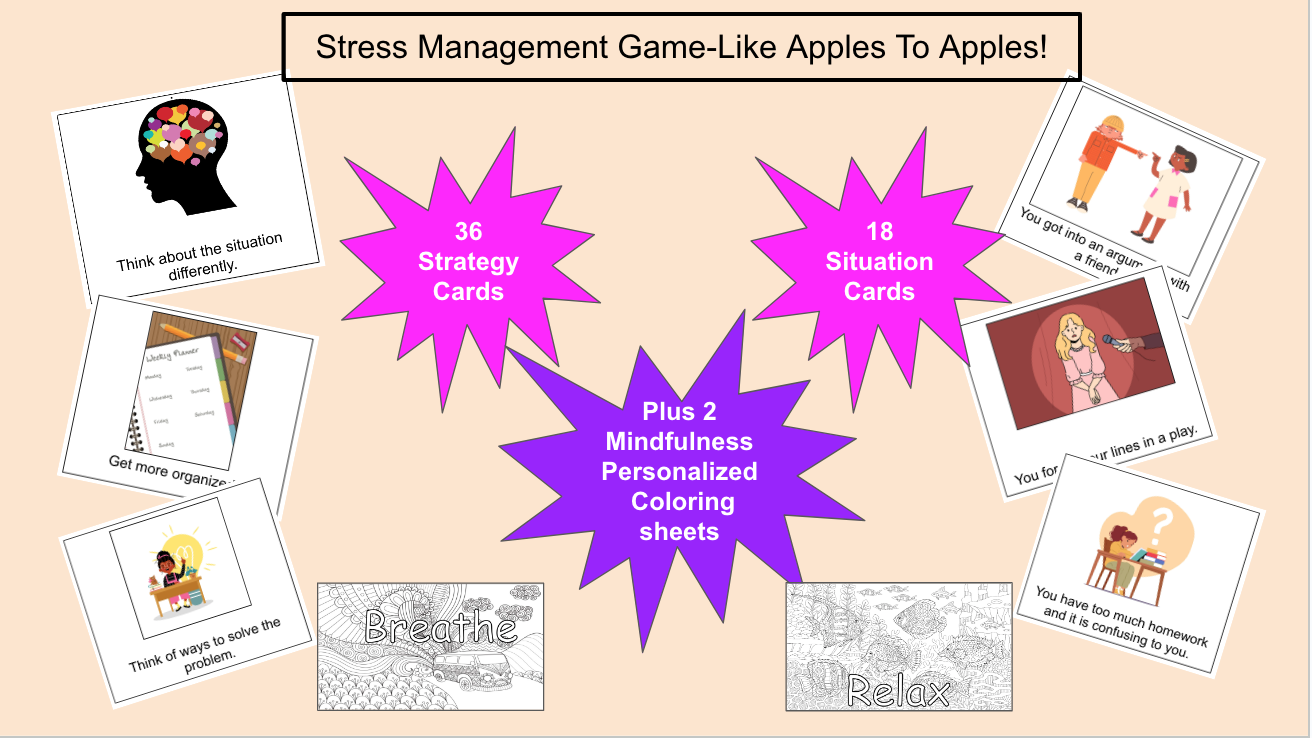
A card game (played like Apples to Apples) that has students match coping strategies to stressful situations, plus two mindful-coloring pages.

Combine social-emotional learning about building strong friendships with narrative writing practice.

Teaches that making mistakes is normal, how to recognize a mistake that hurts someone's feelings, and how to apologize using a STOP-LOOK-SAY method.

A one-page cut-sort-and-glue worksheet that has students sort short scenario phrases or pictures into two contrasting categories (feeling word vs. matching face) as social-emotional-learning (SEL) practice.
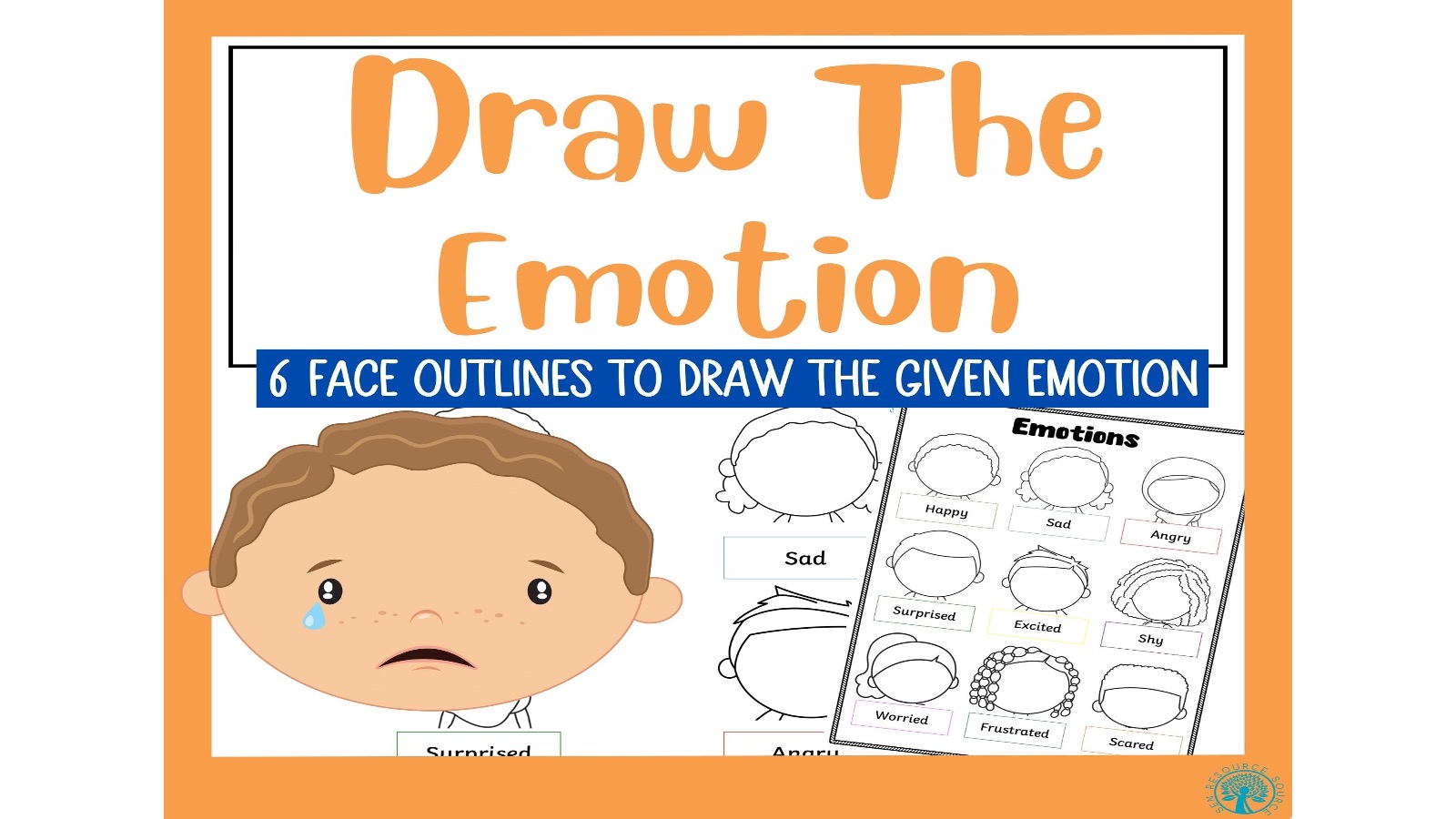
Nine emotion words — happy, sad, angry, surprised, excited, shy, worried, frustrated, and scared — are printed in a grid, each paired with a blank face outline for students to draw the matching facial expression. The two-page file favors breadth of vocabulary over depth, naming nine distinct emotions rather than grouping related feelings, which suits a quick SEL warm-up or check-in activity. A closing credits page thanks the clip-art illustrator and includes a social-media prompt rather than additional content. The same emotion vocabulary can be practiced as a whole-class activity with an emoji bingo game that has students recognize feelings rather than draw them.

An SEL craft where students build an interactive spinning wheel that links weather imagery to feelings.
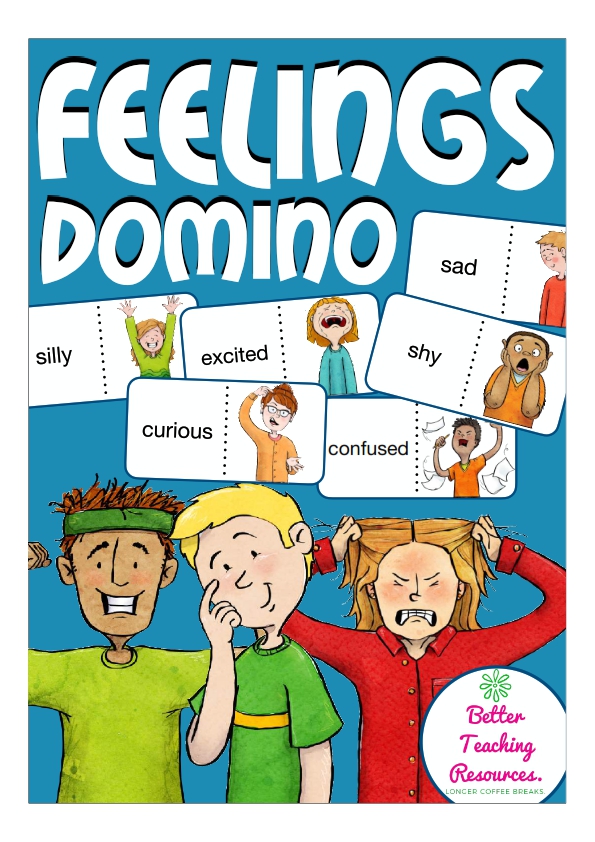
Build feelings/emotions vocabulary by matching printed words to their corresponding pictures, to support emotional-intelligence lessons.
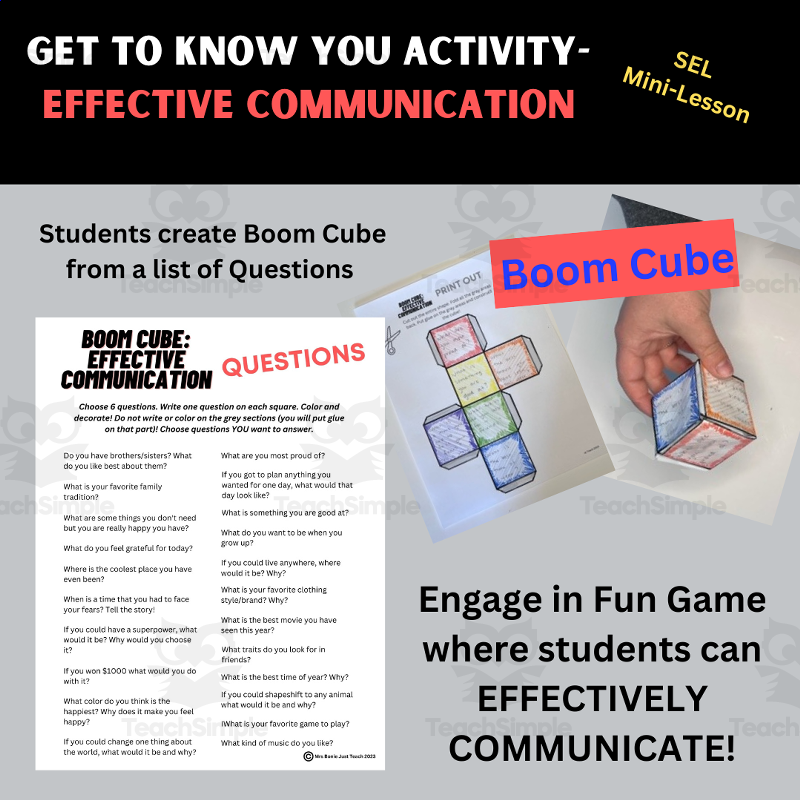
Build classroom community and social-emotional/communication skills at the start of the school year through a 'Boom Cube' get-to-know-you game.
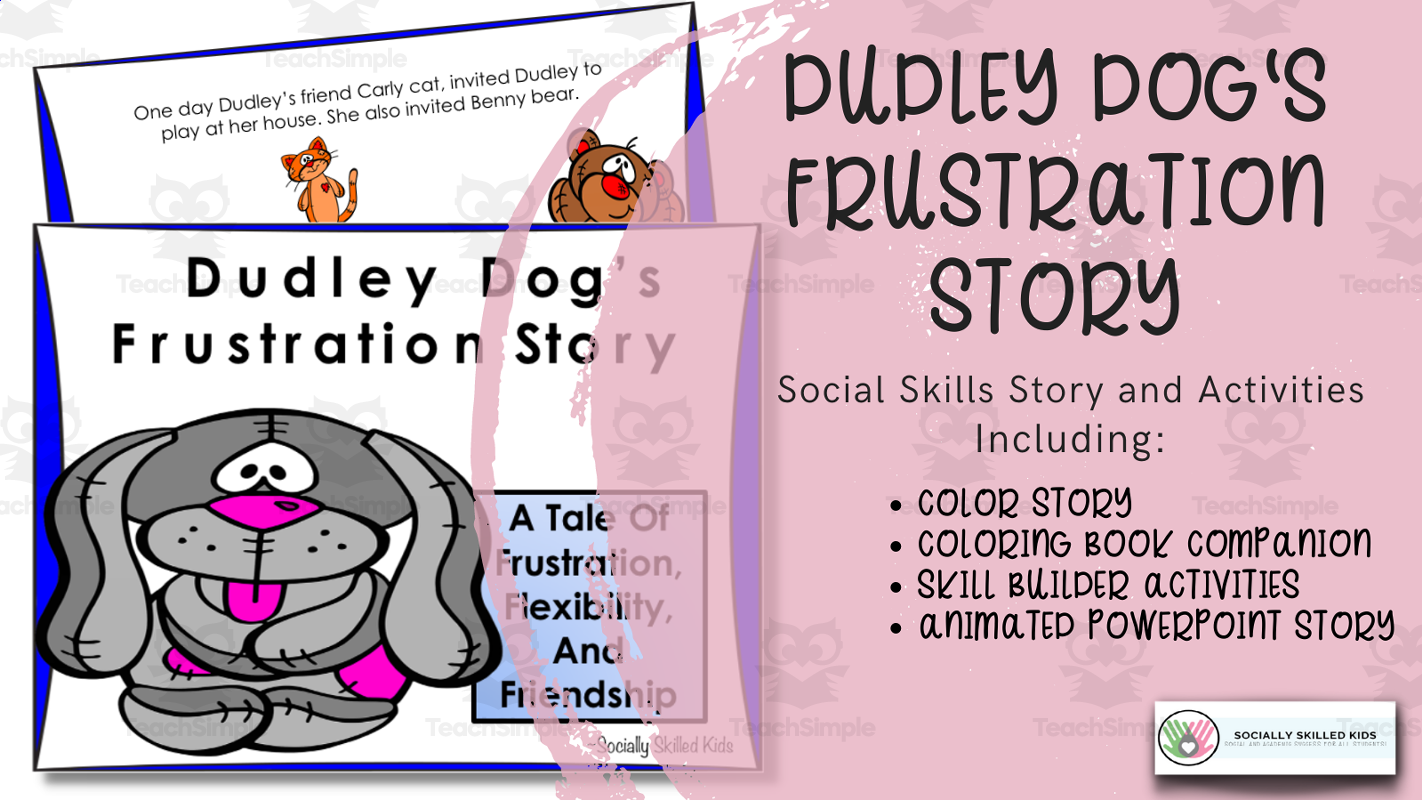
A social-skills story (with an animated slideshow version) teaching young children how to recognize and cope with frustration, using the character Dudley Dog's experiences with friends.
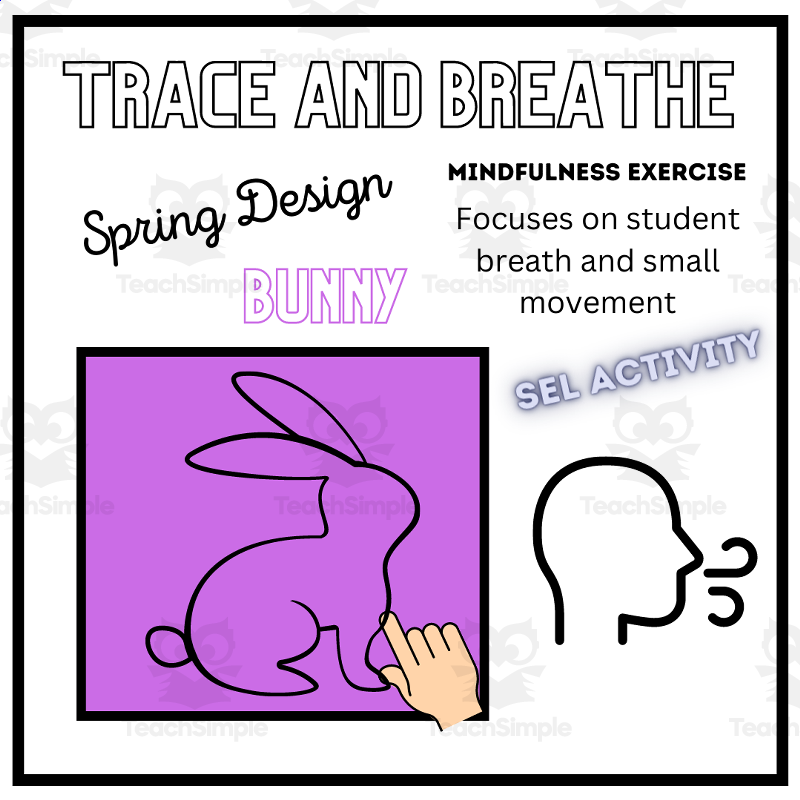
A social-emotional learning (SEL) calming/mindfulness activity where students trace a bunny shape with their finger while practicing controlled breathing to self-regulate.
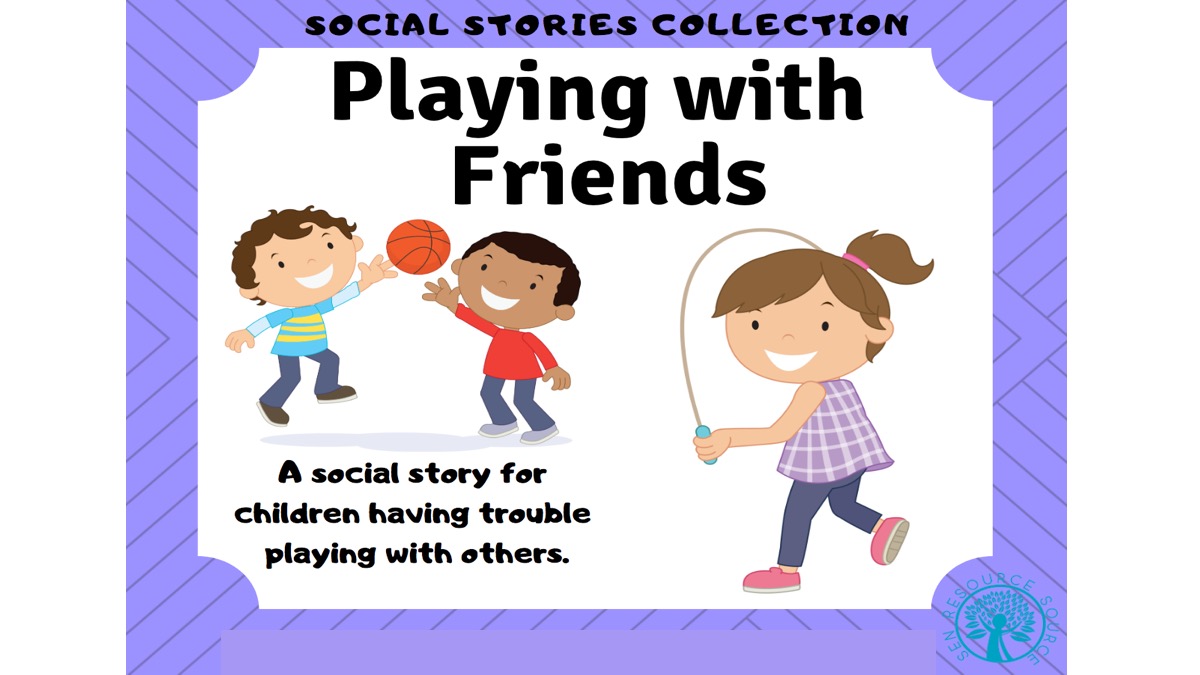
A social story teaching children how to cope when a friend wants to play something different, or doesn't want to play, without becoming angry or upset.
A worksheet-based resource teaching students to recognize physical, mental, and behavioral symptoms of stress and apply coping strategies (deep breathing, journaling, exercise, mindfulness, SMART goals, conflict resolution).
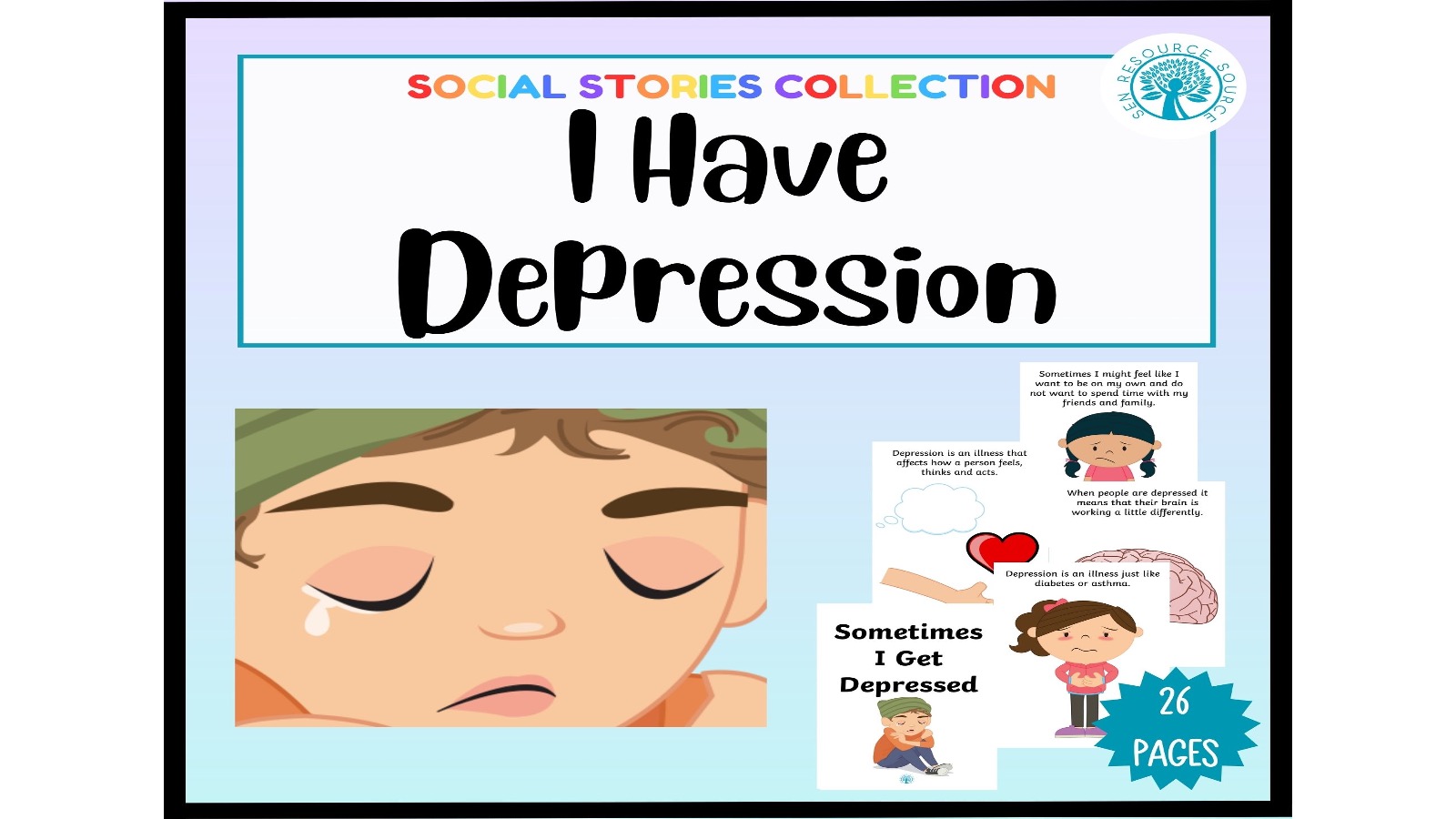
A first-person social story that explains what depression is, how it can affect feelings/behavior, and coping strategies, aimed at helping a child (particularly one who is autistic or otherwise struggles with interpreting emotions) understand depression.
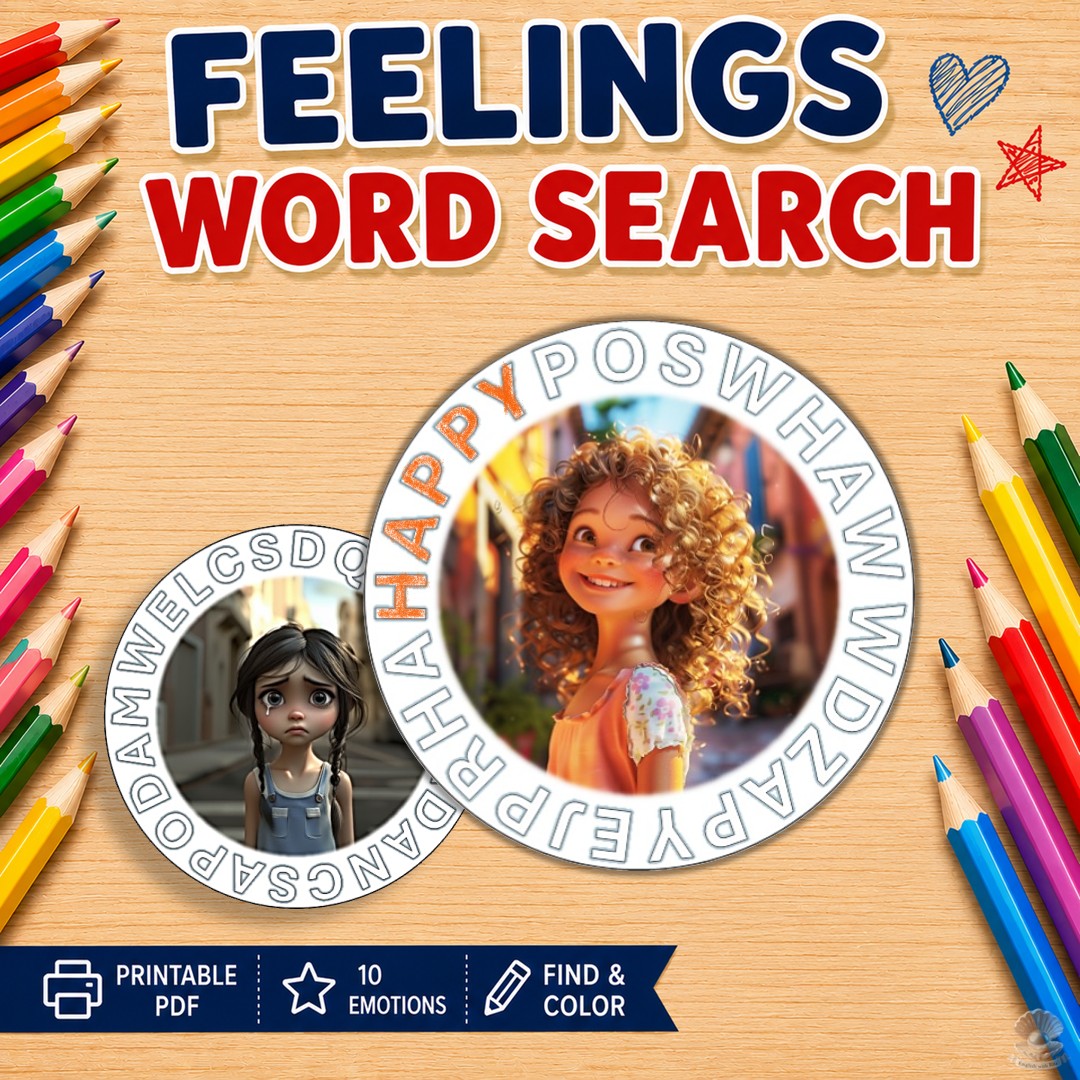
A combined vocabulary and coloring activity practicing SEL/feelings words through a circular 'find and color' word search format.