Natural Disasters – Lab Station Activity
A 9-station lab activity teaching middle/high school students about natural disaster science topics such as plate tectonics, cloud formation, earthquakes, tsunamis, and climate change.
19,642 resources
Explore sub-categories
15 sub-categories · 19,642 resources
A 9-station lab activity teaching middle/high school students about natural disaster science topics such as plate tectonics, cloud formation, earthquakes, tsunamis, and climate change.
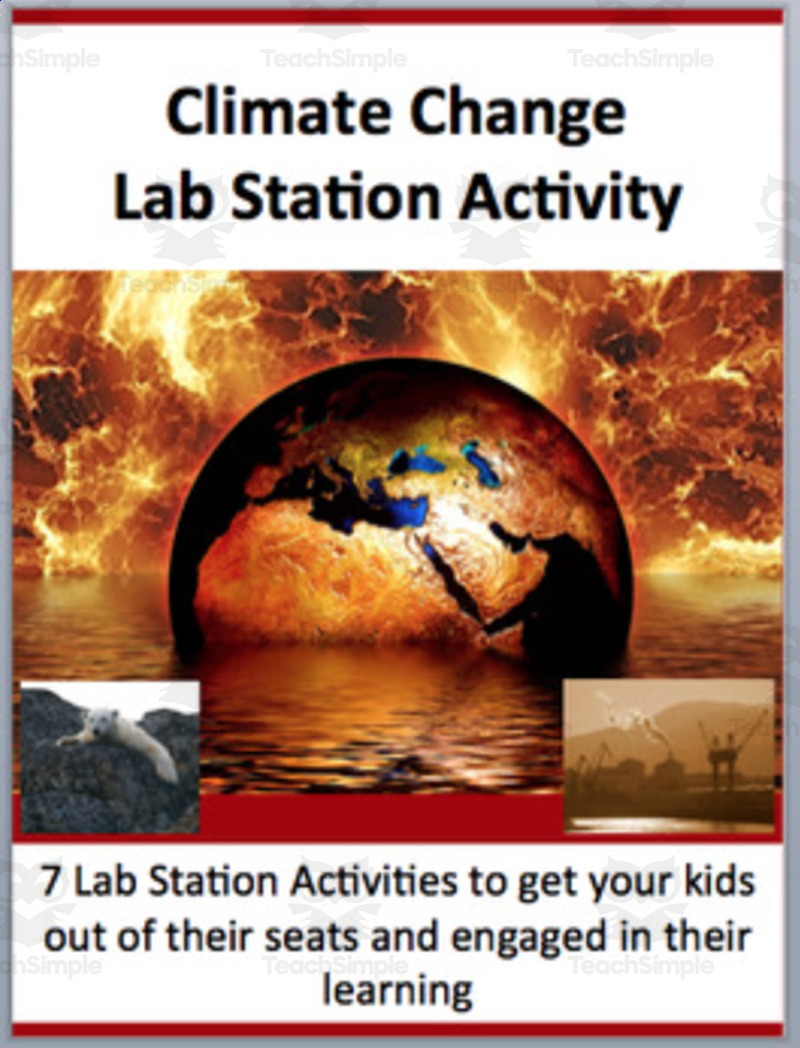
A 9-station rotation lab activity that has middle/high school students explore climate change and the greenhouse effect through drawing, research, opinion writing, a reading passage, a knowledge check, and a video-response task.
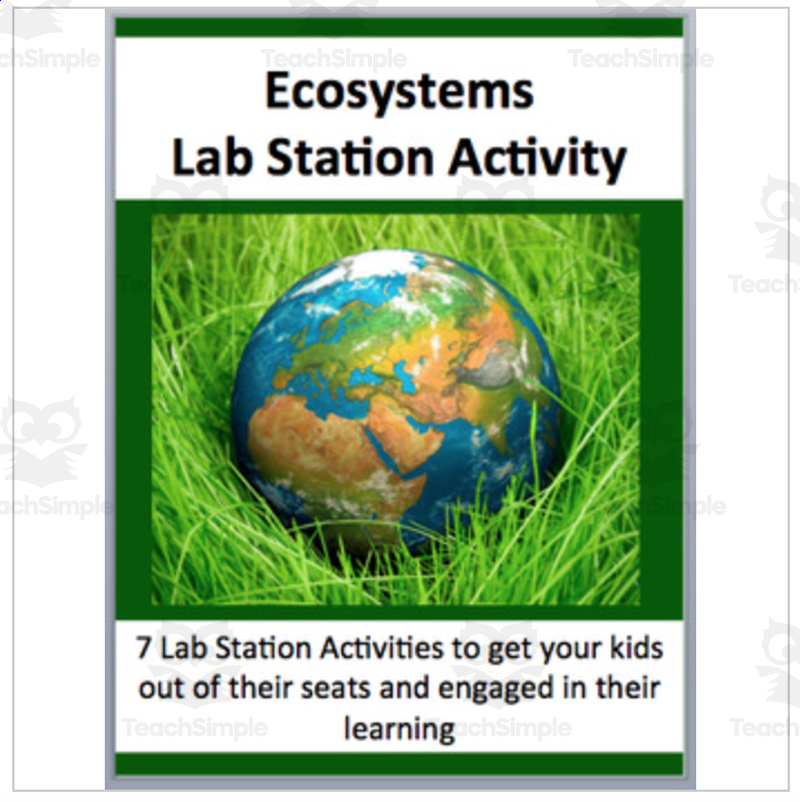
Teach ecosystem interactions - symbiosis, limiting factors, population growth, and predator-prey dynamics - through a multi-station lab activity.
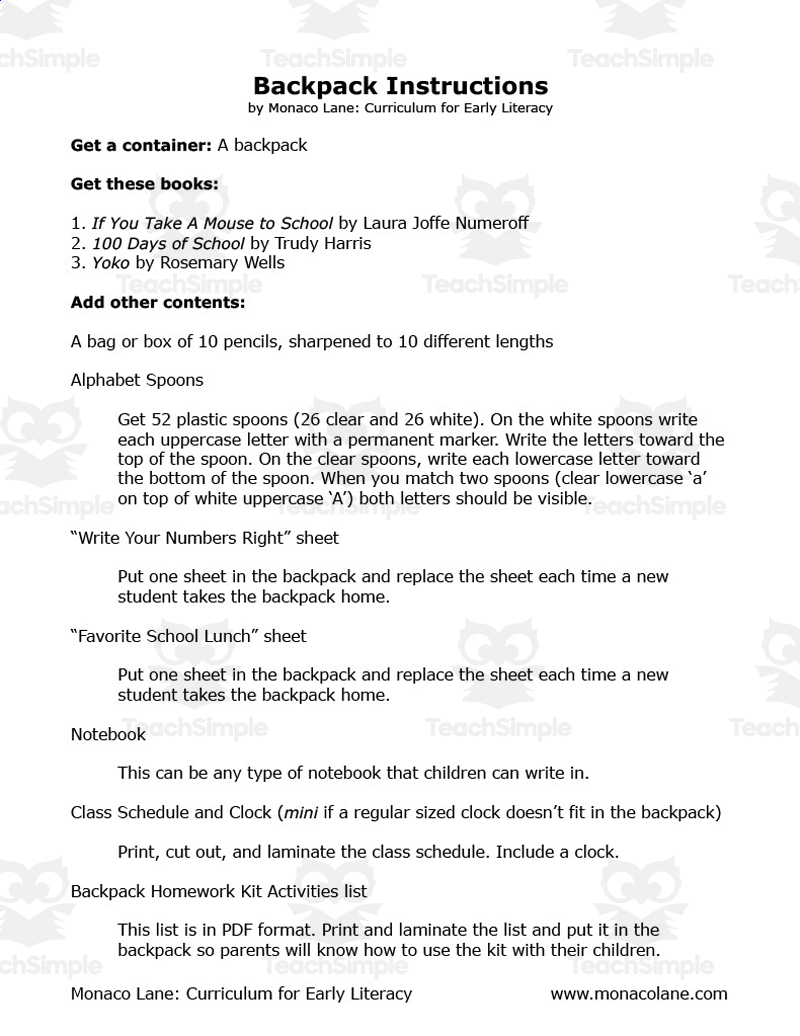
Instructions and printable materials for assembling a take-home 'Backpack Homework Kit' that circulates weekly among students, pairing three children's books with hands-on literacy and math activities for parent-child use at home.
Teach grade 2-3 students about desert animal adaptations through reading, then have them apply and extend that learning through listing/comparing adaptations and a writing activity.
9-station rotating lab activity teaching ecosystems, populations, communities, sustainability, and biotic/abiotic factors through varied hands-on tasks.
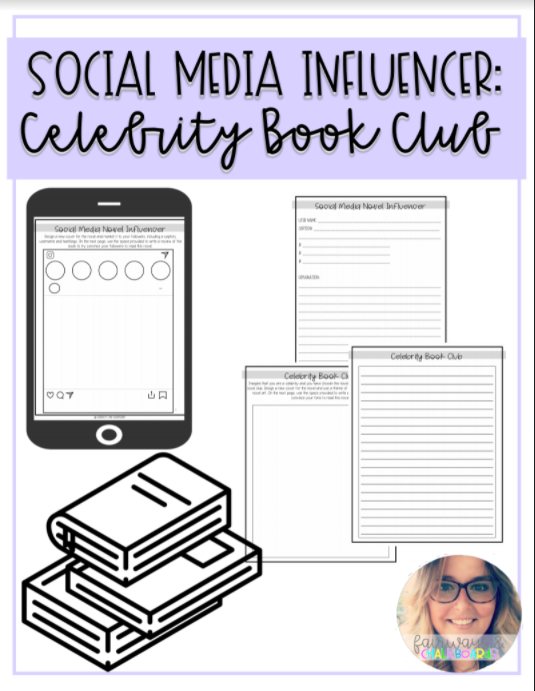
An ELA creative-response activity where students design a new cover and write a persuasive review/pitch for a novel they are reading, framed as a social-media-influencer or celebrity book-club pitch.
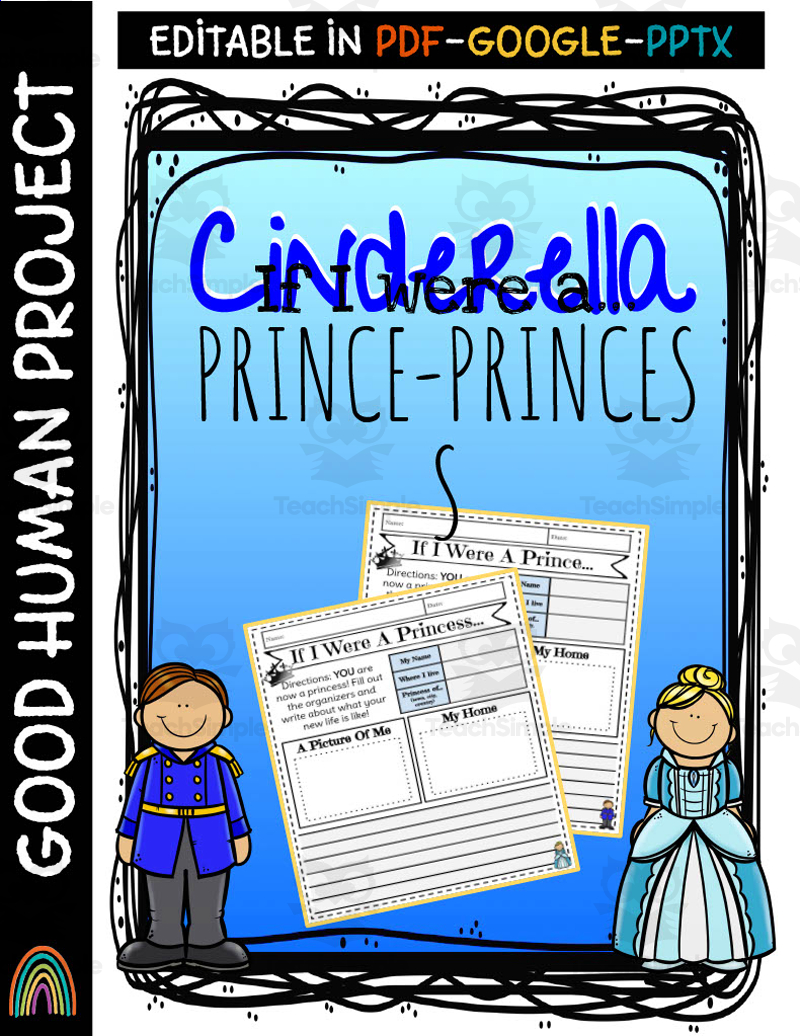
Has students imagine and write about becoming a prince or princess, connecting creative writing to the Cinderella story.
A primary-source analysis activity using excerpts from George Washington's 1796 Farewell Address to build historical context, close reading, and text-summarizing skills.
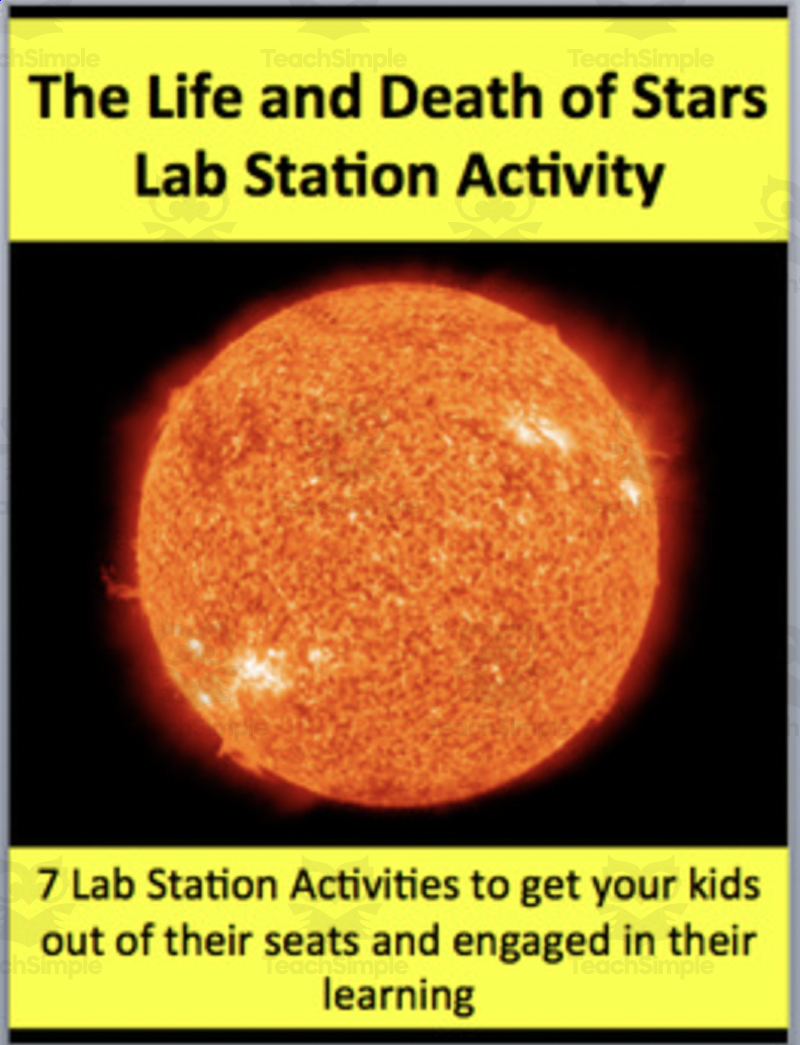
Multi-station lab activity teaching stellar life-cycle concepts (H-R diagram, spectral classes, stellar nucleosynthesis, supernovae) through rotating hands-on, research, reading, video, and knowledge-check stations.
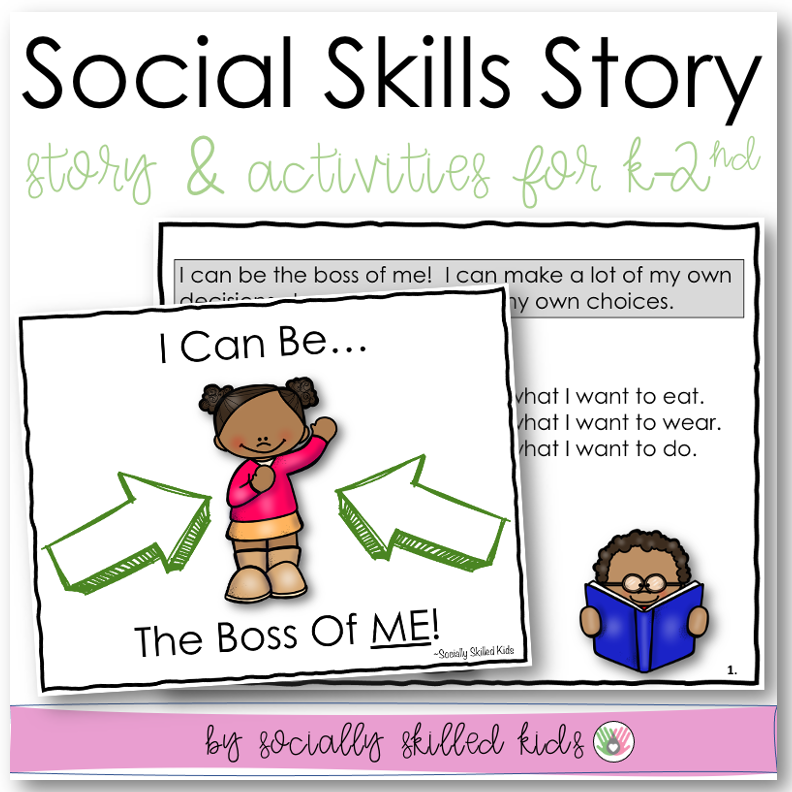
A social skills story that helps young students understand the difference between making their own decisions and being bossy toward others.
Teach kinetic and gravitational potential energy concepts to high-school physics students through a 9-station, editable lab activity connecting the concepts to real-world applications (e.g., hydroelectric power).
A multi-station lab activity teaching human respiratory system structures, gas exchange, and related diseases through hands-on drawing, research, reading, video, and quiz stations.
A book-report style activity for students to describe their favorite book character and reflect on why they admire that character, encouraging reading engagement.
A novel-and-film comparison activity for 'The Watsons Go to Birmingham - 1963', aligned to an ELA standard on evaluating filmed adaptations of literature (ELA.RL7).
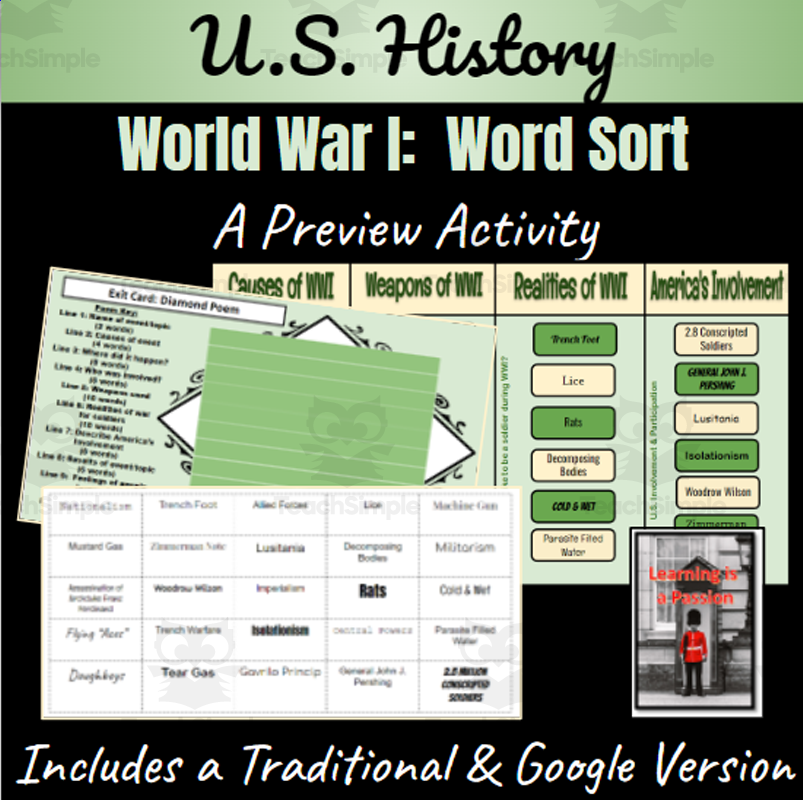
Preview key WWI concepts before a full unit by having students sort key terms into four thematic categories (causes, weapons, realities/soldier life, U.S. involvement) using prior knowledge and a short reading.
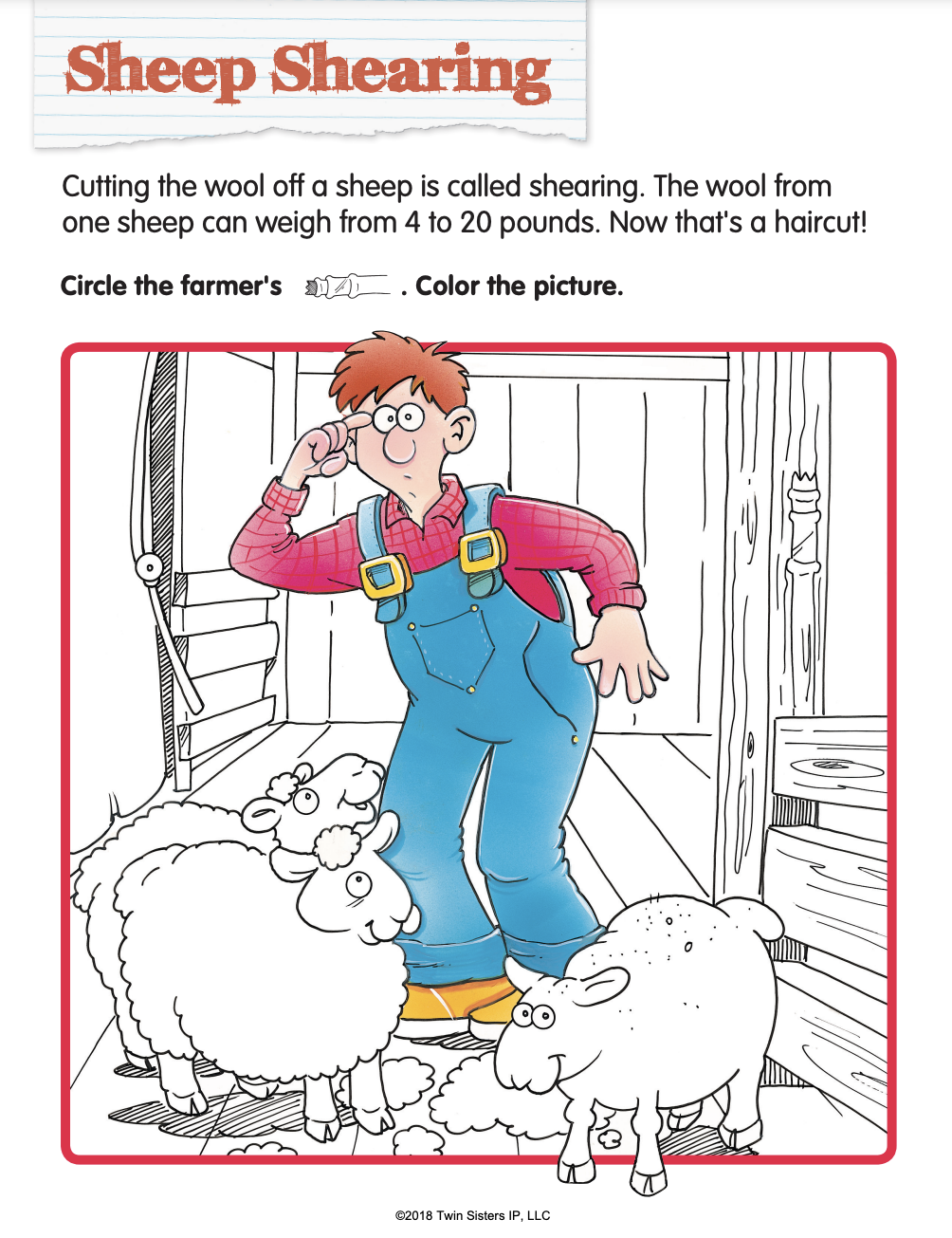
A set of circle-the-item, connect/color-by-number, and coloring worksheets teaching young children facts about farm animals and farm life.
A vocabulary-review crossword puzzle covering photosynthesis and cellular respiration (cell energy) terms, for use as a post-unit test activity or homework.
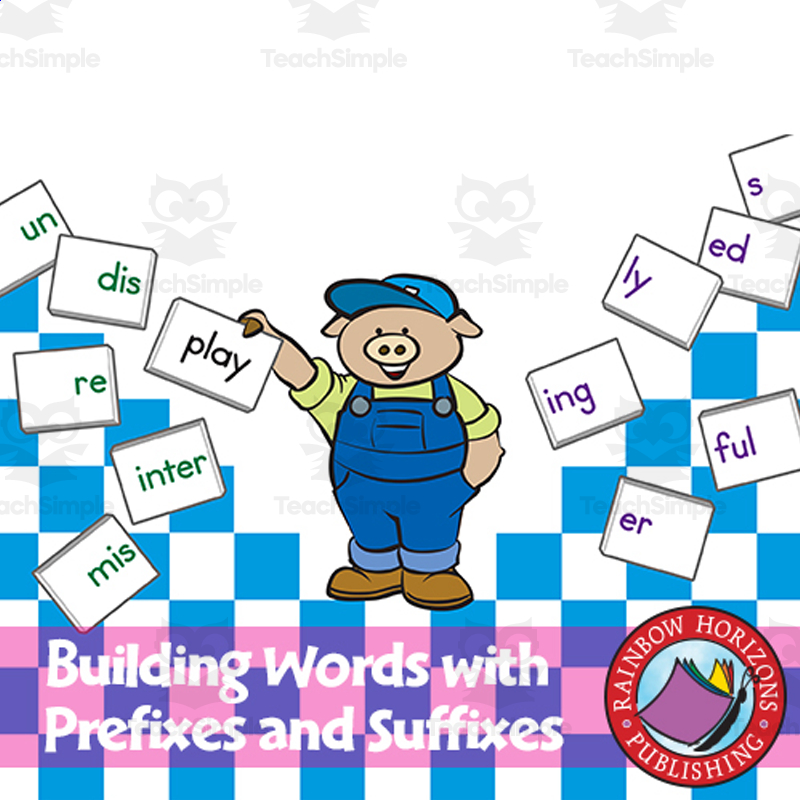
A phonics/word-study workbook teaching students to build longer, more complex words by adding prefixes, suffixes and inflectional endings to root words.
Teach students about energy use and conservation (what it is, why it matters, how to save energy) through an informational reading article paired with comprehension questions.
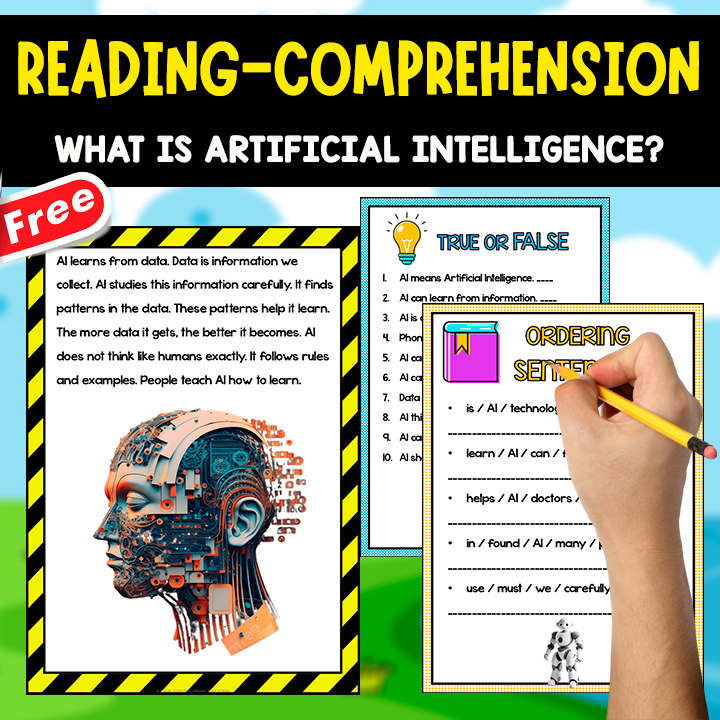
A short illustrated mini reading book teaching basic facts about artificial intelligence (what it is, where it's found, how it learns, and responsible use) paired with comprehension check activities.
Teach early readers nonfiction text features and facts about bears (habitat, diet, cubs, fighting behavior, sleeping) through a self-assembled informational booklet, paired with a parent/teacher guide and comprehension questions.
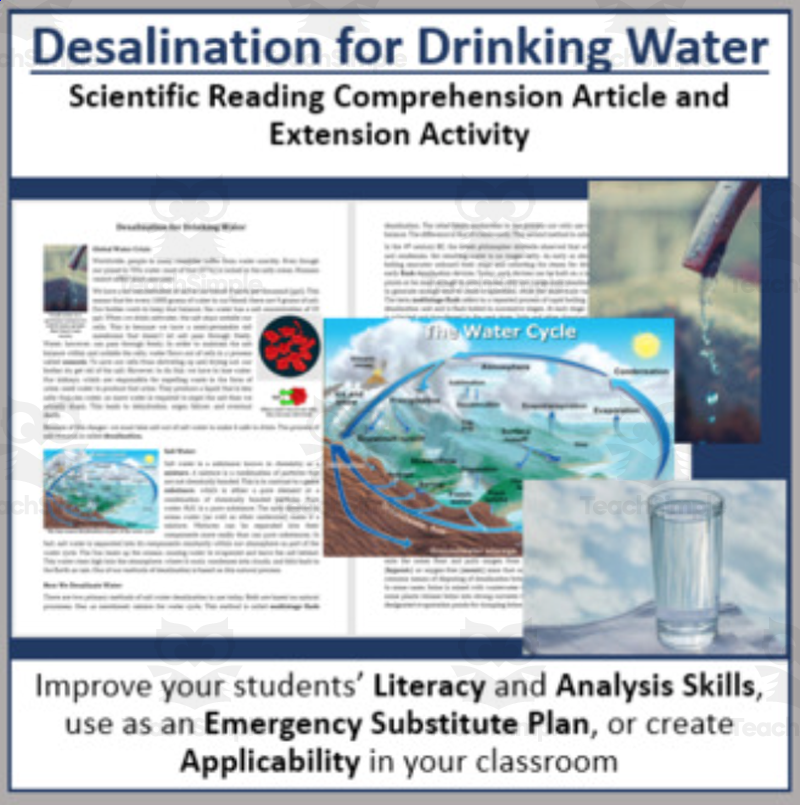
Build scientific reading comprehension and content knowledge about the global water crisis and the chemistry/methods of desalinating salt water for drinking.
A cross-curricular ELA reading unit built around an original adventure fiction story (Mission X Series #2 of 50, 'Ace Up the Sleeve', set at the Golden Gate Bridge in California) that teaches figurative language, context clues, main idea, theme, inference, tone, text structures, grammar, Greek/Latin roots, and vocabulary while integrating history,…