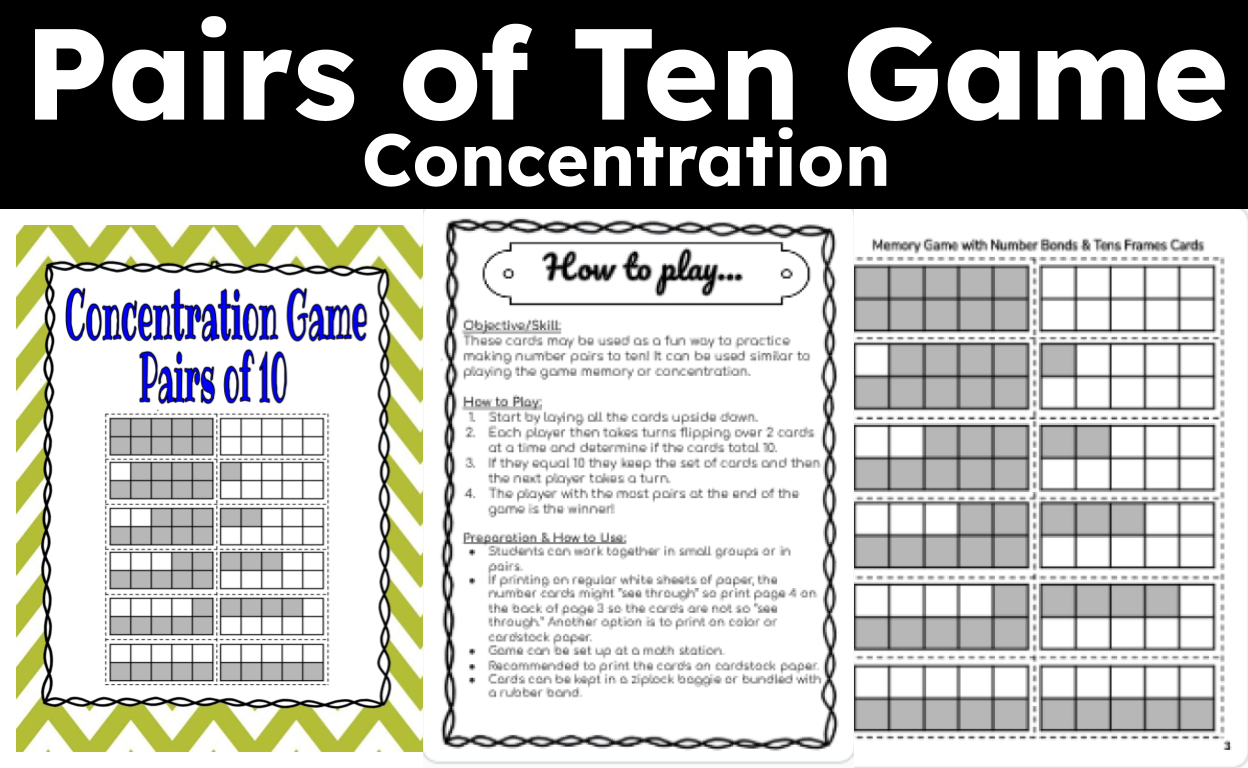
Pairs of Ten Number Bonds Game Concentration
A memory/concentration-style card game for practicing number bonds (pairs) that sum to ten, for use at a math center.




382 resources
Explore sub-categories
2 sub-categories · 382 resources
A memory/concentration-style card game for practicing number bonds (pairs) that sum to ten, for use at a math center.
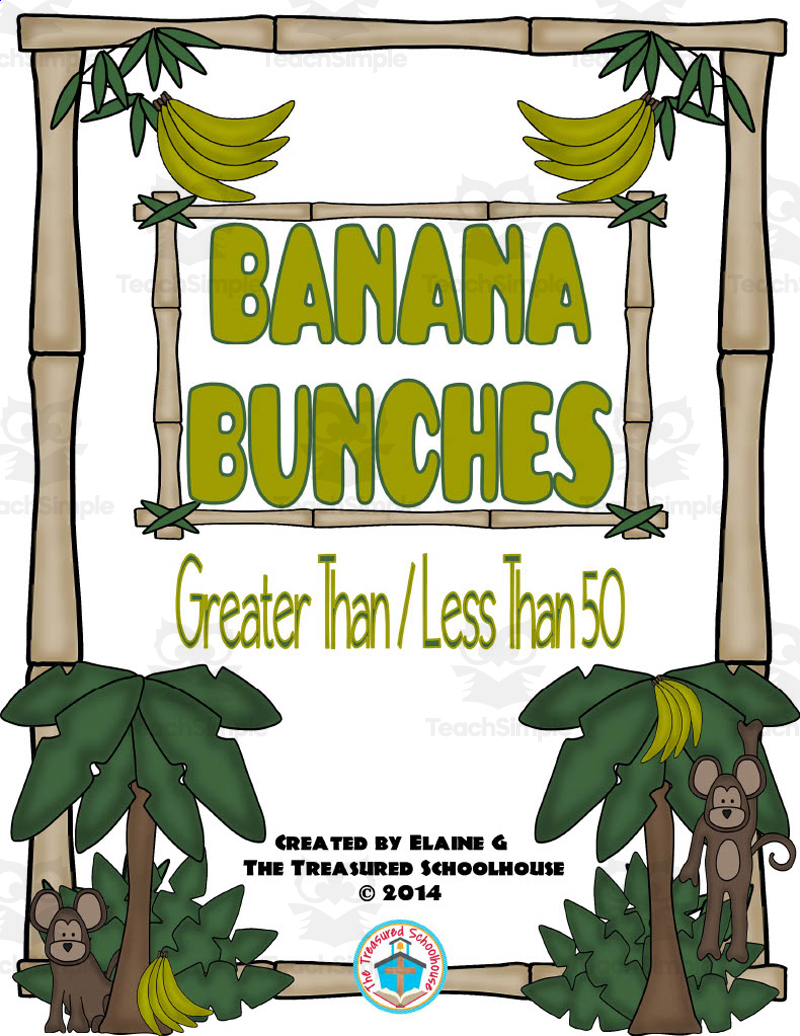
This is a Banana Bunches: Greater Than/Less Than 50 Game. This is a great game to implement during your place value unit as an introduction or review for students. This is a 1 player game, so you can print game boards for all students that are playing or enough for a small group. You will print and cut the bunches of bananas. Students…
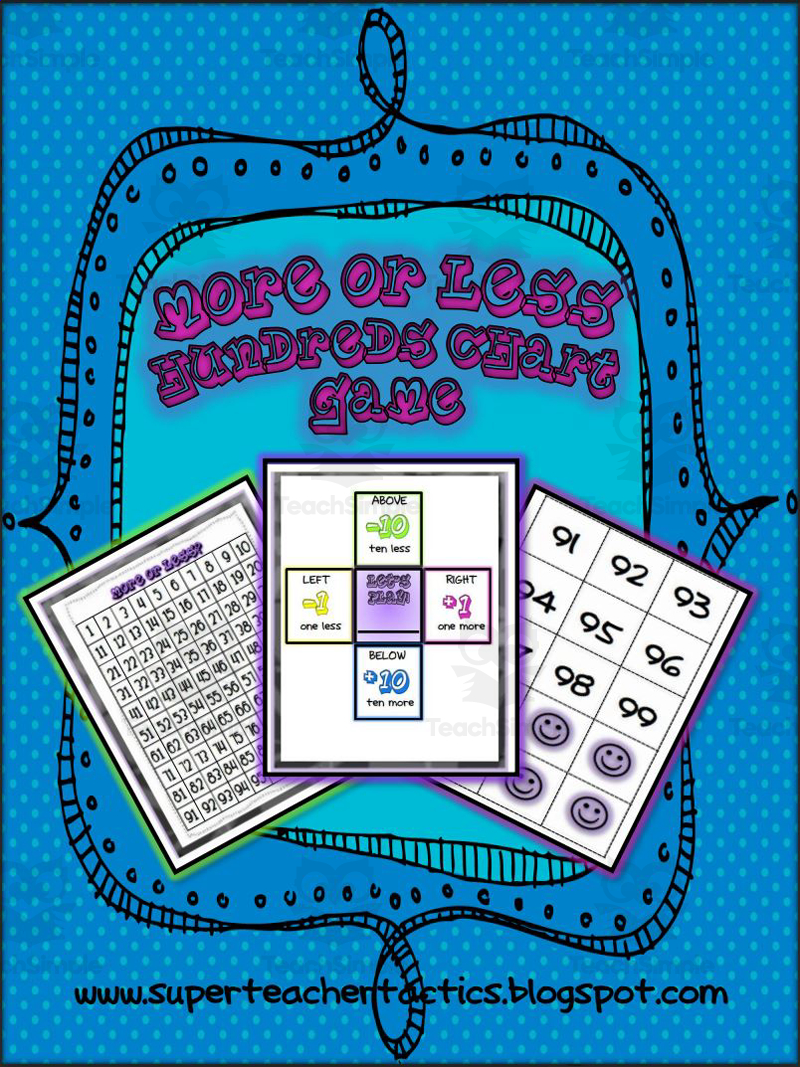
A place-value math game using a hundreds chart to practice the concepts of 'more/less' and 'ten more/ten less' than a given number, for grades 1-4.
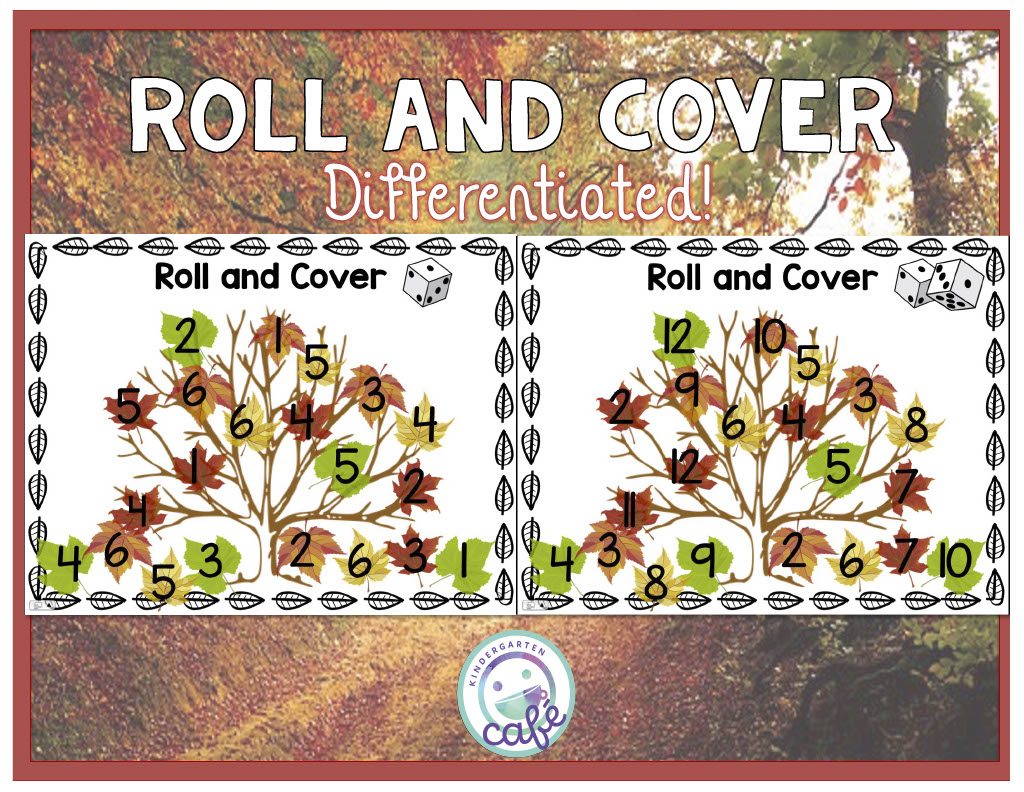
A tree/leaves-themed partner dice game for practicing number recognition, differentiated by number range.
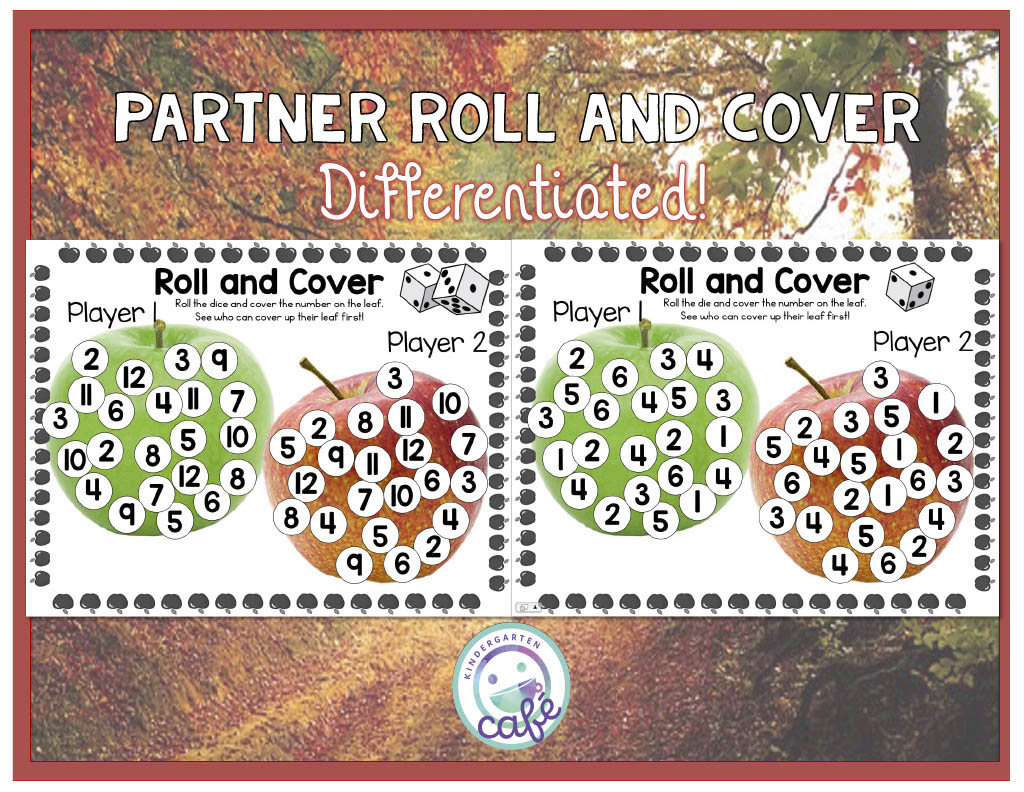
An apple-themed partner dice game for practicing number recognition, differentiated by number range.
A Common Core-aligned end-of-year Grade 4 math review packet covering multi-digit operations, fractions/decimals, angles, and geometry, with worksheets, an answer key, a teacher's guide, and games.
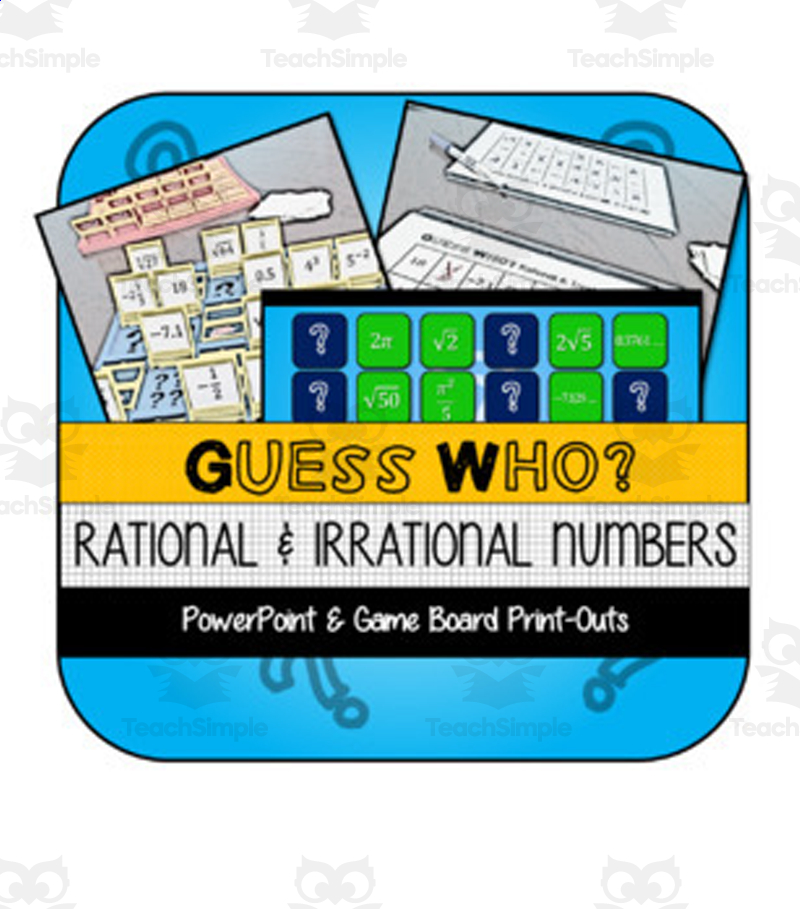
Give students practice identifying and describing the properties of rational and irrational numbers (framed around Georgia's 8th Grade Number System standard MGSE8.NS.1) through a 'Guess Who?'-style guessing-game card activity.
Provide a comprehensive Common-Core-aligned end-of-year math review for Grade 5, covering decimal operations, fractions, volume, and coordinate planes, plus review games.
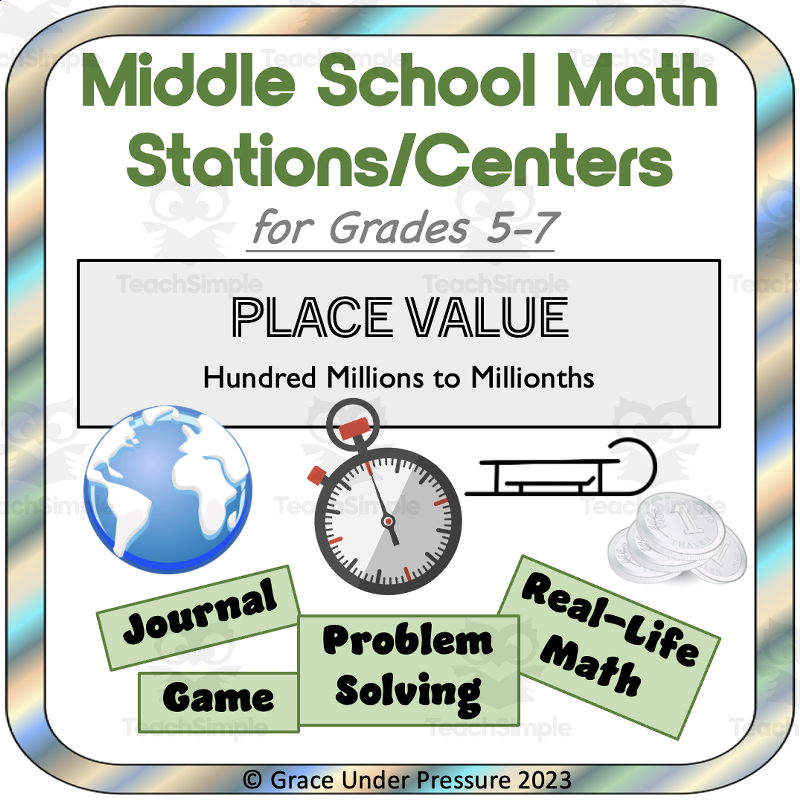
A set of 5 rotating math stations that supplement a place value unit spanning hundred millions down to millionths.
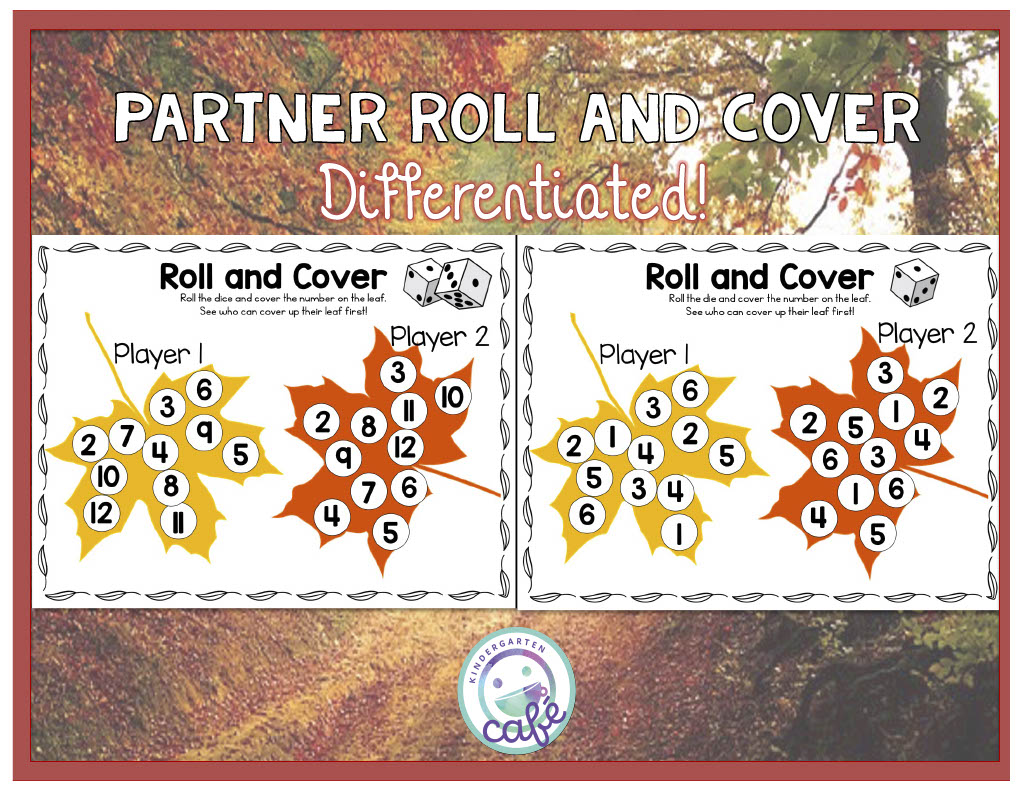
A fall leaf-themed partner dice game for practicing number recognition, differentiated by number range.
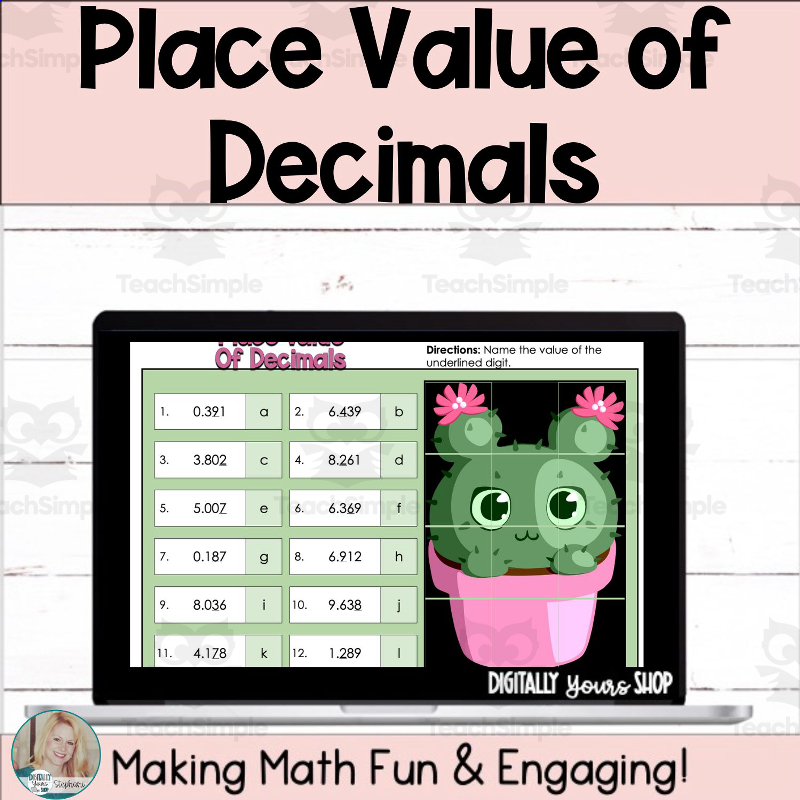
The Place Value of Decimals Digital Self-Checking Activity This is a resource created to assist educators in providing engaging, self-correcting practice activities on the significant concept of decimal place value. Primarily designed for students who find it tough to grasp place value concepts, this digital activity infuses fun into…
The Royal Numbers Game + Worksheets is a fun way to give your little learners practice with numbers up to 25. They will identify which number comes at the beginning, in the middle and at the end of a sequence.
A large multi-day Guided Math unit teaching place value and number composition/decomposition up to 100,000 for 3rd grade, including teacher-facing methodology notes, learning-target tracking tools, and a day-by-day (Day 1 onward) sequence of lessons, station activities, games, and exit tickets.
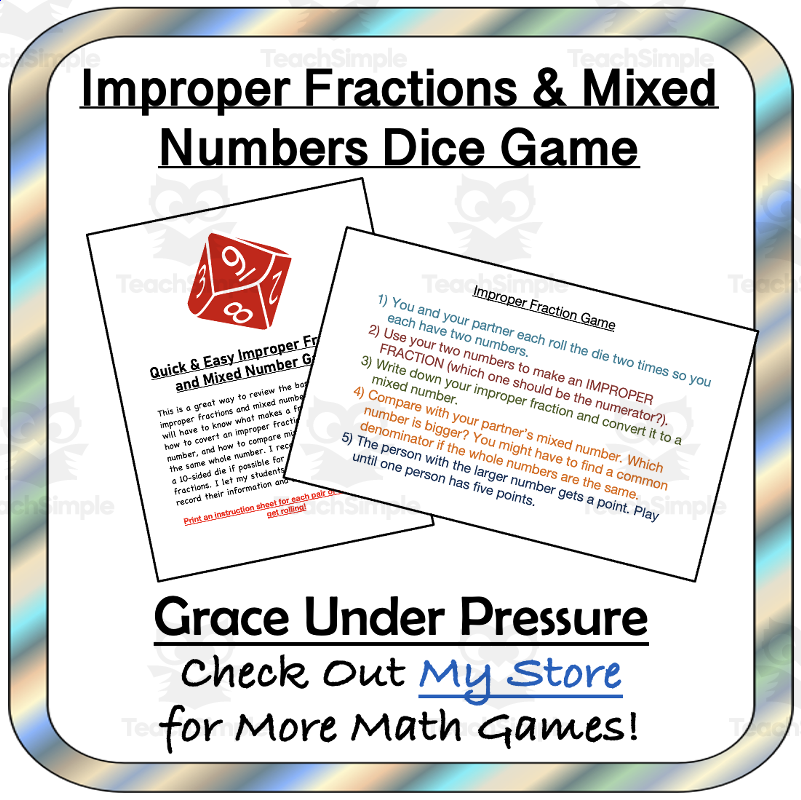
A partner dice game reviewing improper fractions and mixed numbers - forming improper fractions from rolled digits, converting to mixed numbers, and comparing values.
End-of-year Grade 1 math review workbook covering counting, place value, addition, subtraction, time, and shapes, aligned to Common Core (CCSS references shown, e.g. 1.NBT.1, 1.NBT.2, 1.NBT.3, 1.NBT.5).
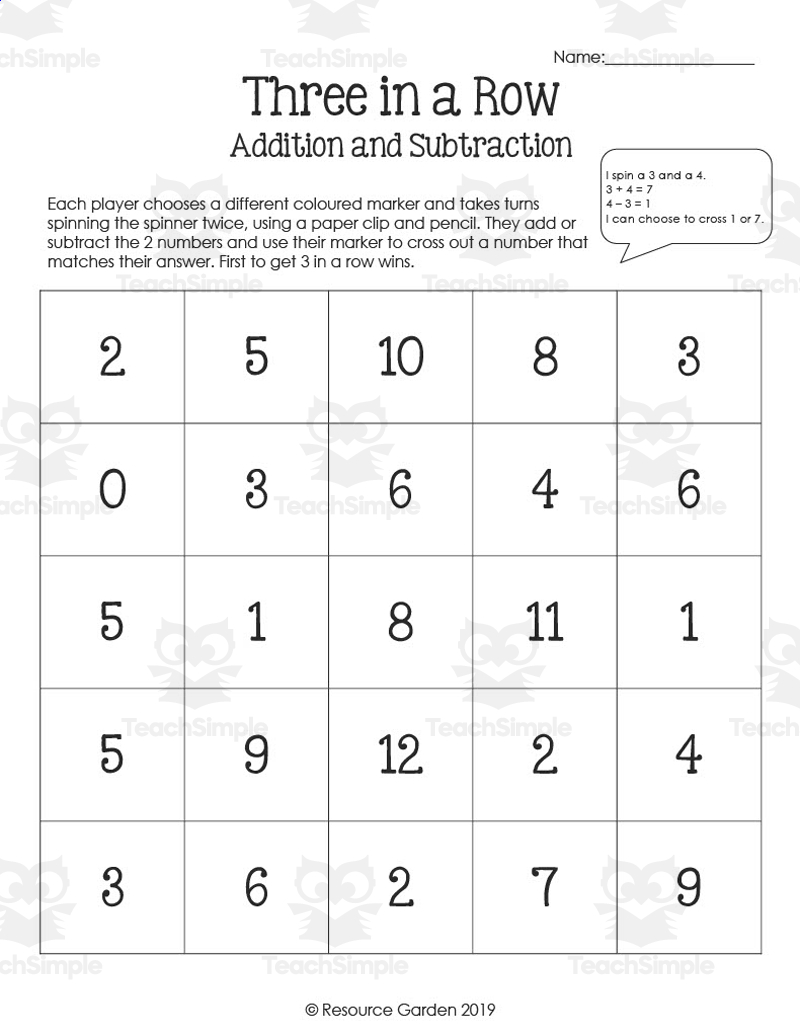
A dice/spinner-based game giving students practice with addition and subtraction facts in a competitive 'three in a row' format.
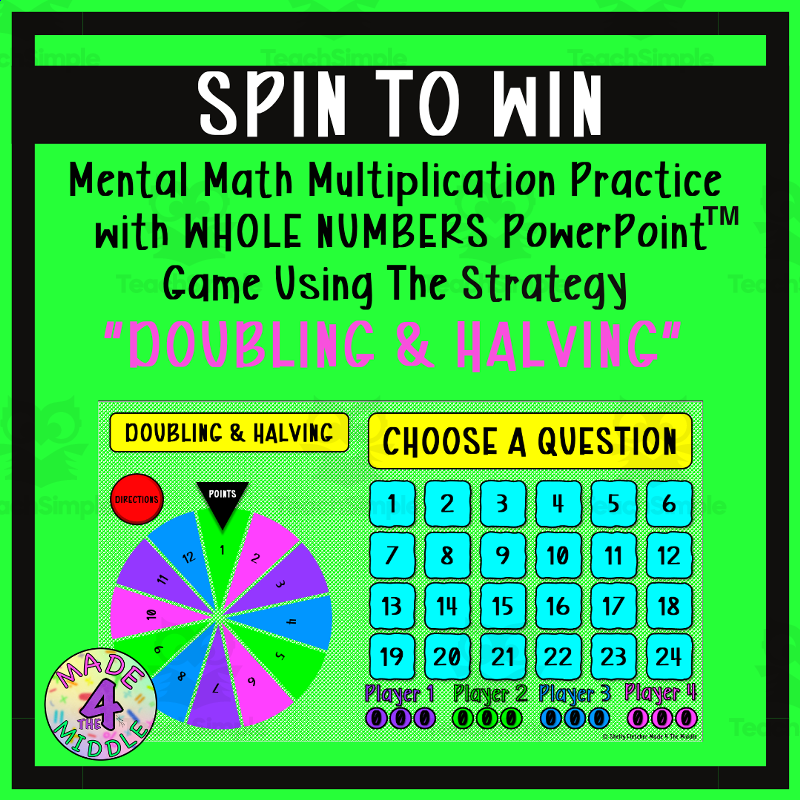
Interactive PowerPoint number-talk game practicing the doubling-and-halving mental math strategy for whole-number multiplication.
Summer math review workbook and games pack for grade 1, covering counting, place value, and addition/subtraction across multiple weeks.

An editable PowerPoint classroom competition game (Tic-Tac-Toe format, 6 boards/rounds) providing addition practice, owl themed.
A 62-activity Summer Math Review Workbook & Games Pack intended for Grade 2, covering place value, addition/subtraction, measurement, time, money, and other math review to prepare for Grade 3.
Keep Grade 5 math skills sharp over summer with standards-aligned review activities and games ahead of middle school.
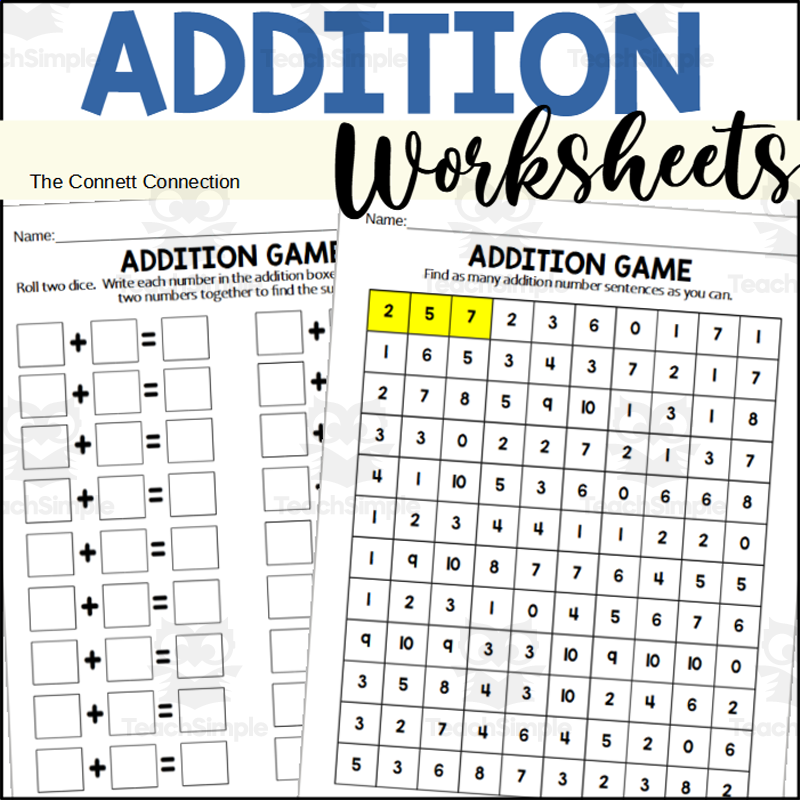
Provide printable addition games for practicing addition facts through a dice-roll activity and a number-search activity.
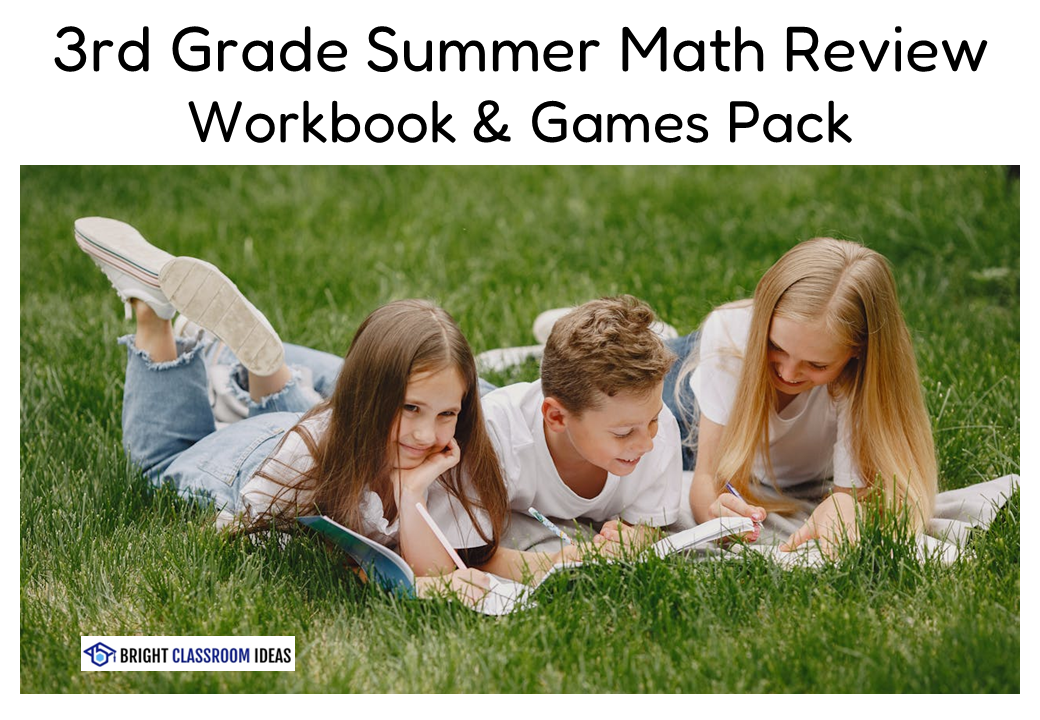
A 4-week grade 3 summer math review workbook and games pack designed to prevent summer learning loss by reviewing multiplication, division, place value, rounding, fractions, and other grade 3 math skills.
 Free download
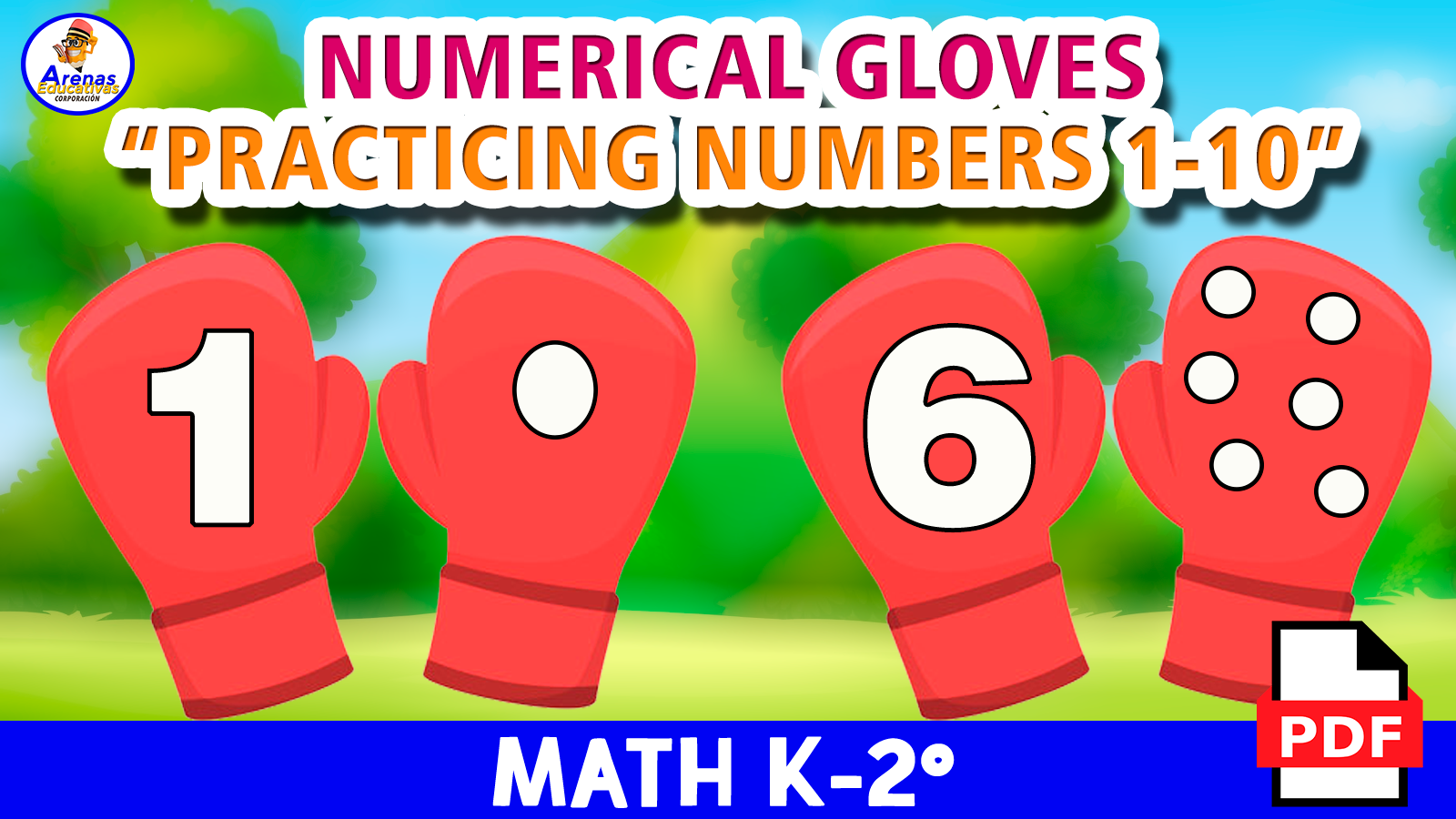
 Introduction It is very important that as a teacher, or even a parent, you use the so-called didactic games in your learning area. These games will make your students or children learn mathematics in a more didactic way and even have love or admiration for it, because mathematics is a very useful tool in daily life.