Reading Comprehension: Using Graphic Organizers to Make Inferences
Teaches critical-thinking and reading comprehension skills, specifically using graphic organizers to make inferences and identify main ideas, structured around Bloom's Taxonomy.
1,099 resources
Explore sub-categories
9 sub-categories · 1,099 resources
Teaches critical-thinking and reading comprehension skills, specifically using graphic organizers to make inferences and identify main ideas, structured around Bloom's Taxonomy.
A short, ready-to-print formative check for the Common Core grade-2 reading-literature standard RL 2.1, used to assess whether students can ask and answer questions about key details in a story and identify its main characters and message.
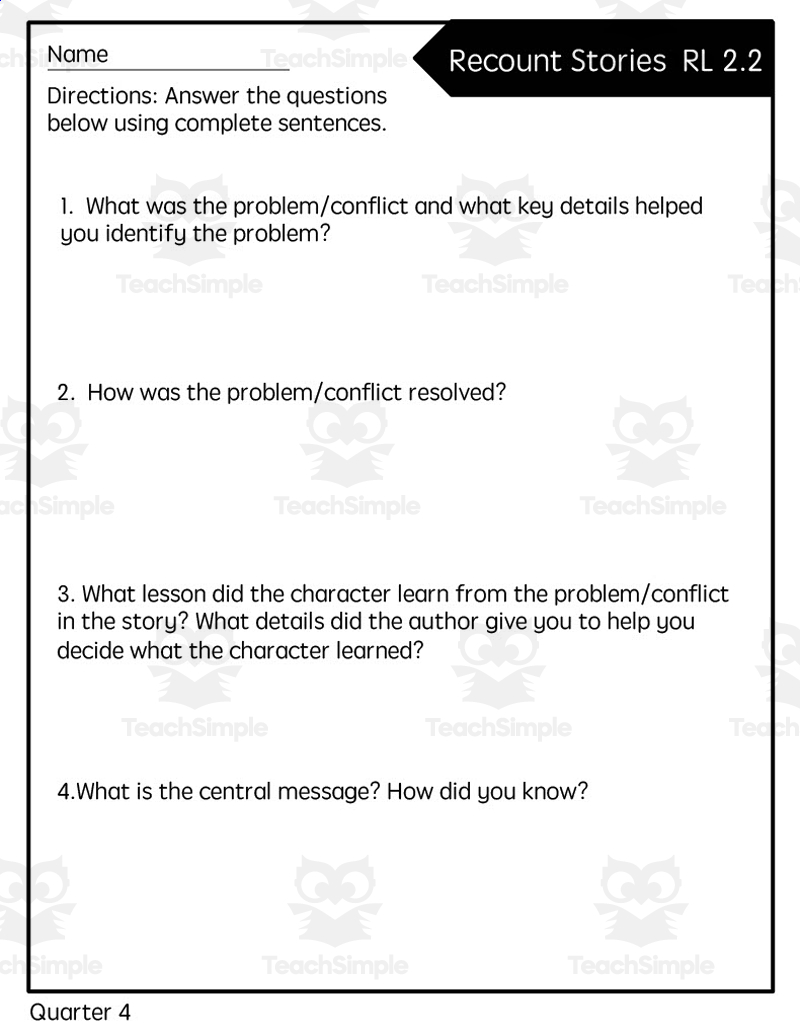
A short, ready-to-print formative check for the Common Core grade-2 reading-literature standard RL 2.2, used to assess whether students can identify a story's problem/conflict with supporting details, its resolution, the lesson learned with textual support, and the central message with justification.
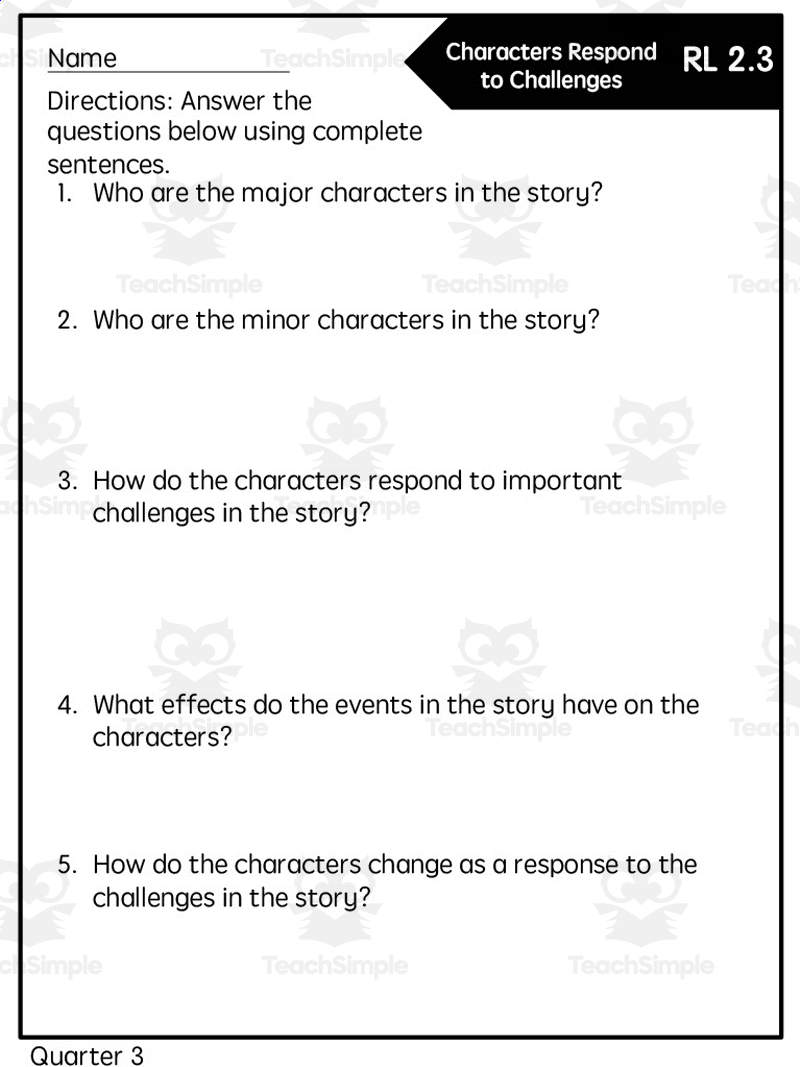
A short, ready-to-print formative check for the Common Core grade-2 reading-literature standard RL 2.3, used to assess whether students can identify characters, explain how they respond to challenges, the effects of events on them, and how they change.
A set of four 4-point assessment rubrics teachers use to grade students' reading-response skills: making connections, creating images/mind movies, questioning, and making inferences.
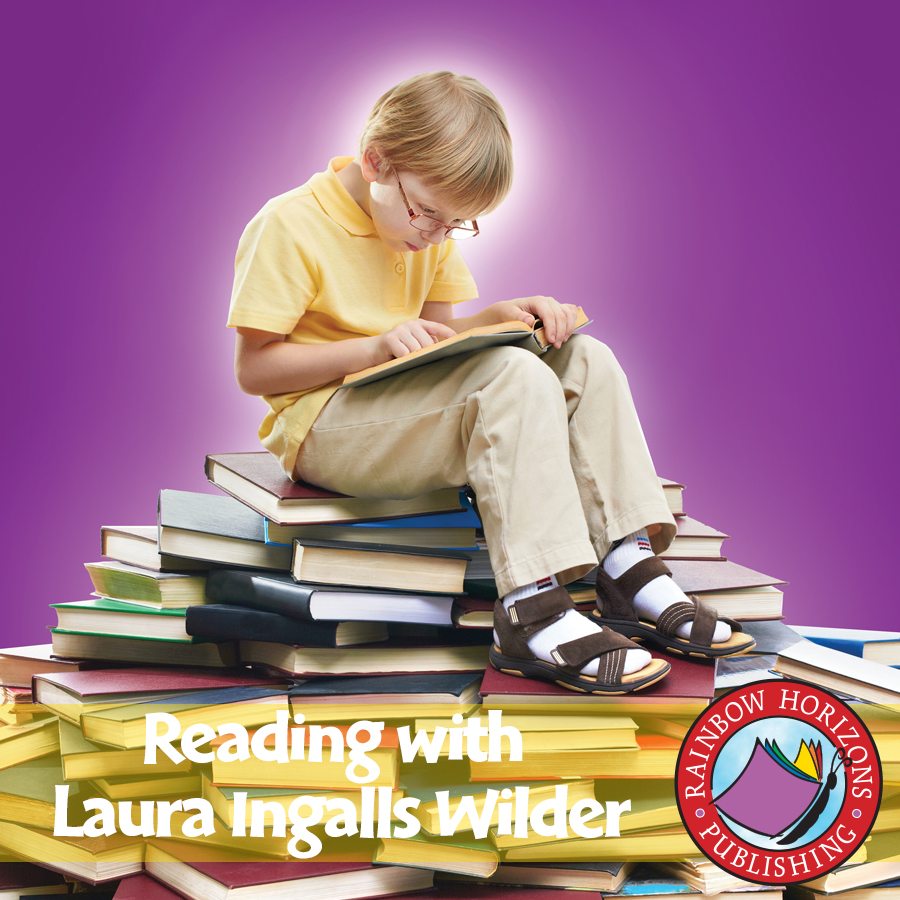
A multiple-choice/true-or-false reading-comprehension novel-study unit covering five Laura Ingalls Wilder 'Little House' titles, for high-interest/low-vocabulary reading practice.
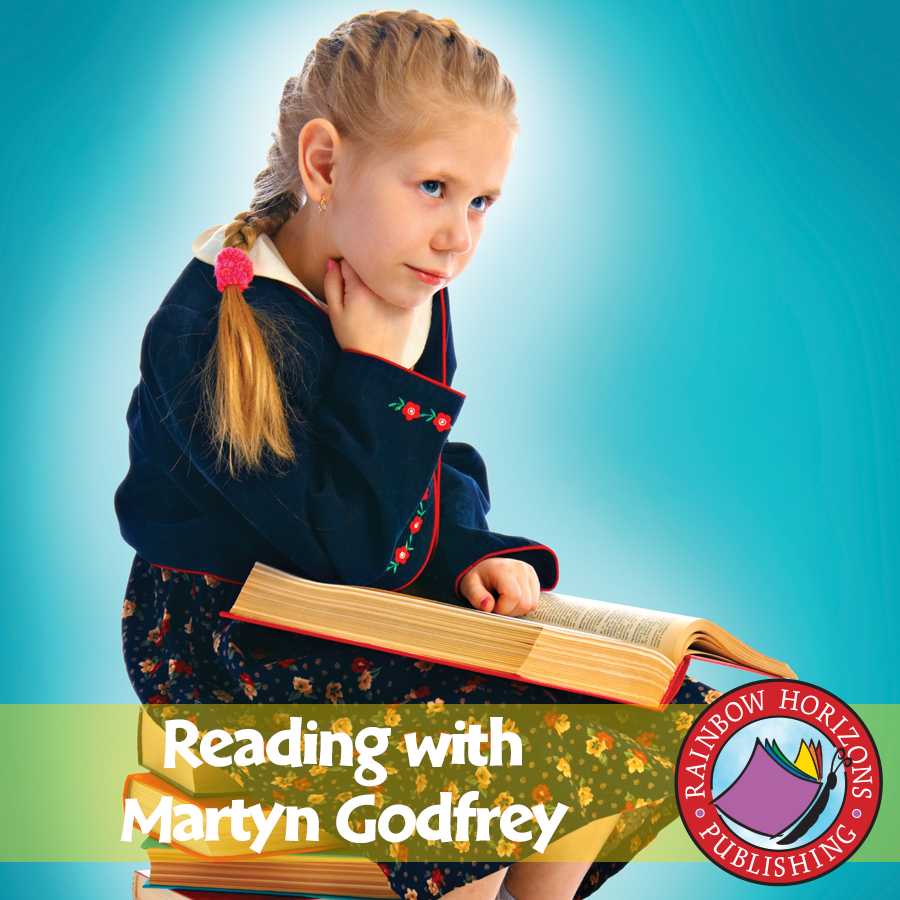
A multiple-choice reading-comprehension novel-study unit covering five Martyn Godfrey titles (the 'Ms. Teeny-Wonderful' series and related books), for high-interest/low-vocabulary reading practice.
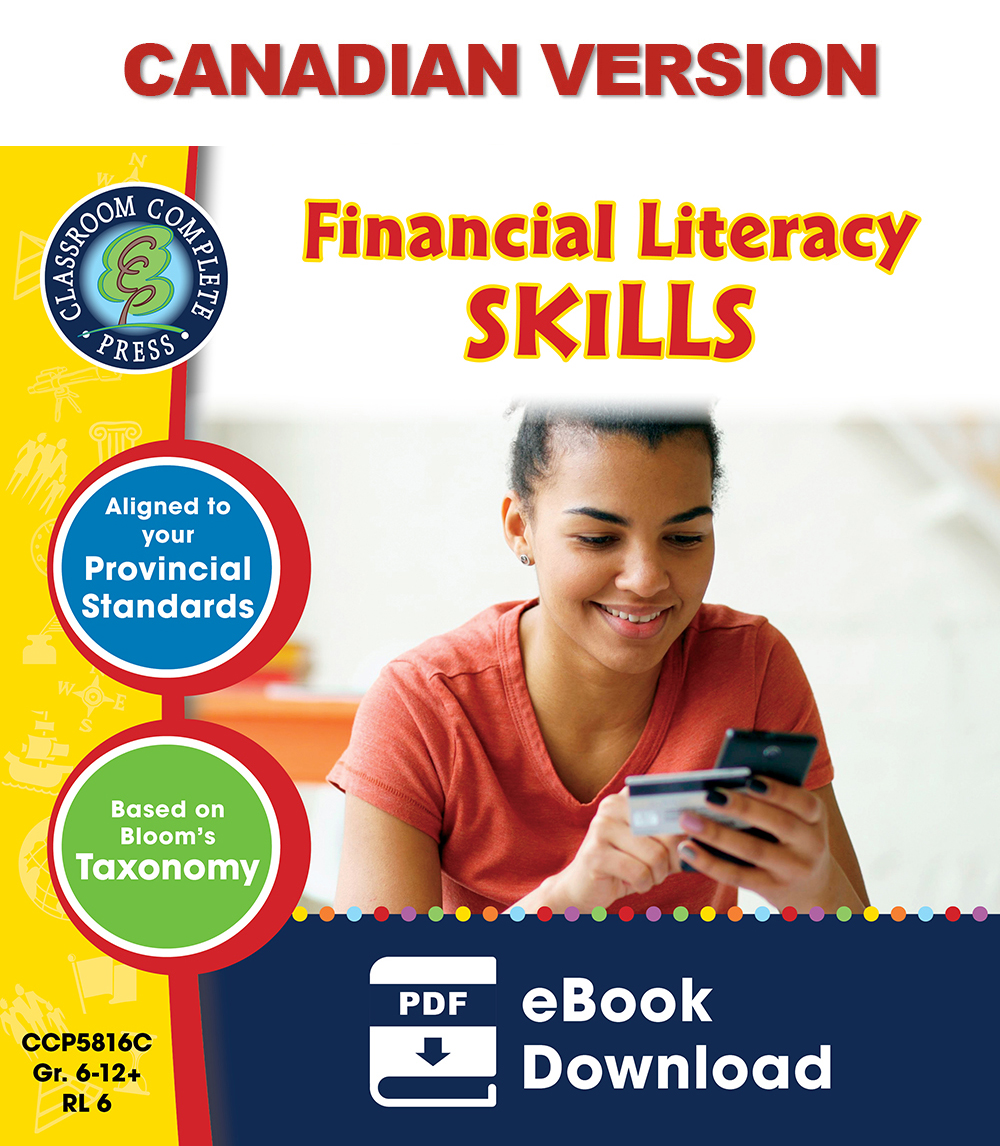
Teach financial literacy skills concepts to grade 6-12 students through a structured reading-comprehension resource covering Negotiation Skills, Asset & Debt Management, Home & Car, Loans, Credit & Borrowing, Taxation, Global Economics.
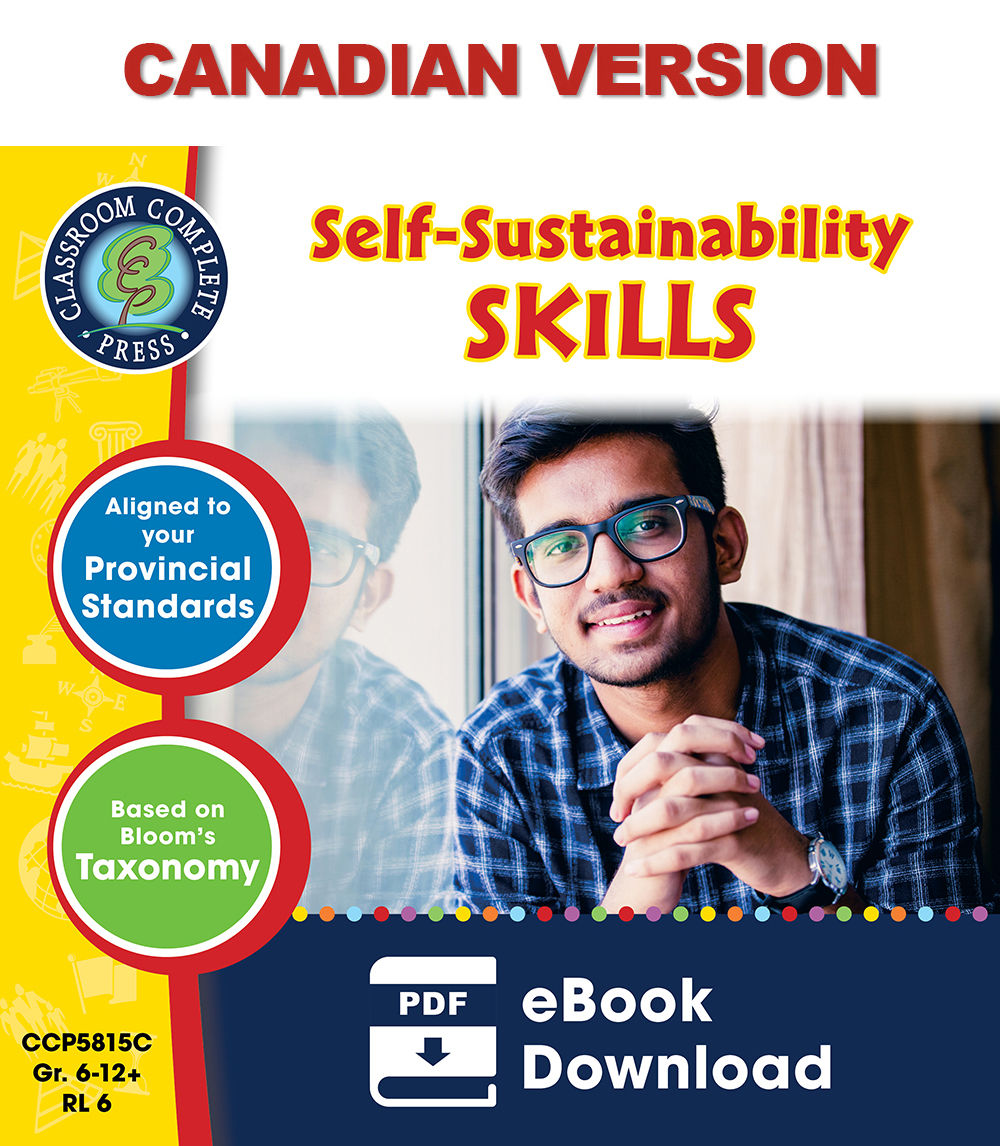
Teach self-sustainability skills concepts to grade 6-12 students through a structured reading-comprehension resource covering Coping with Life, Stress Management, Mental & Physical Health, Healthy Relationships, Cohabitation & Family Life, Emergencies, Self-Defense & First Aid.
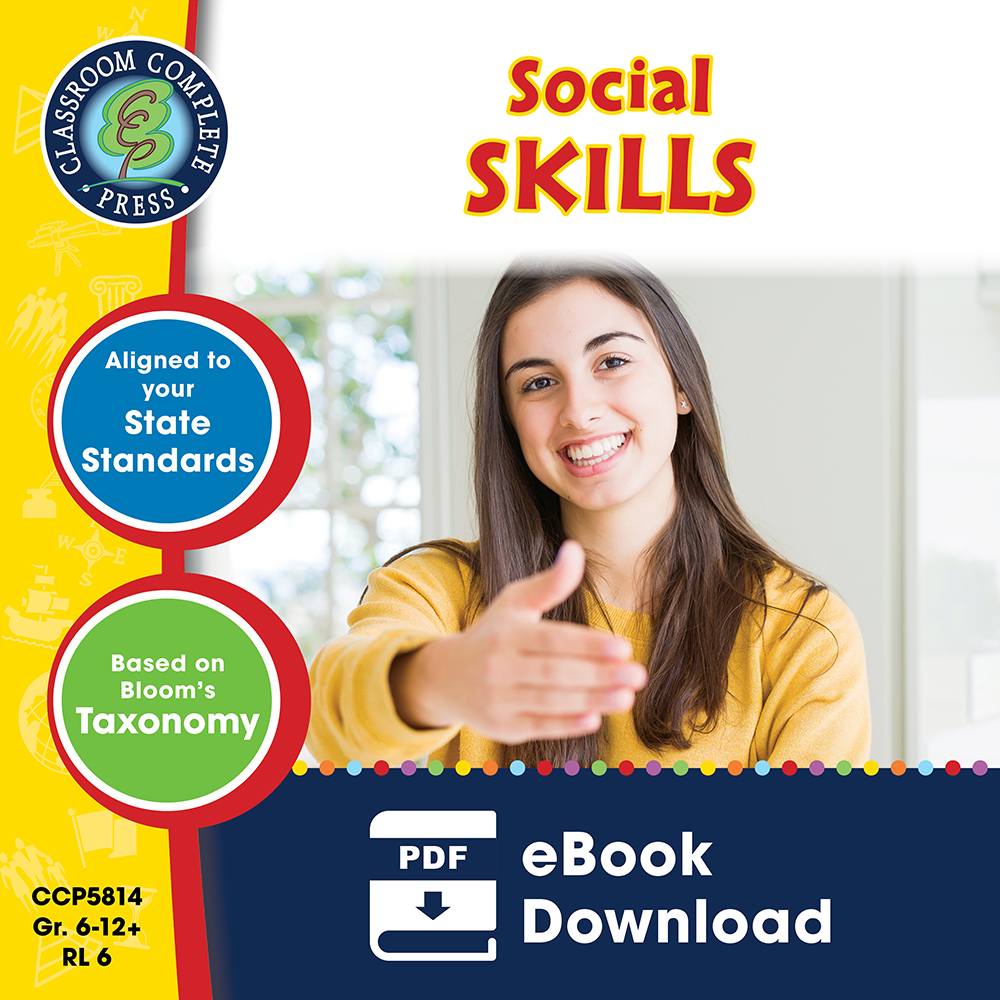
A reading-comprehension and life-skills resource that teaches middle/high schoolers social skills (etiquette, relationships, personal development, self-reliance, accountability, collaboration) through nonfiction reading passages.
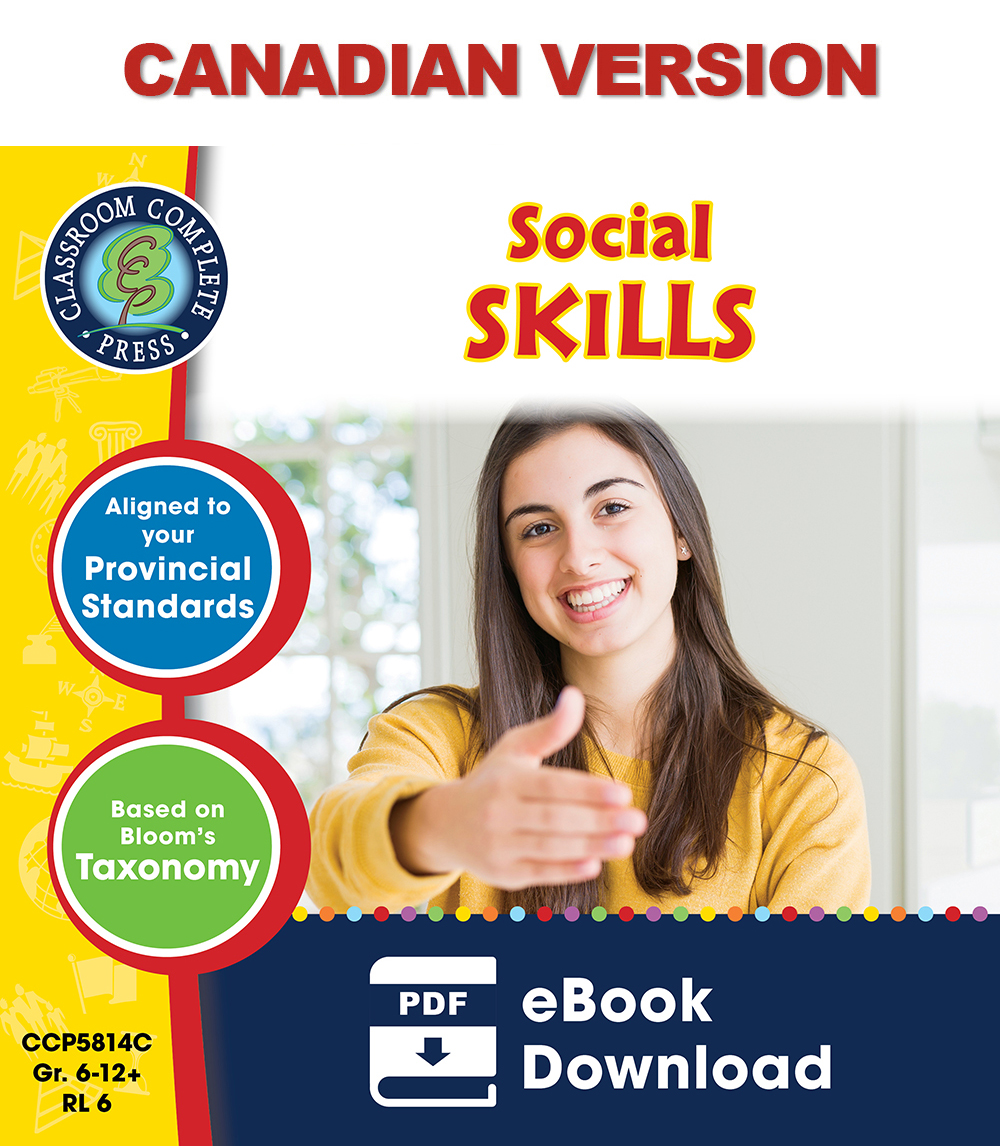
A Canadian-content edition of the same social-skills reading-comprehension resource, teaching middle/high schoolers etiquette, relationships, personal development, self-reliance, accountability and collaboration.
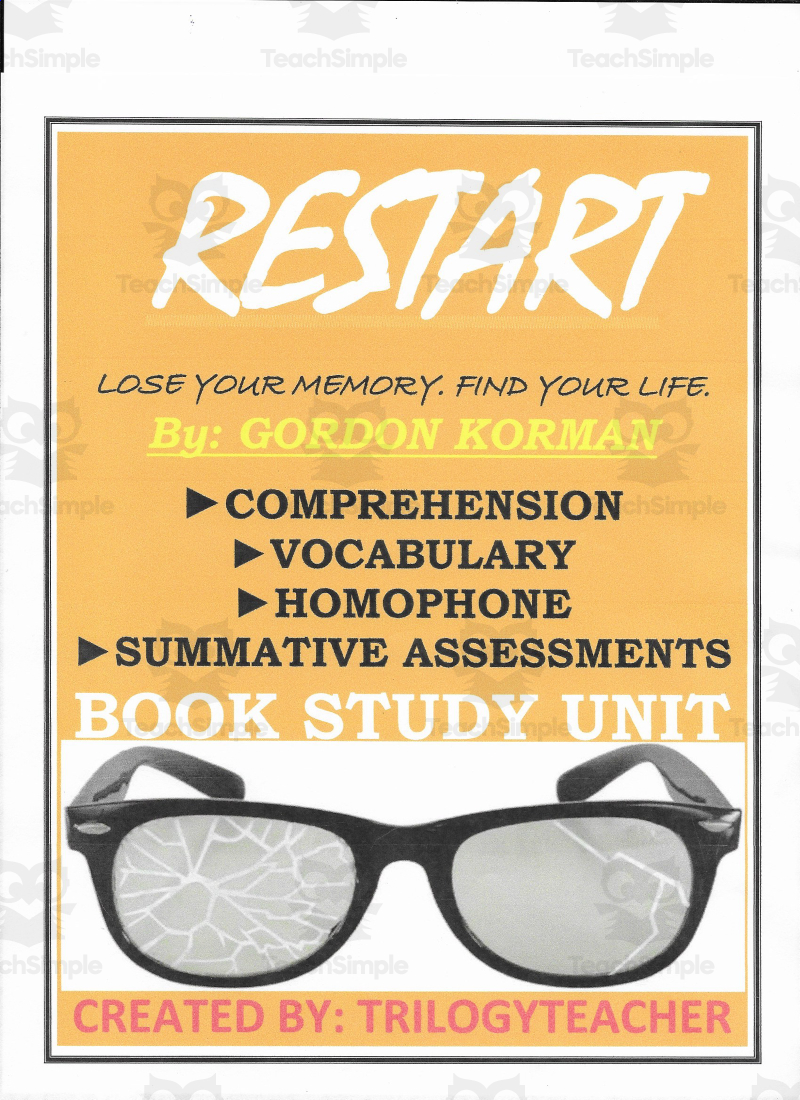
A comprehensive 214-page book-study unit for Gordon Korman's novel 'Restart', providing chapter-by-chapter comprehension, vocabulary, and summative assessment materials for grades 5-7.
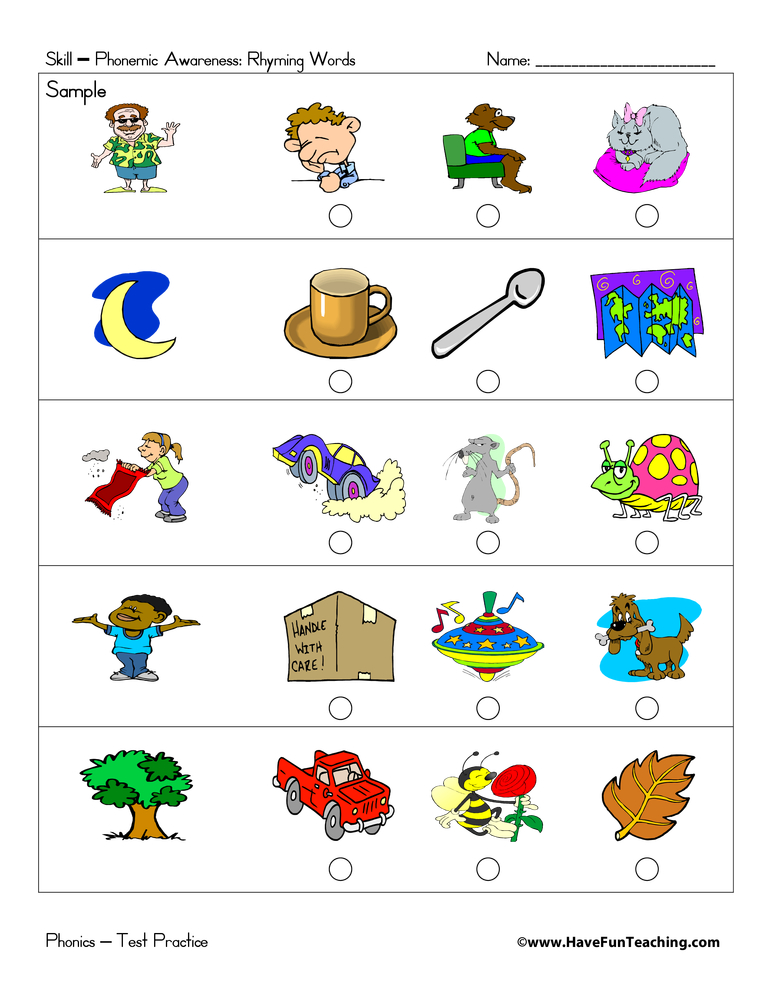
Assess phonemic awareness by having students identify which pictured word rhymes with a target picture.
A Common Core-aligned assessment and answer key for ELA standard RI.3.5 (Reading: Informational Text, Grade 3). The answer key's expected response for the RI.3.5 Assessment states: "Responses may vary but should include various information and the source used to acquire it."
A Common Core-aligned assessment and answer key for ELA standard RI.3.6 (Reading: Informational Text, Grade 3). The answer key's expected response for the RI.3.6 Assessment states: "Responses may vary but should include the points-of-view of the author and the students with a comparison between the two."
A Common Core-aligned assessment and answer key for ELA standard RI.3.7 (Reading: Informational Text, Grade 3). The answer key's expected response for the RI.3.7 Assessment states: "Responses may vary but should include a description of an illustration used in the text and how it helps the reader better understand the text."
A Common Core-aligned assessment and answer key for ELA standard RI.3.8 (Reading: Informational Text, Grade 3). The answer key's expected response for the RI.3.8 Assessment states: "Responses may vary but should include connections the student made while reading text."
A Common Core-aligned assessment and answer key for ELA standard RI.3.9 (Reading: Informational Text, Grade 3). The answer key's expected response for the RI.3.9 Assessment states: "Responses may vary but should compare and contrast the details of two different texts on the same topic."
A Common Core-aligned assessment and answer key for ELA standard RI.4.1 (Reading: Informational Text, Grade 4). The answer key's expected response for the RI.4.1 Assessment states: "Responses may vary but should include satisfactory text explanation and inference."
A Common Core-aligned assessment and answer key for ELA standard RI.4.10 (Reading: Informational Text, Grade 4). The answer key's expected response for the RI.4.10 Assessment states: "Responses will vary depending on books chosen, but check for accuracy in the story summaries."
A Common Core-aligned assessment and answer key for ELA standard RI.4.2 (Reading: Informational Text, Grade 4). The answer key's expected response for the RI.4.2 Assessment states: "Responses may vary but should include the text's main idea and summary."
A Common Core-aligned assessment and answer key for ELA standard RI.4.3 (Reading: Informational Text, Grade 4). The answer key's expected response for the RI.4.3 Assessment states: "Responses may vary but should include explanation of an event, procedure, idea, or concept from the text and evidence to support it."