resources by type
resources by grade
resources by subject
other resources

3,915 products added recently

Page 14 - Assessments by Subject

Access a variety of assessments designed for specific subject areas, ensuring that you evaluate the skills and knowledge most pertinent to your curriculum. This collection includes tools for art, ELA, math, science, social studies, and more. Provide meaningful feedback by utilizing subject-focused assessments.

Relevant
alt down
Any Time
alt down
filter by
alt down
All File Types
alt down
filter nav Show filters
Sort by: Relevant
CLEAR
resources by type
Activities
down arrow
Classroom Decor
down arrow
Teacher Tools
up arrow
Anchor Charts
Assessments
Charts
DBQ's
Diagrams
Graphic Organizers
Lesson Plans
Literacy Readers
Outlines
Presentations
Quizzes and Tests
down arrow
Rubrics
Templates
Worksheets & Printables
down arrow
resources by grade
Early Learning
down arrow
Pre-K
down arrow
Elementary
down arrow
Middle School
down arrow
High School
down arrow
Adult Education
Not Grade Specific
resources by subject
Creative Arts
down arrow
ELA
down arrow
Holiday & Seasonal
down arrow
Life Studies
down arrow
Math
down arrow
P.E. & Health
down arrow
Social Studies
down arrow
Special Resources
down arrow
Science
down arrow
Foreign Languages
down arrow
Resources for Teachers
down arrow
other resources
Common Core
Homeschool Resources
down arrow
Montessori
Research
STEM
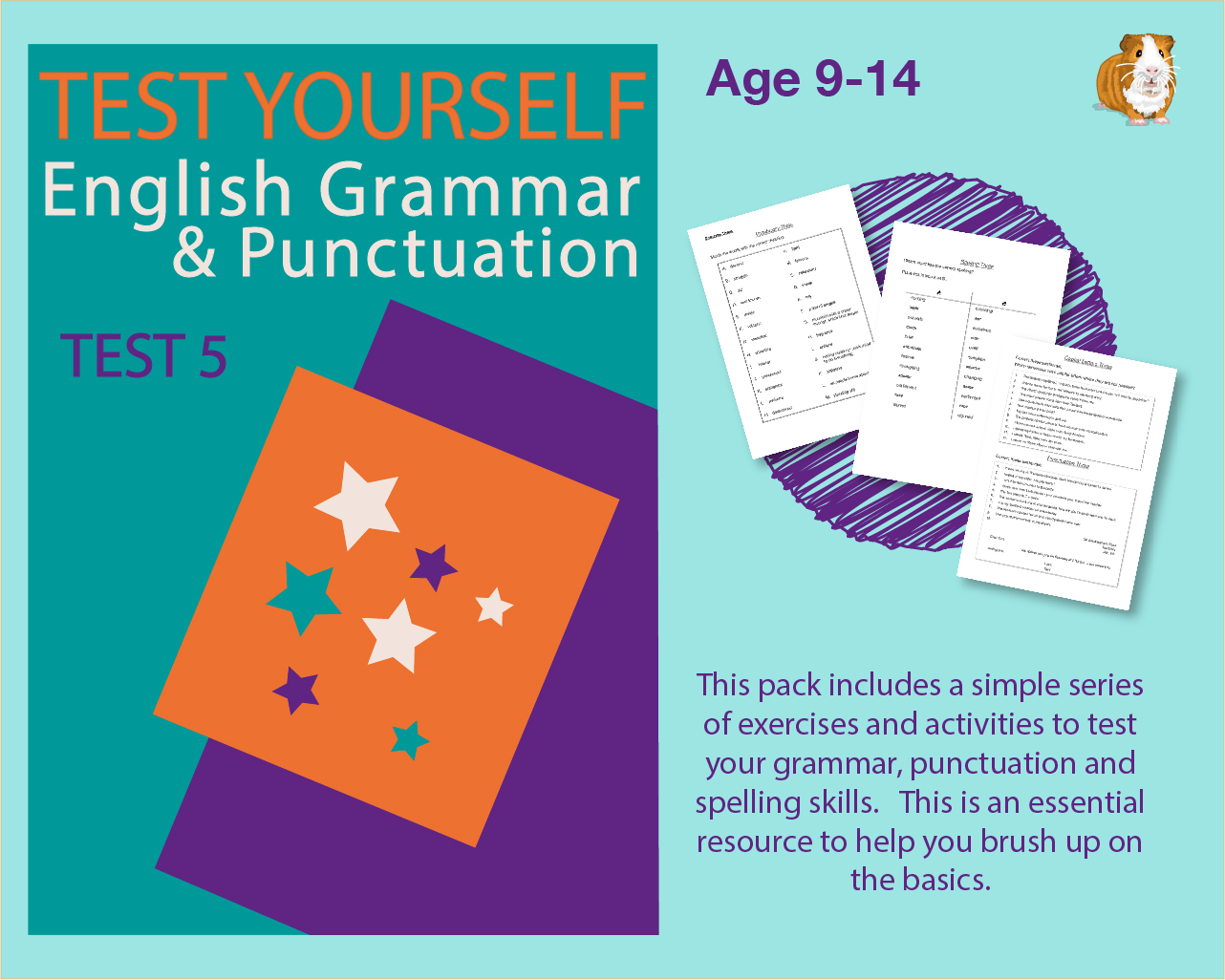
Capitalization and Punctuation Practice Questions Grade 5-6 (Fillable)
Free Download

Capitalization and Punctuation Practice Questions Grade 5-6 (Fillable)
ELA, Language Development, ESL, Grammar, Common Core, Resources for Teachers, Grade 5, 6, 7, Worksheets & Printables, Worksheets, Quizzes and Tests, Teacher Tools, Tests, Assessments

Capitalization and Punctuation Grammar Practice MCQS Snapshot Title: Capitalization & Punctuation Practice Worksheets Grade 5-6 Genre: Instructional Nonfiction / Conventions Workbook Subject: Reading Primary Topic: Applying capitalization and punctuation conventions What This Teaches Best Reinforcing capitalization of proper nouns, months, days, places, and names in sentence context. Practicing punctuation with commas, quotation marks, possessive nouns, dates, and end punctuation. Asking students to choose correctly written sentences, which strengthens editing and proofreading habits. Using short, familiar sentence examples that focus attention on conventions rather than long passage reading. Providing six worksheets plus an answers section for extended review. Learning Goals Students will identify sentences that use capitalization correctly. Students will apply commas, quotation marks, and end punctuation in context. Students will recognize correct capitalization of proper nouns and dates. Students will revise sentences to fix punctuation and capitalization errors. Students will explain why a sentence is written correctly or incorrectly. Key Vocabulary proper — correctly named and special. capitalized — written with a capital letter. commas — marks that separate words or parts. quotation — words showing someone’s exact speech. possessive — shows that something belongs to someone. Common Core Alignment CCSS.ELA-LITERACY.L.4.3b — Choose punctuation for effect. CCSS.ELA-LITERACY.L.5.2a — Use punctuation to separate items in a series. CCSS.ELA-LITERACY.L.6.2a — Use punctuation, including commas and dashes, to set off nonrestrictive or parenthetical elements. The punctuation practice in this workbook directly supports these conventions skills. Capitalization and Punctuation Overview: Includes: Using Commas Using Quotations Using Possessive Nouns Using Dates Open/Close an Email FILLABLE PDF VERSION Worksheet-style pages, but with type-in answer boxes so students can complete and save their work digitally. Other versions are available in the links list below or in the full catalog. FULL CATALOG OF DOWNLOAD LINKS HERE ELA Review Questions Overview Each set of review questions includes three answer choices. Each test also features a few pictures to keep the pages visually appealing, along with a review sheet that covers most of the skills and concepts included in the resource. Introduction or Example Sheet Every topic comes with an introduction or example sheet that you can go over with your students before they begin. Full Answer Keys Complete answer keys and sample responses are included, so you have everything you need ready to go. In the Supplementary Pack Interactive Ice Breakers Fun warm-up activities help introduce key ELA skills, including quick capitalization fixes and punctuation challenges. Guided Practice Teacher-led activities give students structured support as they review grammar and punctuation rules and practice applying them in sentences. Group and Partner Tasks Students work together to edit sentences, correct capitalization, and improve punctuation through discussion and teamwork. Independent Worksheets Focused worksheets give students the chance to practice on their own and build confidence with the skills they’ve learned. Exit Tasks Quick end-of-lesson activities help students reflect on their learning and apply their skills in writing and editing. For More Like This For similar resources and free downloads, visit Cored Group on TeachSimple.

Author Cored Education

Rating

Tags Elementary, Answers, Ccss, Common Core, Grammar, Tests, Test Prep, Assessment, Grade 5, Grade 6

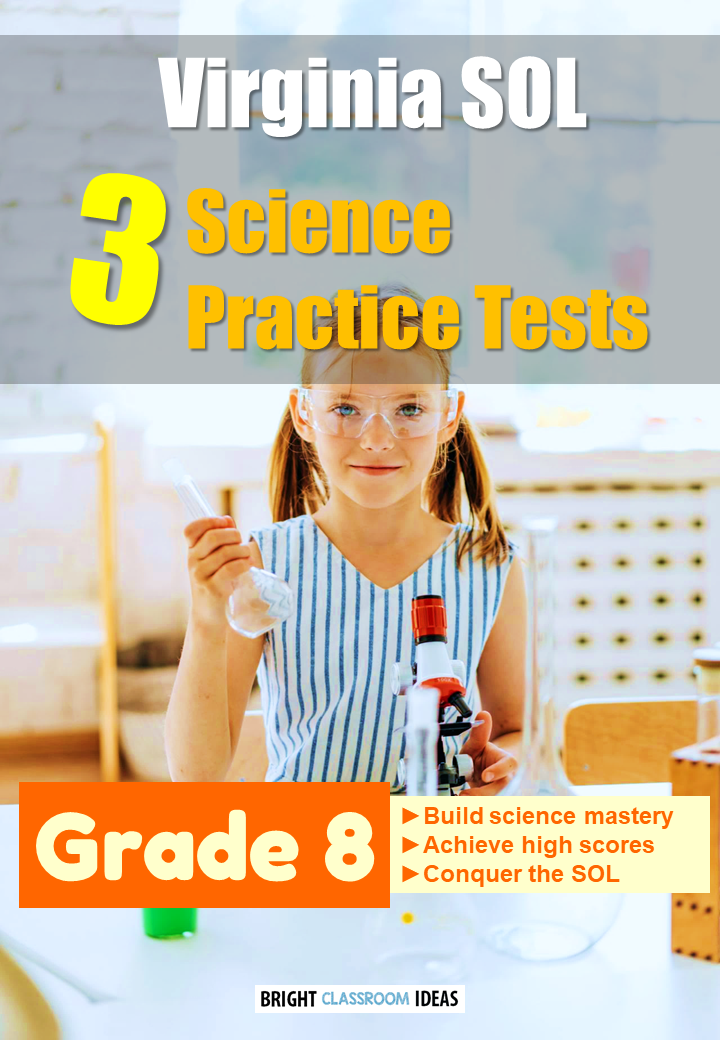
Virginia SOL Pack of 3 Science Practice Tests for Grade 5

Virginia SOL Pack of 3 Science Practice Tests for Grade 5
Science, Grade 5, Assessments, Teacher Tools, Tests, Quizzes and Tests, Worksheets & Printables

Virginia SOL Pack of 3 Science Practice Tests for Grade 5 Looking for a comprehensive, no-prep 5th grade science SOL practice test bundle that truly prepares students for success? This Virginia SOL Grade 5 Science test prep resource includes 3 full-length practice tests with built-in answer keys and teacher support to boost confidence and mastery. What’s Included 3 full-length Virginia SOL Science practice tests (45 questions each; 135 total) Multiple-choice questions with real SOL-style scenarios, data tables, and diagrams Student answer sheets for each test (bubble format for easy grading) Complete answer key with quick-check grids and skill breakdowns Score conversion chart aligned to SOL performance bands Class data tracker to monitor student growth across all tests Teacher’s Guide with pacing calendar, reteaching strategies, and differentiation ideas How It Works in the Classroom This 5th grade science SOL test prep resource is designed for a simple, effective 3-step system: Test 1 → Diagnostic to identify skill gaps early Test 2 → Mid-prep progress monitoring Test 3 → Final review or full-length test simulation Perfect for: Whole group test prep Independent assessments Small group reteaching based on data Sub plans or review days Each test mirrors the real SOL format and includes engaging science scenarios like experiments (independent/dependent variables), data tables, and real-world applications (see the plant growth experiment on page 4 and friction data table on page 14). Standards & Learning Goals Aligned to Virginia SOL Grade 5 Science (SOL 5.1–5.7) , including: Scientific investigation & experimental design Matter, sound, and light Force, motion, and energy Ecosystems, adaptations, and food webs Earth and space systems (water cycle, tides, solar system) Students will: Practice analyzing data tables, charts, and diagrams Strengthen critical thinking and problem-solving skills Build test-taking stamina and confidence Why Teachers Love It ⭐ No-prep, print-and-go test prep solution ⭐ Easy grading with quick-reference answer grids ⭐ Data-driven instruction with skill-by-skill breakdowns ⭐ Built-in reteaching strategies for every major science topic ⭐ Proven 3-test system that builds confidence and tracks growth over time Take the stress out of test prep with this all-in-one Grade 5 Science SOL practice test bundle . Download today and give your students the structured, standards-aligned practice they need to succeed!

Author Bright Classroom Ideas Marketplace

Rating

Tags Virginia, Sol, State Test, Science

Past Tense Practice Questions - Grammar Grade 3-4 (Presentable PDF)

Past Tense Practice Questions - Grammar Grade 3-4 (Presentable PDF)
ELA, Language Development, ESL, Grammar, Common Core, Resources for Teachers, Grade 3, 4, Worksheets & Printables, Worksheets, Quizzes and Tests, Teacher Tools, Tests, Assessments

Past Tense Grammar Practice MCQS Snapshot Title: Past Tense Genre: Nonfiction / Educational Workbook Subject: Language Arts Primary Topic: Using past verb forms correctly This workbook contains a review sheet, five practice worksheets, and answer keys focused on past-tense usage for Grades 3–4. What This Teaches Best Defines past tense as a past activity or past state of being. Introduces simple past, past progressive, past perfect, and past perfect progressive. Gives targeted practice with regular and irregular past-tense verbs. Helps students compare simple, continuous, perfect, and perfect continuous past forms. Strengthens editing skills through mistake-finding and sentence-selection tasks. These teaching strengths are clear in the review sheet and across Worksheets 1–5. Learning Goals Students will explain what the past tense shows in a sentence. Students will identify sentences written in the past tense. Students will use regular and irregular past-tense verbs correctly. Students will distinguish past simple, past continuous, and past perfect forms. Students will correct mistakes in sentences that misuse past-tense verbs. Students will identify the past-tense type used in a sentence. These goals match the definitions, examples, and worksheet tasks in the workbook. Key Vocabulary From the Text past — time that already happened activity — something a person did state — how someone or something was progressive — shows an action continuing perfect — shows something completed earlier All five words appear in the review sheet text. Common Core Alignment L.3.1d — Form and use regular and irregular verbs. L.3.1e — Form and use regular and irregular simple verb tenses. L.4.1b — Form and use the progressive verb tenses. L.5.1b — Form and use the perfect verb tenses. Past Tense Overview: Includes: Past Simple Past Continuous Past Perfect Mistake Finding PRESENTABLE PDF VERSION Run it like a slide show straight from a PDF, with no PowerPoint or extra software needed, just open, project, and teach. Other versions are available in the links list below or in the full catalog. FULL CATALOG OF DOWNLOAD LINKS HERE For similar downloads and other frees, do check out Cored Group on TeachSimple.

Author Cored Education

Rating

Tags Elementary, Answers, Ccss, Common Core, Grammar, Tests, Test Prep, Assessment, Grade 3, Grade 4

Measurement: Temperature & Time - Pre-Assessment & Teach the Skill - FLASH-PC

Measurement: Temperature & Time - Pre-Assessment & Teach the Skill - FLASH-PC
Math, Measurements, Common Core, Grade 3, 4, 5, Assessments, Teacher Tools

Measurement: Temperature & Time - Pre- Assessment & Teach the Skill - FLASH-PC This resource is a comprehensive, curriculum-centered teaching aid targeted towards students in the following grades: Third grade Fourth grade Fifth grade Mainly focused on math with subfocus on measurements. The software aims at aiding both educators in diverse classroom settings and homeschooling parents to assist their kids understand complex concepts of temperature and time. Key Features: Begins with pre- assessment activities for gauging student's initial understanding before diving into lessons. Lectures are designed keeping children’s mind capabilities in consideration allowing teachers to impart this skill more effectively. The tool introduces learning to be not just necessary but fun using various math tools available within the program. It is aligned with latest common core state standards, also inclusive of progressive STEM initiatives making it an important tool for current academic scenario. Inclusivity being one of its unique features; English or Spanish speaking pupils can learn without language becoming a barrier as this digital product comes integrated with both languages letting children associate numbers with understanding irrespective of language differences enforced by geography. There are numerous uses which include: We understand your needs! Lovely Learning Packages Available: One-on-One Tutoring Sessions Small Study Groups Whole Class Lessons Plans Finally, the product engulfs all these myriad features packed into a software compatible with PC allowing seamless installation and an organized work routine. Lastly, this product has been carefully crafted in accordance to the standards set by National Council Teachers Math (NCTM), enhancing academic growth as well as assisting educators with valuable resources resulting in promotion of mathematical aptitude!

Author Classroom Complete Press

Tags Software (PC)

Year 6 End-of-Term English Review Pack | Australian Curriculum

Year 6 End-of-Term English Review Pack | Australian Curriculum
ELA, Grade 6, Assessments, Teacher Tools, Lesson Plans, Worksheets & Printables

Year 6 End-of-Term English Review Workbook Pack | Australian Curriculum Need a rigorous Year 6 English review resource that prepares students for secondary school expectations? This Year 6 End-of-Term English Review Workbook helps students strengthen critical analysis, advanced grammar, evidence-based writing, vocabulary development, and editing skills through engaging, secondary-ready literacy tasks. Aligned with Australian Curriculum v9.0 English, this comprehensive Year 6 English review pack develops higher-order reading comprehension, PEEL paragraph writing, multimodal analysis, advanced sentence structures, and informative writing skills — all while supporting confidence for the transition into Year 7. ✅ What’s Included 100-page Year 6 English Workbook 13-page detailed Answer Key 22-page Teacher’s Guide Australian Curriculum v9.0 alignment Three extended mentor texts for deep analysis PEEL paragraph and evidence-based response activities Advanced grammar lessons and practice Vocabulary and etymology activities Multimodal and infographic analysis Analytical writing unit Informative writing unit with citations and glossary Editing and proofreading tasks Writing rubrics and assessment tools Differentiation strategies and extension activities Parent letter template and pacing suggestions ✨ How It Works in the Classroom This Year 6 English review resource is designed for flexible implementation: End-of-term literacy review Year 7 readiness preparation Literacy rotations and workshops Independent work and homework Relief teacher lessons Intervention and enrichment groups Assessment preparation Homework and holiday revision packs The workbook is divided into five structured sections: Reading – Analysis of Texts Advanced Grammar Vocabulary Multi-Paragraph Writing Language Conventions Teachers can spread the workbook across 4–5 weeks for meaningful review and consolidation. 🎯 Standards & Learning Goals Students will strengthen skills in: Critical reading and text analysis PEEL paragraph writing with direct quotations Multimodal and infographic analysis Comparing viewpoints across texts Embedded clauses and nominalisation Active and passive voice Compound-complex sentences Advanced punctuation and grammar Vocabulary precision and register shifts Greek and Latin roots Analytical writing Informative writing with citations Editing and proofreading Aligned Australian Curriculum v9.0 codes include: AC9E6LA01 AC9E6LA02 AC9E6LA03 AC9E6LA04 AC9E6LA05 AC9E6LA06 AC9E6LA07 AC9E6LA08 AC9E6LA09 AC9E6LA10 AC9E6LE01 AC9E6LE03 AC9E6LY01 AC9E6LY02 AC9E6LY03 AC9E6LY04 AC9E6LY05 AC9E6LY10 💛 Why Teachers Love It Strong focus on Year 7 readiness Explicit teaching of evidence-based responses High-level critical thinking and text analysis Advanced grammar instruction built into meaningful contexts Includes BOTH analytical and informative writing genres Comprehensive teacher support materials included Clear rubrics and assessment guidance Encourages independent thinking and academic writing Australian spelling and curriculum aligned Teachers especially value the focus on analytical writing, rhetorical devices, synthesis across texts, and direct quotation integration — all essential skills for secondary English success. 📌 Perfect For Year 6 English review Australian Curriculum literacy instruction Secondary readiness preparation End-of-term literacy consolidation Critical reading intervention Advanced grammar revision NAPLAN extension and preparation Homework and independent learning Literacy centers and workshops Transition-to-Year-7 support ⭐ Skills Covered Critical analysis Evidence-based responses PEEL paragraph writing Multimodal analysis Bias and viewpoint analysis Rhetorical devices Embedded clauses Nominalisation Active and passive voice Advanced punctuation Vocabulary precision Greek and Latin roots Register and tone Analytical writing Informative writing Editing and proofreading

Author Bright Classroom Ideas Marketplace

Rating

Tags Australia, End-of-term, Review, Ela, English

Icebergs Reading Comprehension Passage - Cored Ed Encyclopedia

Icebergs Reading Comprehension Passage - Cored Ed Encyclopedia
ELA, Reading Comprehension, Reading, Language Development, History, Social Studies, Science, Physics, Earth and Environmental Sciences, Pre-Reading, Grade 2, 3, 4, 5, Worksheets & Printables, Worksheets, Teacher Tools, Centers, Activities, Writing Prompts, Assessments, Quizzes and Tests, Quizzes, Lesson Plans

This Icebergs reading comprehension with lesson plan includes: Visualization (on the front cover) Start your lesson by taking a minute to think and share something about the topic. Read the script aloud (slowly), perhaps prepare some music or sound effects. Student close their eyes and let their imaginations wander. Students open their eyes, read the question aloud and give them a few minutes to complete. Ask a few students to share or keep answers until the end to compare with what they learn in the passage. Quick pause—thousands of Cored Education products are included with your TeachSimple membership. Download links and encyclopedia index available here. Pre-Reading Trivia Students will write down one thing they already know about the subject and then read five more facts and discuss. These facts are fun, and the students will enjoy learning about the subject before reading more. Give 1 minute for students to write what they already know (no pressure—best guess is fine). Read the five facts together. After each fact, do ask a student for their opinion, was it surprising? Set a purpose by asking students to highlight/underline one fact they want to learn more about during the reading. Reading Passage The text is a high-interest reading passage with set paragraphs, roughly three to four paragraphs long. It contains a variety of themes about the topic, anywhere from history to technology. The passage is between 250 and 350 words in length. First, ask students to look at the headings and see what they’ll learn about today. What do they know about the topic/heading? First read options: Teacher read-aloud (best for support). Partner reading (paragraph by paragraph). While reading, students underline important details, and vocabulary words they think may come up in the questions section. Mixed Questions The first question page contains four multiple-choice questions, each with a choice of four answers, and three written response questions that require a sentence or two from the student. Students complete the mcqs first independently, then review quickly as a class. For the 3 written responses, try to get students giving the answer with some form of evidence: “I think ___ because the text says ___.” If students get stuck, send them back to check the passage. Vocabulary Questions Practice seven key words from the text in this section across two activities. First section is scrambled words where students will unscramble three words given a clue for each. The second section is a word to meaning matching activity. Before starting, have some students read out words they underlined in the passage. Ask students to say the word and read aloud the sentence(s) around each word. Ask students to do scrambled words and the matching exercise in pairs then go through answers as a class. For the scrambled spelling task, get four pairs to come up to the board and write the words for extra practice with the other student reading out the clue. For the matching task, prompt students to give full sentences: “I matched ___ with ___ because ___.” Creative Writing In this question, the student will be required to write a five to eight sentence paragraph on a question related to the topic. Before starting, ask students write down 3 key ideas they are going to include in their piece. Ask students for ideas to share around the class to help those struggling. Pro writing expectations: 5–8 sentences At least 2 facts or details from the passage At least 2 vocabulary words from the previous page Students read their paragraphs while classmates listen for facts and vocabulary words. Extension Activities This page is optional for fast finishers or to take home. There are several activities, each one requiring a different skill. Do some, do none, do all, completely optional - but you will feel reassured knowing every possibility is planned for. Includes summary writting question and additional facts. Answer Key There are answers for the multiple-choice questions, written response questions have sample answers, vocabulary answers and if there is a summary question then a sample summary will be provided as well. Lesson Plan Included Customized lesson plan for this lesson is included. Lesson Snapshot Title: Icebergs Genre: Nonfiction (informational passage) Subject: Reading (Informational Text) / Earth Science Primary Topic: How icebergs form, drift, and change Estimated Guided Reading Level (A–Z): R What This Lesson Teaches Best Key facts about iceberg floating: ice is lighter than seawater and most of an iceberg is below the surface (about 90% underwater). How icebergs form from glaciers on land, including the process called calving when a piece breaks away at the sea. Human safety and history connections: the Titanic tragedy and how the International Ice Patrol began sending warnings to ships. How icebergs change shape over time (waves at the waterline, meltwater weakening from above) and why scientists track them (ocean currents, changing polar ice). Using headings to organize information into focused sections (formation, safety/history, observation/science clues). Learning Goals Explain why most of an iceberg is hidden under the ocean’s surface. Describe how snow becomes hard glacier ice and how a new iceberg forms. Define calving using details from the passage. Identify what happened in 1912 and how it led to safer travel for ships. Describe two ways an iceberg can change shape and one reason scientists watch iceberg paths. Key Vocabulary From the Text seawater — ocean water with salt in it. surface — the top layer of something. glacier — a huge, slow-moving river of ice. calving — when a piece breaks off a glacier. currents — moving flows of ocean water. FULL CATALOG OF DOWNLOAD LINKS AND ENCYCLOPEDIA INDEX HERE

Author Cored Education

Rating

Tags Vocabulary, Reading Comprehension, Reading Passages, Lesson Plans, Ela Lesson Plans, Reading Comprehension Lesson Plans, Pre-reading, History, Science Lesson Plans, Earth Science

Japan The Island Nation: Guided Reading Level Q with Lesson Plan

Japan The Island Nation: Guided Reading Level Q with Lesson Plan
ELA, Resources for Teachers, Reading Comprehension, Reading, Science, Geography, Social Studies, History, Earth and Environmental Sciences, Technology, Grade 3, 4, 5, Worksheets & Printables, Worksheets, Teacher Tools, Centers, Activities, Literacy Readers, Quizzes, Quizzes and Tests, Assessments, Lesson Plans

This Japan: The Island Nation (level q) guided reading book with lesson plan includes: Guided Reading Color Label (front cover x1) This is a quick way to match the book’s demands to what students can generally handle.. The overall goal is to use the level/color to pick books for several smaller groups. To qualify for a certain level, a student is expected to read a book from that level with about 90–94% accuracy. If a student is consistently accurate and understands, move up a level. If the student is struggling at that level, drop down and add more support. Each student will improve at completely different rates, but it is generally one of the best ways to check progress across the class. DOWNLOAD THE CATALOG TO VIEW ALL GUIDED READING BOOKS AVAILABLE (SORTED LEVELS A-Z) Pre-Reading Question (x1) Teacher asks the prompt aloud, can be while showing the cover or first page. Students share what they already know, or make educated guesses from the cover. Prompt them to use the target vocabulary. Write some of their responses on the board to look back at during the reading. Vocabulary Words (x5) Introduce the five words, best doing it one at a time. Start by saying it, while students repeat and then see if anyone knows what it means before reading further. Read through the meaning and try to briefly connect each word to a picture or gesture so it’s meaningful. Ask students to flip through the book pages and point to where they see each of the vocabulary words. While reading the book pause upon coming across one of the vocab words or read the sentence twice to make sure students understand the word has appeared. Optional: Ask students to raise hands whenever they see/hear one of the new words. Guided Reading Pages (x10) Check the book snapshot (below) for: primary topic - do you need to prep extra reading or intro materials on this? what is taught best - decide on 1-2 bullets to focus on, use the prompt or words provided here for best results. learning goals - what you are checking for students to be able to do after the session, elicit answers using prompts or words provided. key vocabulary (see section above). questions overview - so you know what is coming up and if you need to prep extra materials to assist understanding. Run the lesson You may have already looked at a few of the pages together, but you can show them some of the pictures again first to set meaning. Depending on how much time you have and how familiar your students are with guided reading class, you may want to read the book aloud first with the group first. Students whisper or partner read, while you listen in. If time, do it as a group, one student reading a page each. Use the guided page’s prompts to coach: “Check the picture / does it make sense?” “Point under the words / try the first sound” “Reread the sentence smoothly”. Try to focus more on one student per session (rotating every time), so you can work out if they are ready to move up or need to move down a level. Comprehension Questions (back cover x3) This is your way to check that students didn’t just say the words, but actually understood the text. First, let students answer by pointing to the page/picture and saying a short sentence. After any answer, follow with: “Show me where you found that in the text.” In bigger groups, have partners answer first (10–20 seconds), then call on 2–3 students to share. Differentiation tips: Emerging speakers/struggling readers: oral + pointing On-level: oral in a full sentence Higher: one written sentence or draw + label Book Snapshot Title: Japan: The Island Nation Genre: Nonfiction Subject: Social Studies (Geography/Culture) Primary Topic: Japan’s islands, cities, traditions, and modern innovations Estimated Guided Reading Level (A–Z): Q What This Book Teaches Best Explains Japan’s geography as an archipelago , naming the four main islands and describing its location off East Asia. Highlights Tokyo as a major metropolitan area , describing its role and features of city life. Describes transportation and technology through the Shinkansen (bullet train), including its speed, safety, and punctuality. Connects landforms and natural features to Japan’s identity by describing Mount Fuji, snow cover, and spring sakura blossoms. Builds understanding of culture and history through Shinto and Buddhism, matsuri festivals, and the Edo period (shoguns, samurai, and castles like Himeji). Learning Goals Students will explain what an archipelago is and name Japan’s four main islands. Students will describe Tokyo’s importance and identify details the text gives about the city. Students will explain how the Shinkansen helps people travel and identify key features the text highlights (such as speed or punctuality). Students will describe Mount Fuji using details from the text, including its height and volcanic history. Students will identify key ideas about Japanese traditions from the text (religions, shrines/torii, cuisine, or festivals). Students will explain how Japan’s climate varies and describe the text’s example of the “snow monkey” in winter. Key Vocabulary From the Text archipelago — a group of islands. metropolitan — related to a very large city area. punctuality — being on time. terraced — built in step-like levels on a hillside. geothermal — heat that comes from inside the Earth. Discussion Prompts Pre-reading question: What places, traditions, or inventions do you expect to learn about in Japan? Comprehension questions: What four main islands does the text name as part of Japan? Comprehension questions: What does the text say the Shinkansen is known for? Comprehension questions: How does the text say the “snow monkey” adapts to cold winters? Printing Tips 1. Best Printing Method (Recommended) “Booklet” Printing (Best if Available) If your printer or PDF viewer supports Booklet Printing , use this. Settings to use: Print mode: Booklet Paper size: Letter or A4 (either works) Orientation: Landscape Print on both sides: Yes Flip on: Short edge Scaling: Fit to printable area Booklet subset: First test: Front sides only Then: Back sides only This will automatically: Pair pages correctly Put the cover on the outside Align everything for folding After printing, fold in half and staple along the spine . 2. If “Booklet” Printing Is NOT Available You can still print this correctly with manual duplex printing . Step-by-step: Open the PDF. Choose Print . Set: Orientation: Landscape Pages per sheet: 1 Print on both sides: Yes Flip on: Short edge Print all pages . Because each PDF page already contains two facing book pages, the result will still fold cleanly into a book. Thousands of Cored Education products are included with your TeachSimple membership. Download links and encyclopedia index available here.

Author Cored Education

Rating

Tags Reading Comprehension, Reading Passages, Reading, Guided Reading, Guided Reading Lesson Plan, Guided Reading Activity, Pre-reading, Social Studies, Geography, History

Homophones Supplementary Materials Grades 3-4 (PDF)
Free Download

Homophones Supplementary Materials Grades 3-4 (PDF)
ELA, Language Development, ESL, Common Core, Resources for Teachers, Vocabulary, Grade 3, 4, Worksheets & Printables, Worksheets, Quizzes and Tests, Teacher Tools, Tests, Assessments, Activities, Lesson Plans

Homophones Supplementary Materials Note: This download DOES NOT include the tests themselves. You can still make use of these materials without them but they are recommended. Download in a format of your choice in the "Links" section below. Outline Ice Breaker (5-10 minutes) Engaging, interactive activity to introduce the lesson’s theme. Examples: Matching games, sentence races, charades, or storytelling challenges. Guided Practice (10-15 minutes) Teacher-led exercises to reinforce the concept. Examples: Sorting sentences by tense, sentence transformations, or fill-in-the-gap exercises. Group or Partner Task (15 minutes) Collaborative activity to practice the lesson’s focus in a fun and engaging way. Examples: Role-play, storytelling, sentence-building games, or small-group discussions. Independent Worksheet (15 minutes) Individual written activity to solidify understanding. Examples: Sentence corrections, verb conjugation drills, or tense identification exercises. Exit Task (5 minutes) Quick reflective activity to assess understanding before students leave. Examples: Writing a sentence using the target concept, identifying a tense, or explaining a rule. Links: Homophones include: sent, scent, cent for, four, fore wear, where, were raise, rays, raze vane, vein, vain they're, their, there two, too, to, than, then, van Google Docs Google Forms Google Slides PDF PPT Word FULL CATALOG OF DOWNLOAD LINKS HERE Grade 3/4 Links: Adjectives Google Docs Google Forms Google Slides PDF PPT Word Free Supplementary Materials Pack Adverbs Google Docs Google Forms Google Slides PDF PPT Word Free Supplementary Materials Pack Conjunctions Google Docs Google Forms Google Slides PDF PPT Word Free Supplementary Materials Pack Nouns Google Docs Google Forms Google Slides PDF PPT Word Free Supplementary Materials Pack Pronouns Google Docs Google Forms Google Slides PDF PPT Word Free Supplementary Materials Pack Verbs Google Docs Google Forms Google Slides PDF PPT Word Free Supplementary Materials Pack Sentence Structure Google Docs Google Forms Google Slides PDF PPT Word Free Supplementary Materials Pack Present Tense Google Docs Google Forms Google Slides PDF PPT Word Free Supplementary Materials Pack Past Tense Google Docs Google Forms Google Slides PDF PPT Word Free Supplementary Materials Pack Future Tense Google Docs Google Forms Google Slides PDF PPT Word Free Supplementary Materials Pack Context Clues Google Docs Google Forms Google Slides PDF PPT Word Free Supplementary Materials Pack Defining Words Google Docs Google Forms Google Slides PDF PPT Word Free Supplementary Materials Pack Fill the Blanks Google Docs Google Forms Google Slides PDF PPT Word Free Supplementary Materials Pack Homophones Google Docs Google Forms Google Slides PDF PPT Word Free Supplementary Materials Pack Synonyms Google Docs Google Forms Google Slides PDF PPT Word Free Supplementary Materials Pack ELA Review Questions Overview Questions have three answer choices. There are a handful of pictures on each test for aesthetic purposes, as well as a review sheet covering most of the topics covered in the product. Introduction or Example Sheet Each topic will include an introduction or example sheet to go through first with your students. Full Answer Keys Full answer keys and sample responses are provided so no matter how busy you are, you know you're covered! In the Supplementary Pack Interactive Ice Breakers: Fun, hands-on activities that get students thinking about adjectives right from the start. Guided Practice: Teacher-led exercises that reinforce the day’s lesson, ensuring students can confidently identify and use adjectives. Group and Partner Tasks: Collaborative activities that allow students to work together to solve problems, categorize adjectives, and create descriptive sentences. Independent Worksheets: Structured worksheets that provide individual practice and help solidify understanding of key concepts. Exit Tasks: Quick, reflective activities at the end of each lesson that assess understanding and encourage students to apply what they’ve learned. For similar downloads and other frees, do check out Cored Group on TeachSimple.

Author Cored Education

Tags Elementary, Answers, Ccss, Common Core, Tests, Test Prep, Assessment, Grade 3, Grade 4, Lesson Plan

Reading Comprehension Nonfiction Set 2 - Insects (Slides)

Reading Comprehension Nonfiction Set 2 - Insects (Slides)
ELA, Reading, Language Development, Spelling, Common Core, Vocabulary, ESL, Reading Comprehension, Creative Writing, Writing, Grade 4, 5, Teacher Tools, Presentations, Tests, Quizzes and Tests, Assessments, Activities

Reading Comprehension Passages Nonfiction Set 2 Overview No prep reading comprehension lessons, with enjoyable articles and topics. Each lesson has a blend of post-reading activities. Mixed questions to check overall understanding. Vocabulary activities, plus a writing section. Lessons also contain a bonus extension exercise at the end. Some you may like, some you may not, either way they are there if you wish to use them. Full answer keys are provided. Passages Include 1.We Are Not Insects: Spiders ARE NOT insects! Read more in this article. 2.What a Smell: How does the stink bug protect its children? Find out in this lesson. 3.Queen: The ant queen. Sounds elegant. In fact, it isn't! It's a tough job. 4.Summer Singer: How do grasshoppers make noise and why? Read this passage to find out. 5.Fireflies: Why do fireflies flash? Read to learn about this, and more. 6.Bees: Worker bees, house bees. Collecting nectar, storing nectar. What exactly goes on in a bee hive? Slides Version This is the Slides editable and fillable version. This download is available in GOOGLE Docs, GOOGLE Forms, GOOGLE Slides. PDF, PPT, WORD. Browse the Complete Cored Catalog — 2,000+ Resources Included Reading Passages Each reading passage has been written specifically for students in Grades 4–5, using vocabulary and language that match their age and ability level. The collection covers a wide range of engaging topics, supported by colorful visuals that help bring the content to life. Every lesson is designed to build knowledge while keeping students interested and motivated to read. These resources are also designed with flexibility in mind. Unlike traditional textbooks that can quickly become outdated, lessons can be updated over time to reflect changes in technology, discoveries, and the world around us. Mixed Questions Every lesson includes a variety of questions that help students think more deeply about what they have read. The question section combines reading comprehension, vocabulary, and math skills, while also regularly reinforcing important reading strategies such as cause and effect, summarizing, compare and contrast, and drawing conclusions. Most lessons include a mix of multiple-choice and written-response questions, giving students opportunities to explain their thinking as well as select answers. Complete answer keys and sample responses are provided at the end of each lesson for quick and easy reference. Spelling & Vocabulary Each passage introduces students to useful words and phrases appropriate for Grades 4–5. To help build confidence and word knowledge, every lesson includes a spelling or vocabulary activity. Rather than repeating the same task throughout the collection, activities vary from lesson to lesson to keep practice fresh and engaging. Activities may include spelling challenges, sentence matching, decoding activities, mixed-up text exercises, and other vocabulary-building tasks connected directly to the reading. Writing Prompts Each lesson includes a writing activity that extends the ideas, themes, or topics explored in the passage. Students are encouraged to write in a variety of formats, with prompts providing helpful guidance and ideas to get them started. Writing tasks vary throughout the collection and may include creative writing, research activities, personal responses, poetry, opinion writing, and other engaging assignments. Full Answer Keys Complete answer keys and sample responses are included with every lesson, making planning and marking quicker and easier. Reading comprehension answers include evidence and support from the text, while math-based questions show the relevant working where appropriate. The answer keys are designed primarily for teachers but can also be shared with students when needed. Just for Fun Each lesson finishes with an optional extension activity called Just for Fun . These bonus activities provide an enjoyable way to extend learning beyond the main lesson and often encourage creativity, discussion, or independent thinking. They are completely optional, giving you the flexibility to use the activities that best suit your students and classroom needs. For similar downloads and other frees, do check out Cored Group on TeachSimple.

Author Cored Education

Rating

Tags Elementary, Reading, Comprehension, Vocabulary, Answers, Ccss, Common Core, Spelling, Writing, Passages

Earth Science Reading Comprehension Passage: The Rock Cycle (Docs)

Earth Science Reading Comprehension Passage: The Rock Cycle (Docs)
Science, ELA, Reading, Reading Comprehension, Strategies, Resources for Teachers, Earth and Environmental Sciences, Earth Sciences, Grade 6, 7, 8, 9, Writing Prompts, Worksheets & Printables, Centers, Activities, Teacher Tools, Assessments, Quizzes and Tests, Quizzes, Tests

Science Reading Comprehension Passages and Questions: The Rock Cycle (Docs) This very engaging earth science reading passage about The Rock Cycle is designed to bridge the gap between science and literacy through strengthening reading comprehension and sparking scientific curiosity in middle school students. The passage blends English Language Arts skills with accurate science content that supports NGSS classroom practice. Ideal for interdisciplinary learning in ELA and Science. Suitable for Grade 9 review, too! Student Tasks for The Passage: 5 multiple-choice questions targeting main idea, key details, inference, vocabulary in context, and use of evidence 5 vocabulary matching items with clear, student-friendly definitions 5 text-based questions that require citing specific lines or facts 1 summary prompt that asks students to condense central ideas accurately Full answer key for every section Available Formats for this Resource PDF Fillable PDF Word Docs FULL CATALOG OF DOWNLOADING LINKS HERE Product Details Length: 5 pages total Grades: 6–8, also suitable for Grade 9 review Use cases: close reading, stations, homework, intervention, test prep, and sub plans Standards support: reinforces informational-text skills and supports NGSS-style sense making through observation, modeling, and clear use of claim, evidence, and reasoning Why Teachers Choose This Set Authentic science content paired with rigorous literacy practice Consistent task structure across all passages for easier planning and smoother student routines Clear, age-appropriate writing that builds confidence without oversimplifying Other Science Reading Collections you May find in the store: 1. Astronomy & Space Science 2. Volcanoes, Rocks, & Mountains 3. Rock Cycle, Soil, & Sinkholes 4. Mars, Glaciers, & Antarctica 5. Water Cycle, Acid Rain, & Wastewater 6. Insects, Animals, & Ecosystems 7. Bioluminescence & Insects 8. Animal Skin, Cats, & T. Rex 9. Human Body and Senses 10. Health & Applied Bioscience 11. Waves, Light, & Imaging 12. Electricity & Energy 13. Motion & Materials 14. Chemistry and Materials Science Use this set to reinforce ELA skills in science, to add literacy to your lessons, and to support independent work. The passages strengthen main idea, evidence use, vocabulary in context, inference, cause and effect, and summary writing. With ready-to-use assessments and complete answer keys, you can provide focused practice that is simple to run and fast to review.

Author Middle & High School - CORED Education

Rating

Tags Middle School, Reading Comprehension, Reading Strategies, ELA, Centers, Reading Passage, Assessments, Vocabulary, Environmental Science, Earth Science

Sentence Structure Practice Questions - Grades 1-2 Grammar (Word)

Sentence Structure Practice Questions - Grades 1-2 Grammar (Word)
ELA, Language Development, ESL, Grammar, Common Core, Resources for Teachers, Grade 1, 2, Worksheets & Printables, Worksheets, Assessments, Teacher Tools, Tests, Quizzes and Tests

Sentence Structure Grammar Practice MCQS: 10 lessons, 150 MCQS, 43 pages ELA MCQS Overview: In this series of lessons, students will embark on an engaging exploration of the grammar skills that bring our language to life. These lessons are designed to help students identify, understand, and effectively use language arts skills in their writing and speech. Used with the free supplementary materials available for all topics, each lesson builds on the last, offering a mix of direct instruction, interactive group activities, and independent practice. Through fun and creative tasks, students will learn how to recognize grammar in sentences, understand their role in sentences and use them to enhance their own writing and speech. Sentence Structure Overview: Includes: Complete Sentences Sentence Fragments Subject of a Sentence Types of Sentence End Punctuation Word Version This is the Word editable and version. This download is available in GOOGLE Docs, GOOGLE Forms, GOOGLE Slides. PDF, PPT, WORD, check the links below for more details. FULL CATALOG OF DOWNLOAD LINKS HERE Grade 1/2 Links: Capitalization and Punctuation Google Docs Google Forms Google Slides PDF PPT Word Free Supplementary Materials Pack Adjectives Google Docs Google Forms Google Slides PDF PPT Word Free Supplementary Materials Pack Nouns Google Docs Google Forms Google Slides PDF PPT Word Free Supplementary Materials Pack Pronouns Google Docs Google Forms Google Slides PDF PPT Word Free Supplementary Materials Pack Verbs Google Docs Google Forms Google Slides PDF PPT Word Free Supplementary Materials Pack Prefixes & Suffixes Google Docs Google Forms Google Slides PDF PPT Word Free Supplementary Materials Pack Sentence Structure Google Docs Google Forms Google Slides PDF PPT Word Free Supplementary Materials Pack Subject-Verb Agreement Google Docs Google Forms Google Slides PDF PPT Word Free Supplementary Materials Pack ELA Review Questions Overview Questions have three answer choices. There are a handful of pictures on each test for aesthetic purposes, as well as a review sheet covering most of the topics covered in the product. Introduction or Example Sheet Each topic will include an introduction or example sheet to go through first with your students. Full Answer Keys Full answer keys and sample responses are provided so no matter how busy you are, you know you're covered! In the Supplementary Pack Interactive Ice Breakers: Fun, hands-on activities that get students thinking about adjectives right from the start. Guided Practice: Teacher-led exercises that reinforce the day’s lesson, ensuring students can confidently identify and use adjectives. Group and Partner Tasks: Collaborative activities that allow students to work together to solve problems, categorize adjectives, and create descriptive sentences. Independent Worksheets: Structured worksheets that provide individual practice and help solidify understanding of key concepts. Exit Tasks: Quick, reflective activities at the end of each lesson that assess understanding and encourage students to apply what they’ve learned. For similar downloads and other frees, do check out Cored Group on TeachSimple.

Author Cored Education

Tags Elementary, Reading, Comprehension, Vocabulary, Answers, Ccss, Common Core, Spelling, Writing, Passages

Magnets Reading Comprehension Passage - Cored Ed Encyclopedia

Magnets Reading Comprehension Passage - Cored Ed Encyclopedia
ELA, Language Development, Resources for Teachers, Reading Comprehension, Reading, Pre-Reading, Writing, Science, Physics, Strategies, Grade 2, 3, 4, 5, Worksheets & Printables, Worksheets, Teacher Tools, Centers, Activities, Writing Prompts, Assessments, Tests, Quizzes and Tests, Quizzes

This magnets reading comprehension contains the following: COMPANION VIDEO NOW AVAILABLE (EMBEDDED AFTER PREVIEW PICTURES IN PRODUCT DESCRIPTION) Visualize on the Cover (Teacher Read Aloud Script) Start your lesson by taking a few moments to visualize the topic and share thoughts or feelings about it. Pre-Reading Trivia Students will write down one thing they already know about the subject and then read five more facts and discuss. These facts are fun, and the students will enjoy learning about the subject before reading more. Reading Passage The text is a high-interest reading passage with set paragraphs, roughly three to four paragraphs long. It contains a variety of themes about the topic, anywhere from history to technology. The passage is between 250 and 350 words in length. Mixed Questions The first question page contains four multiple-choice questions, each with a choice of four answers, and three written response questions that require a sentence or two from the student. Vocabulary Questions Practice seven key words from the text in this section across two activities. First section is scrambled words where students will unscramble three words given a clue for each. The second section is a word to meaning matching activity. Creative Writing In this question, the student will be required to write a five to eight sentence paragraph on a question related to the topic. Extension Activities This page is optional for fast finishers or to take home. There are several activities, each one requiring a different skill. Do some, do none, do all, completely optional - but you will feel reassured knowing every possibility is planned for. Includes summary writting question. Answer Key There are answers for the multiple-choice questions, written response questions have sample answers, vocabulary answers and if there is a summary question then a sample summary will be provided as well. FULL CATALOG OF DOWNLOAD LINKS AND ENCYCLOPEDIA INDEX HERE Lesson Snapshot Title: Magnets Genre: Nonfiction Subject: Physical Science Primary Topic: Magnetic fields, poles, and electromagnets Estimated Guided Reading Level (A–Z): N What This Lesson Teaches Best Explains that magnets create an invisible magnetic field that can pull certain metals without touching them. Teaches how poles work: opposite poles attract and matching poles repel (push away). Builds science vocabulary and concepts using clear examples (paper clips, refrigerator notes, compass needle). Connects magnetism to Earth: Earth’s magnetic field helps compasses point roughly north and helps form the magnetosphere . Introduces how electricity can create an electromagnet that can be switched on and off. Learning Goals Describe how a magnet’s magnetic field can pull metal without touching it. Identify that every magnet has two poles called north and south. Explain what happens when opposite poles meet and when matching poles meet. Explain why breaking a bar magnet makes smaller magnets with two poles. Describe how a compass needle uses Earth’s magnetic field to point roughly north. Explain how an electromagnet is made using electricity and a coiled wire. Key Vocabulary From the Text Lodestone — a natural rock that acts like a magnet. Magnetic field — invisible area around a magnet that can pull metals. Poles — the two ends of a magnet: north and south. Magnetosphere — a shield around Earth made by its magnetic field. Electromagnet — a magnet made with electricity that can switch on/off. Cored Ed Encyclopedia Overview The Cored Ed Encyclopedia is a weekly series of lessons that you can pick up and use right away. These short readings fit into whatever time you have available. Each one includes a warm-up, a reading, and a set of questions, but it’s flexible — you can do just the reading, the full lesson, or skip the writing section if you need to. Each lesson focuses on a single topic so students don’t get lost. The writing is clear but never childish, making it perfect for grades two through five. Topics range from animals and science to history, inventions, and everyday things. No matter the level of the student, everyone should take away at least one new idea or fact from each lesson. The materials are easy to print, easy to explain, and require no setup. They work well for whole-class teaching, partner work, or independent study.

Author Cored Education

Rating

Tags Vocabulary, Spelling, Reading Comprehension, Reading Passages, Reading, Creative Writing, Reading Strategies, Writing Prompts, Physics

Jelly Beans Reading Comprehension Passage - Cored Ed Encyclopedia

Jelly Beans Reading Comprehension Passage - Cored Ed Encyclopedia
ELA, Language Development, Resources for Teachers, Reading Comprehension, Reading, Pre-Reading, Writing, Science, Strategies, Physics, Grade 2, 3, 4, 5, Worksheets & Printables, Worksheets, Teacher Tools, Centers, Activities, Writing Prompts, Assessments, Tests, Quizzes and Tests, Quizzes

This jelly beans reading comprehension contains the following: Visualize on the Cover Start your lesson by taking a few moments to visualize the topic and share thoughts or feelings about it. Pre-Reading Trivia Students will write down one thing they already know about the subject and then read five more facts and discuss. These facts are fun, and the students will enjoy learning about the subject before reading more. Reading Passage The text is a high-interest reading passage with set paragraphs, roughly three to four paragraphs long. It contains a variety of themes about the topic, anywhere from history to technology. The passage is between 250 and 350 words in length. Mixed Questions The first question page contains four multiple-choice questions, each with a choice of four answers, and three written response questions that require a sentence or two from the student. Vocabulary Questions Practice seven key words from the text in this section across two activities. First section is scrambled words where students will unscramble three words given a clue for each. The second section is a word to meaning matching activity. Creative Writing In this question, the student will be required to write a five to eight sentence paragraph on a question related to the topic. Extension Activities This page is optional for fast finishers or to take home. There are several activities, each one requiring a different skill. Do some, do none, do all, completely optional - but you will feel reassured knowing every possibility is planned for. Answer Key There are answers for the multiple-choice questions, written response questions have sample answers, vocabulary answers and if there is a summary question then a sample summary will be provided as well. FULL CATALOG OF DOWNLOAD LINKS AND ENCYCLOPEDIA INDEX HERE Lesson Snapshot Title: Jelly Beans Genre: Nonfiction (Informational Text) Subject: Reading (Informational Text) Primary Topic: How jelly beans look, are made, and enjoyed Estimated Guided Reading Level (A–Z): P What This Lesson Teaches Best Explains what jelly beans are like (a chewy center with a thin candy shell and bright colors). Describes a step-by-step process for how the hard shell is built by adding warm sugar syrup in layers. Shares history clues about jelly beans (possible early story, late 1800s testing, and a 1930s Easter connection in the United States). Teaches how senses affect flavor (smell helps the tongue recognize what’s being eaten, and color can be misleading). Uses headings to organize information in an informational passage (making, history, flavors). Learning Goals Identify the main idea of the passage and support it with details. Describe what jelly beans look like and what is inside them. Explain how warm sugar syrup is added in layers to build a smooth shell. Describe at least one clue from the text about jelly beans’ history in the United States. Explain how smell can change how someone guesses a jelly bean flavor. Use the headings to locate information about making, history, and flavors. Key Vocabulary From the Text syrup — sweet, sticky liquid used to build layers. glaze — a coating that can make candy shiny. pectin — a thickener used to help candy set. thickeners — ingredients that help a mixture become thicker. invented — made for the first time; created. Cored Ed Encyclopedia Overview The Cored Ed Encyclopedia is a weekly series of lessons that you can pick up and use right away. These short readings fit into whatever time you have available. Each one includes a warm-up, a reading, and a set of questions, but it’s flexible — you can do just the reading, the full lesson, or skip the writing section if you need to. Each lesson focuses on a single topic so students don’t get lost. The writing is clear but never childish, making it perfect for grades two through five. Topics range from animals and science to history, inventions, and everyday things. No matter the level of the student, everyone should take away at least one new idea or fact from each lesson. The materials are easy to print, easy to explain, and require no setup. They work well for whole-class teaching, partner work, or independent study.

Author Cored Education

Rating

Tags Vocabulary, Spelling, Reading Comprehension, Reading Passages, Reading, Creative Writing, Reading Strategies, Writing Prompts, Jelly Beans, Physics

Cooking Around the World Reading Passage, Q & A, Note-Taking Sheets

Cooking Around the World Reading Passage, Q & A, Note-Taking Sheets
ELA, Reading Comprehension, Reading, Research, Resources for Teachers, Social Studies, History, History: World, High School, Homeschool Resources, Middle School, Worksheets & Printables, Activities, Crosswords Puzzles, Worksheets, Teacher Tools, Assessments

Take your students on a mouthwatering journey around the globe with this resource - Cooking Around The World: A Culinary Exploration . I created this resource because I believe food isn't just about eating—it's about stories, heritage, and the beautiful ways people connect across cultures. Your students/homeschoolers will dive into rich descriptions of cooking traditions from Peru to Japan, discovering how each recipe tells a story of human creativity and adaptation. Through an engaging reading passage, thoughtful questions, and hands-on activities, they'll explore how something as everyday as cooking reveals our shared humanity. These materials do double duty: building essential reading skills while opening students'/homeschoolers' eyes to the diverse and delicious ways people around the world express their cultural identity through food. INCLUDED IN THIS RESOURCE: ✓High-quality reading passage about global cooking traditions and cultural significance ✓20 in-depth comprehension questions with complete answer key ✓Engaging crossword puzzle with solution key ✓10 versatile note-taking sheets for structured learning ✓Professionally formatted materials ready for immediate classroom use ✓Complete references list in MLA format for academic integrity TOPICS COVERED: ✓Cultural significance of food beyond basic nutrition ✓Unique cooking techniques from around the world ✓Historical food migrations and culinary exchanges ✓Indigenous food preparation methods ✓Mediterranean, Japanese, Indian, Chinese, and Peruvian culinary traditions ✓Relationship between geography and food development ✓Evolution of fusion cuisine in modern cooking ✓Cross-cultural food preservation techniques ✓Connection between cooking and human creativity What I love most about this Cooking Around The World: A Culinary Exploration resource is how it helps students/homeschoolers see beyond the classroom/homeschool walls. When kids discover why tandoor ovens create those distinctive smoky flavors in Indian breads or how Chinese wok cooking developed to conserve precious fuel, they're gaining insights that stick with them for life. The way food connects to geography, history, and cultural values becomes wonderfully clear. I have included a full set of academic references because I have found students/homeschoolers often want to dive deeper into specific cuisines that capture their imagination. fAt its heart, this resource turns something as familiar as food into a window through which students can better understand themselves and their place in our beautifully diverse world. If you and your students/homeschoolers enjoyed this resource, please leave a review. Thank you for your support! Tina - Big Easy Homeschooling Mom

Author Homeschool with Big Easy Homeschooling Mom

Rating

Tags Global Cooking Traditions, Cultural Food Significance, Culinary Exploration Teaching Resource, Cooking Techniques Around The World, Culinary History Lesson Plans, Culinary Diversity Lesson, Cultural Identity Through Food, Global Food Heritage Lesson, Food Cultural Reading Passage, Cultural Cooking Practices

California CAASPP Pack of 3 English Proficiency Tests for Grade 11

California CAASPP Pack of 3 English Proficiency Tests for Grade 11
ELA, Grade 11, Assessments, Teacher Tools, Tests, Quizzes and Tests, Worksheets & Printables

California CAASPP Pack of 3 English Proficiency Tests for Grade 11 Prepare your students for college-level rigor with these CAASPP ELPAC Grade 11 English Proficiency Practice Tests ! This comprehensive, standards-aligned resource includes three full-length tests designed to build advanced academic language, critical thinking, and real ELPAC readiness. What’s Included ✅ 3 full-length Grade 11 ELPAC practice tests (35 questions each, 105 total) ✅ Coverage of all domains: Listening, Reading, Writing, and Speaking/Language Use ✅ Sophisticated passages including literary analysis, rhetoric, and scientific argument texts ✅ Complete Answer Key with detailed explanations and domain alignment ✅ Comprehensive Teacher’s Guide with scoring rubrics, standards alignment, and instructional strategies ✅ Data tracking sheets and quick-score grids for easy progress monitoring How It Works in the Classroom These Grade 11 ELPAC practice tests are built for flexible, high-impact instruction: Use as full-length mock exams (60–75 minutes each) to simulate real testing conditions Break into sections for targeted domain instruction and intervention Follow authentic ELPAC structure: Listening (extended academic passages read aloud) Reading (rhetorical and analytical texts) Writing (college-level grammar and extended response) Speaking/Language Use (formal academic register) Use detailed explanations to reteach complex grammar, vocabulary, and rhetorical skills Track student growth using domain-specific scoring and data tools Standards & Learning Goals Aligned to California English Language Development (CA ELD) Standards and modeled after the Grade 11 ELPAC Summative Assessment. Students will develop: Listening: comprehension of extended, sophisticated academic texts Reading: rhetorical analysis, argument evaluation, and inference Writing: advanced grammar (absolute phrases, nominalization, conditionals, thesis writing) Speaking/Language Use: precise, formal academic English and complex sentence structures Why Teachers Love It ⭐ True college-readiness rigor aligned to Grade 11 ELPAC expectations ⭐ Builds advanced academic language and critical thinking skills ⭐ Includes detailed explanations for deep reteaching and discussion ⭐ Supports data-driven instruction and targeted intervention ⭐ No-prep, print-and-go for easy classroom implementation Perfect for ELD instruction, benchmark assessments, and end-of-year test prep ! Download these CAASPP ELPAC Grade 11 English Proficiency Practice Tests today and give your students the rigorous, high-quality practice they need to succeed on the ELPAC and beyond!

Author Bright Classroom Ideas Marketplace

Rating

Tags California, Caaspp, Ela, State Test, English Proficiency

High School 2025 July-September ELA Bell Ringer Bundle (Quarter)

High School 2025 July-September ELA Bell Ringer Bundle (Quarter)
ELA, Writing, Creative Writing, Research, Resources for Teachers, Homeschool Resources, High School, Teacher Tools, Assessments, Lesson Plans, Quizzes and Tests, Worksheets & Printables, Writing Prompts

I still remember the morning my daughter pushed back from our kitchen table, looked at me with genuine surprise, and said, "Mom, I actually have an idea for this one." It was our third week of starting each school day with a simple writing warm-up, and something had finally clicked. As a homeschool parent, I had been searching for that magic formula to help my reluctant writer find her voice, and honestly, I had almost given up on these short daily exercises. But watching her evolve from someone who stared at blank pages to a confident high schooler who can craft compelling arguments and vivid narratives – well, it reminded me that sometimes the most powerful learning happens in those unassuming 10-minute moments before we dive into our "real" lessons. Because she is heading into her first year of high school, she gave me the idea to create these writing prompts for High School ELA . WHAT YOU'LL RECEIVE: Ready-to-use daily warm-ups 66 carefully crafted exercises covering a full academic quarter Grammar, Imaginative writing challenges focusing on speculative and dystopian themes KEY LEARNING OBJECTIVES: Grammar, poetry, vocabulary, and sentence structure analysis Using literary excerpts for enhance critical thinking and textual analysis skills Diverse writing styles to help students/homeschoolers discover their unique voice and style Creative and descriptive writing prompts from dystopian to flash fiction As I reflect on our homeschool path, especially those sometimes challenging middle school years, I have come to understand that consistency trumps complexity every single time. It was not the elaborate unit studies or the impressive final projects that made the biggest difference in my daughter's writing development – though those certainly had their place. Instead, it was showing up each morning with a meaningful prompt, creating that safe space for her to experiment with words and ideas, and celebrating those small victories along the way. Now, as she navigates her ninth-grade year with genuine enthusiasm for writing across all subjects, I am reminded that my role as homeschool educators is not just to teach skills – it is to help our children discover they have important thoughts worth sharing and the tools to express them clearly. If you are in that familiar place of wondering how to bridge the gap between where your teenager is as a writer and where they need to be, these daily practices might just be the gentle, consistent support they need to surprise themselves with their own capabilities. If you and your students/homeschoolers enjoyed this resource, please leave a review. Thank you for your support! Tina - Big Easy Homeschooling Mom

Author Homeschool with Big Easy Homeschooling Mom

Rating

Tags High School ELA Bell Ringers For July-September, Daily English Activities For Homeschool High School, Creative Writing Prompts For High Schoolers/homeschoolers, No Prep ELA Resources For Teachers, Homeschool Daily Writing Activities High School, Back To School English Bell Ringers, High School ELA Bell Ringers Bundle, Homeschool Resources, Grammar Exercises For High School Students, Literary Analysis Prompts

Experiential Learning – Community Problem-Solving Projects

Experiential Learning – Community Problem-Solving Projects
Social Studies, Government, Sociology, History: USA, History, Resources for Teachers, Classroom Management, Community Building, Special Resources, Social Emotional Learning (SEL), Grade 5, 7, 8, 9, 10, 11, 12, Worksheets & Printables, Workbooks, Worksheets, Word Searches, Teacher Tools, Assessments, Lesson Plans, Quizzes and Tests, Quizzes, Tests

Utilizing the no-prep experiential learning unit on solving community issues will empower your students to be active learners and members of their community by providing them with a hands-on, project-based learning (PBL) experience that goes far beyond the traditional textbook. The complete curriculum guide and student workbook for this PBL unit will give you all the necessary information to create an engaging and effective PBL unit with your middle school students. The curriculum is built on the proven E.P.I.C framework (empathize, probe, innovate, commit), which will lead them through the entire civic action process, from identifying an authentic community issue, to conducting research about that issue, to designing a sustainable solution, to implementing their proposed solution. ● Learning Objectives For Participants: 1. Developing Systems Thinking through the use of tools like Iceberg Model and Five Whys, to identify underlying causes of issues rather than just surface level symptoms. 2. Supporting Empathetic Research by conducting interviews with Stakeholders and Mapping Community Assets through uses of Asset-Based Community Development. 3. Developing Data Analysis through differentiating and collecting data from both Qualitative and Quantitative sources in order to effectively communicate the case for change. 4. Supporting Design Thinking and Innovation by brainstorming and using a Feasibility/Impact Matrix to develop the best ideas. 5. Developing project management through Budgeting, Resources Allocation, Timelines with Milestones and Risk Mitigation. 6. Developing Persuasive Communication by learning how to "Pitch" using Ethos, Pathos and Logos to obtain Stakeholder Buy-In. 7. Developing Resilience and Reflection by gaining experience with real-world friction, by learning from successes and failures. Basic Content Summary. The following outlines the contents of the 39-page PDF document: - Part 1 is the Teacher's Theoretical Guide (approximately 11 pages in total) and provides a comprehensive overview of experiential learning's pedagogical background. The guide will give you the ability to facilitate, and confidence to use, experiential learning with your students. - Part 2 is the Student Workbook (about 16 pages total) and has worksheets that are scaffolded for each step of the project from community mapping through to summative reflection; includes 10 different worksheets. - Part 3 is comprised of Visuals & Teacher Resources (about 12 pages total). - Classroom Visuals: Contains anchor charts for The Experiential Learning Cycle, Root Cause Analysis (Fishbone Diagram), and the Strategic Intervention Matrix. - Comprehensive Answer Key & Rubrics: Contains exhibiting example rubrics at every stage (from Substandard to Advanced responses) so that grading is on the process of completion—this means your students know what to expect when working on this project! - Teacher Implementation Guide: Provides suggestions on becoming a guide on the side to your students, how to manage issues that may arise throughout the project, as well as how to create psychological safety for your students. Social Studies, Civics, Government, Leadership, Service-Learning, and Project-Based Learning (PBL) classrooms can benefit from using this resource to empower their students to positively impact the world around them. Download this resource today to begin developing the next generations of architects who will create social change! Projects Based Learning, (PBL), Experiential Learning, Civic, Social Studies, Middle School, Community Service, Servic eLearning, Problem Solving/ Critical Thinking/ Designthinking, Student Workbook (and Teacherguide). This resource also contains Rubrics, No Prep needed, Printable, Leadership and Civic engagement. What Makes It Good for Parents & Schools: Teaches 21st Century Skills Through Real-Life Scenarios: This learning experience is much more than hand memorizing; it teaches students real life skills that they will use throughout highschool, college, and their professional lives, such as budgeting, project management, public speaking, and analyzing data. Promotes Empathy and Civic Responsibility: Through class activities and community projects that are performed as a group and individulally, students will inherently develop a sense of empathy toward others and their community, realizing that they can and should take responsibility for helping bring about positive changes. Develops Resiliency & Growth Mindset: The curriculum helps students change the way they think about challenges (obstacles) and how they see their own failure (a way to collect information for growth). Students will learn to be resilient, open and flexible to the change of environment/challenges, as well as to be perseverant in overcoming obstacles into adulthood. Provides a Complete Package of A High-Quality, Cross-Curricular, and Academically Rigorou: The project consists of four major areas all integrated into one project: social studies, ie. civic mindedness; math, ie. development of budget(s); ELA, ie. persuasive writing skills; science, ie. collection of data. As a result, the project allows for multiplication of all of the classes learned as opposed to singularly focused learning. Provides Everything Needed in a Complete Turnkey Package: When teachers receive the project; it includes a teacher guide, student workbooks, and visual aids, as well as description of the method to assess the student's work is extremely organized, easy-to-understand as well as easy to implement and to grade both substantively and fairly. Intended Audience by Age Group: Age Breakdown Based on Content, Language and Express; Grades 6-8, (Middle School). Page 2 has an explicit mention of the "critical development window of grades 5-8". The task complexity (Budgeting, Stakeholder Analysis and System Thinking) fits perfectly within this age bracket particularly in 7-8 grade level. Secondary Audience: Advanced 5th grade or as part of Introductory 9th/10th grade course work. Material is substantial enough to be used as a High School Freshman/Sophomore Civics, Government or Leadership Elective Course- and, an awesome resource for Gifted and Talented (of which there are many!) in Middle School. Copyright & Terms Of Use: Syed Hammad Rizvi owns copyright on this book. The materials on this site may be used only by yourself or in your classroom (individually). You may not modify, share, or sell any part of it; therefore you are prohibited from placing it on the Internet so that someone else could download it. If you would like to share the resource with your Co-Workers, please purchase Multiple licenses through Teachsimple. Thank you for abiding by the Terms of Use. We thank you for your continued support of Syed Hammad Rizvi.

Author Creative Book Store

Rating

Tags ProjectBasedLearning, PBL, ExperientialLearning, ServiceLearning, CommunityProblemSolving, CivicEngagement, CivicAction, DesignThinking, SystemsThinking, InquiryBasedLearning

Nouns Practice – Grade 5–6 Grammar Multiple Choice

Nouns Practice – Grade 5–6 Grammar Multiple Choice
ELA, Language Development, ESL, Grammar, Common Core, Resources for Teachers, Grade 5, 6, 7, Worksheets & Printables, Worksheets, Quizzes and Tests, Teacher Tools, Tests, Assessments

Nouns Grammar Practice MCQS ELA MCQS Overview: In this series of lessons, students will embark on an engaging journey to master the language arts skills that make communication effective and expressive. These lessons are designed to help students recognize, understand, and apply key grammar, vocabulary, and writing conventions in both their writing and speech. Each lesson builds upon the previous one, providing a structured blend of direct instruction, interactive group activities, and independent practice. With engaging tasks and thought-provoking questions, students will explore sentence structure, word choice, punctuation, and grammar rules to strengthen their understanding of English language conventions. Accompanied by free supplementary materials covering all topics, this series ensures a well-rounded and enjoyable learning experience. Through practice and exploration, students will develop the skills needed to analyze language, construct clear sentences, and express themselves with confidence. Nouns Overview: Includes: Abstract Nouns Concrete Nouns Compound Nouns Collective Nouns Possessive Nouns PDF Version This is the PDF uneditable version. This download is available in GOOGLE Docs, GOOGLE Forms, GOOGLE Slides. PDF, PPT, WORD, check the links below for more details. FULL CATALOG OF DOWNLOAD LINKS HERE Grade 5/6 Links: Capitalization & Punctuation Google Docs Google Forms Google Slides PDF PPT Word Free Supplementary Materials Pack Adjectives Google Docs Google Forms Google Slides PDF PPT Word Free Supplementary Materials Pack Nouns Google Docs Google Forms Google Slides PDF PPT Word Free Supplementary Materials Pack Pronouns Google Docs Google Forms Google Slides PDF PPT Word Free Supplementary Materials Pack Verbs Google Docs Google Forms Google Slides PDF PPT Word Free Supplementary Materials Pack Prefixes & Suffixes Google Docs Google Forms Google Slides PDF PPT Word Free Supplementary Materials Pack Sentence Structure Google Docs Google Forms Google Slides PDF PPT Word Free Supplementary Materials Pack Subject Verb Agreement Google Docs Google Forms Google Slides PDF PPT Word Free Supplementary Materials Pack Tenses Google Docs Google Forms Google Slides PDF PPT Word Free Supplementary Materials Pack Context Clues Google Docs Google Forms Google Slides PDF PPT Word Free Supplementary Materials Pack Defining Words Google Docs Google Forms Google Slides PDF PPT Word Free Supplementary Materials Pack Fill in the Blanks Google Docs Google Forms Google Slides PDF PPT Word Free Supplementary Materials Pack Homophones Google Docs Google Forms Google Slides PDF PPT Word Free Supplementary Materials Pack Synonyms Google Docs Google Forms Google Slides PDF PPT Word Free Supplementary Materials Pack ELA Review Questions Overview Questions have three answer choices. There are a handful of pictures on each test for aesthetic purposes, as well as a review sheet covering most of the topics covered in the product. Introduction or Example Sheet Each topic will include an introduction or example sheet to go through first with your students. Full Answer Keys Full answer keys and sample responses are provided so no matter how busy you are, you know you're covered! In the Supplementary Pack Interactive Ice Breakers: Engaging warm-up activities that introduce students to key ELA concepts, such as quick capitalization corrections and punctuation challenges. Guided Practice: Structured teacher-led exercises that reinforce grammar and punctuation rules, helping students identify and apply them correctly in sentences. Group and Partner Tasks: Collaborative activities where students work together to edit sentences, correct capitalization, and improve punctuation through peer discussion and teamwork. Independent Worksheets: Carefully designed worksheets that provide focused practice, allowing students to apply learned concepts and refine their skills independently. Exit Tasks: Quick assessments at the end of each lesson, prompting students to reflect on what they’ve learned and apply their knowledge in writing and editing tasks. For More Like This For similar downloads and other frees, do check out Cored Group on TeachSimple.

Author Cored Education

Rating

Tags Elementary, Answers, Ccss, Common Core, Grammar, Tests, Test Prep, Assessment, Grade 5, Grade 6

Guided Reading Level M - The Sport of Fencing (with Lesson Plan)
Free Download

Guided Reading Level M - The Sport of Fencing (with Lesson Plan)
ELA, Resources for Teachers, Reading Comprehension, Reading, Science, Engineering, Technology, Sports, P.E. & Health, Physical Education, Grade 2, 3, 4, Worksheets & Printables, Worksheets, Teacher Tools, Centers, Activities, Literacy Readers, Quizzes, Quizzes and Tests, Assessments, Lesson Plans

This Guided Reading Book - The Sport of Fencing (Level M) with lesson plan includes: Guided Reading Color Label (front cover x1) This is a quick way to match the book’s demands to what students can generally handle.. The overall goal is to use the level/color to pick books for several smaller groups. To qualify for a certain level, a student is expected to read a book from that level with about 90–94% accuracy. If a student is consistently accurate and understands, move up a level. If the student is struggling at that level, drop down and add more support. Each student will improve at completely different rates, but it is generally one of the best ways to check progress across the class. DOWNLOAD THE CATALOG TO VIEW ALL GUIDED READING BOOKS AVAILABLE (SORTED LEVELS A-Z) Pre-Reading Question (x1) Teacher asks the prompt aloud, can be while showing the cover or first page. Students share what they already know, or make educated guesses from the cover. Prompt them to use the target vocabulary. Write some of their responses on the board to look back at during the reading. Vocabulary Words (x5) Introduce the five words, best doing it one at a time. Start by saying it, while students repeat and then see if anyone knows what it means before reading further. Read through the meaning and try to briefly connect each word to a picture or gesture so it’s meaningful. Ask students to flip through the book pages and point to where they see each of the vocabulary words. While reading the book pause upon coming across one of the vocab words or read the sentence twice to make sure students understand the word has appeared. Optional: Ask students to raise hands whenever they see/hear one of the new words. Guided Reading Pages (x10) Check the book snapshot (below) for: primary topic - do you need to prep extra reading or intro materials on this? what is taught best - decide on 1-2 bullets to focus on, use the prompt or words provided here for best results. learning goals - what you are checking for students to be able to do after the session, elicit answers using prompts or words provided. key vocabulary (see section above). questions overview - so you know what is coming up and if you need to prep extra materials to assist understanding. Run the lesson You may have already looked at a few of the pages together, but you can show them some of the pictures again first to set meaning. Depending on how much time you have and how familiar your students are with guided reading class, you may want to read the book aloud first with the group first. Students whisper or partner read, while you listen in. If time, do it as a group, one student reading a page each. Use the guided page’s prompts to coach: “Check the picture / does it make sense?” “Point under the words / try the first sound” “Reread the sentence smoothly”. Try to focus more on one student per session (rotating every time), so you can work out if they are ready to move up or need to move down a level. Comprehension Questions (back cover x3) This is your way to check that students didn’t just say the words, but actually understood the text. First, let students answer by pointing to the page/picture and saying a short sentence. After any answer, follow with: “Show me where you found that in the text.” In bigger groups, have partners answer first (10–20 seconds), then call on 2–3 students to share. Differentiation tips: Emerging speakers/struggling readers: oral + pointing On-level: oral in a full sentence Higher: one written sentence or draw + label Book Snapshot Title: The Sport of Fencing Genre: Nonfiction (informational) Subject: Physical Education / Reading (Informational Text) Primary Topic: Fencing gear, swords, and how matches work Estimated Guided Reading Level (A–Z): M What This Book Teaches Best Basic overview of fencing as a sport, including where it takes place (a long, narrow mat called a “strip”). Safety equipment and how it protects fencers (mask, jacket, glove, cuff). Differences among the three fencing swords and how points are scored with each (foil, épée, sabre). Key fencing moves and positions used in a match (“En Garde” stance, lunge). How modern fencing tracks points and how respect is shown before and after matches. Learning Goals Students will describe what fencing looks like and where it takes place using details from the text. Students will explain how fencing safety gear protects a fencer during a match. Students will compare foil, épée, and sabre by describing how targets and scoring work. Students will identify and describe the “En Garde” stance and why it helps movement. Students will explain how a lunge helps a fencer reach an opponent to score a point. Students will describe how fencing shows respect before and after a match. Key Vocabulary From the Text strip — the long, narrow mat where fencers move. foil — a light, flexible sword used in fencing. épée — the heaviest fencing sword with the whole body as target. sabre — a fast sword that can score with tip or edge. lunge — a move stepping forward to reach an opponent. Discussion Prompts Pre-reading question: What safety gear do you think someone would need to fence safely? Comprehension questions: Why do fencers wear a fencing mask? In a foil match, what part of the opponent is the target for scoring points? What do fencers do before and after a match to show respect? Printing Tips 1. Best Printing Method (Recommended) “Booklet” Printing (Best if Available) If your printer or PDF viewer supports Booklet Printing , use this. Settings to use: Print mode: Booklet Paper size: Letter or A4 (either works) Orientation: Landscape Print on both sides: Yes Flip on: Short edge Scaling: Fit to printable area Booklet subset: First test: Front sides only Then: Back sides only This will automatically: Pair pages correctly Put the cover on the outside Align everything for folding After printing, fold in half and staple along the spine . 2. If “Booklet” Printing Is NOT Available You can still print this correctly with manual duplex printing . Step-by-step: Open the PDF. Choose Print . Set: Orientation: Landscape Pages per sheet: 1 Print on both sides: Yes Flip on: Short edge Print all pages . Because each PDF page already contains two facing book pages, the result will still fold cleanly into a book. Thousands of Cored Education products are included with your TeachSimple membership. Download links and encyclopedia index available here.

Author Cored Education

Rating

Tags Reading Comprehension, Reading Passages, Reading, Guided Reading, Guided Reading Lesson Plan, Guided Reading Activity, Pre-reading, Health Lesson Plans, P.e., Sports

Florida (FAST) Pack of 3 Writing Tests for Grade 6

Florida (FAST) Pack of 3 Writing Tests for Grade 6
Writing, ELA, Grade 6, Assessments, Teacher Tools, Tests, Quizzes and Tests, Worksheets & Printables

Florida (FAST) Pack of 3 Writing Tests for Grade 6 Help your students build strong writing skills and succeed on the assessment with these FAST Grade 6 Writing Practice Prompts ! This rigorous, standards-aligned resource includes text-based prompts that mirror the Florida B.E.S.T. Writing Assessment and develop critical thinking, analysis, and writing mastery. What’s Included ✅ 4 full-length writing prompts (2 expository + 2 argumentative) ✅ Each prompt includes 3 source texts for evidence-based writing ✅ Engaging, relevant topics like sleep, school start times, music & the brain, and AI in school ✅ Complete scoring rubric (12-point scale across 3 domains) ✅ Student self-check checklist and peer review tools ✅ Comprehensive Teacher’s Guide with pacing, strategies, and sample essays How It Works in the Classroom These Grade 6 FAST writing prompts are designed for flexible, high-impact instruction: Use as full-length writing assessments (90–120 minutes) to simulate test conditions Assign as weekly writing practice to build stamina and confidence Use for diagnostic, mid-unit, and end-of-unit assessments Incorporate into writing workshops, peer review, and revision lessons Teach students to analyze multiple sources, cite evidence, and develop strong arguments Standards & Learning Goals Aligned to Florida B.E.S.T. Grade 6 Writing standards . Students will learn to: Write expository and argumentative essays using multiple sources Develop clear structure with claims, evidence, and reasoning Use text evidence and proper citations (required for higher scores) Strengthen analysis, elaboration, and counterclaim skills Improve grammar, vocabulary, and academic writing conventions Why Teachers Love It ⭐ Mirrors the rigor and format of the real FAST Grade 6 writing assessment ⭐ Includes high-interest, relevant topics that spark discussion and engagement ⭐ Provides clear rubrics and scoring tools for consistent grading ⭐ Supports data-driven instruction and targeted writing intervention ⭐ Saves time with no-prep, ready-to-use writing practice Perfect for test prep, writing units, intervention, and progress monitoring ! Download these FAST Grade 6 Writing Practice Prompts today and give your students the structured, standards-based practice they need to build confidence and succeed on the FAST writing assessment!

Author Bright Classroom Ideas Marketplace

Rating

Tags Florida, Fast, Writing, Ela, State Test

Reading Comprehension Passages Fiction Set 6 - Family Presentable PDF

Reading Comprehension Passages Fiction Set 6 - Family Presentable PDF
ELA, Reading, Reading Comprehension, Common Core, Children’s Literature, Literature, Vocabulary, Language Development, Spelling, Writing, Grade 2, 3, Worksheets & Printables, Worksheets, Assessments, Teacher Tools, Tests, Quizzes and Tests, Writing Prompts, Centers, Activities

Reading Comprehension Passages Fiction Set 6 Snapshot Genre: Fiction (short story + comprehension practice) Subject: Reading (Literature) Primary Topic: Family support and problem-solving at home Estimated Guided Reading Level (A–Z): M What This Teaches Best How a character responds when plans change (Molly can’t attend a party because she has a fever). How family members show support through actions (her parents and brother set up games in her room). Sequencing key events across a short narrative with dialogue and action. Understanding setting details and objects that matter to the plot (thermometer, balloons, soda cans, sock ball). Learning Goals Students will identify the problem and explain why it happens in the story. Students will describe how Molly’s family helps her and cite details from the text. Students will retell the story in order, including beginning, middle, and end events. Students will answer questions about key details (who, what, where, why) using the text. Students will use context clues to explain the meaning of unfamiliar words from the story. Passages Include 1.Molly's Home Carnival: It looks like Molly will miss the carnival. Until... 2.Big Bro's Big Idea: Noah's big brother does his best to cheer him up. 3.Denny's Car Wash: Denny wants a new game, but does he get the money for it? 4.Tessa's Grandma: Emma misses her grandma, but Tessa has a great idea. 5.Tom's Canadian Mom: The most important person from Canada is...Tom's mom! 6.Big Brother Woes: Big Brother gets to do whatever he wants. It's just not fair! 7.Tell Us a Story, Grandpa: Grandpa's tales are true family treasures. 8.My Weekend: Read about the author's fun weekend in this interesting story. 9.All in the Picture: Learn how the author has changed in the last 22 years. 10.California 'Coaster: Find out how this author spends his summer vacation. Additional File: Big Bro's Big Idea: Cork Boat Instructions PRESENTABLE PDF VERSION Run it like a slide show straight from a PDF, with no PowerPoint or extra software needed, just open, project, and teach. Other versions are available in the links list below or in the full catalog. FULL CATALOG OF DOWNLOAD LINKS HERE For similar downloads and other frees, do check out Cored Group on TeachSimple.

Author Cored Education

Rating

Tags Elementary, Reading, Comprehension, Vocabulary, Answers, Spelling, Writing, Passages, Reading Centers, Reading Comprehension Assessment

Physical Science Reading Comprehension Passage: Periodic Table (Docs)

Physical Science Reading Comprehension Passage: Periodic Table (Docs)
Science, ELA, Reading, Reading Comprehension, Strategies, Resources for Teachers, Chemistry, Grade 6, 7, 8, 9, 10, Writing Prompts, Worksheets & Printables, Centers, Activities, Teacher Tools, Assessments, Quizzes and Tests, Quizzes, Tests

Physical Science Reading Comprehension Passage and Questions: Periodic Table (Docs) This very engaging science reading passage is about periodic trends and how the periodic table helps explain and predict the behavior of elements . It explains how elements are arranged by atomic number, why elements in the same group often behave similarly, and how important patterns such as atomic radius, ionization energy, electronegativity, electron affinity, and metallic character change across periods and down groups. The passage uses examples like sodium, potassium, lithium, fluorine, cesium, chlorine, and sodium chloride to help students understand why elements react, bond, lose or gain electrons, and form compounds in predictable ways. This passage is designed to bridge the gap between science and literacy by strengthening reading comprehension while sparking scientific curiosity in middle school students. It blends English Language Arts skills with accurate science content, helping students build background knowledge, understand key concepts, use evidence from the text, and explain scientific ideas clearly. This resource supports science classroom practice while also reinforcing important literacy skills such as main idea, vocabulary, comprehension, and summarizing. Ideal for interdisciplinary learning in ELA and Science. Suitable for Grade 9 review, too! Student Tasks for The Passage: 10 multiple-choice questions targeting main idea, key details, science concepts, comparison, and real-world applications 10 True/False statements to check understanding and address common misconceptions 5 text-based short-answer questions that require students to explain important ideas from the passage 5 vocabulary matching items with clear, student-friendly definitions 1 summary prompt that asks students to condense the central ideas accurately Full answer key for every section Available Formats for this Resource PDF Fillable PDF Word Docs FULL CATALOG OF DOWNLOADING LINKS HERE Product Details Length: 8 pages total Grades: 6–8, also suitable for Grade 9 review Use cases: close reading, stations, homework, intervention, test prep, and sub plans Standards support: Reinforces informational-text skills and supports NGSS-style sense-making by helping students read scientific explanations, connect evidence to key concepts, interpret real-world examples, and explain cause-and-effect relationships in science. Why Teachers Choose This Set Authentic science content paired with rigorous literacy practice Consistent task structure across all passages for easier planning and smoother student routines Clear, age-appropriate writing that builds confidence without oversimplifying Other Science Reading Collections and Topics You May Find in the Store: 1. Astronomy & Space Science 2. Volcanoes, Rocks, & Mountains 3. Rock Cycle, Soil, & Sinkholes 4. Mars, Glaciers, & Antarctica 5. Water Cycle, Acid Rain, & Wastewater 6. Insects, Animals, & Ecosystems 7. Bioluminescence & Insects 8. Animal Skin, Cats, & T. Rex 9. Human Body and Senses 10. Health & Applied Bioscience 11. Waves, Light, & Imaging 12. Electricity & Energy 13. Motion & Materials 14. Chemistry and Materials Science 15. Electromagnetism 16. Acids and Bases 17. Gas Laws 18. Biotechnology 19. Periodic Trends 20. Protists and Fungi 21. Microevolution 22. Blood 23. Chemical Bonding 24. Magnets 25. Muscles 26. Nuclear Chemistry 27. Electromagnetic Devices 28. Epigenetics 29. The Law of Conservation of Mass 30. Atomic Models 31. Isotopes and Ions 32. Light 33. Human-Environment Interaction 34. Theory of Evolution 35. Photosynthesis 36. Origins of Life and Early Earth 37. Gene Expression and Regulation 38. Thermochemistry 39. Allergies 40. Coevolution 41. Birth to Adulthood 42. Cells 43. Entropy and Free Energy 44. The Human Brain 45. Mixtures and Solutions 46. Invertebrates 47. Zoo Animals 48. Biochemistry 49. Animal Behavior 50. Population Ecology ...and many more engaging science reading passages that cover intriguing and important topics designed to spark curiosity and support student learning. Use this passage to reinforce ELA skills in science, to add literacy to your lessons, and to support independent work. The passages strengthen main idea, evidence use, vocabulary in context, inference, cause and effect, and summary writing. With ready-to-use assessments and complete answer keys, you can provide focused practice that is simple to run and fast to review.

Author Middle & High School - CORED Education

Rating

Tags Middle School, Reading Comprehension, Reading Strategies, ELA, Centers, Reading Passage, Assessments, Vocabulary, Chemistry, Physical Science

Ohio (OST) ELA Practice Test for Grade 8

Ohio (OST) ELA Practice Test for Grade 8
ELA, Grade 8, Assessments, Teacher Tools, Tests, Quizzes and Tests, Worksheets & Printables

Ohio (OST) ELA Practice Test for Grade 8 Help your students build confidence and master advanced reading skills with this Grade 8 Ohio OST ELA Practice Test ! This rigorous, standards-aligned resource mirrors the real Ohio State Test and gives students meaningful practice with literary analysis, informational text, and cross-text reasoning. What’s Included ✅ Full-length Grade 8 ELA practice test (60 questions) with authentic OST-style formatting ✅ 5 high-quality reading passages : Literary fiction with dramatic irony ( The Audition ) Informational science text ( How Reading Rewires the Brain ) Literary nonfiction with allusions ( The Lighthouse Keeper’s Daughter ) Paired informational texts with conflicting interpretations (dinosaur extinction debate) ✅ Variety of question types : Multiple choice Multi-select (choose two answers) Constructed responses (4 total) including cross-text writing ✅ Language & vocabulary section (10 questions) ✅ Complete Answer Key with: Detailed explanations Standards alignment + DOK levels Scoring rubrics & exemplar responses ✅ Comprehensive Teacher’s Guide with: Test-taking strategies (R.E.A.D. strategy, irony + cross-text tips) Differentiation for ELL, IEP, and advanced learners Data tracking tools and reteaching support How It Works in the Classroom This Grade 8 Ohio OST ELA practice test is flexible and easy to implement: Use as a full-length mock test (2 sessions) to simulate real testing conditions Break into weekly passage-based lessons for manageable test prep Assign as a benchmark or diagnostic assessment to identify skill gaps Use in small groups for targeted intervention and reteaching Focus on key Grade 8 skills like irony, allusion, and cross-text analysis Standards & Learning Goals Aligned to Ohio Learning Standards (Grade 8 ELA) . Students will practice: Reading Literature (RL.8) – theme, irony, character development, allusions Reading Informational Text (RI.8) – central idea, argument analysis, evaluating evidence Cross-Text Analysis (RI.8.9) – comparing conflicting interpretations across texts Language (L.8) – grammar, vocabulary, figurative language, conventions Evidence-Based Writing – constructed responses using text support Higher-Order Thinking – inference, analysis, synthesis, and reasoning Why Teachers Love It ⭐ Mirrors the rigor and structure of the real Ohio OST assessment ⭐ Targets Grade 8-specific skills like irony, allusion, and conflicting interpretations ⭐ Includes paired texts + cross-text writing , a key testing shift ⭐ Builds higher-order thinking with DOK-aligned questions and constructed responses ⭐ Saves time with a no-prep, print-and-go bundle (test + answer key + teacher guide) ⭐ Makes grading easy with rubrics, exemplars, and quick-score charts ⭐ Supports differentiation with built-in strategies for all learners ⭐ Helps drive instruction with data tracking and standards-based insights Perfect for test prep, benchmarks, intervention, and end-of-year review ! Download this Grade 8 Ohio OST ELA Practice Test today and give your students the structured, standards-based practice they need to feel confident and succeed on test day!

Author Bright Classroom Ideas Marketplace

Rating

Tags Ohio, State Test, Ela, Ost

California CAASPP Pack of 3 English Proficiency Tests for Grade 6

California CAASPP Pack of 3 English Proficiency Tests for Grade 6
ELA, Grade 6, Assessments, Teacher Tools, Tests, Quizzes and Tests, Worksheets & Printables

California CAASPP Pack of 3 English Proficiency Tests for Grade 6 Support your English learners with these CAASPP ELPAC Grade 6 English Proficiency Practice Tests ! This comprehensive, standards-aligned resource includes three full-length tests designed to build confidence across all four language domains and prepare students for ELPAC success. What’s Included ✅ 3 full-length ELPAC Grade 6 practice tests (35 questions each, 105 total) ✅ Coverage of all domains: Listening, Reading, Writing, and Speaking/Language Use ✅ Printable student test booklets with rigorous, grade-level passages across science, history, and informational texts ✅ Detailed answer key with domain codes and step-by-step explanations ✅ Complete teacher’s guide with scoring rubrics, pacing, and ELD teaching strategies ✅ Quick-score grids and class data tracking sheets for easy progress monitoring How It Works in the Classroom These Grade 6 ELPAC practice tests are designed for flexible, effective classroom use: Administer as full-length test simulations (60–75 minutes each) Use individual domains for targeted ELD instruction and intervention Follow structured guidance for listening (teacher-read passages), reading, writing, and speaking tasks Use detailed explanations to reteach grammar, vocabulary, and academic language Track student progress with domain-based scoring and data sheets Standards & Learning Goals Students will build English proficiency across all ELPAC domains: Listening: understanding academic vocabulary, main ideas, and details Reading: comprehension, inference, vocabulary, and text structure Writing: grammar, sentence complexity, and academic expression Speaking/Language Use: precise grammar, formal academic language, and complex sentence structures Aligned to California English Language Development (CA ELD) Standards and modeled after the ELPAC Summative Assessment. Why Teachers Love It ⭐ No-prep, print-and-go ELPAC test prep ⭐ Covers all 4 language domains in one resource ⭐ Includes detailed explanations to support reteaching and language development ⭐ Mirrors real ELPAC rigor, structure, and expectations ⭐ Helps teachers identify student strengths and gaps by domain Teachers love using this resource for progress monitoring, intervention, and targeted ELD instruction ! Download these CAASPP ELPAC Grade 6 English Proficiency Practice Tests today and give your students the structured, standards-based practice they need to build confidence and succeed on the ELPAC!

Author Bright Classroom Ideas Marketplace

Rating

Tags California, State Test, Caaspp, Ela, English Proficiency