Writing & revision
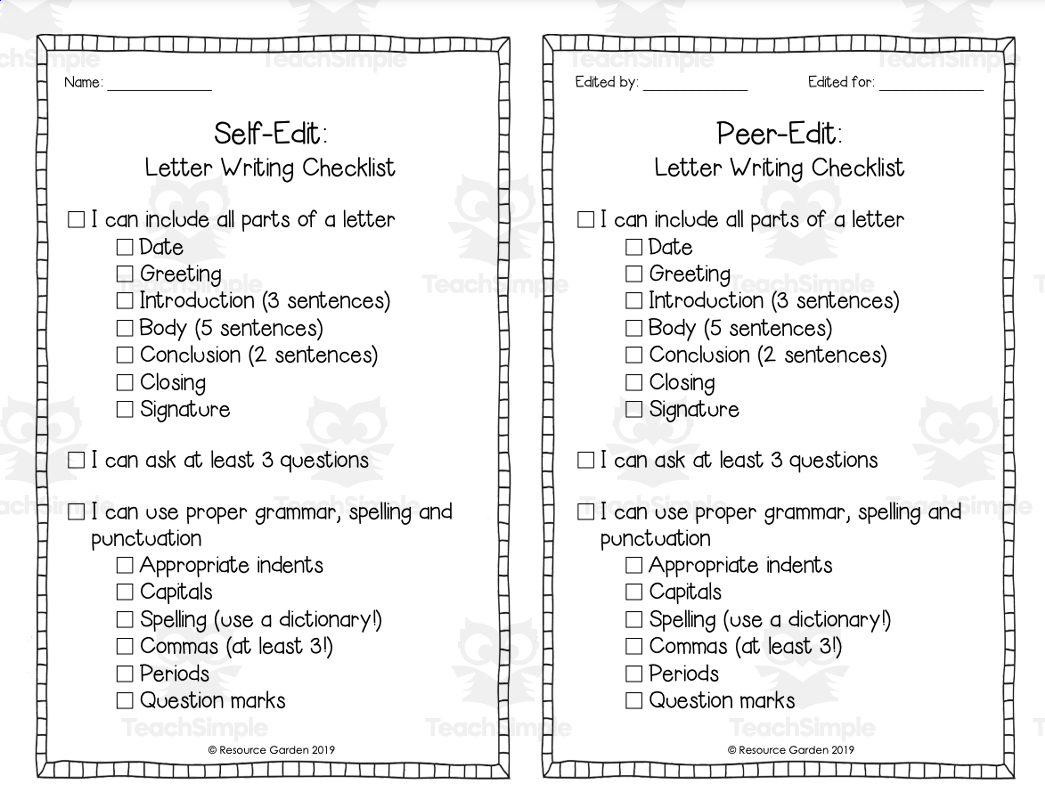
Checklist to Edit Writing Letters
Self-edit and peer-edit checklist for a letter-writing assignment.




Classroom resources
Help students recognize what they understand, review their work and choose a next step. Browse reflection tools, writing checklists and subject-specific activities with a student self-assessment component.
Browse by lesson focus
Choose the topic or kind of practice you need.
Showing 1–24 of 283 resources

 Show filters
 Self-edit and peer-edit checklist for a letter-writing assignment.

A set of six printable assessment and observation forms for teachers to track student self-assessment, conversational skills, writing self-checks, and reading conference notes.

This editing checklist provides self-edit and peer-edit columns for spelling, punctuation, capitalization, grammar and formatting. Students check their drafts, exchange feedback and name the peer editor. Choose criteria appropriate to the writing task and teach them first. Clarify the source’s comma advice using sentence structure and context, as explained in the teaching notes.

A checklist tool that helps students self-edit and peer-edit their written work for punctuation, capitalization, grammar, and spelling before submitting it.

A student-led parent-teacher-student conference form that students complete in advance, allowing them to lead or participate in discussing their own progress, likes/dislikes, behavior self-assessment, and goals during conference night.

Assess third-grade narrative, opinion, and informative writing with rubrics and student checklists. Choose the narrative rubric for story writing.
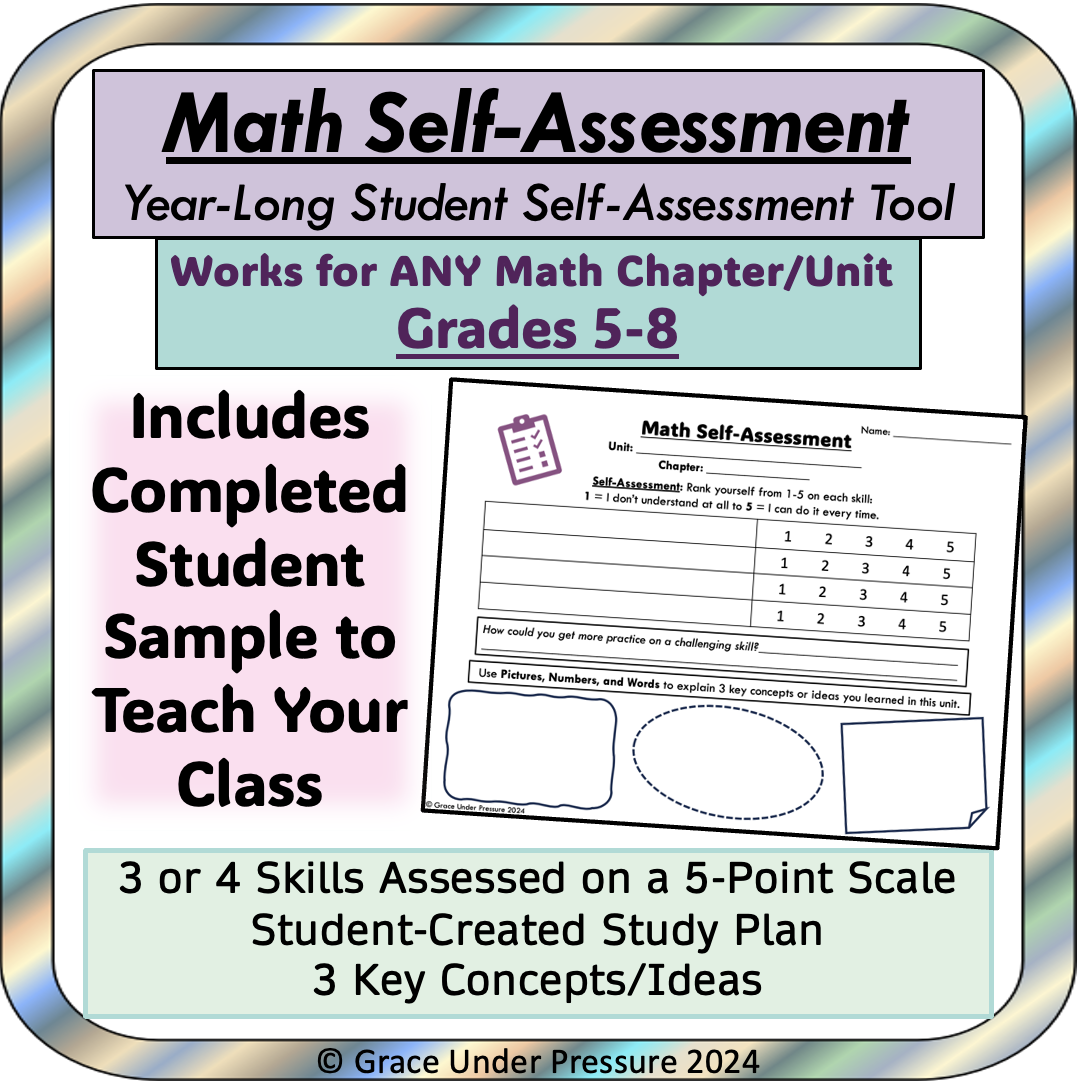
Choose three or four unit skills together before students rate their understanding. Use the final pictures, numbers and words section to see how they explain what they have learned.
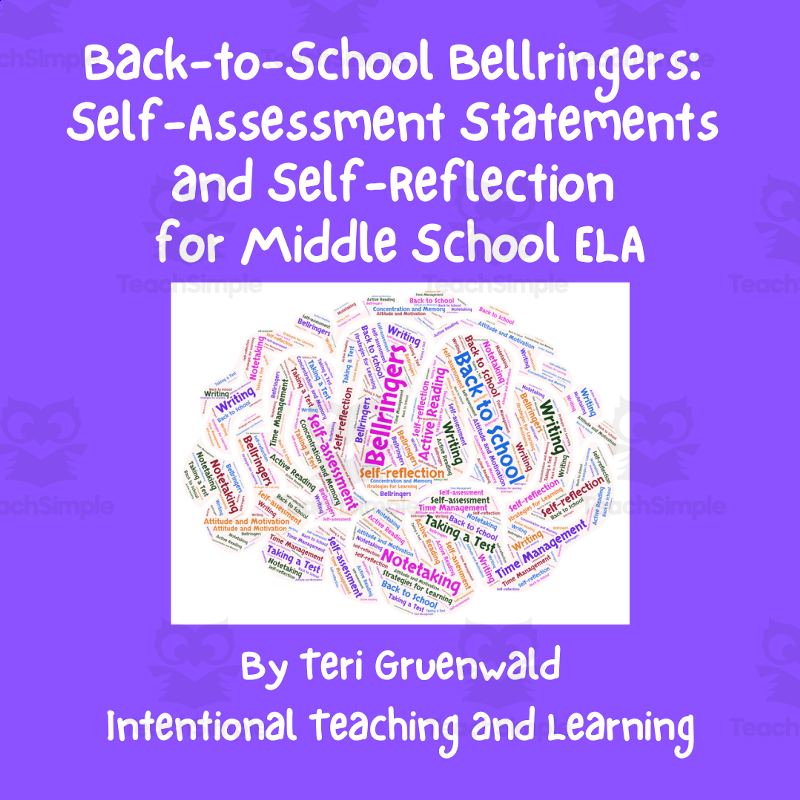
A set of back-to-school formative-assessment bellringer surveys for middle school ELA, used during the first two weeks of school to gauge students' habits and skills.
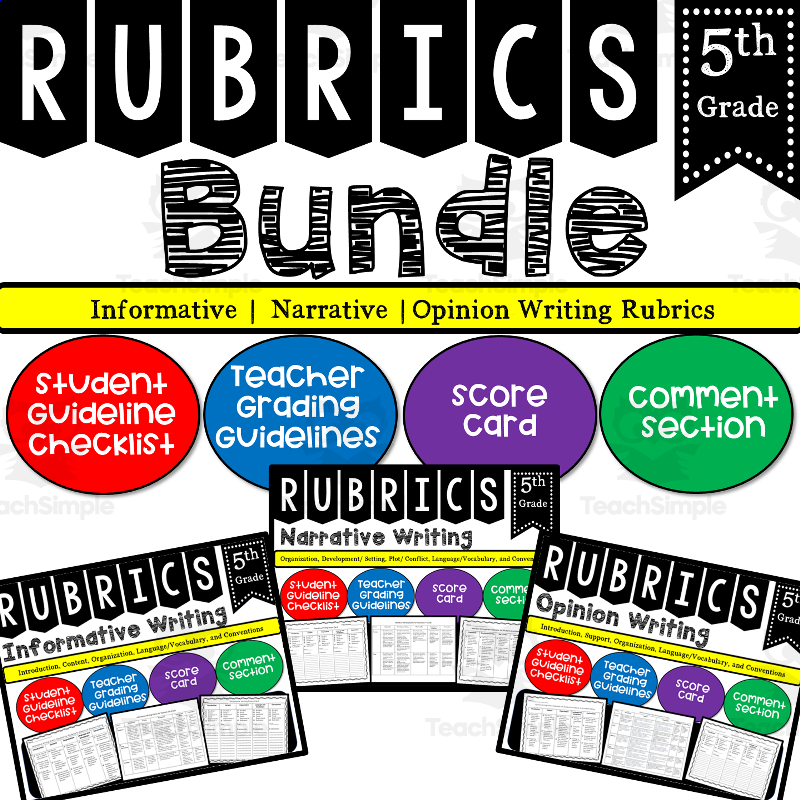
Assess fifth-grade narrative, opinion, and informative writing with rubrics and student checklists. Choose the narrative rubric for story writing.
A scaffolded writing resource guiding Grade 4-6 students through planning and drafting a 5-paragraph formal reflective essay about their elementary school experience, for the transition to middle school.

Give a peer editor this rubric alongside a completed narrative. After reading twice, the editor highlights qualities in column A that the writer uses consistently, then circles criteria that need continued practice. The criteria focus attention on character development and narrative craft as well as grammar and style. A separate peer editing checklist can support another pass through writing mechanics.

Marzano's Levels of Understanding rubric translates the 0-4 proficiency scale into student-friendly language, describing what a learner can do at each level — from 'I don't know, and can't do any part of the learning target' at 0 up to 'I know and can do the learning target well enough that I can make connections that weren't taught to me' at 4. The poster pages are formatted to be enlarged for a wall display, giving the class a shared reference for talking about progress toward a target. A companion self- or teacher-assessment form asks students to record their name and the specific learning target, then circle a score from 0 to 4 on the same descriptive scale and add written comments. Because the scale itself is content-free, the resource works with any subject or grade level rather than teaching a specific skill.

Guide students through writing a formal 5-paragraph reflective essay on their personal experience of the COVID-19 pandemic.

Three writing rubric sets — narrative , informative, and opinion — each pair a student-facing checklist describing what an 'excellent' response looks like across four or five traits with a five-point teacher grading guideline spelling out the difference between an 'Excellent' and a 'Needs Improvement' response, trait by trait. Each set includes scorecards with rating and comment spaces in bordered and unbordered layouts. Check and adapt the narrative and opinion scorecard headings to match the respective rubric before grading. All three rubrics use a consistent 1-5 scale (Excellent, Good, Satisfactory, Needs Improvement, Inadequate) but trait definitions and counts differ across the three genres.

A 7th-grade math resource (aligned to CCSS.MATH.CONTENT.7.RP.A.1) teaching how to compute unit rates involving complex fractions.
A student self-assessment tool: posters and matching cut-outs presenting a 5-level 'levels of understanding' scale (from 'I don't understand, even with help' to 'I'm very confident about this. I could teach others') for students to rate their own comprehension.
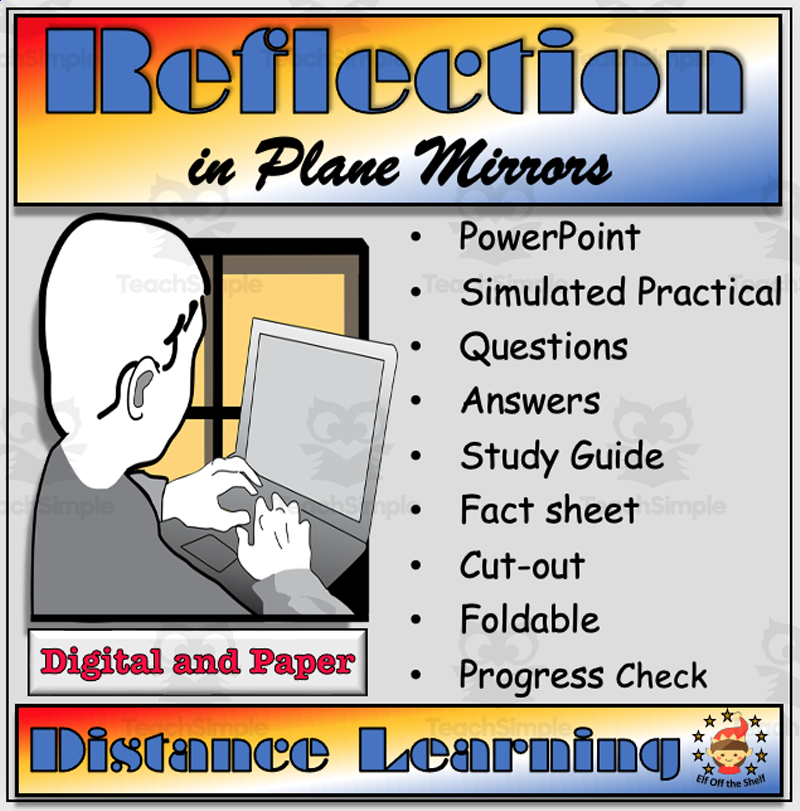
Teaches how light reflects off plane mirrors (transparent/translucent/opaque materials, luminous/non-luminous objects, angle of incidence equals angle of reflection, periscopes) as a self-directed distance-learning physics pack.
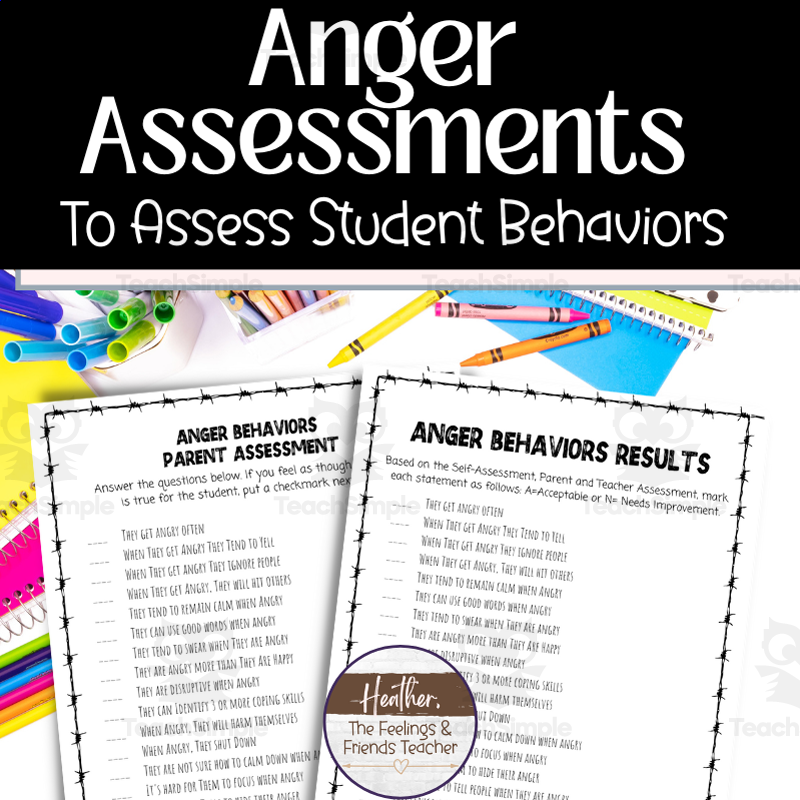
A needs-assessment tool for gauging a student's anger behaviors from three perspectives (student self-assessment, parent assessment, teacher assessment) with a results/scoring sheet.
Self-assessment posters that let students rate their own understanding of a topic or skill on a 1-4 scale, supporting metacognition and differentiated instruction.
A fluency-practice activity in which students record themselves reading a Three Little Pigs script aloud and self-assess using a checklist.

Guides students through independent biographical research on Duke Ellington and the writing of a 5-paragraph research essay, using a graphic-organizer worksheet, a peer/self writing-tips checklist, and a scored essay rubric.
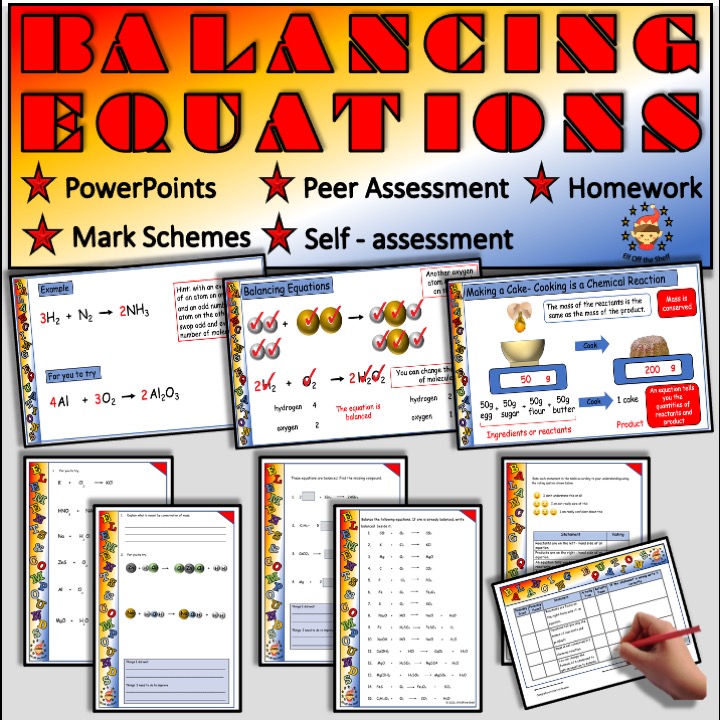
A middle/high school chemistry resource teaching how to balance chemical equations, using an animated PowerPoint with worked examples, plus supporting worksheets, an anticipation guide, a pupil progress checklist, and an answers/mark-scheme PowerPoint for self or peer assessment.
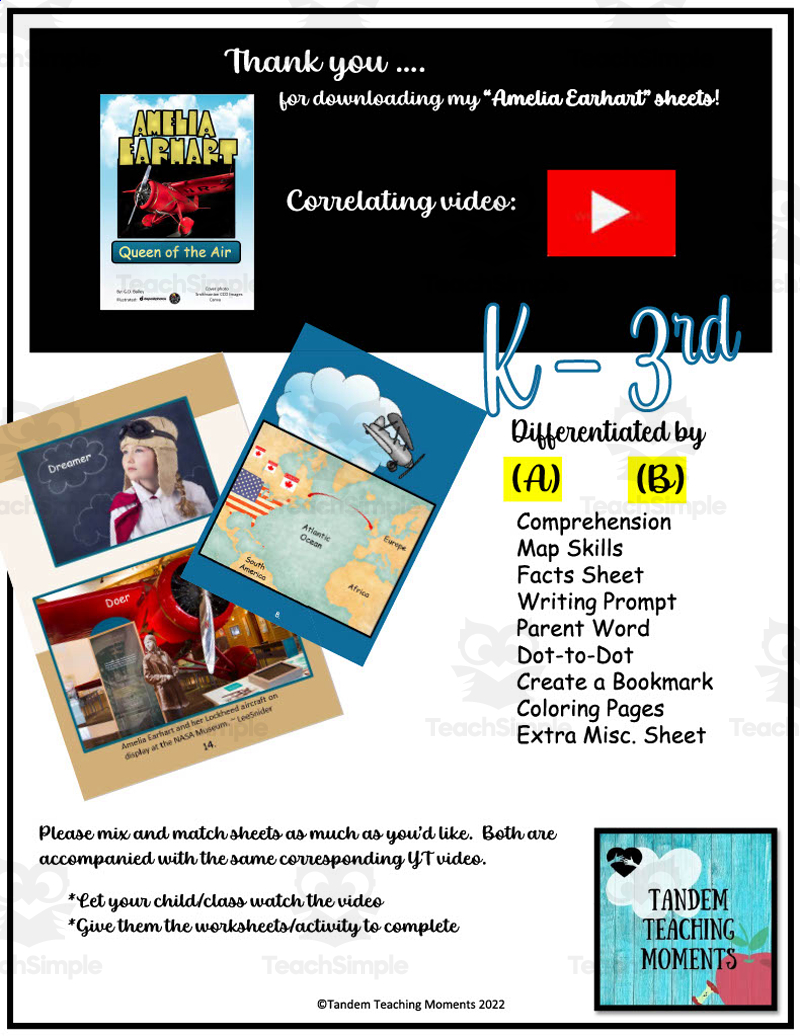
A K-3 worksheet packet on Amelia Earhart pairing biography research/writing with early writing-skills self-assessment.
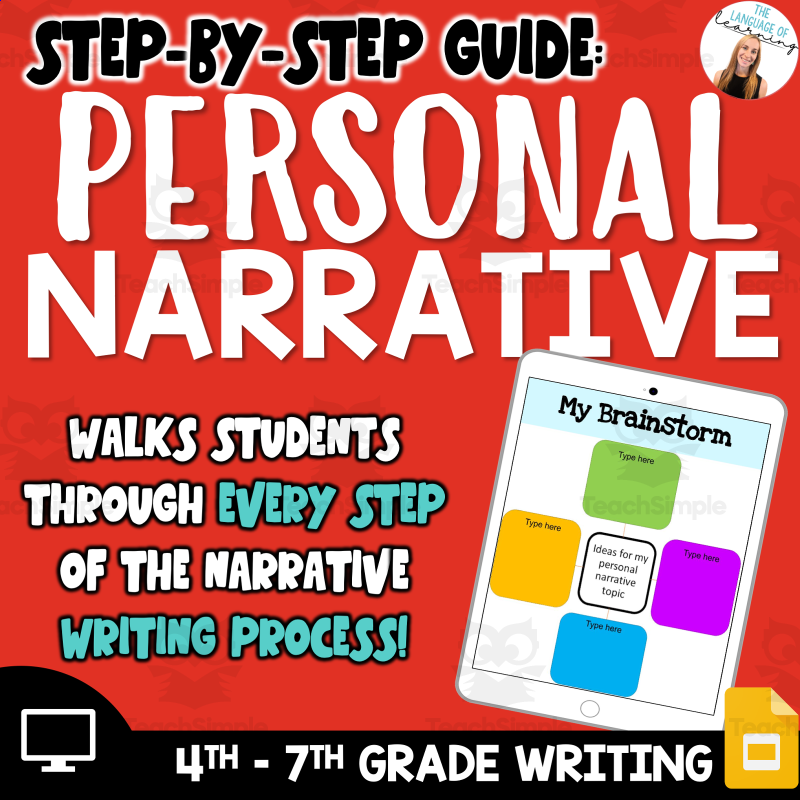
Walk a student step by step through writing a personal narrative, from brainstorming through drafting, revising, and a final editing checklist.