Lesson Plan on Twelfth Night
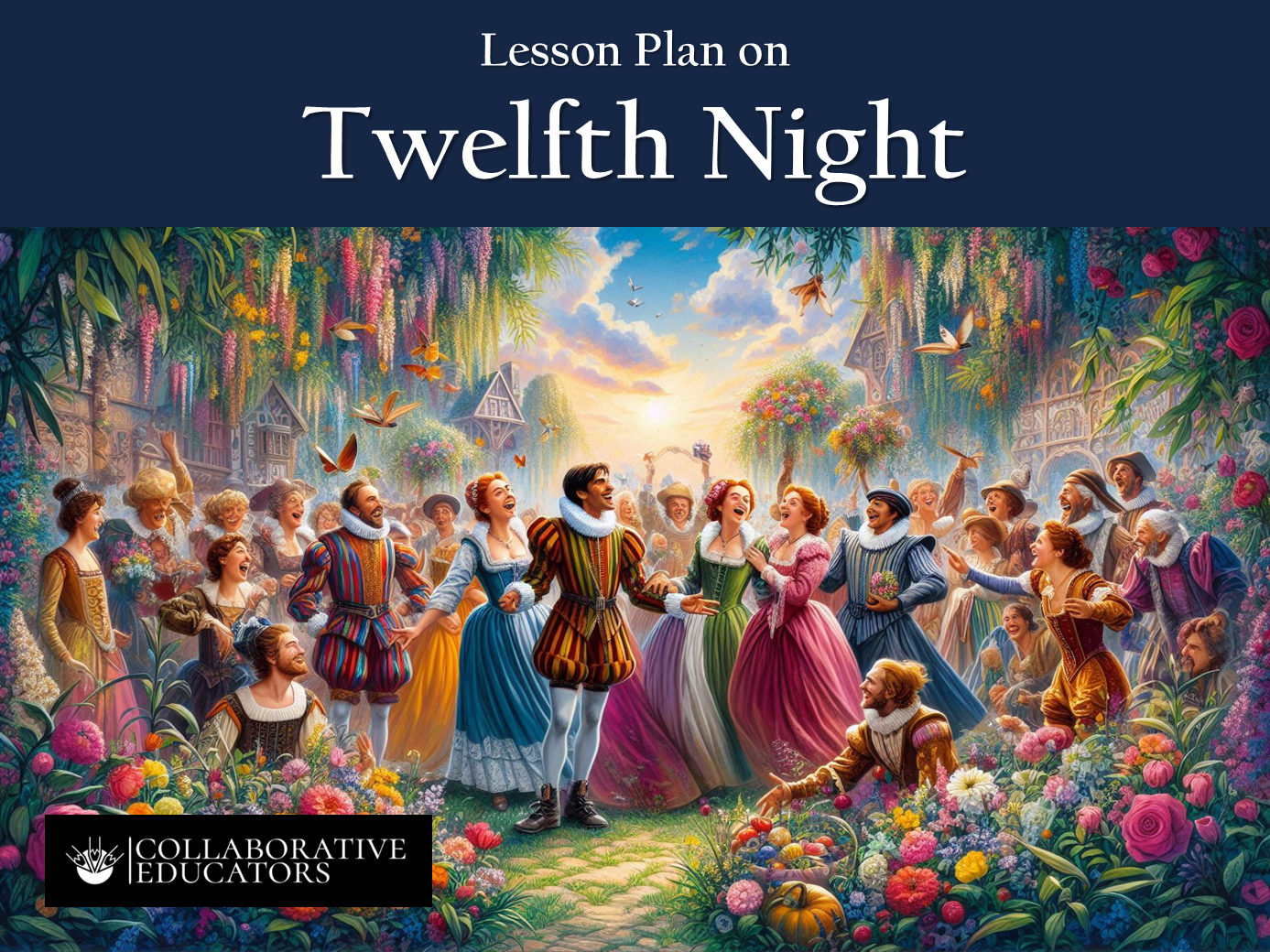
Predict plot from a quote, watch a video summary and take notes, sequence plot events, match characters to descriptions, judge true/false statements, discuss themes in groups, and rewrite a scene in modern English.
Classroom resources
Browse by lesson focus
Choose the topic or kind of practice you need.
Predict plot from a quote, watch a video summary and take notes, sequence plot events, match characters to descriptions, judge true/false statements, discuss themes in groups, and rewrite a scene in modern English.
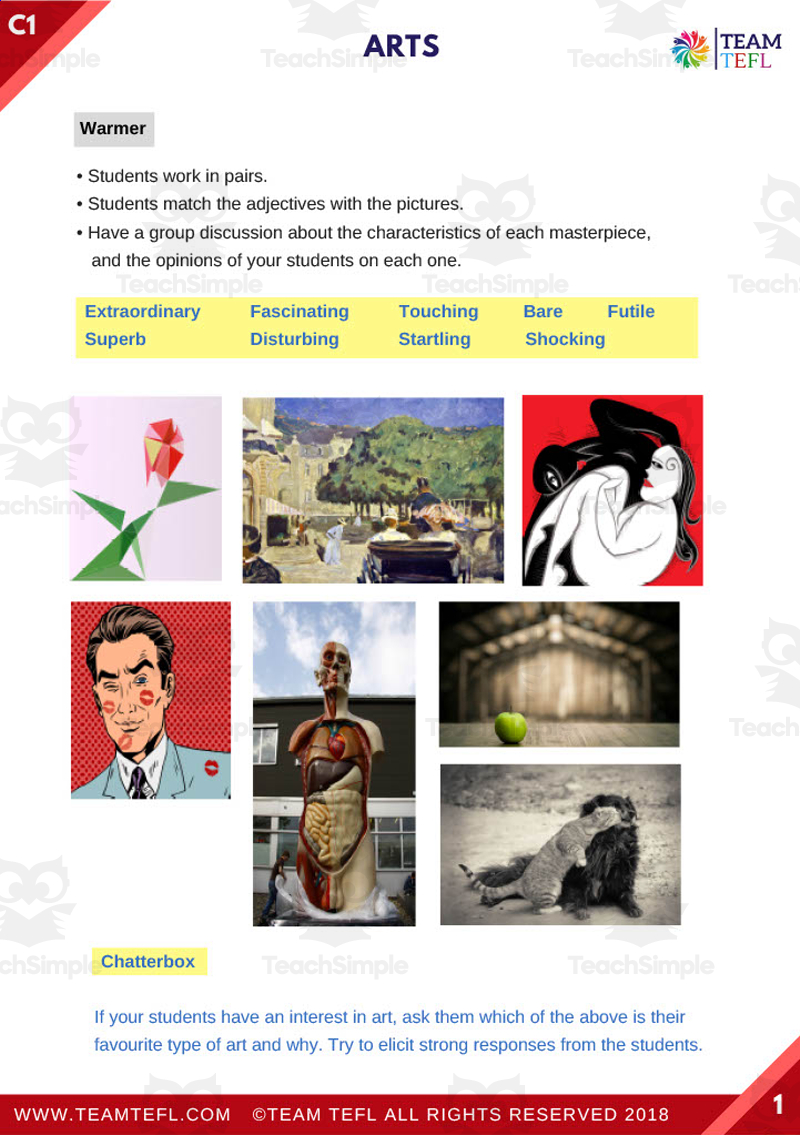
Advanced (C1) ESL lesson plan teaching vocabulary and comprehension about the arts, plus writing practice.
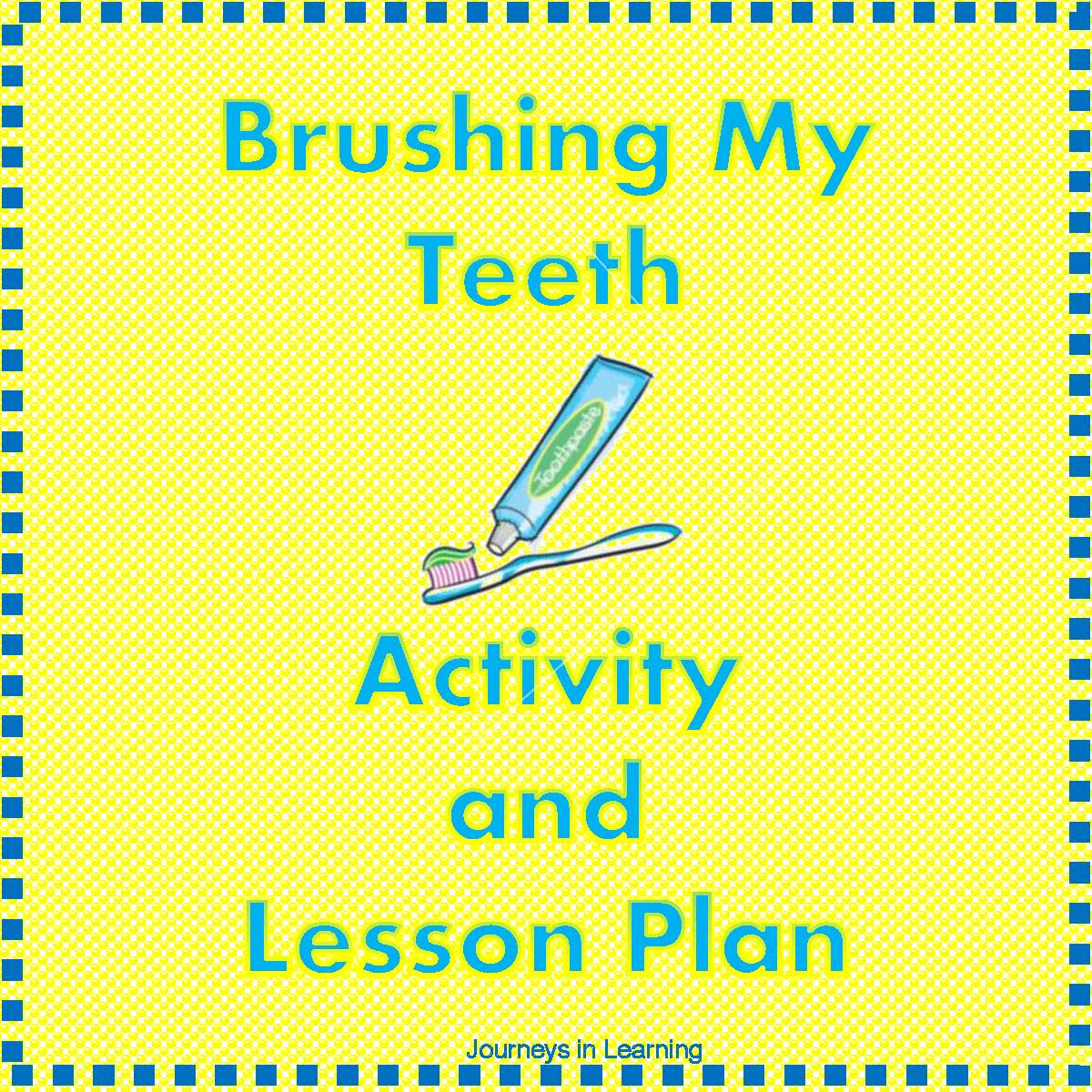
List and describe (in a paragraph) the steps taken to brush teeth using a graphic organizer, then draw and label each step in boxes; as a class, participate in a tally-chart/bar-graph activity on daily routines, and optionally design and advertise a new toothpaste product.
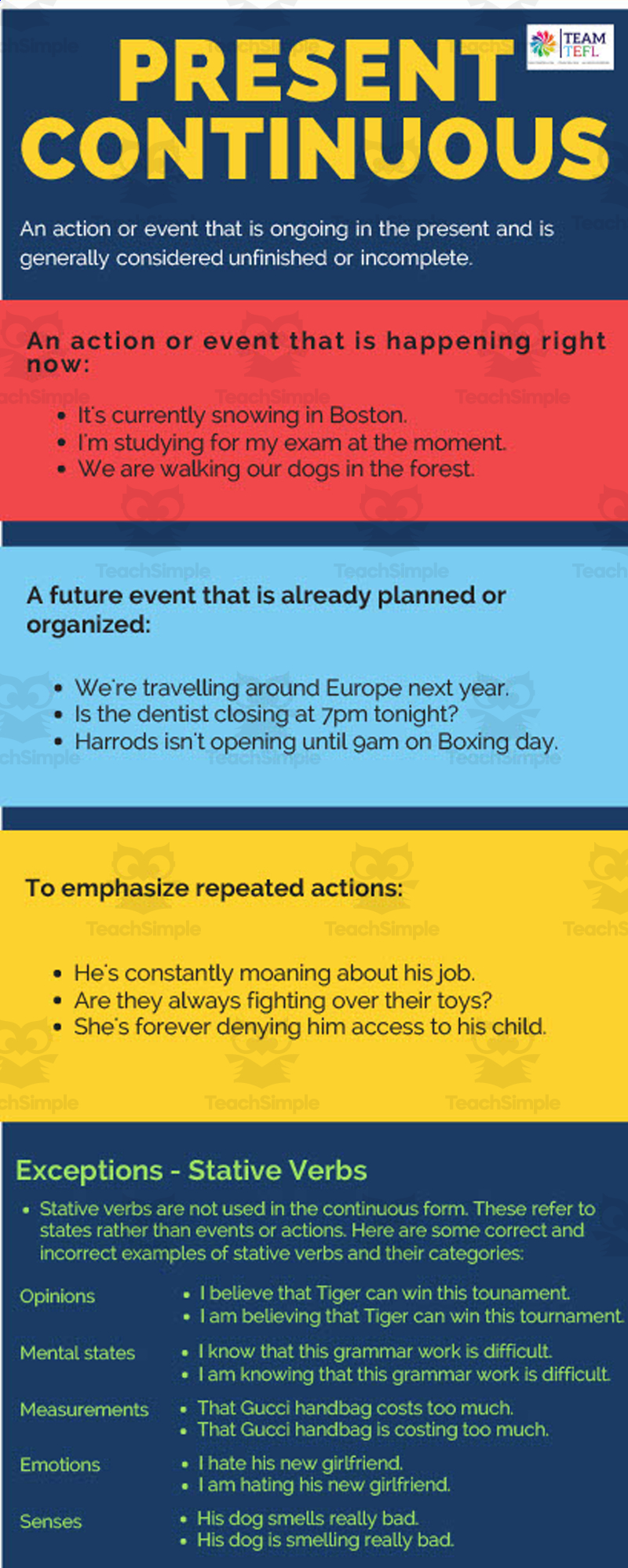
Present Continuous Beginner Lesson Plan The Present Continuous Beginner Lesson Plan teaches early English language learners how to describe ongoing actions in the present period. Created specifically for A1 students, it provides a variety of materials to strengthen the basics of grammar needed for everyday conversation and writing.…
Suffixes Lesson Plan This informative suffixes lesson plan helps students in grades 1-4 learn about suffixes, how to properly use them in writing, and apply their knowledge through engaging activities. Students will build foundational grammar skills as they move through three interactive PowerPoint presentations - one for the teacher…
Label a house diagram, draw and label their own house and family, ask/answer questions about where family members are, complete a paired 'shouting dictation' fill-in-the-blank activity, solve anagrams, and match activities to rooms.
Complete plot-ordering and character-matching worksheets, act out a scene, analyze Shakespearean language, write a diary entry, compare film adaptations, debate, and take a quiz.
Match pictures of feelings to words, play a miming game guessing feelings, complete a word memory/spelling game, and match each feeling to an appropriate response (e.g. 'I'm cold' -> 'Wear a coat').
This resource is a Birthday Party Lesson Plan. Students will be able to apply their vocabulary related to birthdays by creating a shopping list or birthday invitation with other students. This lesson plan will cover 4 language arts skills for Chinese: - Speaking - Listening - Reading - Writing This lesson comes with: - Introduction -…
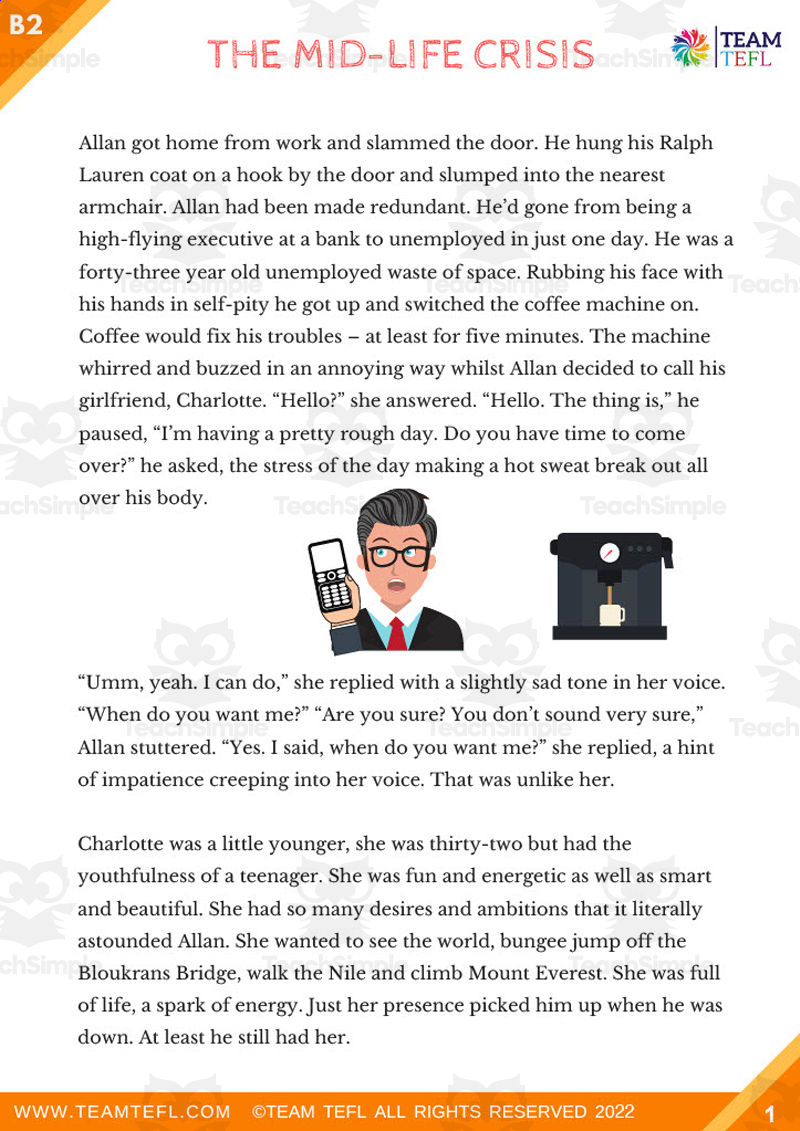
The Mid-Life Crisis Short Story | Upper Intermediate ESL Lesson Plan This upper intermediate English lesson plan helps students improve their reading comprehension and grammar skills. Educators can implement it in various settings like whole group instruction, small reading groups, or as a homework assignment. Students will read the…
Following direct instruction on 3D-modeling software/printing and the design process, students identify a food-eating problem, then design, iterate, and 3D-print a utensil solution, completing a design portfolio that walks through the design-process steps; the lesson aligns to ITEEA Standards for Technological Literacy (points 4, 6, 7,…
Will & Going To | Upper Intermediate Lesson Plan This upper intermediate English lesson plan helps students learn about using "will" and "going to" in sentences. Educators can use this resource to teach intermediate ESL students proper usage of these important verbs. The informative lesson plan explains the differences between "will"…
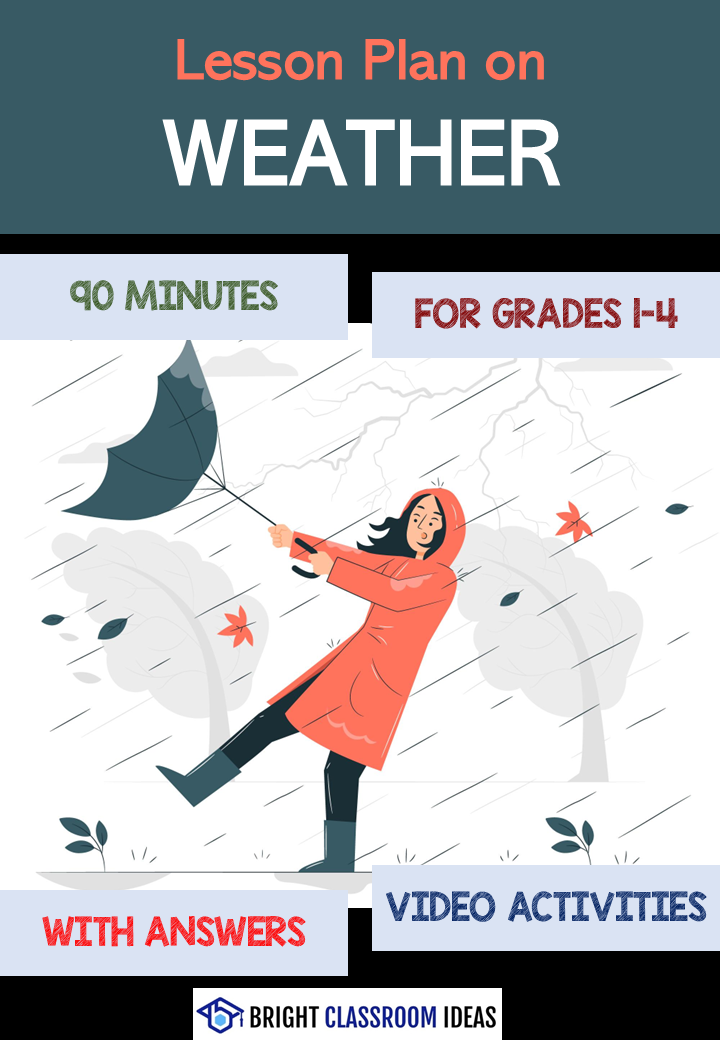
Watch a video, sort weather-related word/image cards into categories, complete a multi-part worksheet (matching, word search, unscramble), build a spinning weather wheel craft, and role-play a weather report.
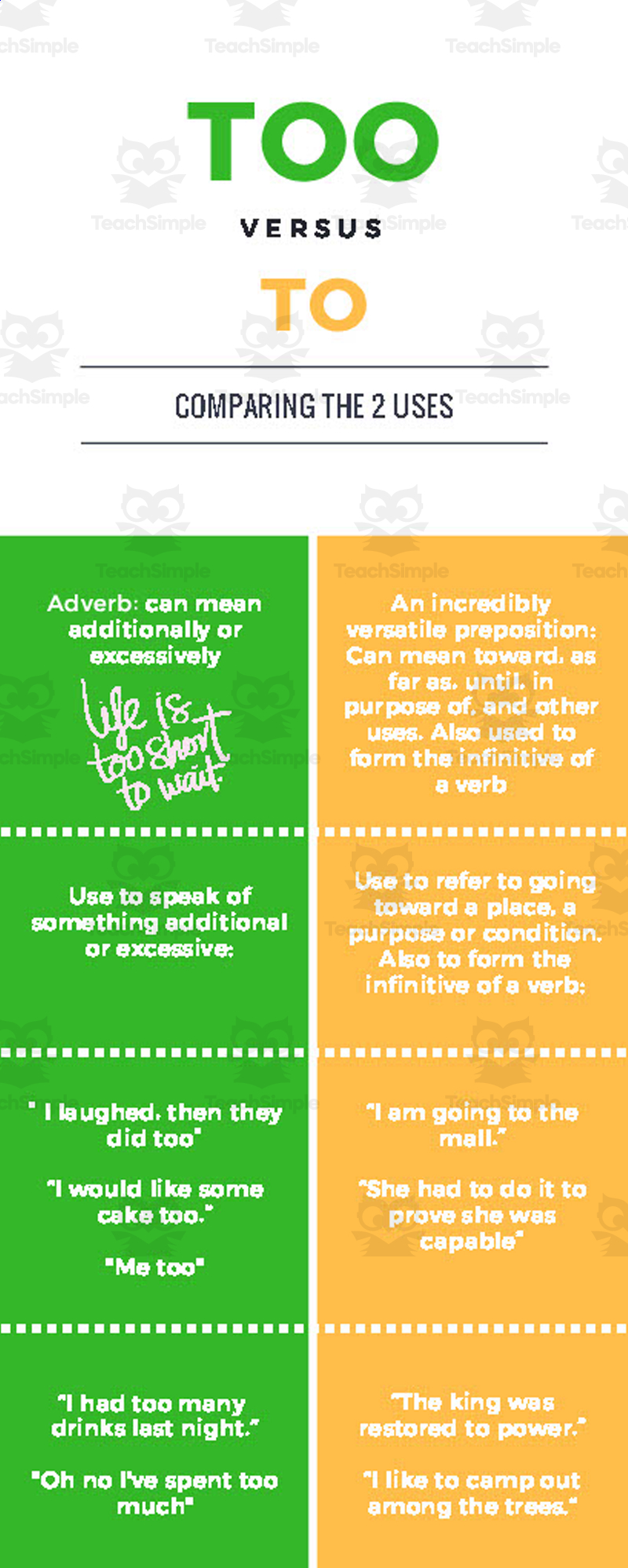
Too vs. To | Beginner Lesson Plan This beginner lesson plan teaches students the differences between the common homophones "too" and "to." It includes an infographic explaining the unique meanings of these easily confused words. After learning when to properly use "too" versus "to," students complete exercises to practice applying this…
Teach advanced ESL/EFL students vocabulary, listening, and discussion skills around global current-affairs topics (climate change, gender pay gap, sustainability, globalization, Black Lives Matter, Brexit, COVID-19, fake news, etc.).
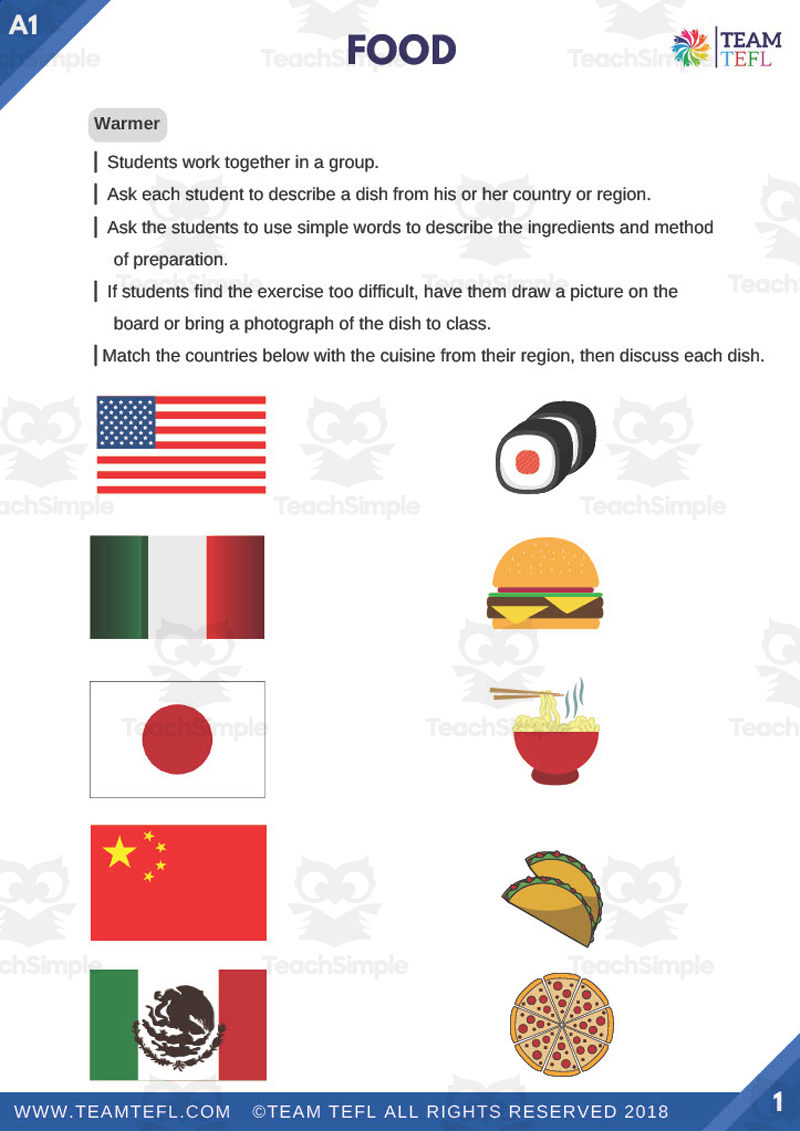
Students complete true/false, matching, synonym/antonym, fill-in and dialogue-based exercises about food, including reading a short dialogue comparing US and Japanese lunch foods (sandwiches vs. sushi vs. noodles).
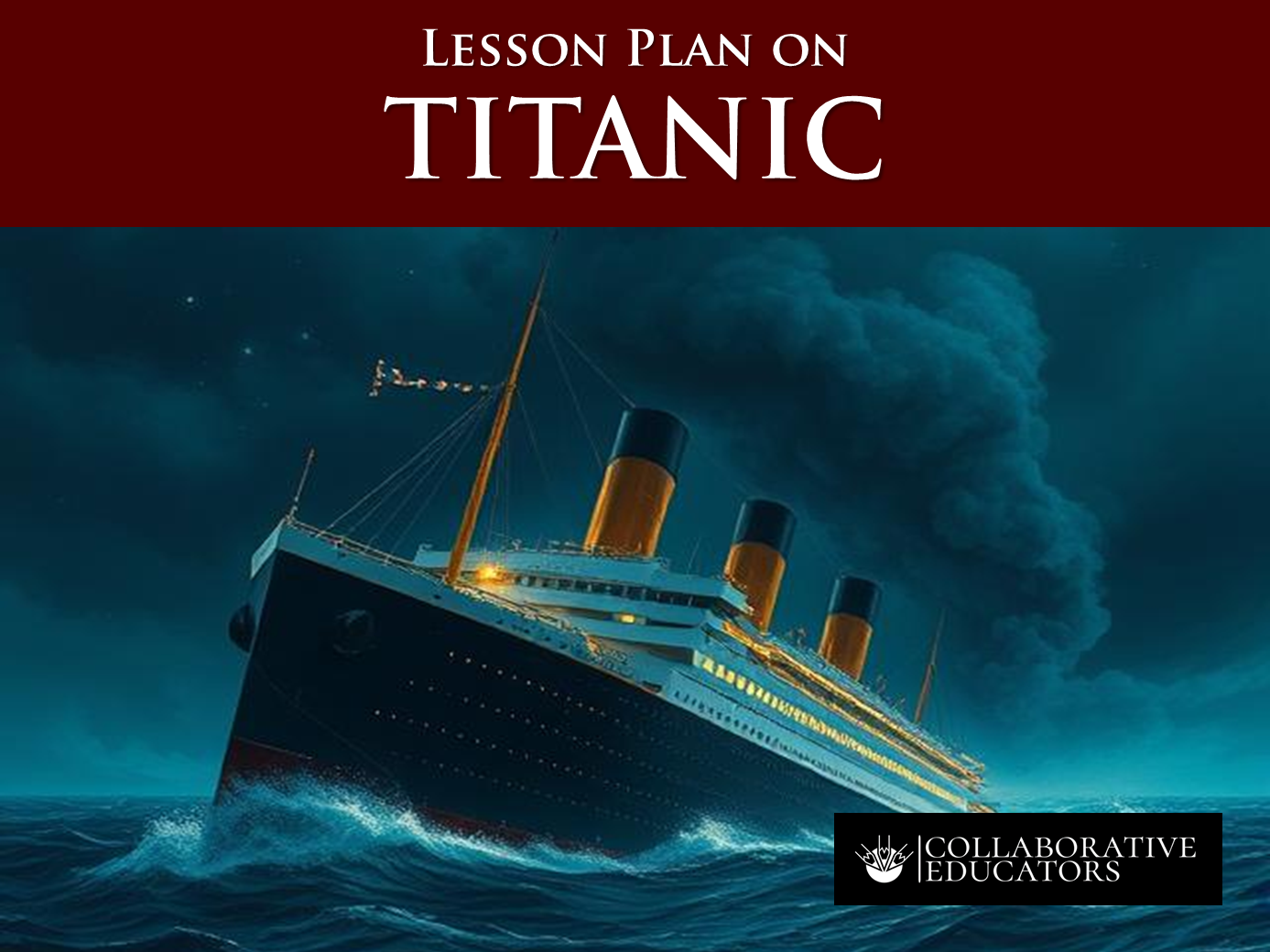
Watch a video, match vocabulary terms, sequence events on a timeline, judge true/false statements, role-play key moments, and write a diary entry as a passenger.
Personal and Objective Pronouns Beginner Lesson Plan This 35-page beginner lesson plan helps students learn about personal and objective pronouns. It starts with flashcards to introduce key concepts. A warm-up activity activates prior knowledge. Then, the main lesson explores pronoun usage with examples. Students learn construction…
A substitute teacher binder template that organizes classroom information (schedule, procedures, lesson plans) for a substitute to use while covering a class.
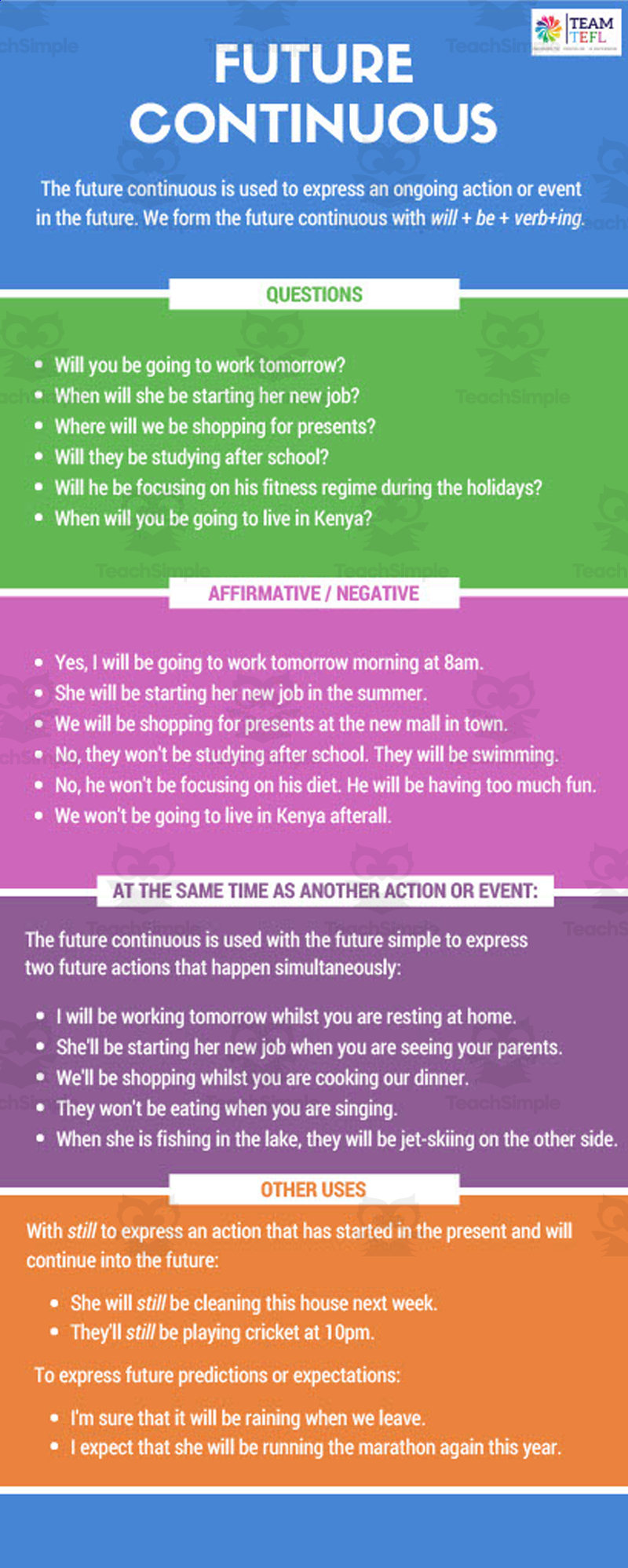
An intermediate (B1) ESL/TEFL lesson plan teaching how to form and use the future continuous tense (will + be + present participle).
Observe a leaf-in-water experiment, complete fill-in-the-blank and matching worksheet sections on photosynthesis components, and answer short-answer questions.
Read nonfiction articles about animal helpers, fill in a graphic organizer comparing monkeys and guide dogs, find prefix meanings for vocabulary words, write a personal story about an animal that helped them, and (as an extension) design posters or storyboards about human-animal partnerships.
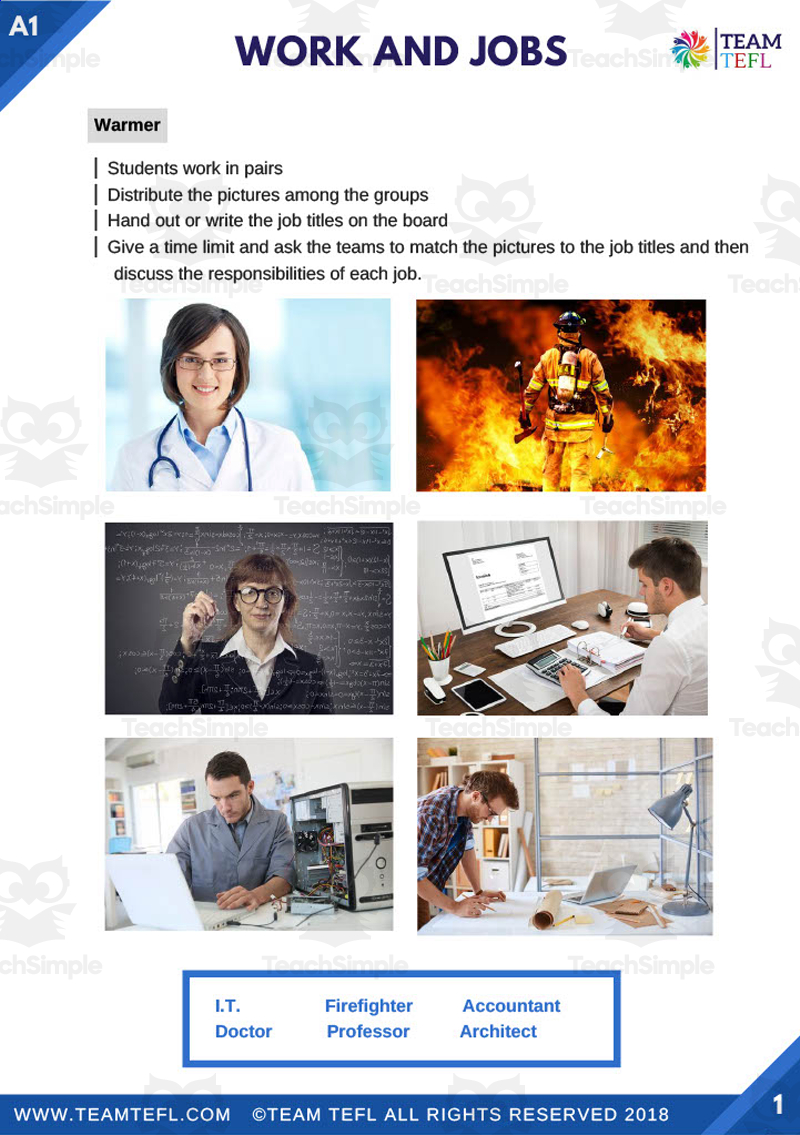
The A1 lesson introduces occupations through vocabulary work and a workplace dialogue. Learners read about people’s responsibilities and answer true-or-false questions, with audio and flashcards supporting practice. Use the answer sheet for review and the digital-access instructions when assigning individual online copies.
Read informational passages on each festival; complete before/after-reading discussion questions, true/false checks, synonym-matching, role-play, a class survey, a debate, and a review quiz.