Ecology Unit
A large multi-resource ecology unit combining CLOSE-reading nonfiction passages, vocabulary practice, writing tasks, and graphic organizers to teach ecology concepts and support literacy skills.
Classroom resources
Browse by lesson focus
Choose the topic or kind of practice you need.
A large multi-resource ecology unit combining CLOSE-reading nonfiction passages, vocabulary practice, writing tasks, and graphic organizers to teach ecology concepts and support literacy skills.
Digital interactive notebook (Google Slides) covering a full ecology/ecosystems unit -- spheres of Earth, ecosystem structure, energy flow, cycling of matter, population influences, ecological succession, biomass/fossil fuels, biodiversity, and invasive species -- for 1:1 classroom devices.
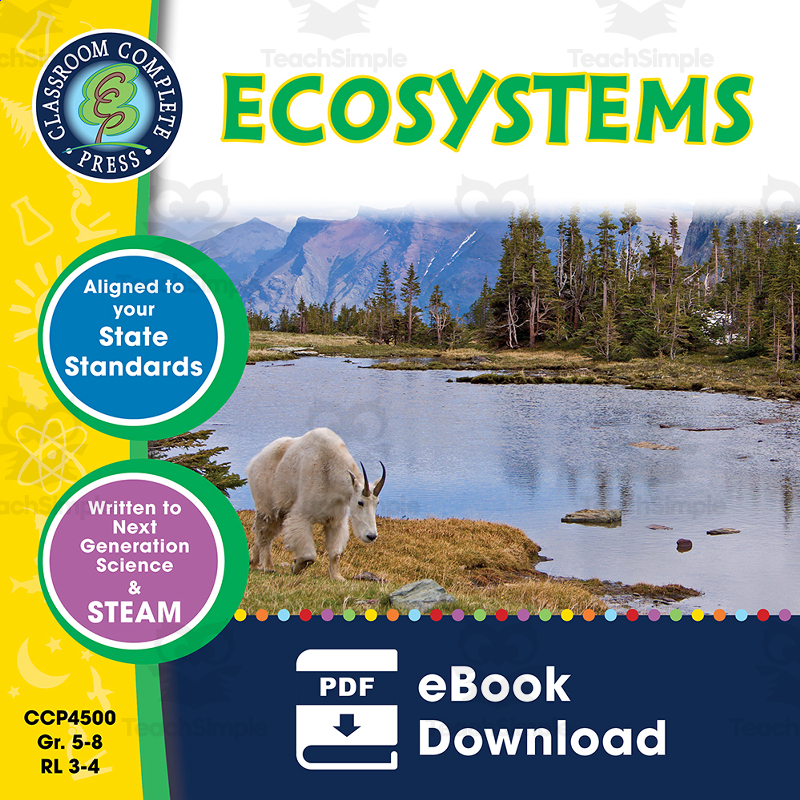
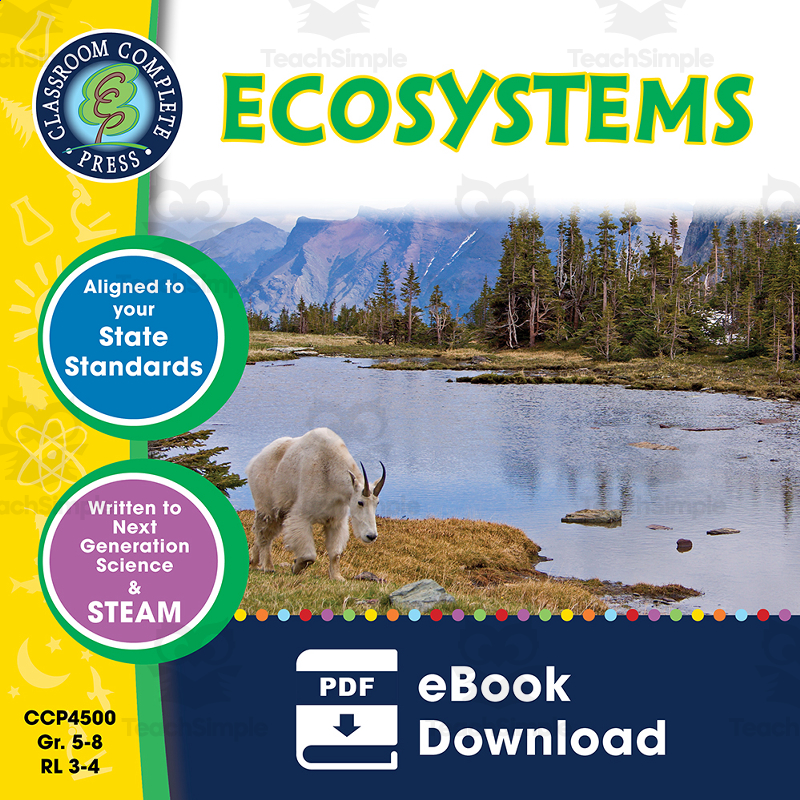
Ecosystems Gr. 5-8 Ecosystems Gr. 5-8 simplifies complex life science concepts into lessons and activities that enhance understanding of different types of ecosystems and their dynamics.
Deliver a video-guided, note-taking lesson on ecosystem fundamentals (abiotic/biotic factors, population, community, ecosystem recycling, sustainability, and human impacts) for in-class or distance learning.
A Classroom Complete Press science unit teaching biotic/abiotic ecosystem concepts (producers, consumers, decomposers, population change, photosynthesis) to grades 5-8 through reading passages, hands-on activities, and assessment tools.
Ecosystems: Food Chains and Webs A teacher's resource that emphasizes the biotic and abiotic aspects of our ecosystems making it an indispensable tool for educators looking to explain the intricate relationships between Producers…
Ecosystems: Photosynthesis An incredibly useful resource for educators focused on making the understanding of ecosystems more accessible for students in grades 5-8.
Ecosystems: Populations - A Valuable Teaching Resource The teaching resource, Ecosystems: Populations, is an invaluable asset for educators aiming to add depth and clarity to their students’ understanding of the intricate relationships…
Explore how producers, consumers, and decomposers obtain energy through reading and follow-up tasks. Vocabulary work, written responses, puzzles, and a quiz accompany practical activities such as ecosystem investigation and a population simulation. Teacher guidance, mini posters, and answer material support selecting and discussing the activities.
Teach grades 5-8 students about ecosystems with a specific focus on the water cycle, using leveled reading passages, hands-on activities, and critical-thinking exercises spanning Bloom's Taxonomy levels.
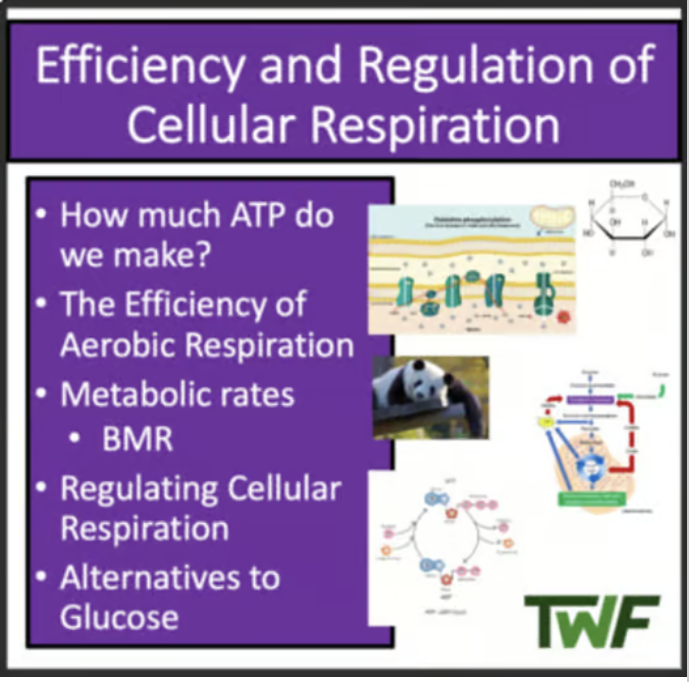
A high-school biology lesson covering ATP yield, efficiency of aerobic respiration, metabolic rate (BMR), feedback regulation of cellular respiration, and alternative fuel sources.
Endocrine System Lapbook / Interactive Notebook - EBOOK Spark a deep fascination for biology and anatomy in your students with the Endocrine System Lapbook/Interactive Notebook ebook.
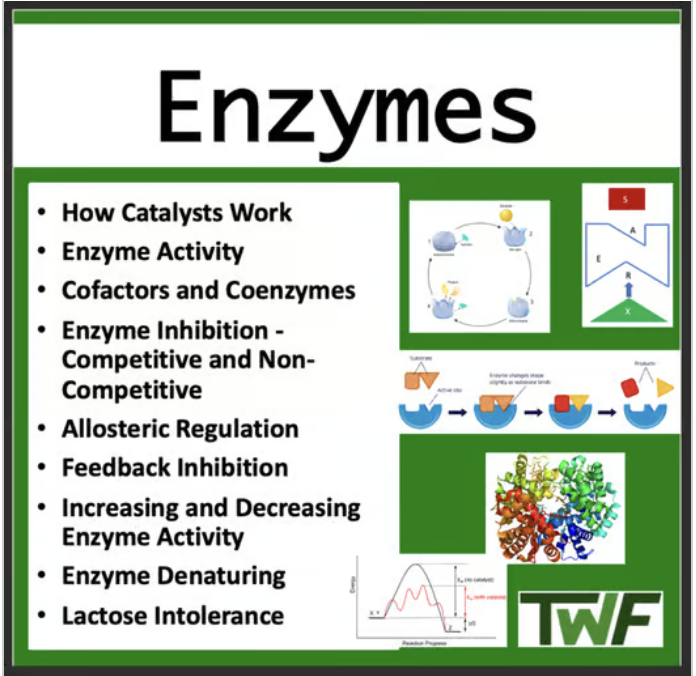
A senior high school biology lesson on enzymes covering catalysis, enzyme activity, cofactors/coenzymes, competitive and non-competitive inhibition, allosteric regulation, feedback inhibition, factors affecting enzyme activity, denaturing, and lactose intolerance, provided as teacher and student slide decks.
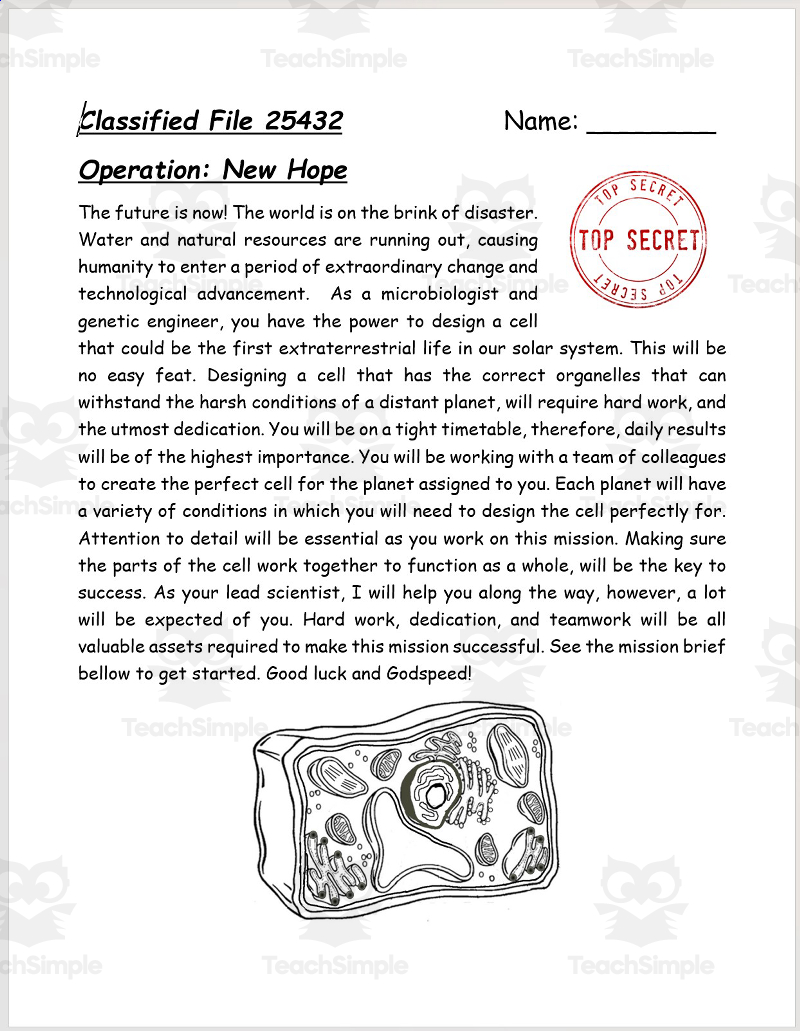
A four-day cell-biology design project where students, in a space-exploration role-play scenario, design a hypothetical extraterrestrial cell with organelles adapted to survive on a randomly assigned planet/moon.
A digital slideshow micro-learning lesson teaching informational facts about flamingos (feeding behavior, coloring, other traits) through a structured sequence of video, reading, vocabulary and writing activities.
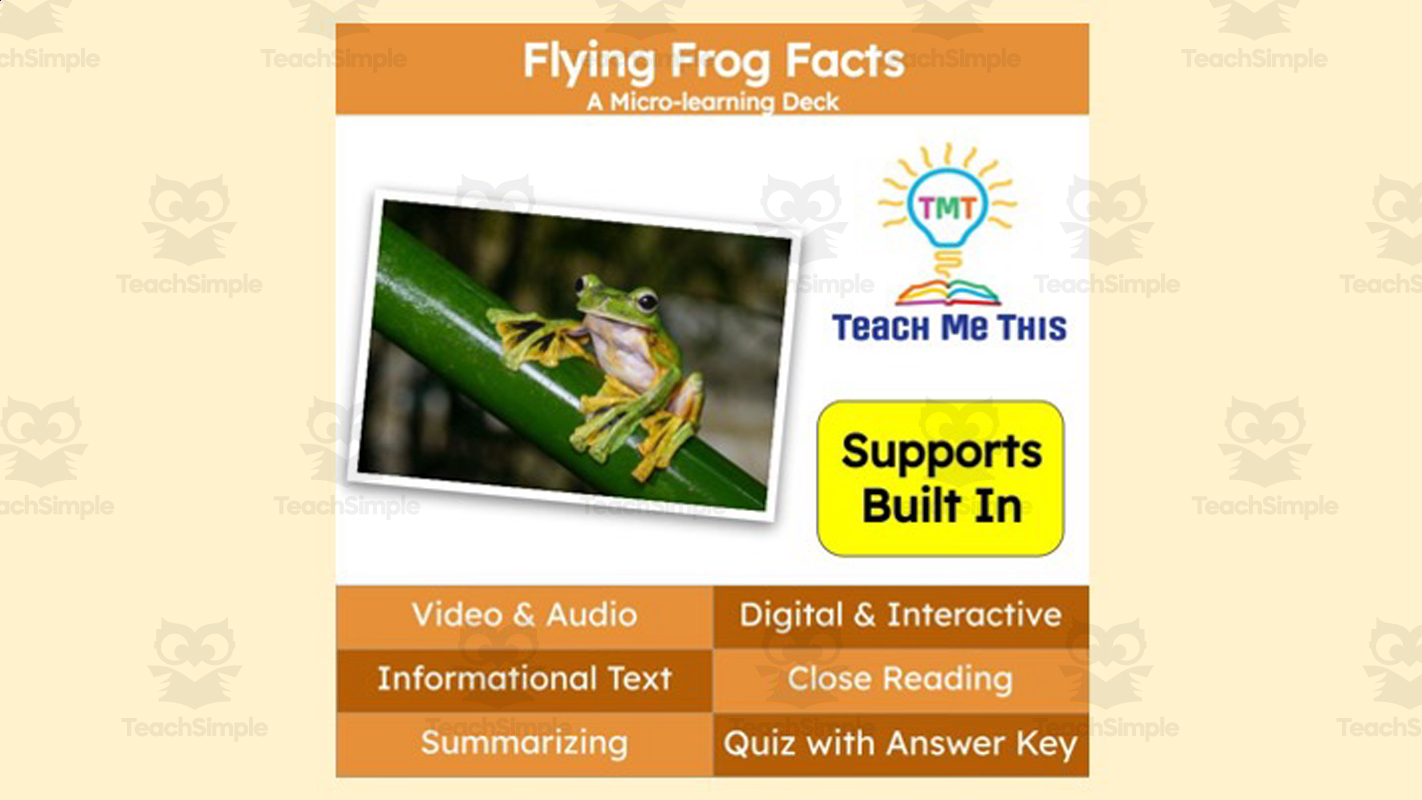
A micro-learning science lesson deck teaching facts about flying (gliding) frogs -- their life cycle, adaptations, habitat, and behavior -- through a non-fiction reading passage, vocabulary, and comprehension activities.
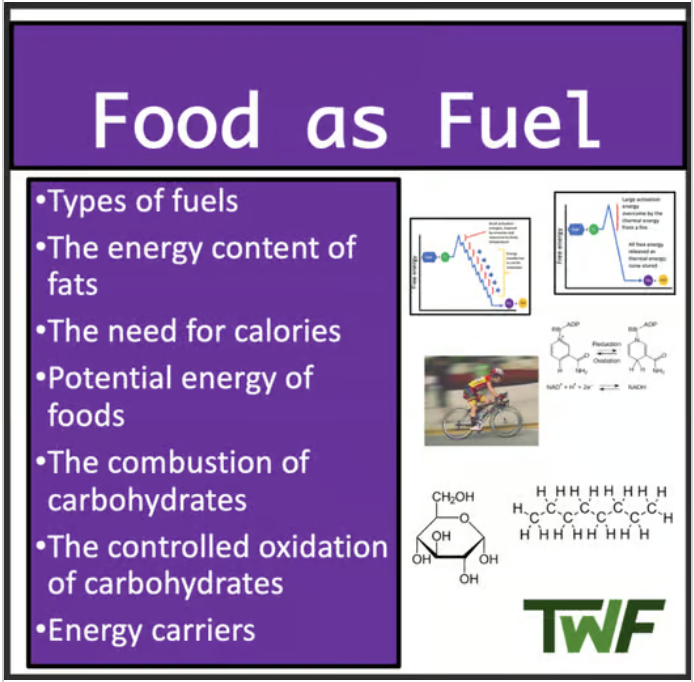
Senior high school biology lesson on food as an energy source: fuel types, caloric content of macronutrients, and the (controlled) oxidation/combustion of carbohydrates.
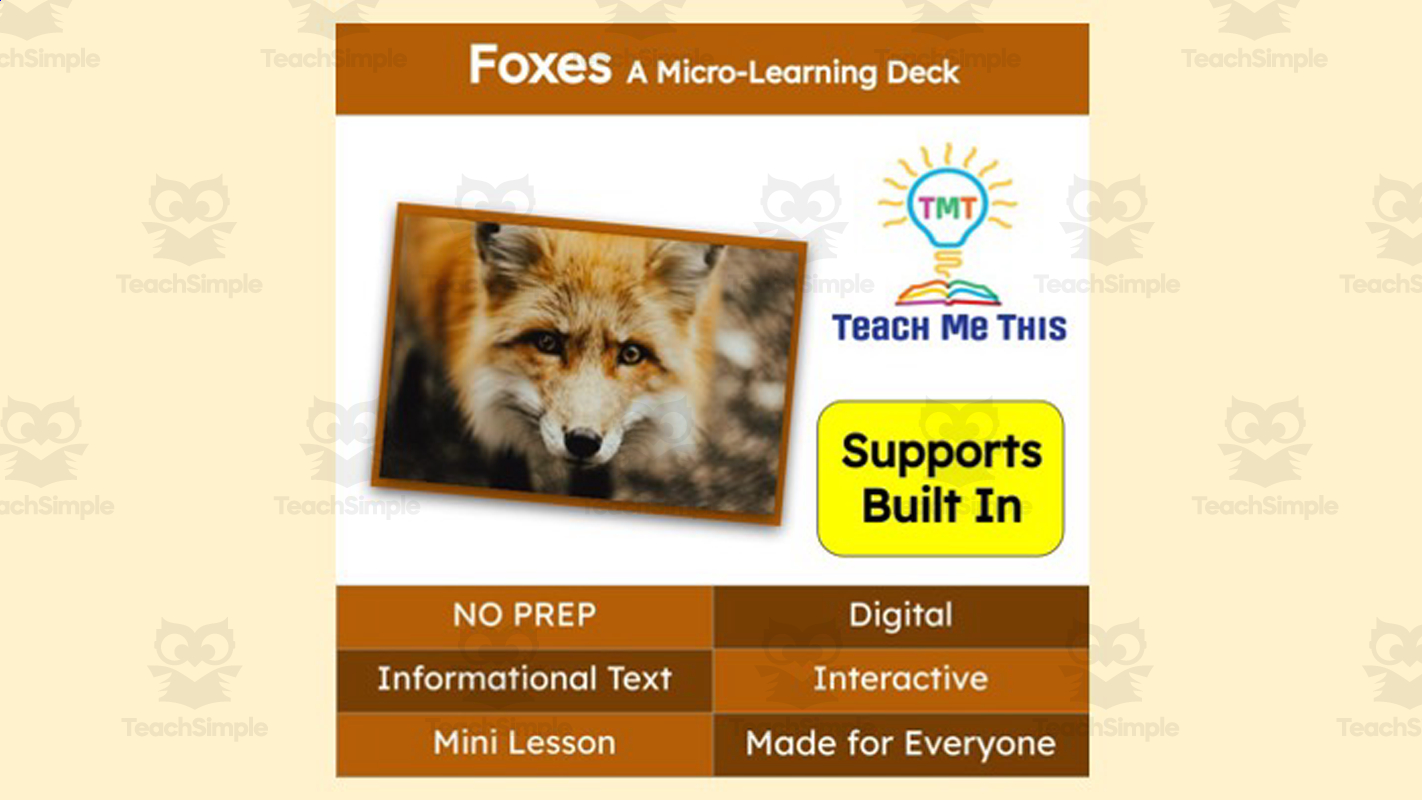
An interactive no-prep slide deck lesson teaching students about foxes (appearance, habitat, diet, behavior) using a reading passage, video links, and follow-up activities.
A full step-by-step science unit teaching elementary students about birds' physical features and how those features help birds survive in their habitats.
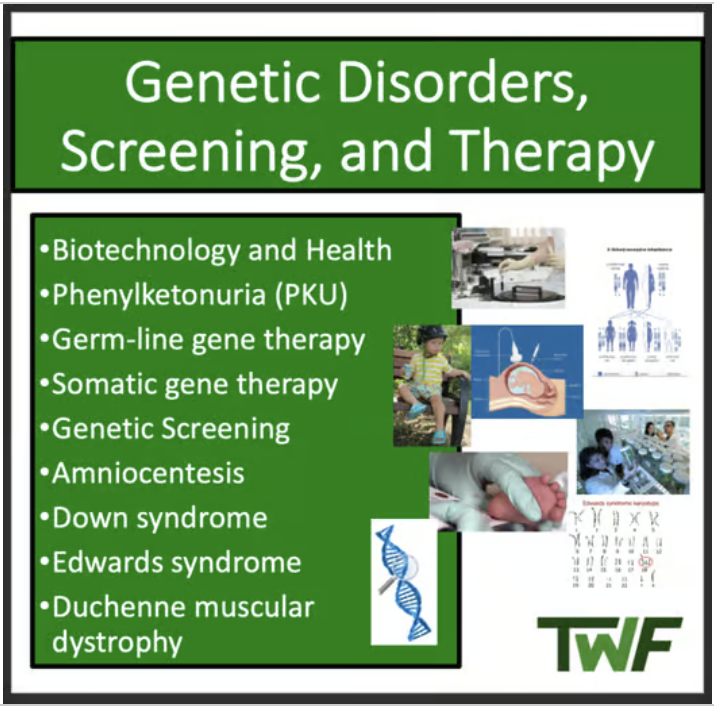
A senior high-school biology lesson presentation covering biotechnology and genetic disorders/screening/therapy topics (PKU, gene therapy, genetic screening, amniocentesis, Down syndrome, Edwards syndrome, Turner syndrome, Duchenne muscular dystrophy), provided as a complete teacher version and a blank-note-taking student version.
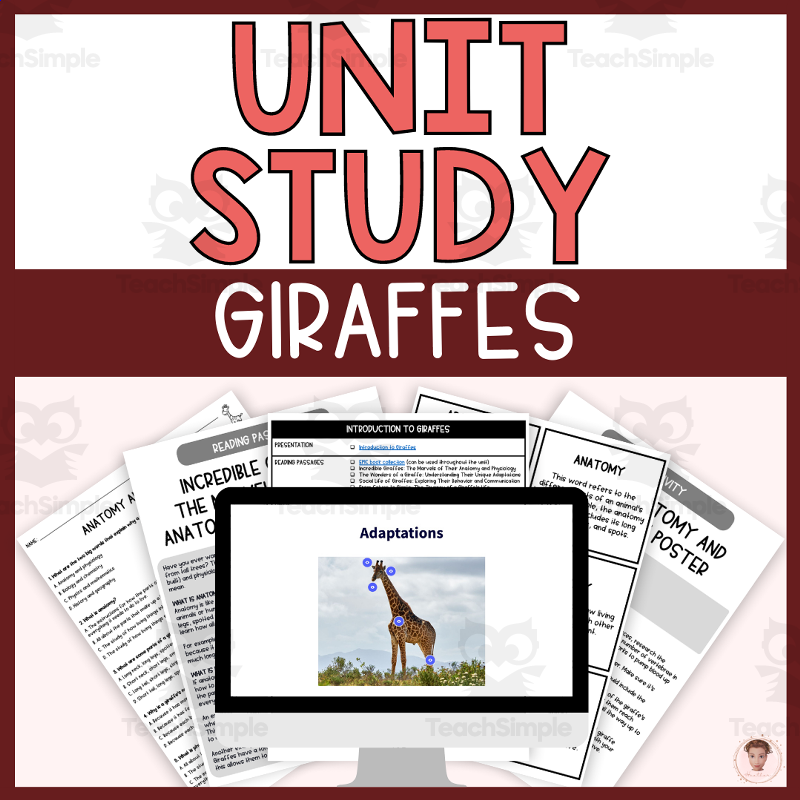
Interactive multi-lesson unit study introducing and expanding students' knowledge of giraffes, for elementary teachers and homeschooling/co-op families.
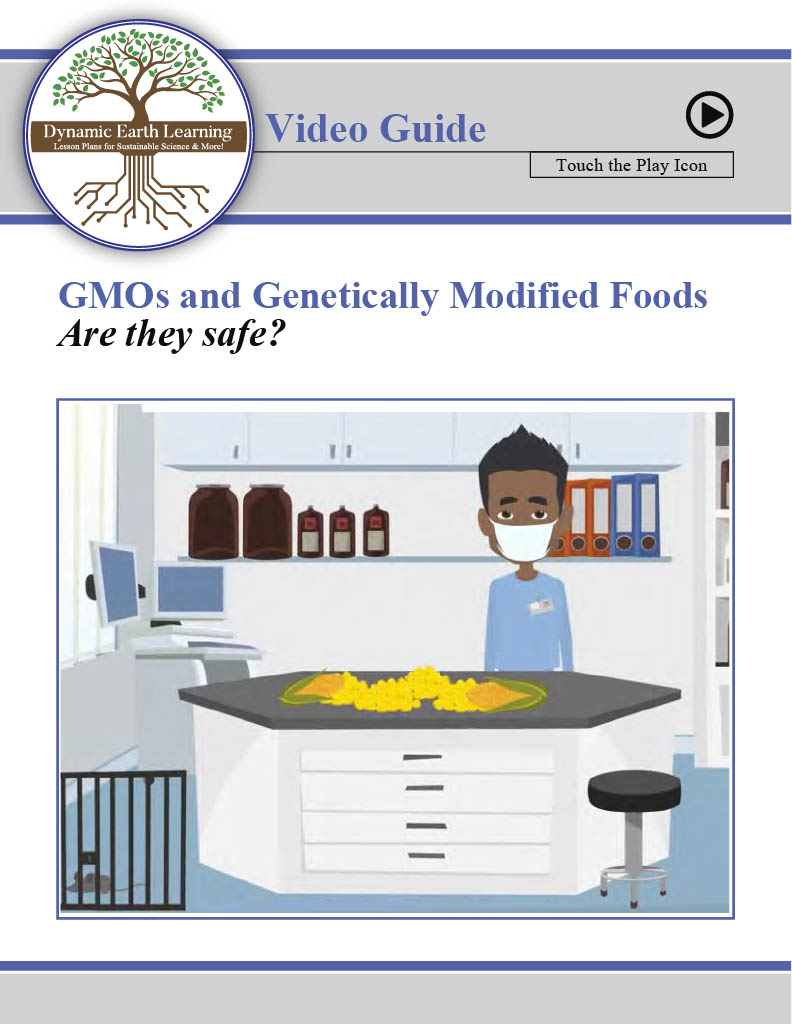
Do you know what GMOs are or what GM foods are? Are they useful or do they cause harm to us? In this video lesson plan, students will learn what GMOs and GM foods are, and discuss their pros and cons.
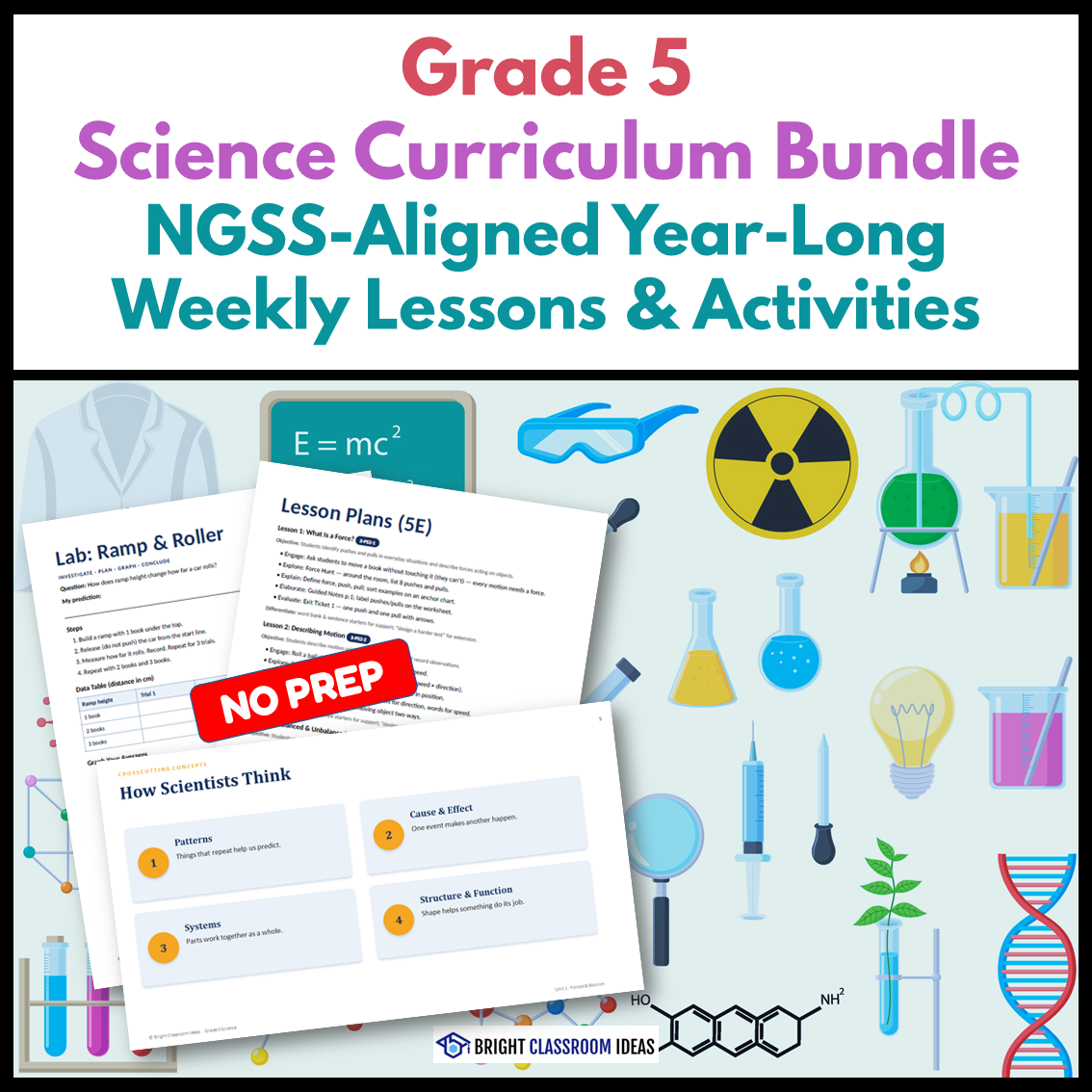
A full-year, NGSS-aligned Grade 5 science curriculum (Bright Classroom Ideas) covering 10 units across 36 weeks, built around the 5E instructional model (Engage, Explore, Explain, Elaborate, Evaluate).
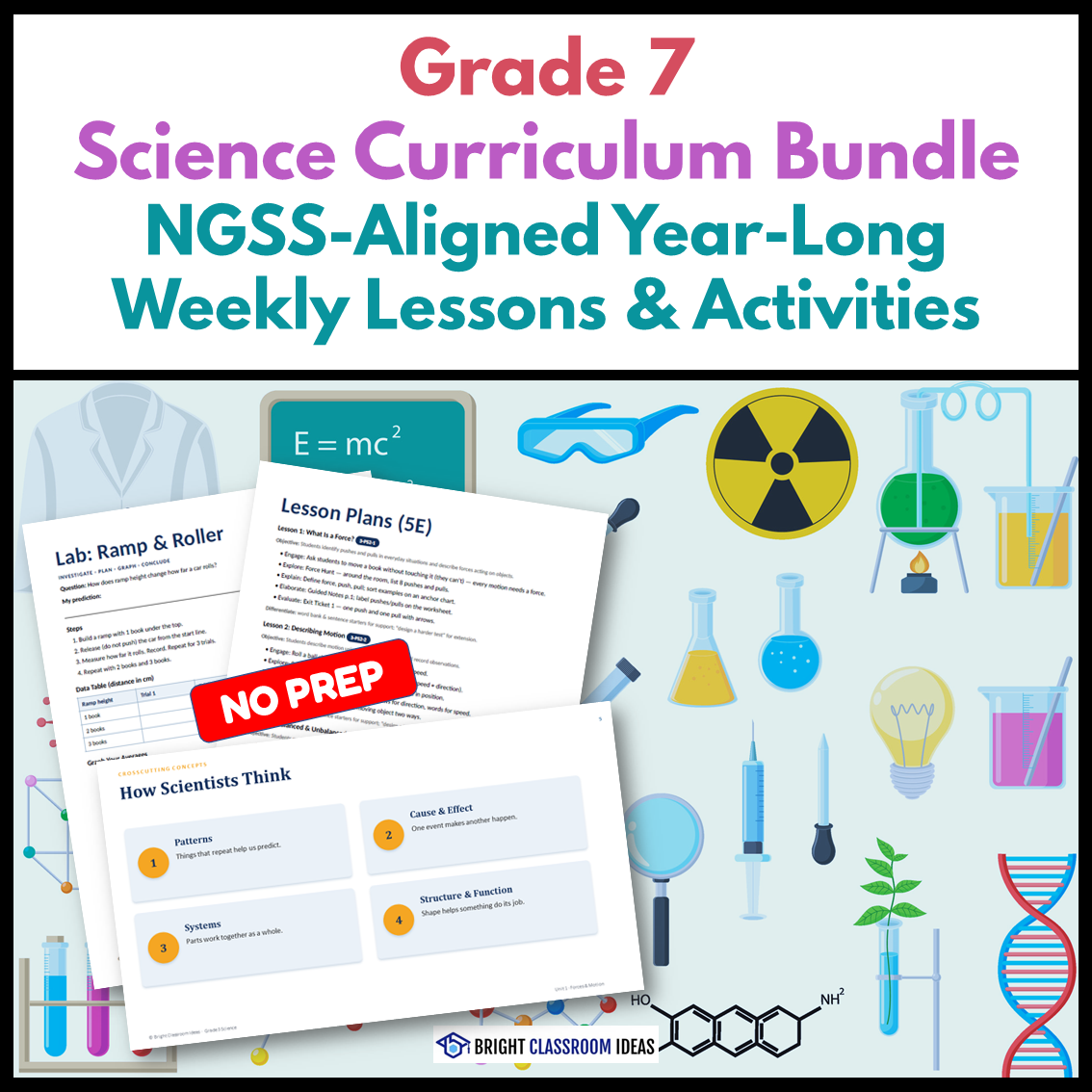
A complete, NGSS-aligned full-year (36-week, 10-unit, 96-lesson) Grade 7 science curriculum covering life, physical, and Earth science plus engineering design, delivered as 8 files (teacher guide, lesson plans, labs/STEM, assessments, answer keys/rubrics, reading passages/guided notes, worksheets/vocabulary, and projects/review).