



3,924 products added recently
Page 70 - Science Lesson Plans
Bring science to life with lesson plans that cover biology, chemistry, physics, and more. These resources offer experiments and interactive lessons to stimulate curiosity. Implement them to foster a deep understanding of scientific principles and a passion for discovery.

 Show filters

I WONDER - What Shape Is A Rainbow | Animated Video Lesson
Earth Sciences, Earth and Environmental Sciences, Science, Grade 4, 5, 6, 7, 8, 9, 10, Lesson Plans, Teacher Tools
Video Introduction An amazing video designed for the students to learn more about famous phenomena in different countries. I WONDER - What Shape Is A Rainbow | Animated Video Lesson What do you know about this phenomenon? Where it happens? When it happens? What are the safety measures that we should take to be safe during this phenomenon? Are there any other places in the world that experienced this phenomenon? If yes, tell us more about them. Why do you think it happens? Do you like reading about Geography? What is your favorite country in the whole world? I WONDER - What Shape Is A Rainbow | Animated Video Lesson The video is perfect for encouraging the researching skills for the students, while learning more about this fantastic phenomenon. I WONDER - What Shape Is A Rainbow | Animated Video Lesson The video is perfect for encouraging the researching skills for the students, while learning more about this fantastic phenomenon. Format Available in a PDF format.
Author Educational Voice
Rating
Tags What Shape Is A Rainbow, What Shape Is A Rainbow Video, Rainbow, Rainbow Facts, Rainbow Video, Rainbow Video For Kids, Rainbow Facts For Kids, Rainbow Shape, Rainbow's Shape

I WONDER - Are Jellyfish Actually Fish | Animated Video Lesson
STEM, Biology, Life Sciences, Science, Animals, Grade 1, 2, 3, 4, 5, 6, 7, 8, Lesson Plans, Teacher Tools
Video Introduction Animal kingdoms are full of fascinating wonders to learn. This video is designed for the students to learn more about animals in different countries. I WONDER - Are Jellyfish Actually Fish | Animated Video Lesson Do you like animals? what is your favorite one? Do you own a pet? If yes, tell us more about it, like what its name? And what do you like most about it? What are the animal kingdoms? Can you write down the characteristics of each animal class like mammals, birds, reptiles, amphibian, fish and mollusks. Do you know that some animals can sing, can you name any of them? What is the largest and the smallest mammal in the world? What is the largest and the smallest bird in the world? What is the largest and the smallest fish in the world? I WONDER - Are Jellyfish Actually Fish | Animated Video Lesson The video is perfect for encouraging the researching skills for the students, while learning more about these fantastic animals. I WONDER - Are Jellyfish Actually Fish | Animated Video Lesson This friendly designed video is suitable for students at school, homeschooling, and as a group activity. Format Available in MP4 format.
Author Educational Voice
Tags Are Jellyfish Actually Fish, Are Jellyfish Actually Fish Video, Jellyfish, Jellyfish Facts, Jellyfish Facts For Kids, Jellyfish Video, Jellyfish Video For Kids, Fish, Fish Facts, Fish Video

Earth's Layers & Spheres – Science Unit Pack
Science, Earth and Environmental Sciences, Earth Sciences, Grade 1, 2, 3, 4, Lesson Plans, Teacher Tools
Leverage these engaging tools to craft a comprehensive unit addressing the Earth's four layers (crust, mantle, outer core, and inner core) while also elucidating the concept of the four Earth spheres (lithosphere, hydrosphere, biosphere, and atmosphere). How To Use This: Dive into this collection of resources crafted just for your classroom. Choose the ones that fit perfectly with your Earth's layers unit. Whether you go for the whole package or mix and match, it's all about what works for you. I've made sure there's something for everyone, giving you the flexibility to teach in a way that feels right for you. Your classroom, your rules! What You Get: Earth Science Lesson Plan Schedule Overview Project and Activity Recommendations for the Study of Earth's Layers Video Links Suggestions for Exploring Earth's Layers (Includes QR codes and URL addresses) Vocabulary and Spelling Word List for Earth's Layers 8 Vocabulary Word Strips: (Lithosphere, Hydrosphere, Biosphere, Atmosphere, Outer Core, Inner Core, Mantle, Crust) Article on "The Layers of the Earth" (Available in Two Reading Levels) Article on "The Deepest Hole Ever Dug" (Available in Two Reading Levels) 2 Posters that Define and Illustrate the Four Spheres 2 Posters Labeling the Four Layers of the Earth 1 Poster Featuring an Egg Analogy (Comparing Earth's Layers to an Egg) Photo Depicting an Imagined View of Earth's Layers Coloring and Labeling Worksheet for Earth's 4 Spheres 2 Worksheets for Coloring and Labeling Earth's 4 Layers Word Search Featuring Vocabulary and Keywords Craft Project: Earth Layers Project Template Craft Project: Earth Spheres Project Template 4 Writing Templates Exploring Earth's Layers (Includes 3 Early Writing Templates and 2 Beginner Writing Templates) Rules, Setup Instructions, and Printable Questions for the Review Game *Make sure to check out all the other earth science units I have created to create a cohesive earth science approach!
Author Simply Schoolgirl
Rating
Tags Earth Science, Earth's Layers, Sphere, Layer, Earth's Spheres, Lithosphere, Hydrosphere, Atmosphere, Biosphere, Mantle, Project Earth's Layers, All The Spheres Of The Earth, Four Spheres Of The Earth Diagram, 4 Spheres Of Earth Project, Layers Of Earth Science Project, All 4 Layers Of The Earth, Spheres Of The Earth Diagram, All Of The Layers Of The Earth, Earths 4 Layers, Layers Of The Earth Craft, All Earth Spheres, All Of The Earth's Layers, Earth's Layers Project, Order Of Earth's Layers, 4 Spheres Of The Earth Diagram, Levels Of The Earth, Earth's Spheres Project, All Of The Spheres Of The Earth, All About The Earth's Layers, Spheres Of The Earth Worksheet, List Earth's Four Spheres, Layers Of The Earth Activities, Earth Science Spheres, Earth's Spheres Diagram, All Earth's Layers, All Spheres Of The Earth, Unit Layers, All Of Earth's Spheres
Solar System: Introduction to the Solar System - FLASH-PC
Science, Technology, Engineering, Common Core, Grade 5, 6, 7, 8, Teacher Tools, Lesson Plans
Solar System: Introduction to the Solar System - FLASH-PC An exciting educational resource for educators looking to introduce their students to our remarkable solar system. This dynamic tool engages and introduces students to the fascinating world that lay beyond our blue planet. Designed for Learning: Tailored for learners in Grade 5 through Grade 8, this digital tool combines captivating reading materials with before-and-after reading assignments that stimulate critical thinking. Adherence to Standards: This resource strictly complies with Common Core State Standards, integrable smoothly into your existing curriculum. Multimedia Approach: Rich Reading Materials Vocabulary Flashcards Videos & Audio Pieces Interactive Tasks encouraging active learning Bloom's Taxonomy Approach: The leaning experience is further enriched using Bloom's taxonomy approach wherein focus is on knowledge comprehension application analysis synthesis possible evaluation. Ease of Access and Use: This whole teaching package is neatly packaged within one software file for easy organization and access. It can be adopted in various classroom settings or even homeschooling environments. Engage your students into the wonders of space exploration with Solar System: Introduction to the Solar System - FLASH-PC. Now make space education more accessible than ever!
Author Classroom Complete Press
Tags Software (PC)

Vegetables Reading Comprehension Passage - Cored Ed Encyclopedia
ELA, Language Development, Reading Comprehension, Reading, Pre-Reading, Science, Life Sciences, Health, P.E. & Health, Nature & Plants, Grade 2, 3, 4, 5, Worksheets & Printables, Worksheets, Teacher Tools, Centers, Activities, Writing Prompts, Assessments, Quizzes and Tests, Quizzes, Lesson Plans
This vegetables reading comprehension with lesson plan includes: Visualization (on the front cover) Start your lesson by taking a minute to think and share something about the topic. Read the script aloud (slowly), perhaps prepare some music or sound effects. Student close their eyes and let their imaginations wander. Students open their eyes, read the question aloud and give them a few minutes to complete. Ask a few students to share or keep answers until the end to compare with what they learn in the passage. Quick pause—thousands of Cored Education products are included with your TeachSimple membership. Download links and encyclopedia index available here. COMPANION VIDEO NOW AVAILABLE (EMBEDDED AFTER PREVIEW PICTURES IN PRODUCT DESCRIPTION) Pre-Reading Trivia Students will write down one thing they already know about the subject and then read five more facts and discuss. These facts are fun, and the students will enjoy learning about the subject before reading more. Give 1 minute for students to write what they already know (no pressure—best guess is fine). Read the five facts together. After each fact, do ask a student for their opinion, was it surprising? Set a purpose by asking students to highlight/underline one fact they want to learn more about during the reading. Reading Passage The text is a high-interest reading passage with set paragraphs, roughly three to four paragraphs long. It contains a variety of themes about the topic, anywhere from history to technology. The passage is between 250 and 350 words in length. First, ask students to look at the headings and see what they’ll learn about today. What do they know about the topic/heading? First read options: Teacher read-aloud (best for support). Partner reading (paragraph by paragraph). While reading, students underline important details, and vocabulary words they think may come up in the questions section. Mixed Questions The first question page contains four multiple-choice questions, each with a choice of four answers, and three written response questions that require a sentence or two from the student. Students complete the mcqs first independently, then review quickly as a class. For the 3 written responses, try to get students giving the answer with some form of evidence: “I think ___ because the text says ___.” If students get stuck, send them back to check the passage. Vocabulary Questions Practice seven key words from the text in this section across two activities. First section is scrambled words where students will unscramble three words given a clue for each. The second section is a word to meaning matching activity. Before starting, have some students read out words they underlined in the passage. Ask students to say the word and read aloud the sentence(s) around each word. Ask students to do scrambled words and the matching exercise in pairs then go through answers as a class. For the scrambled spelling task, get four pairs to come up to the board and write the words for extra practice with the other student reading out the clue. For the matching task, prompt students to give full sentences: “I matched ___ with ___ because ___.” Creative Writing In this question, the student will be required to write a five to eight sentence paragraph on a question related to the topic. Before starting, ask students write down 3 key ideas they are going to include in their piece. Ask students for ideas to share around the class to help those struggling. Pro writing expectations: 5–8 sentences At least 2 facts or details from the passage At least 2 vocabulary words from the previous page Students read their paragraphs while classmates listen for facts and vocabulary words. Extension Activities This page is optional for fast finishers or to take home. There are several activities, each one requiring a different skill. Do some, do none, do all, completely optional - but you will feel reassured knowing every possibility is planned for. Includes summary writting question. Answer Key There are answers for the multiple-choice questions, written response questions have sample answers, vocabulary answers and if there is a summary question then a sample summary will be provided as well. Lesson Plan Included Customized lesson plan for this lesson is included. Lesson Snapshot Title: Vegetables Genre: Nonfiction (Informational text) Subject: Science (Life Science: plants, nutrition) / Reading (informational text) Primary Topic: What vegetables are and why they matter Estimated Guided Reading Level (A–Z): N What This Lesson Teaches Best What counts as a vegetable (in this text): Defines vegetables as edible parts of plants people choose to eat, including roots (carrot), leaves (spinach), and flower buds (broccoli). Plant parts and categories: Explains that many vegetables come from soft-stemmed, herbaceous plants rather than woody trees, and that vegetables come in many shapes because plants have many useful parts. Early farming and seed-saving: Describes how people once gathered edible plants from the wild, then began planting and saving seeds (about 10,000–7,000 BC), keeping and sharing plants that tasted better or grew bigger. Science vs. everyday language (tomato debate): Contrasts the botanical definition of “fruit” (seed-bearing part formed from a flower’s ovary) with how “vegetable” often means a savory plant food served with meals, noting a U.S. court decision in 1893 calling tomatoes vegetables for a tax rule. Nutrition and food preservation: States vegetables are usually low in fat and calories, filling because they bring water and fiber, and may contain vitamins/minerals (examples include vitamin A and vitamin C); also notes chilling, freezing, or canning to keep vegetables longer. Learning Goals Students will define a vegetable using examples from the text (root, leaf, bud). Students will describe where many vegetables come from (soft-stemmed, herbaceous plants) and explain what that means. Students will explain how seed-saving helped wild plants become “garden favorites,” using details from the passage. Students will compare the botanical meaning of fruit with the cooking meaning of vegetable, using the tomato example. Students will identify two reasons vegetables can be filling and healthy (water, fiber, vitamins/minerals) based on the text. Key Vocabulary From the Text edible — safe and good to eat. herbaceous — soft-stemmed; not woody. botanists — scientists who study plants. ovary — flower part that can form fruit. fiber — nutrient that helps you feel full. FULL CATALOG OF DOWNLOAD LINKS AND ENCYCLOPEDIA INDEX HERE
Author Cored Education
Rating
Tags Vocabulary, Reading Comprehension, Reading Passages, Lesson Plans, Ela Lesson Plans, Reading Comprehension Lesson Plans, Pre-reading, Science Lesson Plans, Nature And Plants, Health

Climate Change: Effects: Sea Level Changes Gr. 5-8
Science, Earth and Environmental Sciences, Environmental Science, Grade 5, 6, 7, 8, Teacher Tools, Lesson Plans
Climate Change: Effects: Sea Level Changes Gr. 5-8 An exceptional teaching resource designed for middle school educators looking to provide comprehensive insight into climate change focusing primarily on sea level changes. Journey Through Time Students investigate how Ice Ages of the past influenced early humans and their migration patterns conducting hands-on experiments with homemade ice sheets to understand their effects on sea levels. Modeling Rising Sea Levels & Fostering Creativity Encourages creativity and critical thinking by enabling students to create their own models illustrating rising sea levels. Includes focused discussions on serious health concerns and economic challenges triggered by climate shifts - * mosquito-carrying diseases, heatstroke risks, pollution problems and unpredictable weather patterns affecting farming industries, etc. Promotes personalized learning through individual ecosystem studies emphasizing specific impacts of climate change. Bloom's Taxonomy & STEAM Initiatives Alignment: This learning module aligns with Bloom's Taxonomy as well as STEAM initiatives fostering problem-solving skills in conjunction with core knowledge building. The lesson includes unlocking activities such as crossword puzzles & word searches,... Increase engagement level , Elevate efficiency among learners from Grades 5 through 8, , Serve adaptability across both collaborative classroom settings or individual study environments seamlessly, . Lastly, the PDF formatted resource package comes bundled with a comprehensive answer key saving teachers' time when evaluating students' progress. Equip students for the future while unraveling our climate's history using Climate Change: Effects: Sea Level Changes Gr. 5-8.
Author Classroom Complete Press
Tags PDF

Reducing Your Community's Carbon Footprint: Very Green Houses Gr. 5-8
Science, Earth and Environmental Sciences, Environmental Science, Grade 5, 6, 7, 8, Teacher Tools, Lesson Plans
Reducing Your Community's Carbon Footprint: Very Green Houses Gr. 5-8, is a crucial educational resource designed to inspire students to ponder over the significant impacts of their community's carbon footprint on global climate change. Specifically designed for upper elementary and middle school levels - grades 5 to 8, this resource plays an integral role in the area of environmental science studies. About the Resource This exclusive product is based around a fascinating chapter slice titled "Very Green Houses Gr. 5-8", originating from an extensive lesson plan about reducing a community's carbon footprint. It features deep discussions about global climate change causes and effects, painting an intricate web connecting human activities, communities, and habitats. Understanding Cause and Effect Relationships An efficient teaching tool that assists students in understanding cause-and-effect relationships such as how daily commuting impacts a distant island due to worldwide climatic changes caused by increasing carbon emissions. A detailed insight into suburban living patterns forms an important part of this resource along with its impact on travel footprints within communities. It uniquely highlights Cuba's drastic transformation, showing how it managed to implement fossil fuel-free farming systems in just ten years' time - thus encouraging thoughts concerning sustainable energy consumption alternatives that do not harm our planet. The focus also lies on urban heat islands or densely populated cities that deeply affect local climates. Beyond only emphasizing problems related with climate change, there are suggestions pointing towards proactive solutions like recycling practices where students can brainstorm about future possible lives of recycled items. Inspiring Stories Across Globe: Coverage of stories related to environmentally friendly towns and cities around the globe aiming to inspire and provide instances of viable pathways towards sustainable living. The product also brings in additional resources like graphic organizers, carbon footprint calculator activities, and quizzes thus reinforcing self-learning among students. It gets you an enriching approach to environmental science education adhering securely to Bloom’s Taxonomy and STEAM initiatives. Convenience For Educators: An easily accessible PDF format within a single product file makes it convenient for educators across different settings from traditional public schools teachers to homeschoolers alike! It ultimately prepares the students for fostering a greener future!
Author Classroom Complete Press
Tags PDF

I WONDER - How Big Is The Microorganisms Group | Animated Video Lesson
Biology, Life Sciences, Science, Grade 6, 7, 8, 9, 10, 11, 12, Lesson Plans, Teacher Tools
Video Introduction An amazing activity designed for the students to learn more about STEM. I WONDER - How Big Is The Microorganisms Group | Animated Video Lesson Do you like STEM subjects? what is your favorite one? Have you ever tried to plant a seed? If yes, tell us more about it. Or have you ever tried to invent something? If yes, tell us more about it. And how do you think it will help us? Have you ever seen a microorganism under a microscope? What was it? And how it looked like? Mathematics is a marvelous subject. Let' sharpen our brains and solve some equations. Do you like timetable tricks? What is your favorite one? Do you know how to code? Have you ever created an app or a game before? If yes, how was it like? I WONDER - How Big Is The Microorganisms Group | Animated Video Lesson The video is perfect for encouraging the researching skills for the students, while learning more about this fantastic topic. I WONDER - How Big Is The Microorganisms Group | Animated Video Lesson This friendly designed video is suitable for students at school, homeschooling, and as a group activity. Format Available in MP4 format.
Author Educational Voice
Tags How Big Is The Microorganisms Group, How Big Is The Microorganisms Group Video, Microorganisms Group, Microorganisms Group Facts, Microorganisms Group Facts For Kids, Microorganisms Group Video
Task Initiation & Micro-Step Breakdown
Life Studies, Career, Leadership, Physical Education, P.E. & Health, Mental Health, Mindfulness, Resources for Teachers, Science, Classroom Management, Grade 6, 7, 8, 9, 10, 11, 12, Teacher Tools, Worksheets & Printables, Workbooks, Worksheets, Word Searches, Assessments, Lesson Plans, Quizzes and Tests, Quizzes, Tests
Are your students or kids stuck with a blank page due to a large assignment? Do they know how to do the assignment but can’t figure out the best way to jump into it? This is not because of laziness—this is an example of a breakdown in Task Initiation, which is one of the key executive functions of the brain. Support your students to move from being passive and procrastinating to becoming active creators of their success with our comprehensive neuroscience-based curriculum. This 42-page instructional manual and workbook supports creating a step-by-step strategy to overcome your student's brain's resistance to getting started with completing tasks. By applying the principles of cognitive offloading and granular sequencing, this manual and workbook will provide you with the ultimate guide to how to accomplish your goals. This resource is designed for teachers, parents, school counselors, and executive function coaches to support helping to create lifelong habits, build confidence in school, and decrease the anxiety and stress associated with homework. Contents of this 42-page document. The Neuroscience Guide (Part 1) (The “Why”) The neuroscience of procrastination. Easy-to-understand explanations for the science of procrastination (brain science) include energy, limbic friction, activation energy, time blindness, etc. Real-life examples of the science from students and short quizzes to test knowledge and understanding. The Student Workbook (Part 2) (The “How”) 10 in-depth printed worksheets provide a complete scaffolded framework for developing executive function. Actionable Steps: Deconstruct larger projects into small tasks, identify and eliminate friction, create a five-minute launchpad, master micro steps, create an executive execution ladder, eliminate distractions, and create empathy for your future self. Capstone Project: A master blueprint for a major project using taught strategies. Part Three: Visual & Teacher/Parent Resources (The “Tools”) Three Strong Visual Supports: Printables and classroom appropriate anchor charts will give students' cognitive relief through visual representation of how to use their brain there are three charts to choose from (The Anatomy of Task Paralysis, The Micro-Step Bridge, The Task Activation Loop). Complete Answer Key: An answer key for all ten student worksheets so that teachers can provide students with a comprehensive answer key. Teacher Implementation Guide: A detailed scripted guide on how to introduce these concepts and protocols such as the “Body Double” technique. Differentiation for Neurodivergent Learners: A separate section for specific, powerful strategies for students with ADHD, ASD, and Dyslexia. Not only is this a study skills printable, but it is a powerful cognitive resource that helps students understand themselves so that they may use the resources available to them to work more efficiently with their brain, rather than against it. Keywords: Executive Functioning, Study Skills, Procrastination, Task Initiation, ADHD Support, Neurodiversity, SEL, Middle School, High School, Printable Workbook, Digital Download, Homework Help, Time Management, Metacognition, Growth Mindset, Resources for Teachers, Resources for School Counselors, Parent Guide. What Makes It Busy and Maternal/School Parent-Friendly : Based on Neuroscience (not-created based off "Shame"): It regards procrastination as a normal neurological event, not an individual's defect nor character flaw. This removes guilt associated with procrastination by providing students with a "hacker" mindset to achieve the best outcome for their situation based on the wiring of their brains. Has Actionable, Step-By-Step Tools: Instead of vague and subjective statements like “just break it down,” this curriculum focuses on rigorous, rigorous sequencing (providing valuable resource worksheets/checklists) and concrete ways that a student can apply the information immediately. Targets Neurodivergent Learners: The section on differentiation for ADHD, ASD and Dyslexia students is a must-have addition to any inclusive classroom and will meet needs of all parents with children needing specific support; therefore, it is an extremely "valuable" and "highly-valuable" resource. Develops Lifelong Skills (beyond a one-time project): In addition to a single project, skills presented include metacognition, self-regulation, and planning—all important life-skills needed to continue and succeed throughout high school, college and after. The primary target audience is middle school students (6th-8th grade). The multiple case studies included (6th, 8th grade), the reorganization of the prefrontal cortex and task characteristics align directly with this group. The second target audience is upper elementary (4th-5th Grade) and high school (9th-12th Grade). As stated in the "Visuals & Teacher Keys" section: "(Grade 4-8)". The concepts provided are foundational and lend themselves readily to alteration, both upwards and downwards. High school students with executive functioning issues, especially those diagnosed with ADHD, would see tremendous benefit from this resource. Copyright Notice: This book was copyrighted by Syed Hammad Rizvi. This resource is available for personal use in a single-classroom setting only and cannot be changed (modifications), No part of this book can be shared, sold, or posted on the Internet to be found or downloaded by the public. Please note that if you wish to share this resource with others (teachers), you must buy additional licenses (a fee) from Teachsimple. Thank you for your cooperation in following these terms of usage. This product has been brought to you with pride by Syed Hammad Rizvi.
Author Creative Book Store
Rating
Tags Procrastination, Motivation, StudySkills, TimeManagement, Organization, Neuroscience, ADHD, GrowthMindset, ExecutiveFunctioning, TaskInitiation

I WONDER - How Long Does It Take The Stomach To Empty | Animated Video
Human Body, Life Sciences, Science, Biology, STEM, Grade 1, 2, 3, 4, 5, 6, 7, 8, Lesson Plans, Teacher Tools
Video Overview The human body is full of fascinating wonders to learn. This video is created to help the students recognize the anatomy and the job of the human body. I WONDER - How Long Does It Take The Stomach To Empty | Animated Video Lesson Every part and organ in our human body is vital so let's see how important they are. Have you ever imagined how we look like if we didn't have a skeleton? Did you know that because we have our amazing muscles we can stand! Do you know how many teeth do we have? Have you ever wondered about the food journey inside our body? Can you name all the glands in our body? Why do we have skin? Our nervous system is really good at sending signals. Can you tell us more about it? Are you really good at Mathematics, painting, or any other thing? You should really thank your brain about it! The famous five senses are really doing a great work? Can you explain how every sense works? I WONDER - How Long Does It Take The Stomach To Empty | Animated Video Lesson The video is perfect for encouraging the researching skills for the students, while learning more about our fantastic human body. I WONDER - How Long Does It Take The Stomach To Empty | Animated Video Lesson This friendly designed video is suitable for students at school, homeschooling, and as a group activity. Format Available in MP4 format.
Author Educational Voice
Tags How Long Does It Take The Stomach To Empty, How Long Does It Take The Stomach To Empty Video, Stomach, Stomach Facts, Stomach Facts For Kids, Stomach Video, Stomach Video For Kids
I WONDER - What Is Peristalsis | Animated Video Lesson
Biology, Life Sciences, Science, Human Body, STEM, Grade 5, 6, 7, 8, 9, 10, Lesson Plans, Teacher Tools
Video Overview The human body is full of fascinating wonders to learn. This video is created to help the students recognize the anatomy and the job of the human body. I WONDER - What Is Peristalsis | Animated Video Lesson Every part and organ in our human body is vital so let's see how important they are. Have you ever imagined how we look like if we didn't have a skeleton? Did you know that because we have our amazing muscles we can stand! Do you know how many teeth do we have? Have you ever wondered about the food journey inside our body? Can you name all the glands in our body? Why do we have skin? Our nervous system is really good at sending signals. Can you tell us more about it? Are you really good at Mathematics, painting, or any other thing? You should really thank your brain about it! The famous five senses are really doing a great work? Can you explain how every sense works? I WONDER - What Is Peristalsis | Animated Video Lesson The video is perfect for encouraging the researching skills for the students, while learning more about our fantastic human body. I WONDER - What Is Peristalsis | Animated Video Lesson This friendly designed video is suitable for students at school, homeschooling, and as a group activity. Format Available in MP4 format.
Author Educational Voice
Tags What Is Peristalsis, What Is Peristalsis Video, Peristalsis, Peristalsis Facts, Peristalsis Facts For Kids, Peristalsis Video, Peristalsis Video For Kids, Digestive System, Digestive System Facts, Digestive System Facts For Kids
I WONDER - Are Strawberries Actually Berries | Animated Video Lesson
Nature & Plants, Life Sciences, Science, Grade 4, 5, 6, 7, 8, 9, 10, Lesson Plans, Teacher Tools
Video Introduction An amazing activity designed for the students to learn more about STEM. I WONDER - Are Strawberries Actually Berries | Animated Video Lesson Do you like STEM subjects? what is your favorite one? Have you ever tried to plant a seed? If yes, tell us more about it. Or have you ever tried to invent something? If yes, tell us more about it. And how do you think it will help us? Have you ever seen a microorganism under a microscope? What was it? And how it looked like? Mathematics is a marvelous subject. Let' sharpen our brains and solve some equations. Do you like timetable tricks? What is your favorite one? Do you know how to code? Have you ever created an app or a game before? If yes, how was it like? I WONDER - Are Strawberries Actually Berries | Animated Video Lesson The video is perfect for encouraging the researching skills for the students, while learning more about this fantastic topic. I WONDER - Are Strawberries Actually Berries | Animated Video Lesson This friendly designed video is suitable for students at school, homeschooling, and as a group activity. Format Available in MP4 format.
Author Educational Voice
Tags Are Strawberries Actually Berries, Are Strawberries Actually Berries Video, Strawberries, Strawberries Facts, Strawberries Facts For Kids, Strawberries Video For Kids, Berries, Berries Facts, Berries Video

Pollution: Harmful Effects of Plastic Water Bottles on Humans (Digital & Print)
Science, Earth and Environmental Sciences, Environmental Science, Grade 7, 8, 9, 10, Teacher Tools, Lesson Plans
Pollution: Harmful Effects of Plastic Water Bottles on Humans - A Learning Resource for Grade 7 to 10 Subject: Environmental Science This is an indispensable tool prudently tailored for Grade 7 to 10 learners, focusing on the imperative realm of plastic pollution. This resource serves as a suitable platform stimulating healthy discussions among students and fostering their environmental awareness. Diversity in Format: A digitally fillable PDF, printable PDF and Google Slides Hyperdoc are bundled together into one zip file facilitating utilitarian usage. Coverage: Microplastics found both in human bodies and oceans, impact on humans' wellbeing etc are covered in this resource, enlightening students about communities role in this crisis. Tailored Duration: Designed keeping regular class schedules in mind with an expected duration of just 30 minutes per lesson ensuring no undue burden is inflicted upon either the learner or educator. Incorporation & Flexibility This learning tool can easily be integrated into homework plans or class lessons ensuring maximum learner engagement. The flexibility it provides by allowing control over its blending within pre-existing learning modules helps overcome hurdles of a rigid curriculum giving teachers plethora choices when it comes to teaching strategies. In Conclusion, "Pollution: Harmful Effects of Plastic Water Bottles on Humans" is indeed an essential educational ally for any progressive educator striving to sow seeds of environmental consciousness amidst their students. Its breadth across the intricate world of plastic pollution tied with its well-planned format makes it a must-have element for productive learning.
Author Dynamic Earth Learning
Tags Pollution, Plastic Bottles, Harmful Effects, Environmental Awareness, Microplastics, Plastic Water Bottle Harmful Effects, Harmful Effects Of Plastic Water Bottles On Humans, Harmful Effects Of Plastic Water Bottles

Manatee Unit Study (Endangered Animals Lesson Plan, Videos, Activities)
ELA, Grammar, Reading, Language Development, Spelling, Writing, Science, Life Sciences, Animals, Grade 1, 2, 3, Lesson Plans, Teacher Tools
Manatee Unit Study for Grades 1-3 Dive into learning about the endangered West Indian manatee with this 5-day NO PREP comprehensive unit . This resource includes engaging videos about manatees, reading passages, discussions, activities , and interactive notebook pages covering topics like manatee anatomy, habitat, diet, threats to survival, and conservations efforts. Easily customize each day's lessons for your students based on age, skills, and learning styles. Use this versatile cross-curricular unit during your ocean animals, arctic animals, or endangered species studies. It aligns to state standards for reading, writing, science, and more. With thought-provoking questions and activities , this unit helps students gain empathy for at-risk animals while building language arts, science, and research skills.
Author Heather Huhman
Tags Manatee, Ocean Animals, Endangered Animals, Zoology, Science, Unit Study

I WONDER - What Is Ball Lightning | Animated Video Lesson
Earth Sciences, Earth and Environmental Sciences, Science, Grade 4, 5, 6, 7, 8, 9, 10, Lesson Plans, Teacher Tools
Video Introduction An amazing video designed for the students to learn more about famous phenomena in different countries. I WONDER - What Is Ball Lightning | Animated Video Lesson Weather phenomena can affect our lives, crops and even animals! Can you name any of the weather phenomena that happened in your country? Do you know when hailstorms happen? And what is the most country who has lots of hailstorms happening per year? Do you think the all countries have four seasons? If no, can you name any? Why do some animals sleep at winter? Can you name any of these animals? I WONDER - What Is Ball Lightning | Animated Video Lesson The video is perfect for encouraging the researching skills for the students, while learning more about this fantastic phenomenon. I WONDER - What Is Ball Lightning | Animated Video Lesson The video is perfect for encouraging the researching skills for the students, while learning more about this fantastic phenomenon. Format Available in a PDF format.
Author Educational Voice
Rating
Tags What Is Ball Lightning, Ball Lightning, Ball Lightning Facts, Ball Lightning Video, Ball Lightning Video For Kids, Ball Lightning Facts For Kids, Severe Weather Phenomena, Severe Weather Phenomena Video

I WONDER - How Many Moons Does Jupiter Have | Animated Video Lesson
Space, Earth and Environmental Sciences, Science, Grade 4, 5, 6, 7, 8, 9, 10, Lesson Plans, Teacher Tools
Video Introduction An amazing video designed for the students to learn more about space facts. I WONDER - How Many Moons Does Jupiter Have | Animated Video Lesson Do you like reading about space? If yes, what is your favorite topic? What do you know about our solar system? What is the smallest planet in our solar system? What is the biggest planet in our solar system? What is the hottest planet in our solar system? And what is the coldest one? Do you think there are aliens? If yes, what do you think they look like? What do they eat and how they speak to each other? Where do they live? What is a galaxy? And what is a milky way? Have you recently saw a shooting star? If yes, tell us more about it, like when did it happen and where? What is a blackhole? Can a blackhole gets bigger by time? Do you like counting the stars? What do you think a star is made of? I WONDER - How Many Moons Does Jupiter Have | Animated Video Lesson The video is perfect for encouraging the researching skills for the students, while learning more about the fantastic space. I WONDER - How Many Moons Does Jupiter Have | Animated Video Lesson This friendly designed video is suitable for students at school, homeschooling, and as a group activity. Format Available in MP4 format.
Author Educational Voice
Tags How Many Moons Does Jupiter Have, How Many Moons Does Jupiter Have Video, Jupiter, Jupiter Facts, Jupiter Facts For Kids, Jupiter Video, Jupiter Video For Kids, Planet, Planets, Planets Facts
I WONDER - What Is DNA Mutation | Animated Video Lesson
Human Body, Life Sciences, Science, Biology, STEM, Grade 6, 7, 8, 9, 10, 11, 12, Lesson Plans, Teacher Tools
Video Overview The human body is full of fascinating wonders to learn. This video is created to help the students recognize the anatomy and the job of the human body. I WONDER - What Is DNA Mutation | Animated Video Lesson Every part and organ in our human body is vital so let's see how important they are. Have you ever imagined how we look like if we didn't have a skeleton? Did you know that because we have our amazing muscles we can stand! Do you know how many teeth do we have? Have you ever wondered about the food journey inside our body? Can you name all the glands in our body? Why do we have skin? Our nervous system is really good at sending signals. Can you tell us more about it? Are you really good at Mathematics, painting, or any other thing? You should really thank your brain about it! The famous five senses are really doing a great work? Can you explain how every sense works? I WONDER - What Is DNA Mutation | Animated Video Lesson The video is perfect for encouraging the researching skills for the students, while learning more about our fantastic human body. I WONDER - What Is DNA Mutation | Animated Video Lesson This friendly designed video is suitable for students at school, homeschooling, and as a group activity. Format Available in MP4 format.
Author Educational Voice
Tags What Is DNA Mutation, What Is DNA Mutation Video, DNA Mutation, DNA Mutation Video, DNA Mutation Facts, DNA Mutation Facts For Kids, DNA Mutation Video For Kids, DNA, DNA Facts

I WONDER - What Is A Geyser | Animated Video Lesson
Earth Sciences, Earth and Environmental Sciences, Science, Environmental Science, Geography, Social Studies, Grade 3, 4, 5, 6, 7, 8, 9, Lesson Plans, Teacher Tools
Video Introduction An amazing video designed for the students to learn more about natural disasters in different countries. I WONDER - What Is A Geyser | Animated Video Lesson What do you know about this natural disaster? Do you know in which part of the world this could happen? Have you ever read about the safety misusers that we could have to protect ourselves from this natural disaster? If yes, can you tell us more about them? Can you name other natural disasters? If yes, tell us more about where they are likely to happen? And how frequently? Do you like reading about Geography? What is your favorite country in the whole world? If you are going on a trip where it will be? Which country? What you are going to see there? Does this country has a famous place to visit? Do you like reading about Geology? If yes, what is your favourite topic? I WONDER - What Is A Geyser | Animated Video Lesson The video is perfect for encouraging the researching skills for the students, while learning more about this fantastic phenomenon. I WONDER - What Is A Geyser | Animated Video Lesson This friendly designed video is suitable for students at school, homeschooling, and as a group activity. Format Available in MP4 format.
Author Educational Voice
Tags What Is A Geyser, What Is A Geyser Video, Geyser, Geysers, Geyser Facts, Geyser Facts For Kids, Geyser Video, Geyser Video For Kids, Geysers Video, Geysers Facts
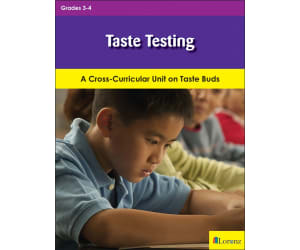
Taste Testing: A Cross-Curricular Unit on Taste Buds
Science, Life Sciences, Human Body, Grade 3, 4, Teacher Tools, Lesson Plans
Taste Testing: A Cross-Curricular Unit on Taste Buds - An Essential Teaching Resource This is a highly informative teaching resource that is well suited for 3rd and 4th-grade educators. The sole focus of this superlative tool is the science-themed content which has taste buds, a fantastic part of the human body's sensory system, as its central theme. Story-based Learning Approach to Engage Students A character named Michael guides students through an engaging narrative about discovering how taste buds work. This story-based approach enables easier recall of key details by the students and encourages active involvement in learning due to their innate affinity towards stories. Core Advantage And Implementation Flexibility It can be used effectively for whole group discussions which promotes interactive learning. The material can be used during small group sessions where in-depth knowledge sharing is desired. The unit also fits perfectly as homework assignments where it reinforces previously learnt concepts thereby promoting independent thinking. Cross-curricular Approach - Bridging Knowledge Gaps Across Subjects Taste Testing: A Cross-Curricular Unit on Taste Buds strategically employs cross-curricular approaches using thoughtfully designed worksheets that not only keep learners' minds engaged but also provide better understanding about how different lessons interconnect. This aids in instilling real-world problem-solving skills among students. Value Addition Through Activity Ideas The educational resource extends beyond and provides additional activity ideas that help solidify understanding or spark newer interests within the broader sensory systems theme, thereby extending its usefulness beyond traditional resources.'' In Conclusion, Versatile, cost-effective, and engaging, the "Taste Testing: A Cross-Curricular Unit on Taste Buds" is perfect for both public school classrooms and homeschooling settings that aim to provide stimulating learning experiences.
Author Classroom Complete Press
Tags PDF

What Is Climate Change? | Interactive Science Lesson | Micro-Learning Deck
Science, Earth and Environmental Sciences, Environmental Science, Grade 8, 9, 10, Teacher Tools, Lesson Plans
Looking for a valuable addition to your Science curriculum ? Discover the "What Is Climate Change?" Interactive Science Lesson Micro-Learning Deck! This digital resource empowers educators in their teaching journey, while making lesson preparation both simple and enjoyable. Our Micro-Learning Deck provides you with a complete package containing: - An engaging video lesson that breaks down essential climate change concepts, making it easily understandable to students - A top-notch reading passage along with corresponding audio, allowing students with diverse learning styles to fully grasp the subject matter - Close reading activities designed to foster critical thinking and analytical skills needed for mastering intricate scientific concepts - A quick write section aimed at enhancing capabilities in summarizing information, constructing explanations, and formulating well-reasoned arguments related to climate change This interactive deck features 16 PowerPoint slides that are ready-to-use in your classroom. Not only will it save you precious time, but it also guarantees an effective delivery of vital information on climate change. With our "What Is Climate Change?" Interactive Science Lesson Micro-Learning Deck, be prepared to see your students eagerly explore this significant environmental topic. Don't miss out on this one-of-a-kind opportunity - purchase your deck today at TeachSimple.com!
Author Teach Me This
Tags Weather Conditions, Climate Change, Environment, Science, Interactive

I WONDER - What Does A Switch Do In A Circuit | Animated Video Lesson
Physics, Science, STEM, Grade 6, 7, 8, 9, 10, 11, 12, Lesson Plans, Teacher Tools
Video Introduction An amazing video designed for the students to learn more about STEM. I WONDER - What Does A Switch Do In A Circuit | Animated Video Lesson Do you like STEM subjects? what is your favorite one? Have you ever tried to plant a seed? If yes, tell us more about it. Or have you ever tried to invent something? If yes, tell us more about it. And how do you think it will help us? Have you ever seen a microorganism under a microscope? What was it? And how it looked like? Mathematics is a marvelous subject. Let' sharpen our brains and solve some equations. Do you like timetable tricks? What is your favorite one? Do you know how to code? Have you ever created an app or a game before? If yes, how was it like? I WONDER - What Does A Switch Do In A Circuit | Animated Video Lesson The video is perfect for encouraging the researching skills for the students, while learning more about this fantastic topic. I WONDER - What Does A Switch Do In A Circuit | Animated Video Lesson This friendly designed video is suitable for students at school, homeschooling, and as a group activity. Format Available in MP4 format.
Author Educational Voice
Tags What Does A Switch Do In A Circuit, What Does A Switch Do In A Circuit Video, Circuit Switch, Circuit Switch Facts, Circuit Switch Facts For Kids, Circuit Switch Video, Circuit Switch Video For Kids, Circuit
I WONDER - What Is Drag | Animated Video Lesson
Physics, Science, STEM, Grade 6, 7, 8, 9, 10, 11, 12, Lesson Plans, Teacher Tools
Video Introduction An amazing video designed for the students to learn more about STEM. I WONDER - What Is Drag | Animated Video Lesson Do you like STEM subjects? what is your favorite one? Have you ever tried to plant a seed? If yes, tell us more about it. Or have you ever tried to invent something? If yes, tell us more about it. And how do you think it will help us? Have you ever seen a microorganism under a microscope? What was it? And how it looked like? Mathematics is a marvelous subject. Let' sharpen our brains and solve some equations. Do you like timetable tricks? What is your favorite one? Do you know how to code? Have you ever created an app or a game before? If yes, how was it like? I WONDER - What Is Drag | Animated Video Lesson The video is perfect for encouraging the researching skills for the students, while learning more about this fantastic topic. I WONDER - What Is Drag | Animated Video Lesson This friendly designed video is suitable for students at school, homeschooling, and as a group activity. Format Available in MP4 format.
Author Educational Voice
Tags What Is Drag, What Is Drag Video, Drag, Drag Facts, Drag Facts For Kids, Drag Video, Drag Video For Kids, Physics, Physics Video, Physics Video For Kids

I WONDER - What Is Xeriscaping | Animated Video Lesson
Environmental Science, Earth and Environmental Sciences, Science, Earth Sciences, Grade 4, 5, 6, 7, 8, 9, 10, Lesson Plans, Teacher Tools
Video Introduction An amazing video designed for the students to learn more about STEM. I WONDER - What Is Xeriscaping | Animated Video Lesson Do you like STEM subjects? what is your favorite one? Have you ever tried to plant a seed? If yes, tell us more about it. Or have you ever tried to invent something? If yes, tell us more about it. And how do you think it will help us? Have you ever seen a microorganism under a microscope? What was it? And how it looked like? Mathematics is a marvelous subject. Let' sharpen our brains and solve some equations. Do you like timetable tricks? What is your favorite one? Do you know how to code? Have you ever created an app or a game before? If yes, how was it like? I WONDER - What Is Xeriscaping | Animated Video Lesson The video is perfect for encouraging the researching skills for the students, while learning more about this fantastic topic. I WONDER - What Is Xeriscaping | Animated Video Lesson This friendly designed video is suitable for students at school, homeschooling, and as a group activity. Format Available in MP4 format.
Author Educational Voice
Tags What Is Xeriscaping, What Is Xeriscaping Video, Xeriscaping, Xeriscaping Facts, Xeriscaping Facts For Kids, Xeriscaping Video, Xeriscaping Video For Kids, Environment, Environment Facts

I WONDER - Do Our Cells Need Blood | Animated Video Lesson
Human Body, Life Sciences, Science, Biology, STEM, Grade 6, 7, 8, 9, 10, 11, 12, Lesson Plans, Teacher Tools
Video Overview The human body is full of fascinating wonders to learn. This video is created to help the students recognize the anatomy and the job of the human body. I WONDER - Do Our Cells Need Blood | Animated Video Lesson Every part and organ in our human body is vital so let's see how important they are. Have you ever imagined how we look like if we didn't have a skeleton? Did you know that because we have our amazing muscles we can stand! Do you know how many teeth do we have? Have you ever wondered about the food journey inside our body? Can you name all the glands in our body? Why do we have skin? Our nervous system is really good at sending signals. Can you tell us more about it? Are you really good at Mathematics, painting, or any other thing? You should really thank your brain about it! The famous five senses are really doing a great work? Can you explain how every sense works? I WONDER - Do Our Cells Need Blood | Animated Video Lesson The video is perfect for encouraging the researching skills for the students, while learning more about our fantastic human body. I WONDER - Do Our Cells Need Blood | Animated Video Lesson This friendly designed video is suitable for students at school, homeschooling, and as a group activity. Format Available in MP4 format.
Author Educational Voice
Tags Do Our Cells Need Blood, Do Our Cells Need Blood Facts, Cells, Cell, Cells Facts, Cells Facts For Kids, Cells Video, Cells Video For Kids, Blood, Blood Facts