resources by type
resources by grade
resources by subject
other resources

3,950 products added recently

Page 12 - Lesson Plans

Access a wide array of lesson plans designed to support educators in delivering engaging and effective instruction. Covering various subjects and grade levels, these resources provide structured guidance to enrich your curriculum. Utilize these plans to save time and inspire successful learning outcomes.

Relevant
alt down
Any Time
alt down
filter by
alt down
All File Types
alt down
filter nav Show filters
Sort by: Relevant
CLEAR
resources by type
Activities
down arrow
Classroom Decor
down arrow
Teacher Tools
up arrow
Anchor Charts
Assessments
Charts
DBQ's
Diagrams
Graphic Organizers
Lesson Plans
Literacy Readers
Outlines
Presentations
Quizzes and Tests
down arrow
Rubrics
Templates
Worksheets & Printables
down arrow
resources by grade
Early Learning
down arrow
Pre-K
down arrow
Elementary
down arrow
Middle School
down arrow
High School
down arrow
Adult Education
Not Grade Specific
resources by subject
Creative Arts
down arrow
ELA
down arrow
Holiday & Seasonal
down arrow
Life Studies
down arrow
Math
down arrow
P.E. & Health
down arrow
Social Studies
down arrow
Special Resources
down arrow
Science
down arrow
Foreign Languages
down arrow
Resources for Teachers
down arrow
other resources
Common Core
Homeschool Resources
down arrow
Montessori
Research
STEM
Passport Series: North America

Passport Series: North America
Social Studies, Geography, Grade 5, 6, 7, 8, 9, Teacher Tools, Lesson Plans

The Passport Series: North America The Passport Series: North America is a deeply instructional guide conceived predominantly for Grades 5 to 9. It focuses primary on Social Studies and Geography. This collection paves way for an absorbing expedition, helping students learn about the multifaceted nations worldwide. The series includes eight intensive books that cover information regarding over fifty countries scattered across all the seven continents - ranging from North America to Australia. Coverage within each book History, culture, language, and food habits crucial for understanding a nation's identity. Dedicated sections that can be photocopied adding critical elements that offer cross-curricular reinforcement inclusive of enriching content. Activities targeted at capturing student's interest and deepening their grasp on varied cultures they study in detail. Bonus features like games and global recipes! Fulfilling more than just delivering context through text forms; stunning images and illustrations are used up throughout this course aimed at visual stimulation. Such tactical usage of visuals embolden pupils to visualize distinct geographical spots bolstering their educational experience. Intended Outcomes of 'The Passport Series' 'The Passport Series aims at nurturing well-informed learners with increased worldly consciousness by converting each pupil into skilled globetrotters right within their classrooms! Its potential uses cross multiple schooling surroundings from group learning settings to individual interventions or homework submissions providing invaluable adaptability for teachers or homeschooling guardians. Further activities suggested can double up as additional learning outside typical schooling schedules. This material provided in an easy-to-navigate singular PDF file allows ease-of-use for educators while assuring substantial digital compatibility across devices, an effortless insertion to your available academic resources.

Author Classroom Complete Press

Tags PDF

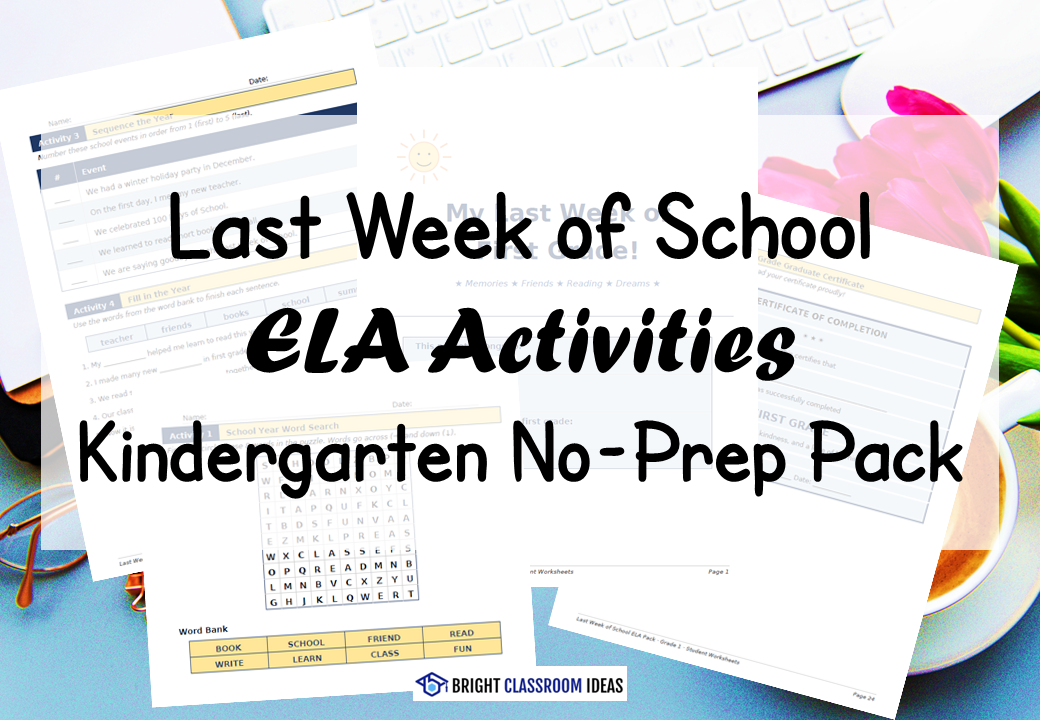
3rd Grade Summer ELA Games Pack | No-Prep Printables

3rd Grade Summer ELA Games Pack | No-Prep Printables
ELA, Grade 3, Games, Activities, Lesson Plans, Teacher Tools, Worksheets & Printables

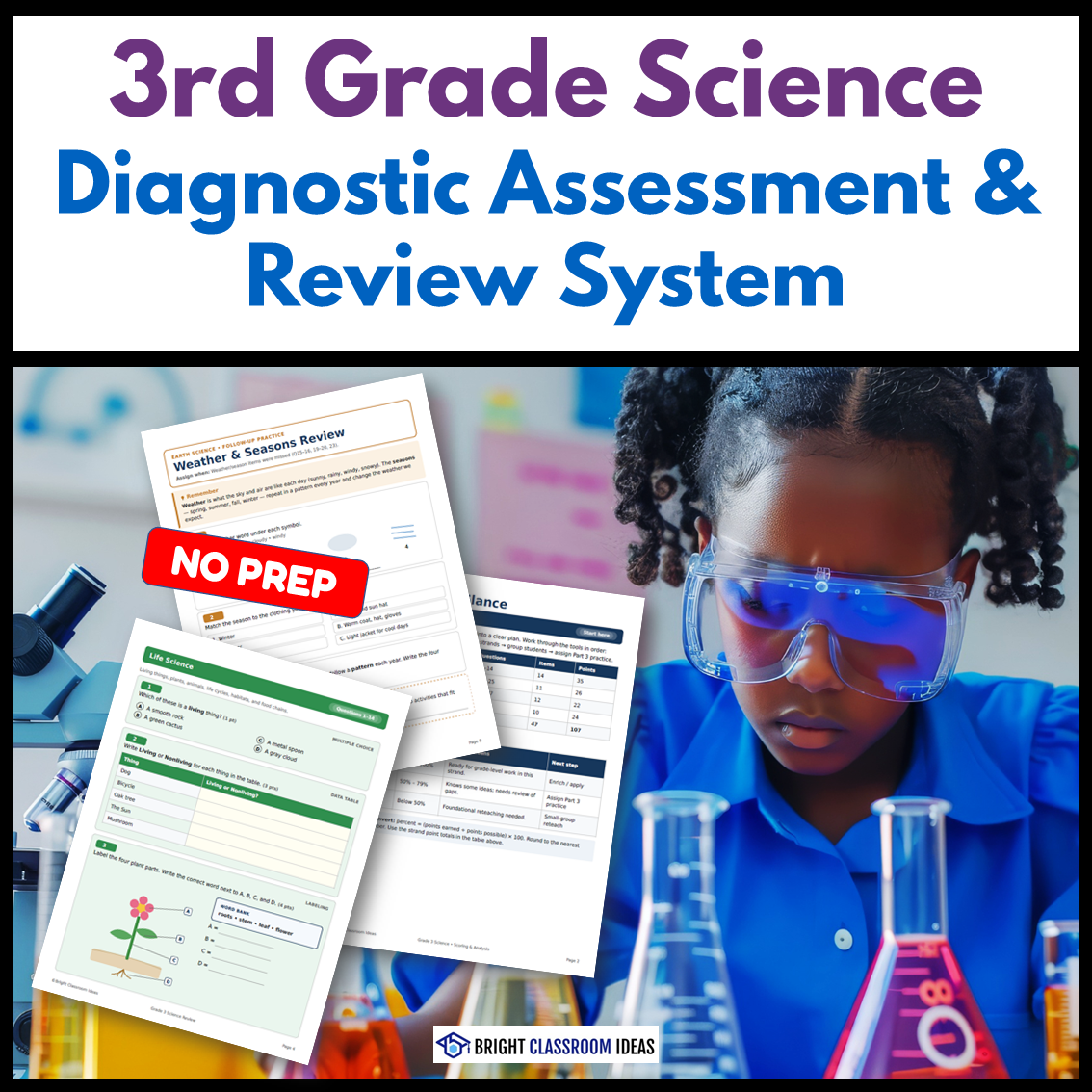
3rd Grade Summer ELA Games Pack | No-Prep Printables Keep third graders learning, growing, and engaged all summer long with this Summer ELA Games Pack Grade 3 ! Packed with 57 no-prep literacy activities, this resource helps students strengthen reading comprehension, phonics, vocabulary, grammar, writing, figurative language, and critical thinking skills while preventing summer learning loss. Perfect for summer school, end-of-year review, literacy centers, tutoring, and take-home practice. What's Included 57 no-prep Grade 3 ELA activities 8 Multi-Paragraph Reading Comprehension Passages 10 Phonics & Word Work Activities 10 Grammar & Punctuation Activities 8 Vocabulary & Word Games 10 Multi-Paragraph Writing Prompts 6 Figurative Language Activities 5 Reading Response & Board Games Complete Answer Key Teacher Guide with standards alignment, differentiation strategies, and pacing suggestions How It Works in the Classroom This versatile summer literacy resource can be used for: Summer school programs End-of-year review Literacy centers and stations Morning work Early finisher activities Small-group instruction Tutoring sessions Homeschool learning Take-home summer packets Substitute teacher plans Simply print and go! Each activity is designed as a self-contained page, making implementation easy and stress-free for teachers and families. Standards & Learning Goals Students will practice: Reading Comprehension Text evidence and inference skills Theme and lesson identification Character analysis Main idea and details Phonics & Word Study Greek and Latin roots Prefixes and suffixes Multisyllabic word decoding Schwa sounds Homographs Hard and soft C/G patterns Grammar & Language Abstract nouns Subject-verb agreement Irregular verbs Pronouns Comparatives and superlatives FANBOYS conjunctions Simple, compound, and complex sentences Dialogue and punctuation Vocabulary & Writing Context clues Shades of meaning Advanced homophones Opinion writing Informational writing Narrative writing with dialogue Persuasive and compare-and-contrast essays Figurative Language Similes Metaphors Hyperbole Idioms Personification Author’s word choice Aligned with Grade 3 Common Core ELA standards including RL.3.1–RL.3.4, RF.3.3, L.3.1–L.3.5, and W.3.1–W.3.3. Why Teachers Love It ✅ No-prep, print-and-go format ✅ Summer-themed activities students enjoy ✅ Encourages higher-level thinking and reading comprehension ✅ Reinforces important Grade 3 standards ✅ Includes rigorous multi-paragraph reading and writing practice ✅ Provides built-in differentiation ideas for intervention and enrichment ✅ Supports independent work, centers, tutoring, and whole-group review ✅ Covers approximately 18–22 hours of engaging literacy practice ✅ Great for Grade 3 students, advanced Grade 2 learners, and struggling Grade 4 students needing review Ready for Meaningful Summer Learning? Download this Summer ELA Games Pack Grade 3 today and give students engaging, standards-based literacy practice that builds confidence and strengthens essential ELA skills all summer long. Be sure to check out my other grade-level summer learning resources for even more seasonal learning fun!

Author Bright Classroom Ideas Marketplace

Rating

Tags Summer, Ela, Game, Worksheet, End Of Year

Cells, Skeletal & Muscular Systems Gr. 5-8

Cells, Skeletal & Muscular Systems Gr. 5-8
Science, Life Sciences, Human Body, Grade 5, 6, 7, 8, Teacher Tools, Lesson Plans

Cells, Skeletal & Muscular Systems Gr. 5-8 An effective teaching resource designed specifically for students in grades 5 to 8. It offers an engaging way of understanding the intricacies of human anatomy. Key components: Cellular Exploration: The basis of life, learners are guided to build models depicting important cell parts. This practical approach aids apprehension and memorization. Tissue and Organ Discovery: After understanding cells, the learning journey ventures into tissues and organs that form comprehensive systems working together seamlessly within our bodies. Skeletal System Study: A unique interactive approach is applied - designing an alien skeleton using knowledge about human bones– emphasizing not just creative thinking but also a solid understanding of bone structure. Detailed briefings on joints and cartilage offer insights into how they provide mobility within our body. Muscular System Analysis:The differences between various muscles types - skeletal muscle vs smooth muscle vs cardiac muscle are elaborated along with further insight into voluntary versus involuntary movements. This versatile resource can be used in different teaching settings such as full class discussions or smaller group workshops thereby catering to individual learner styles. It even encourages parental engagement through homework tasks. Aligned with Next Generation State Standards while incorporating principles from Bloom's Taxonomy and STEAM initiatives, this product provides numerous hands-on activities like crosswords puzzles word searches comprehension quizzes answer keys etc, Finally there is ready access to a one-file PDF for seamless usage making it a value addition to any science teacher's toolkit.

Author Classroom Complete Press

Tags PDF

News ESL  Advanced Lesson Plan

News ESL Advanced Lesson Plan
ELA, Language Development, ESL, Not Grade Specific, Adult Education, High School, Middle School, Teacher Tools, Lesson Plans, Worksheets & Printables

News ESL Advanced Lesson Plan for ESL Students This educational resource provides an advanced lesson plan focused on improving reading comprehension and grammar skills related to news articles. ESL students will read informational texts about current events, analyze article structure and features, discuss meanings of vocabulary in context, and complete exercises assessing their understanding. With answer keys included, this versatile resource can be used flexibly for whole-class instruction, small group work, or independent practice in middle school and high school classrooms or homeschool settings. An audio component helps build English listening and speaking abilities. Overall, this content aims to boost literacy and engage learners' critical thinking about news media. The ESL lesson plan includes flashcards, a warmer, grammar rules, exercises, role-play, conversation, writing drill, activity, answers and an extra study that would be good to set as homework. There are 30+ pages and there are teachers notes to guide the teacher. 3 PDFs with 11 ready to print pages and one digital access file 1 MP3 file

Author TEAM TEFL

Tags Politics, Economic, ESL Lesson, Grammar Worksheet, Comprehension

The Strange Dream Short Story | Upper Intermediate Lesson Plan

The Strange Dream Short Story | Upper Intermediate Lesson Plan
ELA, Language Development, ESL, Reading, Not Grade Specific, Adult Education, High School, Middle School, Teacher Tools, Lesson Plans, Worksheets & Printables

The Strange Dream Short Story | Upper Intermediate Lesson Plan This upper intermediate English lesson plan helps students improve their reading comprehension and grammar skills. Educators can use this multi-page PDF worksheet set to teach the short story "The Strange Dream" to upper intermediate ESL students. After reading the thought-provoking narrative, learners complete reading comprehension questions and grammar exercises that reinforce key concepts. This versatile resource works for whole group instruction, small group work, or independent practice. Answer keys are included, making self-guided learning possible. This short story lesson can also be assigned digitally through Google Apps. With creative ideas for implementing compelling literature, this teaching resource helps ESL educators take their upper intermediate students on a journey through descriptive writing and imaginative plots. 3 PDFs with 4 ready to print pages and one digital access file With this The New Business ESL ELA ELL Upper Intermediate Lesson Plan, educators have at their disposal a profound tool that makes the educational journey into reading comprehension exciting and purposeful whilst their students develop important new skills.

Author TEAM TEFL

Tags Dreams, Language Arts, Short Story, ESL, Grammar Worksheet

All About Verbs | Interactive Literacy Video Lesson

All About Verbs | Interactive Literacy Video Lesson
ELA, Grammar, Grade 1, 2, 3, Lesson Plans, Teacher Tools

This animated video is a literacy lesson all about verbs. Students will love this engaging and interactive video. This video serves as a great introduction or review video for your learners. This is a 3-minute video lesson.

Author Educational Voice

Tags Parts Of Speech, Verbs, Grammar, Literacy, Language Arts

Mr. Borne's Weather Journey: A Cross-Curricular Unit

Mr. Borne's Weather Journey: A Cross-Curricular Unit
, Kindergarten, Preschool, Teacher Tools, Lesson Plans

Mr. Borne's Weather Journey: A Cross-Curricular Unit A captivating teaching resource catering to weather intricacies in an immersive narrative, primarily designed for preschool and kindergarten educators. The exciting journey of Mr. Borne through various atmospheric phenomena in his hot-air balloon illustrates a spectrum of weather scenarios - from sunny days to stormy nights, thus aiding students not only in recognizing different kinds of weather patterns but also instill the understanding to differentiate between favorable and adverse conditions. Included Worksheets User-friendly activities that complement the storyline. A combination of color-by-number tasks and distinguishing exercises that engage students actively into learning process. Format & Adaptability This educational unit is provided as a powerful and adaptive 6-page PDF file type. Makes it suitable for various learning environments like whole class or small-group setting and can be potentially used as at-home assignments too. The teaching guide aligns strictly with lesson plans concentrating on improving children’s comprehension about atmosphere sciences, making 'Mr.Borne's Weather Journey' an extraordinarily efficient aid fusing science education with interactive storytelling seemingly extending boundaries beyond traditional pedagogy methods.

Author Classroom Complete Press

Tags Science Lesson Plan, Cross-curricular Unit, Weather Journey, Weather Lesson, Science Worksheet

All About Earthquakes | Animated Weather Video Lesson

All About Earthquakes | Animated Weather Video Lesson
Science, Earth and Environmental Sciences, Environmental Science, Not Grade Specific, Lesson Plans, Teacher Tools

All About Earthquakes | Animated Weather Video Lesson Unravel the mysteries of Mother Nature with the All About Earthquakes Animated Weather Video Lesson. This resource offers a captivating journey into the world of seismic activity , providing an engaging alternative to traditional classroom lectures. Suitable for many educational environments, this tool holds intrinsic value not only for public school teachers but also for homeschool educators. This 9-minute video delves deep into geological phenomena and leaves students inspired to learn more about our dynamic planet. The animated format breaks down complex environmental science topics into simpler, understandable concepts that cater to various learning styles and ages. It instills knowledge about earthquakes in an entertaining way, thereby fostering both curiosity and understanding in young scientists. Flexible Integration & Use The MP4 file format ensures seamless integration into most modern teaching systems and decentralised learning platforms. Educators have broad flexibility in implementing this teaching resource - use it as a warm-up material during science periods or as a visual supplement to textbook reading assignments. This tool is adaptable enough to fit your class schedule or curriculum pacing guide effortlessly. Engaging & Interactive Learning Experience Incorporated within whole group discussions or small group activities, this video can incorporate cooperative learning strategies while enhancing student engagement and interest. Assigning viewing as homework merges well with self-paced studying techniques—a great means of reinforcing knowledge retention outside classroom hours. ev Concisely packed with information yet undeniably fun at the same time—this All About Earthquakes Animated Weather Video Lesson ignites students' enthusiasm towards exploring scientific realities tucked within our everyday lives.

Author Educational Voice

Tags Earthquakes, Geological Phenomena, Seismic Activity, Animated Lesson, Weather

Quesadillas Reading Comprehension Passage - Cored Ed Encyclopedia

Quesadillas Reading Comprehension Passage - Cored Ed Encyclopedia
ELA, Language Development, Reading Comprehension, Reading, Pre-Reading, Social Studies, Writing, Strategies, Geography, Vocabulary, Grade 2, 3, 4, 5, Worksheets & Printables, Worksheets, Teacher Tools, Centers, Activities, Writing Prompts, Assessments, Quizzes and Tests, Quizzes, Lesson Plans

This quesadillas reading comprehension includes: Visualization (on the front cover) Start your lesson by taking a minute to think and share something about the topic. Read the script aloud (slowly), perhaps prepare some music or sound effects. Student close their eyes and let their imaginations wander. Students open their eyes, read the question aloud and give them a few minutes to complete. Ask a few students to share or keep answers until the end to compare with what they learn in the passage. Quick pause—thousands of Cored Education products are included with your TeachSimple membership. Download links and encyclopedia index available here. Pre-Reading Trivia Students will write down one thing they already know about the subject and then read five more facts and discuss. These facts are fun, and the students will enjoy learning about the subject before reading more. Give 1 minute for students to write what they already know (no pressure—best guess is fine). Read the five facts together. After each fact, do ask a student for their opinion, was it surprising? Set a purpose by asking students to highlight/underline one fact they want to learn more about during the reading. Reading Passage The text is a high-interest reading passage with set paragraphs, roughly three to four paragraphs long. It contains a variety of themes about the topic, anywhere from history to technology. The passage is between 250 and 350 words in length. First, ask students to look at the headings and see what they’ll learn about today. What do they know about the topic/heading? First read options: Teacher read-aloud (best for support). Partner reading (paragraph by paragraph). While reading, students underline important details, and vocabulary words they think may come up in the questions section. Mixed Questions The first question page contains four multiple-choice questions, each with a choice of four answers, and three written response questions that require a sentence or two from the student. Students complete the mcqs first independently, then review quickly as a class. For the 3 written responses, try to get students giving the answer with some form of evidence: “I think ___ because the text says ___.” If students get stuck, send them back to check the passage. Vocabulary Questions Practice seven key words from the text in this section across two activities. First section is scrambled words where students will unscramble three words given a clue for each. The second section is a word to meaning matching activity. Before starting, have some students read out words they underlined in the passage. Ask students to say the word and read aloud the sentence(s) around each word. Ask students to do scrambled words and the matching exercise in pairs then go through answers as a class. For the scrambled spelling task, get four pairs to come up to the board and write the words for extra practice with the other student reading out the clue. For the matching task, prompt students to give full sentences: “I matched ___ with ___ because ___.” Creative Writing In this question, the student will be required to write a five to eight sentence paragraph on a question related to the topic. Before starting, ask students write down 3 key ideas they are going to include in their piece. Ask students for ideas to share around the class to help those struggling. Pro writing expectations: 5–8 sentences At least 2 facts or details from the passage At least 2 vocabulary words from the previous page Students read their paragraphs while classmates listen for facts and vocabulary words. Extension Activities This page is optional for fast finishers or to take home. There are several activities, each one requiring a different skill. Do some, do none, do all, completely optional - but you will feel reassured knowing every possibility is planned for. Includes summary writting question. Answer Key There are answers for the multiple-choice questions, written response questions have sample answers, vocabulary answers and if there is a summary question then a sample summary will be provided as well. Lesson Plan Included Customized lesson plan for this lesson is included. Lesson Snapshot Title: Quesadillas Genre: Nonfiction (informational passage with support pages) Subject: Reading (Informational Text) / Social Studies (Culture & Food Traditions) Primary Topic: How quesadillas began and changed by place Estimated Guided Reading Level (A–Z): Q What This Lesson Teaches Best How foods and traditions change as people share them in different places (homes, markets, restaurants, and around the world). Comparing regional variations (corn vs. flour tortillas; different cheeses and fillings in different parts of Mexico and the U.S.). Building vocabulary and background knowledge about cooking tools and ingredients (comal, Oaxaca cheese, huitlacoche, guacamole). Identifying main ideas and key details across sections with headings (history/origin, filling choices, spreading beyond Mexico). Learning Goals Students can explain how the passage says a quesadilla is made (tortilla, filling, folded, heated). Students can describe how quesadillas changed in different places using details from the text. Students can compare quesadillas in different regions mentioned (central/southern Mexico, northern Mexico, Mexico City, Southwestern United States). Students can identify the main idea of each section heading and support it with one detail. Students can use key vocabulary from the passage when discussing the topic. Key Vocabulary From the Text colonial — from the time when a country was ruled by another comal — a flat griddle for heating and cooking tortillas Oaxaca — a place in Mexico named in the passage huitlacoche — a corn fungus used as a savory filling guacamole — a topping served with some quesadillas Discussion Prompts Pre-reading question: What foods have you seen change in different places or families? Comprehension questions: According to the passage, what is a quesadilla and how is it cooked? Comprehension questions: What are two different fillings or cheeses the passage says people use? Comprehension questions: How does the passage explain quesadillas changing as they spread beyond Mexico? FULL CATALOG OF DOWNLOAD LINKS AND ENCYCLOPEDIA INDEX HERE

Author Cored Education

Rating

Tags Vocabulary, Reading Comprehension, Reading Passages, Reading, Creative Writing, Reading Strategies, Writing Prompts, Lesson Plans, Quesadillas, Social Studies

Climate Change: Causes: Greenhouse Gases: Carbon Dioxide Gr. 5-8

Climate Change: Causes: Greenhouse Gases: Carbon Dioxide Gr. 5-8
Science, Earth and Environmental Sciences, Environmental Science, Grade 5, 6, 7, 8, Teacher Tools, Lesson Plans

Climate Change: Causes: Greenhouse Gases: Carbon Dioxide Gr. 5-8 An in-depth teaching tool providing students with a solid scientific perspective on climate changes, separating fact from fiction. Main Features: A relevant resource for Environmental Science topics within Grades 5 to 8. Closely aligned with Bloom's Taxonomy and STEAM initiatives. Packed with engaging content that intricately explores various facets of climatic changes through comprehensive lessons. Detailed Overview: The lesson plan kicks off by exploring the wonders of our atmosphere and the effects of human activities on Earth's systems. By providing hands-on experience, students will be able to learn more effectively. An in-depth investigation into the different layers of our atmosphere. A series of experiments focusing on how an object’s color can influence radiation absorption rates - making learning more experiential and concrete. Moreover, it enables learners to understand rising temperatures' impact on oceans and carbon cycle dynamics better as they delve deeper into building their own models. Main Highlights: - A unique educational experience around sustainability presented through ways in which methane's residence time within our atmosphere can positively shape climate change combat strategies. Further highlighting health implications brought upon by fluctuating ozone levels while uncovering beneficial aspects about nitrogen-fixing bacteria as a likely alternative for nitrogen fertilizers. Students are also provided insights regarding synthetic gases – the reasons behind their banning and the duration for which their effects persist within our atmosphere. To aid learning beyond core lessons supplementary activities are included such as word searches or crossword puzzles . Perfectly suitable for either large group discussions or smaller group activities. Periodic Evaluation: Embedded within this resource are comprehension quizzes. These periodic evaluations help in ensuring student understanding while presenting opportunities for reinforcement or intervention wherever necessary. Accessible through a PDF format, Climate Change: Causes: Greenhouse Gases: Carbon Dioxide Gr. 5-8, is versatile and easily adaptable across independent assignments or homework tasks too when required. In summary, this product is a single, complete Lesson Plan designed efficiently around fundamental environmental science concepts - making it an indispensable tool for all educators investing in nurturing informed perspectives regarding Climate Change amongst students in their classrooms.

Author Classroom Complete Press

Tags PDF

SIXSPELL PRIMARY-2 Gr. 3

SIXSPELL PRIMARY-2 Gr. 3
ELA, Language Development, Spelling, Grade 3, Teacher Tools, Lesson Plans

SIXSPELL PRIMARY-2 Gr. 3: A Revolution in Language Arts Teaching The SIXSPELL PRIMARY-2 Gr. 3 is a revolutionary learning resource designed for Grade 3 Language Arts teachers, focusing predominantly on Spelling. It serves as an innovative supplement to traditional spelling practices, overhauling daily spelling programs to synchronize better with the needs of modern education. Far from being just another drilling tool, SIXSPELL introduces a unique approach engendered by research. Dedicating just 10 to 15 minutes per day to this method can lead to substantial improvements in students' writing skills and overall academic performance. A Fresh Approach to Spelling Rather than relying on rote memorization, this spelling program lays emphasis on meaningful words and rule-based instructions catering uniquely to each student's requirement. The program discourages teaching of words that are already mastered by the student, eliminating unnecessary replication in learning. SIXSPELL underscores the interplay between reading and spelling abilities stressing that children need proficiency in sound-symbol relationships before they can grasp spelling instructions successfully. An Invaluable Tool for Dynamic Instruction The material included in SIXSPELL has been thoughtfully selected from various word lists suitable for Grade 3 students; taking into account possible overlaps across different grades due partially related word usage.. This versatile toolkit can be employed equally effectively either during large group classes or during more focused small group lessons - you get maximum results when aligned specifically with your classroom context! . . . ., . We invite all the educators on board for a path-breaking language teaching transformation commencing with these small but significant steps every day, allowing students to embark into the fascinating world of words with SIXSPELL PRIMARY-2 Gr. 3!

Author Classroom Complete Press

Tags Language Arts, Spelling Programs, Spelling Patterns, Spelling Words, Tests

Building Comprehension - Grade 9

Building Comprehension - Grade 9
ELA, Reading, Reading Comprehension, Grade 9, Teacher Tools, Lesson Plans

Building Comprehension - Grade 9 Building Comprehension - Grade 9 is an innovative teaching resource meticulously designed to enhance comprehension skills in Grade 9 students. This tool uses engaging stories from a wide range of interests that include several areas such as renowned personalities, sports events, mysteries, disasters, legends, and narratives from mythology, ensuring it captivates the students' attention and stimulates their curiosity. The reading comprehension tool serves education in an exciting way by employing a carefully curated controlled vocabulary. It guarantees the content fits intelligibly between not stirring much stress with strenuous language and not being too simplistic; keeping it challenging yet understandable with a readability level two grades below ninth grade. Distinguishing Element of the Resource: Follow-up Questions A standout feature of this resource is the follow-up questions posed after each reading exercise. These have been devised thoughtfully to reinforce key comprehension skills among ninth-grade learners. The pedagogic approach offers custom practice for elements like: Understanding context clues, Making predictions, Composing summaries. About The Content Type & Its Flexibility In Usage The content type predominantly involves lesson plans developed with effective instructive methods in focus. The resource comes in PDF format making it easy download or print fit for use within various teaching environments such as: School classrooms (whole group or small group study sessions) Homeschooling scenarios (individualized study plans). 'Building Comprehension – Grade 9' provides adaptability by serving different pedagogical requirements; educators can utilize it as regular teaching material in the classroom or assign it as supplementary homework depending on their comprehensive teaching strategies. To Summarize This detailed and well-thought product is a trusted aid aiming to build robust foundations of literacy among ninth-grade students while making the learning process an engaging experience.

Author Classroom Complete Press

Tags PDF

Cells,Skeletal & Muscular Systems: The Muscular System - Movement - FLASH-PC

Cells,Skeletal & Muscular Systems: The Muscular System - Movement - FLASH-PC
Science, Life Sciences, Human Body, Common Core, Grade 5, 6, 7, 8, Teacher Tools, Lesson Plans

Introducing Cells, Skeletal, & Muscular Systems: The Muscular System - Movement - FLASH-PC A comprehensive teaching resource specifically designed to enhance understanding of Muscle Movement across Cells, Skeletal & Muscular Systems. This product caters to students between grades 5 and 8 with a focus on the Science subject and Human Body subtopic. Curriculum -based Content Included is a robust collection of curriculum -based content comprising of: Reading Passages: Each accompanied by 'Before you Read' questions and 'After you Read' queries aiding comprehension and knowledge absorption about Muscle Movement within Cells, Skeletal &amp; Muscular Systems. Interactive Activities:Puzzles and games that allow learners opportunities for practical application of new knowledge in a fun-filled approach. Auxiliary Resources:Vocabulary flash cards for quick reviews, printable exercises for reinforcement or homework assignments meeting myriad needs from whole group lessons to small group sessions. Bloom's Taxonomy compliance: Encouraging higher-order thinking skills by comprehensively addressing tasks ranging from recalling facts through analyzing issues until creating solutions. Common Core State Standards adherence: Guaranteeing quality education aligned with recognized benchmarks. In Summary... This integrative product equips educators with multiple avenues ensuring optimal learner engagement at understanding Muscle Movement from a Cells, Skeletal &amp; Muscular Systems viewpoint thus ideal for both classroom lessons or engaging homework assignments. </P

Author Classroom Complete Press

Tags Software (PC)

Guided Reading Level M - The Sport of Fencing (with Lesson Plan)
Free Download

Guided Reading Level M - The Sport of Fencing (with Lesson Plan)
ELA, Resources for Teachers, Reading Comprehension, Reading, Science, Engineering, Technology, Sports, P.E. & Health, Physical Education, Grade 2, 3, 4, Worksheets & Printables, Worksheets, Teacher Tools, Centers, Activities, Literacy Readers, Quizzes, Quizzes and Tests, Assessments, Lesson Plans

This Guided Reading Book - The Sport of Fencing (Level M) with lesson plan includes: Guided Reading Color Label (front cover x1) This is a quick way to match the book’s demands to what students can generally handle.. The overall goal is to use the level/color to pick books for several smaller groups. To qualify for a certain level, a student is expected to read a book from that level with about 90–94% accuracy. If a student is consistently accurate and understands, move up a level. If the student is struggling at that level, drop down and add more support. Each student will improve at completely different rates, but it is generally one of the best ways to check progress across the class. DOWNLOAD THE CATALOG TO VIEW ALL GUIDED READING BOOKS AVAILABLE (SORTED LEVELS A-Z) Pre-Reading Question (x1) Teacher asks the prompt aloud, can be while showing the cover or first page. Students share what they already know, or make educated guesses from the cover. Prompt them to use the target vocabulary. Write some of their responses on the board to look back at during the reading. Vocabulary Words (x5) Introduce the five words, best doing it one at a time. Start by saying it, while students repeat and then see if anyone knows what it means before reading further. Read through the meaning and try to briefly connect each word to a picture or gesture so it’s meaningful. Ask students to flip through the book pages and point to where they see each of the vocabulary words. While reading the book pause upon coming across one of the vocab words or read the sentence twice to make sure students understand the word has appeared. Optional: Ask students to raise hands whenever they see/hear one of the new words. Guided Reading Pages (x10) Check the book snapshot (below) for: primary topic - do you need to prep extra reading or intro materials on this? what is taught best - decide on 1-2 bullets to focus on, use the prompt or words provided here for best results. learning goals - what you are checking for students to be able to do after the session, elicit answers using prompts or words provided. key vocabulary (see section above). questions overview - so you know what is coming up and if you need to prep extra materials to assist understanding. Run the lesson You may have already looked at a few of the pages together, but you can show them some of the pictures again first to set meaning. Depending on how much time you have and how familiar your students are with guided reading class, you may want to read the book aloud first with the group first. Students whisper or partner read, while you listen in. If time, do it as a group, one student reading a page each. Use the guided page’s prompts to coach: “Check the picture / does it make sense?” “Point under the words / try the first sound” “Reread the sentence smoothly”. Try to focus more on one student per session (rotating every time), so you can work out if they are ready to move up or need to move down a level. Comprehension Questions (back cover x3) This is your way to check that students didn’t just say the words, but actually understood the text. First, let students answer by pointing to the page/picture and saying a short sentence. After any answer, follow with: “Show me where you found that in the text.” In bigger groups, have partners answer first (10–20 seconds), then call on 2–3 students to share. Differentiation tips: Emerging speakers/struggling readers: oral + pointing On-level: oral in a full sentence Higher: one written sentence or draw + label Book Snapshot Title: The Sport of Fencing Genre: Nonfiction (informational) Subject: Physical Education / Reading (Informational Text) Primary Topic: Fencing gear, swords, and how matches work Estimated Guided Reading Level (A–Z): M What This Book Teaches Best Basic overview of fencing as a sport, including where it takes place (a long, narrow mat called a “strip”). Safety equipment and how it protects fencers (mask, jacket, glove, cuff). Differences among the three fencing swords and how points are scored with each (foil, épée, sabre). Key fencing moves and positions used in a match (“En Garde” stance, lunge). How modern fencing tracks points and how respect is shown before and after matches. Learning Goals Students will describe what fencing looks like and where it takes place using details from the text. Students will explain how fencing safety gear protects a fencer during a match. Students will compare foil, épée, and sabre by describing how targets and scoring work. Students will identify and describe the “En Garde” stance and why it helps movement. Students will explain how a lunge helps a fencer reach an opponent to score a point. Students will describe how fencing shows respect before and after a match. Key Vocabulary From the Text strip — the long, narrow mat where fencers move. foil — a light, flexible sword used in fencing. épée — the heaviest fencing sword with the whole body as target. sabre — a fast sword that can score with tip or edge. lunge — a move stepping forward to reach an opponent. Discussion Prompts Pre-reading question: What safety gear do you think someone would need to fence safely? Comprehension questions: Why do fencers wear a fencing mask? In a foil match, what part of the opponent is the target for scoring points? What do fencers do before and after a match to show respect? Printing Tips 1. Best Printing Method (Recommended) “Booklet” Printing (Best if Available) If your printer or PDF viewer supports Booklet Printing , use this. Settings to use: Print mode: Booklet Paper size: Letter or A4 (either works) Orientation: Landscape Print on both sides: Yes Flip on: Short edge Scaling: Fit to printable area Booklet subset: First test: Front sides only Then: Back sides only This will automatically: Pair pages correctly Put the cover on the outside Align everything for folding After printing, fold in half and staple along the spine . 2. If “Booklet” Printing Is NOT Available You can still print this correctly with manual duplex printing . Step-by-step: Open the PDF. Choose Print . Set: Orientation: Landscape Pages per sheet: 1 Print on both sides: Yes Flip on: Short edge Print all pages . Because each PDF page already contains two facing book pages, the result will still fold cleanly into a book. Thousands of Cored Education products are included with your TeachSimple membership. Download links and encyclopedia index available here.

Author Cored Education

Rating

Tags Reading Comprehension, Reading Passages, Reading, Guided Reading, Guided Reading Lesson Plan, Guided Reading Activity, Pre-reading, Health Lesson Plans, P.e., Sports

Number & Operations: Counting & Ordering Objects - Practice the Skill 2 - PC Software

Number & Operations: Counting & Ordering Objects - Practice the Skill 2 - PC Software
Math, Numbers, Common Core, Kindergarten, Preschool, Grade 1, 2, Teacher Tools, Lesson Plans

Number & Operations: Counting & Ordering Objects - Practice the Skill 2 - PC Software This teaching resource is an essential tool for boosting critical maths concepts in early education, with a particular focus on Preschool, Kindergarten, Grade 1 and Grade 2 students. It encompasses vital principles of Counting and Ordering Objects, under the domain of Number and Operations. The resource brings together curriculum-aligned content through 'practice the skill' timed drill activities. These activities ask students to discern which object within a group is more dominant. Real-life pictures as visual aids: These foster a practical understanding of numbers & operations concepts, simplifying abstract ideas. Inclusive language options: With English voice over by default, Spanish voice-over and text options ensure inclusivity across diverse classrooms. Math tools: The software includes math tools alongside each activity . They provide additional support structures that enhance comprehension through hands-on problem-solving opportunities. The software adheres to Common Core State Standards (CCSS) for Math Education. It also aligns with Science Technology Engineering Mathematics (STEM) initiatives as planned per National Council Of Teachers Of Mathematics (NCTM) guidelines. Purchase Information: Upon buying this product, you receive a downloadable zip file teeming with PC software implementing Lesson Plans primarily focused on Maths with Numbers related activities. Possible Use Cases: Suitable for whole group classes or smaller dispensaries during remedial periods. Becomes an ideal revisional aid at home or can form part of homework assignments ensuring regular practice. In a nutshell, 'Number & Operations: Counting & Ordering Objects - Practice the Skill 2' PC Software offers invaluable content with practical use and can augment student engagement while optimising learning outcomes.

Author Classroom Complete Press

Tags Math Lesson, Operations Lesson, Counting, Ordering Objects, Digital Math

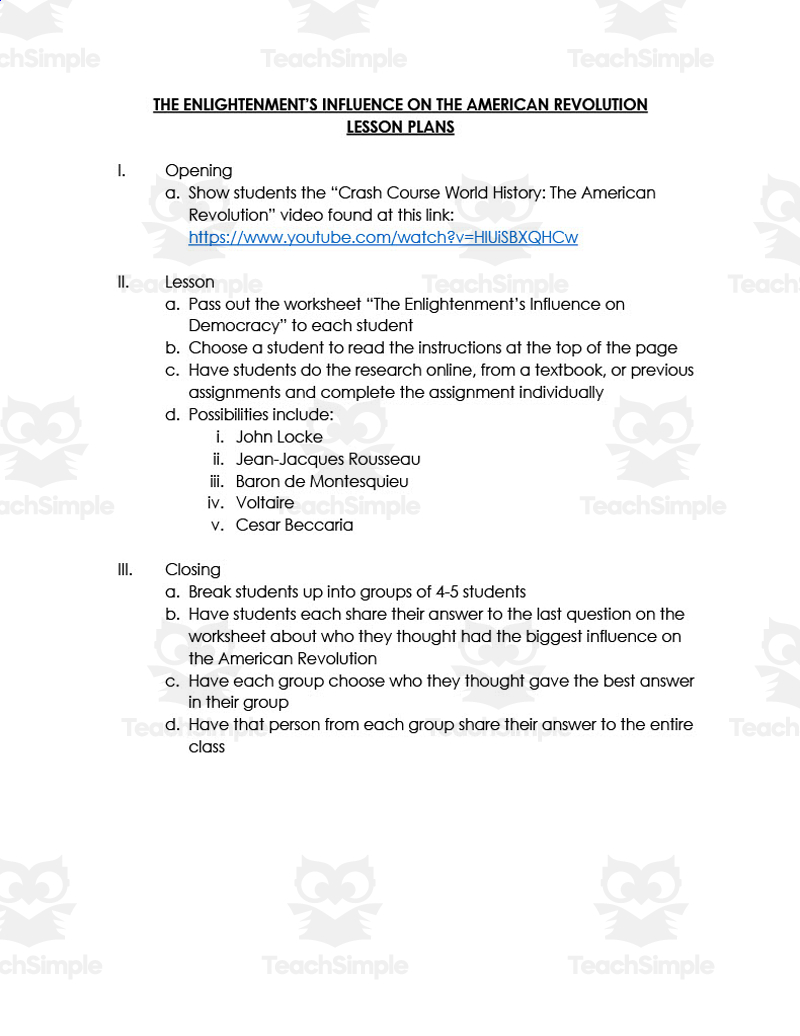
American Revolutionary War: Major Battles Gr. 5-8

American Revolutionary War: Major Battles Gr. 5-8
Social Studies, History, History: USA, Grade 5, 6, 7, 8, Teacher Tools, Lesson Plans

American Revolutionary War: Major Battles Gr. 5-8 This is an extensively developed teaching resource aimed at giving profound insight into the events that triggered America's fight for independence. This tool highlights the major battles that spanned from 1775 to 1783. Targeted Audience Mainly designed for Grade 5-8 educators, this resource delivers detailed and accurate historical information. It's useful not just for Social Studies classes but also for enhancing students' broader understanding of American history. About The Resource Material The Thirteen Colonies: It provides essential context regarding Britain and its thirteen American colonies' strained relationship leading up to the war. Boston Massacre and Tea Party: Comprehensive detailing on significant episodes like these, including their implications and outcomes are featured Prominent Figures: The roles of notable individuals during these times are explored which includes leaders like George Washington and Thomas Jefferson. Gripping Historical Moments The resource brings out key moments such as Paul Revere’s famous ride or George Washington's daring journey across Delaware River, making learning engaging by painting a vivid picture of history before students' eyes . Versatility Of Use This well-designed instructional guide serves ideally as a foundation material for whole-group instruction or smaller study groups. Given its easy content design flow, it proves handy while planning parent-led homework assignments or self-study schedules too. Educationally Sound & Well-Designed The format stays true to State Standards with guidance obtained from Bloom's Taxonomy principles for cognitive learning objectives. Teachers can ensure that students are receiving pertinent knowledge while developing understanding skills. The package includes a range of assessments like crosswords, word searches along with quizzes and answer keys guided towards classroom review reinforcement keeping a strong focus on learner engagement. All of this material is provided in a universal PDF format making accessibility easier for educators either for immediate use or future planning. In Summary: American Revolutionary War: Major Battles Gr. 5-8 makes history interesting and understandable, aiming to not just educate but also develop thinking skills among young minds.

Author Classroom Complete Press

Tags PDF

Family: Homes, Chores, Sizes & Types Gr. 1

Family: Homes, Chores, Sizes & Types Gr. 1
Special Resources, Life Skills, Grade 1, Teacher Tools, Lesson Plans

The Family: Homes, Chores, Sizes & Types Gr. 1 This resource invites first graders into an engaging exploration of family life and dynamics from the combined perspective of Social Studies and Language Arts. What does the module include? 'What Is A Family' 'Family Homes' 'Family Size' 'Rules' and 'Chores' Inclusive topics like: 'Blended Families', 'Foster Children', 'Adopted Children' Pedagogic Strategies Handbook Suggestive teaching techniques help to enhance each lesson's output by adapting to different teaching styles and classroom needs. It aids teachers in devising engaging daily activities that spur students’ interest towards effective learning. Innovative Features within Lessons: An Activity sparking brainstorming. *Aids Inquisitive Thinking* New sight words introducing activity . *Boosts language skills* A spelling activity is included for literacy enhancement. *Improves Literacy Skills* The inclusion of an activity book to apply theory into practice. *Enforces Practical Application* This educational unit provides teachers with multiple well planned lessons containing radiantly educational activities such as crosswords and word searches, all created to encourage critical thinking in learners while making classroom sessions spirited. The product file comes complete within one comprehensive PDF document that allows teachers to utilize it over various digital platforms promoting its user-friendliness for not only public school teachers but homeschoolers too. The resource merges effortlessly into any teaching plan, serving the purpose of whole-group teaching, small group activities or even homework assignments! Reinforcing familiar concepts from class-activities for constant booster at home. A necessary addition for Special Resources during various Life Skills study periods; this module introduces first graders to 'Family' not only defining it but further exposing them to its varying sizes, types, homes and chores! Hence proving itself as a versatile teaching tool offering a well-rounded lesson plan that stimulates an enriched learning experience!

Author Classroom Complete Press

Tags PDF

Bird Migration | Animated Birds Video Lesson

Bird Migration | Animated Birds Video Lesson
Science, Life Sciences, Animals, Not Grade Specific, Lesson Plans, Teacher Tools

Title: Bird Migration | Animated Birds Video Lesson This educational resource, named Bird Migration | Animated Birds Video Lesson, is a tool for all educators in public and home-schooling settings. It provides an engaging way to learn about bird science. Main Specifications A 12-minute video lesson which uses animation to explain advanced concepts. The video is not grade-specific and can be integrated across various curriculum levels. The resource exists in MP4 format, making learning more efficient without unnecessary clutter or hard-to-follow instructions. Categorization & Applications Bird Migration | Animated Birds Video Lesson falls under the broader subject of Science with Zoology being its specific field of study. Though primarily meant for classrooms, it's as effective when used for small group sessions or individual tasks at home. This makes it a versatile addition to any educator's teaching toolkit. Suited Learning Styles & Investment Worthiness This animated bird migration video lesson caters mainly to visual learners who find picture-based learning more beneficial than the traditional methods that rely solely on text-based information. However, auditory learners are also catered to via helpful voiceovers that come with each animation. In short, this pedagogic strategy brings strong conceptual clarity along with interactivity, thus proving worth every penny invested in this innovative solution.

Author Educational Voice

Tags Bird Migration, Animated Birds, Video Lesson, Science, Zoology, Birds Animated

Geometry: Polygons - Learn the Skill - FLASH-MAC

Geometry: Polygons - Learn the Skill - FLASH-MAC
Math, Geometry, Common Core, Grade 3, 4, 5, Teacher Tools, Lesson Plans

Geometry: Polygons - Learn the Skill - FLASH-MAC This multifaceted educational resource for grade 3-5 students teaches polygons within geometry. Tailored to educators in both public school system or homeschool environments, it aligns with Common Core State Standards, NCTM guidelines and STEM initiatives. Main Features: Real-world word problems : Engage students by making learning interactive and enhancing understanding of polygons in everyday contexts. Learner tools: Math tools provided within this package assist students in practicing and consolidating vital geometric concepts. Bilingual support: The product has English and Spanish voiceovers and texts, allowing language diversity in classrooms. This software can be used in multiple instructional settings such as whole group instruction, small group discussion or reinforcement activities at home. Hence, providing flexibility to cater each learner's individual needs—making it an asset for differentiated instruction strategies. Through careful design, complex geometrical concepts are simplified into engaging lessons which pique learners' mathematical curiosity while meeting necessary educational benchmarks. Purchase Details & Compatibility: The purchase includes one Product File containing all essential materials needed for effective teaching without needing any additional supplement — a convenient comprehensive resource tool. Designed to function seamlessly on MAC machines for maintaining efficiency during hectic academic days. Made by educators for educators;, Geometry: Polygons - Learn the Skill - FLASH-MAC meets multiple classroom demands thus making learning captivating yet manageable—a perfect Science/Math/STEM solution that embodies creativity committed quality education!

Author Classroom Complete Press

Tags Software (Mac)

Measurement: Measuring Time - Learn the Skill - PC Software

Measurement: Measuring Time - Learn the Skill - PC Software
Math, Time, Common Core, Kindergarten, Preschool, Grade 1, 2, Teacher Tools, Lesson Plans

Measurement: Measuring Time - Learn the Skill - PC Software This educational software aims to assist teachers in instructing young learners about time measurement. It provides relatable, real-world word problems and useful strategies to simplify learning how time is measured. Teaching Aids That Sync With Curriculum Standards Designed to make math tangible for students Incorporates early concepts of measurement aligned with educational benchmarks such as Common Core State Standards National Council of Teachers of Mathematics (NCTM) guidelines STEM initiatives Linguistic Variety For Learning Competency Enhancement This tool also focuses on strengthening bilingual skills. It employs an inclusive approach by providing both English and Spanish voice overs and text, making it suitable for diverse classrooms. The Product Explained: The product comes as a simple zip file that can be conveniently installed on your system. It is equipped with user-friendly PC software that ensures trouble-free use. Potential Usage: Realizing its potential in various teaching environments, this software can be utilized for: * Whole-class sessions * Small group work * Individual homework assignments tailormade based on student progress levels or needs. In conclusion, our Measurement: Measuring Time - Learn the Skill - PC Software fosters math learning away from monotonous textbook theories by offering an interactive medium where children might explore mathematical concepts naturally.

Author Classroom Complete Press

Tags Math Lesson Plan, Digital Math, Measuring Time, Math Skills, Time Activities

Insects Reading Comprehension Passage - Cored Ed Encyclopedia
Free Download

Insects Reading Comprehension Passage - Cored Ed Encyclopedia
ELA, Reading Comprehension, Reading, Science, Pre-Reading, Language Development, Life Sciences, Insects, Earth and Environmental Sciences, Vocabulary, Grade 2, 3, 4, 5, Worksheets & Printables, Worksheets, Teacher Tools, Centers, Activities, Writing Prompts, Assessments, Quizzes and Tests, Quizzes, Lesson Plans

This Insects reading comprehension with lesson plan includes: Visualization (on the front cover) Start your lesson by taking a minute to think and share something about the topic. Read the script aloud (slowly), perhaps prepare some music or sound effects. Student close their eyes and let their imaginations wander. Students open their eyes, read the question aloud and give them a few minutes to complete. Ask a few students to share or keep answers until the end to compare with what they learn in the passage. Quick pause—thousands of Cored Education products are included with your TeachSimple membership. Download links and encyclopedia index available here. Pre-Reading Trivia Students will write down one thing they already know about the subject and then read five more facts and discuss. These facts are fun, and the students will enjoy learning about the subject before reading more. Give 1 minute for students to write what they already know (no pressure—best guess is fine). Read the five facts together. After each fact, do ask a student for their opinion, was it surprising? Set a purpose by asking students to highlight/underline one fact they want to learn more about during the reading. Reading Passage The text is a high-interest reading passage with set paragraphs, roughly three to four paragraphs long. It contains a variety of themes about the topic, anywhere from history to technology. The passage is between 250 and 350 words in length. First, ask students to look at the headings and see what they’ll learn about today. What do they know about the topic/heading? First read options: Teacher read-aloud (best for support). Partner reading (paragraph by paragraph). While reading, students underline important details, and vocabulary words they think may come up in the questions section. Mixed Questions The first question page contains four multiple-choice questions, each with a choice of four answers, and three written response questions that require a sentence or two from the student. Students complete the mcqs first independently, then review quickly as a class. For the 3 written responses, try to get students giving the answer with some form of evidence: “I think ___ because the text says ___.” If students get stuck, send them back to check the passage. Vocabulary Questions Practice seven key words from the text in this section across two activities. First section is scrambled words where students will unscramble three words given a clue for each. The second section is a word to meaning matching activity. Before starting, have some students read out words they underlined in the passage. Ask students to say the word and read aloud the sentence(s) around each word. Ask students to do scrambled words and the matching exercise in pairs then go through answers as a class. For the scrambled spelling task, get four pairs to come up to the board and write the words for extra practice with the other student reading out the clue. For the matching task, prompt students to give full sentences: “I matched ___ with ___ because ___.” Creative Writing In this question, the student will be required to write a five to eight sentence paragraph on a question related to the topic. Before starting, ask students write down 3 key ideas they are going to include in their piece. Ask students for ideas to share around the class to help those struggling. Pro writing expectations: 5–8 sentences At least 2 facts or details from the passage At least 2 vocabulary words from the previous page Students read their paragraphs while classmates listen for facts and vocabulary words. Extension Activities This page is optional for fast finishers or to take home. There are several activities, each one requiring a different skill. Do some, do none, do all, completely optional - but you will feel reassured knowing every possibility is planned for. Includes summary writting question and additional facts. Answer Key There are answers for the multiple-choice questions, written response questions have sample answers, vocabulary answers and if there is a summary question then a sample summary will be provided as well. Lesson Plan Included Customized lesson plan for this lesson is included. Lesson Snapshot Title: Insects Genre: Nonfiction (informational text) Subject: Reading (Informational Text) / Life Science Primary Topic: Insect body parts, growth, history, and study Estimated Guided Reading Level (A–Z): R What This Lesson Teaches Best Identifies core insect body parts and features (head, thorax, abdomen; six legs; antennae; compound eyes; many have wings). Explains how insects grow using an outside skeleton (exoskeleton) and why molting is needed as they get bigger. Describes butterfly life stages as an example of changing shape in stages (egg, caterpillar, chrysalis, winged adult). Connects insects to deep time and evidence from fossils (oldest known flying insects in the Carboniferous Period; many species today). Introduces how people study and classify insects over time (Aristotle, Carl Linnaeus, and modern entomology). Learning Goals Students will identify the three main insect body parts and describe what each part includes. Students will explain why insects must molt as they grow, using the idea of an exoskeleton. Students will describe the butterfly’s life stages in order, using details from the passage. Students will explain what fossils reveal about early flying insects and how insect groups changed over time. Students will define entomology and describe tools scientists use to study insects. Key Vocabulary From the Text thorax — middle body part where legs attach. abdomen — back body section behind the thorax. antennae — feelers that taste the air. exoskeleton — hard outer coat that works like a skeleton. entomology — the study of insects. FULL CATALOG OF DOWNLOAD LINKS AND ENCYCLOPEDIA INDEX HERE

Author Cored Education

Rating

Tags Vocabulary, Reading Comprehension, Reading Passages, Lesson Plans, Ela Lesson Plans, Reading Comprehension Lesson Plans, Pre-reading, Science Lesson Plans, Life Science, Insects

The Sniper: Full Lesson Plan w/ PowerPoints & Graphic Organizers

The Sniper: Full Lesson Plan w/ PowerPoints & Graphic Organizers
ELA, Literature, Grade 8, 9, 10, 11, Lesson Plans, Teacher Tools

The Sniper Full Lesson Plan Bundle for Secondary ELA This comprehensive bundle provides educators with everything needed to teach a complete lesson on the short story "The Sniper" by Liam O'Flaherty. The resource includes a full lesson plan, student handout, answer key, 15 graphic organizers, and 8 PowerPoint presentations covering key literary elements such as theme, characterization, plot, figurative language, and more. Ideal for whole-class instruction, small group discussion, or independent analysis, this bundle offers a variety of tools to analyze the story, stimulate critical thinking, and assess student understanding. With multiple file formats provided, educators can easily customize this standards-aligned curriculum resource to best suit their grade 8-11 students' needs for studying this impactful work of historical fiction.

Author Quality Teaching Products

Tags Reading Lesson Plan, Reading Powerpoint, The Sniper Text, Graphic Organizers, Short Story, The Sniper Text, The Sniper By Liam O Flaherty Full Text

Vegetables Reading Comprehension Passage - Cored Ed Encyclopedia

Vegetables Reading Comprehension Passage - Cored Ed Encyclopedia
ELA, Language Development, Reading Comprehension, Reading, Pre-Reading, Science, Life Sciences, Health, P.E. & Health, Nature & Plants, Grade 2, 3, 4, 5, Worksheets & Printables, Worksheets, Teacher Tools, Centers, Activities, Writing Prompts, Assessments, Quizzes and Tests, Quizzes, Lesson Plans

This vegetables reading comprehension with lesson plan includes: Visualization (on the front cover) Start your lesson by taking a minute to think and share something about the topic. Read the script aloud (slowly), perhaps prepare some music or sound effects. Student close their eyes and let their imaginations wander. Students open their eyes, read the question aloud and give them a few minutes to complete. Ask a few students to share or keep answers until the end to compare with what they learn in the passage. Quick pause—thousands of Cored Education products are included with your TeachSimple membership. Download links and encyclopedia index available here. COMPANION VIDEO NOW AVAILABLE (EMBEDDED AFTER PREVIEW PICTURES IN PRODUCT DESCRIPTION) Pre-Reading Trivia Students will write down one thing they already know about the subject and then read five more facts and discuss. These facts are fun, and the students will enjoy learning about the subject before reading more. Give 1 minute for students to write what they already know (no pressure—best guess is fine). Read the five facts together. After each fact, do ask a student for their opinion, was it surprising? Set a purpose by asking students to highlight/underline one fact they want to learn more about during the reading. Reading Passage The text is a high-interest reading passage with set paragraphs, roughly three to four paragraphs long. It contains a variety of themes about the topic, anywhere from history to technology. The passage is between 250 and 350 words in length. First, ask students to look at the headings and see what they’ll learn about today. What do they know about the topic/heading? First read options: Teacher read-aloud (best for support). Partner reading (paragraph by paragraph). While reading, students underline important details, and vocabulary words they think may come up in the questions section. Mixed Questions The first question page contains four multiple-choice questions, each with a choice of four answers, and three written response questions that require a sentence or two from the student. Students complete the mcqs first independently, then review quickly as a class. For the 3 written responses, try to get students giving the answer with some form of evidence: “I think ___ because the text says ___.” If students get stuck, send them back to check the passage. Vocabulary Questions Practice seven key words from the text in this section across two activities. First section is scrambled words where students will unscramble three words given a clue for each. The second section is a word to meaning matching activity. Before starting, have some students read out words they underlined in the passage. Ask students to say the word and read aloud the sentence(s) around each word. Ask students to do scrambled words and the matching exercise in pairs then go through answers as a class. For the scrambled spelling task, get four pairs to come up to the board and write the words for extra practice with the other student reading out the clue. For the matching task, prompt students to give full sentences: “I matched ___ with ___ because ___.” Creative Writing In this question, the student will be required to write a five to eight sentence paragraph on a question related to the topic. Before starting, ask students write down 3 key ideas they are going to include in their piece. Ask students for ideas to share around the class to help those struggling. Pro writing expectations: 5–8 sentences At least 2 facts or details from the passage At least 2 vocabulary words from the previous page Students read their paragraphs while classmates listen for facts and vocabulary words. Extension Activities This page is optional for fast finishers or to take home. There are several activities, each one requiring a different skill. Do some, do none, do all, completely optional - but you will feel reassured knowing every possibility is planned for. Includes summary writting question. Answer Key There are answers for the multiple-choice questions, written response questions have sample answers, vocabulary answers and if there is a summary question then a sample summary will be provided as well. Lesson Plan Included Customized lesson plan for this lesson is included. Lesson Snapshot Title: Vegetables Genre: Nonfiction (Informational text) Subject: Science (Life Science: plants, nutrition) / Reading (informational text) Primary Topic: What vegetables are and why they matter Estimated Guided Reading Level (A–Z): N What This Lesson Teaches Best What counts as a vegetable (in this text): Defines vegetables as edible parts of plants people choose to eat, including roots (carrot), leaves (spinach), and flower buds (broccoli). Plant parts and categories: Explains that many vegetables come from soft-stemmed, herbaceous plants rather than woody trees, and that vegetables come in many shapes because plants have many useful parts. Early farming and seed-saving: Describes how people once gathered edible plants from the wild, then began planting and saving seeds (about 10,000–7,000 BC), keeping and sharing plants that tasted better or grew bigger. Science vs. everyday language (tomato debate): Contrasts the botanical definition of “fruit” (seed-bearing part formed from a flower’s ovary) with how “vegetable” often means a savory plant food served with meals, noting a U.S. court decision in 1893 calling tomatoes vegetables for a tax rule. Nutrition and food preservation: States vegetables are usually low in fat and calories, filling because they bring water and fiber, and may contain vitamins/minerals (examples include vitamin A and vitamin C); also notes chilling, freezing, or canning to keep vegetables longer. Learning Goals Students will define a vegetable using examples from the text (root, leaf, bud). Students will describe where many vegetables come from (soft-stemmed, herbaceous plants) and explain what that means. Students will explain how seed-saving helped wild plants become “garden favorites,” using details from the passage. Students will compare the botanical meaning of fruit with the cooking meaning of vegetable, using the tomato example. Students will identify two reasons vegetables can be filling and healthy (water, fiber, vitamins/minerals) based on the text. Key Vocabulary From the Text edible — safe and good to eat. herbaceous — soft-stemmed; not woody. botanists — scientists who study plants. ovary — flower part that can form fruit. fiber — nutrient that helps you feel full. FULL CATALOG OF DOWNLOAD LINKS AND ENCYCLOPEDIA INDEX HERE

Author Cored Education

Rating

Tags Vocabulary, Reading Comprehension, Reading Passages, Lesson Plans, Ela Lesson Plans, Reading Comprehension Lesson Plans, Pre-reading, Science Lesson Plans, Nature And Plants, Health

Simple Machines: Inclined Planes, Wedges, and Screws

Simple Machines: Inclined Planes, Wedges, and Screws
Science, Technology, Engineering, Common Core, Grade 5, 6, 7, 8, Teacher Tools, Lesson Plans

Simple Machines: Inclined Planes, Wedges, and Screws Teaching Resource This remarkable teaching resource has been tailored specifically for grade levels 5-8. It offers a comprehensive walkthrough of force, motion, and work before diving into types of simple machines. Equally useful for public school teachers as well as homeschoolers. An overview of force, motion, and work. Detailed explanations about levers, inclined planes, wedges, screws along with pulleys & wheels/axles in layman's terms. Relating information to everyday life scenarios to aid understanding like explaining the mechanics behind a basic can opener. Variety in Learning Material: A Key Attribute The guide incorporates various types of activities catering towards difference learning styles: Visually attractive mini posters designed specifically for visual learners. Tangible hands-on activities for kinesthetic learners. Crossword puzzles and word searches which reiterate key terminology exposure to students. Suitability & Application This material can be easily applied in diverse settings including whole group instruction or small study groups. Also suitable as homework reinforcement tasks due to its clear presentation style. A final quiz is included within the material for quick comprehension assessment after completion. The guide complies with Common Core State Standards as well common pedagogical frameworks like Bloom's Taxonomy & STEM initiatives ensuring an up-to-date pedagogical standard adherence. In Summary... A downloadable PDF lesson plan intended not only provide teachers with ease in integrating scientific principles into their teaching routine but guarantees enriched learning experiences for the students.

Author Classroom Complete Press

Tags PDF, Wedges And Screws, Simple Machines Lesson Plans Pdf