Counting, shapes & early math
How Many Assessment Worksheet
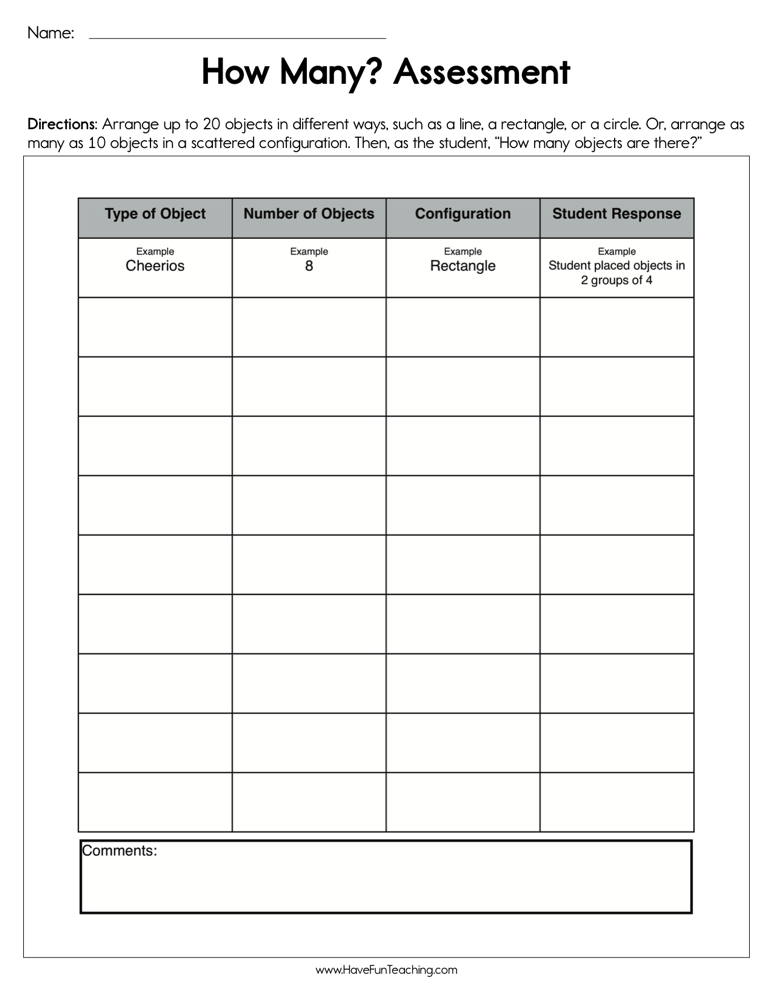
Teacher-administered assessment recording sheet for evaluating a student's ability to count up to 20 objects arranged in different configurations.


Classroom resources
Browse by lesson focus
Choose the topic or kind of practice you need.
Showing 49–72 of 92 resources

 Show filters
Teacher-administered assessment recording sheet for evaluating a student's ability to count up to 20 objects arranged in different configurations.
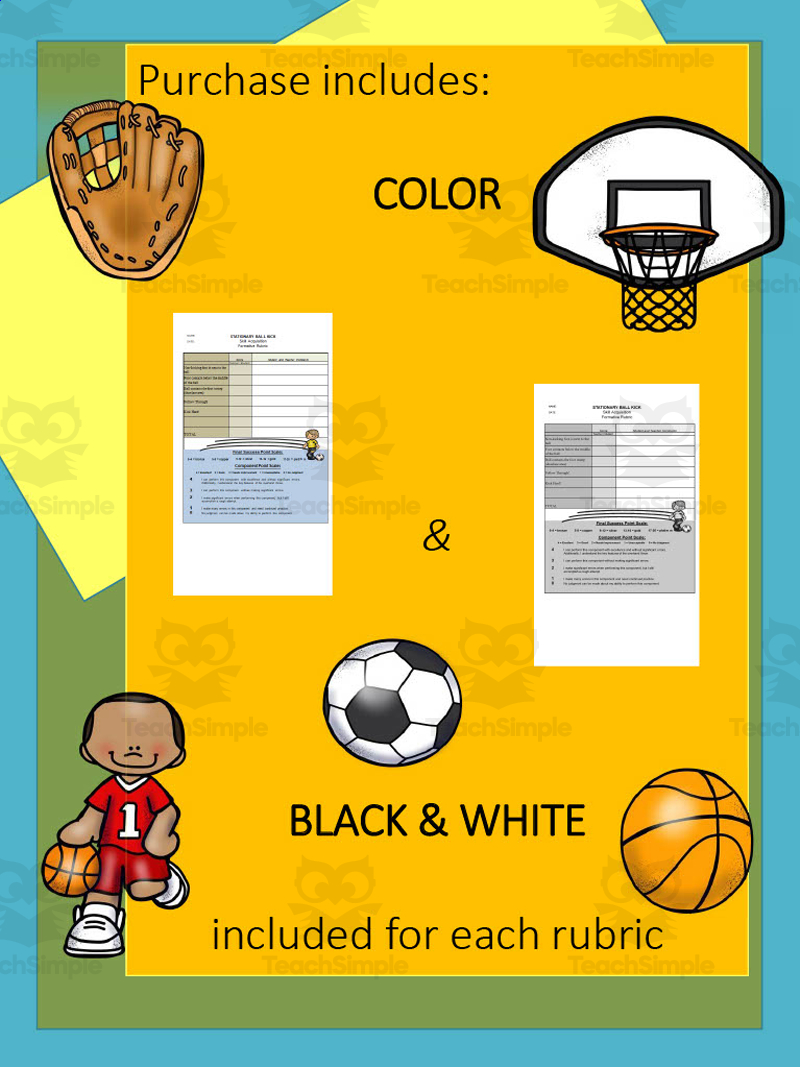
Provide a formative PE assessment rubric for evaluating a student's stationary ball-kicking skill technique.
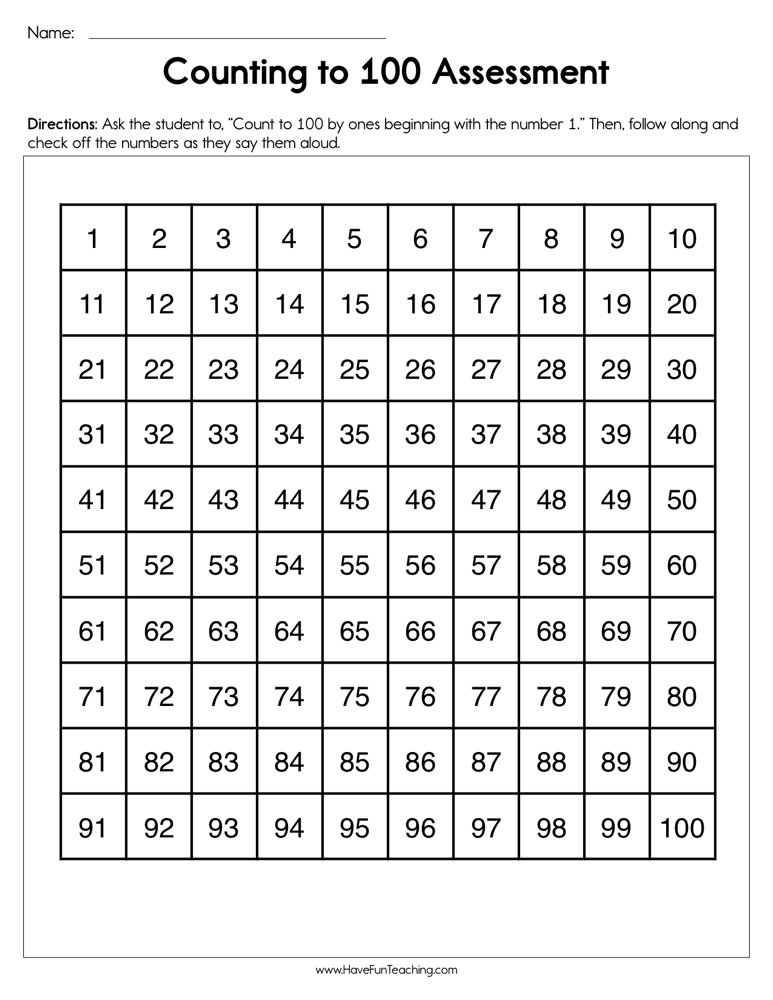
Provide a teacher-administered assessment of a student's ability to count aloud to 100 by ones.

Provide a teacher tool to record and assess a student's oral reading accuracy and fluency.
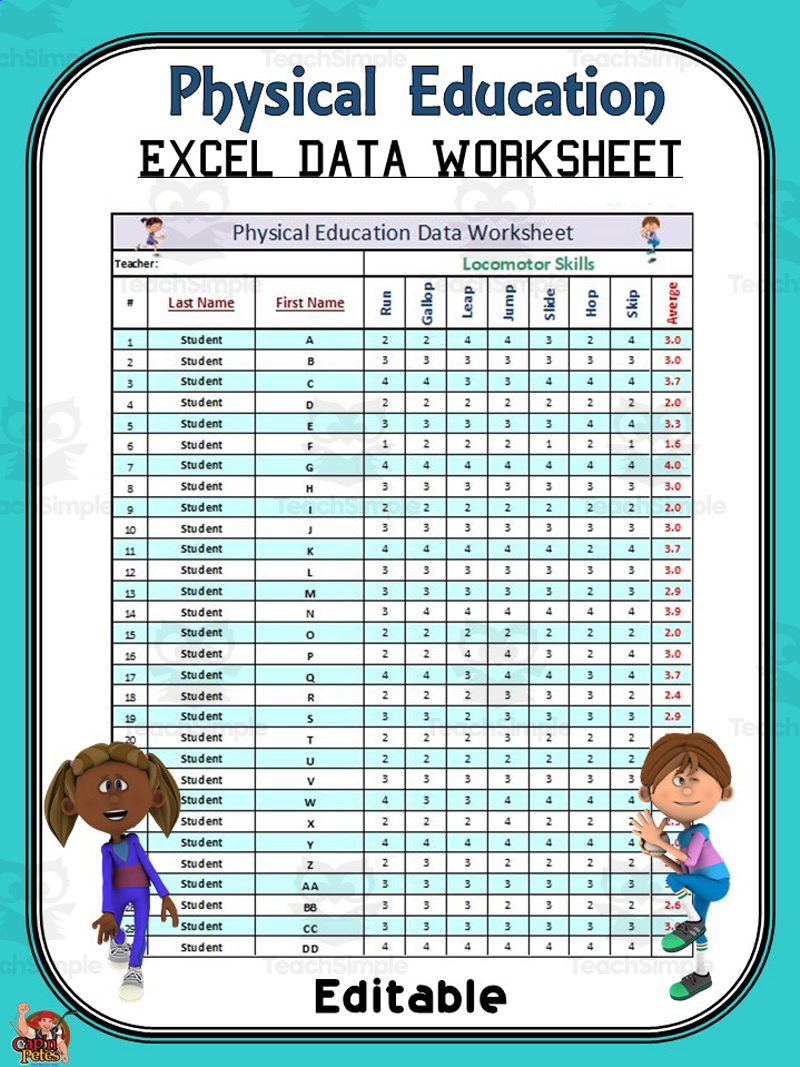
Provide teachers an editable Excel template to record and average PE skill-assessment scores across locomotor and manipulative skills, paired with a 4-point scoring rubric.
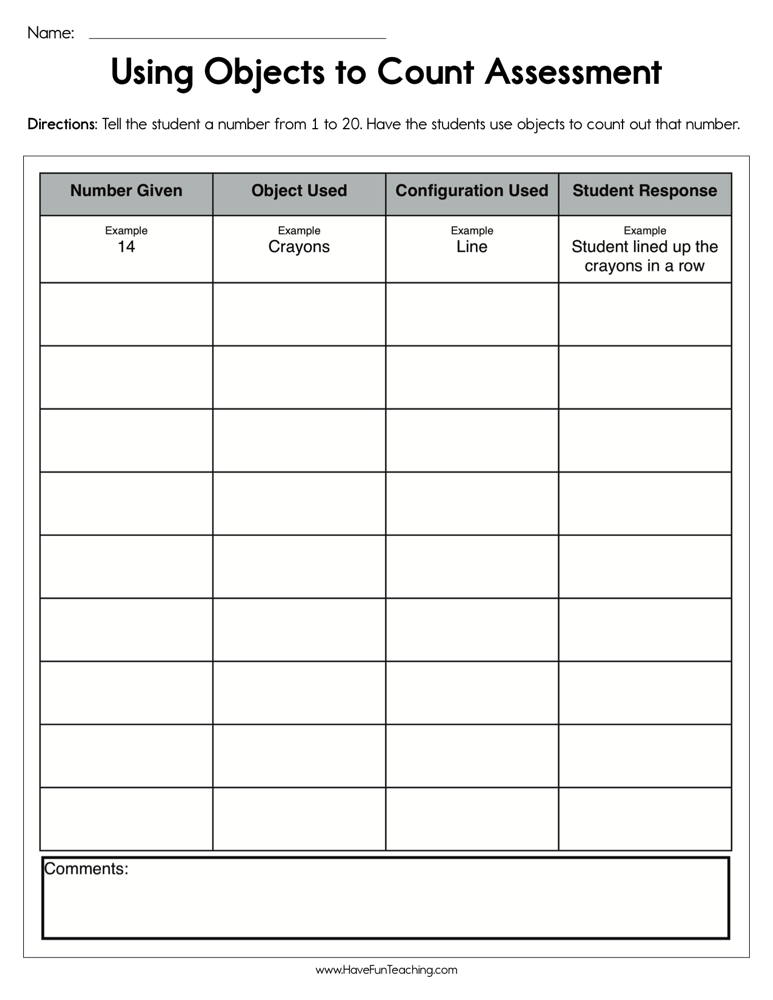
Presenting the "Using Objects to Count Assessment Worksheet" - an exceptional digital educational tool created specifically for dedicated educators like yourself. This one-of-a-kind evaluation resource is aimed at fostering fundamental math skills in young students, guiding them to learn counting from 1 to 20 using everyday objects.…
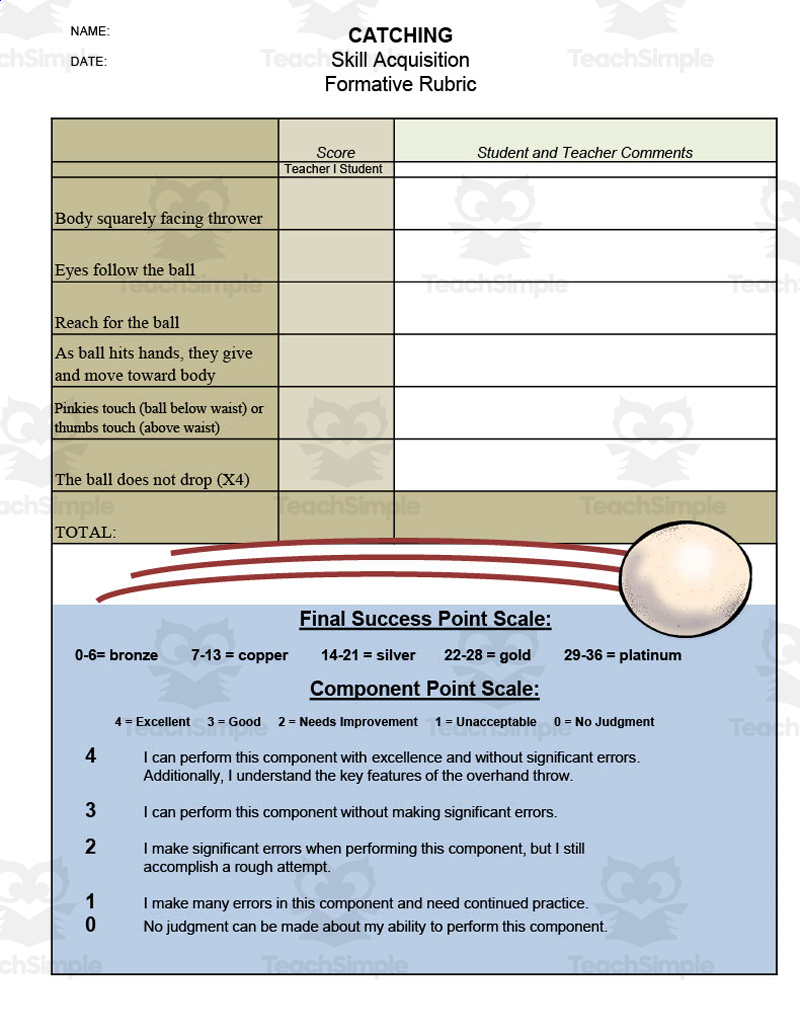
A physical education formative assessment rubric for scoring students' catching skill technique.
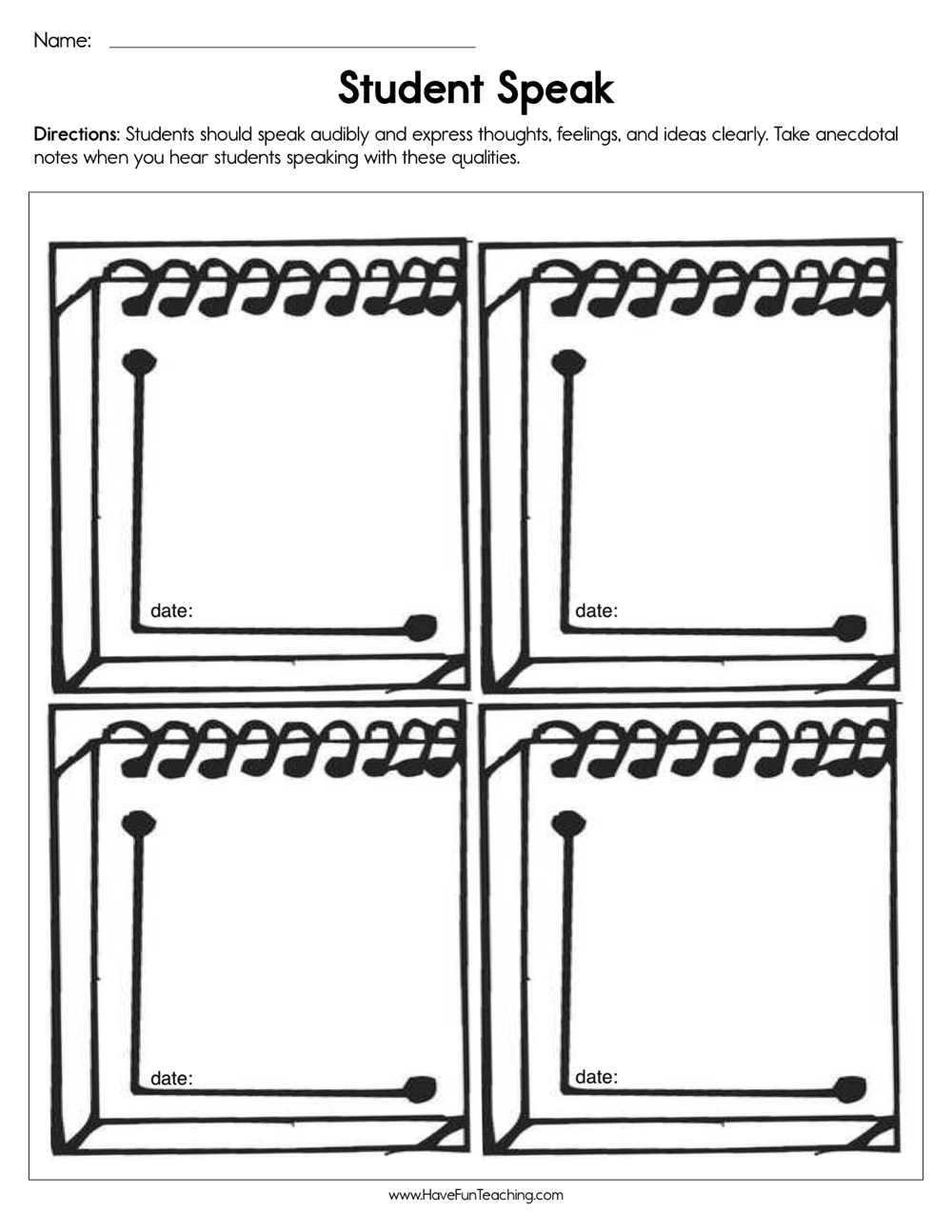
Provide a teacher observation/anecdotal-note form for recording instances of students speaking audibly and clearly expressing thoughts, feelings, and ideas.
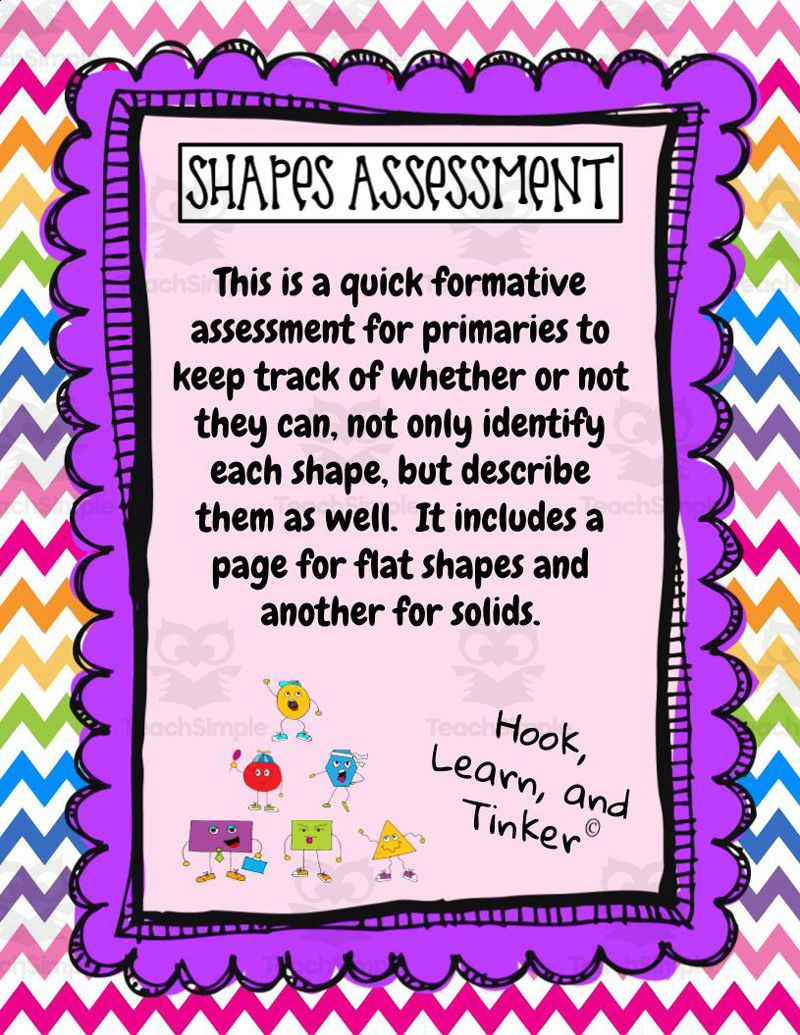
A formative assessment for primary students to check whether they can identify and describe flat (2-D) and solid (3-D) shapes.
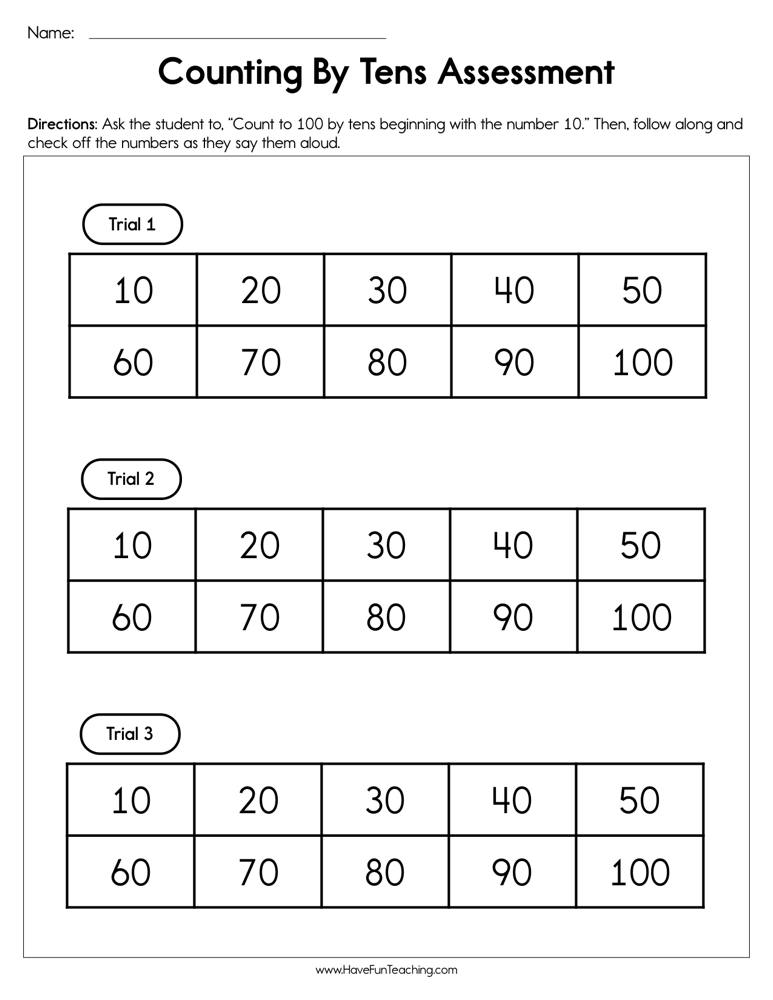
This teacher recording sheet supports a brief oral count-by-tens assessment. Ask the student to begin at 10 and continue to 100 while you follow the printed sequence. The three trial grids let you record later attempts and note where a student hesitates or self-corrects.

A formative-assessment rubric for a physical education teacher to score students' horizontal jump technique.

Assess students' ability to decompose numbers into two addends using pictures and equations.
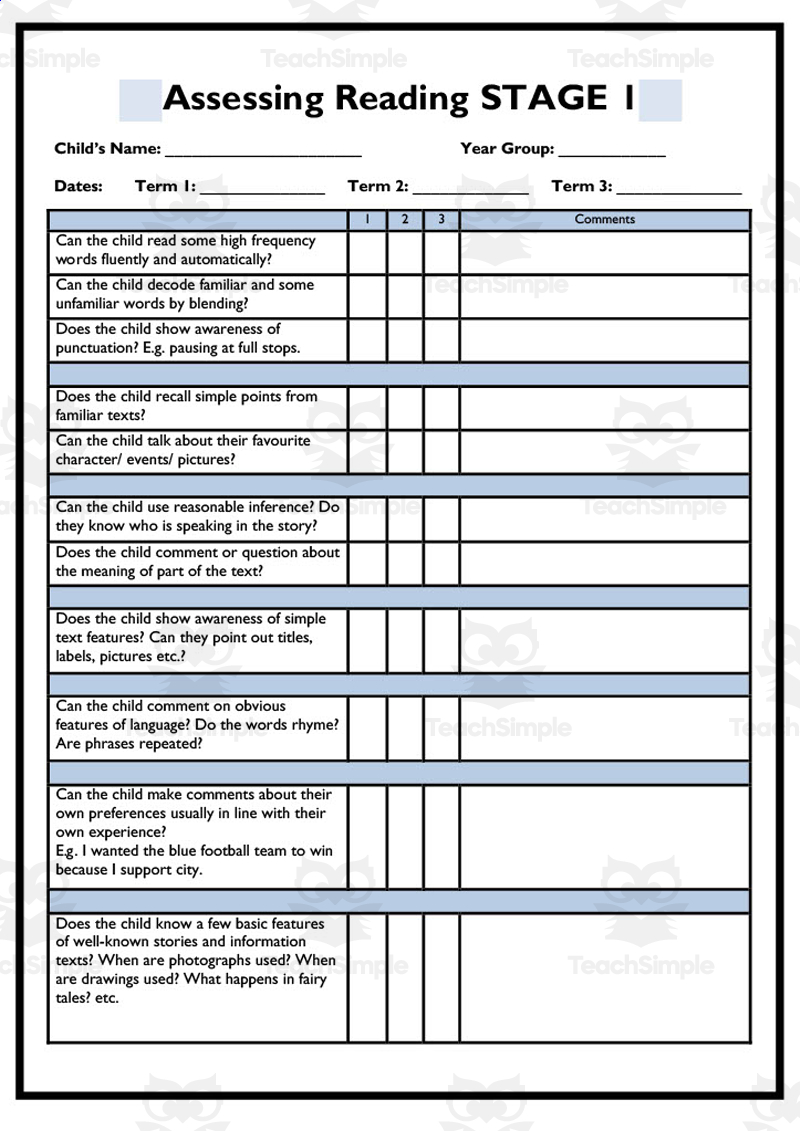
A teacher-facing reading assessment/tracking tool with 5 sequential stages of reading-skill checklists, used to record and monitor a child's reading development over time.

Provide a teacher observation form for recording student use of language acquired through conversation, reading, and read-alouds.
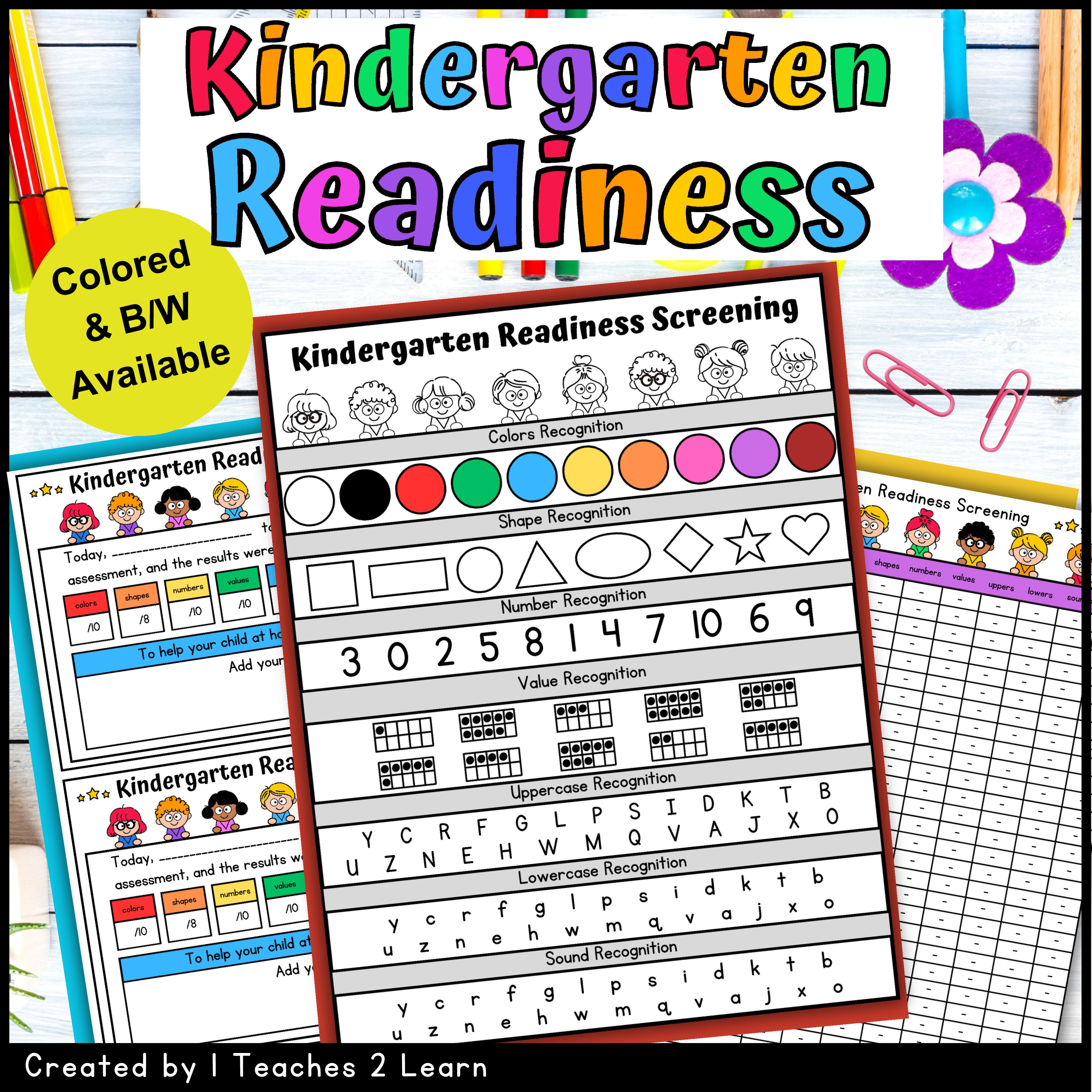
A kindergarten-readiness screening and progress-tracking toolkit for assessing and recording student mastery of colors, shapes, numbers, letters, sounds, and phonological-awareness skills.
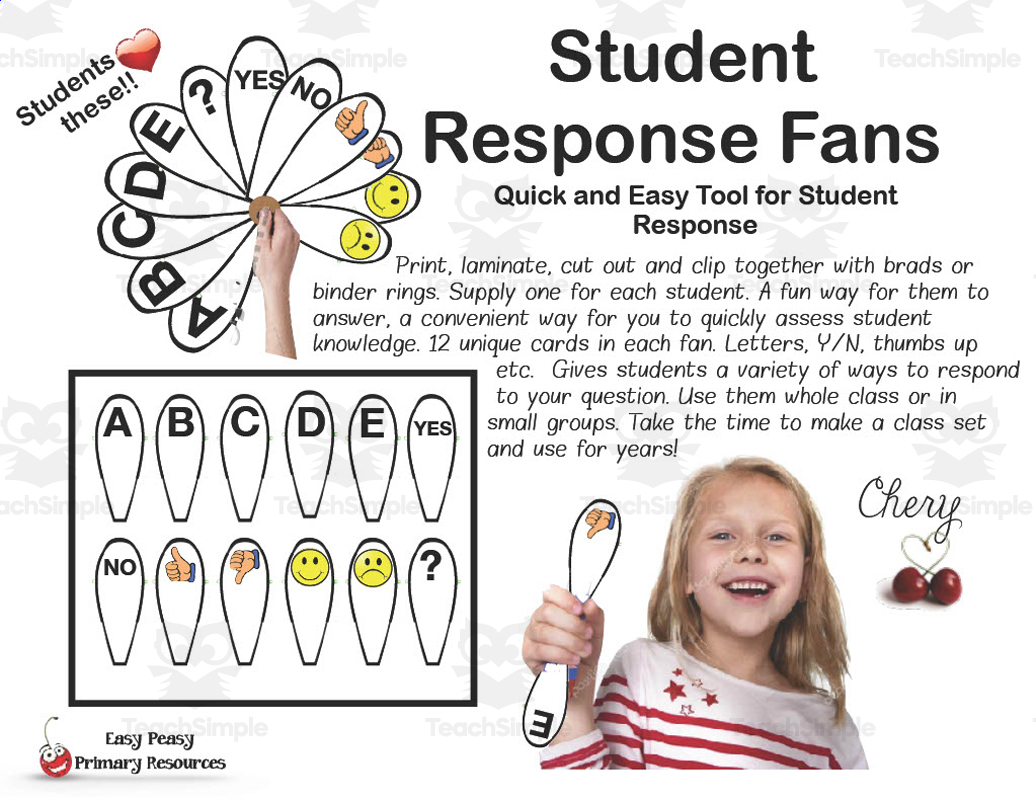
A set of assemble-it-yourself response fans (answer fans) students hold up to answer teacher questions, for quick whole-class or small-group formative assessment.
Self-assessment posters that let students rate their own understanding of a topic or skill on a 1-4 scale, supporting metacognition and differentiated instruction.
A no-print, digital/interactive listening-comprehension resource that uses a virtual pet-shop theme to build receptive and expressive language skills, primarily for speech-language therapy use.
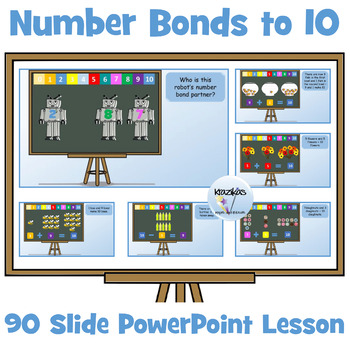
An editable PowerPoint slideshow lesson teaching number bonds to 10 through visual, story-based examples (fish in bowls, bees, umbrellas, sheep, robots, doughnuts) building addition and subtraction fact fluency for pairs that sum to 10.

Anchor charts and assessments teaching kindergarten students (RL.K.3) to identify characters, setting, and major events in a story.

Stated by seller: This lesson is for kindergarten students who are just learning to match pictures to the appropriate letter with the same beginning letter sound .
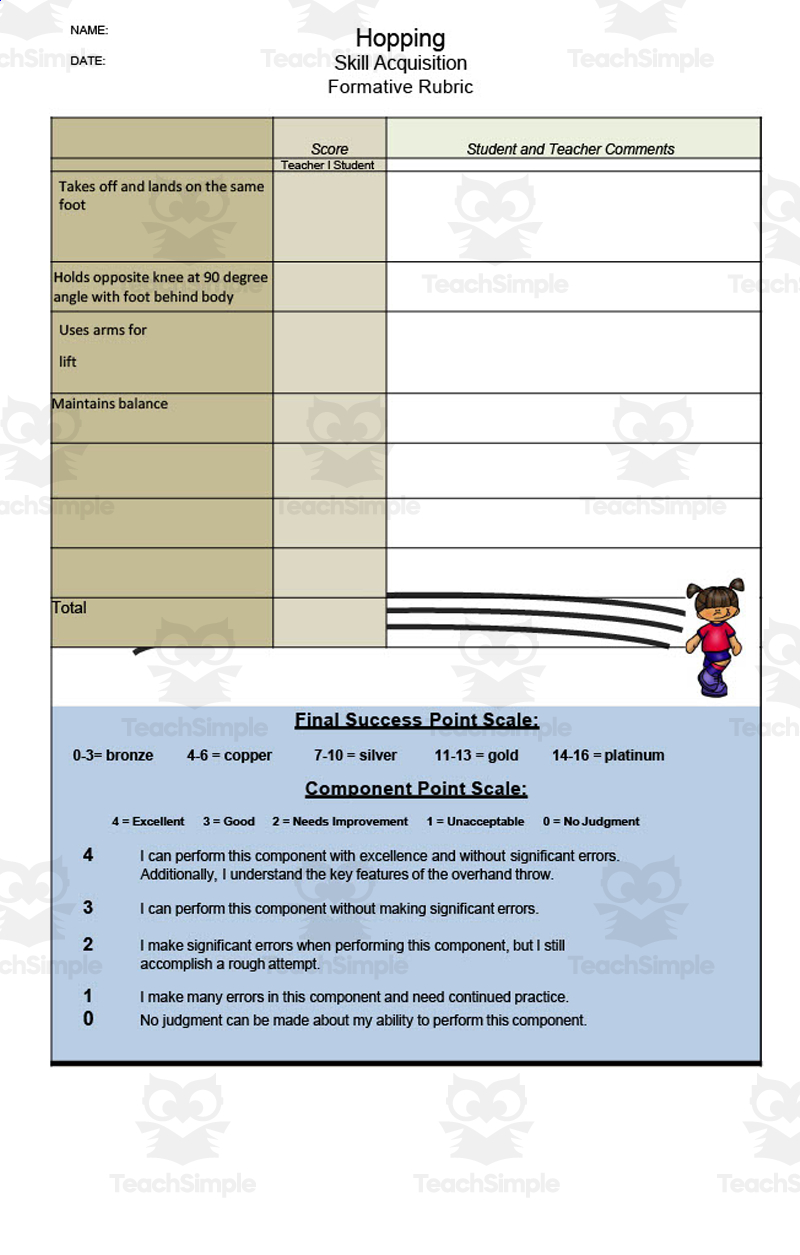
Formatively assess a student's hopping skill technique across specific components, using a point scale and success-level scale.
This Kindergarten Common Core Lesson is designed to help students understand spoken words, syllables, and sounds. It is a great resource for teachers who want to help their students improve their language skills.
This Kindergarten Common Core Lesson is great for helping students learn to read by following the words from left to right, top to bottom, and page by page. This will help them build their understanding of the organization of print.