Drive Someone Nuts | Figurative Language Activity | Micro-Learning Deck
Teach the figurative-language idiom 'drive someone nuts' through a short audio-supported reading passage, close-reading/comprehension activities, and a quick-write summary.


16,389 resources
Explore sub-categories
13 sub-categories · 16,389 resources
Teach the figurative-language idiom 'drive someone nuts' through a short audio-supported reading passage, close-reading/comprehension activities, and a quick-write summary.
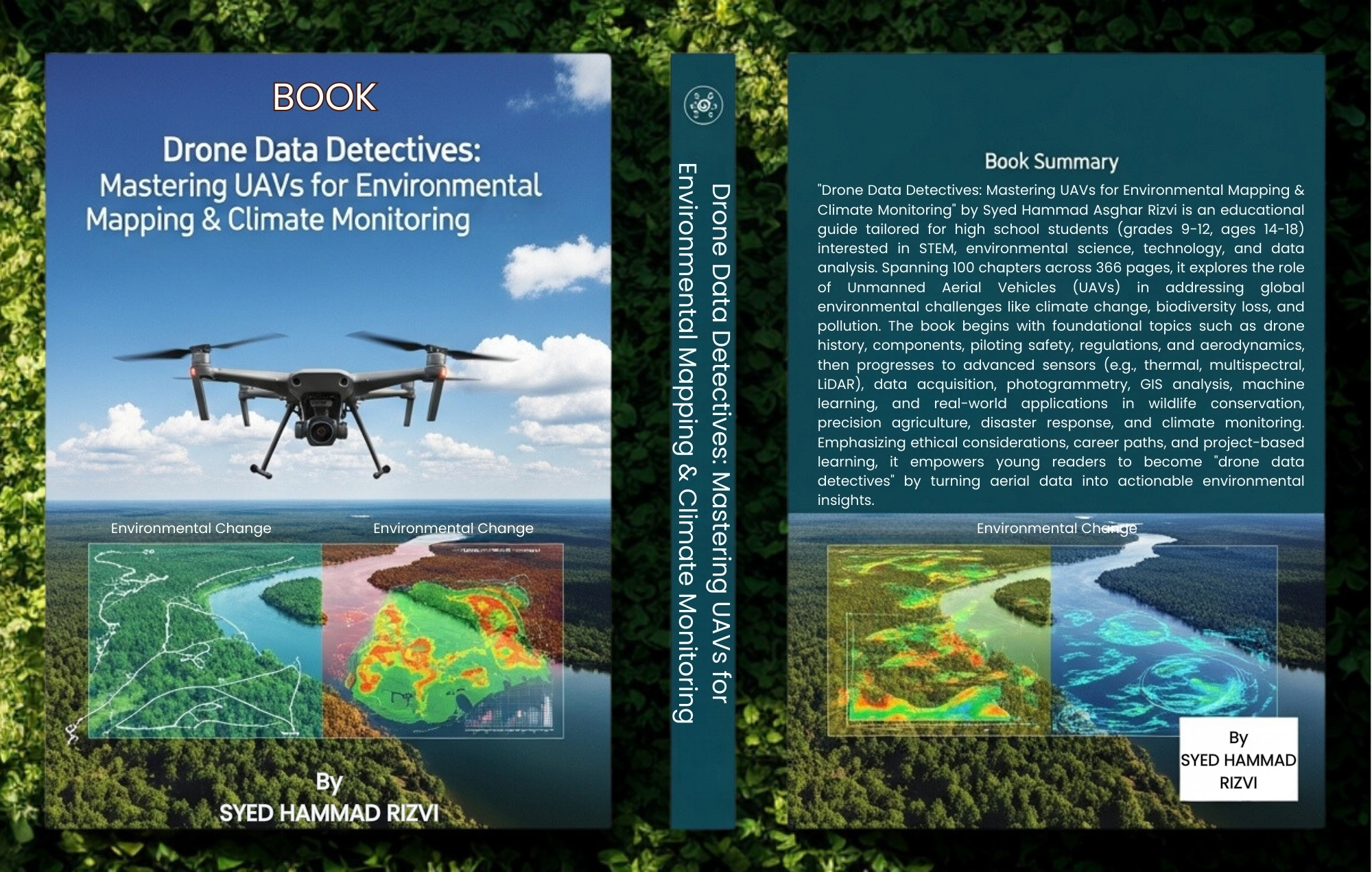
Get ready for the ultimate in drones and environmental science with "Drone Data Detectives: Mastering UAVs for Environmental Mapping & Climate Monitoring." The comprehensive high school STEM book on drones deepens the knowledge of teens…
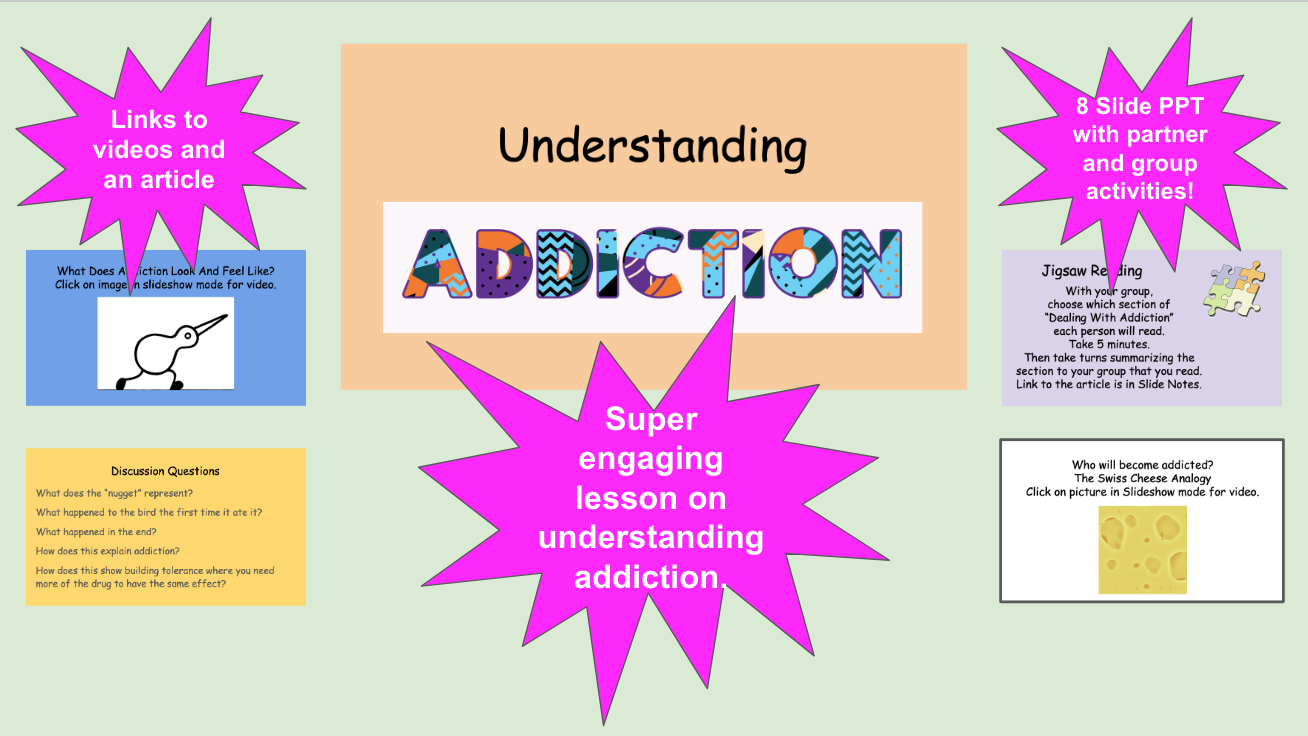
A secondary health lesson teaching about drug and alcohol addiction using video discussion, jigsaw reading of an article, and a risk-vs-protective-factor analysis (the 'Swiss Cheese Analogy').
Teach the figurative-language idiom 'dry spell' through an audio-supported reading passage, close-reading questions, and a quick-write/fill-in-the-blank activity.

Dry Tortugas National Park Geography Unit Immerse your middle school students in learning about Dry Tortugas National Park with this comprehensive geography unit.

Duck on a Bike: Language-Literacy Book Companion Packet This packet aids speech therapists, special education teachers, and early elementary educators in utilizing the beloved children's book Duck on a Bike to promote language and literacy…
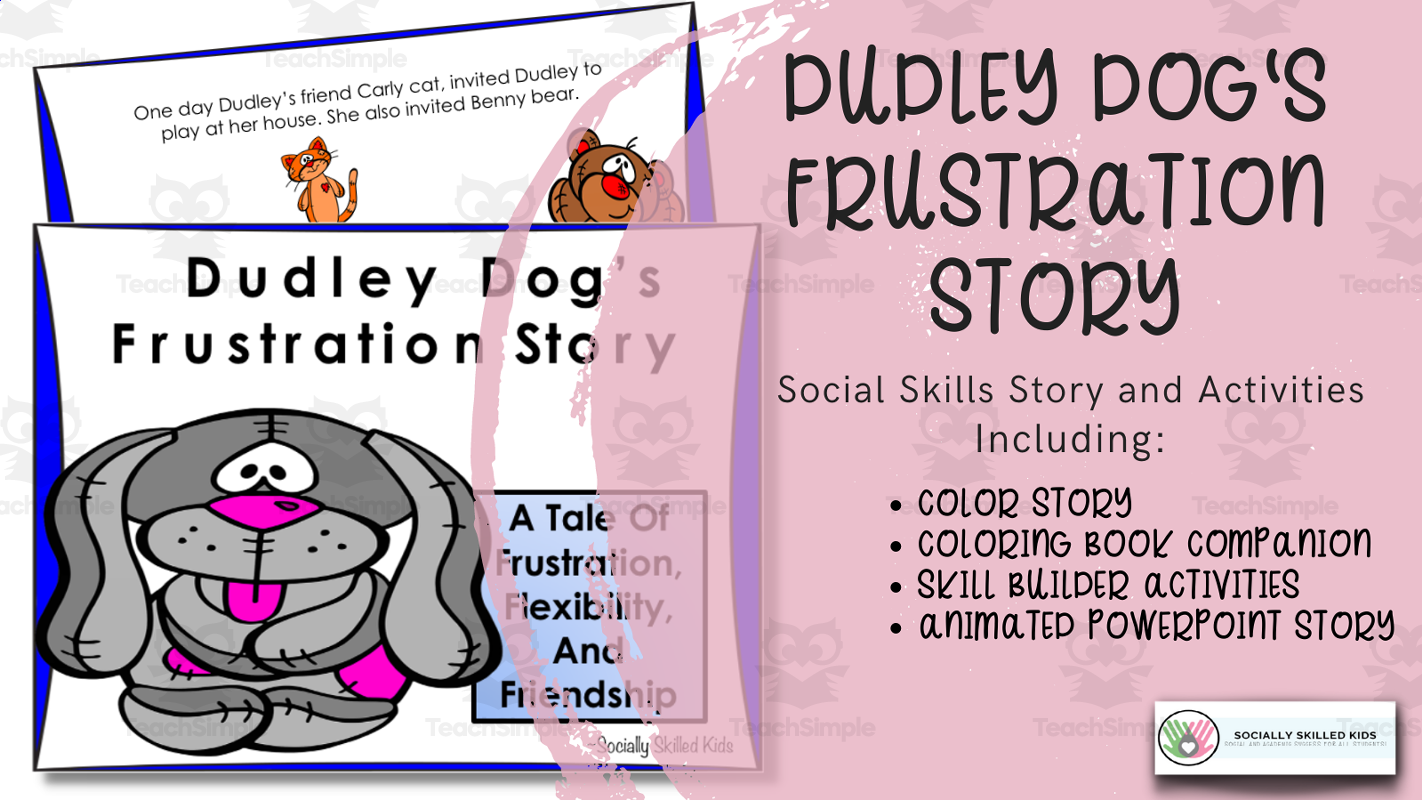
A social-skills story (with an animated slideshow version) teaching young children how to recognize and cope with frustration, using the character Dudley Dog's experiences with friends.

Students use the story’s events to complete a plot map and explain its exposition, conflict, and later developments. The slides supply reminders for simile, idiom, hyperbole, and theme, giving readers a reference during their analysis. Use the student activities after reading the story and compare interpretations with the supplied teacher material.

Teach informational facts about dung beetles (habitat, reproduction/brood-laying, and other adaptations) through a video-supported reading passage, vocabulary key terms, and comprehension activities.

Prepare students to view Dunkirk with historical reading about appeasement, Churchill and Operation Dynamo, then use daily evacuation figures in a graph. The film guide follows with twenty questions in four timestamped sections, providing natural points to pause and discuss. Teacher keys cover both the background and viewing work, helping connect the film’s events with the historical context introduced beforehand.
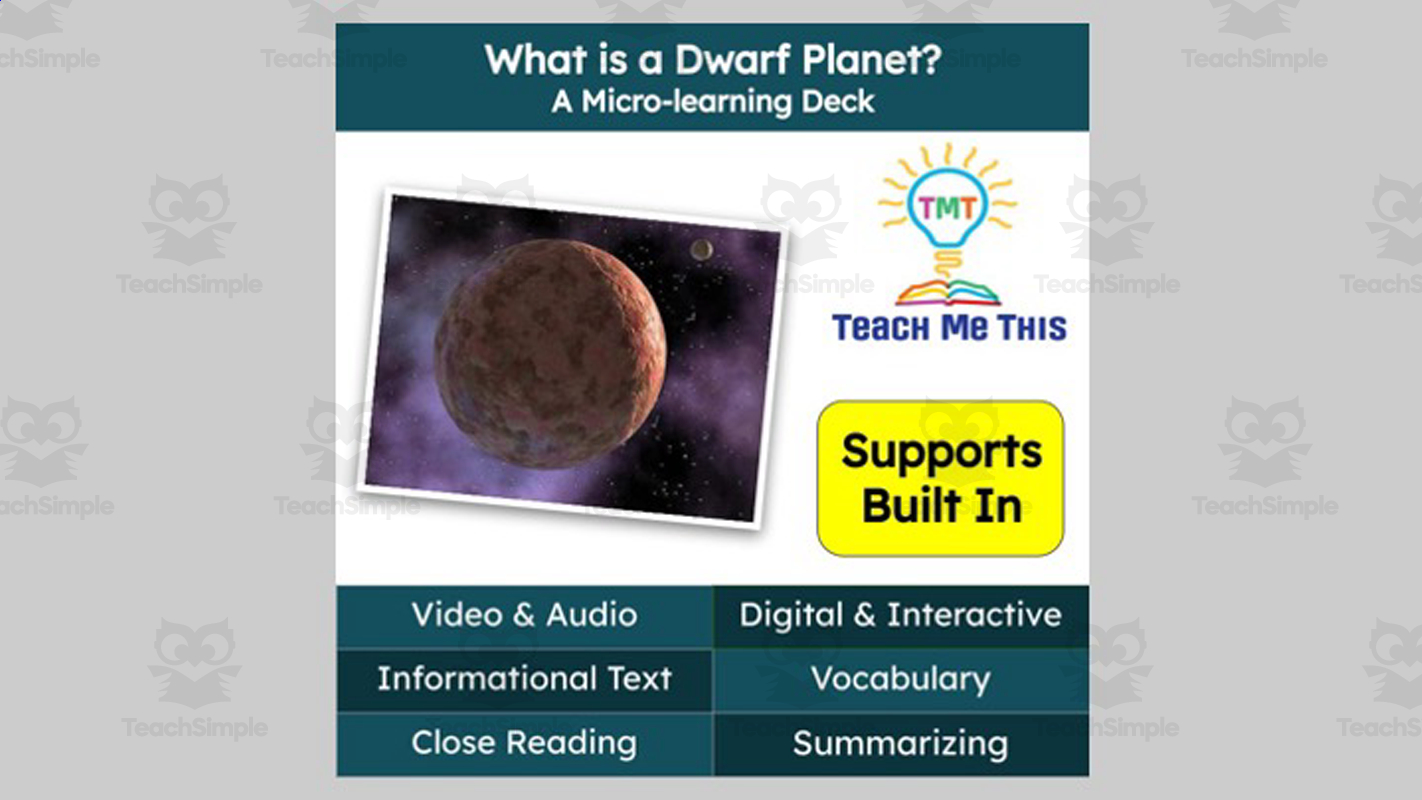
Teach informational science content about dwarf planets (definition, characteristics, and the Dawn Mission) through a reading passage, vocabulary matching, fill-in-the-blank comprehension, and a summary-writing activity.
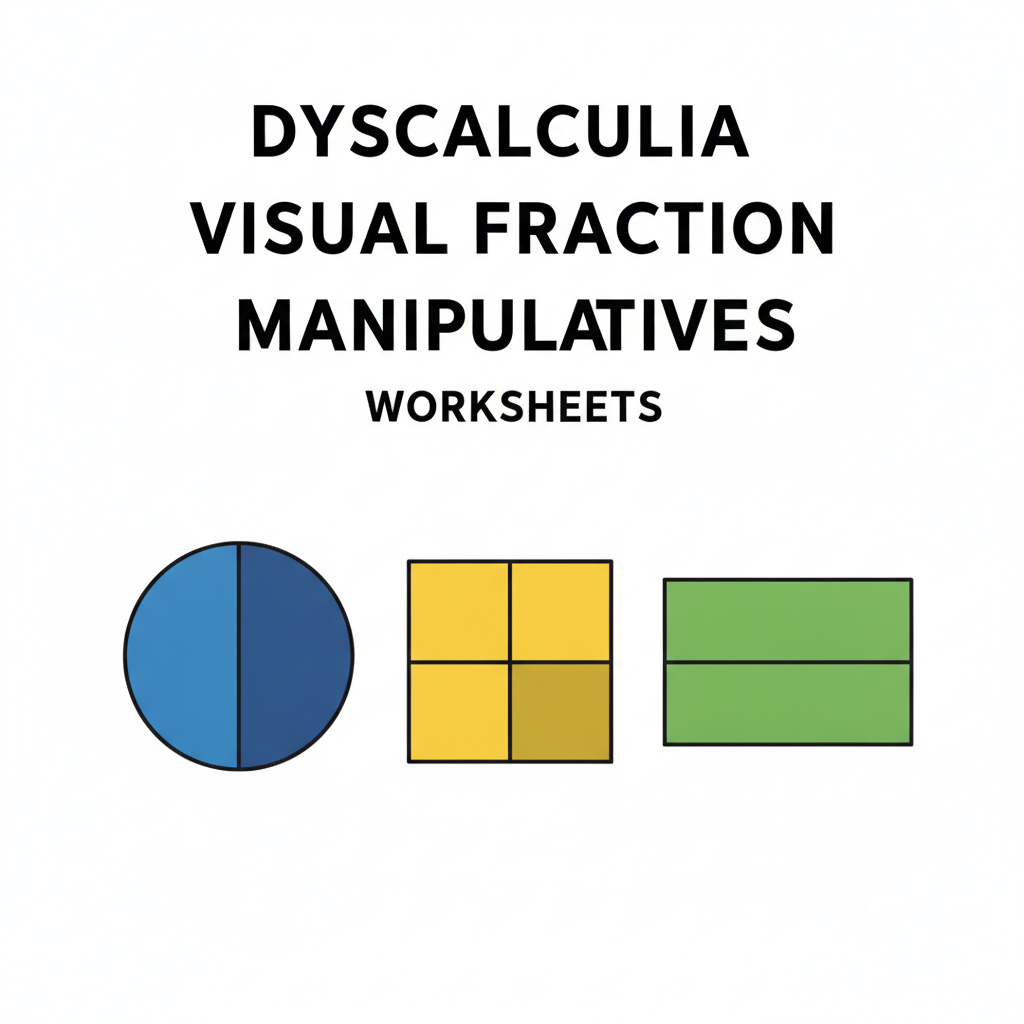
An educator's guide providing theory, methodology, and classroom strategies for teaching fractions to students with dyscalculia, math learning disabilities, or math anxiety, using a specialized visual/spatial (non-pie-chart) approach to the Concrete-Pictorial-Abstract framework.
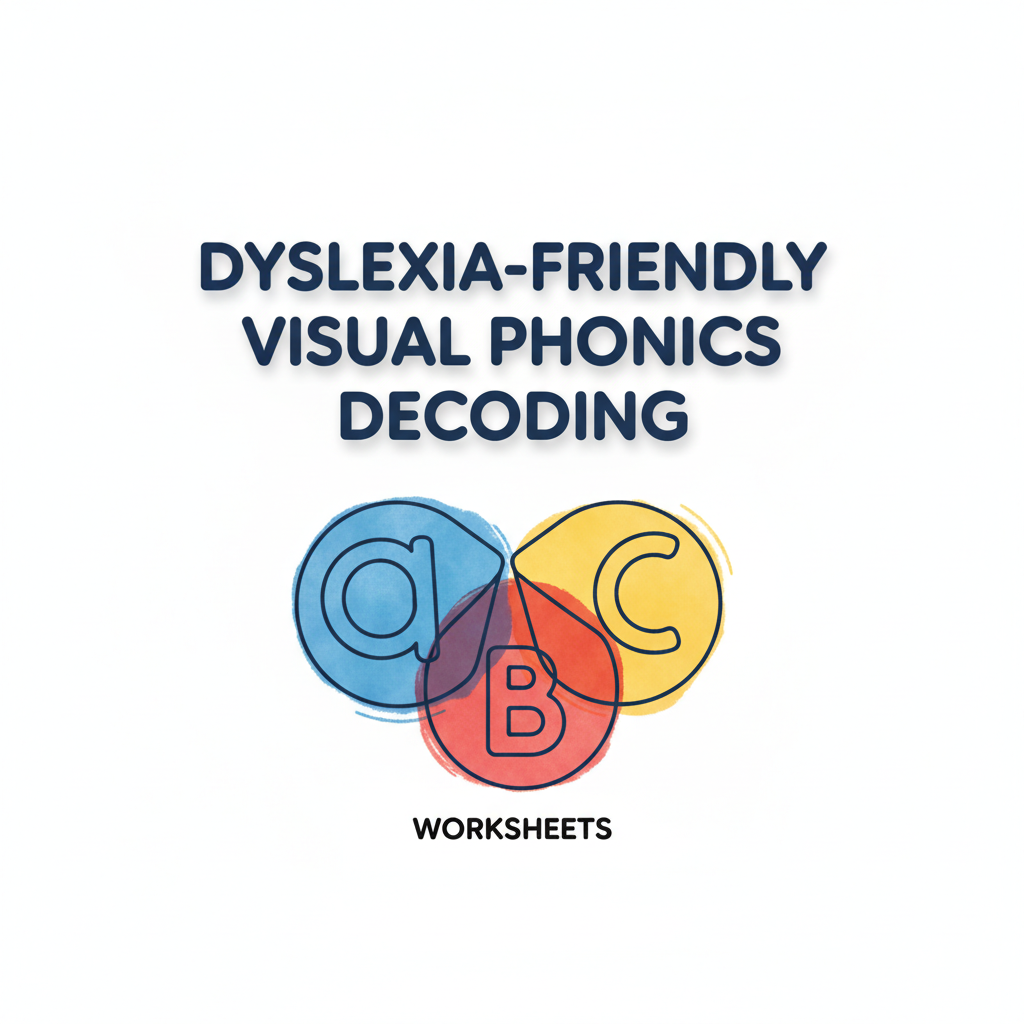
An educator's guide presenting a specialized visual-phonics reading-intervention framework (the Visuo-Phonological Anchor Model) for teaching phonics to dyslexic and neurodivergent early-elementary students using color-coding and visual scaffolding instead of standard black-and-white phonics worksheets.
E-Mail the Mayor about Colony Collapse Disorder (Persuasive Writing): A Teaching Resource Designed for educators seeking to engage their students in relevant real-world issues, while nurturing their persuasive writing skills.
A CCSS-aligned chapter-by-chapter literature guide for the novel 'Each Little Bird That Sings' by Deborah Wiles, for reading comprehension, vocabulary and literary-analysis practice.

Each vs Every Beginner Lesson Plan This beginner grammar lesson helps students learn the difference between the often confused words "each" and "every." Students will analyze sample sentences to comprehend when to properly use these…
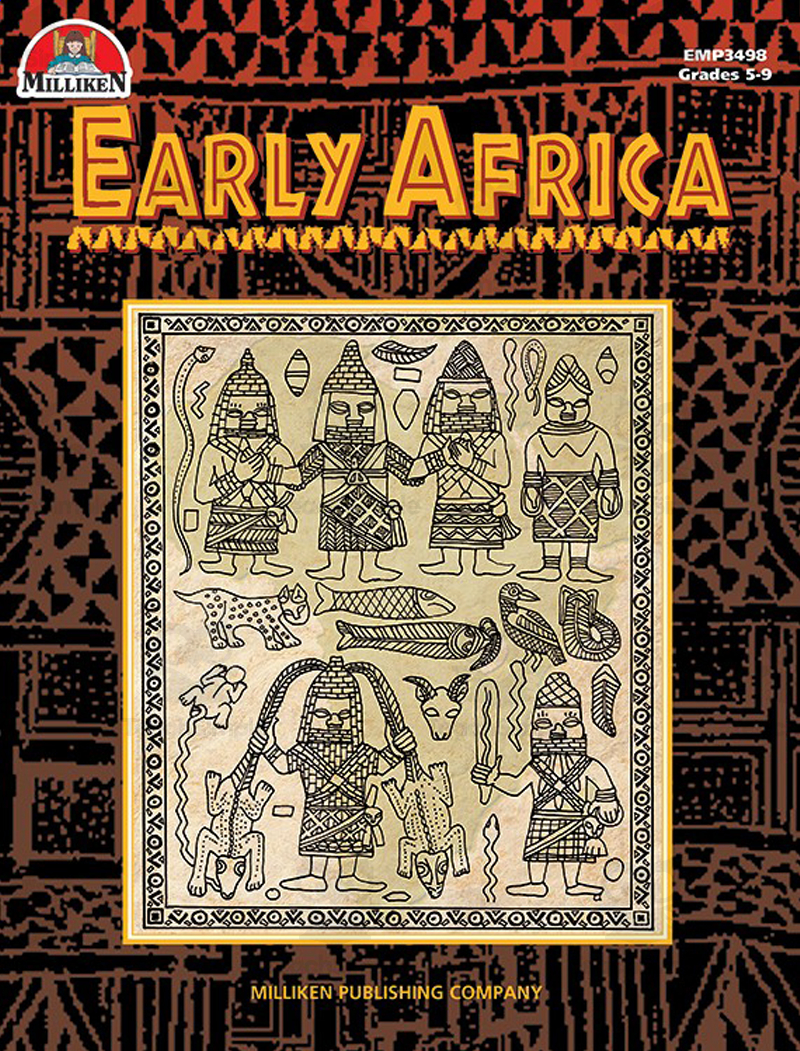
Teach ancient African history, focusing on early human origins in Africa, migration, art, and the empires of Ghana, Mali, and Songhay.
Early Cave Paintings: A Cross-Curricular Unit This rich educational resource designed for Grade 5 and Grade 6 teachers seamlessly blends Social Studies with a multifaceted learning experience.
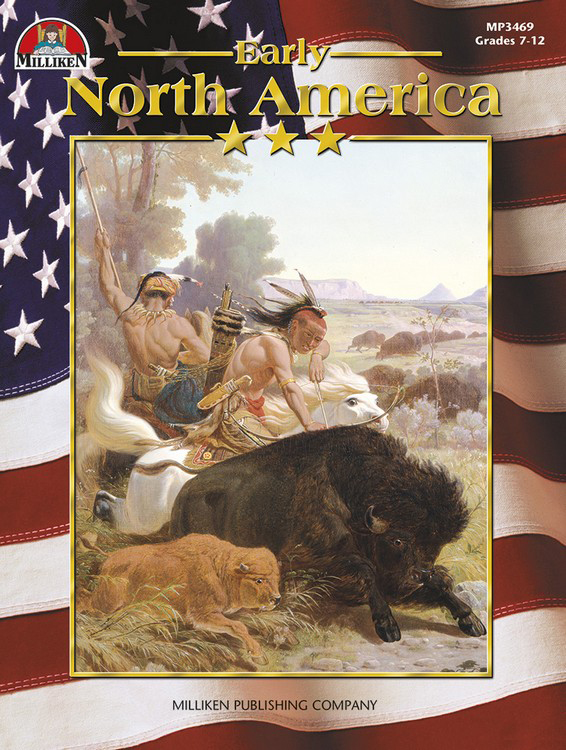
Provide a detailed overview of the history of early North America, from the first Americans' migration across the Bering land bridge through Native American cultural regions, up to European exploration and colonization.
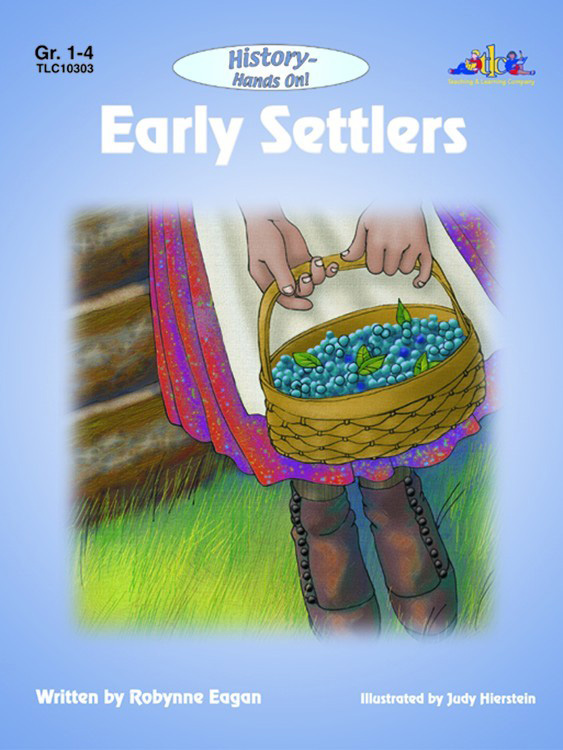
Bring the history of early North American settlers to life through hands-on activities covering pioneer life, tools, homes, food, native peoples, chores, toys, and traditions.
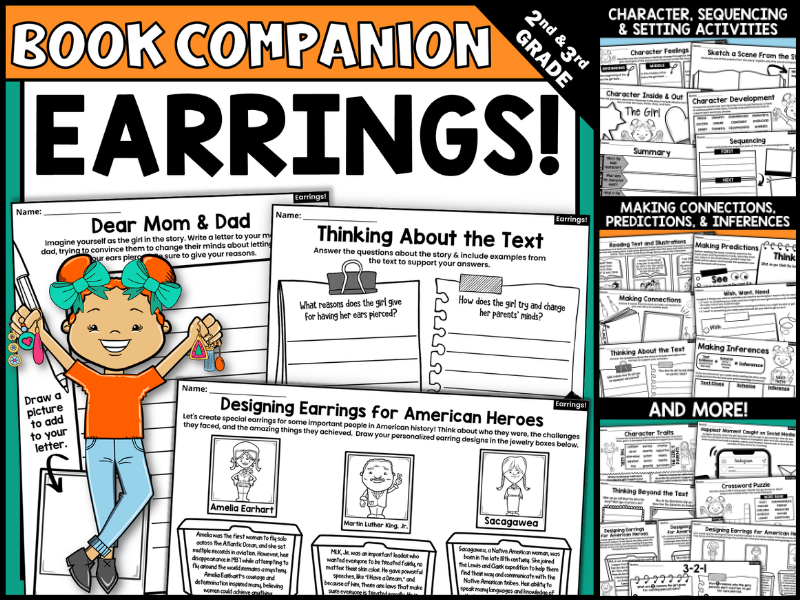
Use Judith Viorst’s Earrings! to spark conversations about what a character wants, how she feels, and how the story unfolds. Students can predict, sequence events, explore character traits, and use details from the words and illustrations to explain their thinking. The companion offers a choice of responses rather than a single lesson to finish at once. Select activities to revisit across several readings, then extend the work with a biography-inspired earring design.
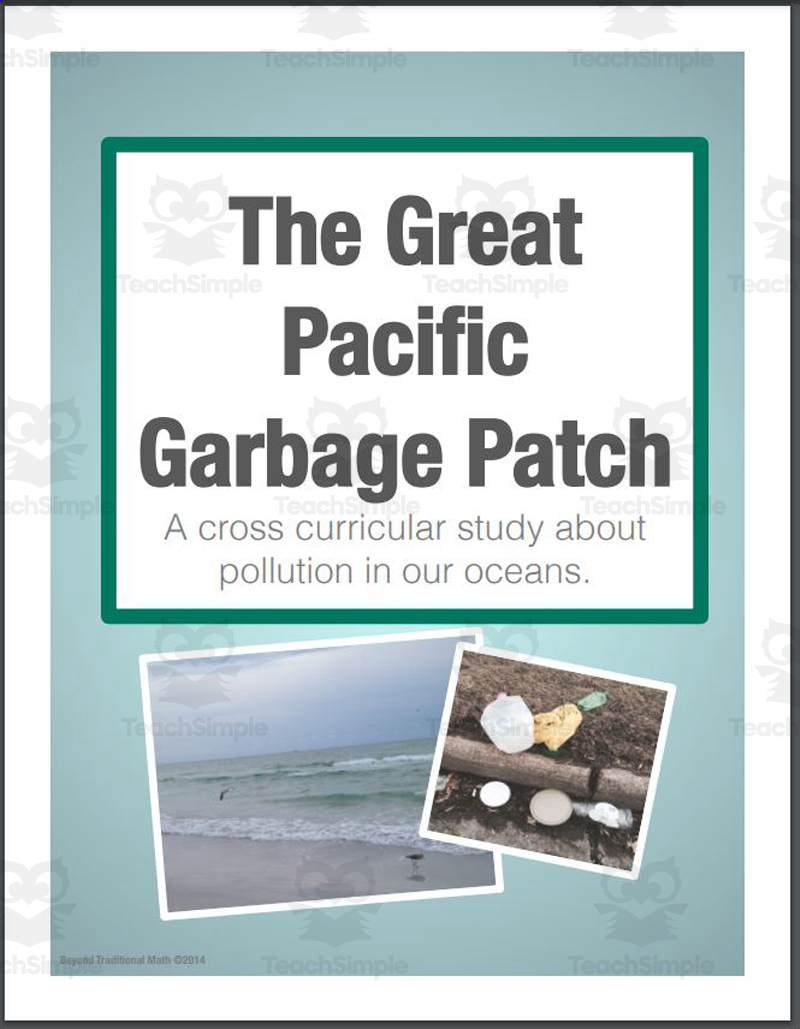
Make Earth Day impactful with this cross-curricular unit focusing on the Great Pacific Garbage Patch. Through reading, writing, math, and science, upper elementary students explore this major but little-known environmental issue.

A 4-week bell-ringer/mentor-sentence unit built around a nonfiction text on the history of Earth Day, teaching grammar and sentence-analysis skills.

Would you rather take 4-minute showers or plant your own garden? If you need an engaging way to teach opinion writing, look no further than this step-by-step unit!