Letter recognition
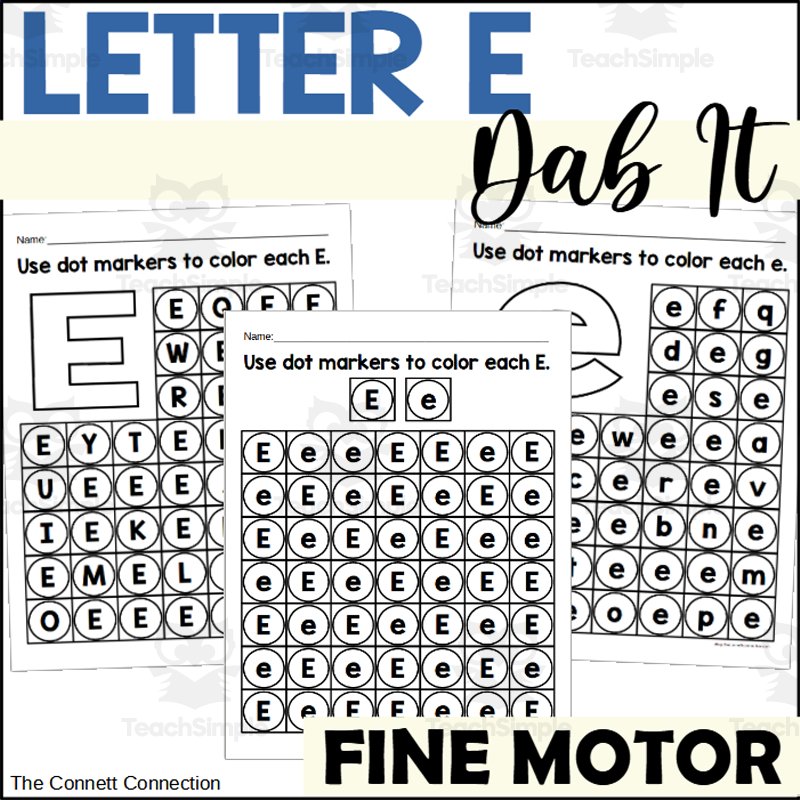
Letter E Dab It Worksheets
Use dot markers/dabbers (or stamps) to mark every E, hidden among distractor letters, on three letter grids.




6,649 resources
Explore sub-categories
104 sub-categories · 6,649 resources
Use dot markers/dabbers (or stamps) to mark every E, hidden among distractor letters, on three letter grids.
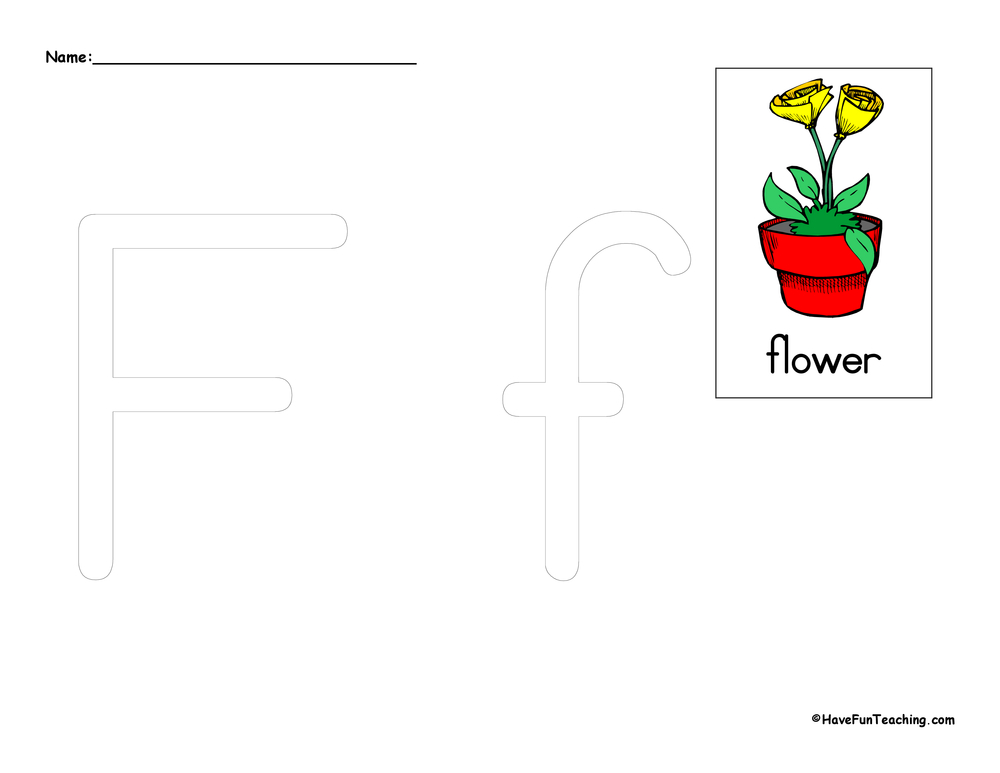
Teaching young students letter recognition and handwriting skills is crucial for building literacy. The Letter F Tracing Worksheet helps educators achieve this learning goal. Students trace, write, and color the uppercase and lowercase letter F. Educators can provide this engaging worksheet to individuals, small…
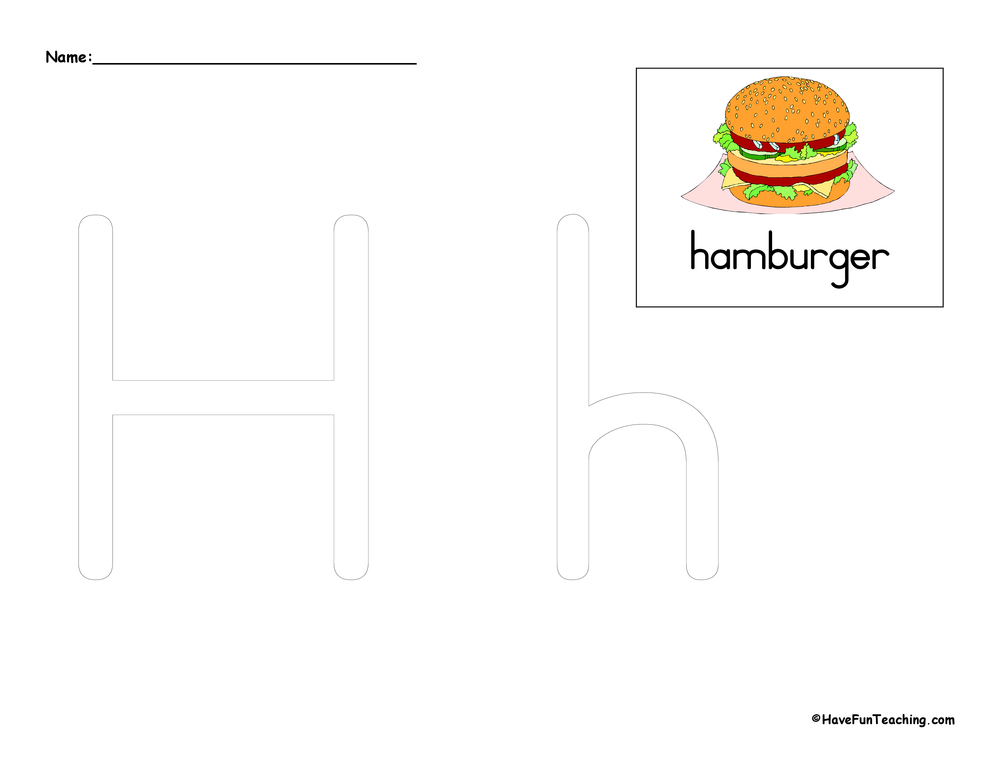
Letter H Tracing Worksheet This phonics resource provides a tracing worksheet to help young students practice properly writing the uppercase and lowercase letter H. Students trace the letters, reinforcing the fine motor skills and muscle memory needed for handwriting mastery. With engaging graphics and ample room for…
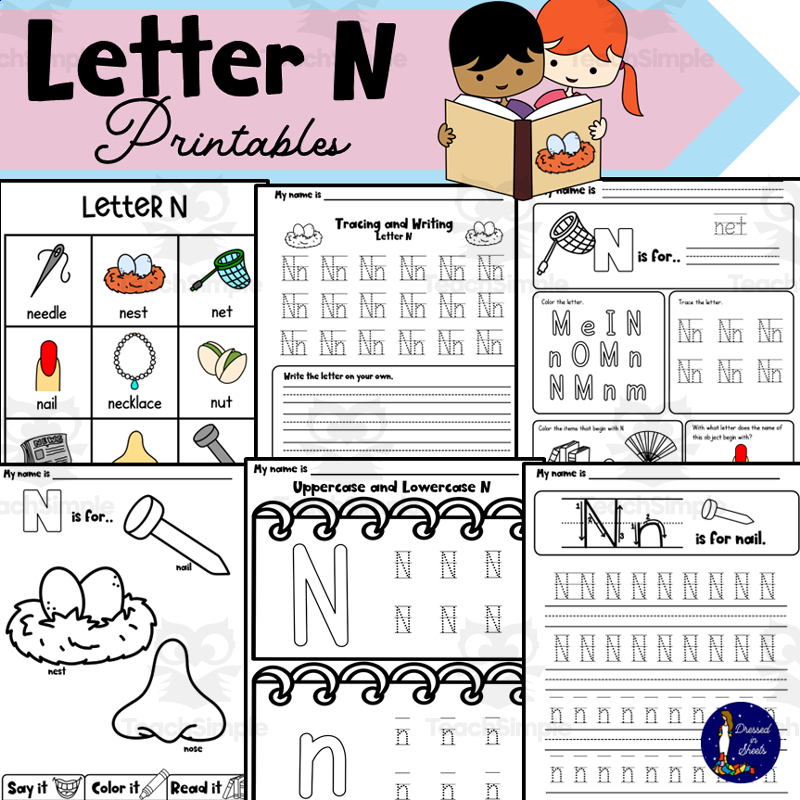
Trace and write uppercase and lowercase N, color letters and objects beginning with N, and identify beginning sounds.

Writing Linear Equations Guided Notes and Homework Set This 9-12th grade math resource teaches students to write linear equations through guided notes and applied practice. Students will fill out an interactive worksheet to learn step-by-step how to write linear equations. An answer key is provided for educators to check work. After…

Students solve a page of single-digit subtraction problems (e.g. 8-6, 9-3, 10-8) as quickly as they can within a themed scenario (e.g. 'Race Car Subtraction', 'Firefighter Subtraction', 'Bee/Flower Subtraction'); the teacher times and records completion speed on each sheet.
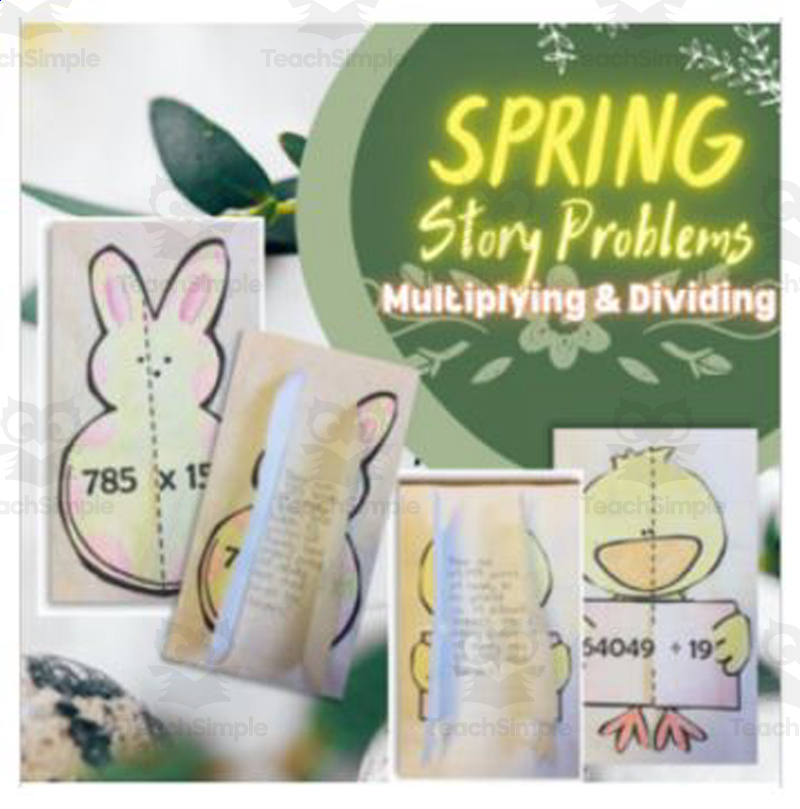
Multiplication and Division Story Problems Introducing the Multiplication and Division Story Problems. Specially designed for educators, this teaching resource aims to engage students' interest in math through a fun, spring-themed activity. Ideal for Kindergarten students up to Grade 2 level, it encompasses the core learning subjects of…
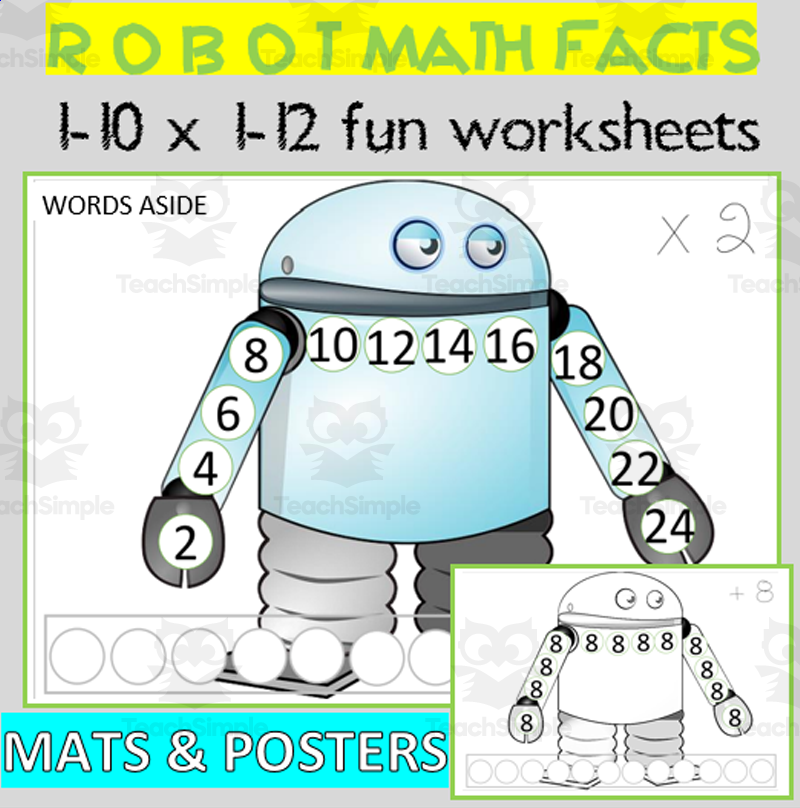
Robot Math Facts: Multiplication as Repeated Addition Worksheets and Materials Designed for grades 1-3, this 131-page PDF teaches multiplication as repeated addition in an engaging way using robot-themed visuals. It provides practice for math facts 1-10 x 1-12 through various activities like completing worksheets, pasting…
Solve each word problem on a separate sheet of paper, showing thinking with pictures, equations, or words; problems require multiplying fractions/mixed numbers to find quantities such as remaining ribbon, cups of margarine, or hours spent.
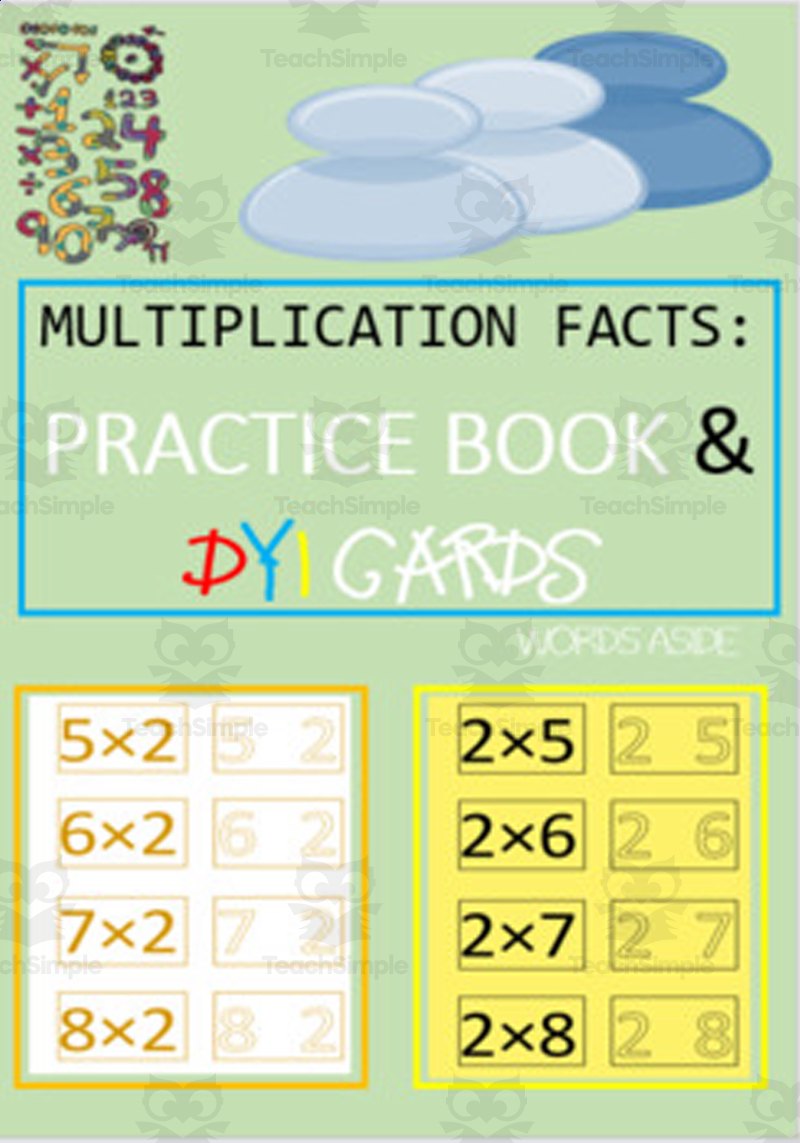
Practice multiplication facts across the times tables (observed 1x through 8x, title indicates through 10x) via a 240-page card-style workbook combining writing and coloring.
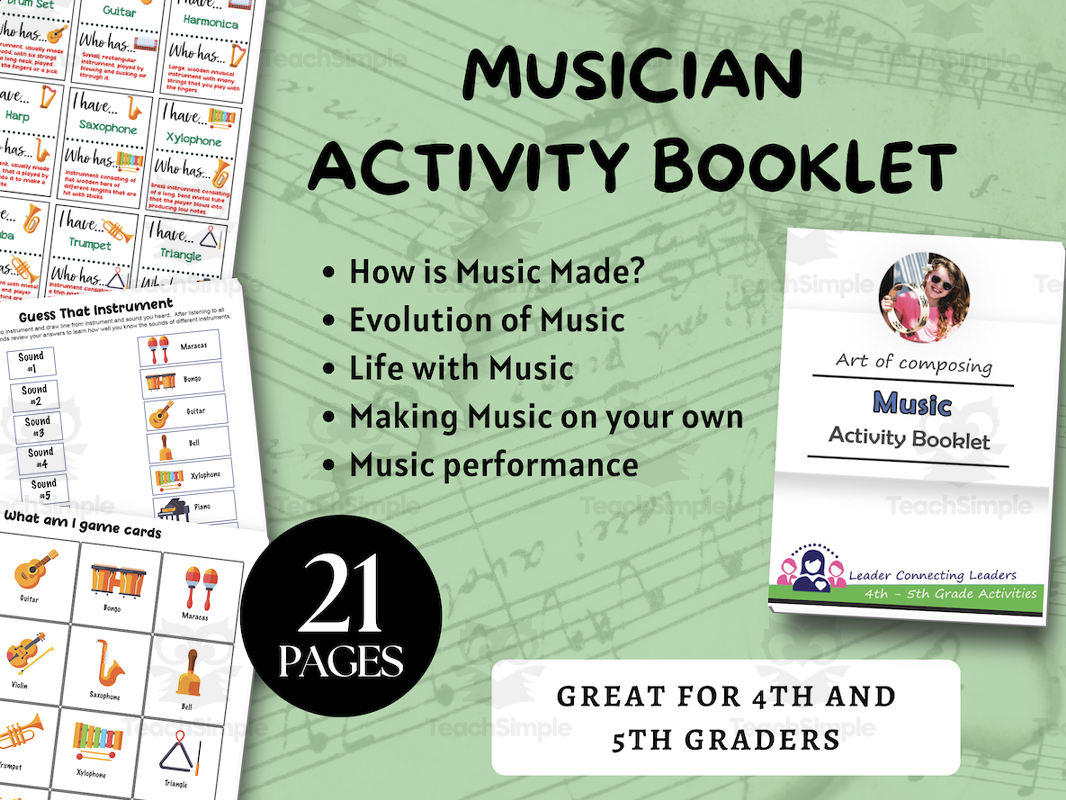
Play/complete a series of group games and worksheets: an 'I Have Who Has' instrument card game; a dance-and-movement activity matching music genres (orchestra, opera, pop, choir, marching band) to recordings; a 'Guess That Instrument' listening worksheet (10 sounds, match instrument to sound, with answer key); a decade music-style…
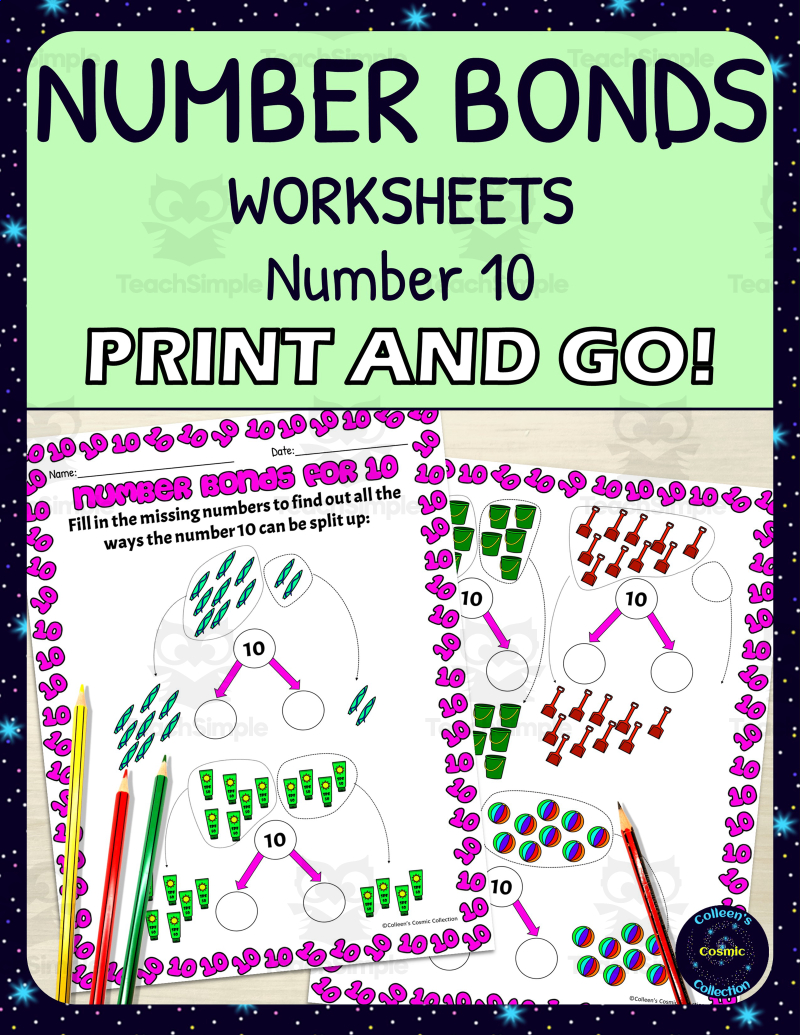
Count the pictures to fill in the missing numbers in each number bond, then complete the corresponding number bond sum by filling in the missing number.
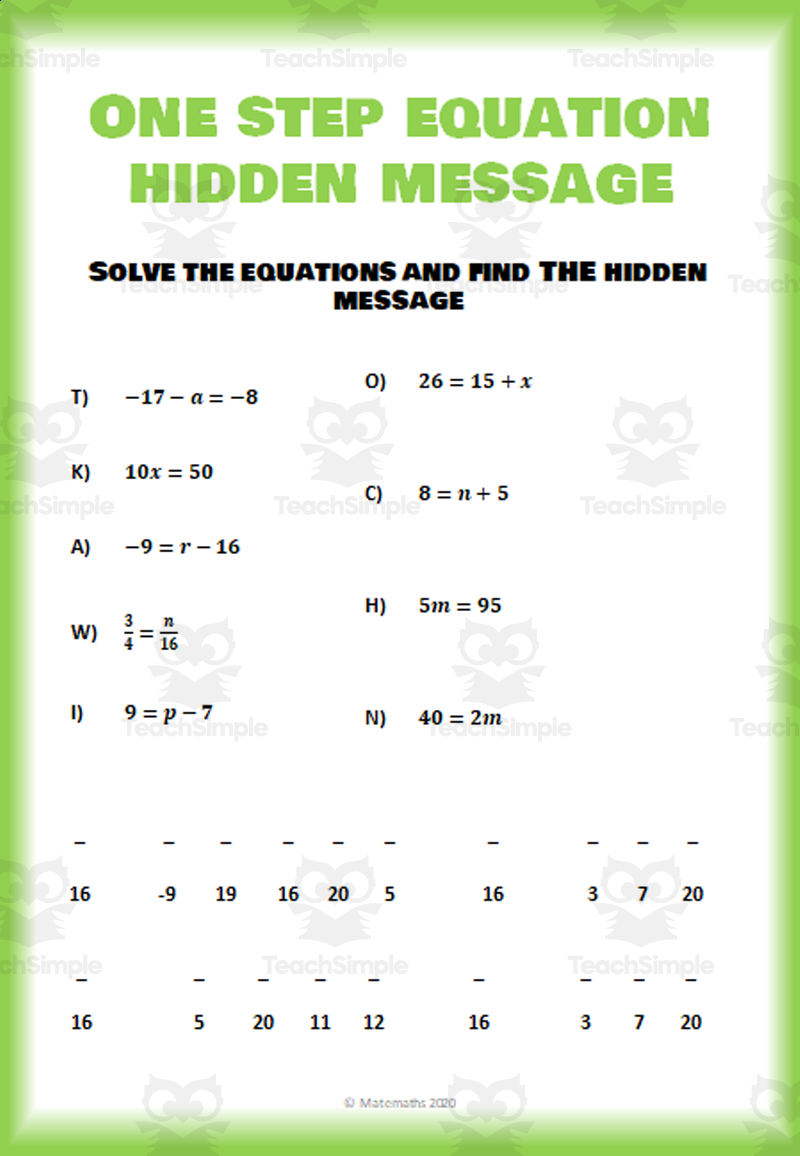
Solve one-step equations with all four operations and use the answers to decode hidden messages.
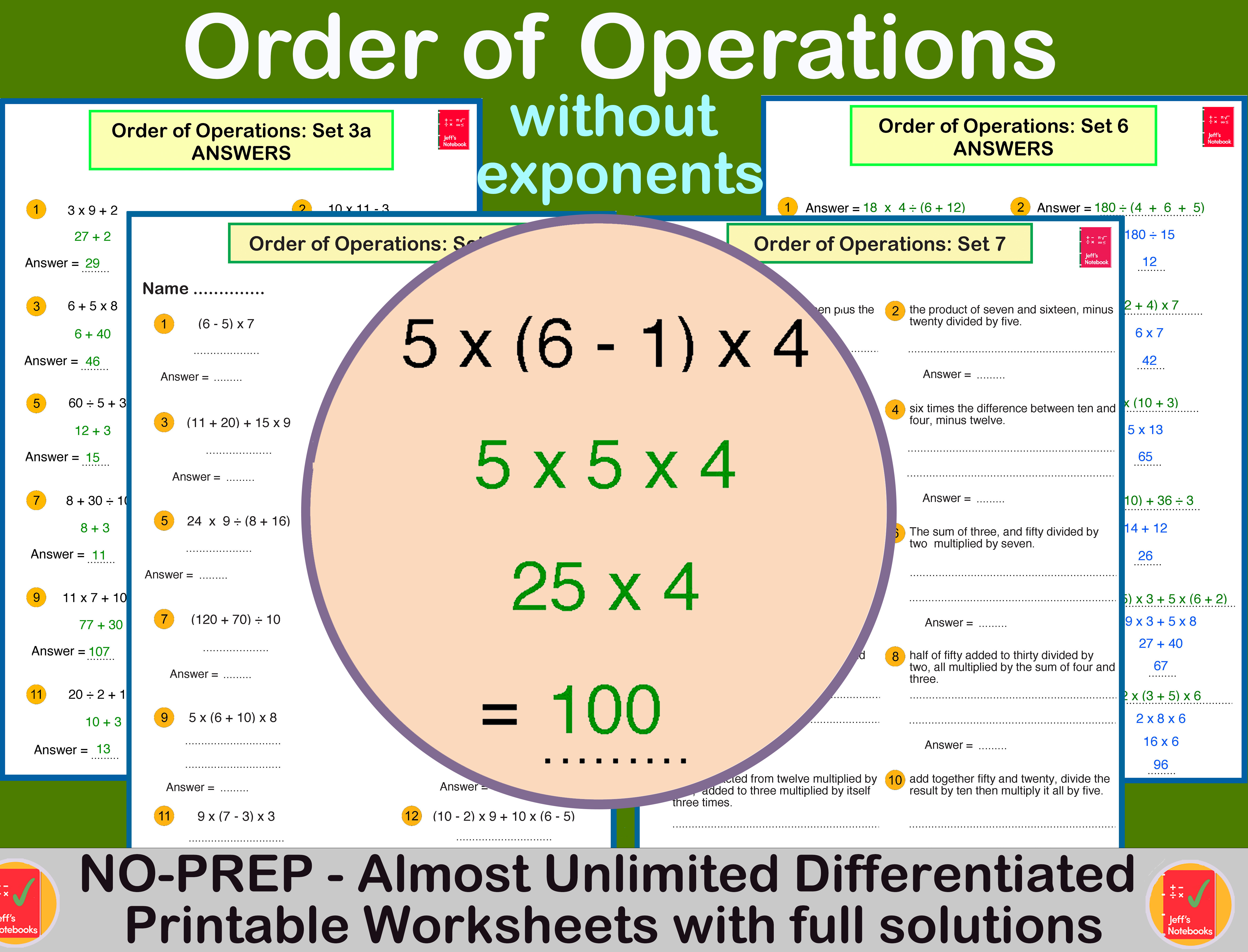
Students solve numerical expressions of increasing complexity across six sets (basic add/subtract or multiply/divide, adding parentheses, mixed operations, paired comparison questions, and a final challenge to place parentheses to make equations true), showing work step by step.
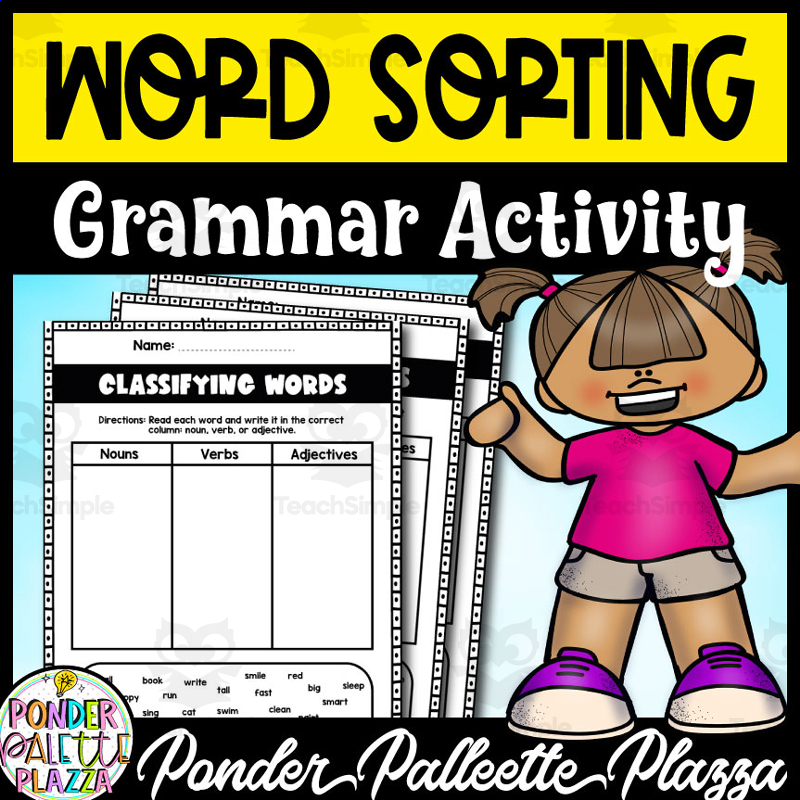
Read each word in a mixed word bank and write it into the correct column: Nouns, Verbs, or Adjectives.
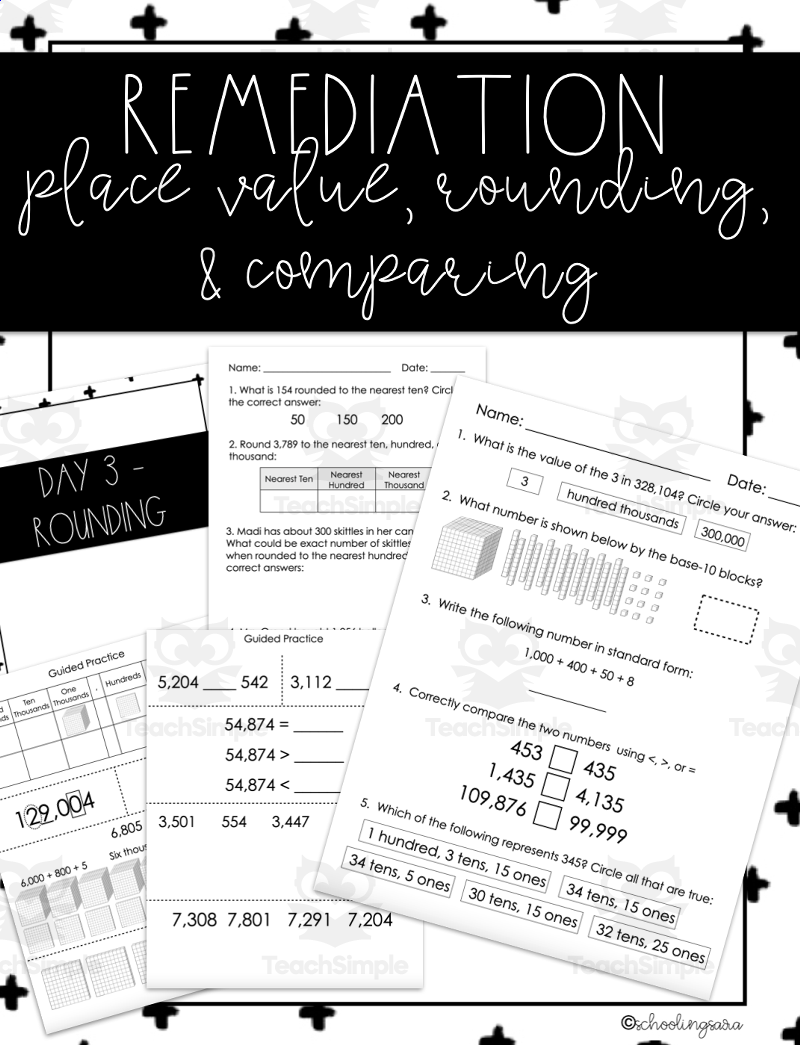
Complete daily guided-practice sheets (teacher-led, referencing base-10 blocks) followed by independent-practice worksheets on place value, rounding, and comparing/ordering numbers using , = symbols; complete a 10-question review exit ticket on day 5.
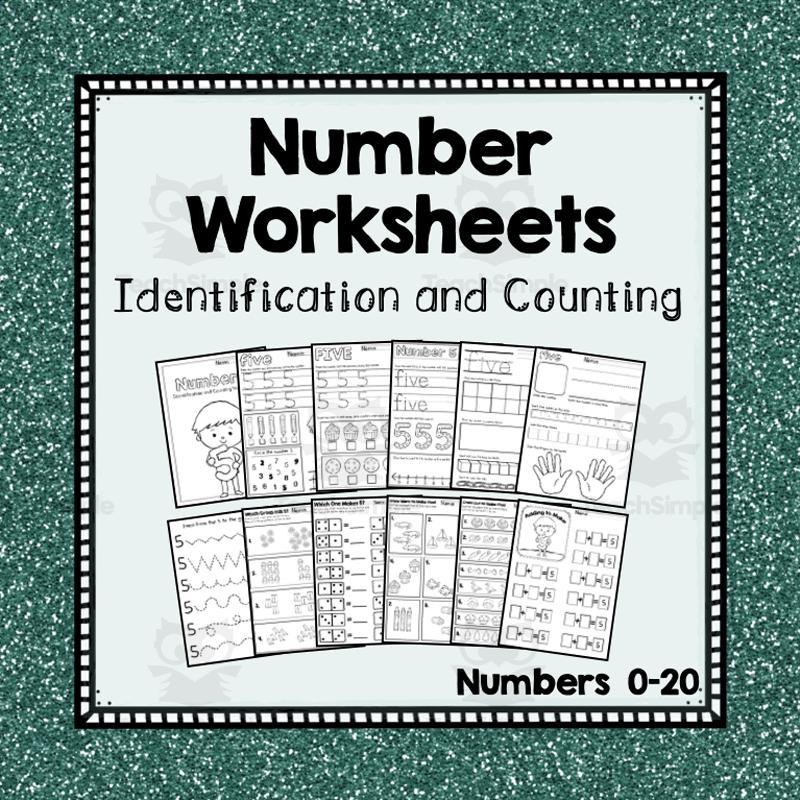
Trace and write numerals and number words, circle a target numeral among distractors, count and color groups of objects, show numbers in ten frames, count/color base-ten blocks, and complete number lines.

This Probability Worksheet is a great way for students to build their math vocabulary by matching each diagram to its correct probability.
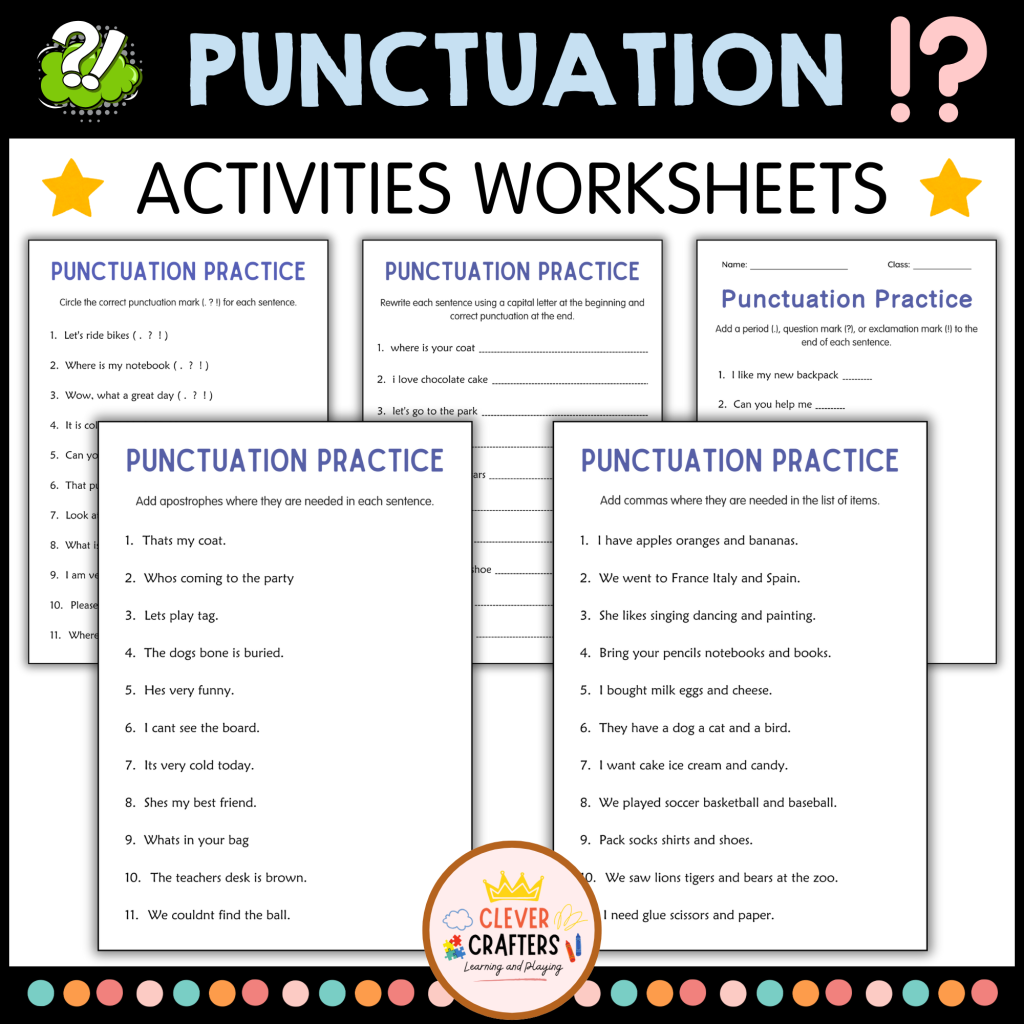
Practice end punctuation, capitalization, comma usage in lists, and apostrophe usage in everyday sentences.
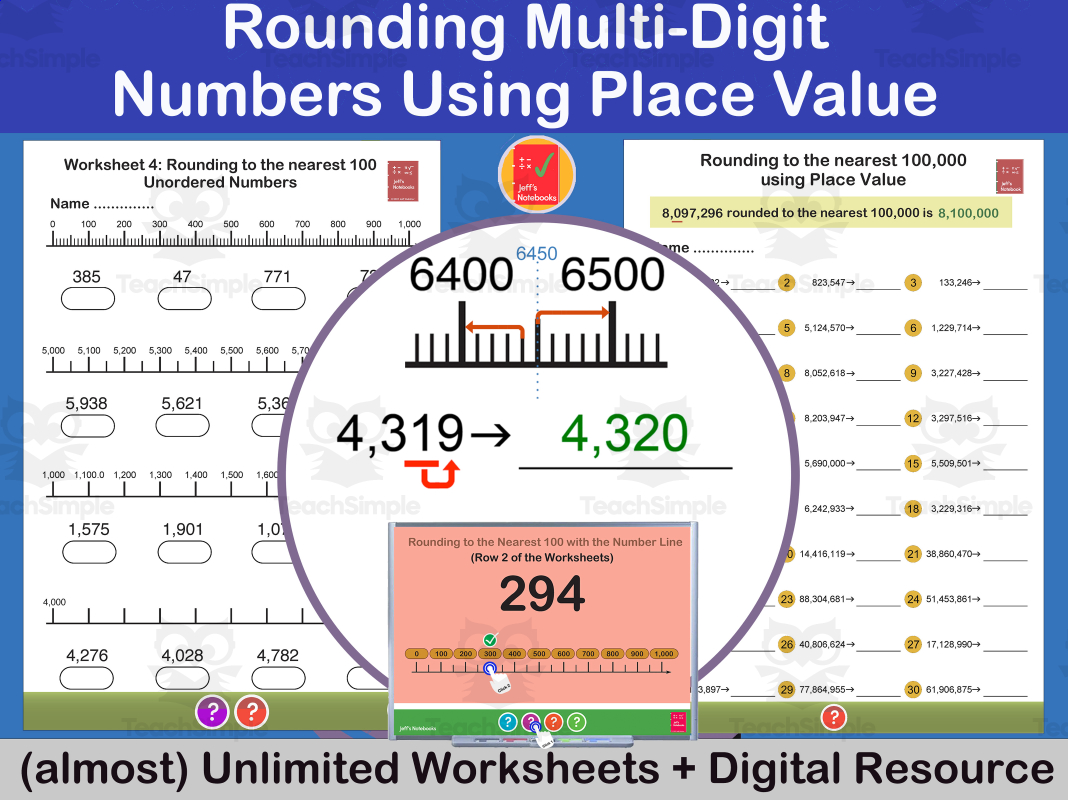
Use number-line diagrams to round multi-digit numbers to the nearest 10, 100, 1000, 10,000 or 100,000, working through ordered and unordered number rows of increasing difficulty, or interact with teaching-page buttons (on an interactive whiteboard) to generate and check rounding answers.

Read an illustrated story about a dinosaur character (Dino) who 'ROARS' when he has big feelings, then complete matching/cut-and-paste worksheets identifying emotions from facial expressions and scenarios, and write short empathy reflections about a time they felt a given emotion.
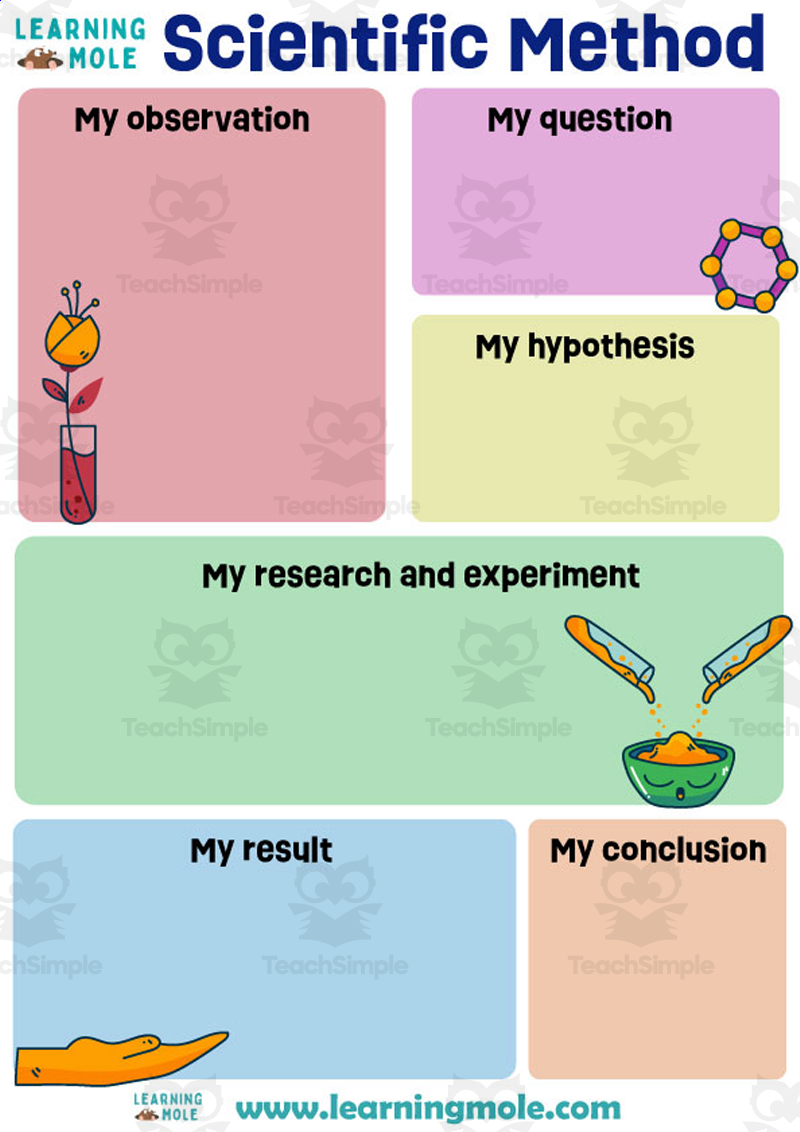
Fill in boxes for observation, question, hypothesis, research/experiment, result, and conclusion.
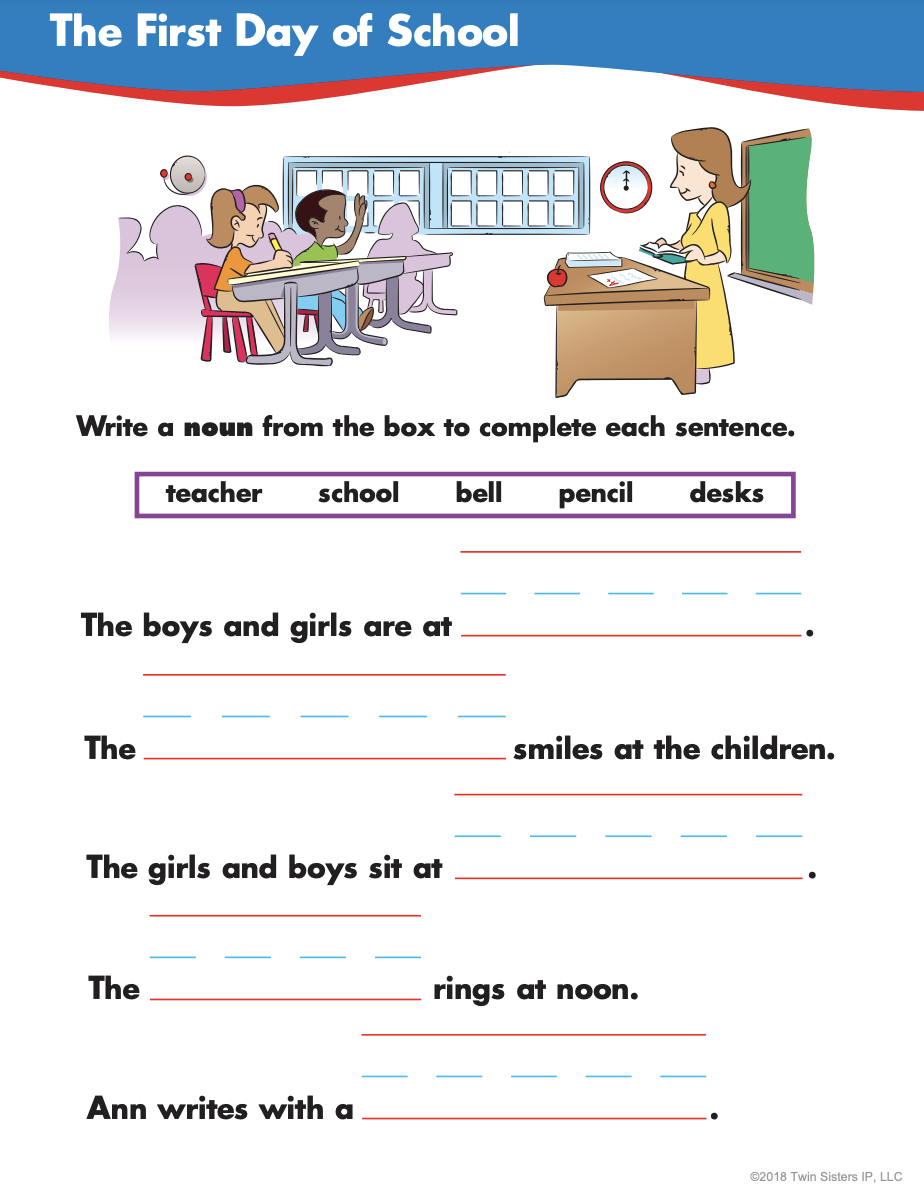
Match naming parts to action parts to build sentences; underline the subject and the predicate in given sentences; complete sentences by choosing missing subject/predicate parts; select or circle nouns naming pictures and in sentences; complete sentences with nouns from a word bank; circle the correct plural form (adding s) for pictured…
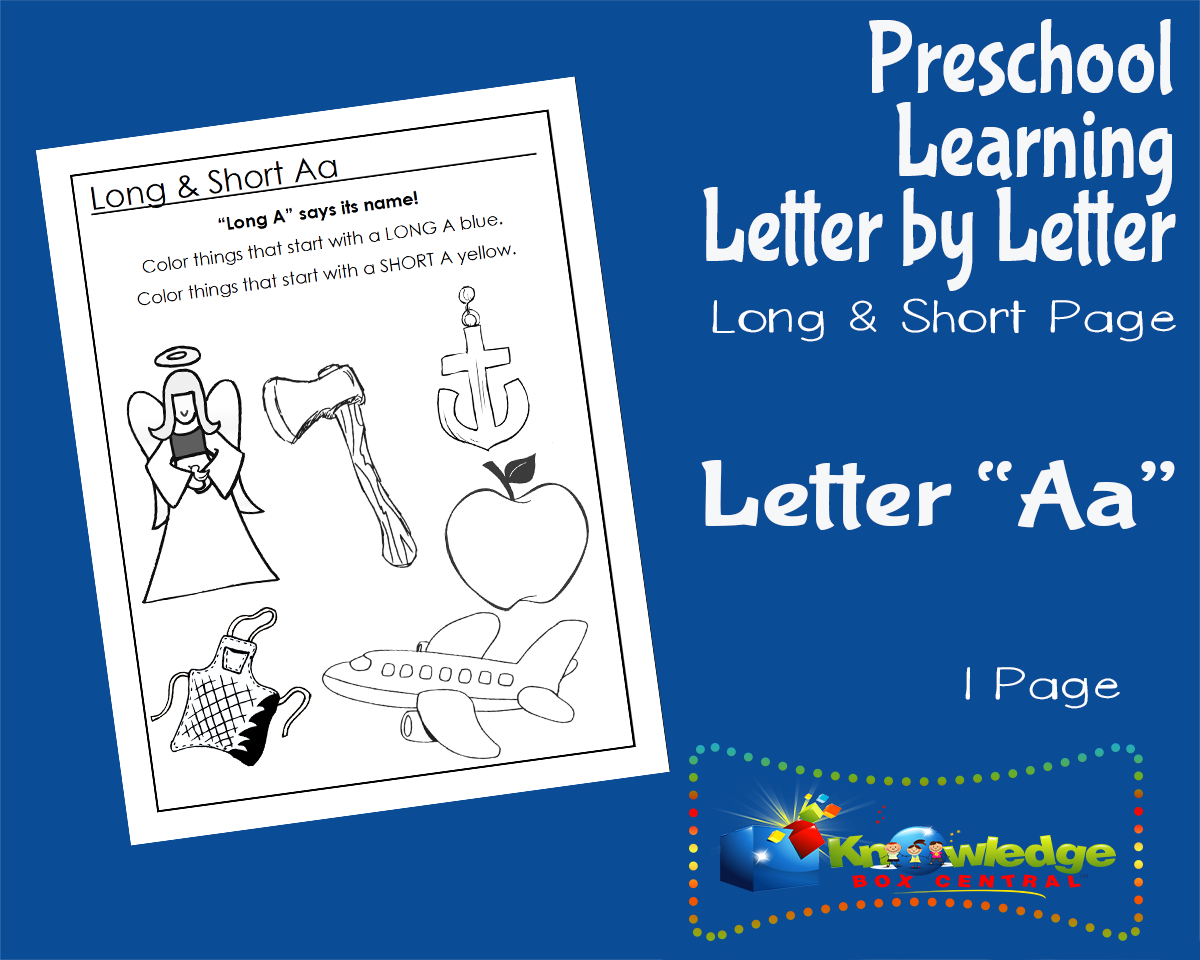
Color pictures whose names start with a long-A sound blue and pictures whose names start with a short-A sound yellow.