 Free download
Opinions & responses
FREE Figurative Language Practice Activity
Give students hands-on practice writing similes, metaphors, and hyperbole through a food-tasting descriptive-writing activity.


Classroom resources
Browse by lesson focus
Choose the topic or kind of practice you need.
Showing 241–264 of 377 resources

 Show filters Free download
Give students hands-on practice writing similes, metaphors, and hyperbole through a food-tasting descriptive-writing activity.

Prompt descriptive/creative writing inspired by If I Ran the Zoo.

A creative writing/craft activity where students invent an original mythical creature by describing its physical traits, habitat, diet, adaptations, and magic powers, then illustrate or write about it and compare their description to a partner's drawing.
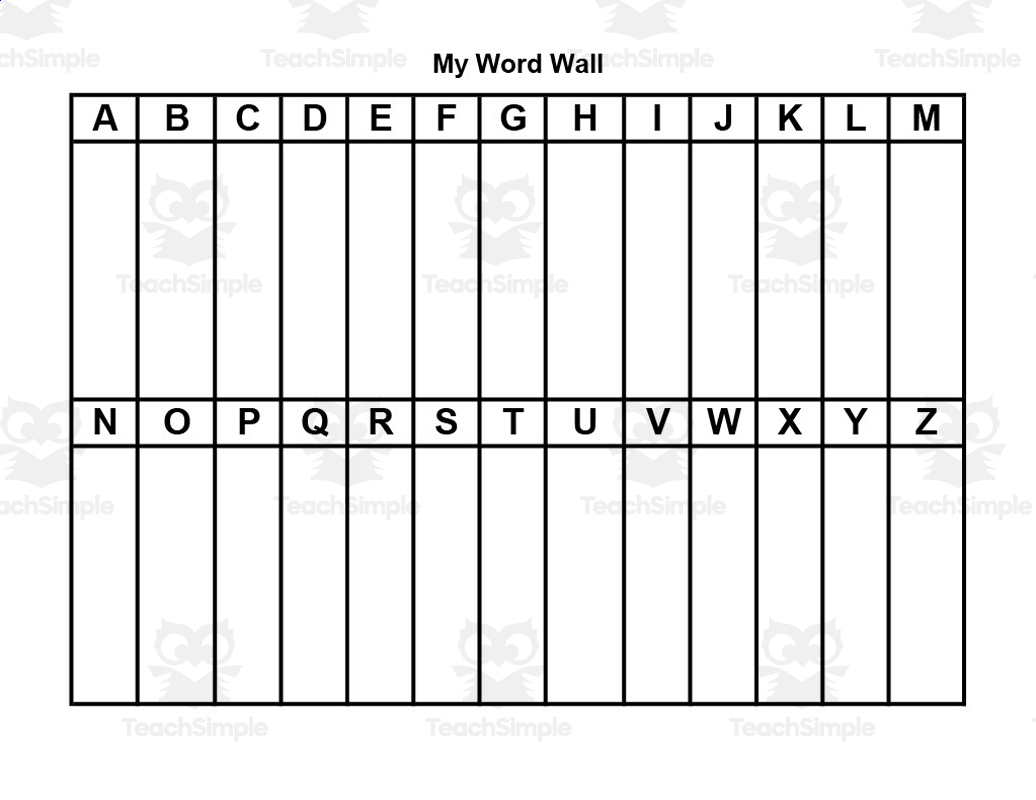
A digital word wall (in Excel) for vocabulary practice, combined with a sight word spelling and sentence-writing activity.
A micro-learning digital deck built around an animated short film 'The Field Trip', teaching narrative writing skills through sequencing, true/false comprehension, and summarizing activities.
An interactive PowerPoint writing/reading activity built around an animated short film 'Llama Drama', teaching sequencing, true/false comprehension, and summarizing.

A micro-lesson slide deck paired with an animated short film ('Hen and the Egg') that builds sequencing, true/false comprehension, main idea/details, and summarizing skills.
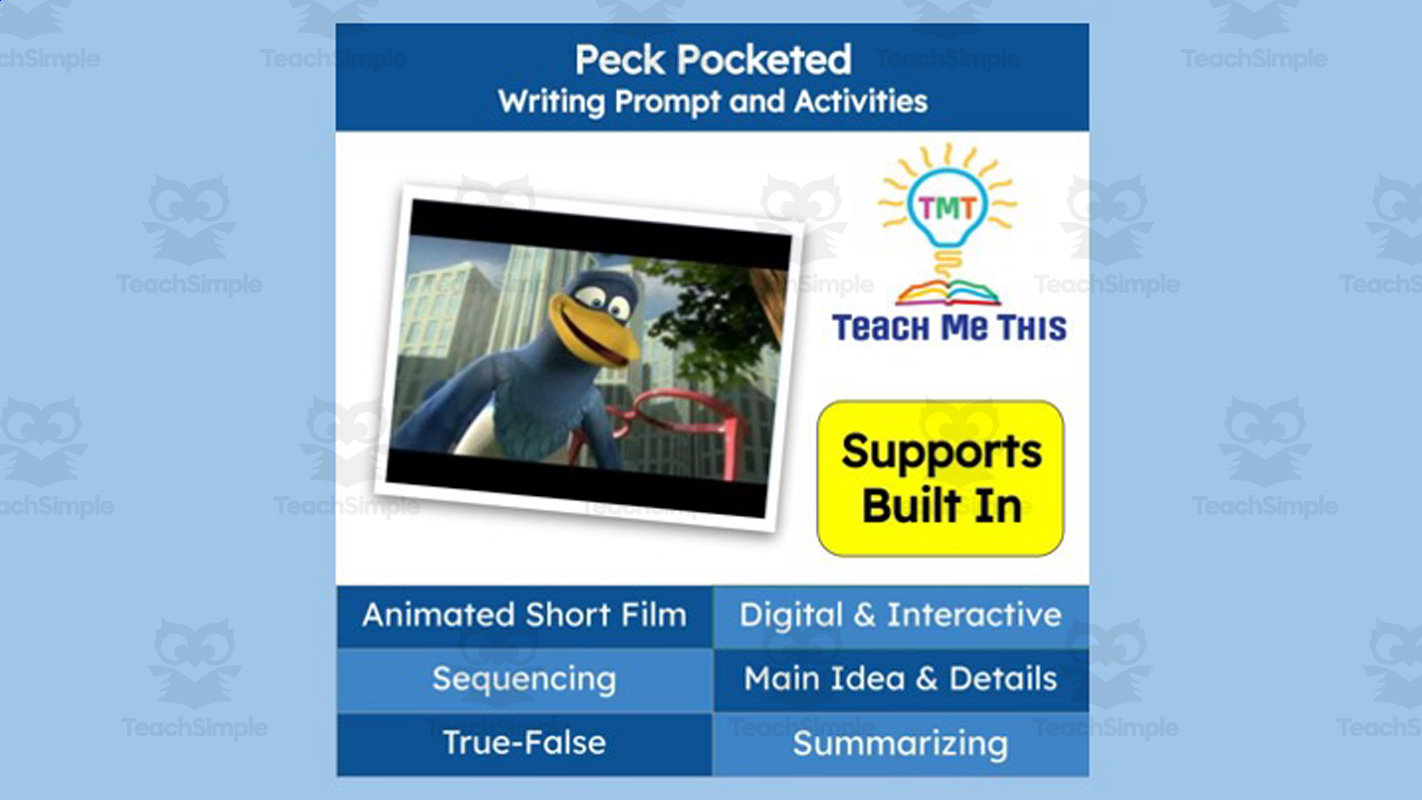
An interactive slide-deck writing activity built around an animated short film about a bird ('Peck Pocketed') that steals items from a woman's purse to build a nest.

An opinion-writing activity combining drawing, dictating/speaking, and writing, where students state and explain an opinion or preference about a book or a given topic.
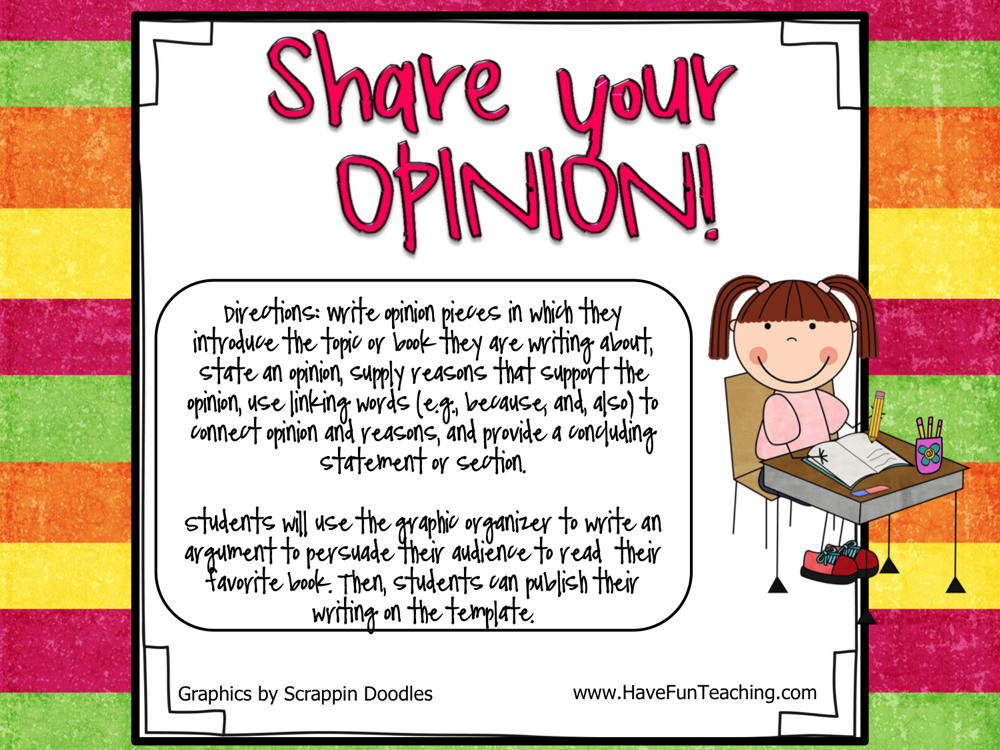
An opinion-writing activity where students use a graphic organizer to write and publish a persuasive piece about their favorite book.
 Free download
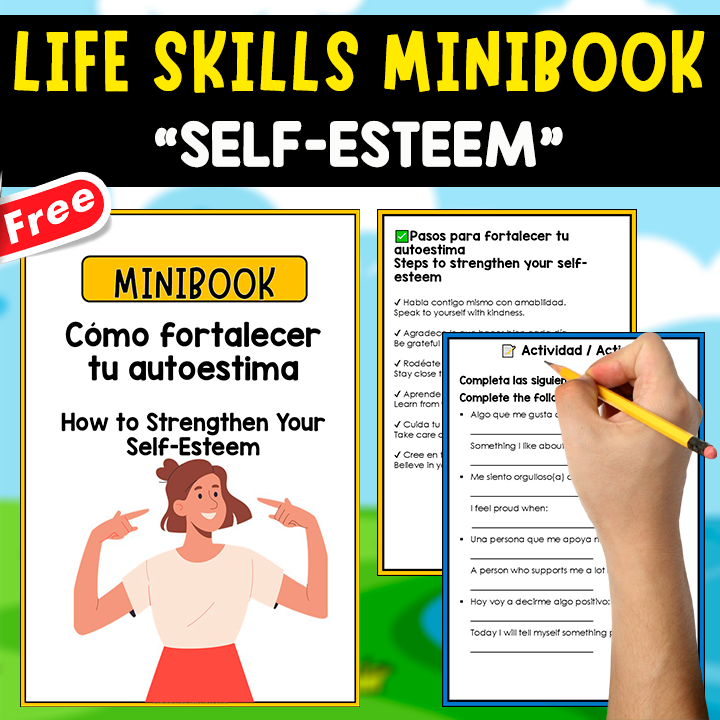
A bilingual (Spanish/English) minibook that explains what self-esteem is and gives steps to strengthen it, paired with reflection and creative-writing activities.

A set of open-ended creative drawing, coloring, and short creative-writing pages on a pumpkin theme.

A creative writing resource using an arctic animals theme and the SWBST (Somebody Wants But So Then) story structure to give first-to-third grade students low-prep writing prompts that also build arctic animal knowledge.
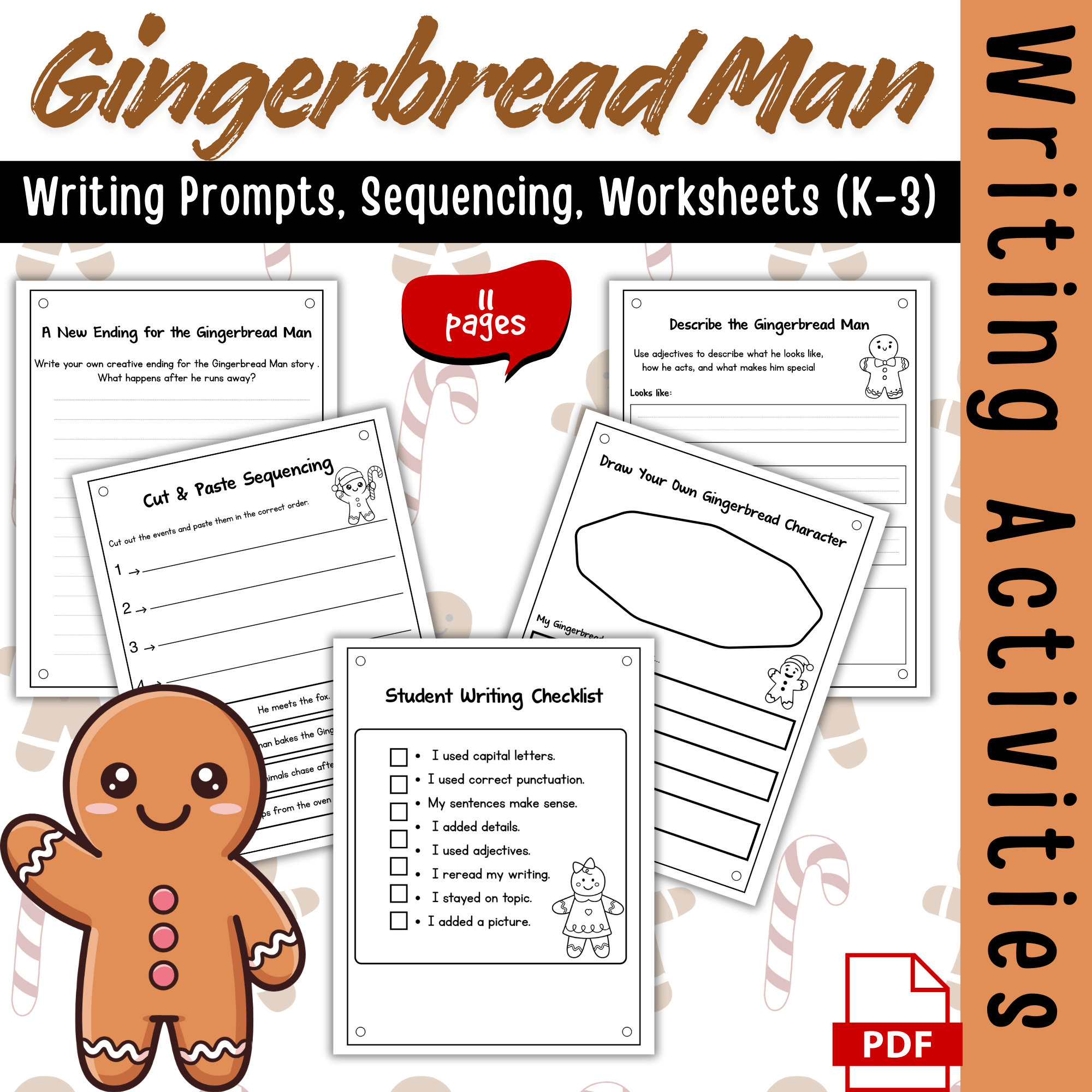
Practice creative writing, sequencing, sentence building, descriptive/adjective use, and character creation through a Gingerbread Man theme, for K-3 students.

Guide students through a multi-step art lesson to create an original monkey drawing using a chance-based (dice/random number) game, then reflect on and write about their artwork.

A large science packet teaching the butterfly life cycle (egg, caterpillar, chrysalis/pupa, butterfly), butterfly anatomy, and butterfly vs. moth differences, through posters, an interactive handbook, and a wide variety of printable practice activities.

A frog/amphibian science activity packet teaching young students about frog habitats, diet, camouflage, and the frog life cycle (eggs, tadpole, mature tadpole, froglet, adult frog)

An emergent reader and set of activities teaching the life cycle of a flower and the process of growing a garden for early elementary students.

A five-day, no-prep back-to-school packet for 2nd grade covering math, literacy, writing, graphing, and social-emotional learning to build classroom community and assess student readiness
An 'emergency lesson plan' (substitute-ready, cross-curricular) for grades 1-2 built around a non-fiction reading passage about Vikings, combining reading comprehension, creative writing/drawing, vocabulary syllable counting, basic math word problems, plural word forms, and a dot-to-dot activity.
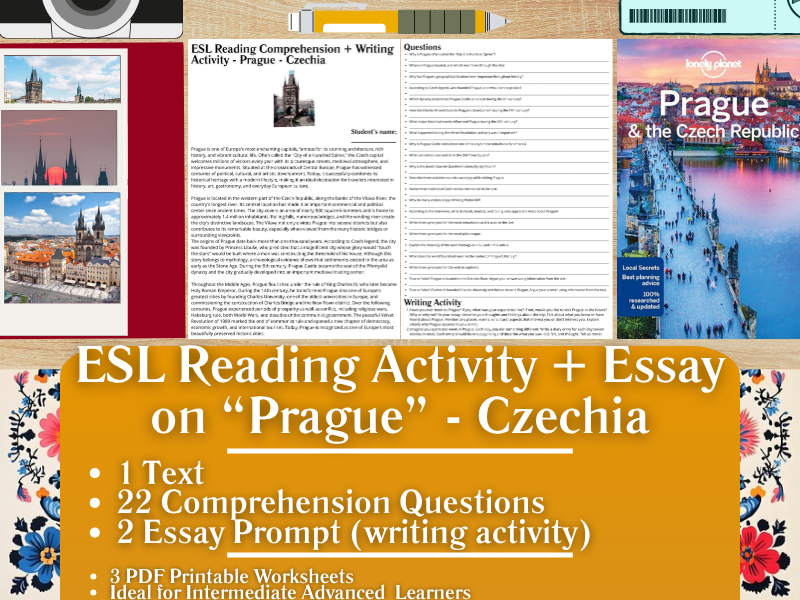
ESL reading-comprehension and writing practice built around an informational passage about the city of Prague, Czech Republic.

Teach elementary astronomy concepts (the universe, astronauts, Earth, the sun, the moon, the solar system, planets, stars, astrology, sunlight, gravity) through a hands-on lab/activity book with discussion questions and experiments.
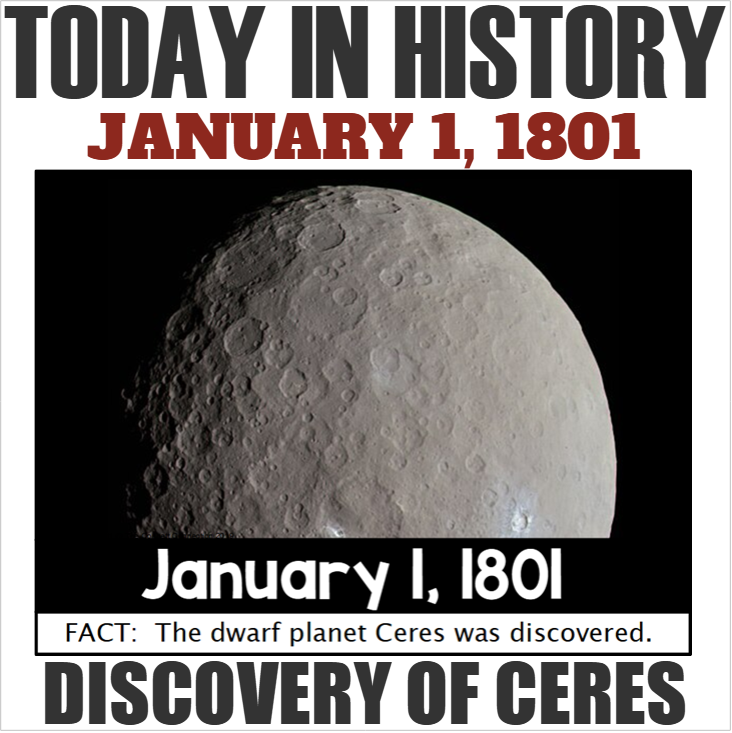
Teaches elementary students about the 1801 discovery of the dwarf planet Ceres through a themed daily-history packet combining handwriting practice, reading comprehension, and writing.
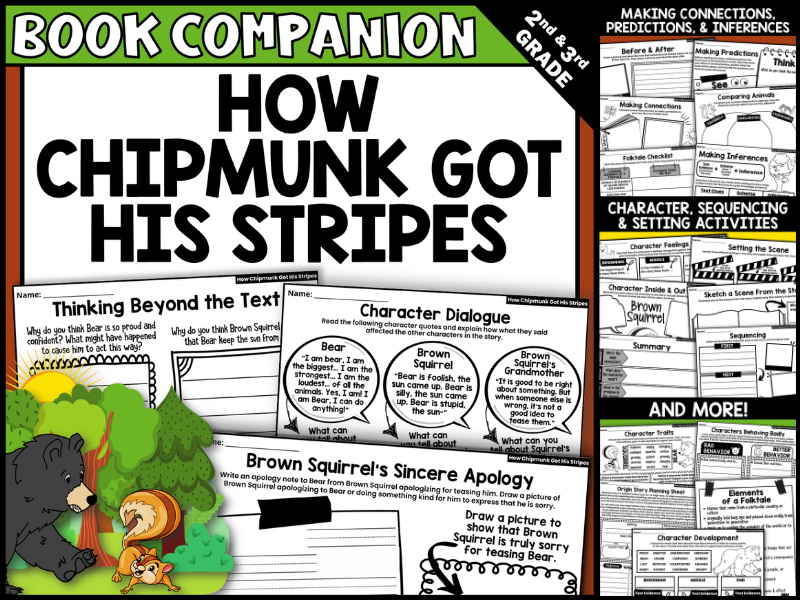
A picture-book companion of interactive read-aloud activities supplementing 'How Chipmunk Got His Stripes' by Joseph Bruchac and James Bruchac.