Stories & imagination
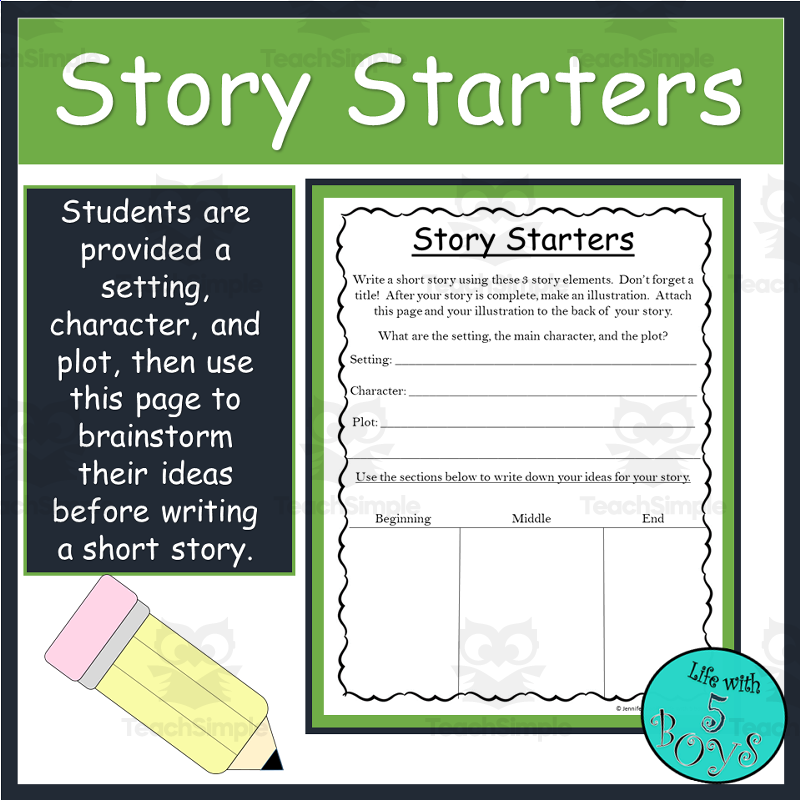
Story Starters Brainstorm Page
Brainstorming template to help students plan a short story before writing.




Classroom resources
Browse by lesson focus
Choose the topic or kind of practice you need.
Showing 217–240 of 348 resources

 Show filters
 Brainstorming template to help students plan a short story before writing.
 Free download
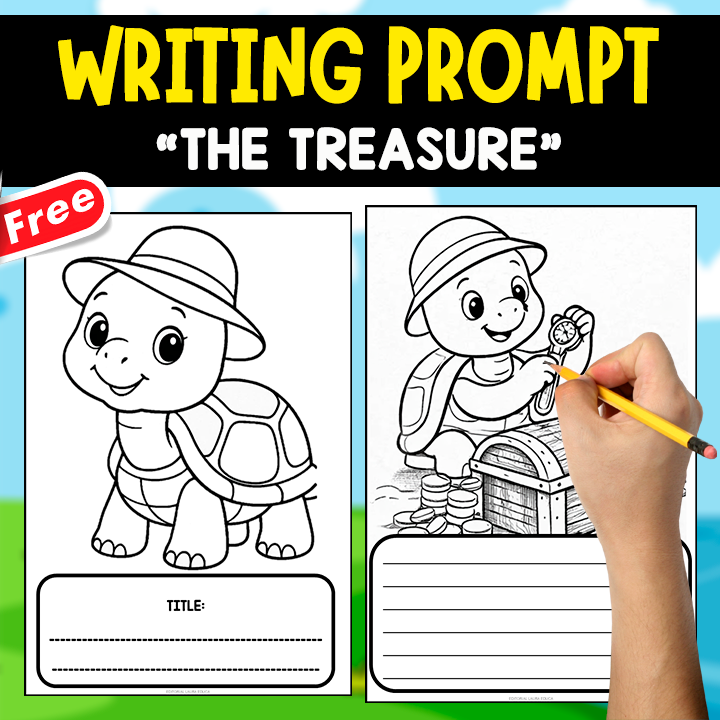
 Write a story on ruled blank lines under a self-supplied title.
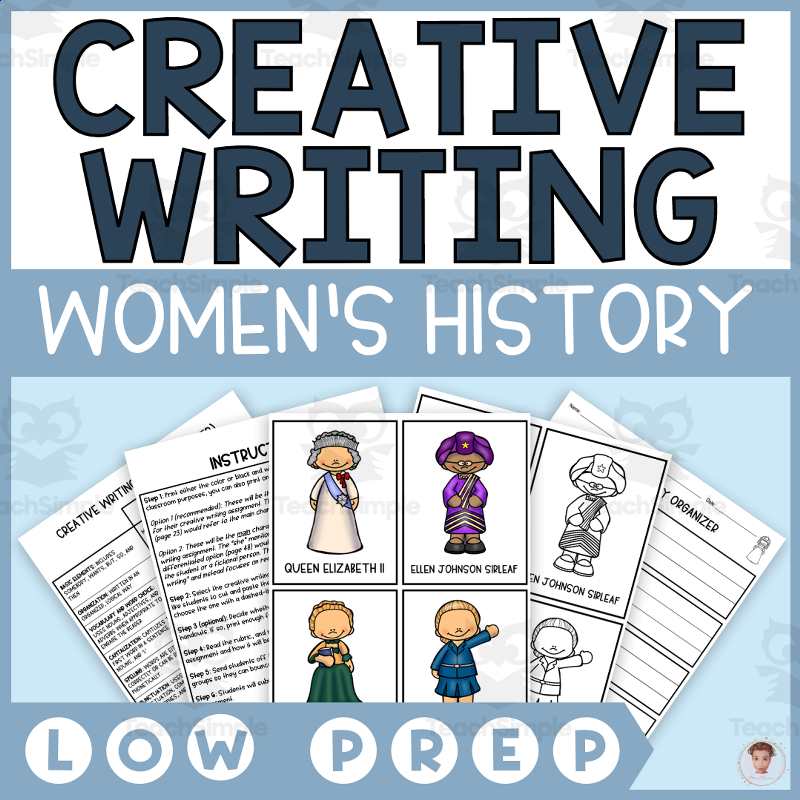
select a historical-figure character card, complete a creative-writing graphic organizer using the SWBST structure, and write a story; optionally present the finished story to the class

Writing Prompts and Writing Sheets Dive deep into an insightful world designed for enhancing children's writing skills through our resource, Writing Prompts and Writing Sheets. Formatted specifically for students from second to fourth grade, this learning tool is much more than your ordinary workbook. It masterfully integrates both…
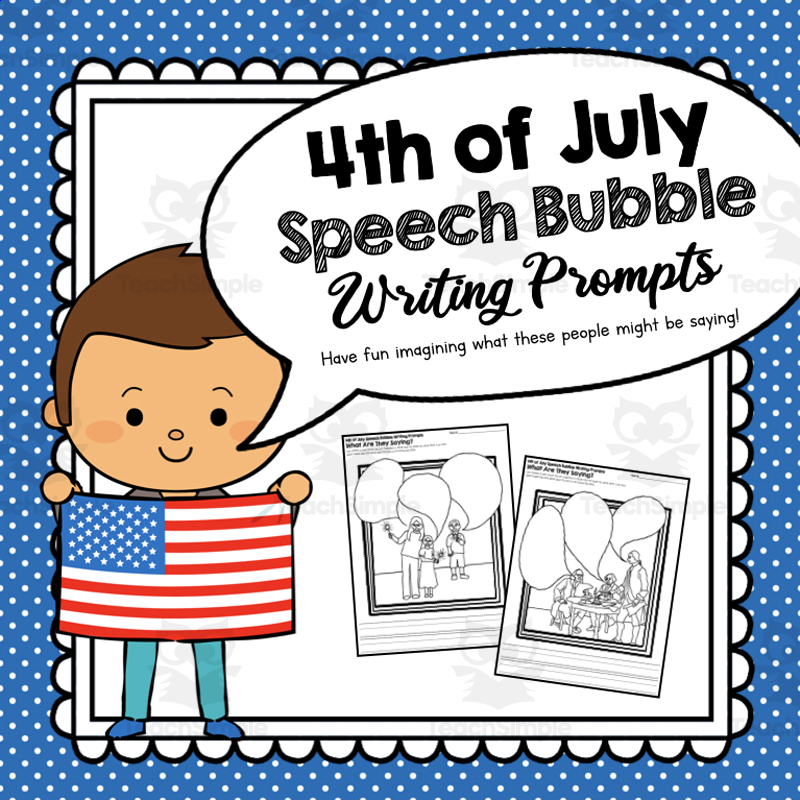
Look at each 4th of July themed picture, imagine what the people in it are saying, write it into the speech bubble, and add more story details on the writing lines below; more confident writers may practice using quotation marks. Blank speech-bubble sheets are also included for students to draw their own picture and dialogue.
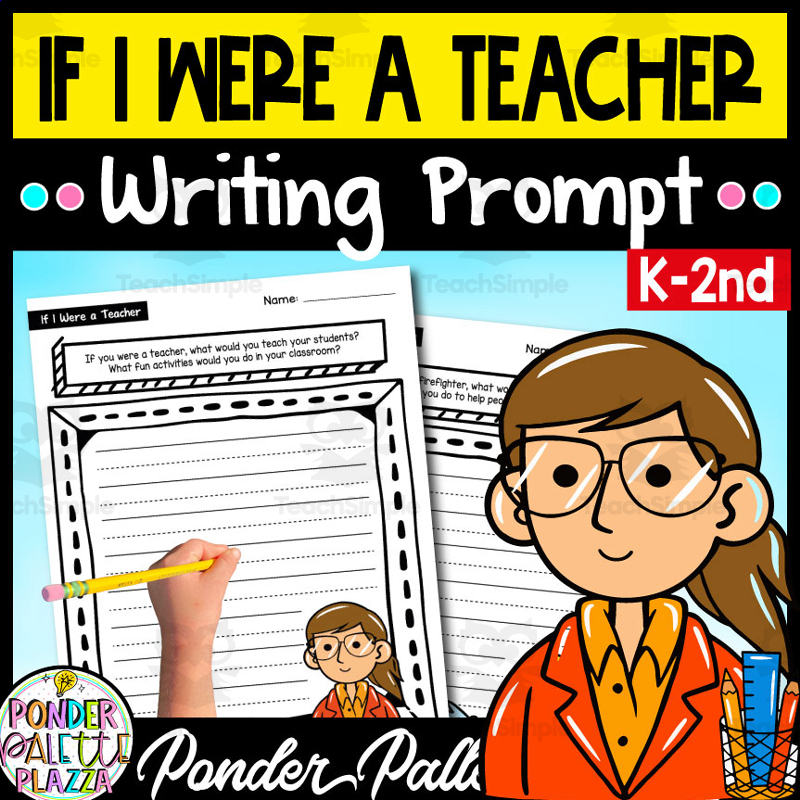
Page 1: write about what they would teach their students and what fun activities they would do in their classroom if they were a teacher. Page 2: draw a picture of themselves as a teacher, showing their students, what they're teaching, and anything on the board.

Select an animal character card, complete a SWBST story-organizer graphic organizer (identifying the main character's want, obstacle, actions, and resolution), write and illustrate a story using that structure, optionally use a fill-in-the-blank sentence-frame version, and self/teacher-assess the story against a creative writing rubric.
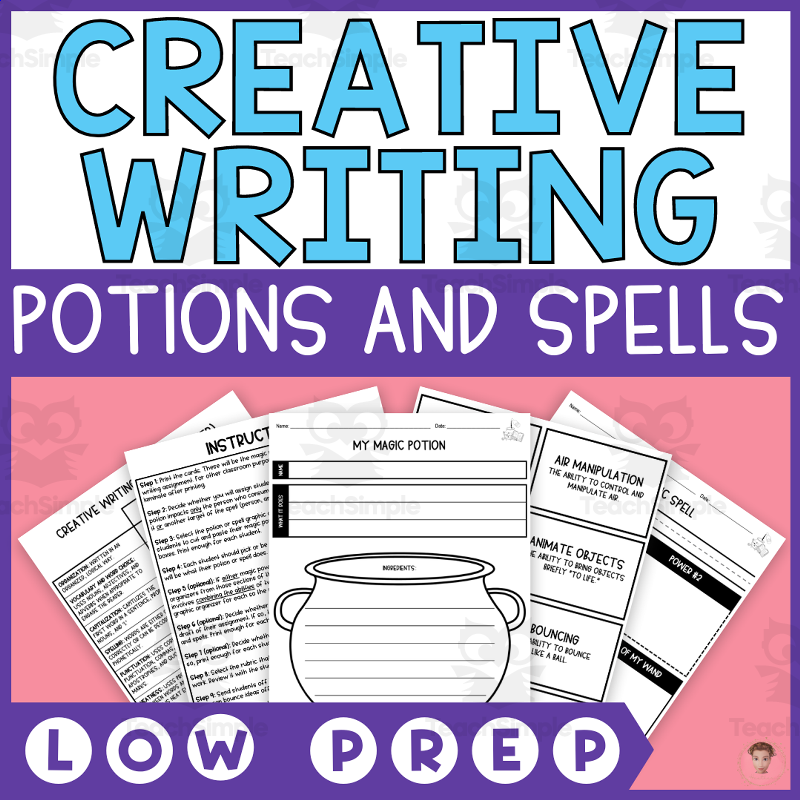
A magic-potions-and-spells themed creative writing activity where students design a magic potion or spell using assigned 'magic power' traits, then write about it using a graphic organizer and are assessed with a rubric.
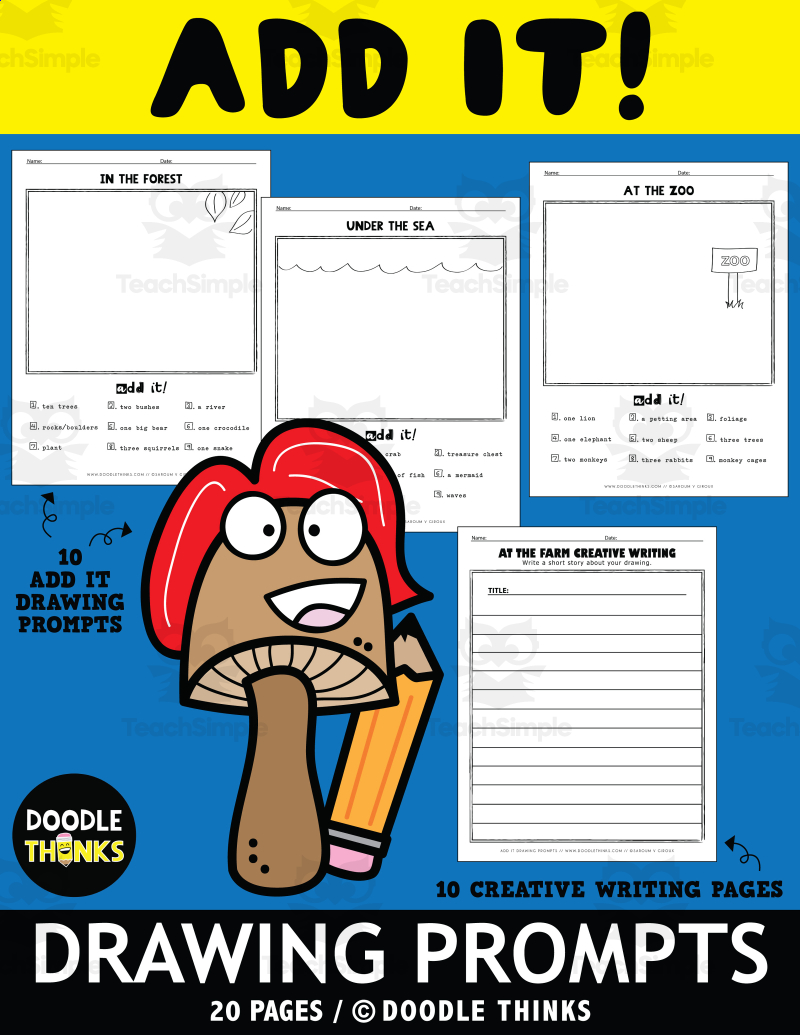
For each of 10 themed prompts (Under the Sea, At the Zoo, In the Forest, Art Class, At the Farm, In My Bedroom, Space Travel, Air Show, Underground, At Play), draw all listed items into a single picture, then write a short story about the drawing.
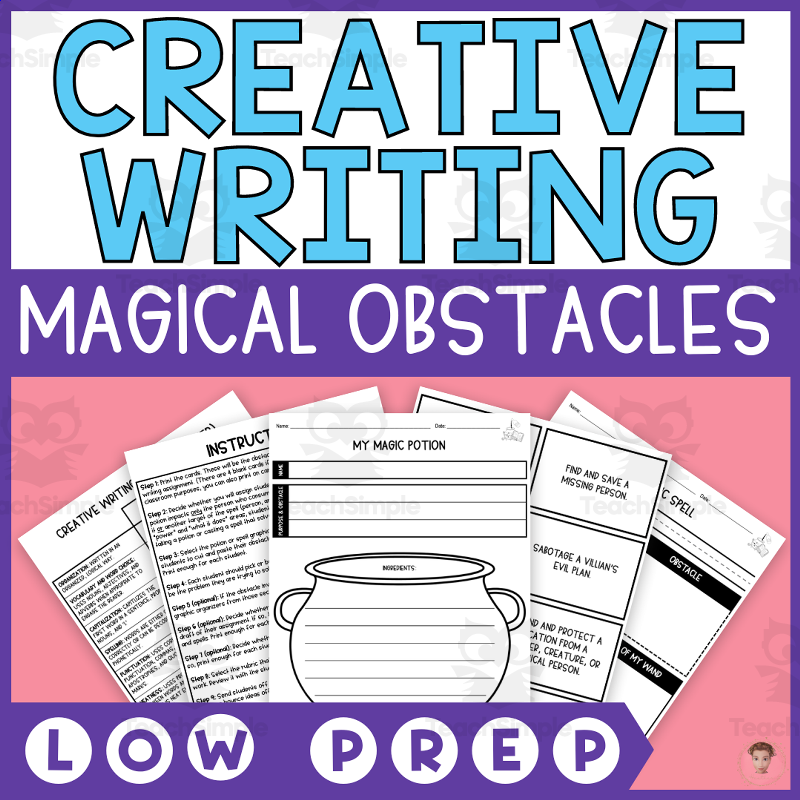
Students pick an obstacle card, use graphic organizers to plan a potion or spell (name, power, ingredients/steps), write a draft, and optionally present it to the class.

Click the 'Generate Story' button to receive a random character (with descriptor), plot, and setting, then write a story (quick write or longer piece) based on the generated combination; alternatively, the teacher can display a daily generated prompt on a smartboard for a class quick-write activity.
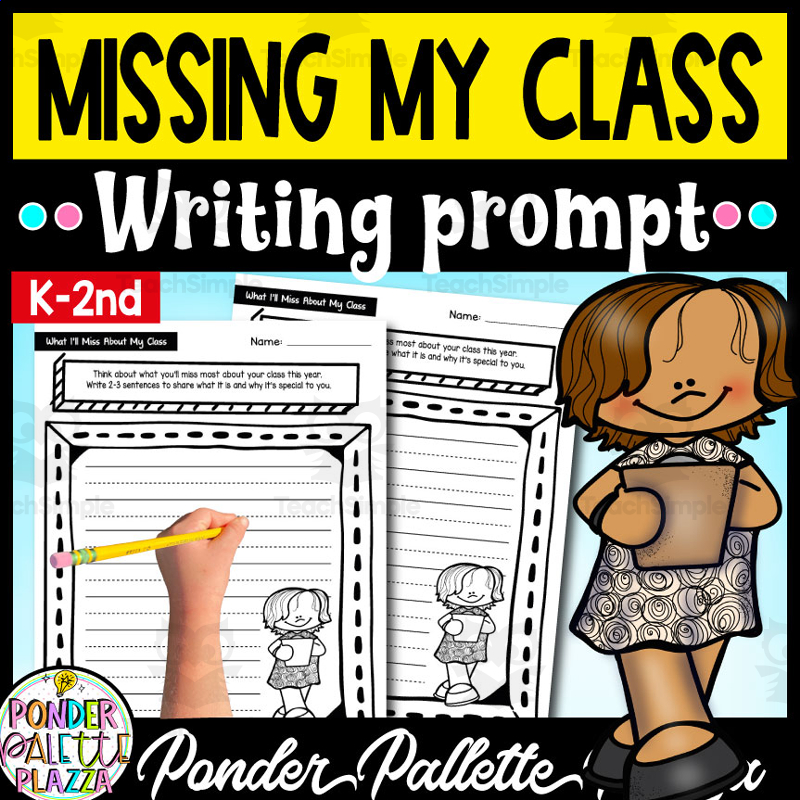
Write 2-3 sentences about what they will miss most from their class and why it's special, then draw a picture of something or someone from their class they will miss.
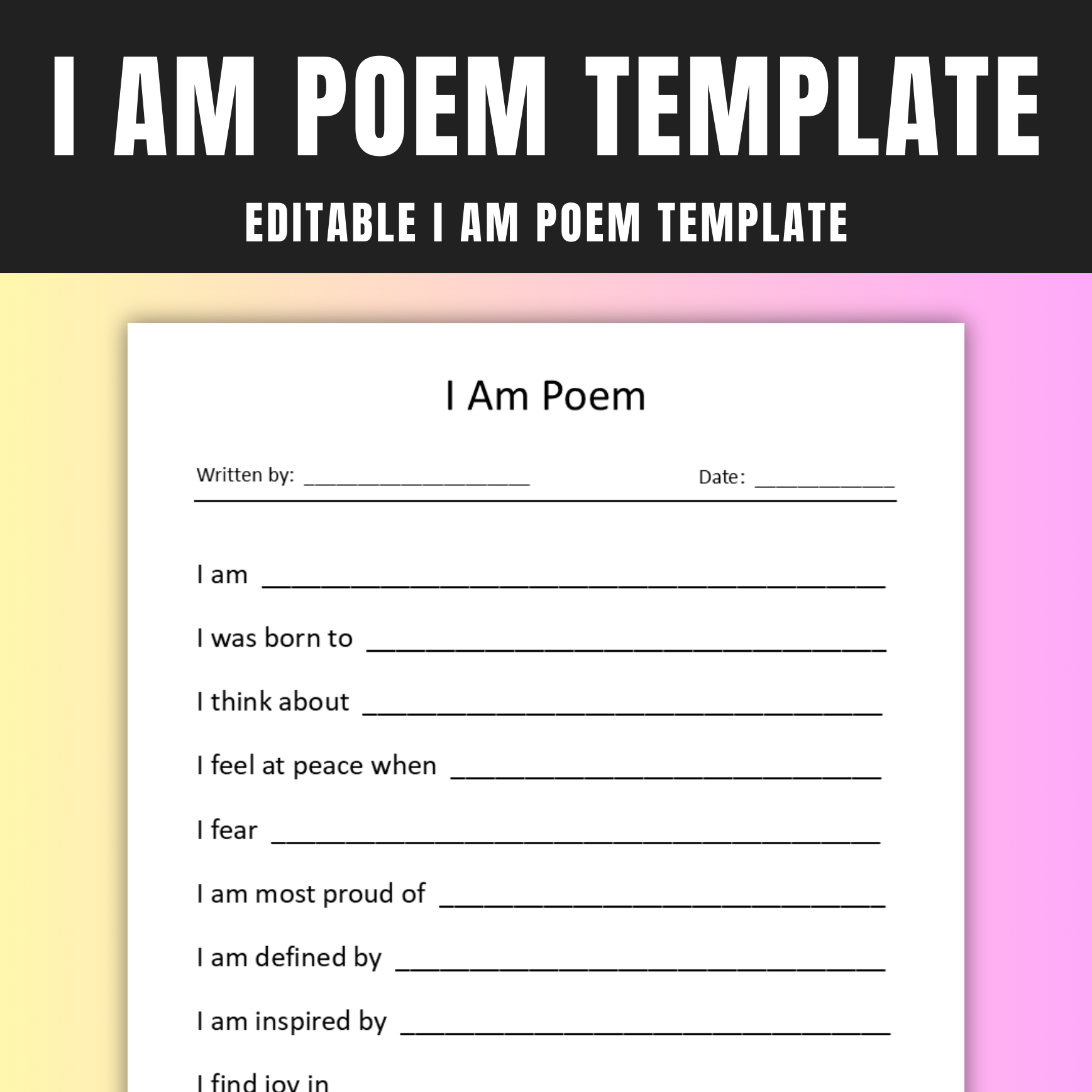
Thirteen sentence-starter prompts, including 'I am,' 'I was born to,' 'I fear,' 'I am inspired by,' and 'I will,' guide students through writing a personal identity poem in this two-slide editable PowerPoint template. The first slide presents the blank prompts with fill-in lines for students to complete, while the second slide repeats the same thirteen prompts with a parenthetical explanation beside each one, such as clarifying that 'I fear' should name 'a challenge, uncertainty, or thing you struggle with,' to help students understand what kind of response each line expects. Because the template is fully editable in PowerPoint, a teacher could adjust the prompt wording or format before assigning it, or students could complete it digitally rather than by hand. The structure moves students from open self-reflection prompts toward a complete personal poem covering identity, values, fears, and future goals.
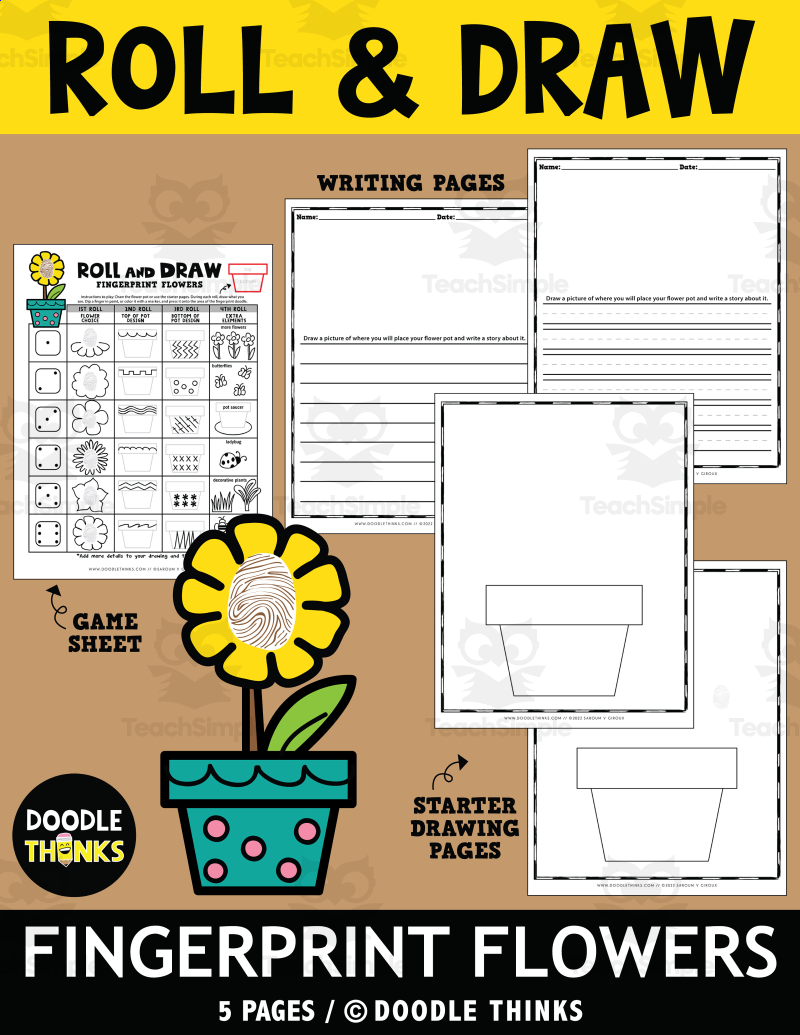
Roll a die four times to determine what to draw for the flower/pot design and extra elements, use a finger dipped in paint (or a marker) to add fingerprint details, then draw a picture of where they'd place their flower pot and write a story about it.
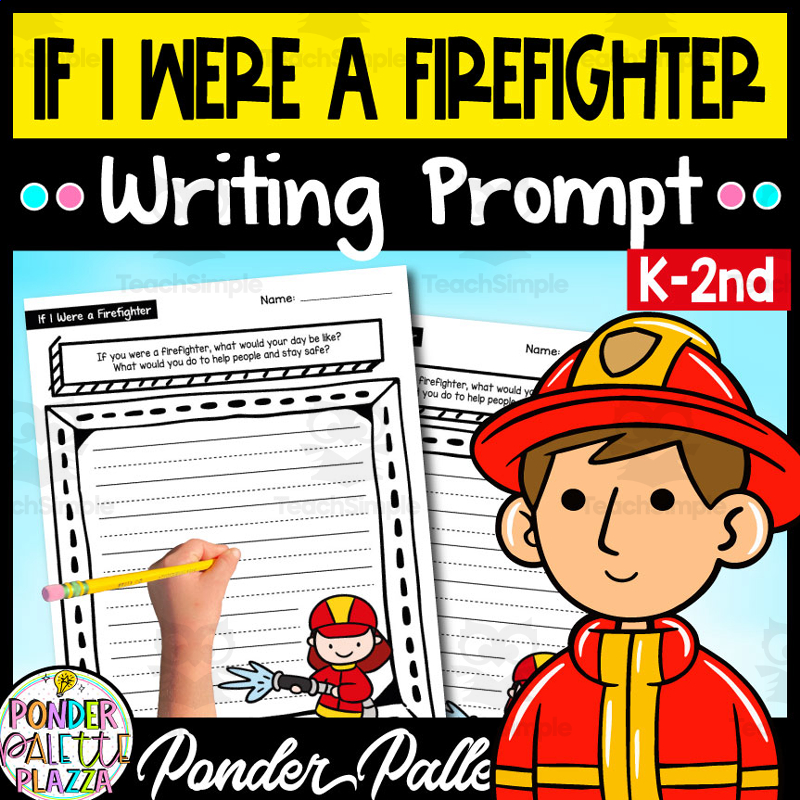
Two prompts let students imagine a firefighter’s day in words and pictures. The writing page asks how they would help people and stay safe; the drawing page calls for a uniform, fire truck, and helping action. Pair the pages with a discussion of community helpers before students develop their own response.
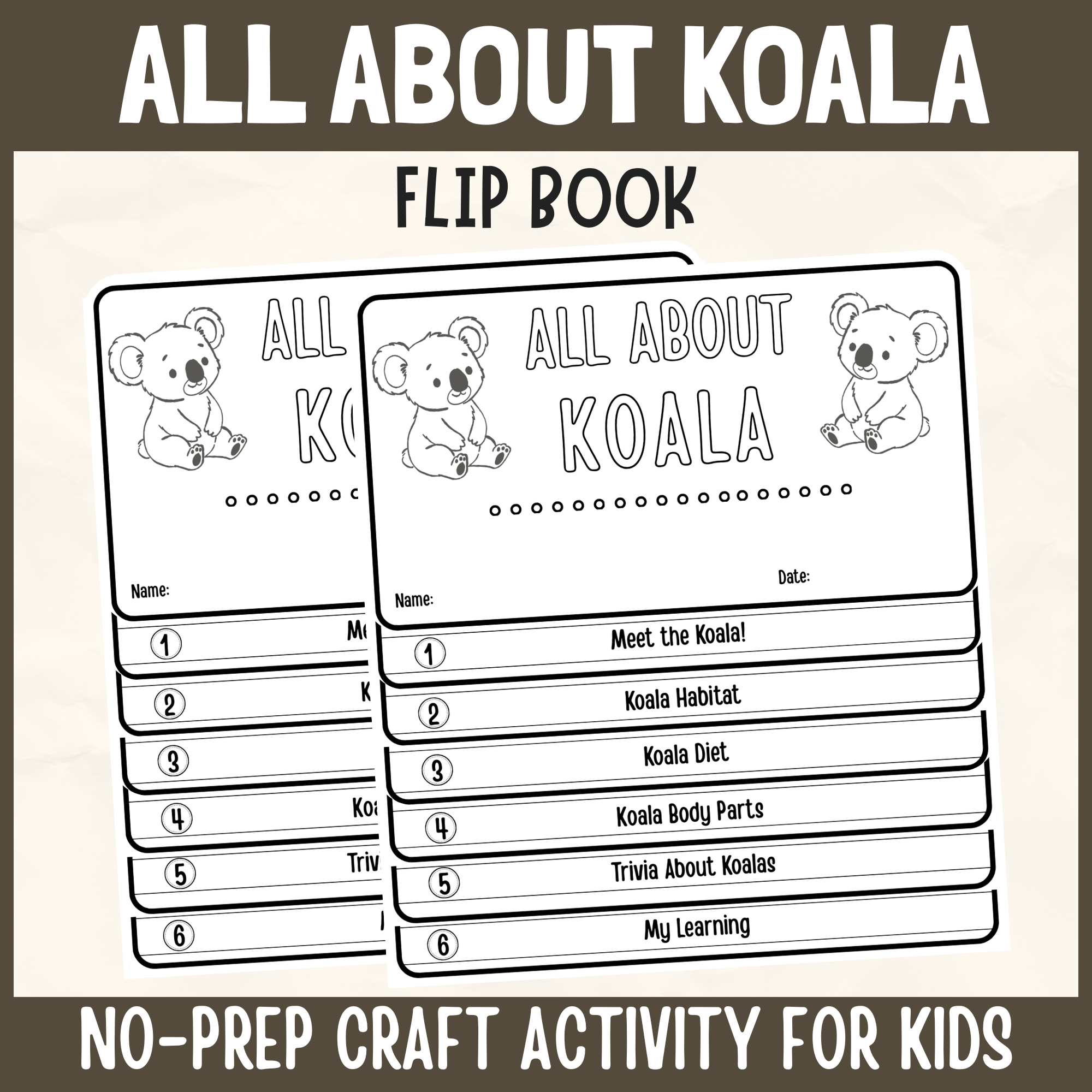
A DIY flipbook craft/writing activity where students research and record facts about koalas (appearance, habitat, and related topics) in a question-and-answer flipbook format.
Use 10 new words from a (separately supplied) vocabulary list to write a story following the five W's (Who, What, Where, When, Why) in Google Slides; create at least 5 slides (font 36+) each with a picture and a sentence; highlight the 10 vocabulary words in yellow on a white background; end with a 'What' question.
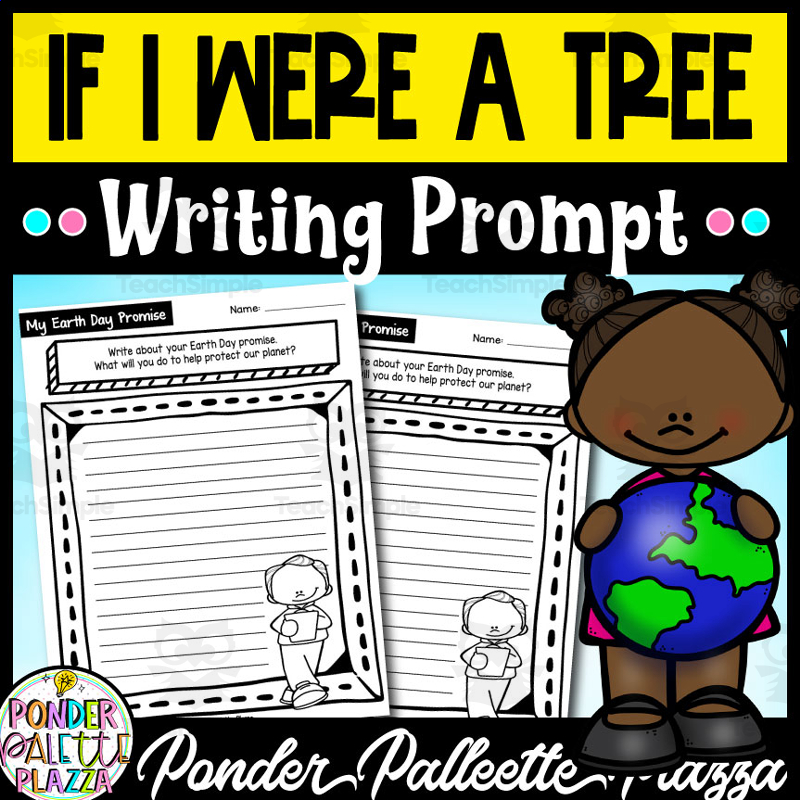
The Earth Day prompt asks students to imagine where they would grow and what they would see as a tree. A matching drawing page adds the tree’s appearance and surroundings. Students can sketch first to develop a setting, then describe that same place in their first-person writing.

Bring food items (vegetables, fruit, and/or snacks) to class, arrange them on a napkin to form a picture, draw the picture in the space provided, then write a short story or description about the picture on the lines on the next page.
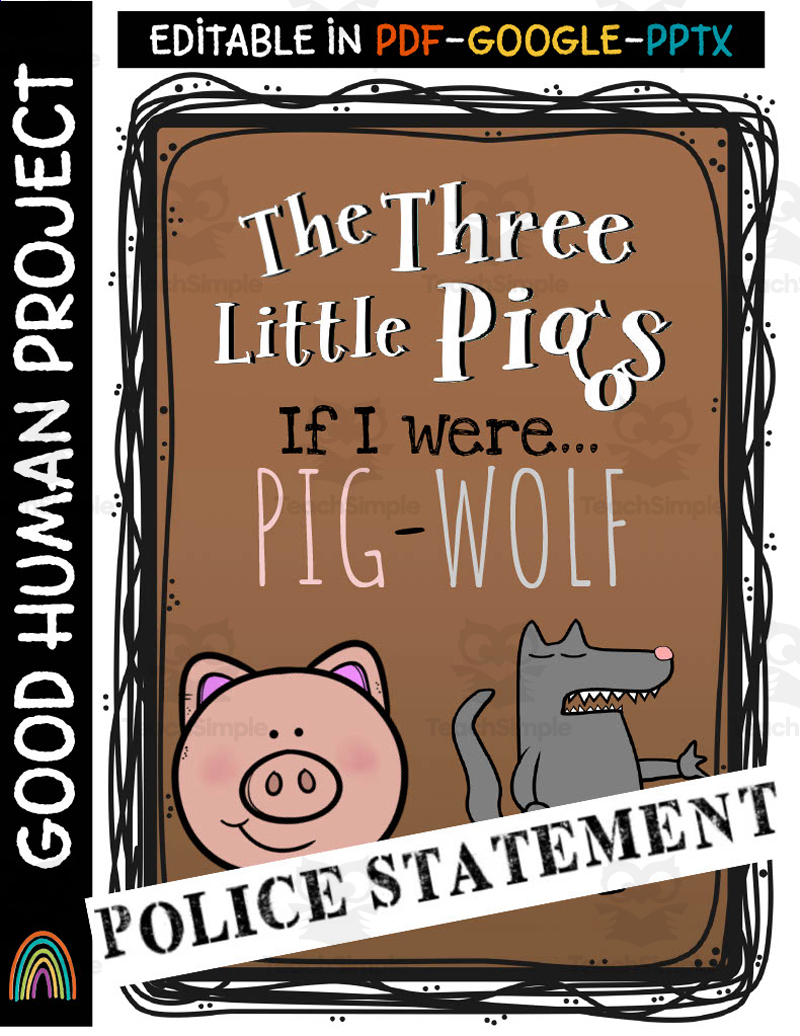
Read/listen to both linked story versions (pig's and wolf's), decide which they believe, fill in a graphic organizer (name, self-portrait, home) for that character, and write their version of the story as a police statement.

Provides a printable 'passport'-style booklet of August-themed writing pages for students to complete, with teacher feedback/stamp tracking.
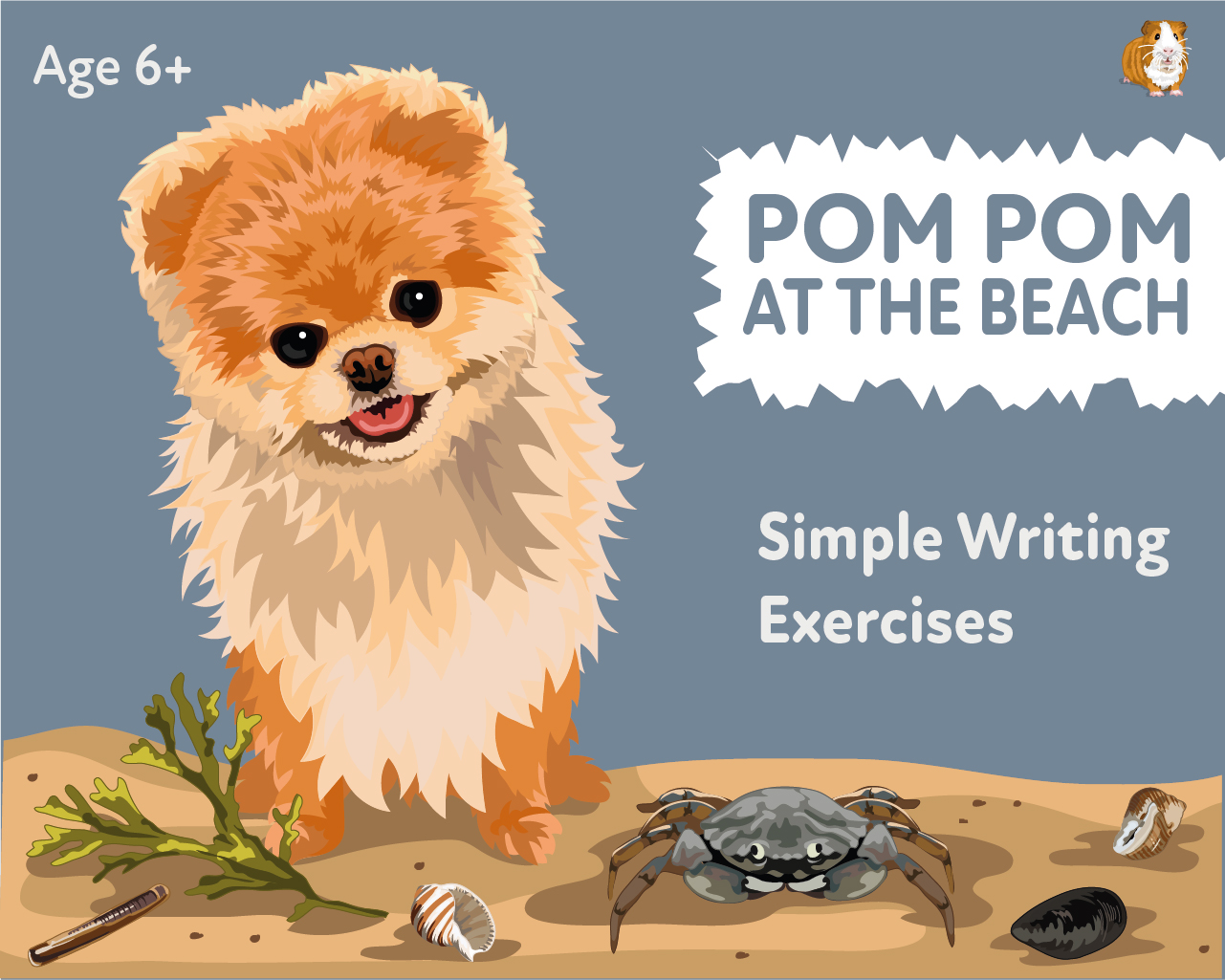
Unscramble beach-object vocabulary; sort things found on the beach; identify sea creatures; tick items that are beach hazards; match cause-and-effect sentences about plastic pollution danger to marine animals; fill in missing words in a 'naughty dog at the beach' story using a word bank; write a sequenced story about Pom Pom's beach…
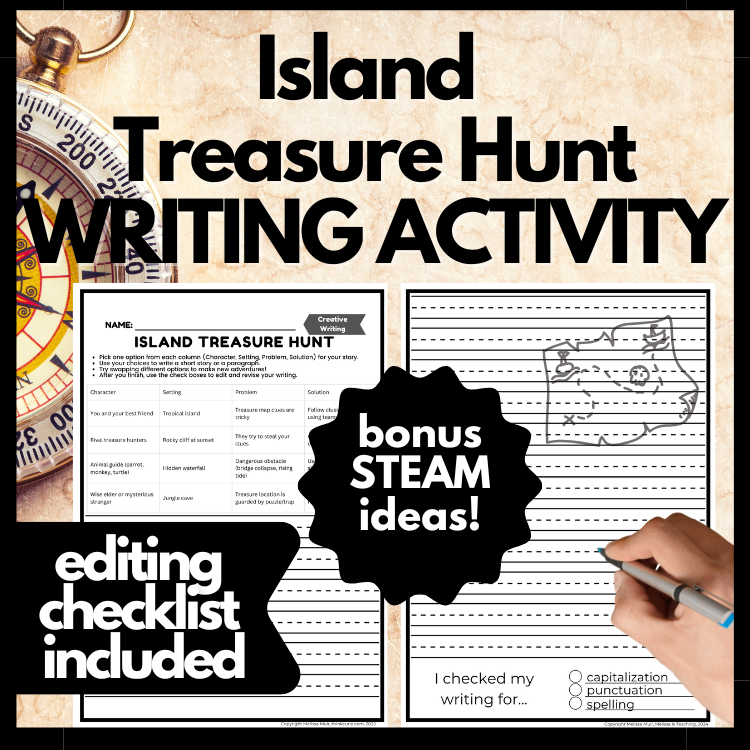
Pick one option from each of four columns (Character, Setting, Problem, Solution) in a 4x4 story-planning matrix, then write a short story or paragraph combining those choices; use a checklist to edit/revise for capitalization, punctuation, and spelling.
Watch a linked video about six-word stories, write an original six-word story on a personal topic (e.g., life philosophy, summer, what makes you unique), share it with a partner and the class, revise it, then write a six-word story identifying the theme of a chosen movie (options given: Jurassic Park, Avengers, Mean Girls, Lion King)…