How to Make Lemonade | Writing and Sequencing Activity
Teaches early elementary writers how to compose a step-by-step 'how-to' (procedural/expository) piece using the everyday example of lemonade, with an emphasis on sequencing and transition words.




31,859 resources
Explore sub-categories
14 sub-categories · 31,859 resources
Teaches early elementary writers how to compose a step-by-step 'how-to' (procedural/expository) piece using the everyday example of lemonade, with an emphasis on sequencing and transition words.
Teaches early elementary writers how to compose a step-by-step 'how-to' (procedural/expository) piece using the everyday example of snow cream, with an emphasis on sequencing and transition words.

Teaches early elementary writers how to compose a step-by-step 'how-to' (procedural/expository) piece using the everyday example of raking leaves, with an emphasis on sequencing and transition words.

Teaches early elementary writers how to compose a step-by-step 'how-to' (procedural/expository) piece using the everyday example of washing a car, with an emphasis on sequencing and transition words.

Teaches early elementary writers how to compose a step-by-step 'how-to' (procedural/expository) piece using the everyday example of washing a dog, with an emphasis on sequencing and transition words.

Teaches early elementary writers how to compose a step-by-step 'how-to' (procedural/expository) piece using the everyday example of washing dishes, with an emphasis on sequencing and transition words.

Reproducible chapter excerpt ("Chapter Slice") from the workbook "How to Write an Essay" (CCP1102), covering "Revising, Proofreading and Editing" (page 40 of the full 64-page workbook, per that workbook's table of contents), part of a resource built on a five-step writing model.

A step-by-step guide teaching students to brainstorm, organize, and write across multiple genres (friendly and business letters, book reports, formal reports, essays, poetry, short stories), covering the writing process from idea generation through proofreading and sentence-level style.
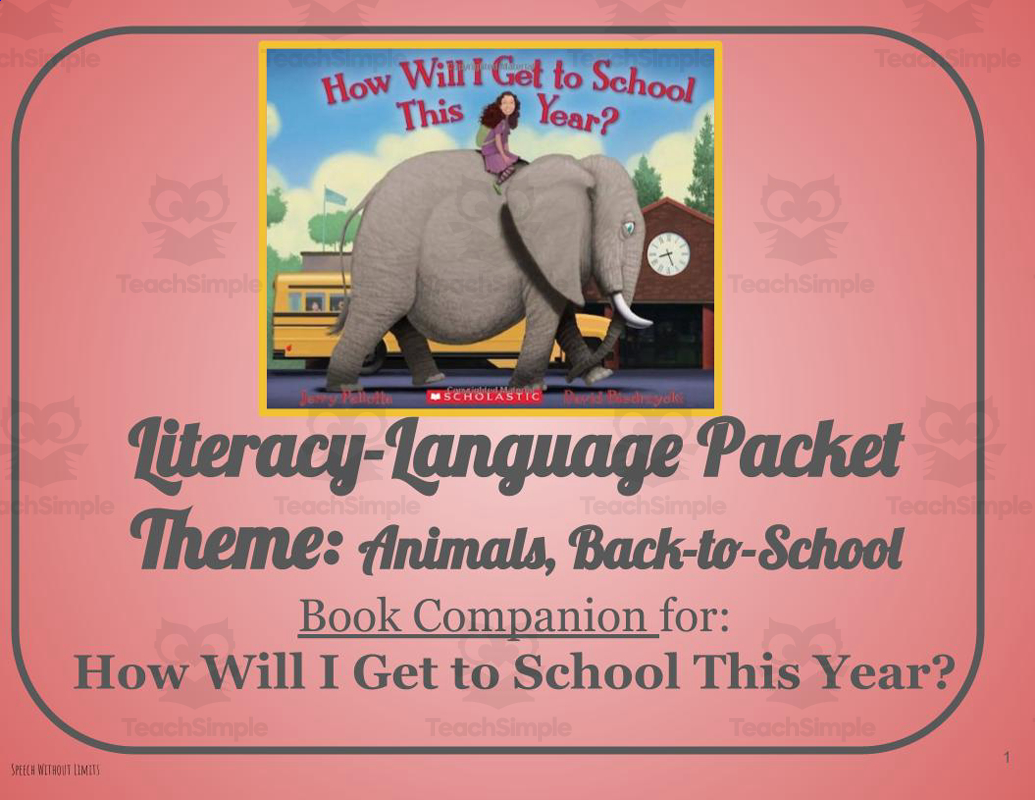
How Will I Get to School This Year?: AAC-Lang.-Literacy Book Companion provides you with multiple language, communication, shared reading, and shared writing tasks.
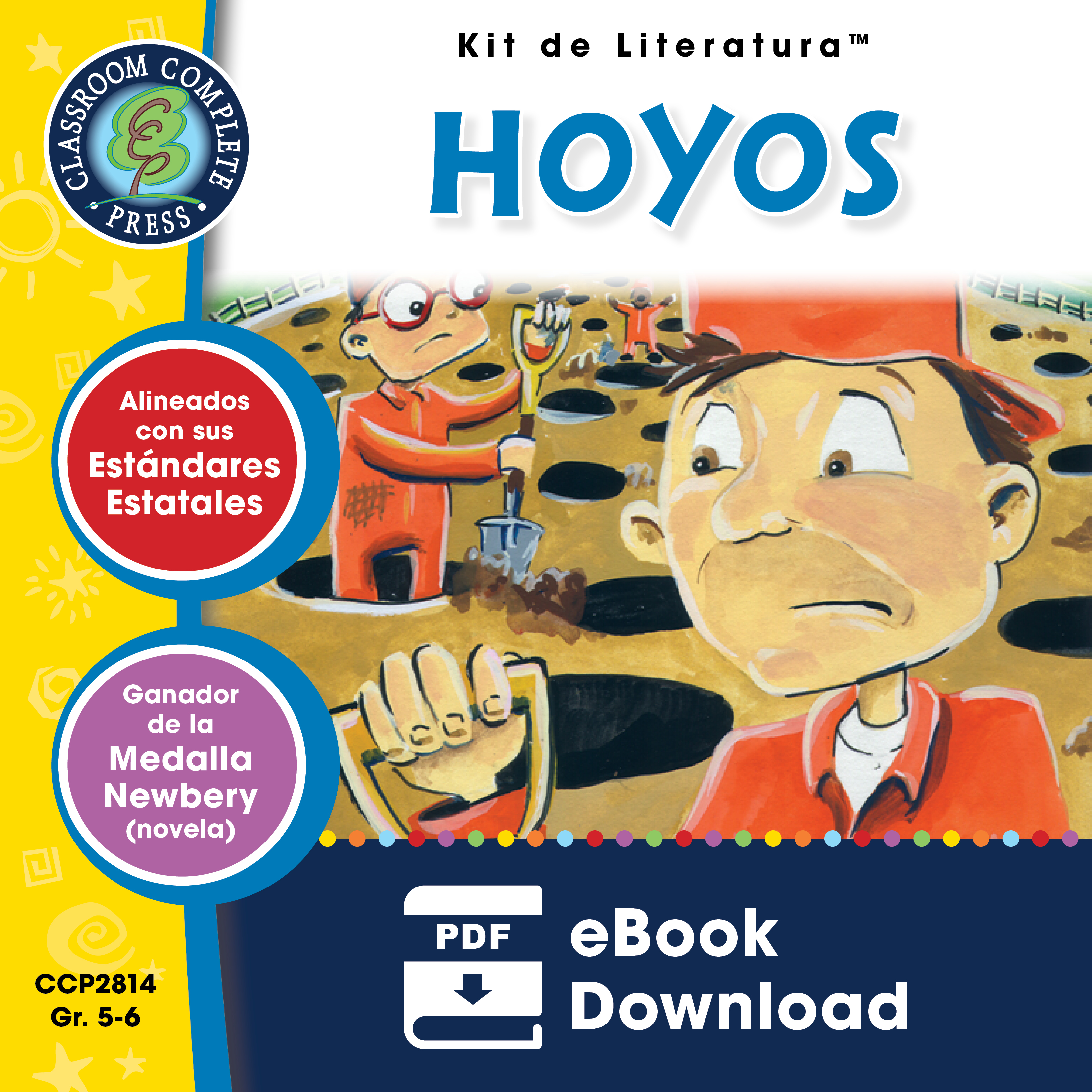
Hoyos - Kit de Literatura Gr. 5-6 Teaching resource specifically designed to enrich Grade 5 and Grade 6 Spanish classes. This kit is centered around the novel’s intriguing tale of Stanley Yelnats, an unlikely hero who demonstrates the…

Human Body Organs and Their Functions Pamphlet Craftivity An innovative, interactive teaching resource designed for 3rd to 5th grade students, focused on providing engaging and factual information about the human body's organs, their…

Human Digestive System – Lab Station Activity This interactive human digestive system resource engages students through eight diverse lab stations.

A multi-activity teaching resource that helps young students recognize and celebrate individual differences and build a bullying-free, respectful classroom culture.
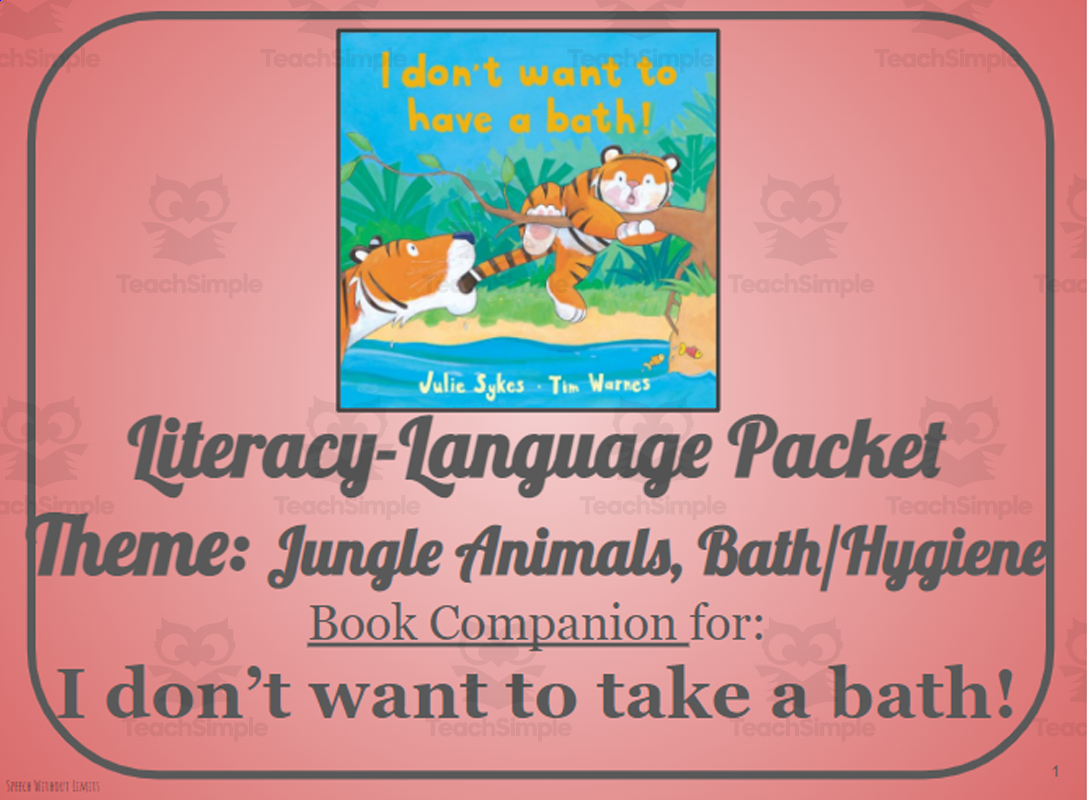
A speech-language/literacy book companion built around the book 'I Don't Want to Take a Bath!' designed to support shared reading, writing, and communication skills for emergent readers, AAC users, and students with language delays.
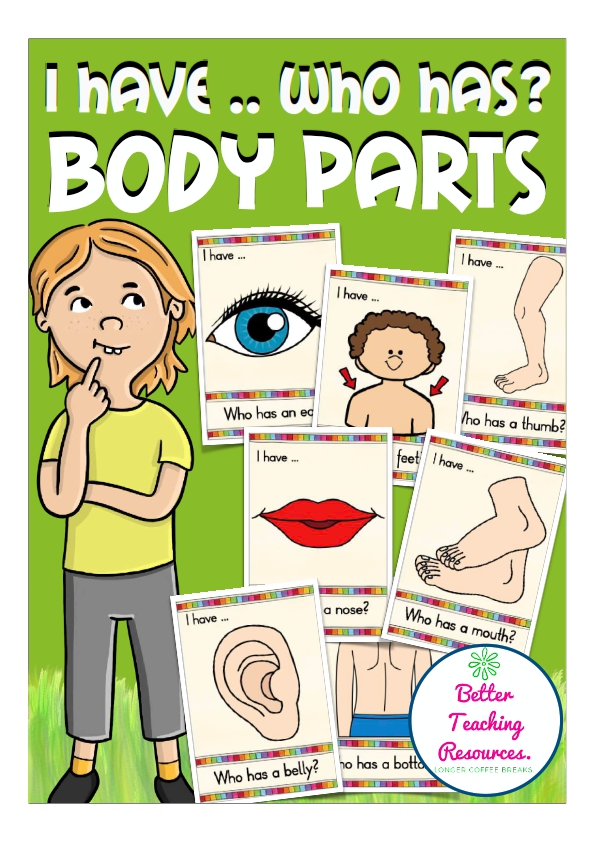
Each turn depends on listening to the preceding question. The student with the matching body-part picture responds and reads the next prompt. Rehearse less familiar words before beginning, then invite students to point to or name the body part as they take their turn.
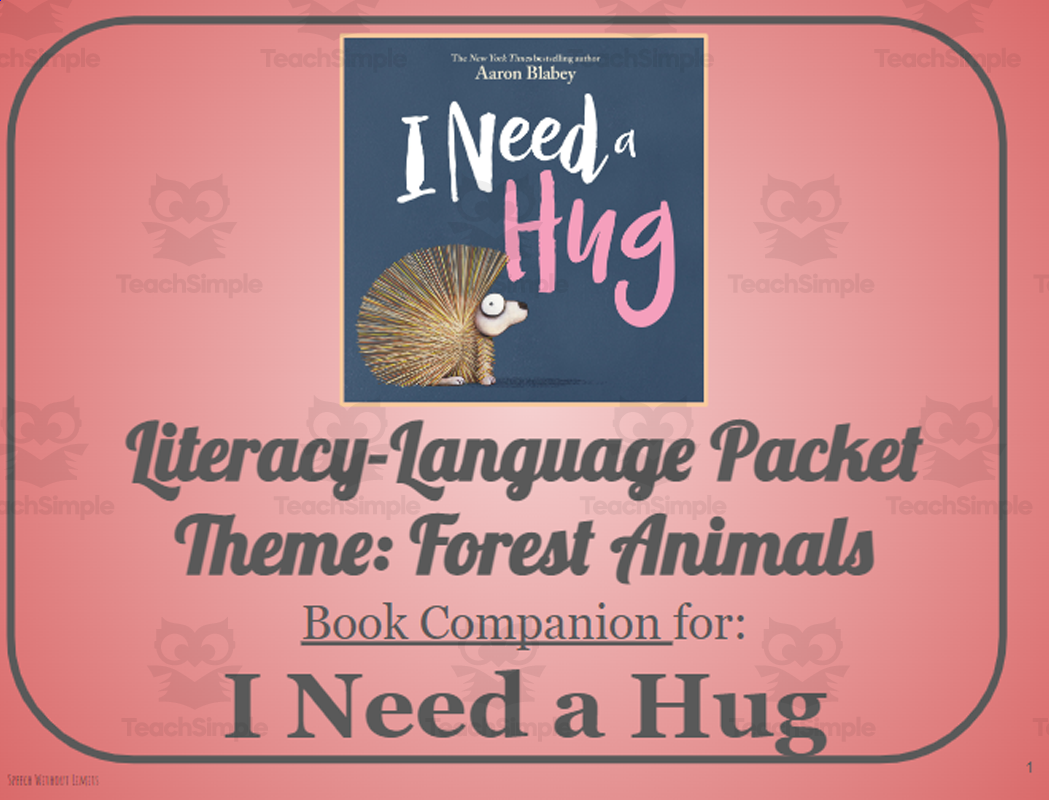
Provide speech-language and early-literacy support activities (vocabulary, phonemic awareness, comprehension, retell) built around a shared reading of the picture book 'I Need a Hug' by Aaron Blabey, themed around forest animals.

Chapter comprehension pages and context-clue work give students a routine as they read I Survived the American Revolution, 1776. Exit quizzes and later vocabulary and spelling checks revisit the learning, while summary and reflection tasks ask for longer responses. Teacher answer material and a historical scavenger-hunt assessment support review and connections between the novel and its setting.
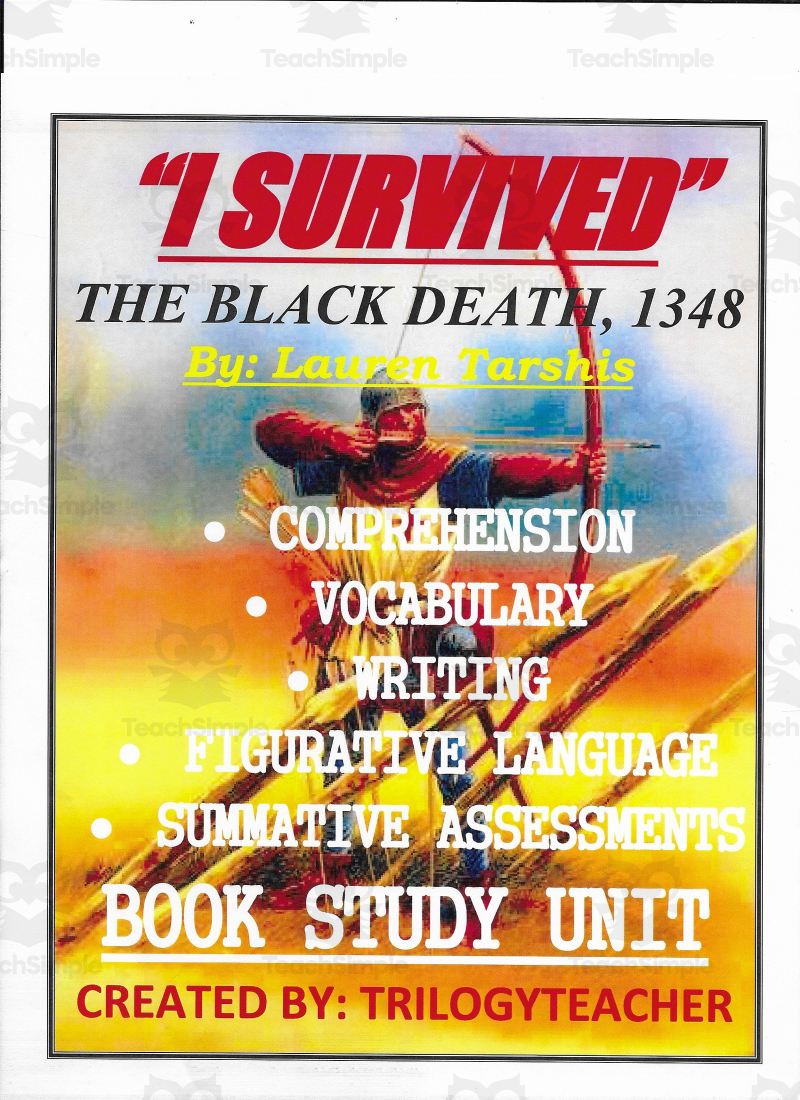
Organize the twenty chapters into ten reading lessons, with comprehension questions and a short exit quiz for each chapter pair. Vocabulary cards and tests give students another way to work with words from the novel, while the summary and main-idea pages help them pull together what they have read. Use the final assessment after the book and the writing or research prompts for follow-up work.
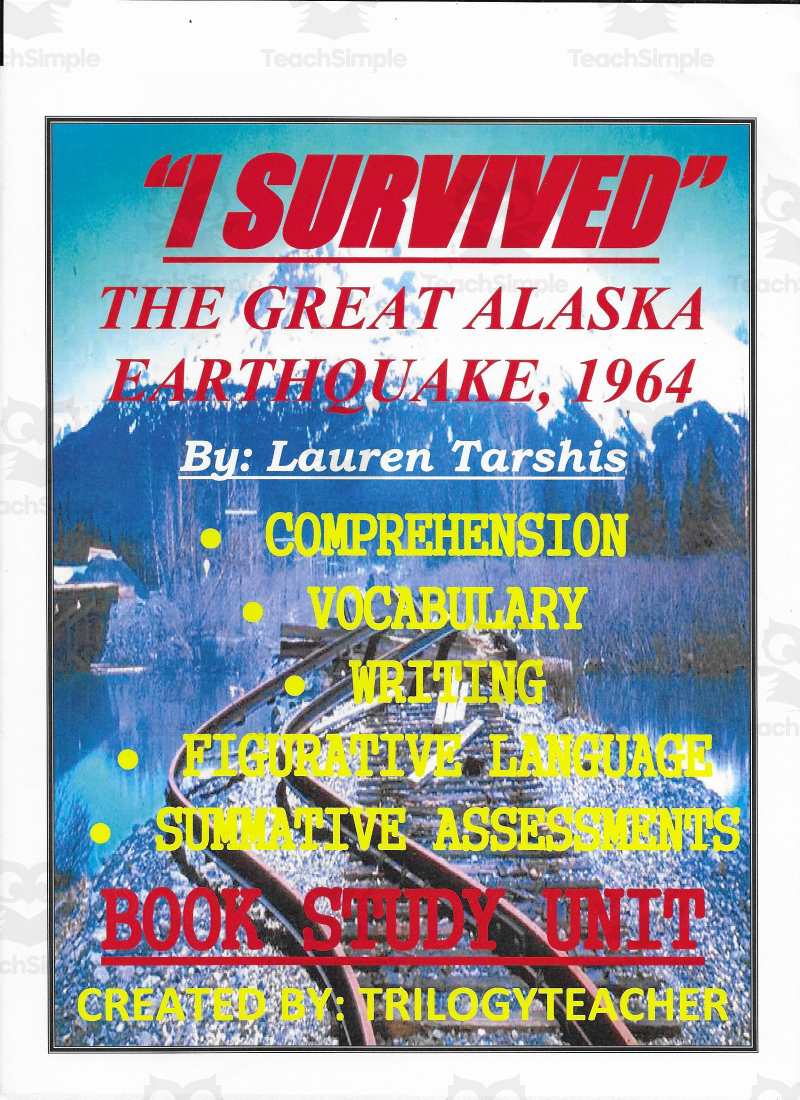
Use this book study alongside Lauren Tarshis’s I Survived The Great Alaska Earthquake, 1964 to connect close reading with vocabulary and written response. Chapter worksheets direct students to specific pages, while exit quizzes and vocabulary checkpoints provide shorter checks during the unit. Summary supports, research prompts and a historical scavenger hunt offer additional tasks, followed by a final test. Students need access to the novel, and its pagination should match the worksheet references.

"I Want to Go Home (Novel Study) Gr. 5-6" - A Comprehensive Teaching Resource An indispensable tool for public school teachers and homeschoolers alike, focusing on the narrative of a boy's numerous escapes from Camp Algonkian. About the Story: This teaching supplement revolves around Rudy Miller, a fascinating character who is shipped…

A no-prep phonics packet teaching the i-e split digraph (silent-e) pattern, where a long /i/ sound is spelled with 'i' followed by a consonant and a final silent 'e'.

Provide a large collection of short, low-prep games and activities to encourage social interaction, communication, and teamwork among classmates.
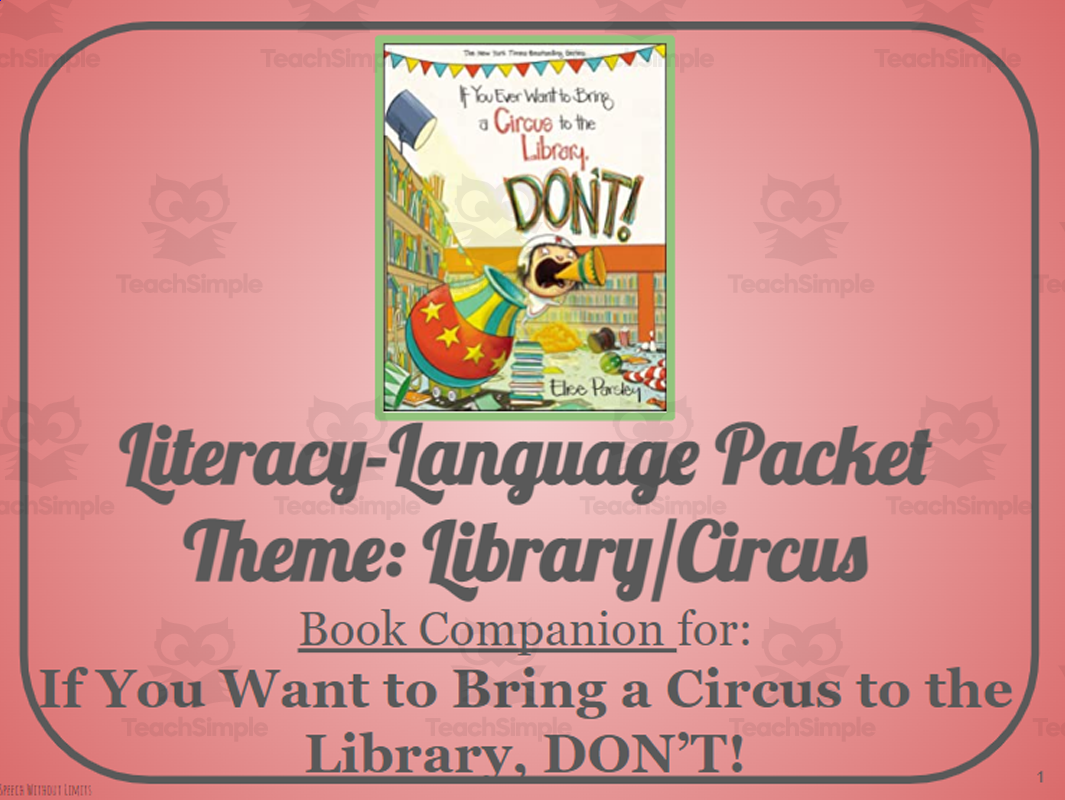
Language-literacy book companion packet built around the children's book 'If You Ever Want to Bring a Circus to the Library, DON'T!' by Elise Parsley, for shared reading, core vocabulary, and early literacy/speech skill-building with emergent or complex communicators.
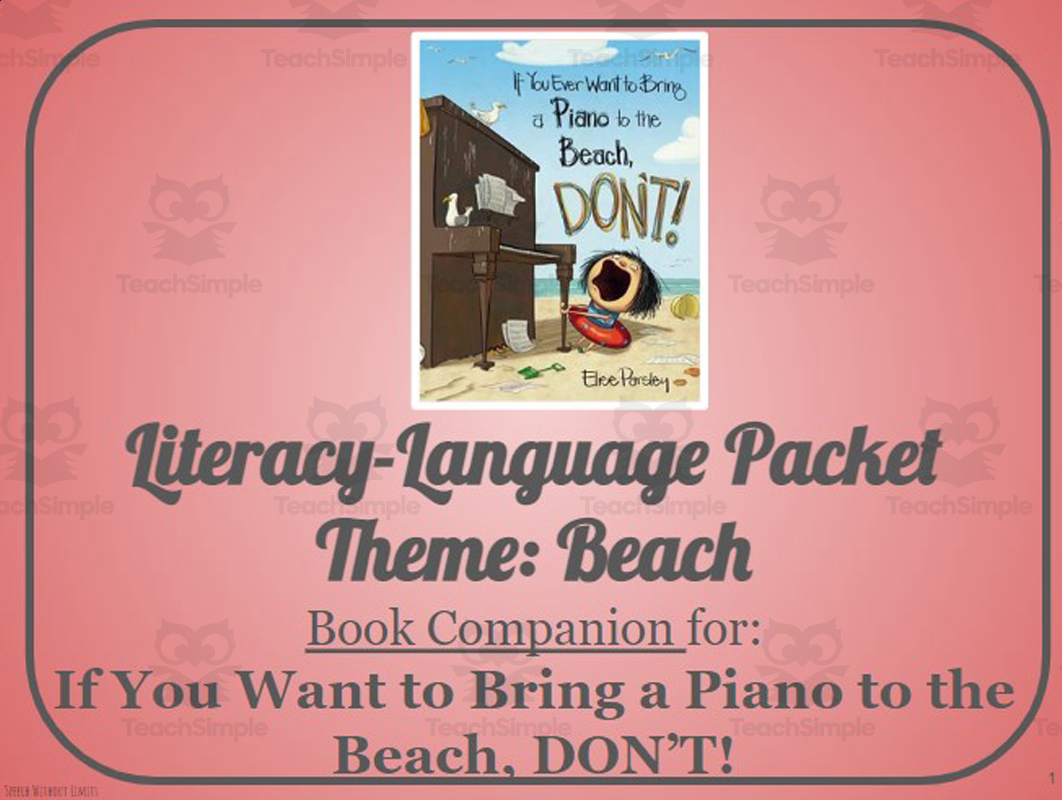
A book companion packet for the picture book 'If You Ever Want to Bring a Piano to the Beach, DON'T!' by Elise Parsley, providing shared-reading, language, and early-literacy activities including for AAC/complex-communication-needs learners.