
Art, movement & wellbeing
Book Browse: Teach Your Students How to Choose a Book to Read
Teach students a structured process for browsing and selecting a 'just-right' book to read independently.


Classroom resources
Browse by lesson focus
Choose the topic or kind of practice you need.
Showing 2257–2280 of 3209 resources

 Show filters
Teach students a structured process for browsing and selecting a 'just-right' book to read independently.
Guides students through independent biographical research on Dante Alighieri and the writing of a 5-paragraph research essay, using a graphic-organizer worksheet, a peer/self writing-tips checklist, and a scored essay rubric.

A set of diagrams, a reading passage, and worksheets teaching Earth's layers (crust, mantle, outer core, inner core) and, per the seller description, volcano parts/labeling, using cut-and-glue, labeling, and digital (BOOM deck) activities.
A comprehensive literature-study kit for Shakespeare's Macbeth (Classroom Complete Press 'Literature Kit'), providing chapter-by-chapter comprehension activities, writing tasks, and assessments across Bloom's Taxonomy levels.
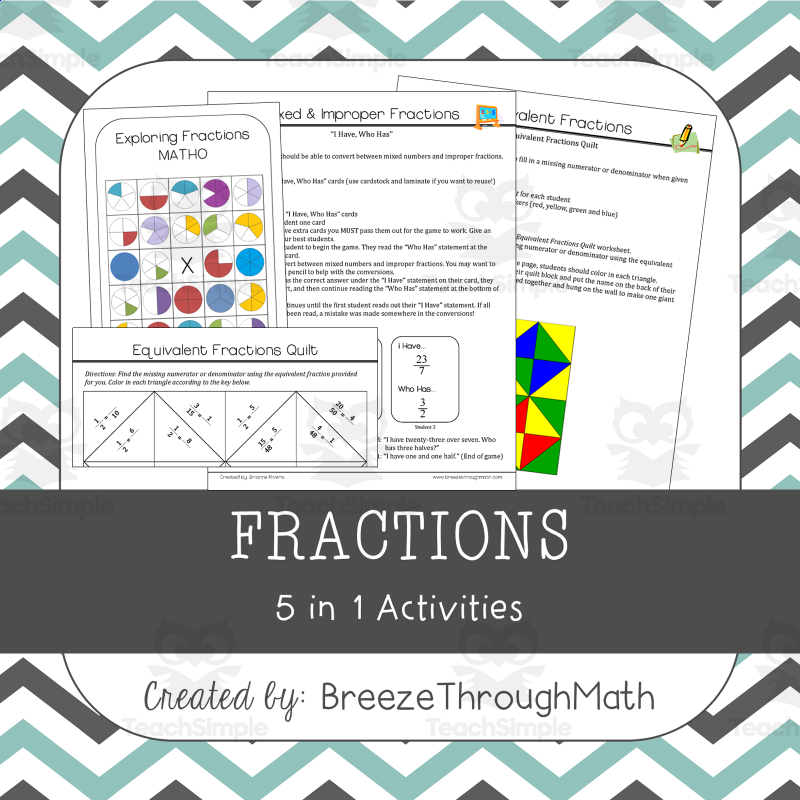
a set of hands-on activities that build fraction understanding, including matching fractions to models and working with equivalent fractions

A President's Day mini-lapbook/interactive notebook that teaches the history, origins, and traditions of the holiday through assembled foldable booklets, paired with a study guide for direct instruction

Operations with Fractions | Treasure Island Escape Room This innovative learning tool is designed for students in 5th to 7th grade. It focuses on operations with fractions involving unlike denominators. Your students will be immersed in a pirate-themed treasure hunt! They will face twenty math problems revolving around addition,…

low-prep SEL advisory and icebreaker activities for self-reflection and group community-building
 Free download
A free 'Number Detective' logic-puzzle worksheet pack where students use number-tile clues (divisibility, place value, fractions/decimals) to deduce a hidden number, aimed at middle-school math reasoning and number sense.

Provide four icebreaker/community-building activities to ease the transition back to school for middle school students at the start of the year
A scaffolded research-essay guide that walks students through selecting, researching, and writing a 5-paragraph MLA-style research essay about an influential leader of ancient Rome.

Becoming an integral supplement to any 7th-grade mathematics curriculum, this teaching tool adheres meticulously to the Common Core standards. Full download and print access, facilitating uninterrupted delivery of high-quality geometry instruction.

A step-by-step realistic-fiction narrative writing guide that has students make structural/setting/character decisions before drafting, then write, peer-edit, and revise a realistic fiction story, with an accompanying scoring rubric.

Guide middle/high school students to write a 4-paragraph argumentative letter to the editor taking a position on either a presidential candidate or mandatory voting.
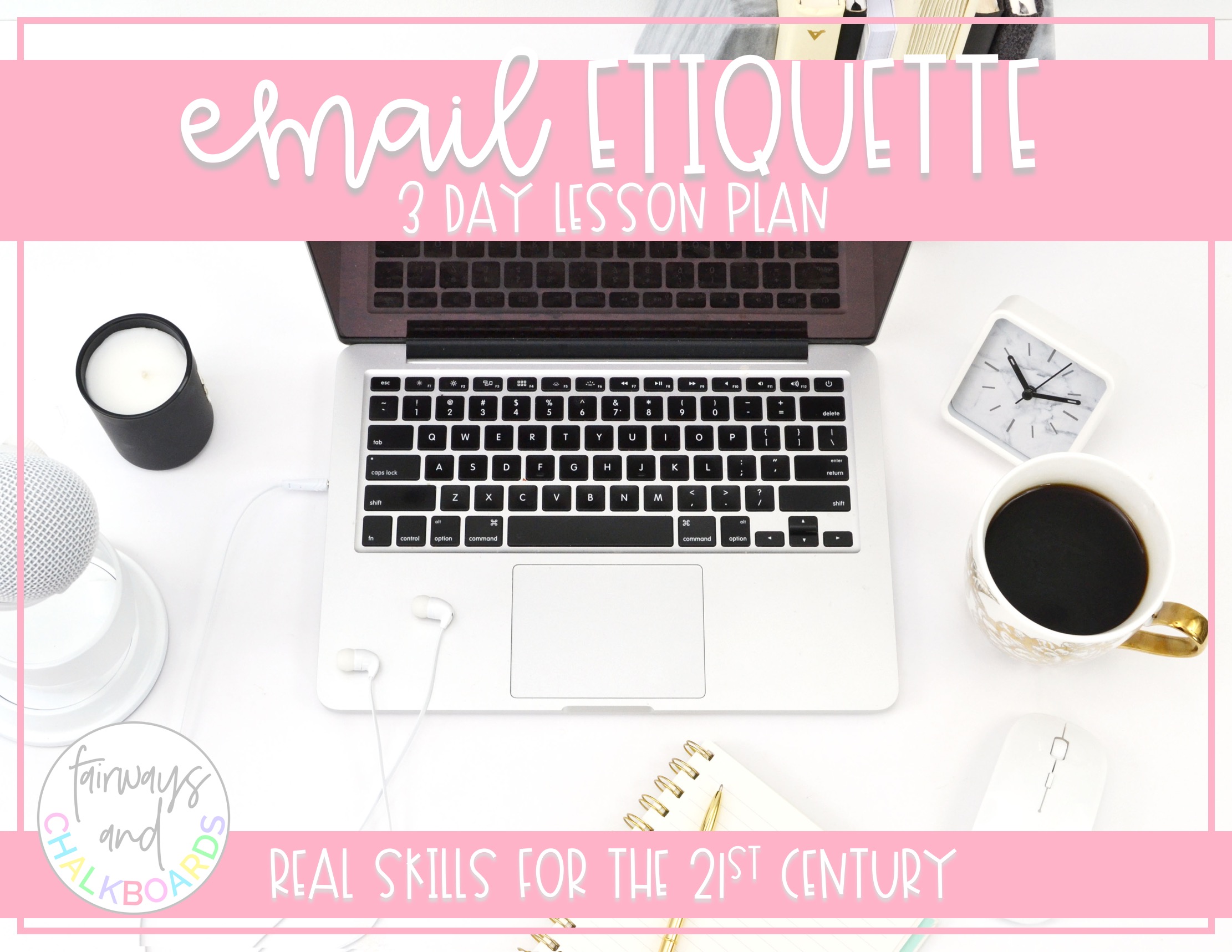
A multi-day mini unit teaching students professional email etiquette: what makes an email appropriate/professional, the parts of an email, and how to write and revise emails for different real-world purposes.
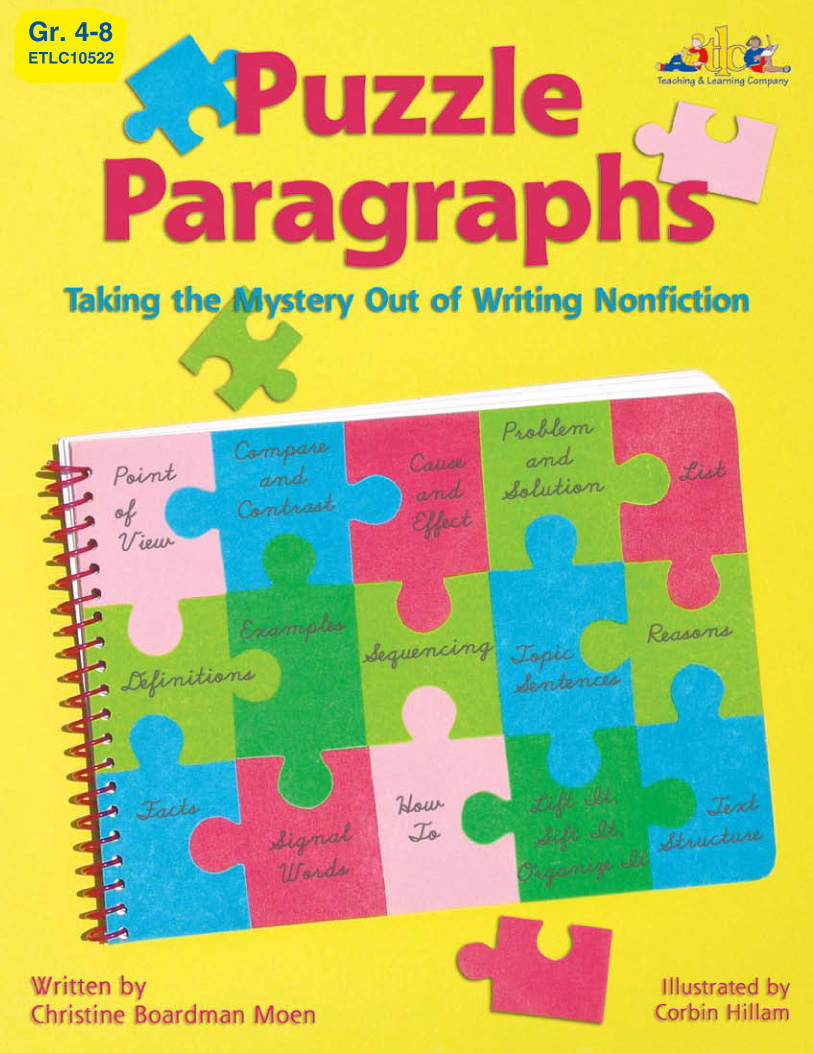
Teaches students to write informational/nonfiction paragraphs using distinct text structures (examples, facts, reasons, cause-effect, problem-solution, comparison-contrast, list, sequencing, how-to, definitions) via a 'puzzle paragraph' method.

A brief outline scheme of work for a Geography unit on local-area investigation, framed around the question of whether Heathrow Airport should be expanded, and teaching primary data collection and presentation methods.
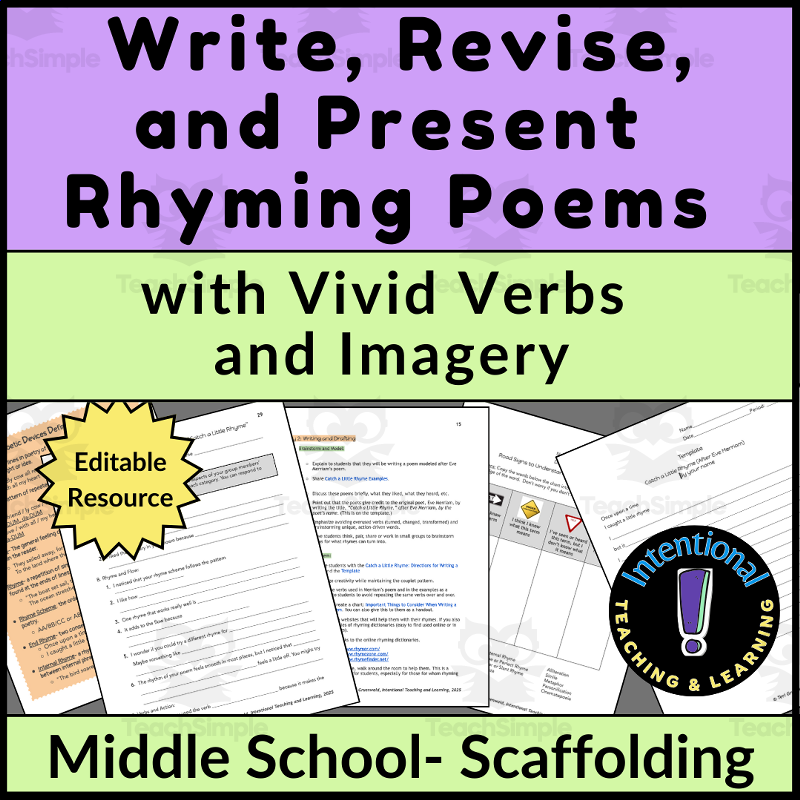
A 4-5 day middle-school poetry mini-unit teaching students to analyze, write, revise, and present a rhyming poem using vivid verbs and imagery, modeled on Eve Merriam's 'Catch a Little Rhyme.'
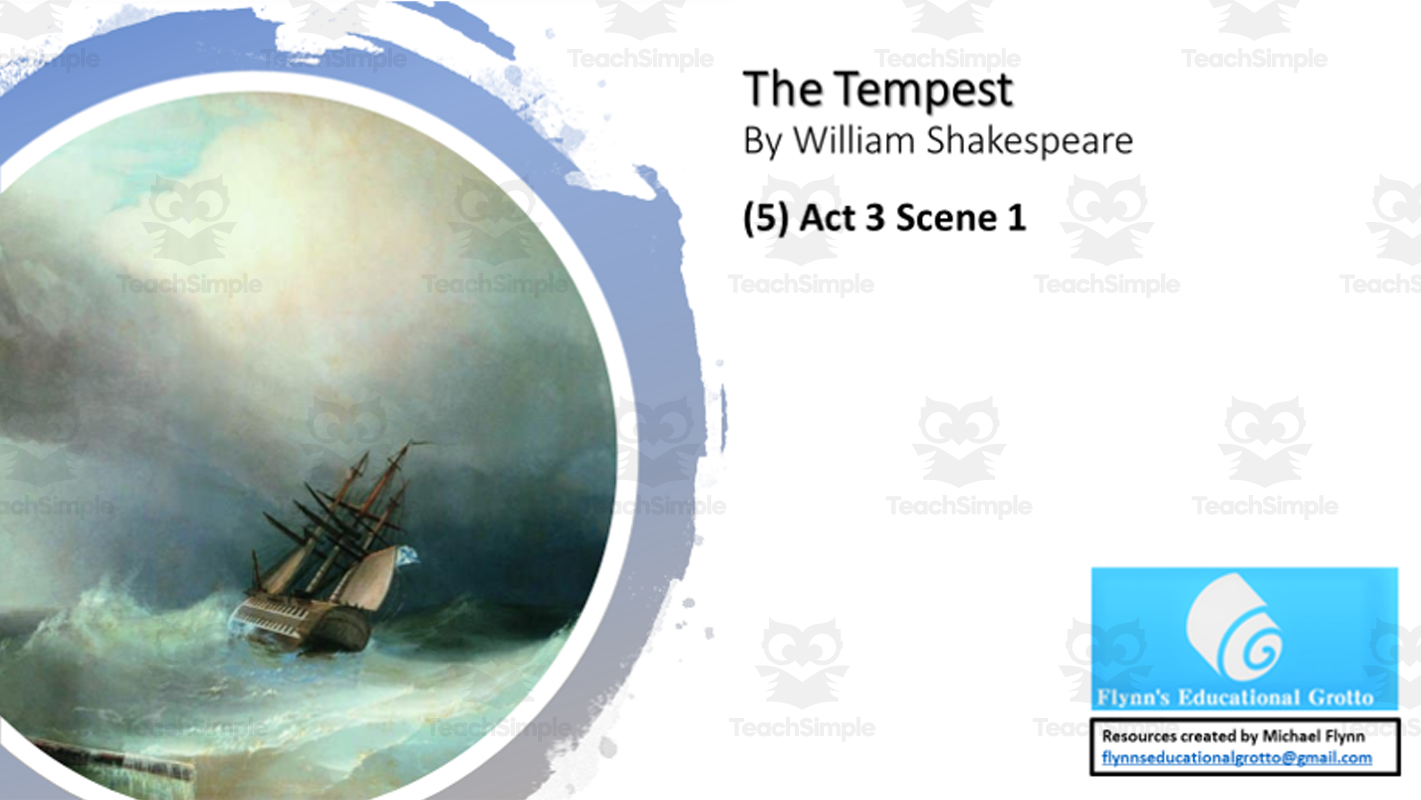
Guide KS4 secondary English literature students through an analytical reading of Act 3 Scene 1 of Shakespeare's The Tempest, focusing on the romance between Ferdinand and Miranda, the concept of love at first sight, and Prospero's secret manipulation of their courtship.
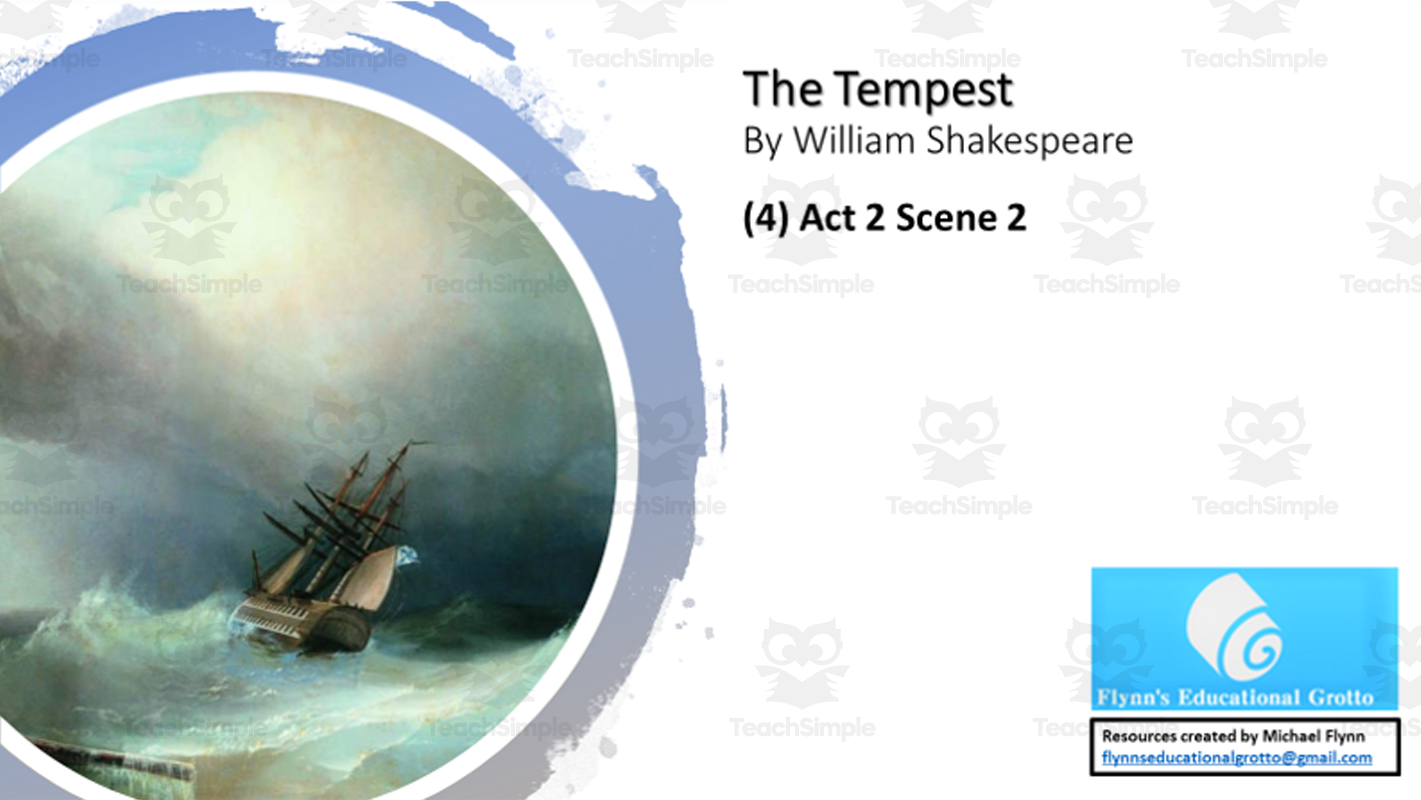
Guide KS4 secondary English literature students through an analytical reading of Act 2 Scene 2 of Shakespeare's The Tempest, focusing on the comic introduction of Trinculo and Stephano, Caliban's mistaken worship of Stephano as a god, and the beginnings of the murder plot against Prospero.
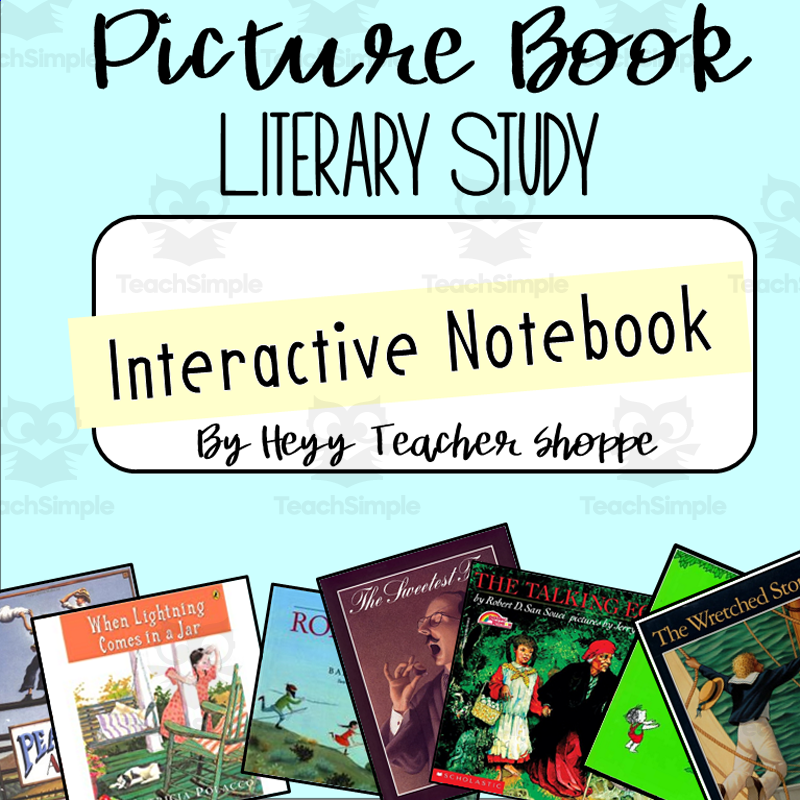
An interactive notebook unit teaching literary analysis skills (vocabulary, plot, characters, theme, inference, point of view, literary devices) using a student-selected picture book as a repeated mentor text.

Teach students the full U.S. presidential election process, from constitutional presidential qualifications through primaries/caucuses, national conventions, campaigns, the popular vote, and the Electoral College, updated to reference the 2020 election and the January 6th Capitol events.

Guide KS4 secondary English literature students through an analytical, scene-by-scene reading of Act 1 Scene 2 of Shakespeare's The Tempest, focusing on the relationship between Prospero and his daughter Miranda and his servants Ariel and Caliban, and introducing the play's backstory (Prospero's overthrow, Ariel's imprisonment, Caliban's enslavement).

A detective/case-file-themed literary analysis unit built around Edgar Allan Poe's short story 'The Cask of Amontillado', teaching close reading, character analysis, and textual-evidence-based argument writing.