resources by type
resources by grade
resources by subject
other resources

3,950 products added recently

Page 30 - Elementary

Discover a variety of activities tailored for elementary students that make learning fun and effective. These resources include games, hands-on projects, and collaborative tasks across subjects. Incorporate them to create an energetic and nurturing classroom where students thrive.

Relevant
alt down
Any Time
alt down
filter by
alt down
All File Types
alt down
filter nav Show filters
Sort by: Relevant
CLEAR
resources by type
Activities
up arrow
Centers
Crafts
Escape Room
Experiments
down arrow
Games
Projects
Read Alouds
Songs
Classroom Decor
down arrow
Teacher Tools
down arrow
Worksheets & Printables
down arrow
resources by grade
Early Learning
down arrow
Pre-K
down arrow
Elementary
up arrow
Grade 1
Grade 2
Grade 3
Grade 4
Grade 5
Middle School
down arrow
High School
down arrow
Adult Education
Not Grade Specific
resources by subject
Creative Arts
down arrow
ELA
down arrow
Holiday & Seasonal
down arrow
Life Studies
down arrow
Math
down arrow
P.E. & Health
down arrow
Social Studies
down arrow
Special Resources
down arrow
Science
down arrow
Foreign Languages
down arrow
Resources for Teachers
down arrow
other resources
Common Core
Homeschool Resources
down arrow
Montessori
Research
STEM
UK/Aus Spelling Adjectives Practice Questions - Year 2-3 (PPT)

UK/Aus Spelling Adjectives Practice Questions - Year 2-3 (PPT)
ELA, Language Development, ESL, Grammar, Common Core, Resources for Teachers, Grade 1, 2, Teacher Tools, Presentations, Assessments, Tests, Quizzes and Tests, Activities

THIS IS THE UK/AUS ENGLISH SPELLING VERSION. CHECK THE CATALOG FOR THE ORIGINAL AMERICAN ENGLISH VERSION. Adjectives Grammar Practice MCQS: 10 lessons, 150 MCQS, 350 slides ELA MCQS Overview: In this series of lessons, students will embark on an engaging journey to explore the grammar skills that make our language vibrant and expressive. These lessons are crafted to help students identify, comprehend, and effectively apply language arts skills in both writing and speech. This UK/Aus English version is especially useful for schools, teachers, and families working with British-based spelling and language conventions. It is a helpful option for classrooms using UK curriculum expectations, international programmes influenced by British English, or any setting where learners need to practise the correct capitalisation and punctuation forms for that version of English. Adjectives Overview: Includes: Identifying Adjectives Gap Filling Comparatives Superlatives Additional Practice PPT Version This is the PPT interactive and editable version, also includes fillable answer sheet at the end. This download is available in GOOGLE Docs, GOOGLE Forms, GOOGLE Slides. PDF, PPT, WORD, check the links below for more details. FULL CATALOG OF DOWNLOAD LINKS HERE ELA Review Questions Overview Each review test includes three answer choices for every question, which helps keep things simple and manageable for students. The layout is clear and easy to follow, so students can focus on the questions instead of figuring out what to do. A few pictures are included on each test to make the pages feel a little more inviting and less overwhelming. A review sheet is also included, giving students a chance to go back over many of the main skills covered in the resource. Introduction or Example Sheet Each topic comes with an introduction or example sheet to look at before students begin. This gives students a clear starting point and helps them feel more prepared. It also lets them see what to expect before moving into the main work. For many students, it is a helpful way to quickly refresh the key ideas before they start practicing on their own. Full Answer Keys Full answer keys are included to make marking and checking work faster and easier. Sample responses are also provided where needed, especially for open-ended tasks. This can be a real time-saver on busy days and makes the resource more practical to use. Everything is there to help make planning, teaching, and checking student work feel a little more straightforward. For similar downloads and other frees, do check out Cored Group on TeachSimple.

Author Cored Education

Rating

Tags Elementary, Answers, Ccss, Common Core, Grammar, Language Arts, Test, Test Prep, Mcq, Ela

Alphabet Bat Letter Match Uppercase & Lowercase Matching Game

Alphabet Bat Letter Match Uppercase & Lowercase Matching Game
Creative Arts, Art, Fine Arts, Grade 1, 2, 3, 4, 5, Activities, Games, Centers

Alphabet Bat Letter Match Uppercase and Lowercase Matching Game Letter Recognition This Bat-Themed ABC Matching Game is an engaging and hands-on way for young students to practice uppercase and lowercase letter recognition. Use it as a matching game, center activity, or early finisher task! Included are blank cards for differentiated learning or for students to create their very own cards, while practicing handwriting. Use the black and white version as a coloring activity as well. This letter match game is perfect for letter of the week activities, alphabet practice and review, literacy centers, letter recognition practice, and animal-themed activities. Just print, cut, and play! As a suggestion, print on cardstock (thicker paper) and laminate for durability. Great for individual, small group, or center use. Benefits of playing letter matching games: Boosts letter recognition Enhances phonemic awareness Improves focus and attention Builds fine motor skills Strengthens memory Develops problem-solving skills Encourages independent learning Promotes social skills Supports early literacy Makes learning fun. Included in this download: 9 Pages of Large Matching Cards (Uppercase & Lowercase Letters) 3 Pages of Blank Large Matching Cards (Uppercase & Lowercase Letters) 5 Pages of Small Matching Cards 3 Pages of Blank Small Matching Cards Printer-Friendly Black/White Versions Thank you for supporting Doodle Thinks and have fun learning!

Author Doodle Thinks

Rating

Tags Alphabet, Letter Match, Matching Games, Early Literacy, Letter Recognition, Learning Centers, Letter Of The Week, Independent Learning, Fine Motor Skills, Bat

Alphabet Letter Worksheets|Kindergarten Writing Center|Sounds  Tracing

Alphabet Letter Worksheets|Kindergarten Writing Center|Sounds Tracing
ELA, Writing, Reading, Handwriting, Formal Writing, Creative Writing, Language Development, Literature, Pre-Reading, Kindergarten, Preschool, Toddler, Grade 1, Activities, Centers, Worksheets, Worksheets & Printables, Teacher Tools

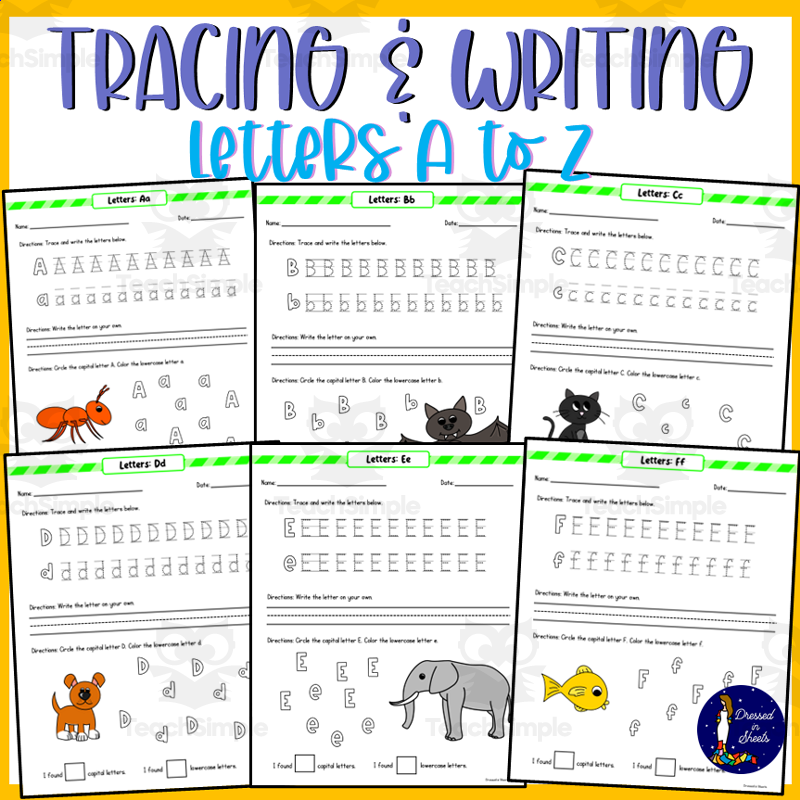
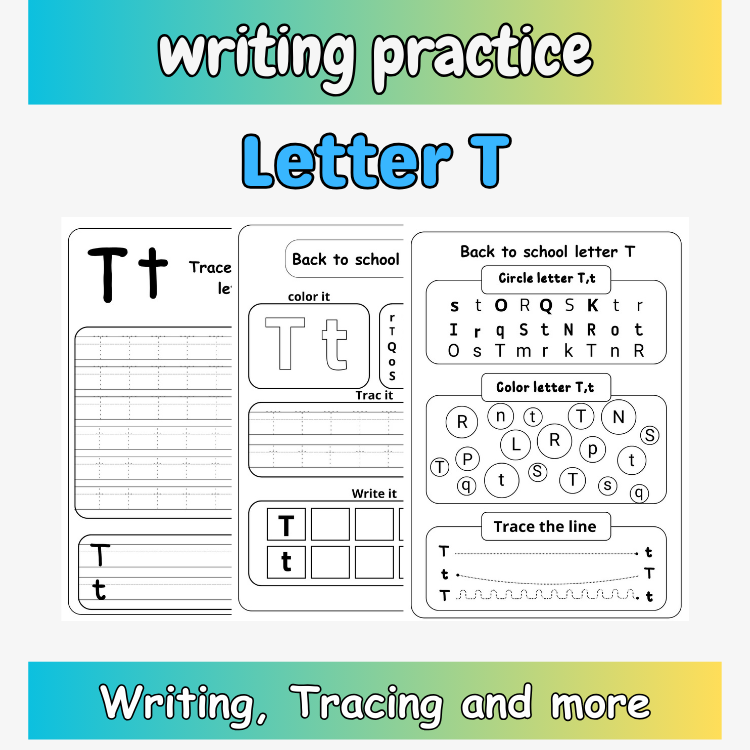
This engaging and interactive Alphabet Worksheet Pack is designed to help young learners develop essential literacy skills through tracing, writing, finding, and coloring letters. With 26 pages, each dedicated to a different letter, this resource ensures a fun and structured approach to learning the alphabet. The goal of this worksheet pack is to support letter recognition, handwriting practice, and fine motor skill development in early learners. By combining tracing, writing, and coloring activities, children can build letter familiarity while enjoying a hands-on learning experience. Letter Recognition – Identify the uppercase versions of the letter. Tracing Practice – Follow guided lines to trace uppercase . Independent Writing – Practice writing the letters without tracing lines. Find the Letter – Locate and circle the correct letter among mixed characters. Preschool (Ages 3-4) – Basic tracing and recognition. Kindergarten (Ages 4-5) – Writing and identifying letters in words. 1st Grade (Ages 5-6) – Reinforcement of letter formation and early phonics. Daily Letter Practice – Assign one page per day for structured learning. Letter of the Week – Focus on one letter each week with extended activities. Centers or Morning Work – Use in literacy centers for independent practice. Laminated for Reuse – Place in sheet protectors and use dry-erase markers. Standards Recognizing and naming all uppercase. Printing many uppercase. Fine Motor Development – Supports pre-writing skills and hand coordination. File Types PDF (Print-ready) Number of Pages 26 pages (One page per letter)

Author LAMO

Tags Worksheets, Alphabet, Handwriting, Language Arts, Tracing, Letter Writing, Kindergarten Writing, Phonics, Homework

UM Words Matching Mats

UM Words Matching Mats
ELA, Language Development, Phonics, Reading, Reading Comprehension, Preschool, Grade 1, Activities, Centers

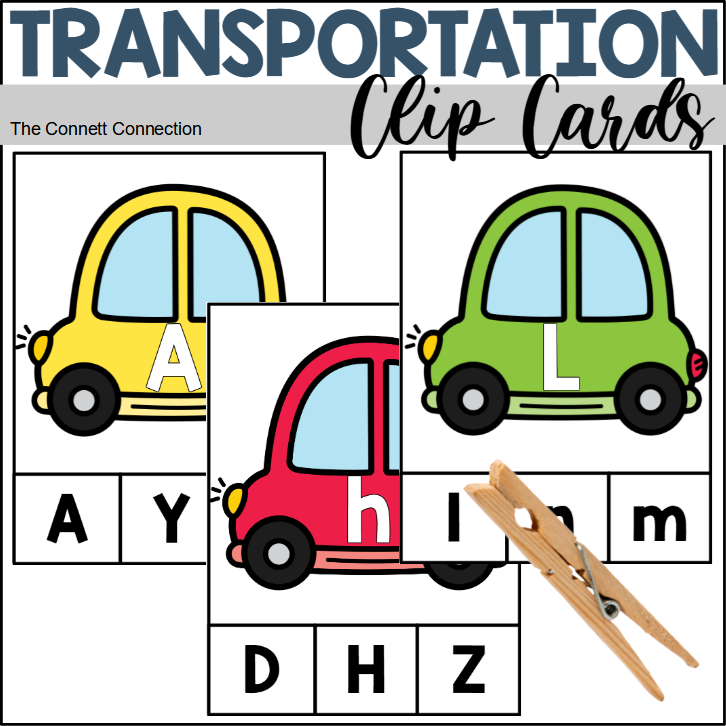
Students can practice reading comprehension skills with these UM word family mats. Students can practice reading UG words in isolation and in the context of sentences. The words in this set follow a CVC or CCVC spelling pattern. Included in this resource: This resource includes one word mat and one sentence mat, both for reading UM words in insolation and in context. There are also picture cards that correspond with each word and sentence. To complete this activity, students will read each UG word or sentence on the mat and then match the corresponding pictures. Students can work independently or with a partner to complete this activity. How to Use these UM word Family Mats: The students can simply lay the images on top of the word or sentence. They can be placed in a file folder utilizing hook and loop fasteners to attach the images. A magnetic activity can be created by using a baking sheet and magnets to affix the images. Students will love the hands-on nature of this activity. The bold and colorful images will capture students' attention, and the easy to recognize pictures are sure to keep students engaged in learning. These literacy activities allow students to practice target words both in the context of sentences and in isolation. Where can these mats be used? Literacy Center - Students can work independently or with a partner to read these words Morning Tub or Basket - The cards can be placed in a morning bin for students to work on as students arrive to class. Small Group Activity - The teacher can choose a small group of students or a specific group of words for students to work on in a small group setting with the teacher. Hands On Assessment - The teacher can use these to test students on reading the target words in context or in isolation. Skills assessed through this activity: Reading UM words in context of a sentence and in isolation Reading comprehension The low-prep nature of this UM words matching mats activity makes it an easy to assign activity. The mats simply need to be printed out, while the matching cards need to be printed and cut. Lamination is optional for increased durability. Once created, this resource can be used repeatedly in literacy centers or small group activities, providing ongoing support for students' learning journey.

Author The Connett Connection

Rating

Tags Literacy Center, Phonics Activity, Kindergarten Literacy, Matching Mats, Simple Sentences, Reading Comprehension, CVC Words, Short U Words, UM Words, UM Word Family

5th Grade Summer ELA Games Pack | No-Prep Printables

5th Grade Summer ELA Games Pack | No-Prep Printables
ELA, Grade 5, Games, Activities, Lesson Plans, Teacher Tools, Worksheets & Printables

5th Grade Summer ELA Games Pack | No-Prep Printables Prepare students for middle school success with this engaging Summer ELA Games Pack Grade 5 ! Packed with 57 no-prep literacy activities, this comprehensive resource strengthens reading comprehension, advanced grammar, vocabulary, writing, literary analysis, and critical thinking skills while helping prevent summer learning loss. Perfect for summer school, end-of-year review, literacy centers, tutoring, and take-home enrichment. What's Included 57 no-prep Grade 5 ELA activities 8 Multi-Paragraph Reading Comprehension Passages 10 Word Study & Etymology Activities 10 Advanced Grammar Activities 8 Academic Vocabulary Games 10 Structured Writing Tasks 6 Figurative Language & Literary Analysis Activities 5 Reading Response & Board Games Complete Answer Key Teacher Guide with standards alignment, pacing recommendations, and differentiation strategies How It Works in the Classroom This flexible summer literacy resource can be used for: Summer school programs End-of-year review Middle school readiness programs Literacy centers and stations Morning work Independent practice Small-group instruction Tutoring sessions Homeschool learning Early finisher activities Take-home summer packets Substitute teacher plans Simply print and go! Each activity is designed as a self-contained page, making implementation simple for teachers, tutors, and families. Standards & Learning Goals Students will practice: Reading Comprehension & Literary Analysis Theme and universal truths Text evidence and inference Narrator reliability Point of view analysis Comparing texts, characters, and settings Informational and literary text analysis Word Study & Vocabulary Advanced Greek and Latin roots Etymology and word origins Multiple affixes Silent letters and spelling patterns Academic vocabulary development Connotation and denotation Idioms, adages, and figurative language Multiple-meaning words across subject areas Advanced Grammar & Language Skills Perfect verb tenses Correlative conjunctions Interjections Verb mood Active and passive voice Compound-complex sentences Semicolons and colons Capitalization mastery Misplaced and dangling modifiers Writing & Research Personal narratives Opinion essays with evidence Research reports with cited sources Literary analysis Compare and contrast essays Persuasive writing and op-eds Formal email writing Cause-and-effect writing Narrative poetry Figurative Language & Critical Thinking Similes Metaphors Extended metaphor Symbolism Tone and mood Inference and deeper literary analysis Aligned with Grade 5 Common Core ELA standards including RL.5.1–RL.5.9, RI.5.6–RI.5.8, RF.5.3, L.5.1–L.5.5, and W.5.1–W.5.8. Why Teachers Love It ✅ No-prep, print-and-go format ✅ Specifically designed to prepare students for middle school ELA expectations ✅ Reinforces critical Grade 5 literacy standards ✅ Includes rigorous reading, grammar, vocabulary, and writing practice ✅ Builds higher-level thinking through narrator reliability, symbolism, theme analysis, and evidence-based writing ✅ Supports differentiation with intervention and enrichment suggestions ✅ Perfect for summer school, tutoring, homeschool, and classroom review ✅ Provides approximately 25–30 hours of meaningful literacy practice ✅ Appropriate for Grade 5 students, advanced Grade 4 learners, and struggling Grade 6 students needing review Ready to Build Confident Middle School Readers and Writers? Download this Summer ELA Games Pack Grade 5 today and give students engaging, standards-based literacy practice that strengthens reading, writing, vocabulary, and critical thinking skills all summer long. Whether you're preparing learners for sixth grade or preventing summer learning loss, this resource provides everything you need in one easy-to-use bundle.

Author Bright Classroom Ideas Marketplace

Rating

Tags Summer, Ela, Worksheet, Game, End Of Year

Camping Reading Comprehension Passage - Cored Ed Encyclopedia

Camping Reading Comprehension Passage - Cored Ed Encyclopedia
ELA, Language Development, Reading Comprehension, Reading, Writing, Pre-Reading, Vocabulary, Geography, Social Studies, History, Grade 2, 3, 4, 5, Worksheets & Printables, Worksheets, Teacher Tools, Centers, Activities, Writing Prompts, Assessments, Quizzes and Tests, Quizzes, Lesson Plans

This camping reading comprehension with lesson plan includes: Visualization (on the front cover) Start your lesson by taking a minute to think and share something about the topic. Read the script aloud (slowly), perhaps prepare some music or sound effects. Student close their eyes and let their imaginations wander. Students open their eyes, read the question aloud and give them a few minutes to complete. Ask a few students to share or keep answers until the end to compare with what they learn in the passage. COMPANION VIDEO NOW AVAILABLE (EMBEDDED AFTER PREVIEW PICTURES IN PRODUCT DESCRIPTION) Quick pause—thousands of Cored Education products are included with your TeachSimple membership. Download links and encyclopedia index available here. Pre-Reading Trivia Students will write down one thing they already know about the subject and then read five more facts and discuss. These facts are fun, and the students will enjoy learning about the subject before reading more. Give 1 minute for students to write what they already know (no pressure—best guess is fine). Read the five facts together. After each fact, do ask a student for their opinion, was it surprising? Set a purpose by asking students to highlight/underline one fact they want to learn more about during the reading. Reading Passage The text is a high-interest reading passage with set paragraphs, roughly three to four paragraphs long. It contains a variety of themes about the topic, anywhere from history to technology. The passage is between 250 and 350 words in length. First, ask students to look at the headings and see what they’ll learn about today. What do they know about the topic/heading? First read options: Teacher read-aloud (best for support). Partner reading (paragraph by paragraph). While reading, students underline important details, and vocabulary words they think may come up in the questions section. Mixed Questions The first question page contains four multiple-choice questions, each with a choice of four answers, and three written response questions that require a sentence or two from the student. Students complete the mcqs first independently, then review quickly as a class. For the 3 written responses, try to get students giving the answer with some form of evidence: “I think ___ because the text says ___.” If students get stuck, send them back to check the passage. Vocabulary Questions Practice seven key words from the text in this section across two activities. First section is scrambled words where students will unscramble three words given a clue for each. The second section is a word to meaning matching activity. Before starting, have some students read out words they underlined in the passage. Ask students to say the word and read aloud the sentence(s) around each word. Ask students to do scrambled words and the matching exercise in pairs then go through answers as a class. For the scrambled spelling task, get four pairs to come up to the board and write the words for extra practice with the other student reading out the clue. For the matching task, prompt students to give full sentences: “I matched ___ with ___ because ___.” Creative Writing In this question, the student will be required to write a five to eight sentence paragraph on a question related to the topic. Before starting, ask students write down 3 key ideas they are going to include in their piece. Ask students for ideas to share around the class to help those struggling. Pro writing expectations: 5–8 sentences At least 2 facts or details from the passage At least 2 vocabulary words from the previous page Students read their paragraphs while classmates listen for facts and vocabulary words. Extension Activities This page is optional for fast finishers or to take home. There are several activities, each one requiring a different skill. Do some, do none, do all, completely optional - but you will feel reassured knowing every possibility is planned for. Includes summary writting question and additional facts. Answer Key There are answers for the multiple-choice questions, written response questions have sample answers, vocabulary answers and if there is a summary question then a sample summary will be provided as well. Lesson Plan Included Customized lesson plan for this lesson is included. Lesson Snapshot Title: Camping Genre: Nonfiction (informational text with headings) Subject: Reading (Informational Text) / Social Studies Primary Topic: How camping began, changed, and stays respectful Estimated Guided Reading Level (A–Z): N What This Lesson Teaches Best Explains what camping is and what campers might notice at night (lantern glow, smell of pine, owls, cooler air). Builds background knowledge about how camping shifted from travel/work to a fun hobby in the late 1800s. Uses a chronological structure with time markers (late 1800s, 1894, 1901, 1908, after World War I, 1960s) to show change over time. Introduces environmental responsibility through a “leave-no-trace approach,” including keeping camps small and taking trash home. Gives practice with text features (section headings) to locate information efficiently. Learning Goals Students will describe what camping is using details from the passage. Students will explain why people slept outside long ago and how camping later became a hobby. Students will identify key events and dates from the passage (1894, 1901, 1908, after World War I, 1960s). Students will use headings to find information about camping’s history, campgrounds, and “leave-no-trace.” Students will compare different ways people camp (backpacks vs. car/RV) based on the passage. Students will explain what the passage says a leave-no-trace approach means. Key Vocabulary From the Text shelter — a place that protects you. lantern — a light you can carry. demanded — needed or required. commercial — run as a business. approach — a way of doing something. FULL CATALOG OF DOWNLOAD LINKS AND ENCYCLOPEDIA INDEX HERE

Author Cored Education

Rating

Tags Vocabulary, Reading Comprehension, Reading Passages, Lesson Plans, Ela Lesson Plans, Reading Comprehension Lesson Plans, Pre-reading, Social Studies Lesson Plans, Geography, History

Health Mazes (PDF)

Health Mazes (PDF)
ELA, Language Development, Resources for Teachers, Vocabulary, Spelling, ESL, Health, P.E. & Health, Grade 2, 3, 4, 5, Worksheets & Printables, Worksheets, Teacher Tools, Centers, Activities, Mazes

Maze Series This maze series is designed for students in grades 2–5. Each set features a clear, kid-friendly theme with scene-based mazes that students first navigate, then complete by drawing a few target words from a simple word list. Pages come in varied styles and graduated difficulty, with an optional “color it in” step—and some themes invite quick calculations to match the task. These mazes are student-friendly, classroom-ready, and perfect for literacy warmups, seasonal units, fast-finisher bins, centers, sub plans, or home learning extensions. The playful, structured format builds problem-solving, attention to detail, and fine-motor control while reinforcing themed content in a motivating way. Note: Unlike many themed products, not all word-list words appear on the maze pages. To support full vocabulary coverage, we’ve released a companion word list you can find in the links section. Health Word List 1. Healthy Eating Fruit, Vegetable, Water, Milk, Grain, Protein, Snack, Meal 2. Exercising Run, Jump, Stretch, Dance, Bike, Swim, Strong, Play 3. Taking Care of Your Body Wash, Brush, Sleep, Bath, Lotion, Towel, Comb, Healthy 4. Staying Safe Helmet, Seatbelt, Cross, Stop, Look, Listen, Light, Careful 5. Visiting the Doctor Doctor, Nurse, Checkup, Shot, Stethoscope, Thermometer, Medicine, Bandage 6. Feeling Good Happy, Calm, Laugh, Energy, Breathe, Rest, Hug, Kind PDF Version Other versions will appear here when available. Follow the store for the lastest on new products. How to Use These Mazes Perfect for: Morning work or early-finisher bins Literacy or STEM centers Holiday/seasonal review lessons Independent stations, sub plans, or take-home enrichment More Health Themed Products CROSSWORDS WORD SEARCHES FULL CATALOG OF DOWNLOAD LINKS HERE Themed Mazes Links Addition PDF Animals PDF Around the Home PDF Birthday PDF Candy PDF Christmas PDF Cinco de Mayo PDF Clothes PDF Colors PDF Days and Months PDF Division PDF Earth Day PDF Easter PDF Easy Mazes PDF Fall PDF Father's Day PDF Food PDF Geography (Set 1) PDF Geography (Set 2) PDF Geography (Set 3) PDF Graduation PDF Health PDF History (Set 1) PDF History (Set 2) PDF History (Set 3) PDF Human Body PDF Kindness PDF Life Skills PDF Mother's Day PDF Multiplication PDF Science (Set 1) PDF Science (Set 2) PDF Science (Set 3) PDF Shapes PDF Social Skills PDF Spring PDF Sports PDF St. Patrick's Day PDF Subtraction PDF Summer PDF Thanksgiving PDF Transport PDF Valentine's Day PDF Winter PDF Mazes in Depth Structure Each maze is crafted around a focused sub-theme. Students navigate the maze, encountering branches and cul-de-sacs that build attention and planning. Most pages include a tiny follow-up box—students draw or label 2–3 target words from a small word box, add a quick count, or color in the scene—so the activity reinforces both content and skills in a highly engaging format. Each completed set includes: A themed maze page. A simple student instruction strip. An answer key showing the solved path for teacher support or self-checking Themes Included These mazes cover a wide range of fun, age-appropriate themes, including: Seasons & Holidays (e.g., Halloween, Easter, Valentine’s Day) Math-Lite Connections (e.g., quick counts, number words) Everyday Topics (e.g., Animals, Weather, School) Special Units (e.g., Health, Earth Day, Sports, Kindness) Each topic reflects students’ real-life experiences and interests while strengthening problem-solving, visual scanning, and fine-motor control in a playful, highly visual way. Easy extensions (optional): Time it: solve once in pencil, then try to beat the time in pen Retell the route using sequence words (first, next, then, finally) Count intersections or turns and graph the results Write a 1–2 sentence mini-story about the scene using the target words Design a tiny maze in the corner for a partner to solve Differentiation tips: Offer a finger-trace pass before pencils for emerging learners Highlight the borders of the correct region on first attempts Use thicker-line versions or simpler pages to build confidence Pair roles: “navigator” gives directions; “driver” traces the path For similar downloads and other frees, do check out Cored Group on TeachSimple.

Author Cored Education

Rating

Tags Vocabulary, Spelling, Health, Healthy Eating, Exercising, Health Activities, Mazes, Maze, Ela Mazes, Health Mazes

Brine Shrimp Flipbook craft Animal Science Study writing prompt

Brine Shrimp Flipbook craft Animal Science Study writing prompt
Animals, Life Sciences, Science, Biology, Grade 1, 2, 3, 4, Crafts, Activities, Parts of and Anatomy of, Worksheets & Printables, Writing Prompts

Make learning about Brine Shrimp (Artemia) fun and interactive with this printable flipbook craft! Students will explore the fascinating life, habitat, body features, diet, and adaptations of these tiny aquatic animals while strengthening reading comprehension and writing skills through engaging science activities. I like using this resource during animal science units, ocean life studies, invertebrate lessons, classroom centers, independent work, and homeschool learning. It's a low-prep activity that combines science, reading, writing, and creativity into one meaningful project. What You Will Get This resource includes a printable Brine Shrimp (Artemia) flipbook that helps students organize and record what they learn about this unique aquatic animal through reading, writing, and hands-on learning. What's Included in this Flipbook? • Brine Shrimp (Artemia) flipbook craft templates • Reading and writing activities • Animal facts and science research pages • Habitat, diet, and life cycle sections • Physical characteristics and adaptations pages • Writing prompts and reflection activities • Easy-to-follow assembly instructions This resource is perfect for: • Animal science lessons • Ocean and aquatic animal units • Invertebrate studies • Classroom science centers • Homeschool learning • Independent work and early finishers Why you will love this? • Easy to print and assemble • Encourages reading, writing, and scientific thinking • Builds nonfiction reading comprehension skills • Supports research and observation skills • Makes science learning hands-on and engaging • Creates a meaningful keepsake students can share This Brine Shrimp (Artemia) Flipbook Craft is a fun and interactive way for students to discover the amazing world of these tiny aquatic animals while developing reading, writing, and science skills through creative, hands-on learning.

Author Perfect_Printables

Rating

Tags Brine Shrimp, Artemia Flipbook, Animal Science, Ocean Animals, Writing Prompt, Science Craft, Aquatic Animals, Life Cycle, Nonfiction Activities, Science Centers

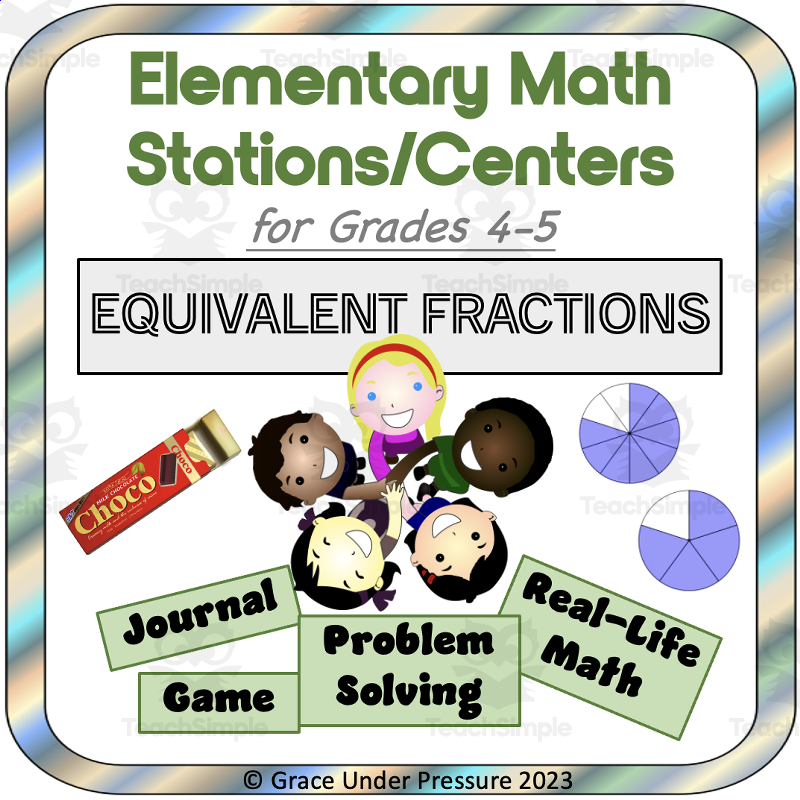
Middle School Math Stations or Centers: Triangles, Area, Angles

Middle School Math Stations or Centers: Triangles, Area, Angles
Math, Geometry, Measurements, Grade 5, 6, 7, 8, Centers, Activities

Middle School Math Stations or Centers : Triangles, Area, Angles This is an engaging teaching tool designed for middle school students and high school special education classrooms. It focuses on geometry concepts related to triangles: classification, types of angles, formula for area of a triangle, and calculating volume of a triangular prism. How to Use: Five ready-to-print math stations about the study of triangles. Put each station in a different area in the room. Students can rotate through a set time intervals (every 15-20 minutes), or you can allow students to work at their own pace as long as no station gets too crowded. Station 1: Students solve four word problems involving triangles. Station 2: Students explore the relationships for interior angles in triangles, quadrilaterals, pentagons, and hexagons. Station 3: Students play a simple dice game to practice classifying types of triangles. Station 4: Students work together to explain the rationale behind the area formula for triangles. Station 5: Students calculate the surface area and volume of a house shape (rectangular and triangular prism compound shape). The Learning Benefits of Math Stations: Promote physical movement in the classroom Foster cooperative learning among classmates by encouraging discussions based on these activities Allow student choice and easy differentiation (some students may complete 2 or 3 centers , some may complete all 5) Grades to Use With: This lesson is designed for students in grades 5-7 as part of their geometry unit. It covers area of triangles, classification of triangles, interior angles of polygons, and volume and surface area of compound shapes including triangles. It could also be used in high school special education classrooms where applicable. What's Included: 7 Page PDF with Title Page, 5 Stations, and Complete Answer Key If you enjoy these math stations, check out others in my store: 5 Stations for Adding and Subtracting Integers 5 Stations for Early Algebra Concepts 5 Stations for Area, Perimeter, and Volume 5 Stations for Percent, Decimals, and Fractions 5 Stations for Ratios and Rates 5 Stations for Place Value: Hundred Millions to Millionths 5 Stations for Statistics and Probability

Author Grace Under Pressure

Tags Triangles, Area, Angles, Geometry Activities, Math Stations, Math Centers, Math Games, Geometry, Grade 5 Math, Grade 7 Math

Earth's Interactive Systems I Four Spheres

Earth's Interactive Systems I Four Spheres
Earth and Environmental Sciences, Science, Grade 5, Activities

A full unit for Earth's Interactive Systems including a complete 22 slide slideshow presentation that can be assigned on Google Classroom or presented to the whole class. Along with, corresponding activities for each sphere. The four spheres include the geosphere, hydrosphere including the water cycle, biosphere and the atmosphere. The Slideshow will teach students the facts they need to complete the activities. You can use this as: group work independent work homework assessments whole class instruction The Google slides is easily assignable on Google Classroom and the .pdf version is also included. There are over 30 activities with answer keys which include: true/false vocabulary fill in the blank short answer foldables fun games Your students will be able to understand the difference between each sphere and also how they interact with each other and how they need each other. Included in this resource is everything a 5th grader needs to know about the: GEOSPHERE HYDROSPHERE BIOSPHERE ATMOSPHERE

Author Big Apple Teaching

Rating

Tags Geosphere, Hydrosphere, Biosphere, Atmosphere, Earth, Systems, Interactive, Water Cycle

Numbers Reading Comprehension Passage - Cored Ed Encyclopedia
Free Download

Numbers Reading Comprehension Passage - Cored Ed Encyclopedia
ELA, Language Development, Resources for Teachers, Reading Comprehension, Reading, Pre-Reading, Writing, History, Social Studies, Strategies, Grade 2, 3, 4, 5, Worksheets & Printables, Worksheets, Teacher Tools, Centers, Activities, Writing Prompts, Assessments, Tests, Quizzes and Tests, Quizzes

This numbers reading comprehension contains the following: Visualize on the Cover (Teacher Read Aloud Script) Start your lesson by taking a few moments to visualize the topic and share thoughts or feelings about it. Pre-Reading Trivia Students will write down one thing they already know about the subject and then read five more facts and discuss. These facts are fun, and the students will enjoy learning about the subject before reading more. Reading Passage The text is a high-interest reading passage with set paragraphs, roughly three to four paragraphs long. It contains a variety of themes about the topic, anywhere from history to technology. The passage is between 250 and 350 words in length. Mixed Questions The first question page contains four multiple-choice questions, each with a choice of four answers, and three written response questions that require a sentence or two from the student. Vocabulary Questions Practice seven key words from the text in this section across two activities. First section is scrambled words where students will unscramble three words given a clue for each. The second section is a word to meaning matching activity. Creative Writing In this question, the student will be required to write a five to eight sentence paragraph on a question related to the topic. Extension Activities This page is optional for fast finishers or to take home. There are several activities, each one requiring a different skill. Do some, do none, do all, completely optional - but you will feel reassured knowing every possibility is planned for. Includes summary writting question. Answer Key There are answers for the multiple-choice questions, written response questions have sample answers, vocabulary answers and if there is a summary question then a sample summary will be provided as well. FULL CATALOG OF DOWNLOAD LINKS AND ENCYCLOPEDIA INDEX HERE Lesson Snapshot Title: Numbers Genre: Nonfiction Subject: Math (Number Systems) Primary Topic: Counting systems, place value, and zero Estimated Guided Reading Level (A–Z): N What This Lesson Teaches Best Explains early counting methods (bodies, fingers, pebbles) and introduces the tally system as one mark per item. Shows why communities needed lasting number records as towns and trading grew, including wedge-shaped marks pressed into clay in Mesopotamia . Introduces different ways cultures wrote numbers (Egyptian hieroglyph symbols; Roman numerals using I, V, and X). Teaches how the base-ten system and place value use digits 0–9, and why zero matters for holding an empty place. Traces how Hindu-Arabic numerals spread through books, trade routes, and schools (including mention of Fibonacci) and appear today on receipts, maps, and screens. Learning Goals Describe two ways people counted before modern number symbols were common. Explain what a tally system is and why it can get “messy fast” for big amounts. Describe how people in Mesopotamia recorded numbers in soft clay and why those marks lasted. Explain how base-ten place value works (a digit’s spot helps decide its size). Explain why zero is important in the base-ten system, using the text’s explanation. Describe how the “method of the Indians” spread to new places over time. Key Vocabulary From the Text Tally — counting with one mark for each thing. Mesopotamia — an ancient place where early number writing appeared. Wedge-shaped — shaped like a wedge pressed into clay. Place value — a digit’s value depends on its position. Fibonacci — a thinker who helped spread the new number method. Cored Ed Encyclopedia Overview The Cored Ed Encyclopedia is a weekly series of lessons that you can pick up and use right away. These short readings fit into whatever time you have available. Each one includes a warm-up, a reading, and a set of questions, but it’s flexible — you can do just the reading, the full lesson, or skip the writing section if you need to. Each lesson focuses on a single topic so students don’t get lost. The writing is clear but never childish, making it perfect for grades two through five. Topics range from animals and science to history, inventions, and everyday things. No matter the level of the student, everyone should take away at least one new idea or fact from each lesson. The materials are easy to print, easy to explain, and require no setup. They work well for whole-class teaching, partner work, or independent study.

Author Cored Education

Rating

Tags Vocabulary, Spelling, Reading Comprehension, Reading Passages, Reading, Creative Writing, Reading Strategies, Writing Prompts, History, Numbers

Digraph CH Words Matching Mats

Digraph CH Words Matching Mats
ELA, Language Development, Phonics, Reading, Preschool, Grade 1, Activities

This comprehensive literacy center focuses on CH words, offering a hands-on activity that targets reading words as well as reading simple sentences. These mats help with reading comprehension skills as well as reading one and two syllable words. Included in this resource: two CH word mat one CH sentence mat Picture cards corresponding to each mat for matching purposes To complete this activity , students will read each CH word or sentence on the mat and then match the corresponding pictures. Students can work independently or with a partner, providing opportunities for cooperative learning. There are several ways to use these CH word beginning blend mats: Lay the images on top of the word or sentence. Utilize hook and loop fasteners to attach the images. Use a baking sheet and magnets to match the images. Students will appreciate the hands-on nature of this activity , as they can manipulate the images for a hands-on approach to show their learning. The bold and colorful images will capture students' attention, and the easily recognizable pictures will ensure their success in completing the activity . These literacy activities allow students to practice target words both in the context of sentences and in isolation. When to Use: Literacy Center - Students can work independently or with a partner to read these words Morning Tub or Basket - The cards can be placed in a morning bin for students to work on as students arrive to class. Small Group Activity - The teacher can choose a small group of students or a specific group of words for students to work on in a small group setting with the teacher. Skills assessed through this activity include reading BR beginning blend words in isolation and in context, as well as reading comprehension. The low-prep nature of this CH words matching mats activity allow teachers to use little time when putting the center together. The mats simply need to be printed out, while the matching cards can be printed and cut. Lamination is optional for increased durability.

Author The Connett Connection

Tags Literacy Center, Phonics Activity, Kindergarten Literacy, Matching Mats, Simple Sentences, Reading Comprehension, Digraphs, CH Words

Kids Yoga Stories: Arctic Animals Yoga Cards for Kids

Kids Yoga Stories: Arctic Animals Yoga Cards for Kids
P.E. & Health, Yoga, Preschool, Kindergarten, Grade 1, 2, 3, Activities

Use yoga poses to teach about Arctic Animals! This set of Arctic Animals Yoga Cards for Kids will help your students learn through movement either at home, in the classroom, or in a studio. Included in this deck of Antarctic Animals Yoga Cards for Kids - A card with an index listing each animal and the corresponding pose - Tips to teach yoga -20 cards illustrating the yoga poses -20 cards with Animals of the Arctic - Instructions for all the poses The index indicates the order in which the yoga poses are to be used to flow from one pose to the next. There is multicultural representation featured in yoga kids! Recommended for ages 3 to 8 years old. Ways in which you can use these cards as homeschoolers or in the classroom include: -For transition times -Morning routines or circle times -Brain breaks to calm their minds and bodies -Physical education -Occupational and/or physical therapy -With one child, small, or large groups Benefits of Yoga for kids include: -Increased strength -Increased flexibility -Improves sleep -Promotes positive interactions amongst adults and children -Develops self-confidence -Improves self-expression -Improves body awareness -Promotes a lifestyle that is active and healthy.

Author Kids Yoga Stories

Tags Kids Yoga Stories, Arctic Animals, Yoga Cards For Kids, Yoga Poses, Kids Yoga

Algebra: Spinner Game for 3rd-5th - MAC Software

Algebra: Spinner Game for 3rd-5th - MAC Software
Math, Algebra, Common Core, Grade 3, 4, 5, Activities, Games

Algebra: Spinner Game for 3rd-5th - MAC Software This is an interactive teaching tool ideal for teachers instructing students between grades 3 to 5. The unique marriage of technology with essential algebra concepts cultivates a dynamic learning environment which maintains the learner's engagement and anticipation of new knowledge acquisition. Game Overview The software provides an entertaining spinner game featuring ten distinct algebra questions. The excitement of each spin landing on a different question keeps students intrigued. The game offers challenges inviting learners to solve problems while being introduced to the basics of Algebra. The tool is not only useful in traditional classroom settings but also in homeschooling scenarios and remote learning situations. Educational Applications Educators can employ this Spinner Game using multiple approaches: A whole group activity where students take turns answering questions at the board, promoting cooperation and team-building skills; A fun reinforcement tool during small group sessions or individual studies. Educational Standards Alignment The educational resource aligns seamlessly with established educational standards: Fully compliant with Common Core State Standards (CCSS); Cohesively integrates STEM instruction methodologies; - Number Sense & Operations Strand,; > - Algebra Strand, ; > - Geometry & Measurement strand, > Data Analysis & Probability Strand, Problem-solving skill strand Product Specifications The Algebra: Spinner Game is downloadable software for MAC contained within a zip file, easily installed on any Macintosh computer device. In Conclusion Whether you are looking to enhance your homework assignments or integrate interactive elements into your lessons - implementing the Algebra: Spinner Game stands to augment your teaching methods and positively impact student engagement towards mastering algebra concepts. </

Author Classroom Complete Press

Tags Algebra Game, Spinner Game, Algebra Spinner Game, Digital Math, Digital Activity

Present Tense Sample: Grammar Grades 3-4 (Forms)
Free Download

Present Tense Sample: Grammar Grades 3-4 (Forms)
ELA, Language Development, ESL, Grammar, Common Core, Resources for Teachers, Grade 3, 4, Quizzes and Tests, Teacher Tools, Tests, Assessments, Activities, Centers

Present Tense Sample Lesson ELA MCQS Overview: In this series of lessons, students will embark on an engaging journey to explore the grammar skills that make our language vibrant and expressive. These lessons are crafted to help students identify, comprehend, and effectively apply language arts skills in both writing and speech. Accompanied by free supplementary materials available for all topics, each lesson builds on the previous one, offering a balanced mix of direct instruction, interactive group activities, and independent practice. Through fun and creative tasks, students will learn to recognize grammar within sentences, understand their function, and use them to enrich their own writing and speech. Present Tense Overview: Includes: Present Simple Present Continuous Present Perfect Mistake Finding Forms Version This is the Forms editable and self grading version. This download is available in GOOGLE Docs, GOOGLE Forms, GOOGLE Slides. PDF, PPT, WORD, check the links below for more details. FULL CATALOG OF DOWNLOAD LINKS HERE Grade 3/4 Links: Adjectives Google Docs Google Forms Google Slides PDF PPT Word Free Supplementary Materials Pack Adverbs Google Docs Google Forms Google Slides PDF PPT Word Free Supplementary Materials Pack Conjunctions Google Docs Google Forms Google Slides PDF PPT Word Free Supplementary Materials Pack Nouns Google Docs Google Forms Google Slides PDF PPT Word Free Supplementary Materials Pack Pronouns Google Docs Google Forms Google Slides PDF PPT Word Free Supplementary Materials Pack Verbs Google Docs Google Forms Google Slides PDF PPT Word Free Supplementary Materials Pack Sentence Structure Google Docs Google Forms Google Slides PDF PPT Word Free Supplementary Materials Pack Present Tense Google Docs Google Forms Google Slides PDF PPT Word Free Supplementary Materials Pack Past Tense Google Docs Google Forms Google Slides PDF PPT Word Free Supplementary Materials Pack Future Tense Google Docs Google Forms Google Slides PDF PPT Word Free Supplementary Materials Pack Context Clues Google Docs Google Forms Google Slides PDF PPT Word Free Supplementary Materials Pack Defining Words Google Docs Google Forms Google Slides PDF PPT Word Free Supplementary Materials Pack Fill the Blanks Google Docs Google Forms Google Slides PDF PPT Word Free Supplementary Materials Pack Homophones Google Docs Google Forms Google Slides PDF PPT Word Free Supplementary Materials Pack Synonyms Google Docs Google Forms Google Slides PDF PPT Word Free Supplementary Materials Pack ELA Review Questions Overview Questions have three answer choices. There are a handful of pictures on each test for aesthetic purposes, as well as a review sheet covering most of the topics covered in the product. Introduction or Example Sheet Each topic will include an introduction or example sheet to go through first with your students. Full Answer Keys Full answer keys and sample responses are provided so no matter how busy you are, you know you're covered! In the Supplementary Pack Interactive Ice Breakers: Fun, hands-on activities that get students thinking about adjectives right from the start. Guided Practice: Teacher-led exercises that reinforce the day’s lesson, ensuring students can confidently identify and use adjectives. Group and Partner Tasks: Collaborative activities that allow students to work together to solve problems, categorize adjectives, and create descriptive sentences. Independent Worksheets: Structured worksheets that provide individual practice and help solidify understanding of key concepts. Exit Tasks: Quick, reflective activities at the end of each lesson that assess understanding and encourage students to apply what they’ve learned. For similar downloads and other frees, do check out Cored Group on TeachSimple.

Author Cored Education

Tags Elementary, Answers, Ccss, Common Core, Grammar, Tests, Test Prep, Grade 3, Grade 4, Digital Centers

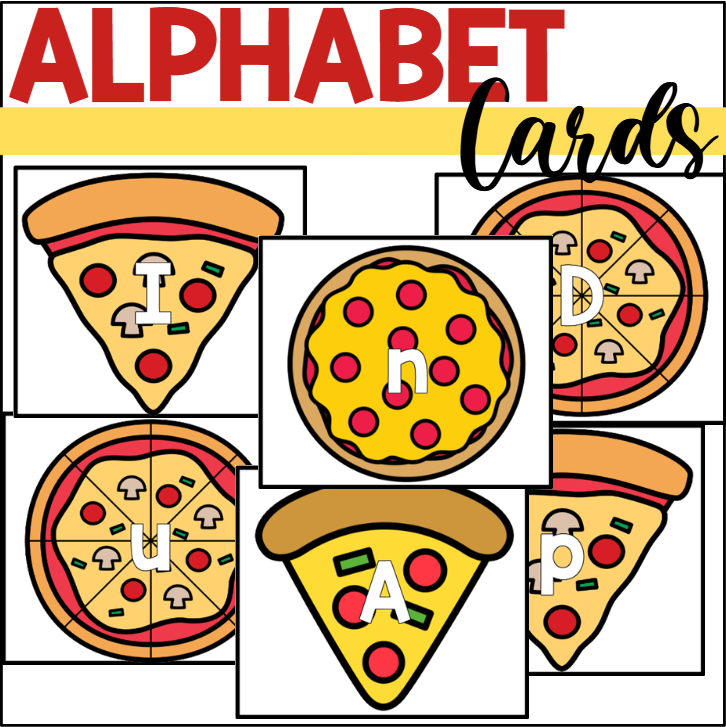
Alphabet Pumpkin Letter Match Uppercase/Lowercase Matching Game

Alphabet Pumpkin Letter Match Uppercase/Lowercase Matching Game
Creative Arts, Art, Fine Arts, Grade 1, 2, 3, 4, 5, Activities, Games, Centers

Alphabet Pumpkin Letter Match Uppercase and Lowercase Matching Game Letter Recognition This Pumpkin-Themed ABC Matching Game is an engaging and hands-on way for young students to practice uppercase and lowercase letter recognition. Use it as a matching game, center activity, or early finisher task! Included are blank cards for differentiated learning or for students to create their very own cards, while practicing handwriting. Use the black and white version as a coloring activity as well. This letter match game is perfect for letter of the week activities, alphabet practice and review, literacy centers, letter recognition practice, and plant-themed activities. Just print, cut, and play! As a suggestion, print on cardstock (thicker paper) and laminate for durability. Great for individual, small group, or center use. Benefits of playing letter matching games: Boosts letter recognition Enhances phonemic awareness Improves focus and attention Builds fine motor skills Strengthens memory Develops problem-solving skills Encourages independent learning Promotes social skills Supports early literacy Makes learning fun. Included in this download: 9 Pages of Large Matching Cards (Uppercase &amp; Lowercase Letters) 3 Pages of Blank Large Matching Cards (Uppercase &amp; Lowercase Letters) 5 Pages of Small Matching Cards 3 Pages of Blank Small Matching Cards Printer-Friendly Black/White Versions Thank you for supporting Doodle Thinks and have fun learning!

Author Doodle Thinks

Rating

Tags Alphabet, Letter Match, Matching Games, Early Literacy, Letter Recognition, Learning Centers, Letter Of The Week, Independent Learning, Fine Motor Skills, Pumpkin

Verbs Practice Questions - Grades 1-2 Grammar (Slides)

Verbs Practice Questions - Grades 1-2 Grammar (Slides)
ELA, Language Development, ESL, Grammar, Common Core, Resources for Teachers, Grade 1, 2, Presentations, Teacher Tools, Assessments, Tests, Quizzes and Tests, Activities

Verbs Grammar Practice MCQS: 6 lessons, 90 MCQS, 210 slides ELA MCQS Overview: In this series of lessons, students will embark on an engaging exploration of the grammar skills that bring our language to life. These lessons are designed to help students identify, understand, and effectively use language arts skills in their writing and speech. Used with the free supplementary materials available for all topics, each lesson builds on the last, offering a mix of direct instruction, interactive group activities, and independent practice. Through fun and creative tasks, students will learn how to recognize grammar in sentences, understand their role in sentences and use them to enhance their own writing and speech. Verbs Overview: Includes: Identifying Verbs Intro to Verb Tenses Past Tense Irregulars Additional Practice Slides Version This is the Slides editable and interactive version. There is a fillable answer sheet at the end. This download is available in GOOGLE Docs, GOOGLE Forms, GOOGLE Slides. PDF, PPT, WORD, check the links below for more details. FULL CATALOG OF DOWNLOAD LINKS HERE Grade 1/2 Links: Capitalization and Punctuation Google Docs Google Forms Google Slides PDF PPT Word Free Supplementary Materials Pack Adjectives Google Docs Google Forms Google Slides PDF PPT Word Free Supplementary Materials Pack Nouns Google Docs Google Forms Google Slides PDF PPT Word Free Supplementary Materials Pack Pronouns Google Docs Google Forms Google Slides PDF PPT Word Free Supplementary Materials Pack Verbs Google Docs Google Forms Google Slides PDF PPT Word Free Supplementary Materials Pack Prefixes &amp; Suffixes Google Docs Google Forms Google Slides PDF PPT Word Free Supplementary Materials Pack Sentence Structure Google Docs Google Forms Google Slides PDF PPT Word Free Supplementary Materials Pack Subject-Verb Agreement Google Docs Google Forms Google Slides PDF PPT Word Free Supplementary Materials Pack ELA Review Questions Overview Questions have three answer choices. There are a handful of pictures on each test for aesthetic purposes, as well as a review sheet covering most of the topics covered in the product. Introduction or Example Sheet Each topic will include an introduction or example sheet to go through first with your students. Full Answer Keys Full answer keys and sample responses are provided so no matter how busy you are, you know you're covered! In the Supplementary Pack Interactive Ice Breakers: Fun, hands-on activities that get students thinking about adjectives right from the start. Guided Practice: Teacher-led exercises that reinforce the day’s lesson, ensuring students can confidently identify and use adjectives. Group and Partner Tasks: Collaborative activities that allow students to work together to solve problems, categorize adjectives, and create descriptive sentences. Independent Worksheets: Structured worksheets that provide individual practice and help solidify understanding of key concepts. Exit Tasks: Quick, reflective activities at the end of each lesson that assess understanding and encourage students to apply what they’ve learned. For similar downloads and other frees, do check out Cored Group on TeachSimple.

Author Cored Education

Tags Elementary, Reading, Comprehension, Vocabulary, Answers, Ccss, Common Core, Spelling, Writing, Passages

Both Song (MP3)

Both Song (MP3)
ELA, Reading, Preschool, Kindergarten, Grade 1, Songs, Activities

This product, The BOTH Song (MP3), will help students recognize the sight word BOTH. The song is catchy and uses the word BOTH multiple times in different ways to help students learn. This is a great resource for any teacher looking to help their students learn sight words.

Author Have Fun Teaching

Tags Counting

Helium Reading Comprehension Passage - Cored Ed Encyclopedia

Helium Reading Comprehension Passage - Cored Ed Encyclopedia
ELA, Reading Comprehension, Reading, Science, Technology, Pre-Reading, Language Development, Physics, Earth and Environmental Sciences, Chemistry, Grade 2, 3, 4, 5, Worksheets & Printables, Worksheets, Teacher Tools, Centers, Activities, Writing Prompts, Assessments, Quizzes and Tests, Quizzes, Lesson Plans

This helium reading comprehension with lesson plan includes: Visualization (on the front cover) Start your lesson by taking a minute to think and share something about the topic. Read the script aloud (slowly), perhaps prepare some music or sound effects. Student close their eyes and let their imaginations wander. Students open their eyes, read the question aloud and give them a few minutes to complete. Ask a few students to share or keep answers until the end to compare with what they learn in the passage. Quick pause—thousands of Cored Education products are included with your TeachSimple membership. Download links and encyclopedia index available here. Pre-Reading Trivia Students will write down one thing they already know about the subject and then read five more facts and discuss. These facts are fun, and the students will enjoy learning about the subject before reading more. Give 1 minute for students to write what they already know (no pressure—best guess is fine). Read the five facts together. After each fact, do ask a student for their opinion, was it surprising? Set a purpose by asking students to highlight/underline one fact they want to learn more about during the reading. Reading Passage The text is a high-interest reading passage with set paragraphs, roughly three to four paragraphs long. It contains a variety of themes about the topic, anywhere from history to technology. The passage is between 250 and 350 words in length. First, ask students to look at the headings and see what they’ll learn about today. What do they know about the topic/heading? First read options: Teacher read-aloud (best for support). Partner reading (paragraph by paragraph). While reading, students underline important details, and vocabulary words they think may come up in the questions section. Mixed Questions The first question page contains four multiple-choice questions, each with a choice of four answers, and three written response questions that require a sentence or two from the student. Students complete the mcqs first independently, then review quickly as a class. For the 3 written responses, try to get students giving the answer with some form of evidence: “I think ___ because the text says ___.” If students get stuck, send them back to check the passage. Vocabulary Questions Practice seven key words from the text in this section across two activities. First section is scrambled words where students will unscramble three words given a clue for each. The second section is a word to meaning matching activity. Before starting, have some students read out words they underlined in the passage. Ask students to say the word and read aloud the sentence(s) around each word. Ask students to do scrambled words and the matching exercise in pairs then go through answers as a class. For the scrambled spelling task, get four pairs to come up to the board and write the words for extra practice with the other student reading out the clue. For the matching task, prompt students to give full sentences: “I matched ___ with ___ because ___.” Creative Writing In this question, the student will be required to write a five to eight sentence paragraph on a question related to the topic. Before starting, ask students write down 3 key ideas they are going to include in their piece. Ask students for ideas to share around the class to help those struggling. Pro writing expectations: 5–8 sentences At least 2 facts or details from the passage At least 2 vocabulary words from the previous page Students read their paragraphs while classmates listen for facts and vocabulary words. Extension Activities This page is optional for fast finishers or to take home. There are several activities, each one requiring a different skill. Do some, do none, do all, completely optional - but you will feel reassured knowing every possibility is planned for. Includes summary writting question and additional facts. Answer Key There are answers for the multiple-choice questions, written response questions have sample answers, vocabulary answers and if there is a summary question then a sample summary will be provided as well. Lesson Plan Included Customized lesson plan for this lesson is included. Lesson Snapshot Title: Helium Genre: Nonfiction (informational text) Subject: Science / Engineering (transportation technology) Primary Topic: How an air-cushion craft hovers and is used Estimated Guided Reading Level (A–Z): Q What This Lesson Teaches Best Explains how a “Helium” craft rides on a cushion of air trapped underneath instead of sitting in water. Describes why an air cushion reduces rubbing so the craft can “slide along” over surfaces like water, sand, or flat grass. Connects invention history to technology improvements (early ideas, a patented concept, then a smarter way to prevent air leaking). Shows how design changes solved problems (the flexible “skirt” helped hold the air cushion and climb over obstacles). Shares real-world uses and limitations (ferries, rescue missions, military landings, racing/recreation; noise and wind/waves). Learning Goals Students will describe how the craft moves differently from a regular boat, using details from the passage. Students will explain what an “air cushion” does and why it helps the craft slide over different surfaces. Students will identify one inventor or engineer named in the text and describe what problem they helped solve. Students will explain how the flexible “skirt” improved the craft’s ability to hover and travel. Students will list at least two jobs the craft can do (such as ferries or rescue missions) using evidence from the text. Students will describe one challenge mentioned in the passage that can make travel harder (winds or rough waves). Key Vocabulary From the Text cushion — a pocket of air that holds something up. patented — officially claimed an invention idea by law. pressure — pushing force under the craft that can lift it. hovering — staying just above a surface, not touching it. skirt — flexible part that helps hold air underneath. FULL CATALOG OF DOWNLOAD LINKS AND ENCYCLOPEDIA INDEX HERE

Author Cored Education

Rating

Tags Vocabulary, Reading Comprehension, Reading Passages, Lesson Plans, Ela Lesson Plans, Reading Comprehension Lesson Plans, Pre-reading, Science Lesson Plans, Physics, Chemistry

The Lion King Movie Guide (Animal Adaptations and Ecosystems)

The Lion King Movie Guide (Animal Adaptations and Ecosystems)
Science, Life Sciences, Biology, Earth and Environmental Sciences, Environmental Science, Grade 3, 4, 5, Activities, Teacher Tools

Using The Lion King movie guide, students will engage with science concepts including ecosystems, animal adaptations, environmental changes, food webs (and food chains), and what a disruption to the environment can do to populations. Using movie guides in the classroom can make content interactive and relatable for your class. Movies provide a visual for the content covered in class, so students can see real world (or animated world) applications.. Movie guides help students focus on important details throughout at the movie and think critically about what they watch. Movie Synopsis: The Lion King follows the journey of Simba, a young lion cub, as he struggles to figure out what he wants to do later in life. After his father, the king, is killed by his uncle, Simba runs away from home, because feels responsible for his father's death. As he grows up, Simba meets new animal species and makes new friends, who help him rediscover his strength and purpose. Eventually, Simba returns to face his uncle and take his rightful place as king of the Pride Lands, restoring balance to the ecosystem and to the kingdom. Speaking and listening standards are also covered, depending on how many of the above topics you discuss in your classroom. The movie guide provides an opportunity for teachers to "get back" some of that class time at the end of a unit, whether needed for grading projects, working one on one with students, or finishing up assessments. Other students are engaged and still actively searching for the topics covered in the unit discussed. The activities provided allow for: Class discussion Small group discussion Informal assessment Movie Rating: G Grades: 3rd - 5th Tags: The Lion King, Disney, movie guide, natural resources, environment, ecosystems, animal adaptations, animals, species, populations, savannah, rainforest, desert File type: PDF Pages: 4 - including answer key

Author Kel's Klass

Tags Movie Guide, Natural Resources, Environment, Disney, The Lion King, Ecosystems, Animal Adaptations, Animals, Species, Populations

Close Reading Comprehension 'A Disaster Strikes' (4-8 years)

Close Reading Comprehension 'A Disaster Strikes' (4-8 years)
ELA, Reading, Grade 1, 2, Activities

'Close Reading Comprehension 'A Disaster Strikes' (4-8 years)' Need a compelling resource for your real-world classroom or homeschooling setup? Introducing, "Close Reading Comprehension 'A Disaster Strikes' (4-8 years)". This teaching tool is ideal for whole group discussions, small groups or individual homework tasks. Grade and Subject Focus Perfect for Grade 1 or Grade 2 students, this resource focuses on Language Arts and reading comprehension skills. Additionally, it introduces learners to silent letters. Resource Details The intriguing story in the exercise not only encourages reading but also understanding and introspection. This tool originally designed for independent work can be used with parental or educator assistance as well. The learning material is an integral part of our 'Learn To Read With Phonics' reading scheme promoting autonomous phonetic recognition。 User Experience Your learners will improve their literacy in an interactive way while enjoying the warm narrative. Incorporating sixteen interactive pages that contain thoughtful grammar-centric exercises within engaging stories harmonizes education with interest! Note: The material is available in PDF format allowing easy download and printability. Unleash your unique educational framework using 'Close Reading Comprehension ‘A Disaster Strikes’ (4-8 years)'. Explore its potential benefits today!

Author Guinea Pig Education

Tags Close Reading, Comprehension, Silent Letters, Reading Skills, Phonics

Reading Comprehension Passages Fiction Set 2 - Family (Google Docs)

Reading Comprehension Passages Fiction Set 2 - Family (Google Docs)
ELA, Reading, Common Core, Reading Comprehension, ESL, Language Development, Spelling, Vocabulary, Creative Writing, Writing, Grade 4, 5, Worksheets & Printables, Worksheets, Activities, Centers, Writing Prompts, Assessments, Teacher Tools, Tests, Quizzes and Tests

Reading Comprehension Passages Fiction Set 2 Overview No prep reading comprehension lessons, with enjoyable stories and topics. Each lesson has a blend of post-reading activities. Mixed questions to check overall understanding. Vocabulary activities, plus a writing section. Lessons also contain a bonus extension exercise at the end. Some you may like, some you may not, either way they are there if you wish to use them. Full answer keys are provided. Passages Include 1.Birthday Lessons: Lois wanted a horse for her birthday. What did he get instead? 2.Funny Cousin: Britney's cousin can be a little much. Read about their day. 3.Favorite Aunt: Raquel is helping her aunt get ready for a new arrival. 4.Grandma Can Dance: Tracie learns something new about her grandma. 5.Sisterly Love: Kyle did want a big brother. How does he feel after today though? 6.A Not So Relaxing Hike: Jordan's scared of bugs. Read how he gets over his fear. 7.On the Coaster: Sid talks about his experience on a roller coaster. 8.Grandma's Tulips: Read about Grandma's passion of tulips in this story. 9.Father's Day: Maria learns about Father's Day and other holidays in this passage. 10.Healthier Lifestyle: The twins' doctor teaches them how to live a healthier lifestyle. Docs Version This is the Google Docs editable and fillable version. This download is available in GOOGLE Docs, GOOGLE Forms, GOOGLE Slides. PDF, PPT, WORD. Browse the Complete Cored Catalog — 2,000+ Resources Included Reading Passages Each reading passage has been written specifically for students in Grades 4–5, using vocabulary and language that match their age and ability level. The collection covers a wide range of engaging topics, supported by colorful visuals that help bring the content to life. Every lesson is designed to build knowledge while keeping students interested and motivated to read. These resources are also designed with flexibility in mind. Unlike traditional textbooks that can quickly become outdated, lessons can be updated over time to reflect changes in technology, discoveries, and the world around us. Mixed Questions Every lesson includes a variety of questions that help students think more deeply about what they have read. The question section combines reading comprehension, vocabulary, and math skills, while also regularly reinforcing important reading strategies such as cause and effect, summarizing, compare and contrast, and drawing conclusions. Most lessons include a mix of multiple-choice and written-response questions, giving students opportunities to explain their thinking as well as select answers. Complete answer keys and sample responses are provided at the end of each lesson for quick and easy reference. Spelling &amp; Vocabulary Each passage introduces students to useful words and phrases appropriate for Grades 4–5. To help build confidence and word knowledge, every lesson includes a spelling or vocabulary activity. Rather than repeating the same task throughout the collection, activities vary from lesson to lesson to keep practice fresh and engaging. Activities may include spelling challenges, sentence matching, decoding activities, mixed-up text exercises, and other vocabulary-building tasks connected directly to the reading. Writing Prompts Each lesson includes a writing activity that extends the ideas, themes, or topics explored in the passage. Students are encouraged to write in a variety of formats, with prompts providing helpful guidance and ideas to get them started. Writing tasks vary throughout the collection and may include creative writing, research activities, personal responses, poetry, opinion writing, and other engaging assignments. Full Answer Keys Complete answer keys and sample responses are included with every lesson, making planning and marking quicker and easier. Reading comprehension answers include evidence and support from the text, while math-based questions show the relevant working where appropriate. The answer keys are designed primarily for teachers but can also be shared with students when needed. Just for Fun Each lesson finishes with an optional extension activity called Just for Fun . These bonus activities provide an enjoyable way to extend learning beyond the main lesson and often encourage creativity, discussion, or independent thinking. They are completely optional, giving you the flexibility to use the activities that best suit your students and classroom needs. For similar downloads and other frees, do check out Cored Group on TeachSimple.

Author Cored Education

Rating

Tags Elementary, Reading, Comprehension, Vocabulary, Answers, Ccss, Spelling, Writing, Digital Centers, Vocabulary Assessments

Ice Breakers: Activities to Inspire Creativity #2: Social Interaction Activities

Ice Breakers: Activities to Inspire Creativity #2: Social Interaction Activities
, Grade 1, 2, Activities

Ice Breakers: Activities to Inspire Creativity #2 - Social Interaction Activities Introduce your students to an engaging teaching resource, Ice Breakers: Activities to Inspire Creativity #2. Designed especially for educators and imparting stimulatingly creative social interaction-oriented activities perfect for first and second grade students. This product presents 10 distinctive activities, each one crafted with the intent of fostering student bonding. The versatility of these tasks allows them to be implemented regardless of geography; being equally suitable for public schools or a homeschooling background. The unique selling point is the integration of creativity into learning, expanding educational opportunities beyond curriculum -based knowledge. Dive into this resource and witness classroom energy rise as your students get audibly excited about learning. Imagine developing creations that they're proud of while initiating enthusiastic ideas' exchange within their fellow classmates! User-friendly Material - Versatile Applications This teaching supplement is designed such that it can be easily incorporated in varying classroom dynamics- may it be in a whole or small group setup. It also carries potential as enriched homework assignments, transforming mundane tasks into paths for imaginative exploration. The file is in PDF format, making it highly user-friendly on a majority of digital devices. With just this one powerful product file at hand, paint an environment within your institution that's beneficial for progressive learning where lessons are not perceived as monotonous lectures but embraced as interactive academic ventures! Foster Bonds & Evoke Creativity through Ice Breakers Today! Remember that exploration invigorates minds while shared creativity fortifies bonds– leverage this power blend via Ice Breakers: Activities To Inspire Creativity #2 today! Shift your teaching methodology from conventional instructive mode into charged journey packed with collaborative attainment and progressive learning engagement where every student feels valued and heard.

Author Classroom Complete Press

Tags PDF

Carnivals Reading Comprehension Passage - Cored Ed Encyclopedia

Carnivals Reading Comprehension Passage - Cored Ed Encyclopedia
ELA, Language Development, Reading Comprehension, Reading, Writing, Pre-Reading, Vocabulary, Geography, Social Studies, History, Grade 2, 3, 4, 5, Worksheets & Printables, Worksheets, Teacher Tools, Centers, Activities, Writing Prompts, Assessments, Quizzes and Tests, Quizzes, Lesson Plans

This carnivals reading comprehension with lesson plan includes: Visualization (on the front cover) Start your lesson by taking a minute to think and share something about the topic. Read the script aloud (slowly), perhaps prepare some music or sound effects. Student close their eyes and let their imaginations wander. Students open their eyes, read the question aloud and give them a few minutes to complete. Ask a few students to share or keep answers until the end to compare with what they learn in the passage. Quick pause—thousands of Cored Education products are included with your TeachSimple membership. Download links and encyclopedia index available here. Pre-Reading Trivia Students will write down one thing they already know about the subject and then read five more facts and discuss. These facts are fun, and the students will enjoy learning about the subject before reading more. Give 1 minute for students to write what they already know (no pressure—best guess is fine). Read the five facts together. After each fact, do ask a student for their opinion, was it surprising? Set a purpose by asking students to highlight/underline one fact they want to learn more about during the reading. Reading Passage The text is a high-interest reading passage with set paragraphs, roughly three to four paragraphs long. It contains a variety of themes about the topic, anywhere from history to technology. The passage is between 250 and 350 words in length. First, ask students to look at the headings and see what they’ll learn about today. What do they know about the topic/heading? First read options: Teacher read-aloud (best for support). Partner reading (paragraph by paragraph). While reading, students underline important details, and vocabulary words they think may come up in the questions section. Mixed Questions The first question page contains four multiple-choice questions, each with a choice of four answers, and three written response questions that require a sentence or two from the student. Students complete the mcqs first independently, then review quickly as a class. For the 3 written responses, try to get students giving the answer with some form of evidence: “I think ___ because the text says ___.” If students get stuck, send them back to check the passage. Vocabulary Questions Practice seven key words from the text in this section across two activities. First section is scrambled words where students will unscramble three words given a clue for each. The second section is a word to meaning matching activity. Before starting, have some students read out words they underlined in the passage. Ask students to say the word and read aloud the sentence(s) around each word. Ask students to do scrambled words and the matching exercise in pairs then go through answers as a class. For the scrambled spelling task, get four pairs to come up to the board and write the words for extra practice with the other student reading out the clue. For the matching task, prompt students to give full sentences: “I matched ___ with ___ because ___.” Creative Writing In this question, the student will be required to write a five to eight sentence paragraph on a question related to the topic. Before starting, ask students write down 3 key ideas they are going to include in their piece. Ask students for ideas to share around the class to help those struggling. Pro writing expectations: 5–8 sentences At least 2 facts or details from the passage At least 2 vocabulary words from the previous page Students read their paragraphs while classmates listen for facts and vocabulary words. Extension Activities This page is optional for fast finishers or to take home. There are several activities, each one requiring a different skill. Do some, do none, do all, completely optional - but you will feel reassured knowing every possibility is planned for. Includes summary writting question and additional facts. Answer Key There are answers for the multiple-choice questions, written response questions have sample answers, vocabulary answers and if there is a summary question then a sample summary will be provided as well. Lesson Plan Included Customized lesson plan for this lesson is included. Lesson Snapshot Title: Carnivals Genre: Nonfiction (informational passage with headings) Subject: Reading (Informational Text) / Social Studies Primary Topic: What Carnival is and why it matters Estimated Guided Reading Level (A–Z): P What This Lesson Teaches Best Builds cultural background knowledge by explaining Carnival as a time right before Lent in many Christian communities. Shows how celebrations can look different in different places (Venice, France/Mardi Gras, Rio de Janeiro). Teaches multiple-meaning vocabulary by explaining that “carnival” can also mean a traveling fair with rides and games (especially in the United States). Supports comprehension of informational text structure by using headings to organize ideas (history/background, examples, traveling fairs, reasons people celebrate). Highlights theme/central message: carnivals help people “step out of ordinary life” and remember shared joy. Learning Goals Students will explain what Carnival is and when it happens, using details from the passage. Students will describe how Venice, France (Mardi Gras), and Rio de Janeiro shaped Carnival in different ways. Students will identify two meanings of the word carnival as used in the passage. Students will summarize why people “keep making carnivals,” based on the author’s explanation. Students will use headings to locate information and confirm key details in the text. Key Vocabulary From the Text fasting — not eating for a period of time. reflection — careful thinking about life. mingle — mix with other people in a group. floats — decorated platforms used in parades. routines — the usual things you do regularly. FULL CATALOG OF DOWNLOAD LINKS AND ENCYCLOPEDIA INDEX HERE

Author Cored Education

Rating

Tags Vocabulary, Reading Comprehension, Reading Passages, Lesson Plans, Ela Lesson Plans, Reading Comprehension Lesson Plans, Pre-reading, Social Studies Lesson Plans, Geography, History