![Fry Sight Words, I Have Who Has Game, Flash Cards, 801-900, [SET 2] teaching resource preview](https://teachsimplecom.s3.us-east-2.amazonaws.com/images/fry-sight-words-i-have-who-has-game-flash-cards-801-900-set-2/image-1673445121439-1.jpg)
Reading & writing
Fry Sight Words, I Have Who Has Game, Flash Cards, 801-900, [SET 2]
Practice recognizing and reading Fry high-frequency sight words 801-900 using a self-checking 'I Have... Who Has?' loop card game.




Classroom resources
Browse by lesson focus
Choose the topic or kind of practice you need.
Showing 793–816 of 5433 resources

 Show filters
 Practice recognizing and reading Fry high-frequency sight words 801-900 using a self-checking 'I Have... Who Has?' loop card game.
![Fry Sight Words, I Have Who Has Game, Flash Cards, 601-700, [SET 2] teaching resource preview](https://teachsimplecom.s3.us-east-2.amazonaws.com/images/fry-sight-words-i-have-who-has-game-flash-cards-601-700-set-2/image-1673444646535-1.jpg)
Practice recognizing and reading Fry high-frequency sight words 601-700 using a self-checking 'I Have... Who Has?' loop card game.
Multiplication/division word-problem activity ('Be the Baker') where students interpret a product of whole numbers as equal groups (arrays) using baking scenarios.
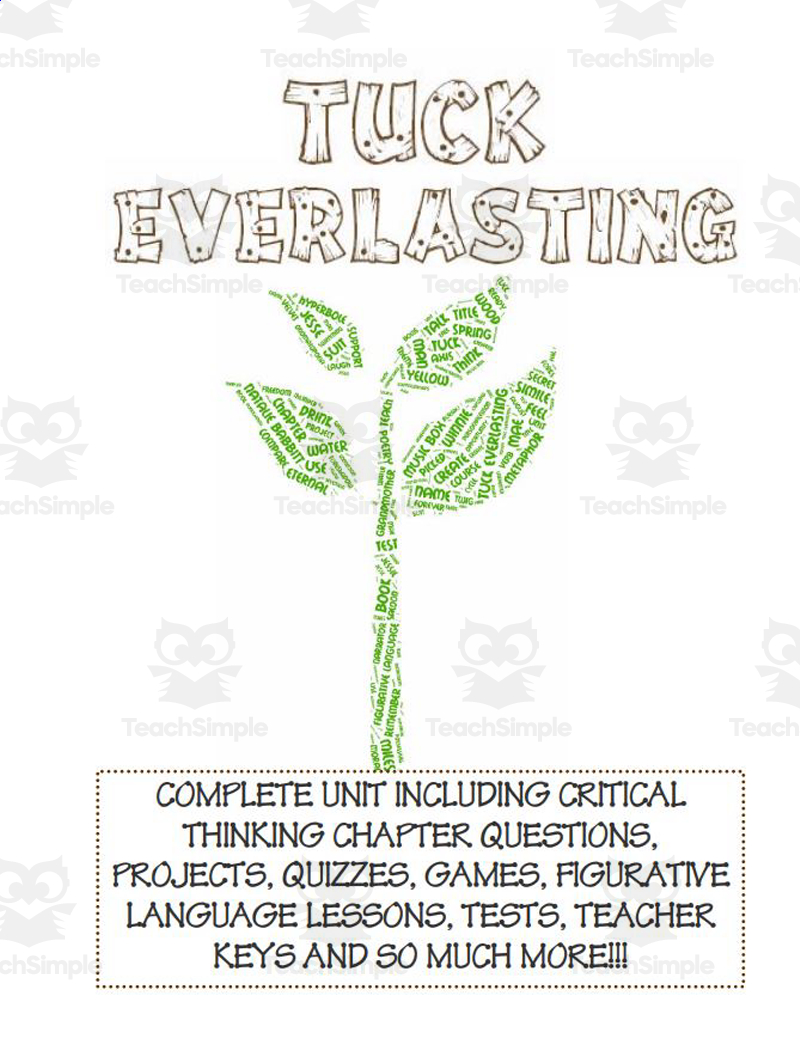
A full print-and-teach novel unit for 'Tuck Everlasting' (Natalie Babbitt), combining pre-reading discussion, chapter comprehension questions, figurative language instruction, projects, quizzes, a review game, and tests, aligned to Common Core.
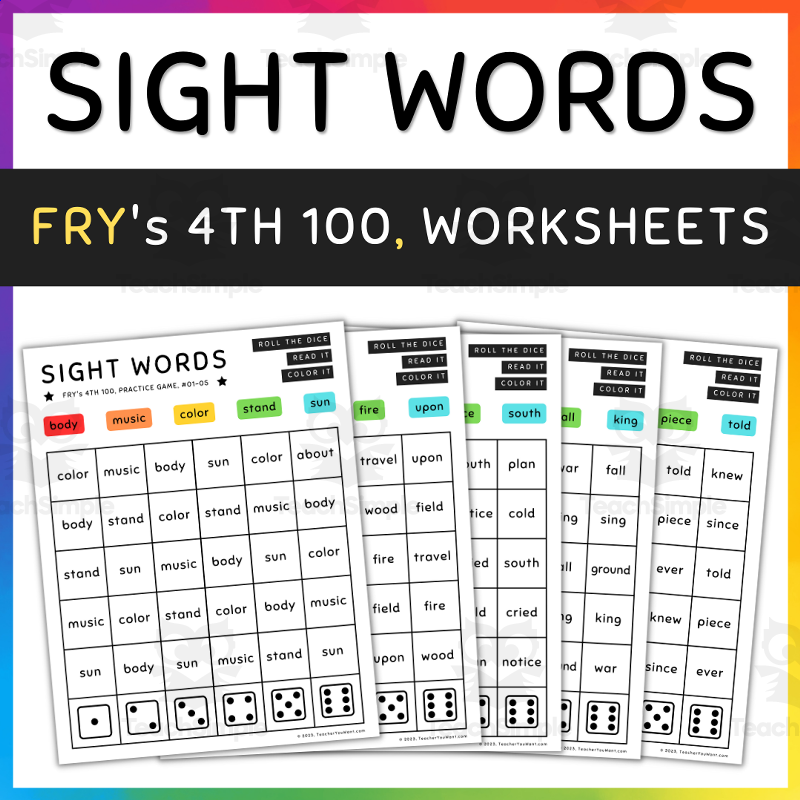
A dice-based 'roll and color' practice game for Fry's 4th 100 sight words, combining a die roll with sight-word reading practice.
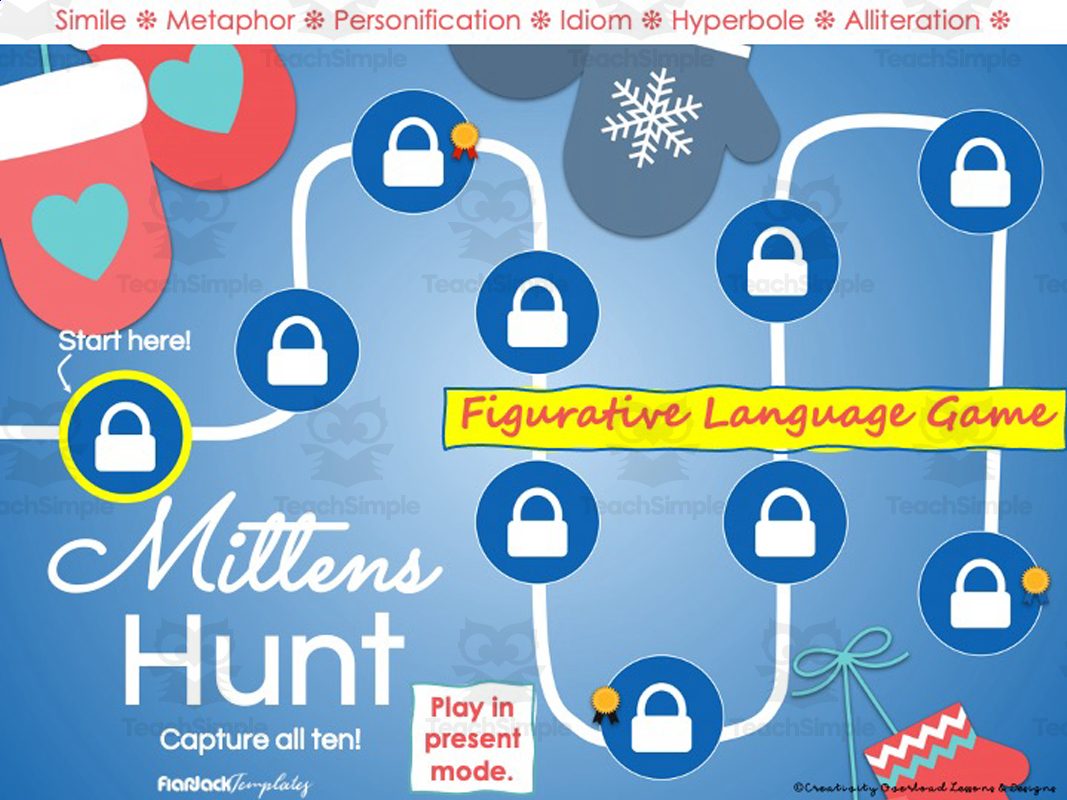
Introduce, review, or assess six types of figurative language (simile, metaphor, personification, idiom, hyperbole, alliteration) through a self-checking, branching 'Mitten Hunt' digital game (PowerPoint-based, with an accompanying teacher guide referencing a Google Slides version).

A printable math workbook of division practice pages, progressing from basic division facts through remainders and multi-digit division, with related word problems.
Ready-to-use geometry word-problem worksheet activities for grades 3-5, built to address NCTM geometry expectations and let students practice and review geometry concepts.
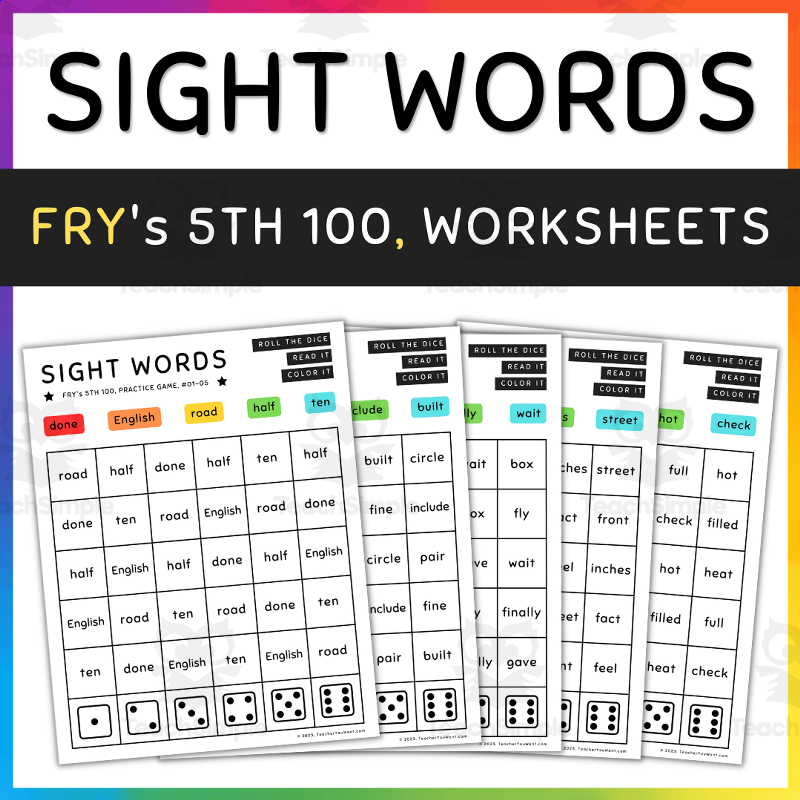
Practice reading and recognizing specific Fry sight words (set #401-500, items 1-100) through a dice-based roll-and-color game.
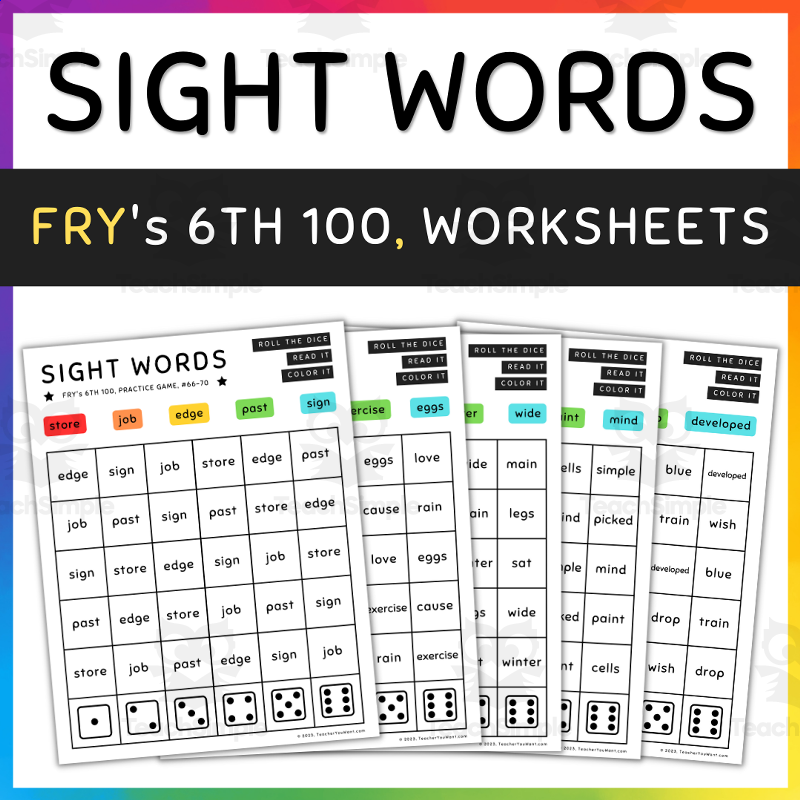
Practice reading and recognizing sight words from the Fry sixth 100 word list through a dice-based 'Roll the Dice, Read It, Color It' game.

Choose among five worksheet versions for different kinds of fraction practice. Tasks cover like and unlike denominators, mixed numbers, and word problems, with an answer key for each version. Use the matching set for the skill being taught before combining formats in a review lesson.
Ready-to-use geometry word-problem worksheet activities for grades 3-5, built to address NCTM geometry expectations and let students practice and review geometry concepts.

Ready-to-use geometry word-problem worksheet activities for grades 3-5, built to address NCTM geometry expectations and let students practice and review geometry concepts.
A PowerPoint-based classroom game/template for group vocabulary enrichment practice, where students research and present synonyms and antonyms for teacher-assigned words for classmates to guess.
![Fry Sight Words, I Have Who Has Game, Flash Cards, 701-800, [SET 2] teaching resource preview](https://teachsimplecom.s3.us-east-2.amazonaws.com/images/fry-sight-words-i-have-who-has-game-flash-cards-701-800-set-2/image-1673444886820-1.jpg)
Practice recognizing and reading Fry high-frequency sight words 701-800 using a self-checking 'I Have... Who Has?' loop card game.

Gives students practice comparing fractions using inequality/equality symbols and applying that skill to a word problem.
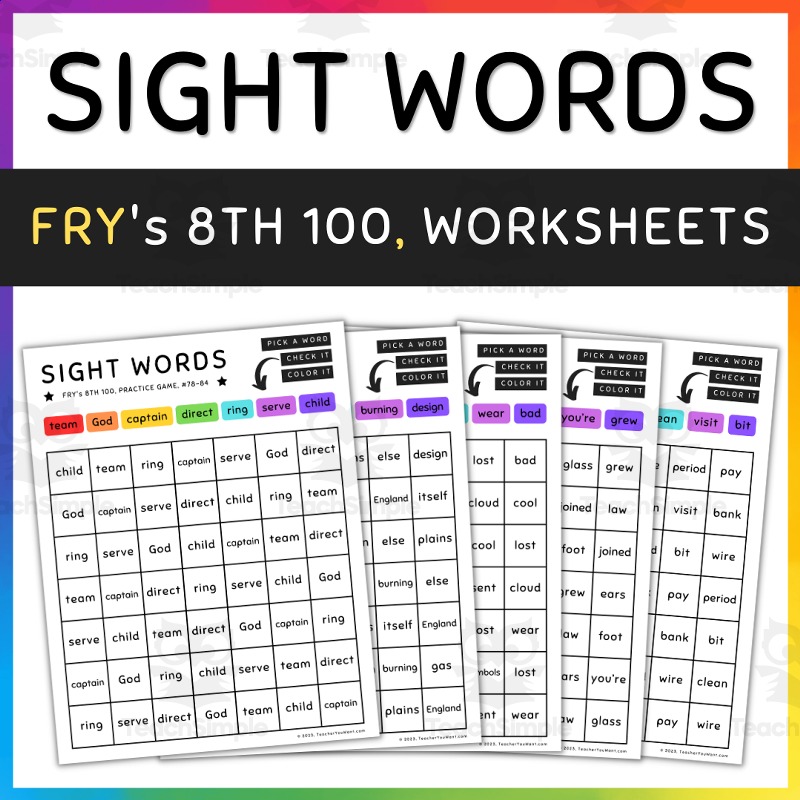
Practice recognition of Fry's 8th 100 sight words (word groups #01-49+ within that list) through a 'pick a word, check it, color it' style repeated-word-grid activity.
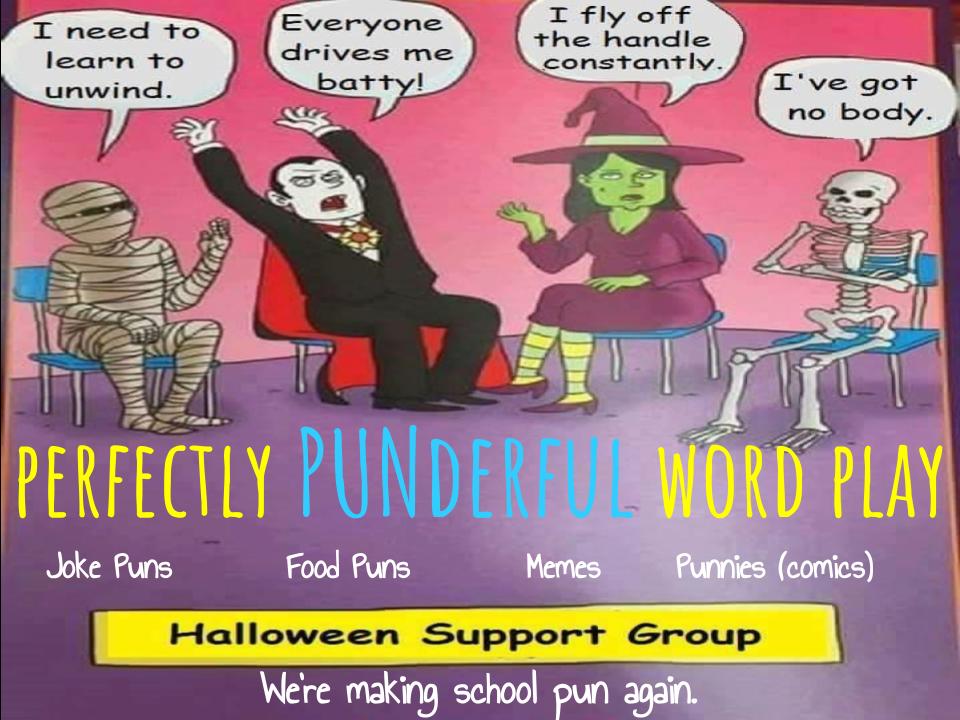
A slide deck teaching the concept of puns/wordplay through examples (joke puns, food puns, punnies/comics) and a creative-writing assignment applying puns.
Ready-to-use geometry word-problem worksheet activities for grades 3-5, built to address NCTM geometry expectations and let students practice and review geometry concepts.
Ready-to-use geometry word-problem worksheet activities for grades 3-5, built to address NCTM geometry expectations and let students practice and review geometry concepts.

Reinforce vocabulary, reading comprehension, and writing skills using wedge-tool terminology (chisel, shovel, nail, door stopper, axe, tack pin, knife, scissors).
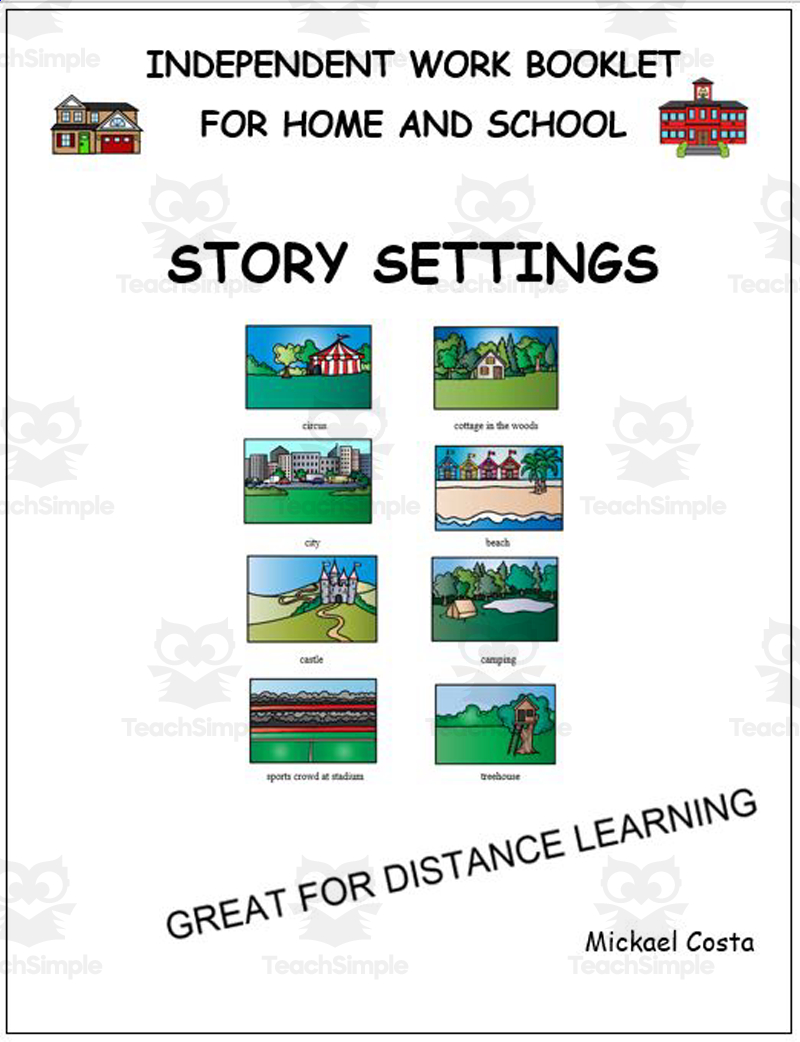
Reinforce vocabulary, reading comprehension, and creative-writing skills using story-setting terms (stadium crowd, cottage in the woods, city, castle, beach, campsite, treehouse, circus) that students can use when writing narratives.
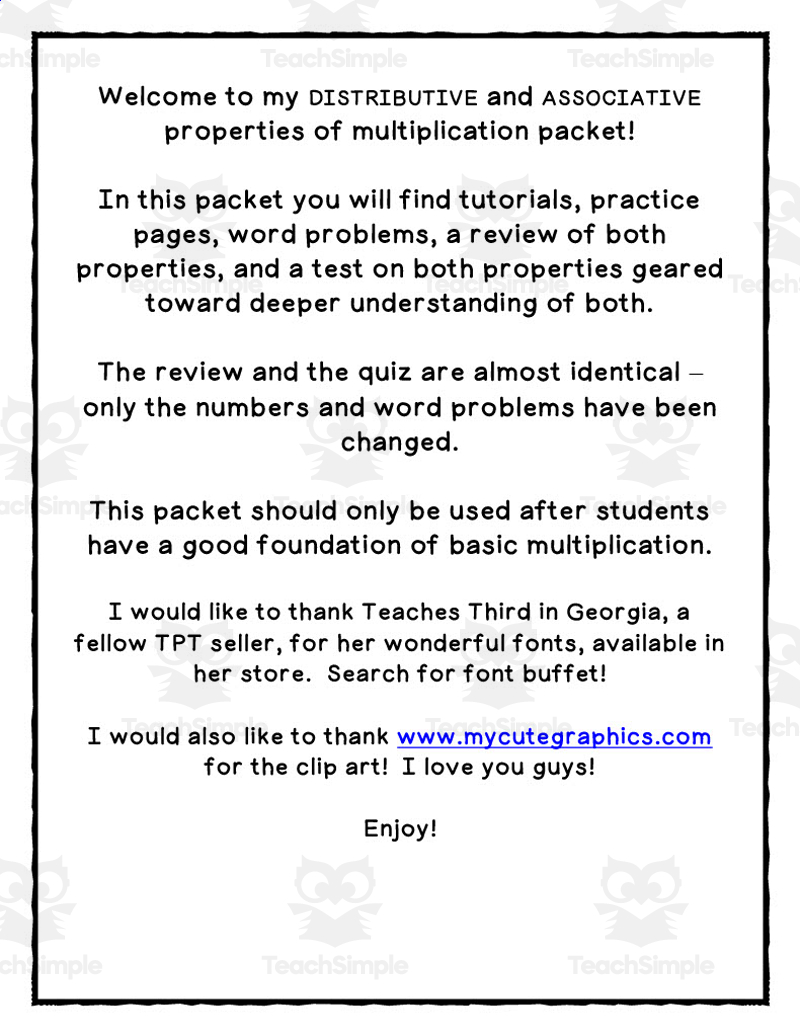
Teaches 3rd-grade students the distributive and associative properties of multiplication through tutorials, guided practice, word problems, a review, and a test.
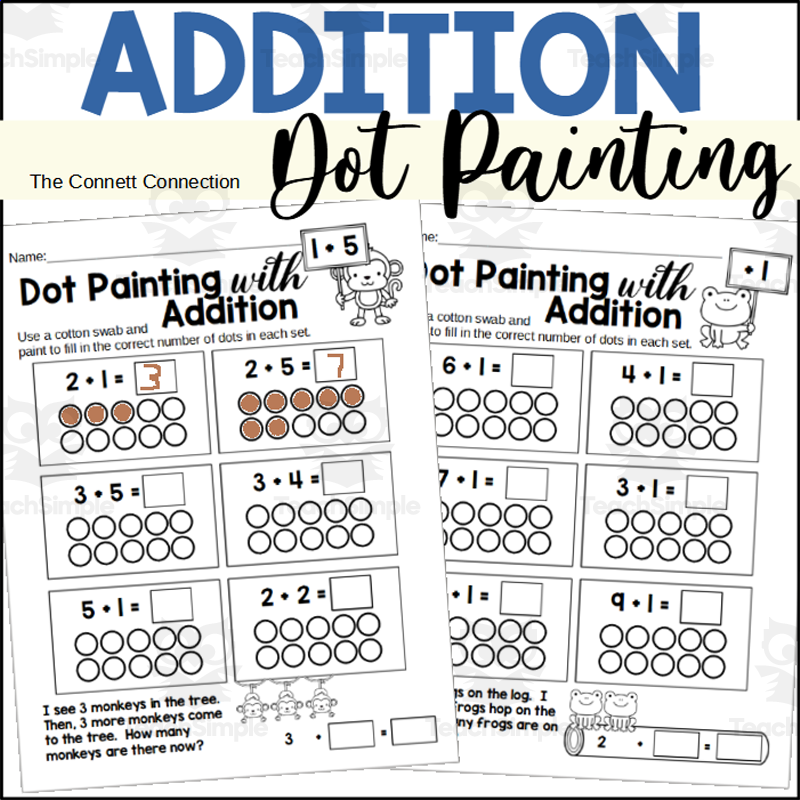
Combine addition fact practice within 10 with a fine-motor dot-painting art activity and matching word problems.