Art, movement & wellbeing
Aztec Chocolate Activity
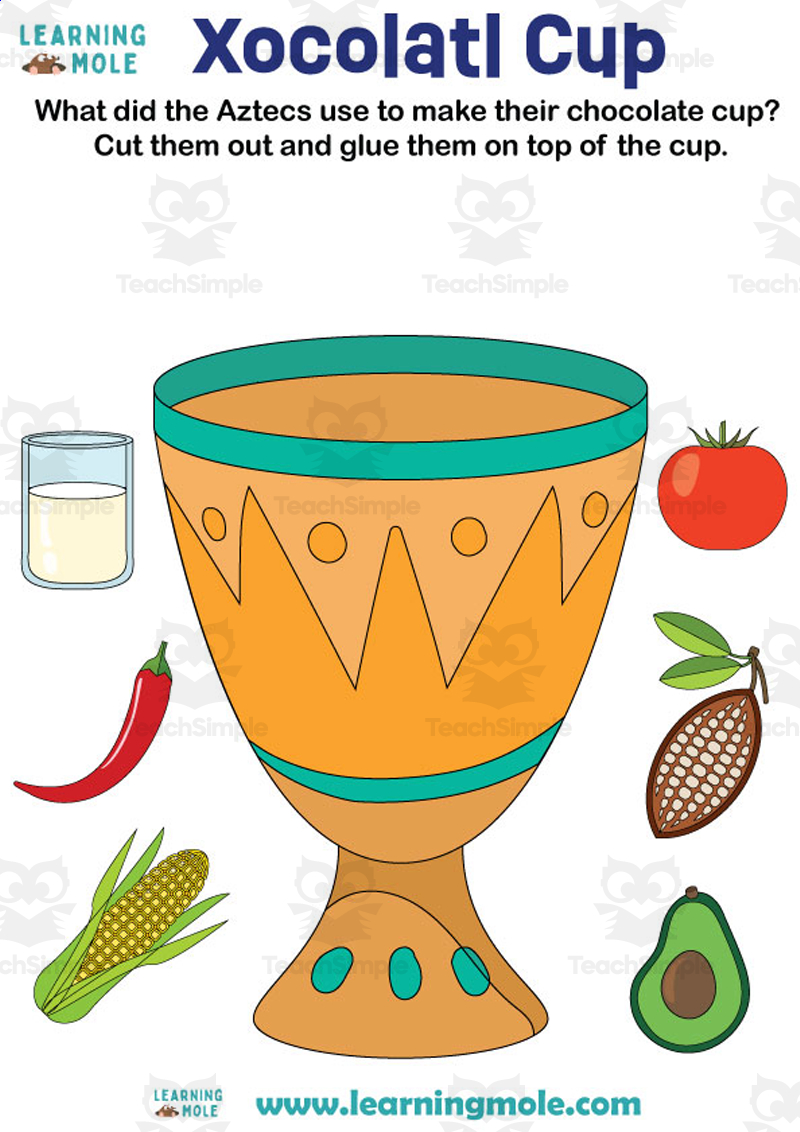
Cut out provided ingredient/item pictures and glue them onto a cup template to show what the Aztecs used to make their chocolate cup.




Classroom resources
Browse by lesson focus
Choose the topic or kind of practice you need.
Showing 145–168 of 2757 resources

 Show filters
 Cut out provided ingredient/item pictures and glue them onto a cup template to show what the Aztecs used to make their chocolate cup.

Students select a veteran (from a provided list spanning conflicts from the American Revolution through more recent wars, or a family member), conduct light biographical research, draw the subject with 5 representative items, learn MLA citation basics from a companion presentation, and write a 5-paragraph MLA-style…
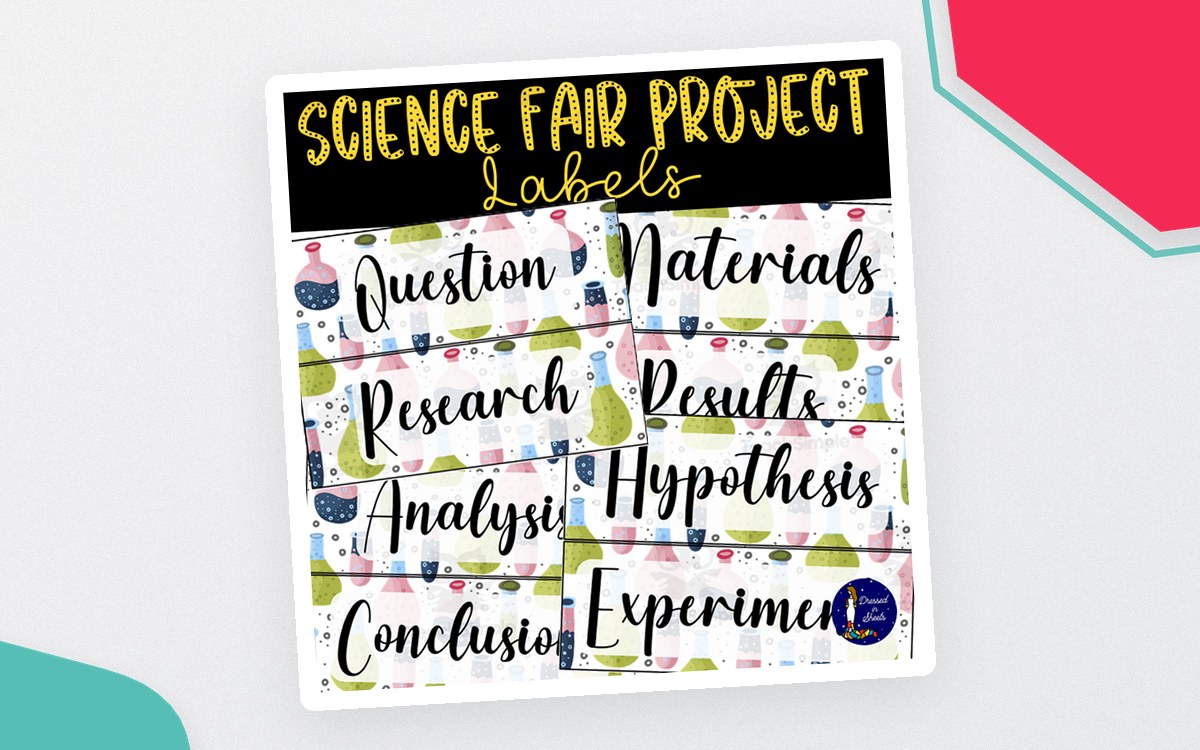
Ten heading labels cover Question, Research, Hypothesis, Experiment, Procedure, Data, Analysis, Conclusion, Materials and Results. They print two per page for cutting and arranging on a science fair display. Use the headings that match the project’s required sections.
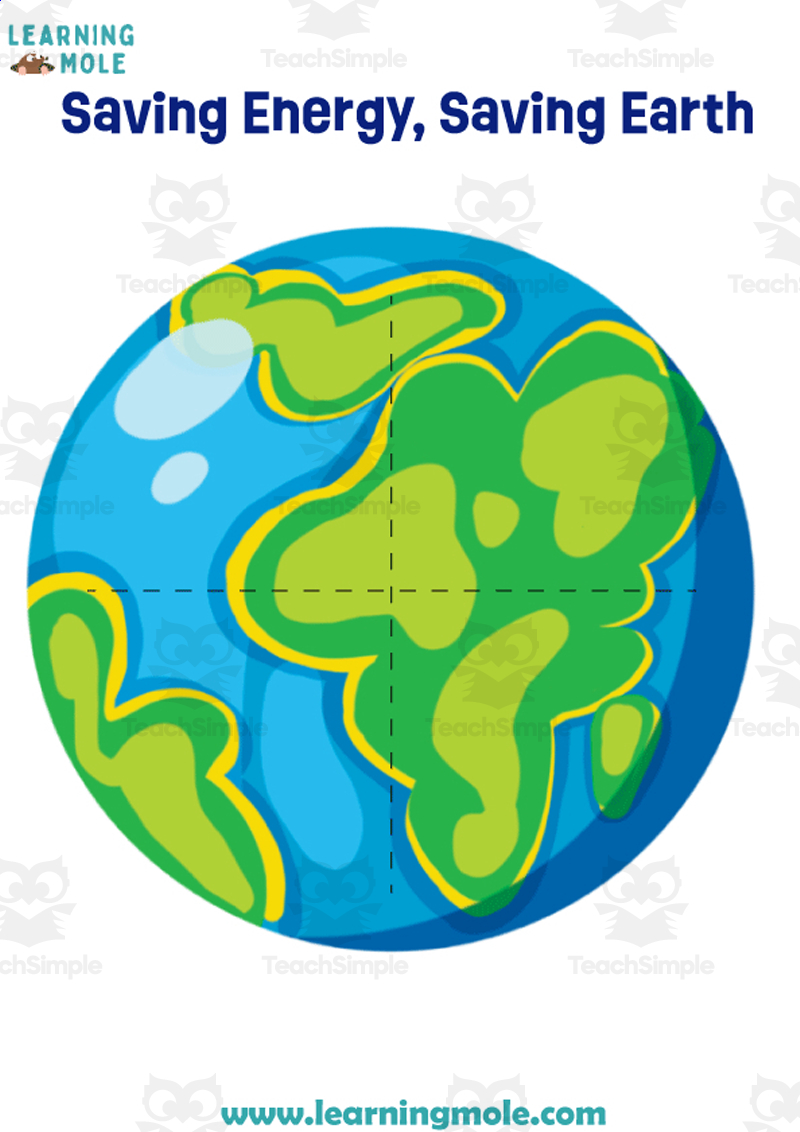
Write energy saving tips related to each icon, cut along dashed lines, glue page 1 on top of page 2, and open each flap to reveal what they wrote.

Read/discuss background slides on the history of beer and other substances marketed as medicine, watch linked videos on historical quack medicine and amphetamine history, discuss what information a tonic poster should include (ailments cured, side effects, dosage, storage, endorsements, cost), then design their own…
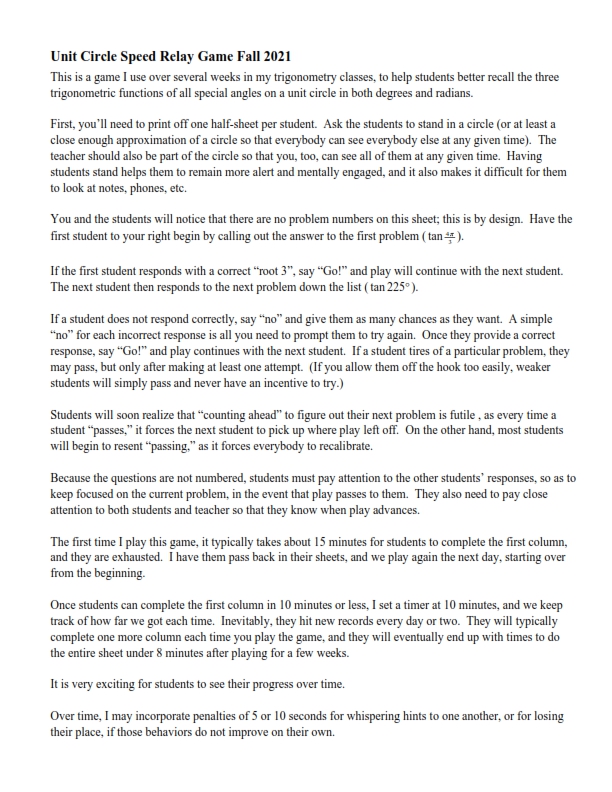
Stand in a circle and, in sequence, call out the correct trig-function value for the next unnumbered problem on a shared answer sheet; if wrong, keep trying until correct, then play passes to the next student; class repeats the game over multiple sessions, timing how quickly they complete the sheet.
A 'gamified project unit' guide for high school students (Grades 9-12) covering AI concepts, AI ethics (bias, fairness, transparency) and career exploration in the AI field.

Complete character-matching and true/false questions on a final novel test; work through study guide questions; write a 'literature letter' assignment; choose from provided project options; use the answer key (test key) for self- or teacher-checking.
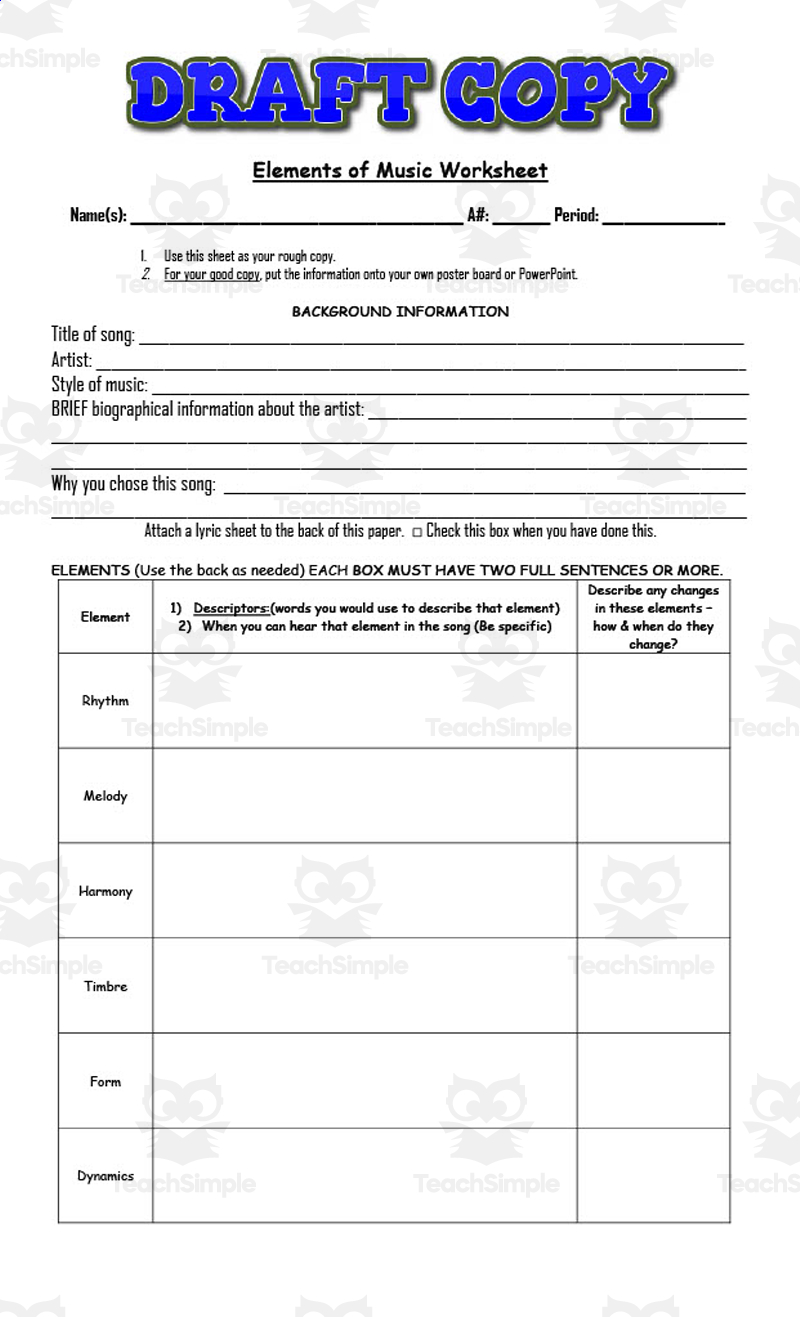
Choose an age-appropriate popular song, research background information about the song/artist, then describe how each of six elements of music (rhythm, melody, harmony, timbre, form, dynamics) is heard in the song and how each element changes over the course of the song, using two or more full sentences per element; present the final…
A comprehensive 8-unit literature teaching guide for John Gunther's memoir Death Be Not Proud, covering pre-reading discussion, study guides, vocabulary, discussion concepts, tests, and writing projects across the whole book.
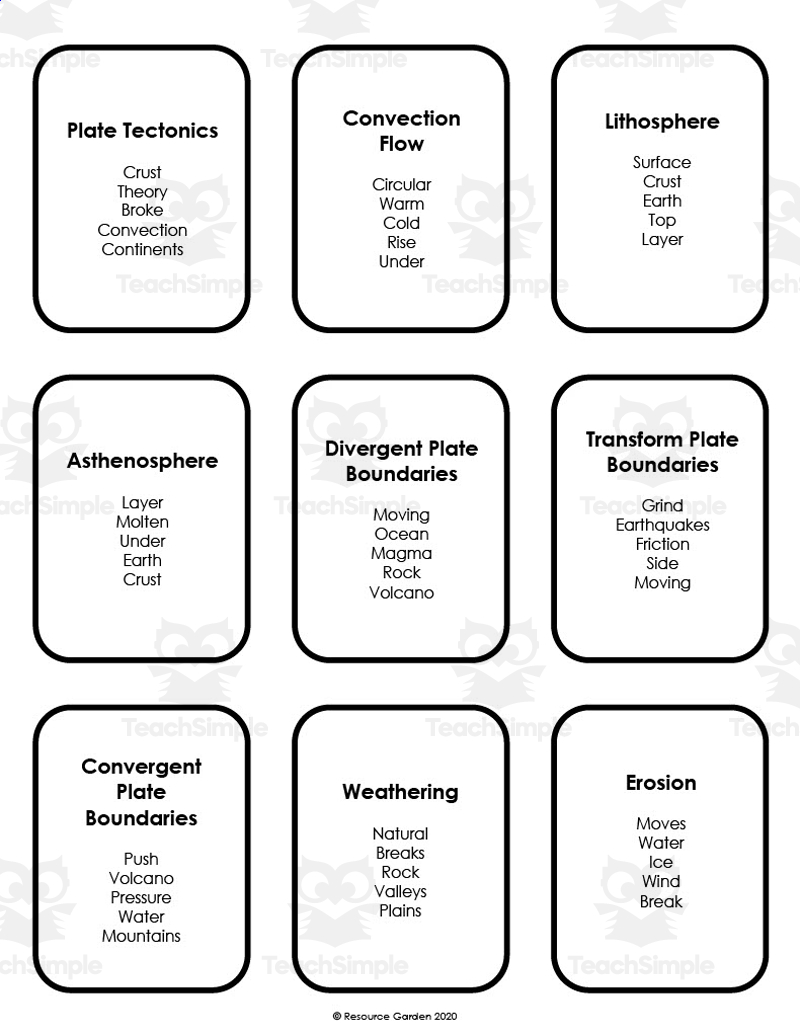
In teams, one student ('the giver') describes a landform-related keyword on their card to teammates without using the word itself or 5 listed taboo words; teammates guess the word to score points.

Study a presentation on what a logo is, the qualities of a good logo, the history and evolution of logo design, the 'golden rules' of logo design (simplicity, scalability, color vs. black-and-white effectiveness, descriptive vs. symbolic approaches, fonts and color choices), and the design process…
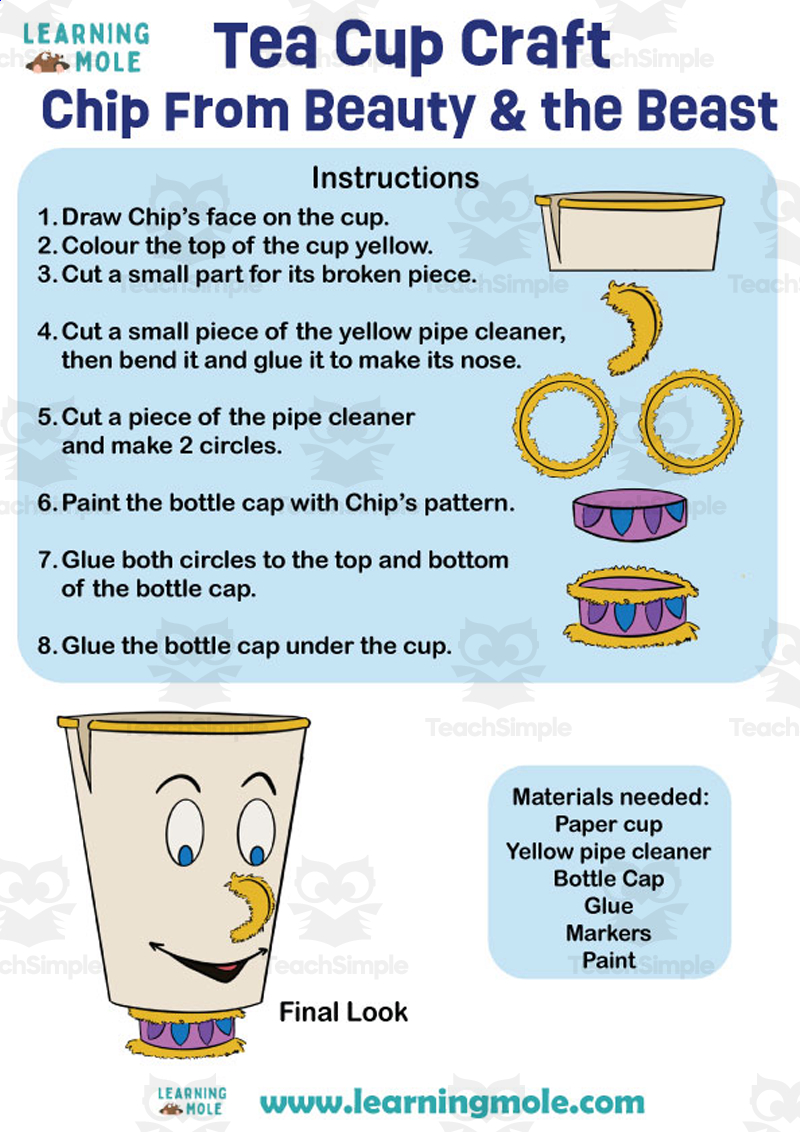
Follow 8 numbered instructions to draw, colour, cut, and glue craft materials into a teacup character.
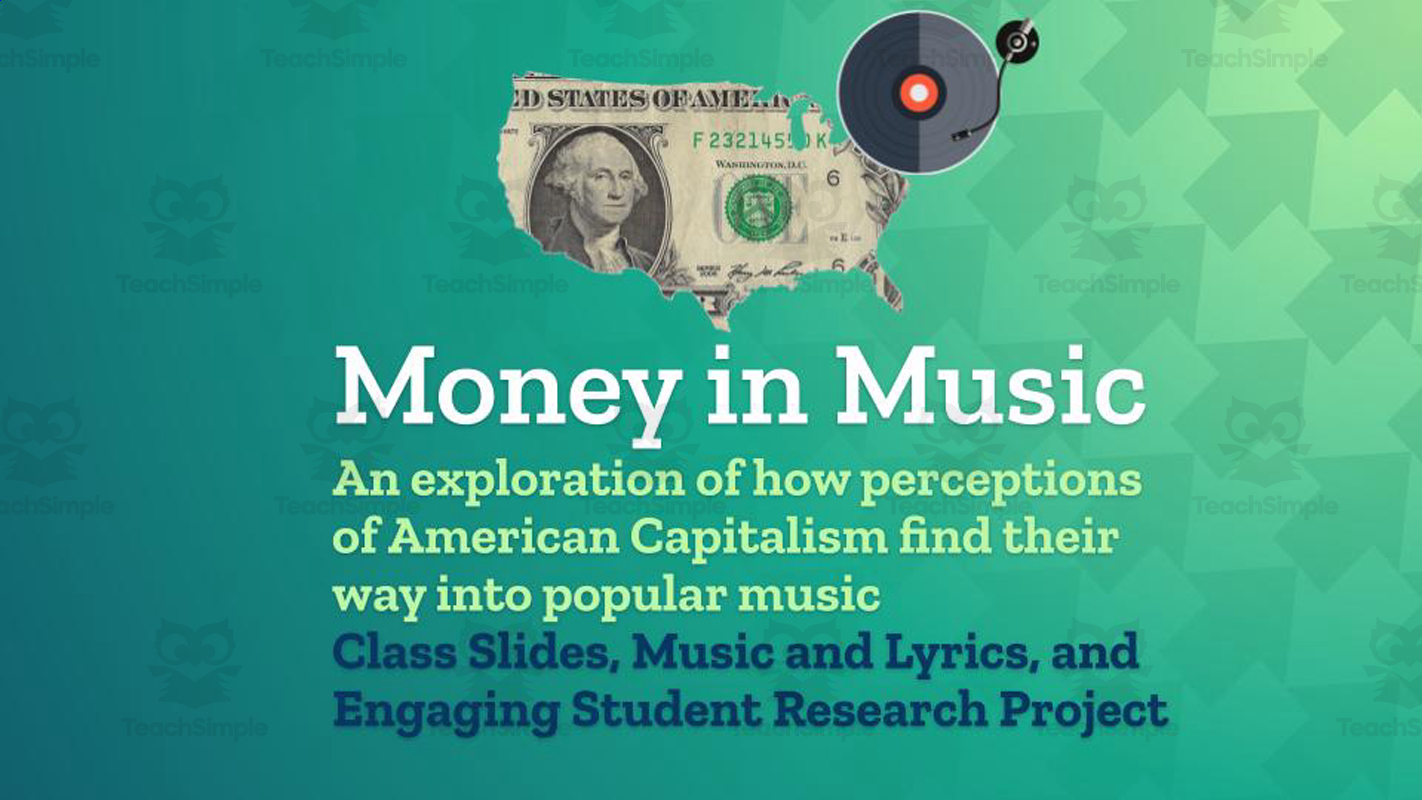
Select and listen to a song from a provided list (or teacher-approved alternative) addressing money/capitalism themes, research and analyze its lyrics answering guided questions, then write a 1-2 page review naming the song/artist, its subject, its themes, 3 supporting quotes, and a personal assessment of the artist's perspective on…

Students watch linked videos and follow the teacher's presentation, filling in blanks on their own student slides/outline as bolded/underlined terms are revealed; they also complete an independent research project on an invasive species and present it as a video, poster, infographic, or slide presentation, graded…
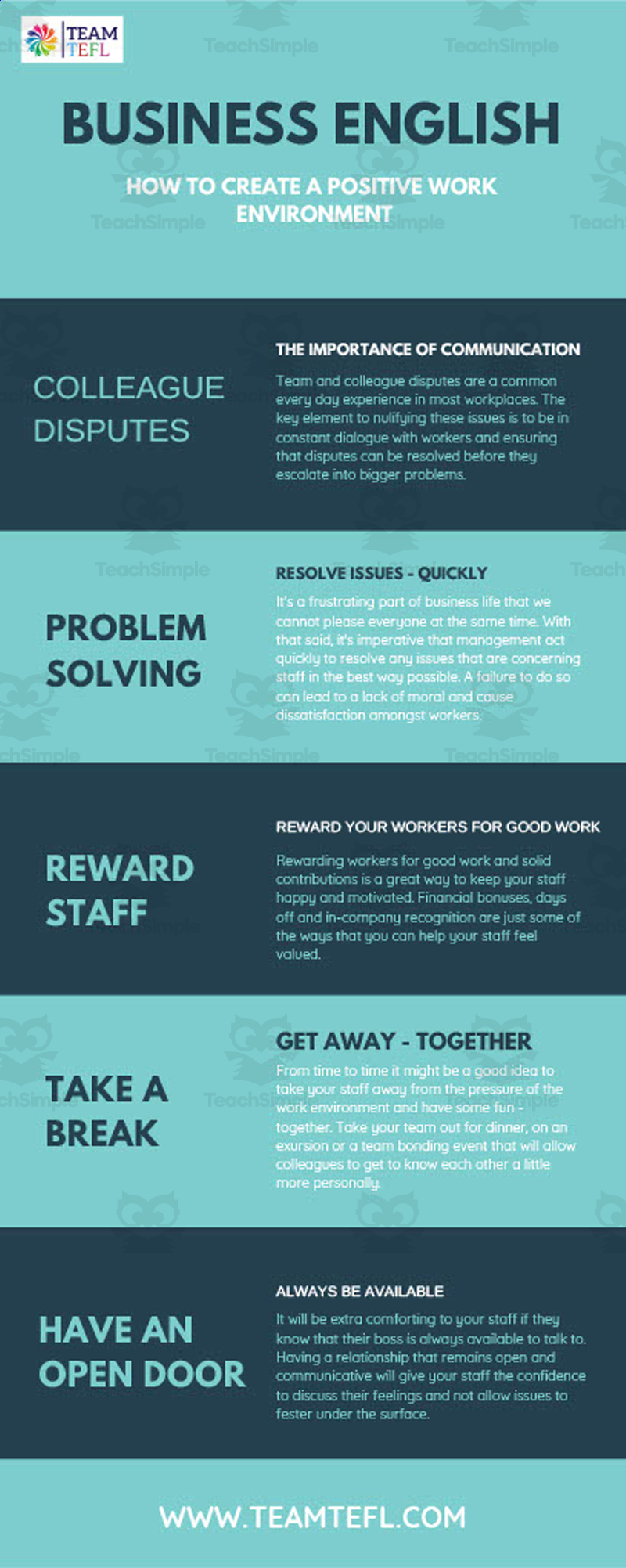
Work Environment Lesson Plan for Business English This business English lesson plan helps intermediate and advanced ESL students learn how to create a positive work environment and resolve common issues. Students will build key vocabulary and discussion skills around topics like communication, teamwork, conflict resolution, and…
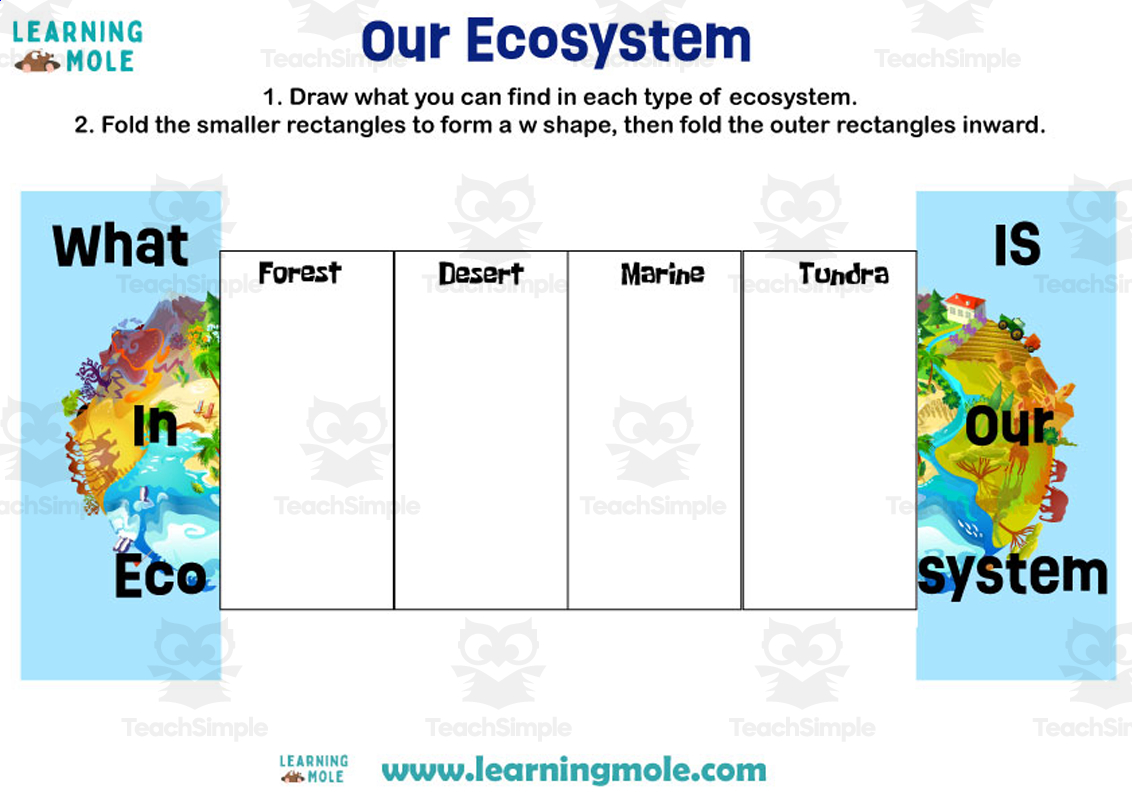
Draw items found in each of four ecosystem types (forest, desert, marine, tundra) in provided boxes, then fold the page into a paper craft shape.
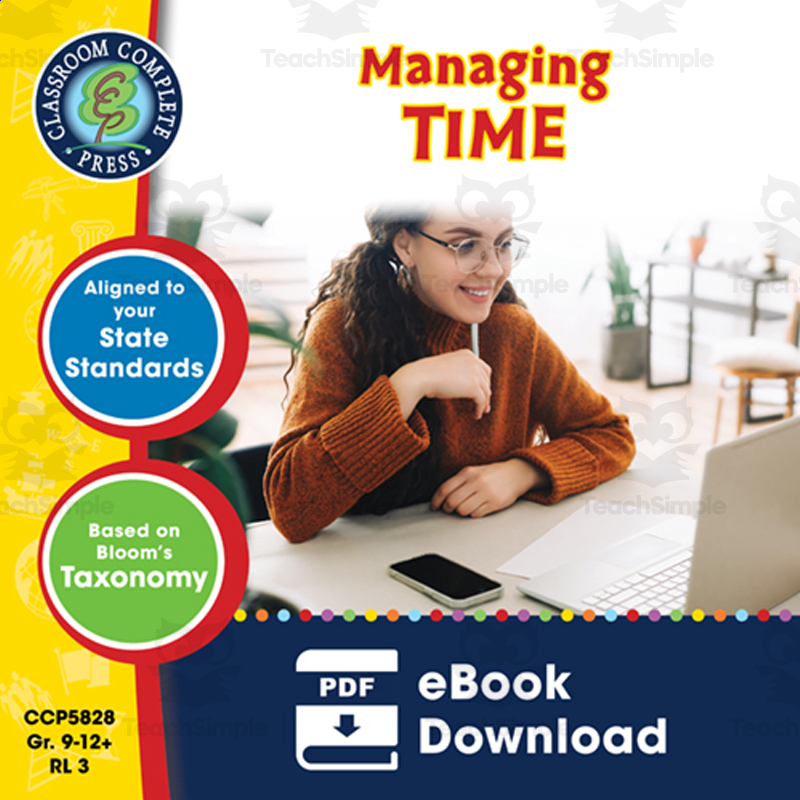
Read six nonfiction passages on time-management topics and answer critical-thinking questions spanning Bloom's Taxonomy levels (recall, understanding, application, analysis, evaluation, creating), then complete hands-on activities referenced in the table of contents.
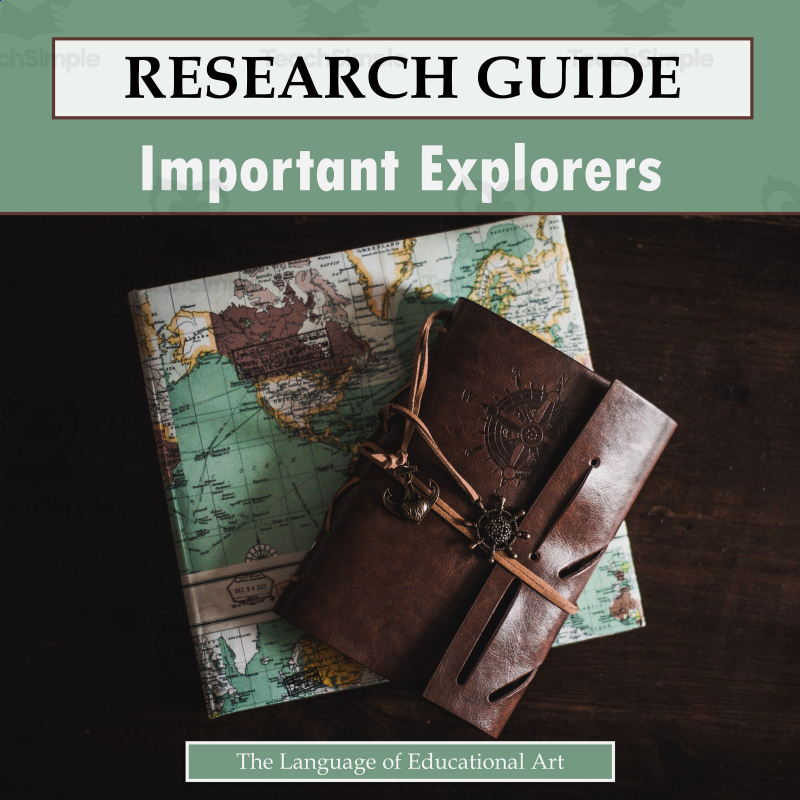
Select an explorer, conduct light biographical research, draw the explorer with 5 items representing their discoveries, take research notes, build an outline, draft a 5-paragraph essay (introduction with thesis, 3 body paragraphs, conclusion, works cited), complete a peer-edit checklist, and be scored against an…
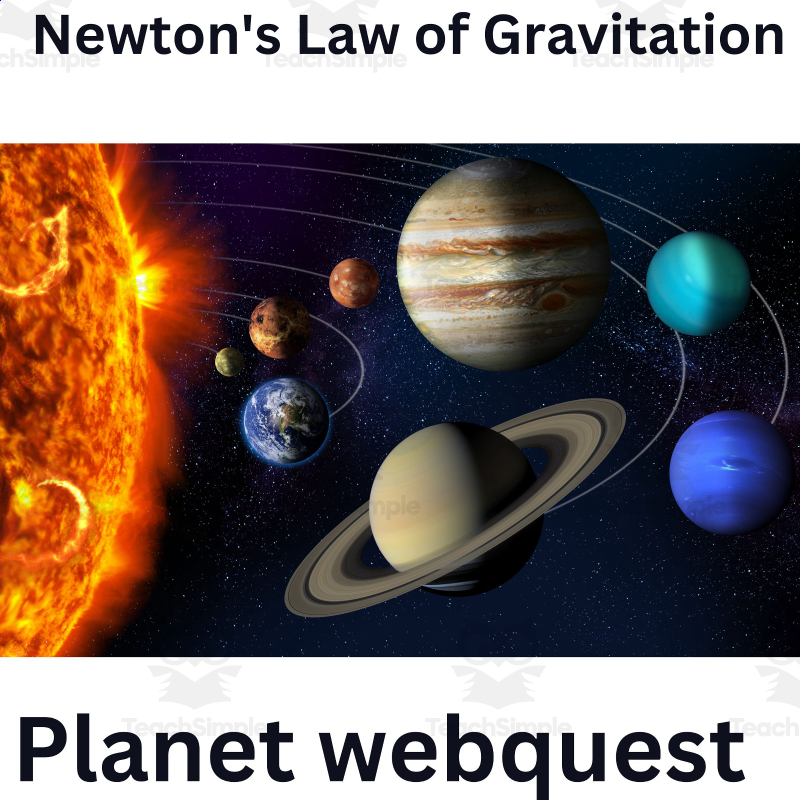
Use a linked website (fourmilab.ch Yoursky) to look up the night sky on their birth date, calculate gravitational forces between themselves and two chosen planets, the earth and moon, and a lab partner, create a data table, draw a free body diagram with force vectors, rank the forces, and present findings as a poster.
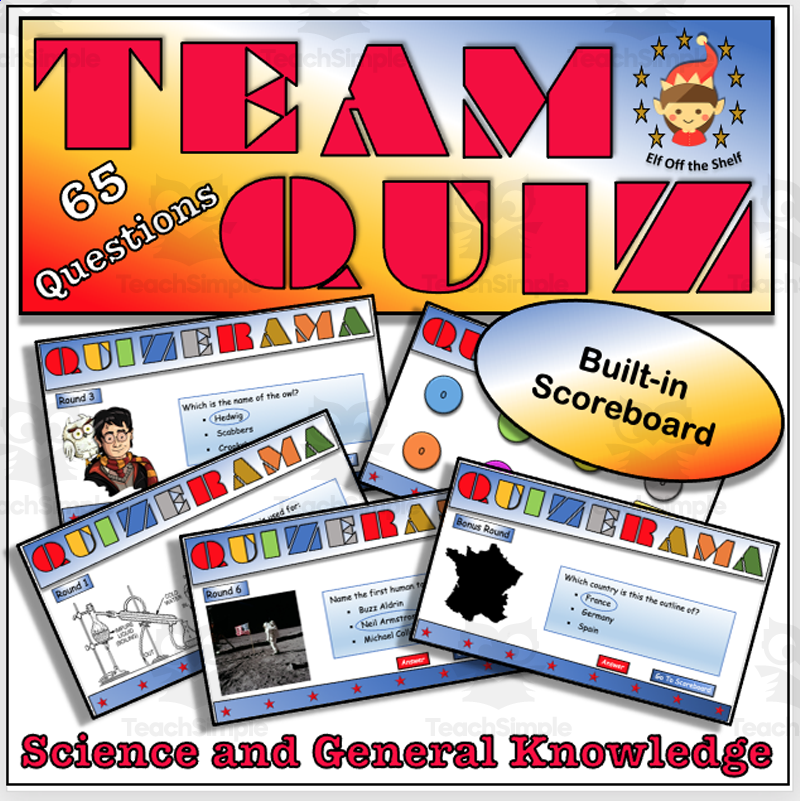
Students work in teams to answer a science question; if correct, they may answer up to four general-knowledge questions; incorrect answers are opened to the whole class. A bonus round follows after all team rounds.
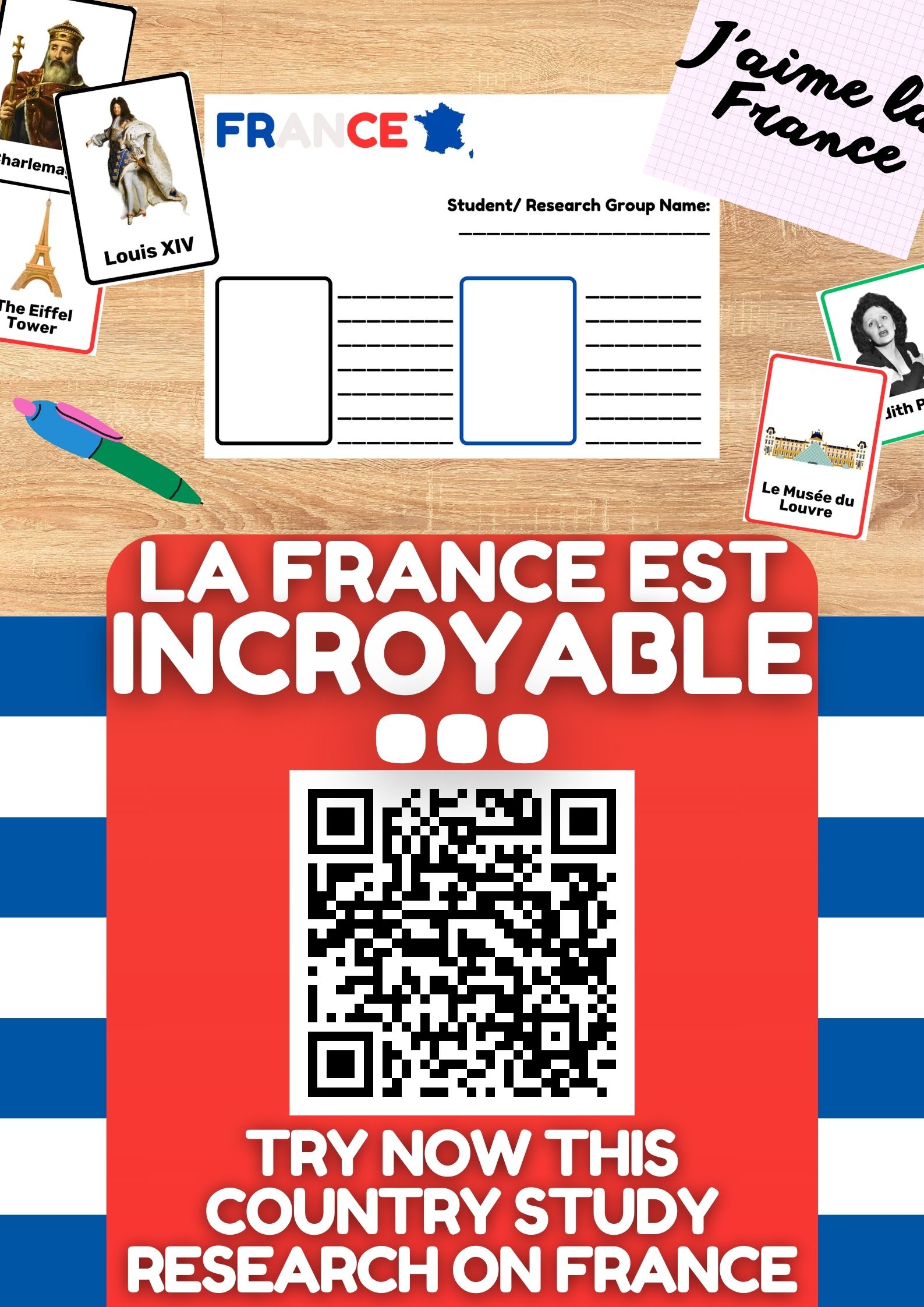
A research/discovery project introducing students to France through a set of topic cards covering its history, geography, economy, and culture.
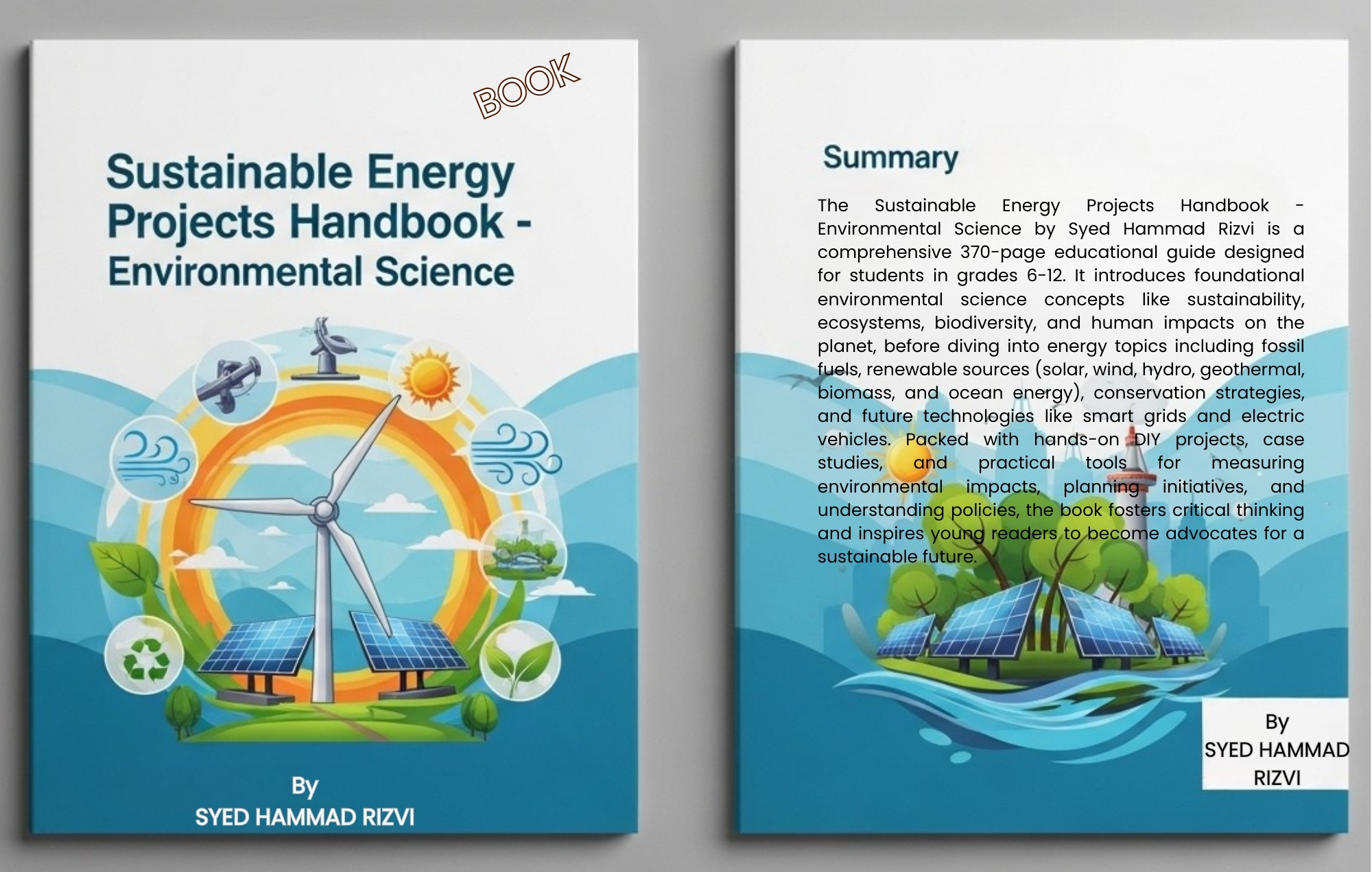
A 370-page environmental science textbook/handbook for grades 6-12 covering environmental science fundamentals, energy concepts, renewable energy technologies (solar, wind, hydro, geothermal, biomass, ocean), energy storage and grid systems, project planning, and environmental impact measurement, including DIY project…

Students assemble a 1-folder lapbook base and complete about 10 foldable/cut-and-glue booklets (Map, Warfare, Philosophers, Religion & Mythology, Homes, Life in Ancient Greece, Summaries of Grecian Literature, Olympic Games, and two Amazing Facts booklets) by researching and writing about each topic using the provided…