Science & discovery
Systems of Equations Task Cards
Students read a real-world word problem on each of 35 task cards, set up and solve a system of two equations, and record each answer on a recording sheet.
Answers included




Classroom resources
Browse by lesson focus
Choose the topic or kind of practice you need.
Showing 121–144 of 2757 resources

 Show filters
 Students read a real-world word problem on each of 35 task cards, set up and solve a system of two equations, and record each answer on a recording sheet.

Work through slide-based notes on the scientific method's eight steps, complete practice items identifying independent/dependent variables and writing hypotheses for sample scenarios, and complete at least one hands-on lab report (a paper-airplane aerodynamics experiment scored against a rubric covering introduction…
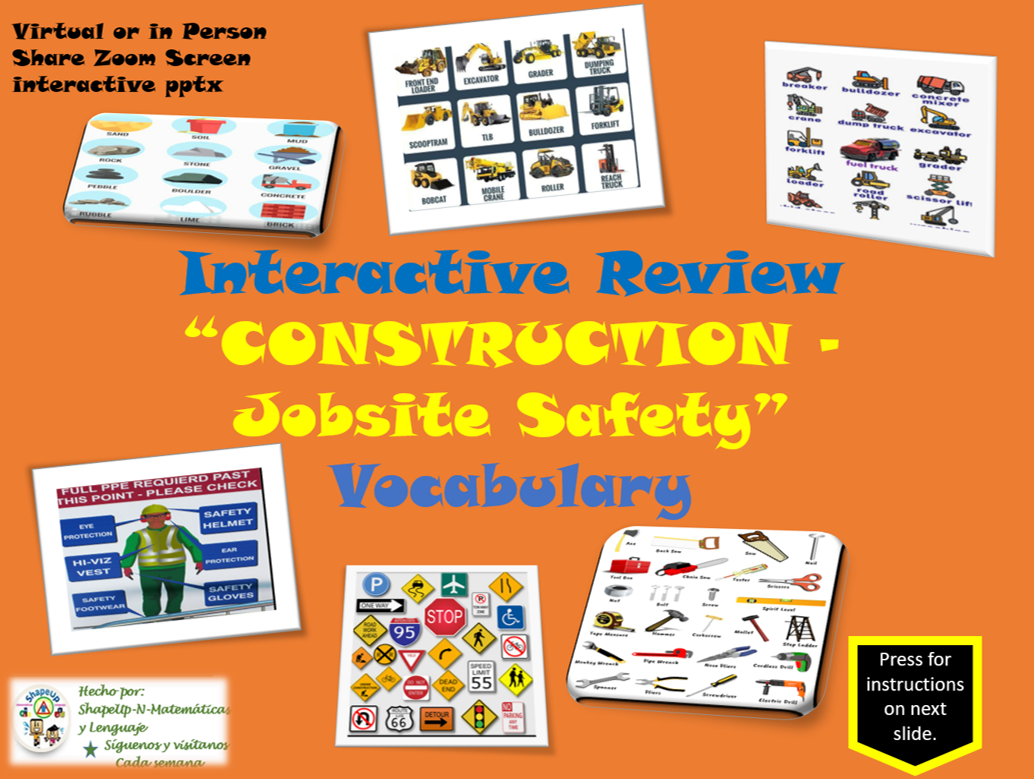
An interactive PowerPoint multiple-choice review activity that reinforces construction jobsite-safety vocabulary and definitions as part of a CTE (career/technical education) curriculum.
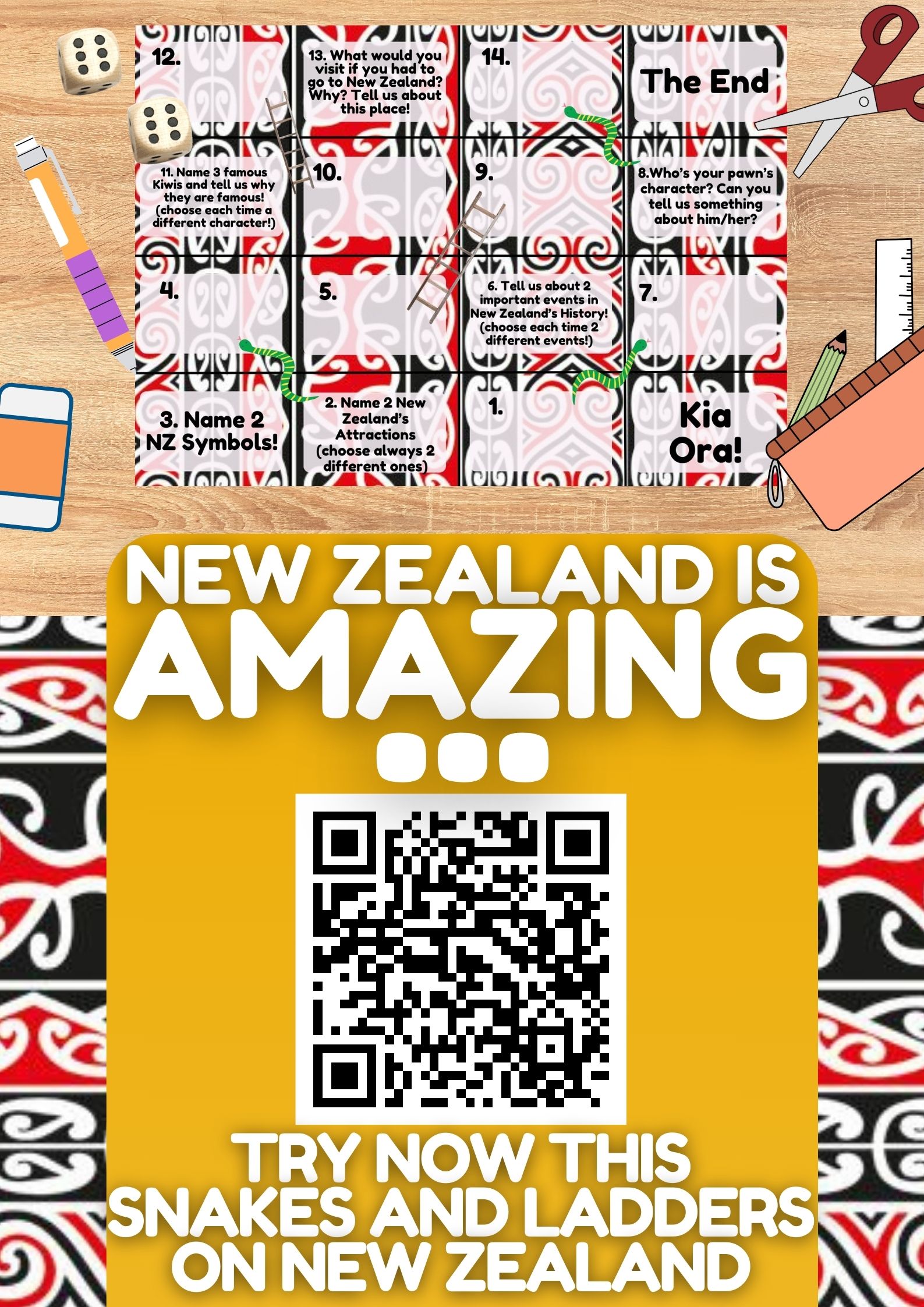
Students play a board game, moving a pawn along numbered squares; landing on a square prompts a task such as naming cities, dishes, or famous people of New Zealand, describing a historical event, or answering a reflection question about visiting New Zealand.
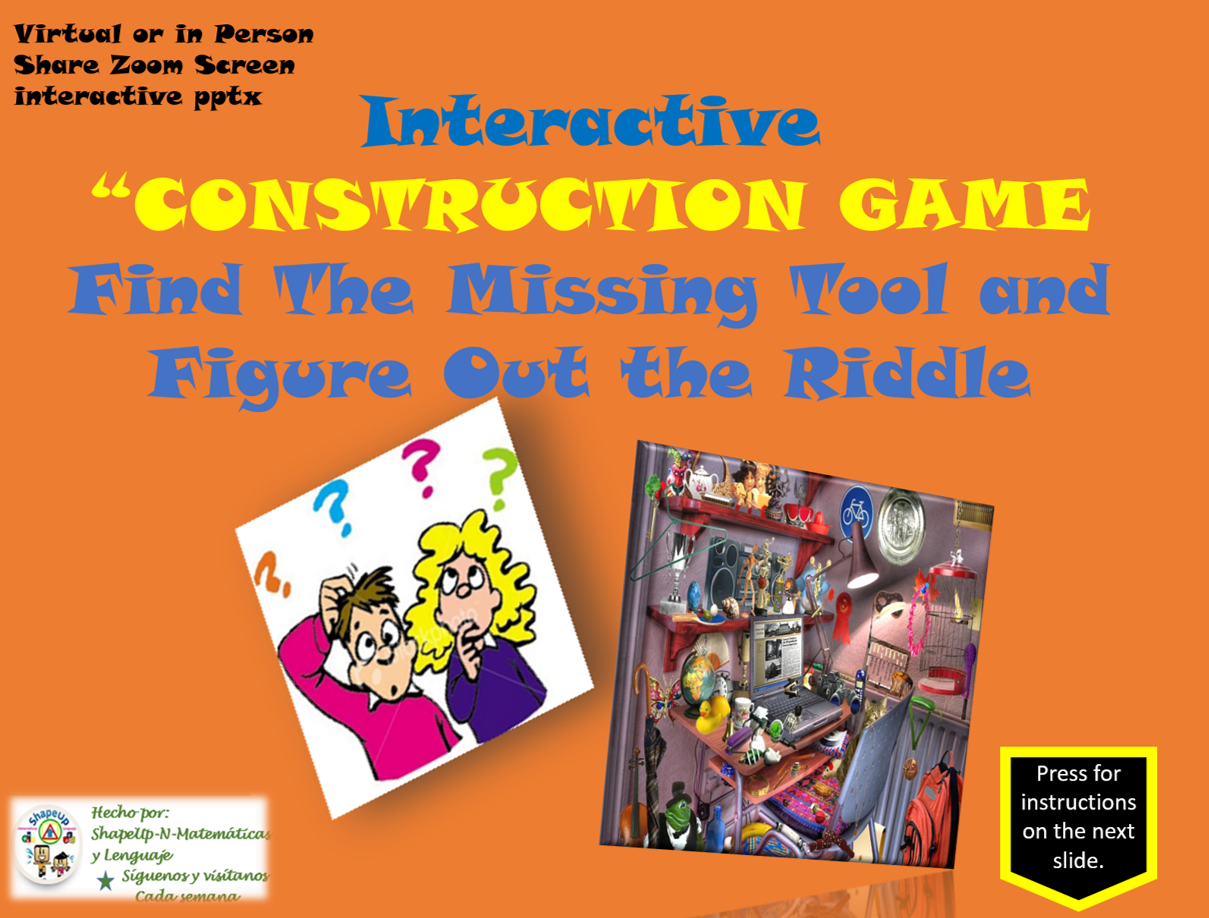
Students review construction vocabulary practice cards, then play two click-based games: (1) find/click hidden construction tool names among a word list (inhalation mask, safety cone, screwdriver, pliers, saw, wrench, measuring tape, wheelbarrow, concrete mixer, drill, nail, ladder, etc.), and (2) uncover squares in a…
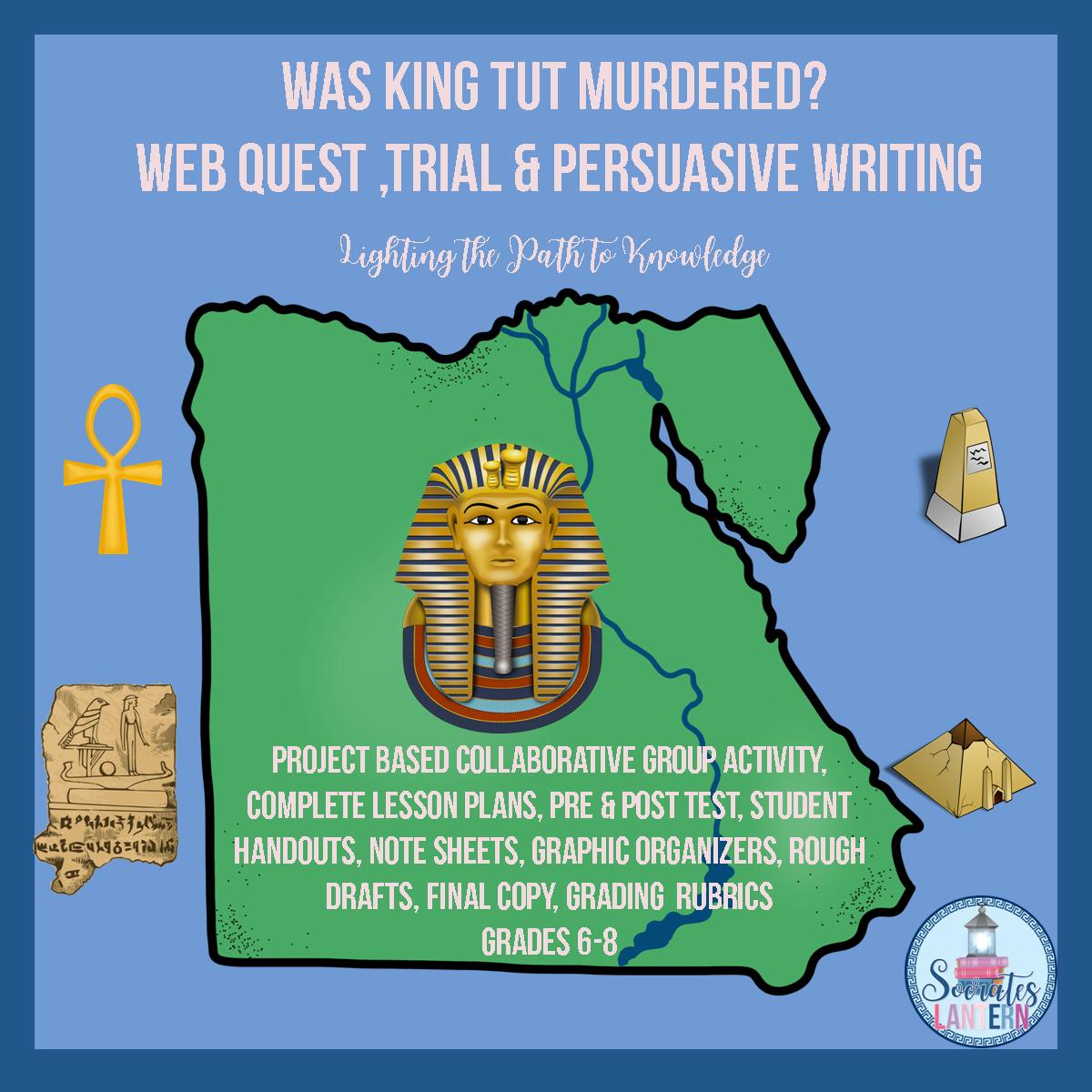
Working in role-play groups (e.g. medical examiner, archaeologist, reporter, sketch artist, historian), students complete a web quest to gather clues about King Tut's death, participate in a mock trial (judge, jury, attorneys, witnesses), and write persuasive pieces arguing their conclusion, supported by pre/post…
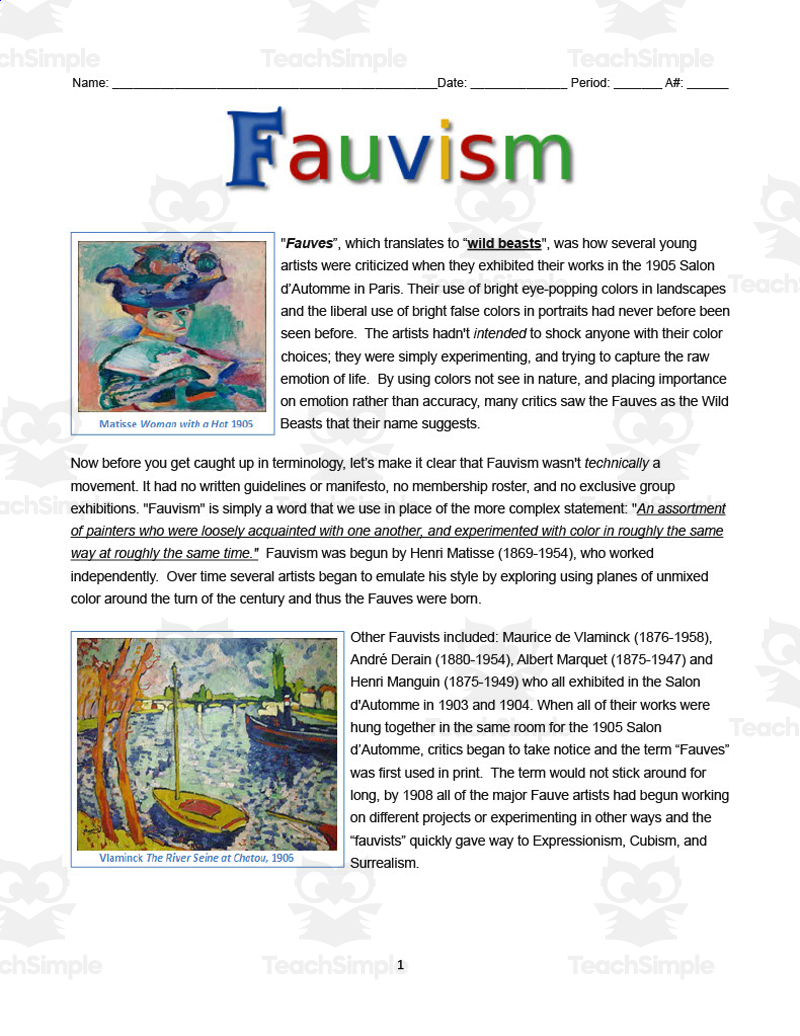
Read an article on Fauvism's history and characteristics, answer 7 comprehension questions using quotes from the text, then create two original Fauvist-style artworks (a self-portrait and a landscape), recreate two famous works by named Fauvist artists, and write two one-page research reports on additional Fauvist…

Following direct instruction on 3D-modeling software/printing and the design process, students identify a food-eating problem, then design, iterate, and 3D-print a utensil solution, completing a design portfolio that walks through the design-process steps; the lesson aligns to ITEEA Standards for Technological Literacy (points 4, 6, 7,…
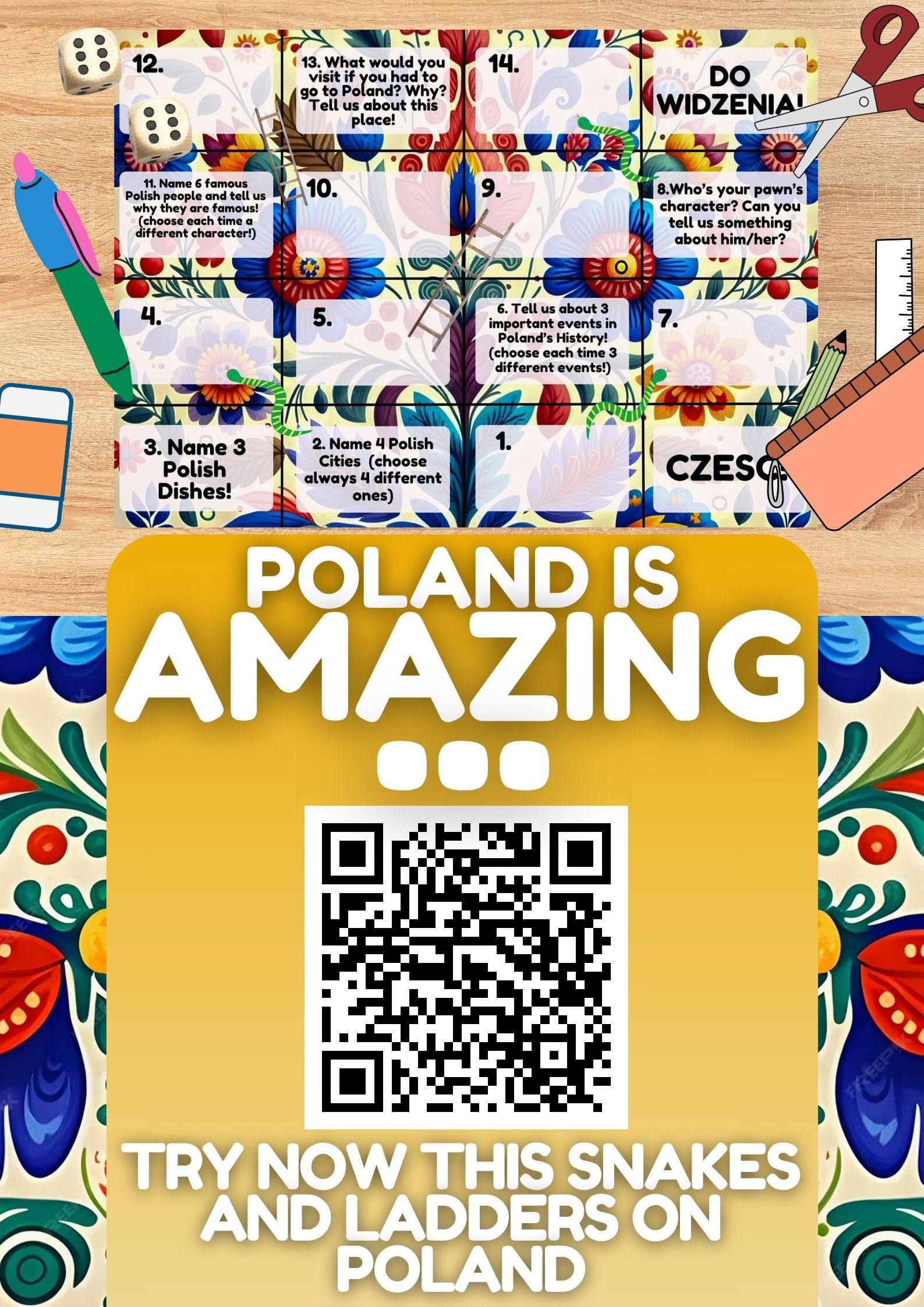
Students play a board game, moving a pawn along numbered squares; landing on a square prompts a task such as naming cities, dishes, or famous people of Poland, describing a historical event, or answering a reflection question about visiting Poland.
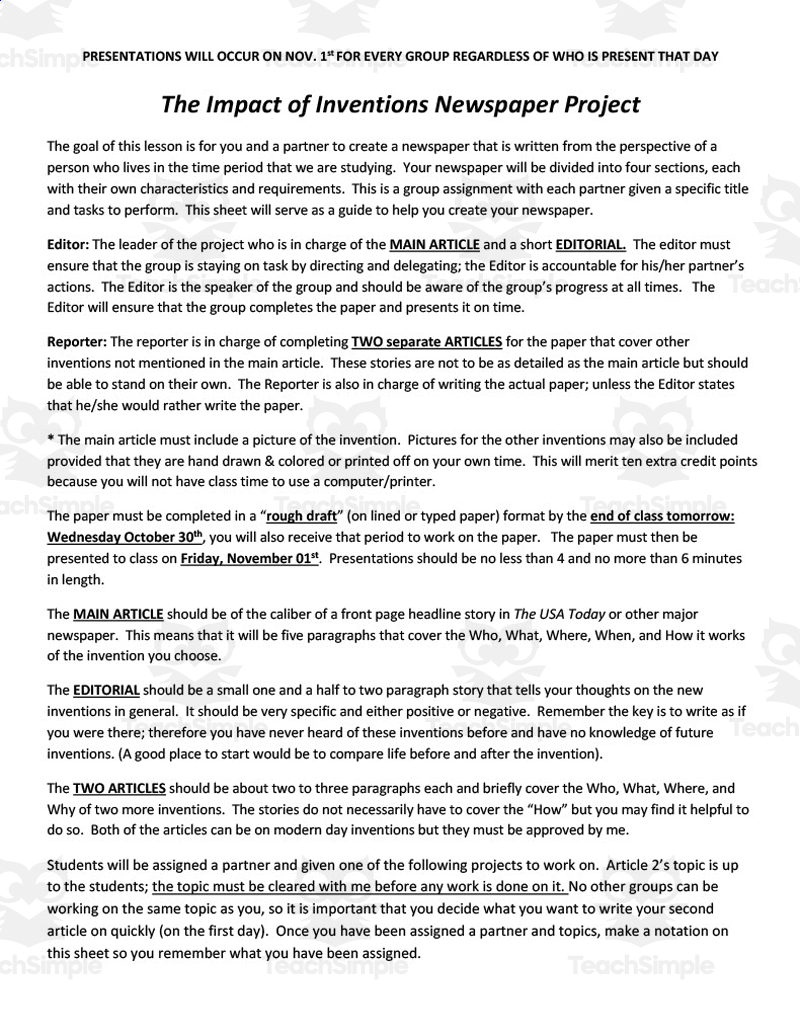
Working in a partner group with assigned roles (Editor, Reporter), research and write a four-article newspaper (one main article, one editorial, two shorter articles) from the perspective of someone living during the Industrial Revolution, then present the newspaper to the class.
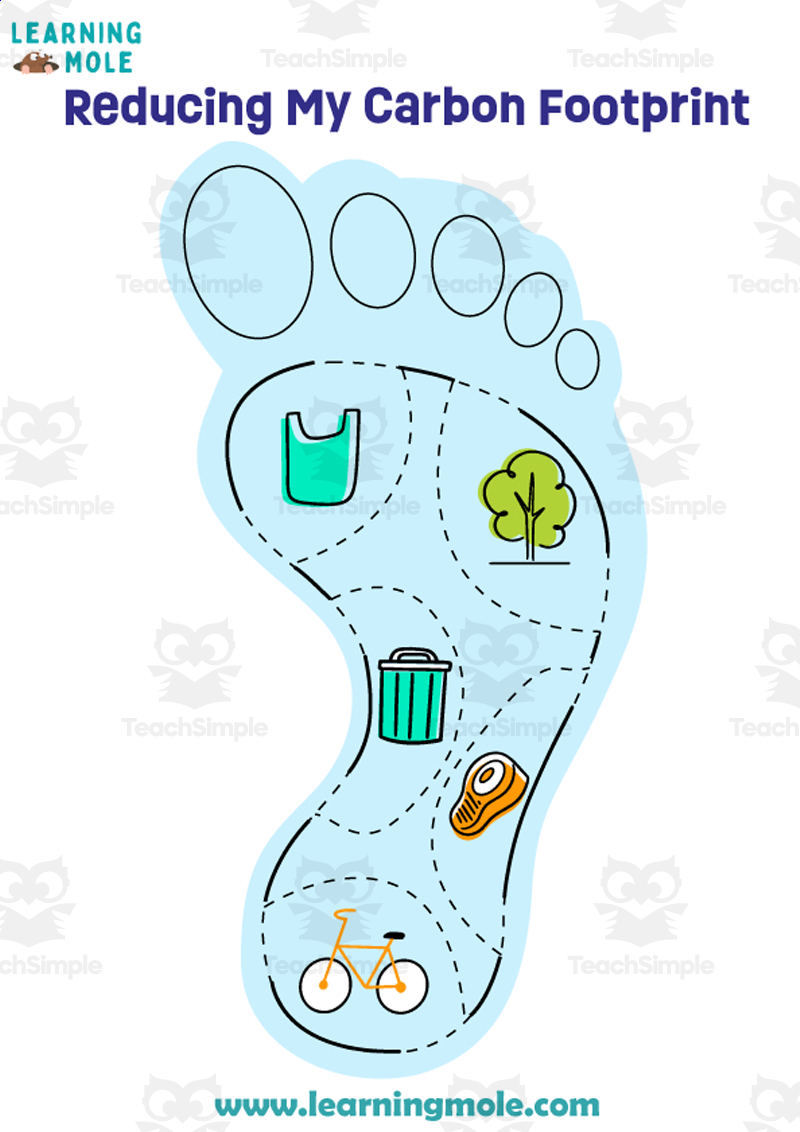
Write ideas for reducing their carbon footprint (guided by icons), then cut out and glue two footprint templates together to make a lift-the-flap information footprint.

Write an essay on Constitution Articles 1-3, find and summarize/analyze 3 news articles connecting to those articles; write an essay on the Bill of Rights/Amendments and analyze 7 more news articles; write a concluding reflection essay and compile a bibliography.
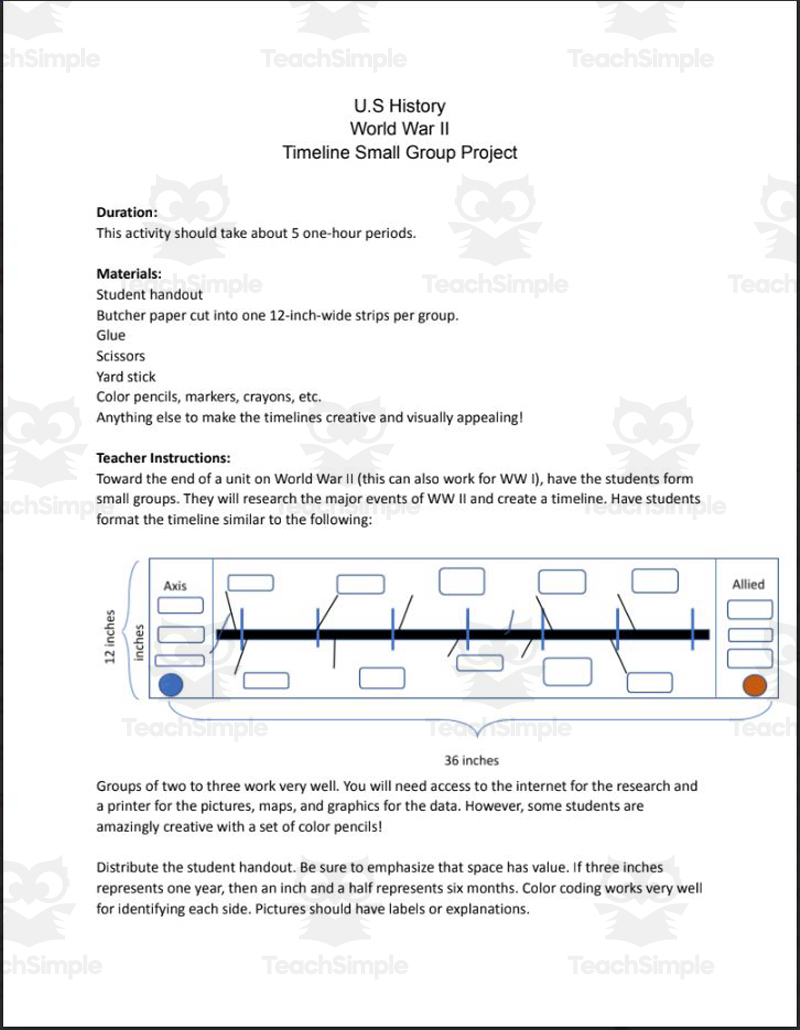
In small groups (2-3 students), research major WWII events and construct a butcher-paper timeline with a summary and illustration for each event, sidebars of Allied vs. Axis statistics (nations, leaders, population, soldiers, casualties, weaponry, resources), and at least one pie chart and one line graph.
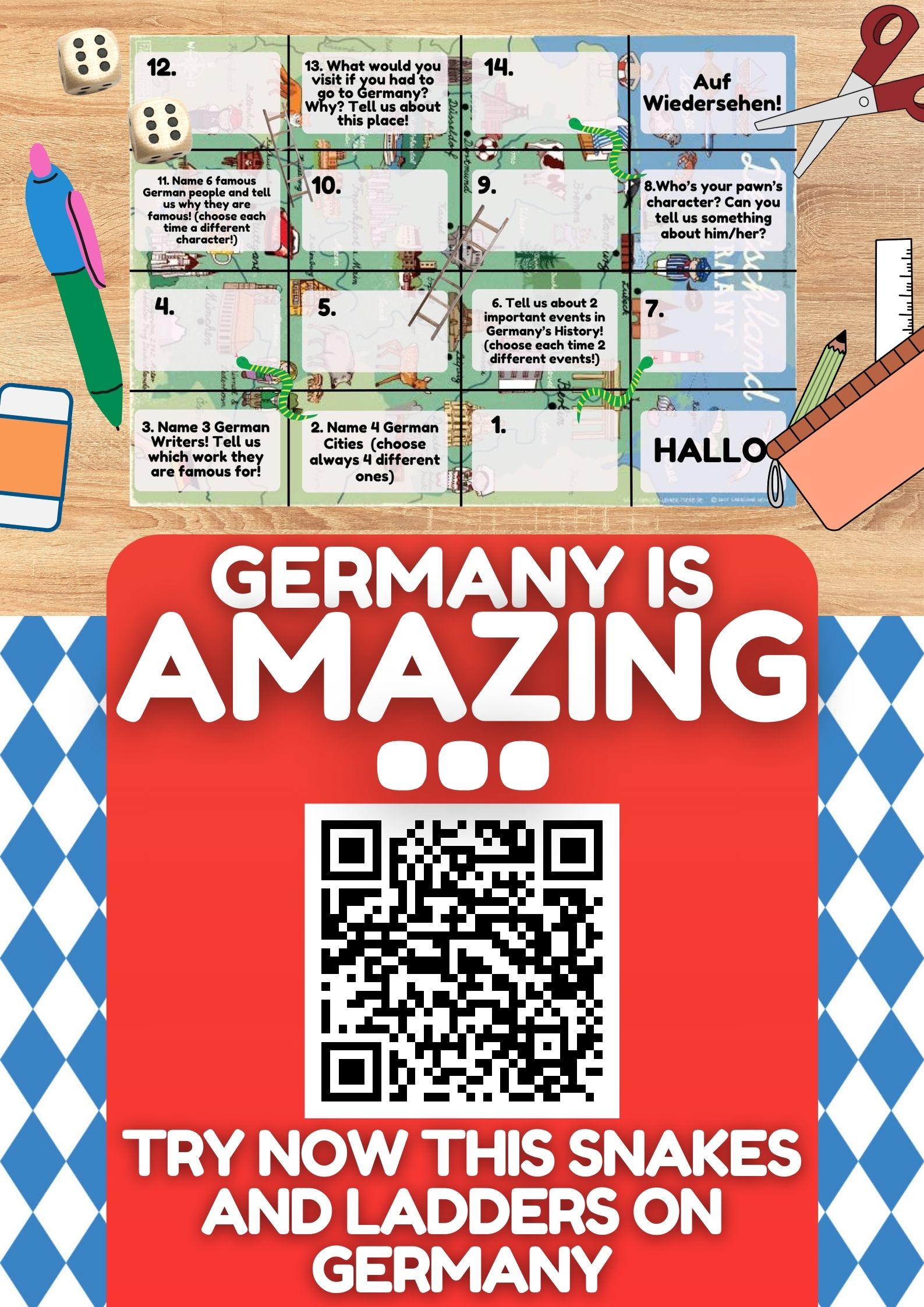
Students play a board game, moving a pawn along numbered squares; landing on a square prompts a task such as naming cities, dishes, or famous people of Germany, describing a historical event, or answering a reflection question about visiting Germany.

A comprehensive 12-unit literature teaching guide for the novel 'A Wrinkle in Time', covering pre-reading discussion, chapter study guides, vocabulary, class discussion, tests, and writing projects.

A social studies lesson teaching the definition and features of totalitarianism and its rise after World War 1, with application to students' own lives.

Search for and discuss a favorite educational YouTuber, choose a video concept from a provided list, write a script of at least 250 words in the target language, then film a video of at least 3 minutes and submit or share it.
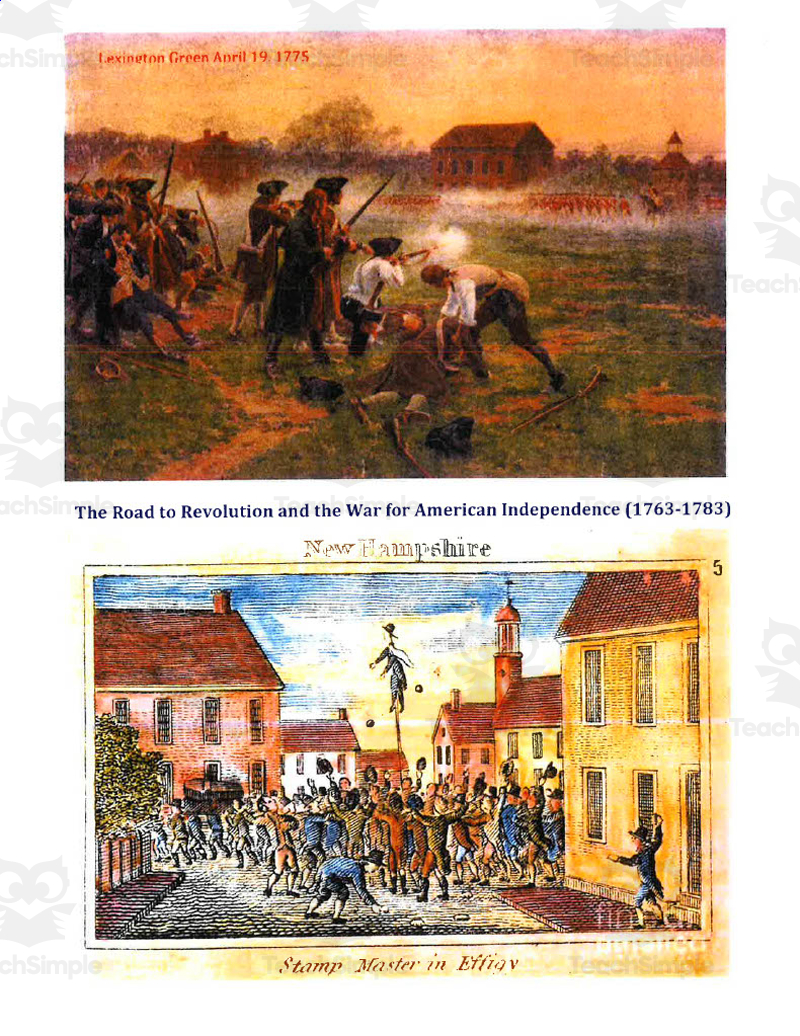
Sure, here it is: The Road to Revolution Diplomacy Game: Round #4 – The Coercive Intolerable Acts A valuable teaching resource that helps students experience the tumultuous era between the French and Indian War and the American Revolution. This activity provides an authentic learning experience for 9th-12th grade Social Studies students…
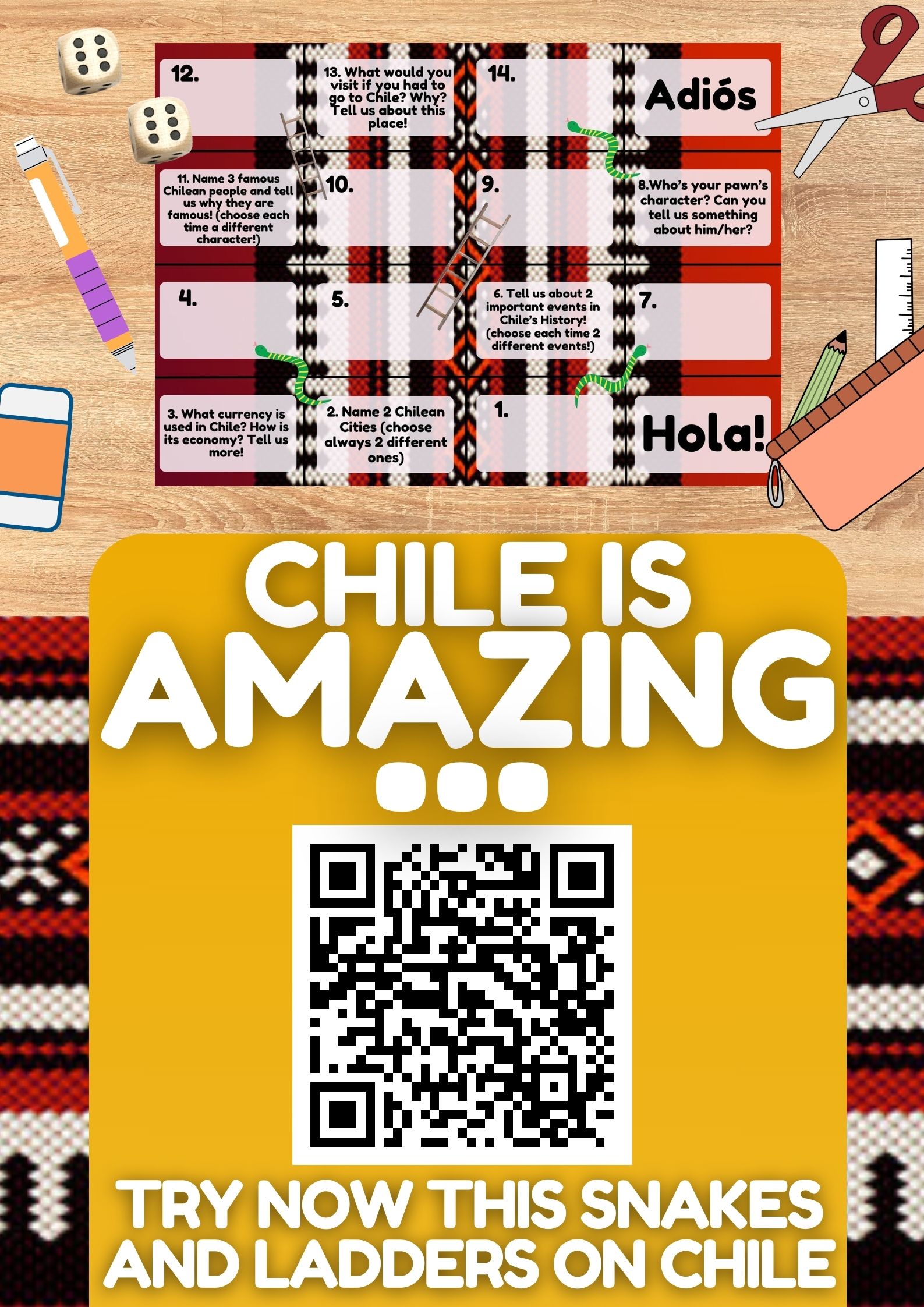
Play the printed Snakes and Ladders board game, answering the question printed on each numbered square when landed on (e.g., name a famous Chilean person, describe two important historical events, identify the currency and describe the economy, describe a place worth visiting in Chile).

A research project where students investigate a specific U.S. university (assigned by state) covering costs, admissions requirements, degree/sport offerings, and student demographics, to build understanding of post-secondary options.
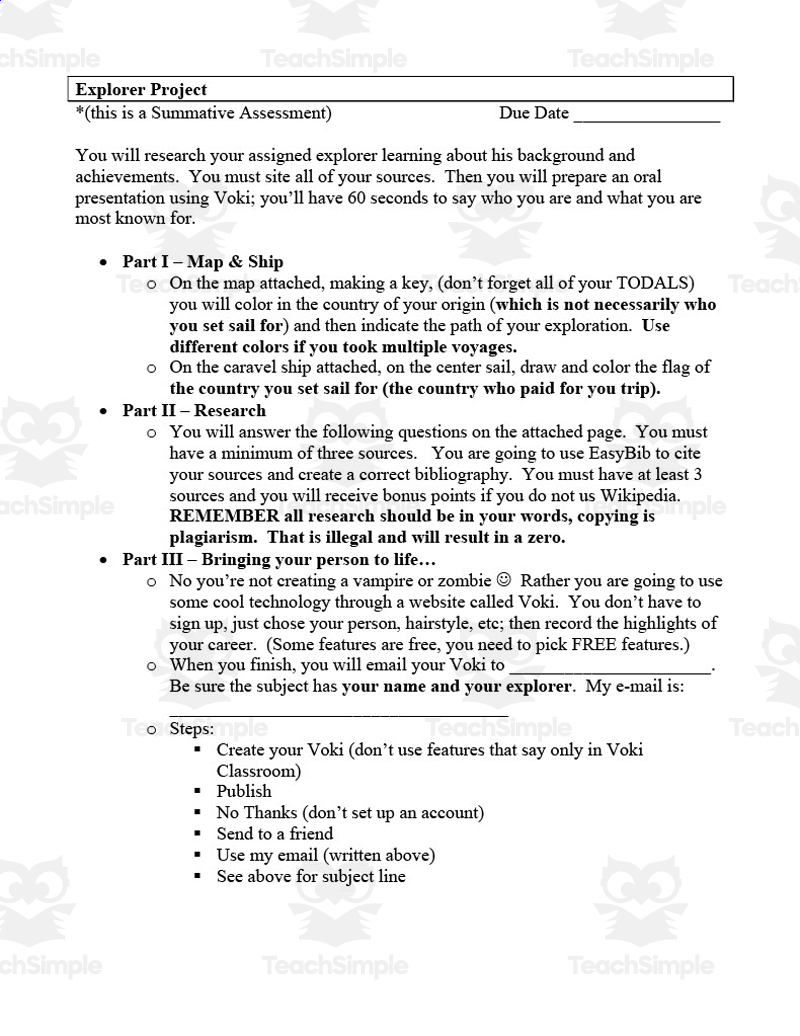
Research an assigned explorer's background and achievements citing at least 3 non-Wikipedia sources via EasyBib; color a map showing country of origin and voyage path (including a map key with TODALS elements) and draw/color the sponsoring country's flag on a caravel ship template; answer written research questions on…
A teacher lesson-plan and student project package for a culminating (or stand-alone) book report on a mystery, thriller, horror, or suspense novel, analyzing elements of fiction, characterization, conflict, and literary devices.
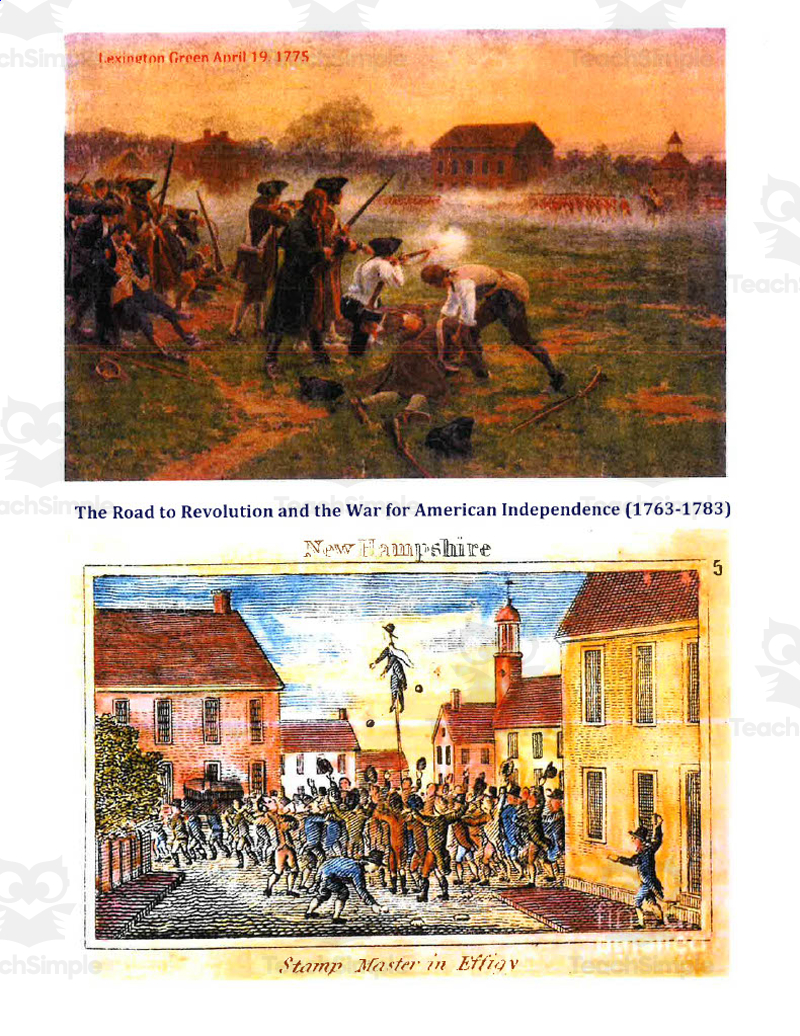
The Road to Revolution Diplomacy Game - Round #2 Stamp Act: An Engaging Classroom Resource "The Road to Revolution Diplomacy Game - Round #2 Stamp Act" is a combinatory tool of game-play and learning designed for high school level teaching. Detailing the period between the French and Indian War and American Revolution, it can be…
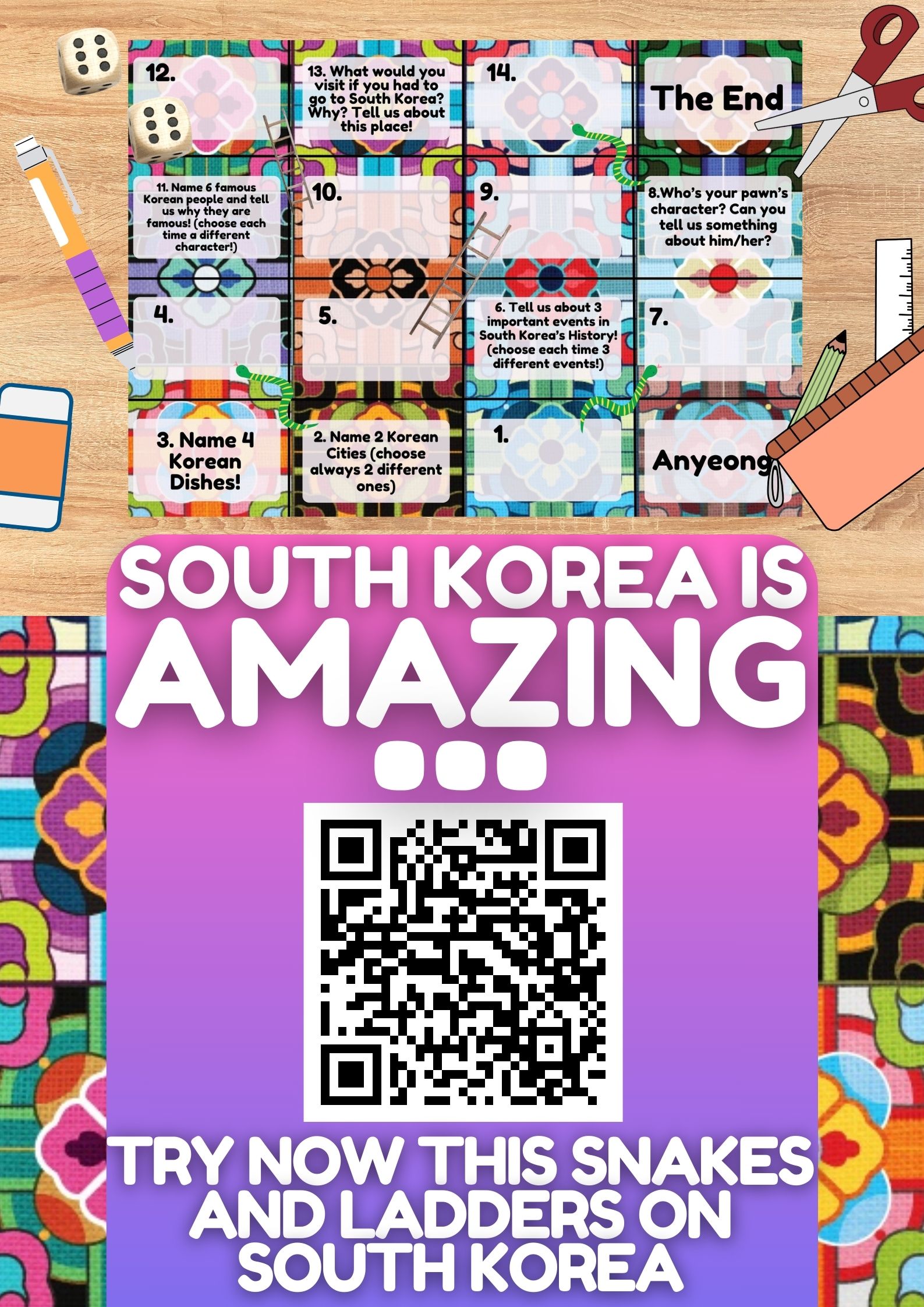
Students play a board game, moving a pawn along numbered squares; landing on a square prompts a task such as naming cities, dishes, or famous people of South Korea, describing a historical event, or answering a reflection question about visiting South Korea.