Addition Bingo Game - EBOOK
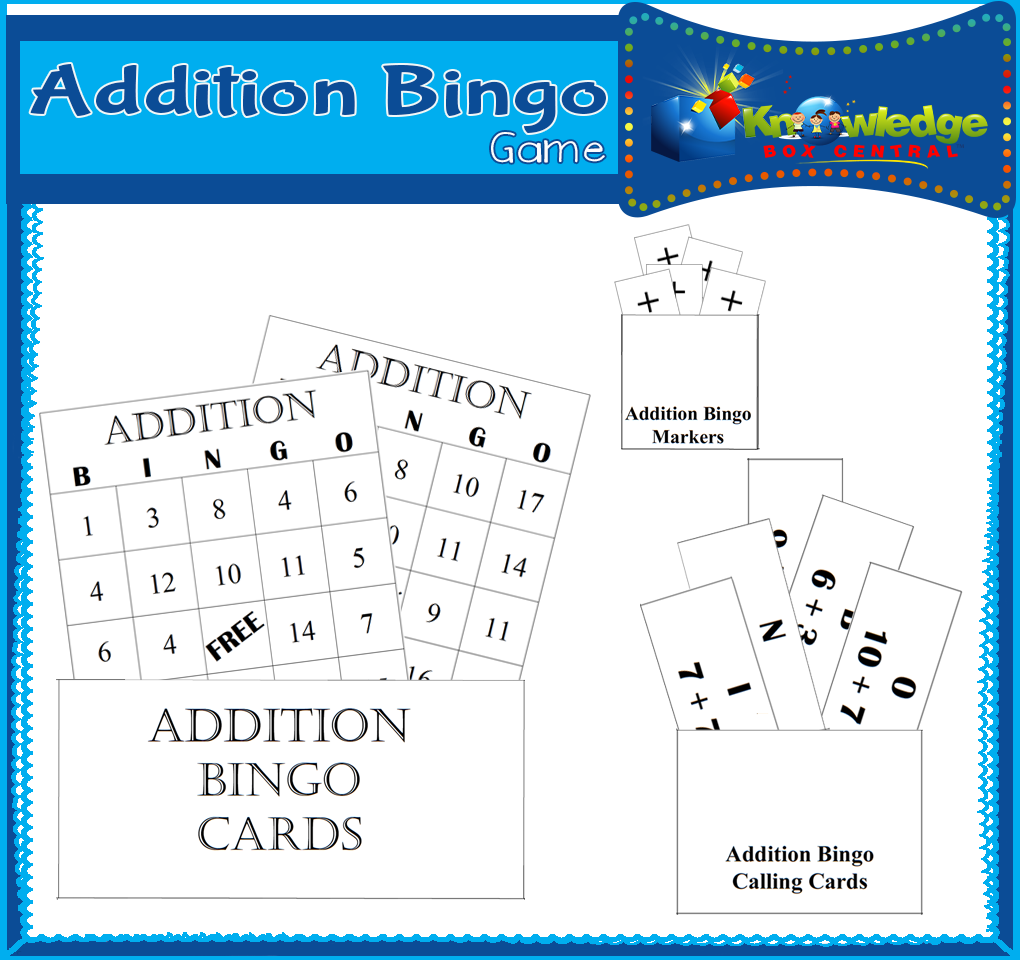
Players use coins/markers to cover the sums on their bingo card as a caller reads addition equations from calling cards, checking answers against a reference chart, playing until a row is covered.
Classroom resources
Browse by lesson focus
Choose the topic or kind of practice you need.
Players use coins/markers to cover the sums on their bingo card as a caller reads addition equations from calling cards, checking answers against a reference chart, playing until a row is covered.
A social-emotional learning unit teaching cooperation: what it means, how to practice it, and how to reflect on it, combined with an emergent reader and reflection worksheets built around the sight word 'can'.
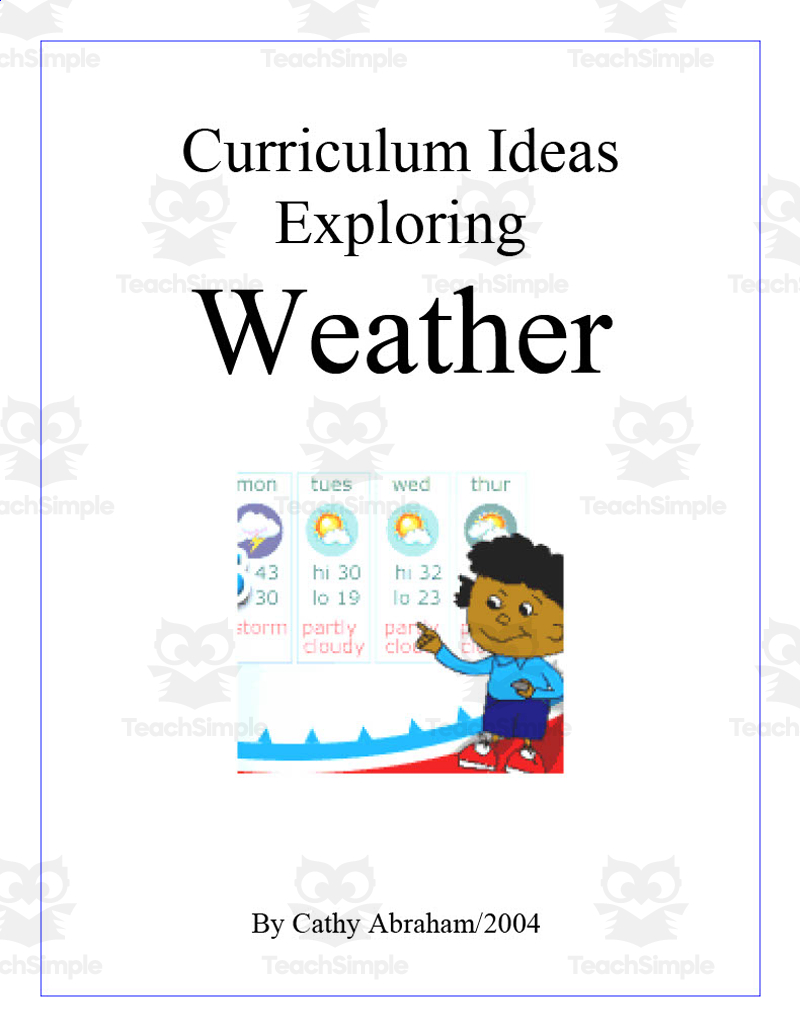
Participate in teacher-led circle time discussions, sensory/art/science/math/movement activities and games about weather (e.g. weather charting, umbrella/raindrop counting, evaporation experiment, weather walk, weather wheel craft) rather than completing independent worksheets.
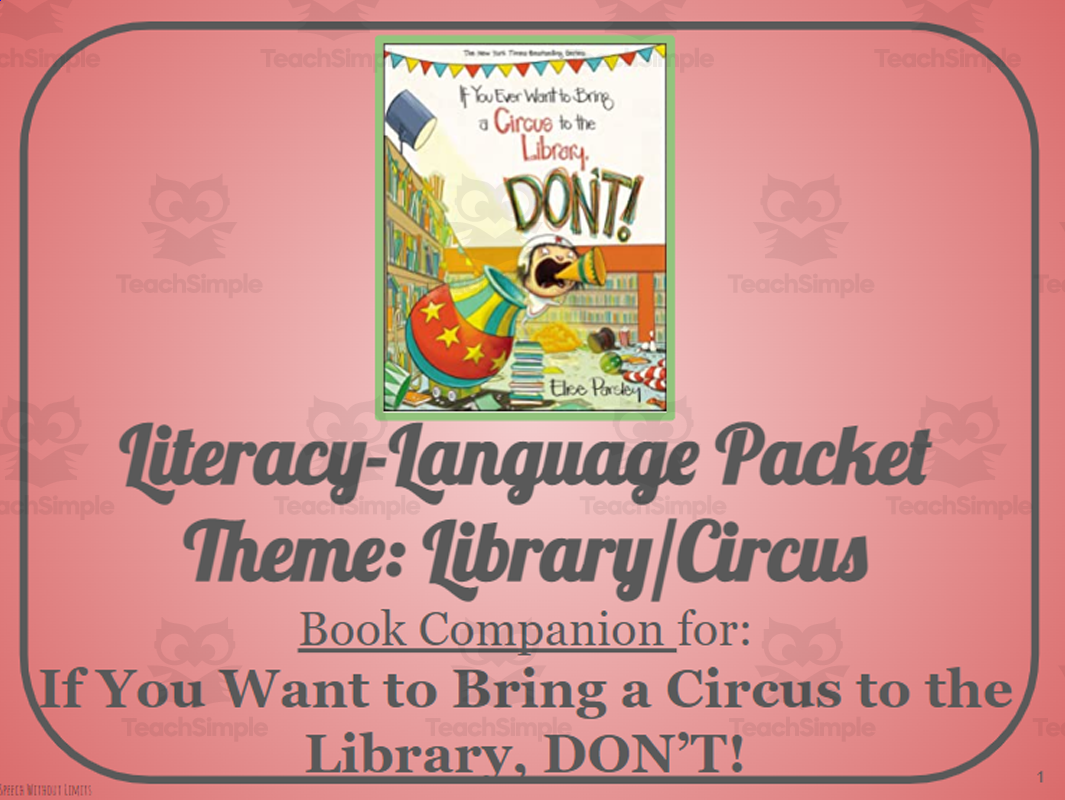
Participate in a picture-walk and predictive/repeated read-alouds of the book; identify letter 'y' name/sound and find it in text; use core and fringe vocabulary word strips during reading; hold up a story prop during loud moments; cut and paste story-sequence pictures to retell the story; answer multiple-choice…
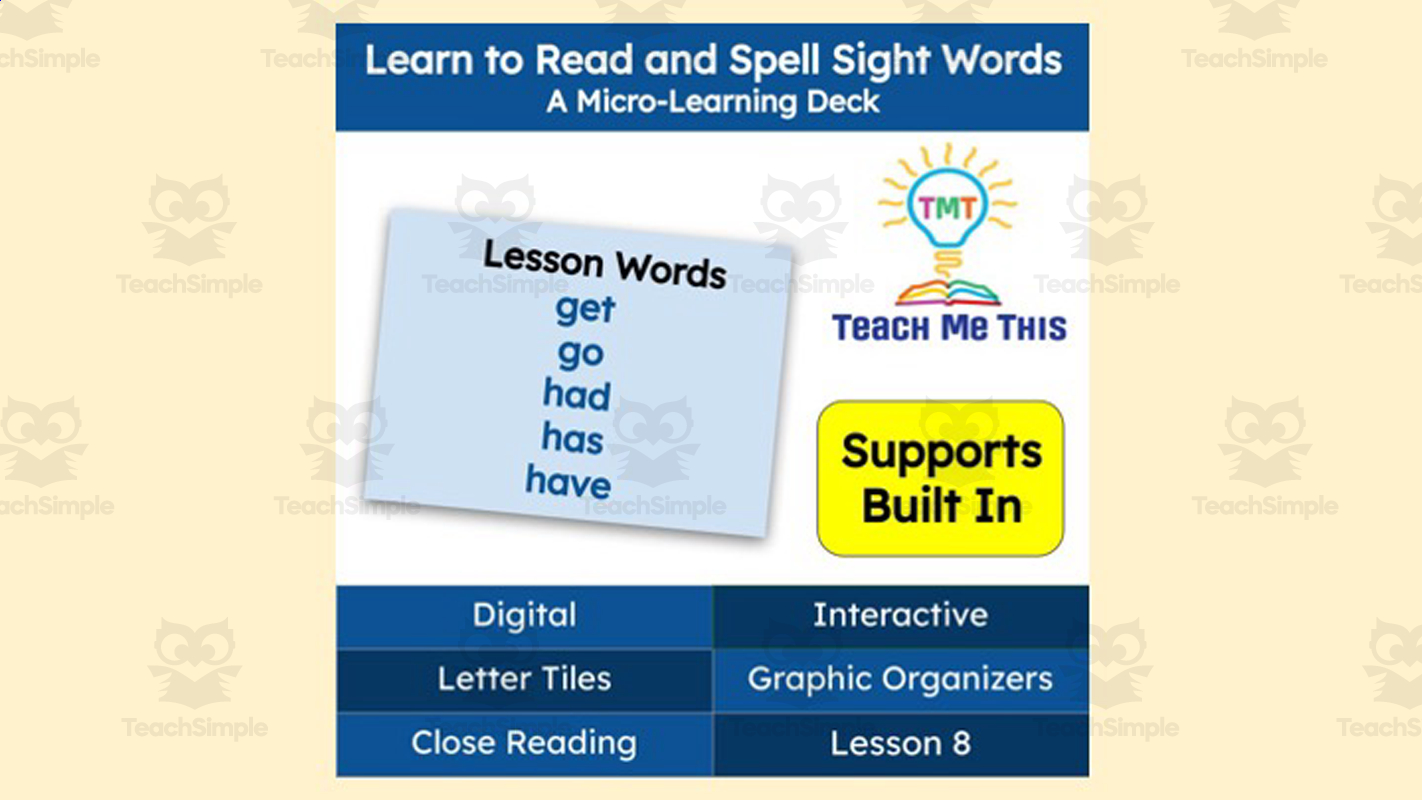
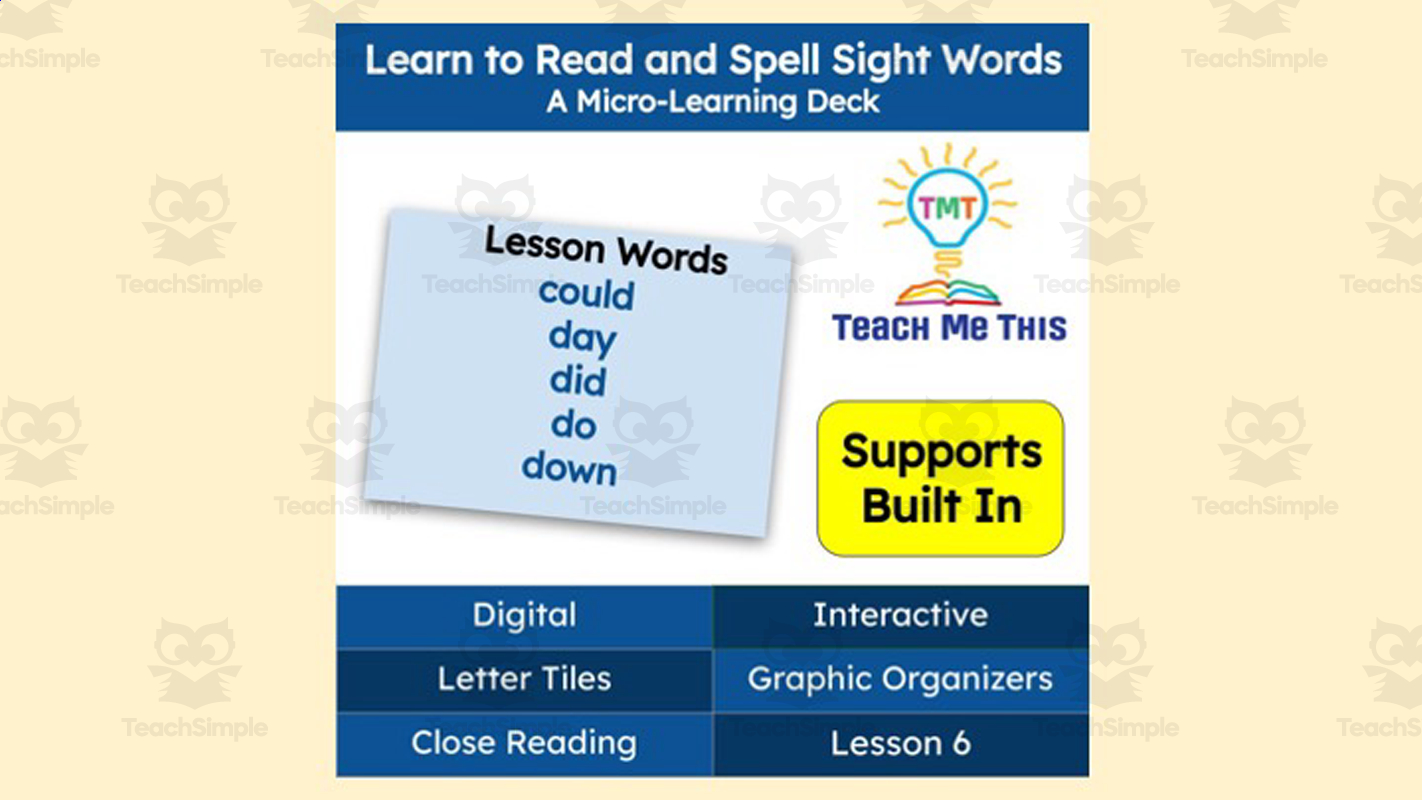
Read and trace/write each sight word in the air and on a whiteboard, spell it with digital letter tiles, type or write it, play a memory-match game pairing identical words, fill in a missing word in a sentence from a word bank (close reading), and write a sentence using each word.
Students roll the dice and move along the board; landing on a white space requires correctly saying the sight word on that space to score a point (yellow = move up a ladder, purple = move down a snake); players track points on a tally chart, and the first to the finish line earns 10 bonus points.
Roll a die; the number rolled determines which column of five sight words the student picks from; the student reads the chosen word aloud and colors one box containing that word in its assigned color.
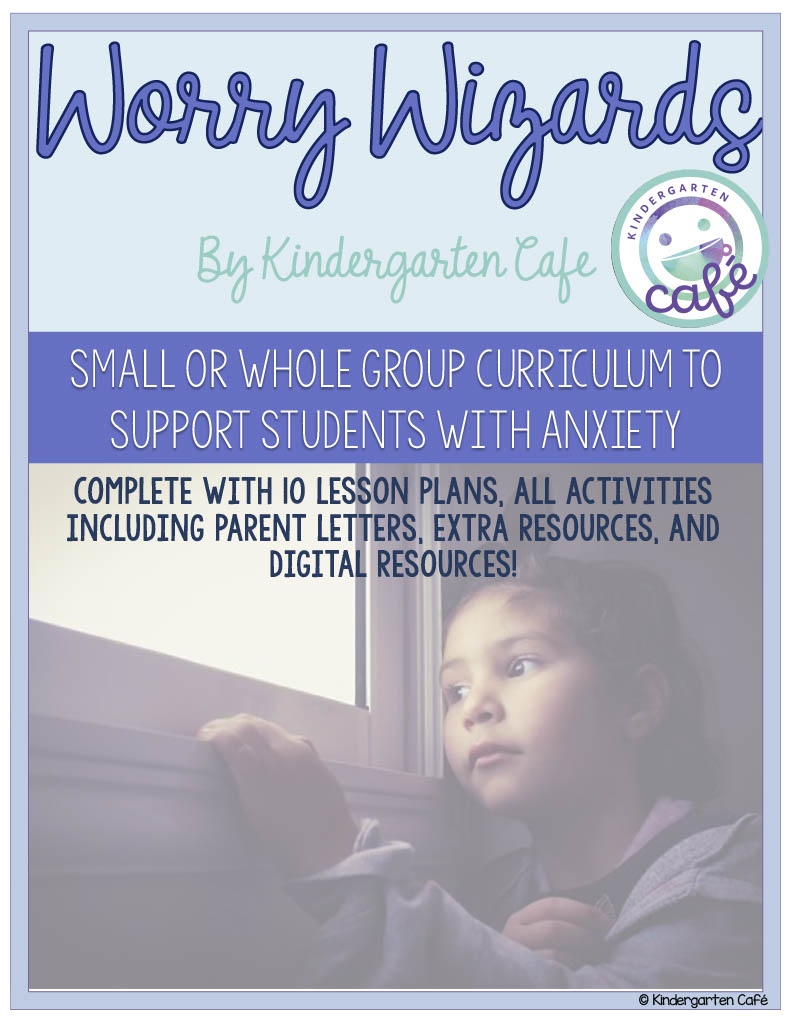
Participate in a weekly small-group session (suggested ~10 weeks, 30 minutes, groups of 4-6): complete a feelings check-in, play a 2-minute game, learn and practice a coping strategy (e.g., deep breathing, 5-4-3-2-1 grounding, glitter jar, positive self-talk, yoga), earn a 'Worry Toolbox' button each session, and…
Read and trace/write each sight word in the air and on a whiteboard, spell it with digital letter tiles, type or write it, play a memory-match game pairing identical words, fill in a missing word in a sentence from a word bank (close reading), and write a sentence using each word.
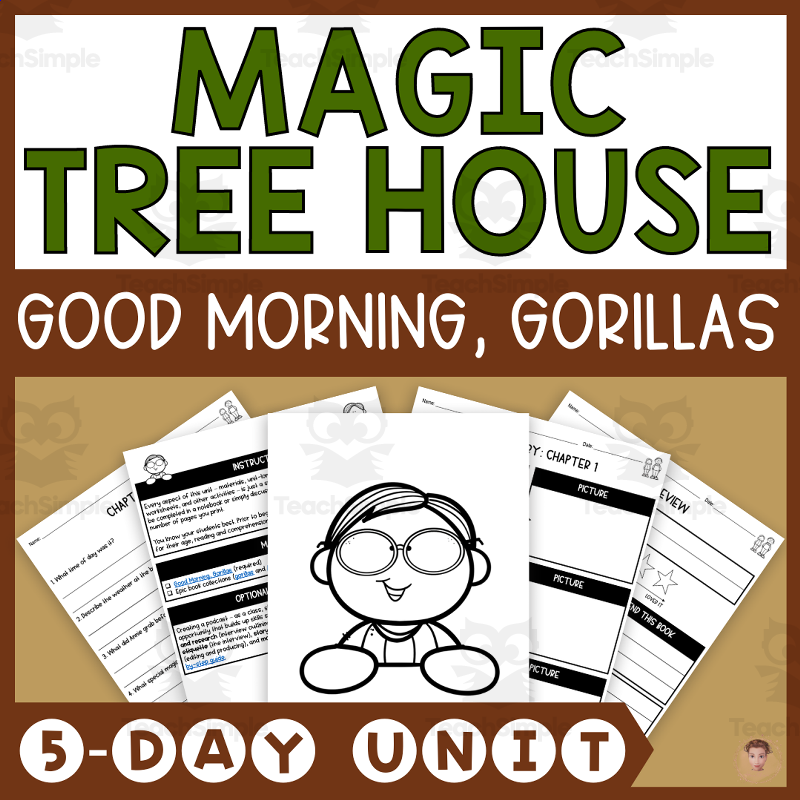
Read two chapters per day (independently or aloud), watch a linked video about the Congo rainforest or gorillas, complete a chapter comprehension quiz and vocabulary worksheets, fill out a KWL (Know/Want to know/Learned) chart before and after the unit, complete a pre-reading prediction worksheet, and do a daily…
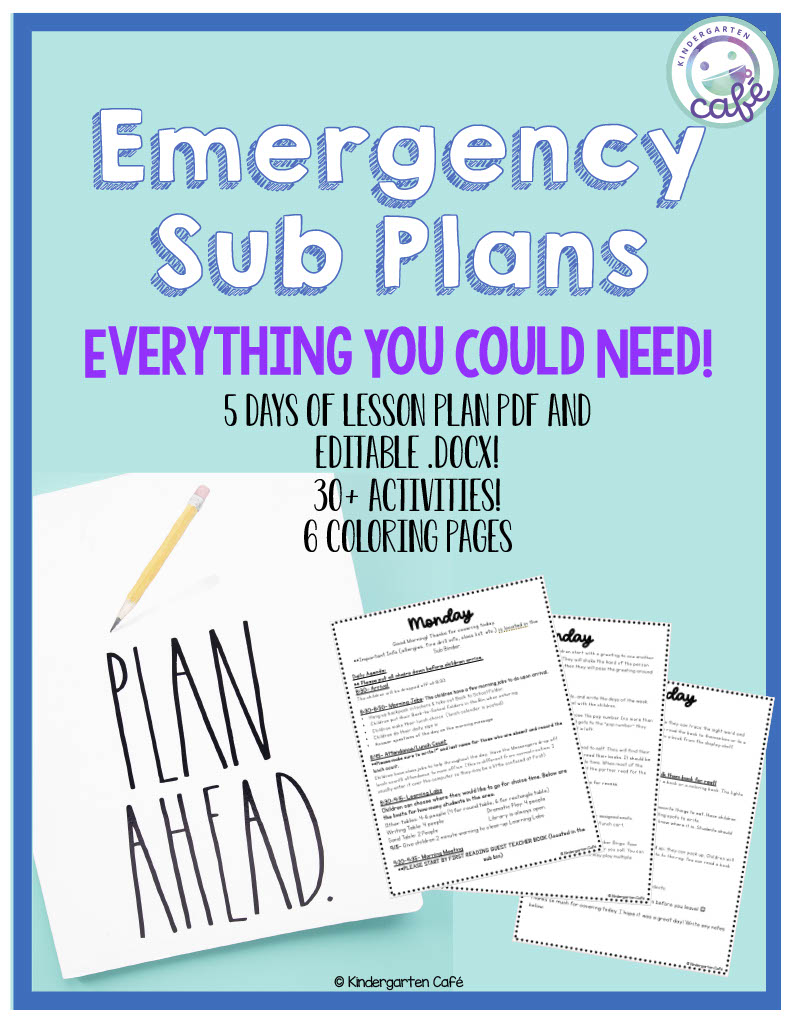
Following the posted daily agenda, students complete morning arrival jobs, participate in a morning-meeting greeting and message, do independent and partner reading, play a math bingo game, complete a science read-aloud with a sight-word tracing/coloring activity, rest, do a writing activity about favorite foods, and…
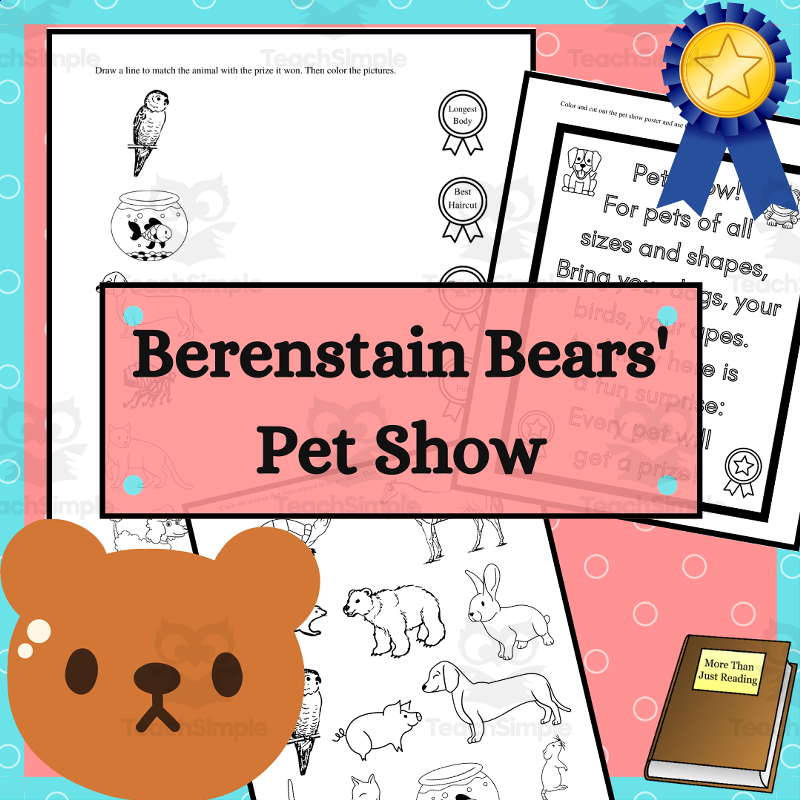
A book companion activity guide for 'The Berenstain Bears' Pet Show' by Stan Berenstain, for preschool-1st grade, combining comprehension discussion with early literacy practice.
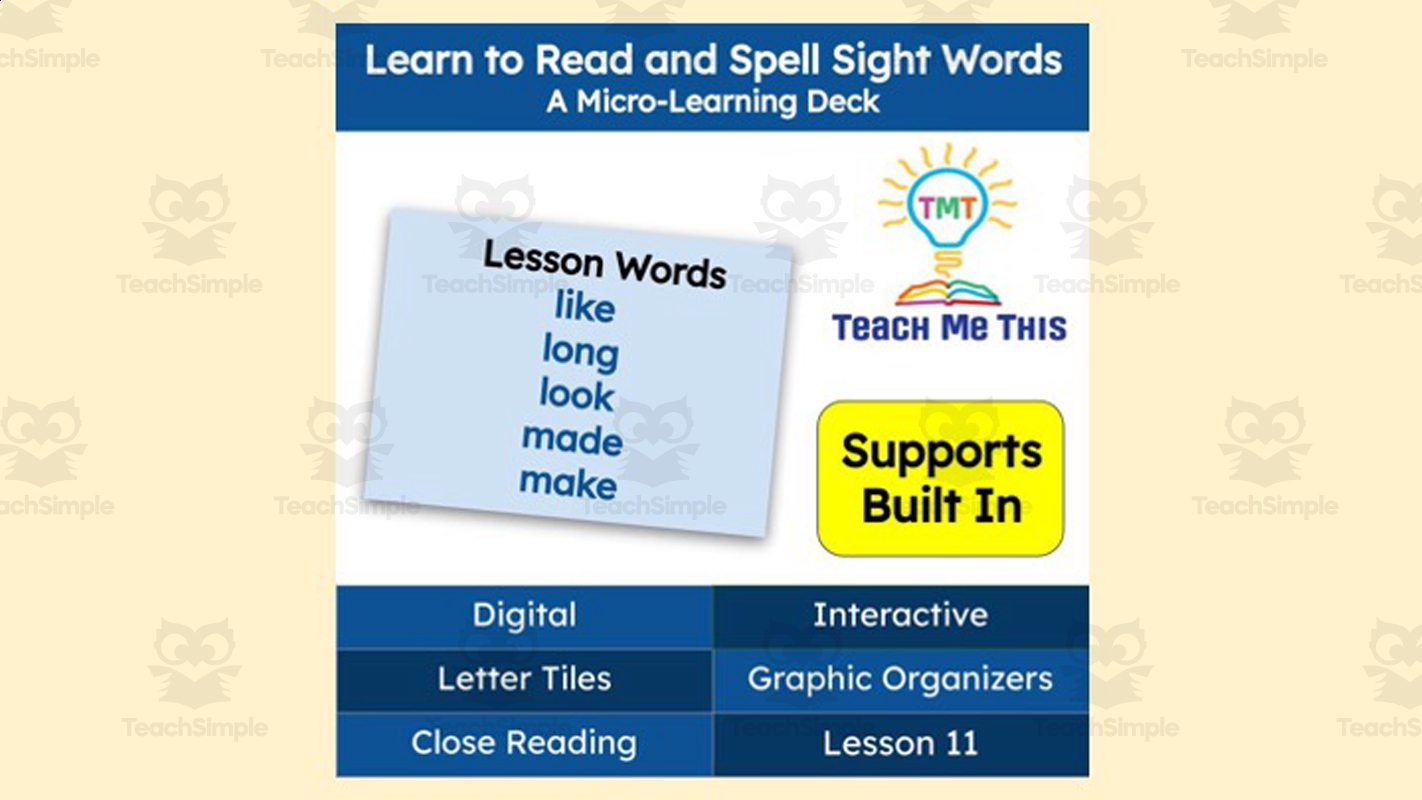
For each target word (like, long, look, made, make), the learner writes the word in the air and on a whiteboard, spells it with letter tiles, types or writes it, reads it in a short sentence, plays a memory-match game with word pairs, and fills in missing words in sentences from a word bank.
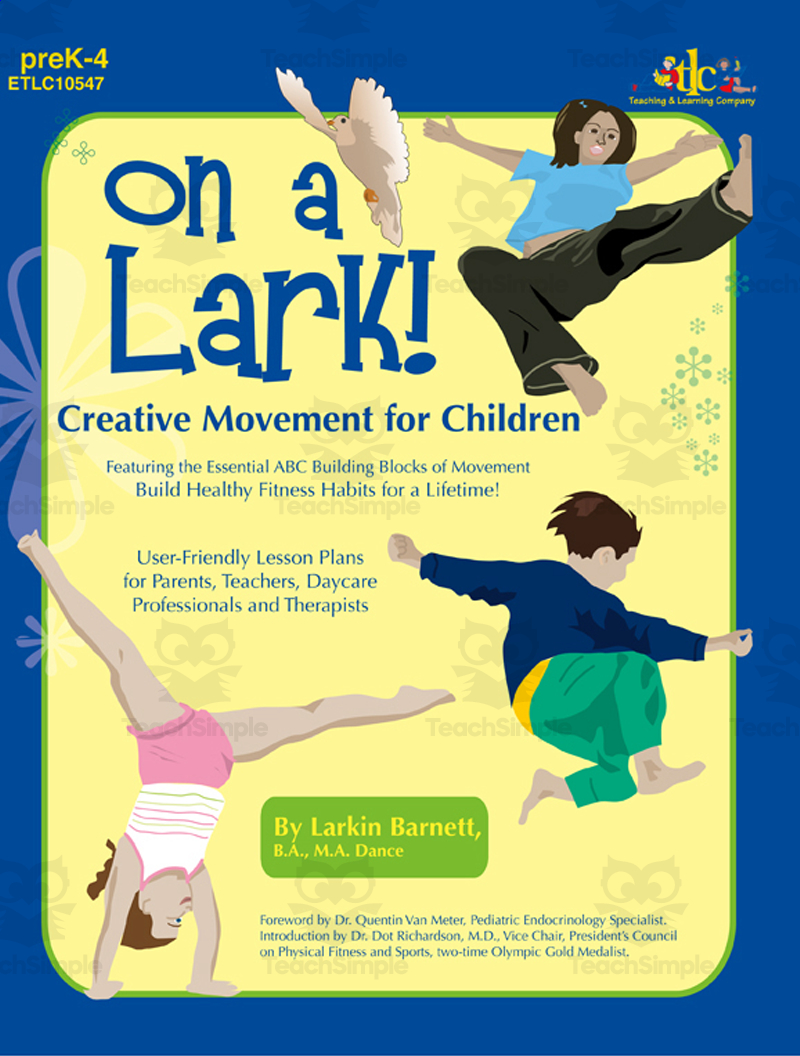
Participate in guided movement and dance activities (e.g. warm-up exercises, locomotor movements, movement games with props like beanbags and rocks, storytelling through movement, movement-based arithmetic and word activities) led by an adult using the book's lesson plans; not a written worksheet product.
Play bingo: mark called-out sight words on an individual bingo card with small markers; the first student to get 5 in a row wins.
Cut and stick pictures/sentences in the correct sequence, label a diagram using a word bank, draw their own hairstyle, draw clock hands showing bedtime, and read short instructional statements about hygiene habits
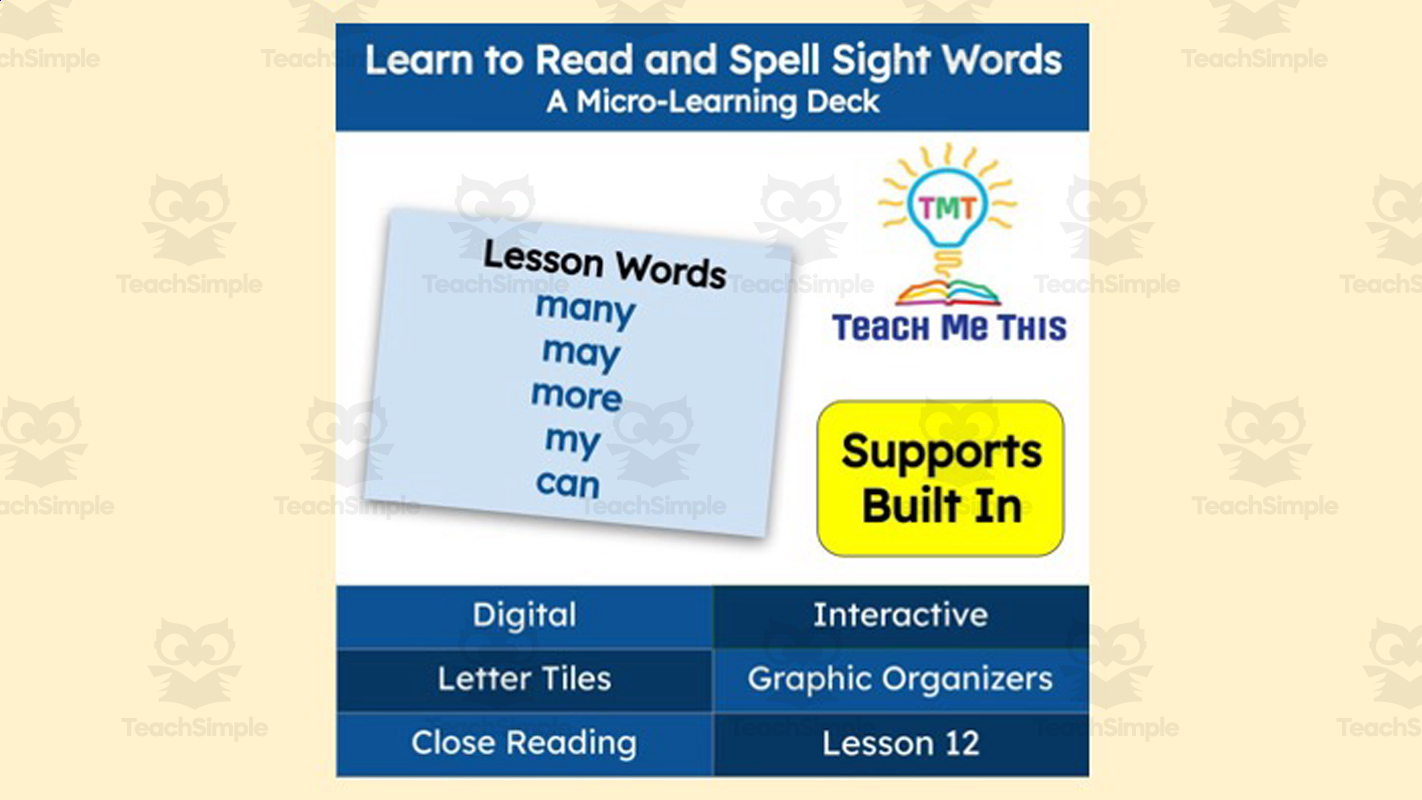
For each target word (many, may, more, my, can), the learner writes the word in the air and on a whiteboard, spells it with letter tiles, types or writes it, reads it in a short sentence, plays a memory-match game with word pairs, and fills in missing words in sentences from a word bank.
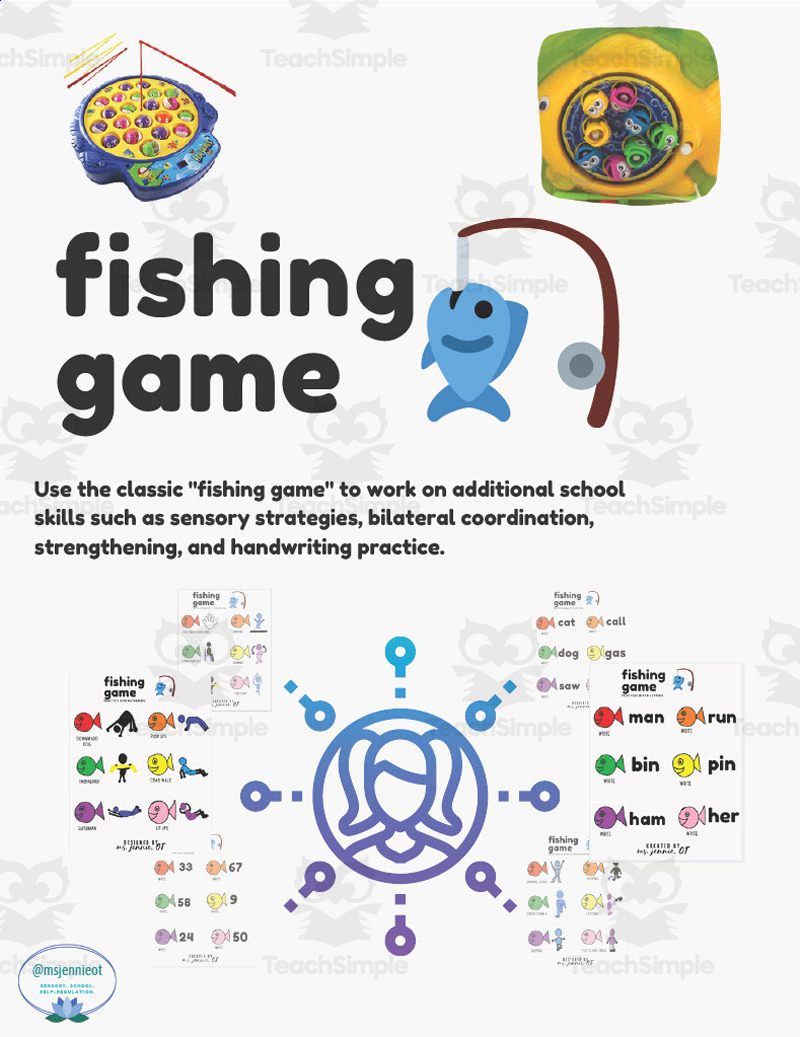
Students use a magnetic fishing pole to 'catch' colored paper fish, match the fish's color to a corresponding skill category, and complete that task: e.g. perform a sensory strategy (five-finger breathing, jumping, spinning, tree pose), a bilateral/gross-motor exercise (jumping jacks, cross crawls, skipping, hopping…
A phonics activity pack that teaches the 'ck' word ending through cut-and-sort games, a sentence maker, fill-in-the-gap words, and sentence-building word cards.
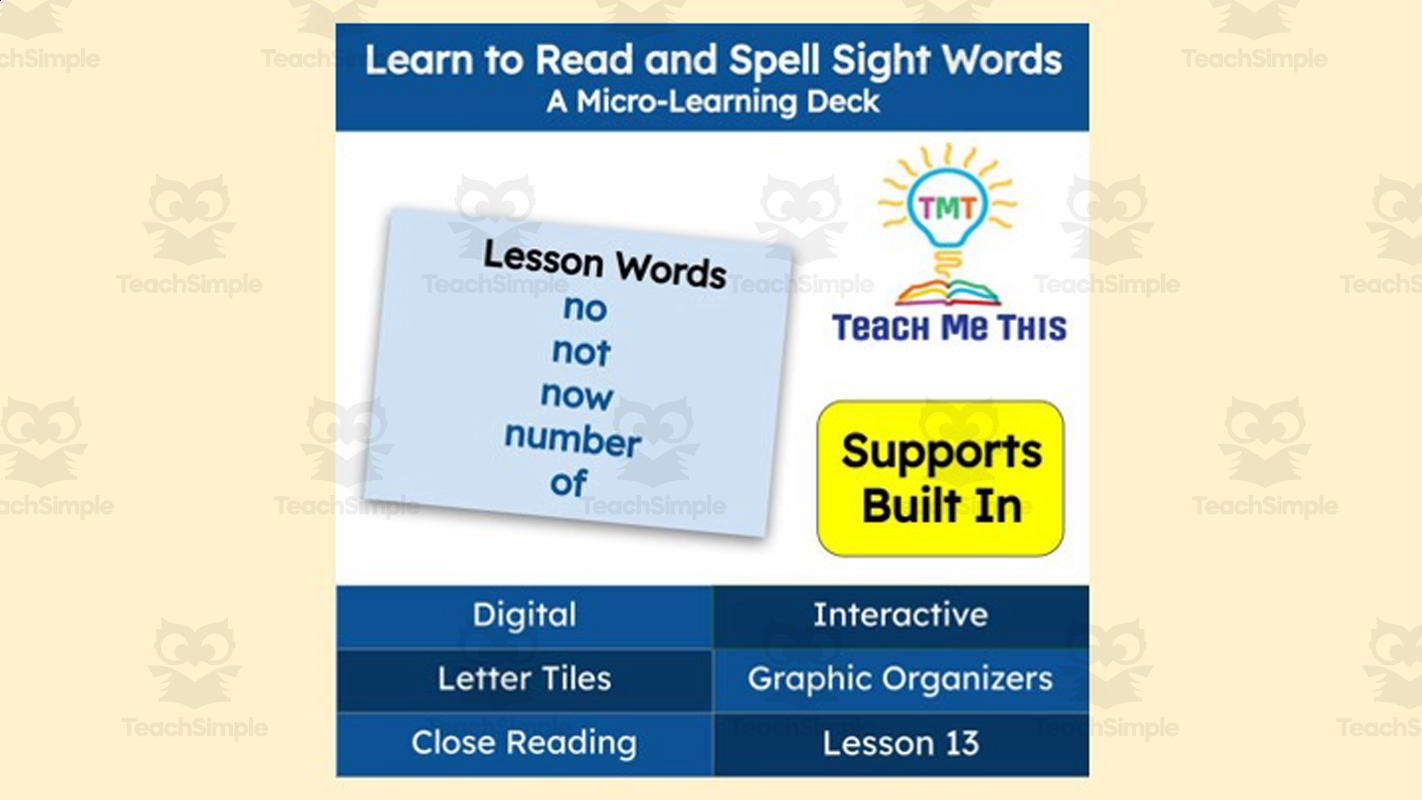
For each target word (no, not, now, number, of), the learner writes the word in the air and on a whiteboard, spells it with letter tiles, types or writes it, reads it in a short sentence, plays a memory-match game with word pairs, and fills in missing words in sentences from a word bank.
Engage in teacher-led farm-themed activities: sensory bin play, art projects (collages, animal prints, handprint crafts), and other center-based activities tied to farm vocabulary and concepts.
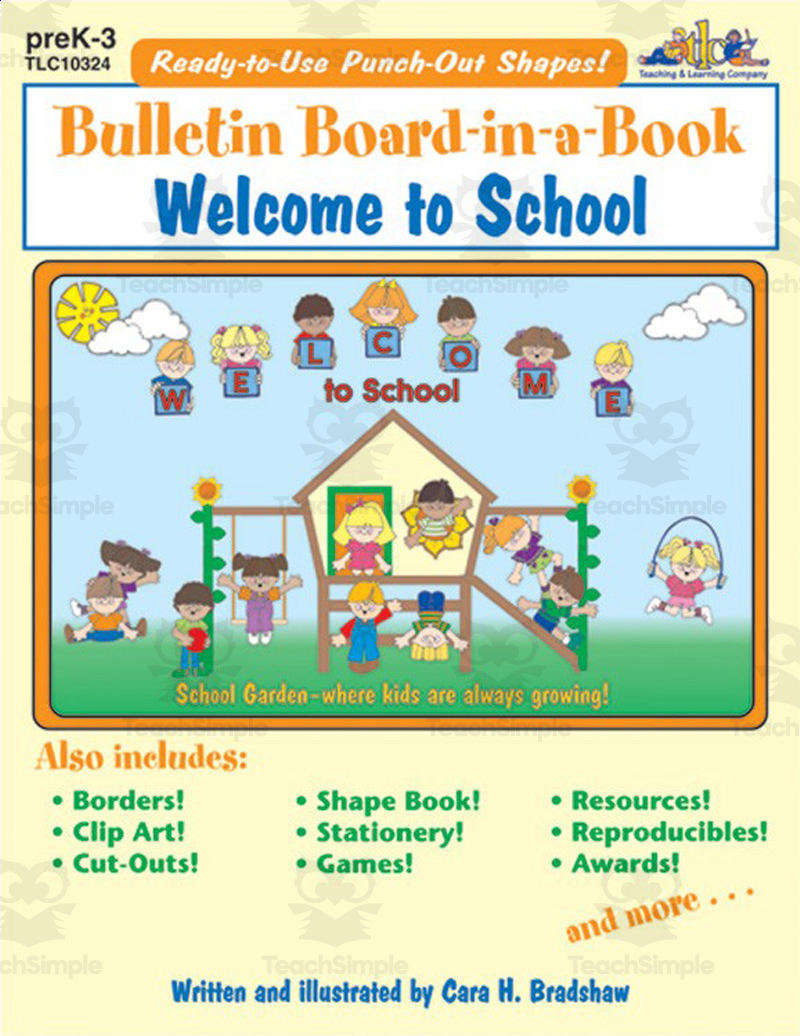
Students complete an 'All About Me' poster, use a shape book page, play a bingo game, use bookmarks/stationery/clip art, and receive an award certificate - individual components rather than one uniform task, aimed at students beginning a new school year.
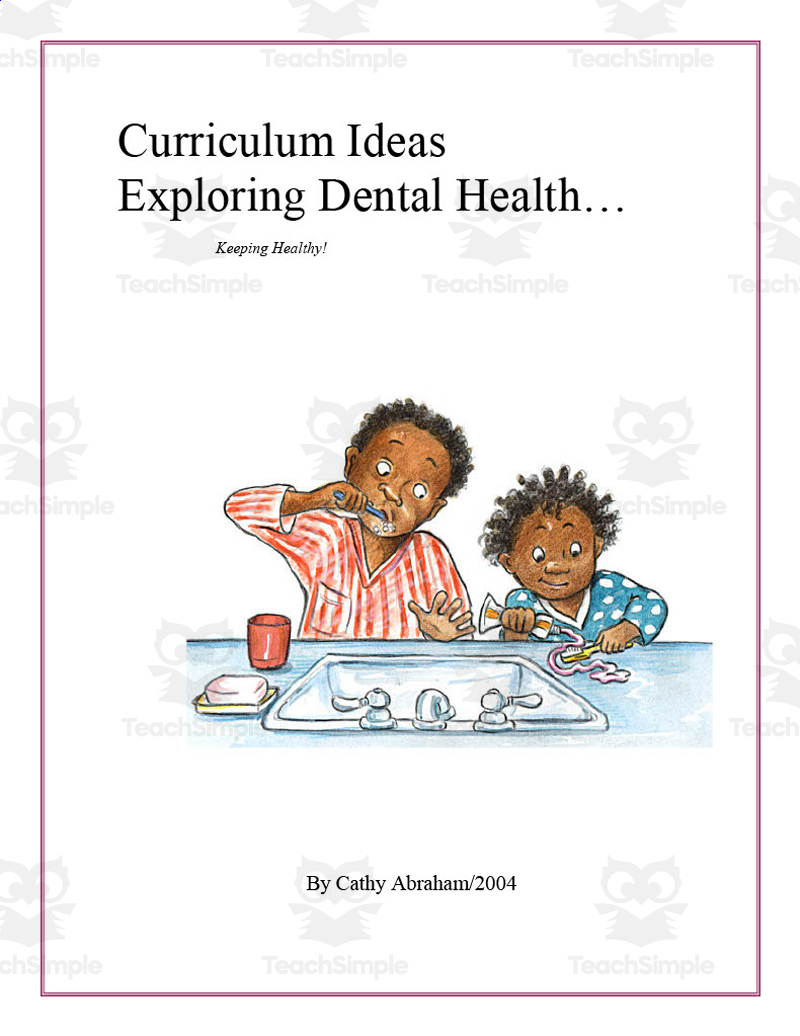
Participate in vocabulary discussion, sensory-table play, art activities (e.g., painting with toothbrushes/floss, tooth mosaics, plaque marble-painting), circle-time discussion questions, and math activities (estimating and counting teeth, dice-based 'Mouth Math' game)
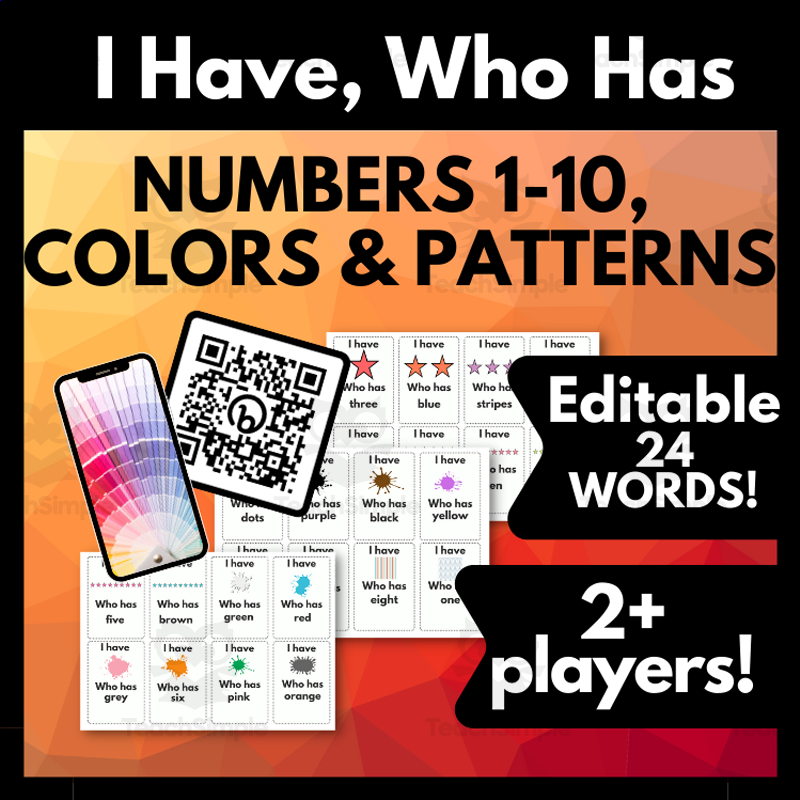
Practice English vocabulary for numbers 1-10, colors, and patterns through an 'I Have, Who Has' card game.