Math Reproducibles - Grade 1
Complete individual reproducible worksheet pages (fill in missing numbers, solve computation problems, color/count, answer word problems, read graphs, etc.), one skill-focused page per topic.
Classroom resources
Browse by lesson focus
Choose the topic or kind of practice you need.
Complete individual reproducible worksheet pages (fill in missing numbers, solve computation problems, color/count, answer word problems, read graphs, etc.), one skill-focused page per topic.
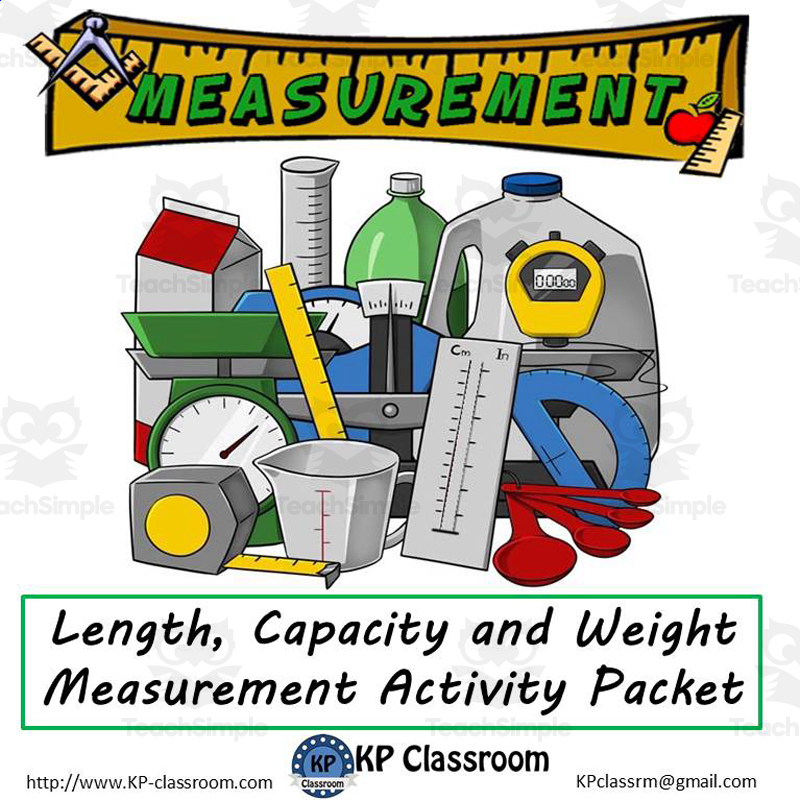
A no-prep measurement unit teaching students about length, capacity, and weight, including measurement history, imperial and metric units, and practice using rulers.
A comprehensive reproducible activity book covering first-grade skills across math, language arts, science, social studies, writing, health, and art through varied puzzle-style formats.
Alphabet-based language arts workbook ('Teacher's Creatures', a companion to Teacher's Creatures Phonics Puppets and component of The Monaco Method for Early Literacy) teaching phonics, handwriting, reading, and spelling for letters A-Z.
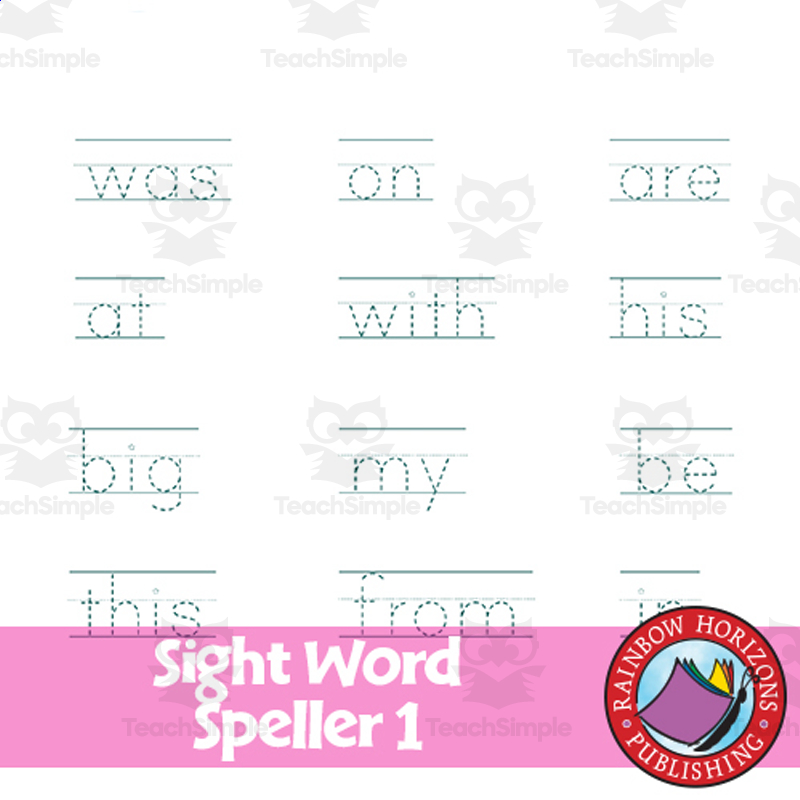
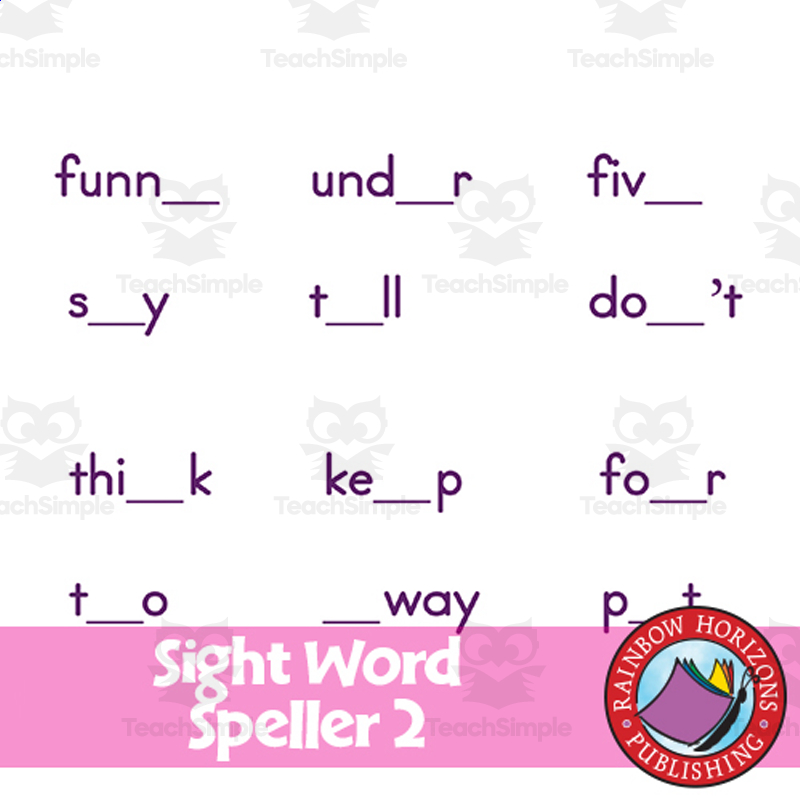
For each lesson's set of 6 sight words, students draw around word shapes, trace the words, fill in missing letters, unscramble letters to spell the words, mark misspelled versions, write rhyming words, and complete a word search, word sort, and crossword.
An interactive, no-prep micro-lesson slide deck that uses an animated short film ('Course of Nature', about a girl and clouds) as a prompt for writing and reading-response practice.
A bundled 138-page big book combining Sight Word Speller Book 1 and Book 2, teaching all 220 Dolch sight words through repeated practice activities organized into lessons.
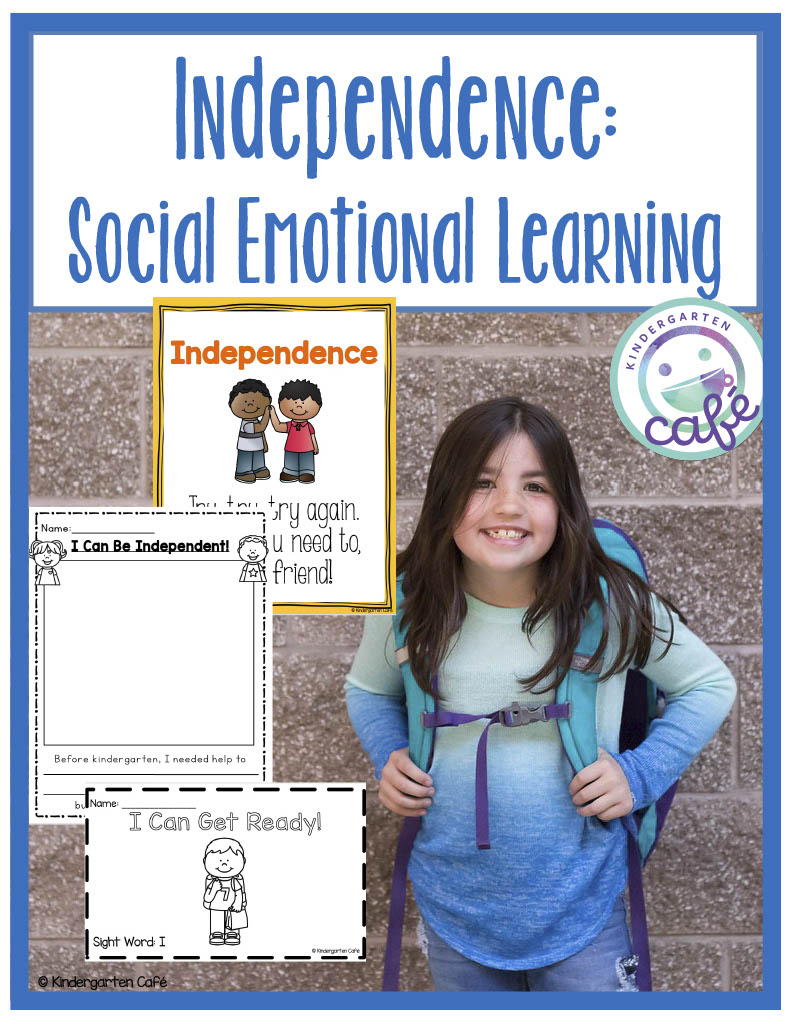
A social-emotional learning unit teaching kindergarten independence: doing tasks without adult help, practicing classroom jobs, and using the 'Ask 3 Before Me' strategy, combined with worksheets and an emergent reader about morning routines.
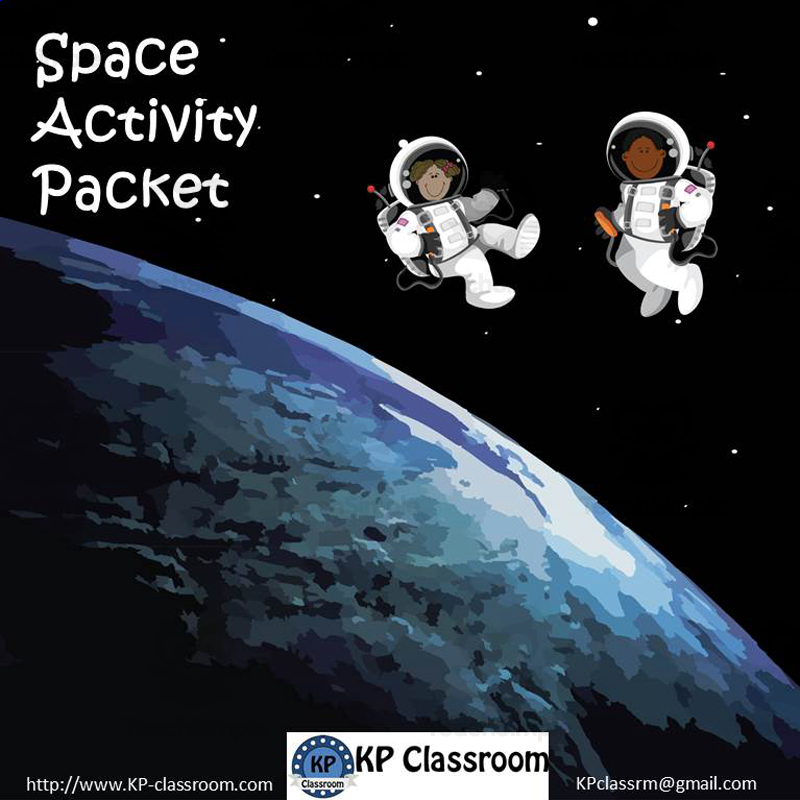
A 50+ page no-prep space-themed literacy and math activity packet blending reading comprehension, writing, and math/counting activities for a science/space unit, aimed at Grades 1-3.
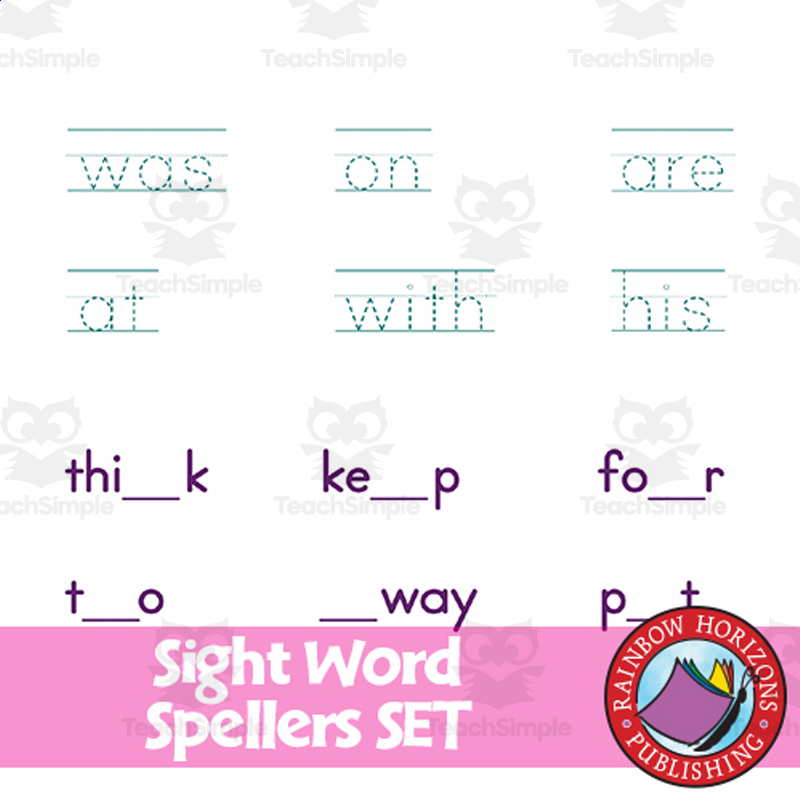
For each lesson's set of sight words, students draw around word shapes, trace the words, fill in missing letters, unscramble letters to spell the words, mark misspelled versions, write rhyming words, and complete a word search, word sort, and crossword.
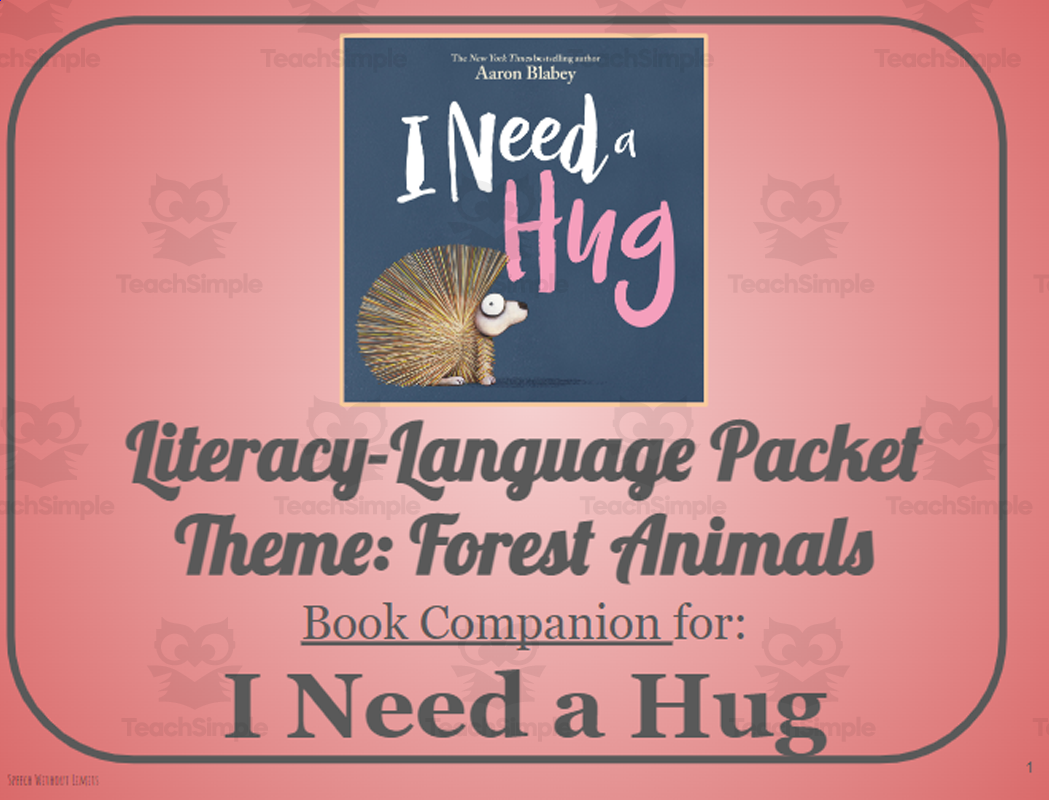
Engage in a picture walk and repeated readings of the book, identify and write the letter 'i', use core/fringe vocabulary word strips (including AAC-style aided language input), sequence and retell the story with cut-out props, answer WH comprehension questions, complete letter-identification, rhyme-exclusion and…
Complete 9 lessons of hands-on activities (Match the Sounds, Letters for Sounds, Tricky Consonants, Sound Sorting, ABC Picture Book, Picture Lotto, Where Is the Sound?, Fun Phrases, Read Along with Me) using letter lotto boards, ABC pictures, picture lotto boards, and sound boxes; read the 'Tongue Twisters A-Z' book…
A social-emotional learning unit teaching students to identify, label, and cope with feelings and emotions ('easy' vs 'hard' feelings), including calming strategies, combined with sorting/matching worksheets and two emergent readers.
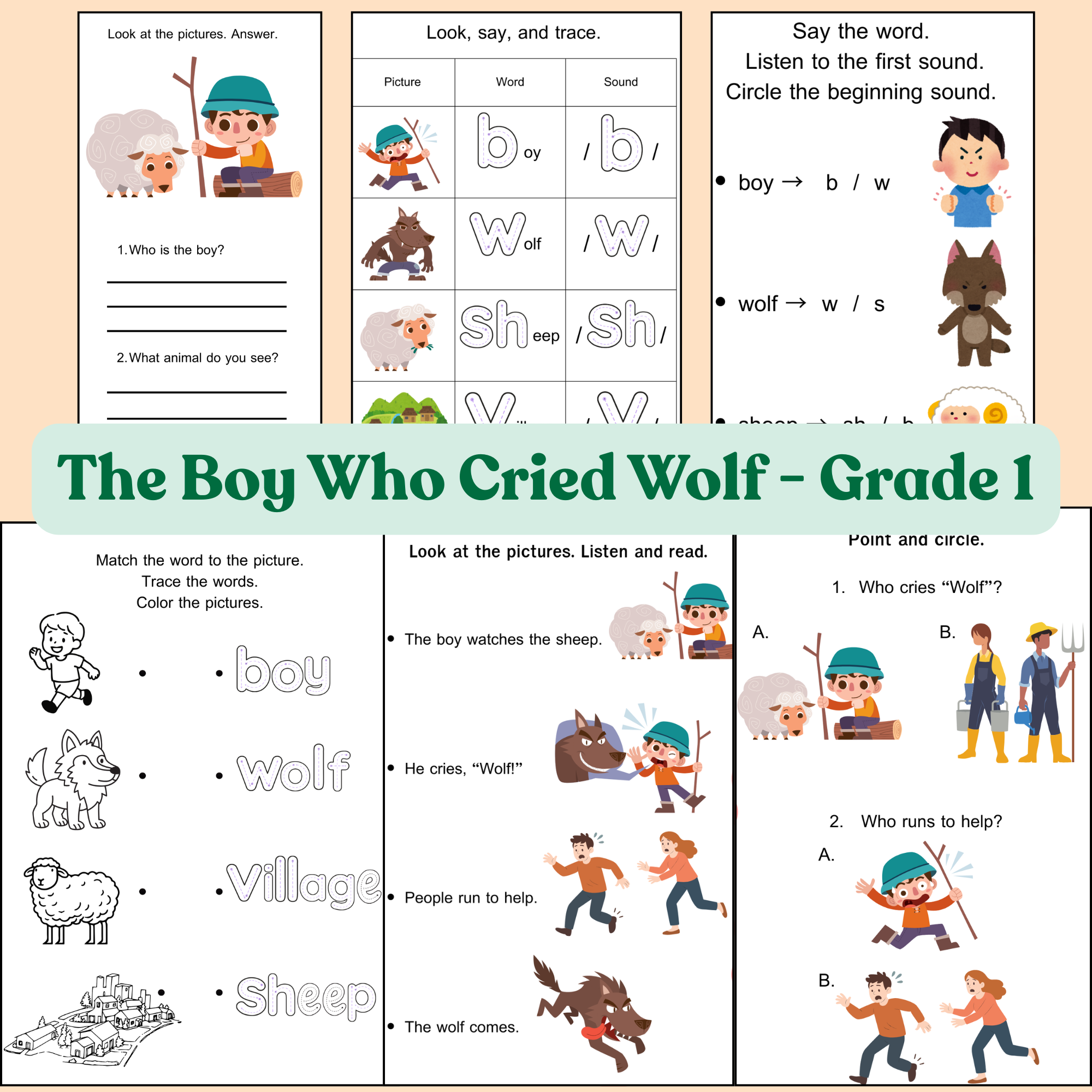
Answer picture questions, look/say/trace target words and sounds, circle beginning sounds, match words to pictures, read simple sentences about the story, circle answers to comprehension and true/false questions, number pictures in sequence (1-4), circle sight words, sort words by beginning sound, trace sentences, fill in blanks with…
Read an informational passage about landfills and recycling, mark true/false comprehension statements, write about two ways to recycle in their town, identify and split compound words from the story, solve simple word-problem math questions based on the passage, unscramble vocabulary words, and find hidden recycling terms in a word…
Students read a short nonfiction passage (e.g., on farming or pigs) then complete a 'Understanding What You Read' comprehension worksheet, a 'Tell Your Own Story' writing prompt, a 'Vocabulary Builder' antonym exercise, a 'Figure It Out!' math word-problem worksheet, and a word-unscramble activity tied to the passage topic.
Over 5 days, students watch assigned videos, read two chapters per day (independently or aloud), complete a before-reading prediction sheet and a KWL chart, answer chapter-by-chapter quiz questions (5-6 short-answer questions per chapter), study vocabulary words drawn from each chapter (recording a definition and drawing a picture for…
Students listen to or view stories/media, discuss and describe sounds, draw or write responses on activity pages, examine images/photographs, complete comic-book and photo-story pages, and discuss responsible technology/camera use.
Engage in a picture walk-through and repeated readings of the book; identify letter 'w' name/sound and practice writing it; use core/fringe vocabulary word strips during reading; interact with story props (cut-out story elements); retell the story by sequencing cut-and-paste pictures; complete a multiple-choice comprehension worksheet;…
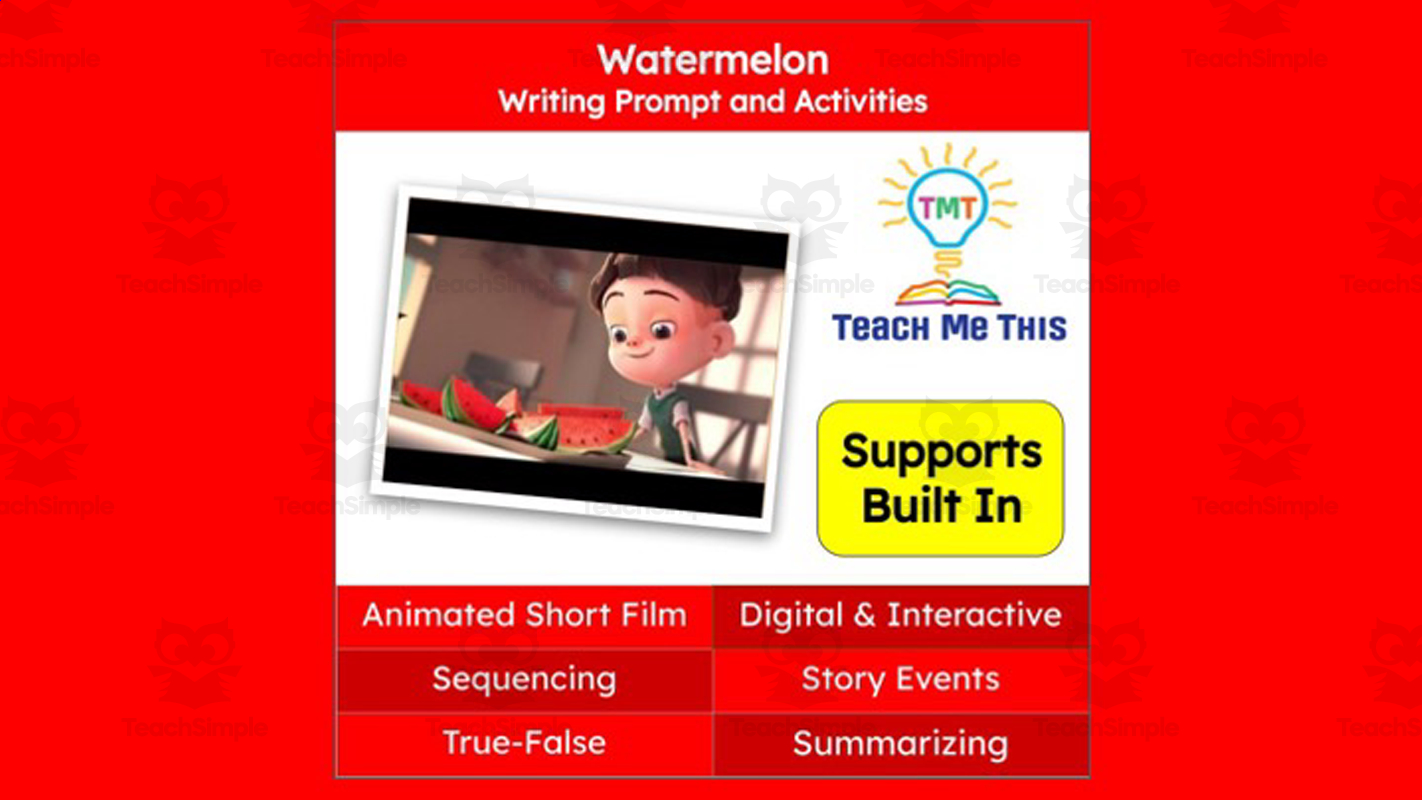
Uses a short animated film called 'Watermelon' to teach story sequencing, true/false comprehension, and summary writing.
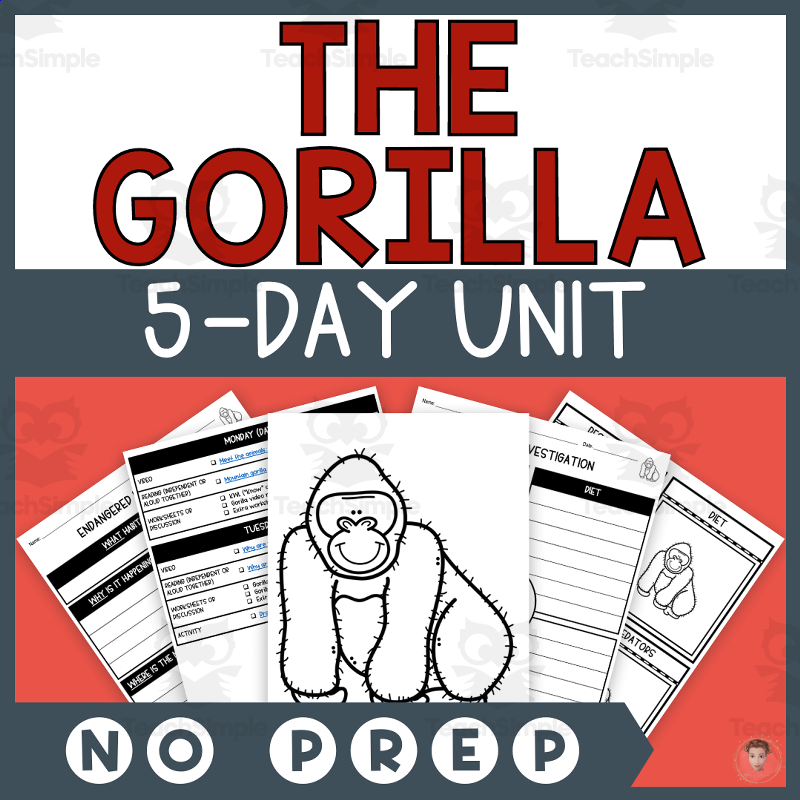
['watch linked videos about mountain gorillas', 'read informational passages independently or aloud', 'complete a KWL chart', 'complete video note worksheets', 'discuss and complete graphic organizers (e.g. life cycle)', 'draw a gorilla', 'complete additional worksheets across the 5-day plan']
Read a two-part non-fiction passage about Vikings (as warriors/explorers and as farmers/storytellers), answer multiple-choice comprehension questions, draw and name themselves as a Viking warrior, count syllables in vocabulary words, solve simple addition/multiplication and subtraction word problems about Vikings, form plural nouns, and…
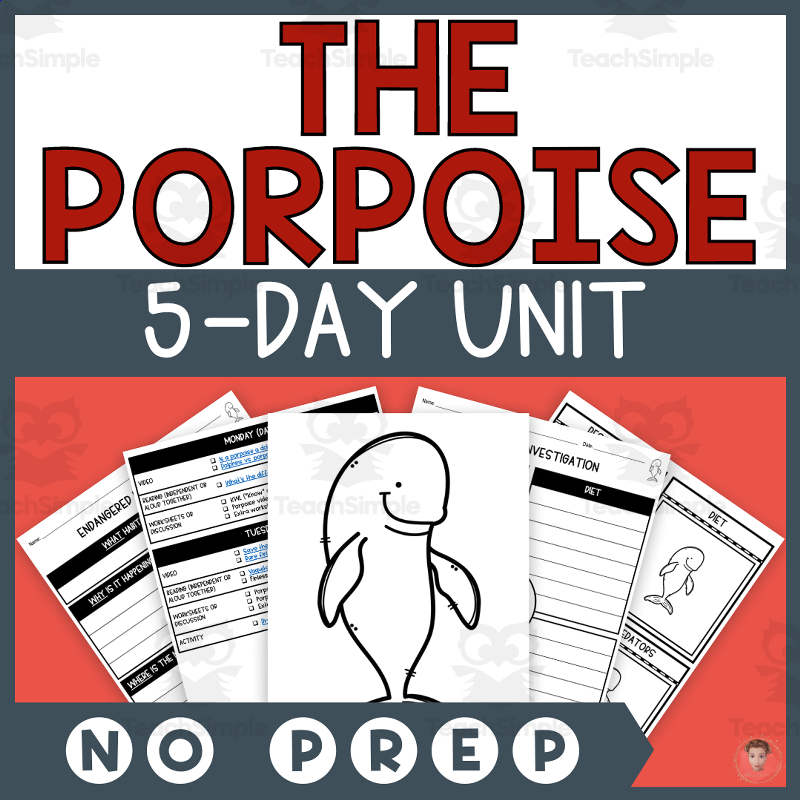
Watch linked videos, read species guides, fill in KWL chart and video-notes worksheets, complete graphic organizers (life cycle, can/have/are, is/has/needs, investigation), color habitat/porpoise coloring pages, and create a final poster/lapbook/interactive notebook about the species.
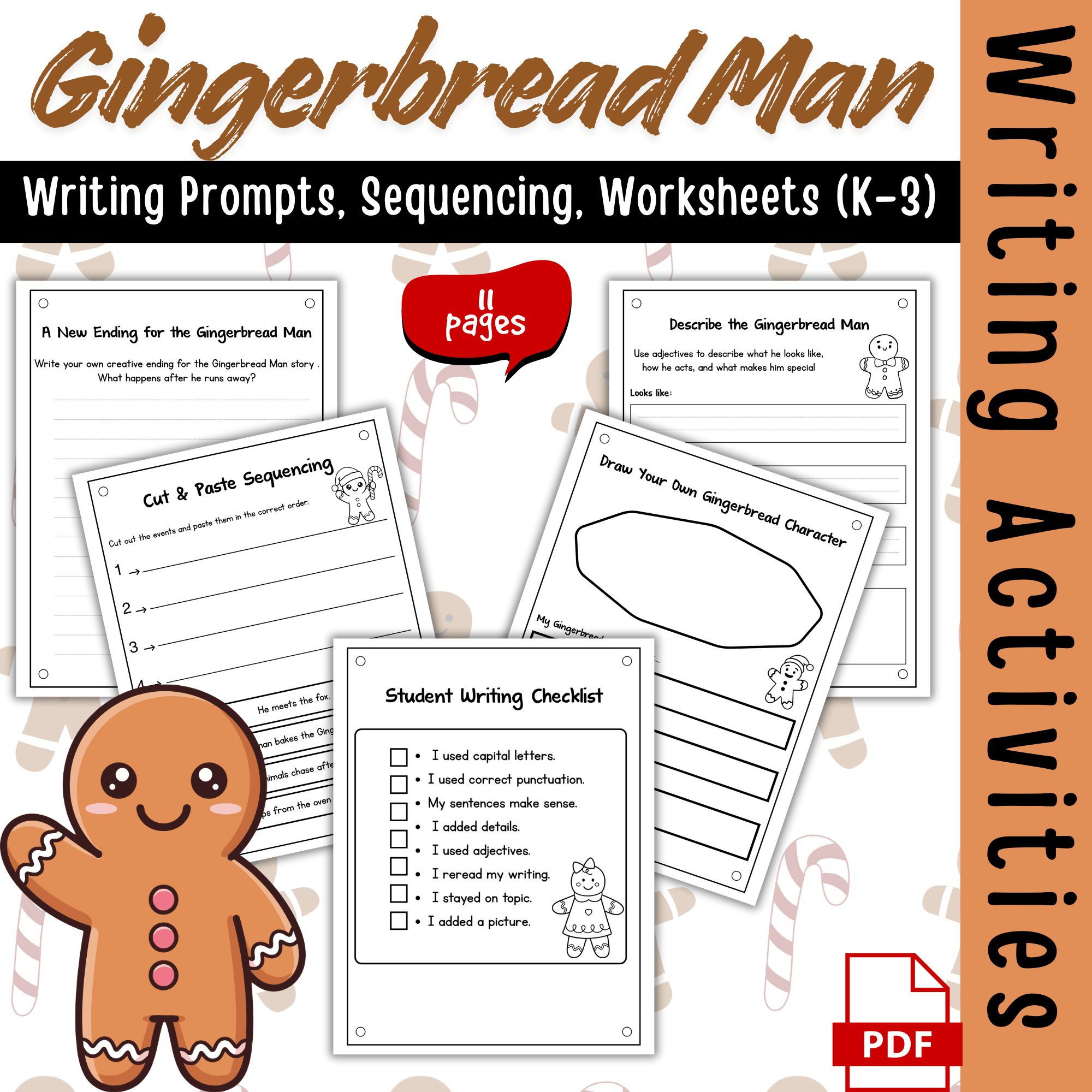
Students write a new story ending, describe imagined events, use adjectives to describe the Gingerbread Man, sequence the story's beginning/middle/end, draw their own gingerbread character with invented traits, complete fill-in-the-blank sentences using a provided word bank, and cut-and-paste story events into correct…