Wind and Hydroelectric Energy Mini Unit - Lesson Plans, Powerpoint & Printables
Teach students how wind and moving water can be converted into electrical energy, through the concepts of kinetic energy, wind turbines, and hydroelectric dams.
Classroom resources
Browse by lesson focus
Choose the topic or kind of practice you need.
Teach students how wind and moving water can be converted into electrical energy, through the concepts of kinetic energy, wind turbines, and hydroelectric dams.
Wind Cave National Park Geography Unit for Middle School Students This comprehensive geography unit brings Wind Cave National Park to life for students.
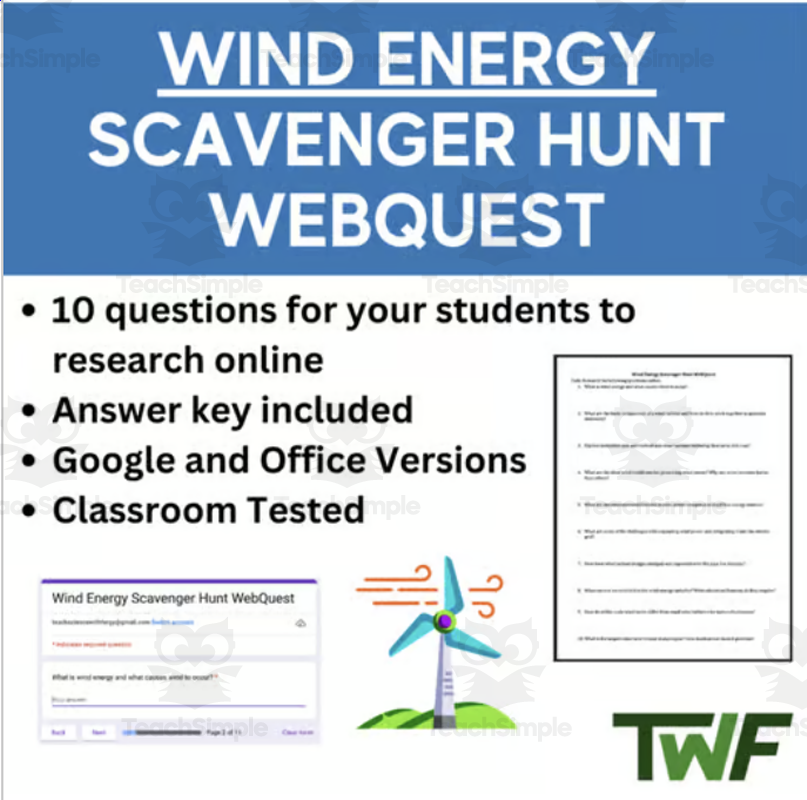
This scavenger hunt guides students to research key facts about the history, technology, and innovations related to wind energy usage and storage.
A guided research-report packet that walks students through researching and writing a report on wind energy.
4-6 is a comprehensive teaching resource designed to bring the excitement of the Olympic games into the classroom. This material primarily targets grades 4 to 6 and is inclusive of various subjects within Physical Education (P.E.) & Health instruction.
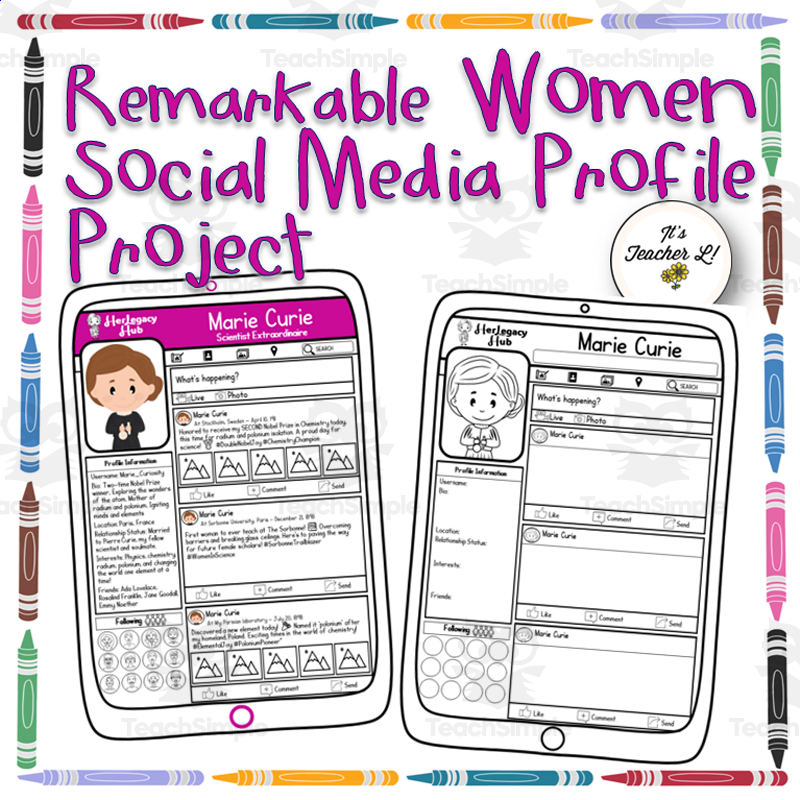
A lesson-plan-based project where students research a remarkable woman from a provided list of 14 and create an imagined social media profile for her, building English Language Arts and research skills.
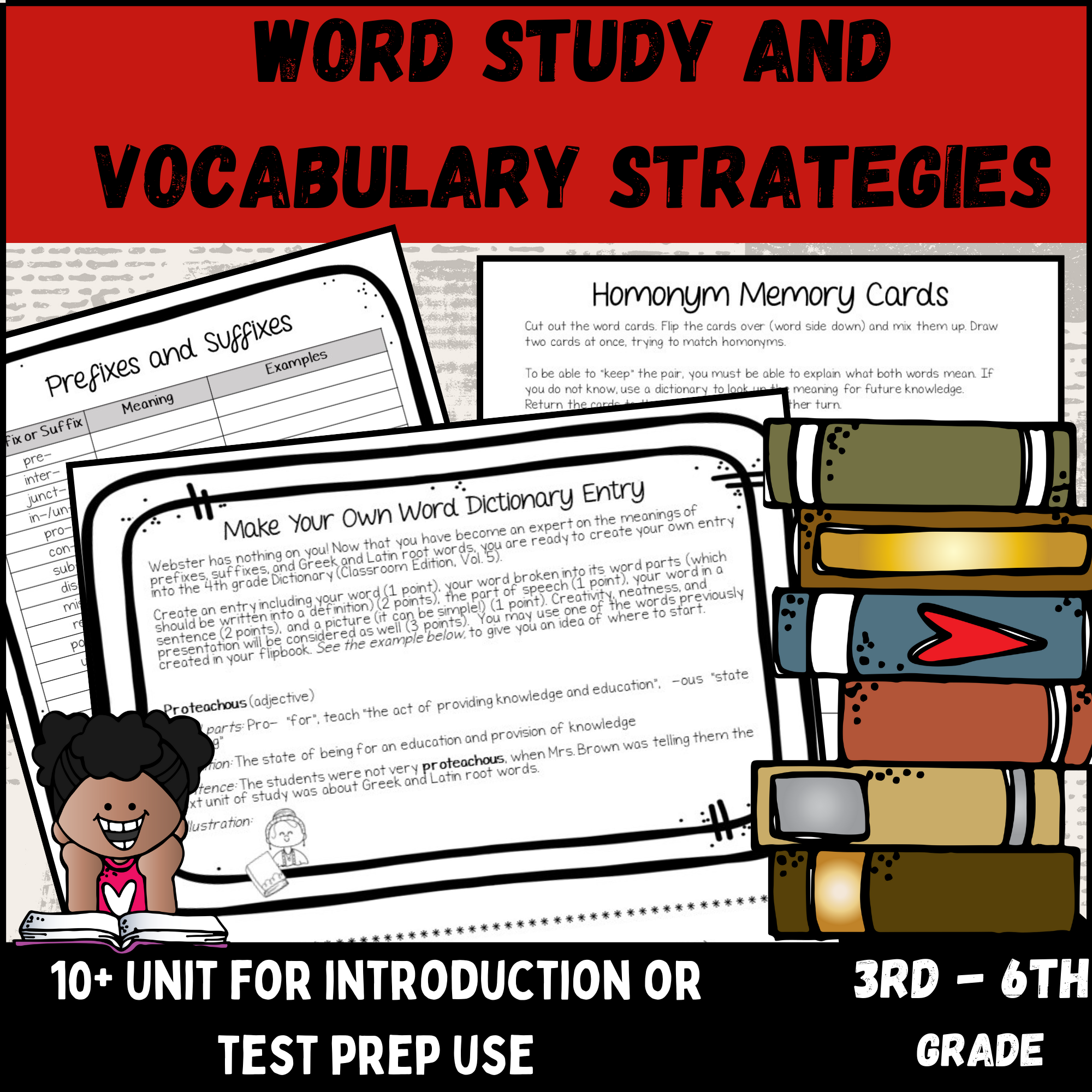
A 10-day mini-unit lesson plan teaching Greek and Latin roots, vocabulary strategies (synonyms, antonyms, homophones, analogies, context clues), and word comprehension through interactive activities, games, notes, and projects.
Work and Energy - Lab Station Activity This lab station activity allows students to apply their understanding of work, energy, joules, and power by moving around the classroom and conducting hands-on investigations.
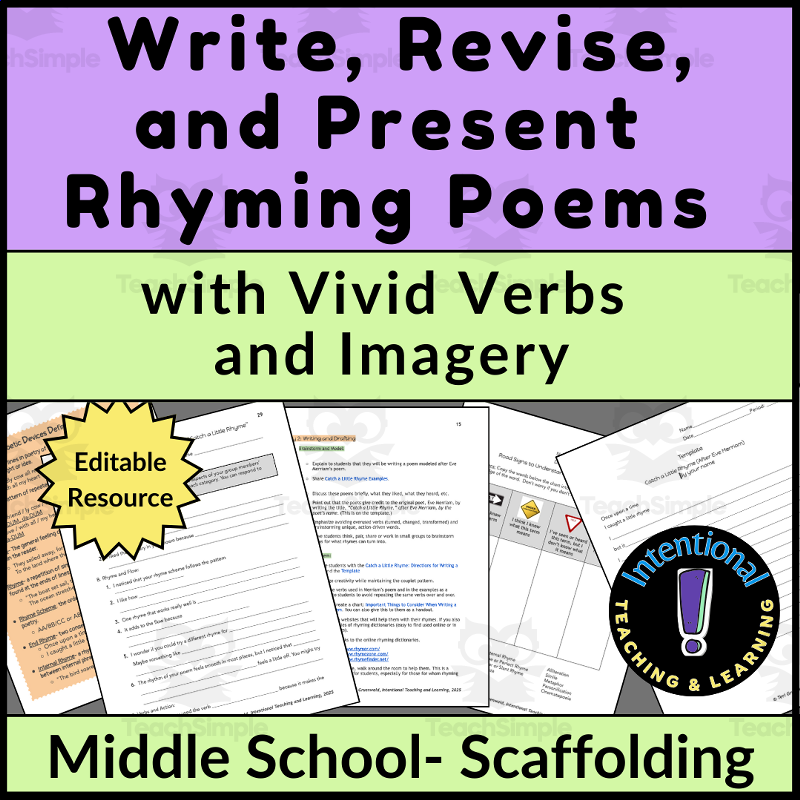
A 4-5 day middle-school poetry mini-unit teaching students to analyze, write, revise, and present a rhyming poem using vivid verbs and imagery, modeled on Eve Merriam's 'Catch a Little Rhyme.'
Writing a Limerick: A Dynamic Teaching Resource Writing a Limerick is an engaging teaching resource that presents an educational yet entertaining activity specially suited for St. Patrick's Day festivities. It is designed mainly for learners in grades 4-6, merging creativity with literacy as it teaches students how to write their…
A project-based environmental science curriculum reading students through the science of waste (lifecycle assessment, landfill/incineration/leakage), the neuroscience of habit formation, and the zero-waste hierarchy, with embedded comprehension checks; per the title, later sections (not reached in extraction) are meant to be habit-tracking journal pages.