
Multiplication Game Boards
A set of multiplication fact game boards, organized by factor (2 through 10), for peer competition or math-center practice matching multiplication problems to answer pieces.
Answers included


12,840 resources
Explore sub-categories
14 sub-categories · 12,840 resources
A set of multiplication fact game boards, organized by factor (2 through 10), for peer competition or math-center practice matching multiplication problems to answer pieces.
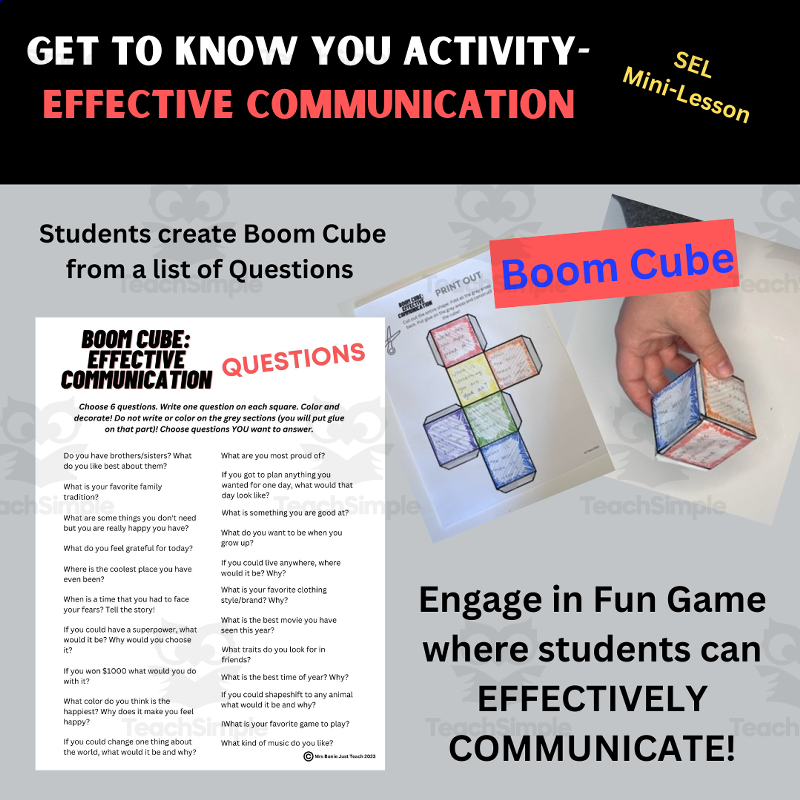
Build classroom community and social-emotional/communication skills at the start of the school year through a 'Boom Cube' get-to-know-you game.

Scripted art lesson (Lesson 2 of a 4-part 'Bundle Breaks' 3D Drawing series) teaching observational illustration of a real object using light, shadow, and value, distinguishing illustration from artistic interpretation using graphite pencils, delivered as a 1:1 or small-group tutoring script.
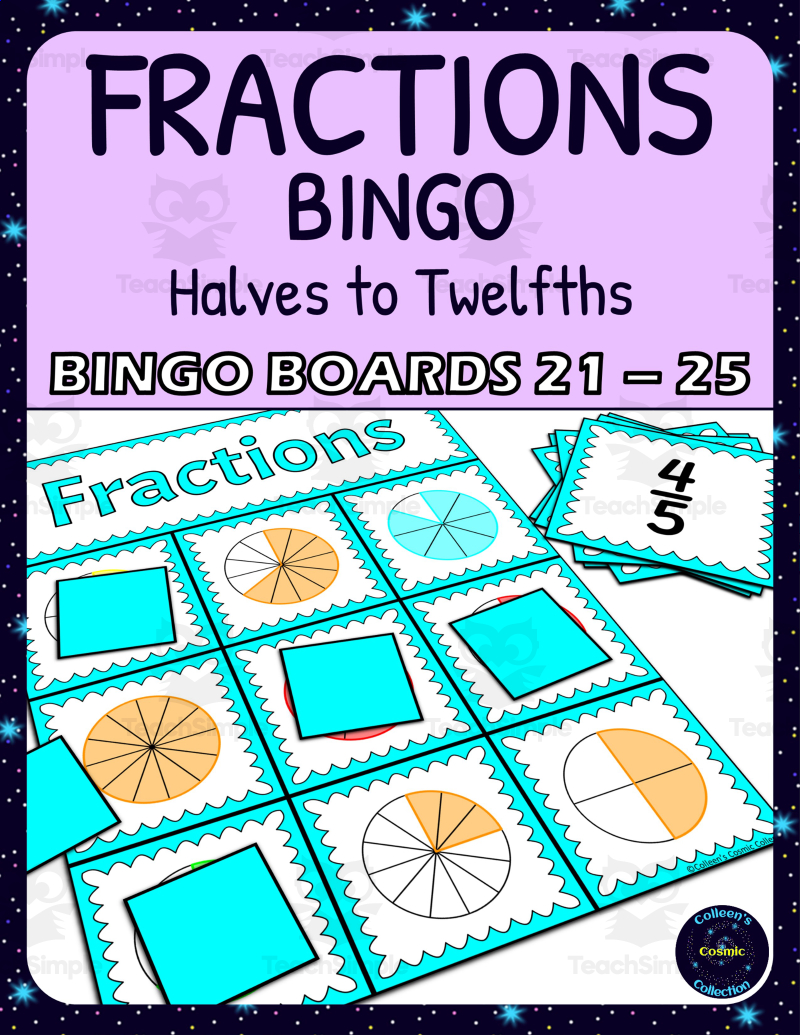
A printable bingo-style matching game ("Fractions Bingo, 1/2 to 1/12") for practicing recognition/matching of common fraction representations; this file is one board-range segment of a larger bingo set (boards 21-25).
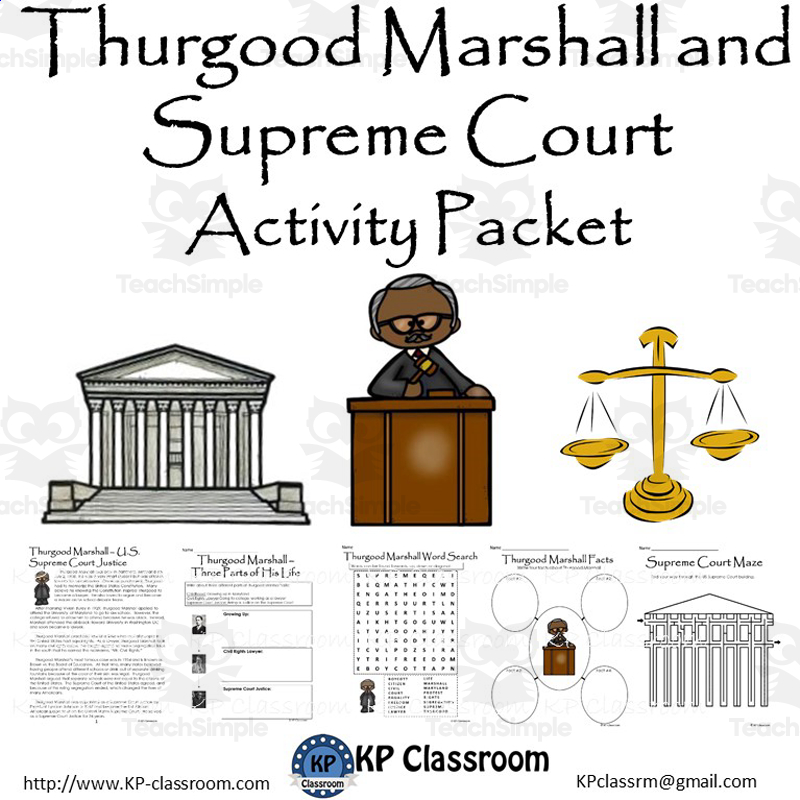
An activity packet teaching about Thurgood Marshall's life, legal career, and the structure of the U.S. Supreme Court, with differentiated reading passages and response worksheets.

A context clues reading activity that uses rap song lyrics recounting the real-world development history of Disney's Frozen movie (based on Hans Christian Andersen's 'The Snow Queen') as the reading passage for vocabulary practice.

A set of printable playing cards for practicing three-letter (CVC) word reading through classic card games.
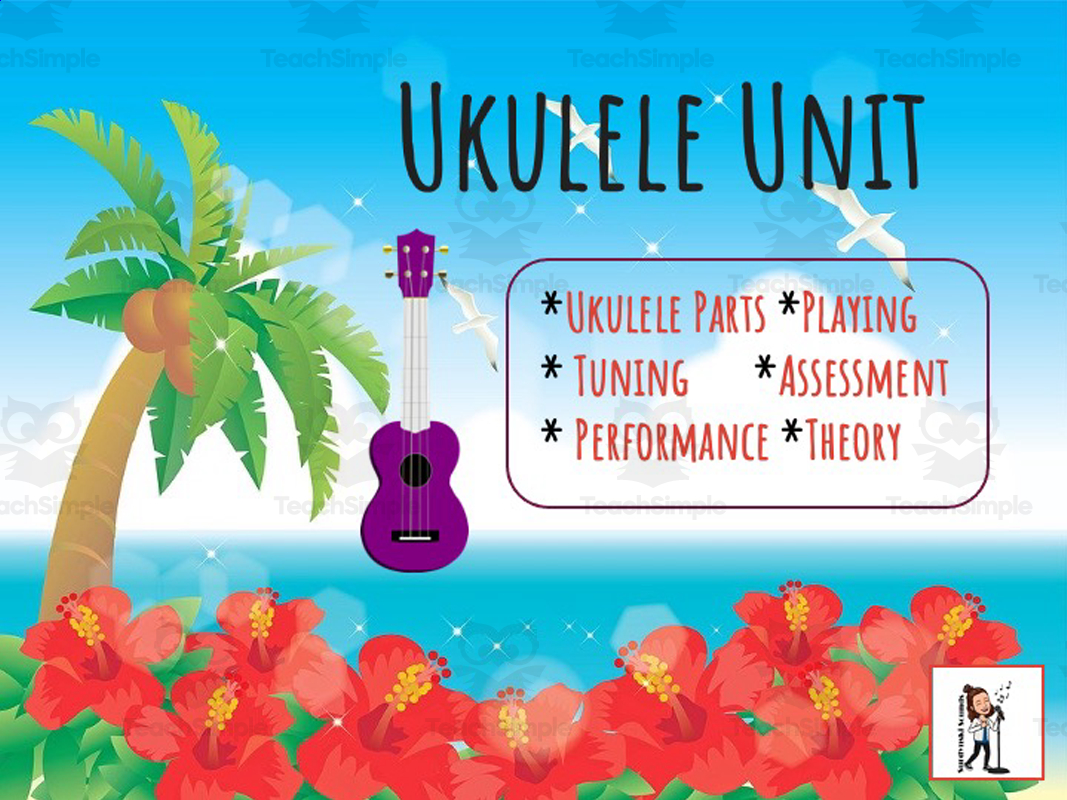
Teach a multi-lesson middle-school/upper-elementary music unit covering ukulele parts, playing technique, tuning, music theory, and performance, ending in assessment.

Lesson 1 of a Laws of Exponents series: a video-supported guided-notes lesson teaching the zero-exponent rule and the negative-exponent rule (moving powers across a fraction bar) and how to simplify expressions using both.

A set of fold-and-play 'cootie catcher' (fortune teller) games that give students practice reading, writing, and spelling VCC, CVCC, and CCVC consonant-blend words.
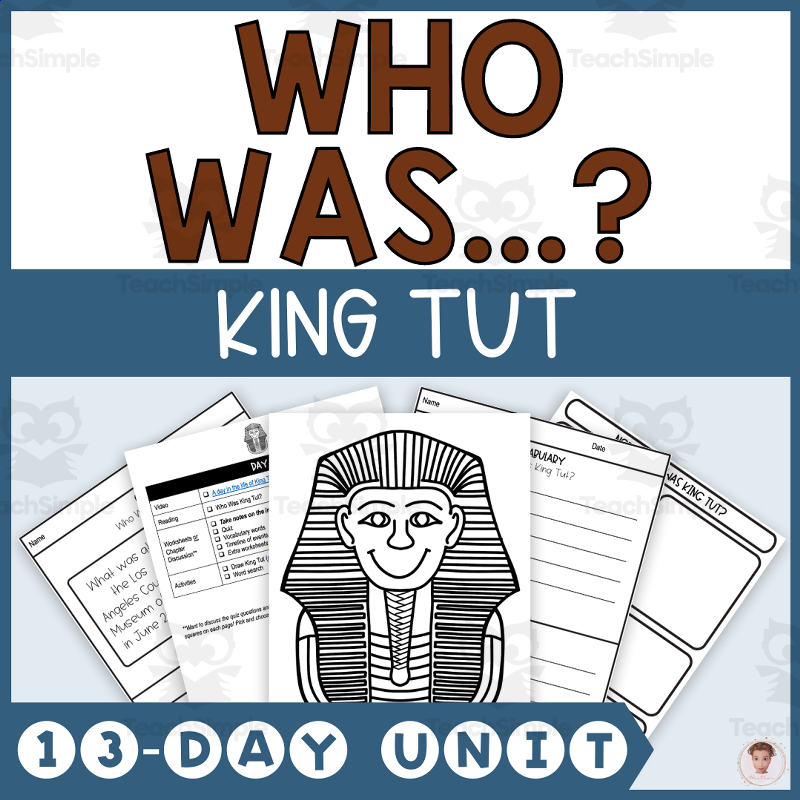
A 13-day, no-prep book-companion unit for 'Who Was King Tut?' combining a day-by-day lesson plan, curated video links, chapter quizzes, vocabulary practice, timelines, and hands-on activities for an Ancient Egypt study.

Teach students to multiply two binomials using a visual area model that builds up to the FOIL mnemonic.
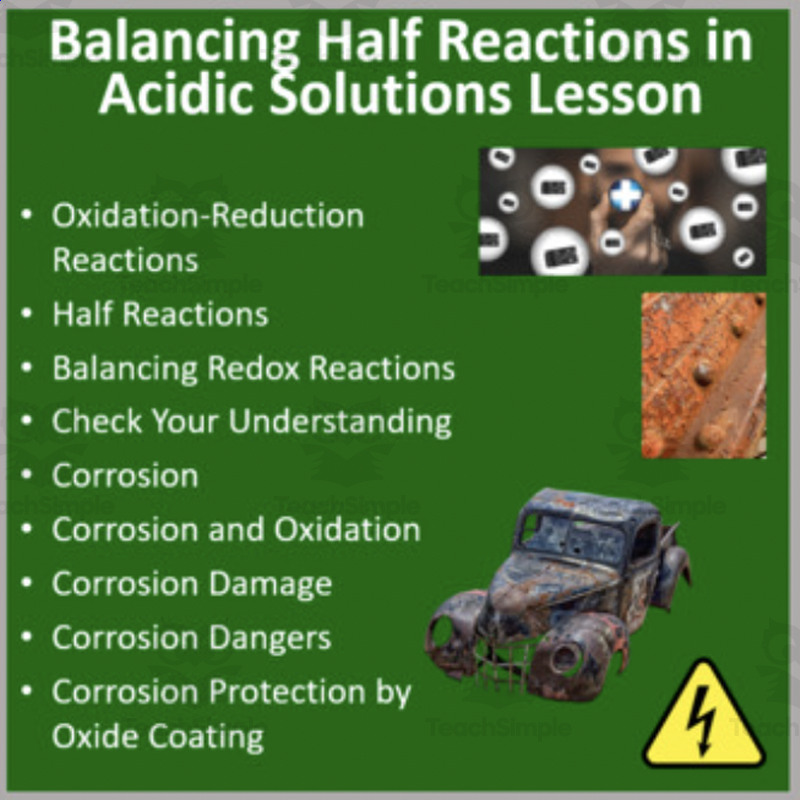
A 26-slide PowerPoint/PDF chemistry lesson teaching how to balance redox (oxidation-reduction) half reactions in acidic solutions, including a worked step-by-step method, practice 'Check Your Understanding' problems, and a section on corrosion, its dangers, and corrosion protection by oxide coating.
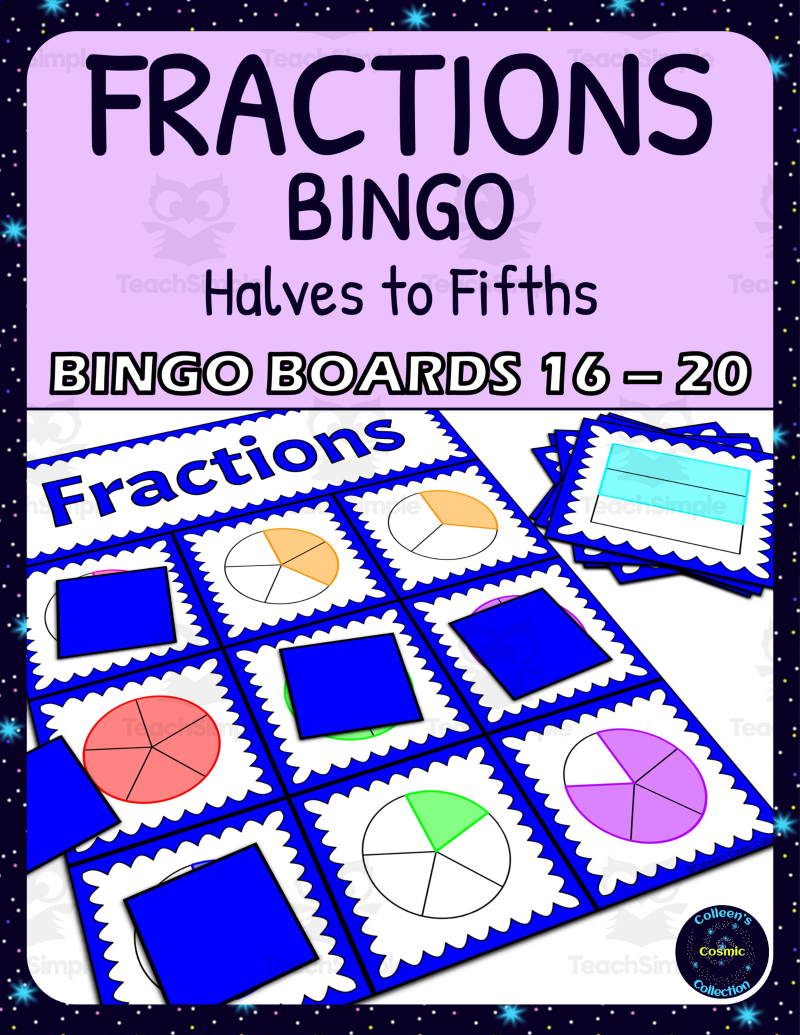
A printable bingo-style matching game ("Fractions Bingo, 1/2 to 1/5") for practicing recognition/matching of common fraction representations; this file is one board-range segment of a larger bingo set (boards 16-20).
A non-fiction literacy unit that uses a short passage about Mardi Gras to teach before/during/after reading strategies, main idea and details, and vocabulary.

A self-checking partner practice activity for finding the area of composite figures (including shaded regions), aligned to CCSS 7.G.B.6, excluding circular figures.
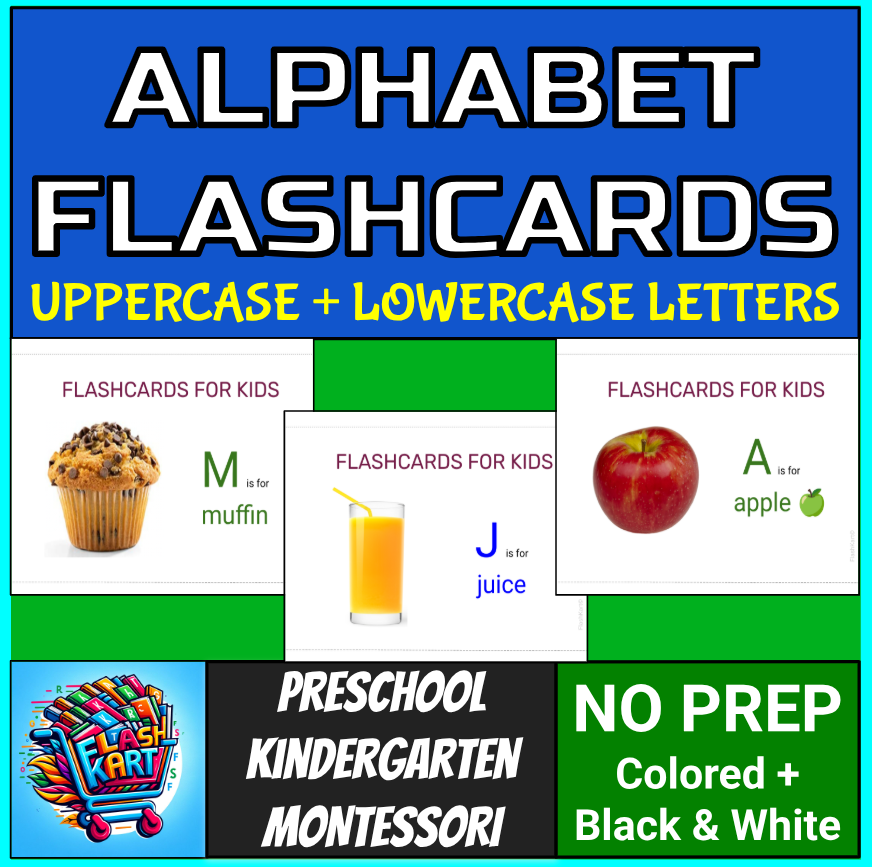
Provide printable A-Z alphabet flashcards (uppercase and lowercase letters, each illustrated with a picture and word) for teaching letter recognition and early literacy, packaged with an instructional guide of 27+ games for using the cards with children.
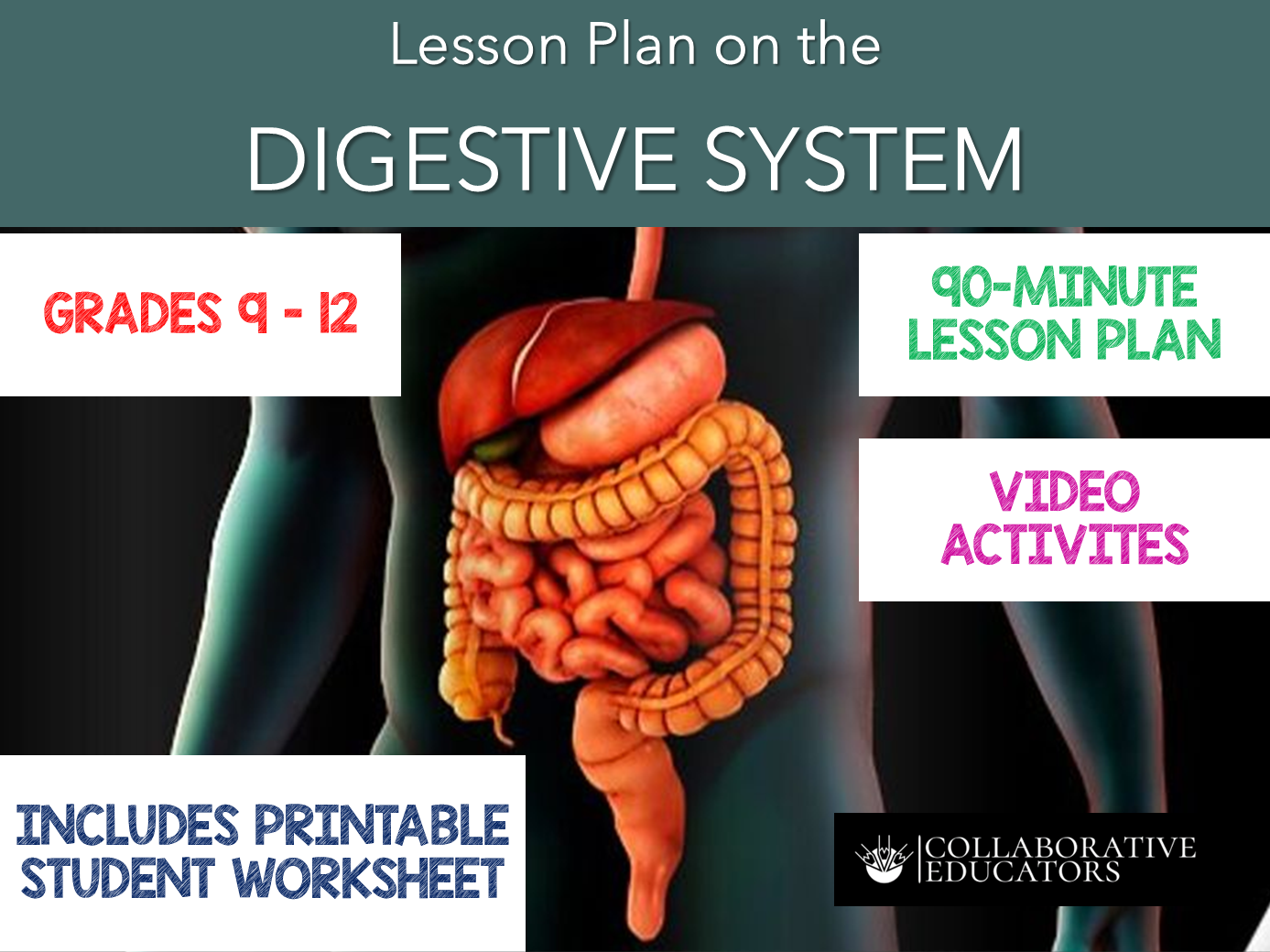
A 90-minute Grades 9-12 biology lesson plan on the organs and process of the human digestive system, including common disorders.
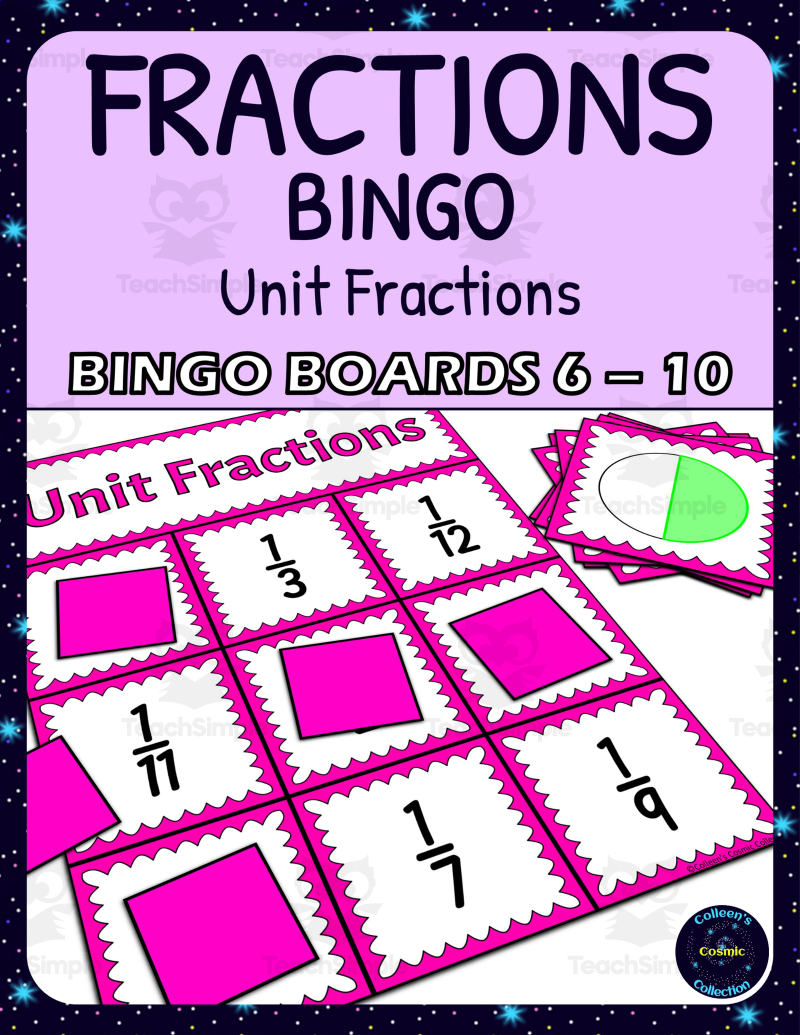
Unit Fractions Bingo engages students in identifying and matching unit fractions using four formats: fraction circles, squares, strips, and symbols. This versatile math game builds fraction fluency. The resource includes 5 colorful bingo boards plus calling cards. Optionally, print playing squares for students to cover called spaces. Or…
A guided reading lesson plan for Grade 5, built around the anchor text Matilda by Roald Dahl (Chapter 7: "Miss Honey"), targeting character motivation/inference, vocabulary building, and discussion of resilience and kindness themes.
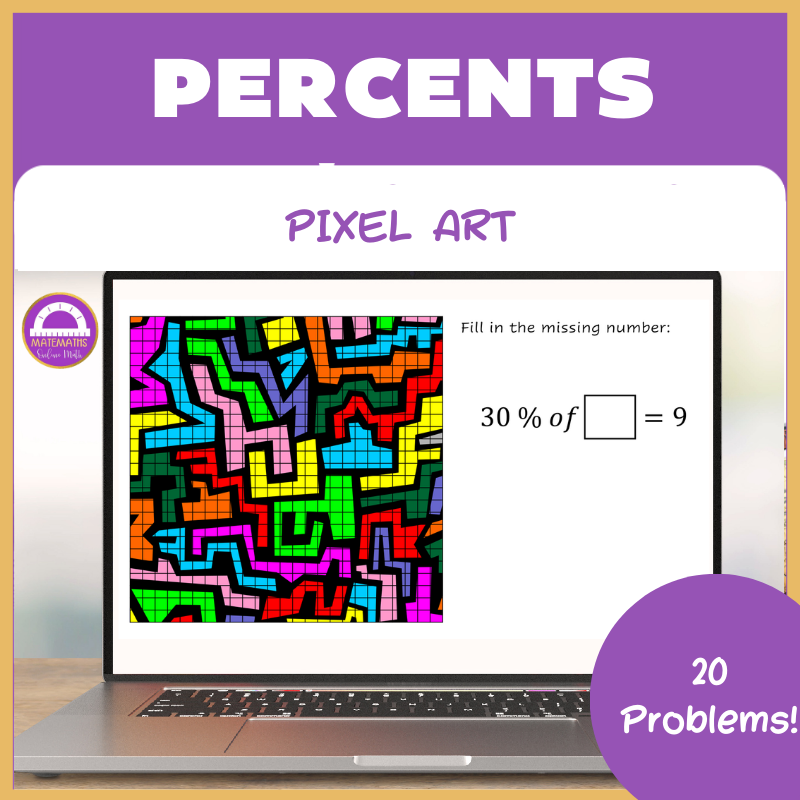
A self-checking pixel art math activity giving students percent-of-a-number problems to solve.
Scripted art lesson (Lesson 3 of a 4-part 'Bundle Breaks' 3D Drawing series) teaching 1-point perspective drawing of 3D forms and an interior room drawn from observation, with shading using graphite pencils, delivered as a 1:1 or small-group tutoring script.

Guided-notes lesson (Lesson 5 of a Laws of Exponents video series) teaching the power rule applied to fractions/quotients raised to a power.

A multi-syllabic word-reading card game (playable as Snap, 'Hot Shots', or a board game) for practicing decoding of longer words, including homophones and spelling-pattern sorts.