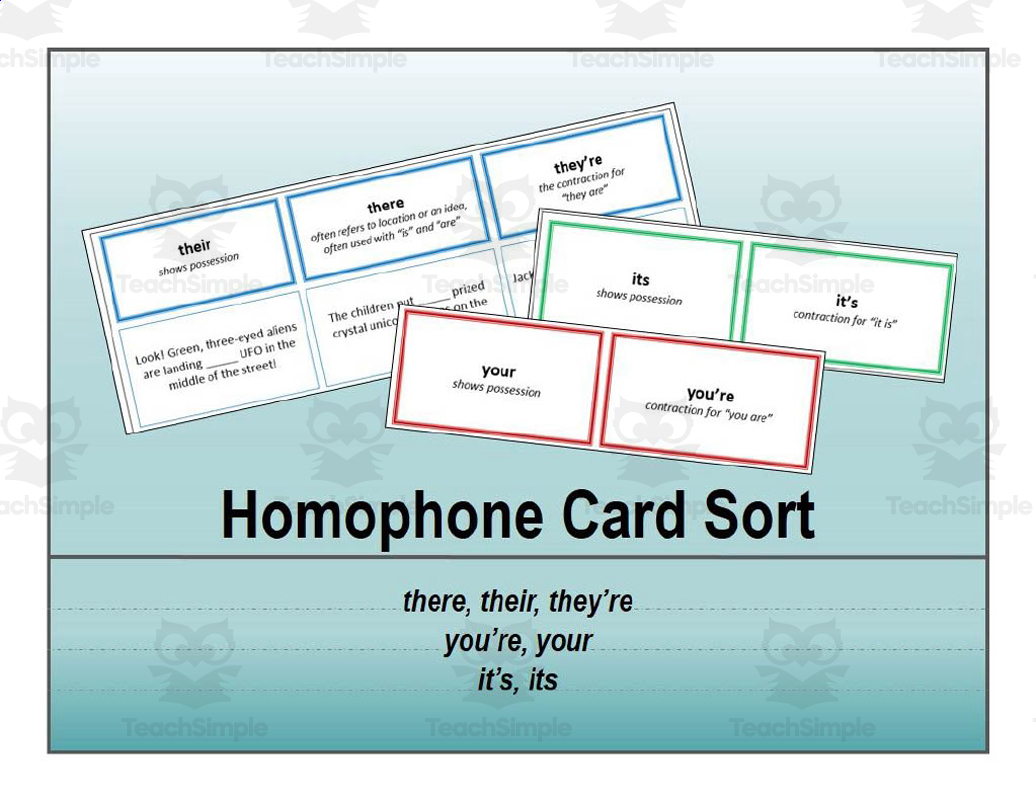
Homophone Card Sort
Homophone Card Sort This card sort activity is intended for practice in identifying the correct spelling and meaning of three common sets of homophones: their, there, and they’re, your and you’re, and its and it’s.




12,840 resources
Explore sub-categories
14 sub-categories · 12,840 resources
Homophone Card Sort This card sort activity is intended for practice in identifying the correct spelling and meaning of three common sets of homophones: their, there, and they’re, your and you’re, and its and it’s.
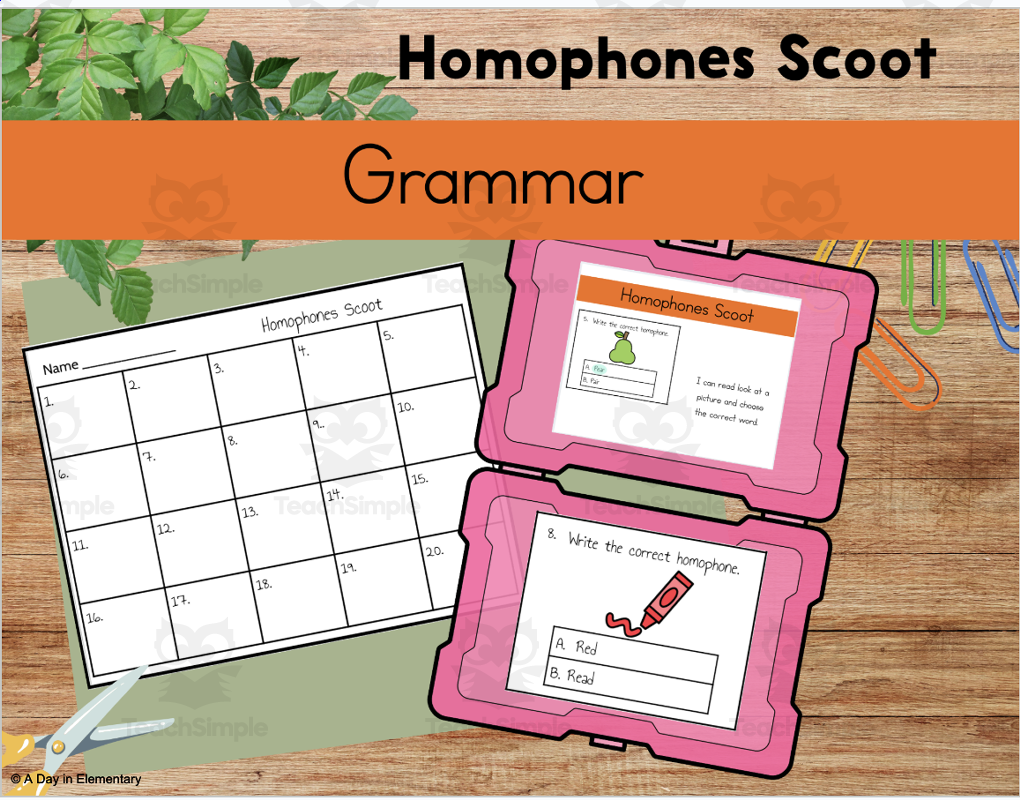
Practice identifying correct homophones through a SCOOT-style around-the-room activity using picture-supported multiple-choice cards.
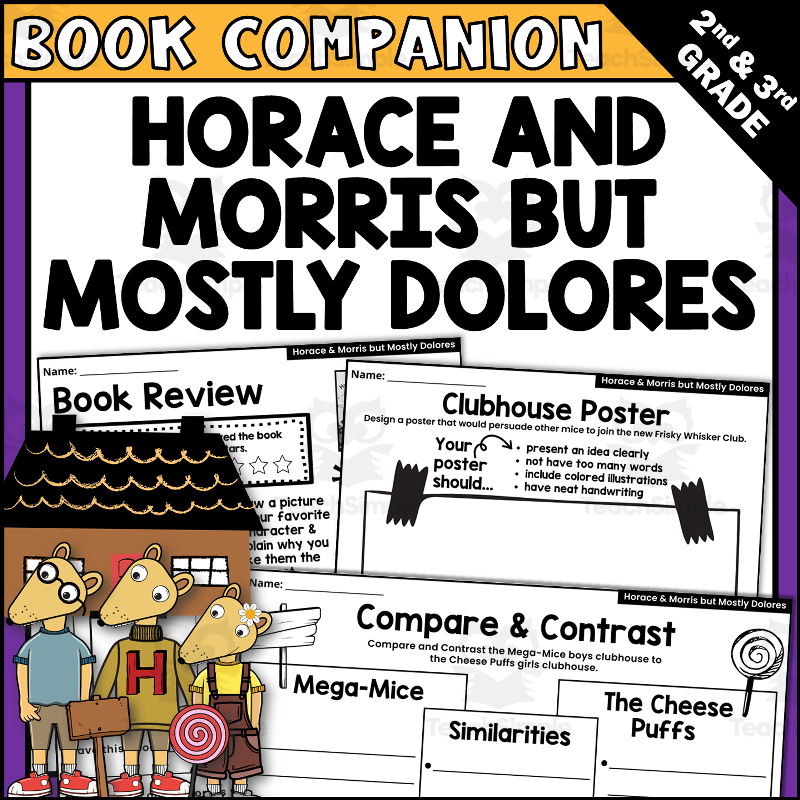
Provide a complete book-companion set of reading-comprehension activities for the picture book 'Horace and Morris But Mostly Dolores' by James Howe.

This pack gives you all the information you need at your fingertips to study the Horse Chestnut tree through each season. It also includes: For ages 5-6, it includes: Teaching Notes Cards to learn to read and spell words associated with…
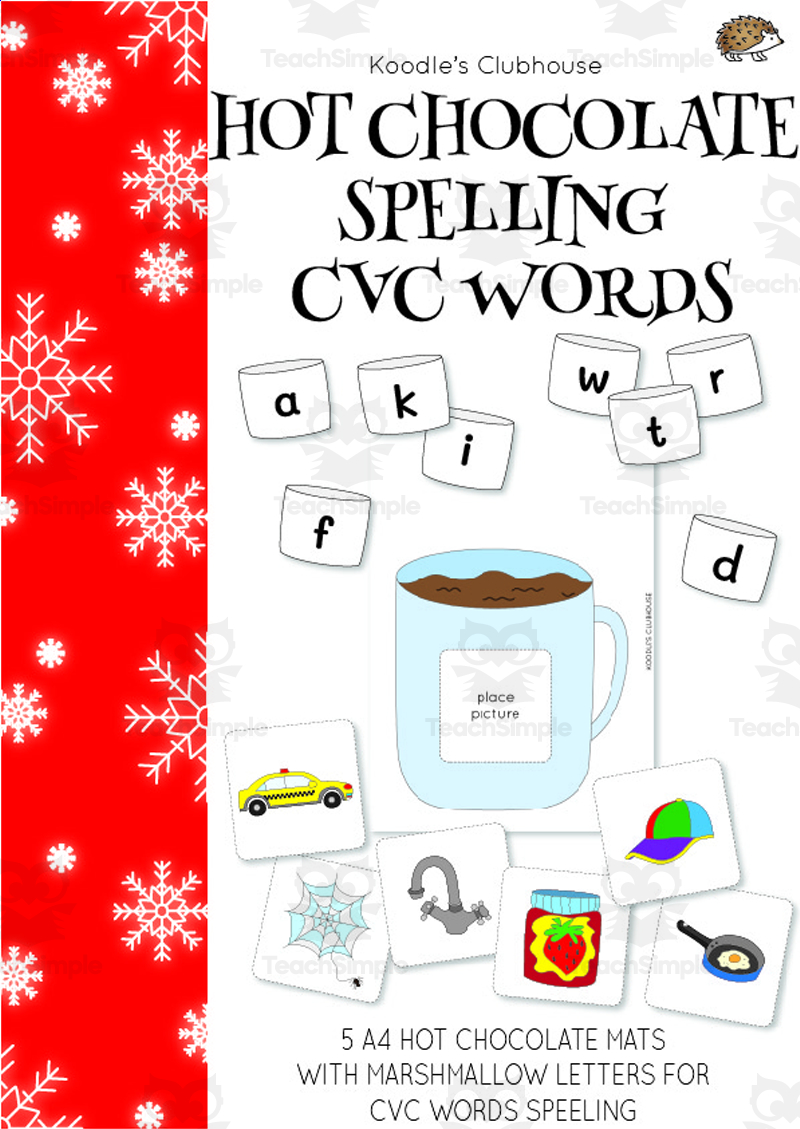
Introducing the Hot Chocolate Spelling CVC Words Resource The Hot Chocolate Spelling CVC Words resource offers a colorful and exciting platform for enhancing spelling, literacy, and phonics skills in young learners.

Hot Season and Summer Season Interactive Lapbook: A Teaching Resource This hands-on teaching resource is perfect for stimulating the minds of students in 3rd to 5th grade.
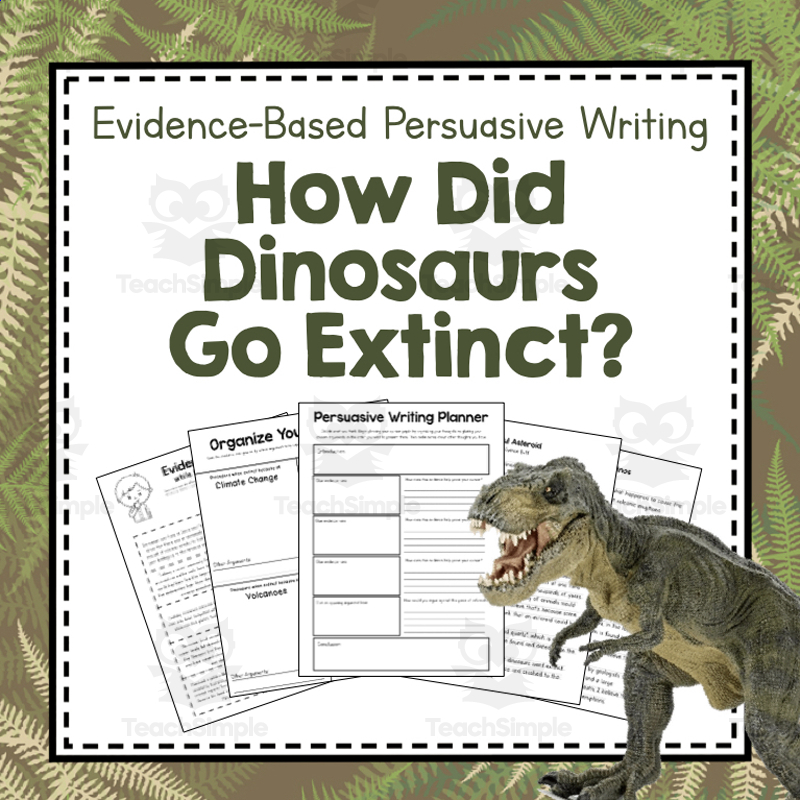
How Did the Dinosaurs Go Extinct? | Persuasive Writing Pack The How Did the Dinosaurs Go Extinct? | Persuasive Writing Pack is an interactive educational resource designed primarily for students in grades 3 to 5.
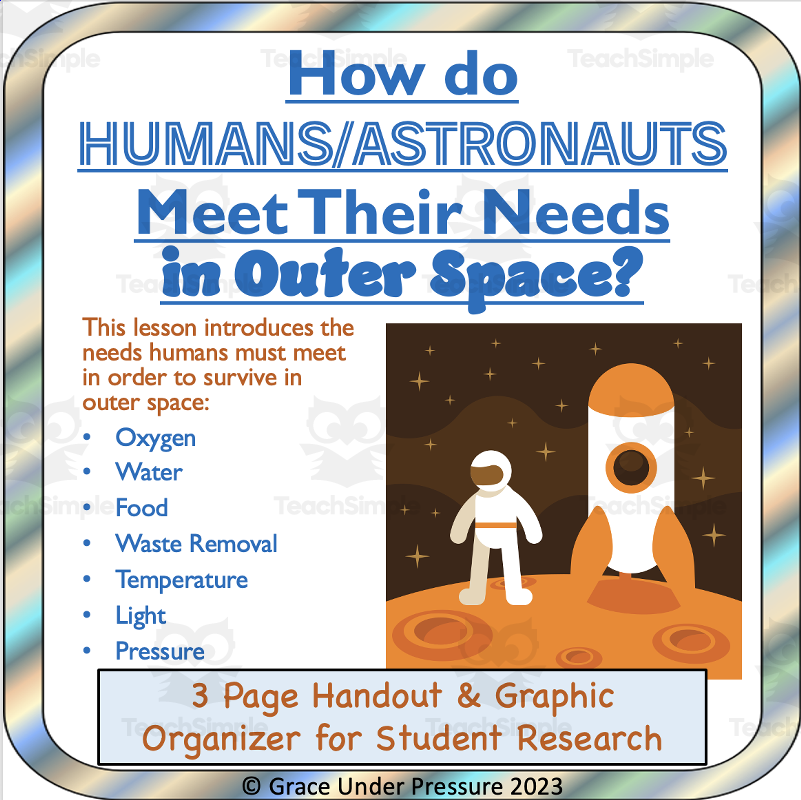
This middle school science lesson introduces the essential needs that humans (astronauts) must meet in order to survive while exploring in the extreme environment of outer space: •Oxygen •Water •Food •Waste Removal •Temperature •Light…
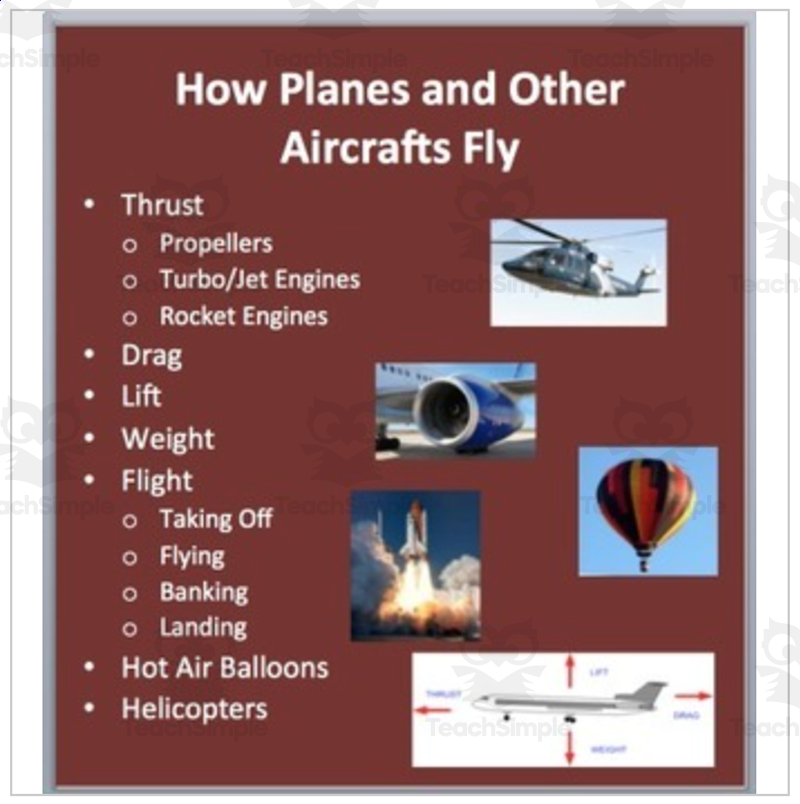
This 2-DAY lesson and lab package on How Planes and Other Aircraft Fly begins with a look at the aerodynamic forces which affect flight - Thrust, Drag, Lift and Weight. It then looks at takeoffs, level flight, banking, and landings.

How Things Move - Foldable and Cut-and-Paste (English and Spanish) The actionable resource 'How Things Move' is perfect for kindergarten, preschool, grade 1, and grade 2 students.

The tooth-brushing topic gives developing writers a familiar process to organize. Picture and sentence sequences support planning before students use transition words in a draft. Select an editing checklist that matches the writer’s level, then reread the directions to check order and clarity.
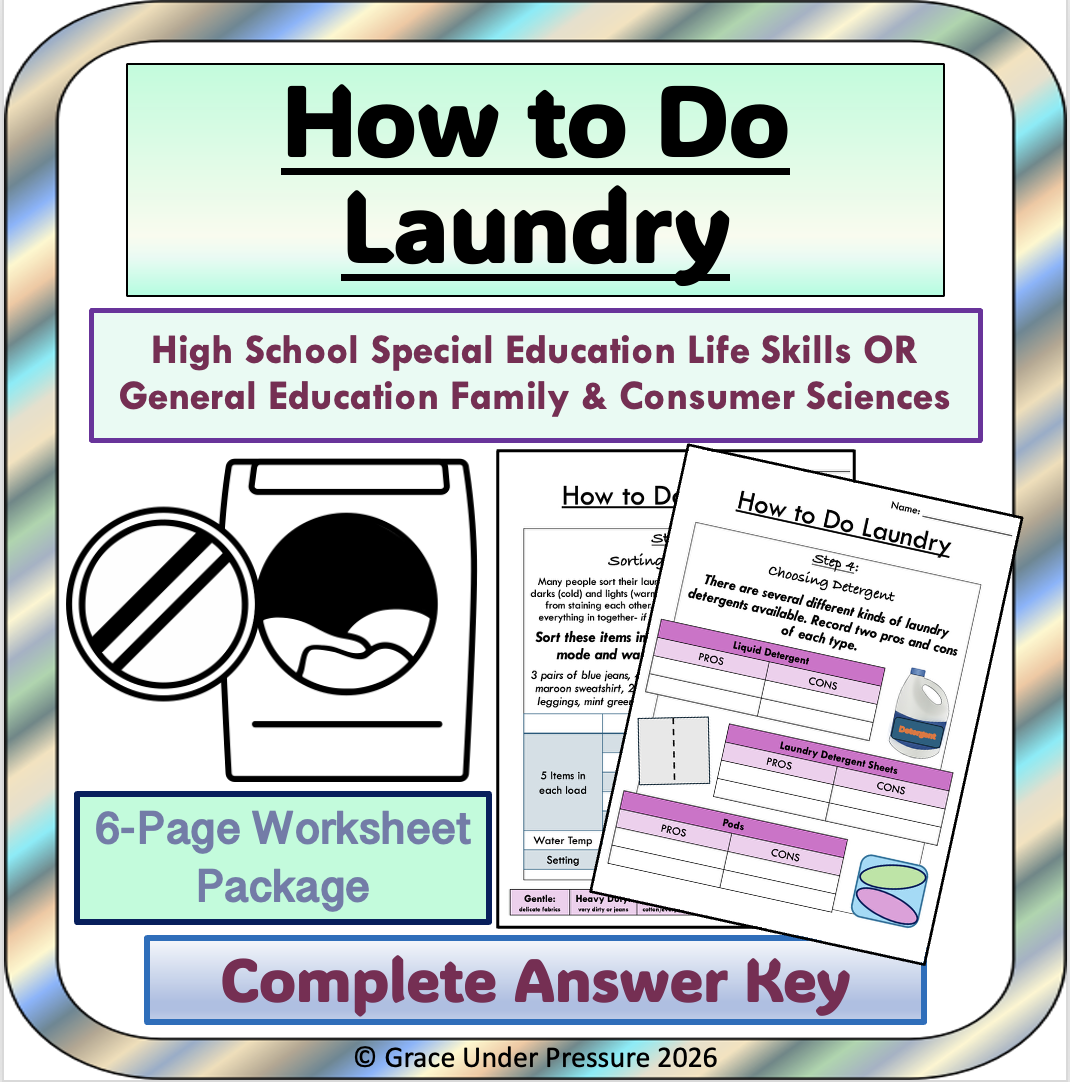
Do you want to teach your high school students in special education life skills OR general education family and consumer sciences how to do their own laundry?

Use making a peanut butter sandwich as a familiar model for procedural writing. The packet offers sequencing pieces, writing supports and prompts for making instructions more specific, with a sample paragraph and editing checklists to support revision. Choose drawing or writing formats to match students’ needs; the paper activities can be completed without preparing or tasting food.
Teaches early writers to produce sequential 'how-to' expository writing about making a valentine, using leveled models, checklists, and picture-sequencing supports.
Teaches early elementary writers how to compose a step-by-step 'how-to' (procedural/expository) piece using the everyday example of apple pie, with an emphasis on sequencing and transition words.
Teaches early elementary writers how to compose a step-by-step 'how-to' (procedural/expository) piece using the everyday example of caramel apples, with an emphasis on sequencing and transition words.
Teaches early elementary writers how to compose a step-by-step 'how-to' (procedural/expository) piece using the everyday example of gingerbread cookies, with an emphasis on sequencing and transition words.
Teaches early elementary writers how to compose a step-by-step 'how-to' (procedural/expository) piece using the everyday example of hot chocolate, with an emphasis on sequencing and transition words.
Teaches early elementary writers how to compose a step-by-step 'how-to' (procedural/expository) piece using the everyday example of lemonade, with an emphasis on sequencing and transition words.
This cross-curricular resource uses students’ interest in pancakes to creatively teach emerging writers the basics of crafting step-by-step “how-to” explanations.

This cross-curricular resource uses students' interest in popcorn to teach early writers fundamentals of crafting step-by-step "how-to" explanations.
This fall-themed resource leverages students' interest in pumpkin pie around Thanksgiving to teach early writers the basics of crafting step-by-step "how-to" explanations.
Teaches early elementary writers how to compose a step-by-step 'how-to' (procedural/expository) piece using the everyday example of snow cream, with an emphasis on sequencing and transition words.

Teaches early elementary writers how to compose a step-by-step 'how-to' (procedural/expository) piece using the everyday example of raking leaves, with an emphasis on sequencing and transition words.