Word meaning
Hour of the Bees Novel Study Unit
A large (580-page) novel study unit for 'Hour of the Bees' by Lindsay Eagar, covering comprehension, assessment, vocabulary, writing, and spelling for grades 5-7.




7,879 resources
Explore sub-categories
22 sub-categories · 7,879 resources
A large (580-page) novel study unit for 'Hour of the Bees' by Lindsay Eagar, covering comprehension, assessment, vocabulary, writing, and spelling for grades 5-7.
Build reading comprehension and vocabulary skills around Aesop's fable 'The Hare and the Tortoise' through discussion, vocabulary study, retelling, handwriting practice, and hands-on extension activities.
 Free download
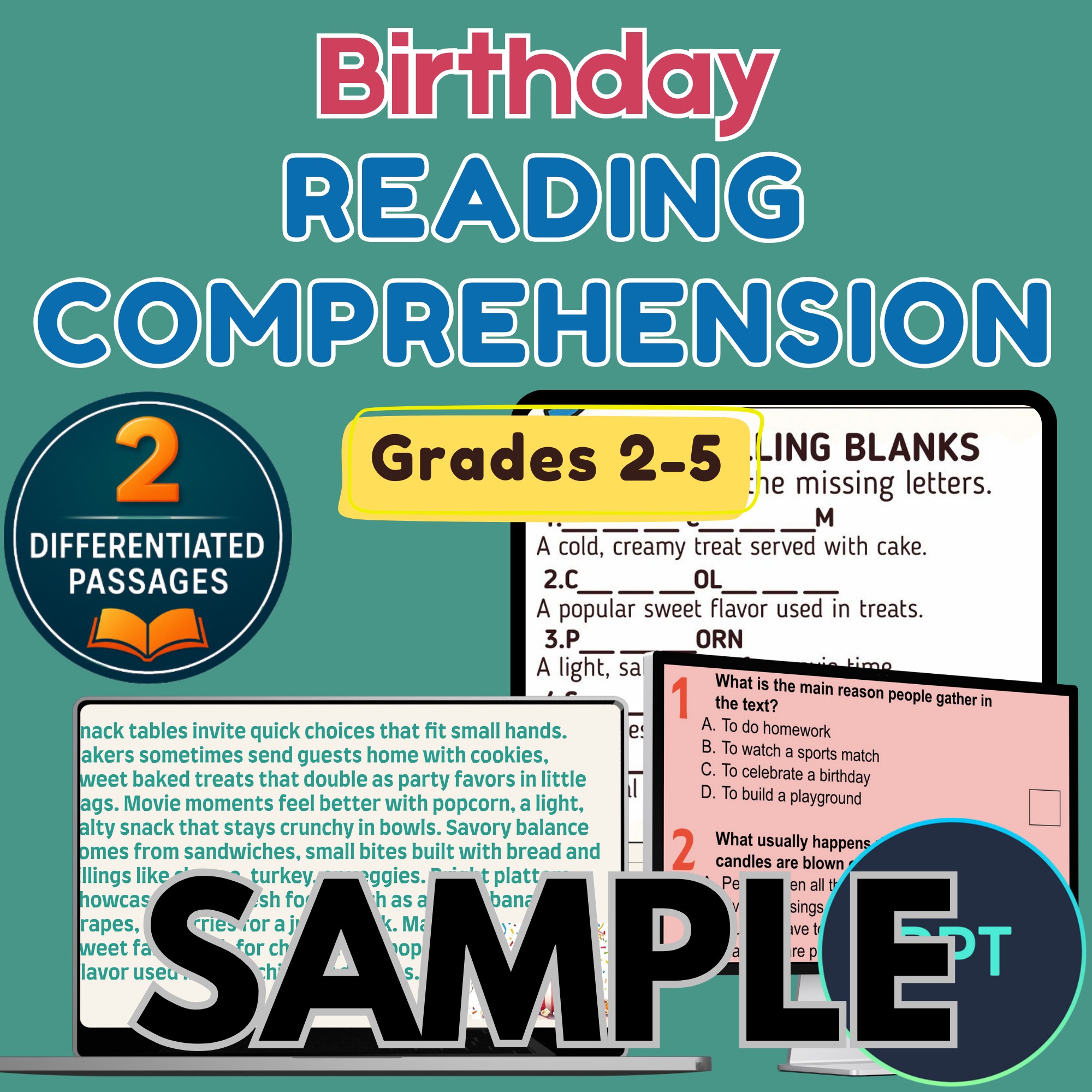
 Slide-deck (PowerPoint) version of the differentiated 'Birthday Fun' reading comprehension lesson (one lesson sample from a larger themed series), presenting the same passages and skill-building activities in a click-through slide format for classroom projection or editing.
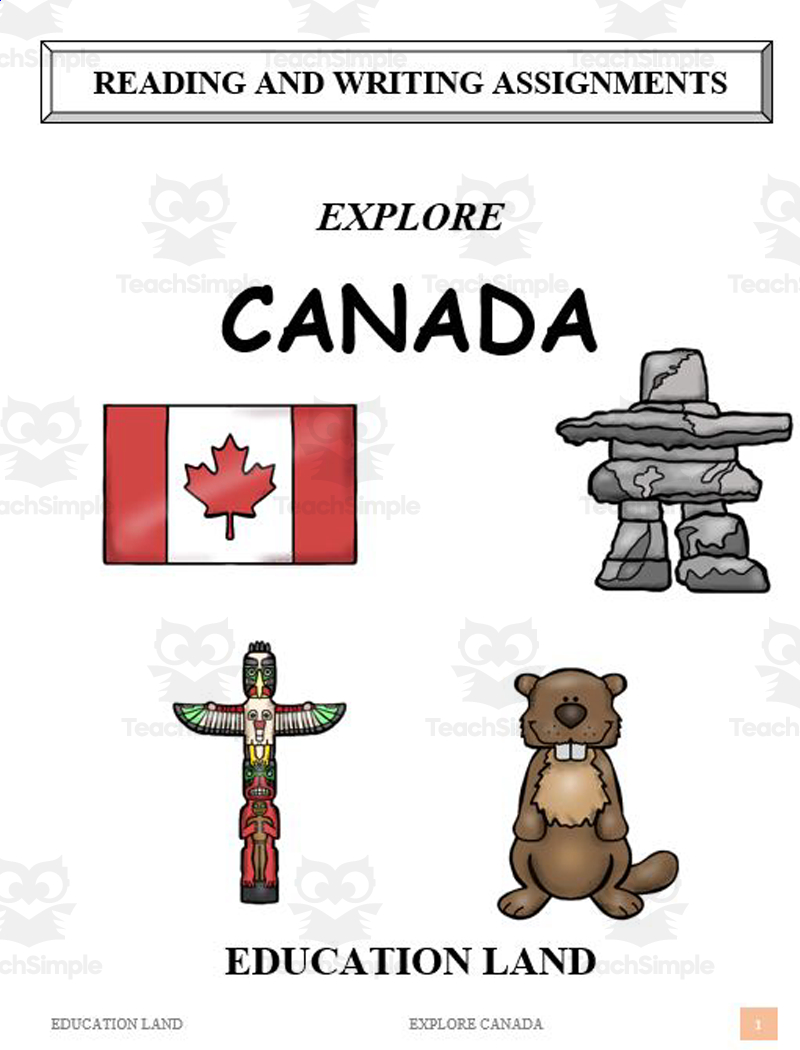
Students record prior knowledge about Canada, learn and match Canada-related vocabulary/images (map of Canada, beaver, Canadian flag, wild goose, hockey, totem, maple syrup, inukshuk, Parliament) to pictures, illustrate and color vocabulary words, complete writing-practice pages, do a reading-and-coloring activity,…

Read a passage about George Washington, then complete a main-idea/details graphic organizer, a problem/solution organizer (e.g., about winning independence and the Articles of Confederation not working), fact boxes, a timeline-sequencing activity (7 events from inheriting Mount Vernon through his death in 1799), and a…
Read assigned chapters and complete chapter comprehension/vocabulary worksheets, spelling pattern activity pages, mystery-match context-clues vocabulary practice cards and fill-in-the-blank tests, drawing/coloring theme posters, multiple-choice exit quizzes per chapter, a final 20-question multiple-choice test, an end-of-unit writing…
Select and complete individual task cards (e.g. Partner Reading, Echo Reading, Round Robin, Choral Reading, Whisper Reading, Listen and Learn, Read the Book on Tape, Radio Reading, Readers' Theater, Time to Read) that each specify materials needed and a short 2-3 step reading activity to complete, generally with a partner or small group…
A music-education teaching unit (Volume 3, Number 1) that uses the song 'Popular Song' by Mika & Ariana Grande to teach music vocabulary, listening/analysis skills, and curriculum-aligned music concepts.
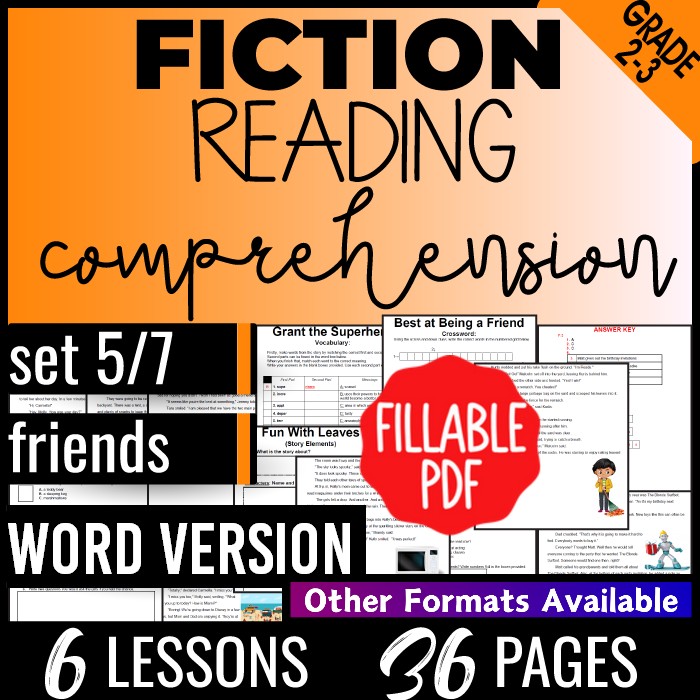
Read a short fiction passage, then answer multiple-choice and short-answer comprehension questions ('Mixed Questions'), complete a vocabulary or spelling activity (varies by lesson: crossword, jumbled letters, matching, or fill-in-the-blank), respond to one of several writing prompts, and complete a bonus 'just for fun' activity; self-…
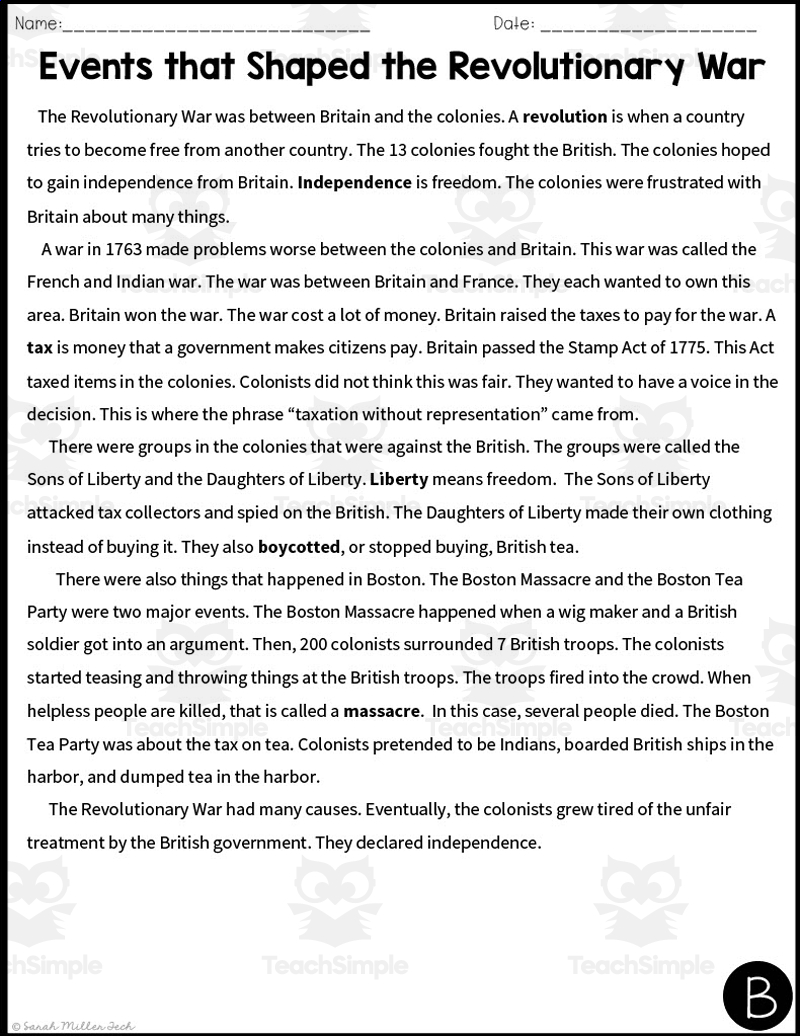
Read a passage on events leading to the Revolutionary War, then complete multiple-choice questions, graphic organizers, and short-answer activities (including a cause/effect activity where at least one sample answer is 'Answers will vary').

Teach high school students about five Canadian investment account types (RRSP, TFSA, FHSA, RESP, non-registered/cash) and their tax implications, updated to include the newer First Home Savings Account.
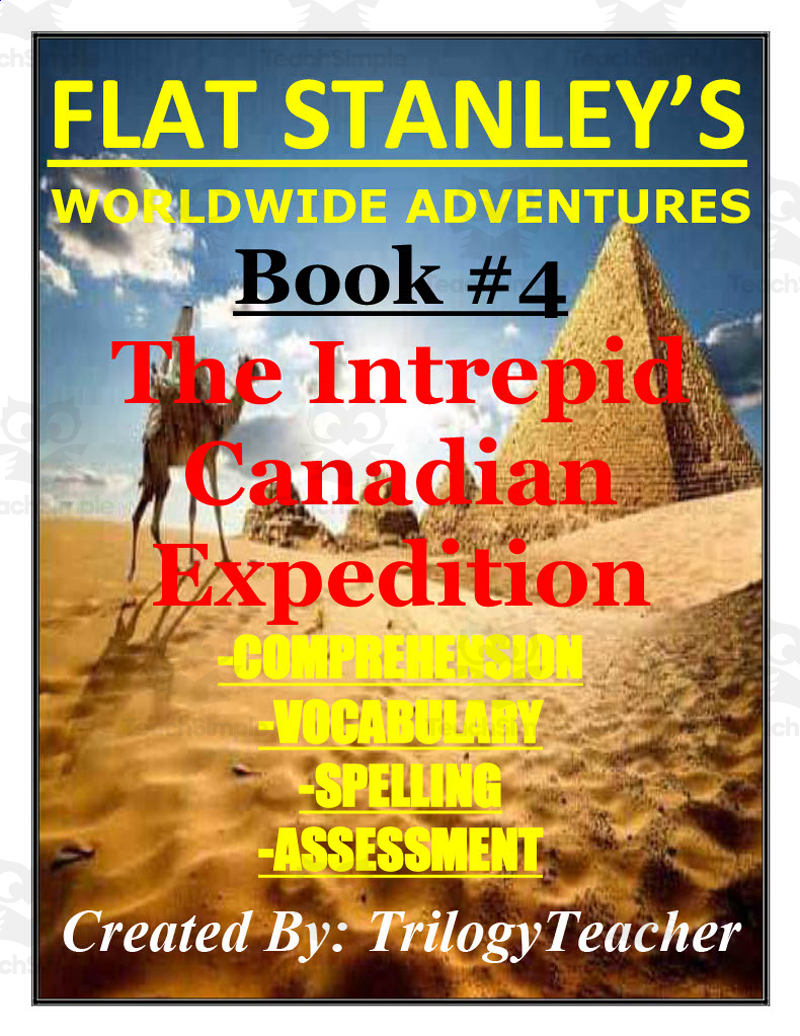
Read assigned chapters and complete chapter comprehension/vocabulary worksheets, spelling pattern activity pages, context-clues vocabulary practice cards and fill-in-the-blank tests, drawing/coloring theme posters, multiple-choice exit quizzes per chapter, a final 20-question multiple-choice test, an end-of-unit writing prompt, and a…
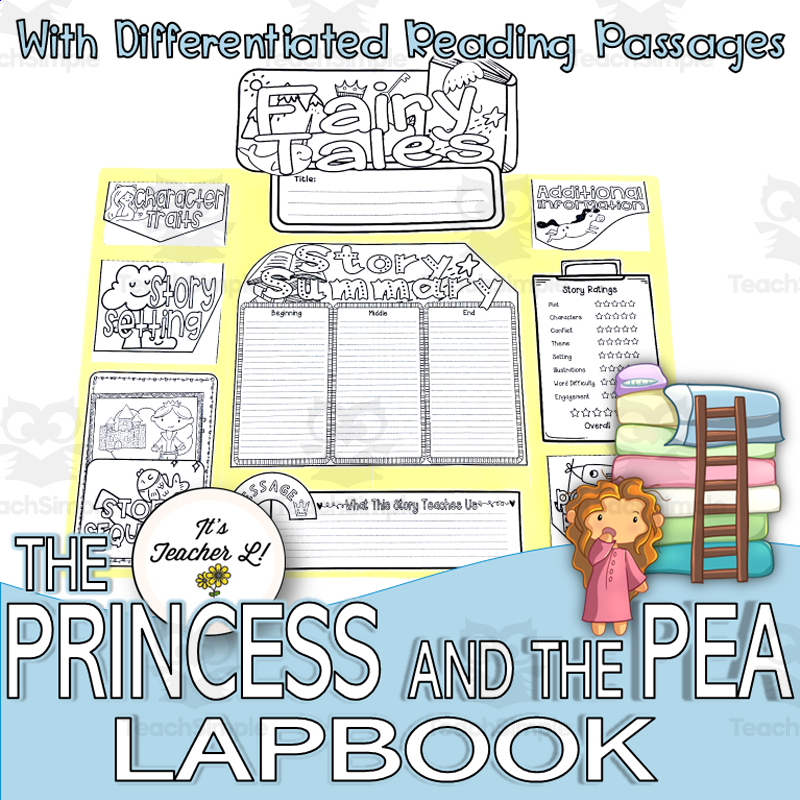
Discover what a real princess is all about through this The Princess and the Pea Lapbook Project! Designed for Grades 3, 4, and 5 students, homeschoolers and EFL/ESL learners, this interactive resource is perfect for reading centers, reading classes, fairy tale units, reading comprehension supplemental assessment tool, sup plans, and so much more!…
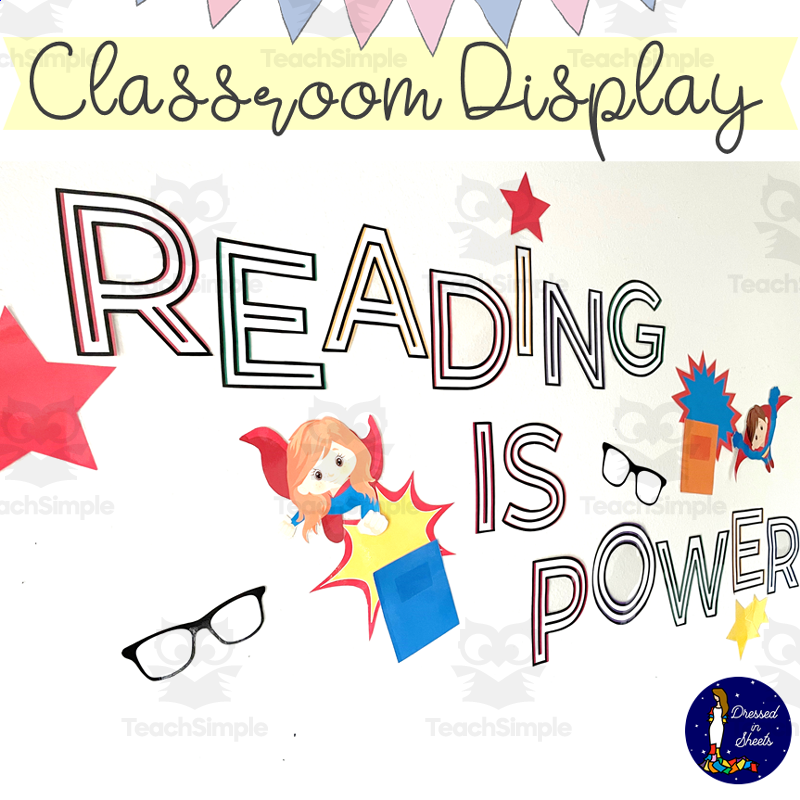
A printable classroom display/decor set with a 'Reading is Power' theme, to be printed, cut, laminated, and posted in the classroom.
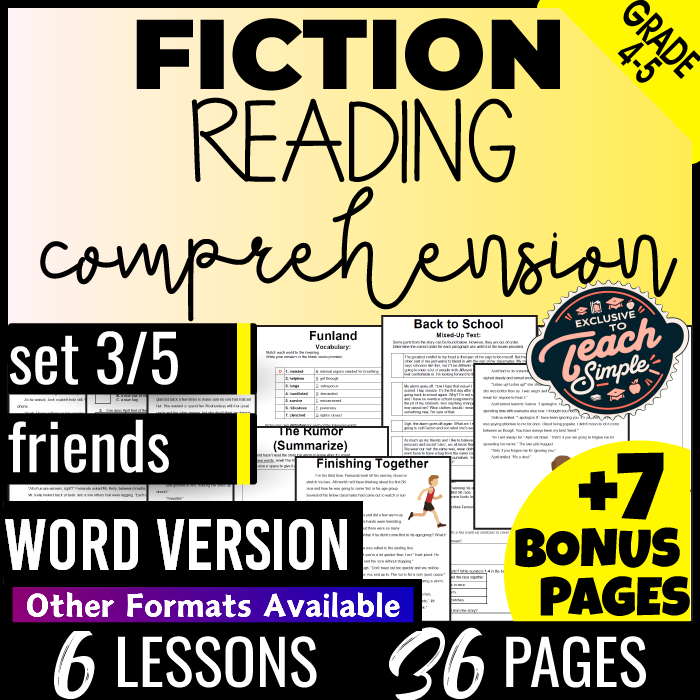
No-prep fiction reading comprehension packet for Grade 4-5: pairs short realistic-fiction stories on a 'Friends' theme with post-reading comprehension, vocabulary/spelling, and writing activities for independent or classroom use.
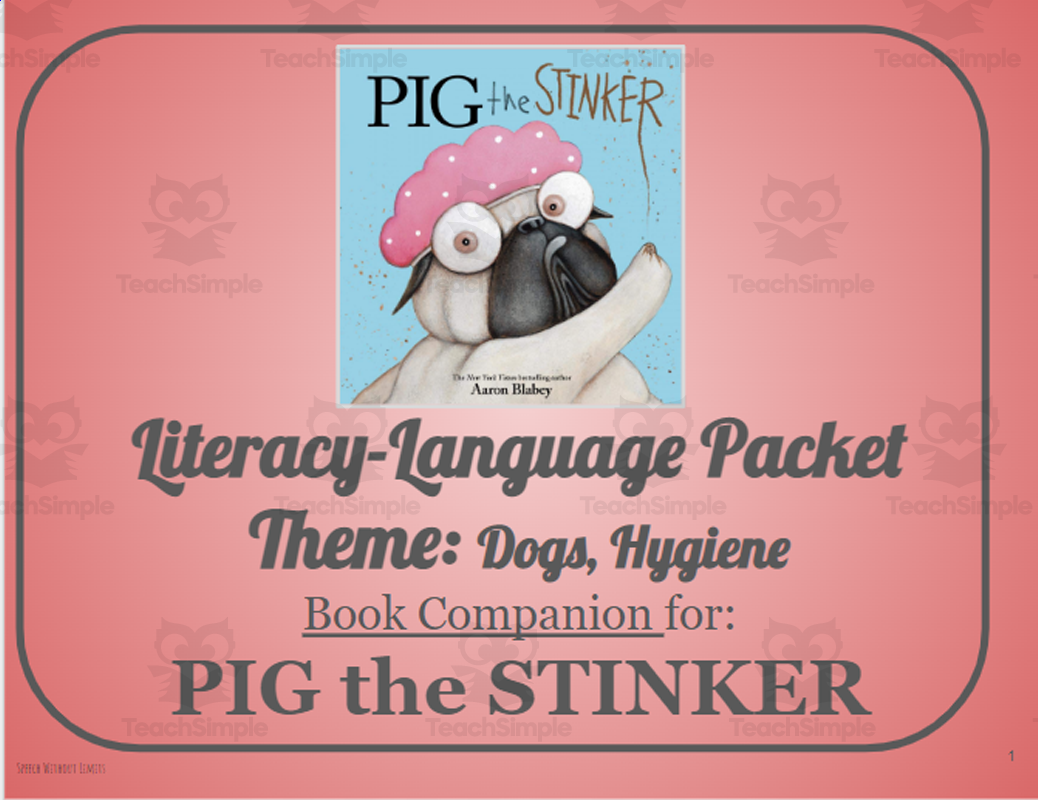
Engage in a picture walk-through and repeated readings of the book; identify letter 'w' name/sound and practice writing it; use core/fringe vocabulary word strips during reading; interact with story props (cut-out story elements); retell the story by sequencing cut-and-paste pictures; complete a multiple-choice comprehension worksheet;…
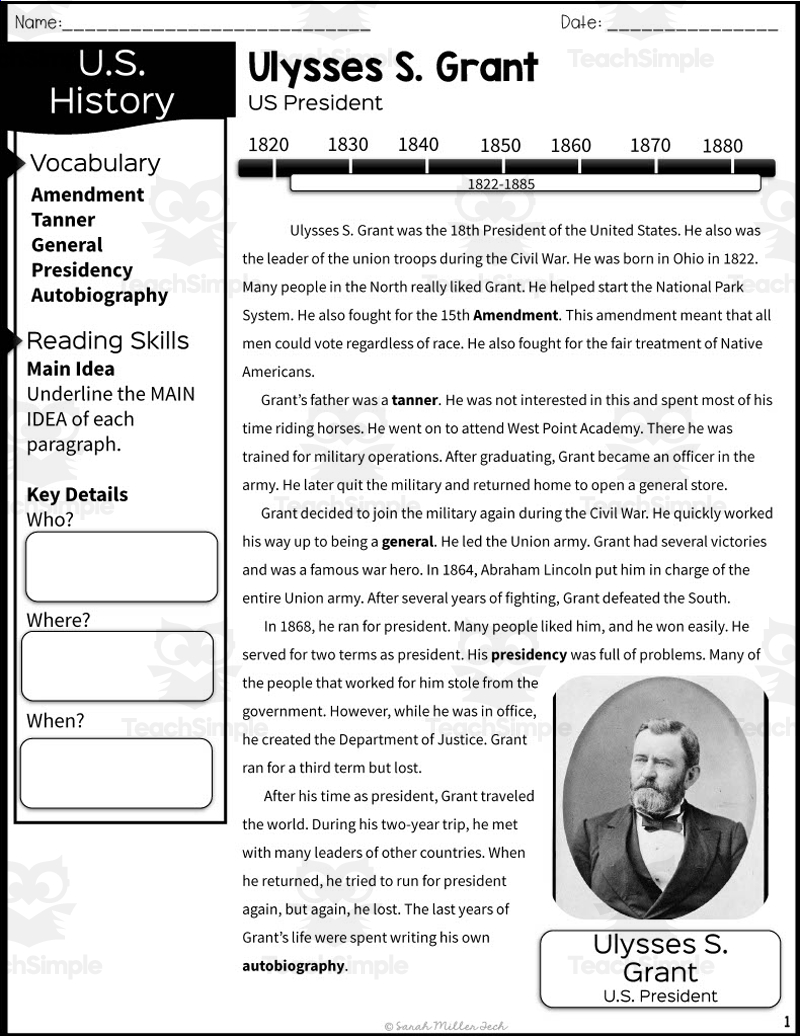
Students read a passage on Ulysses S. Grant, answer multiple-choice questions, complete a 3-fact graphic organizer, and complete a matching/fill-in activity; answer key provided.

A bundle of five consumable language-arts workbooks (one per grade, grades 1-5) providing sequential grammar, usage, mechanics, vocabulary and writing instruction aligned to Common Core standards.
 Free download
 A decodable reader ('The Black Truck and the Storm'), part of a sequential decodable series, practicing the 'ai' vowel-team sound.
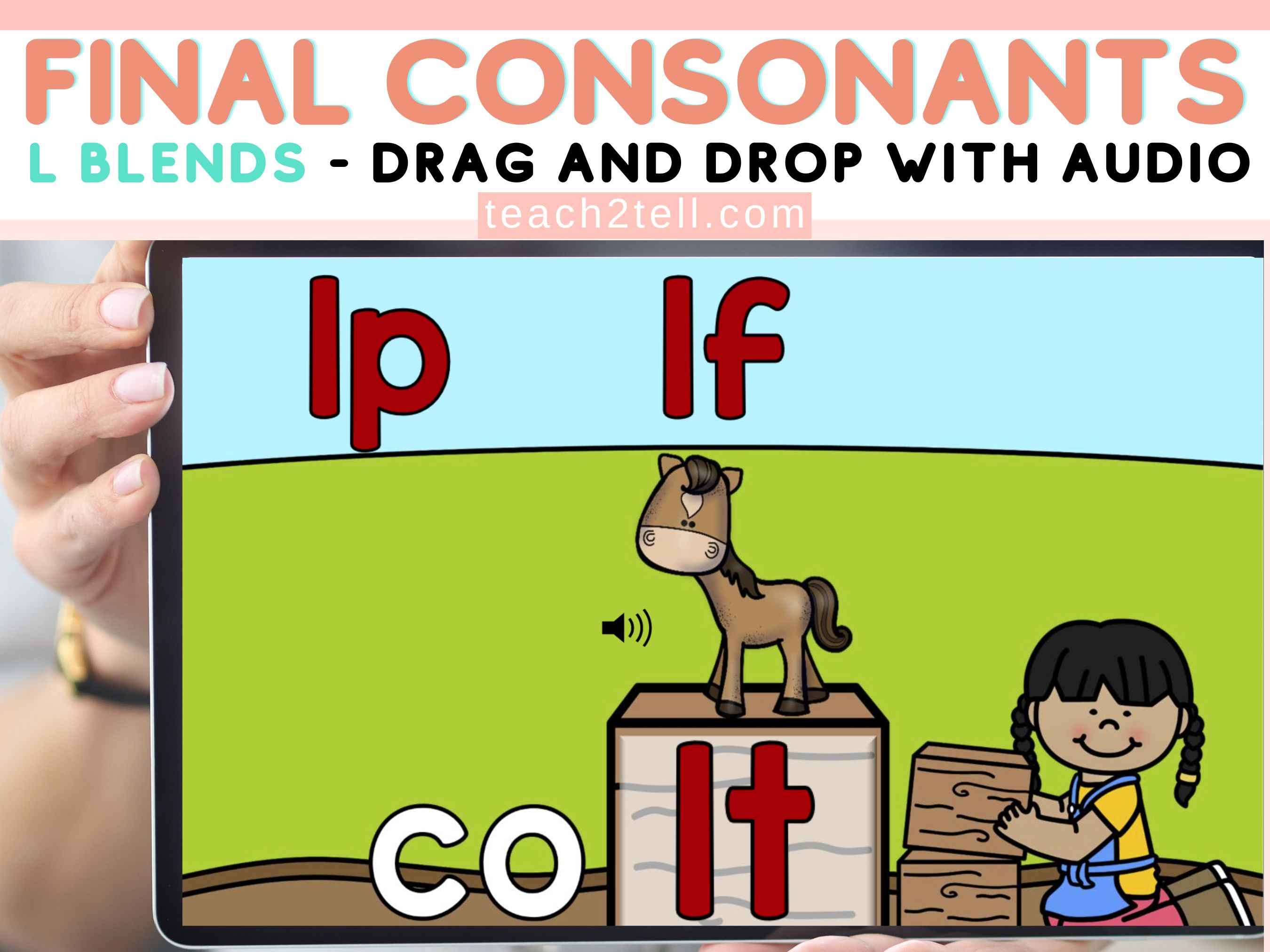
Give students practice spelling and reading words ending in lb, ld, lt, lm, lp, lk, and lf through a self-checking digital drag-and-drop deck.
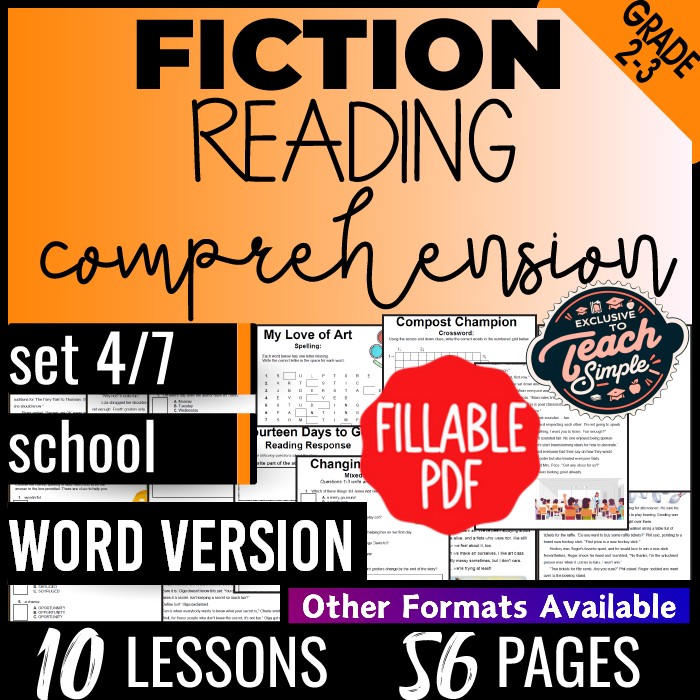
Read a short fiction passage, then answer multiple-choice and short-answer comprehension questions ('Mixed Questions'), complete a vocabulary or spelling activity (varies by lesson: crossword, jumbled letters, matching, or fill-in-the-blank), respond to one of several writing prompts, and complete a bonus 'just for fun' activity; self-…
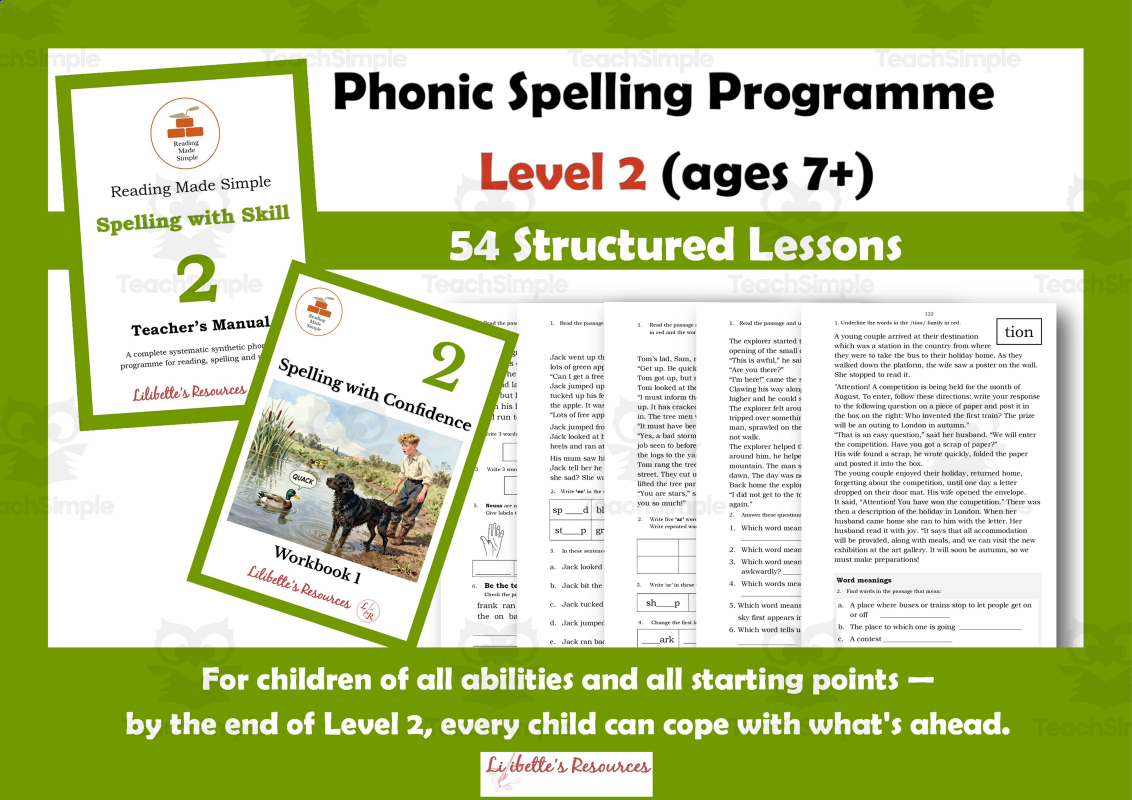
Learn phonic sound families week by week: review flashcards and vowel sounds, read and spell word-family lists, write words/sentences, and complete a weekly Friday spelling dictation of a passage that revises the week's word family.

Reference the vocabulary cards during science lessons and review; the resource is a display/reference set rather than an active worksheet task.
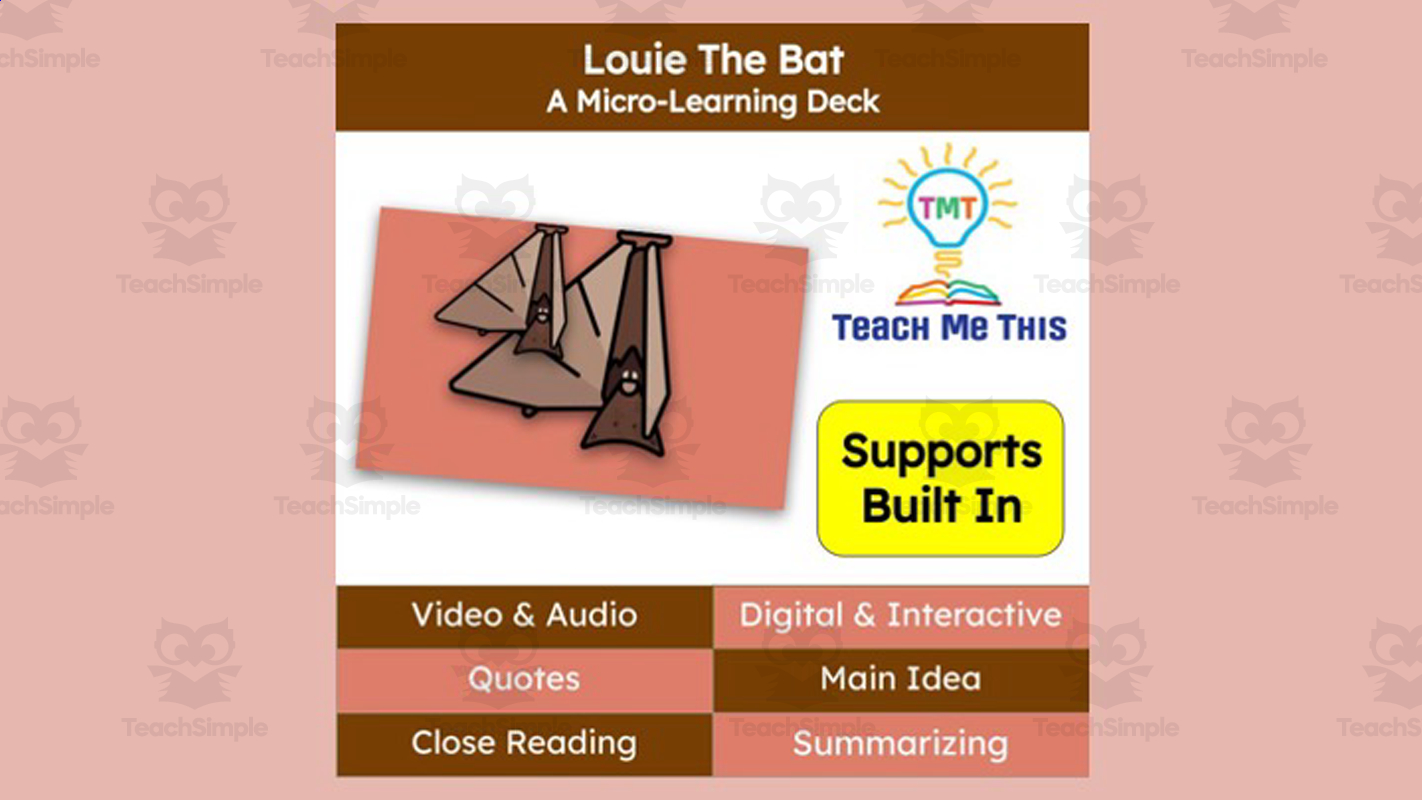
A digital micro-learning slide deck (book companion) built around an original short story 'Louie The Bat', teaching reading comprehension skills including close reading, quotes, main idea, and summarizing.