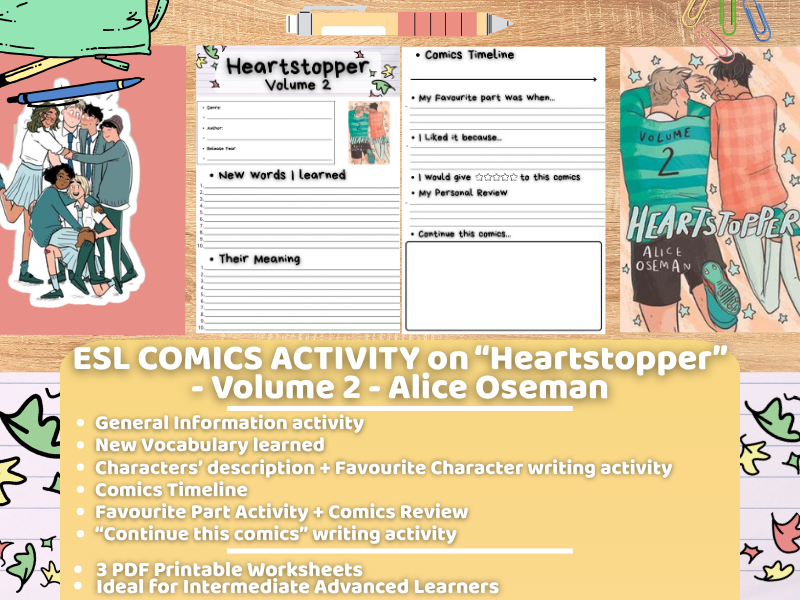
ESL Comics Activity - Heartstopper - Volume 2 - Alice Oseman
A fill-in book-report worksheet for students to record and reflect on their reading of the graphic novel Heartstopper Volume 2 by Alice Oseman.
7,879 resources
Explore sub-categories
22 sub-categories · 7,879 resources
A fill-in book-report worksheet for students to record and reflect on their reading of the graphic novel Heartstopper Volume 2 by Alice Oseman.
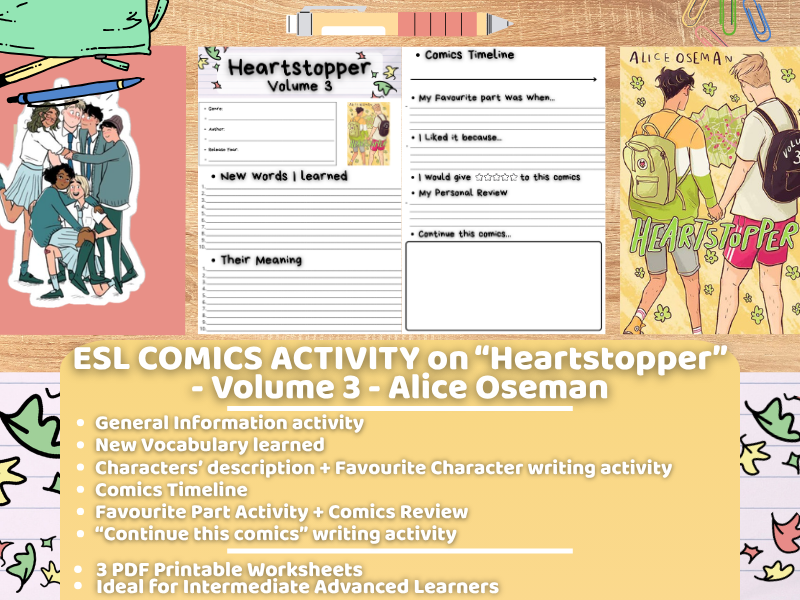
A fill-in book-report worksheet for students to record and reflect on their reading of the graphic novel Heartstopper Volume 3 by Alice Oseman.
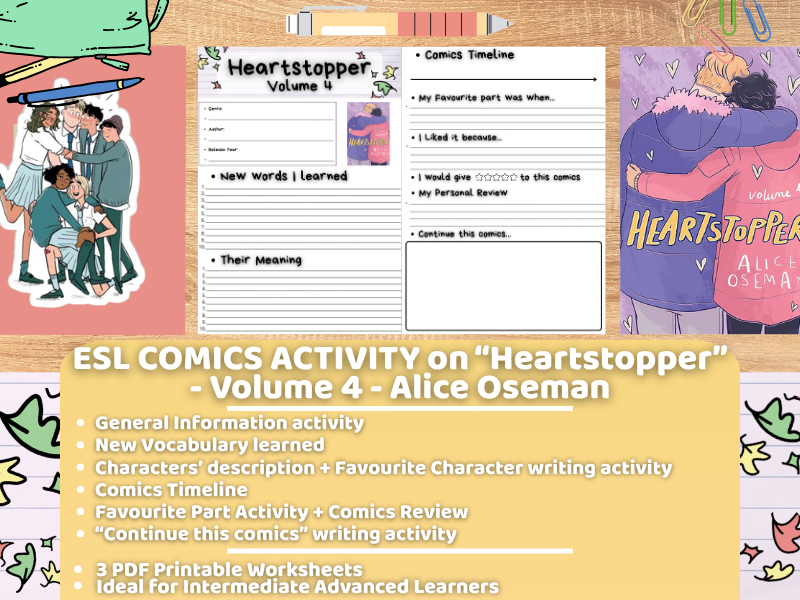
A fill-in book-report worksheet for students to record and reflect on their reading of the graphic novel Heartstopper Volume 4 by Alice Oseman.
A leveled spelling program (based on the Words Their Way approach) providing word lists, picture sorts, and word-study activities from early phonics through vowel patterns for grades K-5.
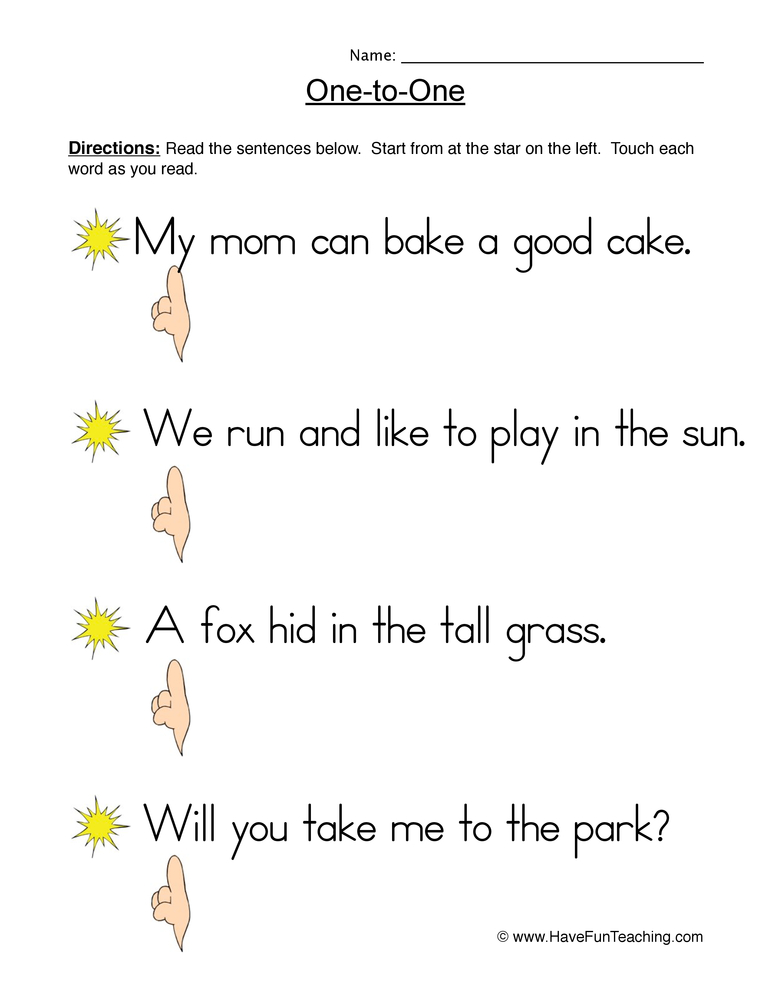
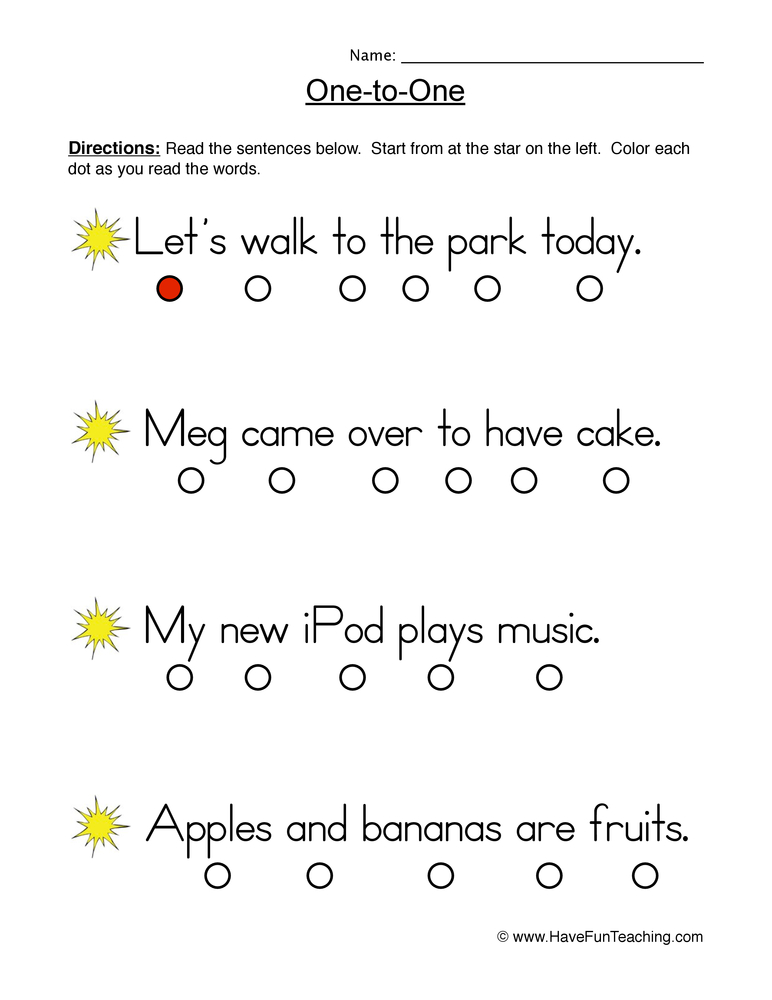
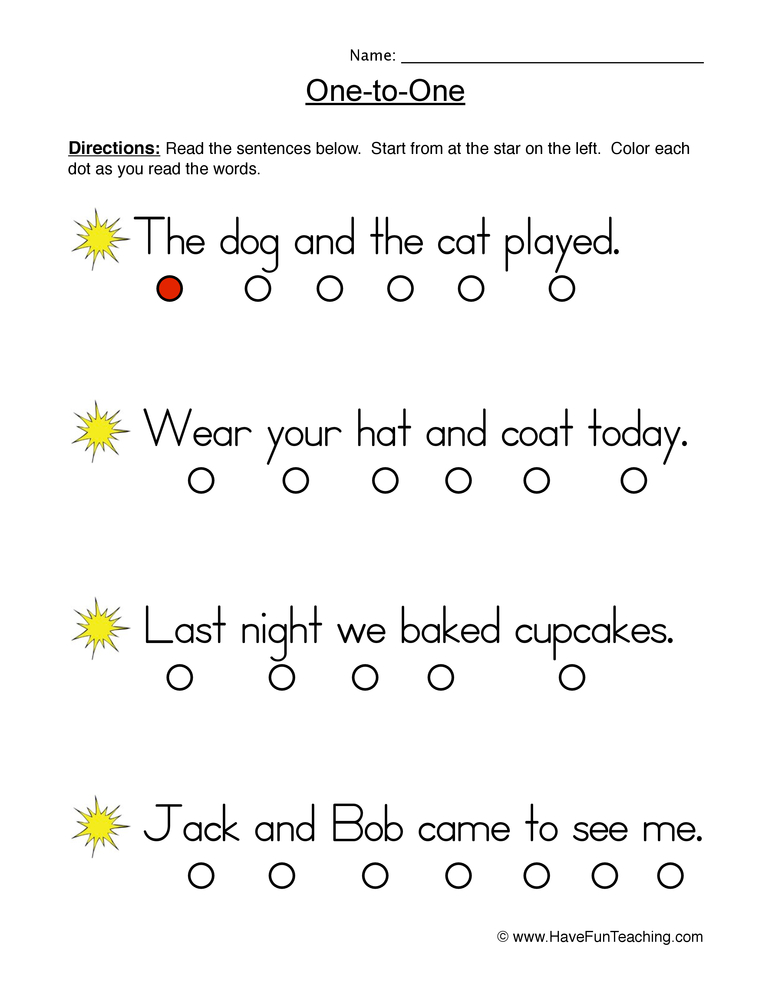
This One to One Reading Practice Worksheet is perfect for students who need help with reading accuracy and fluency skills. By reading one word at a time, students can improve their reading skills and become more confident readers.
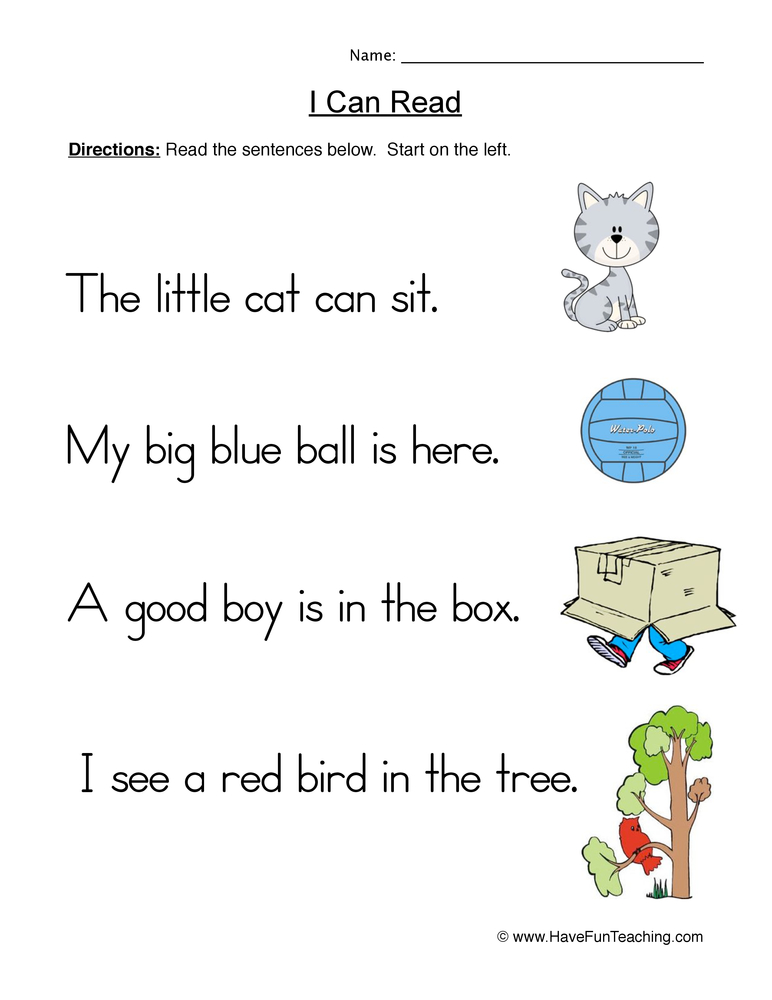
Support early reading with four short sentences presented in clear lines. Familiar vocabulary and a left-to-right reminder keep attention on following the print and reading a complete thought. Model one line, then let students practice the remaining sentences at a pace that suits their reading needs.
Reading One to One Accuracy Practice Worksheet helps early elementary students build essential reading skills. This useful resource gives children practice matching written words to spoken words to improve reading accuracy. Teachers can use this engaging worksheet for whole class instruction, small reading groups, or independent work. Students read words…
Reading Accuracy One to One Practice Worksheet helps students build essential reading skills. This resource provides sentence reading practice to boost accuracy and fluency. Students read one word at a time, helping them focus on each word's meaning within the sentence. Teachers can use this worksheet for whole group instruction, small group remediation,…
A complete-year set of vocabulary practice packets aligned to the McGraw-Hill Reading Wonders Grade 1 curriculum's weekly 'Words to Know,' giving each week's words with part of speech, definition, and example sentence, plus practice pages and a word search.
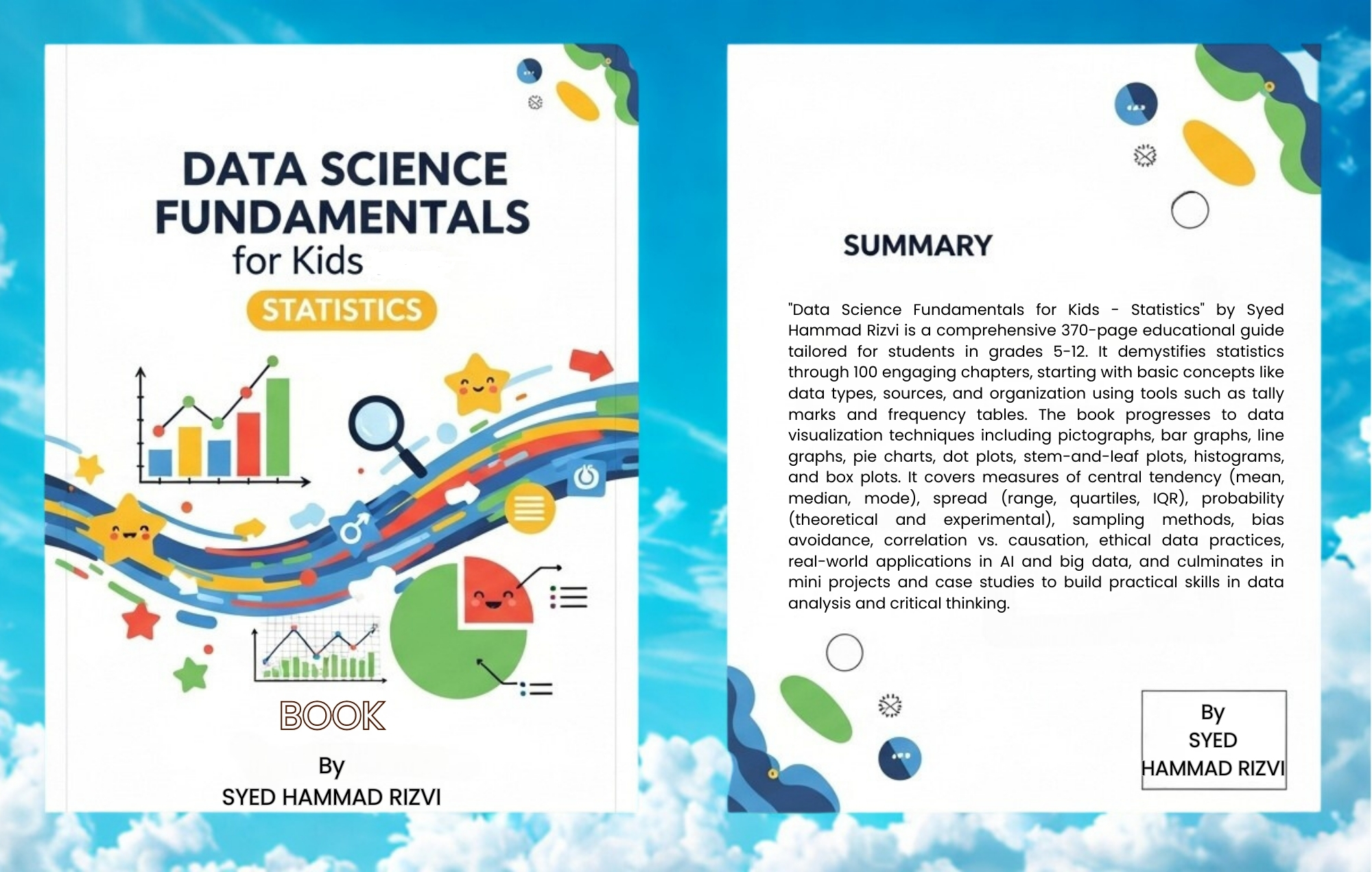
A 372-page reading/course book that teaches statistics and data-science fundamentals to young learners, moving from what data is through data organization, graphing, central tendency, spread, probability, sampling, correlation, and data storytelling.
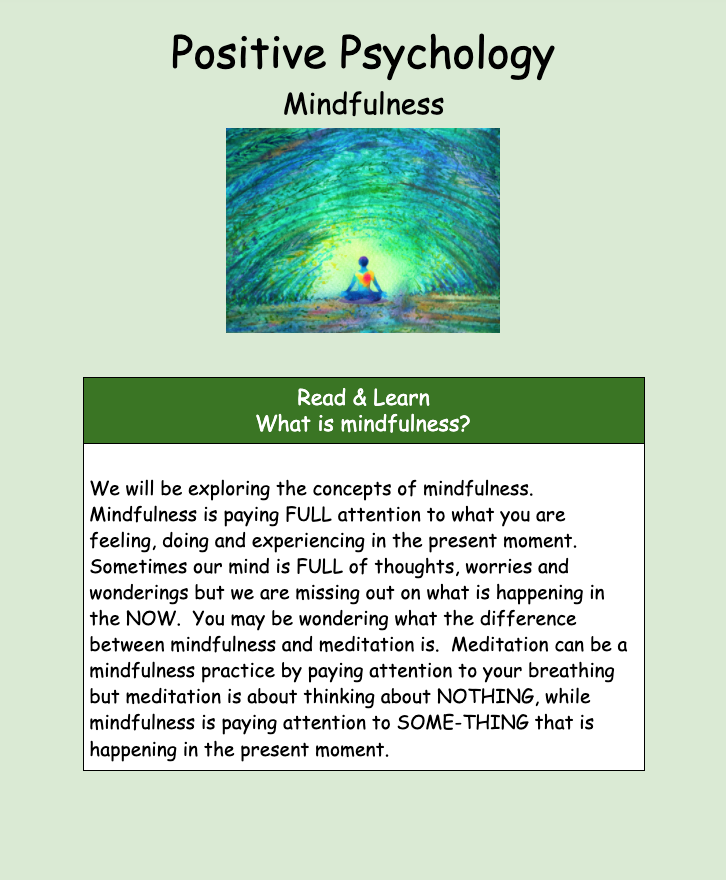
A digital 'hyperdoc' activity that introduces students to the concept of mindfulness, distinguishing it from meditation, via linked readings and videos, then has them try mindfulness practices and reflect.
Practice the McGraw-Hill Reading Wonders Grade 6 'Words to Know' vocabulary lists (8 words per week, 6 units x 5 weeks = 30 weekly sets) through definitions, example sentences, fill-in-the-blank sentences, and a definition-based word search.
Home-practice speech articulation packet targeting the voiceless TH sound (/θ/), addressing frontal/lateral lisp patterns, with mouth-placement instruction and a practice hierarchy from word to conversation level.
Spelling-recognition practice for grade-4-level sight/vocabulary words, where students identify the correctly spelled option among near-miss distractors.
A PowerPoint drill deck of 40 decimal numbers for students to practice reading decimals aloud and writing them in word and expanded form, aligned to CCSS 5.NBT.3a.
Give Grade 2 students structured practice with the McGraw-Hill Reading Wonders curriculum's 'Words to Know' vocabulary for every unit and week of the year, so students can review these words without needing their textbook.
Give students practice using cardinal and intermediate directions to locate geographic features on a map of Connecticut.
A neuroscience-based instructional guide/curriculum explaining executive-function skill 'task initiation' and teaching a 'Micro-Step Breakdown' method to help students overcome procrastination and get started on assignments.
An activity for practicing common English idioms through card-based conversation practice.
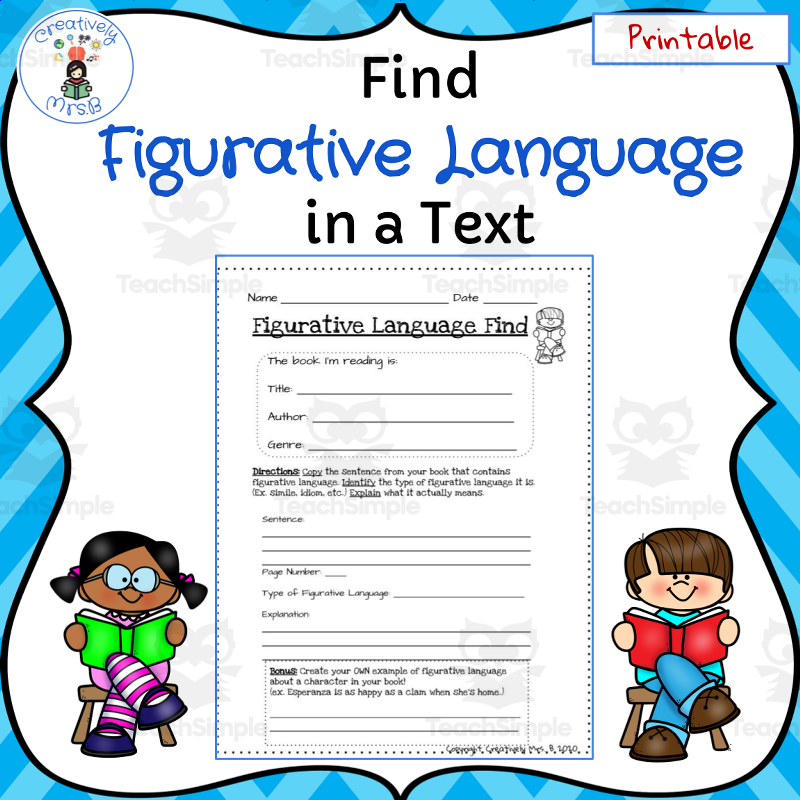
Give students independent practice identifying and explaining figurative language found in their own independent reading book.
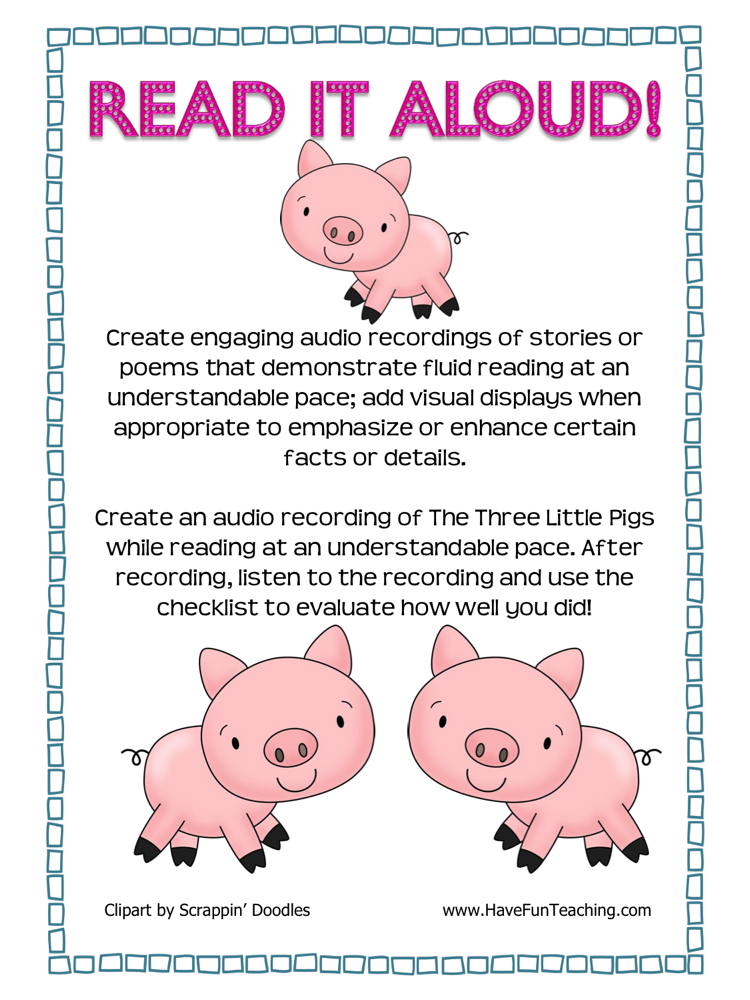
A fluency-practice activity in which students record themselves reading a Three Little Pigs script aloud and self-assess using a checklist.
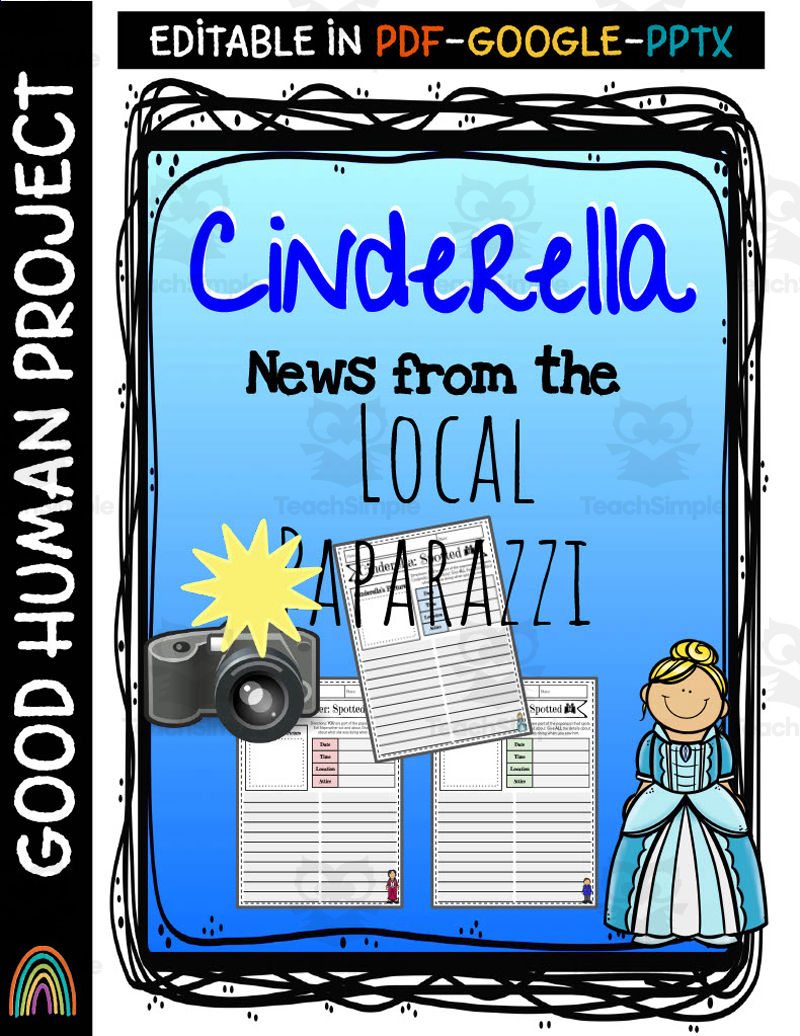
Has students role-play as paparazzi reporting on a Cinderella character's whereabouts, practicing descriptive writing tied to the story's characters.
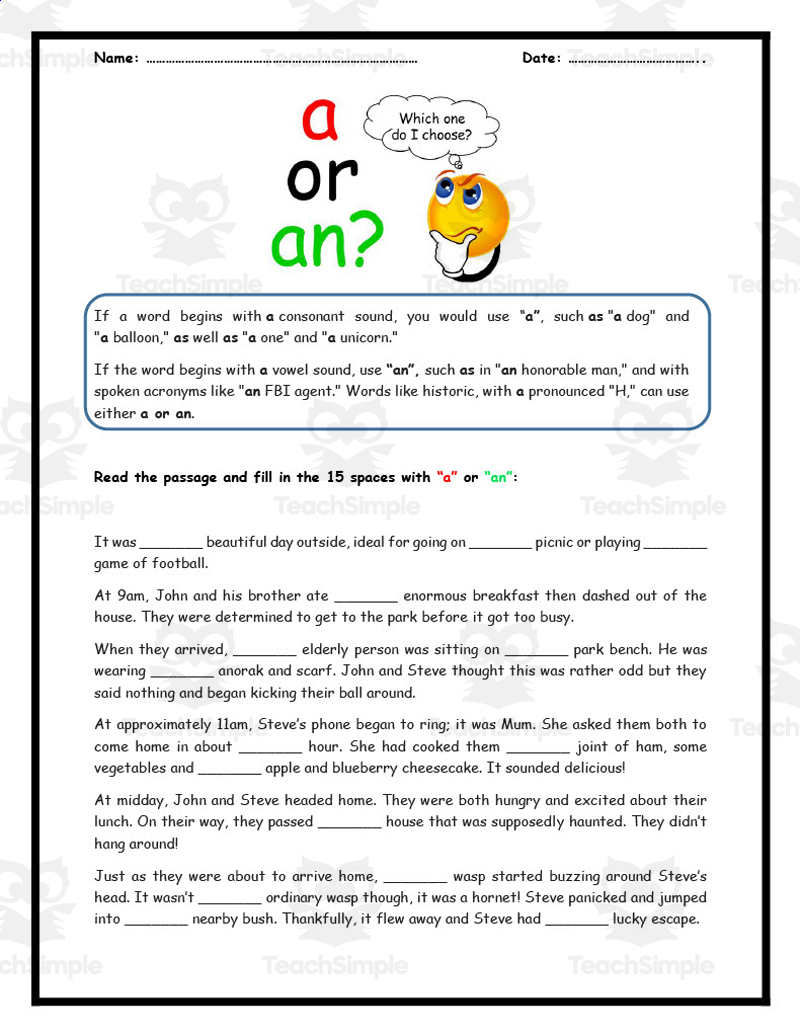
Practice applying the "a" versus "an" grammar rule within a continuous reading passage.
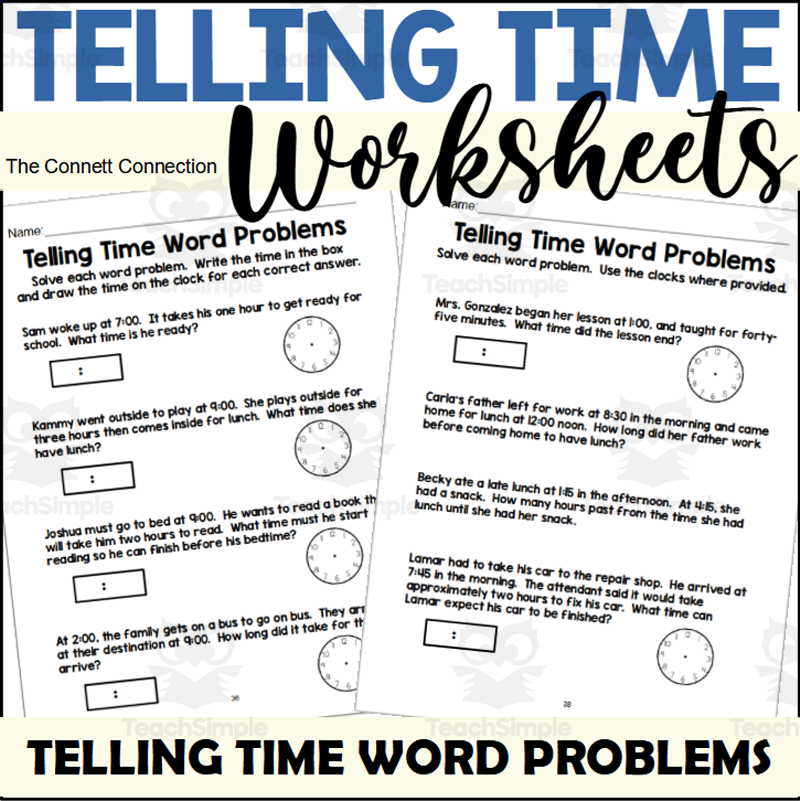
Analog time vocabulary opens the packet, defining o'clock, half past, quarter past, and quarter to with worked examples before moving into matching pages where students draw lines connecting spoken time phrases to analog clock faces and digital times. A dedicated page has students label seven daily activities, such as sunrise and lunchtime, with AM or PM based on the given time. The bulk of the resource is sixteen elapsed-time word problems spread across several pages, asking students to find a start time, end time, or duration from everyday scenarios like getting ready for school, running errands, and doctor's appointments, with a blank box provided to write each answer. Later problems increase in difficulty, moving from round numbers like nine o'clock plus three hours to less even calculations such as 8:28 versus a 9:00 arrival time or a 48-minute GPS estimate against a 10:15 appointment.