
Multiplication Facts Writing | Strip Columns Set 3A
Multiplication fact fluency practice for the ×3 table, presented as repeating three-column number strips.


3,921 resources
Explore sub-categories
6 sub-categories · 3,921 resources
Multiplication fact fluency practice for the ×3 table, presented as repeating three-column number strips.
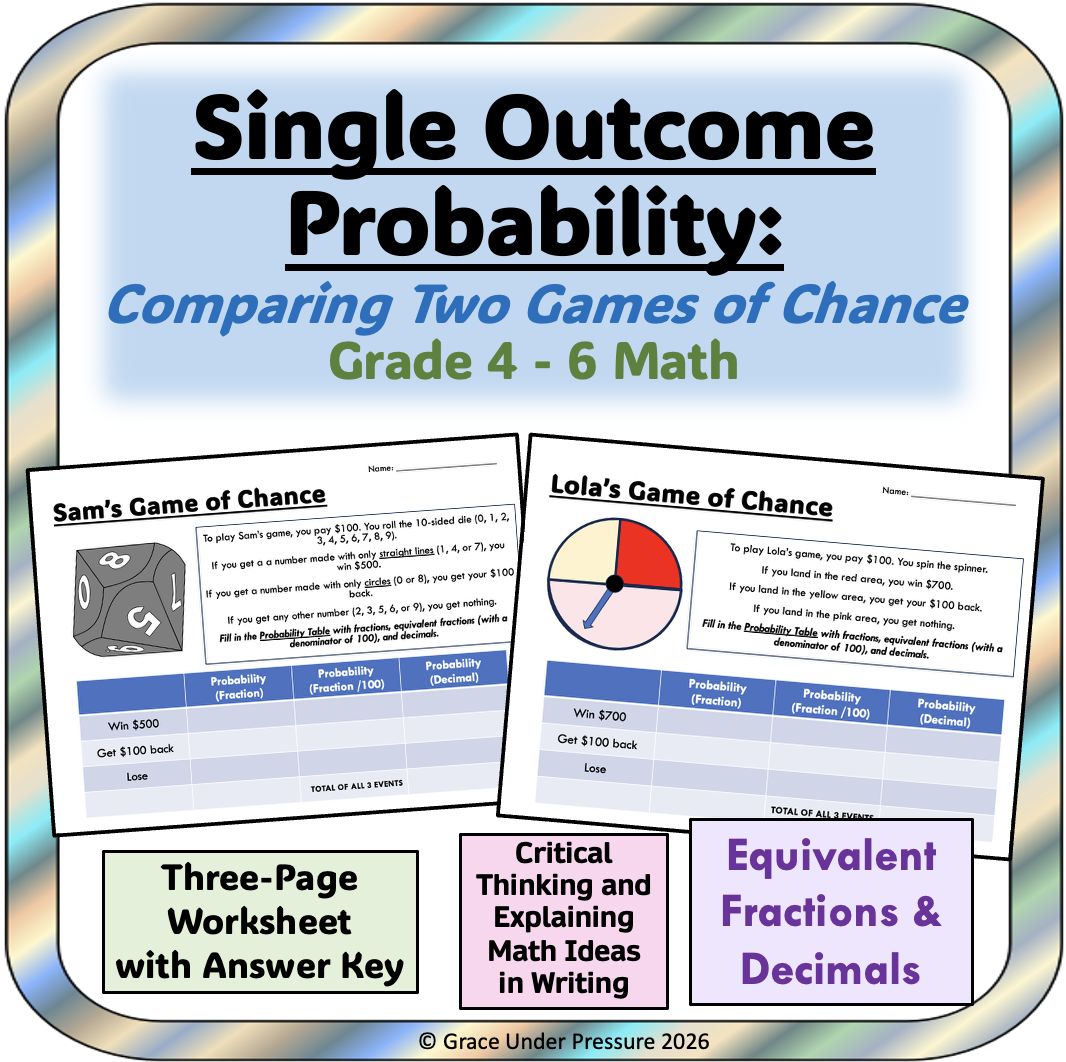
A grade 4-5 math lesson teaching theoretical probability of single-outcome events, expressed as fractions, equivalent fractions out of 100, and decimals, using two games of chance.
Standards-aligned Grade 10 math practice worksheet ('40 Math Activities') covering algebra, geometry, functions, statistics, probability, trigonometry, calculus, and linear equations.
 Free download
Memorization/practice of the multiplication table of 6.
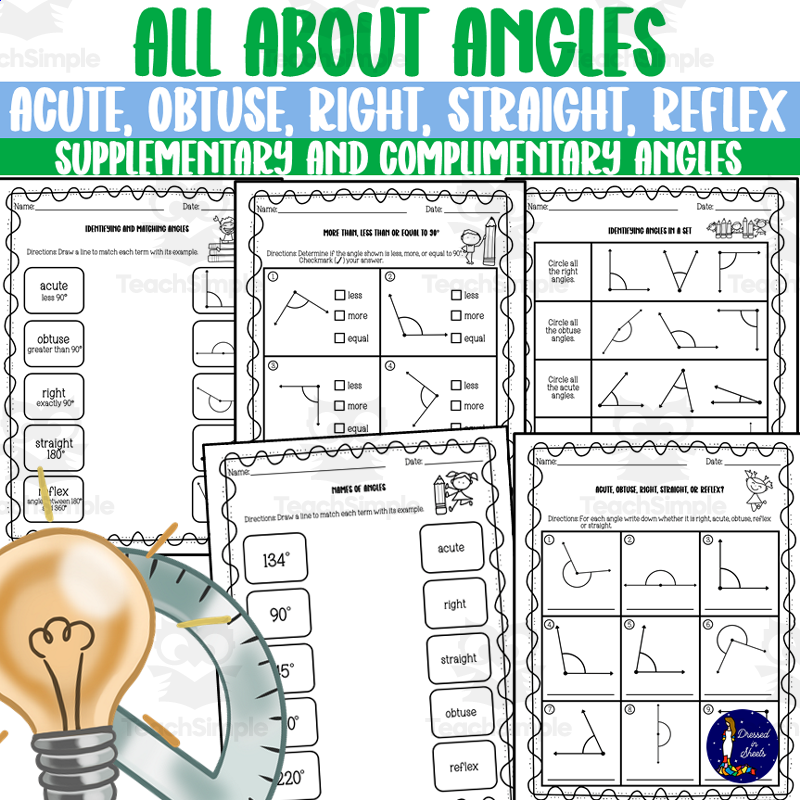
Worksheets introducing/reviewing angle types (acute, obtuse, right, straight, reflex), including a cut-and-glue foldable reference craft and practice classifying and comparing angle measures.
 Free download
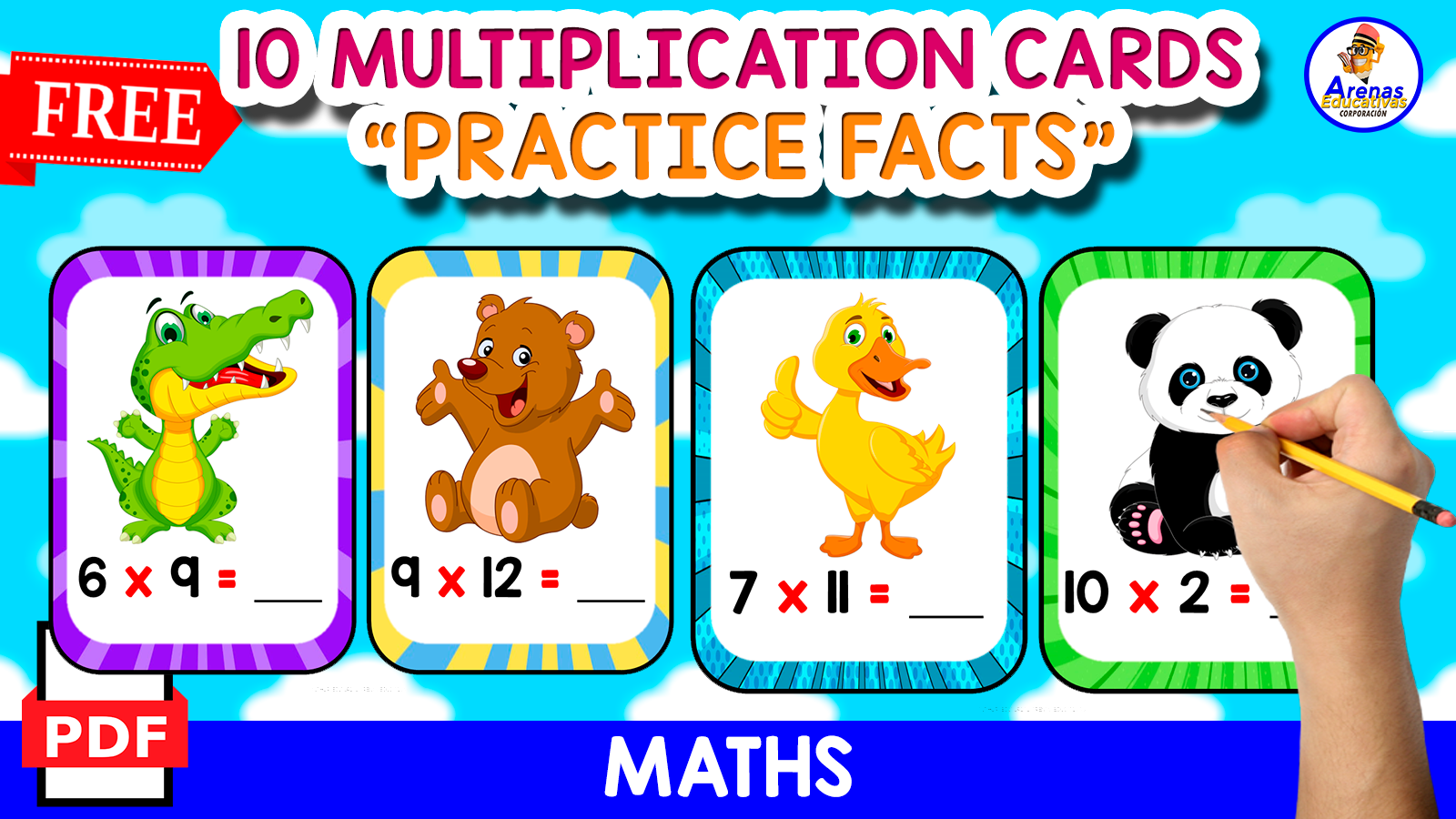
Practice multiplication facts (tables 1 to 12) using flashcard-style equations.

A multi-lesson thematic unit (NatureGlo's eScience) teaching the Golden Ratio and Fibonacci numbers and their appearance in math, art, architecture, and nature, combining STEM/STEAM content across several lessons, each with a fillable study guide, a PowerPoint, and a PDF slideshow version.
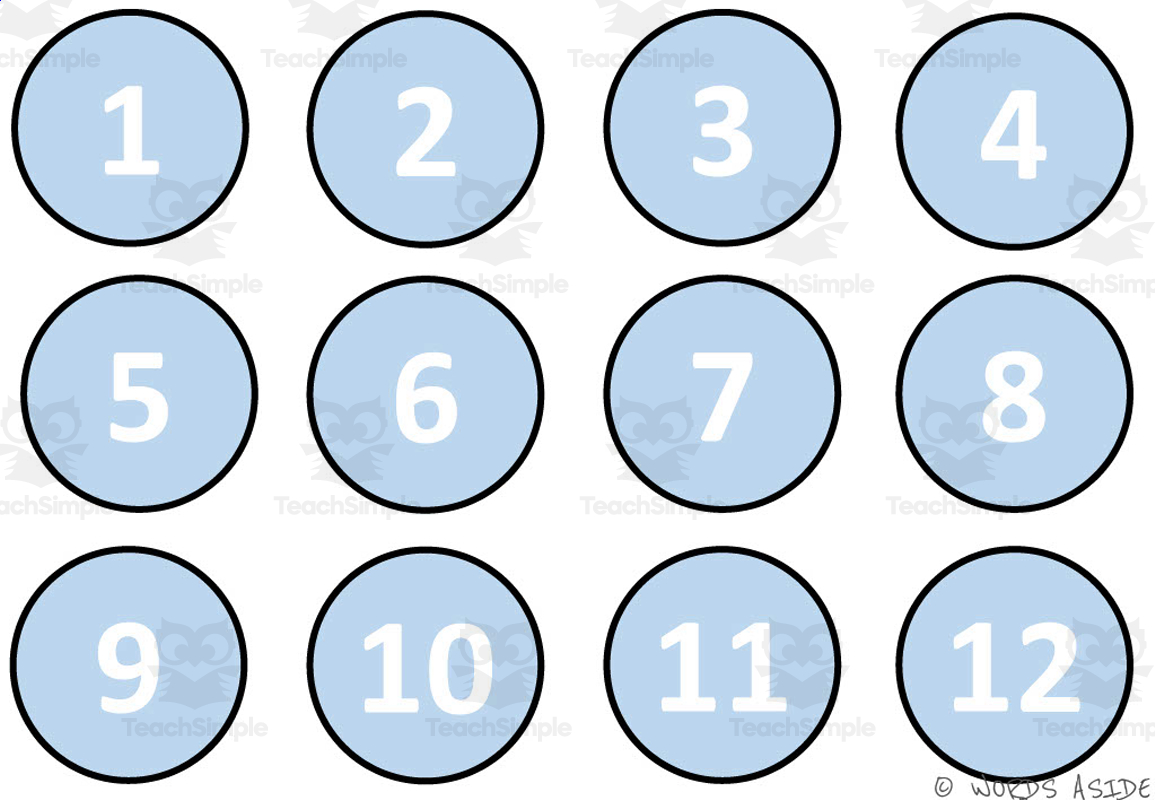
A set of printable counting mats showing the numbers 1-12 in a simple grid layout, for math-center or small-group use to build rote counting and number recognition skills, per the seller.

Multiplication fact fluency practice for the ×3 table, presented as repeating three-column number strips.
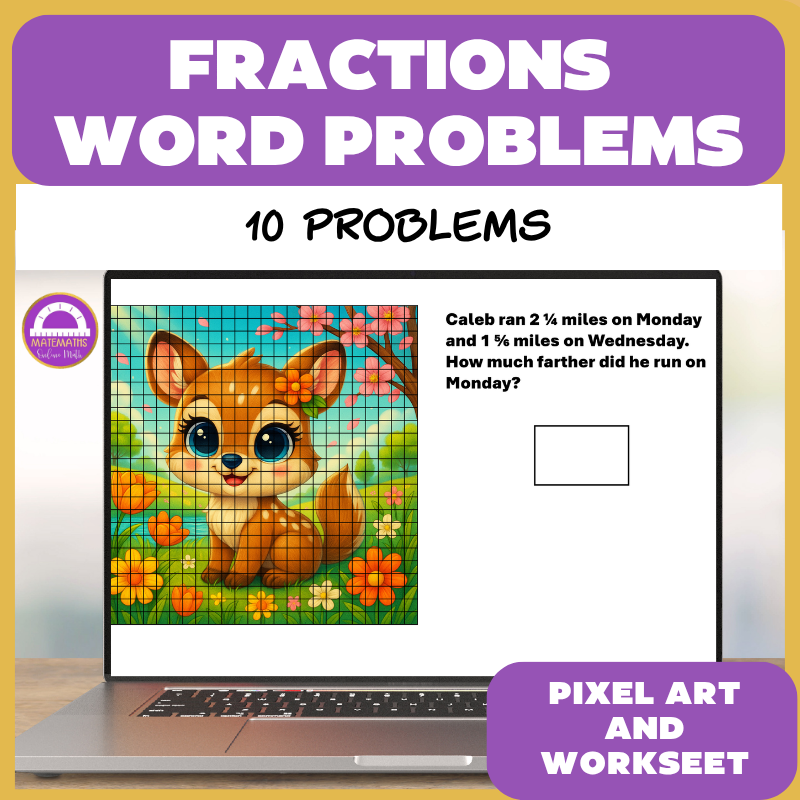
Digital pixel-art activity (accessed via an external Genially link) paired with a printable worksheet of linear equations with decimal coefficients, solved for x.
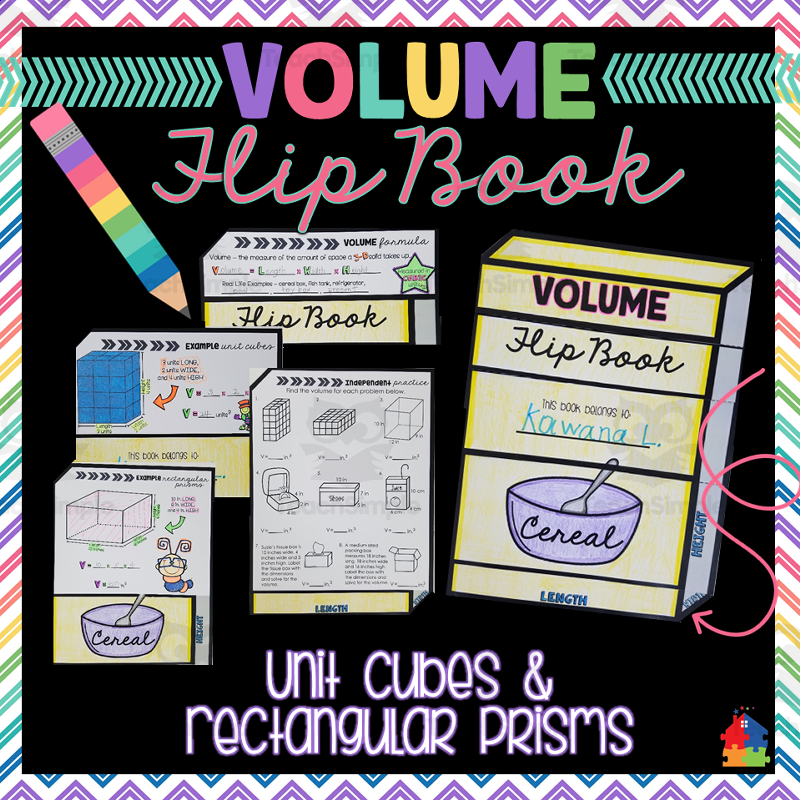
A cut-and-assemble flip book that visually introduces the volume formula (Length x Width x Height) using unit cube and rectangular prism examples.
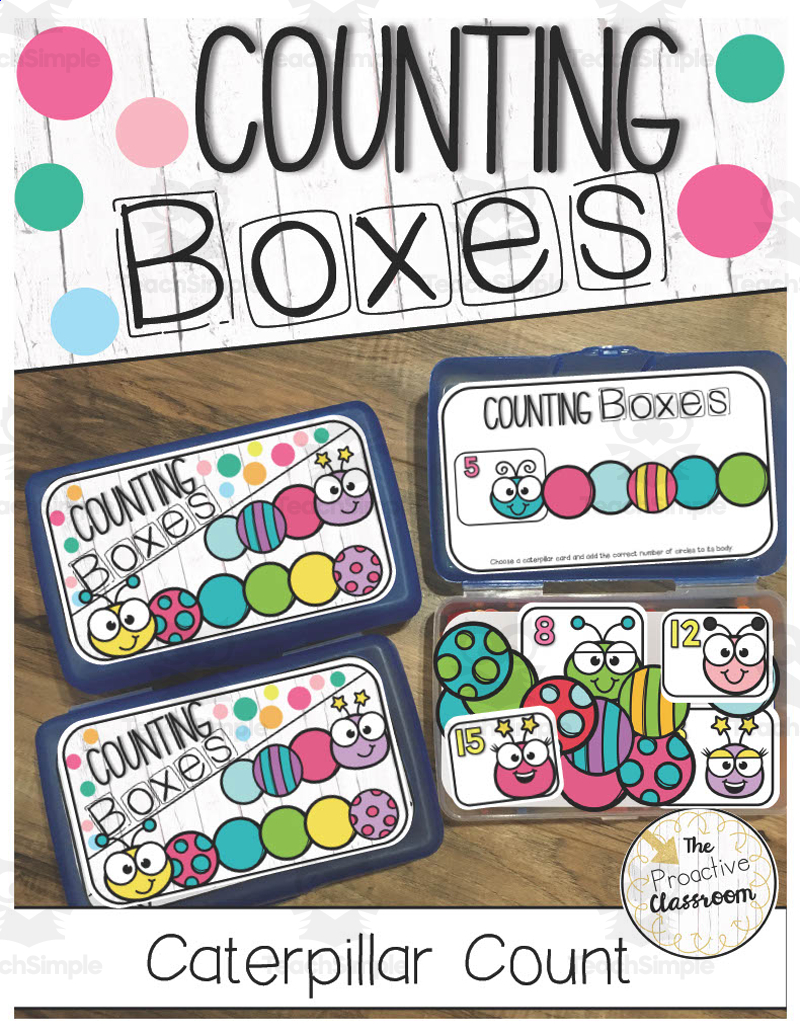
A math center game where students draw a number card and add the matching number of circles to build a caterpillar, practicing counting and number identification to 20.

Multiplication fact fluency practice for the ×4 table, presented as repeating three-column number strips.
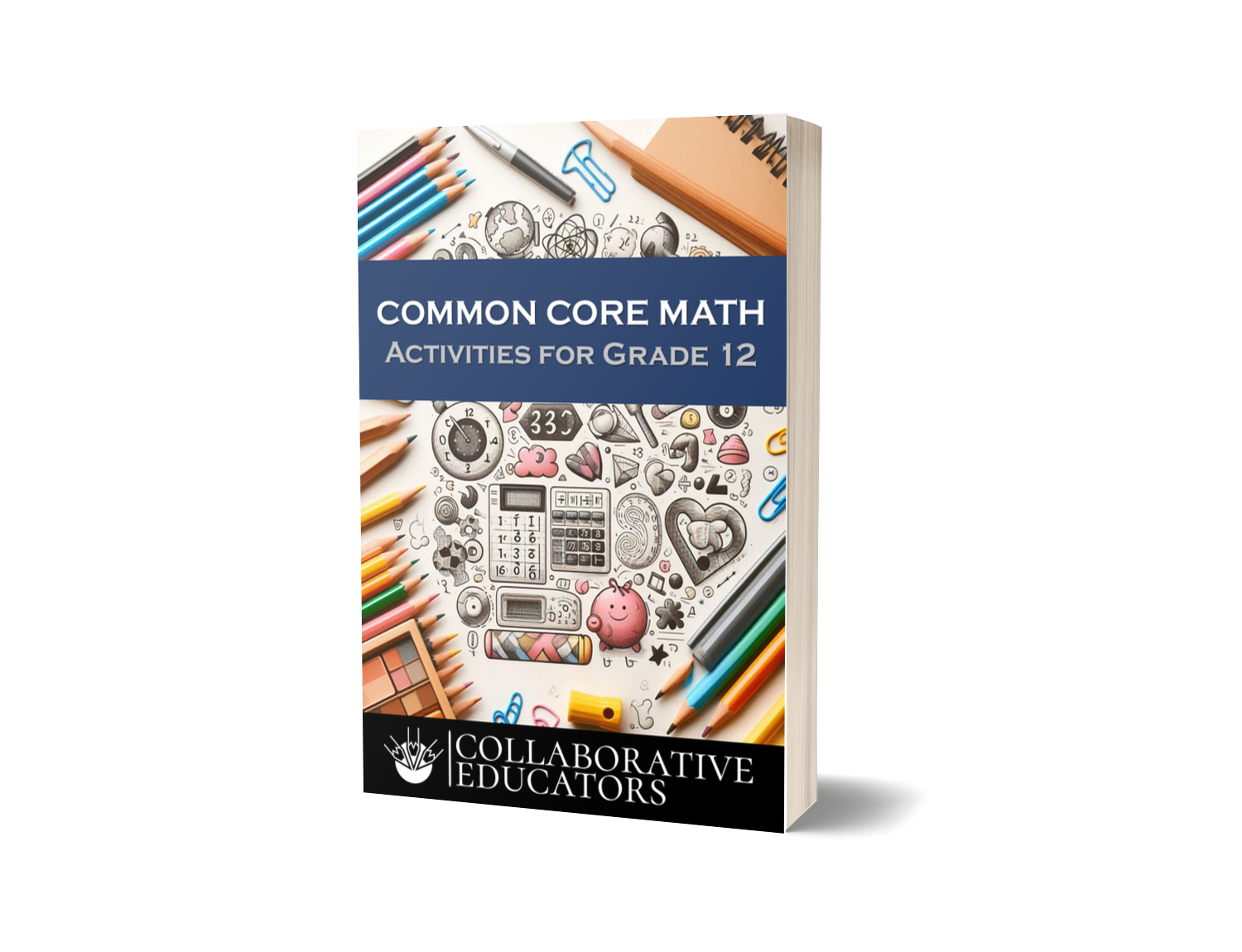
Standards-aligned Grade 12 math practice worksheet ('50 Math Activities') covering algebra, geometry, functions, statistics, and probability.
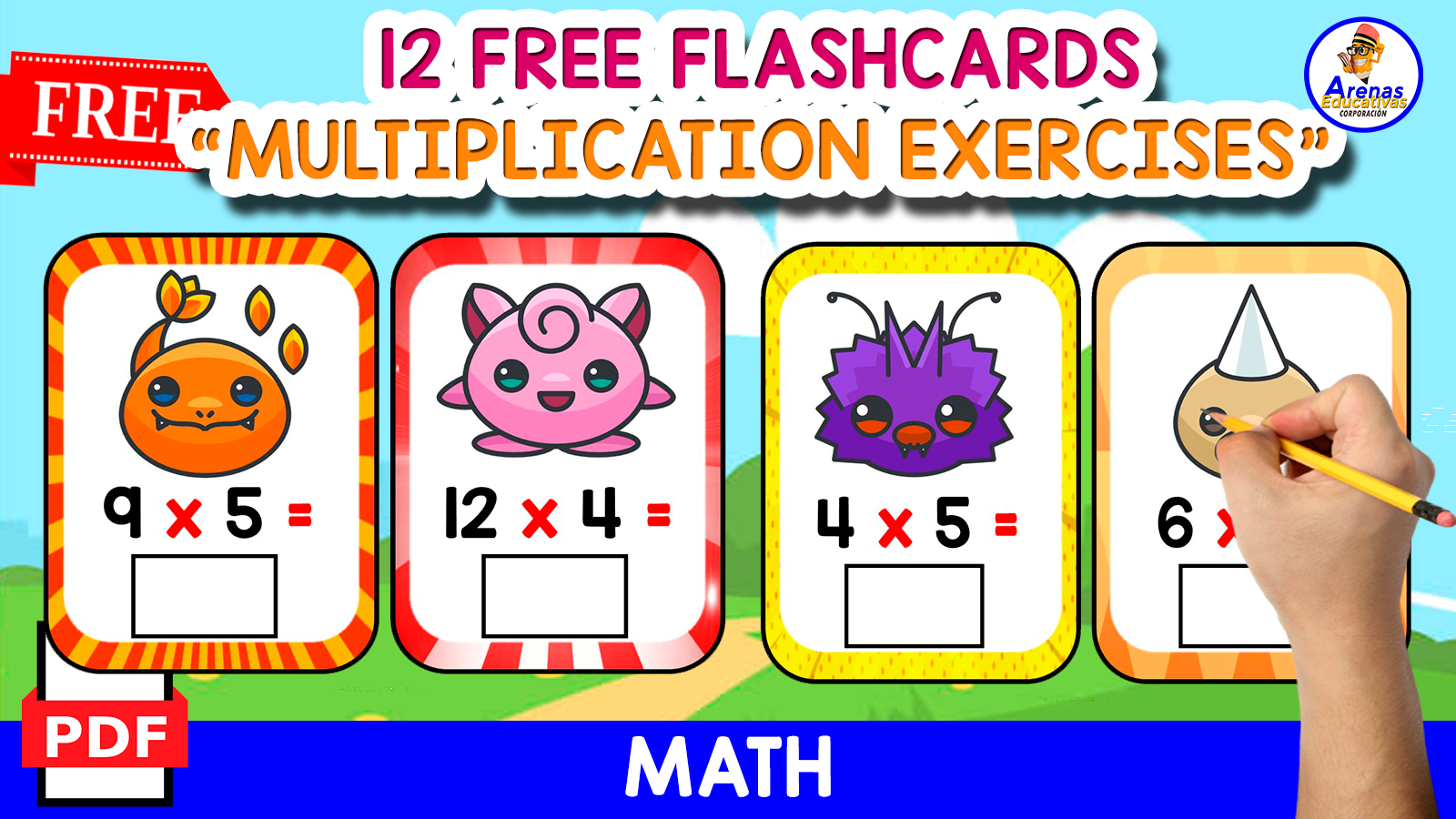 Free download
Give students blank multiplication facts to solve for practice/recall.

A broad kindergarten-level workbook combining number tracing/writing, counting, addition practice, and other topics (before/after numbers, comparing fractions) rather than addition alone.
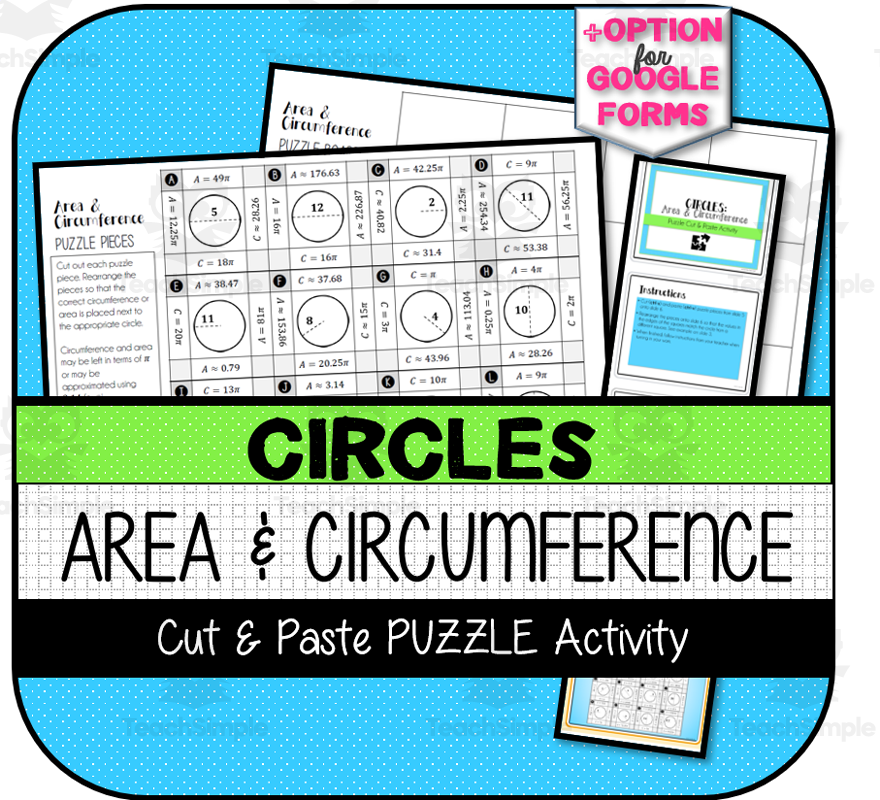
A cut-and-paste puzzle activity for practicing the area and circumference formulas of circles, aligned to CCSS 7.G.B.4.

A set of printable counting mats showing the numbers 1-12 in varied layouts, for whole-group, small-group, independent, or math-center use to build rote counting and number recognition skills, per the seller.
 Free download
Give students fill-in-the-blank practice with multiplication facts organized by times table.

Twenty labeled triangle-pair diagrams ask students to decide whether each pair is provably congruent and, if so, to name the correct reasoning — SSS, SAS, ASA, HL, or SAA — and complete the congruence statement, with several pairs lacking enough information to prove congruence so students must recognize when a proof cannot be made. A second section has students sketch hexagons under four different conditions (plain, equilateral, equiangular, and regular) and bisect a segment at a labeled point, then a third section mixes in unrelated algebra and coordinate-geometry problems: solving for angle measures inside a multi-triangle figure, graphing vertical and horizontal lines, and finding the equation of a line perpendicular to a given one. The worksheet closes with two open two-column proof problems where students must supply their own statements and reasons for a given pair of triangles. A complete answer key follows every section, filling in the correct congruence reasoning for all twenty pairs, the coordinate-geometry answers, and a worked two-column proof for both closing problems. Students who need to review which side lengths can even form a triangle before judging congruence can start with Triangle Inequality Theorem practice .
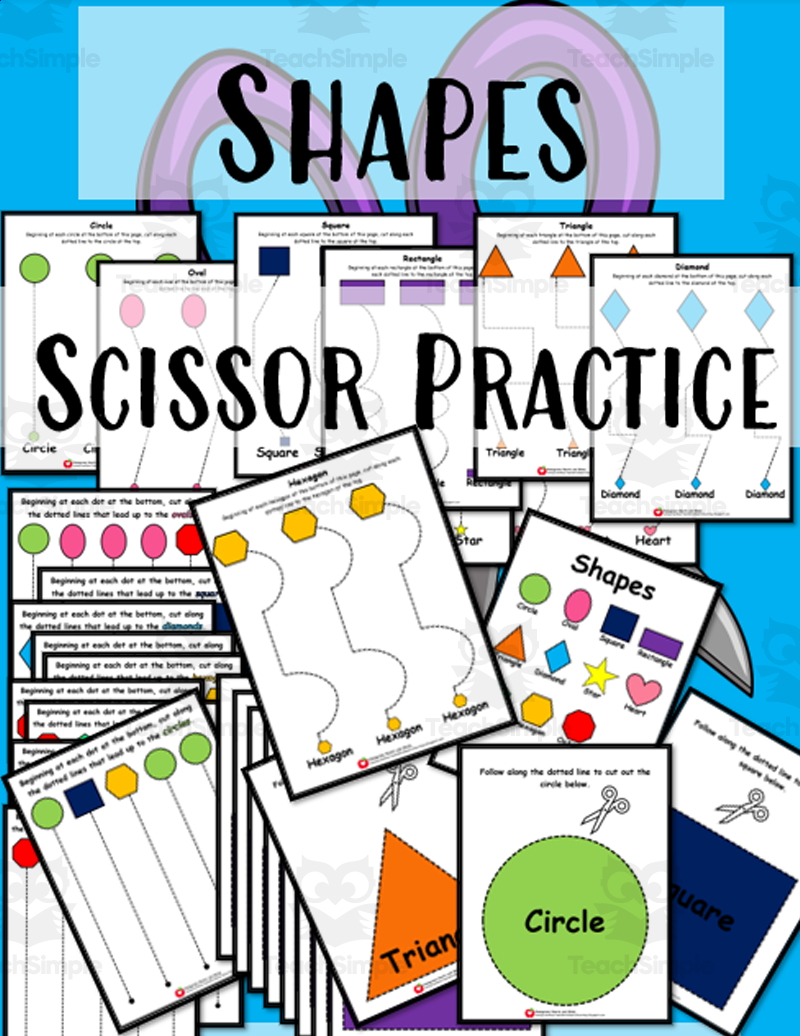
Scissor-cutting practice pages: students cut along dotted lines to and around named shapes, building fine motor and scissor control skills, with a shape reference chart included.

Practice lowercase letter A recognition alongside counting to 10 using ten-frames, as a math matching center.

Multiplication fact fluency practice for the ×8 table, presented as repeating three-column number strips.

Teach how to classify triangles by their sides (equilateral, isosceles, scalene) and by their angles (acute, right, obtuse) using an interactive foldable notebook activity.