Synonyms and Antonyms Game
A PowerPoint-based classroom game/template for group vocabulary enrichment practice, where students research and present synonyms and antonyms for teacher-assigned words for classmates to guess.
Editable


19,642 resources
Explore sub-categories
15 sub-categories · 19,642 resources
A PowerPoint-based classroom game/template for group vocabulary enrichment practice, where students research and present synonyms and antonyms for teacher-assigned words for classmates to guess.
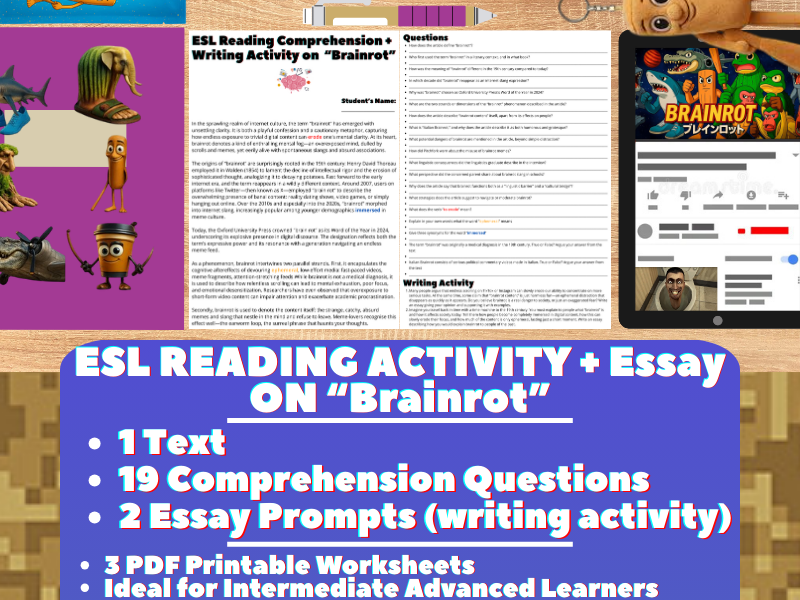
A reading passage traces the term "brainrot" from Henry David Thoreau's 1854 use in Walden through its re-emergence as internet slang in the late 2000s to Oxford University Press naming it 2024's Word of the Year, using examples such as the Skibidi Toilet meme and Italian Brainrot. Nineteen comprehension and vocabulary questions follow, asking students to define terms from context, argue two true/false claims using textual evidence, and work out the meanings of words such as "erode," "ephemeral," and "immersed." Two extended writing prompts close the packet: one asks students to argue whether brainrot is a real cultural danger or an exaggerated fear, and the other asks them to explain the concept to a 19th-century audience through a time-travel framing. The passage also references a critic's warning that some meme content can carry extremist symbolism, giving the unit a media-literacy dimension beyond vocabulary practice.
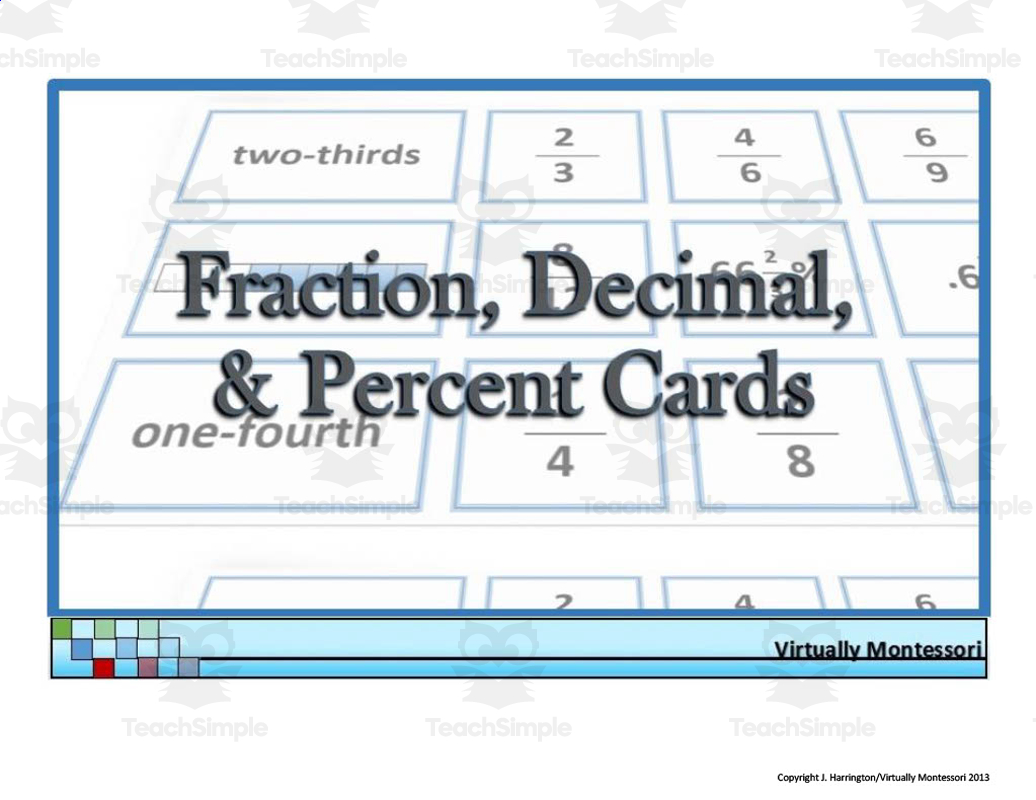
A printable set of cards pairing common fractions with their equivalent decimal and percent values, used for card-sort review/assessment, reference notebook activities, or a comparison card game.

Help students practice identifying angle types (right, acute, obtuse) found within two-dimensional shapes.
 Free download
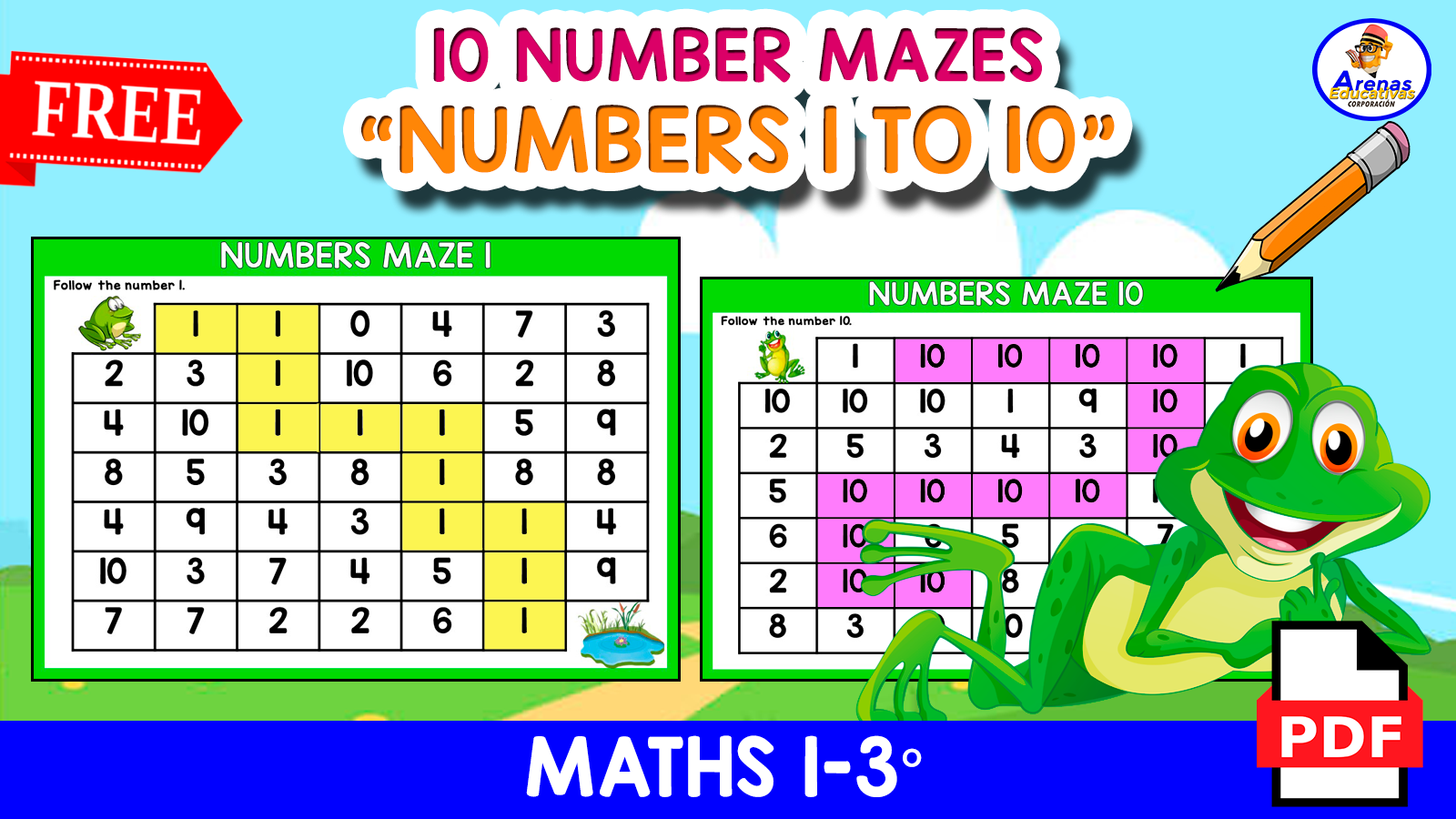
Number recognition practice for numbers 1 to 10 through a path-following maze activity.
 Free download
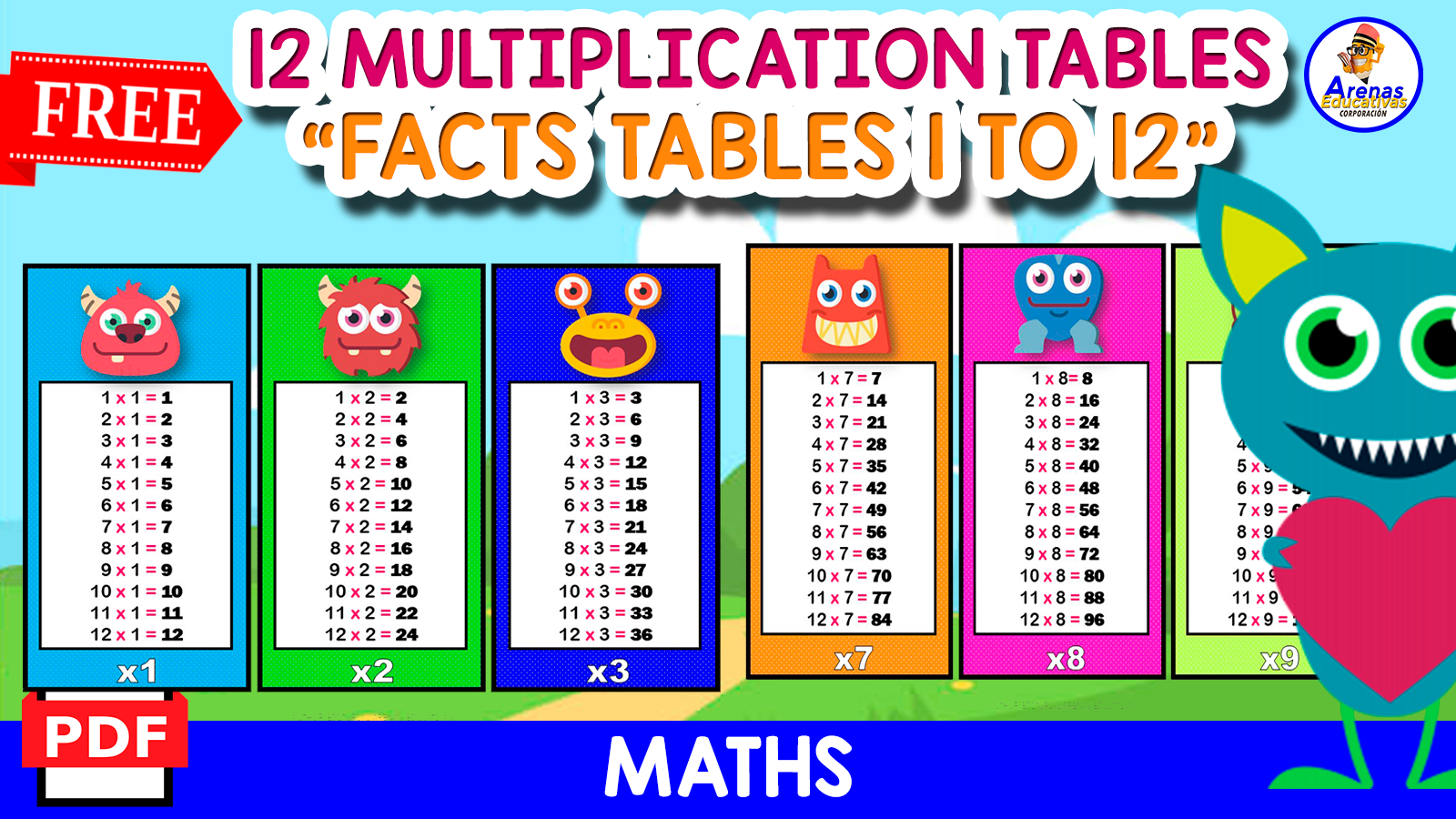
Reference/practice sheets presenting complete multiplication facts for tables 1 through 12.
 Free download
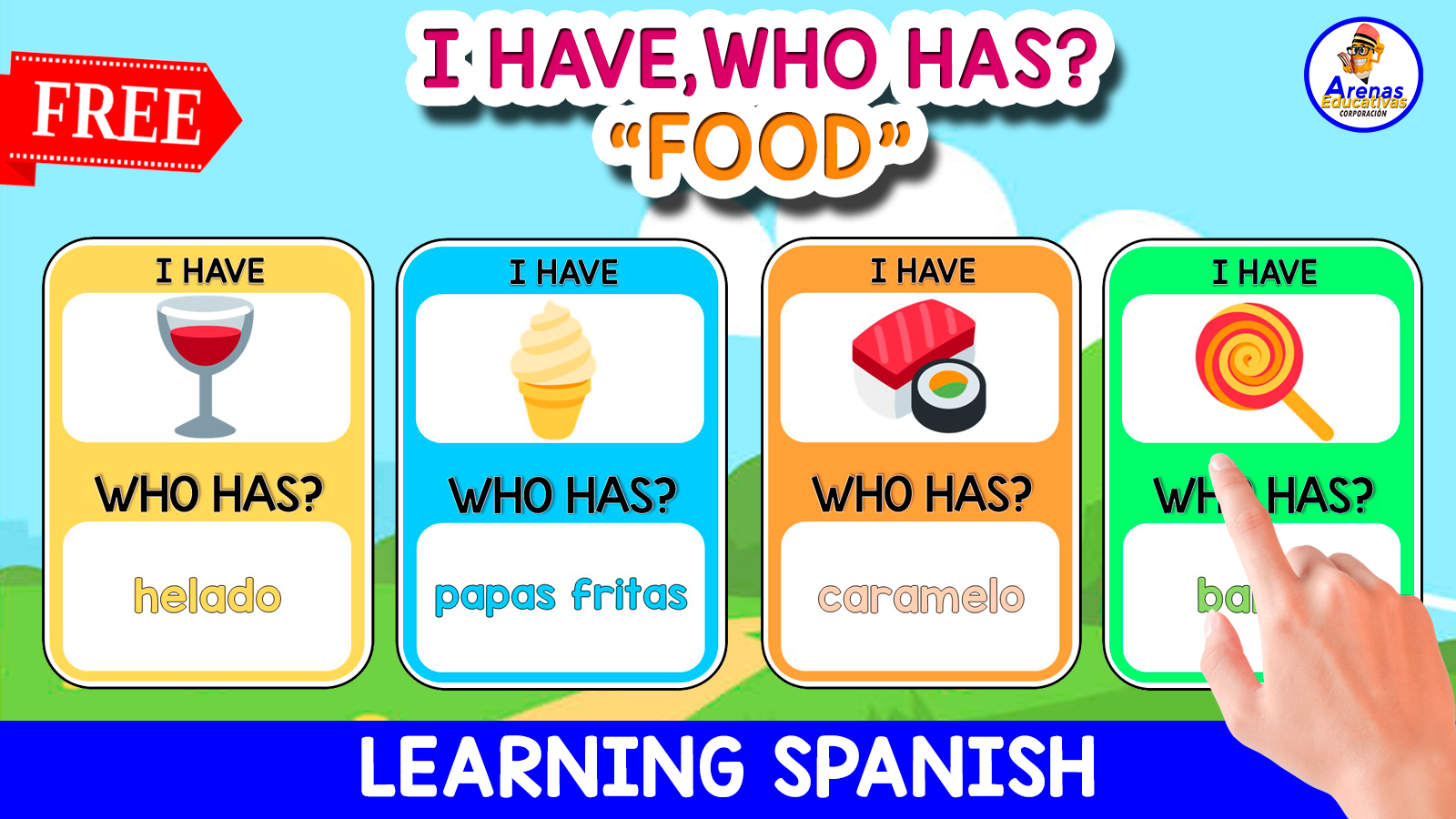
A vocabulary drill/matching game that lets students practice recognizing and recalling junk food / snack foods in Spanish using an 'I have, who has?' card format.
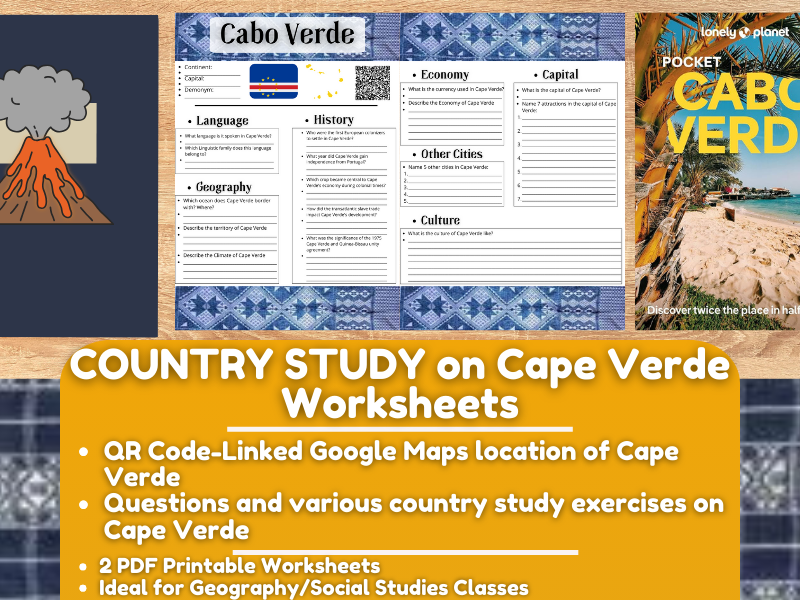
A 2-page fill-in-the-blank research worksheet that has students look up and record factual information about Cape Verde covering geography, history, language, economy, and culture for a Social Studies / Geography country-study activity.
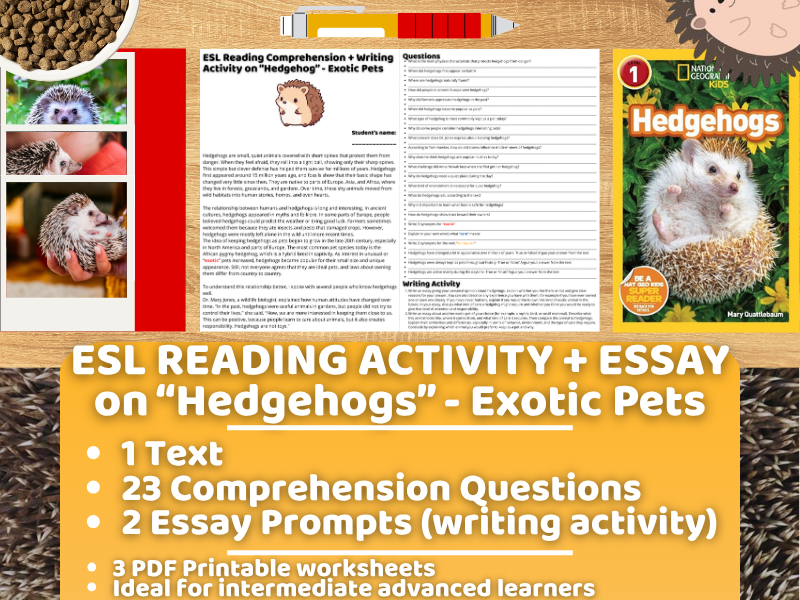
Gives ESL/EFL students a nonfiction reading passage about hedgehogs as wild animals and their history as exotic pets, paired with comprehension, vocabulary and true/false questions and follow-up writing prompts, to build reading comprehension and written English production.
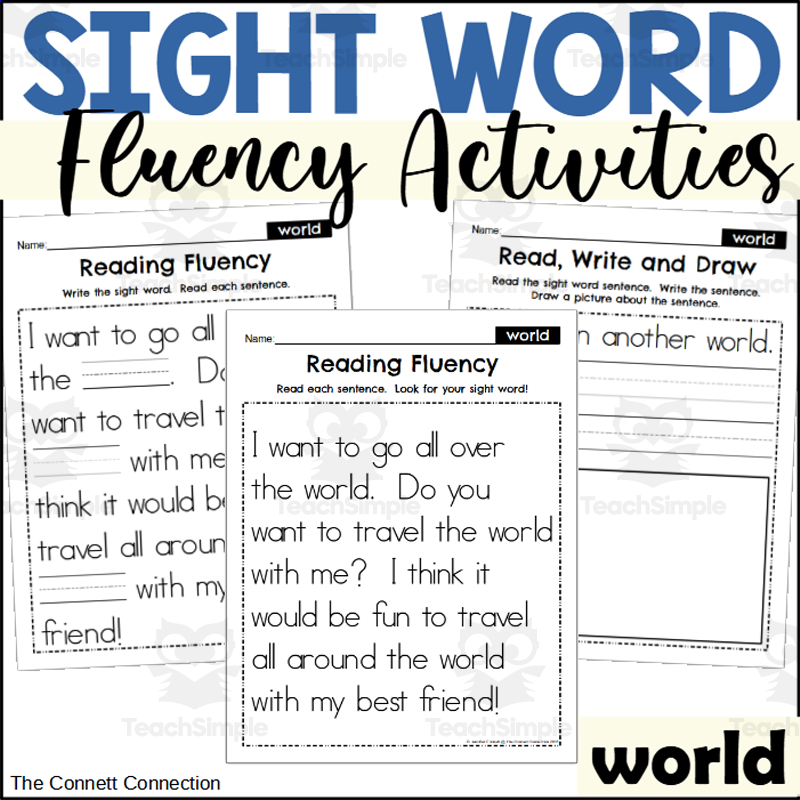
Sight word reading and writing fluency practice for the single target sight word "world", using repeated exposure of the word across short decodable sentences.

Teach students to multiply two binomials using a visual area model that builds up to the FOIL mnemonic.
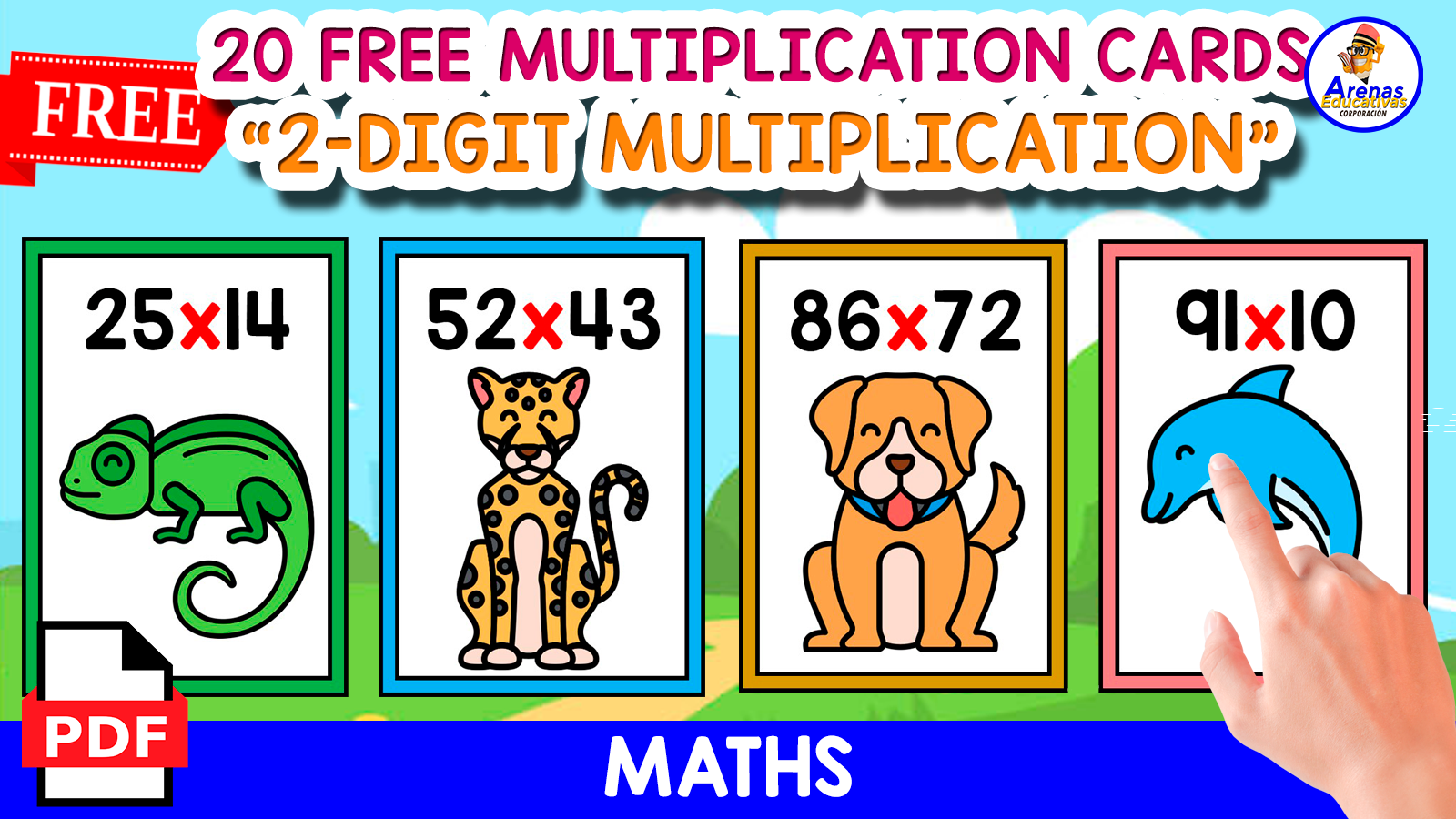 Free download
Practice solving 2-digit multiplication problems using a themed flashcard set.

A 5-day cross-curricular unit study teaching students about zebras (an endangered species) through reading passages, videos, worksheets, and activities covering language arts, science, and art.
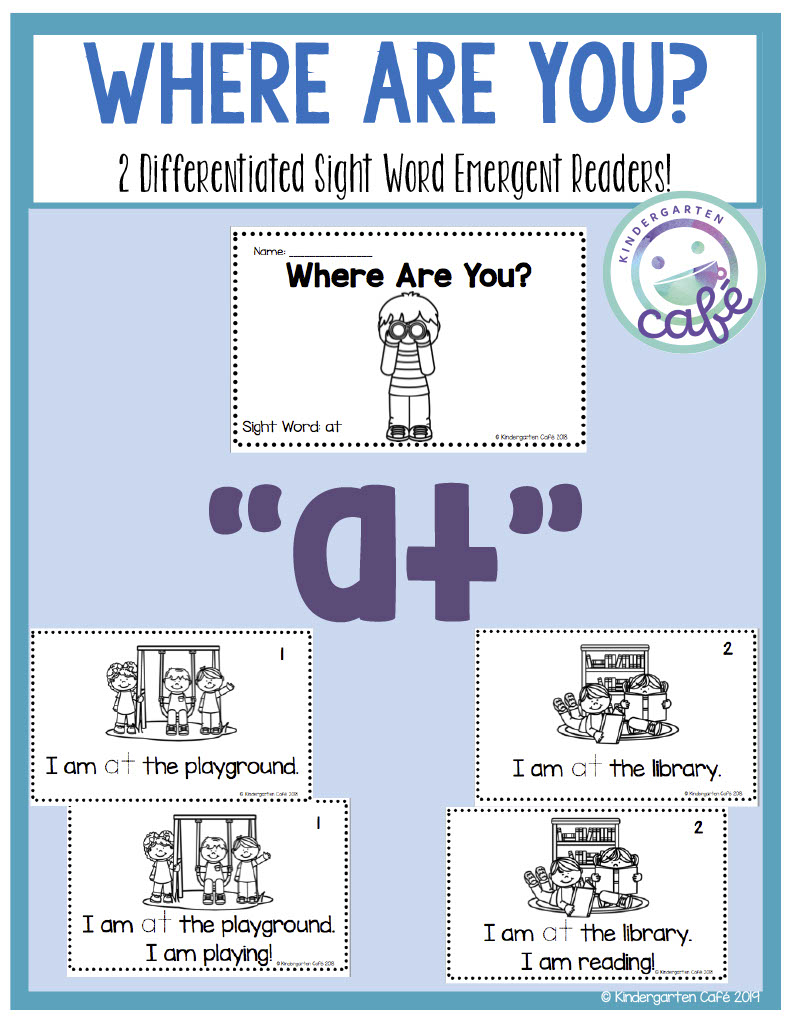
An emergent reader booklet that gives beginning readers repeated practice reading and recognizing the sight word "at" in a short, patterned, illustrated story about everyday locations (playground, library, store, school).
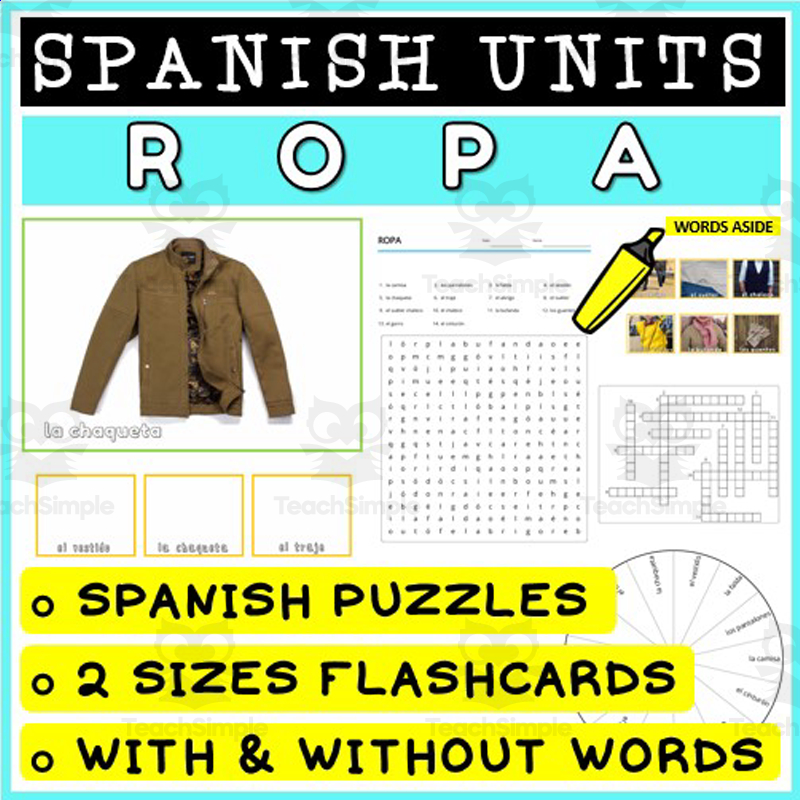
A themed Spanish vocabulary practice packet covering clothes (ROPA), combining a word-scramble puzzle, a crossword puzzle, and vocabulary matching/flashcard-list pages for the same word set.
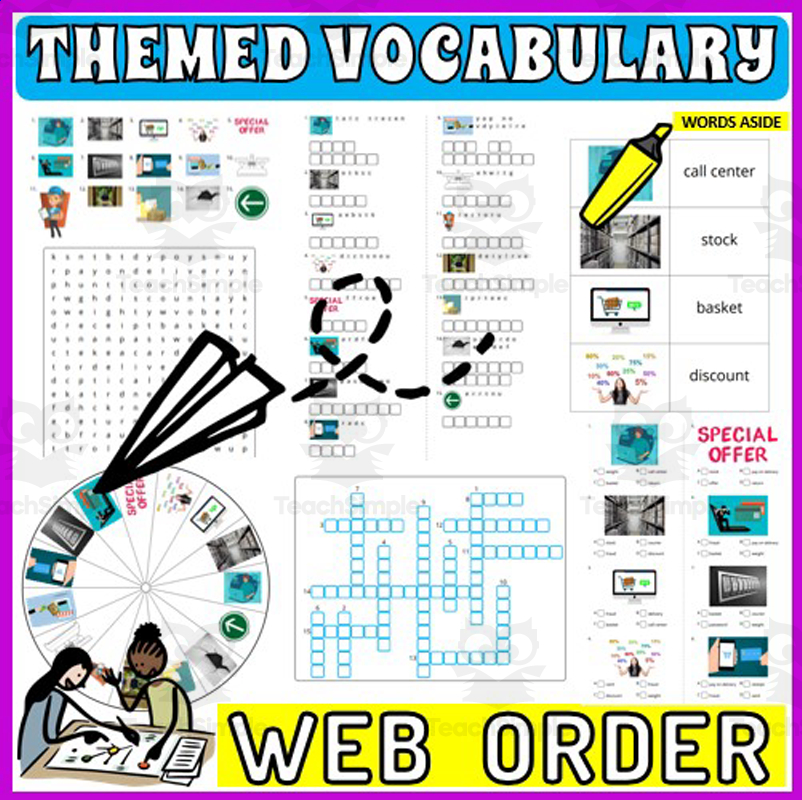
Vocabulary practice resource that teaches a themed word set ("Web Shop") through a set of word games and puzzles (anagram/unscramble, crossword, word search, matching cards, and a multiple-choice quiz).
A digital micro-lesson slide deck introducing students to the state of Maine (geography, symbols, history, and culture) through multimedia content and a summarizing activity.
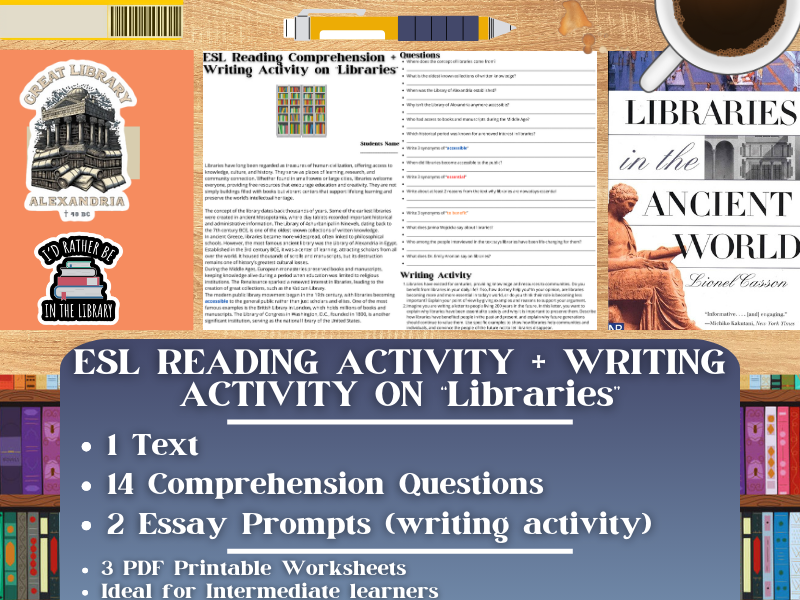
An ESL/EFL reading-comprehension and writing-activity worksheet built around a single nonfiction passage about libraries (history from ancient Mesopotamia to today, and their modern role), used to practice reading comprehension, vocabulary, and English writing skills.
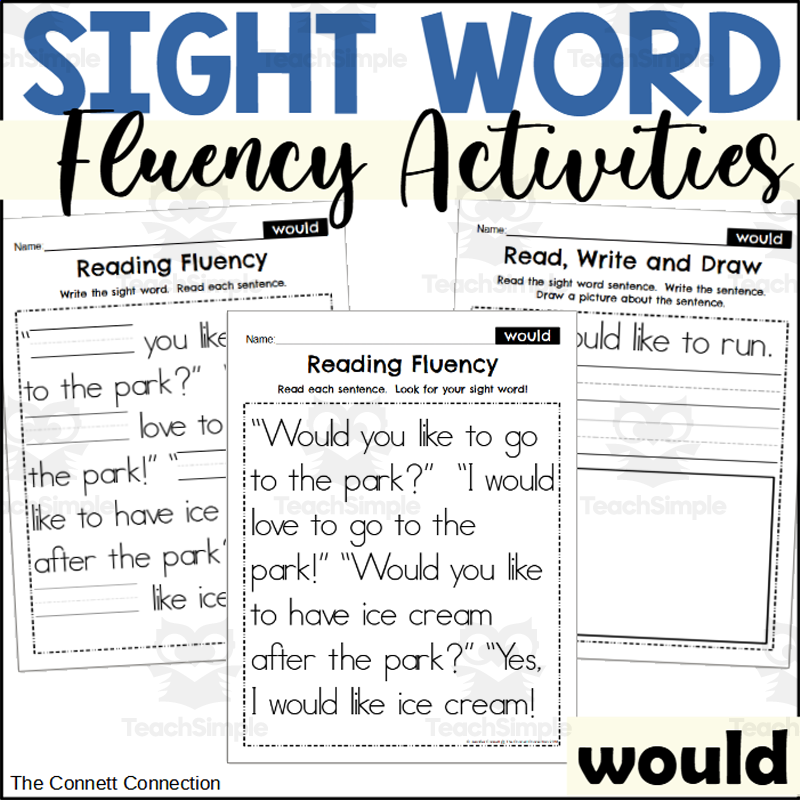
Sight word reading and writing fluency practice for the single target sight word "would", using repeated exposure of the word across short decodable sentences.

Builds student mastery of basic addition facts (sums 0-18) through strategy-based instruction rather than rote memorization.

Practice counting and number matching (1-10) using a dinosaur-feeding matching activity.
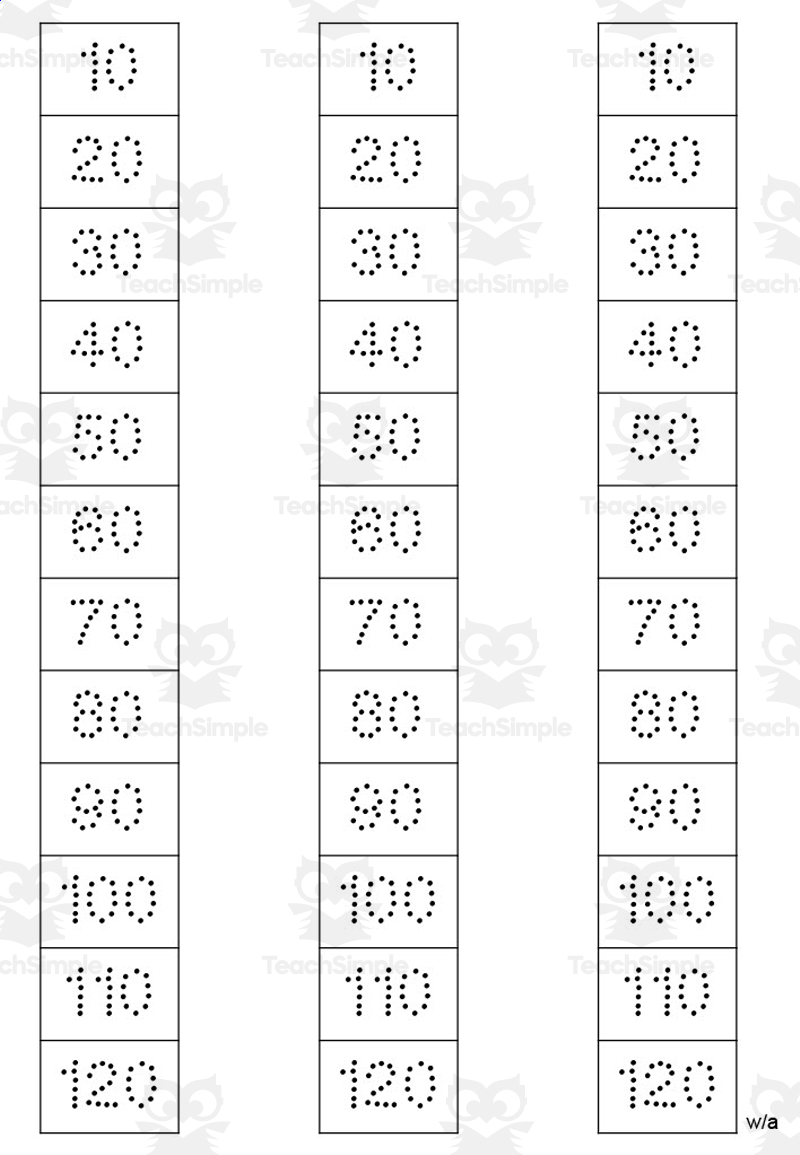
Practice writing the multiples of 10 (10x1 through 10x12) using a repeated-addition-style column-strip format that links repeated addition to multiplication.
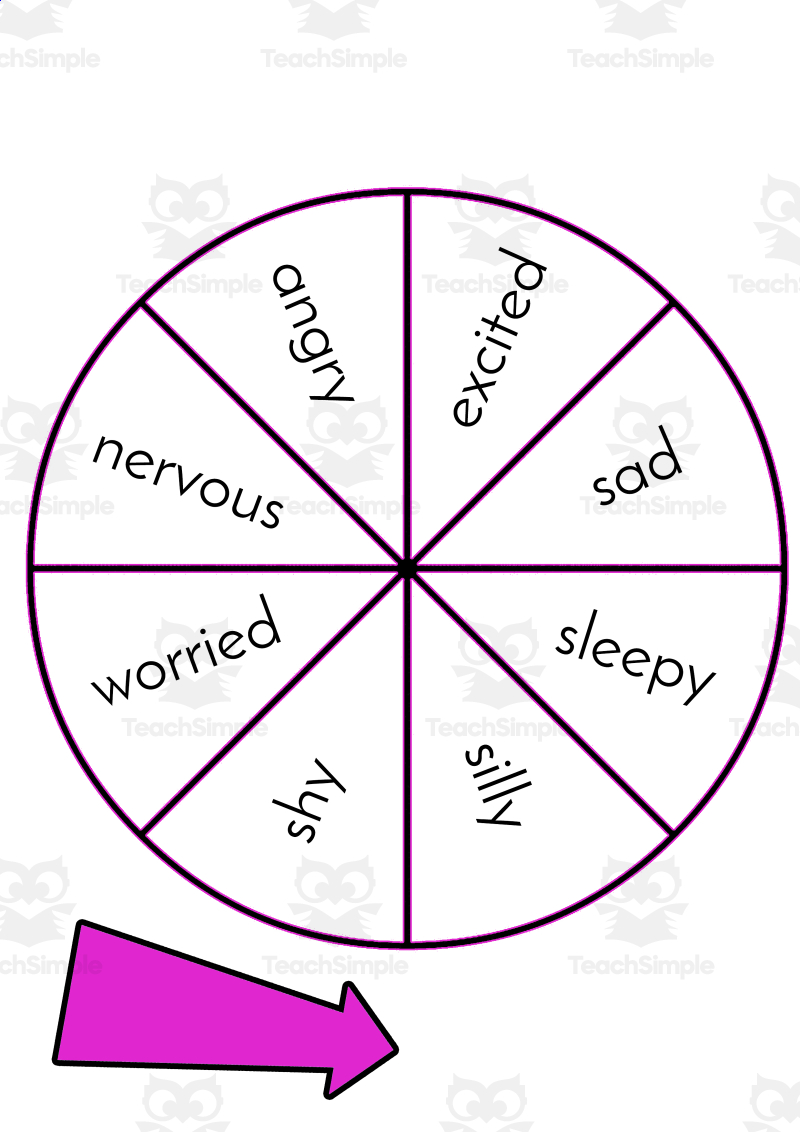
This is an Emotions + Feelings Activity Pack. Each of these activities are a great way to introduce vocabulary, name emotions, and match. There is a poster wheel with emotion words. There are emotion and feeling pictures. There are also flashcards - two words are on one side and a picture is on the other side.

A Jeopardy-style SEL quiz show that teaches students to distinguish healthy friendship behavior from unhealthy 'frenemy' behavior across true/false questions, act-it-out scenarios, and perspective-taking prompts.