
How Can I Be Kind? Animated PowerPoint Activity and PDF
A social-skills activity (from the 'Socially Skilled Kids' series) presenting scenario cards where students decide how to respond kindly to a peer's situation.


19,642 resources
Explore sub-categories
15 sub-categories · 19,642 resources
A social-skills activity (from the 'Socially Skilled Kids' series) presenting scenario cards where students decide how to respond kindly to a peer's situation.
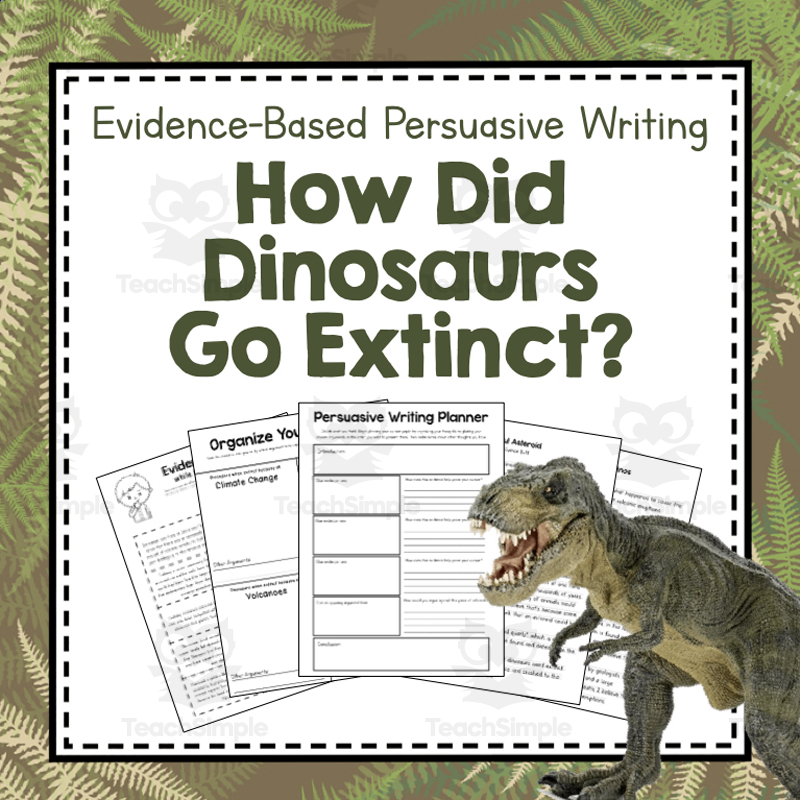
How Did the Dinosaurs Go Extinct? | Persuasive Writing Pack The How Did the Dinosaurs Go Extinct? | Persuasive Writing Pack is an interactive educational resource designed primarily for students in grades 3 to 5.
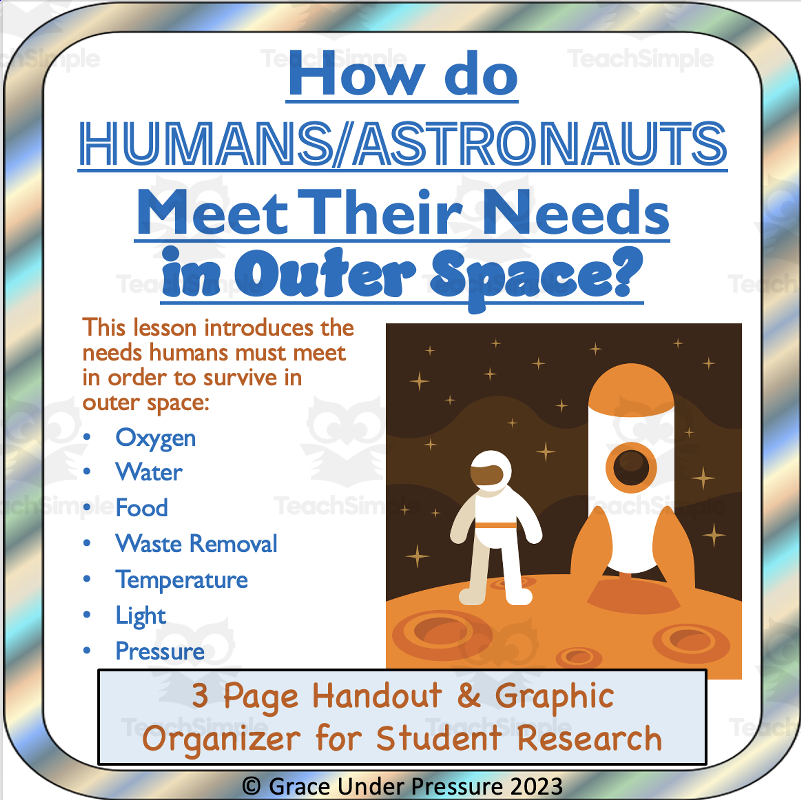
This middle school science lesson introduces the essential needs that humans (astronauts) must meet in order to survive while exploring in the extreme environment of outer space: •Oxygen •Water •Food •Waste Removal •Temperature •Light…
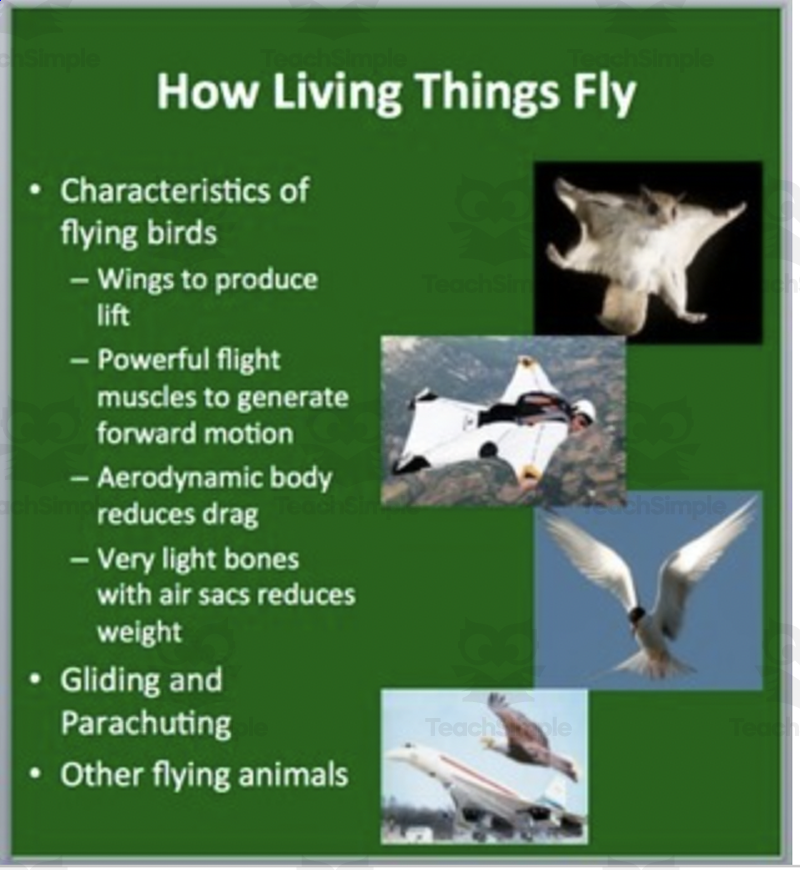
Lesson explaining how living things (primarily birds, plus gliding/parachuting animals) achieve flight through aerodynamic adaptations.
"How Many Ducks? Animated Song " The "How Many Ducks? Animated Song " is a delightful teaching resource designed for young learners in early learning, kindergarten, and preschool stages.
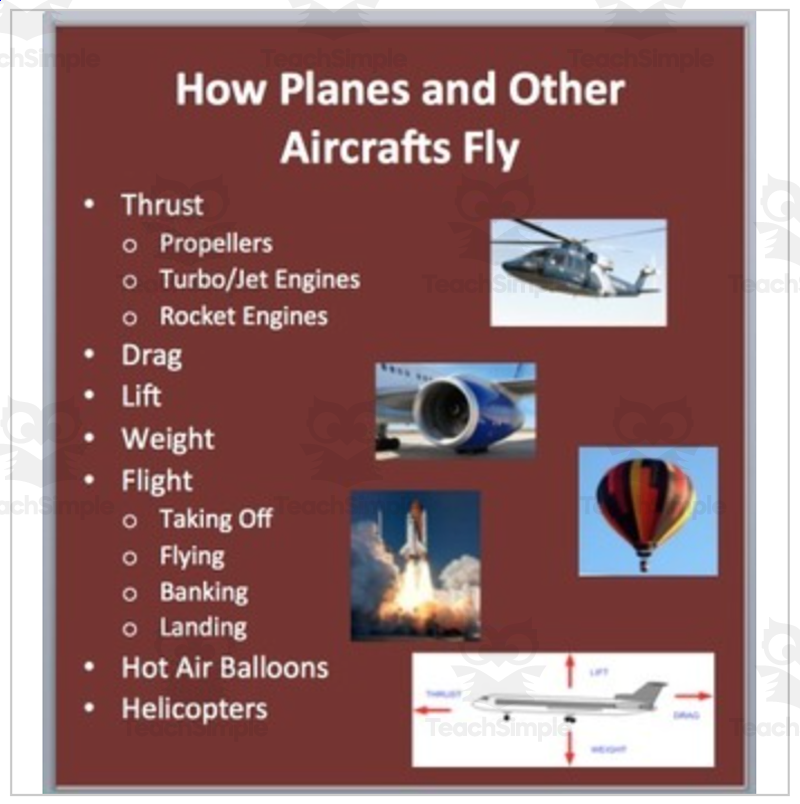
This 2-DAY lesson and lab package on How Planes and Other Aircraft Fly begins with a look at the aerodynamic forces which affect flight - Thrust, Drag, Lift and Weight. It then looks at takeoffs, level flight, banking, and landings.
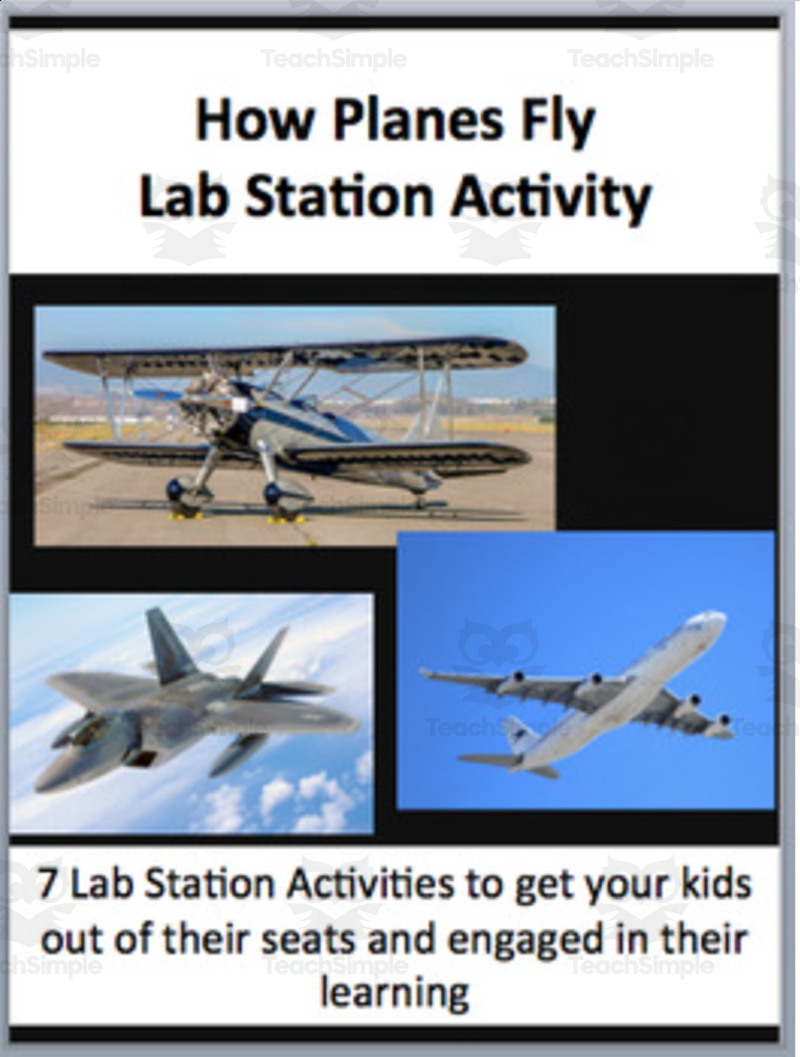
The How Planes Fly - Lab Station Activity An interactive teaching resource designed to engage students in a hands-on exploration of aeronautics.

How Things Move - Foldable and Cut-and-Paste (English and Spanish) The actionable resource 'How Things Move' is perfect for kindergarten, preschool, grade 1, and grade 2 students.
Product Title: How To Avoid Digital Drama - An SEL Lesson Plan The world of technology has opened numerous avenues for communication, but it also introduces a minefield of potential problems, namely digital drama and cyberbullying.
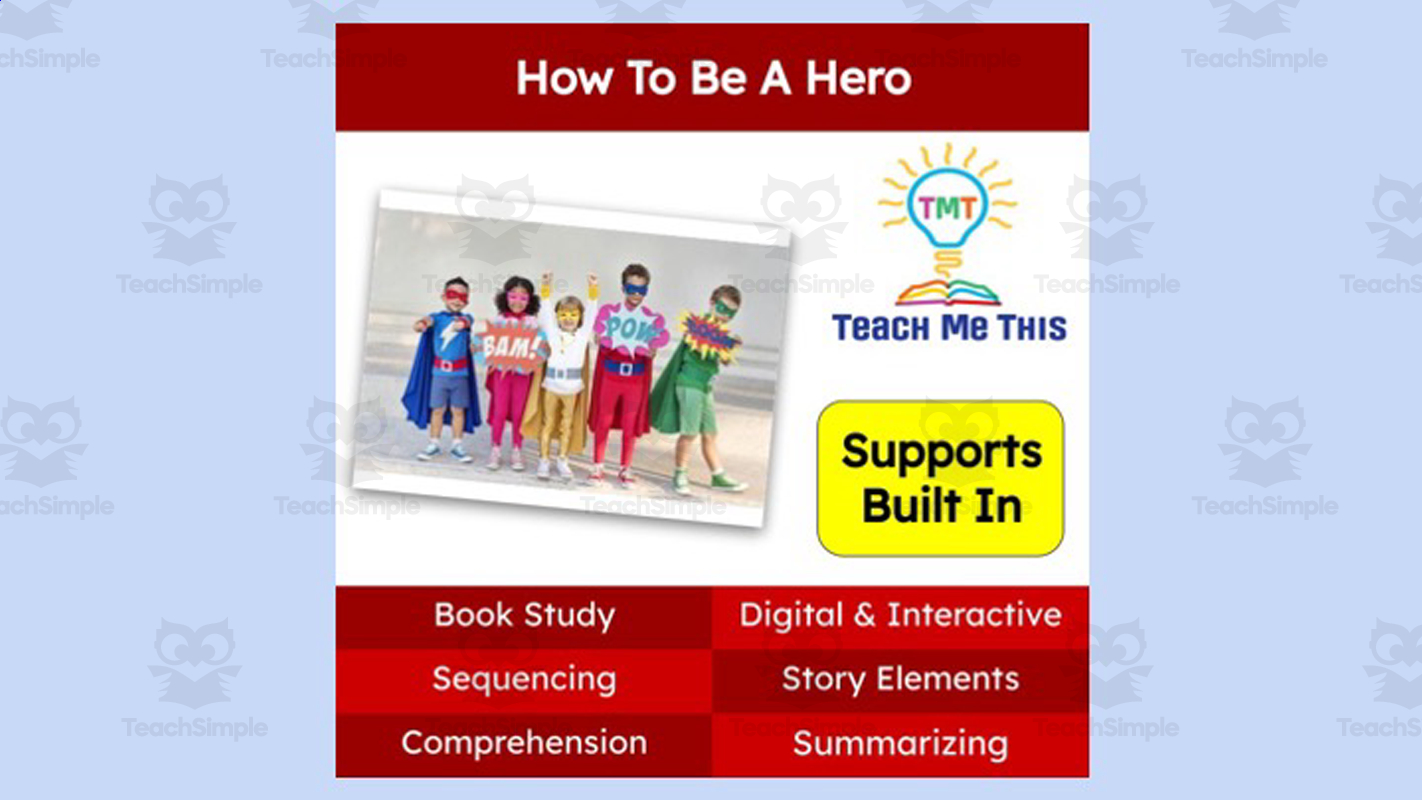
Interactive micro-learning book companion deck for the book 'How to be a Hero' by Florence Parry Heide, building reading comprehension skills (sequencing, story elements, comprehension, summarizing) around a read-aloud.

The tooth-brushing topic gives developing writers a familiar process to organize. Picture and sentence sequences support planning before students use transition words in a draft. Select an editing checklist that matches the writer’s level, then reread the directions to check order and clarity.
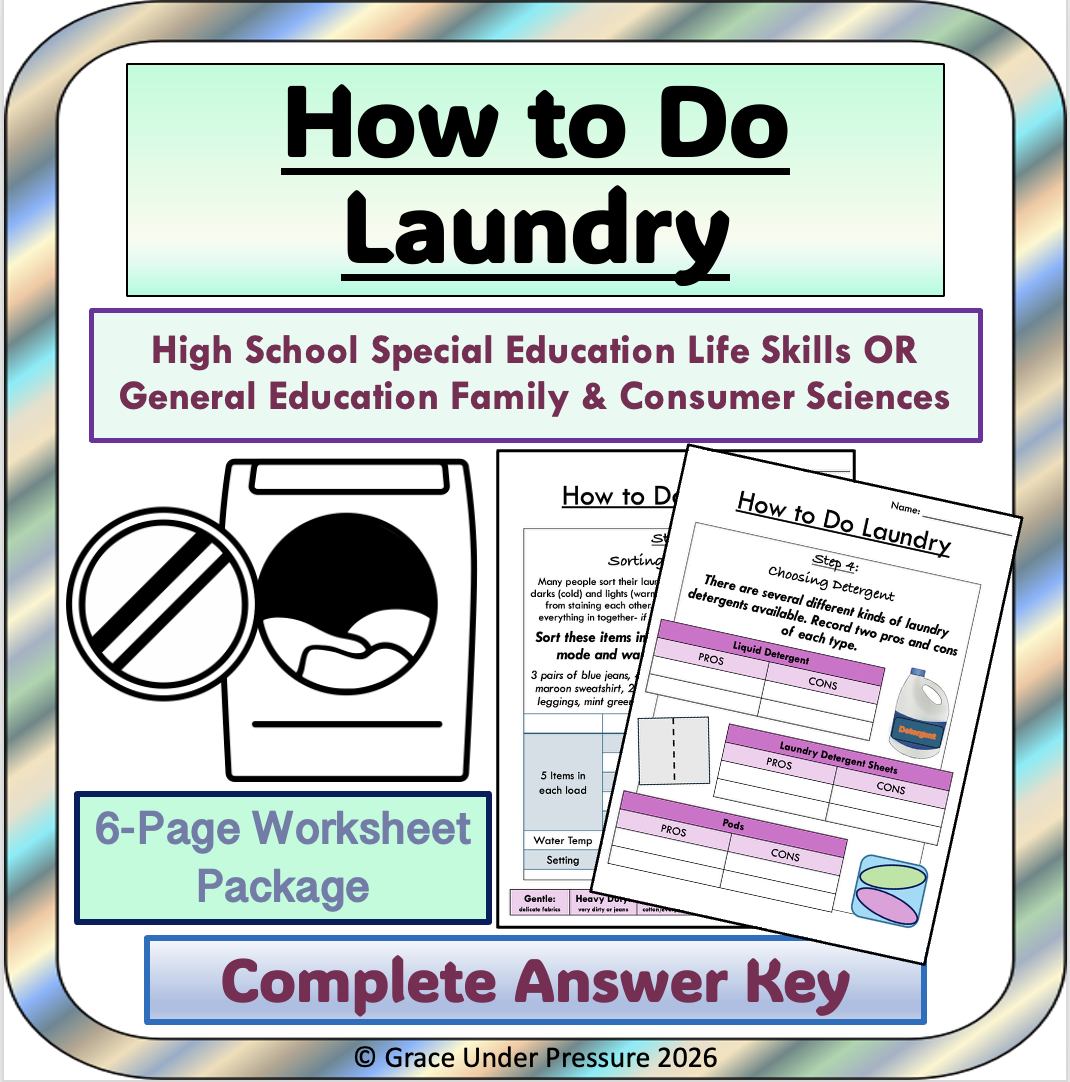
Do you want to teach your high school students in special education life skills OR general education family and consumer sciences how to do their own laundry?
This resource is intended to make students self-aware and understand how they can make themselves prepared for their best learning - their best self.

Use making a peanut butter sandwich as a familiar model for procedural writing. The packet offers sequencing pieces, writing supports and prompts for making instructions more specific, with a sample paragraph and editing checklists to support revision. Choose drawing or writing formats to match students’ needs; the paper activities can be completed without preparing or tasting food.
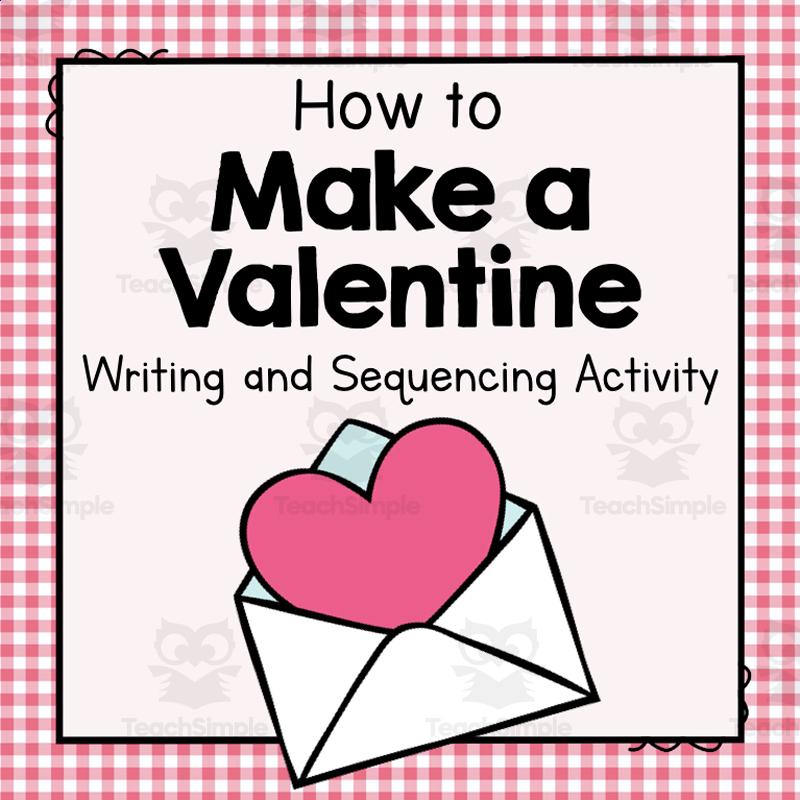
Teaches early writers to produce sequential 'how-to' expository writing about making a valentine, using leveled models, checklists, and picture-sequencing supports.
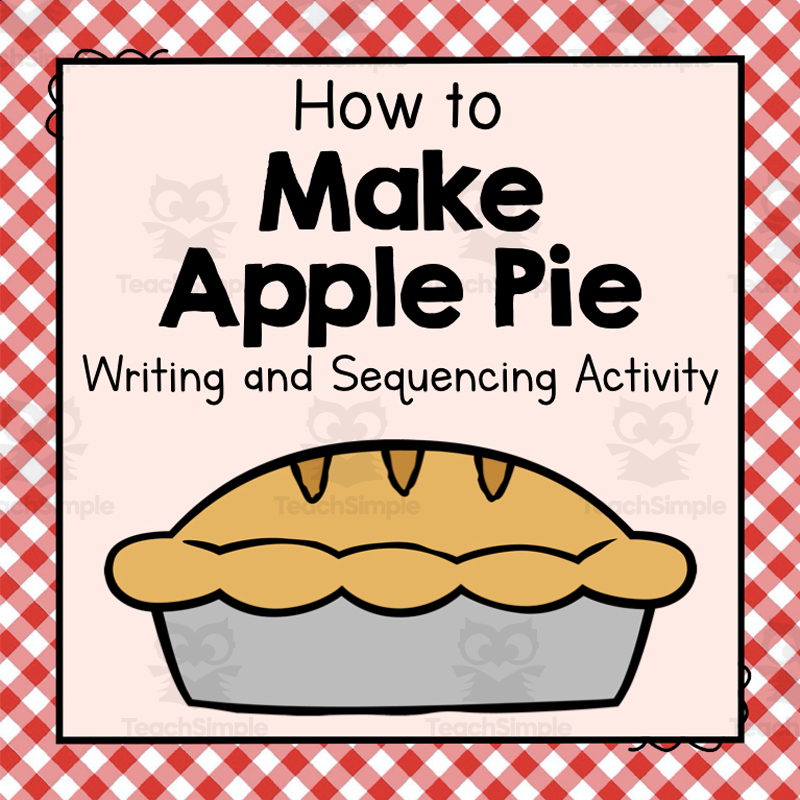
Teaches early elementary writers how to compose a step-by-step 'how-to' (procedural/expository) piece using the everyday example of apple pie, with an emphasis on sequencing and transition words.
Teaches early elementary writers how to compose a step-by-step 'how-to' (procedural/expository) piece using the everyday example of caramel apples, with an emphasis on sequencing and transition words.

This lesson includes a detailed 20-slide PowerPoint presentation packed with information about coil pottery, clay and ceramics. This presentation also includes detailed instructions on how to create a coil pot using traditional hand-building techniques such as slab construction, score and slip, glazing, bisque firing and glaze firing.
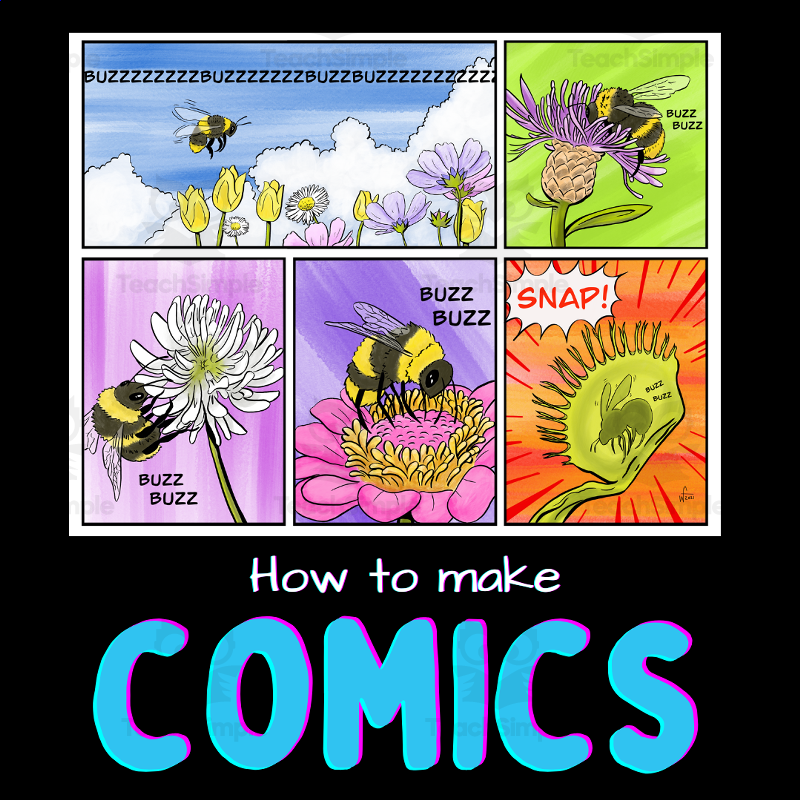
How to Make Comics: An Educational Resource 'How to Make Comics' is a comprehensive teaching tool tailored for educators. This resource, suitable for Grade 4 through 12, bridges the gap between fine arts and sequential storytelling…
Teaches early elementary writers how to compose a step-by-step 'how-to' (procedural/expository) piece using the everyday example of gingerbread cookies, with an emphasis on sequencing and transition words.
Teaches early elementary writers how to compose a step-by-step 'how-to' (procedural/expository) piece using the everyday example of hot chocolate, with an emphasis on sequencing and transition words.
Teaches early elementary writers how to compose a step-by-step 'how-to' (procedural/expository) piece using the everyday example of lemonade, with an emphasis on sequencing and transition words.
This cross-curricular resource uses students’ interest in pancakes to creatively teach emerging writers the basics of crafting step-by-step “how-to” explanations.

This cross-curricular resource uses students' interest in popcorn to teach early writers fundamentals of crafting step-by-step "how-to" explanations.