3,890 products added recently
Page 11 - Kindergarten Centers
Enhance your kindergarten classroom with centers designed specifically for young learners. These resources offer hands-on activities in literacy, math, science, and social studies, promoting exploration and discovery. Incorporating centers helps foster independence, collaboration, and a love for learning in your students. Keep your kindergarteners curious and engaged with these dynamic learning stations.
Letter D Phonics and Writing Centers with Real Photographs
ELA, Language Development, Phonics, Writing, Handwriting, Kindergarten, Preschool, Centers, Activities
This letter D beginning sounds and handwriting activity includes real photographs to practice learning to recognize, write and identify the sound of the letter D. Each picture has bold colors and includes easily recognized pictures. Each activity can be used in a literacy center for students to practice letter recognition. What is Included: There is an instructional page with printing instructions. There are letter D posters with various letter D words. There are handwriting task cards that allow students to practice writing the letter D as well as words that begin with the letter D. There are beginning sound clip cards that allow students to practice clipping the images that begin with the letter D There is a sorting activity where you sort pictures that begins with D from words that do not begin with D. The letter D sorting cards that can also be used to play memory, matching, or concentration games. These cards can also be used during a lesson in a pocket chart as well as for a center display. When to Use: All of the activities make great literacy centers, by placing each set of activities in the center and letting students complete activities alone or with a partner. These activities make great morning tub activities. Just place these activities in morning bins for students to complete as their classmates arrive to class. Skills Assessed: These activities assess letter recognition skills, beginning sounds, handwriting, and sorting skills. Each activity in this set is low prep. Each activity just needs to be printed out, cut apart, and laminated if desired. When you laminate the writing cards, you can create a writing center activity that is reusable is you add dry erase markers. The handwriting cards and beginning sound clip cards can be turned into task box activities.
Author The Connett Connection
Tags Phonics, Writing Centers, Real Photographs, Early Literacy, Letter D
Preschool Writing Center: My 5 Senses
ELA, Writing, Kindergarten, Centers, Activities
Preschool Writing Center: My 5 Senses - Your Key to Interactive Language Education The Preschool Writing Center: My 5 Senses is an innovative educational resource designed to enhance the teaching and learning process for kindergarten and preschool students. With a primary focus on language arts, particularly writing, this material aims to create an interactive and stimulating environment for effective comprehension. Seamless Integration into the Curriculum This resource seamlessly integrates with units such as the 'my 5 senses unit', 'observation unit', or other relevant science units about fall, pumpkins, apples etc. By engaging students with various subjects of observation using their five senses, it promotes sensory development at a young age. Vocabulary Enrichment via Word Wall Cards Included in this repository are word wall cards that help learners spell words related to descriptions of items or expressions based on their individual five senses perspective - thus enriching their vocabulary from a pragmatic point of view. Promotion of Writing Skills through Open-ended Templates Story-Writing Papers:: These also serve as excellent avenues for letter practice. Book-Writing Seats:: These help initiate students into understanding how books function structurally. Greeting Cards & Thematic Writings: This resource expands beyond academic confines courtesy by including greeting cards themed around food which learners can use in reaching out affectionately towards family members or friends plus useful thematic writings such as 'How to Use Your Senses'. Alongside an accessible PDF format which optimizes ease-of-use irrespective teacher's tech proficiency levels. In summary, if you're an educator seeking a practical toolkit that substantially elevates your teaching-learning effectiveness, Preschool Writing Center: My 5 Senses is the go-to resource for you.
Author The Proactive Classroom
Tags Writing Center, 5 Senses, Vocabulary Development, Sensory Development, Interactive Learning
Guided Reading Level H - Reading Labels and Names
ELA, Resources for Teachers, Reading Comprehension, Reading, Health, P.E. & Health, Special Resources, Life Skills, Language Development, Vocabulary, Kindergarten, Grade 1, 2, Worksheets & Printables, Worksheets, Teacher Tools, Centers, Activities, Literacy Readers, Quizzes, Quizzes and Tests, Assessments
This Guided Reading Book - Reading Labels and Names (Level H) includes: Guided Reading Color Label (front cover x1) This is a quick way to match the book’s demands to what students can generally handle.. The overall goal is to use the level/color to pick books for several smaller groups. To qualify for a certain level, a student is expected to read a book from that level with about 90–94% accuracy. If a student is consistently accurate and understands, move up a level. If the student is struggling at that level, drop down and add more support. Each student will improve at completely different rates, but it is generally one of the best ways to check progress across the class. DOWNLOAD THE CATALOG TO VIEW ALL GUIDED READING BOOKS AVAILABLE (SORTED LEVELS A-Z) Pre-Reading Question (x1) Teacher asks the prompt aloud, can be while showing the cover or first page. Students share what they already know, or make educated guesses from the cover. Prompt them to use the target vocabulary. Write some of their responses on the board to look back at during the reading. Vocabulary Words (x5) Introduce the five words, best doing it one at a time. Start by saying it, while students repeat and then see if anyone knows what it means before reading further. Read through the meaning and try to briefly connect each word to a picture or gesture so it’s meaningful. Ask students to flip through the book pages and point to where they see each of the vocabulary words. While reading the book pause upon coming across one of the vocab words or read the sentence twice to make sure students understand the word has appeared. Optional: Ask students to raise hands whenever they see/hear one of the new words. Guided Reading Pages (x10) Check the book snapshot (below) for: primary topic - do you need to prep extra reading or intro materials on this? what is taught best - decide on 1-2 bullets to focus on, use the prompt or words provided here for best results. learning goals - what you are checking for students to be able to do after the session, elicit answers using prompts or words provided. key vocabulary (see section above). questions overview - so you know what is coming up and if you need to prep extra materials to assist understanding. Run the lesson You may have already looked at a few of the pages together, but you can show them some of the pictures again first to set meaning. Depending on how much time you have and how familiar your students are with guided reading class, you may want to read the book aloud first with the group first. Students whisper or partner read, while you listen in. If time, do it as a group, one student reading a page each. Use the guided page’s prompts to coach: “Check the picture / does it make sense?” “Point under the words / try the first sound” “Reread the sentence smoothly”. Try to focus more on one student per session (rotating every time), so you can work out if they are ready to move up or need to move down a level. Comprehension Questions (back cover x3) This is your way to check that students didn’t just say the words, but actually understood the text. First, let students answer by pointing to the page/picture and saying a short sentence. After any answer, follow with: “Show me where you found that in the text.” In bigger groups, have partners answer first (10–20 seconds), then call on 2–3 students to share. Differentiation tips: Emerging speakers/struggling readers: oral + pointing On-level: oral in a full sentence Higher: one written sentence or draw + label Book Snapshot Title: Reading Labels and Names Genre: Nonfiction (informational) Subject: Reading / Life Skills Primary Topic: Labels give facts and clues in daily life Estimated Guided Reading Level (A–Z): H What This Book Teaches Best Labels are “like a clue” that give “important information” and “facts about an object.” Labels tell what is inside or what something is (e.g., a box labeled “Orange,” a jar labeled “strawberry jam”). Labels and names help people stay organized and find the right item (a bin labeled “Toys,” a library label that says “Fiction.”). Labels can keep people safe and help them make careful choices (a sign that says “Wet Floor.”). Reading labels helps every day because labels “give facts and solve mysteries.” Learning Goals Students will explain what the book says a label is like and what it gives (clues, information, facts). Students will describe how a label tells what is inside an object using an example from the text. Students will identify how labels help keep spaces organized and clean using details from the text. Students will explain how a label can help keep people safe, using the “Wet Floor” sign example. Students will describe how names on items (like an envelope) help people know who something is for. Key Vocabulary From the Text clue — something that helps you figure something out. information — facts that help you know something. object — a thing you can see or touch. envelope — paper cover that holds a letter. mysteries — things you are trying to figure out. Discussion Prompts Pre-reading question: What labels do you notice that give you important information? Comprehension questions: What does the book say a label is like? Which label in the book helps keep the room clean? According to the book, how do labels help every day? Printing Tips 1. Best Printing Method (Recommended) “Booklet” Printing (Best if Available) If your printer or PDF viewer supports Booklet Printing , use this. Settings to use: Print mode: Booklet Paper size: Letter or A4 (either works) Orientation: Landscape Print on both sides: Yes Flip on: Short edge Scaling: Fit to printable area Booklet subset: First test: Front sides only Then: Back sides only This will automatically: Pair pages correctly Put the cover on the outside Align everything for folding After printing, fold in half and staple along the spine . 2. If “Booklet” Printing Is NOT Available You can still print this correctly with manual duplex printing . Step-by-step: Open the PDF. Choose Print . Set: Orientation: Landscape Pages per sheet: 1 Print on both sides: Yes Flip on: Short edge Print all pages . Because each PDF page already contains two facing book pages, the result will still fold cleanly into a book. Thousands of Cored Education products are included with your TeachSimple membership. Download links and encyclopedia index available here.
Author Cored Education
Rating
Tags Vocabulary, Reading Comprehension, Reading Passages, Leveled Reading, Nonfiction, Reading, Guided Reading, Health, Life Skills, Labels
Read Trace and Write Sentences Worksheets Writing Practice Kindergarte
Writing, ELA, Handwriting, Kindergarten, Preschool, Grade 1, Centers, Activities, Worksheets, Worksheets & Printables
This Read, Trace, and Write the Sentences worksheet pack is a simple, no-prep resource designed to help young learners practice early writing and reading skills in a clear and structured way. It is perfect for kindergarten and first grade students who are beginning to build confidence with sentence writing, handwriting, and basic reading comprehension. Each page guides students through a simple routine: read a short sentence, trace it to practice handwriting, and then write it again or complete it using picture clues. This repeated structure helps students understand how sentences are formed while strengthening both writing and reading skills in an easy, supportive way. The activities use simple, familiar vocabulary and include picture support to help learners stay engaged and understand meaning more easily. Everything is designed to feel approachable and not overwhelming for early learners, making it suitable for different ability levels. This resource works well for literacy centers, morning work, homework, small groups, or homeschooling. It can be used independently or with teacher support depending on the student’s level. All pages are black and white, easy to print, and ready to use in any learning setting. File type: PDF Number of pages: 10
Author Sadigitalart
Rating
Tags Writing Practice, Sentences Worksheets, Trace And Write
It's Winter! Kindergarten Math & Literacy Center: Short and Long Vowels
ELA, Language Development, Phonics, Kindergarten, Preschool, Grade 1, Centers, Activities
It's Winter! Kindergarten Math & Literacy Center: Short and Long Vowels The cold weather never stops the learning action in a classroom, especially with It's Winter! Kindergarten Math & Literacy Center: Short and Long Vowels. Specially formulated to meet Common Core standards for kindergarten students, this resource infuses much-needed fun into math and literacy lessons. This no-prep, ebook download in PDF format is teeming with engaging activities that will appeal to budding learners. Imperative for mastering the basics of language arts, it focuses on distinguishing between short and long vowel sounds. Not just confined to kindergarten use, this product can also be implemented effectively among preschoolers or grade 1 learners who are building their phonics skills. Flexible Lessons Ever! Lessons do not come more flexible than this! The activities included could take the form of group work during a regular school day or serve as refreshing morning exercises. Given its easy-to-follow format, children could also integrate it into their homework routine. Interactive reinforcement: Each worksheet prompts students to examine pictures/words carefully—hence fostering critical thinking—and determine if a displayed vowel sound is short or long. Coloring activity : Children color the images based on their answers which help reinforce knowledge through interaction! A Comprehensive Resource at your Fingertips! Comprising four pages filled with tailored content—one specifically being an interactive worksheet—this resource supports educators immensely by eliminating time-consuming prep work while simultaneously guaranteeing effective learning outcomes. In sum, It's Winter! Kindergarten Math & Literacy Center: Short and Long Vowels brings interactive learning experiences right at your fingertips in any season - offering equal parts enjoyment and education that resonates beyond classrooms walls.
Author Knowledge Box Central
Tags Winter, Kindergarten, Math, Literacy Center, Short And Long Vowels
It's Spring! Kindergarten Math & Literacy Center: Ten Frames
Math, Numbers, Kindergarten, Preschool, Centers, Activities
It's Spring! Kindergarten Math & Literacy Center: Ten Frames A comprehensive and dynamic teaching resource perfect for preschool to kindergarten level learners. This stimulating resource focuses on math and literacy, neatly outlined in an easy-to-download 6-page eBook. Ten Frame Worksheets: The highlight of this product is its use of ten frames - an essential tool fixed in teaching numeric understanding, addition, and arithmetic reasoning. Its pictorial approach greatly enhances counting accuracy and can boost mental arithmetic skills. Versatile Activities: The eBook comes with multiple activities that are suitable for morning work or homework tasks. Promotes interaction in small groups during class time, or used as a center activity to foster collaborative learning. Spring Imagery: The spring theme seamlessly weaves into the learning material as vibrant symbols of growth and renewal promoting visual engagement while making each session enlightening yet enjoyable. Purchase "It's Spring! Kindergarten Math & Literacy Center: Ten Frames" today! Suitable for whole group instruction or homeschool sessions - enriching your pupil's academic journey has never been so inspiring.
Author Knowledge Box Central
Tags Spring, Kindergarten, Ten Frames, Math Concepts, Literacy Center
Post Office Alphabet Puzzles
ELA, Language Development, Phonics, Kindergarten, Preschool, Activities, Centers
Teach your preschool and kindergarten students the alphabet with these engaging post office alphabet puzzles. These letter matching puzzles are designed to help young learners practice letter identification, uppercase and lowercase letter recognition, and early phonics skills in a fun, hands on way. Each puzzle features a bright and colorful mail carrier themed image, making this activity perfect for a community helper learning centers, small groups, or independent literacy practice. What is Included: This resource contains 26 two-piece alphabet puzzles for matching capital and lowercase letters for each letter of the alphabet. The hands-on nature of these puzzles gives students a tactile way to practice matching uppercase and lowercase letters of the alphabet. Students can complete these puzzles independently or with a partner. When to Use Early Finishers - If students finish their work early, they can use these puzzles for extra practice. Small Group Work - Teachers can use these puzzles to target small groups of students who need more practice. Literacy Center - Students can practice building words individually or with a partner in a literacy center . Morning Tub or Basket - Students can work independently or with a partner to complete the puzzles while waiting on classmates to arrive at class. Tasks Boxes - These puzzles fit well in tasks boxes making literacy centers easy to set up and put away. Students will stay engaged and have fun completing these puzzles over and over to master letter recognition. Skills Assessed: Letter Recognition and Identification for Capital and Lowercase Letters Matching Capital Letters with their Corresponding Lowercase Letters Ability to place single letters in alphabetical order These post office alphabet puzzles are a low prep option for teachers. They just need to be printed out and cut apart before being added to the desired activity location. The puzzles can be laminated for durability if desired.
Author The Connett Connection
Rating
Tags Alphabet Puzzles, Letter Recognition, Alphabet Activities
It's Spring! Kindergarten Math & Literacy Center: Addition & Subtraction
Math, Addition and Subtraction, Addition, Kindergarten, Preschool, Grade 1, Centers, Activities
Product Description: As the title 'It's Spring! Kindergarten Math & Literacy Center : Addition & Subtraction' suggests, this resource breathes freshness into classroom teaching. It aligns with Common Core standards, providing kindergarten teachers and homeschoolers an enriching educational supplement matching the lively spirit of spring. A set of five pages filled with well-structured content caters to the needs of young kindergarteners as well as advanced preschoolers. It can even extend its application to first graders who require additional practice in math and literacy concepts. No-Preparation Required Ebook This no-preparation-required resource is an ebook that comes in a downloadable PDF format for convenient use anywhere, anytime. Academic subjects being catered include Maths with subtopics focusing on addition and subtraction. The digital worksheets are visually engaging which spark interest among little learners instantly. They offer a medley of activities making number counting fun while also reinforcing simple addition and subtraction skills. This strategic approach aids in developing mathematical proficiency effectively at a young age. Versatility The versatility of 'It's Spring! Kindergarten Math & Literacy Center : Addition & Subtraction' allows it to fit smoothly across multiple contexts - be it whole group instruction or small group discussions within classrooms, homework assignments for reinforcement at home or as part of bustling learning centers during school hours. Spring-Themed Graphics With spring-themed graphics adding visual appeal, these worksheets hold the potential to resultantly turn classrooms into buzzing hubs of learning by putting forth compelling content capable of intriguing tender minds while also offering substantive knowledge transfer. Elevate Your Teaching Dynamics In summing up, don't put off till tomorrow what you could do today - bring home this gem right away and elevate your teaching dynamics this spring!
Author Knowledge Box Central
Tags Spring Math, Kindergarten, Addition, Subtraction, Literacy Center
Letter X Counting to 10 Center
ELA, Math, Early Math, Numbers, Language Development, Phonics, Kindergarten, Preschool, Centers, Activities
This Letter X Counting to 10 Center is a counting to 10 math matching center for the letter X. This resource is great for letter recognition and practicing counting with tens frames. This is a quick, easy, and engaging activity to give preschooler or kindergartener students who need practice with recognizing the lowercase form of the letter X, who need practice recognizing numbers up to 10, as well as for those students who need extra practice counting to 10. What is Included: A tens frame card for each number 1 to 10 with lowercase letter X as counters Box themed number cards for 1 to 10 This counting math center can be used in the following ways Math centers Matching centers Small group activities Morning tubs or baskets Emergency sub plans Quick hands on counting assessment Quick number recognition assessment Skills assessed with this letter Q counting activity Lowercase letter Q recognition Ability to count to 10 Recognizing amounts when represented in a tens frame Ability to match numbers to the correct tens frame Fine Motor Skills This counting to 10 math center is low prep. All that is required is for the teacher to print it out, cut it out and laminate it if so desired. Once created, this counting center can be used over and over. The center provides a great way for students to practice counting to 10 and practicing letter recognition of lowercase letters at the same time. Students can work on this counting center independently, in pairs, or in small groups to complete. You can add manipulatives for students to cover each letter X as they count if they need a more hands on approach, or a more guided way to practice counting each letter X. For similar resources about the alphabet, visit my store!
Author The Connett Connection
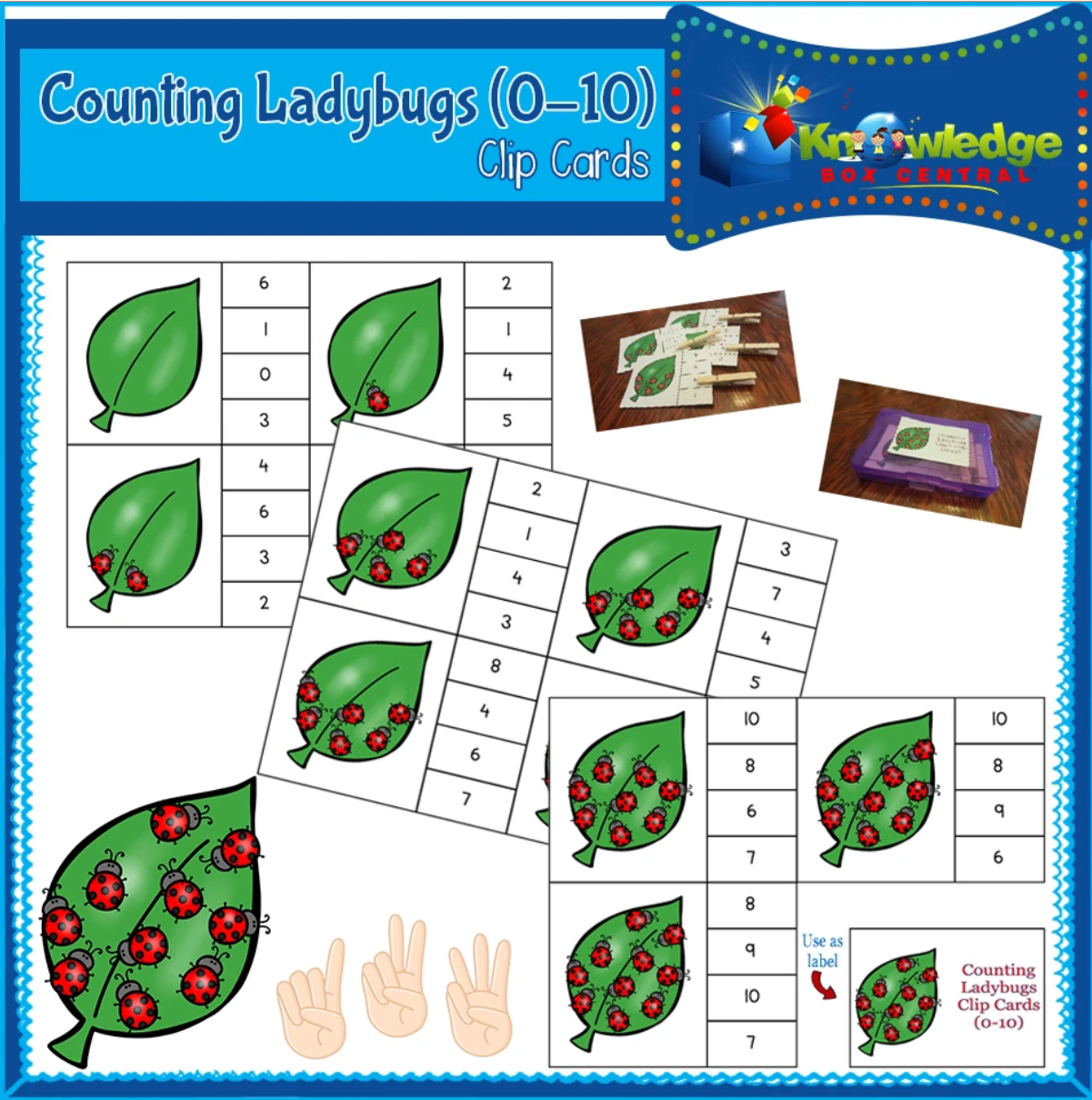
Tags Counting To 10, Counting To Ten, Letter Recognition, Tens Frames, Counting With Tens Frames, Ladybug Counting, Preschool Math, Math Center, Letter X, Letter X Activities
Addition and Subtraction within 20 with Worksheets 1st Grade Math
Math, Addition and Subtraction, Addition, Subtraction, Calculus, Basic Operations, Early Math, Counting, Numbers, Kindergarten, Preschool, Grade 1, 2, 3, Teacher Tools, Activities, Centers, Worksheets & Printables, Word Problems, Worksheets, Workbooks
This interactive and attractive set Addition and Subtraction within 20 with19 Pages learners develop their original Addition and Subtraction within 20 with this set contains 19 pages in this set, each in each a different Digraphs Addition and Subtraction within 20 with to ensure a fun and structured approach to using a fun and type of work that useful; Each card is fun this edited set of Addition and Subtraction within 20 with is built in an elegant style that attracts attention this interactive and attractive set of Addition and Subtraction within 20 with designed to help young learners develop their original Addition and Subtraction within 20 with skills through Addition and Subtraction within 20 with This set contains. these printable offer useful courses, this provides a useful course-rich practice, it is designed to help using resource grade 2 easily to learn about Addition and Subtraction within 20 with fun and interactive manner. A collaborative learning activity added students. PDF format
Author LAMO
Rating
Tags Basic Operations, Math, Homework, Worksheets, Printables
Letter Boxes: Find and Cover Center
ELA, Language Development, Pre-Reading, Kindergarten, Preschool, Centers, Activities
Letter Boxes: Find and Cover Center An ideal teaching resource that supports students on their journey to letter recognition familiarity. This product is an advantageous tool for educators, especially public school teachers and homeschoolers. It primarily targets early learners, preschool students, and kindergarteners. What's Inside? This product offering is a 20-page printable PDF. The guide comprises of: Letter cards specifically designed for understanding both uppercase and lowercase letters, Title cover options provided for efficient storage solutions. Versatility at Its Best! Elegantly designed with versatility in mind, the Letter Boxes: Find and Cover Center offers numerous ways to utilize within your teaching environment. Ideal applications include small group activities or whole class sessions where student interaction flourishes. The Concept: This multi-sensory experience involves drawing a card then locating each letter on their game board to subsequently covering each one with a counter token. There are also options available like bingo daubers or stamps or even alternating between uppercase letter sets and lowercase boards to cater different skill levels among students. The Setup Process: Print the letter cards & game boards, Add mini erasers, counters (or any small object) into a storage box for easy accessibility during gameplay, Aim to meet intervention needs by implementing this aide tool with children who need focus assistance in identifying either uppercase or lowercase letters respectively. In conclusion, With strategic design elements promoting engagement teamed with its inherent focus on strengthening foundational reading skills—Letter Boxes: Find and Cover Center is a must-include resource in your suite of teaching tools.
Author The Proactive Classroom
Tags Letter Recognition, Preschool Activities, Interactive Learning, Multi-sensory, Literacy Skills
Preschool Writing Center: All About Me
ELA, Writing, Kindergarten, Preschool, Centers, Activities
Preschool Writing Center: All About Me Support your students’ learning with this All About Me Preschool Writing Center. This resource was specifically designed to build student writing skills and increase their vocabulary. What You Get: (included in color and black and white) - 24 word wall cards (black and white or full color) These cards are included with all uppercase and all lowercase letters to meet your students’ needs - 5 different open ended writing papers that are great for writing stories, letters, facts, or for practicing writing names and letters students see! - Book writing template with a cover and three pages to help students start to understand the structure of how books work. Students LOVE writing their own books! - How to Writing sheets with the prompts: “How to Have Fun” and “What You Should Know About Me.” These sheets are divided into 3 sections so that students can draw or write about one fact or step in each box. - 6 different greeting cards that students can use to write a letter to family or friends! How to Use the All About Me Preschool Writing Center: This All About Me writing center is great for the beginning of the year as a way for students to learn more about each other. This set is perfect for young writers in kindergarten and preschool. The center includes word wall cards to help students spell words they might use to tell about themselves. It also includes writing paper that will help students learn about the different purposes for writing. The writing templates include lots of open space for students to draw, label, and write words as they are able! For each section included, there are directions for how to prep and implement it. I hope you enjoy!!
Author The Proactive Classroom
Tags Preschool Writing Prompt, Writing Centers, Back To School, All About Me, Seasonal Writing Prompts, Kindergarten Writing, Vocabulary Cards, Writing Centers For Preschool, Writing Centers Preschool
Read and Draw Activity - Literacy and Art
Creative Arts, Graphic Arts, Art, ELA, Reading, Kindergarten, Preschool, Grade 1, 2, 3, 4, Worksheets & Printables, Worksheets, Coloring Pages, Activities, Centers, Assessments, Teacher Tools
Read and Draw – Where Words Meet Creativity! Transform your classroom into a hub of imagination with the Read and Draw Activity! This resource is a delightful way to combine literacy and art, as students read simple sentences and draw pictures to match. Whether it’s “The cat wears a hat” or “The dog jumps over a log,” kids get to visualize the written word while adding their personal artistic flair. No two drawings will ever be the same, but they’ll all be hilarious and adorable. Ways to Use: Morning Warm-Up: Start the day on a creative note with this quiet and focused activity. Literacy Centers: Reinforce comprehension and visualization in an engaging, hands-on way. Fast Finishers: Keep early birds entertained with fun and purposeful work. Sub Plans: A guaranteed hit that keeps students busy while you enjoy a moment of calm. Advantages: Boosts reading comprehension: Students practice understanding and interpreting sentences. Encourages creativity: Drawing makes the learning process exciting and unique. Builds confidence: Even reluctant readers enjoy the task because drawing makes it fun! Versatile and easy to use for various grade levels. Make reading a work of art—literally—with this engaging and laughter-filled activity. Your students (and you) will love it!
Author Ponder Palette Plazza
Tags Drawing, Reading, Coloring Pages, Reading Activity, Drawing Activity, Valentine Activities, Drawing Activities, Reading Comprehension, Draw
Guided Reading Level H - Who Cooks for the Community
ELA, Resources for Teachers, Reading Comprehension, Reading, Social Emotional Learning (SEL), Special Resources, Career, Life Studies, Social Studies, Economics, Kindergarten, Grade 1, 2, Worksheets & Printables, Worksheets, Teacher Tools, Centers, Activities, Literacy Readers, Quizzes, Quizzes and Tests, Assessments
This Guided Reading Book - Who Cooks for the Community (Level H) includes: Guided Reading Color Label (front cover x1) This is a quick way to match the book’s demands to what students can generally handle.. The overall goal is to use the level/color to pick books for several smaller groups. To qualify for a certain level, a student is expected to read a book from that level with about 90–94% accuracy. If a student is consistently accurate and understands, move up a level. If the student is struggling at that level, drop down and add more support. Each student will improve at completely different rates, but it is generally one of the best ways to check progress across the class. DOWNLOAD THE CATALOG TO VIEW ALL GUIDED READING BOOKS AVAILABLE (SORTED LEVELS A-Z) Pre-Reading Question (x1) Teacher asks the prompt aloud, can be while showing the cover or first page. Students share what they already know, or make educated guesses from the cover. Prompt them to use the target vocabulary. Write some of their responses on the board to look back at during the reading. Vocabulary Words (x5) Introduce the five words, best doing it one at a time. Start by saying it, while students repeat and then see if anyone knows what it means before reading further. Read through the meaning and try to briefly connect each word to a picture or gesture so it’s meaningful. Ask students to flip through the book pages and point to where they see each of the vocabulary words. While reading the book pause upon coming across one of the vocab words or read the sentence twice to make sure students understand the word has appeared. Optional: Ask students to raise hands whenever they see/hear one of the new words. Guided Reading Pages (x10) Check the book snapshot (below) for: primary topic - do you need to prep extra reading or intro materials on this? what is taught best - decide on 1-2 bullets to focus on, use the prompt or words provided here for best results. learning goals - what you are checking for students to be able to do after the session, elicit answers using prompts or words provided. key vocabulary (see section above). questions overview - so you know what is coming up and if you need to prep extra materials to assist understanding. Run the lesson You may have already looked at a few of the pages together, but you can show them some of the pictures again first to set meaning. Depending on how much time you have and how familiar your students are with guided reading class, you may want to read the book aloud first with the group first. Students whisper or partner read, while you listen in. If time, do it as a group, one student reading a page each. Use the guided page’s prompts to coach: “Check the picture / does it make sense?” “Point under the words / try the first sound” “Reread the sentence smoothly”. Try to focus more on one student per session (rotating every time), so you can work out if they are ready to move up or need to move down a level. Comprehension Questions (back cover x3) This is your way to check that students didn’t just say the words, but actually understood the text. First, let students answer by pointing to the page/picture and saying a short sentence. After any answer, follow with: “Show me where you found that in the text.” In bigger groups, have partners answer first (10–20 seconds), then call on 2–3 students to share. Differentiation tips: Emerging speakers/struggling readers: oral + pointing On-level: oral in a full sentence Higher: one written sentence or draw + label Book Snapshot Title: Who Cooks for the Community? Genre: Nonfiction (informational) Subject: Social Studies / Reading Primary Topic: Kitchen jobs that feed the community Estimated Guided Reading Level (A–Z): H What This Book Teaches Best How many different workers in a kitchen help make food for others in the community (restaurants, schools, hospitals). The roles and responsibilities of kitchen jobs (head chef, sous chef, line cooks, prep cook, pastry chef, bakers, pizza makers, dishwasher). How teamwork in kitchens helps people stay healthy by providing nutritious meals. Using text to learn job-specific actions and tools (checking supplies, chopping ingredients, measuring, mixing dough, cleaning pots and pans). Learning Goals Students will describe how kitchens help the community using details from the book. Students will identify at least three kitchen jobs named in the text and tell what each job does. Students will explain what the head chef decides and why that role is important. Students will describe how the prep cook helps the other cooks work faster, using text evidence. Students will explain why a clean kitchen is important for preparing food, based on the dishwasher page. Key Vocabulary From the Text sous — a helper chef who is second in charge. ingredients — foods used to make a meal or recipe. responsible — in charge of an important job. specialize — focus on doing one kind of work well. nutritious — good for your body; helps you stay healthy. Discussion Prompts Pre-reading question: Who do you think works in a kitchen, and what might they do? Comprehension questions: Where does the book say people visit kitchens to get the food they need? What does the head chef decide in the kitchen? Why does the book say the dishwasher is an important part of the kitchen team? Printing Tips 1. Best Printing Method (Recommended) “Booklet” Printing (Best if Available) If your printer or PDF viewer supports Booklet Printing , use this. Settings to use: Print mode: Booklet Paper size: Letter or A4 (either works) Orientation: Landscape Print on both sides: Yes Flip on: Short edge Scaling: Fit to printable area Booklet subset: First test: Front sides only Then: Back sides only This will automatically: Pair pages correctly Put the cover on the outside Align everything for folding After printing, fold in half and staple along the spine . 2. If “Booklet” Printing Is NOT Available You can still print this correctly with manual duplex printing . Step-by-step: Open the PDF. Choose Print . Set: Orientation: Landscape Pages per sheet: 1 Print on both sides: Yes Flip on: Short edge Print all pages . Because each PDF page already contains two facing book pages, the result will still fold cleanly into a book. Thousands of Cored Education products are included with your TeachSimple membership. Download links and encyclopedia index available here.
Author Cored Education
Rating
Tags Vocabulary, Reading Comprehension, Reading Passages, Leveled Reading, Nonfiction, Reading, Guided Reading, Social Studies, Chef, Careers
Letter B Beginning Sound Sort - Bear Themed
ELA, Language Development, Phonics, Kindergarten, Preschool, Activities, Centers
This beginning sound sort for the letter B is a great hands on activity for recognizing the most common sound of the letter B. This is an easy and fun activity to give students who need practice with recognizing the letter B sound from amongst other letter sounds or for those students who need extra practice distinguishing between the initial sounds in words. To complete this sorting activity , students will look at a picture on a bear to determine if the picture begins with the letter B or does not begin with the letter B, and then the students will place the bear on the correct cave mat. This sorting activity includes 3 pages that contains One cave mat for pictures that begin with the letter B One cave mat for pictures that do not begin with the letter B Bear pictures that begin with B Bear pictures that do not begin with B This beginning sound sort can be used in the following ways Literacy centers Fine motor centers File folder activity Add magnets to the picture cards for a baking tray activity Small group activities Morning work Emergency sub plans If making a file folder game, the teacher will place the mats on either side of the folder and use hook and loop fasteners to sort the bear pictures. Skills assessed with these letter B initial sound sort Initial Sound of the letter B Distinguishing between words that begin with B and do not begin with B Ability to sort the picture cards on to the correct mat This beginning sounds sorting activity is a low prep activity . All a teacher needs to do is to print the three pages, cut out the picture cards and laminate the pages and cards if desired. The activity is easy to set up and to put away and store. This download includes a PDF with 3 usable pages.
Author The Connett Connection
Rating
Tags Letter Of The Week, Alphabet Activities, Alphabet Centers, Beginning Sounds, Literacy Center, Preschool Literacy Center, Initial Sounds, Letter B, Letter B Activity
Animal Habitats Sorting Activity Worksheets| Animal Habitat
Science, Animals, Life Sciences, Kindergarten, Preschool, Grade 1, 2, Worksheets & Printables, Teacher Tools, Classroom Decor, Activities, Centers, Word Walls, Worksheets, Word Problems, Workbooks
Students will find, recognize, recognize, recognize, recognize tAnimal Habitat Activities for Special Education. These Animal Habitat are aligned with the science of reading Animal Habitat Activities for Special Education identity practices worksheet and in fact your prescript and kinderrain needs to master the Animal Habitat Activities for Special Education names, Animal Habitat seem that I have designed these Animal Habitat Activities for Special Education, which have designed these Animal Habitat Activities works, which is a Animal Habitat Activities for Special Education about a paper about the practice of the practice of guide practices, which is a Animal Habitat Activities for Special Education and plants about the practice To create a Animal Habitat Activities to create, which helps find different Animal Habitat , ensures a fun and structured approach to learning the Animal Habitat Activities . This worksheet provides a fun activities to identify the sounds of any pre -PR -LafabetAnimal Habitat Activities for Special Education, the formation of lAnimal Habitat Activities for Special Education, including a series of small activities on each page, including a series of students to involve a series of skills for Animal Habitat Activities for Special Education reviews.
Author LAMO
Rating
Tags Biology, Vocabulary, Environment, General Science, Science, Printables, Activities, Worksheets
Letter Boxes: Letter Tracing Center
ELA, Language Development, Pre-Reading, Kindergarten, Preschool, Centers, Activities, Worksheets
Letter Boxes: Letter Tracing Center A carefully crafted teaching resource that aids instructors in enhancing the alphabet recognition and writing skills of their students. This educational tool primarily targets preschoolers and kindergarteners, and caters to both uppercase and lowercase alphabets. The product comes as a 31-page printable PDF including: Magnifying tools for letter-searching, which help students playfully explore the alphabet. Different cover options, enabling you to personalize your storage box title display. The Fun Learning Process! In this simple yet highly effective activity, pupils draw a card that bears an individual letter. They then need to identify it verbally before tracing its form with a dry erase marker. These repetitive tasks aid in improving their familiarity with different letter shapes and forms. This versatile tool can be used in group lessons or as an independent center activity - whatever fits best into your teaching plan! Moreover, it also serves effectively during special intervention sessions for those needing extra assistant with alphabet distinction. Ease of Setup! A huge plus is its hassle-free set-up process. All you need on hand are necessary items like printer paper, scissors, laminator etc., The straightforward process involves printing cards from the PDF, cutting them out followed by laminating them - voila! You're ready to go! Note: Although integrating this within other themed classroom events like zoo or animal units can deliver added benefits of curriculum linking; the utility of this tracing center extends well beyond such instances into year-round literacy evolution. The Letter Boxes: A Letter Tracing Centre adjusts itself according to each child's learning needs, offering teachers a flexible tool for various classroom requirements - be it engaging the whole class at once or providing individualized support.
Author The Proactive Classroom
Rating
Tags Tracing, Letter Recognition, Alphabet, Preschool, Kindergarten
Guided Reading Level H - The Story of the Wheel
ELA, Resources for Teachers, Reading Comprehension, Reading, Language Development, Vocabulary, Engineering, Technology, Science, Physics, Kindergarten, Grade 1, 2, Worksheets & Printables, Worksheets, Teacher Tools, Centers, Activities, Literacy Readers, Quizzes, Quizzes and Tests, Assessments
This Guided Reading Book - The Story of the Wheel (Level H) includes: Guided Reading Color Label (front cover x1) This is a quick way to match the book’s demands to what students can generally handle.. The overall goal is to use the level/color to pick books for several smaller groups. To qualify for a certain level, a student is expected to read a book from that level with about 90–94% accuracy. If a student is consistently accurate and understands, move up a level. If the student is struggling at that level, drop down and add more support. Each student will improve at completely different rates, but it is generally one of the best ways to check progress across the class. DOWNLOAD THE CATALOG TO VIEW ALL GUIDED READING BOOKS AVAILABLE (SORTED LEVELS A-Z) Pre-Reading Question (x1) Teacher asks the prompt aloud, can be while showing the cover or first page. Students share what they already know, or make educated guesses from the cover. Prompt them to use the target vocabulary. Write some of their responses on the board to look back at during the reading. Vocabulary Words (x5) Introduce the five words, best doing it one at a time. Start by saying it, while students repeat and then see if anyone knows what it means before reading further. Read through the meaning and try to briefly connect each word to a picture or gesture so it’s meaningful. Ask students to flip through the book pages and point to where they see each of the vocabulary words. While reading the book pause upon coming across one of the vocab words or read the sentence twice to make sure students understand the word has appeared. Optional: Ask students to raise hands whenever they see/hear one of the new words. Guided Reading Pages (x10) Check the book snapshot (below) for: primary topic - do you need to prep extra reading or intro materials on this? what is taught best - decide on 1-2 bullets to focus on, use the prompt or words provided here for best results. learning goals - what you are checking for students to be able to do after the session, elicit answers using prompts or words provided. key vocabulary (see section above). questions overview - so you know what is coming up and if you need to prep extra materials to assist understanding. Run the lesson You may have already looked at a few of the pages together, but you can show them some of the pictures again first to set meaning. Depending on how much time you have and how familiar your students are with guided reading class, you may want to read the book aloud first with the group first. Students whisper or partner read, while you listen in. If time, do it as a group, one student reading a page each. Use the guided page’s prompts to coach: “Check the picture / does it make sense?” “Point under the words / try the first sound” “Reread the sentence smoothly”. Try to focus more on one student per session (rotating every time), so you can work out if they are ready to move up or need to move down a level. Comprehension Questions (back cover x3) This is your way to check that students didn’t just say the words, but actually understood the text. First, let students answer by pointing to the page/picture and saying a short sentence. After any answer, follow with: “Show me where you found that in the text.” In bigger groups, have partners answer first (10–20 seconds), then call on 2–3 students to share. Differentiation tips: Emerging speakers/struggling readers: oral + pointing On-level: oral in a full sentence Higher: one written sentence or draw + label Book Snapshot Title: The Story of the Wheel Genre: Nonfiction (informational) Subject: Science (Engineering / Simple Machines) Primary Topic: How wheels changed over time and how they work Estimated Guided Reading Level (A–Z): H What This Book Teaches Best What wheels are and what they help people do: move heavy things with less effort. How wheels changed over time (from heavy stone/wood wheels to spoked wheels to modern rubber tires). Why different wheels are designed differently for different jobs (tractor treads for mud; thin bicycle wheels for speed; small wheels for gliding). That not all wheels are for travel—gears are wheels with teeth that help machines move. Learning Goals Students will explain what wheels are used for using a detail from the text. Students will describe how the first wheels were made long ago, according to the book. Students will explain why spoked wheels helped carts move faster using the book’s comparison. Students will describe how treads help tractor wheels move through thick, wet mud. Students will identify one way gears are different from travel wheels and tell what gears do in machines. Key Vocabulary From the Text spokes — thin parts connecting the center to the outside. oxen — strong animals that pull heavy loads. rubber — stretchy material used to make tires. treads — deep grooves that help a tire grip ground. gears — wheels with teeth that help machines move. Discussion Prompts Pre-reading question: How do you think wheels help people move things more easily? Comprehension questions: What does the book say wheels are used for? What were the very first wheels made from long ago? What are gears, and what do they help machines do? Printing Tips 1. Best Printing Method (Recommended) “Booklet” Printing (Best if Available) If your printer or PDF viewer supports Booklet Printing , use this. Settings to use: Print mode: Booklet Paper size: Letter or A4 (either works) Orientation: Landscape Print on both sides: Yes Flip on: Short edge Scaling: Fit to printable area Booklet subset: First test: Front sides only Then: Back sides only This will automatically: Pair pages correctly Put the cover on the outside Align everything for folding After printing, fold in half and staple along the spine . 2. If “Booklet” Printing Is NOT Available You can still print this correctly with manual duplex printing . Step-by-step: Open the PDF. Choose Print . Set: Orientation: Landscape Pages per sheet: 1 Print on both sides: Yes Flip on: Short edge Print all pages . Because each PDF page already contains two facing book pages, the result will still fold cleanly into a book. Thousands of Cored Education products are included with your TeachSimple membership. Download links and encyclopedia index available here.
Author Cored Education
Rating
Tags Vocabulary, Reading Comprehension, Reading Passages, Leveled Reading, Nonfiction, Reading, Guided Reading, Physics, Engineering, Technology
Tea Party Dramatic Play Set for Kindegarten & Grade 1
Language Development, ELA, Kindergarten, Grade 1, Centers, Activities, Games, Worksheets & Printables
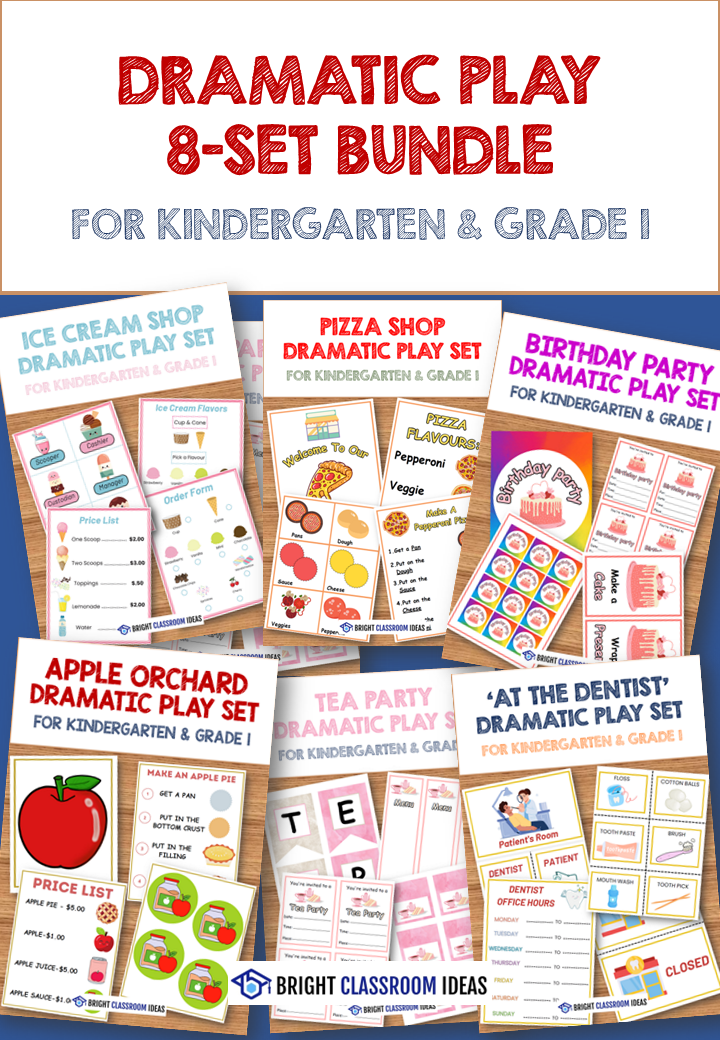
🌸 Tea Party Dramatic Play Center for Kindergarten & First Grade Create a calm, engaging dramatic play center that builds language, social skills, and early math through imaginative play. This Tea Party Dramatic Play set is perfect for kindergarten and first grade classrooms that value play-based learning, oral language development, and social-emotional growth. Designed for low-prep setup, this tea party dramatic play center helps students practice real-life skills in a familiar, joyful setting while staying engaged and on-task. 📦 What’s Included Tea party invitations (multiple copies) Menu pages for pretend ordering Dramatic play role ideas (host, guest, server, baker, helper) Visual props for a tea party dramatic play center Teacher notes with activity ideas and learning goals 🏫 How It Works in the Classroom Use this tea party dramatic play center during: Dramatic play or pretend play centers Small group or choice time Social-emotional learning blocks Play-based literacy or math integration Students rotate roles, host pretend tea parties, greet guests, serve items, and engage in polite conversation. The activities encourage staying in character, cooperating with peers, and using respectful language throughout play. 🎯 Standards & Learning Goals This resource naturally supports: Oral language and vocabulary development Listening and speaking skills Social-emotional learning (SEL) Cooperation, empathy, and self-regulation Early math skills (counting, sorting, one-to-one correspondence) Early literacy skills (name writing, letter awareness, print awareness) ⭐ Why Teachers Love It Encourages meaningful, play-based learning Builds social skills in a calm, structured way Supports language development without worksheets Easy to prep and reuse all year Perfect for kindergarten and first grade dramatic play This tea party dramatic play set makes it easy to blend academics with imagination—no extra planning required. 👉 Ready to Bring Play-Based Learning to Your Classroom? Download this Tea Party Dramatic Play Center today and give your students a fun, low-pressure way to practice language, math, and social skills through pretend play.
Author Bright Classroom Ideas Marketplace
Rating
Tags Tea, Party, Center, Dramatic, Play, Pretend, Kindergarten, Grade 1
Apple Orchard Dramatic Play Set for Kindergarten & Grade 1
Montessori, Early Math, Math, Money, Kindergarten, Grade 1, Centers, Activities
🍎 Apple Orchard Dramatic Play Set | Counting, Money & Sequencing Activities Bring hands-on learning to your math centers with this Apple Orchard dramatic play math center ! Perfect for kindergarten and first grade, this interactive apple-themed resource helps students practice counting, money skills, and sequencing through real-world play. What’s Included Apple Orchard role-play activities Apple-themed price list and order forms Apple pie sequencing cards Planting an apple seed & picking apples activities Order receipts for math practice Print-and-go student pages Teacher's Notes 5 recommended classroom activities How It Works in the Classroom This resource is ideal for: Dramatic play centers Math centers or rotations Small group instruction Independent practice during fall units Cross-curricular math + life skills lessons Students “run” an apple orchard by ordering items, totaling prices, and following step-by-step sequences to make apple pie. Standards & Learning Goals Students will: Practice counting and number sense Build early money skills using simple prices Strengthen sequencing and procedural writing Apply math skills to real-world scenarios Develop communication and role-play skills Aligned with early elementary math and life skills standards. Why Teachers Love It 🍏 Engaging hands-on learning 🍎 Perfect for fall and apple-themed units ⏱️ Low-prep and easy to implement 🧠 Supports math, literacy, and social skills 🎭 Encourages imaginative play with purpose Add this Apple Orchard dramatic play math center to your fall lesson plans and make math meaningful, fun, and memorable for your students!
Author Bright Classroom Ideas Marketplace
Rating
Tags Apple Orchard, Dramatic Play, Pretend, Play, Stand
It's Fall! Kindergarten Math & Literacy Center: Correct the Sentences
ELA, Grammar, Kindergarten, Preschool, Grade 1, Centers, Activities
It's Fall! Kindergarten Math & Literacy Center : Correct the Sentences It's Fall! Kindergarten Math & Literacy Center : Correct the Sentences is an ideal teaching resource for elementary educators. Adaptable for both home or traditional school settings, this e-book in PDF format offers simple, engaging activities that focus on the fundamentals of spelling, grammar, punctuation and capitalization skills. Embracing the fall season theme, this fun-filled teaching tool is designed to align with Common Core Standards for Kindergarten. It can serve as an excellent resource not only for kindergarten educators but also those instructing preschool and first-grade students. These worksheets inject a sprinkle of autumn cheer while focusing on enhancing student's abilities in reading and writing. The all-in-one bundle comes with four pages of content including a worksheet allowing students to learn language arts in an interactive way. In each exercise, children are given simple sentences where they evaluate what is wrong - be it punctuation errors or spelling mistakes. Then little learners get the opportunity to rewrite these sentences correctly which boosts their understanding of language dynamics while promoting critical thinking. The adaptable nature of this product enables versatile usage; whether you're leading demonstrations at frontal teaching sessions or devising exercises for small group interactive learning during center times. It can even serve as effective take-home assignments aiding parents who wish to extend their child's learning beyond the classroom setting. Incorporating seasonal elements during instruction has been found effective in making lessons relatable and appealing to young minds. Capitalize on their curiosity about changing seasons using these fall-themed math & literacy center worksheets which intertwines academics into elements familiar to them. Main Benefits It’s Fall! Kindergarten Math & Literacy Center : Correct The Sentences emphasizes bridging communication skills through identification & correction methods reinforcing grammatically correct sentence construction - a vital skill necessary throughout one’s academic journey.
Author Knowledge Box Central
Tags Fall, Kindergarten, Language Arts, Sentence Correction, Literacy Center
Letter T Phonics and Writing Centers with Real Photographs
ELA, Writing, Handwriting, Language Development, Phonics, Kindergarten, Preschool, Centers, Activities
This letter T beginning sounds and handwriting activity includes real photographs to practice learning to recognize, write and identify the sound of the letter T. Each picture has bold colors and includes easily recognized pictures. Each activity can be used in a literacy center for students to practice letter recognition. What is Included: There is an instructional page with printing instructions. There are letter T posters with various letter T words. There are handwriting task cards that allow students to practice writing the letter T as well as words that begin with the letter T. There are beginning sound clip cards that allow students to practice clipping the images that begin with the letter T. There is a sorting activity where you sort pictures that begins with T from words that do not begin with T. The letter T sorting cards that can also be used to play memory, matching, or concentration games. These cards can also be used during a lesson in a pocket chart as well as for a center display. When to Use: All of the activities make great literacy centers, by placing each set of activities in the center and letting students complete activities alone or with a partner. These activities make great morning tub activities. Just place these activities in morning bins for students to complete as their classmates arrive to class. Skills Assessed: These activities assess letter recognition skills, beginning sounds, handwriting, and sorting skills. Each activity in this set is low prep. Each activity just needs to be printed out, cut apart, and laminated if desired. When you laminate the writing cards, you can create a writing center activity that is reusable is you add dry erase markers. The handwriting cards and beginning sound clip cards can be turned into task box activities.
Author The Connett Connection
Tags Phonics, Writing Centers, Real Photographs, Early Literacy, Letter T
Counting Boxes: Caterpillar Count Center
Math, Early Math, Kindergarten, Preschool, Centers, Activities
Counting Boxes: Caterpillar Count Center A comprehensive teaching resource aimed at enhancing counting abilities in young learners. Ideal for educators in public schools, homeschooling environments, or any educational setting focused on Early Learning, Preschool and Kindergarten years. A Key Resource for Early Math Education This suite brims with engaging activities designed to invigorate your pupils' numerical skills. Each card features an adorable caterpillar illustration where students add circles to its body according to a depicted number. Included in the PDF File: A 14-page resource available both as colour and black-and-white versions. The box comprises numbered cards from 0-20 that are tailored for different skill levels and growth progressions. Two visually appealing cover options for seamless categorization when storing these tools in learning bins. Diverse Methods of Integration & Constructive Remedial Tool The Caterpillar Count Center proves equally effective when used in whole group instruction sessions or small groups based on numeracy proficiency levels. Furthermore, this activity serves as an assistive tool for students requiring extra help in mastering numerical identification up to number 20—due credit granted to its basic design focusing on interactive yet straightforward instruction style. Preparation: Just print, cut out and laminate the number cards and circle components. This ensures longevity due to repeated interactions by eager little hands! Subsequently conducted play involves: Learners drawing their selected numbered card then adding corresponding circles onto their caterpillar template—an amusing but fruitful process enhancing learner engagement while ingraining early mathematical concepts perceptively. The Added Advantage Counting Boxes: Caterpillar Count Center helps paint numbers vividly into the minds of your little learners. Far from being just an academic exercise, it is engaging and makes learning counting an exciting and dynamic experience rather than a mundane chore.
Author The Proactive Classroom
Tags Counting, Caterpillar, Numbers, Math Activity
It's Winter! Kindergarten Math & Literacy Center: Who? What? Where?
ELA, Reading, Common Core, Kindergarten, Preschool, Grade 1, Centers, Activities
It's Winter! Kindergarten Math & Literacy Center : Who? What? Where? This valuable teaching resource brings winter cheer to regular classroom activities. A unique combination of math and literacy tasks aligning with Kindergarten Common Core standards is provided in this four-page ebook download in PDF format. The teaching tool finds use in different parts of daily school routines, from kick-starting young minds with latterly work to extending learning beyond the classroom as homework. It also works superbly for center -work in small groups or whole class instruction, fostering peer interaction and shared learning. The main focus lies on cultivating students' abilities to decipher sequences using what, when, and where scenarios. Students enhance their logical reasoning through answering question based on these sequences alongside reinforcing language concepts. Beyond serious work, there’s scope for innovation! After completing their analytical tasks, students can color the illustrations accompanying the questions. This infuses fun into academics! Largely aimed at kindergarten use under Language Arts subfield Reading Tasks like 'Worksheets', it can prove equally beneficial at higher educational levels such as Grade 1 due to content richness. Even Preschool learners may utilize this resource effectively due its accommodating design structure. Importantly, it doesn't confine itself within mere literacy parameters - reflected by creatively embedded Mathematics elements within sequence processing tasks making it a truly comprehensive educational tool – optimizes both Math & Language Arts sectors while keeping winter-oriented amusement alive! In Closing... The It's Winter! Kindergarten Math & Literacy Center : Who? What? Where? is an invaluable teaching toolkit well-suited for teachers, homeschoolers,and caregivers aiming to creatively and academically engage young minds amid the frosty allure of winter months.
Author Knowledge Box Central
Tags Winter Activities, Kindergarten, Math Literacy, Common Core Standards, Sequencing