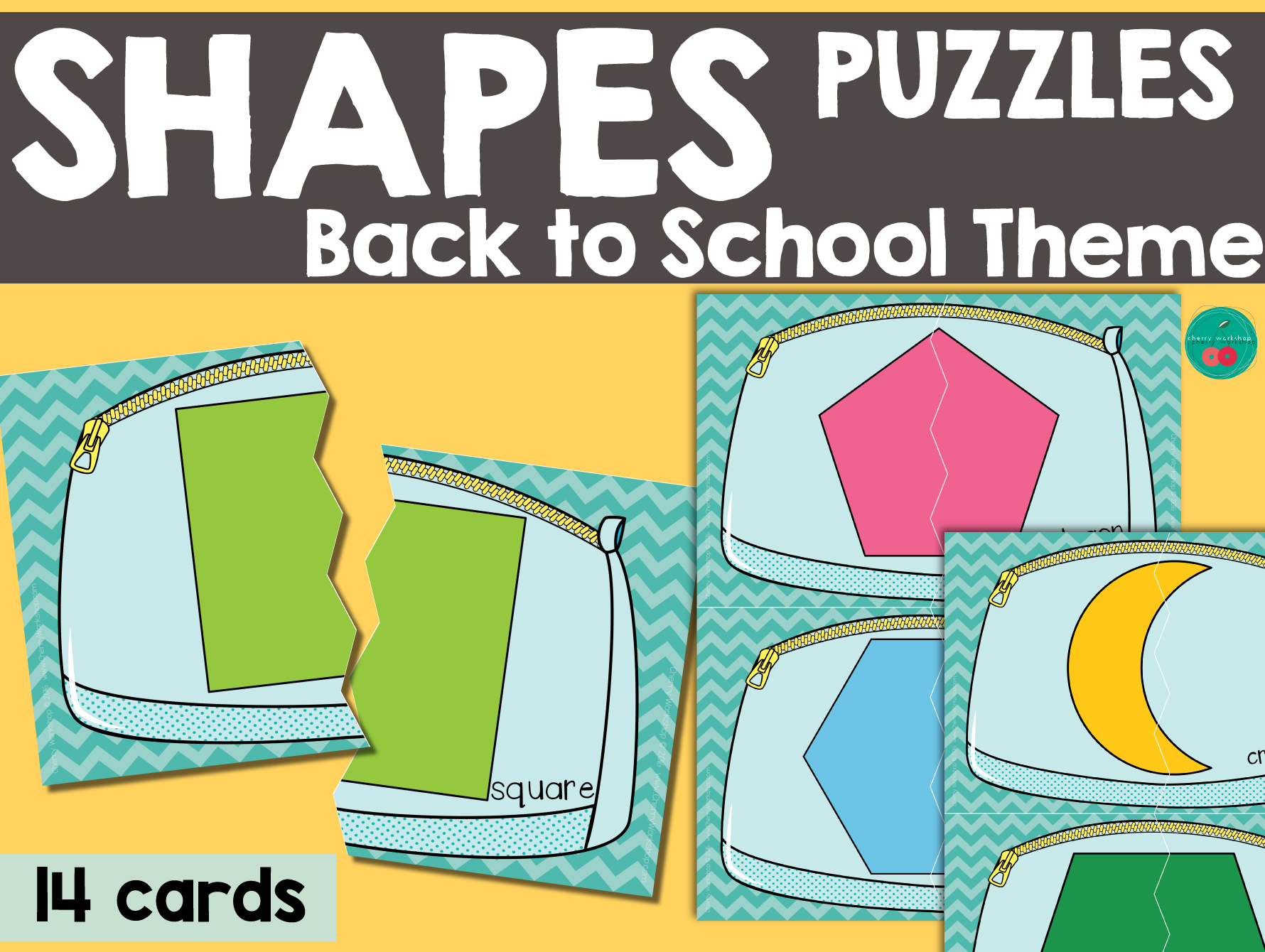
Back to School Theme Shapes
Have fun with these mix and match shape puzzles. Cut the shapes in half and mix them all up. The student then works to get the shapes all matched up again.




Classroom resources
Browse by lesson focus
Choose the topic or kind of practice you need.
Showing 1537–1560 of 2332 resources

 Show filters
 Have fun with these mix and match shape puzzles. Cut the shapes in half and mix them all up. The student then works to get the shapes all matched up again.
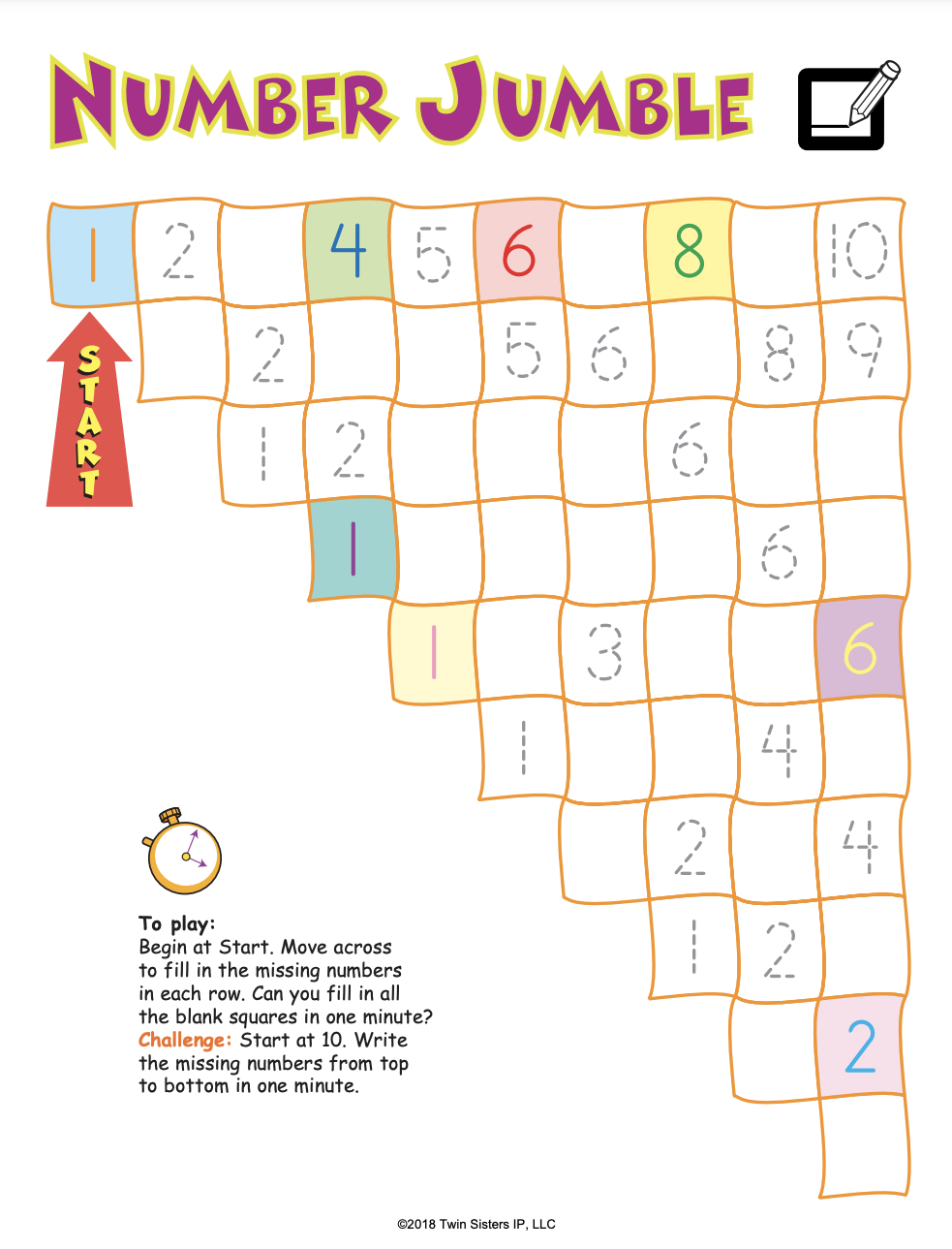
A car-trip printable activity workbook for young children practicing pre-reading skills, letter/number writing, and simple games.
This activity is great for helping students practice using data to create and analyze a bar graph. It is a simple and fun activity that can be used in the classroom or at home.
Practice identifying 2D and 3D shapes by name through a 20-question quiz-board game (PowerPoint 'Questions' game format).
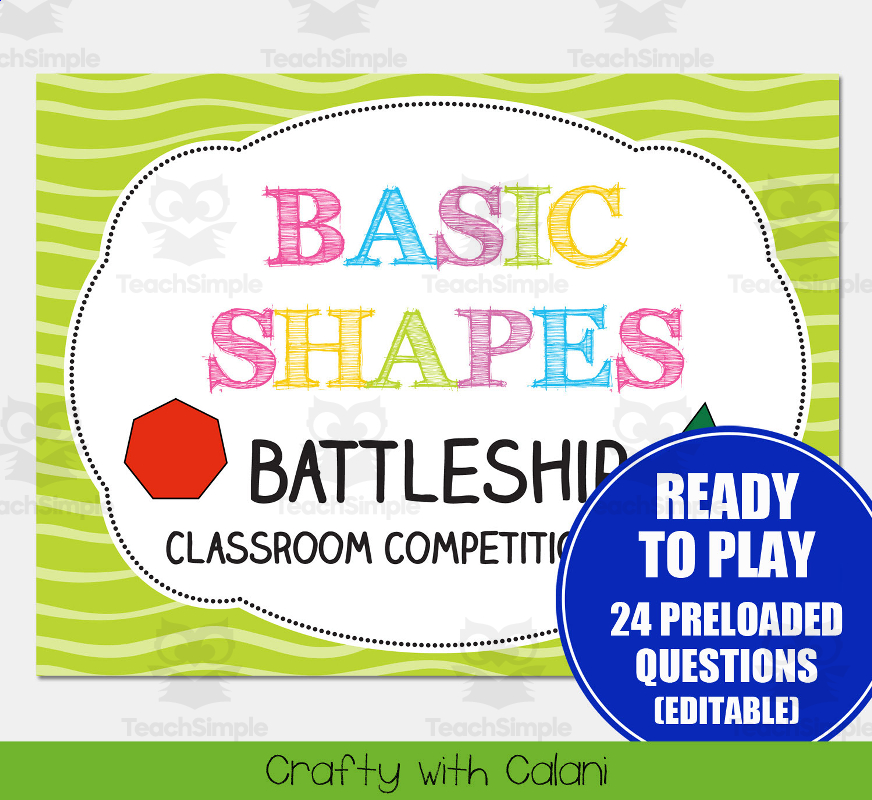
A Battleship-style PowerPoint classroom game for practicing 2D and 3D shape recognition.

A Jeopardy-style PowerPoint classroom game for practicing 2D and 3D shape recognition, for up to 8 teams/players.

This resource is a Beginning Digraphs Game. Directions for how to play this game are included. This is a great whole group or small group game to review and reinforce the concept of digraphs.
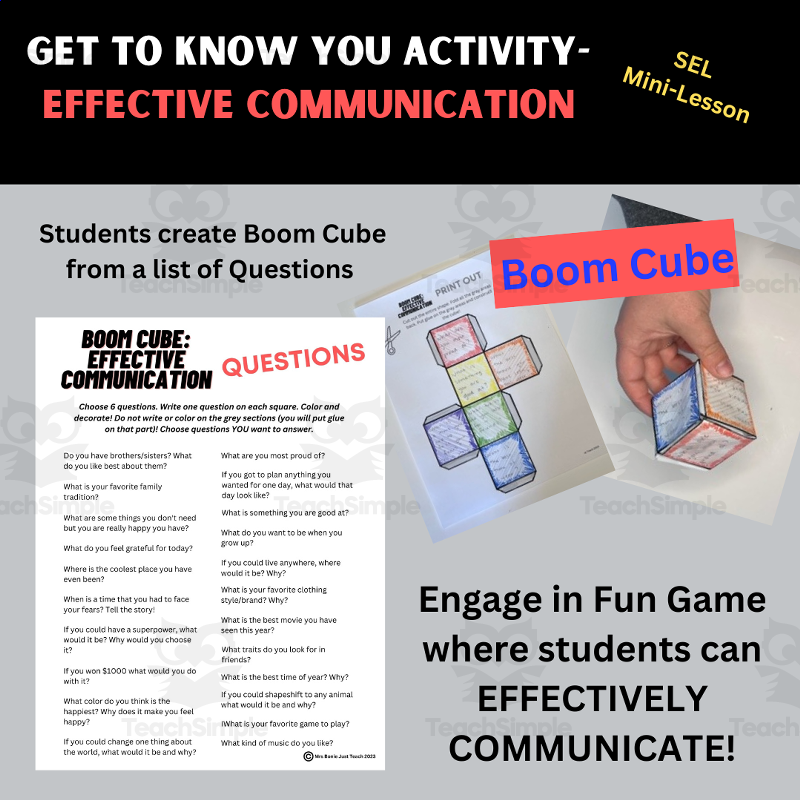
Build classroom community and social-emotional/communication skills at the start of the school year through a 'Boom Cube' get-to-know-you game.
 Free download
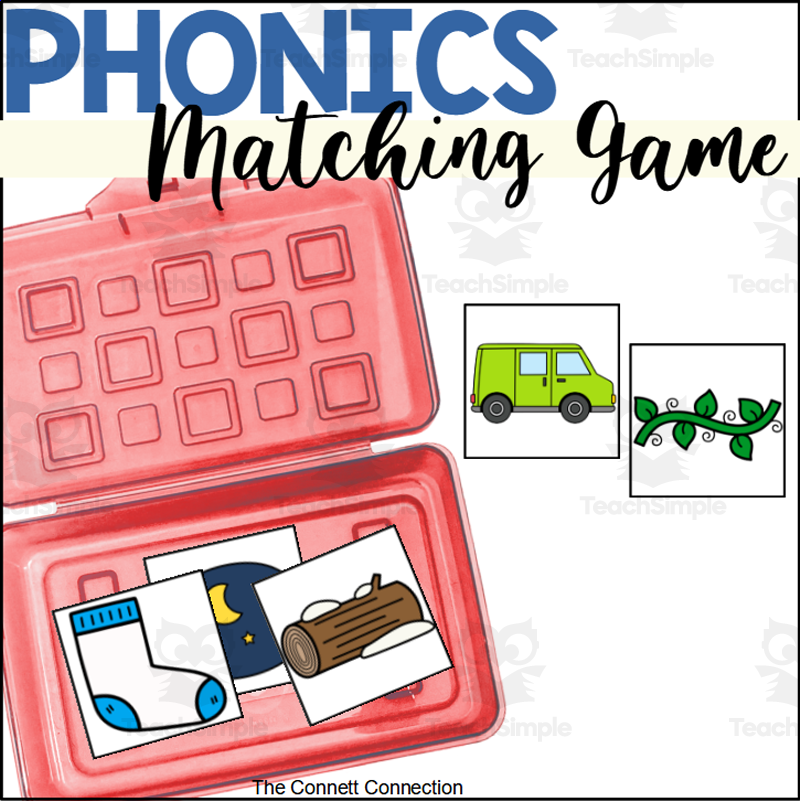
 Preschool and kindergarten students will have fun practicing phonological awareness skills by identifying the beginning sounds and ending sounds in words with these phonics matching cards.
 Free download
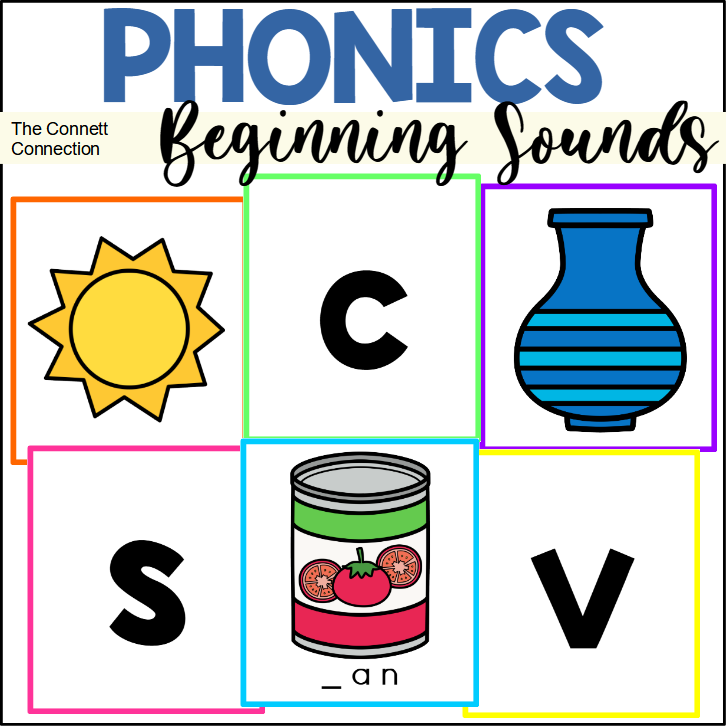
 Students can practice recognizing the beginning sounds in words with this matching game. The bold, colorful, and easy to recognize images will assist students in completing this activity independently or with a partner.
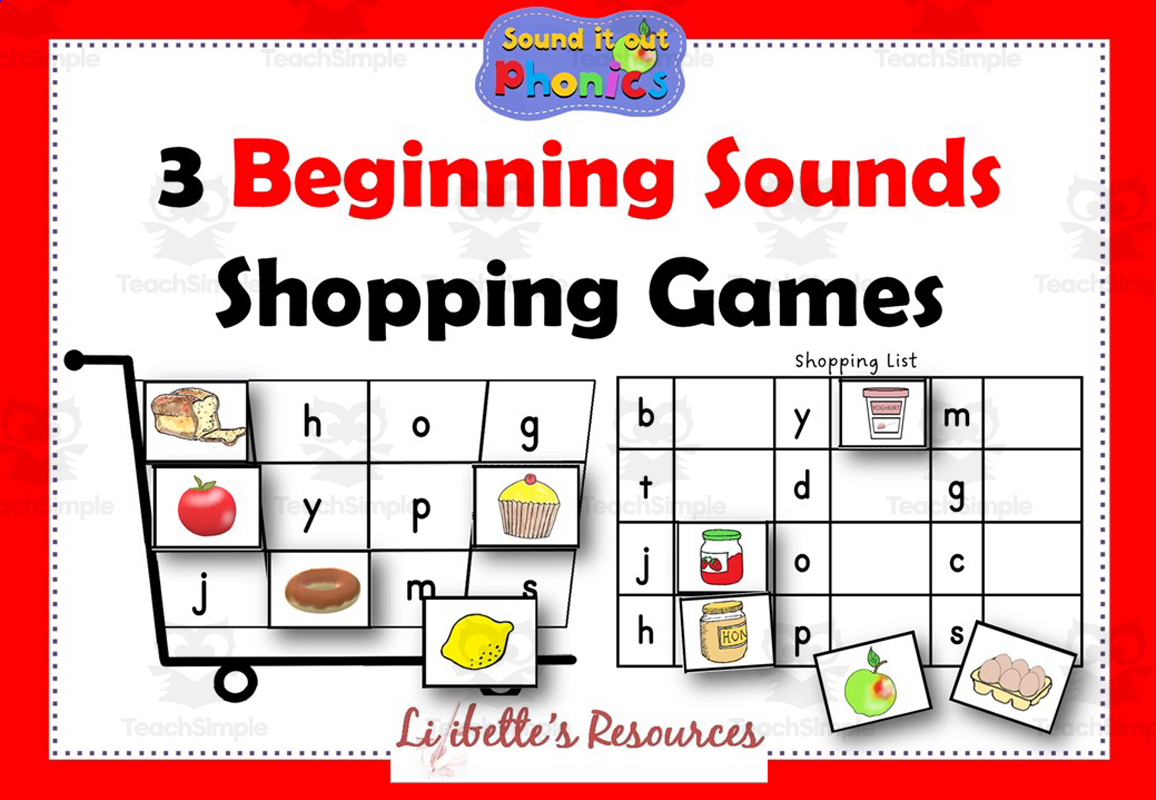
A shopping-themed game giving children practice hearing the initial/beginning sound of a word, to build phonemic awareness for early reading and spelling.
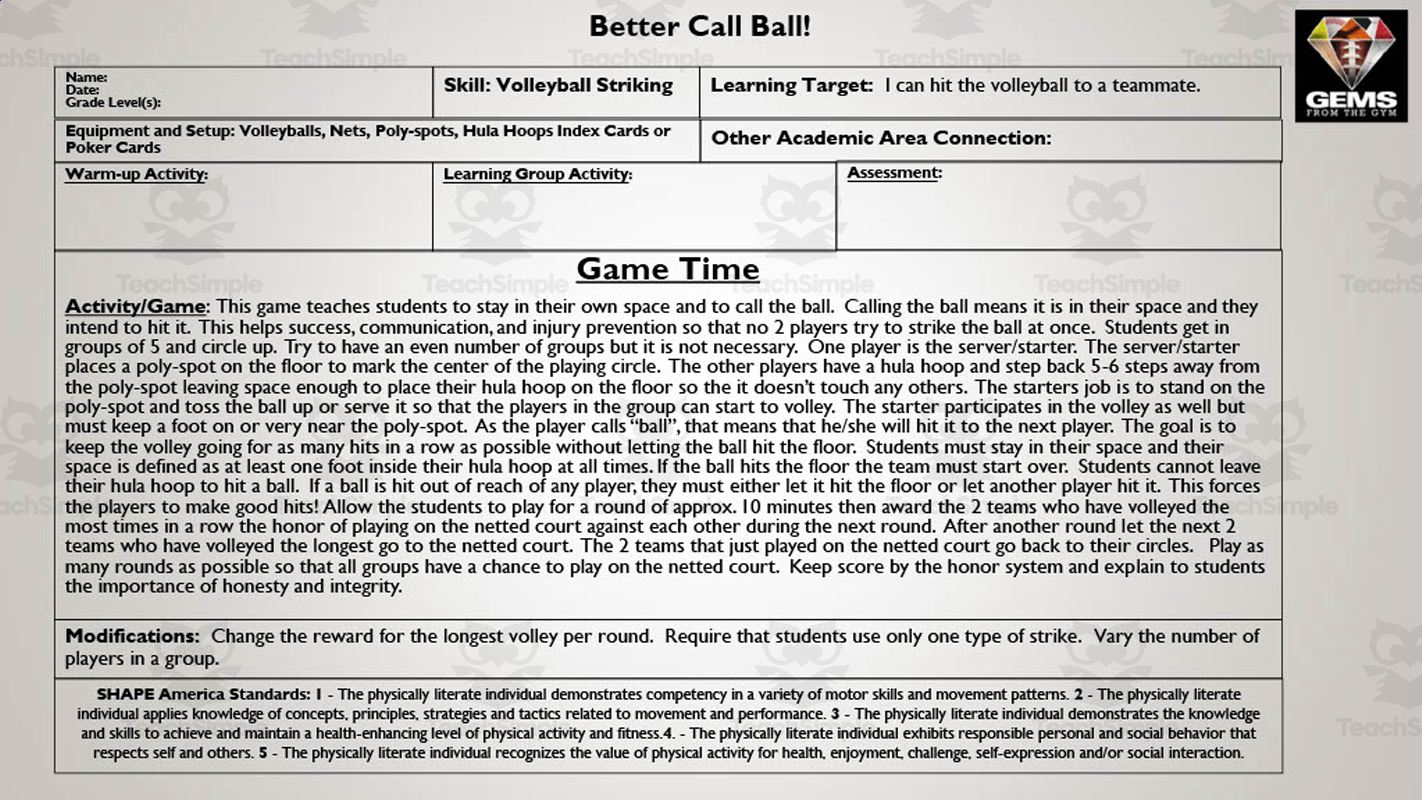
A PE lesson/game plan teaching volleyball striking (the 'call the ball' communication skill) through a circle-volley game, tied to SHAPE America national PE standards.
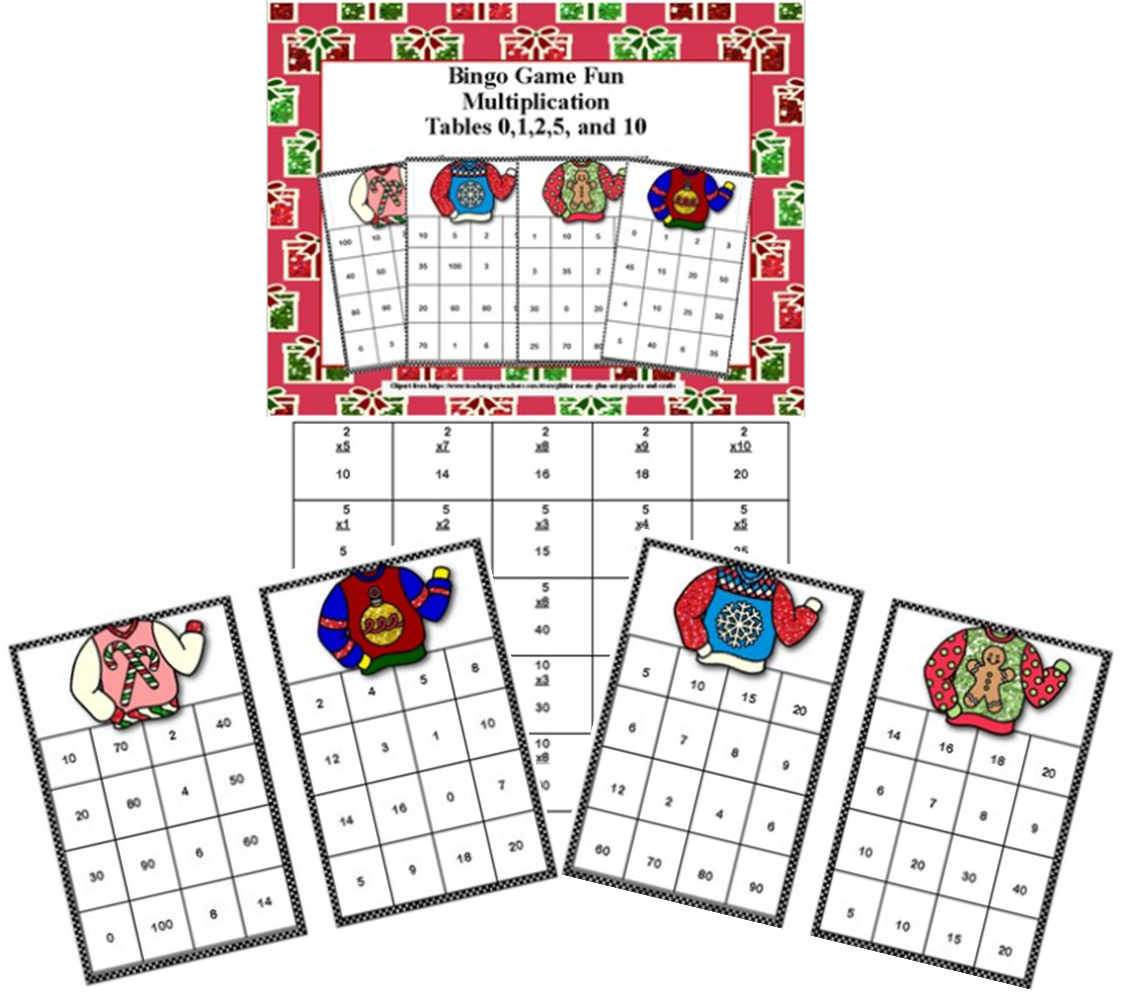
What a fun-filled way to review the tables for beginners working on 0,1,2,5,and 10 tables. This Christmas- themed game provides practice to build fluency in multiplying as described in CCSS. Math Content 3.NBT.A.3.
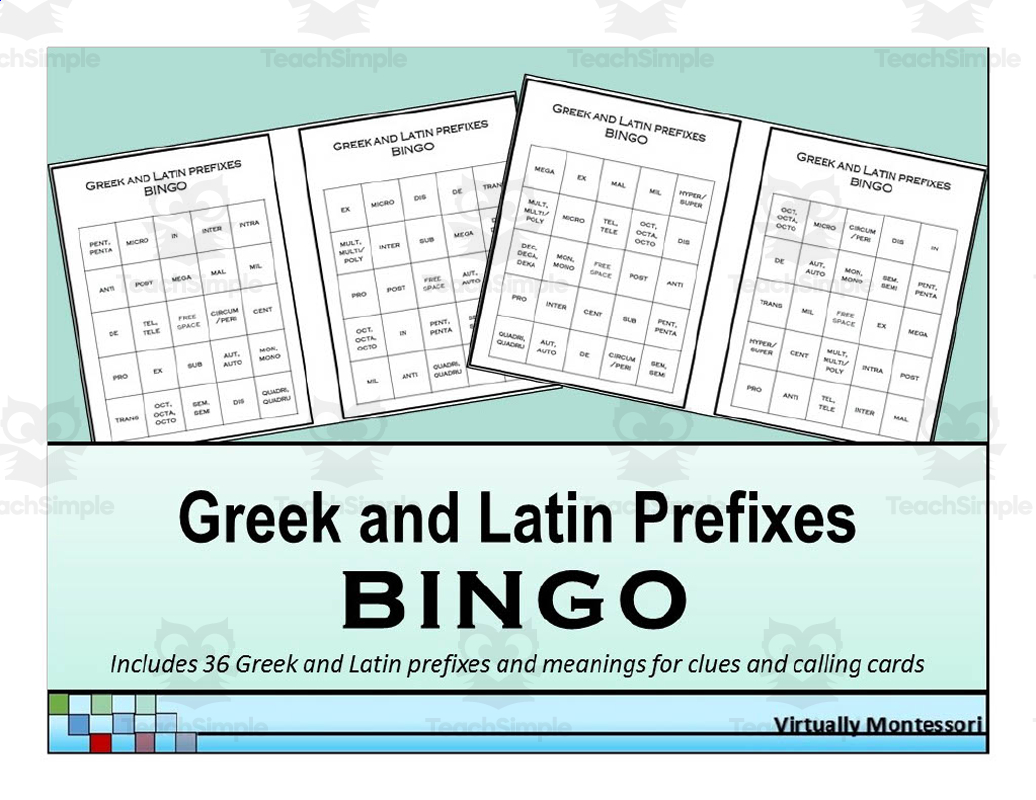
Bingo Game: Greek and Latin Prefixes The Bingo Game: Greek and Latin Prefixes is a versatile educational resource, designed to engage students in fun yet challenging activities focused on vocabulary building.
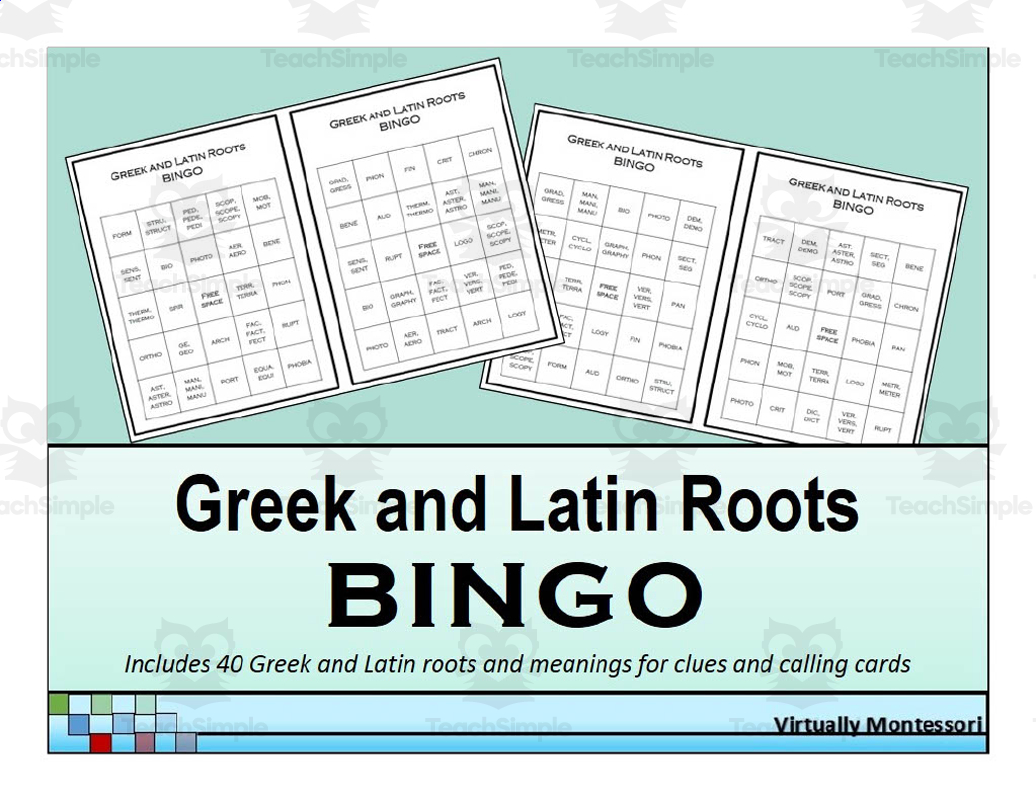
Latin Roots Bingo Game Make learning fun with the Latin Roots Bingo Game. This educational tool is perfect for Grade 4 - Grade 6 students, providing a fun way to review or check their understanding of Greek and Latin roots and derivatives.
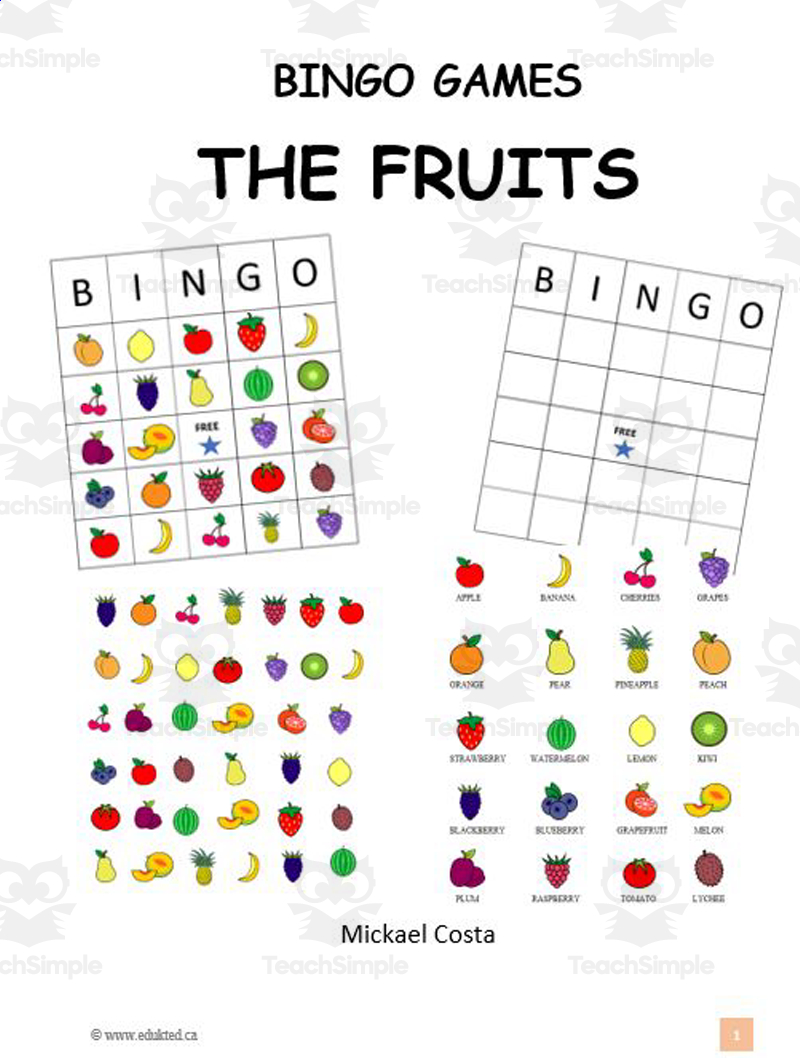
Bingo: Fruits Bingo: Fruits is an engaging teaching resource created to refresh vocabulary learning sessions, either in the classroom or at home.
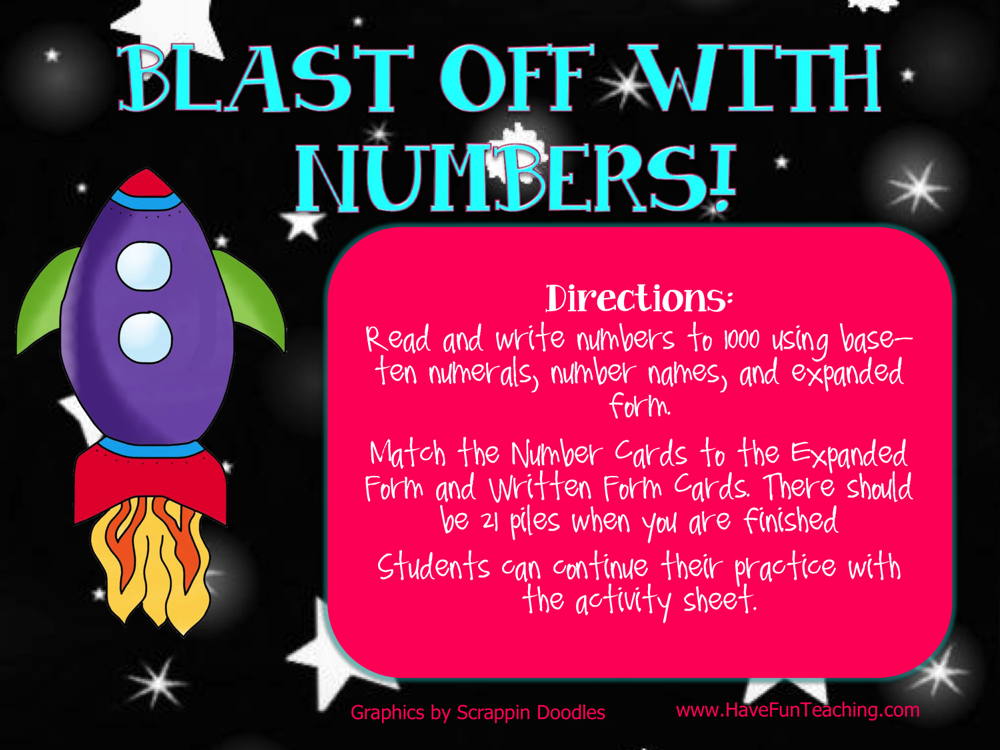
A matching activity for practicing base-ten numerals, number names (word form), and expanded form for numbers up to 1000.

This activity is great for teaching students to read body part words. The cards can be used to match the pictures to the words or to practice reading the words on their own.
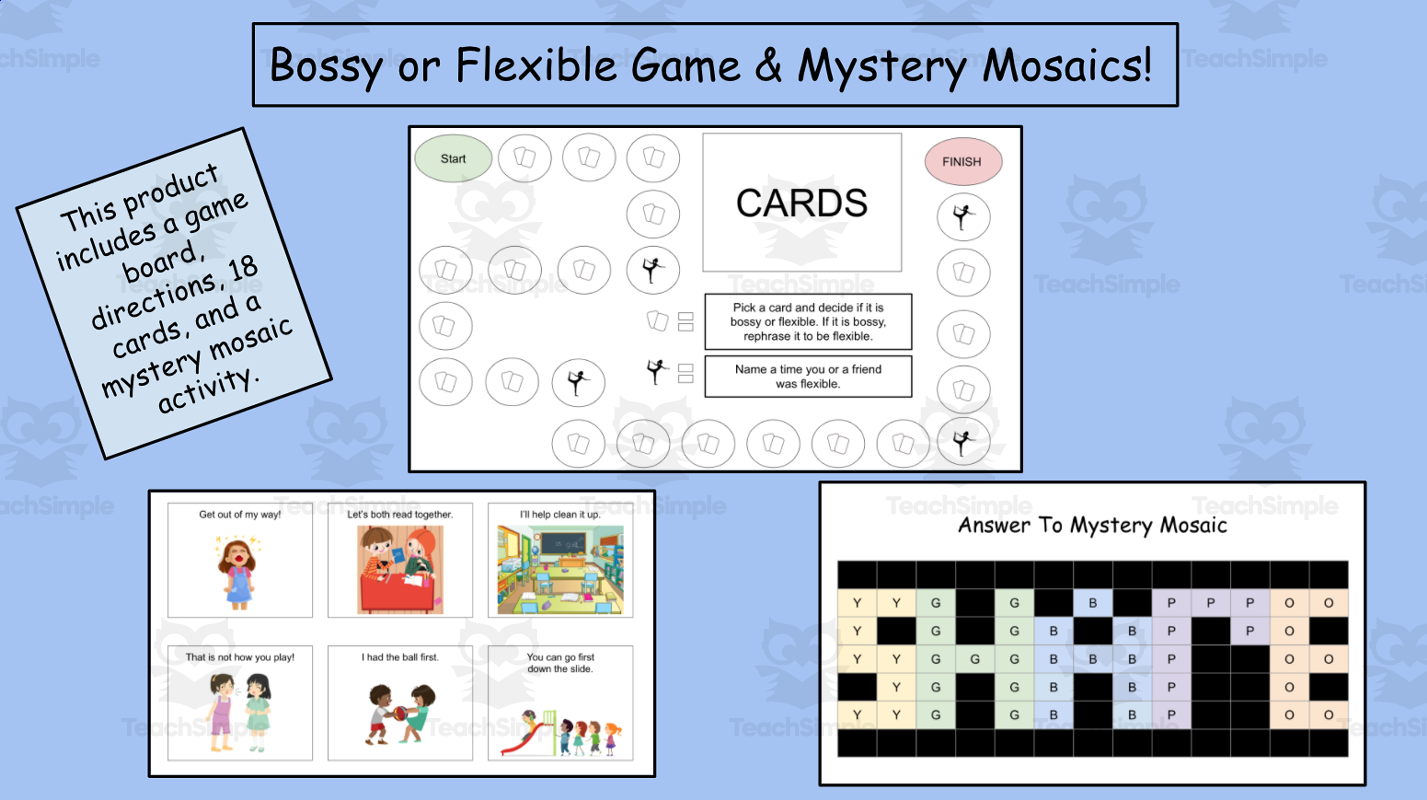
Teach the social-emotional-learning distinction between 'bossy' and 'flexible' communication/behavior through a printable board-and-card game followed by a color-by-code mystery mosaic reinforcement activity.
 Free download
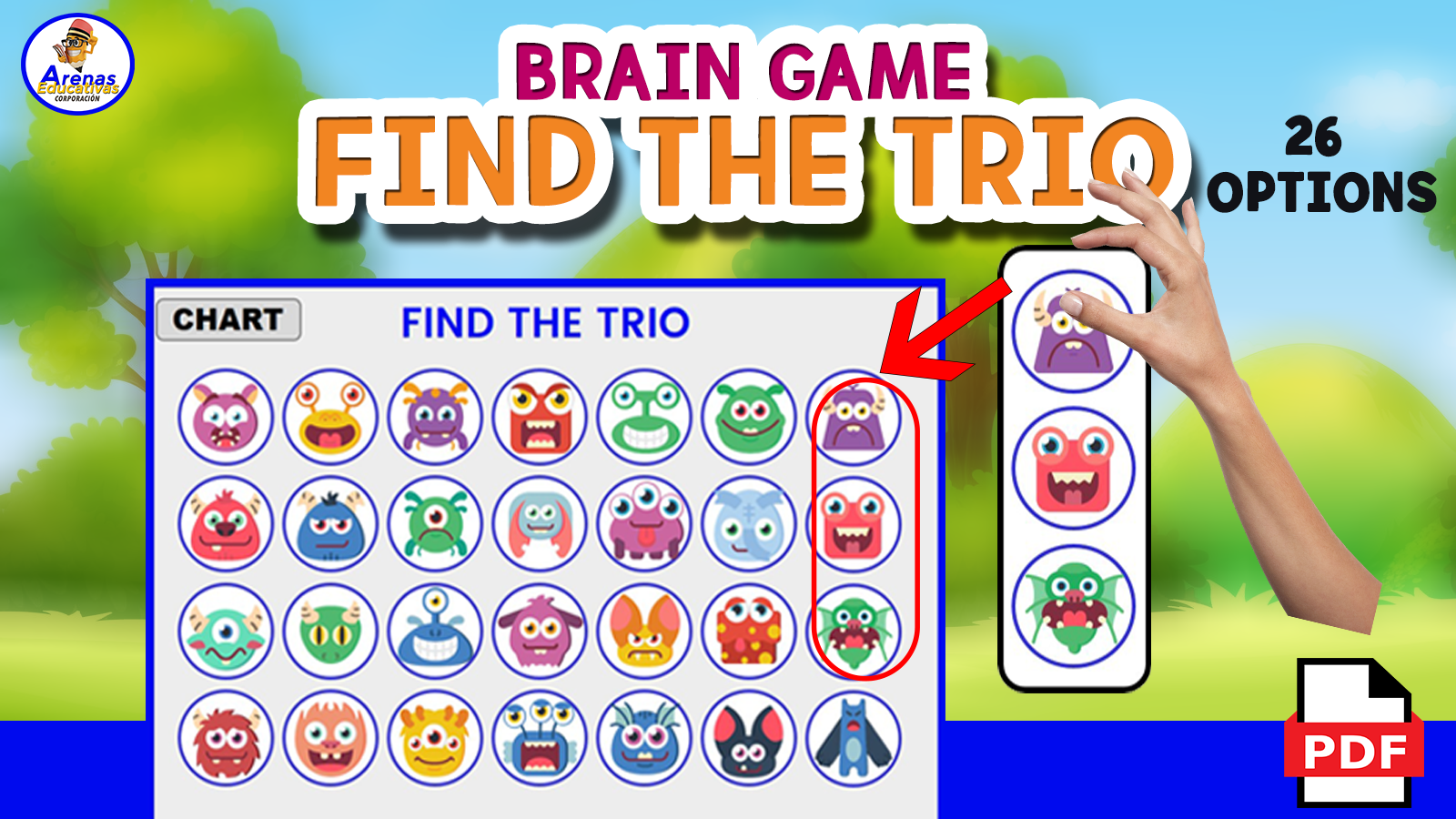
 MENTAL GAME "FIND THE TRIO" 1. Introduction It is important for children to develop their brain skills, such as attention and concentration.
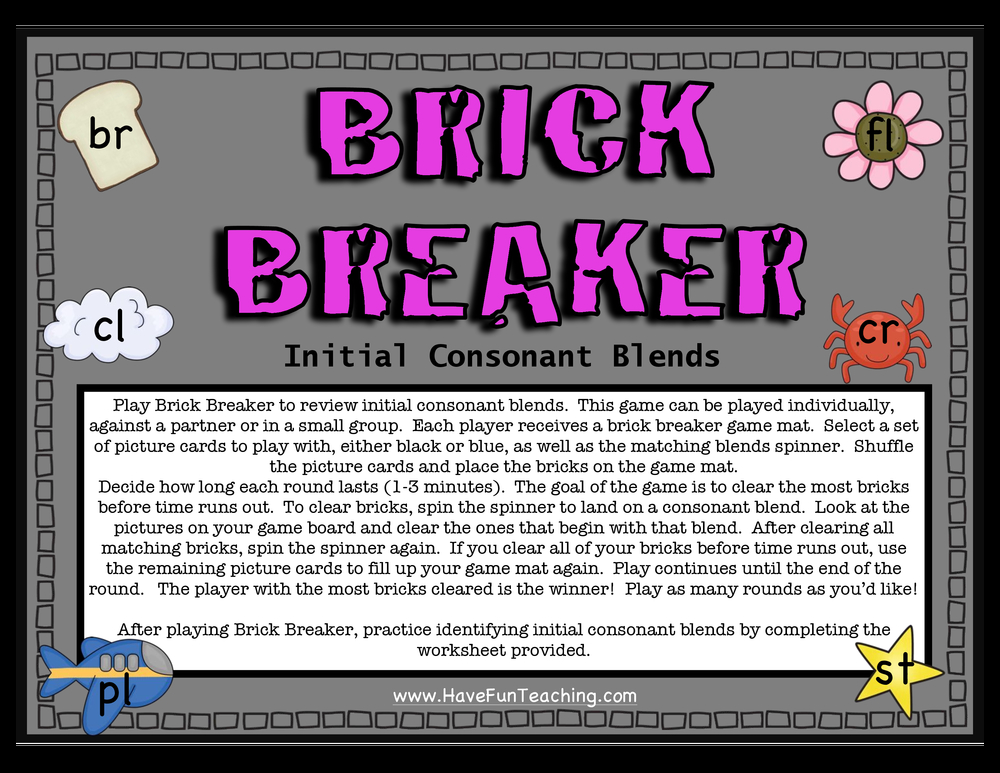
This activity is great for helping students identify beginning consonants blends in common words. The picture cards make it easy and fun for students to learn.
 Free download
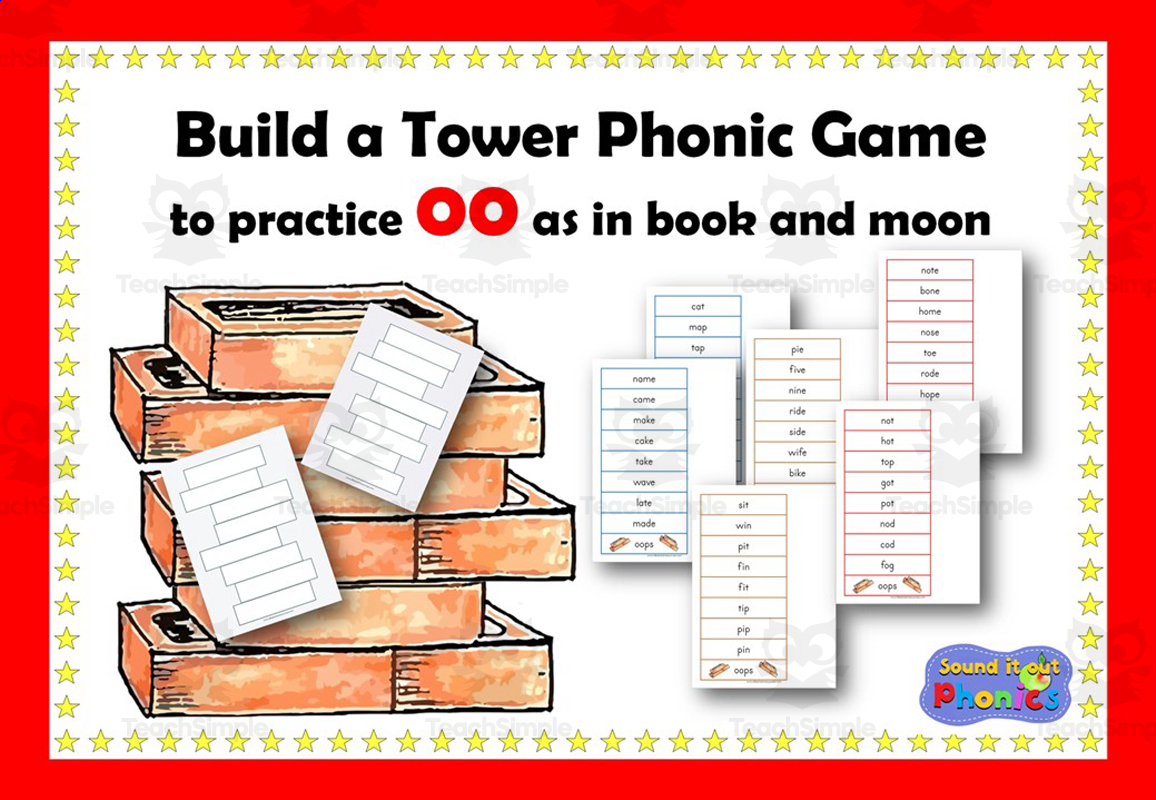
 A phonics board-style game that gives students practice reading words containing the 'oo' sound (both long, as in 'moon', and short, as in 'book').

A hands-on pre-primer sight-word recognition matching activity using burger and fries themed counters, for phonics/literacy centers, aligned to CCSS RF.K.3 and RF.K.3c.
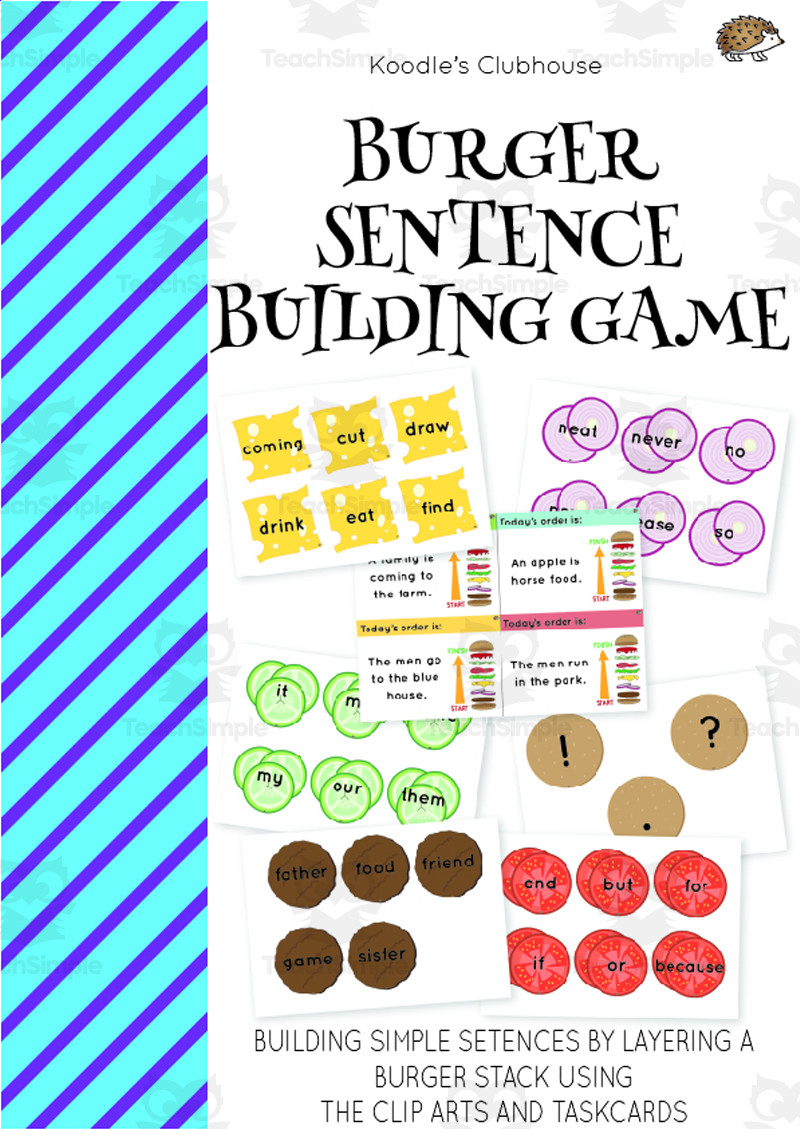
A hands-on sentence-building game using burger-themed word cards organized by part of speech, where students stack burger-layer word pieces to construct simple sentences, with sample sentence task cards for reference.