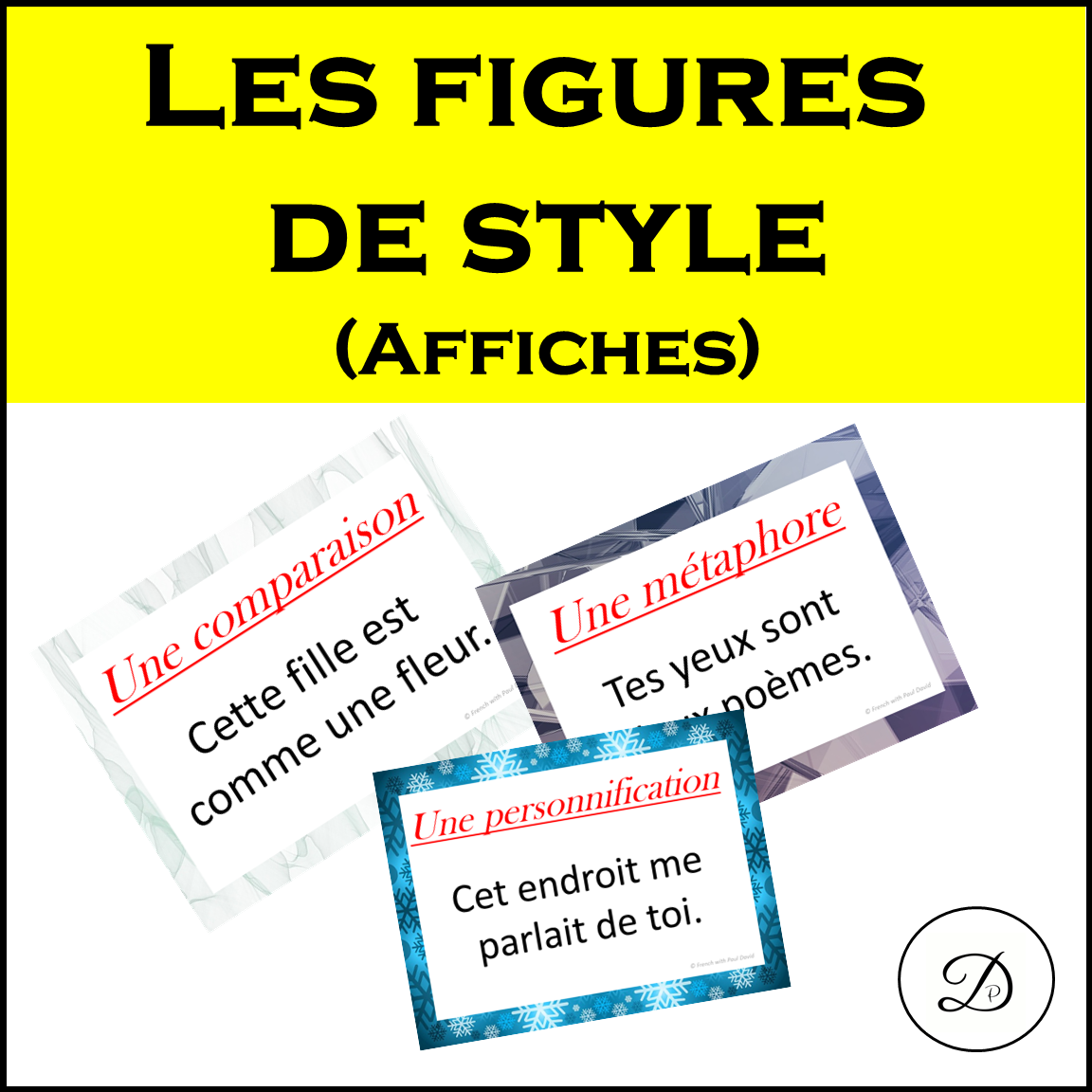
Les figures de style – Affiches (French - Literary Devices)
A set of classroom posters defining 11 French figures of speech/literary devices, each with a name and a one-line illustrative example.




557 resources
Explore sub-categories
4 sub-categories · 557 resources
A set of classroom posters defining 11 French figures of speech/literary devices, each with a name and a one-line illustrative example.
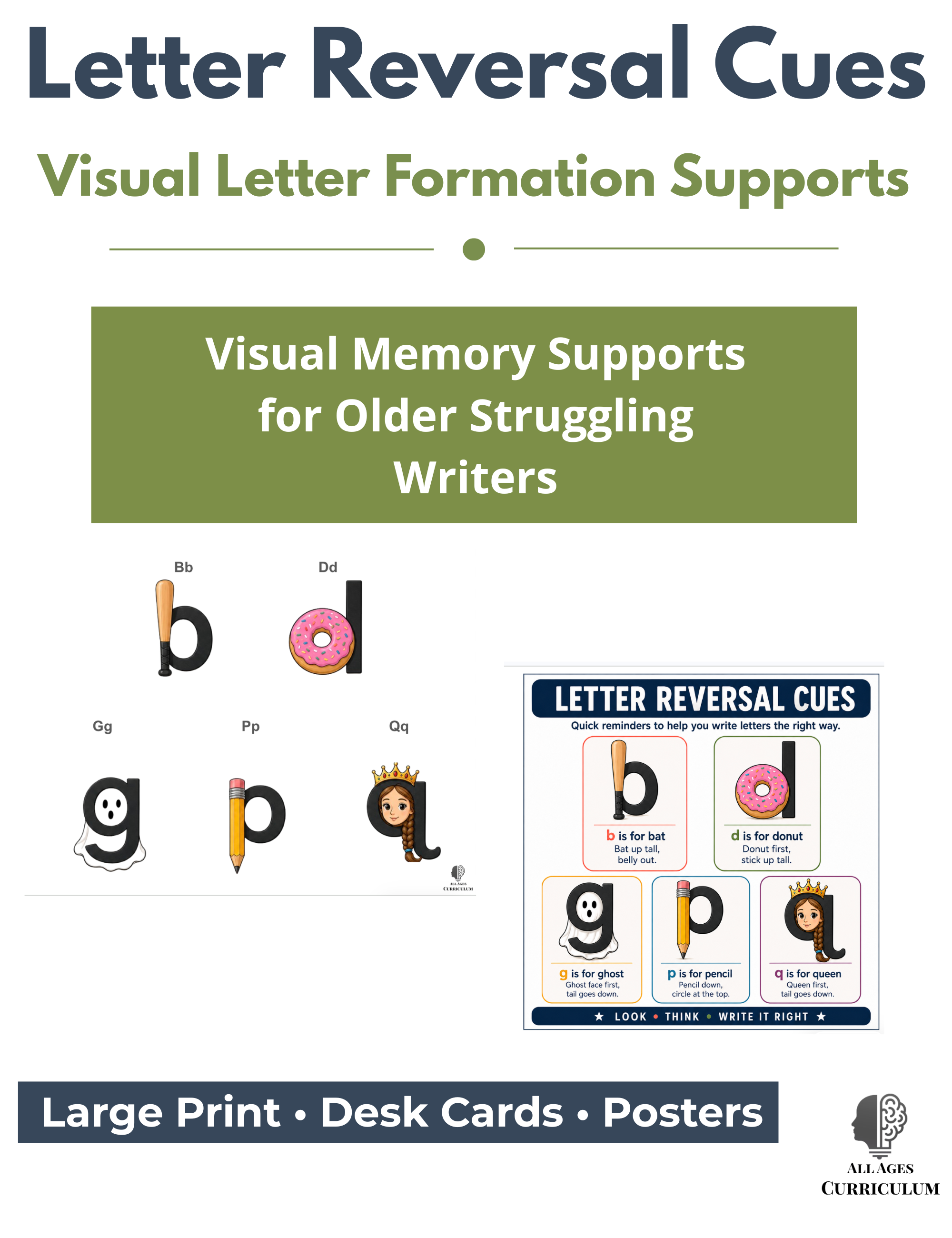
Help students remember letter formation with simple visual cues they won't outgrow. Built specifically for older struggling learners, these classroom-tested letter reversal cues provide memorable visual associations for commonly reversed…
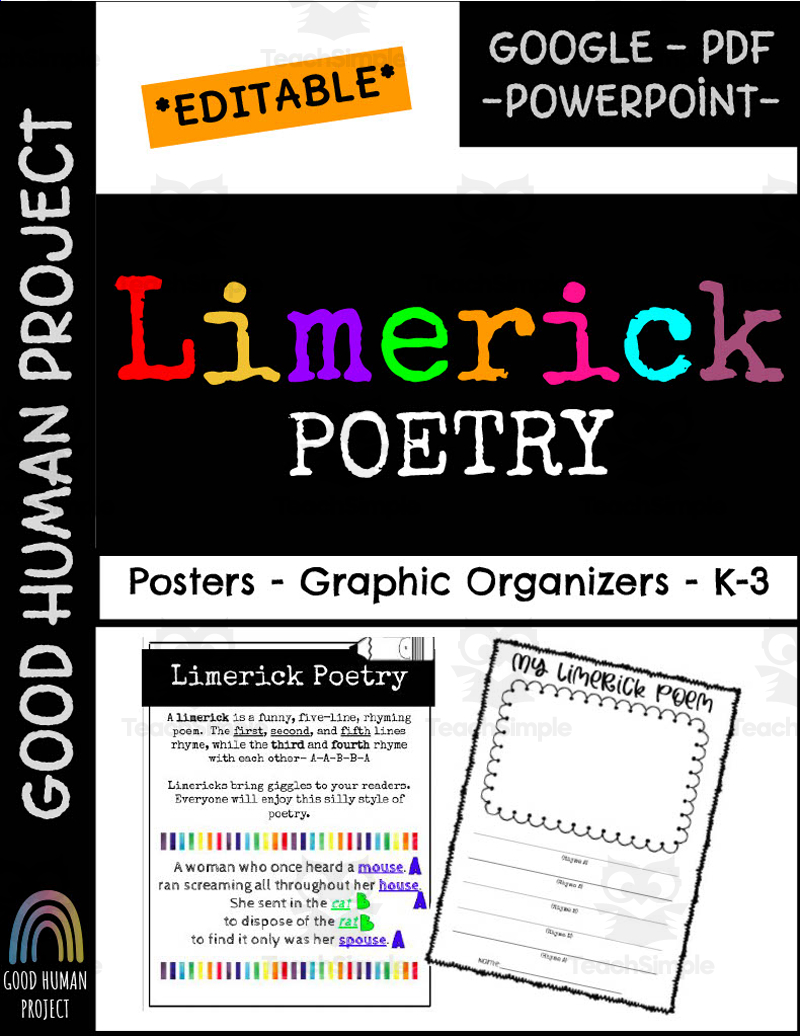
Guide students toward a five-line limerick using a rhyme-pattern poster, example poem, and four writing organizers. The organizers offer different amounts of support, from labeled rhyme lines to guided openings and endings. Choose the version that matches students’ needs, with both printable and editable formats available.

This resource is a set of 2 anchor charts for teaching readers what they need to know. The first chart is complete. The second chart is a fill in the blank.
This resource is a set of learning posters and graphic organizers for lyric poetry writing. There are a variety of posters that teach about lyric poetry. Students will explore features, famous lyric poems, how to write a lyric poem and so much more. Students will then write lyric poems with a variety of templates. This pairs well with…

Four main-idea charts pair two related layouts with guided fill-in versions. A stool diagram shows the main idea supported by three details. A second layout provides an evidence sentence frame and prompts for before, during and after reading. Display the completed references, then use the partially blank versions for notebook work. Pair the charts with a text students can use to identify a main topic and supporting details.

Display the chart for the type of connection you are teaching and model a response using the current read-aloud. Students can borrow a sentence starter while explaining how their connection relates to the text.

Model an inference from your current reading, pointing to the clues that support it. Students can then use the sentence frames to explain their own conclusions.
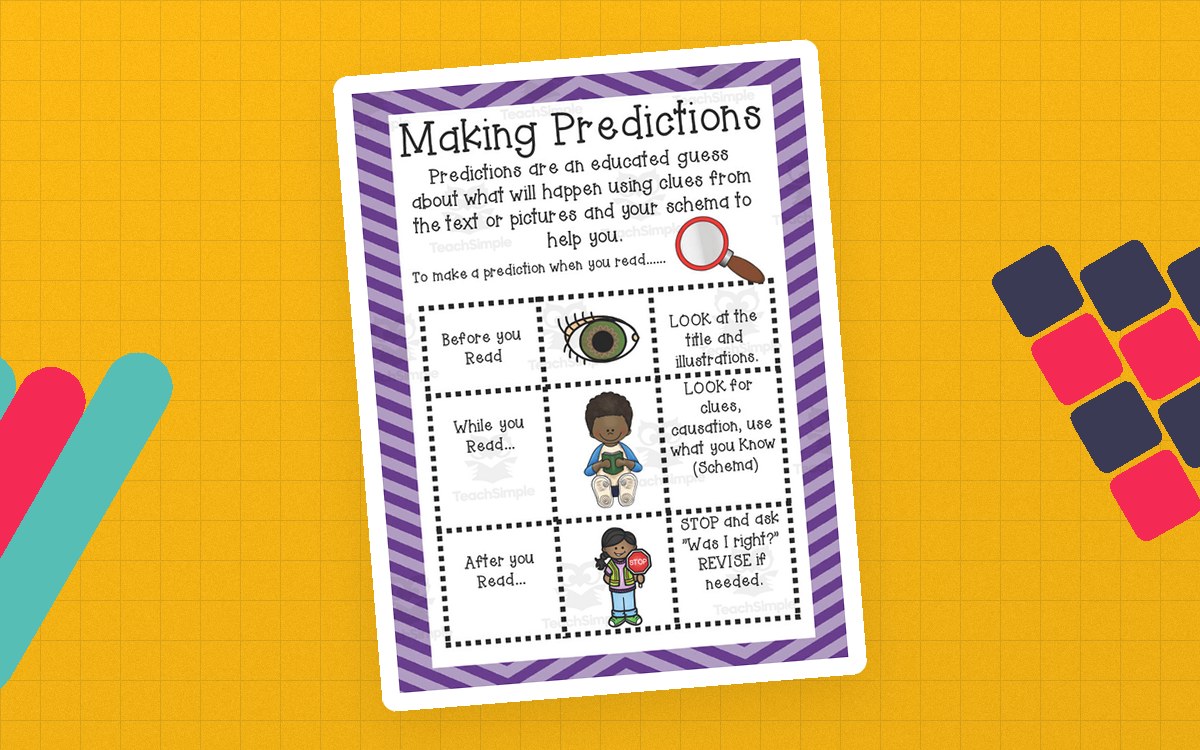
This resource is a set of 4 charts">anchor charts for teaching students how to make predictions. The first chart is complete. The following 3 charts are fill in the blank.

A case-brief graphic organizer summarizing the Supreme Court case Marbury v. Madison (1803) and its establishment of judicial review, provided as both a completed reference version and a blank/partially-blank student version.

What are Irregular Verbs? Irregular verbs are verbs that do not follow the standard rules of conjugation in English. Unlike regular verbs, which form the past simple and past participle by adding “-ed” (e.g., walk -> walked), irregular…
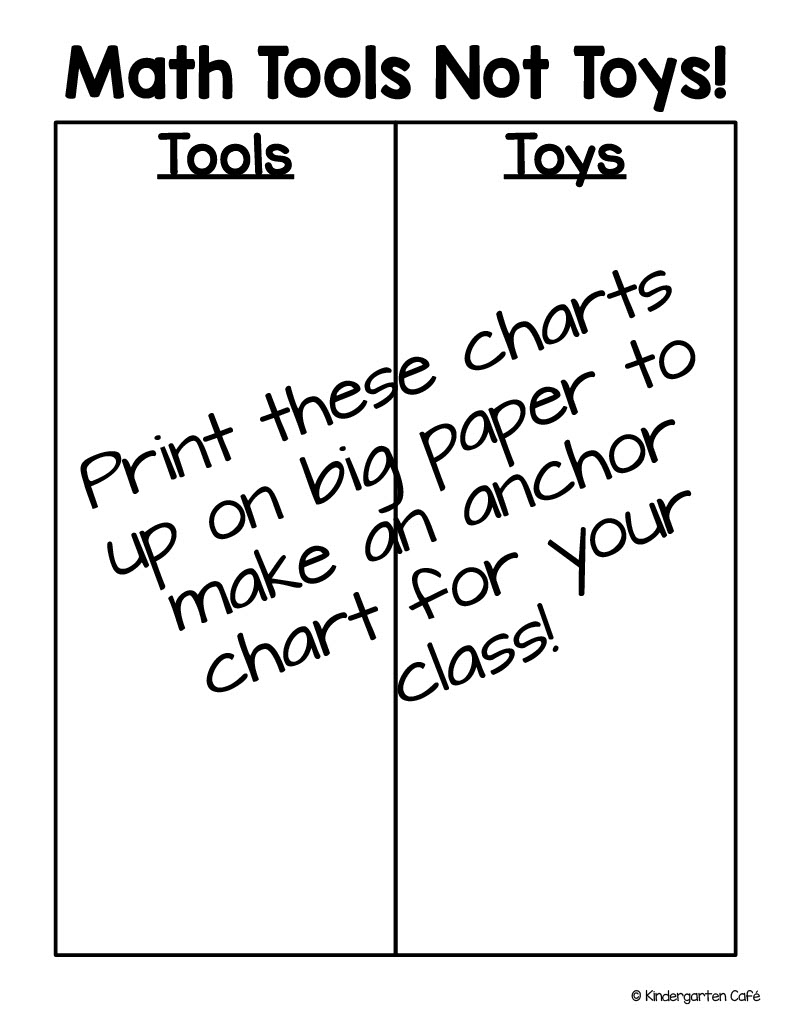
Use the Math Tools Not Toys chart to make expectations visible before students begin working with manipulatives. A completed version lists routines and student choices, while a blank headings version and a Tools/Toys sorting chart leave room for your class’s ideas. You can display the finished chart and return to its language when modeling how to share materials or move between activities.
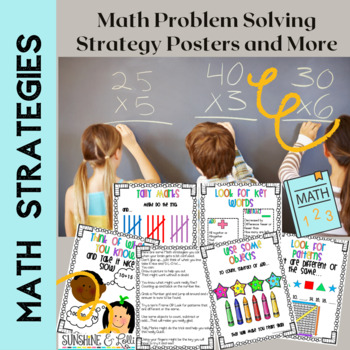
Problem-solving strategy posters/cards (draw a picture, count up/back on a number line, use a number grid, try a ten frame) paired with a rhyming strategy poem, to prompt young students toward a strategy when stuck on a math problem.
A 3 in 1 handy resource for the Data Management and Probability strands, Mean, Median and Mode. Printer Friendly!
 Free download
 Mind mapping is a visual tool that helps students organize their thoughts, ideas and information in a structured and meaningful way. It is a technique that allows students to brainstorm, organize and analyze information in a way that is…
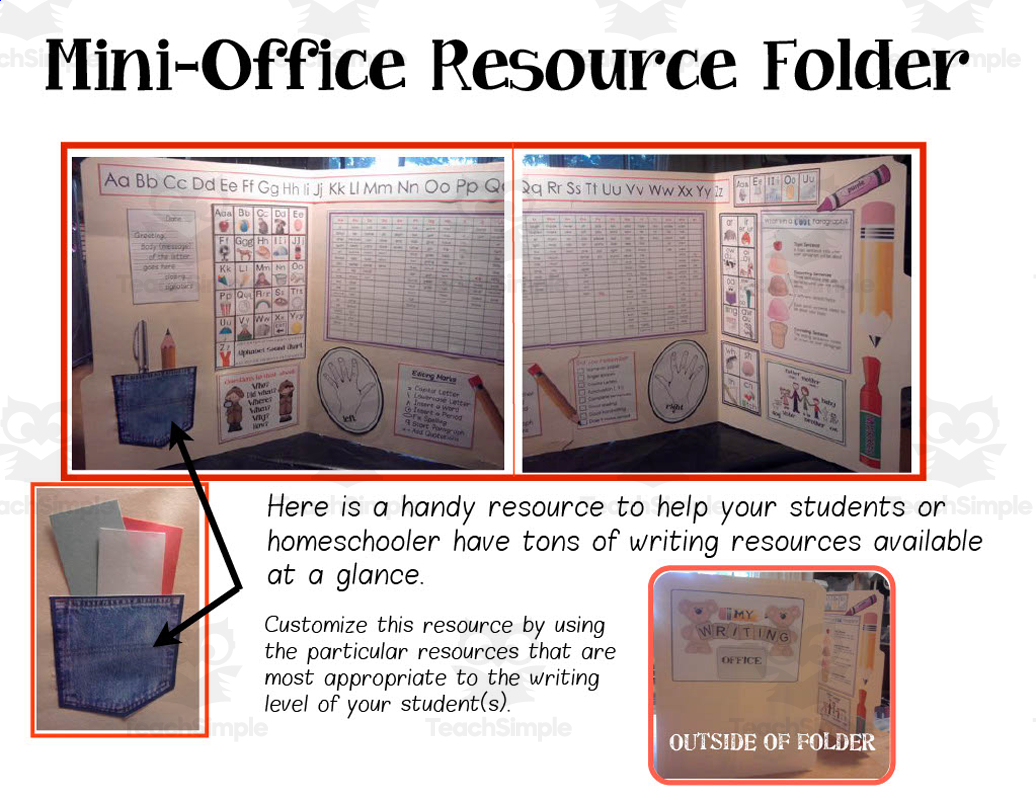
A collection of quick-reference writing charts and resources assembled into a 'mini-office' folder that students keep at their desk during writing workshop for on-demand support (alphabet, sight words, vowel patterns, letter-writing and paragraph-writing formats).
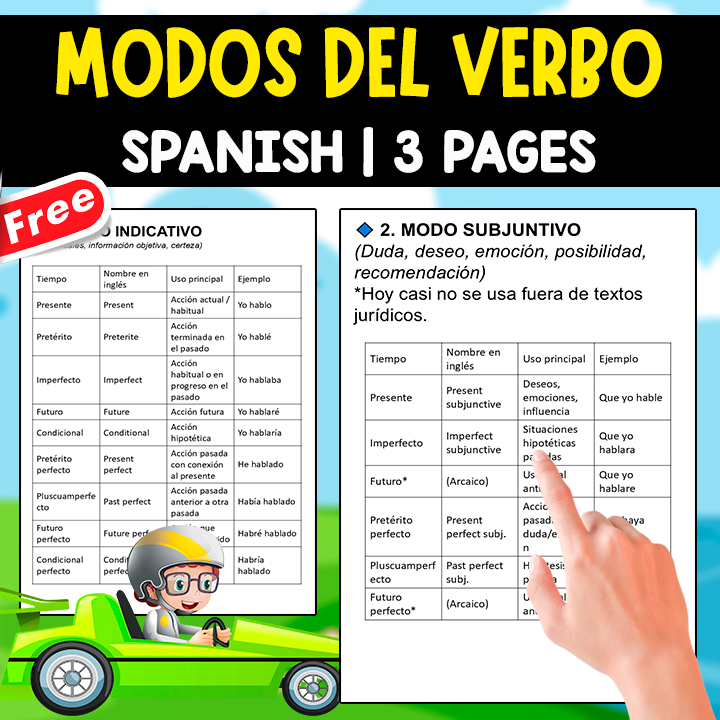 Free download
 MODOS DEL VERBO EN ESPAÑOL | 3 FREE PAGES ABOUT THE AUTHOR: Hi there! We are EDITORIAL LAURA EDUCA 🎓✨. We love designing educational materials that make children’s learning joyful, dynamic, and motivating.

This resource is a Multiplication and Division Anchor Chart . It will come with everything you need to develop this math anchor chart with your students. It will cover: - Strip Diagram - Array - Equal Groups - Repeated Subtraction - Number Line - Word Problem There is a final copy at the end that can be printed for students to keep in…

Assemble this anchor chart as you introduce five multiplication properties, adding each definition beside its worked example. Separate pieces let students compare how changing factor order differs from changing grouping, and see a fact split into partial products. The guide specifies 24-by-32-inch chart paper, although its sample layout depicts addition and subtraction; an additional student reference page covers addition and subtraction models.

Mythology Characteristics lesson plan sets the stage for an exciting exploration into a world of myths. This isn't just about Greek or Roman mythology, it reminds students that many cultures worldwide boast their own enigmatic set of…
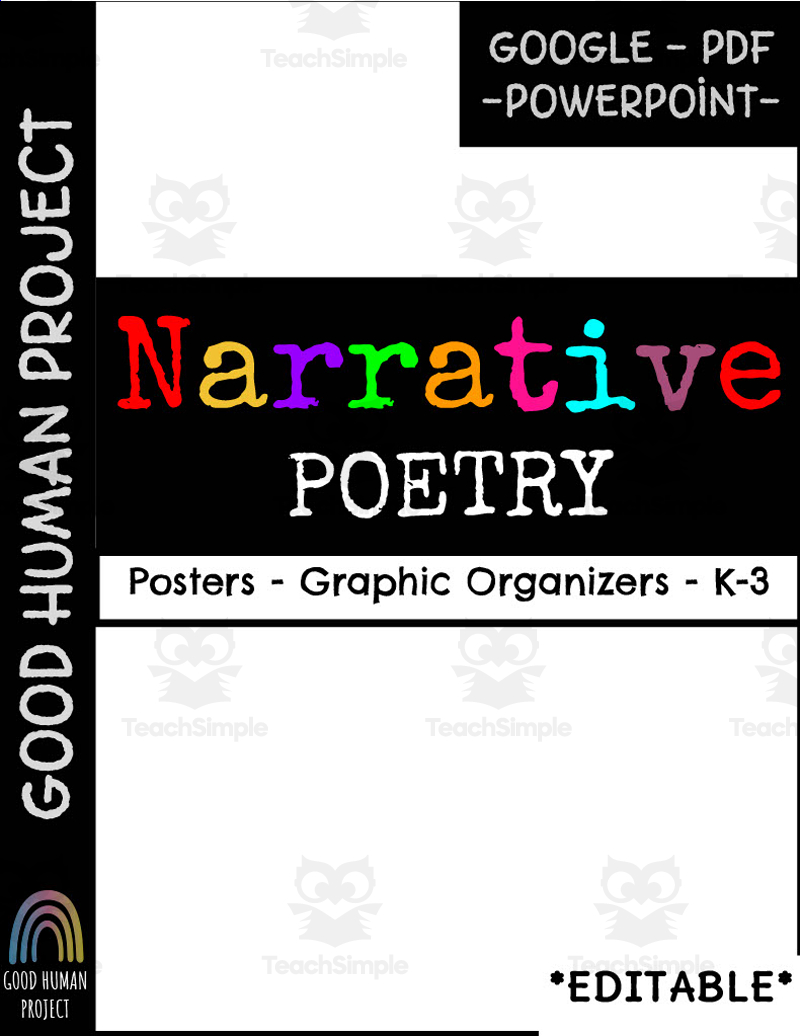
Help students develop a poem that tells a story by planning its characters, setting, problem and resolution. Reference posters and mentor poems introduce the form before a graphic organizer breaks the story into beginning, middle and end. The writing template provides space for the finished poem and illustration; choose and discuss mentor excerpts suited to the group before independent planning.

This is a Narrative Writing Editing Symbols Printable. You can print this and give it to students as a reference as they write. This will review 3 different writing symbols.

Pair the charts with a nonfiction book so students can find real examples of captions, diagrams, labels and other features. Return to the fill-in version after discussing each feature’s purpose.

A nonfiction text-structures anchor chart set explains five expository structures — problem and solution, sequencing, description, cause and effect, and compare and contrast — through a reference table of definitions and transition or key words such as 'therefore,' 'first, second, next,' and 'alike, different.' The set is provided as two matching pages: one fully filled-in chart for display and one cloze version with blanks so students can complete blanks in definitions and the closing note while the key-word column remains filled in. A closing note reminds students that a single text can contain more than one structure even when one dominates overall. Teachers can post the completed version as a permanent classroom reference and use the blank version as a formative check during a reading-structures lesson.