3,890 products added recently
Page 3 - Pre-K Assessments
Monitor your pre-K students' developmental milestones using assessments that are age-appropriate and engaging. This collection includes observational guides, simple skill activities, and parent-teacher communication tools. Foster a supportive environment that prepares them for the next educational step.
Number & Operations: Fractions - Pre-Assessment & Teach the Skill - PC Software
Math, Fractions, Common Core, Kindergarten, Preschool, Grade 1, 2, Assessments, Teacher Tools
Number & Operations: Fractions - Pre- Assessment & Teach the Skill PC Software This innovative teaching resource focuses on educators' need to impart knowledge on fractions, an integral part of number and operations. The software caters to students from preschool up to grade two while offering reshapeable lesson plans for whole group or small group instruction. Notably, it also allows for homework setting. Wholesome Academic Experience: It embodies pre- assessment activities that gauge existing comprehension levels besides offering useful math tools to make lessons interactive. Inclusive Language Learning: English voiceover accompanied by text suits audio-visual learners among others interested in bilingual learning courtesy of the additional Spanish voiceover option. Standards Compliance: This resource aligns with Common Core State Standards Appendix A (CCSS), STEM methodologies, and is written suited to National Council Teachers Mathematics (NCTM) standards. The product comes as a zip file containing user-friendly software that functions flawlessly across different systems irrespective of a public school or homeschooling environment. Hence, it is an indispensable tool designed for teachers aiming at enabling academic growth amongst their pupils through innovative instructional techniques provided herein effectually enhancing pedagogical reach personally.
Author Classroom Complete Press
Tags Math Lesson, Fractions Lesson, Pre-assessment, Math Skills, Worksheet, Number And Operations Fractions, Number And Operation Fractions
Fractions Worksheets - Pack 2
Math, Fractions, Kindergarten, Grade 1, 2, 3, Activities, Centers, Assessments, Teacher Tools, Lesson Plans
Fractions Worksheets - Math Activities turn the "ugh" in fractions into "aha!" With 17 pages of elementary-level fun, this resource is here to make sure your students actually enjoy dividing pies, pizzas, and maybe even their candy bars. (No promises on sharing, though.) These worksheets are packed with activities that break fractions down into manageable pieces, because nobody needs a math meltdown. From shading halves to solving fraction puzzles, every page is designed to sneak in learning while your students are too busy having fun to notice. And the best part? Zero prep for you. Just print, pass, and sit back while the magic happens. Ways to Use: Morning brain boosters that beat sleepy yawns. Math centers for hands-on, screen-free learning. Homework that doesn’t make parents call you for answers. Lifesavers for those last-minute sub days. Advantages: Makes fractions as easy as pie. Literally. Builds math confidence without boring drills. Fun for solo or group learning adventures. Standards-aligned, so you can teach guilt-free. Turn "What even is a fraction?!" into "I totally get this!" Grab this resource and let the fractional fun begin, no calculators required!
Author Ponder Palette Plazza
Tags Fractions, Fractions Worksheets, Partitioning, Partitioning Worksheets, Fractions Activity, Math Activities, Fractions And Partitioning, Math Worksheets
High-Frequency Heart Word Tracing
Science, Basic Science, Inventors, Theories, Life Sciences, Human Body, Resources for Teachers, Classroom Management, Community Building, STEM, Kindergarten, Preschool, Grade 1, 2, 3, 4, 5, Worksheets & Printables, Workbooks, Worksheets, Word Searches, Teacher Tools, Assessments, Lesson Plans, Quizzes and Tests, Quizzes, Tests
Transform Your Literacy Instruction with Science of Reading Heart Word Worksheets! Are you struggling to teach tricky, high-frequency words like said , was , and they ? Do your early readers get frustrated when phonics rules don't apply? Say goodbye to rote memorization and hello to a method that works! This comprehensive resource, grounded in the Science of Reading , leverages the power of Orthographic Mapping to help students master irregular high-frequency words. Our "Heart Word" tracing method is a game-changer for Pre-K, Kindergarten, and 1st Grade classrooms. Instead of asking students to memorize the whole word, we teach them to identify the decodable parts they already know and focus their memory on only the irregular "heart part"—the part they must learn by heart. This isn't just another set of worksheets; it's a complete instructional toolkit designed to reduce cognitive load, build reading confidence, and create lasting neural pathways for fluent reading. WHAT'S INCLUDED: Part 1: In-Depth Teacher's Guide (10 pages): A professional guide explaining the methodology, the cognitive science behind orthographic mapping, and case studies showing proven results. Part 2: Student Workbook (10 Differentiated Worksheets): Engaging, multi-sensory worksheets that guide students through mapping and tracing common high-frequency words. The activities isolate the irregular graphemes for targeted practice. Part 3: Teacher Resources & Visuals (14 pages): Visual Frameworks: Clear diagrams explaining the "Heart Word" mapping process and the 5-step kinesthetic learning cycle. Developmental Scaffolding Matrix: A guide to using the worksheets across Pre-K, K, and 1st Grade. Step-by-Step Implementation Protocol: An "I Do, We Do, You Do" lesson plan to ensure effective instruction. Assessment Tools: Formative and summative assessment rubrics and logs to track student progress. Comprehensive Answer Keys: Master mapping keys for all words and answers to knowledge checks. WHO IS THIS FOR? Pre-K, Kindergarten, and 1st Grade Teachers Homeschooling Parents Reading Interventionists and Specialists (RTI / Tier 2) Literacy Coaches Tutors working with students who struggle with sight words Stop the guessing game and empower your students with a logical, brain-friendly system for decoding the most common words in the English language. Download now to build confident, fluent readers! Keywords: Science of Reading, SoR, Heart Words, High-Frequency Words, Sight Words, Orthographic Mapping, Tracing Worksheets, Phonics, Irregular Words, Decoding, Pre-K, Kindergarten, First Grade, Homeschool, Reading Intervention, Multi-Sensory Learning, Digital Download. Why Parents/Schools Love It: Grounded in Science: It’s not just busywork. This curriculum is built on the proven, brain-based principles of the Science of Reading and orthographic mapping. Reduces Student Frustration: It transforms "tricky words" from a source of confusion into a solvable puzzle, boosting confidence and reducing anxiety for young learners. Multi-Sensory & Engaging: By combining visual (seeing), auditory (saying the sound), and kinesthetic (tracing) learning, it cements words into long-term memory far more effectively than flashcards. Builds Stronger Decoders: Instead of encouraging guessing, it teaches students to analyze words, strengthening their overall phonics and decoding skills for all reading. Comprehensive & All-in-One: It's more than just worksheets. It's a complete, ready-to-use toolkit with a teacher's guide, implementation protocols, and assessment tools, saving educators valuable planning time. Target Student Classes : Based on the explicit text and the "Developmental Scaffolding Matrix" on page 25, target: Pre-K (Ages 4-5) Kindergarten (Ages 5-6) 1st Grade (Ages 6-7) Additionally, this resource is perfectly suited for: Reading Intervention Groups (RTI, Tier 2 & 3 Support): The explicit, multi-sensory approach is ideal for students who need extra support. Special Education: Students with dyslexia or other learning differences will benefit greatly from the systematic and brain-based methodology that avoids the pitfalls of whole-word memorization. Copyright/Terms of Use: This Book was copyrighted by Syed Hammad Rizvi. This resource is for personal and single classroom use only. You may not alter, redistribute, or sell any part of this resource. In other words, you may not put it on the Internet where it could be publicly found and downloaded. If you want to share this resource with colleagues, please purchase additional licenses from Teachsimple. Thank you for respecting these terms of use. This product is happily brought to you by Syed Hammad Rizvi
Author Creative Book Store
Rating
Tags ScienceOfReading, HeartWords, OrthographicMapping, SoR, IrregularWords, HighFrequencyWords, HeartWordMethod, ReadingScience, BrainBasedLearning, TrickyWords
Data Analysis & Probability: Circle Graphs - Pre-Assessment & Teach the Skill - MAC Software
Math, Graphing, Common Core, Kindergarten, Preschool, Grade 1, 2, Assessments, Teacher Tools
Data Analysis & Probability: Circle Graphs - Pre- Assessment & Teach the Skill - MAC Software With the aim of ameliorating maths education, this resource focuses on Circle Graphs in the context of Data Analysis and Probability. This comprehensive tool is designed for educators teaching from preschool to grade 2. The resource explains concepts by providing curriculum-aligned content. It consists not only pre- assessment activities, but also a substantial lesson plan that aims to teach students the crucial skills needed to interpret circle graphs proficiently. Acknowledging that each student has their unique way of learning, we have integrated essential math tools into our module as well. Inclusion of English and Spanish voice over options together with text for every lesson ensures catering diverse classrooms. This software squares its mission with stringent adherence to Common Core State Standards, STEM initiatives, and specifically aligning with NCTM standards—ensuring it would fit seamlessly into your established coursework. Bridging Technology & Learning: This versatile software blends modern technology and pedagogy—be it whole group instruction, small group workshops or homework assignments. Installing it requires downloading one zip file which has been designed intuitively ensuring smooth navigation towards utilizing these tools expeditiously promoting productive learning experiences ensuring optimal use of instructive time. About Us: We focus on making your math classes rich by incorporating our holistic tool concentrating on 'Data Analysis and Probability: Circle Graphs'. Whether you're navigating through public school curriculums or conducting homeschooling sessions–this resource blends seamlessly into various styles making mathematical learning an exciting journey!
Author Classroom Complete Press
Tags Data, Probability, Analysis, Circle Graphs, Pre-assessment
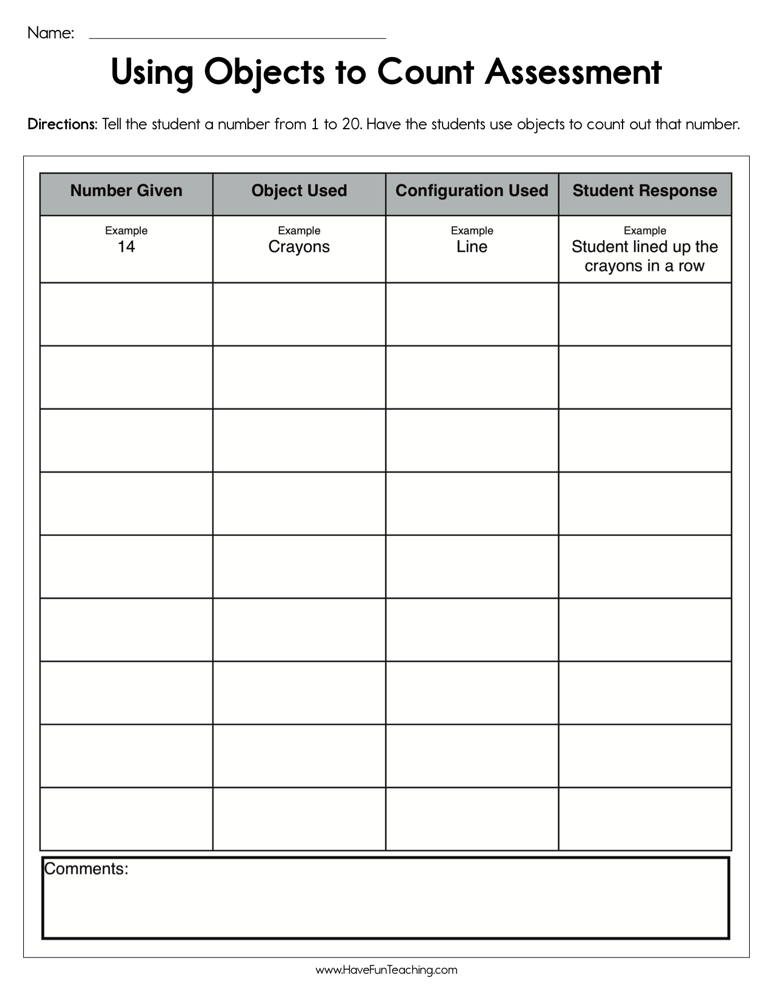
Counting 1 to 20 with Bottle Caps – Math Resource
Math, Patterns, Early Math, Numbers, Preschool, Grade 1, Teacher Tools, Assessments, Activities
Counting 1 to 20 with Bottle Caps is a great resource to have in your classroom! This Counting 1 to 20 with Bottle Caps includes: - counting 1 to 20 chart - flashcards with visual representation of 1 to 20 with bottle caps - flashcards with numbers 1 to 20 on bottle caps Engage students by playing the following games with this Counting 1 to 20 with Bottle Caps set: - pairing the numeral form of each number to its visual equivalent - pick a random flashcard and begin counting from that number forward - pick a random flashcard and begin counting from that number backwards - count by 2's, 3's, 4's and 5's while using the number chart - identify whether the number of objects in one group is greater than, less than, or - equal to the number of objects in another group or a numeral shown This Counting 1 to 20 with Bottle Caps set is great for students who are beginners in counting! Each bottle cap is very colorful and the number representation with the bottle caps each have a different color. These can be used as whole page activities, or cut and laminated for individual uses. Thank you!
Author Soumara Siddiqui
Rating
Tags Counting 1 To 20, Counting For Beginners, Counting With Objects
Geometry: Transformations & Symmetry - Pre-Assessment & Teach the Skill - PC Software
Math, Geometry, Common Core, Kindergarten, Preschool, Grade 1, 2, Assessments, Teacher Tools
Geometry: Transformations & Symmetry - Pre- Assessment & Teach the Skill - PC Software This is a comprehensive teaching resource specifically designed for educators. The main focus is on the concepts of transformations and symmetry in geometry enhancing students' understanding while also strengthening their mathematic skills. Primarily, this product offers an educational software comprising of numerous learning avenues. These include: Pre- assessment activities Detailed lesson plans The software provides bilingual support in both English and Spanish, catering to diverse classrooms, making sure that language barriers do not obstruct mathematical exploration. A notable feature: This teaching tool aligns with widely accepted educational guidelines like the Common Core State Standards and STEM initiatives. About the Teaching Aid: The Geometry: Transformations & Symmetry teaching aid comes as a zip file containing PC software. This can be easily installed on your personal computer system to be used for whole group instructions or small group sessions depending upon pedagogical needs. Included within the resource package: (Comes with) math tools that aid in creating interactive lessons to engage young minds effectively. An option to give digital homework assignments where pupils explore geometrical transformations and symmetry independently outside classroom premises. In Summary: Geometry: Transformations & Symmetry - Pre- Assessment & Teach The Skill - PC Software serves as a beneficial addition to an educator's toolkit, enforcing geometry concepts among younger learners better.
Author Classroom Complete Press
Tags Pre-assessment, Digital Math, Digital Assessment, Symmetry, Geometry
My Emotions Explorer: SEL Activity Book
ELA, Language Development, ESL, Grammar, Social Emotional Learning (SEL), Special Resources, Life Skills, Social Skills, Special Education Needs (SEN), Speech Therapy, Homeschool Curriculum, Kindergarten, Grade 1, 2, 3, 4, 5, Assessments, Teacher Tools, Graphic Organizers, Lesson Plans, Worksheets & Printables, Drawing Templates & Outlines, Workbooks, Writing Prompts, Task Cards, Word Problems
Find "My Emotions Explorer: SEL Activity Book Professional Edition," the best social emotional learning activity book for kids aged 6-9 years old. This exciting kids' emotional intelligence book helps kids, parents, and teachers with various social and emotional learning activities. With numerous tools like the Wheel of Feelings, Body Scan, Anger Volcano, Breathing Bubbles, Worry Jar, Empathy Scenarios, Positive Self Talk, Gratitude Garden, Weekly Mood Tracker, and many more, this 43-page downloadable PDF helps kids manage overwhelming emotions with ease. It is an amazing tool for homeschool social and emotional learning, classroom activities, and even family bonding. It also includes an adult facilitation guide to provide psychological safety. Give your kids the gift of higher emotional intelligence with this top-rated kids' emotions book, great for kids' social and emotional learning activities, elementary SEL, and child development tools. Get your copy now and start enjoying instant access to fun and therapeutic exercises! Why Parents/Schools Love It: Research-Backed SEL Tools: Informed by affective science and positive psychology, it develops emotional granularity, strength, and co-regulation skills, resulting in improved mental health and fewer behavioral problems. Engaging, Interactive Activities: Fun activities like drawing faces, building anger volcanoes, and developing gratitude gardens keep kids engaged while learning practical coping skills. Adult Facilitation Guide: Offers parents and educators professional guidelines on how to create a psychologically safe environment, ask open-ended questions, and incorporate SEL into daily routines. Customizable and Printable: Offers 43 pages of printable and editable PDFs, including trackers and certificates, for personalized learning without the need for additional materials. Promotes Long-Term Growth: Assists children in moving from reactive emotions to proactive self-awareness, developing empathy, emotional intelligence, and family/school relationships. Target Classes/Students : Upon a thorough analysis of the 43-page PDF, which includes the adult guide, modules on emotional identification (e.g., Wheel of Feelings, Draw Your Face), emotion regulation skills (e.g., Body Scan, Anger Volcano, Breathing Bubbles, 5-4-3-2-1 Grounding, Worry Jar, Positive Self-Talk), empathy skills (e.g., Empathy Scenarios), gratitude skills (e.g., Gratitude Garden), tracking skills (e.g., Weekly Mood Tracker), and the completion certificate, the content is geared towards children in the age range of 6 to 9 years. This age range corresponds to the early elementary school students. The age range of 6 to 9 years corresponds to the following grades: Kindergarten (5 to 6 years, but this age range can be adapted for 6-year-olds to be introduced to SEL). 1st Grade (6 to 7 years, focusing on basic emotion identification skills). 2nd Grade (7 to 8 years, focusing on emotion regulation skills). 3rd Grade (8 to 9 years, focusing on advanced skills such as gratitude skills and analysis of mood patterns). This PDF is not adapted for children younger than 6 years, i.e., for preschoolers, nor for children above 9 years. Copyright/Terms of Use: This Book was copyrighted by Syed Hammad Rizvi. This resource may be used for personal and single classroom use. You may not change, distribute, or sell any part of this resource. In other words, you may not put this resource on the Internet, so that it could be found and downloaded by others. If you wish to share this resource with others, you may purchase additional licenses from Teachsimple. I appreciate your understanding of these terms of use. This product is happily brought to you by Syed Hammad Rizvi
Author Creative Book Store
Rating
Tags SELAactivities, SocialEmotionalLearning, EmotionalIntelligenceForKids, KidsEmotionsWorkbook, SELWorkbook, ChildrensMentalHealth, EmotionalLiteracy, ResilienceBuildingForKids, HomeschoolSEL, ClassroomActivities
Algebra: Addition & Subtraction - Pre-Assessment & Teach the Skill - PC Software
Math, Algebra, Common Core, Kindergarten, Preschool, Grade 1, 2, Teacher Tools, Assessments
The Algebra: Addition & Subtraction - Pre-Assessment & Teach the Skill - PC Software Focused on enhancing the comprehension of Addition and Subtraction in Algebra, this unit mini delivers curriculum-matched content through pre-assessment tasks and a meticulous lesson plan. Furthermore, it comes equipped with several math tools designed to foster an interactive learning environment. Uniquely versatile This teaching aid works effectively in various educational settings. It can be utilized for whole group instruction, where educators can guide learners through the concepts collectively on a shared screen. It also is employed in small group work to promote collaborative learning or as an individual assignment or homework exercise for a more personalized approach. Notably diverse Bilingual Offerings This product also caters to bilingual environments by offering both English and Spanish voice-overs text options, ensuring no learner is left behind due to language barriers. In compliance with established teaching standards: The content of this software aligns with standards including those set out by NCTM and Common Core State Standards, as well as STEM initiatives; hence aligning perfectly to set educational goals. Aimed at Early Mathematical Proficiency: Aimed at Grades preschool through Grade 2 students; it encourages mathematical proficiency from an early age all while engaging their developing curiosity through interactive software elements. When you download this product you will get access to one compressed file containing multiple files designed perfectly for your PC software requirements geared towards introduction of algebraic principles focused on addition and subtraction topics. In conclusion,this comprehensive tool wrapped into one convenient package is more than just another digital resource.
Author Classroom Complete Press
Tags Math, Assessment, Addition, Subtraction, Math Test
Foundation End-of-Term English Review Pack | Australian Curriculum
ELA, Kindergarten, Assessments, Teacher Tools, Lesson Plans, Worksheets & Printables
Foundation End-of-Term English Review Workbook Pack | Australian Curriculum Looking for a fun, low-prep Foundation English review resource aligned to the Australian Curriculum? This Foundation End-of-Term English Review Workbook helps Kindergarten and Foundation students strengthen early literacy skills through engaging phonics, reading, sight word, sentence-building, and listening activities designed specifically for young learners. Perfect for end-of-term review, intervention, revision, or transition support, this comprehensive Foundation literacy pack combines phonological awareness, CVC word practice, comprehension, and handwriting activities in one easy-to-use resource. ✅ What’s Included 50-page student workbook 14-page Answer Key 21-page Teacher’s Guide Australian Curriculum v9.0 alignment Letter recognition activities Beginning sounds practice Letter–sound relationship activities Phonological awareness tasks CVC word building and decoding Sight word activities Simple reading comprehension Listening and sequencing tasks Sentence construction practice Colouring and matching activities Assessment rubric and reporting tools Parent communication letter Differentiation strategies and extension activities ✨ How It Works in the Classroom This Foundation English review pack is designed for flexible classroom use: End-of-term review Literacy centers Small-group intervention Early finisher work Homework packs Beginning-of-year diagnostics Relief teacher lessons Independent literacy practice The workbook is organised into 10 skill-based sections covering foundational literacy concepts including phonics, reading, sentence writing, and comprehension. Activities are intentionally scaffolded and child-friendly for Kindergarten and Foundation learners. Suggested pacing includes 8–10 short literacy sessions over the final weeks of term. 🎯 Standards & Learning Goals Students will practice and strengthen: Letter recognition Uppercase and lowercase matching Beginning sounds Letter–sound relationships CVC word reading and spelling Short vowel sounds Rhyming and syllables Sight word fluency Simple reading comprehension Listening comprehension Sentence construction Capital letters and punctuation Oral language and vocabulary development Aligned Australian Curriculum v9.0 Foundation English standards include: AC9EFLA05 AC9EFLA06 AC9EFLA07 AC9EFLA08 AC9EFLA09 AC9EFLE02 AC9EFLE03 AC9EFLE04 AC9EFLY04 AC9EFLY05 AC9EFLY06 AC9EFLY08 AC9EFLY09 AC9EFLY10 AC9EFLY11 AC9EFLY12 AC9EFLY13 AC9EFLY14 💛 Why Teachers Love It Bright, engaging child-friendly design Easy prep and simple implementation Strong phonics and phonological awareness focus Scaffolded support for early readers Includes assessment and reporting tools Differentiation strategies included Flexible for intervention or whole-class use Supports Foundation literacy benchmarks Designed specifically for Australian classrooms and spelling conventions Teachers especially appreciate the clear progression from letter recognition to reading simple connected text and writing complete sentences. 📌 Perfect For Foundation literacy review Kindergarten phonics practice Australian Curriculum English lessons CVC word intervention Sight word revision End-of-term review Beginning reader support Literacy rotations Homework and holiday revision Early years intervention groups ⭐ Skills Covered Alphabet recognition Beginning sounds Rhyming words Syllables Letter-sound correspondence CVC decoding and encoding Sight words Listening comprehension Sentence building Capital letters and full stops Reading fluency Vocabulary development Early comprehension skills
Author Bright Classroom Ideas Marketplace
Rating
Tags Australia, Review, Winter, End-of-term, Ela, English
Number & Operations: Addition & Subtraction - Pre-Assessment & Teach the Skill - PC Software
Math, Numbers, Common Core, Kindergarten, Preschool, Grade 1, 2, Assessments, Teacher Tools
Introducing Number & Operations: Addition & Subtraction - Pre- Assessment & Teach the Skill An adept PC software tailored to groom educators in understanding and effectively imparting knowledge on number operations specifically addition and subtraction. This resource provides comprehensive curriculum-based content that includes: Pre- assessment activities Detailed lesson plans for teaching the skill Valuable math tools. This software is beneficial for preschool, kindergarten, grade 1, and grade 2 teachers or homeschoolers as it exposes you to quality content aligned with the Common Core State Standards. Enabling Flexibility in Implementation The product delivers flexible implementation options. Whether you're reinforcing your teachings in whole group sessions or breaking it down into small group classes. It ensures inclusivity by incorporating Spanish voiceover and text options catering to multilingual learning environments. Additionally, our content meets STEM initiatives whilst being written according to NCTM guidelines. Packed Conveniently! In one convenient zip file containing all necessary resources for easy access and use on PC software platforms? Yes! But remember this isn't simply about arithmetic: it’s about instilling computational thinking skills crucial in our fast-paced digital world. The unique features of this product include: Classroom resource or assignment piece Promoting computational thinking skills "You got this! Breathe life into numbers with ease using exceptional resources designed by experienced educators who understand your needs."
Author Classroom Complete Press
Tags Pre-assessment, Numbers, Addition, Subtraction, Digital Math
Valentine's Day Coloring Activtity - Numbers 1-20
Creative Arts, Graphic Arts, Math, Early Math, Numbers, Kindergarten, Preschool, Grade 1, 2, 3, 4, Worksheets & Printables, Worksheets, Coloring Pages, Teacher Tools, Lesson Plans, Assessments
Love is in the air, and so is one very lost cat! This little feline is on a mission to find its Valentine, but there’s a tiny problem—it can only reach its sweetheart by following the numbers 1 to 20 in the right order. That’s where your students come in! With their number knowledge and a little artistic flair, they’ll help the cat reunite with its special someone. And once the mission is complete? It’s time to color the scene and celebrate a successful cat-tastic love story! Ways to Use: A fun warm-up to get those number brains working A Valentine’s Day activity that secretly reinforces number skills A quiet time task (because love stories don’t need background noise!) A stress-free sub plan that keeps kids engaged and you worry-free Why You’ll Love It: Boosts number sequencing in a sneaky, fun way Encourages creativity (because even cats deserve a colorful love story!) Keeps students focused—which means fewer distractions for you Turns math into an adventure, proving numbers and love actually do mix! So, grab some crayons, hand out this activity, and let your students play Cupid—one number at a time!
Author Ponder Palette Plazza
Tags Coloring, Numbers, Numbers Order, Valentines Day, Valentine Coloring, Number 1 To 20, Valentines Day Math, Valentine Activities, Valentine Math
Guided Reading Level F - Planets in Our Solar System
ELA, Resources for Teachers, Reading Comprehension, Reading, Language Development, Pre-Reading, Vocabulary, Science, Earth and Environmental Sciences, Space, Kindergarten, Grade 1, 2, Worksheets & Printables, Worksheets, Teacher Tools, Centers, Activities, Literacy Readers, Quizzes, Quizzes and Tests, Assessments
This Guided Reading Book - Planets in Our Solar System (Level F) includes: Guided Reading Color Label (front cover x1) This is a quick way to match the book’s demands to what students can generally handle.. The overall goal is to use the level/color to pick books for several smaller groups. To qualify for a certain level, a student is expected to read a book from that level with about 90–94% accuracy. If a student is consistently accurate and understands, move up a level. If the student is struggling at that level, drop down and add more support. Each student will improve at completely different rates, but it is generally one of the best ways to check progress across the class. DOWNLOAD THE CATALOG TO VIEW ALL GUIDED READING BOOKS AVAILABLE (SORTED LEVELS A-Z) COMPANION VIDEO NOW AVAILABLE (EMBEDDED AFTER PREVIEW PICTURES IN PRODUCT DESCRIPTION) Pre-Reading Question (x1) The teacher says the question aloud, either while showing the cover or the first page. Students share what they already know or make sensible guesses based on the cover. Encourage them to use the target vocabulary where possible. Write a few of their ideas on the board so you can return to them during or after the reading. Vocabulary Words (x5) Introduce the five words one at a time. Say each word aloud, have students repeat it, and then ask if anyone already knows what it means. Read the meaning together and briefly connect each word to a picture, action, or gesture so it feels more memorable. Ask students to flip through the book and point to any pages where they spot the vocabulary words. While reading, pause when one of the words appears, or reread the sentence so students clearly notice and understand it in context. Optional: Ask students to raise their hands whenever they see or hear one of the new words. Guided Reading Pages (x10) Check the book snapshot below for: Primary topic — decide whether students need a quick introduction or extra background first. What this lesson teaches best — choose 1–2 key points to focus on during the session. Learning goals — keep in mind what students should be able to understand or say by the end. Key vocabulary — review and reinforce these throughout the lesson. Questions overview — look ahead so you know what students will be asked and whether any extra support is needed. Run the lesson You may already have looked at a few pages together, but it can help to revisit some of the pictures first to build meaning. Depending on your time and how confident the group is with guided reading, you may want to read the whole book aloud to them first. Students can then whisper-read or partner-read while you listen in. If time allows, you can also read as a group, with each student taking a page. Use the guided reading prompts to support them, such as: “Check the picture—does it make sense?” “Point under the words.” “Try the first sound.” “Reread the sentence smoothly.” It can be helpful to focus more closely on one student each session, rotating over time, so you can better judge whether they are ready to move up or may need more support at their current level. Comprehension Questions (back cover x3) This is where you check that students understood the text, not just the words on the page. Start by letting students answer by pointing to a page or picture and saying a short sentence. After they respond, follow up with: “Show me where you found that in the text.” In larger groups, let partners discuss their answer first for 10–20 seconds, then invite 2–3 students to share. Differentiation tips Emerging speakers / struggling readers: oral response + pointing On-level: oral response in a full sentence Higher: one written sentence or a drawing with labels Book Snapshot Title: Planets in Our Solar System Genre: Nonfiction (informational) Subject: Science Primary Topic: Basic facts about the Sun, the planets, and the Moon Estimated Guided Reading Level (A–Z): F What This Book Teaches Best Introduces the Sun as a star at the center of the solar system that gives light and heat to the planets. Teaches the order of the planets, from Mercury to Neptune, with one main fact about each one. Builds science vocabulary naturally through the text, including words like craters , surface , giant , unique , and reflects . Helps students compare planets using simple details such as color, temperature, rings, winds, and clouds. Learning Goals Students will identify the Sun’s job in the solar system using details from the text. Students will name the planets in order from Mercury to Neptune as shown in the book. Students will describe at least three planets using facts from the text. Students will explain what makes one planet “unique” in the book. Students will tell what the Moon does at night, according to the text. Key Vocabulary From the Text craters — deep holes in the ground surface — the outside layer of something giant — very, very big unique — special and different from others reflects — bounces light back Discussion Prompts Pre-reading question: What do you already know about the Sun, the Moon, and the planets? Comprehension question: Which planet does the book say is the smallest? Comprehension question: What is Saturn famous for? Comprehension question: What does the Moon reflect at night? 1. Best Printing Method (Recommended) Booklet printing is the best option if your printer or PDF viewer supports it. This method usually places the pages in the correct order automatically and makes folding much easier. Settings to use: Print mode: Booklet Paper size: Letter or A4 Orientation: Landscape Print on both sides: Yes Flip on: Short edge Scaling: Fit to printable area Booklet subset: First, print front sides only Then, print back sides only This will automatically: Pair the pages correctly Place the cover on the outside Help everything line up properly for folding After printing, fold the pages in half and staple along the spine. 2. If “Booklet” Printing Is Not Available You can still print the book correctly by using manual duplex printing . Step-by-step: Open the PDF. Click Print . Use these settings: Orientation: Landscape Pages per sheet: 1 Print on both sides: Yes Flip on: Short edge Print all pages. Since each PDF page already contains two facing book pages, the pages should still fold neatly into a book. Thousands of Cored Education products are included with your TeachSimple membership. Download links and encyclopedia index available here.
Author Cored Education
Rating
Tags Vocabulary, Reading Comprehension, Reading Passages, Leveled Reading, Nonfiction, Reading, Guided Reading, Earth Science, Space, Planets
Guided Reading Level D: Dens, Nests and Burrows
ELA, Resources for Teachers, Reading Comprehension, Reading, Language Development, Pre-Reading, Vocabulary, Animals, Life Sciences, Science, Kindergarten, Grade 1, 2, Worksheets & Printables, Worksheets, Teacher Tools, Centers, Activities, Literacy Readers, Quizzes, Quizzes and Tests, Assessments
This Guided Reading Book - Dens, Nests and Burrows (Level D) includes: Guided Reading Color Label (front cover x1) This is a quick way to match the book’s demands to what students can generally handle.. The overall goal is to use the level/color to pick books for several smaller groups. To qualify for a certain level, a student is expected to read a book from that level with about 90–94% accuracy. If a student is consistently accurate and understands, move up a level. If the student is struggling at that level, drop down and add more support. Each student will improve at completely different rates, but it is generally one of the best ways to check progress across the class. DOWNLOAD THE CATALOG TO VIEW ALL GUIDED READING BOOKS AVAILABLE (SORTED LEVELS A-Z) Pre-Reading Question (x1) Teacher asks the prompt aloud, can be while showing the cover or first page. Students share what they already know, or make educated guesses from the cover. Prompt them to use the target vocabulary. Write some of their responses on the board to look back at during the reading. Vocabulary Words (x5) Introduce the five words, best doing it one at a time. Start by saying it, while students repeat and then see if anyone knows what it means before reading further. Read through the meaning and try to briefly connect each word to a picture or gesture so it’s meaningful. Ask students to flip through the book pages and point to where they see each of the vocabulary words. While reading the book pause upon coming across one of the vocab words or read the sentence twice to make sure students understand the word has appeared. Optional: Ask students to raise hands whenever they see/hear one of the new words. Guided Reading Pages (x10) Check the book snapshot (below) for: primary topic - do you need to prep extra reading or intro materials on this? what is taught best - decide on 1-2 bullets to focus on, use the prompt or words provided here for best results. learning goals - what you are checking for students to be able to do after the session, elicit answers using prompts or words provided. key vocabulary (see section above). questions overview - so you know what is coming up and if you need to prep extra materials to assist understanding. Run the lesson You may have already looked at a few of the pages together, but you can show them some of the pictures again first to set meaning. Depending on how much time you have and how familiar your students are with guided reading class, you may want to read the book aloud first with the group first. Students whisper or partner read, while you listen in. If time, do it as a group, one student reading a page each. Use the guided page’s prompts to coach: “Check the picture / does it make sense?” “Point under the words / try the first sound” “Reread the sentence smoothly”. Try to focus more on one student per session (rotating every time), so you can work out if they are ready to move up or need to move down a level. Comprehension Questions (back cover x3) This is your way to check that students didn’t just say the words, but actually understood the text. First, let students answer by pointing to the page/picture and saying a short sentence. After any answer, follow with: “Show me where you found that in the text.” In bigger groups, have partners answer first (10–20 seconds), then call on 2–3 students to share. Differentiation tips: Emerging speakers/struggling readers: oral + pointing On-level: oral in a full sentence Higher: one written sentence or draw + label Book Snapshot Title: Dens, Nests and Burrows Genre: Nonfiction Subject: Science Primary Topic: Animal homes: nests, burrows, dens, lodges Estimated Guided Reading Level (A–Z): D What This Book Teaches Best Animals live in different kinds of homes to stay safe, rest, and stay hidden from weather or danger. Bird nests: what they’re made of and why many are built high in trees (to keep eggs safe from animals on the ground). Burrows and tunnels: animals dig in the ground for cool, dark places to sleep, and some burrows can be large with special rooms. Dens: a den is described as a hidden shelter, including where some animals find dens and why they use them. How animal homes can also be built in water (beaver lodges) and how an underwater entrance helps keep a family safe. Learning Goals Students will explain how an animal home helps an animal (safe from weather, resting, staying hidden) using details from the text. Students will identify and describe three kinds of animal homes named in the book (nests, burrows, dens, lodges). Students will describe why some nests are built high in trees based on the text. Students will describe what a burrow is and why animals dig burrows, using the book’s wording. Students will tell what a den is according to the book and give one place an animal might find a den. Students will describe one feature of a beaver lodge that helps keep the family safe. Key Vocabulary From the Text burrow — a hole or tunnel in the ground. tunnel — a long passage under something. den — a hidden shelter for an animal. lodges — homes beavers build from sticks and mud. dreys — squirrel nests made with leaves and twigs. Discussion Prompts Pre-reading question: Where do you think animals might live to stay safe and hidden? Comprehension questions: What does a home help an animal do? What is a burrow? Where is the entrance to a beaver lodge? Printing Tips 1. Best Printing Method (Recommended) “Booklet” Printing (Best if Available) If your printer or PDF viewer supports Booklet Printing , use this. Settings to use: Print mode: Booklet Paper size: Letter or A4 (either works) Orientation: Landscape Print on both sides: Yes Flip on: Short edge Scaling: Fit to printable area Booklet subset: First test: Front sides only Then: Back sides only This will automatically: Pair pages correctly Put the cover on the outside Align everything for folding After printing, fold in half and staple along the spine . 2. If “Booklet” Printing Is NOT Available You can still print this correctly with manual duplex printing . Step-by-step: Open the PDF. Choose Print . Set: Orientation: Landscape Pages per sheet: 1 Print on both sides: Yes Flip on: Short edge Print all pages . Because each PDF page already contains two facing book pages, the result will still fold cleanly into a book. Thousands of Cored Education products are included with your TeachSimple membership. Download links and encyclopedia index available here.
Author Cored Education
Rating
Tags Vocabulary, Reading Comprehension, Reading Passages, Leveled Reading, Nonfiction, Reading, Guided Reading, Life Science, Animals, Nests
Measurement: Area & Volume - Pre-Assessment & Teach the Skill - MAC Software
Math, Measurements, Common Core, Kindergarten, Preschool, Grade 1, 2, Assessments, Teacher Tools
Measurement: Area & Volume - Pre- Assessment & Teach the Skill - Mac Software This essential teaching resource concentrates on enhancing understanding of area and volume measurements. It is designed to be beneficial for various educational levels: Preschool, Kindergarten, First grade, and Second grade. The software package covers the math subject subcategory of measurements. In-built Features and Functionality: A chapter mini with curriculum-aligned material to identify students' prior knowledge about area and volume through pre- assessment activities. An effective lesson plan that aims to teach the concepts progressively. Incorporation of valuable math tools for facilitated interactive learning. The special feature lies in its inbuilt bilingual support— encompassing both English and Spanish voice overs along with text. This usage targets meeting diverse student needs in a classroom or homeschool setting, making it inclusive. The program adheres to Common Core State Standards (CCSS), STEM initiatives standards and is written following NCTM (National Council of Teachers Mathematics) guidelines. This adherence makes this product a promising choice for educators promoting high-quality learning. Possible Implementation Approaches: Treating it as part of your whole group instruction method Distributing it among smaller break-away groups during class time focused on measurement concepts or Furnishing individual homework assignments focused around improving individual understanding regarding area & Volume pre-assessments. Conveniently placed within one zip file, this Mac software ensures easy installation across Apple devices for hassle-free access as you plan your math lessons. Summary: Incorporating enriching features like pre-assessments activities, effective lesson plans, additional math tools and more; 'Measurement: Area & Volume - Pre- Assessment & Teach the Skill' Mac Software proves to be an indispensable resource in enhancing educational outcomes significantly within your mathematics toolkit.
Author Classroom Complete Press
Tags Measurement Lesson Plan, Math Lesson, Digital Math, Pre-assessment, Volume
Measurement: Measuring Weight - Pre-Assessment & Teach the Skill - MAC Software
Math, Measurements, Common Core, Kindergarten, Preschool, Grade 1, 2, Assessments, Teacher Tools
Measurement: Measuring Weight - Pre- Assessment & Teach the Skill - MAC Software MAC Software is a highly effective teaching tool tailor-made for educators targeting students in preschool, kindergarten and grades 1 and 2. This resource material comes as a Zip file featuring Mac-compatible software. Specially designed to grasp the understanding of measuring weight within the broader topic of measurement, this product integrates well into math curriculum lessons. The content included in this software is strategically conceived to cater both precursory assessment activities alongside detailed lesson plans aimed at teaching skills practicality. Tailored For Varied Classroom Scenarios Whole-group instruction, Small-group learning, Homeschooling, The application has an English voiceover feature coupled with text instructions and an alternative Spanish voiceover/text options which makes it accessible for multilingual classrooms peaking its utility. Educational Guidelines Met: The Common Core State Standards , The STEM initiatives , - They are also written explicitly to National Council of Teachers of Mathematics (NCTM) standards providing an ensured alignment with recognized educational guidelines., This digital resource enhances utility without sacrificing academic quality making it well-suited for modern education modes like homeschooling or remote classes not just conventional school settings. The Measurement: Measuring Weight - Pre- assessment & Teach the Skill - MAC Software provides a seamless blend of informative course material that compliments your curriculum requirements with flexibility in implementation methods encouraging innovative teaching approaches.
Author Classroom Complete Press
Tags Math Lesson Plan, Measuring, Weight, Pre-assessment, Measurement Skills
Geometry: Spatial Relationships - Pre-Assessment & Teach the Skill - PC Software
Math, Geometry, Common Core, Kindergarten, Preschool, Grade 1, 2, Assessments, Teacher Tools
Geometry: Spatial Relationships - Pre- Assessment & Teach the Skill - PC Software This is an educational tool designed for both public and homeschool educators. It focuses on strengthening students' understanding of Geometry, particularly spatial relationships. Main Features: Curriculum-based chapter mini with engaging pre- assessment activities. A comprehensive lesson plan that emphasizes 'teaching the skill.' Designed to engage students with interactive learning methods and using math tools in study materials. Linguistic Support:(Supports English & Spanish) The software includes both English and Spanish voice-overs, reducing language barriers in learning environments and being inclusive for diverse student bases. Adaptable Teaching Modes: This tool can be used during whole group teaching or smaller group lessons. Moreover, it can be assigned as homework ensuring ongoing engagement even outside classroom hours. Suitable For All Early Elementary Stages This software proves beneficial across different age groups from Preschool to Grade 2, hence providing a wide-ranging within early elementary spectrum focus for geometry lessons that are complex yet clear-cut for young learners. Educational Standards Alignment: The curriculum alignment with Common Core State Standards (CCSS) ensures consistency with recognized teaching methodologies. The content design adheres to guidelines set by National Council of Teachers of Mathematics. Including support for STEM initiatives encourages interdisciplinary studies too. Purchase Include:(1 Zip file) This installs onto any standard PC operating system turning your computer into an effective e-learning hub facilitating smooth virtual classrooms. Remember! The configurability of settings allows for course delivery to be customized according to varying needs or targeting specific students. Final Words: "Geometry: Spatial Relationships - Pre- Assessment & Teach the Skill - PC Software" is designed as an educational partner that makes learning geometry fun, interactive, and comprehensive.
Author Classroom Complete Press
Tags Math Lesson, Pre-assessment, Geometry Assessment, Spatial, Relationships
Fresh Water: Guided Reading Level G with Lesson Plan
ELA, Resources for Teachers, Reading Comprehension, Reading, Science, Language Development, Life Sciences, Geography, Social Studies, Earth and Environmental Sciences, Kindergarten, Grade 1, 2, Worksheets & Printables, Worksheets, Teacher Tools, Centers, Activities, Literacy Readers, Quizzes, Quizzes and Tests, Assessments, Lesson Plans
This Fresh Water (level g) guided reading book with lesson plan includes: Guided Reading Color Label (front cover x1) This is a quick way to match the book’s demands to what students can generally handle.. The overall goal is to use the level/color to pick books for several smaller groups. To qualify for a certain level, a student is expected to read a book from that level with about 90–94% accuracy. If a student is consistently accurate and understands, move up a level. If the student is struggling at that level, drop down and add more support. Each student will improve at completely different rates, but it is generally one of the best ways to check progress across the class. DOWNLOAD THE CATALOG TO VIEW ALL GUIDED READING BOOKS AVAILABLE (SORTED LEVELS A-Z) Pre-Reading Question (x1) Teacher asks the prompt aloud, can be while showing the cover or first page. Students share what they already know, or make educated guesses from the cover. Prompt them to use the target vocabulary. Write some of their responses on the board to look back at during the reading. Vocabulary Words (x5) Introduce the five words, best doing it one at a time. Start by saying it, while students repeat and then see if anyone knows what it means before reading further. Read through the meaning and try to briefly connect each word to a picture or gesture so it’s meaningful. Ask students to flip through the book pages and point to where they see each of the vocabulary words. While reading the book pause upon coming across one of the vocab words or read the sentence twice to make sure students understand the word has appeared. Optional: Ask students to raise hands whenever they see/hear one of the new words. Guided Reading Pages (x10) Check the book snapshot (below) for: primary topic - do you need to prep extra reading or intro materials on this? what is taught best - decide on 1-2 bullets to focus on, use the prompt or words provided here for best results. learning goals - what you are checking for students to be able to do after the session, elicit answers using prompts or words provided. key vocabulary (see section above). questions overview - so you know what is coming up and if you need to prep extra materials to assist understanding. Run the lesson You may have already looked at a few of the pages together, but you can show them some of the pictures again first to set meaning. Depending on how much time you have and how familiar your students are with guided reading class, you may want to read the book aloud first with the group first. Students whisper or partner read, while you listen in. If time, do it as a group, one student reading a page each. Use the guided page’s prompts to coach: “Check the picture / does it make sense?” “Point under the words / try the first sound” “Reread the sentence smoothly”. Try to focus more on one student per session (rotating every time), so you can work out if they are ready to move up or need to move down a level. Comprehension Questions (back cover x3) This is your way to check that students didn’t just say the words, but actually understood the text. First, let students answer by pointing to the page/picture and saying a short sentence. After any answer, follow with: “Show me where you found that in the text.” In bigger groups, have partners answer first (10–20 seconds), then call on 2–3 students to share. Differentiation tips: Emerging speakers/struggling readers: oral + pointing On-level: oral in a full sentence Higher: one written sentence or draw + label Book Snapshot Title: Fresh Water Genre: Nonfiction Subject: Life Science (Earth science—water) Primary Topic: Fresh water sources, places, and why it matters Estimated Guided Reading Level (A–Z): G What This Book Teaches Best How fresh water differs from salty water (fresh water is not salty). Where fresh water comes from (rain from clouds; snow melting on mountains). Places fresh water is found (rivers, a stream, a pond, deep lakes). How water can move fast or stay still depending on where it is (rivers vs. pond). Why fresh water is important for living things , including plants taking in water through roots. Learning Goals Students can explain that most water on Earth is salty and fresh water is not salty. Students can describe two ways fresh water forms (rain from clouds; snow melting on mountains). Students can name places the book shows fresh water (rivers, stream, pond, lakes). Students can compare how water moves in different places (rivers move fast; pond water stays still). Students can tell why fresh water matters to living things, including plants and trees. Key Vocabulary From the Text salty — tasting like salt. rivers — long, moving water that flows across land. stream — a small river. pond — water that stays in one place. roots — parts under the ground that take in water. Discussion Prompts Pre-reading question: Where do you think fresh water comes from, and where might we find it? Comprehension questions: What does the book say fresh water is not ? Comprehension questions: What are two places the book shows fresh water can be found? Comprehension questions: Why is fresh water important for living things in the book? Printing Tips 1. Best Printing Method (Recommended) “Booklet” Printing (Best if Available) If your printer or PDF viewer supports Booklet Printing , use this. Settings to use: Print mode: Booklet Paper size: Letter or A4 (either works) Orientation: Landscape Print on both sides: Yes Flip on: Short edge Scaling: Fit to printable area Booklet subset: First test: Front sides only Then: Back sides only This will automatically: Pair pages correctly Put the cover on the outside Align everything for folding After printing, fold in half and staple along the spine . 2. If “Booklet” Printing Is NOT Available You can still print this correctly with manual duplex printing . Step-by-step: Open the PDF. Choose Print . Set: Orientation: Landscape Pages per sheet: 1 Print on both sides: Yes Flip on: Short edge Print all pages . Because each PDF page already contains two facing book pages, the result will still fold cleanly into a book. Thousands of Cored Education products are included with your TeachSimple membership. Download links and encyclopedia index available here.
Author Cored Education
Rating
Tags Reading Comprehension, Reading Passages, Reading, Guided Reading, Guided Reading Lesson Plan, Guided Reading Activity, Pre-reading, Science Lesson Plans, Life Science, Geography
Phonics Progress Monitoring – 17 Tracking Forms
, Preschool, Grade 1, 2, 3, Teacher Tools, Assessments
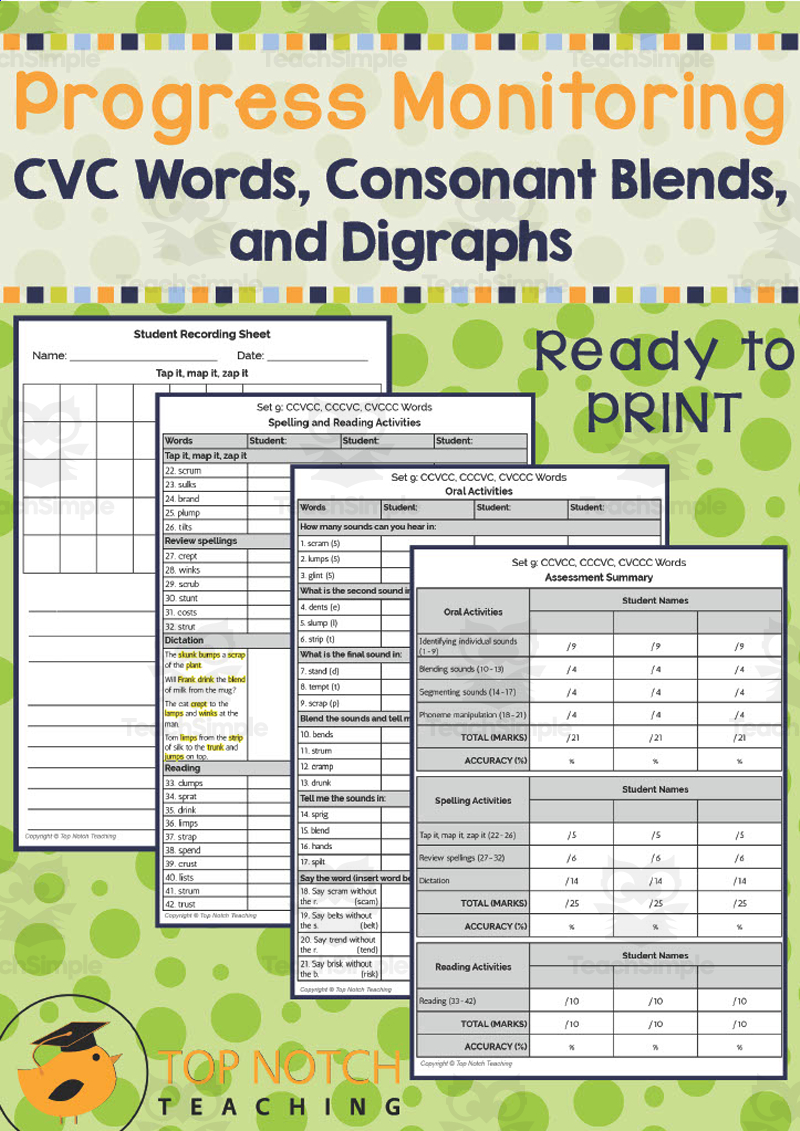
This resource is a set of Phonics Progress Monitoring Tracking Forms. This pack includes 17 different sets of phonics assessment sheets to help you monitor the progress of your students. This will help you monitor students phonological and phonemic awareness, reading and spelling skills. This pack helps you collect data to determine if your teaching program or intervention is working, those students who may be struggling with particular skills, and if you need to re-teach some areas. The sets include 1-, 2- and 3- syllable words for differentiation.
Author Top Notch Teaching
Rating
Tags Phonics, Assessments, Progress Monitoring, Data Tracking, Sounds, Progress Monitoring Sheets, Free Printable Progress Monitoring Forms, Progress Monitoring Form
Number & Operations: Grouping Objects & Number Lines - Pre-Assessment & Teach the Skill - MAC Software
Math, Number Lines, Common Core, Kindergarten, Preschool, Grade 1, 2, Assessments, Teacher Tools
Number & Operations: Grouping Objects & Number Lines - Pre-Assessment & Teach the Skill MAC Software Math teachers and homeschoolers in need of a solid teaching resource will appreciate this software, designed specifically for MAC and helping to convey important mathematical concepts. Ideal for preschool, kindergarten, first grade, and second grade students, this tool effectively supports the teaching process. The focus of this resource is the understanding of 'Grouping Objects' and 'Number Lines', two crucial parts of number operations. It's structured into different sections that include both pre-assessment activities as well as a detailed lesson plan for skill-teaching. Inclusions: Ineducators will also find helpful math tools engineered to enhance student comprehension in these areas. Suits various ways such as whole group lessons or small groups workshops; they could even be designated as homework assignments if desired. Bilingual presentation.: In addition to English voiceovers and text descriptions for each activity , Spanish language options are equally incorporated ensuring accessibility across diverse classrooms. This software meets Common Core State Standards (CCSS) along with STEM initiatives high expectations perfectly suited even for those following National Council of Teachers Mathematics (NCTM) standards too. Thus simplifying everyday tasks spent planning lessons or creating assessment activities from scratch allowing more time dedicated towards actual instruction instead. Note:The software is enclosed in an easily downloadable ZIP file format renders installation a breeze onto any compatible MAC computer without further hassle thus supporting smooth continuation amidst demanding classroom schedules while maintaining the original quality standards intact within your educational practice effortlessly.</p
Author Classroom Complete Press
Tags Pre-assessment, Math Quiz, Number Lines, Digital Math, Grouping Objects
Algebra: Addition & Subtraction - Pre-Assessment & Teach the Skill - MAC Software
Math, Addition and Subtraction, Addition, Common Core, Kindergarten, Preschool, Grade 1, 2, Teacher Tools, Assessments
Algebra: Addition & Subtraction - Pre- Assessment & Teach the Skill - Mac Software is a teaching resource tailored for foundational algebraic education. Aimed at preschool, kindergarten, as well as grade 1 and 2 students, this tool's main highlight is its emphasis on Math and Addition. It's key characteristic lies in its compatibility with MAC software. The resource can be easily accessed via a single zip file; offering easy download and installation procedures. As such, it fits seamlessly into varied lesson plans. The software contains essential components such as pre- assessment activities and comprehensive lesson plans, thus providing a structured approach towards teaching these basic algebraic operations. These resources also allow educators to track student progress from assessing their initial understanding (pre- assessment ) through skill acquisition (teaching the skill). This tool can be utilized in classroom settings during group sessions or even as homework assignments; offering ample opportunities for outside-school-hours practice. The 'Algebra: Addition & Subtraction - Pre- Assessment & Teach the Skill' additionally offers dual language support with both English and Spanish voiceover along with text options. As such it helps ensure ease of instruction in both languages guaranteeing effective student engagement. Incorporating STEM initiatives according to NCTM guidelines, 'The Algebra: Addition & Subtraction' aligns perfectly well with Common Core State Standards—the absolute go-to-resource for enhancing children's introduction to algebra! Note: Comprehension of basic mathematical concepts like addition and subtraction forms key building blocks towards understanding complex content later on. 'With Algebra: Addition&Subtraction-Pre- Assessment &TeachtheSkill - MAC Software', you're indeed setting up your learners for future success!
Author Classroom Complete Press
Tags Math Assessment, Algebra Assessment, Addition, Subtraction, Classroom
Fractions Worksheets - Math Activities - Pack 1
Math, Fractions, Kindergarten, Grade 1, 2, 3, Activities, Teacher Tools, Assessments, Lesson Plans, Centers
Fractions Worksheets - Math Activities turn the "ugh" in fractions into "aha!" With 15 pages of elementary-level fun, this resource is here to make sure your students actually enjoy dividing pies, pizzas, and maybe even their candy bars. (No promises on sharing, though.) These worksheets are packed with activities that break fractions down into manageable pieces, because nobody needs a math meltdown. From shading halves to solving fraction puzzles, every page is designed to sneak in learning while your students are too busy having fun to notice. And the best part? Zero prep for you. Just print, pass, and sit back while the magic happens. Ways to Use: Morning brain boosters that beat sleepy yawns. Math centers for hands-on, screen-free learning. Homework that doesn’t make parents call you for answers. Lifesavers for those last-minute sub days. Advantages: Makes fractions as easy as pie. Literally. Builds math confidence without boring drills. Fun for solo or group learning adventures. Standards-aligned, so you can teach guilt-free. Turn "What even is a fraction?!" into "I totally get this!" Grab this resource and let the fractional fun begin, no calculators required!
Author Ponder Palette Plazza
Tags Fractions, Fractions Activities, Fractions And Partitioning, Partioning, Partitioning Worksheets, Fractions Worksheets, Math Worksheets, Math First Grade
The Neuro-Inclusive Executive Functioning Matrix: A Scaffolded Develop
Life Studies, Career, Leadership, Montessori, Mental Health, P.E. & Health, Mindfulness, Research, Resources for Teachers, Classroom Management, Kindergarten, Preschool, Grade 1, 2, 3, 4, 5, Assessments, Teacher Tools, Lesson Plans, Workbooks, Worksheets & Printables, Worksheets, Presentations, Quizzes and Tests, Quizzes, Tests
Unleash the potential of inclusive education with "The Neuro-Inclusive Executive Functioning Matrix: A Scaffolded Developmental Pathway – Theory, Methodology, & Application." This is a 35-page downloadable resource written by Syed Hammad Rizvi, MBA (HRM), which breaks the mold of linear cognitive thinking for neurodiverse students in favor of a topological and asynchronous method. It is perfect for ADHD management, autism support, twice-exceptional (2e) education, and executive functioning skills development and includes in-depth theory on response inhibition, working memory, cognitive flexibility, metacognition, and more from childhood co-regulation to adulthood self-advocacy. It is full of case studies, 10 impulse control, emotional granularity, task initiation, and crisis analysis worksheets, visual models such as the Scaffolding Fade Continuum and Capacity vs. Load Balance, a comprehensive assessment answer key, and a teacher’s guide to implementation in the classroom.This SEO-friendly neurodivergent resource is designed to empower educators, parents, therapists, and professionals to develop capacity without resistance, decrease cognitive load, avoid scaffolding collapse, and promote autonomy. Download this crucial inclusive education resource today to turn neurodivergent cognitive development into a resistance-free ecosystem—ideal for special education resources, homeschooling ADHD resources, autism executive function techniques, and professional training in neuro-inclusive education. Unleash the potential of inclusive education with "The Neuro-Inclusive Executive Functioning Matrix: A Scaffolded Developmental Pathway – Theory, Methodology, & Application." This extensive 35-page e-book, written by Syed Hammad Rizvi, MBA (HRM), is a game-changer for neurodivergent students as it challenges linear cognitive theory in favor of a topological and asynchronous paradigm. This resource is perfect for ADHD techniques, autism support, twice-exceptional education, and executive function skill development and includes detailed theory on response inhibition, working memory, cognitive flexibility, metacognition, and more from childhood co-regulation to adulthood self-advocacy.Filled with real-world examples and case studies, 10 worksheets for impulse control, emotional granularity, task initiation, and crisis analysis, visual models such as the Scaffolding Fade Continuum and Capacity vs. Load Balance, an assessment answer key, and a teacher guide for implementation. This SEO-optimized neurodivergent tool will empower teachers, parents, therapists, and professionals to develop capacity without resistance, decrease cognitive load, prevent scaffolding failure, and promote autonomy. Download this critical inclusive education tool today to create a friction-free environment for neurodivergent cognitive development—ideal for special education tools, homeschooling ADHD resources, autism executive function techniques, and professional development for neuro-inclusive education. Why Parents/Schools Will Love It: Empowers Without Pathologizing: Moves from deficit-based approaches to embracing neurodiverse strengths, minimizing stigma and promoting self-esteem via asynchronous mapping and interest-driven approaches. Practical and Actionable Strategies: Provides ready-to-use printables, graphics, and interventions that yield immediate outcomes, such as "heavy work bridges" for transition or "dopamine menus" for motivation, allowing busy professionals to focus on what matters most. Prevents Burnout and Overload: Takes into consideration "energy costs" and cognitive overload, preventing burnout and promoting sustainable skill development—ideal for long-term success in ADHD and autism support. Comprehensive Lifecycle Support: Covers childhood to adulthood with case examples and multi-level scaffolding, making it a one-stop solution for inclusive classrooms, IEPs, and home settings. Evidence-Based and Inclusive: Informed by topological cognitive theory, complete with graphics and an implementation guide, to support autonomy and inclusivity without imposing neurotypical values. Target Classes/Students : After carefully examining the PDF's organization, which breaks down content into stages of development with examples by age, case studies, worksheets, and strategies for implementation, target the following classes of students: Preschool and Early Elementary (Ages 3-7, Pre-K to Grade 1): Target foundational response inhibition, co-regulation, sensory processing, and "external brain" strategies for preschool and early elementary school students with ADHD, sensory issues, or autism—perfect for early intervention strategies for behaviors Elementary School (Ages 7-12, Grades 2-6): Target elementary school students with dyslexia, dyspraxia, or autism, emphasizing executive function, planning, time perspective, and analog externalization strategies to overcome "hidden curriculum" issues such as organization and task analysis. Middle School (Ages 12-15, Grades 7-8): Target adolescents with twice-exceptionality (high intelligence + ADHD) or autism, addressing metacognition, emotional regulation, dopamine dysregulation, and interest-based strategies to overcome the "smart but scattered" syndrome and risks of synaptic pruning. High School and Young Adults (Ages 15-18+, Grades 9-12 and Transition Programs): Target teens and young adults struggling with the "adolescent cliff," providing strategies for goal-directed persistence, self-advocacy, and burnout prevention—ideal for special education, IEP, or vocational programs. Adults in Professional or Self-Help Circumstances (Ages 18+): Target late-diagnosed autistic adults Marketing first to special education classrooms, homeschooling families, and neurodiversity-supportive programs, as the material is diagnosis-independent but spiky-profile-specific. Copyright/Terms of Use: This Book is copyrighted by Syed Hammad Rizvi. This resource is for personal and single classroom use only. You may not alter, redistribute, or sell any part of this resource. In other words, you may not put it on the Internet where it could be publicly found and downloaded. If you want to share this resource with colleagues, please purchase additional licenses from Teachsimple. Thank you for respecting these terms of use. This product is happily brought to you by Syed Hammad Rizvi
Author Creative Book Store
Rating
Tags NeuroInclusiveEducation, ExecutiveFunctioning, ADHDStrategies, AutismSupport, NeurodivergentResources, InclusiveLearning, TwiceExceptional, 2eEducation, SensoryProcessing, CognitiveFlexibility
Number & Operations: Fractions - Pre-Assessment & Teach the Skill - MAC Software
Math, Fractions, Common Core, Kindergarten, Preschool, Grade 1, 2, Assessments, Teacher Tools
MAC Software for Number & Operations: Fractions - Pre- Assessment & Teach the Skill This unique software acts as an essential teaching tool and a critical pre- assessment resource. The goal is to help educators teach effective understanding of Numbers and Operations, focusing primarily on Fractions. Key Features: Pre- assessment Activities: These allow teachers to evaluate students' current understanding of number operations and fractions, helping design tailor-made lesson plans. Professionally Designed Lesson Plans: Primarily meant for preschoolers through grade 2 pupils, these lesson plans break down complex concepts into easily understandable chunks. Packed with Math Tools:Theoretical knowledge goes hand in hand with practical application via problem-solving experiences. Dual Language Support System:This feature offers voice over and text options in both English and Spanish. NCTM-aligned content increases the quality coverage within American education standards. Homeschooling parents can also use this comprehensive teaching aid to ensure structured learning at home. Welcome STEM Proficiency & Engagement! This MAC software comes Common Core State Standards compliant, delivering proficiency in STEM fields- particularly Math under the topic Fractions. Watch as this software transforms student engagement by fortifying foundational math skills from an early age during whole group sessions or small group discussions - even while doing homework. In Conclusion- All you need is a zip file! This cutting-edge MAC software rounds off as a perfect guide book for your students' journey into the world of Mathematics- specifically focused on Number Operations centering around Fractions. The lessons are designed to be adaptable as well as impactful, making it ideal for classroom or homeschool usage.
Author Classroom Complete Press
Tags Math Lesson Plan, Digital Math, Math Skills, Operations, Pre-assessment
Geometry: Decomposing Geometric Shapes - Pre-Assessment & Teach the Skill - PC Software
Math, Geometry, Common Core, Kindergarten, Preschool, Grade 1, 2, Assessments, Teacher Tools
Geometry: Decomposing Geometric Shapes - Pre- Assessment & Teach the Skill - PC Software Geometry: Decomposing Geometric Shapes - Pre- Assessment & Teach the Skill - PC Software is a cutting-edge teaching resource for educators. It has been meticulously designed to provide impactful learning experiences that meet Common Core State Standards and NCTM guidelines. Whether you are a public school teacher or follow the homeschool route, this software offers plentiful opportunities for your students' skill development. Innovative Geometry Teaching Tool This tool focuses on decomposing geometric shapes, a fundamental concept in Geometry. Packaged as an easy-to-install Zip file for PC platforms, this teaching software can be used effectively regardless of your method of instruction. User-Friendly Layout & Content A curriculum-based content with interactive pre- assessment activities is presented via an intuitive layout. The flexible design allows seamless implementation across whole groups or smaller groups. The resource can also be assigned as enriching homework tasks. Growing Alongside Your Pupils: This tool caters to preschool children up to Grade 2 students; it grows alongside your pupils' academic journey. Bilingual Approach: The comprehensive approach features both English and Spanish text options accompanied by voice-overs. Hence, every child gets an equal shot at mastering decomposing geometric shapes – delivering true value towards STEM initiatives prevalent today. Summary: In summing up then; "Geometry: Decomposing Geometric Shapes - Pre- Assessment & Teach the Skill - PC Software", is an optimized blend between rich content quality and user-friendly accessibility. It efficiently fosters the understanding of geometric concepts amongst young learners.
Author Classroom Complete Press
Tags Math Lesson Plan, Geometry Lesson Plan, Decomposing, Shapes, Digital Math