SAMPLE Grade 2 Vocabulary (McGraw-Hill Wonders) Week 1 of Units 1-6
Vocabulary practice and assessment set covering the 'Words to Know' from week 1 of each of units 1-6 in the McGraw-Hill Reading Wonders Grade 2 curriculum.
Classroom resources
Browse by lesson focus
Choose the topic or kind of practice you need.
Vocabulary practice and assessment set covering the 'Words to Know' from week 1 of each of units 1-6 in the McGraw-Hill Reading Wonders Grade 2 curriculum.
Provides self-assessment writing checklists so students can check that their written work contains the necessary components for narrative, opinion, and informative writing.
Part 2 of a multisensory, scaffolded reading/writing/spelling program continuing from Part 1, with structured lessons plus a formal pre/post assessment system (sentence dictation, open-ended writing, developmental writing-stage checklist) to measure growth and group students.
A structured CVC phonics-and-spelling intervention unit (Unit 1, Lessons 1-4, Short A) that walks older struggling readers through explicit word-family lessons using a repeating five-step routine (introduce pattern, teacher-led practice, independent practice, read & write, review/reinforce).
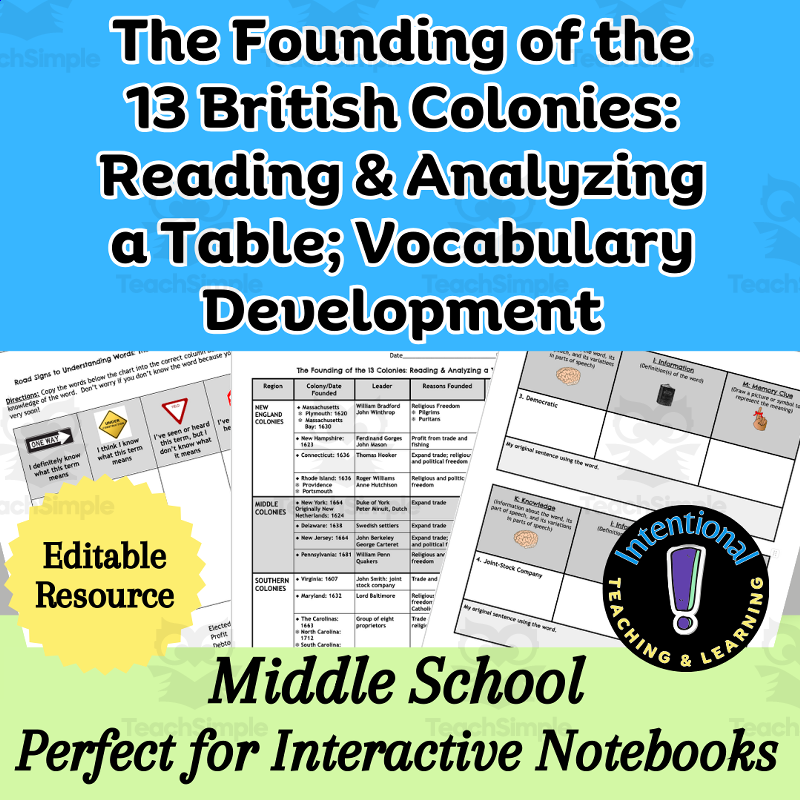
A two-lesson resource teaching middle school students vocabulary related to the founding of the 13 colonies and how to read and analyze a historical data table.
A student/peer self-editing reference checklist for creative writing stories, used to check structural and mechanical elements before submission.
Reproducible chapter excerpt ("Chapter Slice") from the workbook "How to Write a Book Report" (CCP1101), covering the sub-topic "Review to Remember" for teaching students the elements and process of writing a book report.
Provide a comprehensive 26-chapter comprehension, vocabulary, and assessment unit for the novel 'Because of Winn-Dixie' by Kate DiCamillo, including daily worksheets, exit quizzes, a summative test, vocabulary games, and writing/poster prompts.
A comprehensive 220-page novel study unit for 'Bridge to Terabithia' covering reading comprehension, vocabulary in context, figurative language, and writing across 13 chapter-based lessons for grades 4-6.
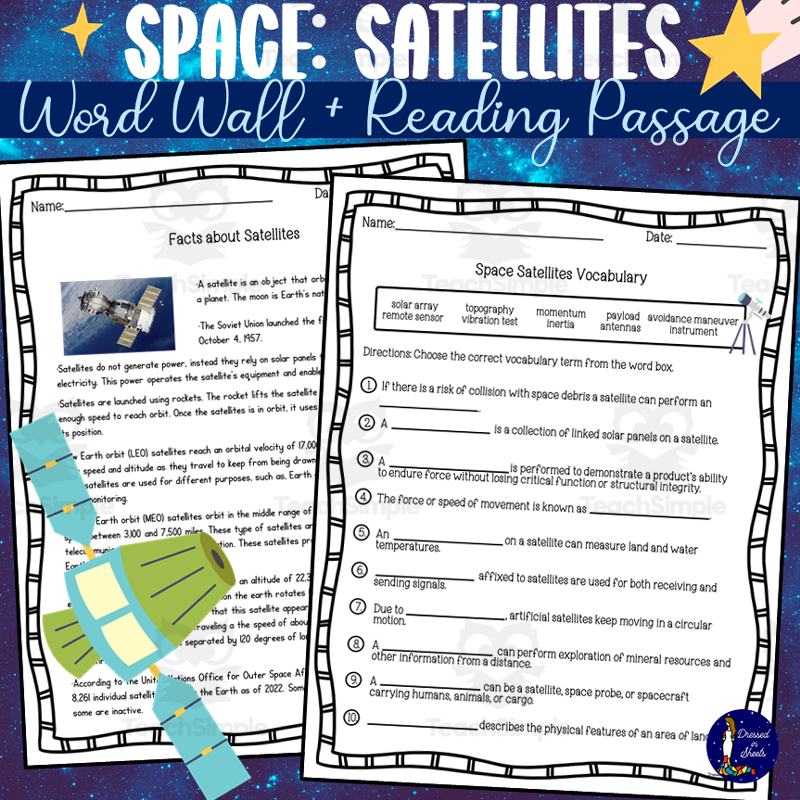
A word-wall vocabulary set paired with an informational reading passage teaching students about satellites (types, orbits, functions, history).
A requirements sheet, peer/self-editing checklist, and scoring rubric for a 5-paragraph MLA-style research essay profiling a historical figure important to American football.
Reproducible chapter excerpt ("Chapter Slice") from the workbook "How to Write a Paragraph" (CCP1100), covering the sub-topic "Forms and Purposes of Paragraphs" (page 10 of the full 64-page workbook, per that workbook's table of contents) for teaching the paragraph-writing process.
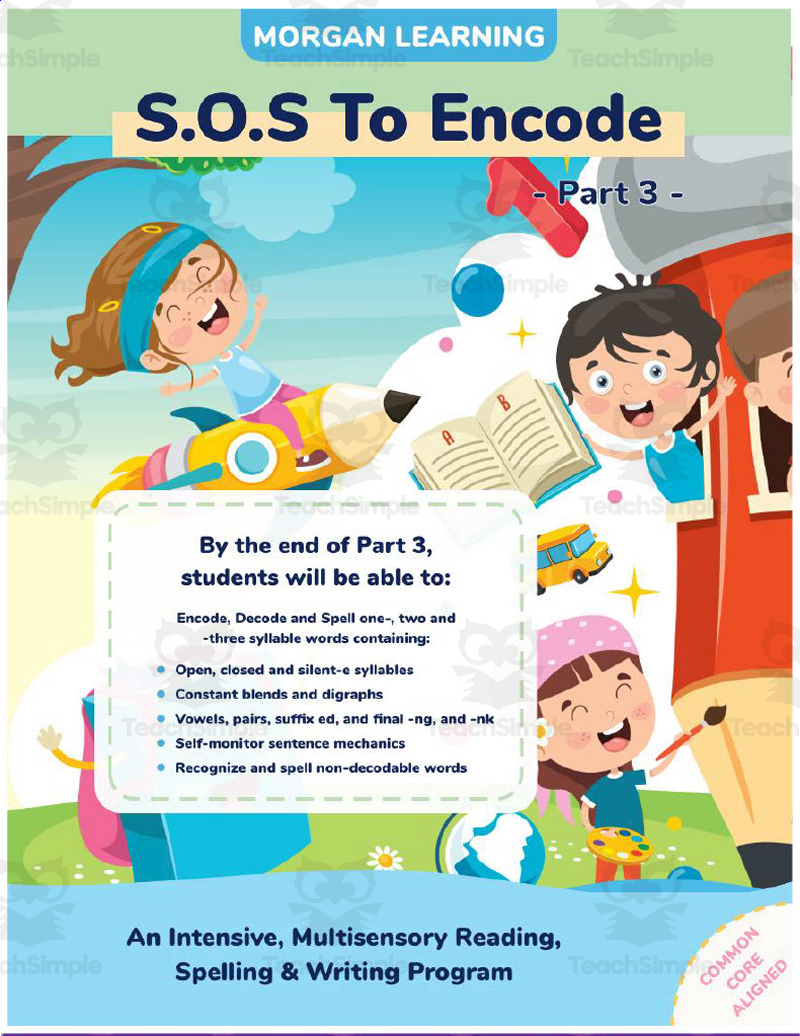
Part 3 of a multisensory, scaffolded reading/writing/spelling program continuing from Parts 1-2, advancing to multisyllabic words, common Greek/Latin-derived spelling patterns (e.g. 'ph', 'ab-/con-' prefixes), vowel teams and blends, taught through sequenced lessons with flashcards and practice sentences, plus assessment forms.
A vocabulary-building worksheet using a character named 'Zoggy the alien' to teach students synonyms for overused words like 'nice', 'got', and 'good', encouraging use of more advanced/varied vocabulary in writing.
A requirements sheet, peer/self-editing checklist, and scoring rubric for a 5-paragraph MLA-style research essay profiling a historical figure important to soccer.
A structured CVC phonics-and-spelling intervention unit (Unit 4, Lessons 13-16) that walks older struggling readers through explicit word-family lessons using a repeating five-step routine (introduce pattern, teacher-led practice, independent practice, read & write, review/reinforce).
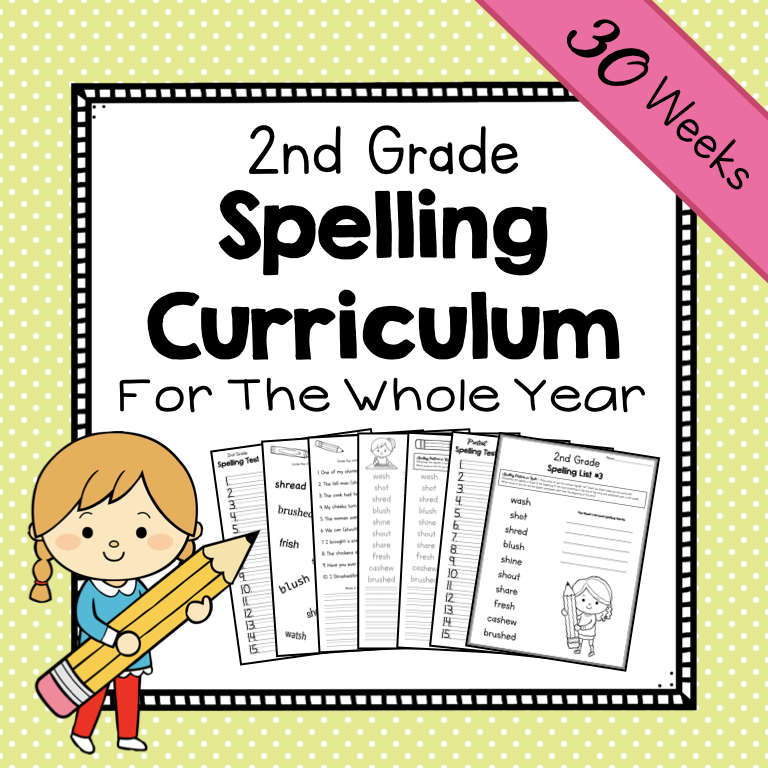
A year-long (30-week) Grade 2 spelling curriculum providing weekly spelling word lists, practice materials, and test templates organized by phonics patterns.
A 24-25 page novel study for Frindle by Andrew Clements combining chapter comprehension questions, vocabulary journaling, and literary-device instruction (point of view, characterization, conflict, idioms, symbolism)
A requirements sheet, peer/self-editing checklist, and scoring rubric for a 5-paragraph MLA-style research essay profiling a historical figure important to cricket.
Reproducible chapter excerpt ("Chapter Slice") from the workbook "How to Write a Paragraph" (CCP1100), covering the sub-topic "Drafting Your Paragraph" (page 22 of the full 64-page workbook, per that workbook's table of contents) for teaching the paragraph-writing process.
Reading-comprehension teaching resource on classification and adaptation, focused on the sub-topic 'Warm-Blooded Animals vs. Cold-Blooded Animals' (chapter 3 of 8 in the CCP4501 series), combining background reading, hands-on activities, and assessment pieces per the resource's table of contents.
Provide a full Grades 5-8 Social Studies/Government unit ('World Governments Series') with reading comprehension, vocabulary, and critical-thinking activities profiling twelve 20th-century world political leaders.
A novel-study companion for 'Chasing Vermeer' by Blue Balliett providing vocabulary and comprehension questions organized by chapter groups, plus a final assessment, to build reading comprehension.
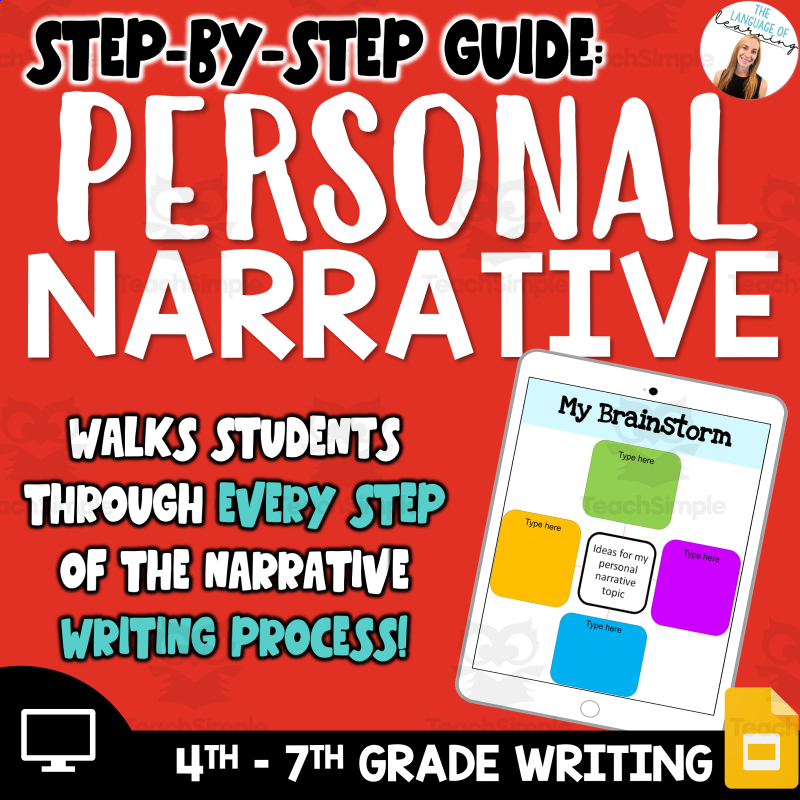
Walk a student step by step through writing a personal narrative, from brainstorming through drafting, revising, and a final editing checklist.