



3,886 products added recently
Page 30 - 3rd Grade Lesson Plans
Support your third graders' expanding abilities with lesson plans that encourage exploration and deeper understanding. Covering a range of subjects, these resources offer hands-on activities and discussions. Use them to create a vibrant learning atmosphere that fosters enthusiasm.

 Show filters


I WONDER - Does An Octopus Have A Brain | Animated Video Lesson
STEM, Biology, Life Sciences, Science, Animals, Grade 1, 2, 3, 4, 5, 6, 7, 8, Lesson Plans, Teacher Tools
Video Introduction Animal kingdoms are full of fascinating wonders to learn. This video is designed for the students to learn more about animals in different countries. I WONDER - Does An Octopus Have A Brain | Animated Video Lesson Do you like animals? what is your favorite one? Do you own a pet? If yes, tell us more about it, like what its name? And what do you like most about it? What are the animal kingdoms? Can you write down the characteristics of each animal class like mammals, birds, reptiles, amphibian, fish and mollusks. Do you know that some animals can sing, can you name any of them? What is the largest and the smallest mammal in the world? What is the largest and the smallest bird in the world? What is the largest and the smallest fish in the world? I WONDER - Does An Octopus Have A Brain | Animated Video Lesson The video is perfect for encouraging the researching skills for the students, while learning more about these fantastic animals. I WONDER - Does An Octopus Have A Brain | Animated Video Lesson This friendly designed video is suitable for students at school, homeschooling, and as a group activity. Format Available in MP4 format.
Author Educational Voice
Tags Does An Octopus Have A Brain, Does An Octopus Have A Brain Video, Octopus Brain, Octopus Brains, Octopus Brains Facts, Octopus Brains Facts For Kids, Octopus Brains Video, Octopus Brains Video For Kids

Verbs Supplementary Materials Grades 3-4 (PDF)
ELA, Language Development, ESL, Grammar, Common Core, Resources for Teachers, Grade 3, 4, Worksheets & Printables, Worksheets, Quizzes and Tests, Teacher Tools, Tests, Assessments, Activities, Lesson Plans
Verbs Supplementary Materials Note: This download DOES NOT include the tests themselves. You can still make use of these materials without them but they are recommended. Download in a format of your choice in the "Links" section below. Outline Ice Breaker (5-10 minutes) Engaging, interactive activity to introduce the lesson’s theme. Examples: Matching games, sentence races, charades, or storytelling challenges. Guided Practice (10-15 minutes) Teacher-led exercises to reinforce the concept. Examples: Sorting sentences by tense, sentence transformations, or fill-in-the-gap exercises. Group or Partner Task (15 minutes) Collaborative activity to practice the lesson’s focus in a fun and engaging way. Examples: Role-play, storytelling, sentence-building games, or small-group discussions. Independent Worksheet (15 minutes) Individual written activity to solidify understanding. Examples: Sentence corrections, verb conjugation drills, or tense identification exercises. Exit Task (5 minutes) Quick reflective activity to assess understanding before students leave. Examples: Writing a sentence using the target concept, identifying a tense, or explaining a rule. Links: Includes: Action Verbs Helping Verbs Linking Verbs Correcting Mistakes Google Docs Google Forms Google Slides PDF PPT Word FULL CATALOG OF DOWNLOAD LINKS HERE Grade 3/4 Links: Adjectives Google Docs Google Forms Google Slides PDF PPT Word Free Supplementary Materials Pack Adverbs Google Docs Google Forms Google Slides PDF PPT Word Free Supplementary Materials Pack Conjunctions Google Docs Google Forms Google Slides PDF PPT Word Free Supplementary Materials Pack Nouns Google Docs Google Forms Google Slides PDF PPT Word Free Supplementary Materials Pack Pronouns Google Docs Google Forms Google Slides PDF PPT Word Free Supplementary Materials Pack Verbs Google Docs Google Forms Google Slides PDF PPT Word Free Supplementary Materials Pack Sentence Structure Google Docs Google Forms Google Slides PDF PPT Word Free Supplementary Materials Pack Present Tense Google Docs Google Forms Google Slides PDF PPT Word Free Supplementary Materials Pack Past Tense Google Docs Google Forms Google Slides PDF PPT Word Free Supplementary Materials Pack Future Tense Google Docs Google Forms Google Slides PDF PPT Word Free Supplementary Materials Pack Context Clues Google Docs Google Forms Google Slides PDF PPT Word Free Supplementary Materials Pack Defining Words Google Docs Google Forms Google Slides PDF PPT Word Free Supplementary Materials Pack Fill the Blanks Google Docs Google Forms Google Slides PDF PPT Word Free Supplementary Materials Pack Homophones Google Docs Google Forms Google Slides PDF PPT Word Free Supplementary Materials Pack Synonyms Google Docs Google Forms Google Slides PDF PPT Word Free Supplementary Materials Pack ELA Review Questions Overview Questions have three answer choices. There are a handful of pictures on each test for aesthetic purposes, as well as a review sheet covering most of the topics covered in the product. Introduction or Example Sheet Each topic will include an introduction or example sheet to go through first with your students. Full Answer Keys Full answer keys and sample responses are provided so no matter how busy you are, you know you're covered! In the Supplementary Pack Interactive Ice Breakers: Fun, hands-on activities that get students thinking about adjectives right from the start. Guided Practice: Teacher-led exercises that reinforce the day’s lesson, ensuring students can confidently identify and use adjectives. Group and Partner Tasks: Collaborative activities that allow students to work together to solve problems, categorize adjectives, and create descriptive sentences. Independent Worksheets: Structured worksheets that provide individual practice and help solidify understanding of key concepts. Exit Tasks: Quick, reflective activities at the end of each lesson that assess understanding and encourage students to apply what they’ve learned. For similar downloads and other frees, do check out Cored Group on TeachSimple.
Author Cored Education
Tags Elementary, Answers, Ccss, Common Core, Grammar, Tests, Test Prep, Grade 3, Grade 4, Lesson Plan
Hands-On - Earth & Space Science: Seasons Gr. 1-5
Science, Earth and Environmental Sciences, Environmental Science, Grade 1, 2, 3, 4, 5, Teacher Tools, Lesson Plans
Hands-On - Earth & Space Science: Seasons Gr. 1-5 A unique teaching resource that offers an extraordinary foundation for inspiring students to appreciate and understand the intricacies of our planet and the universe beyond. The Lesson Plan This chapter, as part of the full lesson plan "Hands-On - Earth & Space Science", enables students to delve into exciting aspects of different seasons. It also ensures it aligns perfectly with STEAM initiatives and Next Generation Science Standards. Potential Utilization Methods: Group Activities:The class may participate collectively in making a weather forecast or create their own rain gauges to quantify rainfall. Individual Homework Assignments or Small Group Projects:Learners are encouraged to construct solar cells, windmills or water wheels as part of group work efforts. Making their own sand dunes enhances understanding how wind operates by practically demonstrating scientific phenomena and fostering engagement. Educational Value Adds : A Lunar Calendar tracking segment facilitates understanding moon movement dynamics related significantly with mainstream space science studies expanding its horizon beyond earth’s realm. The academic package also includes reading passages for meticulous comprehension alongside graphic organizers which encourage logical thinking habits crucial in knowledge structuring exercises. Pre-read activities stimulate curiosity before diving into targeted segments while assessment tasks help gauge progress accurately ensuring balanced learning cycles concerning each concept covered within this teaching tool. In conclusion,"Hands-On - Earth & Space Science: Seasons Gr. 1-5" represents not only an enriching tool for teaching science but also opens avenues for practical experiences yielding deeper comprehension and memorable lessons making it a worthy addition to any teaching arsenal catering to grade 1-5 students.
Author Classroom Complete Press
Tags PDF

I WONDER - What Can Elephants Do With Their Trunks | Animated Video
STEM, Animals, Life Sciences, Science, Biology, Grade 1, 2, 3, 4, 5, 6, 7, 8, Lesson Plans, Teacher Tools
Video Introduction Animal kingdoms are full of fascinating wonders to learn. This video is designed for the students to learn more about animals in different countries. I WONDER - What Can Elephants Do With Their Trunks | Animated Video Lesson Do you like animals? what is your favorite one? Do you own a pet? If yes, tell us more about it, like what its name? And what do you like most about it? What are the animal kingdoms? Can you write down the characteristics of each animal class like mammals, birds, reptiles, amphibian, fish and mollusks. Do you know that some animals can sing, can you name any of them? What is the largest and the smallest mammal in the world? What is the largest and the smallest bird in the world? What is the largest and the smallest fish in the world? I WONDER - What Can Elephants Do With Their Trunks | Animated Video Lesson The video is perfect for encouraging the researching skills for the students, while learning more about these fantastic animals. I WONDER - What Can Elephants Do With Their Trunks | Animated Video Lesson This friendly designed video is suitable for students at school, homeschooling, and as a group activity. Format Available in MP4 format.
Author Educational Voice
Tags What Can Elephants Do With Their Trunks, What Can Elephants Do With Their Trunks Video, Elephants Trunks, Elephants Trunks Facts, Elephants Trunks Facts For Kids, Elephants Trunks Video, Elephants Trunks Video For Kids
I WONDER - Do All Animals See With Their Eyes | Animated Video Lesson
Animals, Life Sciences, Science, Grade 3, 4, 5, 6, 7, 8, 9, Lesson Plans, Teacher Tools
Video Introduction Animal kingdoms are full of fascinating wonders to learn. This video is designed for the students to learn more about animals in different countries. I WONDER - Do All Animals See With Their Eyes | Animated Video Lesson Pets are really great companions for humans. Have you ever had a pet at your house? If yes, tell us more about it. Do you know how many types of birds do we have on Earth? Can you name some of these types? Can you think of some characteristics that mammals have and why they are different from the other types of animals? Do you think humans are mammals? I WONDER - Do All Animals See With Their Eyes | Animated Video Lesson The video is perfect for encouraging the researching skills for the students, while learning more about these fantastic animals. I WONDER - Do All Animals See With Their Eyes | Animated Video Lesson This friendly designed video is suitable for students at school, homeschooling, and as a group activity. Format Available in MP4 format.
Author Educational Voice
Rating
Tags Do All Animals See With Their Eyes, Animals Eyes, Animals Eyes Facts, Animals Eyes Video, Animals Eyes Facts For Kids, Animals Eyes Video For Kids, Animals, Animals Facts, Animals Video
Genre Mini-Unit and Reader’s Response Bundle
ELA, Reading, Grade 3, 4, 5, 6, Lesson Plans, Teacher Tools
The Genre Mini-Unit and Reader's Response Bundle The Genre Mini-Unit and Reader's Response Bundle is a powerful resource designed to benefit teachers in enhancing their students' knowledge about various genres. Appropriate for students from grade 3 through grade 6, this toolkit has been curated to stimulate the learning experience within a reader's workshop setting. A Comprehensive Approach towards Genres This mini-unit enables students to refresh and recalibrate their comprehension of diverse reading genres through interactive activities such as: Book genre scavenger hunts Detailed study guides for each different genre of reading material Inclusion of reminders, illustrations, and expectations clearly laid out for each student Such contents are incorporated with an aim towards introducing an engaging approach to understanding different types of reading and writing genres. An Assortment of Useful Teaching Tools This tool serves as much more than just its valuable literary content. Among other resources aimed at streamlining your teaching experience, you will find: Effective rubrics ; providing transparent grading frameworks, Sample journals; tangible examples offering clear insights into successful completion, These tools simplify organizing thoughts effectively while exemplary touchpoints facilitate teacher-student interaction during assignments or group discussions. Digital Delivery for Ease & Efficiency The entire package is conveniently delivered in a PDF format consisting of 47 ready-to-print pages that could be put to use not only as classroom resources but could work seamlessly within small group sessions or even individual work settings when necessary. The Genre Mini-Unit and Reader's Response Bundle is diligently tailored to facilitate an enriching learning journey. This results in learners moving forward with a reinforced understanding of literary genres and improved self-expression abilities.
Author Kel's Klass
Tags Genre Study, Reader's Workshop, Comprehension, Interactive Activities, Study Guides
I WONDER - What Are The Different Types of Pyramids | Animated Video
Shapes, Early Math, Math, Geometry, Grade 3, 4, 5, 6, 7, 8, 9, Lesson Plans, Teacher Tools
Video Introduction An amazing video designed for the students to learn more about STEM. I WONDER - What Are The Different Types of Pyramids | Animated Video Lesson Shapes are all around us. What are your favourite ones? And can you give us some real life examples? Can you name the difference between the 2D shapes and 3D shapes? Have you ever tried to calculate the surface area of the square? If yes can you write the equation down? What is the perimeter of the rectangle? And can you tell the difference between radius and diameter of a circle? Can you mention what is the difference between the right angle and the acute angle? Have you ever heard about the obtuse angle? I WONDER - What Are The Different Types of Pyramids | Animated Video Lesson The video is perfect for encouraging the researching skills for the students, while learning more about this fantastic topic. I WONDER - What Are The Different Types of Pyramids | Animated Video Lesson This friendly designed video is suitable for students at school, homeschooling, and as a group activity. Format Available in MP4 format.
Author Educational Voice
Rating
Tags What Are The Different Types Of Pyramids, Different Types Of Pyramids, Different Types Of Pyramids Facts, Different Types Of Pyramids Video, Different Types Of Pyramids Video For Kids, Different Types Of Pyramids Facts For Kids
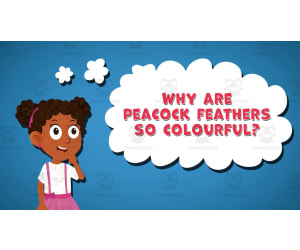
I WONDER - Why Are Peacock Feathers So Colourful | Animated Video
STEM, Animals, Life Sciences, Science, Biology, Grade 1, 2, 3, 4, 5, 6, 7, 8, Lesson Plans, Teacher Tools
Video Introduction Animal kingdoms are full of fascinating wonders to learn. This video is designed for the students to learn more about animals in different countries. I WONDER - Why Are Peacock Feathers So Colourful | Animated Video Lesson Do you like animals? what is your favorite one? Do you own a pet? If yes, tell us more about it, like what its name? And what do you like most about it? What are the animal kingdoms? Can you write down the characteristics of each animal class like mammals, birds, reptiles, amphibian, fish and mollusks. Do you know that some animals can sing, can you name any of them? What is the largest and the smallest mammal in the world? What is the largest and the smallest bird in the world? What is the largest and the smallest fish in the world? I WONDER - Why Are Peacock Feathers So Colourful | Animated Video Lesson The video is perfect for encouraging the researching skills for the students, while learning more about these fantastic animals. I WONDER - Why Are Peacock Feathers So Colourful | Animated Video Lesson This friendly designed video is suitable for students at school, homeschooling, and as a group activity. Format Available in MP4 format.
Author Educational Voice
Tags Why Are Peacock Feathers So Colourful, Why Are Peacock Feathers So Colourful Video, Peacock Feathers, Peacock Feather, Peacock Feathers Facts, Peacock Feathers Facts For Kids, Peacock Feathers Video
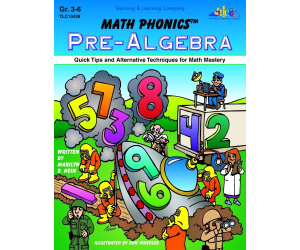
Math Phonics Pre-Algebra
Math, Algebra, Grade 3, 4, 5, 6, Teacher Tools, Lesson Plans
Math Phonics Pre-Algebra Teaching Resource The Math Phonics Pre-Algebra teaching resource is a comprehensive guide designed to instill foundational pre-algebra skills in students ranging from grade 3 to grade 6. This resource particularly focuses on fortifying basic math skills while gradually introducing concepts of algebra. Interactive Mediums Incorporating a variety of interactive mediums, this engaging educational tool utilizes wall charts , games, activity pages and worksheets across its lesson plans. Detailed explanations are provided in an easy-to-understand language aiming to deeply root the principles of algebra in young minds before they embark on tackling the complete course. Essential Principles and Topics The author emphasizes three essential principles throughout this Math Phonics book: Understanding Learning Mastery Critical pre-algebra topics which include: Integers Exponents and their scientific notation Expressions GGraphing techniques including slope study BBinomials and trinomials. Evaluation Tools And Usage Methods: Answer Keys, Classrooms To Homeschoolers Flexibility & Compatibility With PDF Format / Digital Viewing / Printed Copies As Needed A Selection Of Helpful Math Rules Paired With Notable Facts Throughout Its Sections. To help teachers assess students' progression effectively or for self-correction by learners themselves during individual study sessions or homework assignments, a complete answer key has been included at the end. This teaching resource can be utilized in several ways spanning whole group instruction within a classroom setup or engaged individually catering specifically to homeschoolers' needs as well as smaller targeted groups within larger classes aiming for personalized teaching methods. Based on file type availability; it’s best suited for digital viewing or printing at convenience as per specific usage requirements given it's available as a PDF document file format. User Experience As educators explore this approachable pathway into what can often be seen as an intimidating subject area like pre-algebra; they will truly appreciate how simple yet effective such nuanced journey makes learning enjoyable while presenting them credible results garnering student enthusiasm towards further mathematical pursuits.
Author Classroom Complete Press
Tags PDF

I WONDER - What Do The Large Intestines Do | Animated Video Lesson
STEM, Human Body, Life Sciences, Science, Biology, Grade 3, 4, 5, 6, 7, 8, 9, Lesson Plans, Teacher Tools
Video Overview The human body is full of fascinating wonders to learn. This video is created to help the students recognize the anatomy and the job of the human body. I WONDER - What Do The Large Intestines Do | Animated Video Lesson Every part and organ in our human body is vital so let's see how important they are. Have you ever imagined how we look like if we didn't have a skeleton? Did you know that because we have our amazing muscles we can stand! Do you know how many teeth do we have? Have you ever wondered about the food journey inside our body? Can you name all the glands in our body? Why do we have skin? Our nervous system is really good at sending signals. Can you tell us more about it? Are you really good at Mathematics, painting, or any other thing? You should really thank your brain about it! The famous five senses are really doing a great work? Can you explain how every sense works? I WONDER - What Do The Large Intestines Do | Animated Video Lesson The video is perfect for encouraging the researching skills for the students, while learning more about our fantastic human body. I WONDER - What Do The Large Intestines Do | Animated Video Lesson This friendly designed video is suitable for students at school, homeschooling, and as a group activity. Format Available in MP4 format.
Author Educational Voice
Tags What Do The Large Intestines Do, What Do The Large Intestines Do Video, Large Intestines, Large Intestines Facts, Large Intestines Facts For Kids, Large Intestines Video, Large Intestines Video For Kids
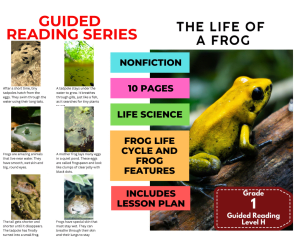
Guided Reading Level H - The Life of a Frog (with Lesson Plan)
ELA, Resources for Teachers, Reading Comprehension, Reading, Science, Animals, Life Sciences, Pre-Reading, Language Development, Vocabulary, Grade 1, 2, 3, Worksheets & Printables, Worksheets, Teacher Tools, Centers, Activities, Literacy Readers, Quizzes, Quizzes and Tests, Assessments, Lesson Plans
This Guided Reading Book - The Life of a Frog (Level H) with lesson plan includes: Guided Reading Color Label (front cover x1) This is a quick way to match the book’s demands to what students can generally handle.. The overall goal is to use the level/color to pick books for several smaller groups. To qualify for a certain level, a student is expected to read a book from that level with about 90–94% accuracy. If a student is consistently accurate and understands, move up a level. If the student is struggling at that level, drop down and add more support. Each student will improve at completely different rates, but it is generally one of the best ways to check progress across the class. DOWNLOAD THE CATALOG TO VIEW ALL GUIDED READING BOOKS AVAILABLE (SORTED LEVELS A-Z) Pre-Reading Question (x1) Teacher asks the prompt aloud, can be while showing the cover or first page. Students share what they already know, or make educated guesses from the cover. Prompt them to use the target vocabulary. Write some of their responses on the board to look back at during the reading. Vocabulary Words (x5) Introduce the five words, best doing it one at a time. Start by saying it, while students repeat and then see if anyone knows what it means before reading further. Read through the meaning and try to briefly connect each word to a picture or gesture so it’s meaningful. Ask students to flip through the book pages and point to where they see each of the vocabulary words. While reading the book pause upon coming across one of the vocab words or read the sentence twice to make sure students understand the word has appeared. Optional: Ask students to raise hands whenever they see/hear one of the new words. Guided Reading Pages (x10) Check the book snapshot (below) for: primary topic - do you need to prep extra reading or intro materials on this? what is taught best - decide on 1-2 bullets to focus on, use the prompt or words provided here for best results. learning goals - what you are checking for students to be able to do after the session, elicit answers using prompts or words provided. key vocabulary (see section above). questions overview - so you know what is coming up and if you need to prep extra materials to assist understanding. Run the lesson You may have already looked at a few of the pages together, but you can show them some of the pictures again first to set meaning. Depending on how much time you have and how familiar your students are with guided reading class, you may want to read the book aloud first with the group first. Students whisper or partner read, while you listen in. If time, do it as a group, one student reading a page each. Use the guided page’s prompts to coach: “Check the picture / does it make sense?” “Point under the words / try the first sound” “Reread the sentence smoothly”. Try to focus more on one student per session (rotating every time), so you can work out if they are ready to move up or need to move down a level. Comprehension Questions (back cover x3) This is your way to check that students didn’t just say the words, but actually understood the text. First, let students answer by pointing to the page/picture and saying a short sentence. After any answer, follow with: “Show me where you found that in the text.” In bigger groups, have partners answer first (10–20 seconds), then call on 2–3 students to share. Differentiation tips: Emerging speakers/struggling readers: oral + pointing On-level: oral in a full sentence Higher: one written sentence or draw + label Book Snapshot Title: The Life of a Frog Genre: Nonfiction (informational life cycle) Subject: Life Science + Reading (Informational Text) Primary Topic: Frog life cycle and frog features Estimated Guided Reading Level (A–Z): H What This Book Teaches Best Explains where frogs live and describes basic frog traits (smooth, wet skin; big, round eyes; living near water). Teaches the frog life cycle in clear steps: eggs (frogspawn) → tadpoles → legs grow → tail disappears → small frog. Shows how a tadpole lives and grows in water, including breathing through gills and eating tiny plants. Describes how frogs breathe (through skin and lungs) and how they get food (long, sticky tongue catching insects). Connects body parts to movement (strong back legs help frogs hop and jump high). Learning Goals Students will describe where frogs live and name physical traits the text mentions. Students will explain what frog eggs are called and describe what they look like. Students will retell the main stages of a frog’s life from eggs to a small frog. Students will describe how tadpoles move, breathe, and find food in the water. Students will explain how the frog’s body changes as legs grow and the tail disappears. Students will use text details to describe how a frog hunts and how it jumps. Key Vocabulary From the Text frogspawn — frog eggs that look like jelly. tadpoles — baby frogs that live in water and have tails. gills — body parts that help an animal breathe underwater. lungs — body parts used for breathing air. insects — small animals a frog can catch and eat. Discussion Prompts Pre-reading question: What changes do you think happen as a tadpole grows into a frog? Comprehension questions: Where does a mother frog lay many eggs, according to the text? Comprehension questions: What do tiny tadpoles use to swim through the water? Comprehension questions: What happens to the tadpole’s tail as it turns into a small frog? Printing Tips 1. Best Printing Method (Recommended) “Booklet” Printing (Best if Available) If your printer or PDF viewer supports Booklet Printing , use this. Settings to use: Print mode: Booklet Paper size: Letter or A4 (either works) Orientation: Landscape Print on both sides: Yes Flip on: Short edge Scaling: Fit to printable area Booklet subset: First test: Front sides only Then: Back sides only This will automatically: Pair pages correctly Put the cover on the outside Align everything for folding After printing, fold in half and staple along the spine . 2. If “Booklet” Printing Is NOT Available You can still print this correctly with manual duplex printing . Step-by-step: Open the PDF. Choose Print . Set: Orientation: Landscape Pages per sheet: 1 Print on both sides: Yes Flip on: Short edge Print all pages . Because each PDF page already contains two facing book pages, the result will still fold cleanly into a book. Thousands of Cored Education products are included with your TeachSimple membership. Download links and encyclopedia index available here.
Author Cored Education
Rating
Tags Reading Comprehension, Reading Passages, Reading, Guided Reading, Guided Reading Lesson Plan, Guided Reading Activity, Pre-reading, Science Lesson Plans, Animals, Frog Life Cycle

I WONDER - Why Are Some Plants Spicy | Animated Video Lesson
Science, Life Sciences, Nature & Plants, Grade 1, 2, 3, 4, 5, 6, 7, 8, Teacher Tools, Lesson Plans
Video Introduction An amazing activity designed for the students to learn more about STEM. I WONDER - Why Are Some Plants Spicy | Animated Video Lesson Do you like STEM subjects? what is your favorite one? Have you ever tried to plant a seed? If yes, tell us more about it. Or have you ever tried to invent something? If yes, tell us more about it. And how do you think it will help us? Have you ever seen a microorganism under a microscope? What was it? And how it looked like? Mathematics is a marvelous subject. Let' sharpen our brains and solve some equations. Do you like timetable tricks? What is your favorite one? Do you know how to code? Have you ever created an app or a game before? If yes, how was it like? I WONDER - Why Are Some Plants Spicy | Animated Video Lesson The video is perfect for encouraging the researching skills for the students, while learning more about this fantastic topic. I WONDER - Why Are Some Plants Spicy | Animated Video Lesson This friendly designed video is suitable for students at school, homeschooling, and as a group activity. Format Available in MP4 format.
Author Educational Voice
Tags Plant, Plants, Stem, Plant Video, Plants Video, Stem Video, Educational Video, Educational Videos For Kids
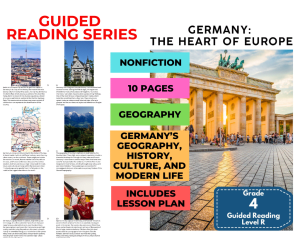
Germany: The Heart of Europe: Guided Reading Level R with Lesson Plan
ELA, Resources for Teachers, Reading Comprehension, Reading, Science, Geography, Social Studies, History, Earth and Environmental Sciences, Technology, Grade 3, 4, 5, Worksheets & Printables, Worksheets, Teacher Tools, Centers, Activities, Literacy Readers, Quizzes, Quizzes and Tests, Assessments, Lesson Plans
This Germany: The Heart of Europe (level r) guided reading book with lesson plan includes: Guided Reading Color Label (front cover x1) This is a quick way to match the book’s demands to what students can generally handle.. The overall goal is to use the level/color to pick books for several smaller groups. To qualify for a certain level, a student is expected to read a book from that level with about 90–94% accuracy. If a student is consistently accurate and understands, move up a level. If the student is struggling at that level, drop down and add more support. Each student will improve at completely different rates, but it is generally one of the best ways to check progress across the class. DOWNLOAD THE CATALOG TO VIEW ALL GUIDED READING BOOKS AVAILABLE (SORTED LEVELS A-Z) Pre-Reading Question (x1) Teacher asks the prompt aloud, can be while showing the cover or first page. Students share what they already know, or make educated guesses from the cover. Prompt them to use the target vocabulary. Write some of their responses on the board to look back at during the reading. Vocabulary Words (x5) Introduce the five words, best doing it one at a time. Start by saying it, while students repeat and then see if anyone knows what it means before reading further. Read through the meaning and try to briefly connect each word to a picture or gesture so it’s meaningful. Ask students to flip through the book pages and point to where they see each of the vocabulary words. While reading the book pause upon coming across one of the vocab words or read the sentence twice to make sure students understand the word has appeared. Optional: Ask students to raise hands whenever they see/hear one of the new words. Guided Reading Pages (x10) Check the book snapshot (below) for: primary topic - do you need to prep extra reading or intro materials on this? what is taught best - decide on 1-2 bullets to focus on, use the prompt or words provided here for best results. learning goals - what you are checking for students to be able to do after the session, elicit answers using prompts or words provided. key vocabulary (see section above). questions overview - so you know what is coming up and if you need to prep extra materials to assist understanding. Run the lesson You may have already looked at a few of the pages together, but you can show them some of the pictures again first to set meaning. Depending on how much time you have and how familiar your students are with guided reading class, you may want to read the book aloud first with the group first. Students whisper or partner read, while you listen in. If time, do it as a group, one student reading a page each. Use the guided page’s prompts to coach: “Check the picture / does it make sense?” “Point under the words / try the first sound” “Reread the sentence smoothly”. Try to focus more on one student per session (rotating every time), so you can work out if they are ready to move up or need to move down a level. Comprehension Questions (back cover x3) This is your way to check that students didn’t just say the words, but actually understood the text. First, let students answer by pointing to the page/picture and saying a short sentence. After any answer, follow with: “Show me where you found that in the text.” In bigger groups, have partners answer first (10–20 seconds), then call on 2–3 students to share. Differentiation tips: Emerging speakers/struggling readers: oral + pointing On-level: oral in a full sentence Higher: one written sentence or draw + label Book Snapshot Title: Germany: The Heart of Europe Genre: Nonfiction Subject: Social Studies (Geography/Culture/History) Primary Topic: Germany’s geography, history, culture, and modern life Estimated Guided Reading Level (A–Z): R What This Book Teaches Best Germany’s central location in Europe and how that makes it a crossroads for trade, travel, and cultural exchange. Physical geography and waterways , including the Bavarian Alps and the Rhine River’s role in transportation. History meeting modern life through Berlin’s past division (Berlin Wall) and the Brandenburg Gate as a symbol of reunification. Cultural traditions , including long-held festivals, music (Bach and Beethoven), and traditional clothing like lederhosen and dirndls. Modern strengths and priorities , such as engineering/technology, renewable energy, public transportation, and environmental conservation. Learning Goals Students will describe where Germany is located in Europe and explain why its location matters in the text. Students will identify major physical features of Germany (plains, mountains, or the Bavarian Alps) using details from the text. Students will explain why the text says rivers like the Rhine are important for moving goods between cities. Students will describe Berlin as the capital and explain one way the text shows history and modern life together there. Students will describe what the text says about castles from the Middle Ages and what they are used for today. Students will identify examples of Germany today (technology/engineering, renewable energy, conservation, education, or democracy) using text evidence. Key Vocabulary From the Text crossroads — central meeting place where routes and people connect. metropolis — a very large, busy city. reunification — joining back together after being separated. renewable — energy source replaced naturally, like wind or sun. conservation — protecting nature so it stays healthy for the future. Discussion Prompts Pre-reading question: What kinds of facts do you think a book about Germany might teach you? Comprehension questions: Why does the text say Germany is a major crossroads within the European Union? Comprehension questions: What does the text say the Brandenburg Gate represents today? Comprehension questions: What is one way the text says Germany works to protect the climate? Printing Tips 1. Best Printing Method (Recommended) “Booklet” Printing (Best if Available) If your printer or PDF viewer supports Booklet Printing , use this. Settings to use: Print mode: Booklet Paper size: Letter or A4 (either works) Orientation: Landscape Print on both sides: Yes Flip on: Short edge Scaling: Fit to printable area Booklet subset: First test: Front sides only Then: Back sides only This will automatically: Pair pages correctly Put the cover on the outside Align everything for folding After printing, fold in half and staple along the spine . 2. If “Booklet” Printing Is NOT Available You can still print this correctly with manual duplex printing . Step-by-step: Open the PDF. Choose Print . Set: Orientation: Landscape Pages per sheet: 1 Print on both sides: Yes Flip on: Short edge Print all pages . Because each PDF page already contains two facing book pages, the result will still fold cleanly into a book. Thousands of Cored Education products are included with your TeachSimple membership. Download links and encyclopedia index available here.
Author Cored Education
Rating
Tags Reading Comprehension, Reading Passages, Reading, Guided Reading, Guided Reading Lesson Plan, Guided Reading Activity, Pre-reading, Social Studies, Geography, History

I WONDER - Who Ruled In Ancient China | Animated Video Lesson
History: Asian, History, Social Studies, History: Ancient, Grade 3, 4, 5, 6, 7, 8, 9, Lesson Plans, Teacher Tools
Video Introduction An amazing video designed for the students to learn more about history. I WONDER - Who Ruled In Ancient China | Animated Video Lesson Do you like history? Which topic do you really enjoy about history? Have you ever read an interesting fact about the Vikings? If yes, can you mention them? What do you like most about the Victorian era? Can you name all the Tudors? Have you ever wondered how people used to live in ancient Japan and ancient China? Do you know any interesting facts about ancient Egyptians and the Pharaohs? Have you ever visited South America? What do you know about Incas and Aztecs? Celtic culture was really one of a kind, can you name any of the places that Celts used to live in? Imagine yourself living during the ancient Roman empire, how your life will look like? Ancient Greece was an amazing place to live in. What do you know about ancient Greek life? I WONDER - Who Ruled In Ancient China | Animated Video Lesson The video is perfect for encouraging the researching skills for the students, while learning more about history. I WONDER - Who Ruled In Ancient China | Animated Video Lesson This friendly designed video is suitable for students at school, homeschooling, and as a group activity. Format Available in MP4 format.
Author Educational Voice
Tags Who Ruled In Ancient China, Who Ruled In Ancient China Video, Ancient China, Ancient China Facts, Ancient China Video, Ancient China Rulers, Ancient China Facts For Kids, Ancient China Video For Kids
Measurement: Volume & Surface Area - Practice the Skill 2 - FLASH-MAC
Math, Measurements, Common Core, Grade 3, 4, 5, Teacher Tools, Lesson Plans
Measurement: Volume & Surface Area - Practice The Skill 2- FLASH-MAC: An Educational Resource for Modern Classroom This highly-valuable asset is designed for educators across public schools and homeschooling setups. Primarily targeted at students in grades 3 to 5, it focuses on the subject of math with a specialty in measurement. Practice-the-Skill Approach: Emphasizing curriculum -based knowledge, the product offers interactive computation drills focusing on volume and surface area measurements. Bilingual Content: It caters to a broader classroom setting with voice-over and text options available both in English and Spanish. Adaptable Usage: Depending on educators' needs, this tool can be used for whole class discussions or small group activities. Its digital format (Mac software) also facilitates remote teaching scenarios and self-learning sessions. Included Resources:The package contains vital math resources aiding learners during lessons thus ensuring more effective understanding of concepts being taught. In alignment with Common Core State Standards and STEM initiatives, this resource is written according to NCTM guidelines reflecting its high-quality design meant for enhancing student achievement, especially towards learning goals related to volume & surface areas measurements. Apart from being an educational tool itself, "Measurement: Volume & Surface Area - Practice The Skill 2- FLASH-MAC", serves as an intersect between technology integration into education facilitating modern pedagogical methods expanding choices for educators aiming improved learning outcomes.
Author Classroom Complete Press
Tags Software (Mac)

I WONDER - Do All Lions Live In Africa | Animated Video Lesson
STEM, Animals, Life Sciences, Science, Biology, Geography, Social Studies, Grade 1, 2, 3, 4, 5, 6, 7, 8, Lesson Plans, Teacher Tools
Video Introduction Animal kingdoms are full of fascinating wonders to learn. This video is designed for the students to learn more about animals in different countries. I WONDER - Do All Lions Live In Africa | Animated Video Lesson Do you like animals? what is your favorite one? Do you own a pet? If yes, tell us more about it, like what its name? And what do you like most about it? What are the animal kingdoms? Can you write down the characteristics of each animal class like mammals, birds, reptiles, amphibian, fish and mollusks. Do you know that some animals can sing, can you name any of them? What is the largest and the smallest mammal in the world? What is the largest and the smallest bird in the world? What is the largest and the smallest fish in the world? I WONDER - Do All Lions Live In Africa | Animated Video Lesson The video is perfect for encouraging the researching skills for the students, while learning more about these fantastic animals. I WONDER - Do All Lions Live In Africa | Animated Video Lesson This friendly designed video is suitable for students at school, homeschooling, and as a group activity. Format Available in MP4 format.
Author Educational Voice
Tags Do All Lions Live In Africa, Do All Lions Live In Africa Video, Lions, Lion, Lions Facts, Lions Facts For Kids, Lions Video, Lions Video For Kids, Africa, Africa Facts

I WONDER - What Is A Dust Storm | Animated Video Lesson
Earth Sciences, Earth and Environmental Sciences, Science, Environmental Science, Geology, Grade 3, 4, 5, 6, 7, 8, 9, Lesson Plans, Teacher Tools
Video Introduction An amazing video designed for the students to learn more about natural disasters in different countries. I WONDER - What Is A Dust Storm | Animated Video Lesson Do you like summer days where the sun is shinning and you can see beautiful flowers everywhere or winter days where it is raining or snowing and where you can set by the fireplace and enjoy the scene from outside your windows? How to do you thing the blizzards and hurricanes or tornadoes got their names? Can you name a volcanic mountain? Have you ever read about earthquakes? Do you know why earthquakes happen? I WONDER - What Is A Dust Storm | Animated Video Lesson The video is perfect for encouraging the researching skills for the students, while learning more about this fantastic phenomenon. I WONDER - What Is A Dust Storm | Animated Video Lesson This friendly designed video is suitable for students at school, homeschooling, and as a group activity. Format Available in MP4 format.
Author Educational Voice
Rating
Tags What Is A Dust Storm, Dust Storm, Dust Storm Facts, Dust Storm Video, Dust Storm Facts For Kids, Dust Storm Video For Kids, Storm, Storms, Storm Facts, Storm Video
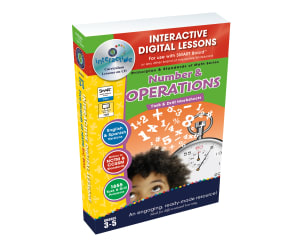
Number & Operations - Digital Lesson Plan Gr. 3-5 | MAC Software
Math, Algebra, Grade 3, 4, 5, Teacher Tools, Lesson Plans
Number & Operations - Digital Lesson Plan Gr. 3-5 | MAC Software This educational software targets grades 3 through 5 focusing on Number and Operations. With over 230 individual activities across 80 interactive screen pages, the aim is to bring excitement and engagement to mathematics. Held accountable by the standards of NCTM and State Curriculum Math Strand of Number & Operations, it covers all essential topics with enriching content. Learning Methods Mixed Instruction: The software uses a combination of task-based activities and drill techniques, balancing creativity with procedural proficiency skills. Pre- assessment Activities: The tool conducts an initial assessment for each student, identifying areas for growth or advancement. Incorporation of Word Problems: Numerical operations are presented in real-world contexts, setting maths firmly in reality making learning relevant. Main Features A variety of maths tools that work with both imperial and metric systems. Inclusion of Spanish Text-to-Speech functionality makes this ideal for multilingual classrooms. A selection of printable resources plus Interactive board games or spinner games. To track progress, each chapter ends with an assessment quiz confirming the student's understanding." About This Product : This digital lesson plan exists as MAC software (available as a single zip file download). Teachers can use it for whole-group instruction during class hours, small groups during targeted learning sessions or assigning tasks as enriching homework assignments.
Author Classroom Complete Press
Tags Digital Lesson Plan, Digital Math Lesson, Digital Math Games, Number And Operations, Extension Activity

First Week of School Grade 3 | No-Prep Worksheets
ELA, Math, Grade 3, Lesson Plans, Teacher Tools, Worksheets & Printables
First Week of School Grade 3 | No-Prep Worksheets Make the transition to upper elementary smooth and engaging with this First Week of School Activities for 3rd Grade resource! This no-prep back-to-school packet combines math, literacy, writing, social-emotional learning, and classroom community activities to help students review key second-grade skills while building confidence for third grade. With five structured days of meaningful learning, you'll establish routines, assess student readiness, and create a positive classroom culture from day one. What’s Included ✅ 40-page student activity workbook ✅ 5 ready-to-teach themed learning days ✅ Comprehensive Teacher Guide ✅ Complete Answer Key ✅ All About Me activities ✅ Summer paragraph writing ✅ Goal-setting pages ✅ Expanded form and rounding activities ✅ Synonyms and antonyms practice ✅ Classroom rules and routines activities ✅ Multi-step directions practice ✅ Classroom jobs matching activity ✅ Multiplication and arrays practice ✅ Scaled bar graphs ✅ Friendship and teamwork activities ✅ Class surveys and picture graphs ✅ Multiplication and division fact families ✅ Two-step word problems ✅ Fractions on number lines ✅ Equivalent fractions ✅ Area and perimeter practice ✅ Fractional line plots ✅ Parts of speech activities ✅ Prefixes and suffixes practice ✅ Main idea and details reading activity ✅ Creative writing prompts ✅ End-of-week certificate ✅ No-prep print-and-go format How It Works in the Classroom This 3rd Grade First Week of School Packet is organized into five engaging instructional days that gradually introduce classroom expectations while reviewing important academic skills. Day 1: All About Me Personal introductions Summer paragraph writing Goal setting Place value review Vocabulary development Day 2: Our Classroom Classroom expectations Multi-step directions Classroom jobs Multiplication with equal groups Scaled bar graphs Day 3: Making New Friends Friendship skills Problem-solving discussions Student interviews Class surveys Scaled picture graphs Day 4: Numbers All Around Multiplication and division Fact families Rounding and place value Fractions Area and perimeter Line plots Day 5: Letters & Reading Alphabetical order Parts of speech Prefixes and suffixes Synonyms and antonyms Main idea and details Narrative writing Perfect for: Back-to-school lessons Morning work Independent practice Whole-group instruction Small groups Review activities Early finishers Assessment opportunities Sub plans The included teacher guide provides lesson plans, pacing suggestions, differentiation ideas, and discussion prompts for each day. Standards & Learning Goals Students will practice: ⭐ Paragraph writing ⭐ Goal setting and reflection ⭐ Expanded form and place value ⭐ Rounding to the nearest ten and hundred ⭐ Synonyms and antonyms ⭐ Multiplication concepts and arrays ⭐ Fact families ⭐ Scaled bar graphs and picture graphs ⭐ Data collection and interpretation ⭐ Problem-solving skills ⭐ Fractions and equivalent fractions ⭐ Number lines ⭐ Area and perimeter ⭐ Fractional line plots ⭐ Parts of speech ⭐ Prefixes and suffixes ⭐ Main idea and supporting details ⭐ Narrative writing ⭐ Social-emotional learning and classroom community skills This resource intentionally reviews key second-grade concepts while introducing important third-grade standards and expectations in a supportive format. Why Teachers Love It ❤️ No prep required ❤️ Structured for the entire first week ❤️ Integrates math, literacy, writing, and SEL ❤️ Builds classroom community and positive relationships ❤️ Includes teacher guide and answer key ❤️ Helps assess student readiness and skill retention ❤️ Reviews foundational concepts before introducing new standards ❤️ Encourages meaningful student reflection and goal setting ❤️ Includes built-in differentiation suggestions ❤️ Supports smooth classroom management and routine building ❤️ Keeps students engaged with age-appropriate activities Created specifically for third graders, this resource balances relationship-building, academic review, and classroom culture development to help students start the year feeling successful and confident. Start the year strong with this engaging First Week of School Activities for 3rd Grade packet! Give your students meaningful opportunities to build friendships, review essential skills, and develop confidence while creating a positive classroom environment that sets the tone for a successful school year.
Author Bright Classroom Ideas Marketplace
Rating
Tags Back To School, Ela, Math, Worksheet, Lesson, Plan, First Week
Geometry: Area, Volume & Surface Area - Learn the Skill - FLASH-PC
Math, Geometry, Common Core, Grade 3, 4, 5, Teacher Tools, Lesson Plans
Geometry: Area, Volume & Surface Area - Learn the Skill - FLASH-PC An educational asset that provides valuable aid for third-to-fifth-grade students mastering pivotal geometry components such as area, volume and surface area. This resource employs problems connected to real-world situations facilitating comprehension of geometrical concepts. Software Format This handy teaching resource is presented through a software format (PC) offering math tools crucial to students' mathematical journey. Inclusive Education The product takes a proactive approach towards inclusive education. By providing voice over and text in English and Spanish, it ensures effective learning among diversified learners. Cohesion with Academic Standards The product aligns with Common Core State Standards and STEM initiatives. Acknowledges NCTM standards ensuring enriched learning experiences without compromising academic guidelines. Versatility in Teaching Resources Ideal for both public school teachers or homeschoolers — Geometry: Area, Volume & Surface Area is flexibly designed for various instructional environments purposefully across whole group classes or small groups focused intervention, or even as homework tasks based on individual needs. Theoretical Learning into Practical Application: Incorporation of geometry assists students in applying theoretical learnings into practice enhancing enthusiastic participation across practical aspects like architectural design to sports analytics. Promoting Student Growth: This amalgamation of academic standards and user-centered approach makes it an indispensable educational ally that promotes student growth while enhancing inclusivity by alleviating language barriers. Tips For Educators: Promote gradual incorporation of such resources for optimum student growth. Encourage students by breaking down complex ideas into manageable parts through real-world application.
Author Classroom Complete Press
Tags Software (PC)

Future Tense: Going To | Beginner Lesson Plan
ELA, Grammar, Grade 2, 3, 4, 5, 8, 9, 10, 11, 12, Teacher Tools, Lesson Plans
Going to ESL and EFL lesson plan for A1 beginner English students. This TEFL resource is ready to go and comprises a range of teaching materials, such as flashcards, activities, conversation topics, and writing drills. Created to raise language proficiency for early English students, the lesson teaches us about going to in a variety of situations when discussing the future. Describing plans for the future, it empowers ESL students with the knowledge and confidence to use the future form accurately in every day conversation and writing. With the inclusion of activities, exercises, and real-life examples, this lesson plan strengthens language concepts and establishes a solid foundation in the basics of English grammar. This lesson plan includes: Cover page Flash cards A warm-up activity Main use Construction details Rules, along with any exceptions Illustrative examples Two closed exercises One open exercise Revision exercise Writing exercises Chatterbox, a recurring feature in our course books encouraging conversation Activity , such as a game, quiz, puzzle, etc., to conclude the class The lesson plan is available in PDF with 29 ready to print pages and one digital access file. A part of it is on Google Apps. The answer key is also included for reference.
Author TEAM TEFL
Tags Verbs, Future Tense, Grammar Lesson, Language Arts, Verb Tenses

Map Work for North America | Continent of North America Unit Study | Geography Bundle
Social Studies, Geography, Grade 3, 4, 5, 6, 7, Lesson Plans, Teacher Tools
Map work activities and worksheets for North America will help your student become more familiar with North American countries, important landforms, and creating and using maps. Help your students create a beautiful detailed map to keep. Help them memorize and identify some North American countries. I have worked hard to provide enough resource options so that you can pick and choose and create a personalized and thorough approach! How To Use This: Look through all the resources and decide which ones to use. Print the maps and follow the steps to create your own map of this continent. Practice labeling individual countries as part of your lesson. Then play a few games to reinforce your learning! Good luck in all your map making adventures! What You Get: - Political Map of North America - Half-sheet Quick Facts about North America - Teach Discussion Guide to use with Quick Facts About North America - Label Countries in North America worksheet and Answer Key - Blank Map of North America Continent Template - 1 page map-making guide for students to follow as they make their map - North America Map Work Word Search - 14 double-sided flashcards to help your students memorize 9 North American countries and several prominent landforms. Want More North America Study Resources?: - Countries of North America: Brochures and Activities - Plants of North America: Informational Cards -Animals of North America: Informational Cards -Map work for North America - Postcards for North America: Landmarks and Landforms - North America Unit Test *I have resources like this for every continent. So make sure to check them out if your'e trying to put together a comprehensive geography study! Check out other resources from my store: Simply Schoolgirl! I can be contacted for questions and concerns at simplyschoolgirl1@gmail.com
Author Simply Schoolgirl
Tags Mapping, Blank Map, Geography Worksheet, North America, Landforms, Cartography, Make A Map, Label Countries, Continent, Geography Maps Of North America, Continent Of North America Map, Map Of North America Continent, North America Geography Map, North America Map Geography

Xylophones Reading Comprehension Passage - Cored Ed Encyclopedia
ELA, Language Development, Reading Comprehension, Reading, Science, Physics, History, Social Studies, Music, Creative Arts, Grade 2, 3, 4, 5, Worksheets & Printables, Worksheets, Teacher Tools, Centers, Activities, Writing Prompts, Assessments, Quizzes and Tests, Quizzes, Lesson Plans
This xylophones reading comprehension with lesson plan includes: Visualization (on the front cover) Start your lesson by taking a minute to think and share something about the topic. Read the script aloud (slowly), perhaps prepare some music or sound effects. Student close their eyes and let their imaginations wander. Students open their eyes, read the question aloud and give them a few minutes to complete. Ask a few students to share or keep answers until the end to compare with what they learn in the passage. Quick pause—thousands of Cored Education products are included with your TeachSimple membership. Download links and encyclopedia index available here. Pre-Reading Trivia Students will write down one thing they already know about the subject and then read five more facts and discuss. These facts are fun, and the students will enjoy learning about the subject before reading more. Give 1 minute for students to write what they already know (no pressure—best guess is fine). Read the five facts together. After each fact, do ask a student for their opinion, was it surprising? Set a purpose by asking students to highlight/underline one fact they want to learn more about during the reading. Reading Passage The text is a high-interest reading passage with set paragraphs, roughly three to four paragraphs long. It contains a variety of themes about the topic, anywhere from history to technology. The passage is between 250 and 350 words in length. First, ask students to look at the headings and see what they’ll learn about today. What do they know about the topic/heading? First read options: Teacher read-aloud (best for support). Partner reading (paragraph by paragraph). While reading, students underline important details, and vocabulary words they think may come up in the questions section. Mixed Questions The first question page contains four multiple-choice questions, each with a choice of four answers, and three written response questions that require a sentence or two from the student. Students complete the mcqs first independently, then review quickly as a class. For the 3 written responses, try to get students giving the answer with some form of evidence: “I think ___ because the text says ___.” If students get stuck, send them back to check the passage. Vocabulary Questions Practice seven key words from the text in this section across two activities. First section is scrambled words where students will unscramble three words given a clue for each. The second section is a word to meaning matching activity. Before starting, have some students read out words they underlined in the passage. Ask students to say the word and read aloud the sentence(s) around each word. Ask students to do scrambled words and the matching exercise in pairs then go through answers as a class. For the scrambled spelling task, get four pairs to come up to the board and write the words for extra practice with the other student reading out the clue. For the matching task, prompt students to give full sentences: “I matched ___ with ___ because ___.” Creative Writing In this question, the student will be required to write a five to eight sentence paragraph on a question related to the topic. Before starting, ask students write down 3 key ideas they are going to include in their piece. Ask students for ideas to share around the class to help those struggling. Pro writing expectations: 5–8 sentences At least 2 facts or details from the passage At least 2 vocabulary words from the previous page Students read their paragraphs while classmates listen for facts and vocabulary words. Extension Activities This page is optional for fast finishers or to take home. There are several activities, each one requiring a different skill. Do some, do none, do all, completely optional - but you will feel reassured knowing every possibility is planned for. Includes summary writting question. Answer Key There are answers for the multiple-choice questions, written response questions have sample answers, vocabulary answers and if there is a summary question then a sample summary will be provided as well. Lesson Plan Included Customized lesson plan for this lesson is included. Lesson Snapshot Title: Xylophones Genre: Nonfiction (informational text) Subject: Music / Science of Sound (Informational Reading) Primary Topic: How xylophones make sound and their history Estimated Guided Reading Level (A–Z): Q Support pages present: Visualization prompt, pre-reading trivia, mixed questions, vocabulary activities, creative writing, extension activities, and an answer key. What This Lesson Teaches Best Explains how a xylophone’s “keys” are wooden bars that make notes when tapped with a mallet . Teaches the relationship between bar length and pitch (long bars = low sounds; short bars = high sounds). Shows a core sound concept: the wood vibrates to create the note, and resonators underneath help the sound carry. Builds historical understanding of xylophone-like instruments across Africa and Asia, including early designs using logs, pits, and gourds to boost sound. Connects music history and school use: the xylophone spread into Europe, appears in orchestras (including Camille Saint-Saëns and Danse Macabre), and is used in classrooms to learn melody and rhythm (including Orff-Schulwerk). Learning Goals Students will describe how tapping a bar with a mallet makes a xylophone note. Students will explain how bar length changes pitch using details from the text. Students will identify what resonators do and where they are located on some xylophones. Students will summarize how xylophone-like instruments were made long ago and how sound was boosted. Students will sequence key points in the xylophone’s timeline (early instruments, later written descriptions, and later orchestra use). Key Vocabulary From the Text resonators — tubes/shapes under bars that help sound carry. vibrates — shakes back and forth to make sound. documented — recorded in writing. orchestra — a large group of musicians playing together. octave — a set of notes from one pitch to next. FULL CATALOG OF DOWNLOAD LINKS AND ENCYCLOPEDIA INDEX HERE
Author Cored Education
Rating
Tags Vocabulary, Reading Comprehension, Reading Passages, Lesson Plans, Ela Lesson Plans, Reading Comprehension Lesson Plans, Pre-reading, History Lesson Plans, Physics, Music Lesson Plans
I WONDER - What Do Red Pandas Eat | Animated Video Lesson
STEM, Animals, Life Sciences, Science, Biology, Grade 1, 2, 3, 4, 5, 6, 7, 8, Lesson Plans, Teacher Tools
Video Introduction Animal kingdoms are full of fascinating wonders to learn. This video is designed for the students to learn more about animals in different countries. I WONDER - What Do Red Pandas Eat | Animated Video Lesson Do you like animals? what is your favorite one? Do you own a pet? If yes, tell us more about it, like what its name? And what do you like most about it? What are the animal kingdoms? Can you write down the characteristics of each animal class like mammals, birds, reptiles, amphibian, fish and mollusks. Do you know that some animals can sing, can you name any of them? What is the largest and the smallest mammal in the world? What is the largest and the smallest bird in the world? What is the largest and the smallest fish in the world? I WONDER - What Do Red Pandas Eat | Animated Video Lesson The video is perfect for encouraging the researching skills for the students, while learning more about these fantastic animals. I WONDER - What Do Red Pandas Eat | Animated Video Lesson This friendly designed video is suitable for students at school, homeschooling, and as a group activity. Format Available in MP4 format.
Author Educational Voice
Tags What Do Red Pandas Eat, What Do Red Pandas Eat Video, Red Pandas, Red Panda, Red Pandas Food, Red Pandas Food Facts, Red Pandas Food Facts For Kids, Red Pandas Food Video, Red Pandas Food Video For Kids