3,890 products added recently
Page 20 - Social Studies Lesson Plans
Enrich your social studies curriculum with lesson plans that bring history, geography, and cultures to life. These resources offer projects and discussions that connect past and present. Incorporate them to help students understand societal structures and their roles within them.
I WONDER - Who Was Neil Armstrong | Animated Video Lesson
Biographies, Social Studies, Grade 4, 5, 6, 7, 8, 9, 10, Lesson Plans, Teacher Tools
Video Introduction An amazing video designed for the students to learn more about famous people in different countries. I WONDER - Who Was Neil Armstrong | Animated Video Lesson Do you know this person? How much do you know about him/her? Who is your idol? Why did you choose this person? Tell us more about him/her? Who is your favorite athlete? Or what is your favorite team? Have you recently heard a story about a famous person? Who was this person? Can you tell us more about him/her. Who is your favorite president, king, or queen? Why you chose that person? In your country, who are the most famous people? What did they do? Can you tell us more about them. What is your favorite invention? Who invented it? Who is your favorite artist? What is the most famous thing he/she have done? What is the most enjoyable you have read before? Who wrote it? I WONDER - Who Was Neil Armstrong | Animated Video Lesson The video is perfect for encouraging the researching skills for the students, while learning more about this fantastic place. I WONDER - Who Was Neil Armstrong | Animated Video Lesson This friendly designed video is suitable for students at school, homeschooling, and as a group activity. Format Available in MP4 format.
Author Educational Voice
Rating
Tags Who Was Neil Armstrong, Who Was Neil Armstrong Video, Neil Armstrong, Neil Armstrong Facts, Neil Armstrong Video, Neil Armstrong Video For Kids, Neil Armstrong Facts For Kids, Neil Armstrong Life
Great States!: Over 200 First-Rate Reproducible Activity Sheets to Fascinate and Educate
Social Studies, Geography, Grade 3, 4, 5, 6, Teacher Tools, Lesson Plans
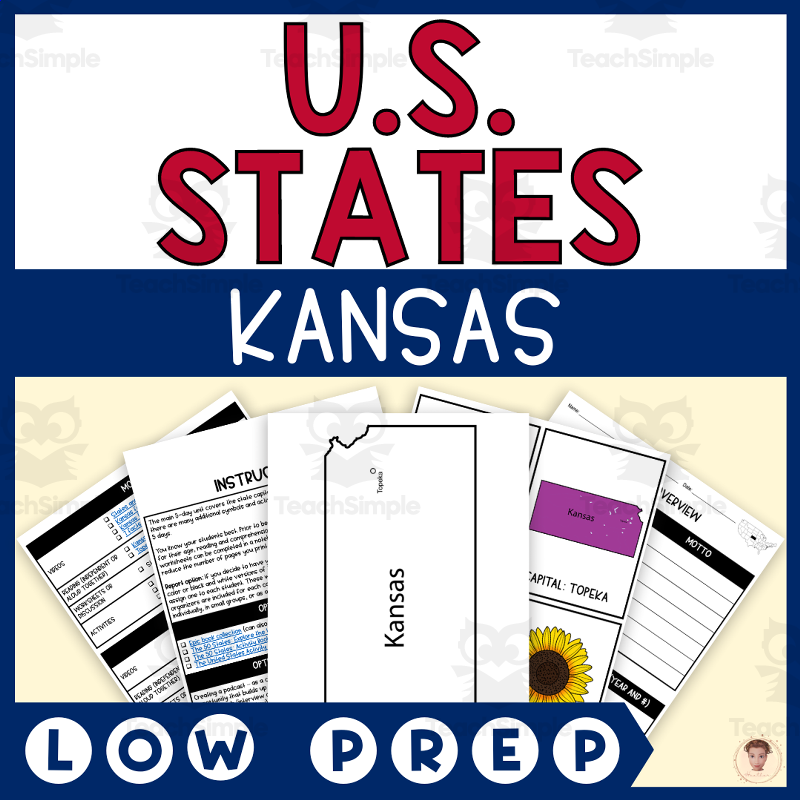
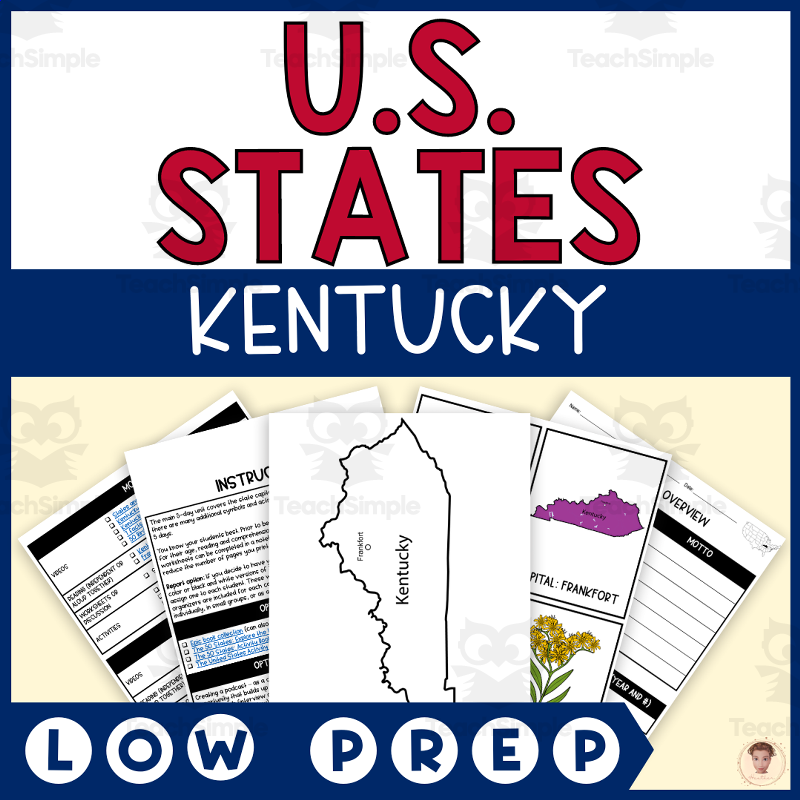
Great States!: Over 200 First-Rate Reproducible Activity Sheets to Fascinate and Educate A comprehensive teaching resource primarily for grade 3 to grade 6 students, adaptable to different learning levels. Ideal for public school teachers, homeschooling parents or tutors. It's a captivating and instructive journey across the United States. Embark on an imaginary hot air balloon ride that brings geography and history lessons to life. Visit each state of the U.S., including District of Columbia with engaging activity sheets that delve into states' history and geographical peculiarities. Map activities identification Physical features recognition Inspire further topic research An adventure awaits learners with Great States!. They'll explore lakes, mountains, swamps parks; learn about diverse plant life as well as animal species in our lands and waters. This hands-on exploration ensures an impactful learning experience in social studies encompassing geography in particular. Award Winning Resource! The product bagged Learning Magazine's Teachers' Choice Award! Approved by practicing classroom teachers nationwide for its educational value. Presented in PDF format ensuring easy dissemination across platforms such as projectors or tablets during instruction or handing printed homework sheets. The USP: Over 200 reproducible activity sheets – unlimited use post-purchase. Versatile Implementation: Ideal for whole group instructions promoting collaborative discussions Easily adaptable towards small groups driven by intensified discussions Solo assignments where students delve deep into topic exploration at their pace. Rest assured that Great States! combines quality & quantity together – accurately reinforcing your students’ knowledge in American geography while promoting active discovery.
Author Classroom Complete Press
Tags PDF
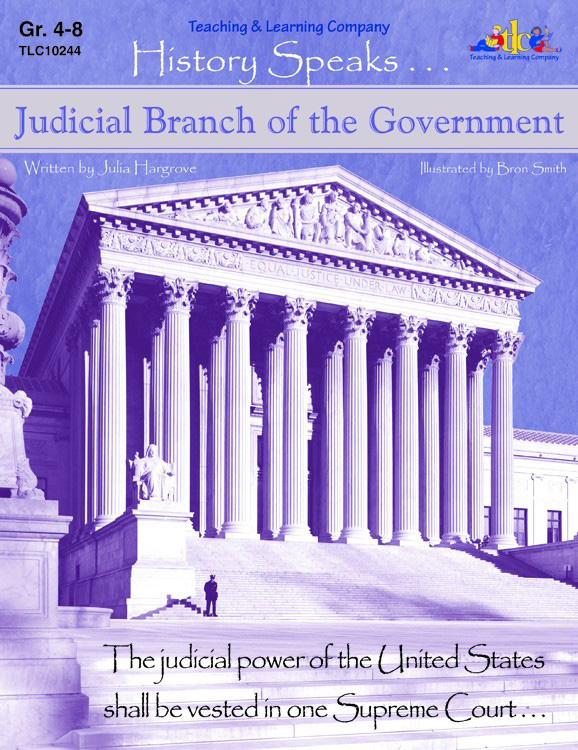
Canadian Government: Divisions of Each Branch of Government
Social Studies, Government, Common Core, Grade 5, 6, 7, 8, Teacher Tools, Lesson Plans
Canadian Government: Divisions of Each Branch of Government This unique instruction kit serves educators across the spectrum including public school teachers to homeschoolers. Designed for students between grades 5 and 8, it imparts detailed knowledge about Canadian governance and electoral systems. Usage: Suitable for various teaching methods, it can be used as part of whole group lessons or during small group activities. It also serves well as homework assignments. In-depth Insight on Power Levels within Canada's Government System Details about primary stakeholders. Key insights on legislative bodies like the Senate and the House of Commons. Vividly Colored Mini Posters & Reading Passages Including visually appealing materials to enhance learning experience, coupled with reading passages designed to elevate comprehension levels gradually amongst learners. Engaging Student Activities Crossword puzzles - to improve vocabulary skills related to politics. Word searches - aimed at enhancing attention span while learning complex subjects.. A concluding quiz evaluates students' comprehension ensuring a full-circle learning process. The lesson plan has been meticulously developed in line with Common Core State Standards guidelines. It aligns well with Bloom's Taxonomy ensuring cognitive development across all educational strata among elementary-aged pupils studying governmental frameworks in Canada. Bloom's Taxonomy Link Here... An essential educational supplement making intricate governmental structures easily understandable for young learners!
Author Classroom Complete Press
Tags PDF
I WONDER - Can Tornadoes Form Over The Sea | Animated Video Lesson
Geography, Social Studies, Environmental Science, Earth and Environmental Sciences, Science, Earth Sciences, Grade 4, 5, 6, 7, 8, 9, 10, Lesson Plans, Teacher Tools
Video Introduction An amazing video designed for the students to learn more about natural disasters in different countries. I WONDER - Can Tornadoes Form Over The Sea | Animated Video Lesson What do you know about this natural disaster? Do you know in which part of the world this could happen? Have you ever read about the safety misusers that we could have to protect ourselves from this natural disaster? If yes, can you tell us more about them? Can you name other natural disasters? If yes, tell us more about where they are likely to happen? And how frequently? Do you like reading about Geography? What is your favorite country in the whole world? If you are going on a trip where it will be? Which country? What you are going to see there? Does this country has a famous place to visit? Do you like reading about Geology? If yes, what is your favourite topic? I WONDER - Can Tornadoes Form Over The Sea | Animated Video Lesson The video is perfect for encouraging the researching skills for the students, while learning more about this fantastic phenomenon. I WONDER - Can Tornadoes Form Over The Sea | Animated Video Lesson This friendly designed video is suitable for students at school, homeschooling, and as a group activity. Format Available in MP4 format.
Author Educational Voice
Tags Can Tornadoes Form Over The Sea, Can Tornadoes Form Over The Sea Video, Tornadoes That Form Over The Sea, Tornadoes That Form Over The Sea Video, Tornadoes That Form Over The Sea Facts, Tornadoes That Form Over The Sea Video For Kids
Cultural Fair
Social Studies, Geography, Grade 5, 6, 7, 8, Teacher Tools, Lesson Plans
Cultural Fair - A Comprehensive Teaching Resource Cultural Fair is an all-inclusive teaching resource designed to offer students in grades five through eight participative and real-life learning experiences. The product covers well-planned guidelines for executing meaningful projects connected to culture and geography. This 35-page PDF provides easy-to-follow instructions along with supplementary material aimed at presenting students the necessary knowledge base required for project conception and execution. Essentially, it endorses a student-led investigation approach towards understanding different cultures worldwide. The Features of Cultural Fair The direct instructions of Cultural Fair offer equal opportunities for all pupils to dive into the same detailed requirements. Accompanied by practical application forms as part of the resource package which make organizing multiple facets of project implementation smooth. An enhancement to social studies education by addressing subjects like geography; understanding people's relations with places and the environment around them. Transforming theoretical lessons into practical applications fostering creativity while promoting active learning outside classroom settings. It could be effectively used as whole group instruction or divided into small group tasks based on individual student needs or course requirements, making it flexible-suited either in conventional classroom setting or homeschooling backdrop. Conclusion Cultural Fair, serving as a highly valuable teaching aid, promotes diversity awareness beyond textbooks while enabling students with crucial project management skills—a forward-thinking approach towards nurturing educational success.
Author Classroom Complete Press
Tags Culture, Heritage, Economics, Arts And Crafts, Native Americans
Katmai National Park Geography Unit
Social Studies, Geography, Grade 6, 7, 8, 9, Teacher Tools, Lesson Plans
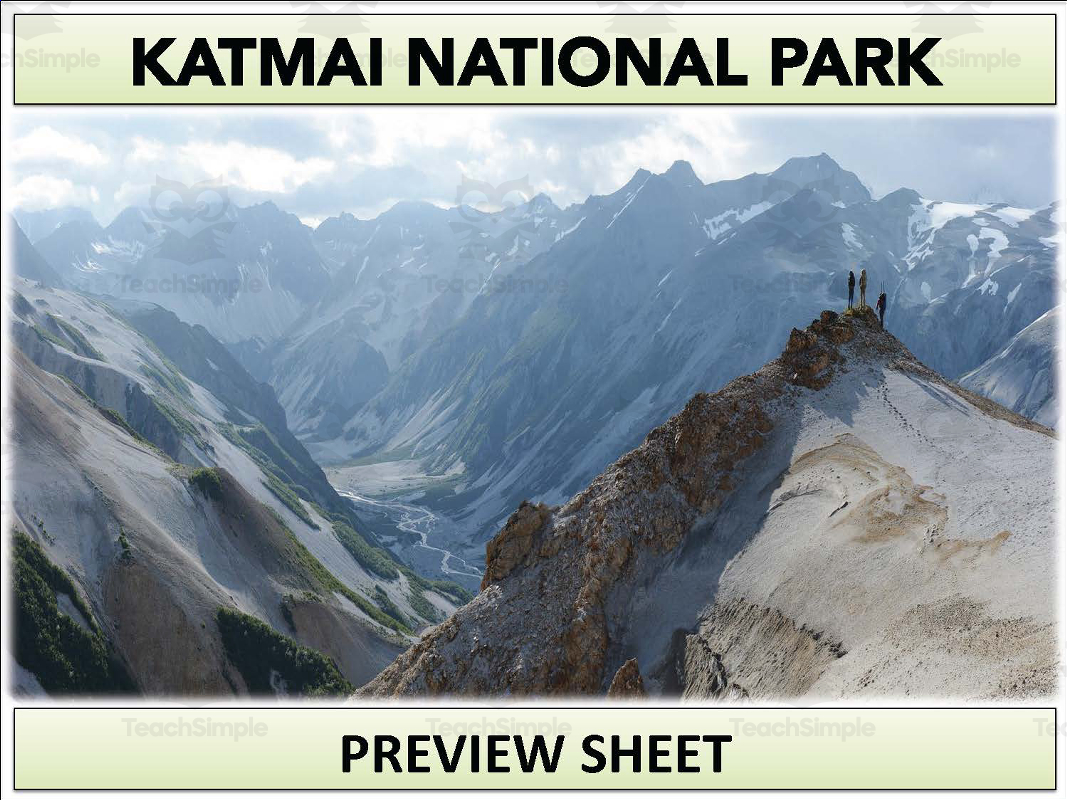
The Katmai National Park Geography Unit is an educational resource designed for middle school educators who teach geography or social studies. This unit focuses on the Katmai National Park, providing comprehensive and engaging activities that build on students' knowledge of this historic park. Utilising a variety of teaching methods, the unit gives educators ample resources to help meet diverse learning needs. The materials are contained within a single zip file which includes seven PDFs, six JPG files, and one PowerPoint presentation. Each file offers different approaches to engage students in understanding the landmark's history, geography, wildlife, and climate. Worksheets Reading Sheets (Two versions- Extended 2-sheet set & Modified 1-sheet format) Diverse Image Sets Interactive QR codes linking to relevant videos embedded on each sheet. To promote active student engagement in their own learning journey through this noteworthy national park's environment theories are reinforced with worksheets and reading sheets. The latter comes in two versions: an extended 2-sheet set providing more detail for those who crave it or a modified 1-sheet format that offers a condensed version of the information while still keeping vital key points intact. In addition to written documents there is also an immersive visual resource offered. All about conveying information in easily digestible visuals with large and small image sets that can be used for projects, presentations or even classroom posters. The resource also transforms traditional teaching into interactive sessions by incorporating technology- QR codes linking learners to relevant videos are embedded on each sheet adding another element of interaction with topics being taught. An additional activity launched directly from these worksheets whisk learners off on solving crosswords promoting concepts learnt around the park alongside providing answer keys for ease of correction. Lastly but certainly not least impactful - PowerPoint presentation slides incorporated by Mr Gray History perhaps mimic walking through Katmai's landscape itself – richly layered with information similar to geographical stratas themselves. Effortless in guiding both teachers as well as peers seamlessly through the aid delivered units...Whether whole classrooms tackle it together accompany tiny groups dissecting its elements little by little into depths doesn't matter – eager minds will reach desired goals across learning objectives laid in the landscape of Katmai National Park after journeying through its geography unit!
Author Mr Gray History
Tags Education, Geography, Katmai National Park, Interactive Learning, Environmental Studies
Country Study Presentation - Guinea Bissau - Geography - West Africa
Social Studies, Economics, Geography, History: African, History, Grade 7, 8, 9, 10, 11, 12, Presentations, Teacher Tools, Lesson Plans
Country Study Presentation - Guinea Bissau - Geography + Social Studies - West Africa Try this Teaching Resource on Guinea Bissau (Introductory Presentation Lesson - PDF Printable), designed for Geography + African History ( West Africa ) + Social Studies lessons. Suitable for Grades 7–12 (Middle school and High School students), this Introductory PDF Presentation offers a ready to use lesson that requires little to no preparation. Geography and Social Studies students will learn about Guinea Bissau ’s geography, history, culture, language and economy — making it perfect for classroom instruction, homeschooling, or online learning. 📘 Teachers can find the following topics in this Social Studies and Geograhy Teaching resource ✅ Greetings in Guinea Bissau Creole + Portuguesse ✅ Geography of Guinea Bissau ( West Africa ) – Key facts, borders, and an interactive Google Maps link to its location. ✅ Quick Facts – Population, capital city, currency and other essential details. ✅ Languages of Guinea Bissau : Guinea Bissau Creole + Portuguese - introduction in the languages spoken + basic vocabuary ✅ History Overview – A concise summary of the most important events in the history of Guinea Bissau ( West Africa ) ✅ Geography & Environment – Details about the country’s land area, regions, and climate zones. ✅ Guinea Bissau's Economy – paragraph on Guinea Bissau ’s industries, exports, currency and economic strengths ( West Africa ) ✅ Bissau – Explore the capital city of Guinea Bissau , its famous landmarks, and cultural highlights. ✅ Other Major Cities – A map showcasing additional important cities in Guinea Bissau ( West Africa ) ✅ Guinea Bissau's Culture & Traditions – A look at the customs and values that define Guinea Bissau ( West Africa ) ✅ Farewell in Guinea Bissau Creole + Portuguese 🎯 This Geography and Social Studies Teaching Resource can be perfect for: Geography classes Social Studies lessons World cultures units Country study projects Substitute teacher toolbox Digital learning In-class or online teaching 📂 Resource Details Format: PDF Digital Presentation Grade Levels: 7th–12th Grade (Middle School and High School students) Learning with Alan is an educational resource store created to help teachers, educators, and tutors reach their teaching goals while building a fun, engaging, and stimulating learning environment . Because learning should always be meaningful—and fun! 🎓✨ If you want to browse more of my Teaching Resources, click here Learning with Alan!!
Author Learning with Alan
Rating
Tags Country Study, Social Studies, Geography, West Africa, Africa, Lesson, Presentation, Introduction, Guinea-Bissau, Activity
I WONDER - Where Do Icebergs Form | Animated Video Lesson
Geography, Social Studies, Grade 5, 6, 7, 8, 9, 10, 11, Lesson Plans, Teacher Tools
Video Introduction An amazing video designed for the students to learn more about famous places in different countries. I WONDER - Where Do Icebergs Form | Animated Video Lesson What do you know about this place? Do you know in which part of the world it is? Have you ever visited this place? If yes, can you tell us more about your adventure, and what do you like the most about this place? Do you like reading about Geography? What is your favorite country in the whole world? If you are going on a trip where it will be? Which country? What you are going to see there? Does this country has a famous place to visit? I WONDER - Where Do Icebergs Form | Animated Video Lesson The activity is perfect for encouraging the researching skills for the students, while learning more about this fantastic place. I WONDER - Where Do Icebergs Form | Animated Video Lesson This friendly designed video is suitable for students at school, homeschooling, and as a group activity. Format Available in MP4 format.
Author Educational Voice
Tags Where Do Icebergs Form, Where Do Icebergs Form Video, Icebergs, Iceberg, Icebergs Facts, Icebergs Facts For Kids, Icebergs Video, Icebergs Video For Kids, Iceberg Facts, Iceberg Video
Caves and Karst Unit Study
Creative Arts, Art, Social Studies, ELA, Reading, Reading Comprehension, Grammar, Language Development, Vocabulary, Spelling, Writing, Grade 3, 4, 5, Activities, Crafts, Teacher Tools, Lesson Plans, Presentations, Graphic Organizers, Projects, Assessments, Worksheets & Printables, Worksheets
The Caves and Karst Unit Study This is an engaging, comprehensive, and low preparation teaching resource that explores the fascinating world of caves and karst. It is a valuable resource for educators focusing on grades 3 to 5, as well as homeschooling guardians. Main Topics Covered Introductory concepts about caves and karst formations Detailed insight into speleothems and cave forms Landscape found in karsts Particularly captivating information about cave ecosystems habitat adaptations. The unit study wraps up with an exploration of cave conservation efforts highlighting their importance. Tailored Approach to Learning Styles Each lesson includes: Visual-auditory online presentations , alongside curated videos. Reading passages: To cater for those who learn best through perusing textual information. Upon consideration for student handwriting skills levels, options are made available within note-taking pages with either primary lines, regular lines or no lines. Note-taking pages & Graphic organizers: To keep track of acquired knowledge across every topic covered. Hands-on activities are incorporated into every lesson plan providing kinesthetic opportunities. Purposeful Assessment through Quizzes A tool that teachers or homeschoolers can use flexibly over days or weeks depending on pacing preference - quizzes filled with 15 multiple-choice questions per lesson – ideal in testing understanding at each stage. Cross-Curricular Subjects Integration The unit study covers: Art (emphasis on drawing, coloring & crafts) English Language Arts Geography and Geology Grammar, History, Reading, Science and Social Studies research work , Spelling . The Caves and Karst Unit Study: An interactive unit study that inspires young geologists' minds while encouraging the application of learned concepts through hands-on activities. The resource spans over 150 pages premium content in a downloadable file in PDF format. A truly comprehensive guide for both educators and homeschoolers.
Author Heather Huhman
Tags Caves, Karst Formations, Speleothems, Cave Ecosystems, Conservation Efforts
I WONDER - What Is A Centaur | Animated Video Lesson
History, Social Studies, Common Core, Grade 4, 5, 6, 7, 8, 9, 10, Lesson Plans, Teacher Tools
Video Introduction An amazing video designed for the students to learn more about mythological creatures in different cultures. I WONDER - What Is A Centaur | Animated Video Lesson Mythology is full of wonders and spectacular stories. Ancient civilizations were trying to explore every aspect of life, while they search for new technologies, they wanted to believe in something big and can change the world, so they created mythical creatures and mythical stories. Let's hear about them! What do you know about these creatures? Cyclops, Centaurs, Selkies, Phoenix, Gnomes, Dragons, Gorgons, Orcs, Cerberus, Trolls, Minotaur, Griffins, Mermaids, Elves, Polyphemus, Pegasus, and Ogres. I WONDER - What Is A Centaur | Animated Video Lesson The video is perfect for encouraging the creativity skills for the students, while learning more about this fantastic mythical creature. I WONDER - What Is A Centaur | Animated Video Lesson This friendly designed video is suitable for students at school, homeschooling, and as a group activity. Format Available in MP4 format.
Author Educational Voice
Rating
Tags What Is A Centaur, What Is A Centaur Video, Centaur, Centaur Facts, Centaur Video, Centaur Facts For Kids, Centaur Video For Kids, Mythology, Mythology Facts, Mythology Video
American Government: What Is Government? Gr. 5-8
Social Studies, Government, Grade 5, 6, 7, 8, Teacher Tools, Lesson Plans
The American Government: What Is Government? Gr. 5-8 The American Government: What Is Government? Gr. 5-8 is a teaching resource that takes educators and students on an insightful journey into the intricate systems of the American government, breaking it down to make it comprehensible for grades 5 through 8. Understanding Fundamentals Beginning with what a government truly is, its key roles, and why we need one, this resource explores various forms of governance such as constitutional monarchy, dictatorship and representative democracy. It plays an instrumental role in assisting educators convey these concepts effectively by encouraging students to explore which kind of governance is represented by the United States. Focusing on The Constitution A distinguished feature part of this resource is its emphasis on the #importance# of The Constitution in our daily lives. This versatile teaching tool sheds light explicitly upon its purpose as well as what rights citizens encapsulate within their governments according to this sacred document. To enhance comprehension levels amongst pupils, learners are nudged towards outlining key ideas in connection with each amendment included within The Bill of Rights. This indispensable guide might possibly pave way for your students gaining understanding related to how systems operating within our governance function at their most basic level - from how a bill transforms into law till reaching higher-level processes entailing deep thought processes and decision-making capabilities while simulating presidential roles tasked with hypothetical national issues solution formulation. Versatility In Learning Approaches And Tools Provided This material proves ideal not only for whole-class instructions but also small-group work or homework assignments based off sections; therefore offering flexibility for instructors to adapt according their classroom necessities. Alongside all-inclusive lesson plans focusing upon social studies—specifically government—the package is rife with supportive extras that foster enriched learning experiences such as: Writing tasks crafted in alignment with Bloom's Taxonomy standards An engaging crossword puzzle Word search activities that further clarify concepts Comprehension quizzes In addition to these, the package includes correspondingly useful solutions within an answer key; all of which are visually appealingly encased within a PDF. A Comprehensive Teaching Resource For Grades 5 - 8 accounting State Standards Compatibility This dynamic teaching resource seamlessly meshes state standards while catering to Grades 5 through 8. Consequently, this product proves invaluable when it comes to enlightening young minds about 'What Is Government?’.
Author Classroom Complete Press
Tags PDF
I WONDER - Why Were Cats Important To Egyptians | Animated Video
History: African, History, Social Studies, History: Ancient, Animals, Life Sciences, Science, Grade 4, 5, 6, 7, 8, 9, 10, Lesson Plans, Teacher Tools
Video Introduction An amazing video designed for the students to learn more about history. I WONDER - Why Were Cats Important To Egyptians | Animated Video Lesson Do you like history? Which topic do you really enjoy about history? Have you ever read an interesting fact about the Vikings? If yes, can you mention them? What do you like most about the Victorian era? Can you name all the Tudors? Have you ever wondered how people used to live in ancient Japan and ancient China? Do you know any interesting facts about ancient Egyptians and the Pharaohs? Have you ever visited South America? What do you know about Incas and Aztecs? Celtic culture was really one of a kind, can you name any of the places that Celts used to live in? Imagine yourself living during the ancient Roman empire, how your life will look like? Ancient Greece was an amazing place to live in. What do you know about ancient Greek life? I WONDER - Why Were Cats Important To Egyptians | Animated Video Lesson The video is perfect for encouraging the researching skills for the students, while learning more about history. I WONDER - Why Were Cats Important To Egyptians | Animated Video Lesson This friendly designed video is suitable for students at school, homeschooling, and as a group activity. Format Available in MP4 format.
Author Educational Voice
Tags Why Were Cats Important To Egyptians, Why Were Cats Important To Egyptians Video, Ancient Egyptians, Ancient Egyptians Facts, Ancient Egyptians Facts For Kids, Ancient Egyptians Video, Ancient Egyptians Video For Kids
Radar Reading Comprehension Passage - Cored Ed Encyclopedia
ELA, Language Development, Reading Comprehension, Reading, Pre-Reading, Writing, History, Social Studies, Technology, Science, Grade 2, 3, 4, 5, Worksheets & Printables, Worksheets, Teacher Tools, Centers, Activities, Writing Prompts, Assessments, Quizzes and Tests, Quizzes, Lesson Plans
This radar reading comprehension includes: Visualization (on the front cover) Start your lesson by taking a minute to think and share something about the topic. Read the script aloud (slowly), perhaps prepare some music or sound effects. Student close their eyes and let their imaginations wander. Students open their eyes, read the question aloud and give them a few minutes to complete. Ask a few students to share or keep answers until the end to compare with what they learn in the passage. Quick pause—thousands of Cored Education products are included with your TeachSimple membership. Download links and encyclopedia index available here. Pre-Reading Trivia Students will write down one thing they already know about the subject and then read five more facts and discuss. These facts are fun, and the students will enjoy learning about the subject before reading more. Give 1 minute for students to write what they already know (no pressure—best guess is fine). Read the five facts together. After each fact, do ask a student for their opinion, was it surprising? Set a purpose by asking students to highlight/underline one fact they want to learn more about during the reading. Reading Passage The text is a high-interest reading passage with set paragraphs, roughly three to four paragraphs long. It contains a variety of themes about the topic, anywhere from history to technology. The passage is between 250 and 350 words in length. First, ask students to look at the headings and see what they’ll learn about today. What do they know about the topic/heading? First read options: Teacher read-aloud (best for support). Partner reading (paragraph by paragraph). While reading, students underline important details, and vocabulary words they think may come up in the questions section. Mixed Questions The first question page contains four multiple-choice questions, each with a choice of four answers, and three written response questions that require a sentence or two from the student. Students complete the mcqs first independently, then review quickly as a class. For the 3 written responses, try to get students giving the answer with some form of evidence: “I think ___ because the text says ___.” If students get stuck, send them back to check the passage. Vocabulary Questions Practice seven key words from the text in this section across two activities. First section is scrambled words where students will unscramble three words given a clue for each. The second section is a word to meaning matching activity. Before starting, have some students read out words they underlined in the passage. Ask students to say the word and read aloud the sentence(s) around each word. Ask students to do scrambled words and the matching exercise in pairs then go through answers as a class. For the scrambled spelling task, get four pairs to come up to the board and write the words for extra practice with the other student reading out the clue. For the matching task, prompt students to give full sentences: “I matched ___ with ___ because ___.” Creative Writing In this question, the student will be required to write a five to eight sentence paragraph on a question related to the topic. Before starting, ask students write down 3 key ideas they are going to include in their piece. Ask students for ideas to share around the class to help those struggling. Pro writing expectations: 5–8 sentences At least 2 facts or details from the passage At least 2 vocabulary words from the previous page Students read their paragraphs while classmates listen for facts and vocabulary words. Extension Activities This page is optional for fast finishers or to take home. There are several activities, each one requiring a different skill. Do some, do none, do all, completely optional - but you will feel reassured knowing every possibility is planned for. Includes summary writting question. Answer Key There are answers for the multiple-choice questions, written response questions have sample answers, vocabulary answers and if there is a summary question then a sample summary will be provided as well. Lesson Plan Included Customized lesson plan for this lesson is included. Lesson Snapshot Title: Radar Genre: Nonfiction (informational text with support pages) Subject: Science (Physical Science/Technology) Primary Topic: Using radio waves to find objects Estimated Guided Reading Level (A–Z): R What This Lesson Teaches Best Explains how radar works using radio waves, an “echo,” and a receiver that measures return time. Connects timing to distance (how long the trip takes helps show how far away something is). Builds background knowledge about radar’s development before World War II (tests in the 1930s; June 1935 detection; Chain Home stations). Shows real-world uses after the war (air traffic control, ships in fog, weather radar tracking rain and storms). Includes support pages that match the passage content (questions, vocabulary, writing, and extension activities focus on radio waves, echoes, Chain Home, and the 1935 test). Learning Goals Students can describe radar as a tool that sends out radio waves and listens for the waves that bounce back. Students can explain how a receiver uses the echo’s return time to show distance. Students can describe one early step in radar’s development mentioned in the passage (1930s tests or the June 1935 detection). Students can explain why early-warning stations mattered as World War II was getting closer. Students can identify at least two ways radar is used in everyday life after the war (planes, ships, or weather). Key Vocabulary From the Text receiver — device that listens for the returning signal echo — a returning signal that bounces back pulsing — sending waves in repeated bursts detected — found or noticed something was there vessels — boats or ships FULL CATALOG OF DOWNLOAD LINKS AND ENCYCLOPEDIA INDEX HERE
Author Cored Education
Rating
Tags Vocabulary, Reading Comprehension, Reading Passages, Reading, Creative Writing, Reading Strategies, Writing Prompts, Lesson Plans, History, Radar
I WONDER - When Was Petra Discovered | Animated Video Lesson
Geography, Social Studies, History: Ancient, History, History: Asian, Grade 4, 5, 6, 7, 8, 9, 10, Lesson Plans, Teacher Tools
Video Introduction An amazing video designed for the students to learn more about famous places in different countries. I WONDER - When Was Petra Discovered | Animated Video Lesson What do you know about this place? Do you know in which part of the world it is? Have you ever visited this place? If yes, can you tell us more about your adventure, and what do you like the most about this place? Do you like reading about Geography? What is your favorite country in the whole world? If you are going on a trip where it will be? Which country? What you are going to see there? Does this country has a famous place to visit? I WONDER - When Was Petra Discovered | Animated Video Lesson The activity is perfect for encouraging the researching skills for the students, while learning more about this fantastic place. I WONDER - When Was Petra Discovered | Animated Video Lesson This friendly designed video is suitable for students at school, homeschooling, and as a group activity. Format Available in MP4 format.
Author Educational Voice
Rating
Tags When Was Petra Discovered, When Was Petra Discovered Video, Petra, Petra Facts, Petra Video, Petra Video For Kids, Petra Facts For Kids, Jordan, Jordan Facts, Jordan Video
I WONDER - How Do Volcanoes Form | Animated Video Lesson
Geography, Social Studies, Earth Sciences, Earth and Environmental Sciences, Science, Environmental Science, Grade 3, 4, 5, 6, 7, 8, 9, Lesson Plans, Teacher Tools
Video Introduction An amazing video designed for the students to learn more about natural disasters in different countries. I WONDER - How Do Volcanoes Form | Animated Video Lesson What do you know about this natural disaster? Do you know in which part of the world this could happen? Have you ever read about the safety misusers that we could have to protect ourselves from this natural disaster? If yes, can you tell us more about them? Can you name other natural disasters? If yes, tell us more about where they are likely to happen? And how frequently? Do you like reading about Geography? What is your favorite country in the whole world? If you are going on a trip where it will be? Which country? What you are going to see there? Does this country has a famous place to visit? Do you like reading about Geology? If yes, what is your favourite topic? I WONDER - How Do Volcanoes Form | Animated Video Lesson The video is perfect for encouraging the researching skills for the students, while learning more about this fantastic phenomenon. I WONDER - How Do Volcanoes Form | Animated Video Lesson This friendly designed video is suitable for students at school, homeschooling, and as a group activity. Format Available in MP4 format.
Author Educational Voice
Tags How Do Volcanoes Form, How Do Volcanoes Form Video, Volcanoes, Volcanoes Facts, Volcanoes Facts For Kids, Volcanoes Video, Volcanoes Video For Kids, Volcano, Volcano Video, Volcano Facts
I WONDER - What Was The Most Important Meal Of The Day For Romans
History: Ancient, History, Social Studies, History: Europe, Grade 4, 5, 6, 7, 8, 9, 10, Lesson Plans, Teacher Tools
Video Introduction An amazing video designed for the students to learn more about history. I WONDER - What Was The Most Important Meal Of The Day For Romans | Animated Video Lesson Do you like history? Which topic do you really enjoy about history? Have you ever read an interesting fact about the Vikings? If yes, can you mention them? What do you like most about the Victorian era? Can you name all the Tudors? Have you ever wondered how people used to live in ancient Japan and ancient China? Do you know any interesting facts about ancient Egyptians and the Pharaohs? Have you ever visited South America? What do you know about Incas and Aztecs? Celtic culture was really one of a kind, can you name any of the places that Celts used to live in? Imagine yourself living during the ancient Roman empire, how your life will look like? Ancient Greece was an amazing place to live in. What do you know about ancient Greek life? I WONDER - What Was The Most Important Meal Of The Day For Romans | Animated Video Lesson The video is perfect for encouraging the researching skills for the students, while learning more about history. I WONDER - What Was The Most Important Meal Of The Day For Romans | Animated Video Lesson This friendly designed video is suitable for students at school, homeschooling, and as a group activity. Format Available in MP4 format.
Author Educational Voice
Tags What Was The Most Important Meal Of The Day For Romans, What Was The Most Important Meal Of The Day For Romans Video, Romans, Ancient Romans, Ancient Romans Facts, Ancient Romans Video
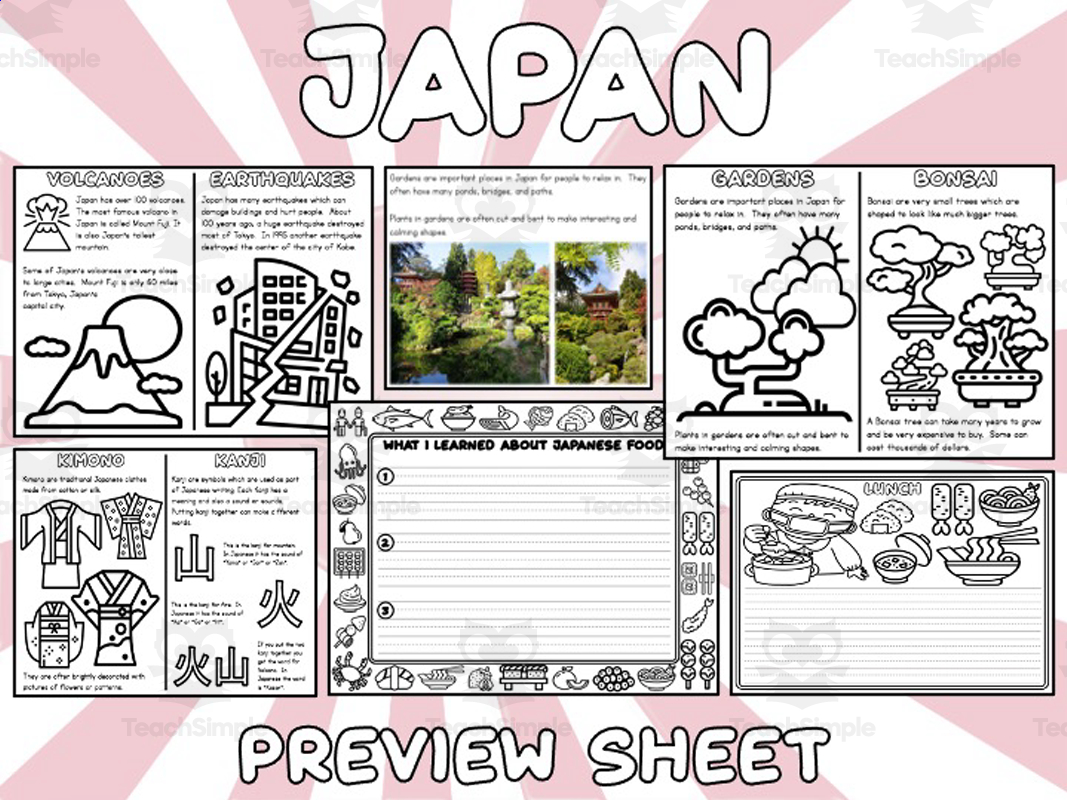
Japan The Island Nation: Guided Reading Level Q with Lesson Plan
ELA, Resources for Teachers, Reading Comprehension, Reading, Science, Geography, Social Studies, History, Earth and Environmental Sciences, Technology, Grade 3, 4, 5, Worksheets & Printables, Worksheets, Teacher Tools, Centers, Activities, Literacy Readers, Quizzes, Quizzes and Tests, Assessments, Lesson Plans
This Japan: The Island Nation (level q) guided reading book with lesson plan includes: Guided Reading Color Label (front cover x1) This is a quick way to match the book’s demands to what students can generally handle.. The overall goal is to use the level/color to pick books for several smaller groups. To qualify for a certain level, a student is expected to read a book from that level with about 90–94% accuracy. If a student is consistently accurate and understands, move up a level. If the student is struggling at that level, drop down and add more support. Each student will improve at completely different rates, but it is generally one of the best ways to check progress across the class. DOWNLOAD THE CATALOG TO VIEW ALL GUIDED READING BOOKS AVAILABLE (SORTED LEVELS A-Z) Pre-Reading Question (x1) Teacher asks the prompt aloud, can be while showing the cover or first page. Students share what they already know, or make educated guesses from the cover. Prompt them to use the target vocabulary. Write some of their responses on the board to look back at during the reading. Vocabulary Words (x5) Introduce the five words, best doing it one at a time. Start by saying it, while students repeat and then see if anyone knows what it means before reading further. Read through the meaning and try to briefly connect each word to a picture or gesture so it’s meaningful. Ask students to flip through the book pages and point to where they see each of the vocabulary words. While reading the book pause upon coming across one of the vocab words or read the sentence twice to make sure students understand the word has appeared. Optional: Ask students to raise hands whenever they see/hear one of the new words. Guided Reading Pages (x10) Check the book snapshot (below) for: primary topic - do you need to prep extra reading or intro materials on this? what is taught best - decide on 1-2 bullets to focus on, use the prompt or words provided here for best results. learning goals - what you are checking for students to be able to do after the session, elicit answers using prompts or words provided. key vocabulary (see section above). questions overview - so you know what is coming up and if you need to prep extra materials to assist understanding. Run the lesson You may have already looked at a few of the pages together, but you can show them some of the pictures again first to set meaning. Depending on how much time you have and how familiar your students are with guided reading class, you may want to read the book aloud first with the group first. Students whisper or partner read, while you listen in. If time, do it as a group, one student reading a page each. Use the guided page’s prompts to coach: “Check the picture / does it make sense?” “Point under the words / try the first sound” “Reread the sentence smoothly”. Try to focus more on one student per session (rotating every time), so you can work out if they are ready to move up or need to move down a level. Comprehension Questions (back cover x3) This is your way to check that students didn’t just say the words, but actually understood the text. First, let students answer by pointing to the page/picture and saying a short sentence. After any answer, follow with: “Show me where you found that in the text.” In bigger groups, have partners answer first (10–20 seconds), then call on 2–3 students to share. Differentiation tips: Emerging speakers/struggling readers: oral + pointing On-level: oral in a full sentence Higher: one written sentence or draw + label Book Snapshot Title: Japan: The Island Nation Genre: Nonfiction Subject: Social Studies (Geography/Culture) Primary Topic: Japan’s islands, cities, traditions, and modern innovations Estimated Guided Reading Level (A–Z): Q What This Book Teaches Best Explains Japan’s geography as an archipelago , naming the four main islands and describing its location off East Asia. Highlights Tokyo as a major metropolitan area , describing its role and features of city life. Describes transportation and technology through the Shinkansen (bullet train), including its speed, safety, and punctuality. Connects landforms and natural features to Japan’s identity by describing Mount Fuji, snow cover, and spring sakura blossoms. Builds understanding of culture and history through Shinto and Buddhism, matsuri festivals, and the Edo period (shoguns, samurai, and castles like Himeji). Learning Goals Students will explain what an archipelago is and name Japan’s four main islands. Students will describe Tokyo’s importance and identify details the text gives about the city. Students will explain how the Shinkansen helps people travel and identify key features the text highlights (such as speed or punctuality). Students will describe Mount Fuji using details from the text, including its height and volcanic history. Students will identify key ideas about Japanese traditions from the text (religions, shrines/torii, cuisine, or festivals). Students will explain how Japan’s climate varies and describe the text’s example of the “snow monkey” in winter. Key Vocabulary From the Text archipelago — a group of islands. metropolitan — related to a very large city area. punctuality — being on time. terraced — built in step-like levels on a hillside. geothermal — heat that comes from inside the Earth. Discussion Prompts Pre-reading question: What places, traditions, or inventions do you expect to learn about in Japan? Comprehension questions: What four main islands does the text name as part of Japan? Comprehension questions: What does the text say the Shinkansen is known for? Comprehension questions: How does the text say the “snow monkey” adapts to cold winters? Printing Tips 1. Best Printing Method (Recommended) “Booklet” Printing (Best if Available) If your printer or PDF viewer supports Booklet Printing , use this. Settings to use: Print mode: Booklet Paper size: Letter or A4 (either works) Orientation: Landscape Print on both sides: Yes Flip on: Short edge Scaling: Fit to printable area Booklet subset: First test: Front sides only Then: Back sides only This will automatically: Pair pages correctly Put the cover on the outside Align everything for folding After printing, fold in half and staple along the spine . 2. If “Booklet” Printing Is NOT Available You can still print this correctly with manual duplex printing . Step-by-step: Open the PDF. Choose Print . Set: Orientation: Landscape Pages per sheet: 1 Print on both sides: Yes Flip on: Short edge Print all pages . Because each PDF page already contains two facing book pages, the result will still fold cleanly into a book. Thousands of Cored Education products are included with your TeachSimple membership. Download links and encyclopedia index available here.
Author Cored Education
Rating
Tags Reading Comprehension, Reading Passages, Reading, Guided Reading, Guided Reading Lesson Plan, Guided Reading Activity, Pre-reading, Social Studies, Geography, History
Glacier Bay National Park Geography Unit
Social Studies, Geography, Grade 6, 7, 8, 9, Teacher Tools, Lesson Plans
Glacier Bay National Park Geography Unit provides middle school students with comprehensive resources to learn about this Alaskan landmark from start to finish. The reading sheets detail the park's history, geography, wildlife, and climate, accompanied by relevant video links via QR codes. Students can complete the park crossword and use image sets for projects. The presentation guides students and teachers through the materials. Title cards, templates and instructions are included for students to create Glacier Bay presentations or booklets showcasing their knowledge. This adaptable unit facilitates whole group learning, independent study, and targeted small group instruction. With paired down or extended reading options, condensed worksheets, and supplemental materials, educators can easily tailor this pack to skill levels for customized geography education.
Author Mr Gray History
Tags Glacier Bay, National Park, Geography Unit, Student Presentation, Student Booklet, Monuments, Reading Passages
Mapping Skills with Google Earth Gr. 6-8
Social Studies, Geography, Grade 6, 7, 8, Teacher Tools, Lesson Plans
Mapping Skills with Google Earth Gr. 6-8: A Comprehensive Teaching Resource Mapping Skills with Google Earth Gr. 6-8 is a dynamic teaching resource designed for educators seeking adaptive strategies to enhance middle school students' map reading skills using the innovative platform, Google Earth™. Potential users might include public school teachers desiring to make social studies more engaging or homeschooling parents who need a comprehensive and user-friendly solution for teaching geography. The key features focus on helping students understand complex aspects like coordinates and population demographics over time. A variety of practical exercises are integrated into the learning process, such as locating countries using coordinates on Google Earth™ This tool encourages active learning through various tasks that test comprehension and stimulate critical thinking. An Additional layer of Engagement: This resource facilitates a comparative study between world maps and globes through platforms like Google Earth™. Learners also get an opportunity to improve their linguistic abilities through crossword puzzles and word search games incorporated in this package. A comprehension quiz aligned with state standards helps reinforce knowledge while tracking improvement. To cater to stress-free implementation: An answer key is included to provide educators easy reference for verifying learner responses coupled with clear instructions presented as a PDF file for an effective application no matter what your tech literacy level may be! In conclusion, 'i>Mapping Skills with Google Earth Gr. 6-8'' proves an optimal resource for addressing geographical knowledge cultivation required in grades 6 through 8 social studies curriculum across various education setups.
Author Classroom Complete Press
Tags PDF
I WONDER - Do Dragons Exist In Different Cultures | Animated Video
History, Social Studies, Common Core, Grade 4, 5, 6, 7, 8, 9, 10, Lesson Plans, Teacher Tools
Video Introduction An amazing video designed for the students to learn more about mythological creatures in different cultures. I WONDER - Do Dragons Exist In Different Cultures | Animated Video Lesson Mythology is full of wonders and spectacular stories. Ancient civilizations were trying to explore every aspect of life, while they search for new technologies, they wanted to believe in something big and can change the world, so they created mythical creatures and mythical stories. Let's hear about them! What do you know about these creatures? Cyclops, Centaurs, Selkies, Phoenix, Gnomes, Dragons, Gorgons, Orcs, Cerberus, Trolls, Minotaur, Griffins, Mermaids, Elves, Polyphemus, Pegasus, and Ogres. I WONDER - Do Dragons Exist In Different Cultures | Animated Video Lesson The video is perfect for encouraging the creativity skills for the students, while learning more about this fantastic mythical creature. I WONDER - Do Dragons Exist In Different Cultures | Animated Video Lesson This friendly designed video is suitable for students at school, homeschooling, and as a group activity. Format Available in MP4 format.
Author Educational Voice
Rating
Tags Do Dragons Exist In Different Cultures, Do Dragons Exist In Different Cultures Video, Dragons In Different Cultures, Dragons In Different Cultures Video, Dragons In Different Cultures Facts, Dragons In Different Cultures Video For Kids
I WONDER - How Has The Earth Changed | Animated Video Lesson
Earth Sciences, Earth and Environmental Sciences, Science, Geography, Social Studies, Grade 3, 4, 5, 6, 7, 8, 9, Lesson Plans, Teacher Tools
Video Introduction An amazing video designed for the students to learn more about famous places in different countries. I WONDER - How Has The Earth Changed | Animated Video Lesson What do you know about this place? Do you know in which part of the world it is? Have you ever visited this place? If yes, can you tell us more about your adventure, and what do you like the most about this place? Do you like reading about Geography? What is your favorite country in the whole world? If you are going on a trip where it will be? Which country? What you are going to see there? Does this country has a famous place to visit? I WONDER - How Has The Earth Changed | Animated Video Lesson The activity is perfect for encouraging the researching skills for the students, while learning more about this fantastic place. I WONDER - How Has The Earth Changed | Animated Video Lesson This friendly designed video is suitable for students at school, homeschooling, and as a group activity. Format Available in MP4 format.
Author Educational Voice
Tags How Has The Earth Changed, How Has The Earth Changed Video, The Earth, The Earth Facts, The Earth Video, The Earth Facts For Kids, The Earth Video For Kids, Earth, Earth Facts, Earth Video
I WONDER - What Is A Troll | Animated Video Lesson
History, Social Studies, Common Core, Grade 4, 5, 6, 7, 8, 9, 10, Lesson Plans, Teacher Tools
Video Introduction An amazing video designed for the students to learn more about mythological creatures in different cultures. I WONDER - What Is A Troll | Animated Video Lesson Mythology is full of wonders and spectacular stories. Ancient civilizations were trying to explore every aspect of life, while they search for new technologies, they wanted to believe in something big and can change the world, so they created mythical creatures and mythical stories. Let's hear about them! What do you know about these creatures? Cyclops, Centaurs, Selkies, Phoenix, Gnomes, Dragons, Gorgons, Orcs, Cerberus, Trolls, Minotaur, Griffins, Mermaids, Elves, Polyphemus, Pegasus, and Ogres. I WONDER - What Is A Troll | Animated Video Lesson The video is perfect for encouraging the creativity skills for the students, while learning more about this fantastic mythical creature. I WONDER - What Is A Troll | Animated Video Lesson This friendly designed video is suitable for students at school, homeschooling, and as a group activity. Format Available in MP4 format.
Author Educational Voice
Rating
Tags What Is A Troll, What Is A Troll Video, Troll, Troll Facts, Troll Video, Troll Video For Kids, Troll Facts For Kids, Trolls, Trolls Facts, Trolls Video
I WONDER - Were The Gorgons Dangerous | Animated Video Lesson
History, Social Studies, Common Core, Grade 4, 5, 6, 7, 8, 9, 10, Lesson Plans, Teacher Tools
Video Introduction An amazing video designed for the students to learn more about mythological creatures in different cultures. I WONDER - Were The Gorgons Dangerous | Animated Video Lesson Mythology is full of wonders and spectacular stories. Ancient civilizations were trying to explore every aspect of life, while they search for new technologies, they wanted to believe in something big and can change the world, so they created mythical creatures and mythical stories. Let's hear about them! What do you know about these creatures? Cyclops, Centaurs, Selkies, Phoenix, Gnomes, Dragons, Gorgons, Orcs, Cerberus, Trolls, Minotaur, Griffins, Mermaids, Elves, Polyphemus, Pegasus, and Ogres. I WONDER - Were The Gorgons Dangerous | Animated Video Lesson The video is perfect for encouraging the creativity skills for the students, while learning more about this fantastic mythical creature. I WONDER - Were The Gorgons Dangerous | Animated Video Lesson This friendly designed video is suitable for students at school, homeschooling, and as a group activity. Format Available in MP4 format.
Author Educational Voice
Rating
Tags Were The Gorgons Dangerous, Were The Gorgons Dangerous Video, Gorgons, Gorgons Facts, Gorgons Video, Gorgons Facts For Kids, Gorgons Video For Kids, Gorgon, Gorgon Video, Gorgon Facts
I WONDER - Where Do Avalanches Occur | Animated Video Lesson
Geography, Social Studies, Environmental Science, Earth and Environmental Sciences, Science, Earth Sciences, Grade 4, 5, 6, 7, 8, 9, 10, Teacher Tools, Lesson Plans
Video Introduction An amazing video designed for the students to learn more about natural disasters in different countries. I WONDER - Where Do Avalanches Occur | Animated Video Lesson What do you know about this natural disaster? Do you know in which part of the world this could happen? Have you ever read about the safety misusers that we could have to protect ourselves from this natural disaster? If yes, can you tell us more about them? Can you name other natural disasters? If yes, tell us more about where they are likely to happen? And how frequently? Do you like reading about Geography? What is your favorite country in the whole world? If you are going on a trip where it will be? Which country? What you are going to see there? Does this country has a famous place to visit? Do you like reading about Geology? If yes, what is your favourite topic? I WONDER - Where Do Avalanches Occur | Animated Video Lesson The video is perfect for encouraging the researching skills for the students, while learning more about this fantastic phenomenon. I WONDER - Where Do Avalanches Occur | Animated Video Lesson This friendly designed video is suitable for students at school, homeschooling, and as a group activity. Format Available in MP4 format.
Author Educational Voice
Tags Where Do Avalanches Occur, Where Do Avalanches Occur Video, Avalanches, Avalanche, Avalanches Facts, Avalanches Facts For Kids, Avalanches Video, Avalanches Video For Kids