2,788 products added recently
Physical Education Lesson Plans
Encourage healthy lifestyles with physical education lesson plans that include games, exercises, and skill-building activities. These resources emphasize teamwork, coordination, and fun. Incorporate them to make physical activity an enjoyable part of your students' day.
Personal Health – 4th & 5th Grade Unit 1
P.E. & Health, Life Studies, Physical Education, Health, Special Resources, Life Skills, Social Emotional Learning (SEL), Social Skills, Grade 4, 5, Teacher Tools, Lesson Plans, Worksheets & Printables, Worksheets
Personal Health: 4th and 5th Grade Unit 1 For 4th and 5th Grade Health, there are seven standards that students will practice and learn. Through using this 4th and 5th Grade Health Unit 1: Personal Health students will explore and learn to identify daily healthy habits. This unit is the perfect way to help 4th and 5th graders learn the importance of their personal health! This engaging unit is perfect to help your 4th and 5th grade students understand the four ways to be healthy which include: social, physical, mental, and emotional health. There are lessons that teach the steps to make good health decisions, plus there are lessons to help them to teach their family and friends with their health choices. Included in this unit are ways to help enhance their verbal and nonverbal communication skills, how to set reasonable goals to improve their eating habits, and students will set physical goals that will be beneficial to their health. All of these units meet Common Core Standards. Included at the end is an assessment to check for understanding with answer keys. This is a fun and engaging health unit that students are sure to enjoy. There are 22 pages included! Included in this 4th and 5th Grade Health Unit are the following: Students will learn all the ways to be healthy which include physical, mental, emotional, and social. Steps to help them make good health decisions. Students will practice those steps on their own with a given a scenario to solve. A guide is given to teach these steps to help family and friends to make good health choices. They will learn verbal and nonverbal communication skills and how to improve those skills. Students will set goals to improve their healthy eating habits. Setting physical goals to improve their health is also included. Lastly, there is an assessment to check for understanding. Answer keys are also provided. There are seven units that cover all the health requirements for 4th and 5th grade. Here are the links to other health units: Health | 4th and 5th Grade Unit 1: Personal Health Health | 4th and 5th Grade Unit 2: Growth and Development Health | 4th and 5th Grade Unit 3: Nutrition and Physical Activity Health | 4th and 5th Grade Unit 4: Substance Use and Abuse Health |4th and 5th Grade Unit 5: Injury and Violence Prevention Health | 4th and 5th Grade Unit 6: Prevention and Control of Disease Health |4th and 5th Grade Unit 7: Environmental Consumer Health
Author K-5 Treasures
Rating
Tags Health Unit, Personal Health, Healthy Goals, Health Activities, Physical Goals, Health Goals, Health And Wellness, 4th Grade Health, 5th Grade Heath, Heath Units
Nutrition and Physical Activity Health: 4th and 5th Grade Unit 3
P.E. & Health, Life Studies, Physical Education, Health, Special Resources, Life Skills, Social Emotional Learning (SEL), Social Skills, Grade 4, 5, Teacher Tools, Lesson Plans, Worksheets & Printables, Worksheets
Nutrition and Physical Activity Health: 4th and 5th Grade Unit 3 For 4th and 5th Grade Health, there are seven standards that students will practice and learn. Through using this 4th and 5th Grade Health Unit 3: Nutrition and Physical Activity, students will explore and learn to identify daily healthy habits. This unit is the perfect way to help 4th and 5th graders learn the importance of their personal health! This Unit 3: Nutrition and Physical Activity contains many activities that include teaching the six basic nutrients the body needs and how students can maintain a healthy lifestyle. Students will also learn the importance of portion sizes, and they will be able to learn and understand the new food labels that was recently recreated on all food containers. Furthermore, students will get to plan 3 meals that are healthy and create an ethnic recipe of their own.. Plus, they'll get to learn about physical and moderate exercises to keep their bodies healthy. At the end of this unit, there is an assessment and answer key to check for understanding. This 4th and 5th Grade Unit 3: Nutrition and Physical Activity meets Common Core standards and will make learning about nutrition and physical activity fun and exciting! Included in this 4th and 5th Grade Health unit are the following: Students will learn about the body's nutrients that are needed for a healthy lifestyle which include: Water, Protein, Carbohydrates, Fat, Vitamins, Minerals. They will learn about portion sizes and the basic food groups. They will create and plan three healthy meals. Students will decipher what food labels mean on food packages and how to apply that to their life. They will learn a new ethnic recipe and make their own meal. Students will learn about physical and moderate exercises and come up with their own ways to stay healthy with exercise. Lastly, there is an assessment to check for understanding. Included is an answer key. There are 26 pages included! There are seven units that cover all the health requirements for 4th and 5th grade. Here are the links to other health units: Health | 4th and 5th Grade Unit 1: Personal Health Health | 4th and 5th Grade Unit 2: Growth and Development Health | 4th and 5th Grade Unit 3: Nutrition and Physical Activity Health | 4th and 5th Grade Unit 4: Substance Use and Abuse Health |4th and 5th Grade Unit 5: Injury and Violence Prevention Health | 4th and 5th Grade Unit 6: Prevention and Control of Disease Health |4th and 5th Grade Unit 7: Environmental Consumer Health
Author K-5 Treasures
Tags Personal Health, Healthy Goals, Health Activities, Physical Goals, Health Goals, Health And Wellness, 4th Grade Health, 5th Grade Heath, Heath Units, Nutrition Goals
Health 1st Grade Unit 4: Substance Use and Abuse
P.E. & Health, Health, Physical Education, Special Resources, Life Skills, Social Emotional Learning (SEL), Social Skills, Grade 1, Lesson Plans, Teacher Tools, Worksheets & Printables, Worksheets
For 1st Grade Health there are seven standards that need to be taught. Unit 1 Personal Health Unit 2 Growth and Development Unit 3 Nutrition and Physical Activity Unit 4 Substance Use and Abuse Unit 5 Injury/ Violence Prevention Control and Safety Unit 6 Prevention/Control of Disease Unit 7 Environmental Consumer Health These units can be taught out of order. They are only numbered for your convenience. At the end of each unit, there is an assessment to test students’ understanding. Through using this Health 1st Grade Unit 4: Substance Use and Abuse students will explore and learn to identify safe and unsafe items in their house and who can give them medicine. Included in this unit: * Students will learn the difference between helpful and harmful substances. * Students will learn how to just say no to harmful substances and situations. * Students will learn that only responsible adults can give them medicine. At the end of the unit, there is an assessment to check for understanding. A total of 10 pages for Health 1st Grade Unit 4: Substance Use and Abuse. There are seven units that cover all the health requirements for first grade. Here are the links to other health units: Health 1st Grade Unit 1: Personal Health Health 1st Grade Unit 2: Growth and Development Health 1st Grade Unit 3: Nutrition and Physical Activity Health 1st Grade Unit 4: Substance Use and Abuse Health 1st Grade Unit 5: Injury / Violence Prevention and Safety Health 1st Grade Unit 6: Prevention / Control of Disease Health 1st Grade Unit 7: Environmental / Consumer Health You can also teach your students about keeping yourself safe by studying about the Coronavirus, where and when it started and facts that plagued our world with this virus. 1st grade Coronavirus / Covid-19 Facts by Teach Simple This unit meets Common Core Standards.
Author K-5 Treasures
Tags Health Unit, Substance Use, Substance Abuse, Safe Household Items, 1st Grade Health, First Grade Health, Healthy Habits, Health, 1st Grade Resources, First Grade Resources
Growth and Development Health: 4th and 5th Grade Unit 2
P.E. & Health, Life Studies, Physical Education, Health, Special Resources, Life Skills, Social Emotional Learning (SEL), Social Skills, Grade 4, 5, Teacher Tools, Lesson Plans, Worksheets & Printables, Worksheets
Growth and Development Health: 4th and 5th Grade Unit 2 For 4th and 5th Grade Health, there are seven standards that students will practice and learn. This unit is all about Growth and Development. Through using this Growth and Development Health: 4th and 5th Grade Unit 2 students will explore and learn to identify daily healthy habits. This unit is the perfect way to help 4th and 5th grade students learn and develop healthy habits. In this unit, students will understand and explain the six major body systems including the cardiovascular system, the digestive system, muscular system, the respiratory system, the nervous and skeletal systems, along and more. Also included in this unit, students will compare their emotional, physical, and academic differences with other classmates as they do activities with each other to build friendships and classroom unity with each other. Furthermore, students will have the opportunity to practice scenarios using different healthy methods. At the end of this unit, there is an assessment to check for understanding with answer keys included. This 24-page unit meets Common Core Standards and is filled with engaging activities that will help any student build a healthy foundation! Included in this 4th and 5th Grade Health Unit are the following: There are six major body systems that students will learn and be able to explain how they work and function together. The 6 major systems listed in this unit and include the following systems: Cardiovascular, Respiratory, Digestive, Skeletal, Nervous, and Muscular. Students will also compare their emotional, physical, and academic differences. There is an opportunity for students to healthy methods using different scenarios. Lastly, included there is an assessment to check for understanding with answers. There are 24 pages included! This 4th and 5th Grade Unit 2: Growth and Development meets the Common Core Standards. There are seven units that cover all the health requirements for 4th and 5th grade. Here are the links to other health units: Health | 4th and 5th Grade Unit 1: Personal Health Health | 4th and 5th Grade Unit 2: Growth and Development Health | 4th and 5th Grade Unit 3: Nutrition and Physical Activity Health | 4th and 5th Grade Unit 4: Substance Use and Abuse Health |4th and 5th Grade Unit 5: Injury and Violence Prevention Health | 4th and 5th Grade Unit 6: Prevention and Control of Disease Health |4th and 5th Grade Unit 7: Environmental Consumer Health
Author K-5 Treasures
Tags Health Unit, Personal Health, Healthy Goals, Health Activities, Physical Goals, Health Goals, Health And Wellness, 4th Grade Health, 5th Grade Heath, Heath Units
Hiking Reading Comprehension Passage - Cored Ed Encyclopedia
ELA, Reading Comprehension, Reading, Pre-Reading, Language Development, History, Social Studies, Geography, P.E. & Health, Physical Education, Grade 2, 3, 4, 5, Worksheets & Printables, Worksheets, Teacher Tools, Centers, Activities, Writing Prompts, Assessments, Quizzes and Tests, Quizzes, Lesson Plans
This hiking reading comprehension with lesson plan includes: Visualization (on the front cover) Start your lesson by taking a minute to think and share something about the topic. Read the script aloud (slowly), perhaps prepare some music or sound effects. Student close their eyes and let their imaginations wander. Students open their eyes, read the question aloud and give them a few minutes to complete. Ask a few students to share or keep answers until the end to compare with what they learn in the passage. Quick pause—thousands of Cored Education products are included with your TeachSimple membership. Download links and encyclopedia index available here. Pre-Reading Trivia Students will write down one thing they already know about the subject and then read five more facts and discuss. These facts are fun, and the students will enjoy learning about the subject before reading more. Give 1 minute for students to write what they already know (no pressure—best guess is fine). Read the five facts together. After each fact, do ask a student for their opinion, was it surprising? Set a purpose by asking students to highlight/underline one fact they want to learn more about during the reading. Reading Passage The text is a high-interest reading passage with set paragraphs, roughly three to four paragraphs long. It contains a variety of themes about the topic, anywhere from history to technology. The passage is between 250 and 350 words in length. First, ask students to look at the headings and see what they’ll learn about today. What do they know about the topic/heading? First read options: Teacher read-aloud (best for support). Partner reading (paragraph by paragraph). While reading, students underline important details, and vocabulary words they think may come up in the questions section. Mixed Questions The first question page contains four multiple-choice questions, each with a choice of four answers, and three written response questions that require a sentence or two from the student. Students complete the mcqs first independently, then review quickly as a class. For the 3 written responses, try to get students giving the answer with some form of evidence: “I think ___ because the text says ___.” If students get stuck, send them back to check the passage. Vocabulary Questions Practice seven key words from the text in this section across two activities. First section is scrambled words where students will unscramble three words given a clue for each. The second section is a word to meaning matching activity. Before starting, have some students read out words they underlined in the passage. Ask students to say the word and read aloud the sentence(s) around each word. Ask students to do scrambled words and the matching exercise in pairs then go through answers as a class. For the scrambled spelling task, get four pairs to come up to the board and write the words for extra practice with the other student reading out the clue. For the matching task, prompt students to give full sentences: “I matched ___ with ___ because ___.” Creative Writing In this question, the student will be required to write a five to eight sentence paragraph on a question related to the topic. Before starting, ask students write down 3 key ideas they are going to include in their piece. Ask students for ideas to share around the class to help those struggling. Pro writing expectations: 5–8 sentences At least 2 facts or details from the passage At least 2 vocabulary words from the previous page Students read their paragraphs while classmates listen for facts and vocabulary words. Extension Activities This page is optional for fast finishers or to take home. There are several activities, each one requiring a different skill. Do some, do none, do all, completely optional - but you will feel reassured knowing every possibility is planned for. Includes summary writting question and additional facts. Answer Key There are answers for the multiple-choice questions, written response questions have sample answers, vocabulary answers and if there is a summary question then a sample summary will be provided as well. Lesson Plan Included Customized lesson plan for this lesson is included. Lesson Snapshot Title: Hiking Genre: Nonfiction (informational text) Subject: Health / Physical Education Primary Topic: What hiking is, its history, and staying safe Estimated Guided Reading Level (A–Z): Q What This Lesson Teaches Best Defines hiking as “more than a stroll” and describes what hiking feels like on a trail or footpath. Explains how walking shifted from serious reasons (like religious pilgrimages) to walking for pleasure and adventure. Describes how trails needed signs, maps, and protection as hiking grew, including work to build and maintain the Appalachian Trail. Teaches basic hiking safety and preparedness (boots/shoes, backpack supplies, and the “Ten Essentials” such as a compass and first-aid kit). Names risks hikers can face when weather shifts or routes disappear, including dehydration and hypothermia. Learning Goals Students will describe what hiking is using details from the passage. Students will explain why people walked long ago and how walking for pleasure grew later. Students will identify why trails needed signs, maps, and protection as more people hiked. Students will describe what the passage says about the Appalachian Trail (where it stretches and how long it is). Students will list items hikers pack to “stay alert” and connect them to safety. Students will name risks mentioned in the text that can affect hikers’ bodies. Key Vocabulary From the Text pilgrimages — long journeys taken for religious reasons. destinations — places people want to go or visit. organizations — groups that work together for a purpose. dehydration — not enough water in the body. hypothermia — when the body gets too cold. FULL CATALOG OF DOWNLOAD LINKS AND ENCYCLOPEDIA INDEX HERE
Author Cored Education
Rating
Tags Vocabulary, Reading Comprehension, Reading Passages, Lesson Plans, Ela Lesson Plans, Reading Comprehension Lesson Plans, Pre-reading, Health Lesson Plans, Social Studies Lesson Plans, P.e.
2nd Grade Health – Unit 1 Personal Health
P.E. & Health, Health, Physical Education, Common Core, Special Resources, Life Skills, Social Emotional Learning (SEL), Social Skills, Grade 2, Lesson Plans, Teacher Tools, Worksheets & Printables, Worksheets
For 2nd Grade Health there are seven standards that need to be taught. Unit 1 Personal Health Unit 2 Growth and Development Unit 3 Nutrition and Physical Activity Unit 4 Substance Use and Abuse Unit 5 Injury/ Violence Prevention Control and Safety Unit 6 Prevention/Control of Disease Unit 7 Environmental Consumer Health These units can be taught out of order. They are only numbered for your convenience. At the end of each unit, there is an assessment to test students’ understanding. Through using this Health 2nd Grade Unit 1: Personal Health students will explore and learn to identify daily healthy habits by knowing what foods are best to eat and how to set goals for physical activity. Habits included are: * Students will learn about healthy and unhealthy activities. These activities will include what is the difference between physical activities and sedimentary activities. * Students will learn how to make healthy choices that will benefit their nutritional goals. * They will learn about goals. Along with knowing the difference between long-term and short-term goals. And how to set both. * Students will come to understand their emotions and how to they can express those emotions as they learn to deal with their feelings. * Lastly, students will learn when and who they can rely on and who to talk to an adult about how they are feeling and how to get help when needed. At the end of the unit, there is an assessment to check for understanding. A total of 11 pages for this 2nd Grade Health Unit 1 on Personal Health There are seven units that cover all the health requirements for second grade. Here are the links to other health units: Health 2nd Grade Unit 1: Personal Health Health 2nd Grade Unit 2: Growth and Development Health 1st Grade Unit 3: Nutrition and Physical Activity Health 2nd Grade Unit 4: Substance Use and Abuse Health 2nd Grade Unit 5: Injury / Violence Prevention and Safety Health 2nd Grade Unit 6: Prevention / Control of Disease Health 2nd Grade Unit 7: Environmental / Consumer Health 2nd grade Coronavirus / Covid-19 Facts This unit meets Common Core Standards.
Author K-5 Treasures
Rating
Tags Health Unit, Personal Health, Healthy Goals, Unhealthy Choices, Health Activities, Physical Goals, Health Goals, Health And Wellness, 2nd Grade Health, Second Grade Health
Health 1st Grade Unit 3: Nutrition and Physical Activity
P.E. & Health, Health, Physical Education, Special Resources, Life Skills, Social Emotional Learning (SEL), Social Skills, Grade 1, Lesson Plans, Teacher Tools, Worksheets & Printables, Worksheets
For 1st Grade Health there are seven standards that need to be taught. Unit 1 Personal Health Unit 2 Growth and Development Unit 3 Nutrition and Physical Activity Unit 4 Substance Use and Abuse Unit 5 Injury/ Violence Prevention Control and Safety Unit 6 Prevention/Control of Disease Unit 7 Environmental Consumer Health These units can be taught out of order. They are only numbered for your convenience. At the end of each unit, there is an assessment to test students’ understanding. Through using this Health 1st Grade Unit 3: Nutrition and Physical Activity students will explore and learn to identify: * Students will be able to categorize healthy foods. * Students will be able to identify healthy foods and physical activities to help them stay healthy. * Students will be able to identify active verses inactive and understand the consequences of being active vs inactive At the end of the unit, there is an assessment to check for understanding. A total of 11 pages for Health 1st Grade Unit 3: Nutrition and Physical Activity. There are seven units that cover all the health requirements for first grade. Here are the links to other health units: Health 1st Grade Unit 1: Personal Health Health 1st Grade Unit 2: Growth and Development Health 1st Grade Unit 3: Nutrition and Physical Activity Health 1st Grade Unit 4: Substance Use and Abuse Health 1st Grade Unit 5: Injury / Violence Prevention and Safety Health 1st Grade Unit 6: Prevention / Control of Disease Health 1st Grade Unit 7: Environmental / Consumer Health You can also teach your students about keeping yourself safe by studying about the Coronavirus, where and when it started and facts that plagued our world with this virus. 1st grade Coronavirus / Covid-19 Facts by Teach Simple This unit meets Common Core Standards.
Author K-5 Treasures
Tags Health Unit, Nutrition, Physical Activity, Healthy Foods, Active Vs. Inactive, 1st Grade Health, First Grade Health, Personal Health, Physical Activities, 1st Grade Resources
Teen Mental Resilience Strategies - Psychology Book
P.E. & Health, Health, Mental Health, Mindfulness, Physical Education, Sports, Yoga, Life Skills, Special Resources, Social Emotional Learning (SEL), Grade 6, 7, 8, 9, 10, 11, 12, Workbooks, Worksheets & Printables, Projects, Activities, Assessments, Teacher Tools, Lesson Plans, Literacy Readers, Outlines, Presentations
Find the best psychology book for teenager mental resilience in today's fast-paced world. "Teen Mental Resilience Strategies - Psychology" is an in-depth, entertainingly written book tailored specifically to help teenagers in high school overcome challenges of academic and social pressures, and changes in their emotions. Booked and penned by Syed Hammad Rizvi, this 382-page-long book incorporates the most crucial concepts of psychology, such as Growth Mindset, Neuroplasticity, and Emotional Intelligence (EQ), Stress management, Mindfulness, and Setting Goals. Consisting of 128 in-depth chapters, this book provides straightforward science-qualified advice on How to Decode Emotions, Break Self-Doubt, Build Healthy Relationships, Manage and Reduce Anxiety, and Achieve Sustainable Well-being in Life. Perfectly useful as a teenager mental health book, this book helps young readers to Switch Gears from Failures to Growth, Build Self-Compassion, and Stay Resilient under all circumstances. Search Keywords: Teen Mental Health Book, Resilience Strategies For Teens, Psychology For Teenagers, Emotional Intelligence Resource, Stress Relief For Teenagers, Mindfulness For Teens, Self-Esteem Building Workbook. Why Parents/Schools Love It: Empowers Teens with Skills for a Lifetime: Gives practical, psychology-based strategies to effectively deal with stress, emotions, and relations, enabling students to become independent and resilient. Comprehensive and Age-Appropriate: The book spans 128 chapters, starting with simple mind and body associations and progressing to more complex aspects such as grit and mindfulness, targeting students in grades 8 through 12. Encourages Positive Mental Health: Emphasizes self-awareness, thankfulness, and emotional resilience to avoid issues related to anxiety and depression and align with school counseling and wellness initiatives. Science-Backed and Engaging: Builds on established ideas from psychology such as EQ and neuroplasticity, making it a great resource to accompany a high school psychology curriculum. Fosters Family/School Discussions. Provides ways of communicating, limiting, and support networks, leading to discussions among teens, parents, and school personnel. Target Student Classes : After analyzing the book thoroughly, based on its content, its design, and the targeted group, it appears that it has been penned for students belonging to grades 8 through 12, roughly aged between 13 and 18 years. Starting off with middle-school education (grade 8) concepts such as understanding the teenage brain and mind, emotions, advancing through challenging ideas suited for high school students (grades 9 through 12) such as cognitive restructuring, post-traumatic growth, imposter syndrome, and self-determination theory, it appears that the language used has been advanced, targeting high school education related to science or general psychology, hence suited for students moving on from middle school or high school students undergoing pressures of college prep. Copyright/Terms of Use This book has been copyrighted by Syed Hammad Rizvi. This resource may only be used on an individual and personal level. For instance, you may not give it out to other classrooms. This also includes posting it on any website where it may be downloaded freely. If you like this resource, you can share it with other teachers by purchasing licenses to use it on Teachsimple. Thank you. This product is proud to be brought to you by Syed Hammad Rizvi
Author Creative Book Store
Rating
Tags TeenMentalHealth, ResilienceStrategies, PsychologyForTeens, HighSchoolWellBeing, EmotionalIntelligenceGuide, MentalHealthMatters, MentalHealthAwareness, MentalHealthRecovery, MentalHealthSupport, MentalHealthAdvocate
Health | 3rd Grade Unit 6: Prevention Control of Disease
P.E. & Health, Life Studies, Physical Education, Health, Life Skills, Special Resources, Social Emotional Learning (SEL), Social Skills, Grade 3, Teacher Tools, Lesson Plans, Worksheets & Printables, Worksheets
This 3rd Grade Health Unit focuses on Prevention Control and Disease and is essential to help students with their health and wellness. There are seven units in all taught in 3rd grade that focus on health. These units include: Unit 1 that focuses on Personal Health and Wellness Unit 2 that focuses on Growth and Development Unit 3 teaches students about Nutrition and Physical Activity and how to eat right and stay active Unit 4 that helps students with Substance Use and Abuse and how to avoid bad substances Unit 5 that will teach students about Injury/ Violence Prevention Control and Safety Unit 6 that covers what happened during Covid and how to protect themselves while learning about Prevention/Control of Disease Unit 7 discusses our environment and how to help save our planet with Environmental Consumer Health Included in this 3rd Grade Health Unit are the following: These units can be taught out of order. They are only numbered for your convenience. At the end of each unit, there is an assessment to test students’ understanding. Through using this 3rd Grade Health Unit 6: Prevention Control of Disease, students will explore and learn to identify daily healthy habits. Included in this 3rd Grade Health Unit are the following: In this unit, students will learn new vocabulary and cut and paste illnesses as they sort and discover what illness are communicable and non-communicable diseases. Students will learn to take care of themselves as they learn about personal hygiene and the importance of how to stay clean with their bodies. They will learn about the importance of making and keeping goals and write three healthy goals and a way to accomplish these goals. Handwashing is another part of how to control disease. Students will review the importance of keeping their hands clean and how that will help them to stay healthy. For fun, there is a word search on dental hygiene included as they review these vocabulary words. Viruses can spread quickly in communities. In this unit, students will learn about the Coronavirus and measures on how to keep themselves and their family safe from spreadable diseases and viruses. Included is information on the Coronavirus for students to learn and then they will answer several questions as to its origin, how it started, how it spread, and what they can do to be safe for future viruses. Lastly, there is an assessment to check for understanding. This unit meets Common Core Standards. It is 30 pages of fun engaging activities! At the end of the unit, there is an assessment to check for understanding. There are seven units that cover all the health requirements for 3rd grade. Go to K-5 Treasures to check out the other 3rd Grade Health Units to help students complete the entire Health Standards for the year!
Author K-5 Treasures
Rating
Tags Health Unit, Personal Health, Healthy Goals, Unhealthy Choices, Health Activities, Physical Goals, Health Goals, Health And Wellness, 3rd Grade Health, Third Grade Health
Kindergarten Health: Unit 1
P.E. & Health, Life Studies, Health, Physical Education, Special Resources, Life Skills, Social Emotional Learning (SEL), Social Skills, Kindergarten, Teacher Tools, Lesson Plans, Worksheets & Printables, Worksheets
For Kindergarten Health there are seven standards that need to be taught to achieve healthy habits! Unit 1 Personal Health Unit 2 Growth and Development Unit 3 Nutrition and Physical Activity Unit 4 Substance Use and Abuse Unit 5 Injury/ Violence Prevention Control and Safety Unit 6 Prevention/Control of Disease Unit 7 Environmental Consumer Health These units can be taught out of order. They are only numbered for your convenience. This is a great health unit to help your students achieve healthy habits! Through using this Kindergarten Health: Unit 1, students will explore and learn to identify daily healthy habits. Included in this unit : * Students will understand the order of brushing their teeth as a daily habit. * Students will understand the importance of going to bed on time is a healthy habit. * Identifying healthy eating habits. * Understand what it means to be physically active. * Students will write a goal to brush teeth daily. * Understand that being clean and washing hands is a part of being healthy. There is a total of 14 pages included in this Unit 1 for Kindergarten Health. There are seven units that cover all the health requirements for Kindergarten. Here are the links to other health units: Kindergarten Health: Unit 1 Personal Health Kindergarten Health: Unit 2 Growth and Development Kindergarten Health: Unit 3 Nutrition and Physical Activity Kindergarten Health: Unit 4 Substance Use and Abuse Kindergarten Health: Unit 5 Injury / Violence Prevention Control and Safety Kindergarten Health: Unit 6 Prevention / Control of Disease Kindergarten Health: Unit 7 Enviromental Consumer Health You can also teach your students about keeping yourself safe by studying about the Coronavirus, where and when it started and facts that plagued our world with this virus. Kindergarten Health: Covid 19 / Coronavirus Facts This unit meets Common Core Standards.
Author K-5 Treasures
Tags Health, Health Units, Personal Health, Kindergarten Health, Health For Kindergarten, Healthy Foods, Healthy Habits, Personal Development For Kids, Elementary Health
Good Sportsmanship SEL Presentation Lesson-Plus SEL coloring pages
P.E. & Health, Special Resources, Physical Education, Social Emotional Learning (SEL), Social Skills, Sports, Grade 3, 4, 5, Teacher Tools, Lesson Plans, Worksheets & Printables
In this lesson, students will learn about how to be good sports. They will learn about poor versus good sportsmanship. There is a 6 slide Google Presentation that guides the lesson. Please review the slide notes on each slide to better understand the directions and flow of the lesson. The 7th Slide is a personalized handout you can create for each student with their name and it will state " Jenny Is A Good Sport" or whatever you would like to say on it. Simply click on the Word Art and change the name or words for your sports' personalized mindfulness coloring sheet. This is a great extension to this lesson. The lesson begins with a quick opener of having the students do 5 wall or floor push-ups. This is a great opener and engagement activity. Then student will think-pair-share with a partner about poor versus good sportsmanship examples. Then they can share out or you can have a student or two write down the poor versus good examples in a T chart on the Smartboard or a poster sheet. Next students will tally the amount of good sportsmanship examples they see in a Youtube video. Discuss everyone's calculations! Next, you will discuss the directions to the game of slapjack (the video is in the slide on Slideshow and also in the Slide Notes). This is where the teachable moments come in. Say to the class "Please look for the person in your group who is showing Good Sportsmanship" behaviors. After the game, ask students to write down the name of someone of a couple people who showed good sportsmanship behaviors. Then as you say the names, ask the students to echo each name to honor those students. Lastly, if there is time or on another day, copy the personalized handouts for each student with their name. You may change the wording if you wish!!! If you want to see more social emotional learning activities and resources for Kindergarten through high school, check out my store: https://teachsimple.com/contributor/jennifer-moyer-taylor
Author Jennifer Moyer Taylor
Tags Sports, Physical Education, Social Emotional Learning, SEL, School Counseling, Social Skills, Sportsmanship., Sel Presentations, Sel Coloring Pages
Guided Reading Level M - The Sport of Fencing (with Lesson Plan)
ELA, Resources for Teachers, Reading Comprehension, Reading, Science, Engineering, Technology, Sports, P.E. & Health, Physical Education, Grade 2, 3, 4, Worksheets & Printables, Worksheets, Teacher Tools, Centers, Activities, Literacy Readers, Quizzes, Quizzes and Tests, Assessments, Lesson Plans
This Guided Reading Book - The Sport of Fencing (Level M) with lesson plan includes: Guided Reading Color Label (front cover x1) This is a quick way to match the book’s demands to what students can generally handle.. The overall goal is to use the level/color to pick books for several smaller groups. To qualify for a certain level, a student is expected to read a book from that level with about 90–94% accuracy. If a student is consistently accurate and understands, move up a level. If the student is struggling at that level, drop down and add more support. Each student will improve at completely different rates, but it is generally one of the best ways to check progress across the class. DOWNLOAD THE CATALOG TO VIEW ALL GUIDED READING BOOKS AVAILABLE (SORTED LEVELS A-Z) Pre-Reading Question (x1) Teacher asks the prompt aloud, can be while showing the cover or first page. Students share what they already know, or make educated guesses from the cover. Prompt them to use the target vocabulary. Write some of their responses on the board to look back at during the reading. Vocabulary Words (x5) Introduce the five words, best doing it one at a time. Start by saying it, while students repeat and then see if anyone knows what it means before reading further. Read through the meaning and try to briefly connect each word to a picture or gesture so it’s meaningful. Ask students to flip through the book pages and point to where they see each of the vocabulary words. While reading the book pause upon coming across one of the vocab words or read the sentence twice to make sure students understand the word has appeared. Optional: Ask students to raise hands whenever they see/hear one of the new words. Guided Reading Pages (x10) Check the book snapshot (below) for: primary topic - do you need to prep extra reading or intro materials on this? what is taught best - decide on 1-2 bullets to focus on, use the prompt or words provided here for best results. learning goals - what you are checking for students to be able to do after the session, elicit answers using prompts or words provided. key vocabulary (see section above). questions overview - so you know what is coming up and if you need to prep extra materials to assist understanding. Run the lesson You may have already looked at a few of the pages together, but you can show them some of the pictures again first to set meaning. Depending on how much time you have and how familiar your students are with guided reading class, you may want to read the book aloud first with the group first. Students whisper or partner read, while you listen in. If time, do it as a group, one student reading a page each. Use the guided page’s prompts to coach: “Check the picture / does it make sense?” “Point under the words / try the first sound” “Reread the sentence smoothly”. Try to focus more on one student per session (rotating every time), so you can work out if they are ready to move up or need to move down a level. Comprehension Questions (back cover x3) This is your way to check that students didn’t just say the words, but actually understood the text. First, let students answer by pointing to the page/picture and saying a short sentence. After any answer, follow with: “Show me where you found that in the text.” In bigger groups, have partners answer first (10–20 seconds), then call on 2–3 students to share. Differentiation tips: Emerging speakers/struggling readers: oral + pointing On-level: oral in a full sentence Higher: one written sentence or draw + label Book Snapshot Title: The Sport of Fencing Genre: Nonfiction (informational) Subject: Physical Education / Reading (Informational Text) Primary Topic: Fencing gear, swords, and how matches work Estimated Guided Reading Level (A–Z): M What This Book Teaches Best Basic overview of fencing as a sport, including where it takes place (a long, narrow mat called a “strip”). Safety equipment and how it protects fencers (mask, jacket, glove, cuff). Differences among the three fencing swords and how points are scored with each (foil, épée, sabre). Key fencing moves and positions used in a match (“En Garde” stance, lunge). How modern fencing tracks points and how respect is shown before and after matches. Learning Goals Students will describe what fencing looks like and where it takes place using details from the text. Students will explain how fencing safety gear protects a fencer during a match. Students will compare foil, épée, and sabre by describing how targets and scoring work. Students will identify and describe the “En Garde” stance and why it helps movement. Students will explain how a lunge helps a fencer reach an opponent to score a point. Students will describe how fencing shows respect before and after a match. Key Vocabulary From the Text strip — the long, narrow mat where fencers move. foil — a light, flexible sword used in fencing. épée — the heaviest fencing sword with the whole body as target. sabre — a fast sword that can score with tip or edge. lunge — a move stepping forward to reach an opponent. Discussion Prompts Pre-reading question: What safety gear do you think someone would need to fence safely? Comprehension questions: Why do fencers wear a fencing mask? In a foil match, what part of the opponent is the target for scoring points? What do fencers do before and after a match to show respect? Printing Tips 1. Best Printing Method (Recommended) “Booklet” Printing (Best if Available) If your printer or PDF viewer supports Booklet Printing , use this. Settings to use: Print mode: Booklet Paper size: Letter or A4 (either works) Orientation: Landscape Print on both sides: Yes Flip on: Short edge Scaling: Fit to printable area Booklet subset: First test: Front sides only Then: Back sides only This will automatically: Pair pages correctly Put the cover on the outside Align everything for folding After printing, fold in half and staple along the spine . 2. If “Booklet” Printing Is NOT Available You can still print this correctly with manual duplex printing . Step-by-step: Open the PDF. Choose Print . Set: Orientation: Landscape Pages per sheet: 1 Print on both sides: Yes Flip on: Short edge Print all pages . Because each PDF page already contains two facing book pages, the result will still fold cleanly into a book. Thousands of Cored Education products are included with your TeachSimple membership. Download links and encyclopedia index available here.
Author Cored Education
Rating
Tags Reading Comprehension, Reading Passages, Reading, Guided Reading, Guided Reading Lesson Plan, Guided Reading Activity, Pre-reading, Health Lesson Plans, P.e., Sports
Health 1st Grade Unit 2: Growth and Development
P.E. & Health, Health, Physical Education, Special Resources, Life Skills, Social Emotional Learning (SEL), Social Skills, Grade 1, Lesson Plans, Teacher Tools, Worksheets & Printables, Worksheets
For 1st Grade Health there are seven standards that need to be taught. Unit 1 Personal Health Unit 2 Growth and Development Unit 3 Nutrition and Physical Activity Unit 4 Substance Use and Abuse Unit 5 Injury/ Violence Prevention Control and Safety Unit 6 Prevention/Control of Disease Unit 7 Environmental Consumer Health These units can be taught out of order. They are only numbered for your convenience. At the end of each unit, there is an assessment to test students’ understanding. Through using this Health 1st Grade Unit 2: Growth and Development students will explore and learn to identify physical characteristics and emotional characteristics. Included in this Health 1st Grade Unit 2: Growth and Development: * Students match the physical characteristics and facial expressions with the correct emotion. * Students will draw an emotion based on a given event. * They will also work as a class as they identify all the different characteristics their peers have compared to themselves. At the end of the unit, there is an assessment to check for understanding. Included in this unit is an assessment with answer key. A total of 9 pages for Health 1st Grade Unit 2: Growth and Development. There are seven units that cover all the health requirements for first grade. Here are the links to other health units: Health 1st Grade Unit 1: Personal Health Health 1st Grade Unit 2: Growth and Development Health 1st Grade Unit 3: Nutrition and Physical Activity Health 1st Grade Unit 4: Substance Use and Abuse Health 1st Grade Unit 5: Injury / Violence Prevention and Safety Health 1st Grade Unit 6: Prevention / Control of Disease Health 1st Grade Unit 7: Environmental / Consumer Health You can also teach your students about keeping yourself safe by studying about the Coronavirus, where and when it started and facts that plagued our world with this virus. 1st grade Coronavirus / Covid-19 Facts by Teach Simple This unit meets Common Core Standards.
Author K-5 Treasures
Tags Health Unit , Growth And Development, Physical Differences, Emotional Differences, Self Development, 1st Grade Health, First Grade Health, Healthy Activities, Healthy Foods, 1st Grade Resources
Health | 3rd Grade Unit 3: Nutrition and Physical Activity
P.E. & Health, Life Studies, Physical Education, Health, Special Resources, Life Skills, Social Emotional Learning (SEL), Social Skills, Grade 3, Teacher Tools, Lesson Plans, Worksheets & Printables, Worksheets
This 3rd Grade Health Unit focuses on Nutrition and Physical Activity and is essential to help students with their health and wellness. There are seven units in all taught in 3rd grade that focus on health. These units include: Unit 1 that focuses on Personal Health and Wellness Unit 2 that focuses on Growth and Development Unit 3 teaches students about Nutrition and Physical Activity and how to eat right and stay active Unit 4 that helps students with Substance Use and Abuse and how to avoid bad substances Unit 5 that will teach students about Injury/ Violence Prevention Control and Safety Unit 6 that covers what happened during Covid and how to protect themselves while learning about Prevention/Control of Disease Unit 7 discusses our environment and how to help save our planet with Environmental Consumer Health In this unit, students will learn about the six basic nutrients that the body needs to be healthy. These nutrients include: water, protein, carbohydrates, fat, vitamins, and minerals. Students will learn the function of each of these nutrients and how they help our bodies as well. There is a matching activity to test their knowledge on each of these six basic nutrients. Students will also learn about how much of these nutrients we need to eat daily. Examples of what to eat and how much is provided in this unit that is similar to the food pyramid. Based on what they should eat, students will draw a healthy meal. There is also a lesson on physical activity and different physical activities they can do to stay healthy. This unit meets Common Core Standards. It is 11 pages of fun engaging activities! At the end of the unit, there is an assessment to check for understanding. There are seven units that cover all the health requirements for 3rd grade. Go to K-5 Treasures to check out the other 3rd Grade Health Units to help students complete the entire Health Standards for the year!
Author K-5 Treasures
Rating
Tags Health Unit, Personal Health, Healthy Goals, Unhealthy Choices, Health Activities, Physical Goals, Health Goals, Health And Wellness, 3rd Grade Health, Third Grade Health
Injury and Violence Prevention Health: 4th and 5th Grade Unit 5
P.E. & Health, Life Studies, Physical Education, Health, Special Resources, Life Skills, Social Emotional Learning (SEL), Social Skills, Grade 4, 5, Teacher Tools, Lesson Plans, Worksheets & Printables, Worksheets
Injury and Violence Prevention Health: 4th and 5th Grade Unit 5 For 4th and 5th Grade Health, there are seven standards that students will practice and learn. Through using this Injury and Violence Prevention Health: 4th and 5th Grade Unit 5 students will explore and learn to identify daily healthy habits. This is a wonderful unit to help students to stay safe and healthy. With this 4th and 5th Grade Health Unit 5: Injury / Violence Prevention, kids will learn to identify daily healthy habits along with how to treat minor cuts with basic first aid. Students will also learn how and when to call 911 and identify when there is an emergency to call. Furthermore, students will learn how to use the Heimlich maneuver. Other worksheets in this unit will teach students how to prevent common injuries at home, school, and in the community. In addition, there is an important paper on stranger danger and the tricks that strangers use on kids. Lastly, students will learn about bullying and how they can handle bullying situations along with how to deal with conflicts. This unit meets Common Core Standards. There are 16 pages included. Included in this Injury and Violence Prevention Health: 4th and 5th Grade Unit 5 Basic first aid will be taught for minor cuts. When and how to call 911 and know when it's an emergency. How to use the Heimlich maneuver. Understand the common injuries that happen at home, school, and in their community. Students will gain an understanding about stranger danger. Strategies to stop bullying and how to handle conflicts. There is also an activity about how words can break someone or build them up. There is an assessment included. An answer key is included. There are seven units that cover all the health requirements for 4th and 5th grade. Here are the links to other health units: Health | 4th and 5th Grade Unit 1: Personal Health Health | 4th and 5th Grade Unit 2: Growth and Development Health | 4th and 5th Grade Unit 3: Nutrition and Physical Activity Health | 4th and 5th Grade Unit 4: Substance Use and Abuse Health |4th and 5th Grade Unit 5: Injury and Violence Prevention Health | 4th and 5th Grade Unit 6: Prevention and Control of Disease Health |4th and 5th Grade Unit 7: Environmental Consumer Health
Author K-5 Treasures
Tags Health Unit, Personal Health, Healthy Goals, Health Activities, Physical Goals, Health Goals, Health And Wellness, 4th Grade Health, 5th Grade Heath, Heath Units
Kindergarten Health: Unit 6
P.E. & Health, Life Studies, Health, Physical Education, Special Resources, Life Skills, Social Emotional Learning (SEL), Social Skills, Kindergarten, Lesson Plans, Teacher Tools, Worksheets & Printables, Worksheets
For Kindergarten Health there are seven standards that need to be taught to achieve healthy habits! Unit 1 Personal Health Unit 2 Growth and Development Unit 3 Nutrition and Physical Activity Unit 4 Substance Use and Abuse Unit 5 Injury/ Violence Prevention Control and Safety Unit 6 Prevention/Control of Disease Unit 7 Environmental Consumer Health These units can be taught out of order. They are only numbered for your convenience. Through using this Kindergarten Health: Unit 6, students will learn about disease prevention and how to control disease. Included in this unit : * Students will learn what germs are and how to prevent the spread of germs. * Students will learn how to wash their hands to prevent the spread of germs. They will do an activity of cut and paste for hand washing. * Students will understand the role of doctors and identify the role of some of the instruments that they use to care for your health needs. * Also included is information on the coronavirus and how to prevent the spread of this disease and how to stay healthy. Students will learn about disease prevention and how to stay healthy by controlling diseases. There are a total of 20 pages included in this unit for Kindergarten Health. There are seven units that cover all the health requirements for Kindergarten. Here are the links to other health units: Kindergarten Health: Unit 1 Personal Health Kindergarten Health: Unit 2 Growth and Development Kindergarten Health: Unit 3 Nutrition and Physical Activity Kindergarten Health: Unit 4 Substance Use and Abuse Kindergarten Health: Unit 5 Injury / Violence Prevention Control and Safety Kindergarten Health: Unit 6 Prevention / Control of Disease Kindergarten Health: Unit 7 Enviromental Consumer Health You can also teach your students about keeping yourself safe by studying about the Coronavirus, where and when it started and facts that plagued our world with this virus. Kindergarten Health: Covid 19 / Coronavirus Facts This unit meets Common Core Standards.
Author K-5 Treasures
Tags Kindergarten Health, Health Units, Healthy Habits, Healthy Food, Health Worksheets, Worksheets On Health, Kids Health, Personal Health, Health, Health For Kindergarten
Kindergarten Health: Prevention and Control of Disease - Coronavirus / Covid-19 Facts
P.E. & Health, Health, Physical Education, Special Resources, Life Skills, Social Emotional Learning (SEL), Kindergarten, Teacher Tools, Lesson Plans, Worksheets & Printables, Worksheets
This resource, Kindergarten Health: Prevention and Control of Disease - Coronavirus / Covid-19 Facts, is a great tool to teach about the epic coronavirus that plagued the world in 2020. This unit is suited for first graders in a simple, yet accurate manner to increase understanding of this disease on what is the disease, how it started, how it spread throughout the world, and how society responded to this disease in keeping people safe. There are colored pages and pages in black and white. There are also opportunities for children to read some of the words, learn new vocabulary words, trace sentences, and they will even draw their own "novel" virus. Furthermore, students will gain a better understanding of how they can protect themselves, their families, and friends from other diseases that may affect them in the future. Last, there is a mask that students can decorate to show off their creativity. Topics that are covered for students to complete include the following: *What is Covid-19? *How did Covid-19 start? *How does it spread? *What can you do to be safe? Answers are included on some worksheets and some activities are differentiated for all young learners. A total of 12 worksheets are included in this packet. There are seven units that cover all the health requirements for Kindergarten. Here are the links to other health units: Kindergarten Health: Unit 1 Personal Health Kindergarten Health: Unit 2 Growth and Development Kindergarten Health: Unit 3 Nutrition and Physical Activity Kindergarten Health: Unit 4 Substance Use and Abuse Kindergarten Health: Unit 5 Injury / Violence Prevention Control and Safety Kindergarten Health: Unit 6 Prevention / Control of Disease Kindergarten Health: Unit 7 Enviromental Consumer Health You can also teach your students about keeping yourself safe by studying about the Coronavirus, where and when it started and facts that plagued our world with this virus. Kindergarten Health: Covid 19 / Coronavirus Facts This unit meets Common Core Standards.
Author K-5 Treasures
Tags Coronavirus, Covid-19 Facts, Pandemic, Virus Spread, Kindergarten Health, Health Resources, Health Resources For Kindergarten, Kindergarten Worksheets, Health Worksheets
Biodesign & Bio-Art Unleash Creativity with Living Systems for Innovat
Health, P.E. & Health, Mental Health, Physical Education, Basic Science, Science, Biology, Life Sciences, Human Body, Physics, Homeschool Curriculum, Grade 9, 10, 11, 12, Lesson Plans, Teacher Tools, Assessments, Workbooks, Worksheets & Printables, Presentations
Unlock the creative power of biology! “Biodesign & Bio-Art: Unleash Creativity with Living Systems for Innovators” is the ultimate resource for the next generation of biological and creative minds. With this book, students will no longer be passive recipients of knowledge; they will instead take an active part in the process of innovation. Paddle into the world of 80 fascinating chapters where the basics of life, such as cells, DNA, and biotic systems, are first introduced, followed by the fascinating applications of such knowledge through biomimetics, biomaterials, or living art. The students will be able to learn design concepts from nature, materials developed out of fungus or bacteria, genetics, and ethics. Chock-full of smart insights, practical case studies, and visionary project ideas, this volume is more than an educational textbook - it is a springboard that launches young scholars into their future careers in biodesign, synthetic biology, and more. This textbook is suitable and ideal for STEM and STEAM education as it encourages critical thinking, practical application, and an deep appreciation and respect for natural intelligence. Empower young minds with all the knowledge and inspiration needed to create their beautiful and sustainable world. Technical Features: 80 Chapters of core biology and innovative applications. Interdisciplinary Fusion: It seamlessly integrates biology, art, design, and engineering. Future-Focused Skills Biomimicry/Biofabrication/ Genetic Engineering/ Project-Based Learning It encourages project-based learning with algae, fungi, and bacteria, among many others. Appropriate for STEM/STEAM: Aligns with current learning outcomes for critical thinking and creativity. Why Parents & Schools Will Love It: Prepares for the Future: Beyond book memorization, the university will provide knowledge of applicable, interdisciplinary skills essential for the job market in areas such as biotechnology, sustainable design, and ecological engineering. Fosters Critical & Ethical Thinking: It not only describes how to manipulate life, but also goes in-depth on why and whether they should, as it strives to promote ethical thinking. Interests Varied Students: Exquisitely designed for both scientifically inclined and creatively inclined students, highlighting the need for both qualities in order to truly innovate. This is perfect for getting students who would otherwise be uninterested in a systemized subject. Aligned with Modern STEM/STEAM Objectives: It wholly supports education schemes combined with Science, Technology, Engineering, Art, and Mathematics learning and applications. Comprehensive & All-in-One Resource: touches on a vast range of topics—from cell biology to bio-art, making it a helpful textbook or supplement for a variety of lessons and pursuits. Student Audience Primary: High School Students, Grades 10-12 (ages 15-18). The sophistication of material, chapter organization, and conceptual difficulty (such as central dogma, ethics of genetic engineering) are precisely suited to highly advanced high school programs for biology and art. Secondary Level: Honors/AP level grade 9 students and first year college or university-level introductory courses for biology, bio-design, or Arts courses. Audience Niche: Targeting aspiring scientists, artists, designers, and any student looking at STEM/STEAM, environmental science, sustainable designs, biotechnology, conceptual art, and more. Copyright/Terms of Use "This Book is copyrighted by Syed Hammad Rizvi." "You may only use this resource personally, and within one classroom." "You are not permitted to change, distribute, or sell copies of parts or whole of this resource." In other words, "You are not permitted to put it on the internet where it can be downloaded." If you would like to share the resource within your school, you can purchase additional licenses from Teachers Pay Teachers. I appreciate you following these terms of use. This product is proudly brought to you by Syed Hammad Rizvi
Author Creative Book Store
Rating
Tags Biodesign, BioArt, STEMeducation, STEAMlearning, BiologyBook, ScienceArt, Biomimicry, BioFabrication, HomeschoolScience, HighSchoolBiology
Health | 3rd Grade Unit 4: Substance Use and Abuse
P.E. & Health, Life Studies, Physical Education, Health, Life Skills, Special Resources, Social Skills, Grade 3, Teacher Tools, Lesson Plans, Worksheets & Printables, Worksheets
This 3rd Grade Health Unit focuses on Substance Use and Abuse and is essential to help students with their health and wellness. There are seven units in all taught in 3rd grade that focus on health. These units include: Unit 1 that focuses on Personal Health and Wellness Unit 2 that focuses on Growth and Development Unit 3 teaches students about Nutrition and Physical Activity and how to eat right and stay active Unit 4 that helps students with Substance Use and Abuse and how to avoid bad substances Unit 5 that will teach students about Injury/ Violence Prevention Control and Safety Unit 6 that covers what happened during Covid and how to protect themselves while learning about Prevention/Control of Disease Unit 7 discusses our environment and how to help save our planet with Environmental Consumer Health These units can be taught out of order. They are only numbered for your convenience. At the end of each unit, there is an assessment to test students’ understanding. Through using this 3rd Grade Health Unit 4: Substance Use and Abuse, students will explore and learn to identify daily healthy habits. Included in this 3rd Grade Health Unit are the following: Students will learn and discuss substances that are legal and illegal such as over the counter drugs vs. drugs that are harmful. There is information on smoking, drugs, and drinking alcohol. Students will come to understand the importance of avoiding these substances and discuss their answers with their classmates. . Understanding labels on medication is an important skill for students. They will learn how to read these labels on over-the-counter medications and discuss the information learned and complete questions pertaining to this information. Also included is an assessment to check for understanding. This unit meets Common Core Standards. It is 9 pages of fun engaging activities! There are seven units that cover all the health requirements for 3rd grade. Go to K-5 Treasures to check out the other 3rd Grade Health Units to help students complete the entire Health Standards for the year! This unit meets Common Core Standards.
Author K-5 Treasures
Rating
Tags Health Unit, Personal Health, Healthy Goals, Unhealthy Choices, Health Activities, Physical Goals, Health Goals, Health And Wellness, 3rd Grade Health, Third Grade Health
Winter Sports Gr. 2
P.E. & Health, Physical Education, Grade 2, Teacher Tools, Lesson Plans
Winter Sports Gr. 2 Step into the exciting world of winter sports with this comprehensive and engaging Grade 2 lesson unit. Winter Sports Gr. 2 is designed around popular winter activities such as: Bobsled Hockey Curling Luge Cross Country Skiing, Downhill Skiing, Snowmobiling Skating. The daily anticipation of discovering another game brings joy to education as students immerse themselves in diverse sporting activities. The lesson plans come equipped with suggested strategies that offer an effective teaching guide for each sport-themed topic of study. Beginning the lessons with brainstorming sessions sets up every chapter on a lively note; stimulating creativity and fostering group involvement. The inclusion of new vocabulary studies each day enhances language art skills while keeping content fresh and intriguing for learners. The curriculum also includes spelling activities aligned to each day's chosen winter sport; fortifying your pupils linguistic proficiency systematically over time. In addition to these elements are daily tasks assigned from both an activity book and writing book included within this resourceful kit which deepens comprehension while amplifying practicum aspects of learning modules. Beyond Classroom- Consider extending the fascination beyond classroom hours by leveraging the homework pages provided in Winter Sports Gr. 2 unit. This ensures that learning continues at home; reinforcing concepts taught during school hours for improved understanding and retention. Paragraph highlighted-" To cap off each chapter tastefully is accompanying crossword puzzles and word searches themed along specific sports enhancing critical thinking capacity yet maintaining thematic consistency. " All files come grouped under one easily manageable product file downloadable as PDF format ensuring ease-of-use regardless if being used by traditional classrooms or homeschoolers alike. Winter Sports Gr .2 speaks directly to Physical Education & Health curricula making it a dependable choice when seeking robust supplemental educational tools under this category curated especially for second graders.
Author Classroom Complete Press
Tags Winter, Sports, Language Arts, Vocabulary, Writing
Agility Mini-Lesson Bundle
P.E. & Health, Physical Education, Not Grade Specific, Teacher Tools, Lesson Plans
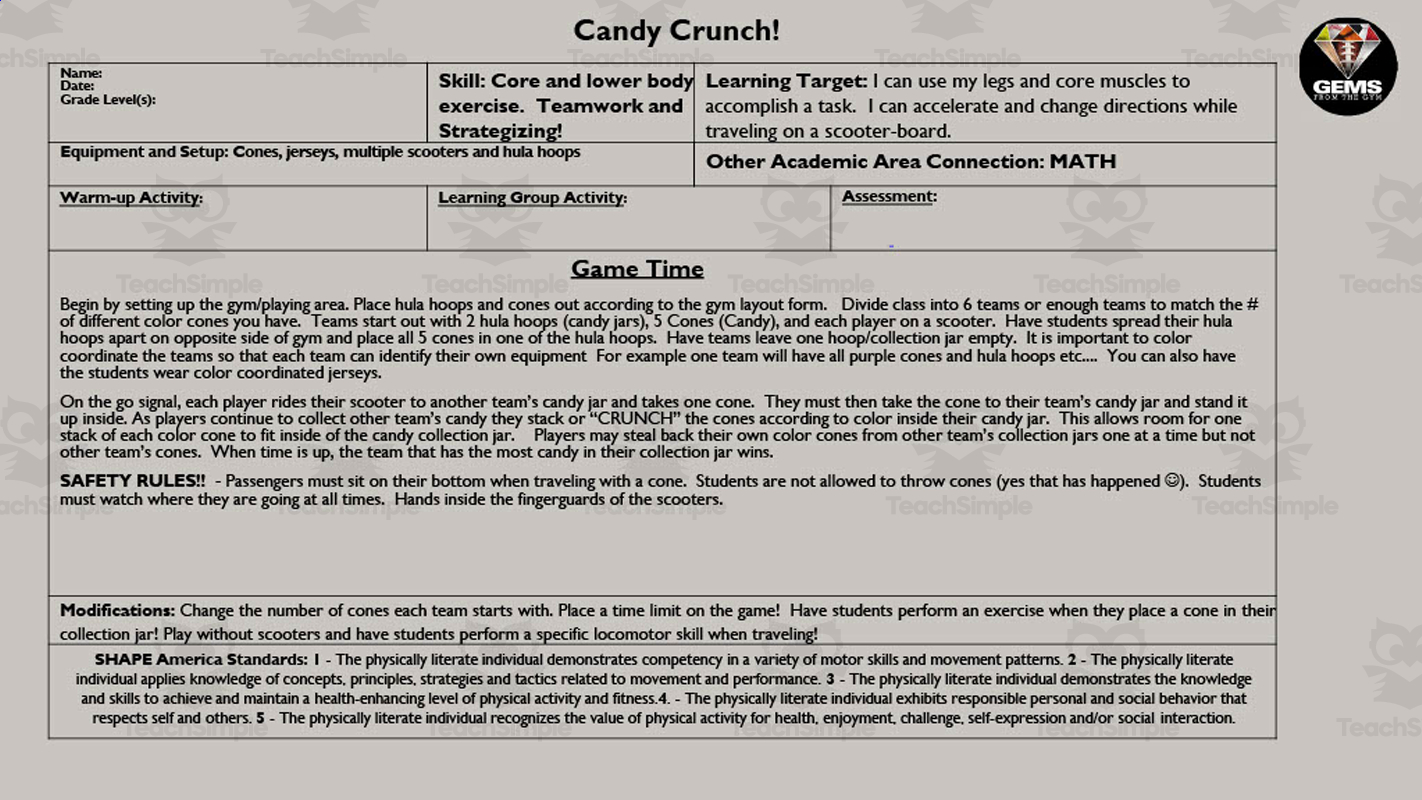
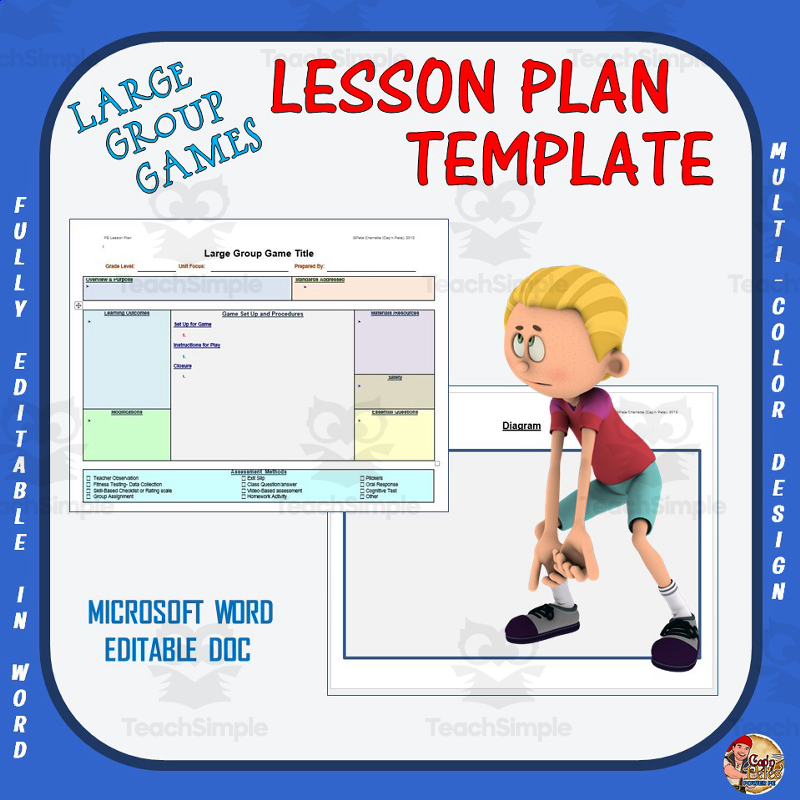
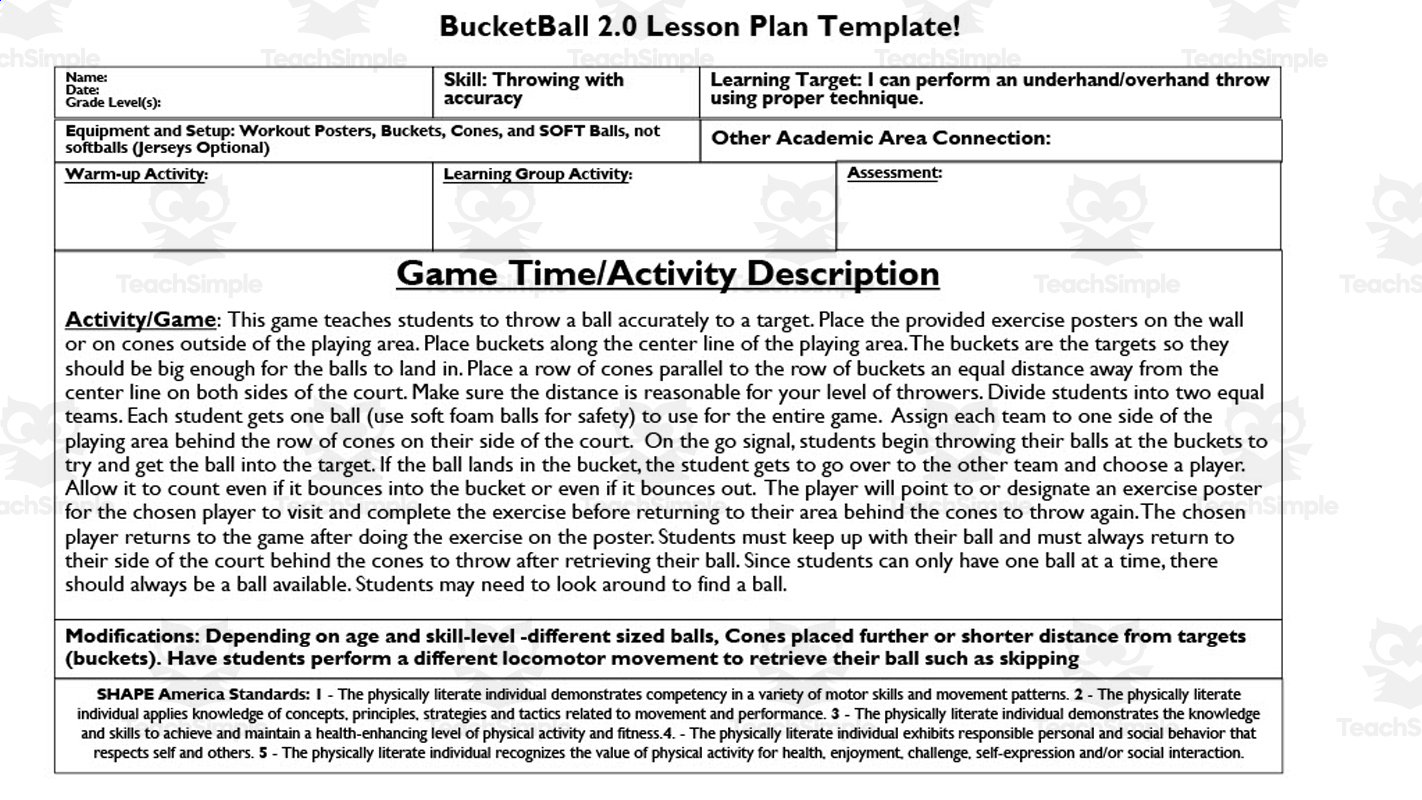
Introducing: Agility Mini-Lesson Bundle As educators, we comprehend the complexities in evaluating student performance effectively. It's for this reason that we have introduced a noteworthy teaching resource called the Agility Mini-Lesson Bundle. This bundle has been designed to offer premade skill- assessment rubrics for a variety of locomotor skills. The bundle covers numerous physical activities as follows: Running Skipping Leaping Galloping Side sliding Hopping, and Horizontal Jumping This pack offers an easy interpretation key and simplified grading system which makes assessment of students' abilities easier than ever. An Assortment of Physical Education Games Included! The Agility Mini-Lesson Bundle includes engaging physical education games suitable for large groups making it versatile enough to be employed in various settings, such as PE classes or summer camps. These games promote cardiovascular fitness among student participants. Note:These lesson plans are fashioned keeping elementary through middle-school grades in mind but can also be utilized at high school levels with suitable modifications catering to different fitness capabilities and gym sizes. Multiskill Games Involved & Benefits You Should Know About… The multisensory lesson plan formats included here ensure fun engagement while boosting multiple physical skills including: - Catching Accuracy - Throwing Accuracy - Hand-eye Coordination - Teamwork - Agility, Among others... The lessons are divided strategically into sections with headings and subheadings according to PE planning procedures. This enhances clarity, increasing efficiency throughout the process. Highly Reusable Resources! A unique characteristic of these resources is their reusability. These lesson plans can be used over and over, but also modified to suit different learning environments or student demographics. The Agility Mini-Lesson Bundle—a crucial tool for educators aiming to enhance their students' physical abilities through engaging and dynamic activities.
Author Gems from the Gym
Tags Agility Skills, Locomotor Skills, Skill Assessment, Physical Education Games, Multiskill Games
Health 2nd Grade Unit 4: Substance Use and Abuse
P.E. & Health, Health, Physical Education, Special Resources, Life Skills, Social Emotional Learning (SEL), Social Skills, Grade 2, Lesson Plans, Teacher Tools, Worksheets & Printables, Worksheets
For 2nd Grade Health there are seven standards that need to be taught. Unit 1 Personal Health Unit 2 Growth and Development Unit 3 Nutrition and Physical Activity Unit 4 Substance Use and Abuse Unit 5 Injury/ Violence Prevention Control and Safety Unit 6 Prevention/Control of Disease Unit 7 Environmental Consumer Health These units can be taught out of order. They are only numbered for your convenience. At the end of each unit, there is an assessment to test students’ understanding. Through using this Health 2nd Grade Unit 4: Substance Use and Abuse students will learn to identify how adults can help with unknown substances and understand what is a safe and what is not safe or otherwise what is known as an unsafe substance. Students will also learn the following concepts: * How adults help students to understand what is an unknown substance. * Students will learn to “Just say no” to many harmful substances that are not healthy and habit forming. * How families and peers help with harmful / helpful substances. At the end of the unit, there is an assessment to check for understanding. A total of 10 pages for this 2nd Grade Health Unit 4 on Substance Use and Abuse. There are seven units that cover all the health requirements for second grade. Here are the links to other health units: Health 2nd Grade Unit 1: Personal Health Health 2nd Grade Unit 2: Growth and Development Health 1st Grade Unit 3: Nutrition and Physical Activity Health 2nd Grade Unit 4: Substance Use and Abuse Health 2nd Grade Unit 5: Injury / Violence Prevention and Safety Health 2nd Grade Unit 6: Prevention / Control of Disease Health 2nd Grade Unit 7: Environmental / Consumer Health 2nd grade Coronavirus / Covid-19 Facts This unit meets Common Core Standards.
Author K-5 Treasures
Tags Health Unit, Substance Use, Substance Abuse, Safe And Unsafe Substances, 2nd Grade Health, Second Grade Health, Health, Elementary Health, Health Resources, Health For 2nd Grade
Neuro-Inclusive Vocational Mastery: Executive Functioning Micro-Creden
Career, Life Studies, P.E. & Health, Mental Health, Health, Mindfulness, Physical Education, Research, Resources for Teachers, Classroom Management, Grade 6, 7, 8, 9, 10, 11, 12, Worksheets & Printables, Worksheets, Workbooks, Teacher Tools, Assessments, Lesson Plans, Presentations, Literacy Readers, Quizzes and Tests, Tests
Neuro- inclusive Educational Curriculum and Credentialing System for Executive Functioning Micro- credentials 35-Page Curriculum for Neurodivergent Teens (Autism, ADHD and More) in PDF Format Transforming the way neurodiverse students will leave school and move to the workforce and this is accomplished through a cutting-edge micro-credentialing program that recognizes the worth of everyone, regardless if they have a disability or not. Currently available through a digital PDF, this current tool replaces the old way of doing things based on a deficit model of transitioning out of high school to working. It provides a very powerful evidence-based structure for turning executive function challenges into work-related credentials. Includes: •Phase 1-Curriculum Theory Basics (Hidden Curriculum, Cognitive Load, Sensory Schema, and Ambiguity Traps) • Phase 2-Student Workbook & 10 Worksheets (Task Initiation, Working Memory, Cognitive Flexibility, Emotional Regulation, Time Blur, Sustained Attention, Organisation, Long Term Goals, Self-Monitoring, and Self-Advocacy) • Phase 3-Visual Structures, Flow Charts, Cognitive Load to Environmental Friction Mapping plus Teacher Implementation guide with complete Notion integration. Students will earn micro-badges that stacks up to create a portfolio for employers to easily understand—no longer any need for vague transcript! Ideal for special education teachers, transition coordinators, vocational rehabilitation specialists and parents building toward sustainable career pathways for autistic/ADHD teens. Instantly downloadable PDF • Print (cut) one copy or use digitally • Hybrid digital + analog/workbook based • Designed for students aged 14-22/9-12 grade. SEO Keyword: Neurodivergent Vocational Curriculum, Executive Function Worksheets for Autism, Micro-Credentialing for Special Education, Transition Programs for Autism into Work, ADHD Workplace Skills Curricula, Neuro-Inclusive Transition Planning, Executive Function Micro-Credentials, Sensory Regulation Training for Work. Reasons Parents & Educators Appreciate It: • Transforms labels of “unmotivated” or “distracted” students into real, visible, employer-ready micro-credentials that significantly increase retention rate after employment (example: retention rates went from 60% to 88% in a single year). • Comes with teacher keys; student worksheets; and pre-made templates to make implementation take only minutes instead of months (no longer create resources from scratch). • Uses affirming language that respects students' neurodiversity; allows schools to have an established, professional portfolio to provide to employers and IEP teams. • Uses a hybrid model of digital and printable content - all learning styles and budgets are accommodated; schools love the built-in assessment rubrics and portfolio defense scripts. • Quickly bridges the gap between school and the workplace; parents know that real-world skills (i.e. self-advocacy script; sensory anchors; Plan B matrix) will continue to be used even after high school graduation. Target Student Populations (Identification by PDF Analyses): These curricula were specifically designed for neurodivergent youth between 14 to 22 years of age (IDEA transition services) and are intended to be used in the following educational settings: • Special Education/Inclusion Classrooms, Grades 9-12 • Post-Secondary Transition Vocational Rehabilitation, 18 to 22 • Autism Spectrum Disorder Support and Transition Programming • ADHD/Executive Dysfunction focused Life Skills/Work-Study Programming • Community Based Adult Transition Programs, ages 18 to 22 Not for elementary/middle school; does NOT include general education environments without a neurodivergent focus. Designed for students experiencing difficulties with initiating tasks, time-blindness, sensory overload, or navigating the "hidden curriculum" within an employment environment. Copyright terms of use. This book belongs to Syed Hammad Rizvi. This resource can be used as a personal or classroom resource (one classroom only). You cannot change, distribute or sell any part of this resource. This means you are not allowed to make it available on the internet for public access or download. If you would like to share this resource with colleagues, please purchase additional licenses from Teachsimple. Thank you for following these terms of use. This product has been created by Syed Hammad Rizvi with joy.
Author Creative Book Store
Rating
Tags SpecialEducation, Neurodivergent, Autism, ADHD, ExecutiveFunctioning, TransitionPlanning, Neurodiversity, SpecialEd, NeuroInclusiveEducation, NeurodivergentCurriculum
Kindergarten Health: Unit 2
P.E. & Health, Life Studies, Health, Physical Education, Special Resources, Life Skills, Social Emotional Learning (SEL), Social Skills, Kindergarten, Lesson Plans, Teacher Tools, Worksheets & Printables, Worksheets
For Kindergarten Health there are seven standards that need to be taught to achieve healthy habits! Unit 1 Personal Health Unit 2 Growth and Development Unit 3 Nutrition and Physical Activity Unit 4 Substance Use and Abuse Unit 5 Injury/ Violence Prevention Control and Safety Unit 6 Prevention/Control of Disease Unit 7 Environmental Consumer Health These units can be taught out of order. They are only numbered for your convenience. Through using this Kindergarten Health: Unit 2, students will explore and learn to identify daily healthy habits. Included in this unit: * Students will be able to understand their five senses. * Students will be able to match their senses to their body parts. * Students will sort out the five senses by cutting, matching, and pasting pictures to the correct sense. * As a group, students will be able to identify different characteristics that make them different from their classmates. Students will learn about the five senses and understand the parts of their body that help identify those five senses. They will also learn about the different characteristics they have compared to their classmates. There is a total of 8 pages included in this Unit 1 for Kindergarten Health. There are seven units that cover all the health requirements for Kindergarten. Here are the links to other health units: Kindergarten Health: Unit 1 Personal Health Kindergarten Health: Unit 2 Growth and Development Kindergarten Health: Unit 3 Nutrition and Physical Activity Kindergarten Health: Unit 4 Substance Use and Abuse Kindergarten Health: Unit 5 Injury / Violence Prevention Control and Safety Kindergarten Health: Unit 6 Prevention / Control of Disease Kindergarten Health: Unit 7 Enviromental Consumer Health You can also teach your students about keeping yourself safe by studying about the Coronavirus, where and when it started and facts that plagued our world with this virus. Kindergarten Health: Covid 19 / Coronavirus Facts This unit meets Common Core Standards.
Author K-5 Treasures
Tags Kindergarten Health, Health, Health Units, Health For Kindergarten, Healthy Foods, Healthy Habits, Healthy Kids, Elementary Health, Physical Activity, Kindergarten Resources