
Harmony and Unity Art Lesson
A Grade 7 art lesson presentation teaching the elements/principles of harmony and unity in visual art, illustrated with the work of environmental artist Andy Goldsworthy.




6,023 resources
Explore sub-categories
18 sub-categories · 6,023 resources
A Grade 7 art lesson presentation teaching the elements/principles of harmony and unity in visual art, illustrated with the work of environmental artist Andy Goldsworthy.
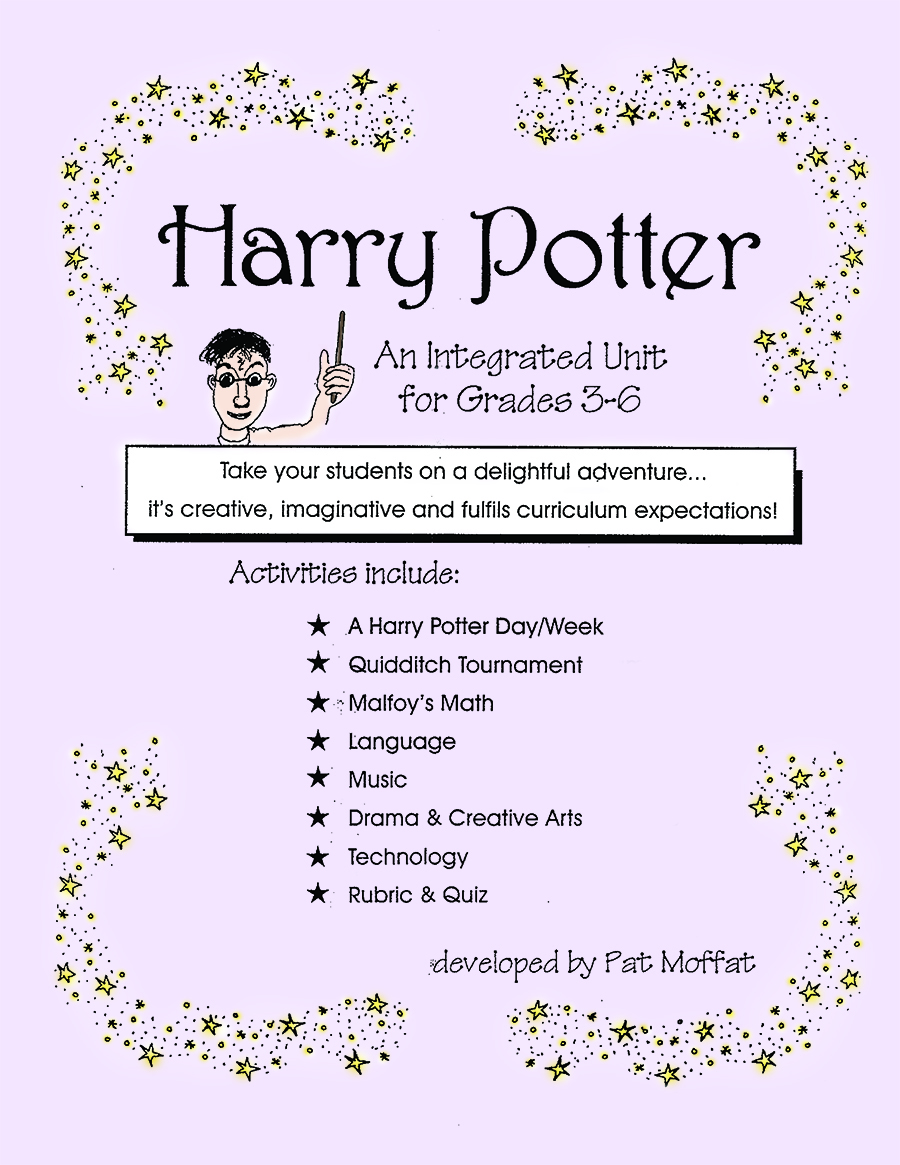
Harry Potter- An Integrated Unit Gr.3-6 A highly engaging and educational resource designed specifically for Grade 3 and Grade 4 educators, this teaching tool smartly incorporates elements from the universally favored Harry Potter series…

The picture-book companion offers discussion questions with responses, early reading and handwriting pages, writing prompts and story crafts. Read the book first, then select activities appropriate to your learners. A puzzle, mask and crown provide hands-on ways to continue talking about the story.
Teach the meaning of the figurative-language idiom 'Haste Makes Waste' and build comprehension/summarizing skills through a video lesson, close reading passage, vocabulary practice, and guided writing.
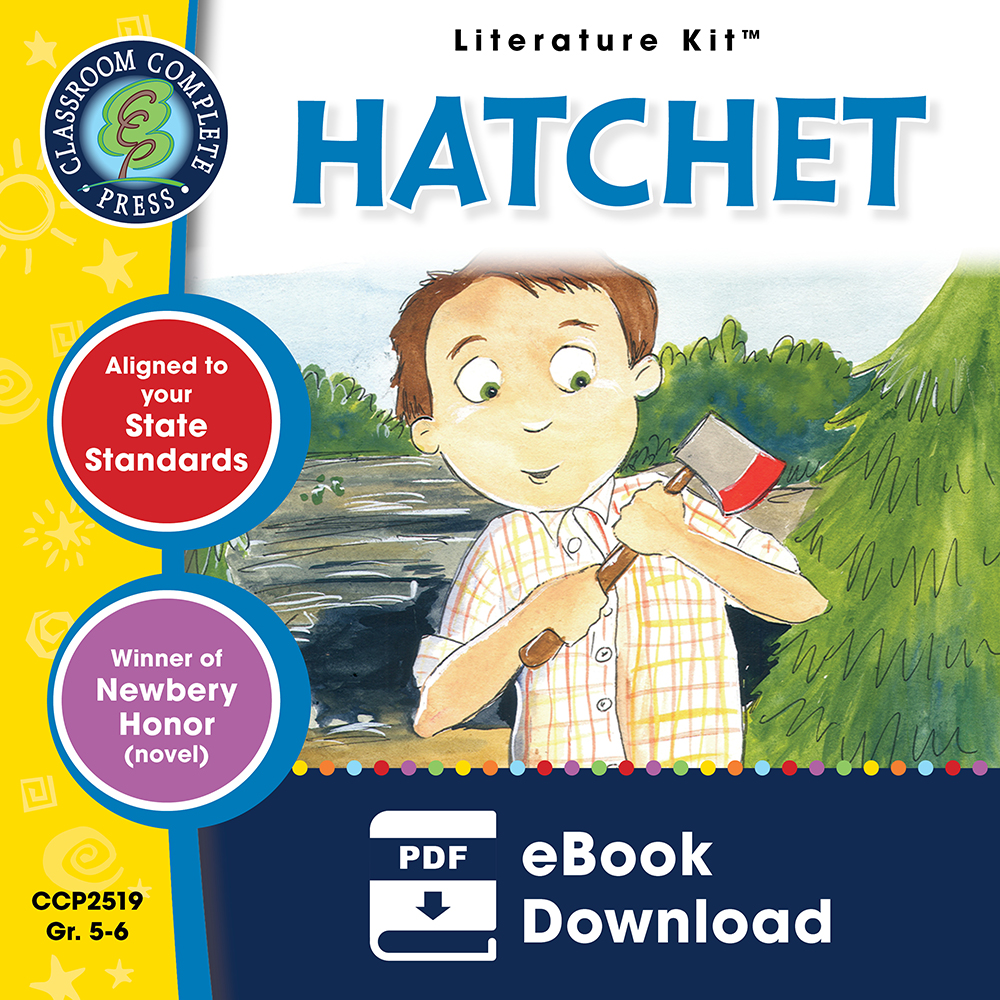
A published (Classroom Complete Press) literature kit for the novel Hatchet by Gary Paulsen, providing a full teacher guide and student worksheet set covering comprehension, vocabulary, writing, and assessment aligned to Bloom's Taxonomy.
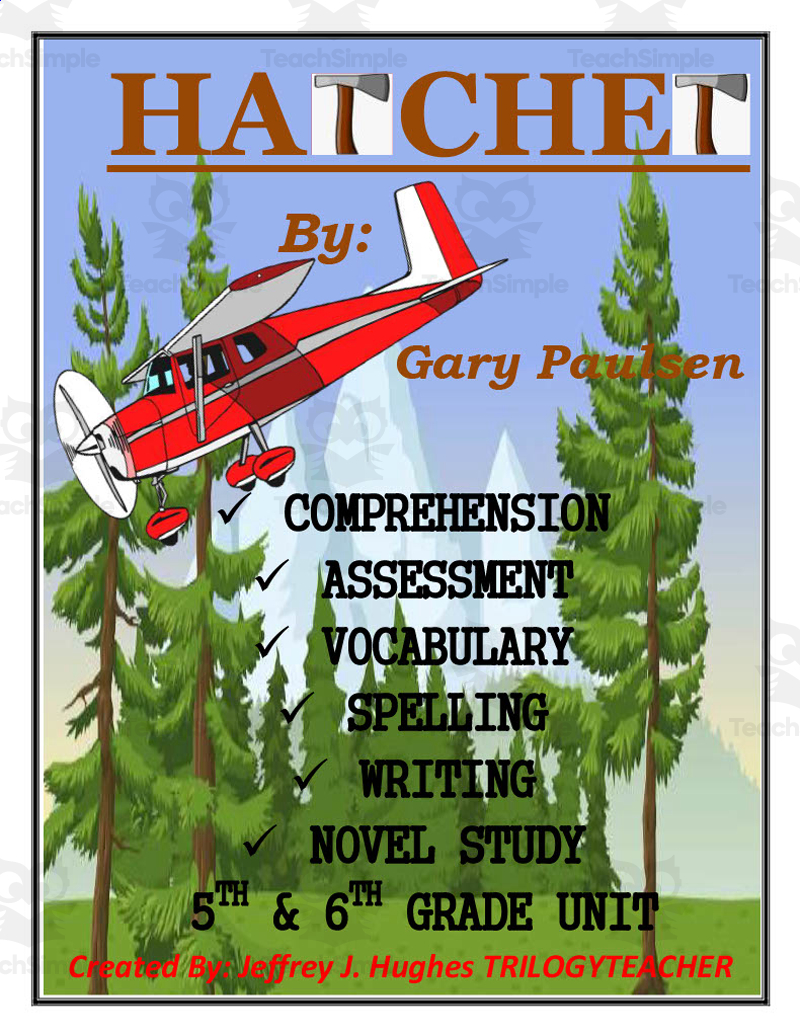
Support a class reading of Gary Paulsen’s Hatchet with activities that revisit comprehension, vocabulary, and written responses. Chapter materials and quizzes give you ways to check understanding as students follow Brian’s experiences. Select from reflection prompts, vocabulary practice, and later assessments to fit your teaching sequence. The existing vocabulary worksheet link offers a separate vocabulary resource alongside this novel unit.
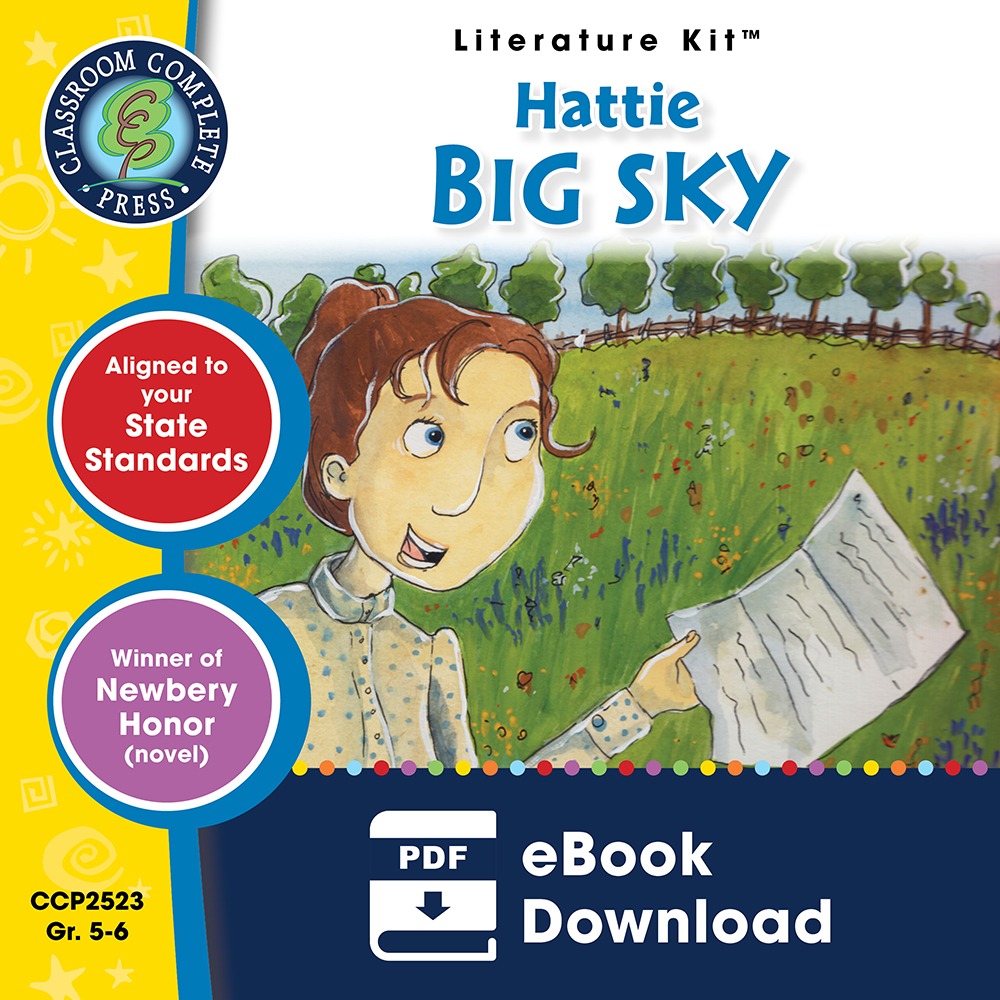
Novel-study literature kit teaching reading comprehension and critical-thinking skills (Bloom's Taxonomy) for the Newbery Honor novel Hattie Big Sky by Kirby Larson, grades 5-6.
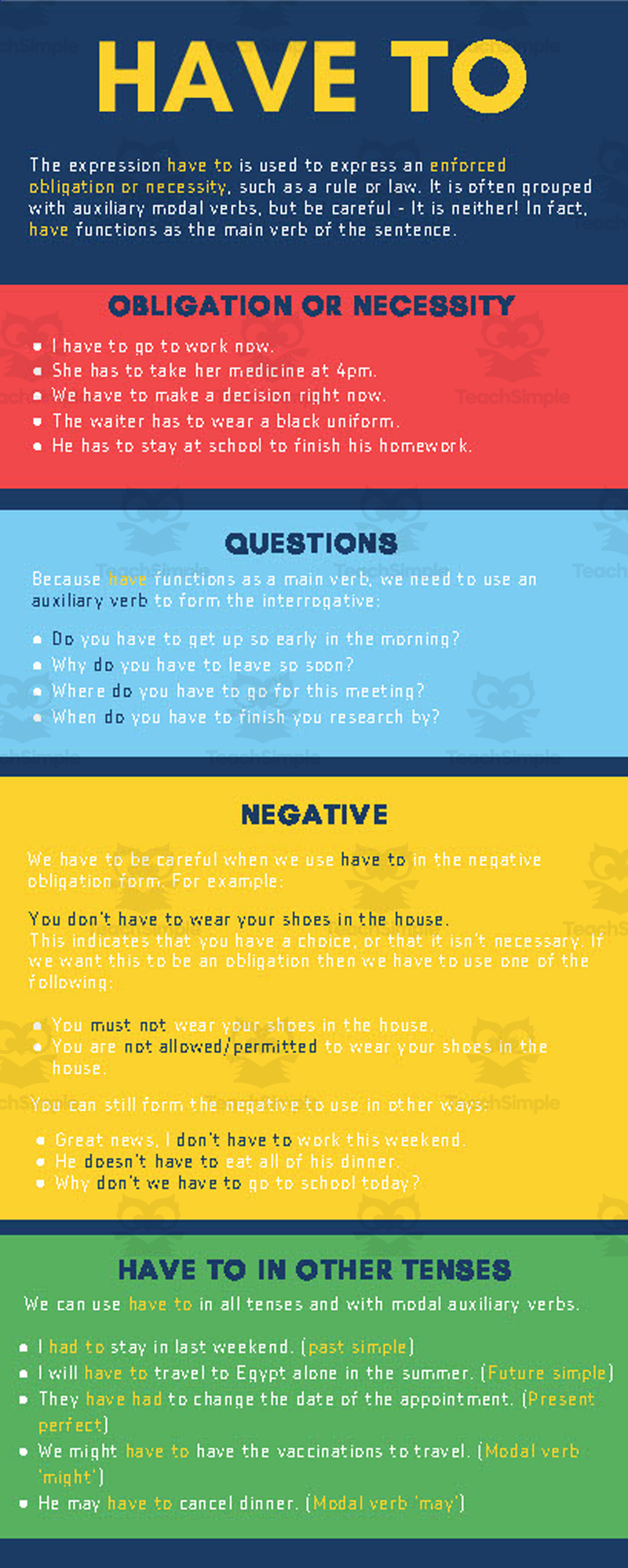
Have to ESL ELA ELL A2 pre intermediate lesson plan. A focus on usage and comprehension of English "have to" expressions. This pre-intermediate lesson plan for grades 3-5 covers how "have to" is used to express obligation or necessity.
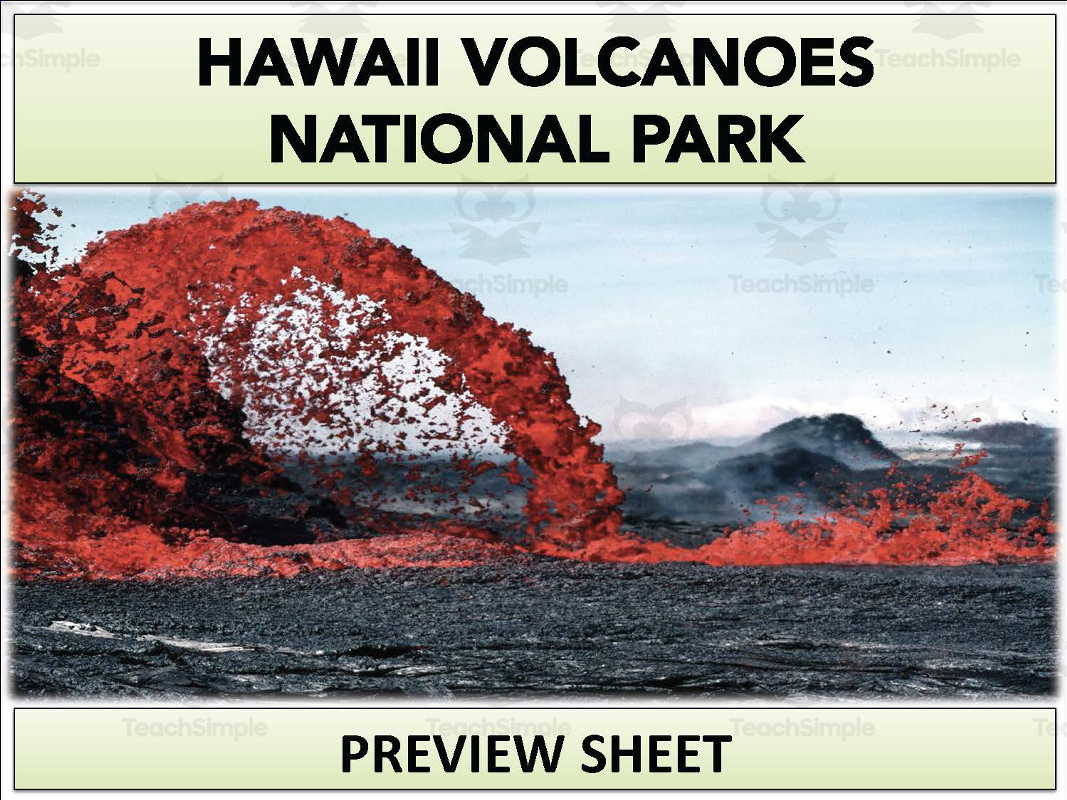
Hawaii Volcanoes National Park Geography Unit Take students on a journey to Hawaii Volcanoes National Park with this comprehensive middle school geography unit.
Revolutionize the way your students think about nutrition from simple concepts to hard-core biochemistry using my: Complete Health & Nutrition – Balanced Meal Planning Pack. This isn't just a lesson on the food pyramid.

Introduce personal health through activities about movement, food choices, feelings, and asking for help. Students respond through picture selection, drawing, and discussion before completing a short assessment. Use a selected activity to begin a class conversation, then invite students to explain an idea through a drawing or an example.
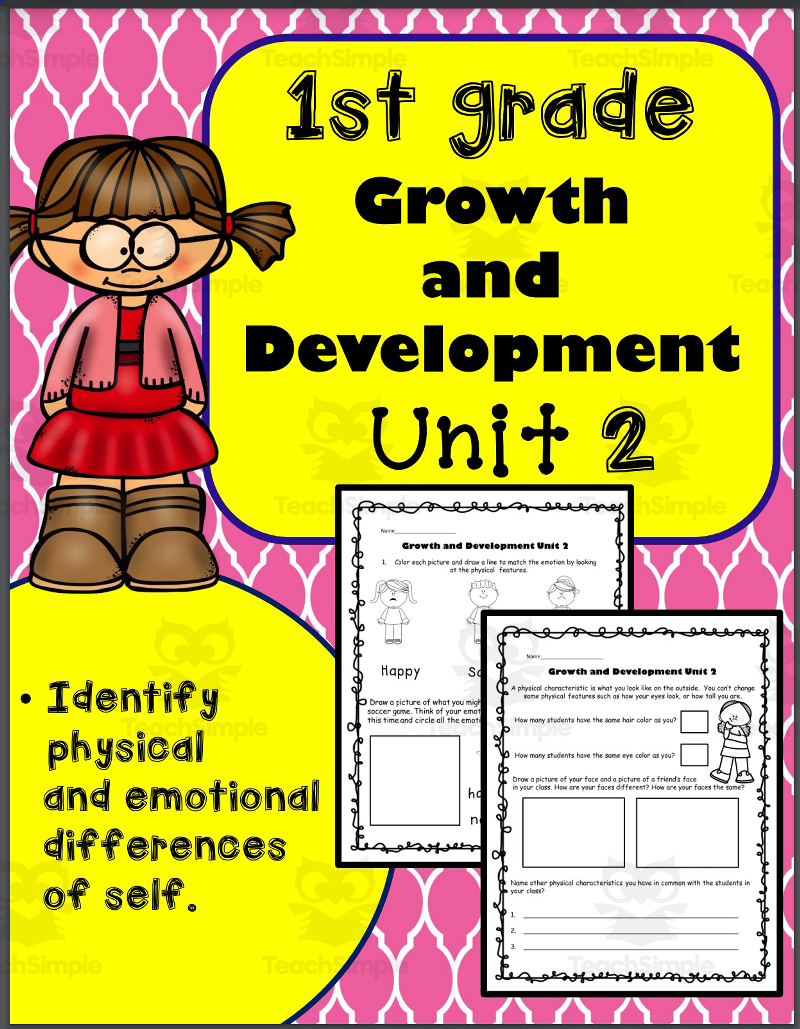
Teaches 1st-grade students to identify physical and emotional differences in themselves and others, as Unit 2 of a 7-unit Health curriculum series.

Teaches 1st-grade students to categorize healthy foods, identify foods/physical activities at home and school, and define active vs. inactive, as Unit 3 of a 7-unit Health curriculum series.
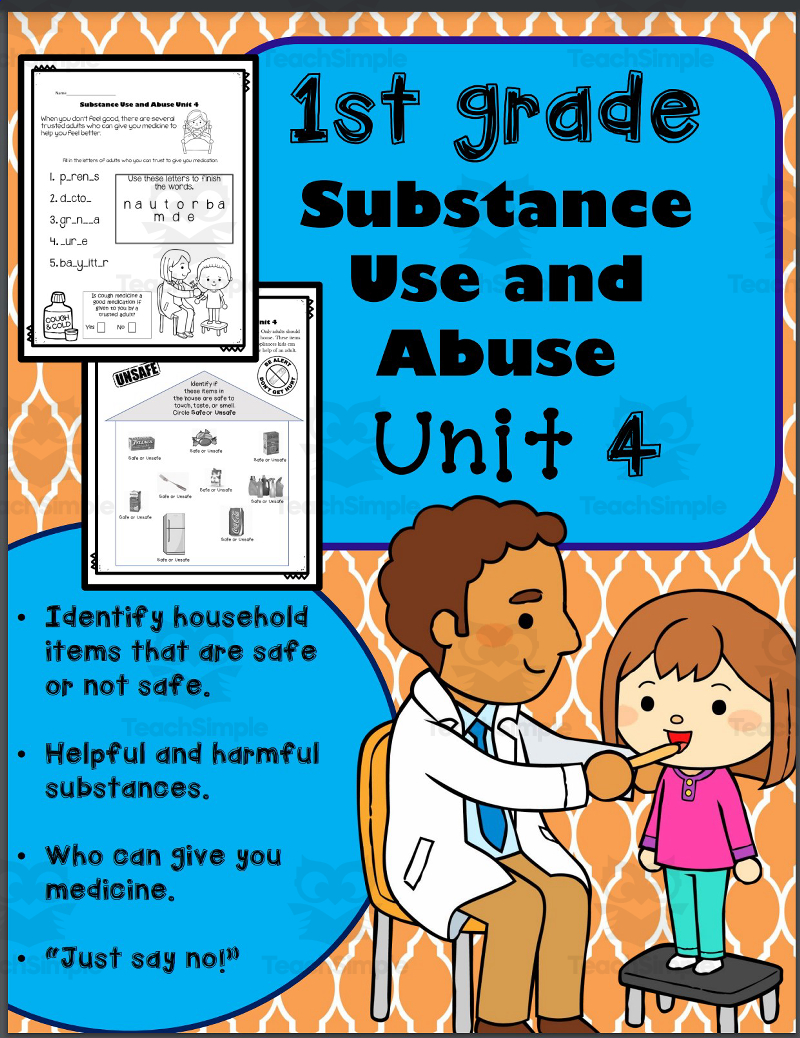
Teaches 1st-grade students to identify safe vs. unsafe household items, recognize which trusted adults may give medicine, and practice 'Just Say No' refusal strategies, as Unit 4 of a 7-unit Health curriculum series.

Teaches 1st-grade students personal safety information, when to call 911, bike/pedestrian/playground safety, stranger danger, and recognizing bullying, as Unit 5 of a 7-unit Health curriculum series.
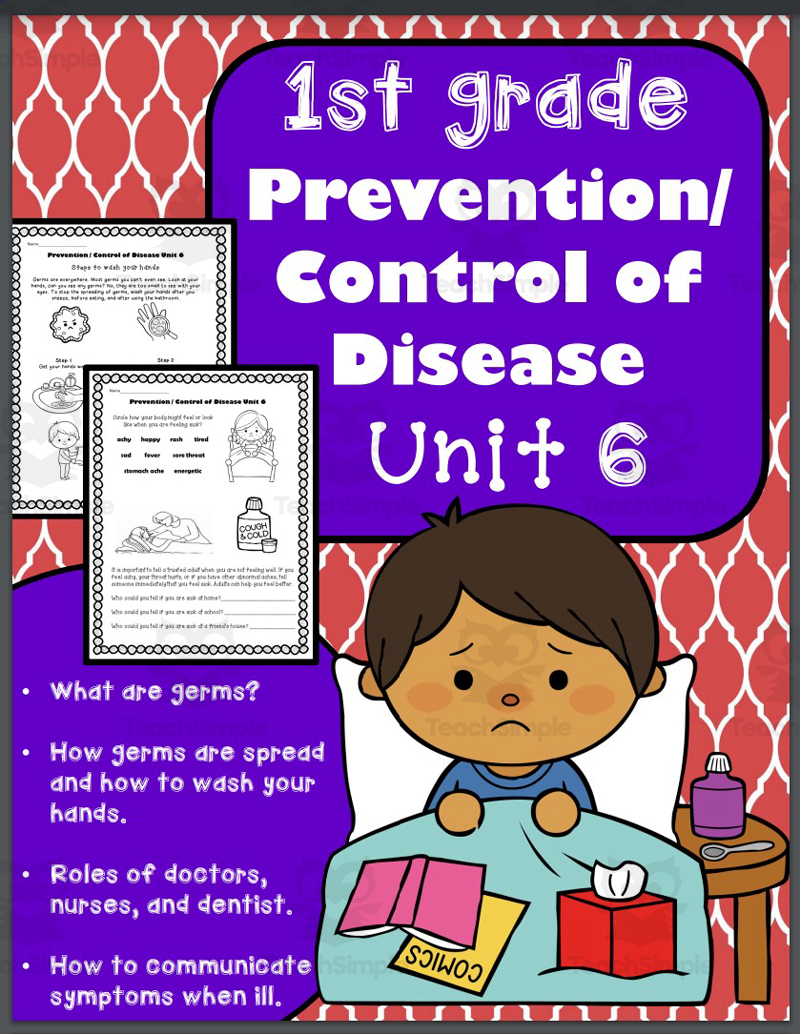
Teaches 1st-grade students about germs, how they spread, handwashing, and the roles of doctors, nurses, and dentists, as Unit 6 of a 7-unit Health curriculum series.
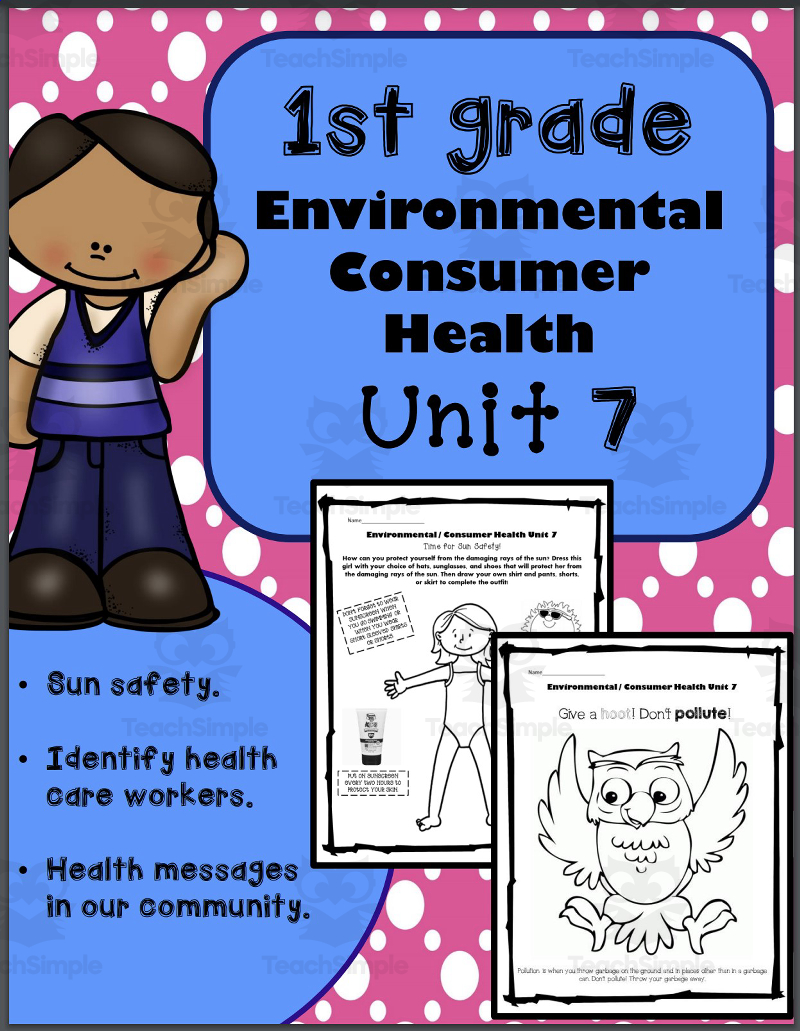
Teaches 1st-grade students sun safety, health care workers, and community health/environmental messages (littering, forest fire prevention), as Unit 7 of a 7-unit Health curriculum series.
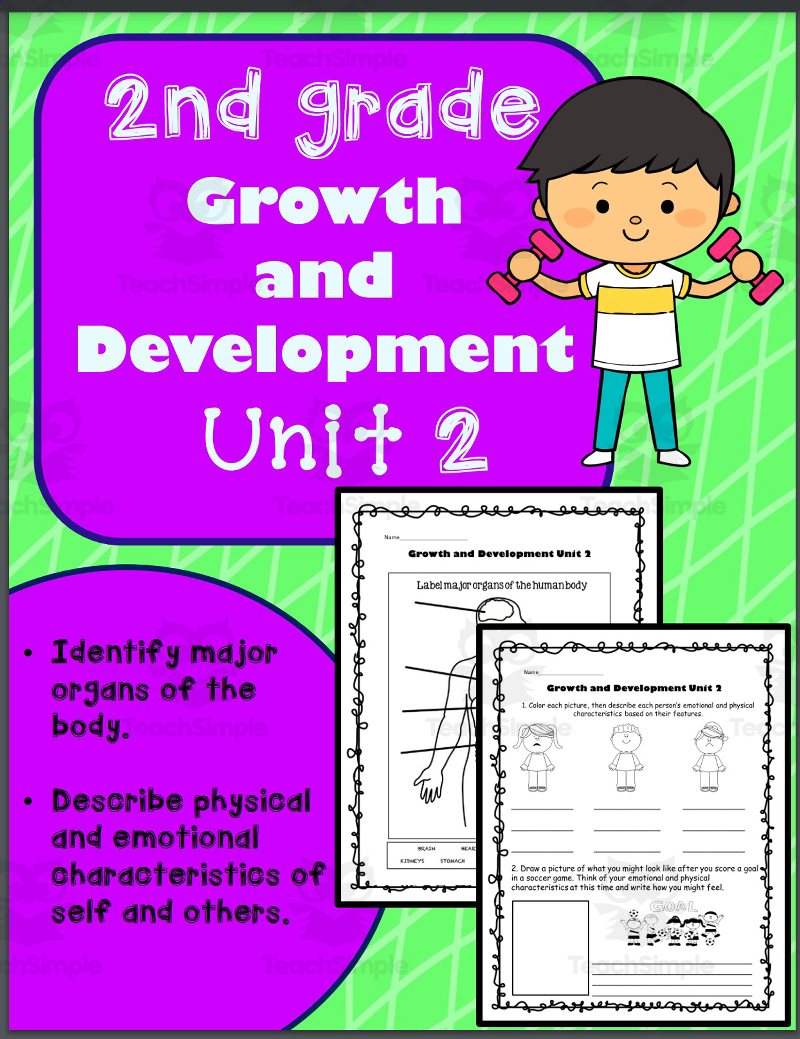
A labeled organ diagram supports a worksheet where students label the major organs of the human body, followed by a hands-on cut-and-assemble activity that builds a complete body from six grouped body-system pieces in order: skeletal and nervous, circulatory, digestive, respiratory, muscular, and skin and hair, with eyes, hair, and clothes added by drawing. A naming worksheet then has students identify the body-system groups shown on their own. The unit turns to emotional awareness with a worksheet where students color pictures of people and describe each one's emotional and physical characteristics, then draw and write about their own feelings after scoring a soccer goal. A follow-up worksheet has students draw a happy and an angry memory and consider why appearances alone don't always reveal how someone feels. An eight-point assessment closes the unit, covering major organs, body systems, and reading emotional cues, with a complete answer key provided. This is Unit 2 of a seven-unit 2nd grade health and wellness series.

Teaches 2nd-grade students the importance of healthy food choices and physical activity, as Unit 3 of a 7-unit Health curriculum series.
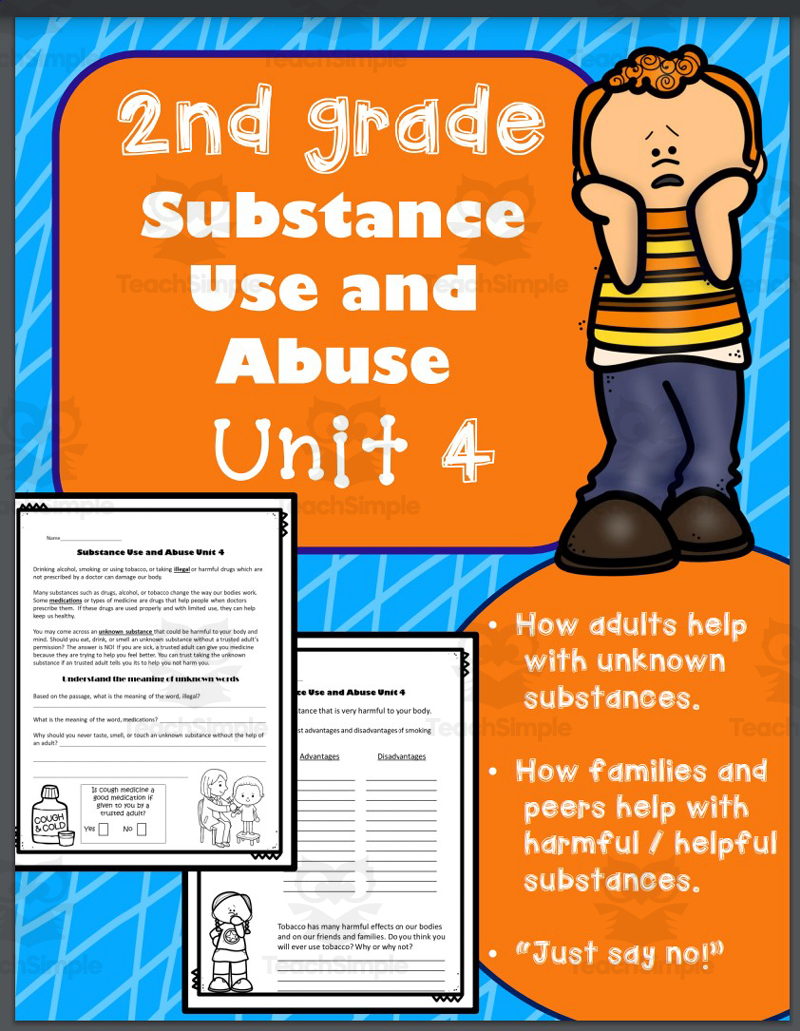
For 2nd Grade Health there are seven standards that need to be taught. Unit 1 Personal Health Unit 2 Growth and Development Unit 3 Nutrition and Physical Activity Unit 4 Substance Use and Abuse Unit 5 Injury/ Violence Prevention Control and Safety Unit 6 Prevention/Control of Disease Unit 7 Environmental Consumer Health These units can…

Teaches 2nd-grade students home/school/community safety, bike/playground/car/pedestrian safety judgment, community helpers, and recognizing bullying, as Unit 5 of a 7-unit Health curriculum series.
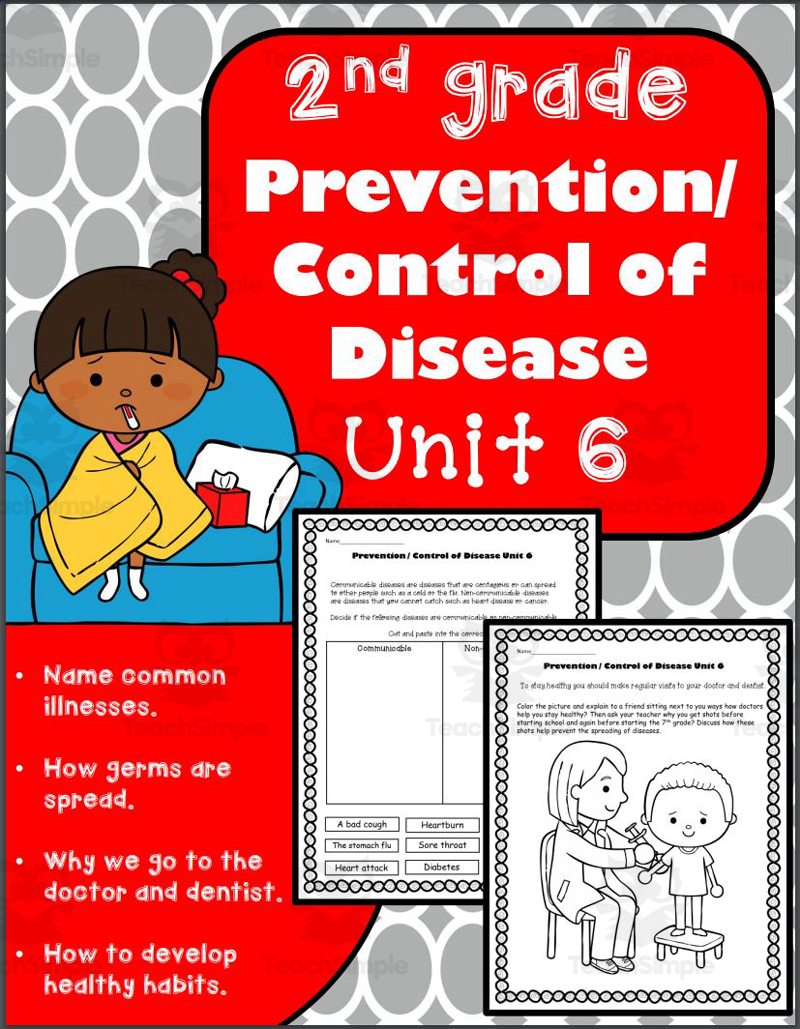
Teaches 2nd-grade students about communicable vs. non-communicable diseases, germ prevention (sneeze covering, handwashing), the role of doctors/dentists, personal-hygiene goal-setting, and Covid-19 facts, as Unit 6 of a 7-unit Health curriculum series.
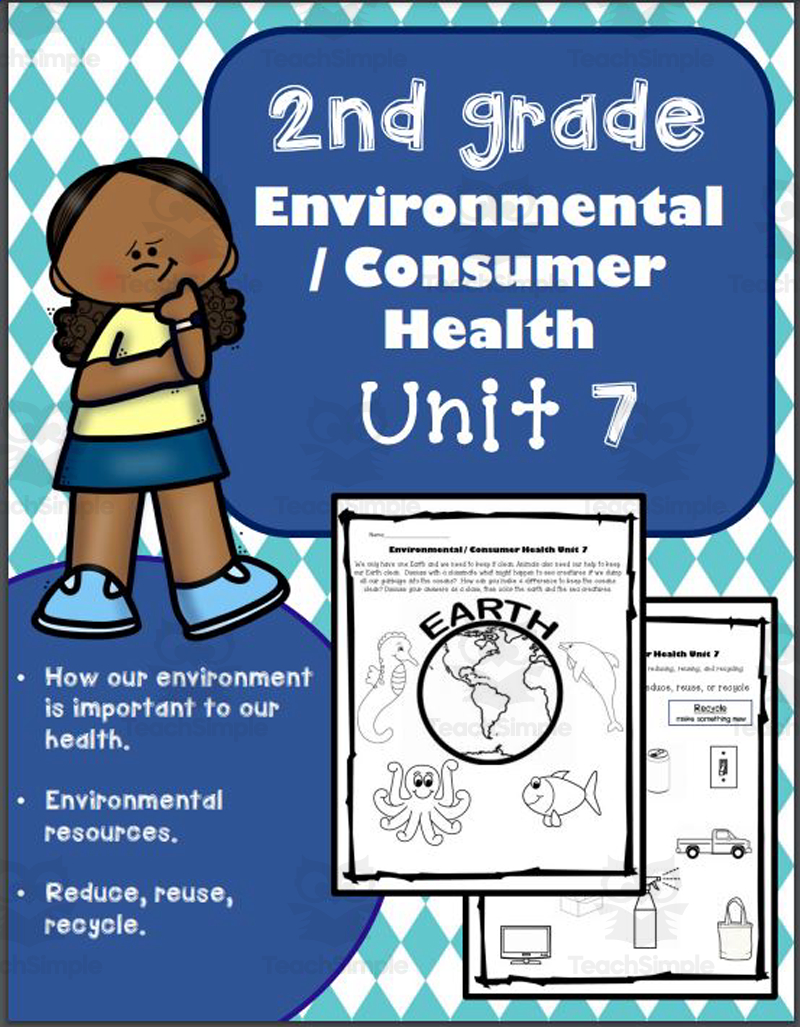
Teach 2nd graders about environmental and consumer health, including pollution and the three R's (reduce, reuse, recycle).
Teach students about illicit drugs, substance use and abuse, and related behaviours: what makes a drug illegal, categories of drugs and their effects, overdose signs, and how to respond to a drug emergency.