KS4 Literature: (10) ‘The Tempest’ – The Epilogue
Lesson 10 of a Tempest unit: concludes the analytical reading of the play by examining the meaning and purpose of Prospero's closing epilogue.




6,023 resources
Explore sub-categories
18 sub-categories · 6,023 resources
Lesson 10 of a Tempest unit: concludes the analytical reading of the play by examining the meaning and purpose of Prospero's closing epilogue.

Lesson 11 of a Tempest unit: a guided essay-writing/revision lesson exploring the theme of power across the play, scene by scene, to prepare students for an analytical essay.

Lesson 12 of a Tempest unit: a second guided essay-writing/revision lesson, this time exploring the theme of slavery across the play through the characters of Prospero, Caliban, and Ariel.

Guide KS4 secondary English literature students through an analytical, scene-by-scene reading of Act 1 Scene 2 of Shakespeare's The Tempest, focusing on the relationship between Prospero and his daughter Miranda and his servants Ariel and Caliban, and introducing the play's backstory (Prospero's overthrow, Ariel's imprisonment, Caliban's enslavement).

Guide KS4 secondary English literature students through an analytical reading of Act 2 Scene 1 of Shakespeare's The Tempest, examining the courtiers' differing reactions to being shipwrecked, Gonzalo's utopian 'commonwealth' speech, and the beginning of Antonio and Sebastian's murder plot against Alonso.
Guide KS4 secondary English literature students through an analytical reading of Act 2 Scene 2 of Shakespeare's The Tempest, focusing on the comic introduction of Trinculo and Stephano, Caliban's mistaken worship of Stephano as a god, and the beginnings of the murder plot against Prospero.
Guide KS4 secondary English literature students through an analytical reading of Act 3 Scene 1 of Shakespeare's The Tempest, focusing on the romance between Ferdinand and Miranda, the concept of love at first sight, and Prospero's secret manipulation of their courtship.
Guide KS4 secondary English literature students through an analytical reading of Act 3 Scene 2 of Shakespeare's The Tempest, teaching the literary concept of characterisation through four modern-day mini-scenario tasks and a linked video, then applying it to Caliban, Stephano and Trinculo's drunken plot to murder Prospero.

Guide KS4 secondary English literature students through an analytical reading of Act 3 Scene 3 of Shakespeare's The Tempest, teaching the literary concept of symbolism through several real-world examples before applying it to Prospero's illusory banquet and Ariel's harpy transformation confronting Alonso, Antonio and Sebastian.
Guide KS4 secondary English literature students through an analytical reading of Act 4 Scene 1 of Shakespeare's The Tempest, discussing the concept of slavery via a labeled diagram mapping which characters are enslaved to what (Ariel and Caliban to Prospero; Ferdinand to love; Prospero to isolation; Miranda to innocence, etc.), then applying it to…

Guide KS4 secondary English literature students through an analytical reading of Act 5 Scene 1, the final scene of Shakespeare's The Tempest, teaching a 'Six Paradigms of Human Conflict Resolution' framework (Win/Win, Win/Lose, Lose/Win, Lose/Lose, Win, Win/Win-or-No-Deal) before applying it to Prospero's forgiveness of his enemies, the reunion of Alonso…
KS4 Literature: 'The Tempest' - Complete Bundle (13x90 minute lessons) An expertly crafted teaching resource designed to bring the vibrant and enduring classic - William Shakespeare's 'The Tempest' to life in classrooms or homeschooling…

Kute Kuddly Koalas Gr. 1-2 An alluring teaching resource designed to foster a keen interest in science and language arts among first and second graders.
L'argot- French Slang- Lesson Why not try something different and exciting with your older students? This one-hour lesson includes everything you need to get Learners of French excited about learning the language.
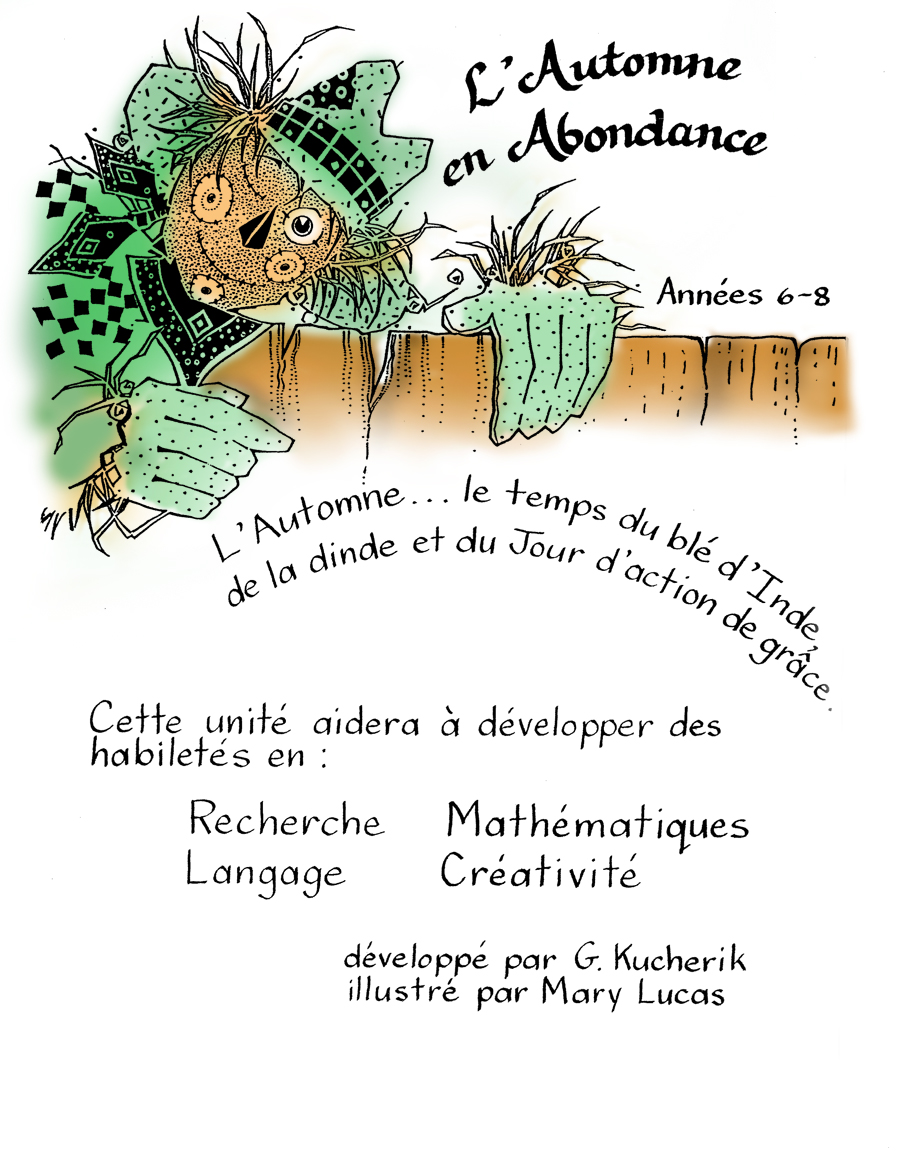
L'AUTOMNE EN ABONDANCE Gr. 6-8 An engaging, comprehensive resource for teaching French language and other core academic skills L'AUTOMNE EN ABONDANCE Gr.
This L.1.1 First Grade Common Core Lesson can help your students understand and use verbs to convey a sense of past, present, and future tenses.
This lesson is for first grade students who are learning to use commas to separate single words in a series, in accordance with the L.1.2 First Grade Common Core standard.
This lesson is great for helping students understand verbs and tenses. It is simple and easy to follow, and it is a great way to introduce the concept of tenses to young learners.
This L.1.5 First Grade Common Core Lesson is perfect for teachers who are looking for extra resources to help them with their students.
This lesson is great for first grade students who are just beginning to read. It will help them to understand how to use words and phrases that they have acquired through conversations and reading.
This L.2.2 Second Grade Common Core Lesson is perfect for teachers who want to provide their students with engaging and interactive resources.
This L.2.4 Second Grade Common Core Lesson will help your students master language arts skills. The included worksheets, activities, assessment , and poster will give you everything you need to help your students succeed.
This L.2.5 Second Grade Common Core Lesson is great for helping students understand figurative language, word relationships and nuances in word meanings.
This L.2.6 Second Grade Common Core Lesson can help your students use words and phrases they've acquired through conversations, reading, and being read to. It's a great way to help them improve their language skills.